PIHA WETLAND Service Outcomes Plan - DRAFT - MARCH 2020 - Auckland Council
←
→
Page content transcription
If your browser does not render page correctly, please read the page content below
PIHA WETLAND
Service Outcomes Plan
      DRAFT - MARCH 2020

                  | LOCAL Auckland
                          PARKS DESIGN        | DRAFT
                                   Council GUID
                                           EDRAFT        O
                                                         FR Service
                                                  Piha Wetland CONSULTATI ONPlan|| 11
                                                                    Outcomes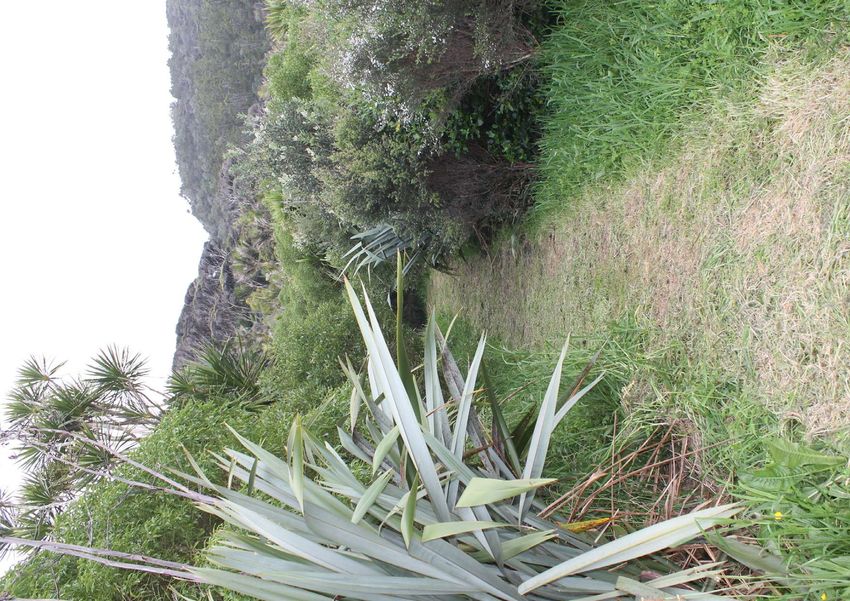
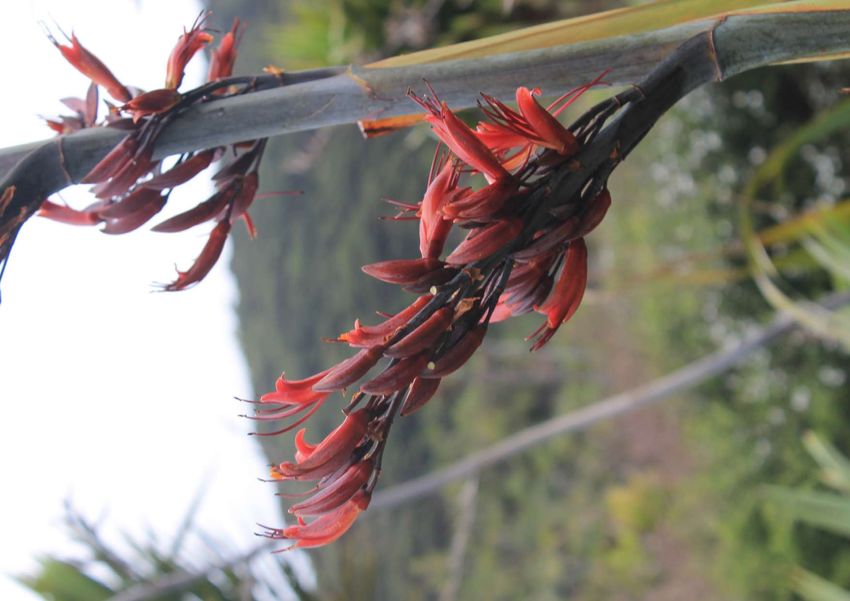
Figure 1. Harakeke flower (2019), Liz Oldfield
2
ACKNOWLEDGMENTS
The Piha Wetland Outcomes Plan has been prepared by Auckland Council using the skills,
experience and inspiration of many people, including, but not limited to:

      Waitākere Ranges Local Board
      Auckland Council Parks Sport and Recreation Team
      Auckland Council Healthy Waters Team
      Auckland Council Biodiversity Team
      Auckland Council Community Facilities Team
      Piha Residents and Ratepayers Association
      Piha Coastcare Trust
      Piha Wetlands Trust
      Pest Free Piha
      Protect Piha Heritage
      West Coast Community Art Trust
      Piha Kids Charitable Trust
      Mana Whenua - Te Kawerau a Maki
      Piha Community
      Field and Flora Ltd - Landscape Architect

Document Details:

Issue date:          March 2020
Status: 		           Third Draft
Prepared by:         Liz Oldfield - Field and Flora Ltd

Cover photo: Piha Wetland (2019), Liz Oldfield                       Auckland Council DRAFT Piha Wetland Service Outcomes Plan | 3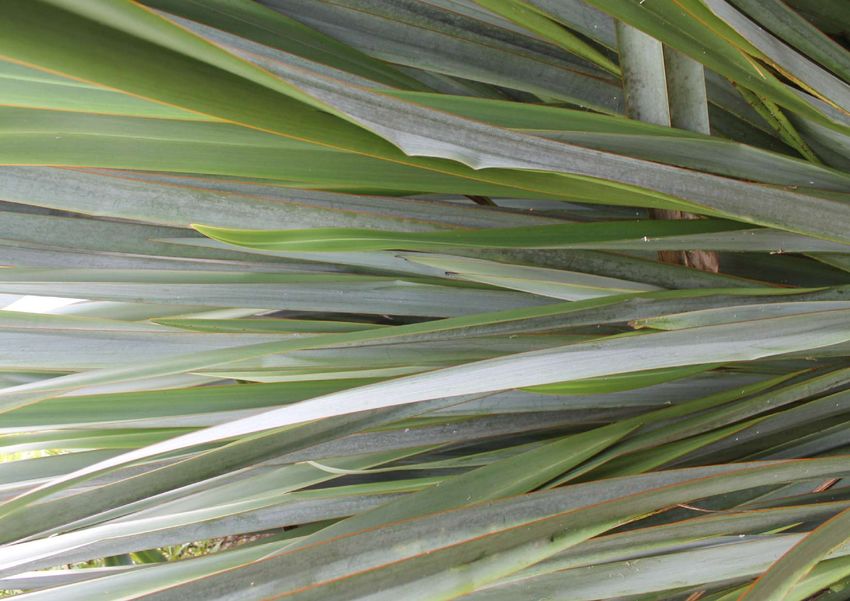
Figure 2. Piha Wetland bund path (2019), Liz Oldfield
4
CONTENTS

SECTION 1. OVERVIEW                                 SECTION 4. SERVICE OUTCOMES PLAN

1.1    Purpose                                      4.1   Park Environments
1.2    Aerial photography                           4.2   Design Principles
1.3    Waitākere Ranges Context                     4.3   Service Outcomes
1.4    Waitākere Ranges Context Map                 4.4   Service Outcomes Plan
1.5    Piha Wetland Existing Site Features          4.5   Service Outcome Priority Table
1.6    Piha Wetland Existing Site Features Plan     4.6   Aspirational Imagery
1.7    Piha Village Node Existing Context           4.7   Indicative costings
1.8    Piha Village Node Existing Context Plan
1.9    Strategic Context

                                                    REFERENCES AND USEFUL RESOURCES
SECTION 2. METHODOLOGY

2.1    Review of relevant documents
2.2    Project Working Group (PWG) workshops
2.3    Draft Outcomes Plan
2.4    Local Board Workshop
2.5    Public Consultation
2.6    Final Outcomes Plan

SECTION 3. SITE CONTEXT

3.1    Auckland Unitary Plan Context
3.2    Auckland Unitary Plan Context Map
3.3    Connectivity Context
3.4    Connectivity Context Map
3.5    Recreational Context
3.6    Recreational Context Map
3.7    Natural Heritage and Resources Context
3.8    Natural Heritage and Resources Context Map
3.9    Ecological Context
3.10   Hydrological Context
3.11   Hydrological Context Map
3.12   Cultural Heritage - Iwi Values
3.13   Cultural Heritage - Iwi Values Map
3.14   Heritage Sites
3.15   Heritage Sites Map

                                                            Auckland Council DRAFT Piha Wetland Service Outcomes Plan | 5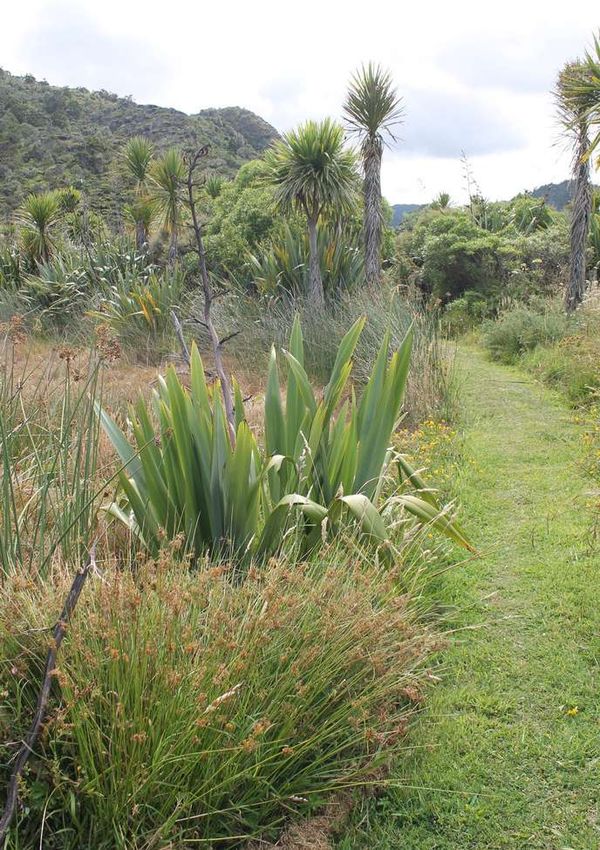
SECTION 1. OVERVIEW
    1.1        PURPOSE

    The purpose of this plan is to provide an outcomes plan for the Piha wetland area that is located on Seaview Road
    (Piha) on the west coast of the Waitākere Ranges. The property was acquired by Auckland Council from the Minis-
    try of Education in September 2017. Prior to the acquisition the site had been leased to the Piha Education Trust for
    environmental education activities with schools and wetland restoration planting. In 2014 the Piha Edication Trust
    relinquished the lease and the Ministry of Education sold the property as ‘surplus to requirement’. Several local Piha
    community groups have expressed an interest in working collectively with Auckland Council to enhance the wetland
    area and utilise the land more effectively for environmental, recreational and community outcomes.

    The Waitākere Ranges Local Board has prepared a Service Outcomes Plan that seeks to protect and enhance the
    special ecological, cultural and recreational values of the reserve while also identifying appropriate recreational
    activities, facilities, access routes and connections for future development.

    The Service Outcomes Plan will:
    • establish design principles to guide existing and future investment;
    • meet the needs and aspirations of the community and Mana Whenua,
    • recommend and prioritise projects,
    • provide indicative costings for prioritised projects

    Delivery of the plan will be a collaborative effort involving the Piha Wetland Trust, Mana Whenua and key delivery
    partners including the Waitākere Ranges Local Board and Auckland Council Officers.

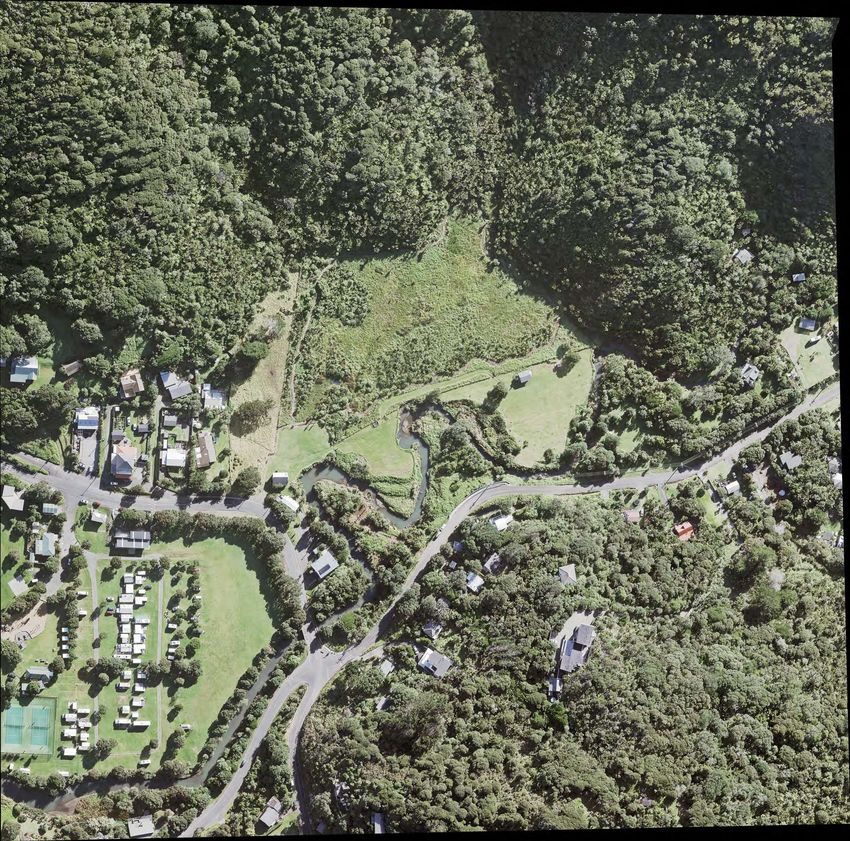
    Figure 3. Piha, showing part of the wetland on the far right (in valley) (2020), Liz Oldfield.

6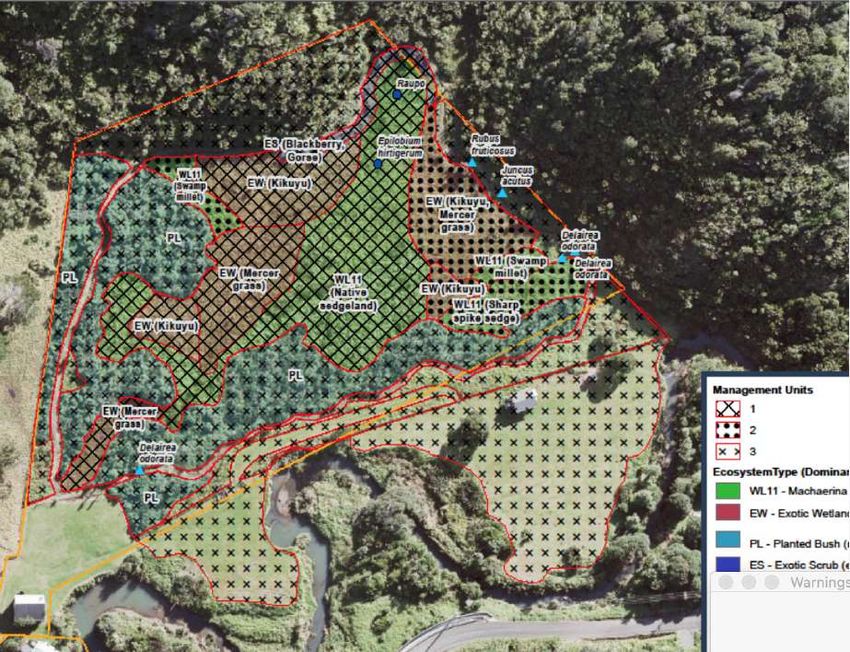
1.2        AERIAL PHOTOGRAPHY

                                                                    PIHA WETLAND
                                       Seav
                                        iew

                                                                                             ad
                                                                                             Ro
                                         Road

                                                                                         esk
                                                                                        en

                                                                                                  Map
                                                                                        Gl

           Figure 4. Aerial photography (2017), Auckland Council Geomaps.
                                                                                                   ´

                                                                                                                                                                        Sca
                                                             Aerial 2017                                                                                                 =
                                                                                                                                                                        Date
                                                                                                                                                                         4/1

           Figure 5. Aerial photography prior to bund path    Figure 6. Whites Aviation aerial photography (site extent approximate only) (1957), Reference
           (2000), Auckland Council Geomaps.                  Number: 754537, National Library of New Zealand.
                                                                     0   10   20   30
uld be
                                                                         Meters

rmation
                                                                   Scale @ A4
 has
 e
                         Aerial 2008                                = 1:2,500
this
n or use                                                          Date Printed:
                                                                   4/11/2019

                                                                                                        Auckland Council DRAFT Piha Wetland Service Outcomes Plan | 7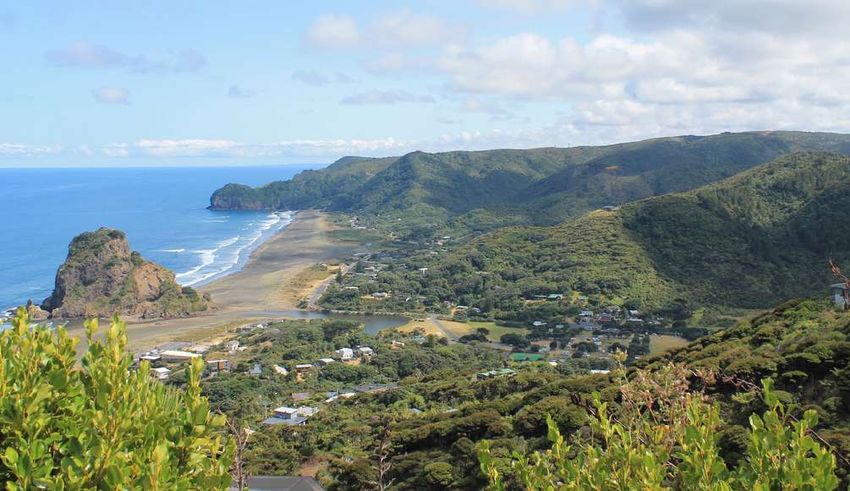
1.3     Waitākere RANGES CONTEXT

    Piha Wetland is located in the coastal settlement of Piha within the Waitākere Ranges Local Board area. The native,
    bush covered terrain of the Ranges provide for many breathtaking walking and tramping tracks while the beaches are
    a popular destination for surfers. The Piha Stream runs adjacent to the wetland site and subsequently flows through
    several regional and local reserves. In effect this creates both an ecological and recreational corridor between the
    native bush and beach areas. The Waitākere Ranges Heritage Area encompasses the site and provides an additional
    layer of protection and recognition to the Waitākere Ranges (refer to section 1.7).

                                Figure 7. Surfer at Piha Beach, Auckland Council Stock Photo
      7       8      9          Figure 8. Piha Beach with Whakaari (Lion Rock) in background, Auckland Council Stock Photo
                                Figure 9. Piha Beach as taken from Tasman lookout (2017), Liz Oldfield
                                Figure 10. Vegetated hills of the Waitākere Ranges taken from Piha Mill Camp (2017), Liz Oldfield
      10     11     12          Figure 11. Piha Stream taken from near the Art Gallery (2019), Liz Oldfield
                                Figure 12. Bush track at Piha taken from Glen Esk (2017), Liz Oldfield

8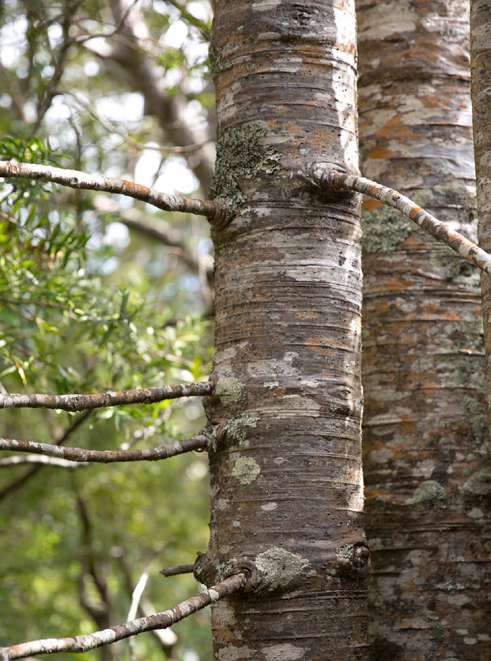
1.4 Waitākere RANGES CONTEXT MAP
Te Atatu
Peninsula
Waitakere Township
Swanson Ranui
ls R o ad
Te Atatu
B et h el
South
ve
Dri
nic Henderson
Cand
Sce
ia R o
ad
Te Henga (Bethells Beach) Glendene
Henderson
Valley Kelston
ad
l Ro Glen Eden
Hil
est
For d
Sce Roa Oratia
nic o ast
Anawhata Dri st C
ve We
Waiatarua
Waima
Road Scen Titirangi
P ih a ic D
r iv e
Woodlands South
Piha Park Titirangi
PIHA
WETLAND
Parau
Laingholm
Karekare
ad
Ro
ia
Huia Hu
T E TA I - O - R E H UA
TAS M A N S E A Little Huia Cornwallis
M A N U KAU
HARBOUR
Whatipu
SCALE @ A4
Manukau Heads
0 1 2km
LEGEND
Piha Wetland
Waitākere Ranges Local Board Boundary
Waitākere Ranges Heritage Area
Local and Sports Parks
Regional Parks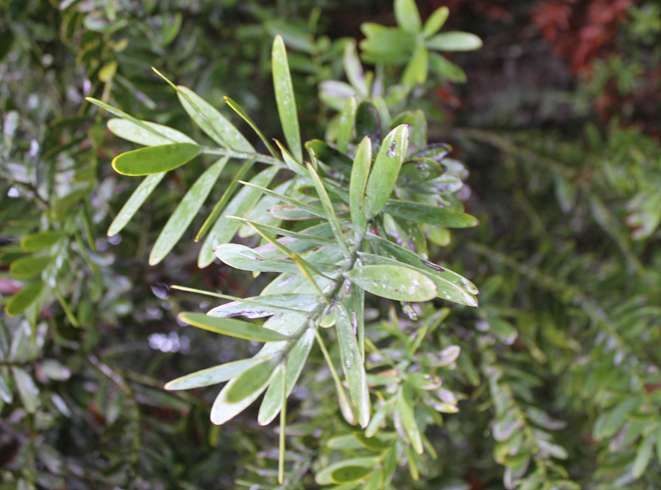
1.5     PIHA WETLAND EXISTING SITE FEATURES

     The site consists of nearly 2 hectares of predominately regenerating wetland that has high ecological values. It
     provides important contiguous connections to adjacent facilities and open spaces including the historic Nigel Hanlon
     Hut, Sir Algernon Thomas Green and Waitākere Ranges Regional Park land. An old school house, originally the
     Taurangaruru School (Waiuku) building sits on the south western corner of the site adjacent to Seaview Road (Figure
     13). It was moved to the site at Piha in 1958 and used until 1961 when the school closed.

     The grassed open space on the southern edge of the site provides the only foot or maintenance vehicle access to the
     the adjacent regional park land, however access is weather dependent across an overland flow path (Figure 17).
     The majority of the site sits within the 10 year Average Recurrance Interval (ARI) flood area which leaves the site
     inundated on occasions when the Piha Stream floods and bursts it’s banks (Figure 18). Given the proximity of the flat
     grass areas and the Nigel Hanlon Hut (on Regional Park land), these areas should be considered within the outcomes
     plan in liaison with the Regional Parks team (Refer to orange dashed areas on plan - Section 1.6).

     An informal raised bund path/track provides a walking loop around the wetland (Figure 15). This track was likely built
     some time between 2010 and 2012 by the Piha Education Trust as part of their restoration project. Native bush areas
     on the northern and eastern boundaries surround the wetland. There is good diversity of habitat conditions and
     species given the history of degradation and restoration of the wetland.

                                 Figure 13. Entrance to the Piha Wetland site and the old school house from Seaview Road (2019), Liz Oldfield
       13     14      15         Figure 14. Grassed open space between the wetland and old school house (2019), Auckland Council Stock Photo
                                 Figure 15. Bund path through established native vegetation within the wetland (2019), Liz Oldfield
                                 Figure 16. Facing South across Piha Wetland (2019), Liz Oldfield
       16     17      18         Figure 17. Access to regional park land from Piha Wetland site across overland flow path (2019), Liz Oldfield
                                 Figure 18. Piha Stream (2019), Liz Oldfield

10
34
33
31.5
16
14
30
29
1.6 PIHA WETLAND EXISTING SITE FEATURES PLAN
13
43
12.5
SCALE 1:1300 @ A4
42
12
0 10 20 30m
41
11
38
.5
34
10.5
32
9.5 168
R 29
7.5
7
6
5.5
5
AREA 1
AREA 2
6.5
AREA 3
15
3.5
AREA 4
3.5
3
AREA 4
R
3
SIR ALGERNON
17 AREA 4 THOMAS GREEN
3.5
14 3.5
4.5
5
18
4
3.5
AREA 5
AREA 6 12.5 10
13 3 6
6.5 13 14.5
4
7.5
NAME AND LEGAL.5DESCRIPTION:
8 15 10.5
7
AREA 1: LOCAL PARK - PIHA WETLAND
3
PT LOT61.5 DP 25709, PT LOT 247 DP 24231
AREA 7 1
5.5
AREA 2: REGIONAL PARK
4.5
20
SEC 3 BLK III, SO 41845
AREA 6
23
AREA 3: REGIONAL PARK - GLENESK ROAD PLANTATION
24
3.5
RESERVE 1 LOT 72 DP 25709
D
5.5
OA
26
SEAV
KR
AREA 4: REGIONAL PARK
.5
28
4.5
ES
PT LOT 1 DP 25709, PT LOT 247 DP 24231
IEW R
EN
GL
32
AREA 5: REGIONAL PARK
OAD
LOT 2 DP 25709
36
5
.5
11
5
3.5 AREA 6: LOCAL PARK - PIHA41.DOMAIN (PART OF)
4
4 DEDICATED T256654
4
5
AREA 7: 50 SEAVIEW RD - PIHA FIRE STATION (INCLUDING
44.
3.5
CAR PARK) LOT 1 DP 123107
13.5
50
47
53
.5 58
55
45
LEGEND - PIHA WETLAND EXISTING SITE PLAN 60
62
11 64
Site extent 0.5m Contours Toilet R Rain gauge
AD
12 (approximate
RO
Outcomes plan to consider use of Main access route to site Site photo reference (refer to figures in 66
AD
EY
grassed area (Regional Park land) section 1.5) location only) 67
RO
LL
.5 Old school house building
VA
10
W
Park land Sign/sculpture
H
VIE
West Coast Gallery
AC
69
SEA
BE
Piha Stream Piha Stream steps/crossing to .5
Piha Volunteer Fire Brigade buildings
Sir Algernon Thomas Green
Grass track Nigel Hanlon Hut
Walking route to Nigel Hanlon Hut
101.7 PIHA VILLAGE NODE EXISTING CONTEXT
The Piha Wetland site sits in close proximity to the village heart of Piha. The West Coast Gallery, Piha Volunteer Fire
Brigade, Piha Library, Piha Post Office, Piha Store, Piha Cafe, Piha Domain (with various informal and formal
recreational activities), Piha Domain Motor Camp and Piha Beach are all within a short walking distance from the site.
This provides an ideal location of interest for both the local community and day visitors/tourists to use as an
alternative to the Piha Domain for walking and other informal recreation.
The location of the West Coast Gallery directly adjacent to the entrance to the site provides an ideal opportunity to
showcase locally designed art and sculpture around the wetland track or adjacent to the old school house. There is
also an exciting opportunity for Māori art and Māori values and traditions to be integrated on the site.
EXISTING ART INTEGRATION WITHIN PIHA VILLAGE NODE:
The Piha eel bridge Timber trail marker/
designed by local artist sculptures by local artist
Mandy Patmore celebrates Andy Mardell on Regional
that Piha Stream is home Park land adjacent to Piha
to short and long finned Wetland.
eels. Historically, eels were
of great significance to
Maori, featuring in many
myths.
Figure 19. Oldfield, Liz (2020) West Coast Gallery
19 20 21 Figure 20. Google Maps Streetview (2020) Piha Cafe (left) and Piha Store (right)
Figure 21. Google Maps Streetview (2020) Piha Volunteer Fire Brigade
Figure 22. Oldfield, Liz (2020) Piha Domain Playground
22 23 24 Figure 23. Oldfield, Liz (2020) Piha Tennis Club
Figure 24. Oldfield, Liz (2020) Piha Eel Bridge connecting Piha Domain to Piha Beach
121.8 PIHA VILLAGE NODE EXISTING CONTEXT PLAN ´
SCALE 1:2500 @ A4
0 15 30m
WAITAKERE RANGES
REGIONAL PARK
PIHA WETLAND
9
4
GA SIR ALGERNON
RD
EN THOMAS GREEN
RO
SEA
VIEW D
A 5
ROA
D 6
1
7
3 TO GLENESK/
2
WAI O KAHU/
D
OA
SEAV
KITEKITE FALLS TRACK
KR
TO PIHA BEACH/ 8
IEW R
ES
LION ROCK
EN
GL
OAD
PIHA DOMAIN
AD
RO
LEY
L
VA
D
CH
W ROA
BEA
SEAVIE
LEGEND
Site extent 1 Piha Library Toilet Parking
Outcomes plan to consider use of 2 Piha Domain Motor Camp Office Changing rooms Walking/ track
grassed area (Regional Park land) 3 Piha Post Office Piha Domain Motor Camp Lookout
Park land 4 Piha Cafe Playground Bird watching
DISCLAIMER: 0 10 20 30
This map/planPiha Stream only and all information
is illustrative 5 Piha Store Barbecue Meters
Surfing
should be independently verified on site before taking
Grass track on site
any action. Copyright Auckland Council. Land Parcel 6 Old school house building Picnic area Swimming
Boundary information from LINZ (Crown Copyright Scale @ A4
Main access route to site
Reserved). Whilst due care has been taken, Auckland 7 West Coast Gallery Piha Tennis Club = 1:2,500
Council givesPiha
no warranty
Streamas steps/crossing
to the accuracy andtoplan
completeness of any information on this map/plan and 8 Piha Volunteer Fire Brigade buildings Piha Bowling Club Date Printed:
Sir Algernon
accepts no liability Thomas
for any error, Green
omission or use of the
information. Height datum: Auckland 1946. 9 Nigel Hanlon Hut Basketball half-court 11/02/2020
Walking route to Nigel Hanlon Hut
Events area/Playing Fields
Walking routes around Piha Village
Dogs on leash1.9 STRATEGIC CONTEXT
The following diagram provides a summary of how this document sits within the wider policy context:
RESOURCE MANAGEMENT ACT 1991 LOCAL GOVERNMENT ACT 2002
The purpose of the Resource Management Act The purpose of the Act is to:
is to: ‘enable democratic decision-making and action
’promote the sustainable management of by, and on behalf of, communities; and (b) to
natural and physical resources.’ promote the social, economic, environmental,
and cultural wellbeing of communities, in the
present and in the future.’
AUCKLAND UNITARY PLAN (AUP) 2012
’The Auckland Unitary Plan is a 30 year plan for Auckland. It is a comprehensive long-term strategy for
Auckland’s growth and development, and includes social, economic, environmental and cultural goals.’
Section 1.5 outlines specific policies for Open Space Zones. The Piha Wetland site currently sits within the
Rural - Waitākere Ranges Zone, however an appeal for a zone change will take place following the public
Consultation of this document. Public Open Space - Conservation and Public Open Space - Informal
Recreation are proposed.
Waitākere RANGES LOCAL BOARD PLAN 2017
The Local Board Plan identifies 6 outcomes towards achieving a better community for all:
Outcome 1: People actively protect the Waitākere Ranges Heritage Area
Outcome 2: Our unique natural habitats are protected and enhanced
Outcome 3: Local communities feel good about where they live
Outcome 4: People experience local arts and culture, and recognise our heritage
Outcome 5: Our urban centres are enjoyable places to be
Outcome 6: Our community spaces, parks, sports and recreation facilities meet local needs and are easy
to get to
Proposed development at Piha Wetland should consider these outcomes to ensure local board budgets
are applied accordingly.
Waitākere RANGES HERITAGE AREA ACT 2008 and
Waitākere RANGES HERITAGE AREA LOCAL PARKS DESIGN GUIDE 2018
Passed into law in April 2008, the Waitākere Ranges Heritage Area Act provides an additional layer of
recognition of protection to the Waitākere Ranges and the eastern foothills. The purpose of the Act is:
“To recognise the national, regional and local importance of the Waitākere Ranges Heritage Area and to
promote the protection and enhancement of its heritage features for present and future generations.”
The Waitākere Ranges Heritage Area Local Parks Design Guide encourages best practice outcomes that
respect and enhance the heritage features identified in the Act. It provides guidance to those involved in the
14design, development and future direction of local parks within the heritage area.
Piha Wetland sits within this Heritage area. Three of the seven park environments that are identified in the
Design Guide apply to the Piha Wetland site:
1. Riparian Park Environment: Riparian parks are defining landscape features that contribute to the
character of the heritage area and provide structure to the natural environment. Primary waterways are
typically contained by ridges and spurs that feed into the hill country from the upper ranges. Streams are
generally clear running with stony bottoms in the upper reaches, becoming muddy in the lower reaches.
Streams have intrinsic value and provide important ecological benefits, their vegetated margins prevent
contaminants from entering streams, help alleviate flooding and contribute to the amenity of urban areas.
Riparian park environments are characterised by a lack of built structures. Structures are often restricted
to signage at reserve entrances. Where access is provided through these reserves it typically consists of
unformed tracks and paths. Water is a resource that is sensitive to the impacts of land
development so any development within riparian areas needs to carefully undertaken as potential
impacts on the streams includes loss of ecological linkages and biodiversity, an increase in pollution and
plant pests, and deterioration to the amenity of the areas around streams.
2. Native Forest Park Environment (small part of site): The majority of these local parks are bush or scenic
reserves. Clad in native regenerating and indigenous bush they contribute to the wider green network
of the Waitākere Ranges. They provide relatively untouched landscapes where the built environment is
subservient to the natural environment and where a sense of wilderness, quiet and solitude prevails. They
have a natural landscape character with vegetation and land form as their dominant features.
3. Open Grassed Park Environment (small part of site): These local parks have more of a traditional park-
land character and are characterised by larger open green spaces used for informal recreation, play and
picnicking.
This document has been developed with reference to the above park environments and has used the natural
and cultural heritage design principles from the guide to establish outcomes for the Piha Wetland (Refer to
Section 5).
PIHA AREA DESIGN GUIDELINES 2010
The purpose of the Piha Area Design Guidelines is to provide information to assist decision makers,
adjacent property owners, developers and contractors during project development. The Piha Area Design
Guidelines provides visual examples to encourage appropriate design proposals and offers ideas for
positive design solutions. These guidelines also provide a description of the essence of Piha and a short history
of the area. Additionally, when the service outcomes for Piha Wetland are funded, these guidelines will prove
an invaluable tool to check the more detailed designs against.
OTHER RELEVANT DOCUMENTS
• Piha Reserves Management Plan 1999
• The West Coast Plan 2001
• Piha Area Design Guidelines 2010
• Morphum - Piha Wetland Options Assessment 2019
• Auckland Council Cultural Heritage Inventory
• Biodiversity values of the Piha Education land and wetland 2015 (Auckland Council Biodiversity Team)
• Memo (Chris Ferkins Auckland Council) - Management for the enhancement of Biodiversity values of the
Piha Education wetland 2018
Auckland Council DRAFT Piha Wetland Service Outcomes Plan | 15Figure 25. Harakeke, Flax (2019), Liz Oldfield
SECTION 2. METHODOLOGY
2.1     REVIEW OF RELEVANT DOCUMENTS
A review of the documents relevant to this Service Outcomes Plan was undertaken before commencing on the project.
These documents are listed in the previous section (Section 1.7: Strategic Context).

This review also included a memo of the internal Auckland Council workshop that was held prior to the procurement
of this Outcomes Plan.

Ministry of Education Land (Piha Wetland) Workshop with key internal staff
Date: 5 September 2019

Attendees:
- Parks and Places Specialist - Waitākere: Dawn Bardsley
- Waitākere Ranges Local Board
- Waitākere Ranges Local Board Strategic Broker: Claire Liousse
- Waitākere Ranges Local Board Advisor: Brett Lane
- Auckland Council - Parks, Sport and Recreation Portfolio Manager: Linda Smith
- Waitākere Ranges Local Board Democracy Advisor: Brenda Railey
- Auckland Council - Healthy Waters Team: Richard Smedley (at end of meeting)

Summary of Workshop:
Morphum Wetland Hydrology Report:
• The board are supportive of the highest environmental outcomes (for the wetland) and prefer the more expensive
   option over the cheaper alternative. Would also prefer the works be undertaken at once rather than over time to
   minimise any detrimental impacts on the wetland.
• Healthy Waters may be able to take and implement both the erosion project and the wetland restoration project.
   This needs to be clarified and confirmed. Works funded from the targeted rate are not able to be used for the
   creation of walkways and boardwalks.

Items to consider as part of the Outcomes Plan include:
• Cascading pools with riffles
• Raise area north of building to form dry picnic area
• Weed control
• Planting
• Sculpture trail
• Viewing platform/areas potentially northern end at highest point
• Upgrade access for maintenance purposes
• Educational opportunities/school holiday programmes
• Ability to cycle on tracks but not as a pump track just for recreational purposes aimed primarily at young children
• Local children involved in the restoration
• Caution over any paths going into the centre of the wetland
• Flat grass area on Regional Park land and Boys Brigade building (Sir Nigel Hanlon Hut) could be considered within
    the outcomes plan in liaison with Regional Parks.
• Interpretation opportunities
• Walking track a priority and consider connections with nearby regional park land

Other items:
A suggestion would be to commence work on the weed control of the wetland in accordance with the weed
management plan put together by Chris Ferkins. Ideally this work should be undertaken over the dryer summer
months and it will not detrimentally affect any of the proposed development works (Currently in progress December
2019).

                                                                      Auckland Council DRAFT Piha Wetland Service Outcomes Plan | 17
2.2 PROJECT WORKING GROUP (PWG) WORKSHOPS
Piha Community Group Stakeholder Workshop
Date: 28 October 2019
Key Stakeholders met on site in the old school house to discuss challenges for development and desired outcomes.
Prior to the meeting a group of the stakeholders met to do a walk-over on the site.
Attendees:
Piha Community:
- Piha Residents and Ratepayers Assn.: Ken Cowan
- West Coast Community Art Trust: Glenys Scott
- Proposed Wetlands Trust: Hanneke Bouchier
- Piha Kids Charitable Trust: Stuart Leighton and John Stokes
- Coast Care: Pat LaRoche
- Protect Piha Heritage Society: Peter Hosking
Andy Mardell
- Field and Flora Ltd: Liz Oldfield Landscape Architect
Auckland Council:
- Waitākere Ranges Local Board: Sandra Coney
- Community Park Ranger: Sinead Brimacombe
- Parks Portfolio Holder: Linda Smith (Apologies)
- Parks and Places Specialist - Waitākere: Dawn Bardsley
- Biodiversity Team: Chris Ferkins
- Healthy Waters Team: Gabi Ezeta
Other stakeholders that were consulted separately:
- Heritage Unit: Peri Buckley
- Regional Parks: Stephen Bell
- Biodiversity Kauri Dieback Advisor: Yue Chin Chew
Summary of Workshop:
The following is a list of opportunities to consider in the development of the outcomes plan. It is a collated list of both
the on-site working group feedback, and separate feedback from other stakeholders who didn’t attend the on-site
workshop.
Arrival and access:
• Visual connectivity between entrance to site at old school house and wetland is required. Suggest blank wall on
school house for signage/interpretation.
• Propose formed access track around side of school building to encourage use of wetland. No track through open
grassed area required. Visual access the key here.
• Emphasize wildness
• Connections with boys brigade land (Regional Park land adjacent to site) very important. Maintain and potentially
improve grassed open space connection.
• Bridge or crossing at north eastern end to connect with Sir Algernon Thomas Green. Originally was a small
accessway and stepping stones across stream however flooding swept this away. Adventurous bridge? Access is
the important factor here.
• Connection to Nikau Track Route (Check status of track with relation to Kauri dieback info)
Vegetation management and restoration:
• Auckland Council Biodiversity Memo (Options Report) provides recommendations for wetland area
• Budget earmarked for weed control
• Educational opportunities/school visits
• Current maintenance contract does not include weed control
• Rabbit and rat predator control required
Stream and flood management:
• Initial Morphum report being revised through Auckland Council Healthy waters team. Recommendations to come.
• Educational opportunities
18• Consideration should be given to allowing access to site when required battering of the Piha Stream is
undertaken. Current limited access to site.
Recreation:
• Opportunity for viewing platforms around the wetland
• Pump track/cycling opportunity. Retain ability to mountain bike/cycle and walk (particularly for young children).
Identify the track as a walking route that can also be used for cycling.
• Priority to improve the loop walking track around the wetland (incorporate several boardwalk sections)
• Community garden opportunity
• Removal of long grass between the local and regional park areas
Signage and interpretation:
• Interpretation of history of site including timber mill tramway, historic buildings and Kauri/Kauri dieback
• Interpretation of wetland/Piha Stream history and current restoration activities
• Signage to show toilet on Regional Park land
• Identify where on-leash dog walking areas are on signage
• Potential for Po at entrance to site near school house to be discussed with Te Kawerau
• Emphasize walkability
Art and events:
• Potential for sculpture trail
• School house ideal for workshops and educational activities for small groups.
• Use open grass space beside school house for community picnics. Suggestion of picnic tables
• Integration of activities in school house and grass open space
• Camping on the adjacent Regional Park land is unsafe due to flooding. Potential change of use of this site/Boys
Brigade building/Sir Nigel Hanlon Hut in future. Limted use? Sir Algernon Thomas gifted this land and the deed
included using the site for group camping.
Mana whenua project working group, Glen Eden
Date: 18 November 2019
Hui with Scott Lomas - Notes of hui between Te Kawerau Iwi Tribal Authority and Auckland Council
Attendees:
TKITA : Scott Lomas
Auckland Council:
- Community Facilities: Helen Biffin, Stephanie Barker, Donna Cooper
- Parks and Places Specialist - Waitākere: Dawn Bardsley
- Community Empowerment: Claire Liousse
- Local Board Services: Brett Lane, Shreya Rao, Raewyn Curran
Apologies:
Robin Taua-Gordon, Eryn Shield, Glenn Boyd, Linda Smith
Summary of Workshop:
Scott advised that the priority for Te Kawerau was restoration of the wetland to fully functioning wetland.
2.3 DRAFT OUTCOMES PLAN
The Piha Wetland Service Outcome Plan was drafted using the invaluable knowledge of the Project Working Groups,
Key Internal staff and the relevant documents listed in section 1.9. The draft document was distributed in February
2020 for an initial review by internal Auckland Council staff and Waitākere Ranges Local Board members.
Auckland Council DRAFT Piha Wetland Service Outcomes Plan | 192.4 LOCAL BOARD WORKSHOP
Local Board Workshop
Date: 20th February 2020
Attendees:
Auckland Council:
- Parks and Places Specialist - Waitākere: Dawn Bardsley
- Waitākere Ranges Local Board: Ken Turner, Sandra Coney, Greg Presland, Mark Allen, Michelle Clayton
- Waitākere Ranges Local Board Relationship Manager West: Glen Boyd
- Auckland Council - Parks, Sport and Recreation Portfolio Manager: Linda Smith
- Auckland Council - Elizabeth Stewart
- Field and Flora Ltd - Liz Oldfield (Landscape Architect)
Summary of Workshop:
Agreed on consultation plan including an open day in Piha on a weekend day. Happy with draft plan. Draft will then be
finalised for consultation.
2.5 PUBLIC CONSULTATION
Text TBC
2.6 FINAL OUTCOMES PLAN
Text TBC
20Auckland Council DRAFT Piha Wetland Service Outcomes Plan | 21
SECTION 3. SITE CONTEXT
     3.1     AUCKLAND UNITARY PLAN CONTEXT

     The Piha Wetland is currently zoned Residential Rural and Coastal Settlement, however this Service Outcomes Plan
     recommends to re-zone the Piha Wetland ‘Open Space Conservation’ and ‘Open Space Informal Recreation’. This is
     because the Residential Rural and Coastal Settlement Zone is inappropriate for a local park that would be used for
     recreational purposes. The adjacent land zoning also needs to be considered as part of this Outcomes Plan to ensure
     any activities or development on the site are sensitive to the surrounding land use.

     Auckland Unitary Plan description of current Piha Wetland site zone:
     Residential – Rural and Coastal Settlement
     The Residential – Rural and Coastal Settlement Zone applies to rural and coastal settlements in a variety of
     environments including high-quality landscape areas and coastal areas. Due to factors including servicing,
     infrastructure and accessibility constraints and, in some cases their sensitive character, growth needs to be managed
     accordingly.

     Auckland Unitary Plan description of zones that the Service Outcome proposes for the Piha wetland site:
     Open Space – Conservation Zone applies to open spaces with natural, ecological, landscape, and cultural and historic
     heritage values. These areas include volcanic cones, bush reserves, headlands, natural wetlands and coastline and play
     an important role in protecting and increasing the populations of threatened and endangered species.
     To protect the values of the zone, recreation activities and development are limited in scale and intensity. Buildings
     and activities provided for relate to conservation, land management, recreation, education, park management and
     visitor information.
     H7.4.2. Objectives
     (1) The natural, ecological, landscape, Mana Whenua and historic heritage values of the zone are enhanced and
     protected from adverse effects of use and development.
     (2) Use and development complements and protects the conservation values and natural qualities of the zone. The

     Open Space – Informal Recreation Zone applies to open spaces that range in size from small local parks to large
     regional parks. These areas are used for a variety of outdoor informal recreation activities and community uses, such
     as walking, running, cycling, relaxing and socialising, picnics, playing and enjoying the environment. These open spaces
     are generally characterised by few buildings and structures. Limiting development in these areas
     maintains the open space character and amenity values, and enables opportunities for a range of informal recreation
     activities to occur.
     H7.5.2. Objectives
     (1) The open and spacious character, amenity values and any historic, Mana Whenua, and natural values of the zone
     are maintained.
     (2) Informal recreation activities are the predominant use of the zone.
     (3) Buildings and exclusive-use activities are limited to maintain public use and open space for informal recreation.
     (4) Small-scale, informal land-based water-related recreational facilities are provided for while maintaining and
     enhancing public access to and along the coast.

             Piha - Residential Rural
             and Coastal Settlement                         Piha - Public Open                                Piha - Public Open
             Zone                                           Space Conservation                                Space Informal Recreation

                            Figure 26. Overlooking the Residential - Rural and Coastal Settlement Zone from Piha Wetland site (2019), Liz Oldfield
       26     27      28    Figure 27. Public Open Space - Conservation from Piha Wetland site (2019), Liz Oldfield
                            Figure 28. Public Open Space - Informal Recreation, Piha Domain (2017), Liz Oldfield

22
3.2 AUCKLAND UNITARY PLAN ZONING MAP
SCALE @ A4
0 75 150 225m
North Piha
Beach
Les Waygood Park
Wekatahi Reserve
Claude Able
Reserve
Piha Mill
Camp
Whakaari Sir Algernon
Lion Rock Thomas Green Wai o kahu
Piha (Glen Esk)
Domain
Piha
Beach
Taitomo Island
Kitekite Falls
The Gap
LEGEND
Site extent
Waitākere Ranges Local Board boundary (not shown as whole map sits within board boundary)
Waitākere Ranges Heritage Area boundary (not shown as whole map sits within Heritage Area)
Streams
Waitākere Ranges Regional Park
Public Open Space - Conservation Zone
Public Open Space - Informal Recreation Zone
Coastal Transition Zone
Rural - Waitākere Ranges Zone
Residential - Rural and Coastal Settlement Zone
Business - Neighbourhood Centre Zone
Rural Coastal Zone3.3 CONNECTIVITY CONTEXT
The wetland site sits within the valley at the mid-point between the beach and the Waitākere Ranges. It is a one
minute walk to the local Cafe, Store and Domain at Piha form the site. As it sits within such close proximity to the
main village centre it has the potential to be utilised more than what it currently is.
Access to Piha is by car or private tour bus only as there are no public transport routes into the area. Walking or
cycling are the preferred methods of movement within the village area (within the valley), and this should be
considered within the Service Outcomes Plan.
The temporary closure of many tracks surrounding the site due to Kauri dieback disease has put pressure on the
remaining routes (e.g. Kitekite Falls), however many are identified for upgrade in the upcoming work program. The
Hillary Trail is currently inaccessible in its entirety at this stage, but will re-open following upgrades to the tracks.
Walking/cycling distances from Piha Wetland Site:
• to Piha Store/Piha Cafe/Piha Domain 1min walk
• to Kitekite Falls 13min walk/ 4min cycle (to Glenesk) + 60min walk (to Kitekite Falls
• to Lion Rock 10min walk
• to Piha Beach (Surf Life Saving Club) 10min walk/ 4min cycle
• to Les Waygood Reserve 22min walk/ 5min cycle
• to North Piha Beach carpark 29min walk/ 7min cycle
Figure 29. Looking from the entrance of the site across Seaview Road to Piha Domain/Campground (2020), Liz
29 30 31 Oldfield
Figure 30. Piha Store and Cafe from opposite the site (2020), Liz Oldfield
Figure 31. Kauri dieback cleaning station at Glen Esk Valley/Start of track to Kitekite Falls (2020), Liz Oldfield
243.4 CONNECTIVITY CONTEXT MAP
SCALE @ A4
0 260 520 780m
Anawhata
Anawhata Beach Track Anawhata Farm
Loop Track
5k
New Track
m
Fishermans Rock Track
ref
ere
nce
Rose Track
Anawhata Road
fro
ms
Laird ThomsonTrack
ite
White Track
Marawhara Walk
Maungaroa
North Piha Road Lookout Track
North Piha Beach Piha Store
Piha & Cafe
Lion Rock Track Byers Walk
Glen Esk
Piha Beach Road Kitekite Track
Connect Track
Tasman Lookout Track Kitekite Falls
Kauri Grove Track
New Knutzen Track
Taitomo
Track
Te Āhuahu Road Winstone Track
Log Race Road
Piha Road
Mercer Bay Ussher Track
Loop Track
d
Karekare Roa
Comans Track
ad
Ahu Ahu Track
i Ro
ur
e Ka
Lon
Karekare
Pōhutukawa Taraire Track
Glade Walk
Zion Hill Track
LEGEND
Site extent
DISCLAIM ER: 0 260 520 780
This map/plan is illustrative only and all information
Waitākere Ranges
should be independently Regional
verified Park taking
on site before Meters
any action. Copyright Auckland Council. Land Parcel
Localinformation
Boundary and Sports fromParks
LINZ (Crown Copyright Scale @ A4
Reserved). W hilst due care has been taken, Auckland
Major or Local Roads
= 1:50,000
Council gives no warranty as to the accuracy and plan
completeness of any information on this map/plan and
Regional park tracks Date Printed:
accepts no liability for any error,(open)
omission or use of the
information. Height datum: Auckland 1946. 17/11/2019
Hilary Trail (open)
Other tracks (open)
Track not currently open - in upcomming work programme
Track not currently open - not included in upcoming work programme3.5 RECREATIONAL CONTEXT
There are a wide range of activities provided for in Piha, with many visitors attracted to the area to surf or swim at the
west coast beaches or to experience the walking and tramping tracks within the bush clad ranges. The Piha
Domain opposite the site provides for more active recreational uses such as tennis, lawn bowls, basketball and
includes a playground and open grassed area for soccer or rugby. Current cycling opportunities are limited in the area
to on-road cycling or short intermittent gravel paths alongside the road or along the bridge between the Piha Domain
and Piha Beach carparks. Piha Wetland sits in a unique position as a quiet recreational space within very close
proximity to the village area and the domain. As such, it has the opportunity to provide informal recreation such as a
level off-road cycling/walking track particularly for children, areas for on-leash dog walking onto the adjacent regional
park land, a quiet picnic space and educational opportunities with relation to wetland restoration.
1 Kitekite Falls Track
3 Regional Council Parkland
2 Sir Algernon Thomas Green adjacent to site
6 Piha Beach
Footbridge access to beach
4 Piha Domain Playground 5
from Piha Domain
Les Waygood Reserve,
8
7 Temporary pump track at Les Barnett Hall and access to
Waygood Reserve North Piha Beach 9 Claude Abel Reserve
Figure 32. Kitekite Falls Track (2019), Auckland Council stock photo
32 33 34 Figure 33. Sir Algernon Thomas Green (2020), Liz Oldfield
Figure 34. Regional Council parkland (2020), Liz Oldfield
Figure 35. Piha Domain Playground (2020), Liz Oldfield
35 36 37 Figure 36. Piha Domain footbridge (2020), Liz Oldfield
Figure 37. Piha Beach and surf life saving flags (2020), Liz Oldfield
Figure 38. Temporary pump track at Les Waygood Reserve (2020), Liz Oldfield
38 39 40 Figure 39. Les Waygood Reserve (2020), Liz Oldfield
Figure 40. Claude Abel Reserve (2020), Liz Oldfield
263.6 RECREATIONAL CONTEXT MAP
SCALE @ A4
0 260 520 780m
Anawhata Beach Anawhata
Keyhole Rock Road
wata
Anah
5k
m
ref
Fishermans Rock Point
ere
nce
Whites Beach
fro
Te Waha Point
ms
Kohunui Bay
ite
4
8 7
North Piha Beach
9
2 1
Whakaari Lion Rock 5 Glen Esk
Piha Beach 3
6
Taitomo Island and
The Gap Strait Kitekite Falls
Piha Road
Te Āhua Point
d
Karekare Roa
Mercer Bay
Farley
Point
Karekare
Karekare Beach
Karekare Point
LEGEND
DISCLAIM ER:
Site extent Dogs prohibited Event
780 site
Parking 0 260 520
This map/plan is illustrative only and all information
should be independently verified on site before Meters
Waitākere Ranges Regional Park taking Toilets Playground Tramping
any action. Copyright Auckland Council. Land Parcel
Boundary information from
Local and Sports Parks LINZ (Crown Copyright Changing rooms Tennis Courts Scale @Lookout
A4
Reserved). W hilst due care has been taken, Auckland = 1:50,000
Council givesor
Major noLocal
warranty as to the accuracy and plan
Roads Showers Basketball 1/2 Court Surfing
completeness of any information on this map/plan and Date Printed:
Regional
accepts park
no liability tracks
for any error,(open)
omission or use of the Picnic area Barbecue Swimming
information. Height datum: Auckland 1946. 17/11/2019
Hilary Trail (open) Walking track Lawn Bowls (Piha Bowling Club) Library
Other tracks (open) Dog walking with restrictions on Campervans Bird colony/nesting birds
Track not currently open - in park land Camping
upcoming work programme Dog off leash area between
Track not currently open - not sunrise and sunset on North Piha
included in upcoming work Beach from just north of the
programme Wekataki Stream to Lion Rock.
On-leash between sunset and
sunrise3.7 NATURAL HERITAGE AND RESOURCES CONTEXT
Piha Wetland sits within the Waitākere Ranges Heritage Area. The area is outstanding in northern New Zealand for
‘it’s terrestrial and aquatic ecosystems, which include a large continuous areas of primary and regenerating lowland
and coastal rain forest, wetland and dune systems with intact ecological sequences”1
Of particular importance to the Ranges is the Kauri forests which border the site. Kauri are one of the longest-living
and largest tree species in the world (reaching ages of 1000 years+). These are under threat of extinction from Kauri
dieback disease. The disease is caused by a ‘microscopic fungus-like organism called Phytophthora agathidicida (PA). It
lives in the soil and infects kauri roots, damaging the tissues that carry nutrients and water within the tree, effectively
starving it to death. The disease is easily spread through soil movements e.g. when soil is carried on dirty footwear,
animals and vehicles, A pinhead size of soil is enough to spread the disease’2 . Education should be provided at Piha
Wetland of the importance of staying on tracks and cleaning gear before and after nearby forest visits.
Additionally, the Unitary Plan identifies an outstanding Natural Landscape Overlay on the bush-clad area along the
northern edge of the site; a Natural Stream Management Area Overlay along the Ingram Stream and Piha Streams
on the north-eastern edge of the site; and a Significant Ecological Area Overlay (Terrestrial) along the winding Piha
Stream on the adjacent Regional Park site. Any development within or adjacent to these overlays should be checked
against the relevant policies identified in the Unitary Plan. Given the high values of these Natural and Heritage
Resources, consideration should be given to providing an opportunity for people to experience these resources by
maintaining view shafts.
Figure 41. Kauri leaves (2019), Liz Oldfield
Figure 42. Kauri tree (2019), Jay Farnworth
41 42
1 New Zealand Legislation (2008) Waitākere Ranges Heritage Area Act - Preamble
2 kauridieback.co.nz (2020) What is Kauri Dieback Disease?
28Les Waygood Park
3.8 NATURAL HERITAGE AND RESOURCES CONTEXT MAP
SCALE @ A4
0 70 140 210m
Wekatahi
Reserve
50
0
Claude Able
m
re
Reserve
Marine
fer
en
efc
Parade
rom
site
Refer to inset bottom
North
North Piha
Beach
Piha Mill
Piha Camp
Stream
Sir Algernon
Thomas
Green
Seaview Rd
Glenesk Rd
Piha
Domain
50
Piha
Beach
Natural Resource Overlays
Piha
Rd
LEGEND
Site extent Natural Ridge line Protection
Waitākere Ranges Regional Park Overlay
Local and Sports Parks Whole site: Waitākere Ranges
Heritage Area Overlay
Local Roads
Natural Heritage Overlays: Natural Resource Overlays:
Outstanding Natural Features Natural Stream Management
Overlay Areas Overlay
Outstanding Natural Landscapes Significant Ecological Area
Overlay Overlay - Terrestrial
Outstanding Natural Character
Overlay
High Natural Character Overlay3.9 ECOLOGICAL CONTEXT
The wetland sits within a largely continuous corridor of vegetation along the length of the Piha Stream from the top
of the Waitākere Ranges to the sea. This situation presents significant opportunities to maintain and enhance the
ecological integrity of this ecosystem.
The wetland is a ‘mosaic of Machaerina sedgeland, exotic wetland, areas of slightly higher and drier flaxland and
regenerating (mostly planted) bush, and a small strip of exotic scrub’.1 There is good diversity of habitat conditions
and species given the history of degradation and restoration of the wetland. Metrosideros excelsa (Pohutukawa) are
scattered on the edges of the open grassed areas on the site and adjacent regional park land.
Regional Park bush areas surround the site to the north and north-east. The bushland includes brilliant stands of
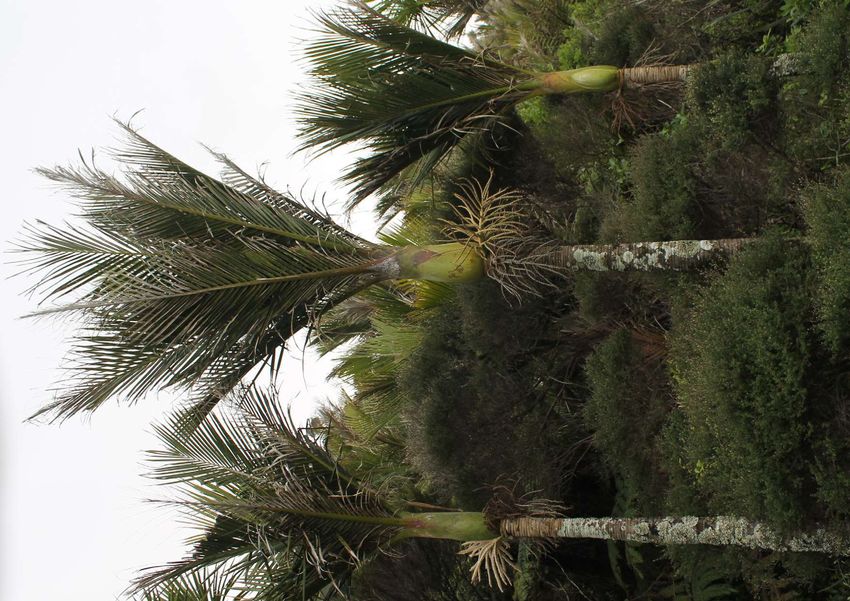
Rhopalostylis sapida (Nikau), Cordyline australis (Cabbage tree) and Kunzea ericoides/Leptospermum scoparium
(Kanuka/Manuka). Agathis australis (Kauri) is visible towards the upper extents of the ridge line. Weed management is
currently being undertaken within the wetland to reduce the dominance of exotic invasive species including Delairea
odorata (German ivy), Juncus acutus (sharp rush), Cenchrus clandestinus (Kikuyu grass), Paspalum distichum (Mercer
grass), Rubus fruticosus (Blackberry) and Ulex europaeus (Gorse). Native convolvulus should be protected from weed
management regimes (Calystegia septium Subsp. roseata)
Ecological recommendations for the wetland are outlined in the report ‘Biodiversity values of the Piha Education land
and wetland’ (Auckland Council Biodiversity Team 2015) as well as the 2018 report mentioned below. These should be
balanced with the management of the Piha Stream/flood alleviation as well as recreational, artistic and educational
opportunities. The report prioritises weed control in all areas, and then allows for natural seed dispersal and
revegetation in ecosystem types WL11, EW and ES (refer to below plan and full report). ‘Contiguous vegetation
between the neighbouring bush and both the wetland and planted (PL) areas would be a good outcome. There is
plenty of seed rain of appropriate species so this will be achieved over time as long as management of track and bush
edges is sympathetic to regenerating native seedlings. If active planting is desired then standard pioneer species that
facilitate succession are all that is required. Core species would be ecosourced...’
Piha Education Land Wetland - Ecological Recommendations Plan - Chris Ferkins 2018
Note: For further information on Ecosystem Types and Management Units identified in key refer to original report.
1 Ferkins, Chris (2018) Memo: Management for the enhancement of Biodiversity values of the Piha Education wetland, Auckland Council
30NATIVE FLORA WITHIN THE PIHA WETLAND:
Refer to the report ‘Biodiversity values of the Piha Education land and wetland 2015’ for further species information.
43 44 45 46 47
48 49 50 51 52
53 54 55 56 57
58 59 60 61 62
Figure 43. Isachne globosa, Eleocharis acuta and Figure 49. Calystegia septium Subsp. roseata Figure 56. Cordyline australis
Carex lessoniana Figure 50. Blechnum novae-zealandiae Figure 57. Metrosideros excelsa
Figure 44. Carex secta Figure 51. Typha orientalis Figure 58. Alectryon excelsus
Figure 45. Coprosma repens Figure 52. Carpodetus serratus Figure 59. Myoporum laetum
Figure 46. Juncus sarophorus Figure 53. Phormium tenax Figure 60. Rhopalostylis sapida
Figure 47. Schoenoplectus tabernaemontani Figure 54. Macropiper excelsum Figure 61. Hebe stricta
Figure 48. Carex lessoniana Figure 55. Coprosma robusta Figure 62. Leptospermum scoparium
Other species in the wetland not listed above:
Hypolepis dicksonioides
NATIVE FAUNA WITHIN AND SURROUNDING THE PIHA WETLAND:
The nationally threatened frog, Hochstetters frog (Leiopelma hochstetteri) has
the potential to colonise part of the wetland due to its presence in the regional
park land surrounding the site. If the wetland was restored, there is also potential
Hochstetters frog
for Banded Kokopu (Galaxias fasciatus) that are present in the streams above the
wetland to effectively move through the site and into the Piha Stream.
Additonally, the New Zealand longfin eel (Anguilla dieffenbachii), Lamprey
(Geotria australis), shortjaw kōkopu (Galaxias postvectis), kōaro (Galaxias
brevipinnis) and torrentfish (Cheimarrichthys fosteri) are currently present in the
Piha Stream. The juvenille longfin eels are good climbers and prefer shallow water
(under 0.5m deep) so they have the potential to enter the lower reaches of the Branded Kokopu at Piha
wetland.
Auckland Council DRAFT Piha Wetland Service Outcomes Plan | 313.10 HYDROLOGICAL CONTEXT
The majority of the site sits within the 10 year Average Recurrence Interval (ARI) flood area which leaves the site
inundated on occasions when the Piha Stream floods and bursts it’s banks (refer to 3.11 Hydrological Context Map
and figures below). Following the latest 2018 flood event the Auckland Council Healthy Waters and Parks Teams
commissioned an option report for the Piha Wetland. This report is currently ongoing and will provide valuable
information to guide this Service Outcomes Plan.
A network of small streams from the wetlands own catchment to the north are the primary source of water that
maintains both the running (channelised) water and the ground water within the wetland. Piha Stream is unlikely to
sustain the wetland hydrology in any way as it sits lower than the wetland. The catchment into the wetland consists
of ‘one large gulley (catchment area 16.4 Ha) and two smaller gulleys (3.6 Ha and 2.6 ha). Inflow is dominated by
the Ingram Stream which exits a gulley into the sloped wetland. A 4m boardwalk crosses the stream where it enters
the wetland. There is also a smaller gulley stream feeding the wetland to the west. This stream enters the wetland
through two culverts (300 mm Ø) under the bund/path that surrounds the wetland. There are six boardwalk sections
into the wetland and the two aforementioned culverts [where surface flows enter the wetland]. Visual assessment and
anecdotal evidence also suggests that during large rainfall events, flow from Piha Stream overtops its banks and spills
into the wetland.’2
There are also shallow ditches on the uphill side of the bund pathway constructed by The Piha Education Trust prior
to Auckland Council acquiring the property. The wetland habitat is dependent on dispersed and continuous surface
and or ground water movement and therefore these ditches and the raised bund pathway (at least along the northern
edge of the site) interfere with this as they divert the water away from the wetland and lower the groundwater level
slightly (refer to figure 65 below). The ditches could be backfilled and the uphill pathway bund (or parts of) removed
to allow continuous water movement.
Figure 63. Looking North across Piha Wetland during flash flood event (2018), Piha Residents and Ratepayers
64 65 Figure 64. Ditches on the uphill side of the bund path (2015) Biodiversity values of the Piha Education land and
wetland
63
Figure 65. Picnic area beside West Coast Gallery during flash flood (2018), Piha Residents and Ratepayers
66 Figure 66. Erosion of the Piha Stream banks (with debris) (2019), Liz Oldfield
2 Morphum Environmental Ltd (2018) Piha Wetland Options Report, Auckland
323.11 HYDROLOGICAL CONTEXT MAP
SCALE 1:1300 @ A4 Ingram
Stream
0 10 20 30m
66
R
PIHA WETLAND
67
R
S I R A LG E R N O N
T H O M AS G R E E N
Piha
Stream
65
64
SEAV
D
OA
IEW R
KR
ES
EN
OAD
GL
LEGEND
AD
Site extent Site photo reference (refer to figures Toilet Approximate alluvial fan - assessed
RO
in section 3.12) visually only (refer to Morphum
AD
Outcomes plan to consider use of
Y
10 Year ARI flood depth
LE
Report)
RO
grassed area (Regional Park land) Old school house building
L
VA
2-4m
W
Culvert
H
Park land West Coast Gallery
VIE
AC
1-2m
BE
SEA
Piha Stream Piha Volunteer Fire Brigade buildings Low point
0-1m Boardwalk
Grass track Nigel Hanlon Hut
approximate location of ditch Overland Flow Paths
R Rain gauge3.12 CULTURAL HERITAGE - IWI VALUES
TBC through consultation with Mana Whenua
MAORI PLACE NAMES:
(NB. as identified on Piha.co.nz)
• Arerorua – the headlands at each end of the bay - likened to two tongues, White’s Beach
• Hikurangi – the high hill to the south of Piha – a common name throughout the Pacific – means “the mount
touched by the last rays of the sun”
• Kitekite – properly Ketekete, the name relates to a revenge attack by Te Kawerau a Maki on visitors from South
Kaipara. Ketekete was the clicking sound that Te Kawerau made to communicate in the lead-up to the attack.
• Kohunui Bay – far northern end of North Piha – the bay is often filled with a thick sea-mist or “kohunui”
• Omakinui – Monkey or Cub Rock - associated with the Te Kawerau a Maki eponymous tupuna Makinui
• Marowhara/Te Maro whara a Kupe – Kupe threw his cloak in the sea and it floated onto the shore at North Piha
• Maungaroa - the long mountain ridge, an old name from the Pacific
• Nga Wai Whakatu a Kupe – the rough sea of Kupe, the sea off the coast. Kupe came down from the Pacific and
was being pursued along the Coast. He made the sea rough so people couldn’t catch him.
• Pakirikiri – the place where you catch rock cod
• Te Piha – Te Piha, the divided ripple at the prow of a canoe, denoting the waves breaking on the front of Lion Rock
• Puaotetai Bay – “foam of the sea” – area between Taitomo Island and the mainland where large drifts of foam
often gather. Pua means foam
• Rangitunoa – the “profane”, common,or non-sacred hill at the south end of the beach
• Taitomo – the island with the cave through it – “the passageway of the sea”
• Takatu – cliffs to south of Piha, mean “the big drop”
• Te Ahua o Hinerangi – “the sacred mound”
• Te Kamaka – pohutukawa on the rock, the gateway and spiritual essence of Piha
• Te Pona a Ngawhetu – little hill at back of North Piha. Maki’s son, Ngawhetu, hurt his hand in a fight at North
Piha and his knuckle stuck up.
• Te Rua o Kaiwhare – “ The Blowhole“ the lair of the taniwha Kaiwhare
• Te Rakau angiangi – lichen covered tree at the head of Waiokahu. The angiangi or lichen were used for a wide
range of medicinal purposes.
• Te Unuhanga o Rangitoto – “ Mercer Bay“ the chasm from which Rangitoto was drawn by the tohunga, Tiriwa
• Te Waha or Te Wahangu – “dumb mouth”, headland at the north end of North Piha – the pa where people were
speechless and subdued – this name came about when children on the pa above the beach sent a toetoe dart over
the cliff edge which grazed the head of a tohunga on the beach below, who because of the indignity to which he
had been subjected, cursed them and said that henceforth the people of the pa would not be able to speak
• Wai o Kahu – Piha Stream and Valley the water of Kahukeke, wife of Raukataura, the senior tohunga of the Tainui
canoe
• Waitetura – North Piha – the wide and expansive bay
• Wai whaka tai – the stream overwhelmed by the sea, today called Marawhara Stream, by North Piha Campers’
Club
• Wekatahi – the single or solitary weka, the weka found on his own. Weka were an important food source.
Wekatahi was the site of the last main kainga lived in my Te Kawerau a Maki
• Whakaari – the landmark, it sticks out, Lion Rock
343.13 CULTURAL HERITAGE - IWI VALUES MAP
TBC through consultation with Mana Whenua SCALE @ A4
0 260 520 780m
Anawhata Road
Arerorua
Te Waha/Te Wahangu
Kohunui Bay ai
k at
w ha Te Pona a Ngawhetu
ai
Omakinui W
oa
Ngā Wai Otokitoki Pā ngar
Mau
Whakatu a Marowhara
Kupe Maungaroa Pā
Wekatahi Te Rakau angiangi
Waitetura ahu
Te Piha Wai o K
Wai o Kahu
Whakaari Pā
Ketekete/Kitekite
Pakirikiri
Taitomo Te Kamaka
Rangitunoa
Puaotetai Bay
Takatu
Piha Road
Hikurangi
Te Ahua o Hinerangi Pā
ad
Karekare Ro
Te Unuhanga o Rangitoto
d
oa
riR
Kau
ne
Lo
LEGEND
Site extent
DISCLAIMWaitākere
ER: Ranges Regional Park 0 260 520 780
This map/plan is illustrative only and all information
Local
should be and Sports
independently Parks
verified on site before taking Meters
any action. Copyright Auckland Council. Land Parcel
Major or Local Roads
Boundary information from LINZ (Crown Copyright Scale @ A4
Reserved). W hilst due care has been taken, Auckland
Pā = 1:50,000
Council gives no warranty as to the accuracy and plan
completeness of any information on this map/plan and
Rocky outcrop Date Printed:
accepts no liability for any error, omission or use of the
information.
Ridge Height datum: Auckland 1946.
or cliff
17/11/2019
Auckland Council DRAFT Piha Wetland Service Outcomes Plan | 35You can also read


