Portland Marine Industrial Land Analysis - February 2021
←
→
Page content transcription
If your browser does not render page correctly, please read the page content below
Portland Marine Industrial Land Analysis
                              February 2021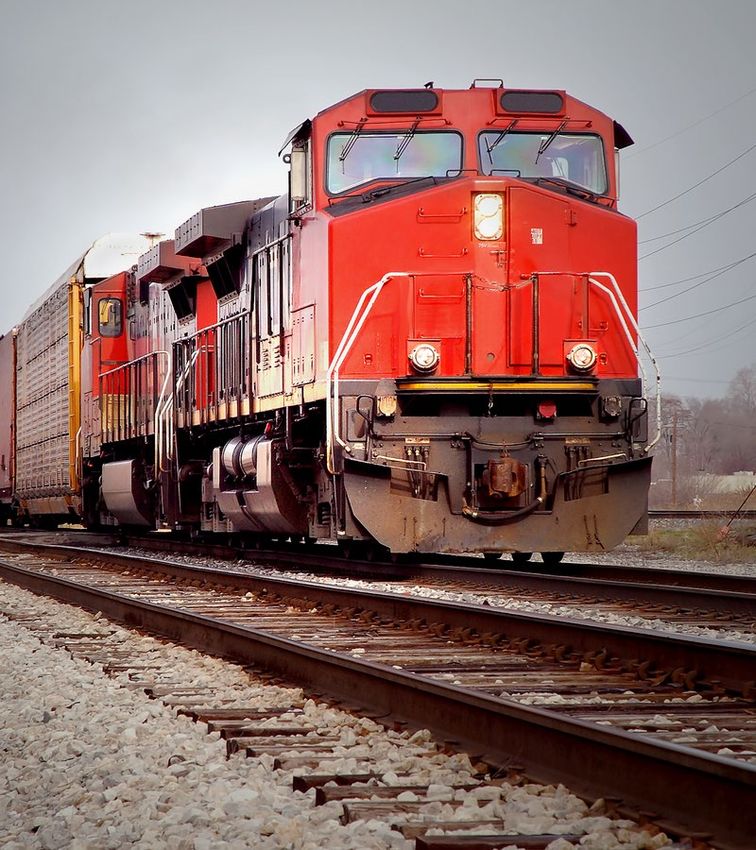
PORTLAND MILA PROJECT

Project Purpose

The project will inform the City of Portland’s
update to its Economic Opportunities Analysis

       Consistent with previous EOA
       update efforts

       The Harbor Economy is different
       from other industrial uses.

       Understand the tradeoffs of
       different growth scenarios

                                                 Photo Credit: Port of Portland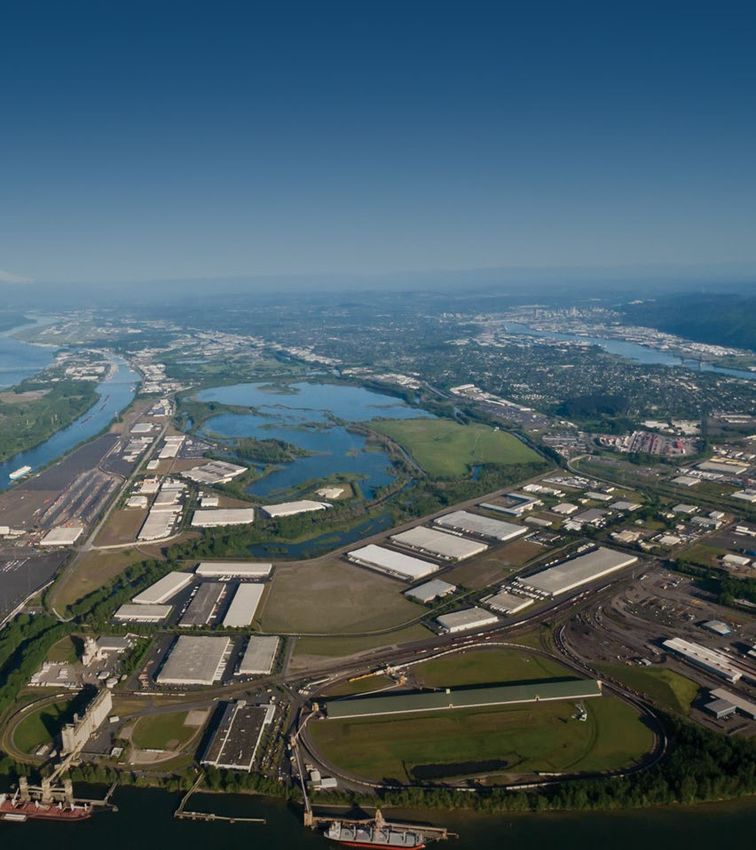
INDEPENDENT RESEARCH TOPICS

                                    Research Organization

              Economic Shifts in                                    Impacts of the Portland Harbor
            the Harbor Economy                                      Superfund Site1

       Impacts of Changes in                Foundational               Assessment of the
            Terminal Design                                            Economic Function of the
                                             Research
                                                                       Harbor Economy

Marine Industrial Competitiveness                                   Race and Educational Equity
          on the Lower Columbia                                     in the Harbor Economy

                                                                              1 Report completed by Maul Foster Alongi.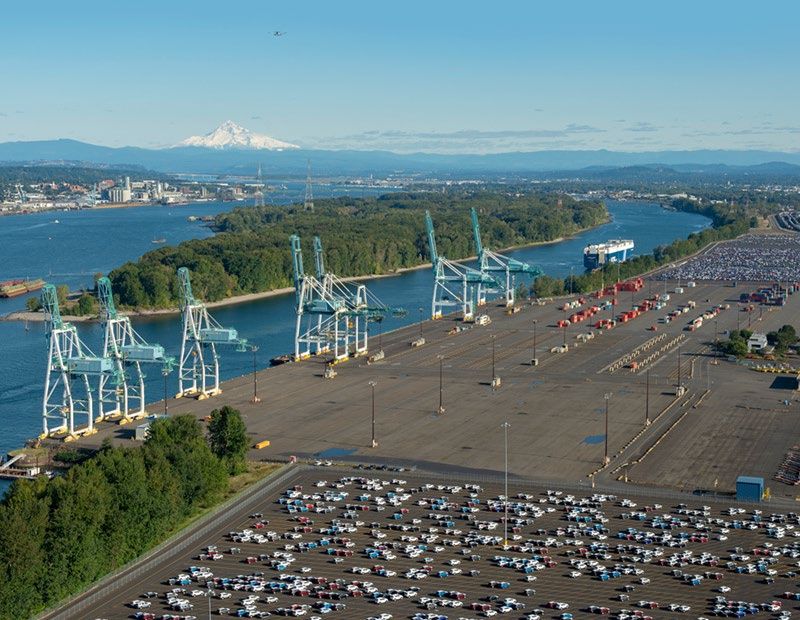
PORTLAND HARBOR

Study Area Definition

       Harbor Access Lands

       Harbor and Airport District
       (excluding east of (I-5)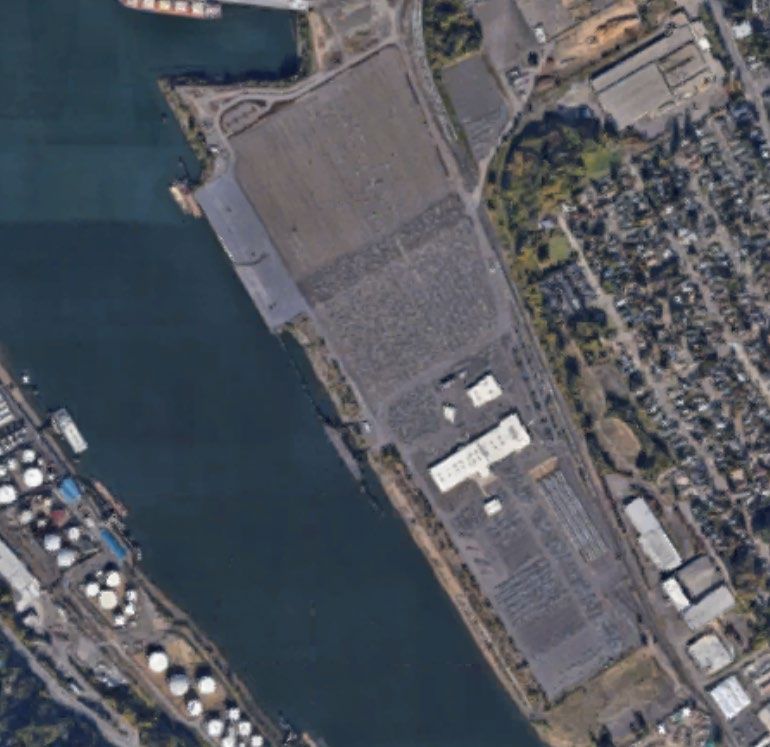
Findings
EMPLOYMENT GROWTH BY INDUSTRY (2003-2018)

                      SHIFTS IN THE HARBOR ECONOMY

                  Economics Trends                    1,154
                                                                                      1,367

                                                                  939

                                                                                                 350
                                                                            -224

                                                                                                          -647

                                                     OTHER       CONS    W. TRADE     TWU        MCE      MAN

                                                                Decline in manufacturing and trade,
                                                                offset by other sectors.

                                                                 Increases in investment in capital,
                                                                 equipment, and facilities.

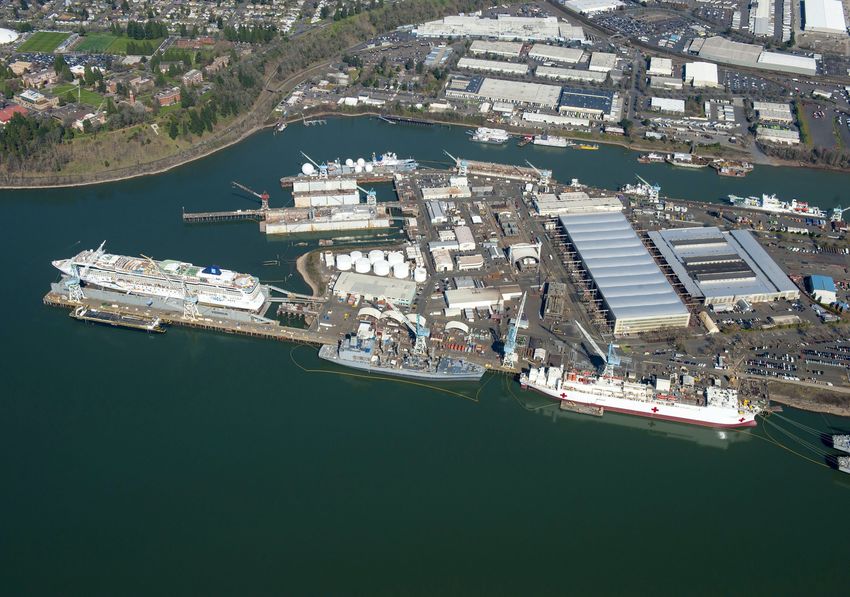
Photo Credit: Vigor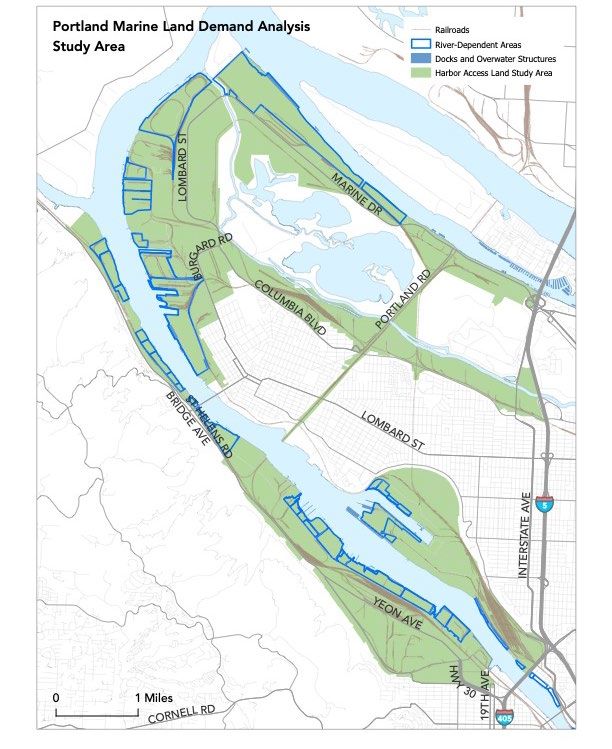
LAND NEED

Shifts in Technology and
Design
    Larger ships are limiting Portland’s
    competitiveness.

    Longer unit trains leading to greater
    land demand.

      EVOLUTION OF OCEAN-GOING VESSELS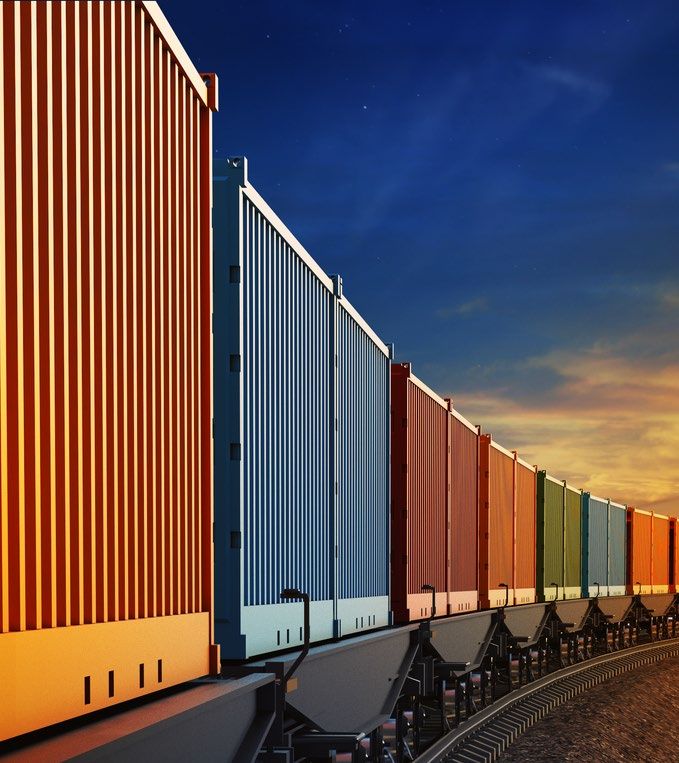
LOWER COLUMBIA

                              Port Area Competitiveness

                   A summary of market trends and shifts in investment and market share

       All ports exhibiting               Portland handles the
+20%
       export growth
                                  2x      majority of intraport
                                          commodity flows

       Declining market
13%                                       Portland leads in
       share in grain
                                          auto trade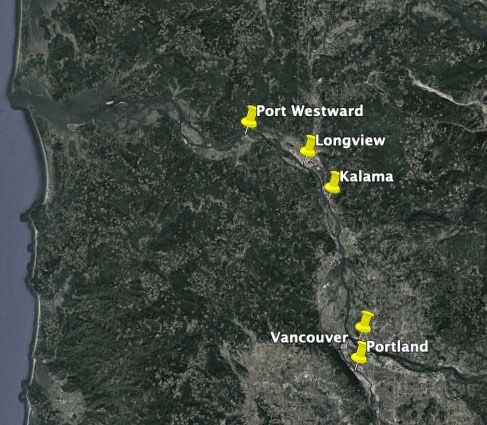
PHYSICAL ASSETS

                       Port Area Competitiveness

   Land Supply           Underutilization                 Rail              PDX Assets
Competing Port areas        Vacant and             Portland’s superior   Over 70 berths and
 have long-term land   underutilized terminals    competitive position   river access points
        supply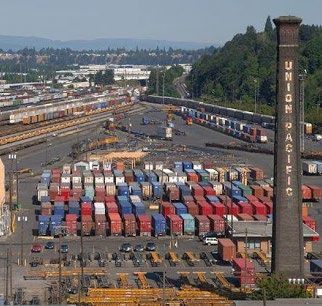
INTERVIEW THEMES

                                  Port Area Competitiveness

                                                           Name Recognition
           Industry Agglomeration                             Portland also benefits from a stronger brand.
       Unrivaled network of interrelated
          business and workforce asset.

           Protect Industrial Areas
Strong feeling that industrial areas need
 to be protected from encroaching uses.

     Challenging Business Climate
      Portland’s regulatory and business
   climate deteriorates competitiveness

                                                    Photo Credit: Port of Portland
IMPACT ON COMPETITIVENESS
Harbor Superfund Site
Record of Remedy Monitoring
Decision Design Period
2000-2016 2018-2019 13+ years
2016-2017 3-5 years 17+ years
Investigation Establish Remedy
and Feasibility Baseline Construction
Negative Impact on Problem will continue to Tools and a path
Investment due to persist for years to come forward to manage
uncertainty and liability risk. (with some improvement) liability riskSTAKEHOLDER PERSPECTIVE
Interview Themes
Market Forces
Mixed feelings about A
structural business outlook.
Planned Investments
B Firms are investing in capital
and equipment.
Land Need
Plans to grow through C
intensification; but…
What can the city do?
D Actions the city can take to
improve competitiveness.
Superfund
Preventing new market entrants E
and limiting PRP investmentLAND NEED
Marine Terminals
Terminal land need is a step function.
When volumes stabilize near capacities, it
triggers investment in new facilities.
Columbia Grain | Portland, OR (~40 acres) Terminal 4 | Portland, OR (~75 acres)
Grain Cargo Forecast
Grain cargo volumes are forecasted to reach
up to 152 percent of existing capacity by 2040.
Auto Cargo Forecast Grain Terminal Auto Terminal
Auto cargo volumes are forecasted to reach up 40 to 60 acres for a 50 to 80 acres for a
118 percent of existing capacity by 2040. typical facility typical facilityLAND NEED
Marine Production and Services
FACTORS IMPACTING LAND NEED
LOW MED HIGH
PORTLAND INDUSTRY TREND
A Declining Industrial Harbor
Assumes a net-reduction in -100 to -160
INVESTMENT acres of industrial land need.
STRUCTURAL TRENDS Moderate Growth (Baseline)
Assumes a 215 to 325 acre increase in
industrial land need.
LOCAL INSIGHTS
POLICY INFLUENCE
A Revived Working Waterfront
Assumes a 650 acre increase in industrial
land need
SUPERFUND SITELAND NEED
Rail
Railyards On-site Rail
Cargo throughput creates a need for Land need for longer sidings and
additional railyards capacity to accommodate larger trains
Study did NOT
estimate rail land need.
Changes in operational
models increases need
without increases in
growth.DISTRIBUTION OF INCOME BY RACE?ETHNICITY AND EDUCATION OPPORTUNITY COSTS Economic Impacts and Mobility Many traded-sector industries rely on access to marine facilities to cost- effectively move cargo in and out of the region. Maritime activities in Portland account for over 7,100 jobs and $629 million in income through direct and secondary effects.
Questions?
Los Angeles Portland Seattle Boise
You can also read


