Preventing hospital-acquired pneumonia - Implementing a fundamental nursing skills bundle can reduce risk - American Nurse ...
←
→
Page content transcription
If your browser does not render page correctly, please read the page content below
Preventing
hospital-acquired
pneumonia
         Implementing
         a fundamental
         nursing skills
         bundle can
         reduce risk.
         By Carolyn D. Meehan, PhD, RN, and
         Catherine McKenna, MSN, RN

                                 CNE
                                 1.36 contact
                                    hours

                       L EARNING O BJECTIVES
           1. Identify risk factors for hospital-acquired
              pneumonia (HAP).
           2. Discuss bundled strategies for prevent-
              ing HAP.
           The authors and planners of this CNE activity have
           disclosed no relevant financial relationships with any
           commercial companies pertaining to this activity.
           See the last page of the article to learn how to earn
           CNE credit.

            Expiration: 2/1/23

16   American Nurse Journal             Volume 15, Number 2         MyAmericanNurse.com
HOSPITAL-ACQUIRED PNEUMONIA (HAP), which                of gastric secretions may allow microorgan-
includes ventilator-associated pneumonia (VAP)          isms in the gut to proliferate, potentially caus-
and nonventilator hospital-acquired pneumo-             ing HAP if vomit is aspirated.
nia (NVHAP), is a well-documented hospital                 Even healthy patients may experience aspi-
complication that’s diagnosed when patients             ration. Almost half of healthy individuals have
demonstrate signs and symptoms of pneumo-               episodes of silent aspiration during sleep,
nia 48 or more hours after hospital admission;          which they tolerate without significant disease
VAP is diagnosed when signs and symptoms of             progression. But when they’re hospitalized and
pneumonia appear 48 hours after intubation.             their health status is compromised, their risk
   HAP, an inflammatory condition of the                for developing pneumonia increases.
lung parenchyma, has the highest mortality                 HAP also can be acquired from pathogens
rate of any hospital-acquired infection (HAI)           transmitted via healthcare workers and hospi-
in the United States. VAP comprises about               tal equipment. For this reason, all healthcare
   38% of HAP cases; NVHAP is underreport-              workers must strictly adhere to infection pre-
     ed as a hospital complication.                     vention standards, especially when caring for
           Consequences of HAP include pro-             patients in the acute care setting, who are at a
          longed lengths of stay in the hospital,       greater risk for developing pneumonia be-
            expensive medical treatments, and           cause they may be immunocompro-
              discharge to a long-term care facil-      mised or malnourished, at an advanced
               ity. Avoiding these consequences         age, or have multiple comorbidities.           HAP   also can be
                 depends on nursing care that
                  is based on a fundamental             Assessment and diagnosis                         acquired from
                   nursing skills bundle and de-        HAP is the second most common HAI
                    livered in conjunction with         after catheter-associated urinary tract              pathogens
                     an interprofessional team.         infections. Patients on any unit in the         transmitted via
                                                        hospital can develop NVHAP, which
                      Causes and risk factors           can result in transfer to intensive care.            healthcare
                        The most common cause of           To prevent HAP, nurses should be
                        HAP is aspiration of mi-        alert for aspiration symptoms and inter-           workers and
                        croorganisms that originate     vene quickly and appropriately. Signs
                       in the patient’s nasal, oro-     of respiratory distress—such as stridor,               hospital
                      pharyngeal, and gastric flora.    tachypnea, tachycardia, and drop in                 equipment.
                     Several factors place patients     oxygen saturation—warrant immediate
                    at risk for aspiration, including   nursing interventions. Pain when swal-
                   dysphagia, coughing, and al-         lowing, a feeling that food is getting stuck in
                 tered mental status as a result of     the throat, and difficulty swallowing should
               stroke, seizures, or substance use       alert nurses to possible dysphagia. Early HAP
             disorder. For patients who’ve had a        diagnosis can be achieved with pulse oxime-
          stroke, pneumonia resulting from as-          try, chest x-ray, complete blood count with
       piration is a leading cause of death.            differential, and sputum culture.
       Other patients at risk for aspiration in-
 clude those with neuromuscular diseases                Management
(such as Parkinson’s disease and muscular               Several fundamental therapeutic nursing inter-
dystrophy), mouth sores, esophageal block-              ventions—adhering to infection prevention
ages due to tumor or radiation treatment, neu-          standards, elevating the head of the bed 30 to
rologic changes (for example, alteration of the         45 degrees to prevent aspiration, ensuring
glossopharyngeal nerve after a stroke), chron-          good oral hygiene (cleaning teeth, gums,
ic pulmonary disease (which can result in               tongue, dentures), increasing patient mobility
poor cough or inspiratory effort), and GI con-          with ambulation to three times a day as ap-
ditions that cause severe nausea and vomiting.          propriate, encouraging coughing and deep
In addition, patients receiving proton pump             breathing, and instructing patients in the use
inhibitors or histamine H2 antagonists to raise         of incentive spirometry—are associated with
the pH of gastric secretions have an increased          reducing HAP risk. Most hospitals don’t rou-
incidence of HAP. The reduction of the acidity          tinely monitor this fundamental nursing inter-

MyAmericanNurse.com                                                               February 2020   American Nurse Journal   17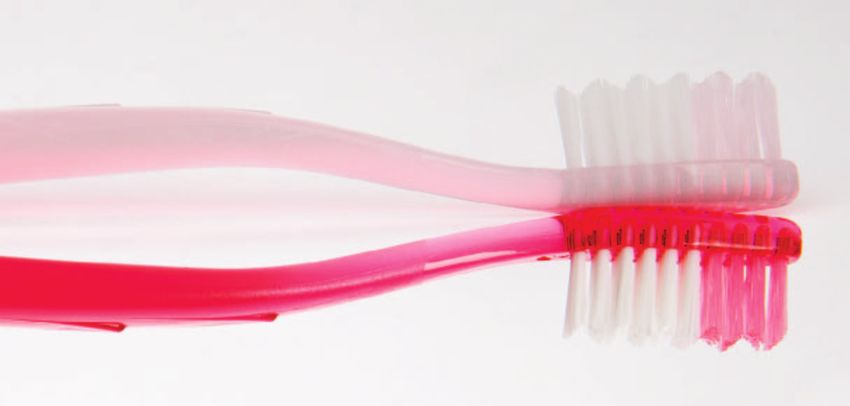
not associated with a ventilator is common in
                                                                                acute care patients, making aspiration risk as-
                                                                                sessment vital to safe nursing practice. If the
                                                                                assessment reveals that a patient is at risk for
                                                                                aspiration, elevating the head of the bed
                                                                                should be included in an HAP nursing inter-
     Oral care tips                                                             vention bundle.
                                                                                   For patients with an altered mental status,
 Research supports providing staff with a specific oral care protocol for       including those with lethargy or sedation, the
 patients to reduce the incidence of hospital-acquired pneumonia.               head of the bed should be elevated to at least
 Nurses should:                                                                 30 degrees when they are at rest. If tolerated,
 •    use a soft-bristle toothbrush or an electric suction toothbrush if the    increasing the head of the bed to high
      patient can’t brush his or her own teeth                                  Fowler’s position during mealtimes and when
                                                                                administering medications can help prevent
 •    use toothpaste that contains sodium bicarbonate
                                                                                aspiration.
 •    thoroughly examine the oral cavity, including the teeth and gingiva;         When caring for patients with a nasogastric
      for patients receiving antibiotics, watch for oropharyngeal candidiasis
                                                                                tube for feeding, nurses should follow the ev-
 •    ensure that patients’ dentures are cleaned after each meal and be-        idence-based practice of ensuring that an x-ray
      fore bedtime                                                              has verified tip placement before feeding and
 •    use a mouthwash without alcohol to complete oral care.                    maintain the head of the bed at more than 30
                                                                                degrees at all times. Nurses also should docu-
                                                                                ment a thorough abdominal assessment, in-
                         vention skills bundle to ensure effective HAP          cluding measuring residual feeding, and talk to
                         prevention, so nurses should take the lead in          the healthcare provider about using a proki-
                         strategizing the implementation of these care          netic agent such as metoclopramide, which
                         protocols.                                             has been shown to help reduce aspiration in
                                                                                patients with a feeding tube.
                         Infection prevention standards
                         Hospitalization in acute care settings impacts         Oral care
                         patients’ immune response, so hospital staff           HAP is most commonly caused by gram-neg-
                         must follow infection prevention measures to           ative bacilli and Staphylococcus aureus that
                         lower the risk of developing HAIs, including           may flourish in the oral cavity of patients in
                         HAP. Hand hygiene is an effective measure to           acute care settings. Research has shown that
                         prevent HAI and frequently is the focus of             standardized oral care reduces bacteria in the
                         staff education. Studies show that access to           mouth, and several studies have reported a
                         bedside antiseptic hand scrubs contributes to          significant decrease in HAP with an effective
                         an increase in hand hygiene adherence,                 twice-daily oral brushing program. (See Oral
                         which can lead to an overall reduction in              care tips.)
                         HAIs. In addition, face masks can be effective            Most nursing schools teach oral care, but
                         at reducing transmission of airborne patho-            providing it and helping patients perform it is
                         gens such as those that cause pneumonia and            reported to be very low. Evidence also sug-
                         influenza. Also, healthcare worker influenza           gests that oral care is poorly documented by
                         vaccination is key to preventing HAP; antiviral        nursing staff, which may indicate that staff ed-
                         prophylaxis should be provided to patients             ucation is needed to improve adherence and
                         during a flu outbreak.                                 documentation. Linking oral care to nursing
                                                                                assessment and educating staff on this best
                         Head of bed elevation                                  practice for preventing pneumonia may im-
                         Elevating the head of the bed is a simple in-          prove patient outcomes and reduce HAP in
                         tervention that may reduce aspiration risk.            acute care settings.
                         Raising the head of the bed to at least 30 de-            Studies also have shown that HAP preven-
                         grees as a deterrent to microaspiration in pa-         tion in surgical patients should begin with
                         tients on a ventilator has been well document-         oral care before intubation. This nursing in-
                         ed; some research suggests that 45 degrees is          tervention may reduce microbial growth in
                         ideal for these patients. However, aspiration          the oral airway postoperatively when done in

18    American Nurse Journal       Volume 15, Number 2                                                      MyAmericanNurse.com
conjunction with other bundle interventions. Coughing and deep breathing improve the
Educating staff on this practice and adding expectoration of secretions and increase chest
specific oral care guidelines to the preopera- wall expansion to help reduce NVHAP. And
tive checklist may help reduce this postop some evidence suggests that controlled inspi-
complication. ration using incentive spirometry can improve
oxygenation and reduce pulmonary complica-
Increased mobility tions. However, no clear guidelines exist for
Early and intensive mobility interventions re- the routine use of incentive spirometry in pre-
duce the incidence of HAP and the effects of venting NVHAP.
deconditioning that accompany prolonged The incentive spirometer may act as a phys-
bed rest. Elderly patients and those with ical reminder to patients that coughing and
chronic diseases are at high risk for functional deep breathing are important to prevent pul-
decline in as little as 72 hours if they’re on un- monary infections. But protocols for the use of
necessary bed or chair confinement. Unfortu- incentive spirometers vary widely among nurs-
nately, although evidence supports early mo- es and respiratory therapists, leading to reports
bilization to reduce HAP, most patients still of patient confusion. Therefore, a combination
spend more than 60% of their time in bed. Bar- of the interventions discussed (patient educa-
riers to early mobility include lack of time, tion, elevation of the head of bed, early ambu-
concerns about patient safety, patients’ physi- lation, oral care, coughing and deep
ologic instability, lack of appropriate equip- breathing, and incentive spirometry) ap-
ment to safely transfer patients, and insuffi- pears to be the best way to prevent A multidisciplinary
cient personnel to assist with ambulating. NVHAP.
Nurses can take an active role in assessing team approach to
safe patient transfers and ambulation to reduce Resources, education, and
fall risk. For example, they can complete the collaboration prevention is the
Banner Mobility Assessment Tool (BMAT) to Many of the interventions to prevent
assess basic balance and mobility. The BMAT HAP are part of basic evidence-based
most effective
is a valid and reliable tool for nurses to use at nursing practice. Because of this, nurs- strategy in
the bedside to determine patient mobility and es can take the lead in developing and
the appropriate safety equipment needed to implementing prevention strategies reducing VAPs.
assist in transfers and early ambulation. within their scope of practice and mon-
After patient safety is established, inter- itor outcomes.
ventions such as getting the patient out of Nurse leaders should provide the appropri-
bed at least three times a day has been ate resources—equipment and personnel—so
shown to significantly reduce the incidence staff can achieve HAP reduction outcomes.
of HAP. Adequate pain control is necessary Resources may include proper oral care
to achieve patient mobility goals. Having an equipment (such as electric suction tooth-
individualized schedule of analgesics and brushes, mouthwash, dental floss, and den-
avoiding oversedation before getting out of ture care items) and safe and effective mobil-
bed may help patients meet mobility goals. ity tools (such as gait belts, slide sheets, and
Nurses should partner with physical therapy proper lifting equipment). In addition, nurses
to develop safe interventions, such as super- must be properly educated in the use of any
vised walking programs, to reduce the effects new or unfamiliar equipment so they feel con-
of prolonged bed rest. fident about its use and are more likely to use
it. Designating team champions on acute care
Coughing, deep breathing, and units to assist in achieving HAP prevention
incentive spirometry goals also may help encourage staff interven-
Coughing, deep breathing, and incentive tion adherence.
spirometry have long been essential compo- Healthcare organizations should provide
nents in preventing NVHAP in postoperative education workshops to promote the use of
patients. Because more than half of NVHAP fundamental interventions to reduce HAP. In-
patients are on a medical unit, adding these cluding patients and family in the education
nursing interventions for nonsurgical patients process and the plan of care upon admission
as well is helpful. also may help improve outcomes.
MyAmericanNurse.com February 2020 American Nurse Journal 19sponsible for increases in hospital costs,
lengths of stay, and discharges to long-term
care facilities.
Several fundamental nursing interventions
have been associated with decreasing HAP
risk; however, no standardized protocols exist
for effectively monitoring and documenting
them. A fundamental skills bundle that in-
cludes best practices for infection prevention,
oral care, early mobility, elevation of the head
of the bed, and coughing and deep breathing
may help improve outcomes, especially for
Interprofessional collaboration high-risk patients. Staff education about these
protocols may increase buy-in at the unit lev-
As part of hospital-acquired pneumonia (HAP) prevention, nurses el. Nursing’s focus should be on educating
should initially focus on the principles of infection prevention and mon- staff and ongoing research for these preven-
itor each element of the fundamental skills bundle (head of bed eleva- tive strategies while also working with pa-
tion, oral hygiene, patient mobility, and coughing and deep breathing) tients, families, and an interprofessional team
to reduce HAP risk. Then they should collaborate with the interprofes- of healthcare providers, and to emphasize the
sional team as needed to ensure the best outcomes. For example: interventions’ importance. AN
• When risk factors for aspiration are identified, nurses should initiate
a consult with speech therapy to determine additional prevention The authors work at West Chester University in West Chester, Penn-
strategies, such as a swallowing screen for early diagnosis of poten- sylvania. Carolyn D. Meehan is an associate professor of nursing
tial aspiration. and prelicensure program coordinator. Catherine McKenna is a clin-
• For elderly patients, nurses should discuss treatment options with ical skills lab coordinator.
the primary care provider and pharmacist to avoid polypharmacy,
which may contribute to aspiration. References
• If pain is limiting patient mobility, nurses should consult with the Boynton T, Kelly L, Perez A, Miller M, An Y, Trudgen C.
Banner mobility assessment tool for nurses: Instrument
pain management team to find therapies that will offer relief with-
validation. Am J Safe Patient Handl Mov. 2014;4(3):86-92.
out detrimental side effects.
Kalil AC, Metersky ML, Klompas M, et al. Management
• For patients at nutritional risk (such as those with a body mass in- of adults with hospital-acquired and ventilator-associated
dex less than 18 or a prealbumin below 16 mg/dL), nurses should pneumonia: 2016 clinical practice guidelines by the In-
collaborate with nutritional support services to provide supple- fectious Diseases Society of America and the American
ments as indicated. Thoracic Society. Clin Infect Dis. 2016;63(5):e61-111.
Klompas M, Branson R, Eichenwald EC, et al. Strategies
to prevent ventilator-associated pneumonia in acute care
hospitals: 2014 update. Infect Control Hosp Epidemiol.
According to Klompas and colleagues, a
2014;35(8):915-36.
multidisciplinary team approach to preven-
Nakashima T, Maeda K, Tahira K, et al. Silent aspiration
tion is the most effective strategy in reducing predicts mortality in older adults with aspiration pneu-
VAP; the same is true for NVHAP. This ap- monia admitted to acute hospitals. Geriatr Gerontol Int.
proach includes a comprehensive team of 2018;18(6):828-32.
physicians; nurses; physical, speech, and res- Quinn B, Baker DL. Comprehensive oral care helps pre-
piratory therapists; nutritionists; and pharma- vent hospital-acquired nonventilator pneumonia. Am
cologists. Bedside nurses are in an excellent Nurse Today. 2015;10(3):18-23.
position to take the lead in initiating this type Quinn B, Baker DL, Cohen S, Stewart JL, Lima CA,
of team collaboration and communicating Parise C. Basic nursing care to prevent nonventilator
hospital-acquired pneumonia. J Nurs Scholarsh. 2014;
with the interprofessional healthcare team on
46(1):11-9.
the most effective HAP prevention protocols.
Sopena N, Heras E, Casas I, et al. Risk factors for hospi-
(See Interprofessional collaboration.)
tal-acquired pneumonia outside the intensive care unit: A
case-control study. Am J Infect Control. 2014;42(1):38-42.
Nursing’s focus Tesoro M, Peyser DJ, Villarente F. A retrospective study
HAP is an underreported and understudied of non-ventilator-associated hospital acquired pneumo-
complication of hospitalization with signifi- nia incidence and missed opportunities for nursing care.
cant patient morbidity and mortality. It’s re- J Nurs Adm. 2018;48(5):285-91.
20 American Nurse Journal Volume 15, Number 2 MyAmericanNurse.comPOST-TEST • Preventing hospital-acquired pneumonia
CNE
CNE: 1.36 contact hours
Earn contact hour credit online at myamericannurse.com/article-type/continuing-education
Provider accreditation ANA Center for Continuing Education and Professional Devel-
The American Nurses Association is accredited as a provider of opment’s accredited provider status refers only to CNE activities
nursing continuing professional development by the American and does not imply that there is real or implied endorsement of
Nurses Credentialing Center’s Commission on Accreditation. any product, service, or company referred to in this activity nor
Provider Number 0023. of any company subsidizing costs related to the activity. The
author and planners of this CNE activity have disclosed no rele-
Contact hours: 1.36
vant financial relationships with any commercial companies
ANA is approved by the California Board of Registered Nursing, pertaining to this CNE. See the banner at the top of this page
Provider Number CEP17219. to learn how to earn CNE credit.
Post-test passing score is 80%. Expiration: 2/1/23
Please mark the correct answer online. 5. To prevent aspiration and subsequent 8. All of the following statements about
HAP in patients receiving enteral feedings incentive spirometry are correct except
1. Which patient is at highest risk for as-
via a nasogastric tube, nurses should a. Incentive spirometry may reduce pul-
piration that could lead to hospital-acquired
a. be sure tip placement is confirmed by monary complications.
pneumonia (HAP)?
auscultation before the initial feeding. b. Protocols for the use of incentive
a. A man with a compound fracture of
b. measure residual feedings and docu- spirometers vary widely among nurses
the tibia
ment abdominal assessments. and respiratory therapists.
b. A 32-year-old woman who had an ap-
c. elevate the head of the patient’s bed c. Incentive spirometry may improve oxy-
pendectomy
90 degrees. genation.
c. A woman who had an acute myocar-
d. avoid administering prokinetic agents d. There are clear guidelines for incentive
dial infarction
such as metoclopramide. spirometry for preventing nonventila-
d. A 76-year-old man with Parkinson’s dis-
tor HAP.
ease 6. Which of the following should be part
of an oral care protocol for preventing 9. Which statement about the role of in-
2. Which statement about aspiration risk
HAP? terprofessional collaboration in preventing
is correct?
a. Use a mouthwash without alcohol to HAP is correct?
a. Healthy patients are not at risk for aspi-
complete the care. a. The team should include only physi-
ration.
b. Use a mouthwash with alcohol to com- cians; nurses; and physical, speech, and
b. GI conditions with mild nausea fre-
plete the care. respiratory therapists.
quently result in aspiration.
c. Use a toothpaste without sodium bi- b. The team should include only physi-
c. Esophageal blockages due to tumor or
carbonate. cians, nurses, nutritionists, and pharma-
radiation treatment can put patients at
d. Use a toothpaste with potassium bicar- cists.
risk for aspiration.
bonate. c. When risk factors for aspiration are
d. Pneumonia caused by aspiration is an
identified, nurses should initiate a con-
uncommon cause of death in patients 7. Which statement about mobility and
sult with speech therapy.
who have had a stroke. reduction of HAP is correct?
d. Nurses should work with physical ther-
a. Patients should be kept in bed during
3. Which class of drugs is most likely to apy to keep a patient with pain in bed
the first 72 hours of hospitalization to
put patients at risk for aspiration? until he or she is pain free.
avoid the risk of falls.
a. Proton pump inhibitors
b. Elderly patients are at high risk for func- 10. Patients with poor nutrition, which
b. Antiarrhythmics
tional decline in as little as 96 hours if places them at risk for HAP, include those
c. Analgesics
not active. with
d. Beta blockers
c. Nurses can use the Banner Mobility As- a. a body mass index less than 48.
4. The head of the bed of a patient with sessment Tool (BMAT) to assess basic b. a body mass index less than 18.
lethargy who is at risk for aspiration balance and mobility. c. a prealbumin higher than 18 mg/dL.
should be elevated to at least d. Most patients in the hospital spend d. a prealbumin higher than 25 mg/dL.
a. 10 degrees. more than 80% of their stay in bed.
b. 15 degrees.
c. 20 degrees.
d. 30 degrees.
MyAmericanNurse.com February 2020 American Nurse Journal 21You can also read


