Reversing the Decline of Insects - A new report from the Wildlife Trusts - Lead Author: Professor Dave Goulson, University of Sussex
←
→
Page content transcription
If your browser does not render page correctly, please read the page content below
A new report from
the Wildlife Trusts

Reversing the
Decline of Insects

Lead Author:
Professor Dave Goulson,
University of Sussex
Reversing the Decline of Insects
Contributors
Contents Foreword
Lead Author:
Professor Dave Goulson, University of Sussex Craig Bennett, on behalf of
Foreword 3
Professor of Biology and specialising in bee ecology, The Wildlife Trusts
Executive Summary 4 he has published more than 300 scientific articles
on the ecology and conservation of bumblebees
Introduction 5
A
and other insects.
Section 1: Insect Recovery Networks 6 s a five-year-old boy when I left
Section 2: Insects in the Farmed Landscape 12 Editorial Group: my light on at night with the
Section 3: Insects in our Towns and Cities 18
Penny Mason, Devon Wildlife Trust window open, my bedroom
Ellie Brodie, The Wildlife Trusts
Sarah Brompton, Action for Insects Campaign Manager
would be swarming with moths half
Section 4: Insects in our Rivers and Streams 24
Imogen Davenport, Dorset Wildlife Trust an hour later.
Section 5: Insect Champions 32 Steve Hussey, Devon Wildlife Trust
Now, I’d be lucky to see one. When venturing away for a family
Conclusion 37 Gary Mantle, Wiltshire Wildlife Trust
Joanna Richards, The Wildlife Trusts holiday, driving up the A1 for five hours, the front number plate
The Wildlife Trusts’ Asks 39 would be covered in squashed insects by the time we arrived at
our destination. Now, there might be one or two.
With thanks to the many contributors
Alice Baker, Wiltshire Wildlife Trust
Today, I’m 48 years old and the science is clear; in my lifetime
Tim Baker, Charlton Manor Primary School
41% of wildlife species in UK have suffered strong or moderate
Jenny Bennion, Lancashire Wildlife Trust
decreases in their numbers – be it number of species, or
Photo: Hans Brexmeier
Janie Bickersteth, Incredible Edible Lambeth
number of individuals within a species, and it is insects that
Leigh Biagi, On the Verge Stirling have suffered most. It shouldn’t really come as a surprise. If we
Rosie Bleet, Kent Wildlife Trust destroy wildlife habitat and routinely spray tons of chemicals
Sam Bridgewater, Clinton Devon Estates on the land designed to kill insects, guess what? We end up
Harriet Carty, Caring for God’s Acre with fewer insects!
Jolyon Chesworth, Somerset Wildlife Trust
Josie Cohen, Pesticide Action Network UK The collapse in the abundance of our wildlife has been the most The Wildlife Trusts do not believe that insect declines are
Ian Corder, Little Island Leaves shocking and disturbing aspect of the war on nature that has inevitable if enough people care and act. But for nature to
Caroline Corsie, Worcestershire Wildlife Trust been waged in recent decades. Much as we like to imagine we have a chance, we need to see at least 30% of our land
Tali Eichner, Plaw Hatch Farm live in a green and pleasant land; the truth is that the UK is now managed for its recovery and we need to stop the unnecessary
Edward Evans, Cumbria Wildlife Trust one of the most nature depleted countries in the world. And as use of pesticides. Whether it’s making more space for insects
Jo Foat, Surrey Wildlife Trust the abundance of key insect species declines at an alarming rate, where we live and farm, making our towns and gardens
Mathew Frith, London Wildlife Trust so the critical role they perform in ecosystems is undermined pesticide free, or setting an ambitious target for pesticide
Russel Hobson, Butterfly Conservation and the other wildlife that depends on them suffers. reduction…we know what we need to do; we just need to get
Julia Hunt, Kent Wildlife Trust on with it. And fast.
Hawk Honey, Suffolk Wildlife Trust The stark fact is that we need insects and
Jack Kelly, Nature Friendly Farming Network if we don’t act now, and act decisively,
Marjorie Landels, Incredible Edible Lambeth
future generations will not be able to
Peter Lundgren
Annie MacDonald, Pesticide Free Balerno
enjoy butterflies, moths, ladybirds, pond Craig Bennett
Angus Menzies, Dorset Wildlife Trust skaters, dragonflies, ground beetles and Chief Executive, The Wildlife Trusts
Beth Pateman, Kent Wildlife Trust bumblebees… Our ability to feed ourselves Follow Craig on Twitter: @craigbennett3
Stuart Payton, Natural History Consortium will be compromised and many of our
Melissa Ralph, Cornwall County Council
beloved birds, mammals and other species
Helene Rudlin, Whalley Rangers
Matthew Shardlow, Buglife
will simply not survive. Nature’s recovery
Mark Schofield, Lincolnshire Wildlife Trust is essential.
Ruth Testa, Devon Wildlife Trust
Steve Wootton, Wadebridge Town Council If government promises to ‘…become the first generation to
leave that environment in a better state than we found it’ are
Photo: Richard Jinman
All research references in this report can be found at to mean anything, then we must start by reversing the decline
of insects. The UK Government has a vital role to play, but
www.wildlifetrusts.org/afi-references
communities and individuals can all make a huge difference
too through direct action and influencing policy.
In this report we show how.
Front Cover Photo: Jon Hawkins/Surrey Hills Photography
Contents Page Photo: Jon Hawkins/Surrey Hills Photography
3
Reversing the Decline of Insects Reversing the Decline of Insects
Executive
Introduction
Summary
I W
nsects are beautiful, fascinating Reversing the Decline of Insects, commissioned by The Wildlife e share our planet with at
Trusts as part of their Action for Insects campaign, focuses
and vitally important. They make on some examples of what can be done by everyone to halt
least one million different
up the bulk of known life on Earth and reverse this crisis. From the road verges of Stirling and types of insect, though experts
and play numerous essential roles Kent, to farms in Northern Ireland and Devon, the chalk estimate that there are probably at least
streams of Wiltshire, and the urban greenspaces of Lambeth
in ecosystems, providing food, and Manchester, we highlight some of the many people and
another four million more that we have
pollination, recycling, pest control projects that are making a real difference to insects. We can yet to discover.
and much more. learn from these successes and, with your help, scale them up
and roll them out across the country. We can create a network In the UK alone we have more than 27,000 insect species;
of insect-friendly habitat to ensure that our grandchildren grasshoppers, bees, silverfish, caddisflies, beetles,
As American biologist E.O. Wilson once said, “without insects
grow up in a world where the flash of butterflies’ wings, the dragonflies, mayflies, moths and many, many more. Most
the environment would collapse into chaos”. Thus the
buzz of bumblebees and the chirp of crickets are all familiar of us pay them not the slightest heed, but they are the
growing evidence that many are in rapid decline – with, for
sights and sounds. dominant life form on Earth, living all around us,
example, UK butterfly populations down more than 50%
since 1976 – should be of very deep concern for all of us, but burrowing in the soil in our gardens and parks, buzzing
Photo: Dan Edwards
sadly not surprising. We have lost 97% of our wildflower from flower to flower in farmers’ fields, munching slowly
meadows since the 1930s and 87% of our wetlands have through the leaves in our woodland... Insects are
gone. Annually, we apply 16.9 thousand tons of pesticides on everywhere, performing vital roles such as pollinating
our countryside every year, and that does not include what wildflowers and crops, serving as a major food source for
we spray in our towns and our cities, in our gardens and the birds, bats, fish, reptiles and amphibians, recycling the
chemicals we pour down our drains. A 2019 EU report on nutrients in animal dung and cadavers, spreading seeds,
aerating the soil, eating pests and so on. 15 years. There is no doubt that insect declines are real, rapid
global biodiversity loss tells us that it is not too late to Professor Dave Goulson and ongoing, and that they should be regarded as one of the
reverse insect declines, but only if we start now at every University of Sussex
level of society, from local to global. Whether as an individual, you ‘like’ major existential threats to the health of our planet and
future human generations.
insects or not, we need them. Without
their help in recycling nutrients and The causes of insect decline are much debated but
keeping soil healthy, it would be much undoubtedly include multiple factors, most serious of which
What do insects Insect populations can recover swiftly, with a
little help and space. The Wildlife Trusts are harder to grow crops, and the three are habitat loss and the intensification of farming systems
do for us? working hard to inspire and help people to take quarters of our crops that require
with the associated heavy use of pesticides. The spread of
diseases, non-native invasive species and light pollution also
action for insects where they live, learn, work and insect pollinators would produce little contribute to insect decline, while climate change is an
farm. We want policy makers to know that the or nothing. We could not feed the additional driver. The evidence for insect declines and its
public cares about insects and want to see growing human population without causes, and more details on the vital roles they perform in
ecosystems and the consequences of their ongoing demise,
changes to protect them. Everyone can help by the help of insects, so we have a very can be found in Insect Declines and Why They Matter, a
reducing their use of harmful chemicals and by pressing, personal reason to look report commissioned by The Wildlife Trusts in 2019 as part
calling on the UK Government to set an ambitious after them. of their Action for Insects campaign.
pesticide reduction target. We also need to start
establishing a recovery network for nature by Sadly, evidence suggests that we are failing to do so. The purpose of the current report is to inspire and support
creating insect-friendly habitats in our gardens, Studies from around the world, from Germany and the concerted action to halt and reverse insect declines in
Netherlands to North America, Puerto Rico and Japan the UK.
towns, cities and countryside that are bigger,
have found that many insects are in rapid decline. In the
better protected and more joined up so at least UK, data on butterflies, moths, ground beetles, wild bees It is not too late; insect populations can
30% of our land and seas are rich in nature. To and hoverflies all show strong decreases since the 1970s
recover quickly given the right
reverse insect declines, we need to work with (when monitoring started), although it is likely that these
nature, not against it. We can all be insect declines began much earlier than that. A recent citizen conditions. Because they live all around
champions by taking Action for Insects today. science project run by Kent Wildlife Trust that looked at us, in our gardens, parks, road verges,
www.wildlifetrusts.org/take-action-insects
numbers of splatted insects on car number plates found a meadows and hedgerows, we all have a
difference of approximately 50% fewer insects over the last
part to play in their recovery.
4 5
Reversing the Decline of Insects                                                                                                                                                                                 Reversing the Decline of Insects

Section 1

    Insect Recovery                                                                                                                                    Insects Need a Recovery Network…

      Networks                                                                                                                                         To properly look after insects and other wildlife
                                                                                                                                                       there needs to be more places where they can
                                                                                                                                                       thrive – rich habitats that are free of pesticides and,
                                                                                                                                                       crucially, linked up so that insect populations are

S
    cientists have long been                                                                                                                           not cut off and can move as the climate changes.
    aware that nature struggles                                                                                                                        The UN Convention on Biological Diversity calls for
                                                                                                                                                       at least 30% of land and seas to be covered by
    to thrive in small, isolated
                                                                                                                                                       wildlife-rich habitat to tackle the climate and
patches of habitat.
                                                                                                                                                       ecological emergency. Conservation organisations
Small populations risk going extinct, with little chance of
                                                                                                                                                       cannot buy and manage the necessary tracts of

                                                                                                                                                                                                                                                        Photo: Chris Gomersall
habitat ‘islands’ being recolonised if isolated from other                                                                                             land, so a recovery network for nature that
similar patches of habitat. Additionally, small patches can                                                                                            encompasses our homes, highways, villages, cities
easily become polluted or degraded by surrounding land                                                                                                 and the wider countryside will make a vital
uses. In practical terms, this means that conserving species                                                                                           contribution towards reversing insect declines.
diversity or abundance by looking after a portfolio of small
and disconnected nature reserves is not going to work long
term. This was highlighted by Sir John Lawton in Making
Space for Nature, his review of nature conservation in
England, which laid out a vision for ‘landscape scale’
approaches to recovering nature. This can be summarised
as working for more, bigger and better protected
wildlife-rich areas that are better connected – or joined up
– across whole landscapes.

For the past 15 years individual Wildlife Trusts have been
creating Living Landscapes – working to create, restore and
reconnect nature-rich areas across whole landscapes. This
approach considers the landscape and environment as one
– a dynamic, complex and linked system. From the 8,500
hectares of mires and forest in Kielder in Northumberland,
to the insect-rich habitats of the Gwent Levels, Coigach
and Assynt in the Scottish uplands, the Taw and Torridge
river catchments in Devon and the Mendip Hills in
Somerset, Wildlife Trust Living Landscapes programmes
cover more than more than 1.5 million hectares and
provide opportunities for landowners and managers,
communities and individuals to work together for
nature’s recovery.

Making our gardens and other urban areas more
wildlife-friendly would be a big step forwards. Our villages,
towns and cities are linked by a quarter of a million miles        “By joining up wild places and creating more
of road verges (which support 700 plant species – 45% of           across the UK we would improve our lives and
our native flora), plus railways, that could provide linear
                                                                                                                                  Photo: Rosie Bleet

                                                                   help nature to flourish - because everything
habitats along which wildlife could disperse if managed in
                                                                   works better when it’s connected.”
the right way. Similarly, good management of our river
                                                                   Sir David Attenborough
banks and streams could help to link nature-rich areas.
Widespread nature-friendly farming would help
enormously. We have lost 97% of our wildflower meadows
since the 1930s and 87% of our wetlands have gone.               This approach is at the heart of The Wildlife Trust’s strategy
Wherever possible, it would make sense to focus                  to build networks for nature’s recovery, whereby looking
conservation efforts on creating coherent networks of            after nature is considered in all aspects of our lives, from
linked habitats, for this will give us a better return for our   gardening and park management, to planning new
time and money.                                                  developments, to how we farm.                                                                                                                       Photo: Katrina Martin/2020Vision

6                                                                                                                                                                                                                                                  7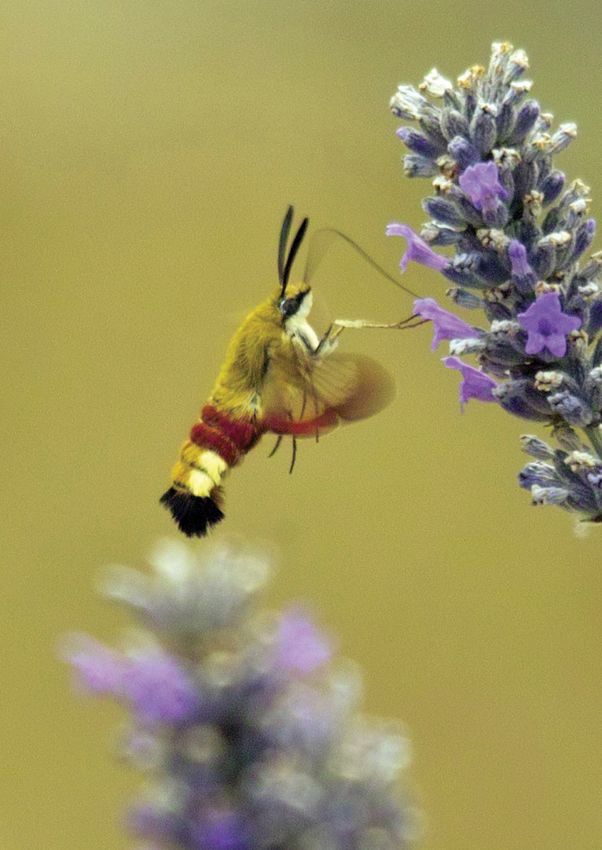
Reversing the Decline of Insects Reversing the Decline of Insects
Section 1
Case
Studies
Getting Cumbria Buzzing! – Cumbria Wildlife Trust
Get Cumbria Buzzing! is led by Cumbria Wildlife Trust and
aims to increase the abundance and diversity of pollinators “I’ve learnt a lot and, as a result of this
across northwest Cumbria. Using the ‘B-Lines’ approach, the project, we’ve created a company webpage
ambition is to create a wildflower superhighway that to demonstrate what can be done on road
stretches from Penrith in the east, through the iconic networks to support pollinators. I’m also
uplands of the Lake District and then along an extensive working with my local community to create
coastline, connecting fragmented habitat, linking natural Key elements of Get Cumbria Buzzing
wildflower verges in our village.”
environments and urban green spaces together. Delivered
Mark Wakeman, Lead Contractor, Ground Control include getting a range of partners involved;
through a partnership with local Councils, community
groups, conservation organisations and Highways England providing expertise, training, hands on
and funded by the National Lottery Heritage Fund (NLHF), support and specialist machinery;
the project is a finalist in the Highways England ‘Excellence developing a strong evidence base to
Photo: Tanya St. Pierre
in the Environment’ Awards. inform where effort is focused; and building
a sense of community around this issue.
• In 2019, 83 hectares of new insect habitat created at
108 different sites
• Over 500 people taking part
• 200 nectar and pollen-rich trees and 50,000 wildflower On the Verge in Stirling – On the Verge
plugs planted
Photo: Chris Lawrence
• Over 90 kg of wildflower-rich seed sown On the Verge was established in 2010 with the ambition of
making Stirling a haven for pollinators. Since then it has Leadership can come from anyone. It doesn’t
• New wildflower nursery established with 4,000 plants worked with more than 100 organisations to plant new native have to be an organisation – it only takes an
grown to date wildflower areas with local schools, community councils, inspired and determined individual to
churches, care homes and Stirling Council. They know their
galvanise community action.
approach is working. Research by Stirling University on 30 On
Involving the whole community to create Many sites are already showing signs of biodiversity uplift with the Verge sites showed that they had 25 times more flowers, 50
increased abundance and variety of wildflower species times more bumblebees, and 13 times more hoverflies
pollinator networks…
including yellow rattle, meadow crane’s-bill, black knapweed compared to adjacent grass areas that were mown. These
By Edward Evans numbers increased as the plants matured in subsequent years.
and red clover. The newly-established Pollinator Database is
showing unusual and unrecorded insects such as the
Since April 2019, the project has created and managed 43
Photo: Paul Hobson
froghopper, last recorded in Cumbria in 1924. The nine-year-old
hectares of flower-rich verge along the A595/A66 trunk • Working with 100 local organisations
pupil who submitted this record was very excited to learn this!
roads. Elsewhere, project partners have been transforming
www.cumbriawildlifetrust.org.uk/getcumbriabuzzing • Organised more than 100 wildflower sowing events
community parks and green spaces into pollinator havens
in the coastal towns of Workington, Whitehaven, Maryport • Sowed 10,000 m² of native, nectar-rich wildflowers
B-Lines, developed and led by the charity Buglife, aims to
and along the Solway Coast. Many sites have been planted
identify and map ‘insect pathways’ running through our
with kidney vetch to help boost local populations of the
countryside and towns and use these to work with local
small blue, a nationally scarce butterfly. The residents of It only takes one individual to be inspired to act… forward, keen to sow wildflowers, including Stirling
partners to plan and create an insect-friendly network of Council, who went on to sow large areas of their own.
Cumbria have also been enlisted to help, with a call to
habitat across the United Kingdom. By Leigh Biagi
action to get everyone’s garden, school, allotment and green Since then On the Verge has gone from strength-to-
www.buglife.org.uk/our-work/b-lines I was inspired to act 10 years ago when I heard insect strength, winning awards and sowing a total of 10,000
space buzzing. People have been asked to record their
sightings, to help create the first ever Cumbrian pollinator expert, Professor Dave Goulson, discussing drastic declines square metres of wildflowers. Last year we helped
database, which will provide a better understanding of their in bee populations. As a lack of flowers seemed to be a big establish our first sister project; On the Verge Cambridge,
abundance and distribution across the county. part of the problem for bees, it seemed sensible to start and are also about to launch a new initiative called Beds
there. I went on to set up On the Verge, which initially for Bees to help community groups establish flowerbeds
worked with schools to sow wildflowers in school grounds. full of bee-friendly plants.
Word soon spread and numerous organisations came www.onthevergestirling.com
8 9
Reversing the Decline of Insects Reversing the Decline of Insects
Making Space for Nature in Cornish Towns – Cornwall Council Priddy Parish Meadow – Somerset Wildlife Trust and Priddy Parish
The Green Infrastructure for Growth programme aimed to completed in December 2019. Communities now enjoy 32 local Somerset Wildlife Trust started work with local communities
Photo: Somerset Wildlife Trust and Priddy Parish Council
bring nature-rich and climate-resilient habitats closer to where green spaces where insects like the tree bumblebee, wasp beetle on a Parish Meadows initiative as part of the Save Our
people live in Cornwall. Spearheaded by Cornwall Council and and rare spiders have been recorded for the first time. Magnificent Meadows project, a large partnership led by
part funded by European Regional Development Fund, its main Plantlife. In Somerset, the Trust has helped communities to
objective was to improve biodiversity on 420,000 m² of urban www.cornwall.gov.uk/environment-and-planning/ develop ideas to celebrate, restore or create meadows in their
green space by creating new habitats and minimising pesticide parks-and-open-spaces/green-infrastructure-for-growth/ parish. In Priddy Parish, local people suggested the local
use on sites in seven Cornish towns. Practical works were #-tab-496958 churchyard as a potential meadow site. Two large areas of the
churchyard were allowed to grow and flower each year over
Conserving Brecks Moths Benefits other Pollinators – Butterfly Conservation the summer before being cut, with vegetation removed to
maintain its diversity of species. The parish were inspired and
encouraged by their success and expanded their meadows
Since 2008, Butterfly Conservation and partners have been project, running several other initiatives..
creating areas of bare ground across the Brecks in Norfolk to
create and connect habitat for rare moths and pollinators. www.magnificentmeadows.org.uk/assets/
Using rotovating, turf stripping and deep ploughing to expose uploads/8_Parish_Meadows.pdf
bare, nutrient poor soil, the project creates the ideal conditions
for native plants to colonise, creating an abundance of nectar
throughout the year for pollinators. Banks and ditches have Shrewsbury Cemetery – Caring for God’s Acre
been added to create micro-habitats, not only for plants to
thrive, but to supply other critical resources for insects – In England and Wales, there are an estimated 20,000 burial Tranquil havens for people and wildlife…
Photo: Sharon Hearle
particularly for mining bees to burrow and store pollen or food grounds, which collectively hold great potential in reversing By Hariet Carty
for their larvae. insect declines. Many cemeteries contain traditional, species-rich
grassland; full of flowering plants and fine grasses, a remnant of In Shrewsbury Cemetery, we surveyed the plants and realised that
www.butterfly-conservation.org/our-work/conservation- a once widespread habitat. By simply changing a grass cutting the old, Victorian section was extremely rich in wildflowers.
projects/england/specialist-moths-in-the-brecklands regime in an old section of Shrewsbury Cemetery, Caring for Working with Shropshire County Council and Shrewsbury Town
God’s Acre, a national charity working to improve burial grounds Council, we began to manage this area for wildlife. The cutting
Roadside Nature Reserves and Bee Roads – for people and wildlife, has transformed its wildlife value. regime was changed from repeated strimming throughout the
spring and summer to an annual cut and rake in the summer or
Kent Wildlife Trust and Kent County Council early autumn. Ongoing management has become the responsibility
• 5 hectares of cemetery grassland, previously mown short of a newly formed ‘Friends of’ group who now regularly carry out
and now allowed to flower and set seed
Since 1994, a partnership between Kent Wildlife Trust and Kent Creating insect superhighways… conservation tasks and stage public events. Since the project’s
County Council has created a network of 146 roadside nature By Rosie Bleet and Beth Pateman • 755 species recorded on the site, including 280 invertebrates beginning, there has been an increase in moths, butterflies,
reserves, which are managed for wildlife by contractors and seed-eating birds and signs of small mammals including hedgehogs.
volunteers. In 2017, the Bee Roads project, part of the Bumblebee The landscape in Kent, like much of the UK, has become www.caringforgodsacre.org.uk
Conservation Trust-led Making a Buzz for the Coast project, and increasingly fragmented. But our road networks provide a huge
involving Kent County Council and Swale Borough Council, opportunity to help address this issue. Kent Wildlife Trust and
continued to build on this, setting up roadside natures reserves partners have established 146 Roadside Nature Reserves and 13
for wild bees and other pollinators. These wildflower-rich Bee Roads that are now providing important forage and refuge
corridors are allowing insects to thrive, including some of for insects, as well as other important wildlife. It’s been amazing
England’s rarest bees and the endangered fiery clearwing moth. to see the transformation of some of the sites, which have not
seen any management for decades. Just one season of work has
• 146 Roadside Nature Reserves throughout Kent covering turned dense, grass dominated areas into something more
48 hectares visibly flowery and buzzing with insects!
• 13 ‘Bee Roads’ covering a total of 12.1 hectares
www.kentwildlifetrust.org.uk/projects/bee-roads
• Over 100 volunteers engaged in taking practical action and www.kentwildlifetrust.org.uk/what-we-do/
for insects protecting-wild-spaces/roadside-nature-reserves 11
These projects involve local Councils and the Burial grounds are found in communities across “I was really surprised at the diversity of insects
Photo: Caring for God’s Acre
Wildlife Trust working closely together to use the UK and can provide great homes for insects. there and the quality of the site for uncommon
sympathetic cutting, grazing, scrub clearance, Reducing mowing frequency and allowing species. I found a number of insects never
Photo: Rosie Bleet
raking, scrapes and bee banks to create grassland to grow long can produce dramatic previously recorded anywhere in Shropshire!”
wildflower-rich corridors. shows of wildflowers that in turn attract insects. Nigel Jones, Entomologist
10 11
Reversing the Decline of Insects                                                                                                                                                                                  Reversing the Decline of Insects

Section 2

 Insects in the                                                                                                                                          For Insects in our Farmed Landscape…

   Farmed Landscape                                                                                                                                      There is an exciting opportunity for a truly green
                                                                                                                                                         revolution in the UK post-Brexit, and The Wildlife
                                                                                                                                                         Trusts are calling for the UK Government to take
                                                                                                                                                         advantage of this; to ensure that public funds pay for

S
                                                                                                                                                         delivery of public goods by redirecting farm
     eventy percent of the UK is                                                                                                                         subsidies to support genuinely sustainable farming
     farmland, so how we manage it                                                                                                                       systems. The UK Government should set targets for
     is the biggest single factor in                                                                                                                     major reductions in pesticides and support farmers
                                                                                                                                                         to work with nature and to transition away from
determining whether insects thrive                                                                                                                       unnecessary pesticide use by adopting Integrated
or continue to decline.                                                                                                                                  Pest Management and other more sustainable
                                                                                                                                                         farming methods. Investment in initiatives that can
The twentieth century saw the industrialisation of
                                                                                                                                                         bring farmers, conservationists, businesses, Local
farming: mechanisation of tools, introduction of                                                                                                         Authorities and independent experts together to
synthetic fertilisers and pesticides, ripping out of hedges                                                                                              share resources and learning could help to transform
to enlarge fields, drainage of marshes, ploughing up of                                                                                                  the fortunes of our insects in the wider countryside.
ancient hay meadows and a growth in farm size. These
changes were associated with greatly increased food

                                                                                                                                   Photo: TH G Pixabay
production, but also associated with a plethora of
environmental problems including declines in wildlife,
pollution and eutrophication of freshwater, and
degradation and erosion of soils.

Ninety seven percent of our flower-rich haymeadows
and 80% of chalk downlands were destroyed in the 20th            No farmer wants to hand over their farm to
century. Pesticide use continues to increase; the number         the next generation in a degraded, depleted
of applications per field nearly doubled in the period 1990
                                                                 state. It is in all our interests to recognise
to 2016, with insects in farmland now routinely exposed
to a harmful cocktail of insecticides, fungicides and            the problems and, together, find a way to
herbicides. This is of huge concern as farmers need              remedy them and support farmers as they
insects for the ‘ecosystem services’ they provide:               adapt to the huge challenge of producing
pollination, dung recycling, pest control, to name but a
                                                                 food while reducing pesticide use,
few. Dung beetles act as a good example, estimated to
save the UK cattle industry £367 million per annum               supporting healthy ecosystems and
through the provision of ecosystem services. Pollination         helping to tackle climate change.
alone is worth £690 million per year to British farmers.
                                                              Fortunately, there are wonderful examples of farmers who
It is important to acknowledge that this industrial,          are moving towards more sustainable and wildlife-friendly
chemical-based farming system came about because of           farming: reducing pesticide and fertiliser use; reducing tillage
government policies, subsidies and regulations, with          and regenerating soils; encouraging pollinators and natural
drivers including the need to feed a growing population,      enemies of crop pests; adopting ‘integrated pest management’
consumer preferences, the growing power of                    (IPM); and planting more trees in agroforestry and sylvopasture
supermarkets, and marketing pressures from the                schemes. More radical options also exist, such as organic,
agrochemical industry. Farmers have responded to these        biodynamic and permaculture. Many farmers feel passionately
pressures and continued to try and make a living under        about the natural world as demonstrated by the growing
sometimes challenging circumstances. We all have              popularity of the Nature Friendly Farming Network.
common interests in ensuring that farmers can make a          www.nffn.org.uk
living and produce sufficient healthy food, while
practicing methods that look after the soil, lock up          Integrated Pest Management (IPM)
carbon, and encourage healthy populations of pollinators      IPM is a strategy focused on suppressing pest populations by
and other farmland wildlife.                                  encouraging their natural enemies, through cultural practices
                                                              and choice of crop variety. It treats pesticides as a last resort,
                                                              used not to eliminate pests, but to keep numbers below a
                                                              threshold of economic harm.
                                                                                                                                                                                                                               Photo: Chris Gomersall
                                                                                                                                                                                                                                         Photo: XXXX

12                                                                                                                                                                                                                                                13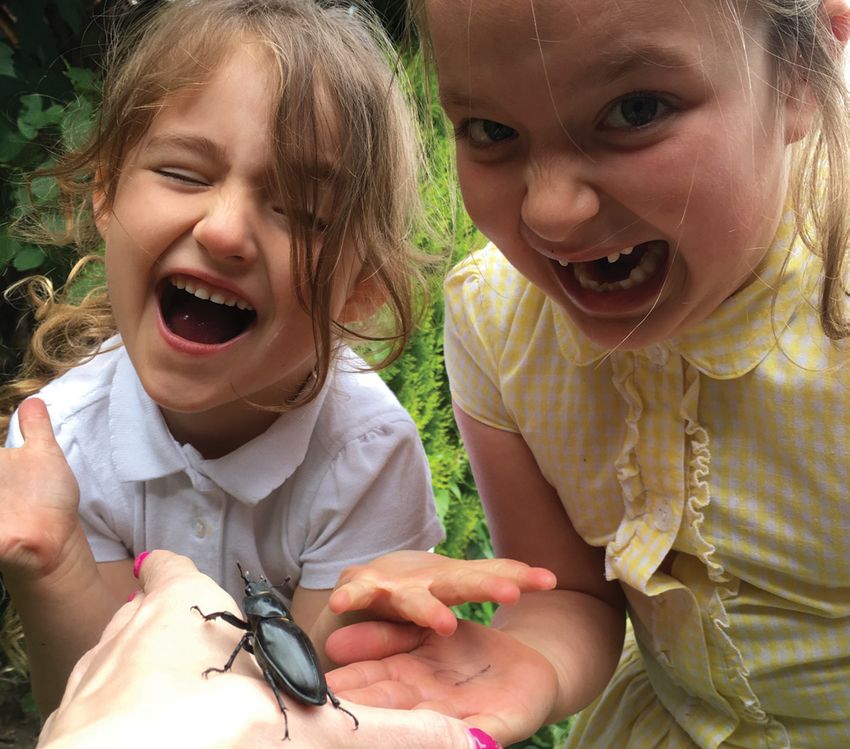
Reversing the Decline of Insects Reversing the Decline of Insects
Section 2
Case
Studies
Farming for the Future – Clinton Devon Estates Organic Dairy
Photo: Nick Upton/2020Vision
For over 600 years, Clinton Devon Estates in East Devon has
been evolving to meet the needs of the times. Today their
most pressing challenge is to demonstrate that their business
is adding value to society and that their activities are
enhancing wildlife rather than eroding it.
Photo: Jon Hawkins/Surrey Hills Photography
• 10,000 hectare estate – 1,100 hectare organic dairy farm
• 14% of estate land designated and non-designated as
A Lifelong Commitment to Wildlife – Jack Kelly
conservation areas
• Audit of the estate’s 1,000 hectares of pebblebed heaths For more than 30 years, Jack Kelly, based in Northern Ireland, wildlife-friendly habitat, coupled with a reduction in inputs
revealed 3,000+ species including 1,700 insect species has been farming his land to benefit nature. Through the (herbicides and artificial fertilisers), has resulted in big wins
support of government funded agri-environment schemes for pollinating insects.
• Six current conservation partnership projects focusing and voluntary work, he has created a network of flower and
on supporting a range of species including beavers, seed-rich habitats, with large hedgerows and clean wetland
greater horseshoe bats and cirl buntings habitat that benefits insects, mammals and birds. As a result, • Farm size - 36 hectares
. Jack has seen wildlife increase – from lapwing nesting on
• 2015 survey found a total of 355 pollinating insects of 13
the fen, to yellowhammers feeding on seed-rich wild bird
Meeting the challenge of insect declines… Supporting citizen science projects such as the Bumblebee different species in one sample area of the farm;
cover grown in the fields overwinter. Barn owls have also
Conservation Trust’s ‘Beewalk’ is helping us to improve our compared to 63 insects of 10 different species on a
By Sam Bridgewater, Clinton Devon Estates returned – a rare species in Northern Ireland. Recent surveys
understanding of both species’ diversity and abundance on neighbouring farm under different management
on the farm have also demonstrated that the creation of
East Devon is so beautiful it is easy to become complacent. our land. The data collected will inform our management.
At first glance, a view across the Otter Valley suggests that all is www.clintondevon.com
right in the natural world. The landscape is rich in trees and
copses with 17% woodland cover. With field sizes rarely greater If you look after nature, it will look after you…
than eight hectares and an excellent network of managed “We don’t claim to have the answers to insect declines By Jack Kelly “Our work demonstrates what can be achieved
hedges, habitat connectivity appears to be superb. In the and we can’t yet claim that what we are currently through adopting nature-friendly farming
distance, 1,000 hectares of Open Access heathland rises to the doing is sufficient. But the Estate’s intent to play its I’ve always believed that if you look after nature, it will look practices and how they can help build the
skyline. And centre stage, the sandstone cliffs of the River Otter, part is genuine. The journey starts with accepting after you. This philosophy guides all our decisions. I was resilience of the business.”
home to one of the great recent conservation success stories in that there is a problem, taking responsibility, and one of the early adopters of agri-environment schemes, Jack Kelly
England – the return of the beaver. Surely this is what a which help support the creation and management of
taking steps to correct the situation. “
nature-rich landscape looks like? But the evidence suggests farm habitats.
Sam Bridgewater
that all is not well beneath the surface: the catchment’s water
quality is poor; 20% of the trees are ash and in decline and With insect populations plummeting, we must do
farmland birds are struggling. And what about insects? everything we can to reverse this trend. I believe that our
work shows that all farms can do their bit in bringing
The question we have posed is ‘under our nature back. Reversing insect declines is key; providing the
foundations for a healthy, resilient environment.
current trajectory, will we leave the Estate www.nffn.org.uk/steering-group-northern-ireland
in a better or more denuded form?’
We want this to change and have introduced environmental
It’s crucial that more farm businesses
Photo: Clinton Devon Estates
Key Performance Indicators for our Home Farm, including the
voluntary planting of pollinator margins and plots across are encouraged to farm in this way and
Clinton Devon Estates has introduced environmental
rotational areas. At present this covers 1% of the area. This is
Key Performance Indicators for their Home Farm and
that our future system of farm support
further supplemented by rotationally leaving unharvested
is investing time and resource in research and in facilitates this. Agri-environment schemes that incentivise nature-friendly
strips of clover-grass leys to allow flowering. We are also farming are a vital driver for change, helping to support
monitoring their pollinators.
investing in a PhD, part of which is looking at the costs and viable farm businesses and reverse insect declines.
benefits of different management regimes for pollinators.
14 15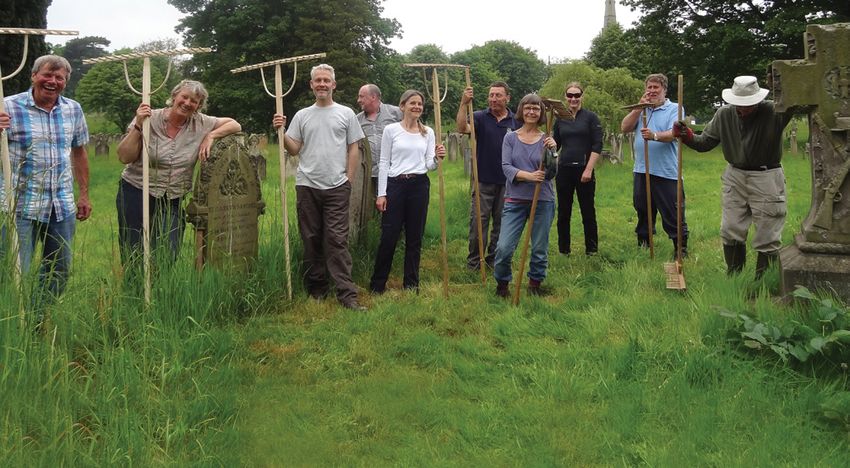
Reversing the Decline of Insects Reversing the Decline of Insects
Lower Smite Farm – Worcestershire Wildlife Trust Arable farming with fewer pesticides – Peter Lundgren
Worcestershire Wildlife Trusts’ Lower Smite Farm is managed An arable farmer in Lincolnshire, Peter Lundgren stopped
to increase the diversity and abundance of wild pollinators and “We are committed to biodiversity in our farming, using neonicotinoid pest controls 15 years ago and adopted “It proved surprisingly easy and inexpensive to
beneficial insects. No insecticides, slug pellets or livestock recording 26 butterfly species including the brown management that actively encourages ‘beneficial’ insects in achieve once I had changed my mind set to accept
wormers are used on the farm. It acts as a demonstration site hairstreak and white letter hairstreak, 38 moth and around the farm’s cropped fields. These act as predators, threshold levels of pests and weeds in the crop
and, with support from the Defra Facilitation Fund, the Wildlife species and 85 bird species. Lower Smite Farm has successfully reducing numbers of slugs, flea beetles, aphids rather that trying to eradicate them completely,
Trust works with more than 50 farms to share learning. been inspirational, showcasing how to create and and other crop-damaging invertebrates. Peter found that by and altered my thinking and practice to promote
improve habitats for pollinators.” promoting beneficial insect populations to help with control, beneficial insects within the cropped area.”
he also saved money on outputs such as insecticides and slug
Jan, Mike, Jo, Rob, and Hattie Terry, Peter Lundgren.
• 65 hectare mixed arable farm pellets, whilst maintaining yields.
Upper Hollowfields Farm, Droitwich
• 4 hectares of native woodland and 2 km’s of species
diverse hedge planted
• Does not use neonicotinoids or slug pellets
• 500 m of beetle banks created, 50 log piles made for
• Promotes beneficial insects in fields
nesting insects
• Saves money whilst maintaining yields
An appetite to learn and change…
By Caroline Corsie, Worcestershire Wildlife Trust A change in mindset…
By Peter Lundgren
With a variety of wildflowers on site providing nectar, one
visitor to the farm said it looked as though it had been I am a conventional farmer growing combinable crops in
‘flower-bombed’! And recent research conducted into solitary Lincolnshire. However, I took the unconventional decision to
bees on the farm suggests the approach is working. We share stop using neonicotinoids, which meant I needed an
our experience, and when working with farmers, we focus on alternative to controlling pests below a certain threshold if I
our Wild Pollinator Health Check - what we call ‘The Big 4’. was to be confident of growing financially viable crops. The
This includes: obvious low-cost solution was to increase the numbers of
beneficial insects that would assist me in controlling other
1) providing year-round food supplies, damaging insects. I also realised it’s no good creating
2) providing safe breeding and wintering habitat, Worcestershire Wildlife Trust uses a Wild Pollinator wildflower margins for beneficial insects when the cropped
Photo: Philip Precey
Health Check to assess how insect-friendly a farm is area is a ‘no fly zone’ due to the pesticides used there.
3) improving connectivity of habitat and
and, thanks to investment in peer learning, helps
4) removing potential causes of stress (e.g. pesticides). other farmers to do the same. I discovered increasing populations of beneficial insects
gave unexpected benefits. For instance I’ve not used slug
Photo: Hans Brexmeier
www.worcswildlifetrust.co.uk/nature-reserves/ pellets for many years. Most importantly, by promoting
lower-smite-farm beneficial insect populations to help with controlling pests
I save a lot of money on insecticides and slug pellets whilst To achieve a reduction in pesticides and costs, Peter
maintaining yields. worked to increase the numbers of beneficial insects
within the cropped area and field margins.
Looking after Dung beetles and bats – Luscombe Farm www.peterlundgren.co.uk
Luscombe Farm is a 106 hectare beef and arable farm in
Devon and was the first in the country to use the ‘SP9’ Nurturing healthy soils – Plaw Hatch Community Farm
funding to improve its practices around cattle worming
for wildlife. Known as the ‘Threatened Species
Supplement’, and available through the government’s Plaw Hatch Farm in East Sussex is a 160 hectare
Higher Tier Countryside Stewardship, the farm is community owned, mixed, biodynamic farm producing
providing more and better-connected foraging areas a range of fruit and vegetables, dairy, eggs and meat sold
for a nearby colony of the rare greater horseshoe bat mainly though their farm shop. The farm uses practices
Photo: Thomas B – Pixabay
and has changed its use of wormers to ensure there aimed at nurturing healthy soils and wildlife, whilst also
Photo: Plaw Hatch Community Farm
are plenty of dung beetles for the bats to feed on. producing nutritious food and providing a space for the
They have been supported in this work by the Devon community to use and enjoy. Varied habitats provide a
Greater Horseshoe Bat Project; find out more at rich mosaic for insects, and recent projects have
www.devonbatproject.org/landowner-case-study included creation of wildflower areas and hedgerows.
www.plawhatchfarm.co.uk
16 17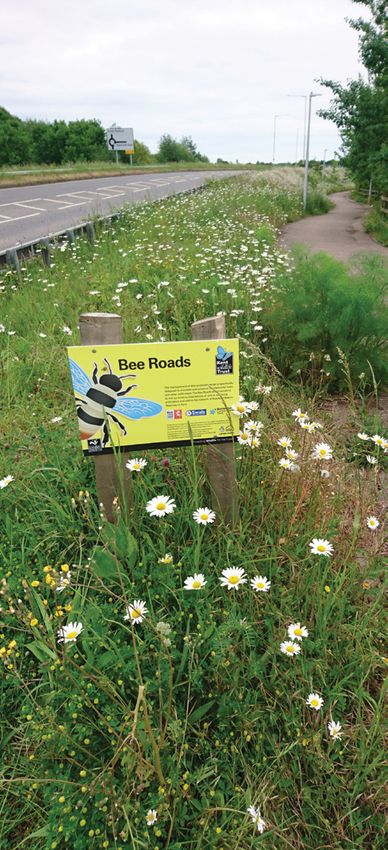
Reversing the Decline of Insects                                                                                                                                                                                 Reversing the Decline of Insects

Section 3

 Insects in our
   Towns and Cities

I
   nsects can be found all around us,
   in our towns and cities, in gardens
   and parks, allotments, cemeteries,
and on urban arteries such as road
verges, railway cuttings and
roundabouts, though we often
don’t notice them.

Urban areas can teem with life; in a 30 year study into the
wildlife of her small urban garden in Leicester, Jennifer
Owen identified no less than 1,997 different species of
insect. The amazing stag beetle is a London resident and
our towns and cities are home to a huge diversity of
moths and butterflies. But there is plenty of room for
improvement. Many urban greenspaces are repeatedly
mown, sprayed with herbicides and insecticides, and
many front gardens are hard-paved. Pesticide use in
urban areas tends to be purely cosmetic, in order to make
places look ‘neat and tidy’, an approach that we should
challenge.

     Making urban areas more insect
     friendly is a no-regret solution; there
     is no downside, no significant sacrifice
     required, aside perhaps from having

                                                                                                                               Photo: Paul Harris
     to see ‘weeds’ differently and learn to
     like seeing longer grass and flowers
     instead of endlessly mown turf in
     our greenspaces.
                                                              Many are already taking action. Balerno in Scotland is just
Gardens alone cover nearly half a million hectares of the     one community that has opted to go pesticide free, the direct                         For Insects in our Towns and Cities…
UK, a bigger area than all of our nature reserves, not        result of local campaigners working constructively with local
counting all of the other greenspaces such as our 27,000      Council officers to find new approaches. And there are                                All Local Authorities must make more space for nature
public parks, so there is huge potential.                     projects across the whole country that are bringing rare                              in towns and cities, and eliminate the routine and
                                                              butterflies, dragonflies, bees and other insects back into our                        unnecessary use of pesticides. The UK Government
In France, the government recently introduced national        urban areas. If all our towns and cities did this, made a                             should provide leadership by setting targets to drive
legislation banning pesticides in towns and cities, largely   commitment to go pesticide free and create more space for                             action and we can all do our bit to create pesticide-free,
the result of a grassroots movement. Copenhagen,              nature, and if we all took action to create more homes for                            insect-friendly spaces on our balconies and allotments
Vancouver, Toronto and Barcelona have done the same.          insects, our urban areas could soon become not just places for                        and in our gardens and parks. We need to pay attention
In Amsterdam, a ban on pesticides on public land, and a       people, but places where people and nature live happily and                           to the insects that live alongside us, so we better
municipal plan to convert half of the green space to          healthily alongside one another. Imagine cities free from                             understand what is at risk and what we need to do to
native flowers, along with a grassroots campaign to put       pesticides, where green leaves and flowers are visible in all                         help. The Wildlife Trusts are involved in creating
up bee hotels and plant flowers in private gardens, has       directions, where the air is clean and children can grow up                           insect-rich habitats right in the middle of our biggest
led to an increase in bee diversity by 45% since 2000. We     surrounded by the familiar buzzing of bumblebees, and where                           towns and cities and Pesticide Action Network UK
can achieve the same in the United Kingdom.                   they could learn the names of birds and wildflowers and                               (PAN UK) is leading the charge for pesticide-free towns.
                                                              admire the glinting colours of damselflies.                                           www.pan-uk.org/category/pesticide-free-towns
                                                                                                                                                                                                                                 Photo: Paul Hobson

18                                                                                                                                                                                                                                              19
Reversing the Decline of Insects Reversing the Decline of Insects
Section 3 Staggering Gains: Putting Stag Beetles on the Map – London Wildlife Trust
Case Stag beetles are a globally threatened species and have been in An amazing creature in the heart of our biggest city…
Studies
steep decline across Europe. Britain’s largest land beetle, almost By Mathew Frith, London Wildlife Trust
8 cm in length, is easily recognised by the male’s distinctive
antler-shaped jaws. Destruction of the stag beetle’s key habitat – London Wildlife Trust has run a stag beetle survey since 1997
dead wood – through the ‘tidying-up’ of woodlands and parks and provides guidance for planners, gardeners, and site
has been the prime reason for its decline. London Wildlife Trust managers to consider their conservation needs. We have seen
has worked with partners, Local Authorities, and thousands of records of the beetle grow from 20 to 26,700 and a whole range
Community-driven action – Pesticide Free Balerno, Edinburgh volunteer recorders to track their populations, develop of organisations and individuals taking action. This project is
conservation action plans and to inspire thousands of people to just one of our initiatives to help insects thrive in London.
notice and care, providing more wild areas and the dead wood ‘Brilliant Butterflies’ is restoring chalk grasslands in south
After the World Health Organisation named Glyphosate,
the main ingredient of most weed killers, as a ‘probable “Our young environmentalists made the (like loggeries) in parks, woodlands and gardens that is critical to London and ‘Dragonfly Detectives’ has helped local people
biggest impact of all, voicing their right their survival. Stag beetles are now firmly on the map in London. understand the importance of London’s freshwater habitats
carcinogen’, linking it to many other serious human and
animal health issues, some concerned individuals in Balerno to protect the planet and the insects that for these stunning creatures. There is a role everyone can
started petitioning for their street and area to become support it - it was truly inspiring to us all.” play in these initiatives.
• From 20 stag beetle records to 26,700 www.wildlondon.org.uk
pesticide-free. As word spread, more streets joined in, Annie Macdonald
leading to the formation of Pesticide Free Balerno in 2019. • Thousands of local people take part every year
This community initiative works to raise awareness about
• Three Special Areas of Conservation designated for the
the harmful use of pesticides and to support safe,
stag beetle
environmentally-friendly alternatives to weed management
in the village. There is now a much higher level of weed
acceptance within the community and sightings of many
more insects – particularly butterflies and bees.
“Watching survey data roll in each summer,
with excited comments and sheer glee at
Photo: Nick Upton/2020Vision
• In 2020 Balerno went pesticide free! what people see, is extremely rewarding.”
• Groups and individuals from across the community are Getting expert support, showing Council
Mathew Frith
participating representatives alternatives to pesticides that work
• Over 80% of residents report seeing more bees and and mobilising youth leadership are all key factors
butterflies and many other kinds of insects in this successful campaign.
Starting with one street… a whole community
got involved
By Annie MacDonald
Our campaign was quick to build, with lots of voices helping
to spread the word. We set up an Instagram page and petition
for Pesticide Free Balerno. Pesticide Action Network UK
(PAN UK) provided information to share with the Council
and community regarding the dangers of pesticide exposure
for humans, wildlife, and our environment. Local journalists,
children, families, and businesses helped spread the word.
We knew that hot foam and other environmentally friendly
methods were being used effectively around the UK to treat
weeds - Foamstream is approved by the Soil Association
as safe to use around humans and animals and does not
pollute our air, water or soils. We set up a demonstration
for our Councillors.
Photo: Dr Pooky Knightsmith
Photo: Pesticide Free Balerno
We took our case to the Transport and Environment
Committee in February 2020, supported by PAN UK. Our
Helping people to realise that these amazing
deputation included young environmentalists. The Committee
creatures are on their doorstep and that there are
agreed to stop applying pesticides in Balerno! We felt we had
simple actions all can take to help them, is at the
made a small but meaningful step in the right direction and it
heart of London Wildlife Trust’s approach.
was worth every second! instagram: @pesticidefree.balerno
20 21Reversing the Decline of Insects Reversing the Decline of Insects
Streets without herbicide – Whalley Rangers Return of the Manchester Argus Butterfly – Lancashire Wildlife Trust
Streets Without Herbicide is a coalition of local
residents from one Manchester community who In May 2020, the Manchester argus (also known as the
large heath) butterfly returned to Astley Moss in Greater
“In Victorian times there were literally thousands
have united to end the indiscriminate use of of these butterflies in the mossy areas around
Manchester for the first time in over 100 years. It was
pesticides to control weeds on their local streets, Manchester. This reintroduction is part of a wider
once a common sight across the region, but due to the
lobbying the Council and using hand weeding and effort to get native wildlife back in the right areas …
destruction of its peatland homes, it had become locally
Photo: John Bridges
the creation of wildflower areas to help insects and extinct. Around 50 caterpillars were pupated at Chester Everyone here is absolutely over the moon about this.”
other local wildlife. Find out more at Zoo and were then transported to Astley Moss, where Alan Wright, Lancashire Wildlife Trust
www.whalleyrangers.org Lancashire Wildlife Trust has carried out significant
Photo: Stefan Johansson
wetland habitat restoration to welcome them. Here they
completed their magical transformations before
emerging to start a whole new population!
Citizen science in action – City Nature Challenge www.lancswt.org.uk/blog/jenny-bennion/
how-do-you-reintroduce-extinct-butterfly
Between 24-27 April each year, the City Nature Challenge
encourages people to take a closer look at the nature all
around them. 244 cities from across the world take part –
with ten cities participating in the UK in 2020. Records were Championing Local Food and a Pesticide Free Community –
submitted using the mobile phone app iNaturalist and all Incredible Edible Lambeth
records are made available to inform local and national
conservation work. 4,710 people in the UK took part in 2020’s
Incredible Edible Lambeth wants to create connected Insect friendly food bringing a community together…
Photo: Matt Postles
challenge, submitting an astonishing 71,665 wildlife records
communities through the power of food. This Community By Janie Bickersteth and Marjorie Landels
– including 10,129 records of 855 different insect species.
Interest Company, which is part of the Incredible Edible
Network started in Todmorden (in Yorkshire) in 2008, Our passion is local food – so insects are really important to us! –
Find out more at www.bnhc.org.uk/bioblitz-type/
champions local food growing and food businesses in and we were appalled to find the Council spraying glyphosate
uk-city-nature-challenge
South London and started a ‘pesticide-free Lambeth’ with all the impacts of this pesticide on insect populations and
campaign 18 months ago. human health. We have been running a ‘pesticide-free Lambeth’
Pesticide free Wadebridge, Cornwall – Wadebridge Town Council campaign for the last 18 months and have lobbied the Council
to go pesticide-free, meeting with councillors, officers, spraying
Wadebridge Town Council stopped spraying weeds in March • 800 community members contractors and tenant management organisations to encourage
2016 and their Parks team and contractors no longer use any “Our advice is that you can do it, make the leap and • 30 streets in Lambeth now opting out of pesticide a reduction or eradication of harmful chemicals. We developed a
kind of pesticide. Instead, in managing their four large grassed don’t look back! No serious problems have arisen, spraying 3-year strategy to eliminate all pesticides and have successfully
areas, including three parks and a cemetery and the roads and and the pros far outweigh the cons. The parks that influenced the way in which the Local Authority use pesticides.
• Local Authority has agreed to go pesticide free by 2021 It has now agreed to go pesticide free by 2021 and has already
pavements around town, they use a self-drive brush weeder, we maintain, if anything, look better than they did
gas flame, strimmer and hand weeding, which they find to be • Network gardeners have agreed to go pesticide free stopped spraying in all its parks. Our campaign will continue
before, and spraying has not been missed.”
as effective as chemicals. They have left some areas to go wild until all harmful chemicals are removed from use by Local
Steve Wootton
and moved to annual rather than weekly strimming of some Authority land maintenance and our many gardeners have also
areas, reducing the need for maintenance and increasing the agree to go pesticide free.
benefits for insects and birds. By talking to the public about www.incredibleediblelambeth.org/news/pesticide-free-lambeth
the reasons behind it, Council staff have had no complaints.
“Our pesticide-free campaign has been painstaking Dogged persistence, a strong community network,
• Stopped using herbicides, rodenticides or insecticides work - the Local Authority has been slow to shift, and lots of conversations with a range of stakeholders
but it has now agreed to go pesticide free by 2021!” have been at the heart of this campaign.
• Low cost
• No public complaints and local people love the wildflowers
Photo: Jon Hawkins/Surrey Hills Photography
Photo: www.incredibleediblelambeth.org
Just Make the Leap!…
By Steve Wootton
Wadebridge Town Council put in place a ‘pesticide free’ policy
with the aim of promoting the value of a quality environment
to the people of Wadebridge. Although there was initial The Town Council simply made the commitment,
investment in a self-drive brush weeder, over time this will established a clear policy and stuck to it. Strong
even itself out as the sprays were purchased on a regular leadership at a local Council level is highly effective.
basis. We have not received any complaints from the public or
local businesses and local people love the wildflowers.
22 23You can also read


