RICE FLOUR Cooking with JAPANESE - Rice Stable Supply Support Organization, Public Interest Incorporated Association
←
→
Page content transcription
If your browser does not render page correctly, please read the page content below
Cooking with
                     JAPANESE
                   RICE
                  FLOUR

Rice Stable Supply Support Organization, Public Interest Incorporated Association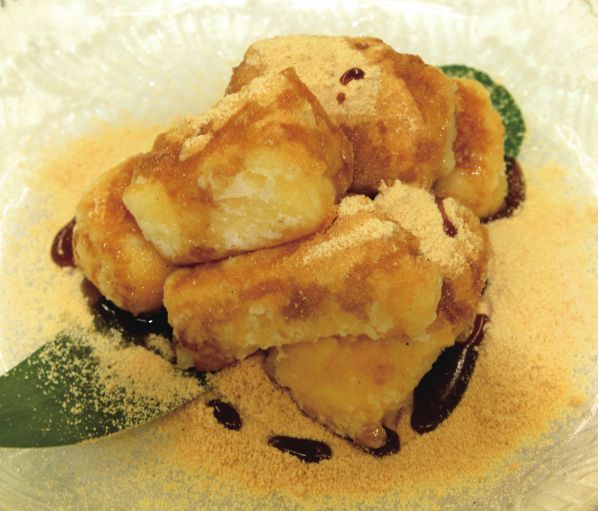
Introduction                                                   Japanese rice flour now easy to choose
                                                                                                   and use for variety of products !
     Since its foundation, Rice Stable Supply Support Organization (“Rice Organization”)        There is growing interest in a new type of Japanese rice flour that can be used in place of wheat
     has been supporting projects that promote the steady supply of rice as the staple          flour to prepare a variety of foods, such as bread, cakes and pasta. This variety of Japanese rice
     grain in Japan, serving as a designated corporation in accordance with the “Act on         flour is different from the ones which have been used in making traditional Japanese snacks such as
     Stabilization of Supply, Demand and Prices of Staple Food.”                                rice crackers and rice dumplings.

     In addition to taking part in projects that help expand the demand for rice, the           The type of flour to be used depends on which products are made. This is why there are varieties
                                                                                                of rice developed to have properties that suit specific purposes. For example, for making bread, it is
     organization is also actively engaging in sharing information with the public about rice
                                                                                                recommended to use a variety of Japanese rice flour that causes less starch damage and makes the
     by offering workshops and other events that aim to create new demand for Japanese
                                                                                                bread rise more easily. Japanese rice flour has been known to be rather tricky to use, as there are
     rice flour and other rice products.
                                                                                                many different varieties and manufacturing methods available, causing a difference in the quality
                                                                                                and properties among different types of products.
     Among the dietary and health issues we are facing today, the most common is food
     allergy. More and more people are suffering from food sensitivity triggered by dietary
                                                                                                This is why the Japanese government set the “Japanese Rice Flour Standards by Use.” Wheat
     changes and other factors. This is why there is a growing interest in Japanese rice        flour is labeled as either pastry flour, all-purpose flour or bread flour so that the consumers can
     flour as a gluten-free option.                                                             choose according to the usage. The same labeling method is now available with Japanese rice flour,
                                                                                                indicating whether it should be used for baking/cooking, bread or pasta/noodles.
     In March 2017, with the aim of promoting the consumption of Japanese rice flour
     products, the Japanese government has released “Japanese Rice Flour Standards by           This has made it much easier for the consumers to know which kind of Japanese rice flour to use
     Use” and “Labeling Guidelines to Promote Japanese Rice Flour Products” (generally          for what purpose. We hope this new standard encourages you to select a specific type of Japanese
     referred to as gluten-free food labeling).                                                 rice flour for your needs.

     In light of such circumstances, this recipe booklet has been developed with the
     objective of expanding the use of Japanese rice flour. Created by top chefs specializing
     in Japanese, Western and Chinese cuisines, the unique recipes use different types of
     Japanese rice flour that best fit the purpose (with No.1 being suitable for baking and
                                                                                                                                          Before
     cooking, No.2 for bread and No.3 for pasta and noodles). Each recipe is accompanied
     by a comment by Yukio Hattori to make it easy to understand the benefit of using
                                                                                                                              I am not sure
     Japanese rice flour.
                                                                                                                              which rice flour
                                                                                                                              I should use!
     We hope that you will find this booklet useful in understanding the distinct properties
     of Japanese rice flour so that you can incorporate it in many different applications.

                                                                                                                                            Now
                                                                                                                              I can choose                                               The package
                                                                                                                              the right type of                                      indicates the number
                                                                                                                              rice flour for what                                         and usage.
                                                                                                                              I want to make!                                        (Whether or not the product
                                                                                                                                                                                      contains gluten is clearly
                                                                                                                                                                                       indicated on the label.)

                                                                                                Japanese rice flour is grouped into three categories
                                                                                                according to usage : baking/cooking (No.1), bread (No.2)
           Rice Stable Supply Support Organization, Public Interest Incorporated Association
                                                                                                and pasta /noodles (No.3). Consumers can look at the
                                            Chairperson                                         label and number on the package to choose the right
                                   Susumu Fukuda                                                type of Japanese rice flour for what they are making.

02                                                                                                                                                                                                                 03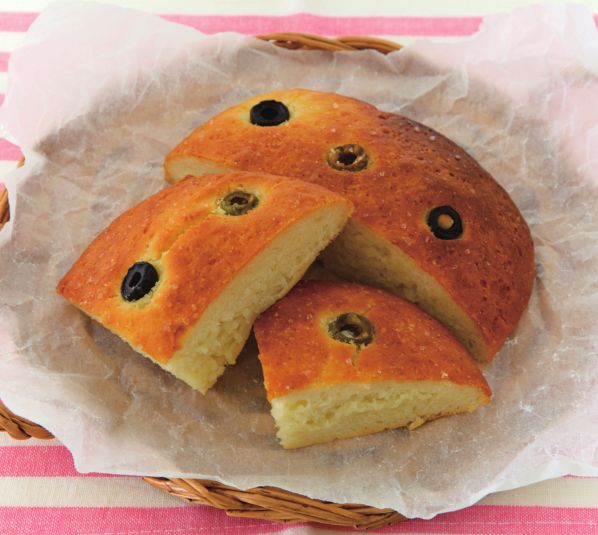
Mr. Hattori points out
Cooking with Japanese rice flour
Born in Tokyo. Chairman/President of Hattori Forestry and Fisheries and Chairman of the Expert
the benefit of using Academy and Hattori Nutrition Collage. Doctor of Committee for Promoting Shokuiku. He takes part
Japanese rice flour Medical Science. Ambassador of Japanese cuisine. in the committees of the Cabinet Office, Ministry of
suitable for specific dishes
Graduate of Rikkyo University. Obtained a Ph.D. Health, Labour and Welfare, Ministry of Agriculture,
in each recipe from School of Medicine at Showa University. Forestry and Fisheries and Ministry of Education,
Hattori is the recipient of the Medal with Blue Culture, Sports, Science and Technology. He serves
Ribbon and has been named the Chevalier (Knight) as the Vice Chairman of the National Council
Yukio Hattori
of Légion d'honneur (of the Legion of Honour) for Early to Bed, Early to Rise Plus Breakfast
Four professional chefs share easy-to-
as well as the Chevalier of the Ordre national du and committee member of the Local Specialty
Mérite (National Order of Merit) and Officier of the Recognition Committee.
Ordre du Mérite Agricole (Order of Agricultural He is the affiliate professor of Showa University
Merit) by the French president. He received the (School of Medicine), affiliate professor of Hiroshima
prepare recipes that make use of the
Minister of Health, Labour and Welfare's Award, the University (School of Medicine), affiliate professor
Minister of Education, Culture, Sports, Science and of Tokyo University of Agriculture, instructor at
Technology's Award and Food Industry Achievement the University of Tokyo (Promotion of International
Award (Special Award). Strategy on Comprehensive Cancer Research) and
unique properties of Japanese rice flour. He serves as the Chairman of the Japan Association
of Training Colleges for Cooks, Executive Director
of the Japan Association of Training Colleges
for Nutritionists, Chairman of All Japan Culinary
teaches at many other places. He is also active on
TV and radio.
Published works include the newly released
Shokuiku Book (Kirasienne), An Illustrated Guide
School Association, Director of the Washoku to Japanese Cooking and Annual Events (Tankosha
Association of Japan, Chairman of Japan Washoku Publishing), Shoku-iku Ryoku (Magazine House),
Association, Chairman of NPO Japan Food Y u k i o H a t t o r i's S h o k u i k u D o k u h o n ( C & R
Education Association, member of the Shokuiku Research) and many others.
Promotion Committee of the Ministry of Agriculture,
Hisashi Imai Yoichiro Funase Yuji Tateno Hiroaki Suzuki
Owner/Executive Chef at Taverna I Owner of AWORKS CHEESE CAKE CAFE Owner/Executive Chef at Executive Chef of Szechwan
CPA Certified Cheese Professional Michiba Washoku Tateno Restaurant Group
CPA Certified Cheese Professional Instructor
Cheese Expert
Born in Tokyo.
Imai started cooking professionally at the age of 21 Tateno started off as an apprentice to Rokusaburo Suzuki moved to Tokyo right after graduating high
and has trained at a number of restaurants of different Michiba in 1984. school in 1982 to join Akasaka Szechwan Restaurant.
cuisines. After working at Ginza Rokusan-tei, he opened Poisson In 1992, he became the executive chef at Ikebukuro
He joined Asakusa View Hotel in 1988 to work at an Rokusaburo in Akasaka in 1997 and worked as the Szechwan Restaurant.
Italian restaurant, Ristorante la Verita, and then became Funase started off his cheesecake career as the
executive chef. In 2001, he became the executive chef at Akasaka
the chef at Trattoria Bucchina in 1992. owner of Café Azzurro (closed) in Chatan-cho,
In 2008, he opened Michiba Washoku Tateno in Ginza, Szechwan Restaurant.
In 1997, Imai joined Ristorante Dontarian run by Iron Okinawa, then Azzurro Cheesecake Works (closed)
Tokyo. In 2006, he received the Ambassador Extraordinary
Chef Hiroyuki Sakai. He opened Osteria Il Piccione in Chigasaki City, Kanagawa, and now AWORKS
As the No.1 disciple of Michiba, Tateno has been and Plenipotentiary of the People's Republic of China.
in 1999 and ran the kitchen. He specializes in Italian CHEESE CAKE CAFE.
faithfully following his mentor's teaching in which In 2014, he was awarded the Tokyo Meister Award and
regional cuisine that has been passed down through He has delved deeply into the world of cheesecakes
cooking is letting the ingredients attain Buddhahood. the Minister of Health, Labour and Welfare's Award.
generations. for the past 15 years.
Tateno is good at arranging traditional Japanese cuisine In 2017, he was appointed the executive chef of
He currently works as the owner/executive chef at Funase has also been actively taking part in projects
with the flexible mindset learned from Michiba. Szechwan Restaurant Group.
Taverna I. eliminating food waste.
In order to spread the know-how of his restaurant's food that While working as the board member of the Japan
Vice President of Japan Branch of Artusi Chef allows for unrestricted creativity (referred to as Michiba Association of Chinese Cuisine, he is actively sharing
Association. Imai has been awarded with the Maestro Washoku ), he has been offering cooking classes and his techniques on TV and magazines as well as at
title by Association of Professional Italian Chefs (APCI). preparing food at elderly homes and other welfare cooking schools.
Member of Associazione Cuochi Cucina Italiana. facilities. He has also been featured in various media.
04 05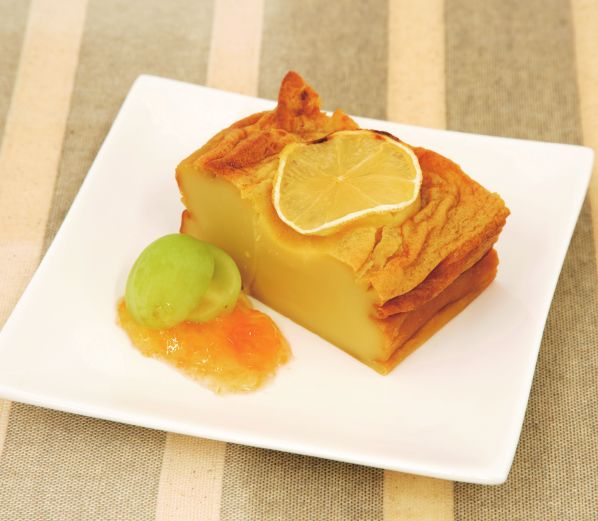
Recipe Index
                                                                                                                                     Deep-Fried Shishamo Smelt and          Rice Flour Meatballs with Sweet
     Usage label No.1 (for baking/cooking)

                                             Lemon Clafoutis with Rice Flour                  Rice Flour Cheesecake
                                                                        (Hisashi Imai)                        (Hisashi Imai)
                                                                                                                                     Vegetables with Vinegared Sauce                and Sour Sauce
                                                                                                                                                            (Yuji Tateno)                          (Hiroaki Suzuki)

                                                            P8                                          P10
                                                                                                                                                  P12                                    P14

                                                Chewy Bagels with 100%                    Italian-Style Focaccia with 100%             Quick and Easy Rice Flour            Deep-Fried Rice Flour Custard
                                                      Rice Flour                                      Rice Flour                              Ciambella                      with Kinako and Kuromitsu
     Usage label No.2 (for bread)

                                                                 (Yoichiro Funase)                               (Yoichiro Funase)                      (Hisashi Imai)                           (Hiroaki Suzuki)

                                                           P16                                          P18                                       P20                                    P22

                                                                                                                                      Baked Rice Flour Cannelloni
     Usage label No.3 (for pasta/noodles)

                                             Shiso Rice Flour Noodles in Salad                Chewy Rice Flour Pizza                                                             Gnocchi allʼOrtolana
                                                                          (Yuji Tateno)                       (Hisashi Imai)
                                                                                                                                             with Cheese                                    (Hisashi Imai)
                                                                                                                                                         (Hisashi Imai)

                                                           P24                                          P26                                                                              P30
                                                                                                                                                  P28

06                                                                                                                                                                                                                    07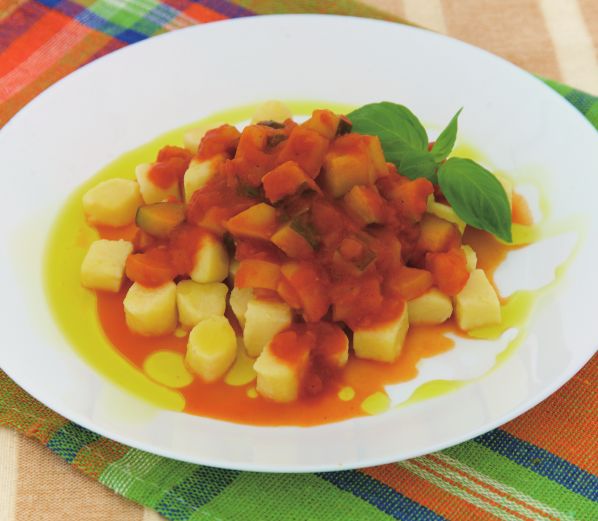
Rice flour No.1 (for baking/cooking)

                 Owner/Executive Chef at Taverna I

                 Hisashi Imai

     Lemon Clafoutis
     with Rice Flour
      NOTES
      Unlike wheat flour, rice flour does not        This is a traditional baked dessert from
      clump up easily, making the preparation        the Limousin region of France. A batter is
      effortless. Adding a moist and chewy           poured on top of fruit like cherries that are
      texture, rice flour is a perfect choice for    arranged on a tart pastry.
      clafoutis that features a flan-like base.

                                                               Directions
      Ingredients                                          1   Crack the eggs into a bowl and add the
      (makes 6 to 8 servings)
                                                               sugar. Mix well.

      *For one 25 cm × 8.5 cm × 8.5 cm pan                 2   Add the milk, heavy cream, rice flour
                                                               and lemon zest, in that order, and mix
                                                               to well incorporate the ingredients.
      70 g rice flour (No.1)
                                                           3   Thinly coat the pan with butter and
      5 eggs                                                   line it with parchment paper. Pour
      180 g sugar                                              the batter from Step 2. Bake in a
      200 mL milk                                              preheated oven of 160     for 20 minutes.

      180 mLheavy cream                                    4   Remove the pan from oven once the

      Zest of 1 lemon, minced fine
                                                               surface starts to set. Place the lemon      Comment from Yukio Hattori
                                                               slices on top and return to oven. Bake
      4 slices of lemon

                                                                                                           T
                                                               for another 20 minutes.
                                                                                                               he moisture and starch in the rice flour create the
      Lemon jam (or orange/marmalade                       5   Let it cool. Cut a slice and transfer to
      jam) for serving                                                                                         pleasant, custard-like consistency of this dessert.
                                                               a plate. Serve with the lemon jam and
      Fruit (such as grapes) for garnish                       garnish with the grapes or other fruit.     This recipe highlights the texture of the clafoutis.

08                                                                                                                                                                   09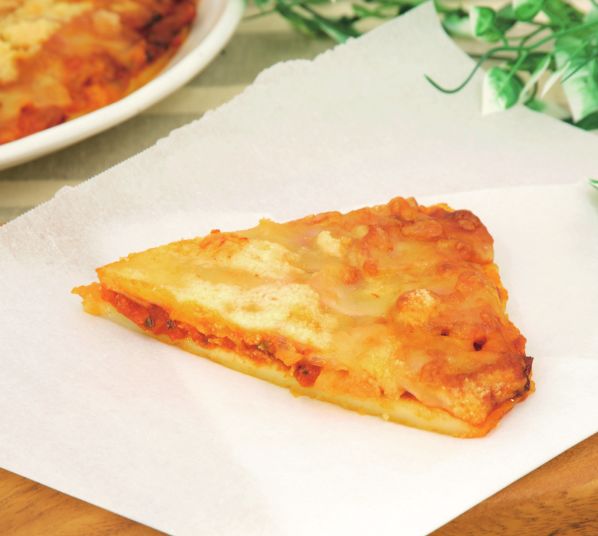
Rice flour No.1 (for baking/cooking)

            Owner/Executive Chef at Taverna I

            Hisashi Imai                        NOTES
                                                Using rice flour solves the issue of the   there are three types of cheesecake in

     Rice Flour Cheesecake
                                                batter clumping up, making the mixing      Japan: baked, soufflé and rare (no-bake).
                                                process quite easy. This cheesecake        This popular cake is said to have existed
                                                comes out very creamy, without leaving     even before the first century and evolved
                                                any unpleasant floury taste. In general,   in the course of its worldwide journey.

                                                                                                     Directions
                                                Ingredients                                      1   Place the unsalted butter, sugar and
                                                (makes 8 servings)                                   powdered creamer in a bowl and mix
                                                                                                     very well.
                                                *For one 18 cm round cake pan
                                                                                                 2   Mix in the cream cheese.
                                                                                                 3   Add the beaten eggs, rice flour and
                                                60 g rice flour (No.1)
                                                                                                     baking powder, in that order, and mix
                                                150 g unsalted butter                                thoroughly.
                                                150 g sugar                                      4   Thinly coat the cake pan with butter
                                                22 g powdered creamer                                and place a piece of parchment paper
                                                                                                     cut to fit the bottom of the pan. Pour
                                                220 g cream cheese
                                                                                                     the batter from Step 3. Bake in a
                                                3 eggs
                                                                                                     preheated oven of 160      for 20 to 25
                                                4 g baking powder
                                                                                                     minutes.
                                                Maple syrup for drizzling                        5   Remove from the pan and let cool.
                                                Lemon slices (optional)                              Cut into wedges and serve on a plate.
                                                                                                     Drizzle with the maple syrup and
                                                                                                     garnish each cake with a lemon slice
                                                                                                     (optional).

                                                                Comment from Yukio Hattori

                                                                T
                                                                     he pleasant creaminess from the rice flour further
                                                                     enhances the velvety texture of the cheesecake. The
                                                                recipe makes use of the property of rice flour that does
                                                                not clump up.

10                                                                                                                                             11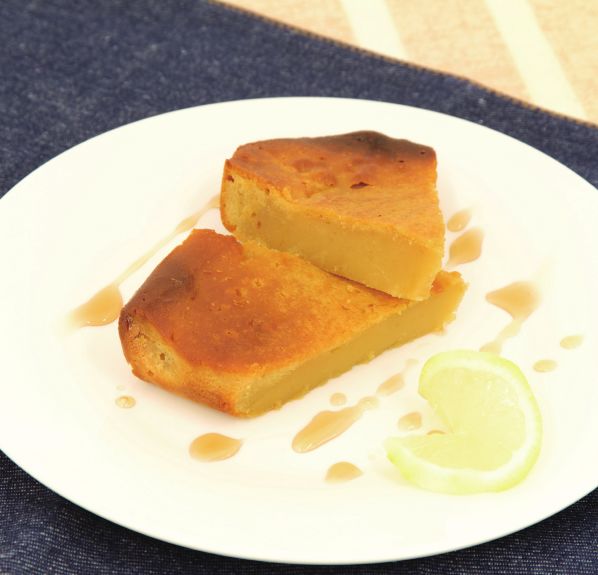
Rice flour No.1 (for baking/cooking)

                 Owner/Executive Chef at Michiba Washoku Tateno

                 Yuji Tateno

     Deep-Fried Shishamo
     Smelt and Vegetables with
     Vinegared Sauce
                                                   Directions
      Ingredients                              1   Stick each shishamo smelt through a bamboo
      (makes 4 servings)                           skewer so that it forms a gentle curve. Coat
                                                   it with the rice flour, dip it in batter made by
      Rice flour (No.1) for coating and
      batter                                       mixing some rice flour and water and deep-fry
                                                   in the oil heated to a medium temperature (about
      12 shishamo smelt
                                                   170 ) until crispy. Set aside to blot the oil.
      1 thin zucchini
                                               2   Use a vegetable peeler to thinly slice the
      1 Japanese eggplant                          zucchini into ribbons. Blanch and let cool in an
      3 small fresh shiitake mushrooms
                                                                                                       NOTES
                                                   ice bath. Blot dry on a paper towel.
                                                                                                       Batter made with rice flour creates a           less oil than wheat flour, the crispy texture
      Oil for deep-frying                      3   Partially peel the skin of the eggplant to make
                                                                                                       thin, crispy crust when deep fried. The         lasts longer. Prepared by adding vinegar
      20 micro tomatoes                            a striped pattern. Cut it into 6 thick rounds and
                                                                                                       neutrality of rice flour highlights the flavors   to stock, the thickened sour sauce brings
                                                   then halve each piece to make 12. Trim the end
      Microgreens for garnish                                                                          of each ingredient. Another benefit of          lightness and a sophisticated touch to the
                                                   of the shiitake mushroom stems and cut each
      Ginger juice to taste                                                                            using rice flour is that because it absorbs      deep-fried dish.
                                                   piece into quarters. Dip everything in batter of
                                                   rice flour and water. Deep-fry until crisp in the
      Vinegared sauce                              oil heated to medium high (180 ).
      50 mL bonito stock                       4   Combine all the ingredients for the sauce in a
      10 mL mirin (sweet cooking wine)             small pot and let it come to a boil.

      10 mL soy sauce
                                               5   Lay 2 zucchini ribbons on a large plate. Just                        Comment from Yukio Hattori
                                                   before serving, deep-fry the shishamo smelt,
      8 mL rice vinegar

                                                                                                                       R
                                                   eggplant and shiitake mushrooms once again.                                ice flour is perfect for deep-frying. The crisp,
      1/2 tablespoon sugar                         Arrange them on top of the zucchini. Add                                   light finish is very pleasant. Absorbing less oil,
      Potato starch mixed with water               the ginger juice to the sauce from Step 4 and
                                                                                                                        the coating does not become greasy on the plate,
                                                   drizzle some on the plate. Garnish with the
                                                   micro tomatoes and microgreens.                                      maintaining the beautiful colors of the ingredients.

12                                                                                                                                                                                                    13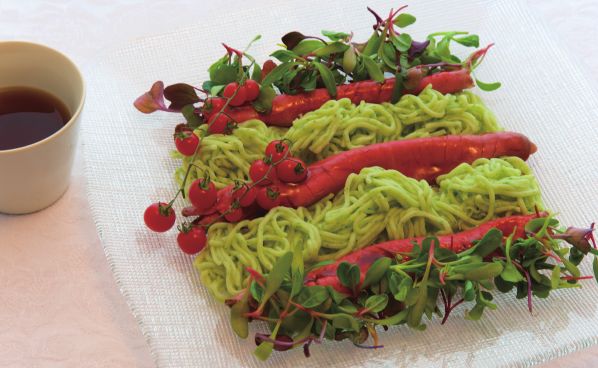
Rice flour No.1 (for baking/cooking)

                                                                                                      Ingredients
                 Executive Chef at Szechwan Restaurant Group                                          (serves 4 people)                    1/2 green pepper
                 Hiroaki Suzuki                                                                       Starch water                         Oil for deep-frying
                                                                                                        50 g rice flour (No.1)              Green peas for garnish

     Rice Flour Meatballs with
                                                                                                        180 mL water                       Deep-fried mung bean noodles for garnish

     Sweet and Sour Sauce
                                                                                                      250 g ground pork                    Sweet and sour sauce
                                                                                                                                           4 tablespoons sugar
                                                                                                      Seasonings                           3 tablespoons rice vinegar
                                                                                                      1 tablespoon sake                    3 tablespoons chicken stock
                                                                                                      1/4 teaspoon salt                    1 tablespoon soy sauce
      NOTES
                                                                                                      1 egg                                1 tablespoon Shaoxing wine (or sake)
      Starch water made by combining rice flour     down. The sweet and sour sauce is made
                                                                                                      Pinches of black pepper              1 tablespoon oil
      and water is added to ground pork that has   by combining vinegar, sugar and a little bit
      been mixed well until sticky to make these   of salt. The thickened version prepared by                                              2/3 tablespoon potato starch mixed with water
      fluffy meatballs. The texture stays moist    adding potato starch mixed with water is           20 g bamboo shoot                    1/2 tablespoon ketchup
      and soft even when they have cooled          used often in Chinese cooking.                     2 fresh shiitake mushrooms           Pinches of salt
                                                                                                      35 g onion

                                                                                                      Directions
                                                                                                  1   Place the ground pork in a bowl and              small balls. Heat the oil to medium high
                                                                                                      add the seasonings. Mix well with your           (about 170 ) and deep-fry the meatballs.
                                                                                                      hand until the mixture becomes sticky.       5   Combine the ingredients for the sweet
                                                                                                  2   Cut the bamboo shoot, shiitake                   and sour sauce in a pot. Bring it to
                                                                                                      mushrooms, onion and green pepper                a boil and add the meatballs and the
                                                                                                      into small dice (5mm). Add to the bowl           green peas.
                                                                                                      and mix well.                                6   Arrange the deep-fried mung bean
                                                                                                  3   Add the starch water and knead some              noodles on a plate and place the
                                                                                                      more.                                            meatballs on top.
                                                                                                  4   Shape the mixture from Step 3 into

                                                                                                                      Comment from Yukio Hattori

                                                                                                                      T
                                                                                                                          his is a wonderful recipe that makes use of the
                                                                                                                          chewy texture that rice flour provides while letting it
                                                                                                                      act as a binder for the ground pork.

14                                                                                                                                                                                                15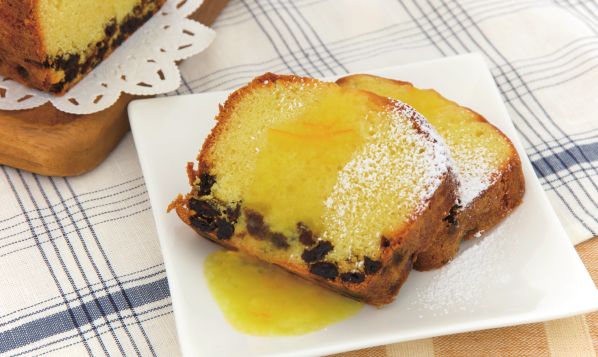
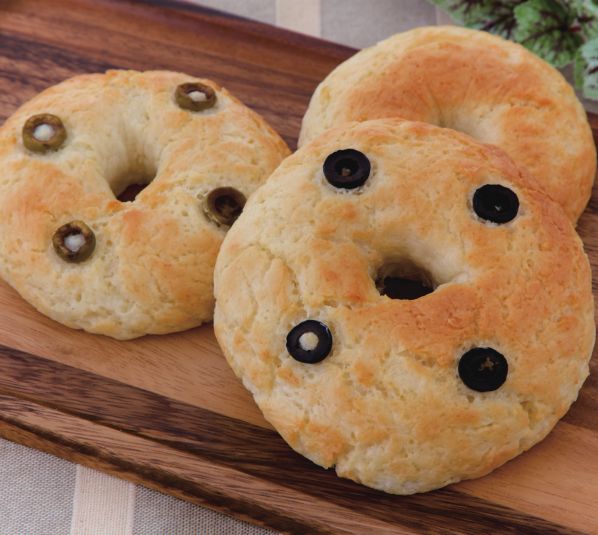
Rice flour No.2 (for bread)

                   Owner of AWORKS CHEESE CAKE CAFE

                   Yoichiro Funase

     Chewy Bagels with
     100% Rice Flour
      NOTES
      Rice flour does not clump up so readily as   consumed by the Jewish communities in
      wheat flour, making it easy to combine the   eastern Europe, bagels brought to the U.S.
      ingredients. Not requiring the secondary    by the immigrants are now an essential
      proofing, the chewy bagels are ready in     part of American diet. Boiling the dough
      no time. Adding alpha rice flour makes      before baking contributes to the chewy
      the dough more viscous and improves         texture that is unique to bagels.
      the hydration and preservation. Widely

                                                      Directions
      Ingredients                                 1   Combine all the ingredients except for the
      (makes 3 bagels)
                                                      warm water and olives in a bowl.
      230 g rice flour (No.2)                      2   Add the warm water and knead the dough.
      40 g alpha rice flour                        3   Divide the dough into three and shape each
                                                      into a round with a hole in the middle. Place
      15 g sugar
                                                      sliced olives on top and let it proof in a warm
      10 g olive oil
                                                      place (30 to 40 ) for about 20 minutes.
      10 g dry yeast                                  *You can also use the proofing function of the
      5 g salt                                        oven or place the bowl of dough on top of a
                                                                                                        Comment from Yukio Hattori
      170 g warm water (38 to 40 )                    pot filled with warm water.

                                                                                                        R
                                                  4   Bring a pot of water to a boil and cook the           ice flour adds substance to these bagels. Without an
      Olives for topping
                                                      bagels for 30 seconds. Flip and cook for              unpleasant floury flavor, the bagels impart a fresh
                                                      another 30 seconds.                               aroma and sweetness of rice.
                                                  5   Bake in a preheated oven of 180      for about
                                                      15 minutes.

16                                                                                                                                                                 17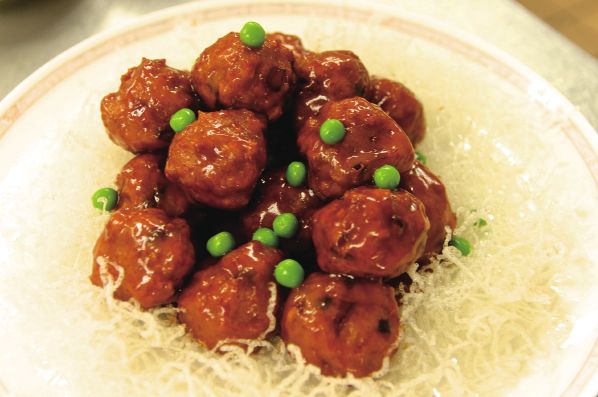
Rice flour No.2 (for bread)

                   Owner of AWORKS CHEESE CAKE CAFE

                   Yoichiro Funase

     Italian-Style
     Focaccia with 100%
     Rice Flour
      NOTES
      Rice flour does not clump up so          and preservation. Focaccia is an
      readily as wheat flour, making it        Italian flatbread that is the precursor
      easy to combine the ingredients. Not     of pizza as known today. Depending
      requiring the secondary proofing, this   on the region, it is customary for the
      focaccia is ready in no time. Adding     father to prepare focaccia for family
      alpha rice flour makes the dough more    celebrations.
      viscous and improves the hydration

                                                         Directions
      Ingredients
      (makes 4 servings)                             1   Combine all the ingredients except for
                                                         the warm water and olives in a bowl.
      170 g rice flour (No.2)
                                                     2   Add the warm water and knead the
      30 g alpha rice flour
                                                         dough.
      20 g olive oil                                 3   Shape the dough and place sliced olives
      15 g sugar                                         on top. Let it proof in a warm place (30
                                                         to 40 ) for about 30 minutes.
                                                                                                    Comment from Yukio Hattori
      10 g dry yeast
                                                         *You can also use the proofing function

                                                                                                    F
      5 g salt                                                                                         ocaccia is a classic Italian bread. Using rice flour
                                                         of the oven or place the bowl of dough
      120 g warm water (38 to 40 )
                                                         on top of a pot filled with warm water.        makes it so delicious, crispy on the outside and
      Olives for topping
                                                     4   Bake in a preheated oven of 180      for   chewy on the inside. The flavor of rice is perfect for the
                                                         about 15 minutes.
                                                                                                    Japanese palate.

18                                                                                                                                                               19
Rice flour No.2 (for bread)
Owner/Executive Chef at Taverna I
Hisashi Imai
Directions
Quick and Easy Ingredients
(makes 4 servings)
1 Soak the dried fruit mix in the orange
liqueur to rehydrate. (You can prepare
Rice Flour Ciambella
*For one 25 cm × 8 cm × 8 cm loaf pan your own mix by combining your
favorite dried fruits.)
2 Place the unsalted butter (softened
140 g rice flour (No.2)
to room temperature) and sugar in a
6 g baking powder
bowl. Use a whisk to well combine. Mix
200 g unsalted butter
in the beaten eggs, add the rice flour
NOTES 210 g sugar and baking powder and mix. Drain the
Rice flour combines well with other ciambella is a traditional Italian cake
4 eggs, beaten dried fruits from Step 1 and add to the
ingredients without clumping up, making often enjoyed by people in the central 80 g dried fruit mix bowl. (Reserve the liquid for later.)
the preparation easy. Using rice flour region of Italy. Here it is prepared in a 3 Thinly coat the loaf pan with some
180 mL orange liqueur
gives this easy-to-prepare tea cake a loaf pan like a pound cake. butter and place a piece of parchment
professional touch. Meaning “donuts,” paper cut to fit the pan. Pour the batter
Sauce
from Step 2 and create an indentation
150 g orange marmalade in the center. Bake in a preheated oven
90 mL orange juice of 160 for about 45 minutes. Remove
Pinch of salt from the pan and brush the cake with
the reserved orange liqueur while hot.
4 Mix the marmalade, orange juice and
Powdered sugar for dusting
salt to prepare the sauce. Pour it over
sliced cake and dust with powdered
sugar.
Comment from Yukio Hattori
R
equiring no sifting, this recipe using rice flour is
easy to prepare for anyone. The cake stays moist
thanks to the properties of rice flour.
20 21Rice flour No.2 (for bread)
Executive Chef at Szechwan Restaurant Group
NOTES
Hiroaki Suzuki This dessert is easy to prepare, taking
advantage of the clump-free property of
down. If making your own, you can use
milk in place of water to give it a Western
rice flour. It highlights the glutinous nature touch. In addition to desserts, kuromitsu
Deep-Fried Rice Flour
of the flour. Sold in a bottle, kuromitsu can be used in savory, long-cooked dishes
is a syrup prepared by dissolving black whenever white sugar is called for to add
sugar in water and cooking the mixture another layer of flavor.
Custard with Kinako and
Kuromitsu Ingredients
(makes 4 servings) 1
Directions
Place all the ingredients in A in a bowl
and mix well until smooth.
140 g rice flour (No.2)
2 Place B in a pot and bring to a boil on
1 egg
a medium high flame. Add the mixture
A 150 mL water from Step 1 little by little while quickly
18 g custard powder mixing with a whisk so it does not scorch
2 tablespoons sugar on the bottom.
3 Continue to whisk until the mixture turns
500 mL hot water
B thick and glossy. Pour into a container
Drizzle of sesame oil
coated with sesame oil and chill until set.
4 Cut the set custard from Step 3 into
Potato starch for coating pieces that are 3 to 4 cm long. Coat them
Oil for deep-frying with the potato starch and deep-fry in
the oil heated to a medium temperature
(around 170 ).
Kinako and kuromitsu
5 Combine the sugar and kinako from
60 g sugar
C. Place a quarter of the mixture in a
C 40 g kinako (toasted soybean powder)
serving bowl and serve the fried custard
Kuromitsu for drizzling from Step 4 on top. Sprinkle with a
generous amount of kinako.
6 Drizzle with more kuromitsu before serving.
Comment from Yukio Hattori
T
he traditional Chinese dessert is given a Japanese
makeover by using rice flour. It is a wonderful
dessert that can be made easily without the risk of clumping
up. The pleasant viscosity of rice flour accentuates the flavor.
22 23Rice flour No.3 (for pasta/noodles)
Owner/Executive Chef at Michiba Washoku Tateno
Directions
Yuji Tateno
Ingredients 1 Wrap the tofu in cheesecloth or gauze
(serves 2 people)
and press the water out.
Shiso Rice Flour Noodles
140 g drained firm tofu 2 Place the tofu, green shiso (torn by
(*180 g before pressing out the water) hand into small pieces) and salt in a
in Salad
140 g green shiso food processor. Process until smooth.
1/2 teaspoon salt Add the rice flour in three batches,
1 1/2 cups rice flour (No.3) mixing well after each addition.
3 Place the mixture from Step 2 in a
Roast beef and fresh vegetables to
accompany the noodles hikizutsu.
NOTES Mentsuyu (noodle soup base) for
4 Bring a pot of water to a boil and stir
dipping in a circular motion to create a swirl.
Using rice flour that doesn't clump up as to extrude the noodles is called hikizutsu
Press the paste from Step 3 directly
readily as wheat flour makes the mixing and is used in Japanese cuisine to make
into the pot. When the noodles float
process easy. Instead of green shiso, fish paste noodles. The special tool with
to the surface, remove them from the
you can use another herb to experience multiple holes allows to make noodles
pot and transfer them into an ice bath.
different flavors. Anyone can enjoy these quickly though you can also use a pastry
Drain in a colander.
gluten-free noodles safely. The press used bag. Hikizutsu is
traditionally used to 5 Arrange the noodles on a plate
extrude fish paste into together with the roast beef and fresh
noodles. You can vegetables. (The dish in the photo uses
also use a pastry bag micro tomatoes and microgreens.)
fitted with a round Serve with mentsuyu as a dipping
tip or a thick plastic sauce.
bag with a corner
snipped off.
Comment from Yukio Hattori
T
his recipe is unique in the sense that it uses a
traditional Japanese cooking tool to make the rice
flour noodles. Of course, it gives suggestions for what
you can use instead at home. The noodles are light and
smooth, thanks to the rice flour.
24 25Rice flour No.3 (for pasta/noodles)
Owner/Executive Chef at Taverna I
Hisashi Imai
Chewy Rice Flour Pizza
NOTES
Rice flour makes a chewy crust. The popular food in Japan. Eating pizza with
distinct texture provided by rice flour a knife and fork is a standard practice in
makes the pizza a little different from your Italy.
run-of-the-mill pie. Pizza has become a
Directions
Ingredients
(serves 4 people) 1 Place all the ingredients in A in a bowl
and mix well. Let the dough rest for
100 g rice flour (No.3)
about an hour.
20 g potato starch
2 Thinly coat the bottom of a frying pan
10 g sugar with some vegetable oil and spread
30 mL vegetable oil the dough in 2 to 3mm thickness. Cook
A
2 eggs both sides until they become slightly
crispy.
160 to 180 mL chicken stock
3 Spread the tomato sauce on the crust.
(cooled)
Arrange the sliced onion and sliced bacon.
Pinches of salt
Sprinkle the mozzarella cheese and
parmesan cheese. Bake in a preheated
360 mL tomato sauce oven of 180 for 15 to 20 minutes. Comment from Yukio Hattori
100 g onion, sliced thin
P
200 g bacon, sliced izza is a common food item in Japan. We hope you
320 g mozzarella cheese enjoy this version using rice flour that creates a
120 g parmesan cheese chewy, delicious crust.
26 27Rice flour No.3 (for pasta/noodles)
Owner/Executive Chef at Taverna I
Hisashi Imai Directions
Ingredients
(makes 5 pieces) 1 Combine the ingredients in A and mix
Baked Rice Flour
well. Add the rice flour little by little,
80 g rice flour (No.3)
mixing thoroughly to well incorporate
150 mL water
Cannelloni with Cheese
everything. Let the mixture rest in the
1 egg refrigerator for 2 to 3 hours.
A 10 mL olive oil 2 To prepare the filling, dice the onion
5 g salt and mix it well with the rest of the
ingredients in B.
5 g sugar
NOTES 3 Thinly coat a 20 cm non-stick frying
pan with some olive oil. Heat the pan
Using rice flour allows you to forgo the the use of rice flour. Meaning large reeds 200 g ground pork
over medium heat and pour 1/5 of the
process of straining and makes the in Italian, cannelloni is cylindrical shaped
40 g onion mixture from Step 1. Proceed with the
preparation easy. Although the sheets of pasta that is often stuffed and covered by
30 mL demi-glace sauce rest to make 5 thin sheets.
pasta resemble crepes in appearance, the sauce. Depending on the preparation, the B
30 g parmesan cheese 4 Divide the filling from Step 2 into 5
chewy texture is quite different thanks to pasta is not precooked.
portions and wrap it with the sheets.
Salt (0.8% of the total weight)
5 Brush an oven-safe container with
Coarsely ground black pepper
the melted butter. Spread the tomato
sauce on the bottom and arrange
15 mL melted butter the cannelloni from Step 4 on top.
Tomato sauce Sprinkle with a generous serving of the
Shredded cheese shredded cheese. Bake in a preheated
oven of 170 for 15 to 20 minutes.
Comment from Yukio Hattori
P
asta made with rice flour has no unpleasant floury
taste and gives a subtly sweet flavor of rice. The
texture is superb as well. We hope you try to make rice
flour pasta at home.
28 29Rice flour No.3 (for pasta/noodles)
Owner/Executive Chef at Taverna I
Hisashi Imai
Gnocchi allʼOrtolana
NOTES
Using rice flour makes gnocchi very easy in Italian, allʼOrtolana is a pasta dish
to prepare. The texture is improved, as prepared with many different kinds of
does the flavor with virtually no unpleasant vegetables.
taste of flour. Meaning from the garden
Directions
1 Peel the potatoes and boil until soft.
Drain and mash while still hot.
Ingredients 2 Mix the potatoes from Step 1 with the
(serves 4 people)
rice flour and salt. Add the beaten egg.
85 g rice flour (No.3) Take some rice flour on your hands
200 g potatoes and shape the dough into balls that are
Generous pinches of salt about 2 cm in diameter. (You can also
roll the dough into a rope and then cut
1 egg, beaten
into little rounds.) Bring a pot of water
16 green olives, pitted
to a boil and add salt enough to make a
1/2 yellow pepper, cut into small cubes
1% salt solution. Boil the gnocchi pieces
1/2 zucchini, cut into small cubes for about 3 minutes and drain. Transfer
180 mL tomato sauce them to serving plates.
90 mL chicken stock 3 Heat the olive oil in a pan and sauté the
Comment from Yukio Hattori
yellow pepper and zucchini. Add the
Salt and pepper to taste
S
green olives, tomato sauce and chicken oft and chewy gnocchi is easier to prepare with rice
Olive oil
stock and cook until warm. Season with flour. We hope you give this recipe a try to enjoy
Fresh basil for garnish
the salt and pepper to taste.
delicious gnocchi with your family.
4 Pour the sauce from Step 3 onto the
gnocchi from Step 2. Garnish with the
fresh basil.
30 31Cooking with
JAPANESE
RICE
FLOUR
Published in March 2020
Created by Rice Stable Supply Support Organization,
Public Interest Incorporated Association
15-15 Kodenma-cho, Nihombashi, Chuo-ku, Tokyo 103-0001
Tel: 03-4334-2165 http://www.komenet.jp
Collaboration with ChefooDo
© Unauthorized reproduction of this material is prohibited.You can also read


