Sainte-Marie-aux-Mines Virtual 2021 - Fabre Minerals
←
→
Page content transcription
If your browser does not render page correctly, please read the page content below
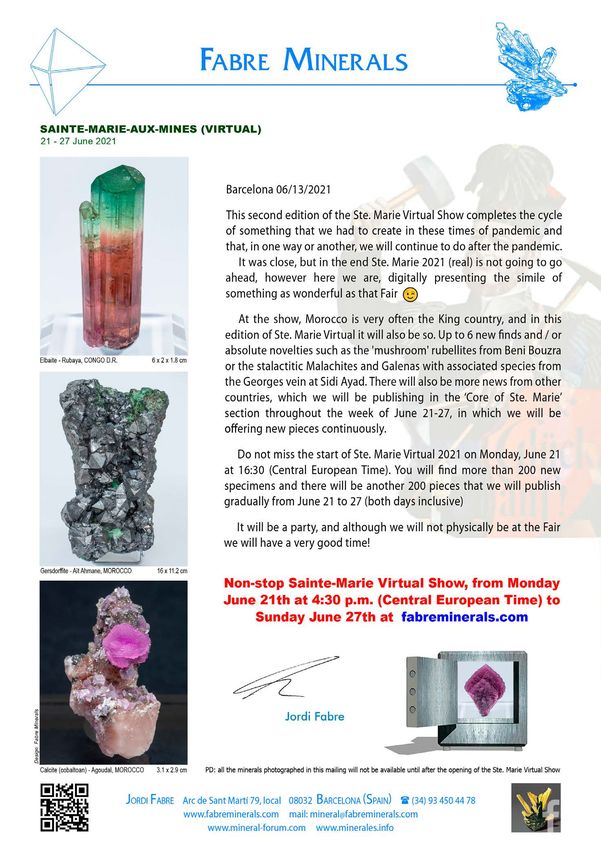
Sainte-Marie-aux-Mines Virtual 2021
                                           Carles Manresa i Pla1
                                              1
                                                  GRADUATE GEOLOGIST

SUMMARY                                                   RESUMEN

One year has passed since the first virtual mi-           Ha pasado un año desde la primera feria de mine-
neral show proposed by Fabre Minerals. At that            rales virtual propuesta por Fabre Minerals (FM).
time the pandemic caused by Covid-19 was hit-             En ese momento, la pandemia provocada por la
ting hard, affecting mineral shows too. The pan-          Covid-19 golpeaba duramente, afectando también
demic issue is still not yet resolved, although va-       a las ferias de minerales. Pero la cuestión pandé-
ccines are working where they are being used.             mica aun no está resuelta, si bien las vacunas están
With all this, and despite all their efforts that         funcionando allí donde se aplican. Con todo ello y a
continued until the last moment, the organizers           pesar de los esfuerzos realizados hasta los últimos
of the Sainte Marie show had to suspend celebra-          momentos, la organización de la Feria de Sainte
tion of their long-awaited 2021 event, yet again.         Marie ha tenido que suspender, también, la edición
                                                          de 2021 de su emblemática y esperada celebración.

But at Fabre Minerals, backed by a whole year of          Pero en Fabre Minerals, con la experiencia de todo
experience with this type of virtual show, they put       un año con este tipo de ediciones virtuales, han
all the meat on the grill, showing a lot of muscle        puesto toda la carne en el asador mostrando mu-
and effort in delivering us a new virtual edition,        cho músculo y esfuerzo en entregarnos una nueva
already the fifth in the series, and the second from      edición virtual, segunda de Sainte Marie, y quinta
Sainte Marie, after SMAM 2020, Munich 2020, Ex-           ya en la serie, tras SMAM 2020, Múnich 2020, Ex-
         pominer 2020 and Tucson 2021.                               pominer 2020 y Tucson 2021.

A virtual show with several new finds, especially         Una edición con varios nuevos hallazgos, sobre
from Morocco, a country widely represented at             provenientes de Marruecos, país ampliamente
this show and almost always one with news about           representado en esta feria y casi siempre con no-
new deposits, in this case a total of 6! Did we dis-      vedades en cuánto a nuevos yacimientos, en este
                   cover them?                               caso hasta un total de 6! Las descubrimos?

All photos by Fabre Minerals ©                            Todas las fotos son de Fabre Minerals ©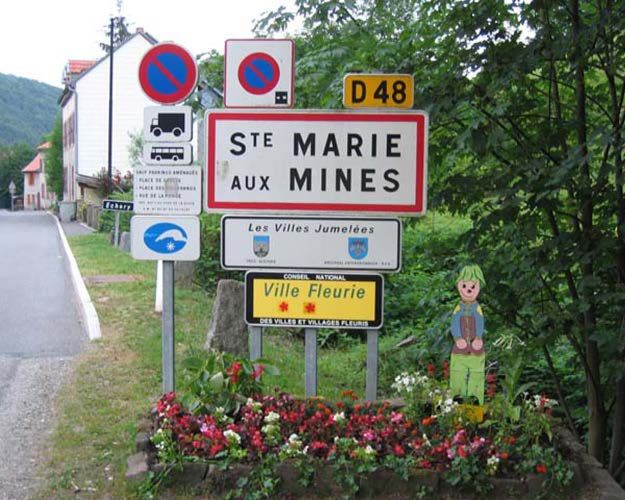
Sainte-Marie-aux-Mines Virtual 2021                2

The cover letter that Fabre Minerals sent out as a notice of what the Sainte-Marie Virtual Show was going
to be in 2021, after the official cancellation of the face-to-face show, was a declaration of intent. Morocco
was going to be the King of the Fair, which is nothing strange because the Sainte-Marie-aux-Mines show
is characterized, as those of you who have ever attended know well, by the large proportion of stands
with material from that country compared to the rest of the world. It is also usually the show where more
„novelties“ are revealed from that country, with “novelties” being understood to be new discoveries of
mineral deposits that may either be a new species for the country, or forming part of some paragenesis
not known until that moment, either by improving the quality and quantity of already known species,
or a mixture of all of the above. And although this may seem „normal“ and what „should be“ year after
year, it is not normal at all. Making new finds from one year to the next, of species that -apparently- did
not occur in one or another locality, etc ... is not something that happens in most countries. Finding
the reason for this fact is something beyond the scope of this review of a virtual mineral show, but the
socio-economic reality, the need, and the marketing of minerals -among many other factors- provides
the answer for one of the, mineralogically speaking, most prosperous and productive countries on our
planet. The minerals of Morocco are known and recognized by most collectors, but of course there are
so many other countries and minerals to look at too. This is what Fabre Minerals proposed to us in this
event. Fifth in the series since its inception and closing the cycle of a year that was, let‘s say, “different”.
Sainte-Marie-aux-Mines Virtual 2021                                3

                                                                     The bits and pieces of gadgets needed to follow a virtual show are
                                                                     the usual for these cases. Laptop, mobile phone(s), battery chargers,
                                                                     AC/DC converters for car batteries, etc.

                                                                     I’ll tell you about a particular little personal battle, which is not of
                                                                     general interest, but fate sometimes has curious things in store.
                                                                     This year, like a few years ago, I was desperate to go to the Sainte-
                                                                     Marie show, if it were to have been held in person. A small health
                                                                     problem, fortunately nothing serious, and already in the pro-
                                                                     cess of being solved, as well as an intense workload, meant that,
                                                                     much to my regret, I would have been unable to attend the show.
                                                                     In any case, I would have preferred that the real Sainte-Marie-aux-
                                                                     Mines show take place, as this would indicate that the pandemic
                                                                     was already on its way to extinction and that fans, collectors, dea-
                                                                     lers, photographers and the many other personnel needed to suc-
                                                                     cessfully carry out an event of this magnitude, would be happy to
                                                                     meet again and, most importantly, to live for and from what they
                                                                     are passionate about. And I would experience it from home with a
                                                                     certain sadness, from a distance, but with the joy of knowing that
                                                                     everything, little by little, is flowing and that minerals, always mine-
                                                                     rals, return to meet where they used to meet, in a minerals show.

                                                                     And now, from home, I am happy and content because Fabre Mi-
                                                                     nerals has made an effort, once again, to bring home that mineral
                                                                     show that we love so much. We are going fully into the 2021 Virtual
                                                                     Sainte-Marie Show to discover the treasures that are hidden there!

                                                                                    Once the show got started on Monday, June 21, 2021,
                                                                                    we had six pages to discover. As you can see, one of
                                                                                    them exclusively devoted to pieces from Morocco,
                                                                                    with a total of 93 specimens on that page alone! We
                                                                                    will delve deeper into this later. As for the “Safe”,
                                                                                    six pieces ... but what pieces! And in the rest of the
                                                                                    pages, a large number of species and specimens,
                                                                                    reaching a total of 220 among the six pages. All this
                                                                                    enlivened with photos of past editions of the Sainte
                                                                                    Marie show where the reader can get a good idea of
                                                                                    the atmosphere there, in a privileged environment
                                                                                    and in a region, Alsace, as beautiful as they come.
                                                                                    Another thing I will highlight and talk about towards
                                                                                    the end is the changing way of seeing specimens on a
                                                                                    web page. What until now we could only see in a pho-
                                                                                    tograph is, little by little, giving way to a video format.

The section “The Heart of Sainte Marie” is where the “sauce” of the show is. Here day by day and hour after hour new speci-
mens appear. But since until the show is over you cannot see them all at once, unlike the previous section, one always has dou-
bts and there is the “game” of whether or not to acquire a piece, risking that later or the next day another one appears that you like
more or that you want to change or that you want to acquire and someone else gets it ahead of you, something that surely has hap-
pened to more than one of us at shows, and your facial expression when this happens is worthy of being immortalized. The advanta-
ge of a virtual show is that these faces remain anonymous ;-)). In the Heart of Sainte Marie a total of 128 pieces were published, dis-
tributed from June 21 to June 27, just one week. So all together the total number of pieces that could - and can be! - enjoyed is 348.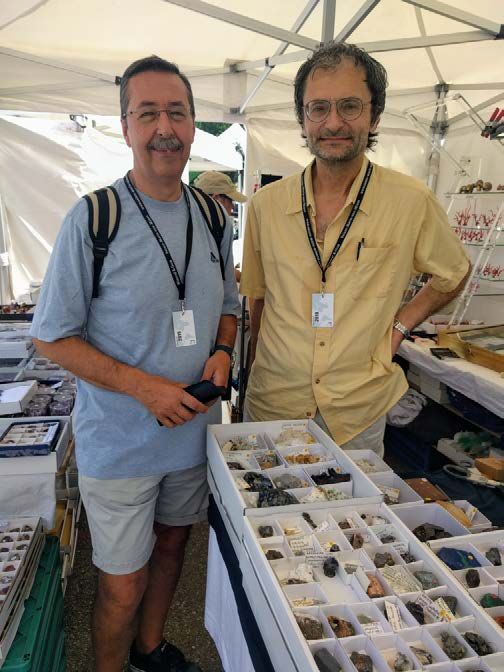
Sainte-Marie-aux-Mines Virtual 2021                             4

I used to start the previous chronicles with the “Safe” section, but this time I am going to change the style of
the chronicle. Although a mere description of the pieces that I am going to review is inevitable, I am trying
to contribute something new. Well, a whole year has passed since that first virtual chronicle about a vir-
tual mineral show, and everything changes, and this year has changed us all, including -perhaps- our way
of seeing things. But if something has not changed, it has been the passion for minerals and nevertheless,
despite the lack of shows, the truth is that this year I have been able to see many minerals thanks to what
is obsoletely called “new technologies”. In this sense, websites and attempts at virtual mineral shows are
proliferating, platforms that bring together different dealers, etc. as a “cooperative”. And in that sense, Fa-
bre Minerals offers us, via the web, the closest thing to a mineral show. The evolution from a year ago to the
recently cancelled Sainte-Marie Show 2021 is evident by browsing: https://www.fabreminerals.com/expo/
Sainte-Marie-aux-Mines_Virtual/2021Virtual/webupdate/AN2-Ste_Marie-virtual_2021-indexes.php

With these premises, on page 1 we find pieces from the former Bob Noble collection, USA, Mexico and
Canada. It should be noted that the former Bob Noble collection is made up of “thumbnail” pieces, an
American term that designates miniatures, that is, pieces that usually do not exceed 3.0 x 3.0 cm., ideally
composed of a relatively large crystal with little matrix, presented in a “Perky” box. This type of collection
allows to have many species and many specimens in a relatively small space and with a uniform confi-
guration and presentation. And like all types of collection, it has its pros and cons. As for physical space,
it is clear that this is a perfect option for those who do not have much. Another advantage is that small
pieces tend to be better preserved and it is easier to find pieces without dings that disfigure part or all of
its crystals. And in a way, the price of such specimens will normally be lower than that of larger ones, for
equal crystallization and definition, and equal aesthetics. Here is a review of the pieces that most caught
                                     my attention in this thumbnail world.

                                                        Minium. Tonopah-Belmont mine, Bighorn Mountains, Maricopa
                                                        County, Arizona. Specimen size: 2.6 × 2.3 × 1.4 cm. Concretions of
                                                        Minium, a rare species in mineral collections, bright and uniform
                                                        red in color, on matrix, with Quartz and Galena in cavernous and
                                                        grainy aggregates. It is a lead oxide, not very common in mineral
                                                        deposits, of secondary origin in areas of high oxidation. It has
                                                        often been confused with Litharge and even Cinnabar. Many of
                                                        you will remember one application of Minium: In powder form it
                                                        was used in antioxidant paints applied to metals that were going
                                                        to remain outdoors. The orange color of that paint was characte-
                                                        ristic. It was gradually withdrawn from the market due to its lead
                                                        content. One more example of the growing stupidity to which hu-
                                                        mans are sinking at a uniformly accelerating rectilinear rhythm.
Sainte-Marie-aux-Mines Virtual 2021                                5

Siderite with Calcite and Sphalerite. Siglo XX mine, Llallagua, Potosí
Department, Bolivia. Specimen size: 2.6 × 2.5 × 1.7 cm. The largest
crystal measures 2 × 1.4 cm. Group of Siderite crystals with very
sharp crystal forms and slight curvatures, with a satin luster and
a highly contrasted double coloration: with some dark areas and
others with a light brown color. The group is on matrix, with small
crystals of Calcite and Sphalerite. This mine was exploited for bis-
muth, tin and tungsten but it had a series of social incidents that es-
cape the parameters of this chronicle but about which several books       Cassiterite. Elsmore Hill, Gough County, New South Wales, Australia.
have been written, and it even reached the big screen in the hands of     Size: 2 × 2 × 2 cm. The largest crystal measures 1.7 × 1.2 cm. Group,
the seventh art. This piece was part of the Alfredo Petrov collection.    on matrix, of twinned Cassiterite crystals, translucent and lustrous.
                                                                          From a known but little publicized locality in the world of mineral
                                                                          collecting and of excellent quality for the locality, being the first mine
                                                                                 reported for the exploitation of tin in New South Wales.

                                   And here we have the aforemen-
                                   tioned Alfredo Petrov, in a yellow
                                                                          In the year 2017 some illustrious American collec-
                                   shirt, enduring the heat of the last   tors made an appearance at the show, the first visit
                                   face-to-face edition of the Sainte-    for some of them. Accustomed to American shows,
                                   Marie show in 2019, along with
                                   Antonio P. López, another mineral
                                                                          including the “monster” Tucson show, it was to
                                   enthusiast, who was looking for        be expected that a visit to a mineral show such as
                                   a specimen of Alfredopetrovite!        Sainte-Marie would leave them at least in a state of
                                   The plan was perfect, nothing
                                             could go wrong.
                                                                          shock. What I do not dare to venture is the duration
                                                                                            of that “shock”.

                                                                          Jordi Fabre with Gail Spann, abo-
                                                                          ve, and with Dave Wilbur on the
                                                                                        right.

                                                                          The illustrious Thomas P. Moore,
                                                                          notebook in hand so as not to miss
                                                                          any details of those mineralogical
                                                                          novelties and non-novelties that
                                                                          he will later capture for articles
                                                                          in the Mineralogical Record as
Epistilbite. Jalgaon district, Maharashtra, India. Specimen size: 2.8 ×   well as in his magnificent reviews
2.4 × 1.8 cm. The largest crystal measures 2.3 × 2.2 cm. Spheroidal       offered through the online section
growth of Epistilbite on matrix. Translucent, lustrous, and a uniform     known as “What’s New in Mine-
pale blue. This mineral, from the Zeolite group, is much less com-        rals”, which can be consulted at
mon than Stilbite in the classic deposits of the Deccan Traps region      https://mineralogicalrecord.com/
                                of India.                                             whats-new/
Sainte-Marie-aux-Mines Virtual 2021                            6

And to finish page 1, pieces from the USA,
Mexico and Canada, one for each country.

                                                                            Vesuvianite. Jeffrey Mine, Asbestos, Les Sources RCM, Estrie,
                                                                            Québec, Canada. Specimen size: 3.4 × 0.7 × 0.7 cm. Doubly ter-
Quartz. Herkimer County, New York. Specimen size: 2.4 × 1.9 × 1.3
                                                                            minated crystal of Vesuvianite with the two terminations being
cm. Complete floater Quartz crystal with uneven growths on the fa-
                                                                            quite different, one of them with a smooth and shiny pinacoi-
ces and extraordinarily lustrous, transparent and colorless. This type
                                                                            dal face and the opposite end irregular and matte. The Jeffrey
of Quartz is popularly known as a “Herkimer diamond”. An excellent
                                                                            mine has been inactive since 2001 so obtaining quality speci-
USA classic that comes from the Lluís Daunis collection. Lluís Daunis
                                                                            mens from there is only possible from material held back by dea-
i Montada was an excellent field collector in Spain and especially in
                                                                            lers or pieces recycled from old collections, as is often the case
the areas of Catalonia, Huesca and Madrid, as well as being a discri-
                                                                            with many deposits, both on a national and international level.
minating collector, as this crystallographically very rich piece attests.

                                                                            A “zen” moment to get away from the mineral bustle, reconsider
                                                                            whether or not to acquire a piece, and later the monumental anger
                                                                            on discovering that a piece that you liked -and you had convinced
                                                                            yourself to acquire- is no longer there because someone without
                                                                            so many doubts has made off with it. You learn from everything.

Quartz (variety amethyst). Piedra Parada (Las Vigas), Tatatila Mu-
nicipality, Veracruz (Veracruz de Ignacio de la Llave), Mexico.
Specimen size: 8.2 × 6 × 2.7 cm. The largest crystal measures 5.8
× 1.6 cm. Group of Quartz crystals (amethyst variety) totally or
partially doubly terminated, transparent, very lustrous and with
a very vivid and uniform color. A very elegant and aesthetic spe-
cimen, and something different from those usually seen from this
world-class classic locality for amethyst. The color is extraordinary.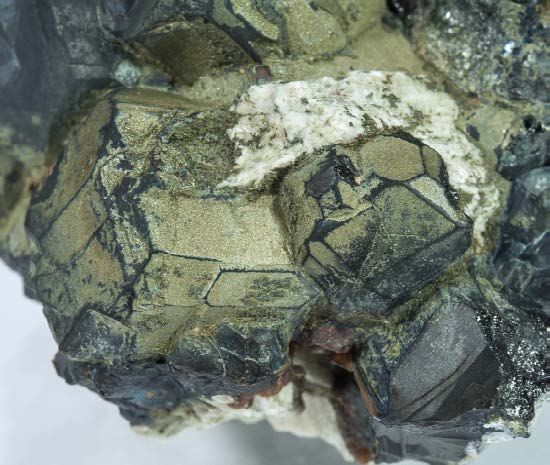
Sainte-Marie-aux-Mines Virtual 2021                              7

On page 2 the following countries are grouped: Spain
(with a separate section for Spanish Fluorite), Portu-
gal, France, the rest of Europe, and Turkey. Turkey
is noteworthy, a country that has pretty much gone
unnoticed mineralogically speaking but from which
little by little interesting contributions are emerging.
On the mineralogy of Europe and specifically the
Iberian Peninsula there are some things to add, a lot
of variety, quality, and classics for all tastes and poc-
                          ketbooks.

                                                                       Baryte with Fluorite. Berbes mining district, Ribadesella, Asturias,
                                                                       Spain. Specimen size: 11.4 × 9.2 × 8 cm. The largest crystal measu-
                                                                       res 1.2 × 1.2 cm. Fluorescent under both long and short wave UV.
                                                                       Group of transparent and lustrous Fluorite crystals on a matrix of
                                                                       white lenticular Baryte crystals larger than those usually found
                                                                       there. Berbes specimens have already become a world-class clas-
                                                                       sic. Pieces like the one shown are getting more and more difficult
                                                                       to find, so getting one of this type is already a great little treasure.

Gypsum pseudomorphs after calcite. Barranco de Los Cazadores,
Rivas-Vaciamadrid, Madrid, Spain (09/2020). Specimen size: 4.8 ×
4.8 × 4.8 cm. The Calcite is fluorescent under both long and short
wave UV. Rosettes of Gypsum crystals replaced by Calcite. These
pseudomorphs are translucent, with a certain luster and a uniform
cream-white color. The specimen comes from a recent find in an
area where we were not aware until now of the presence of the-
se curious pseudomorphs. A rarity. The deposit occurs in the Mio-
cene gypsum facies, in a ravine that is a tributary to the Jarama.

                                  Jordi Fabre, in his thirties, back
                                  in 1991, with a fluffy beard,
                                  waiting in Sainte-Marie. A li-
                                  fetime dedicated to and for
                                  minerals. And he still conti-
                                  nues, without a beard, but
                                  with minerals as a vital axis.

                                                                       In recent years the Ste-Marie Show has repeatedly suffered from
                                                                       the tremendous heat waves that hit a large part of Europe, and
                                                                       Alsace was not immune to this. In the image on the left, the mis-
                                                                       ting devices that the organization arranged at various points
                                                                       around the show. On the right Jim Spann and Mike Rumsey coo-
                                                                       ling down. In the background Eloïse Gaillou, already barefoot.
Sainte-Marie-aux-Mines Virtual 2021                            8

                                                                                                        Arsenopyrite-Marcasite with Si-
                                                                                                        derite and Muscovite. Panasquei-
                                                                                                        ra mines, São Francisco de Assis,
                                                                                                        Covilhã, Castelo Branco, Cova da
                                                                                                        Beira, Portugal (1999). Specimen
                                                                                                        size: 13.4 × 8.8 × 3 cm. The lar-
                                                                                                        gest crystal measures 3 × 2.6 cm.
                                                                                                        Fan-shaped aggregates of crystals
                                                                                                        formed by a first phase of Arseno-
                                                                                                        pyrite with a metallic gray color,

followed by a second phase with very sharp crystals of Arsenopyrite-Marcasite, with the typical “cockscomb” habit. Associated with
lenticular crystals of light cream Siderite and leafy aggregates of Muscovite crystals. The Panasqueira mines are a world-class classic
deposit especially for sulphides as well as many other mineral species. Work began in 1896. During the Second World War some 10,000
people worked in these mines. Currently the figure is around 370 people with an estimated 25 years of exploitation left. We will see
whether there are surprises in the form of new mineral species to add to the 87 species described so far, two of them “type locality” (TL).

                                                Copper with Fluorite.
                                                Le Burc mine, Alban-
                                                Le Fraysse area, Tarn,
                                                Occitanie, France.
                                                Specimen size: 6.7 ×
                                                5 × 4.7 cm. Former
                                                Corlier    collection.
                                                Dendritic growth of
                                                small Copper crystals
                                                with sharp crystal
                                                forms and shiny sur-
                                                faces, on which the-
                                                                         Galena with Chalcopyrite, Siderite and Dolomite. Vereinigung
                                                re is a transparent
                                                                         mine, Katzwinkel, Altenkirchen (Westerwald), Siegerland, Rhi-
                                                and colorless Fluori-
                                                                         neland-Palatinate, Germany. Specimen size: 3.3 × 3.2 × 2.7 cm.
                                                te crystal with very
                                                                         The largest crystal measures 1.6 × 1 cm. Very aerial crystal of
                                                marked       irregular
                                                                         Galena, cubo-octahedral, with a very flattened tabular habit
                                                and parallel growths.
                                                                         and a distinct spinel-law twin. On matrix, with lustrous Chal-
                                                The specimen is a
                                                                         copyrite crystals with very sharp crystal forms and strong cur-
                                                significant rarity for
                                                                         vatures on their faces and edges, with tabular Siderite crystals
                                                the mine, known for
                                                                         of light cream color and with white Dolomite crystals. The spe-
                                                its Fluorites, being
                                                                         cimen was previously in the Guenter Grundmann collection
                                                the last mine ope-
                                                                         and was photographed and published as a reference for Sie-
                                                rated in France for
                                                                         gerland by Lapis magazine on page 30 of its 7-8 / 1991 issue.
Fluorite, exploited from 1945 to April 2006. During ancient times        This mine exploited iron, lead and copper, closing in 1961.
the deposit had been exploited for copper, precisely in the ori-
ginal vein of Fluorite. Therefore, this piece summarizes the enti-
re history of this mine and the changes generated by humanity’s
different needs for materials in each age, and that thanks to
minerals - always minerals! - we continue to move forward.

                                            Sainte-Marie-aux-Mines
                                            during the peak of the
                                            mineral show. The co-
                                            nes of the tents mimic
                                            the cones of some of
                                            the town’s bell towers.
                                            The surroundings and
                                            the municipality itself
                                            offer spectacular views,
                                            as well as the surroun-      Hydroboracite with Calcite and Celestine. Hisarcik mine,
                                            ding villages with their     Emet borate deposit, Kütahya Province, Aegean Region, Tur-
                                            vast fields, their charac-   key (2020). Specimen size: 10.3 × 6.9 × 5.7 cm. The largest
                                            teristic ball-like mounta-   crystal measures 1.2 × 0.1 cm. Centered groups on matrix of
                                            ins offer a respite from     transparent and very lustrous acicular Hydroboracite crys-
                                            the bustle of the show.      tals, with small transparent and colorless crystals of Celesti-
                                            If we add gastronomy,        ne and orange spheroidal growths of Calcite that are fluores-
                                            oenology and ethology        cent under both long and short wave UV. Of excellent quality
                                            to this, we have it all.     for the species. The species have been confirmed by analysis.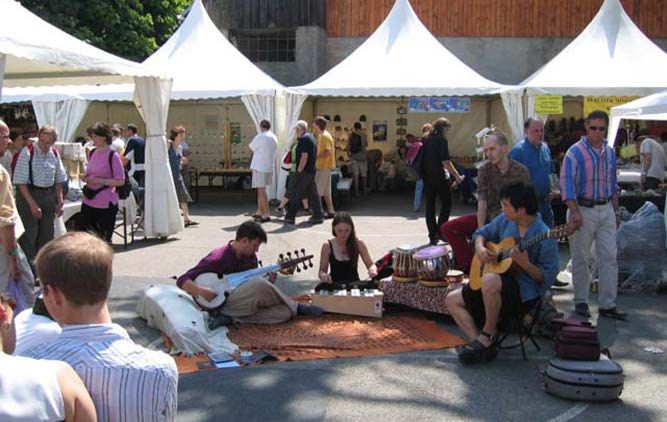
Sainte-Marie.aux-Mines Virtual 2021                         9

We come to page 3 dedicated exclusively to Morocco, and it is no wonder. The Sainte-Marie show is the
greatest show in terms of that country since it is where the new discoveries made from the previous summer
to the present are usually exhibited first. Many dealers and visitors who come to Sainte-Marie do so with
the expectation of what they will be able to find “new” from that country in terms of minerals, and I leave
aside the fossils since that topic deserves a separate chronicle. Mineralogically speaking, the 2021 Virtual
Show could be considered a success in terms of novelties and exceptional finds from Morocco. The reader
may wonder about the reason for these many finds, more than in other countries, since Morocco is not such
a large country in terms of area. The answer is multifactorial but, in synthesis, they can be summarized in
three large blocks, two of them linked. First and foremost is the geology, with large lithological units, well
stratified, much affected by tectonics, causing very old rocks to outcrop on the surface, and finally magmatic
influences causing chemical changes and alteration in many of the sediments. Secondly, the socio-economic
reality of the country leads to continuous mining work in different parts of Morocco. This directly causes
the third factor, which is artisanal mining. Leaving aside the large active industrial-scale mining operations,
there are countless prospects, shafts and outcrops that are developed on an artisanal level and that, from
                                      time to time, yield exceptional finds.

In the introduction, the discovery of 6 new finds and/or novelties was announced by Fabre Minerals, but
after some time and after analytical confirmation of more species we can raise that figure to 8. Noteworthy
finds are:

		 - Rubellites of the “mushroom” type from Beni Bouzra. Pay attention to this deposit ...
		 - Malachites and Galenas (the latter associated with other mineral species) from the
		 Georges vein in the Sidi Ayad mining area.
		 - Magnetite (titaniferous variety) with Microcline and Quartz from Imilchil.
		 -Azurites from the Tazalarht mining area, although not really new, they are new with
		 regard to color and brightness of the specimens.
		 -Malachites of primary origin from the Tazalarht mining district.
		 -Picropharmacolites from Bou Azzer, which although not new, are better and with a more
		intense color.
		 -Chlorapatites with Ferro-actinolites, some of them with Titanite, from the Imilchil area.

These last two novelties were not seen in the Virtual Show because the analytical results were still pending,
but in the post-Sainte Marie 2021 edition of Fabre Minerals, a lot of those specimens were displayed. But
Morocco is new things and much more!

Silver with Gypsum and Calcite. Aït Ahmane, Agdz, Bou Azzer mining district, Zagora Province, Drâa-Tafilalet Region, Morocco. Spe-
cimen size: 5.6 × 3.7 × 3.1 cm. The largest crystal measures 0.3 × 0.2 cm. Fluorescent calcite, under both long and short wave UV. Iso-
lated cubic Silver crystals with extraordinarily well defined and bright faces and edges. On matrix, with Gypsum, and Calcite that has
been acid-etched. This type of specimen was found at the end of 2020, the presence of crystallized silver showing such sharp crystals
being a novelty for this mine. The association with Gypsum makes the union of these two minerals in the same piece even more rare.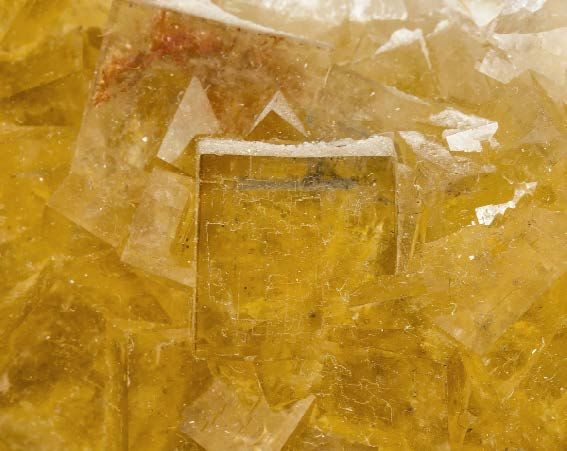
Sainte-Marie-aux-Mines Vrtual 2021                              10

                                                                                                     Fluorite with Baryte. Aghbala, Béni Me-
                                                                                                     llal Province, Béni Mellal-Khénifra Region,
                                                                                                     Morocco. Specimen size: 8.1 × 7 × 6 cm.
                                                                                                     The largest crystal measures 5 × 4.4 cm.
                                                                                                     Zoned fluorescence under both short and
                                                                                                     long wave UV. Cubo-octahedral Fluorite
                                                                                                     crystal with very sharp crystal forms and
                                                                                                     with hopper formations in the center of
                                                                                                     some of its faces. It is translucent, rich
                                                                                                     in inclusions and with irregular areas of
                                                                                                     color ranging from green to blue to pur-
                                                                                                     ple. It comes from a little-known locality
                                                                                                     where good specimens are rare. I have
                                                                                                     seen very few pieces from this locality on
                                                                                                     the market, just this one and a few more
                                                                                                     in private collections, nothing common.

                                         Fluorite with Baryte. Jebel
                                         Saghro, Imiter District, Tinghir
                                         Province, Drâa-Tafilalet Re-
                                         gion, Morocco (2021). Speci-
                                         men size: 6.7 × 6.4 × 4.2 cm.
                                         The largest crystal measures
                                         2 × 2 cm. Cubo-octahedral
                                         crystals of Fluorite, beveled
                                         by dodecahedral forms, with
                                         a rough appearance due to
                                         fine polycrystalline growths.
                                         They are translucent and
                                         have a very deep color, and
                                         are on a matrix of Baryte
                                         crystals. This piece became
                                         part of my private collection,
                                         the Moroccan part, which
                                                                               Malachite with Calcite and Cerussite. Georges vein, Sidi Ayad
                                         has a considerable “weight”.
                                                                               (Sidi Ayed), Boulemane Province, Fès-Meknès Region, Morocco
                                                                               (02/2021). Specimen size: 6.1 × 2.6 × 1.4 cm. Calcite and Cerus-
                                                                               site, fluorescent under both long and short wave UV. A novelty
                                                                               at Sainte Marie Virtual 2021. Stalactitic growths, on a limonite
                                                                               matrix, of spheroidal Malachite aggregates with a silky luster and
                                                                               deep color, with white Calcite coatings and small acicular crystals
                                                                               of Cerussite. The specimen comes from a discovery in 2021 in
                                                                               the Sidi Ayad area (not in the Sidi Ayad mine). Although the pre-
                                                                               sence of Malachite was known in the Sidi Ayad area, specimens
                                                                               with this quality were never found, both due to the development
                                                                               of the crystals and for the association with Calcite and Cerussite,
                                                                                             in deposits which actually exploit lead.

Calcite (cobalt-bearing variety) with Quartz. Bou Azzer mines, Zagora
Province, Drâa-Tafilalet Region, Morocco (2021). Specimen size: 3.1
× 1.4 × 1.1 cm. The largest crystal measures 1 × 0.9 cm. Fluorescent
under shortwave UV, and mildly under longwave UV too. Rosette
growths of flattened lenticular Calcite crystals (cobalt-bearing va-
riety), translucent, with good luster and an extraordinarily intense
color, on matrix with Quartz. Although cobalt-bearing Calcite was
already known in Bou Azzer, this type of specimen surpasses in qua-
lity what has been known until now. One of the specimens seen at
the show has also “entered” my private collection, adding a point
of light, shape and color. Certainly many of the novelties from Mo-
rocco this year remind us of la vie en rose. And the fact is that the          Chris Gobin, Jordi Fabre and Bryan Swoboda, camera in hand and
Bou Azzer mining district is still extracting cobalt, in addition to silver.   main manager of BlueCap Productions, in pleasant conversation
                                                                               before recording part of the 2015 edition of “What’s Hot in Ste.
                                                                                                            Marie”.
Sainte-Marie-aux-Mines Virtual 2021 11
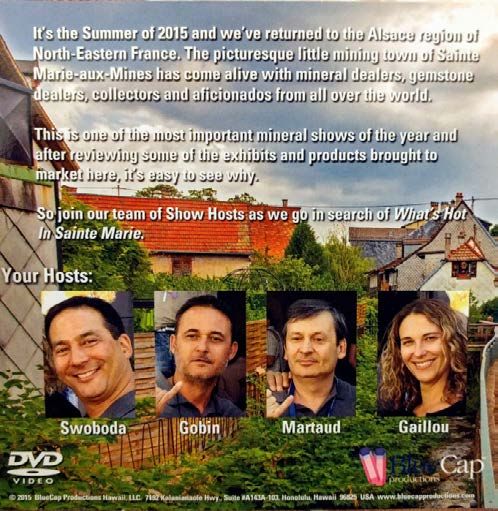
Here we see the covers of the DVD corresponding to WHSM 2015
with the cameraman and director of BlueCap Productions Bryan
Swodoba, and with the “interviewers” of that year, Chris Gobin, Alain
Martaud and Eloïse Gaïllou. It is easy to find them, as mineral shows
are their natural habitat. I cannot imagine the day when they meet
again at a face-to-face show once the covidian pandemic has ended.
Elbaite (“mushroom” variety). Beni Bouzra, Chefchaouen Province,
Tanger-Tetouan-Al Hoceima Region, Morocco (2021). Specimen size:
7.2 × 4 × 4.5 cm. The largest crystal measures 4.9 × 3.4 cm. Slight
fluorescence with short wave UV. A novelty at Sainte Marie Virtual
2021. Group of crystals of Elbaite (variety rubellite) of good size
that form an aggregate with a “mushroom” habit. They are trans-
lucent and have an intense and uniform color. The specimen comes
from a 2021 find in the Beni Bouzra area. Exceptional. For me one
of the most outstanding specimens of the show, and it will be in-
teresting to follow the evolution of this locality. More information
about this find and its relationship to other deposits can be found
at: https://www.foro-minerales.com/forum/viewtopic.php?t=14767
Magnetite (titanium-bearing variety) on presumably large Ilmeni-
te crystals with Microcline and Quartz. Imilchil zone, Anti-Atlas, Er
Rachidia Province, Drâa-Tafilalet Region, Morocco (12/2020). Speci-
men size: 3.5 × 3.5 × 1.7 cm. The Microcline is fluorescent under
short wave UV. A novelty at Ste. Marie Virtual 2021. Octahedral
crystals of titanium-bearing Magnetite in parallel growths and
with a compound habit that suggests pseudomorphic substitution
after an Ilmenite crystal. The lustrous Magnetite crystals with fine
growth striations are partially covered by Microcline and Quartz
crystals. The Magnetite and Microcline have been duly analyzed.
Elbaita (“mushroom” variety). Beni Bouzra, Chefchaouen Provin-
ce, Tanger-Tetouan-Al Hoceima Region, Morocco (2021). Speci-
men size: 5 × 3.4 × 2.6 cm. Slight fluorescence with short wave
UV. A novelty at Sainte Marie Virtual 2021. Fine Elbaite crystals
(rubellite variety) form an aggregate with the habit known as
a “mushroom”, translucent, with an intense and uniform color.
The specimen comes from a find in 2021 in the Beni Bouzra area.
Classic print
in Sainte-
Marie-aux-
Mines, be-
fore, during
and after
the show.Sainte-Marie-aux-Mines Virtual 2021 12
Andradite with Microcline and Epidote. Imil-
chil area, Anti-Atlas, Er Rachidia Province,
Drâa-Tafilalet Region, Morocco (2021). Speci-
men size: 7 × 5.1 × 2.4 cm. The largest crystal
measures 1.1 × 0.8 cm. Dodecahedral Andra-
dite crystals, lustrous and with a very deep
reddish brown color, on a Microcline matrix,
with small transparent green Epidote crys-
tals. A new find from the Imilchil area, which
year after year hardly ever stops producing
pleasant surprises, especially considering
the way these finds are made, by shepherds.
Andradite with Mi-
crocline and Epidote.
Imilchil area, Anti-
Atlas, Er Rachidia Pro-
vince, Drâa-Tafilalet
Region, Morocco
(2021). Specimen size:
7.1 × 4.4 × 3 cm. The
largest crystal mea-
sures 1.3 × 1.2 cm.
Galena with Cerussite, Plumbogummite, Quartz and Wulfeni-
te. Georges vein, Sidi Ayad, Boulemane Province, Fès-Meknès
Region, Morocco (03/2021). Specimen size: 5.4 × 4.5 × 3.4 cm.
The largest crystal measures 3.5 × 3 cm. A novelty at Sainte Ma-
rie Virtual 2021. Group of equant Galena crystals with coatings
of white microcrystals of Cerussite. They are also partially cove-
red by Plumbogummite of a slightly bluish color and microcrys-
tals of Quartz and, on top of this, small crystals of transparent ye-
llow Wulfenite with a bipyramidal habit. Above the set there are
Quartz crystals. The specimen comes from a 2021 find in the Geor-
ges vein in the Sidi Ayad area, and has been carefully analyzed.
Geological map of
the Aouli-Mibladen
mining district (Em-
berger, 1965)
Micro photo: Dr. César Menor-SalvánSainte-Marie-aux-Mines Virtual 2021 13
Azurite with Quartz. Tazalarht mining district, Taroudant Province,
Souss-Massa Region, Morocco (2021). Specimen size: 5.7 × 5 × 3.4 cm.
The largest crystal measures 0.6 × 0.3 cm. A novelty at Sainte Marie
Virtual 2021. Elongated Azurite crystals that are transparent, with a
great luster and a very vivid blue color that is reminiscent of, and even
surpasses, the “electric blue” of the best Milpillas specimens. This
specimen, on a matrix with Quartz, comes from finds made in 2021 in
the Tazalarht area. Although in 2008 specimens of Azurite had already
been found in that area, this year, 2021, when these pieces appea-
red, was the year in which a qualitative leap was made for Azurites.
Galena with Cerussite, Plumbogummite, Quartz, Wulfeni-
te and Baryte. Georges vein, Sidi Ayad, Boulemane Provin-
ce, Fès-Meknès Region, Morocco (03/2021). Specimen size:
10.8 × 8.7 × 5.9 cm. The largest crystal measures 3.8 × 2 cm.
The Galena is associated with lamellar salmon-colored Bary-
te crystals that add a touch of color and contrast to the piece.
Malachite. Tazalarht mi-
ning district, Taroudant
Province, Souss-Massa
Region, Morocco (2021).
Specimen size: 13.7 ×
7.8 × 4.7 cm. A novelty
at Sainte Marie Virtual
2021. Coatings of deep
green primary Malachi-
te crystals with irregular
but recognizable shapes,
Azurite with Malachite and Quartz. Tazalarht mining area, Taroudant with a second generation
Province, Souss-Massa Region, Morocco (2021). Specimen size: 6.8 of centered growths of
× 4.5 × 3.8 cm. The largest crystal measures 0.8 × 0.6 cm. A novelty fine acicular crystals with
at Sainte Marie Virtual 2021. Groups of Azurite crystals with a lenti- a silky luster and very
cular habit, translucent, lustrous and with a very vivid blue color, in vivid color. On a limoni-
which a first generation of Azurite crystals was pseudomorphed by te matrix. The specimen
Malachite. They sit on a matrix with Quartz and Malachite coatings. comes from recent finds
The specimen comes from finds in 2021 in the Tazalarht area. Beau- in the Tazalarht area.
tiful contrast between green and blue for these copper carbonates.Sainte-Marie-aux-Mines Virtual 2021 14
And on page 4 we visit the following geographical areas:
Africa, Brazil, South America, China, and the rest of Asia.
Elbaite. Rubaya, Bahunde, Masisi Territory, Nor-
th Kivu Province, Democratic Republic of the
Congo (Zaire) (2020). Specimen size: 4.7 × 1.1 ×
1 cm. Weight: 8.6 grams. Parallel growth of two
Elbaite crystals with very sharp crystal forms and
excellent upper terminations. Very sharp, trans-
parent, very lustrous and with the base of the
prism up to the middle of the crystal pink with
gradations in the color tones, and the terminal
area of pale and uniform green color. A gem.
The years go by and leave empty spaces, some of them difficult to
forget. In this 2010 photo, two of the people who appear are mis-
sing, Luiz Menezes on the left and José Ramón García Álvarez on the
right, both in the foreground. May this photo serve their memory.
Doubly terminated
anatase with epitaxial
rutile. Anatase-Rutile
occurrence, Cuiabá Dis-
trict, Gouveia, Minas
Gerais, Brazil (03/2003).
Specimen size: 3.2 × 1.6
× 1.1 cm. The largest Calcite (manganese-bearing variety) with Quartz, Sphaleri-
crystal measures 3.2 × te and Rhodonite. Austria Duvas mine, Morococha District,
1 cm. Floater parallel Yauli Province, Junín Department, Peru (02/2021). Specimen
growth of very acute size: 14.2 × 6 × 7.3 cm. Spheroidal growths of lenticular Calcite
bipyramidal Anatase crystals (manganese-bearing variety) with an intense pink co-
crystals completely co- lor, which cover a matrix with translucent Quartz crystals and
vered by fibrous epita- small Sphalerite crystals, partially covered by Rhodonite mi-
xial Rutile crystals with crocrystals included in a white clay mass. From a find in 2021
a reddish yellow color. in a mine little-known until now. The different species had been
analyzed so that the buyer could get a copy of the analyses.Sainte-Marie-aux-Mines Virtual 2021 15
Roweite with Olshanskyite. Shijiangshan mine, Linxi, Ulanhad League, Inner Mongolia Autonomous Region, China (04/2017). Specimen size:
7.6 × 5.2 × 3 cm. The largest crystal measures 2.2 × 1.4 cm. Aggregates of lamellar Roweite crystals of great size and quality for the species.
Well differentiated, with well defined faces and edges and a light creamy color, on matrix, with radial aggregates of colorless, transparent
and lustrous Olshanskyite crystals. The quality of these specimens is indisputably superior to what was previously known, both for the indivi-
dualization of the crystals and for their sharpness of forms, the size of the crystals and their association with Olshanskyite. Both species have
been analyzed. This lead-zinc mine is hosted in a skarn-type mineralization rich in boron minerals, an element present in both mineral species.
Pyromorphite. Black Star pit, Mount Isa, Mount Isa City, Queensland, Australia. Specimen size: 7.8 × 7 × 3.9 cm. The largest crystal measures 1
× 0.3 cm. Fluorescent under both long and short wave UV. Pyromorphite crystals, many of them doubly terminated, with an elongated prisma-
tic habit, slight curvatures on the edges and some hopper terminations. The crystals, on a limonite matrix, have a uniform cream-yellow color.
The specimen is old and of great quality for the locality. It reminds one of the Pyromorphite specimens from the Des Farges mine in France.
The mountains of Alsace, on the right bank of the Rhine, have a peculiar morphology and look
like domes, hence their nickname the “ballons” of Alsace. And there is also an actual moun-
tain called Ballon d’Alsace which was the first peak to be climbed on a Tour de France back in 1905.Sainte-Marie-aux-Mines Virtual 2021 16
It is time to enter page 5 or rather “The Safe”. Only six pieces but all of them dreamlike. Fa-
ced with this type of specimen, little can be said, other than admiring them, enjoying them,
and at a certain point venerating them. Blessed is the creature that can acquire one of them.
Elbaite. Rubaya, Bahunde, Masisi Territory, North Kivu Province (Kivu), Democratic Republic
of the Congo (Zaire) (2020). Specimen size: 6 × 2 × 1.8 cm. Weight: 39.6 grams. Parallel
growth of two Elbaite crystals with very sharp crystal forms and excellent upper termina-
tions. The crystal faces are very sharp, transparent and lustrous, with the base of the prism
of an intense wine-red color with gradations in the color tones, and the terminal area of an
intense and uniform green color. High quality and very elegant. These Elbaites are found in
a geological context that corresponds to a zone of laterites, hardened soils poor in silica, but
rich in iron and alumina. But these crystals are found in remnants of pegmatite dikes. Their
colors are caused by elements such as Fe or Mn as the main chromophores. The extraction
of these crystals is done by hand in shafts, trenches or small tunnels dug in the laterite.
extracted in this locality between
1979 and 1989. The Touissit mine
area is closed and the old shafts
Azurite. Shaft no. IX (Puit IX), Touissit, Jerada Province, Orien- are flooded, so it is difficult to
tal Region, Morocco (± 1980). Specimen size: 6.1 × 5.9 × 3.7 get quality pieces from there
cm. The largest crystal measures 3.7 × 2.1 cm. Group of elon- unless they are specimens from
gated Azurite crystals, one of them clearly dominant, very rich old collections that are put up
in crystal forms and with excellent very lustrous and smooth for sale. In this case a “classic
terminations, while the faces at the base of the prism are fi- classic” of those that were ex-
nely granular. An excellent specimen, reminiscent of those tracted during Touissit’s heyday.Sainte-Marie-aux-Mines Virtual 2021 17
Wulfenite. Shaft no. XI (Puit XI), Touissit, Jerada Province, Oriental Region, Morocco (± 1980). Specimen size: 6.1 × 5.5 × 2.8 cm.
The largest crystal measures 1.7 × 1.5 cm. Outstanding floater group of fine tabular Wulfenite crystals, very sharp, clearly he-
mihedral and rich in lateral faces, with great luster and an intense yellow color. A Moroccan classic of great quality and to-
tally perfect. The Touissit-Bou Bekker mining district extends ENE-WSW for 16 kilometers, with a width that varies from 100
to 1,200 meters, penetrating 3 kilometers into Algeria, containing lead and zinc mineralization hosted in carbonate rocks.
Gersdorffite. Aït Ahmane, Agdz, Bou Azzer mining district,
Zagora Province, Drâa-Tafilalet Region, Morocco (04/2017).
Specimen size: 16 × 11.2 × 10.7 cm. The largest crystal mea-
sures 2 × 1.8 cm. Large group of octahedral Gersdorffite
crystals of good size, very sharp, isolated and lustrous, on
a Nickeline matrix, which guarantees stability to the whole
piece, and with small green Annabergite coatings. Simply
exceptional. Several specimens were seen at the Sain-
te Marie show in 2017. However since then in successive
shows, few of this type of specimen have been seen, and
getting a quality piece is becoming more and more com-
plicated. With minerals one never knows when is the best
time to acquire them, not knowing if the supply will last
a long time in the market or not. From what I have been
seeing, it often happens that sulphides as aesthetic as this
one have only a short appearance in the mineral market.
Rhodochrosite. Hotazel mine, Hotazel, Kalahari manganese field (KMF), Northern Cape, South Africa. Specimen size: 8.8 ×
6.4 × 4 cm. The largest crystal measures 1.2 × 0.8 cm. A historical piece, since the first ‘top’ Rhodochrosites from the Kalaha-
ri area were found in Hotazel before they were found in N’Chwaning too. It is a druse of very sharp and well differentiated sca-
lenohedral crystals, between transparent and translucent, with a bright luster and an intense and uniform color. A magnifi-
cent classic of African mineralogy in which some crystals show cleavages, something very difficult to avoid in specimens of this
type and size and that practically do not affect the general aesthetics of the piece, taking into account the quality of the group.Sainte-Marie-aux-Mines Virtual 2021 18
And finally on page 6 we enter the “Heart of Sainte Marie”. This page is different from the rest because
it is the dynamic section of the show where specimens appear uninterrupted, daily and throughout the
day, specifically from Monday, June 21st, to Sunday 27th, with a total of 128 pieces. We are going to echo
here those that attracted the most attention, always from a personal point of view and, therefore, very
subjective, although it is necessary to describe a small nuance. These minerals were published at intervals
during the day. But these pieces, unlike those on the “fixed” pages, did not carry any written description,
only the photographs (and videos) of the piece, and the label with the name of the mineral species and
the locality, as well as the sale price. In other words, just what we ought to usually find at shows, although
often without such quality locality data, and without a price! This is something that trade fair organiza-
tions are trying to establish. Seeing a label with the name of the mineral species, the locality and the price
makes it much easier for both the seller and the visitor to avoid the consequent loss of time spent asking.
But the issue of prices, bargaining and various negotiations is really beyond the scope of this report.
Once this difference was understood, one appreciated it when after a day, or a day and a half at the most,
the descriptions of the published specimens were already appearing, so the amount of information ex-
panded with much more detail. Another thing altogether was whether the piece that we were interested
in was still for sale or already had a little “sold” sign on it, and our subsequent annoyance.
Elbaite (variety rubellite).
Beni Bouzra, Chefchaouen
Province, Tanger-Tetouan-Al
Hoceima Region, Morocco
(2021). Specimen size: 7.3 x
5.5 x 3.4 cm. Main crystal:
2 x 0.8 cm. Isolated crystal
of Elbaite (rubellite variety),
sharp, with good termina-
tions, between transparent
and translucent and with
a very deep red color, on a
Feldspar matrix. A locality
that can offer us pleasant
surprises in a short time. Erythrite with Quartz. Bou Azzer mine, Zagora Province,
Drâa-Tafilalet Region, Morocco. Specimen size: 4.5 x 2.6 x
1.8 cm. Main crystal: 3.7 x 0.3 cm. Centered and very aerial
growth of prismatic Erythrite crystals, much more elonga-
ted and longer than usual, with good luster and a very deep
color, on matrix with Quartz. A Bou Azzer classic and with
a different touch from the specimens usually seen there.
Fluorite. La Barre mine, Saint-
Jacques-d’Ambur, Pontgibaud,
Saint-Ours, Riom, Puy-de-
Dôme Department, France
(12/2019). Specimen size: 4.2
x 3.1 x 1.7 cm. Main crystal:
1.1 x 1.1 cm. Group of very
sharp Fluorite crystals between
transparent and translucent,
with good luster and an in-
tense yellow color with a fine
geometric zoning on the violet
edges. Of great quality among
those known from this mine,
it comes from one very limited
find. This specimen came from
the Alain Martaud collection.Sainte-Marie-aux-Mines Virtual 2021 19
Mimetite with Beudantite. Filón Sur cut, Tharsis mines, Alosno, Huelva, Andalusia, Spain (9-10 / 2011). Specimen size: 5.1 x 3.4 x 1.6 cm. Main
crystal: 0.3 x 0.2 cm. Thick tabular crystals of Mimetite, very sharp and of excellent quality, in groups or isolated, with very sharp crystal forms,
translucent, with a bright luster and an intense color between orange and yellow. They are found on a limonite matrix with botryoidal growths
of Beudantite microcrystals. Both species had been analyzed and so a copy of the analyses could be sent to whoever acquired the specimen.
This type of specimen was found in the external part of the cut and already represents a classic of Spanish mineralogy and especially of the
Iberian pyrite belt.
Millerite with Jamborite,
Galena and Chalcopyrite.
Eugenia mine, Bellmunt del
Priorat, Tarragona, Catalo-
nia, Spain. Specimen size:
2.5 x 2 x 1.6 cm. Bundles
of lustrous acicular Milleri-
te crystals, of a brass-gold
color and with partial coa-
tings of light green Jambo-
rite, on matrix, with Galena
and Chalcopyrite. A Catalan
classic, with the addition of
showing the Galena on the
back, which is very rare in Representatives of Spain next to the stairs of the Thea-
these specimens, and also ter, the nerve center of the Sainte-Marie-aux-Mines show.
that the specimen is not
acid-treated. These little
treasures may go unno-
ticed, but they are there.
Fluorite. La Viesca mine, La Collada mining district, Huergo, Siero,
Fluoro-richterite with Calcite. Wilberforce area, Haliburton County,
Oviedo region, Asturias, Spain. Specimen size: 12.7 x 9.8 x 7.6 cm.
Ontario, Canada. Specimen size: 13.2 x 8.6 x 3.1 cm. Main crystal: 2.9
Main crystal: 4.7 x 3.5 cm. Fluorite crystals of cubic habit beveled by
x 0.8 cm. Fluoro-richterite crystals, many of them doubly terminated,
the faces of the dodecahedron, polycrystalline and staggered. The
very sharp, with good terminations, a silky luster and a dark greyish
crystals, transparent and lustrous, have a fine geometric color zo-
green, almost black color. The crystals have grown embedded in a
ning with dominant violet tones on the outside and azure blue in the
matrix of white Calcite. A Canadian classic relatively abundant deca-
nucleus. What to say about Asturian Fluorites? Simply magnificent.
des ago but currently in short supply. An interesting sodium-calcium
amphibole.Sainte-Marie-aux-Mines Virtual 2021 20
Fluorite with Quartz.
Tres de la Collada vug, La
Viesca mine, La Collada
mining district, Huergo,
Siero, Oviedo region, As-
turias, Spain (01/2004).
Specimen size: 12.4 x 9.8
x 4.7 cm. Main crystal:
4.8 x 4 cm. Crust of Fluo-
rite crystals with a cubic
habit clearly bevelled by
the dodecahedron , trans-
parent, with good luster
and a very deep violet
color with bluish tones. The specimen came from the Raúl Sana-
bria Orellana collection.
Azurite. Kerrouchen, Khénifra Province, Beni Mellal-Khenifra Re-
gion, Morocco (2007). Specimen size: 5.6 x 4.7 x 2.6 cm. Main
crystal: 5 x 1.2 cm. Very aerial group, on matrix, of elongated
Azurite crystals, some of them doubly terminated, with dis-
tinct polycrystalline growths, a bright luster and very vivid co-
lor. And so Morocco is yielding Azurites of a quality, and abo-
ve all color, that are not far from the “electric blue” of Milpillas.
Andradite with Pyrite and Mi-
crocline. Imilchil zone, Anti-
Atlas, Er Rachidia Province,
Drâa-Tafilalet Region, Moroc-
co (2021). Specimen size: 4.9
x 4.7 x 3.4 cm. Main crystal:
2 x 1.8 cm. Group of dodeca-
hedral Andradite crystals with
lustrous trapezohedral faces,
some of them with coatings
of Pyrite microcrystals, and
with Microcline. These speci-
mens have been a novelty in
this edition of the show, spe-
cifically, being the only ones
that contain Pyrite in addition
to Andradite and Microcline.
Imilchil always holds pleasant
surprises in the mineralogical
world.
Fluorite. Moscona mine, El Llano, Solís, Corvera de Astu-
rias, Avilés Region, Asturias, Spain. Specimen size: 26.2 x
The valley where 20.4 x 4.2 cm. Main crystal: 1.4 x 1.4 cm. Large group of
Sainte Marie is lo- very sharp Fluorite crystals, transparent, with good luster
cated, in the heart and an intense yellow color and with a very evident geo-
of Alsace, makes metric zoning highlighted by oriented Pyrite inclusions.
the sky turn ugly
from one moment
to the next and a
storm looms not
far away. Contrasts
in time, contrasts
in people and con-
trasts in minerals.Sainte-Marie-aux-Mines Virtual 2021 21
Cubanite. Henderson mine No. 2, Chibougamau,
Nord-du-Québec, Québec, Canada (1986). Specimen
size: 1 x 0.7 x 0.6 cm. A twin of thick tabular Cubanite
crystals with very sharp crystal forms, lustrous, and of
a good size for the species. A Canadian classic, very
rare on the market. Indeed, as the description states,
it is quite unusual to find specimens of Cubanite on
the market, a copper and iron sulphide with its type
locality in Barracanao, Cuba. It can be confused with
Chalcopyrite, although Cubanite has greater magne-
tism. A very remarkable specimen and a pleasant sur-
prise to find.
Pyrargyrite with Calcite. Příbram, Central Bohemian Region, Bohe-
mia, Czech Republic. Specimen size: 5.7 x 4.6 x 2.7 cm. Main crystal:
0.6 x 0.2 cm. Former Folch collection duplicates. Centered groups
Lévyne. Moonen Bay, Duirinish, Isle of Skye, Inner Hebrides, Scot- of prismatic Pyrargyrite crystals with distinct parallel growths, very
land, UK. Specimen size: 3.5 x 2.9 x 2.5 cm. Main crystal: 0.4 x 0.1 cm. sharp crystal forms and excellent terminations. Translucent, on ma-
Very sharp lamellar crystals of Lévyne, a zeolite that is rare in well- trix, with rhombohedral Calcite crystals. In the mining district of
shaped crystals, as in this case. The Lévyne has crystallized in the Příbram, silver was mined first, later lead-zinc deposits and finally
vacuoles of a rock matrix. There are two end-members, calcium or uranium ores. Mining ceased in 1991. A total of 308 mineral species
sodium, depending on the proportion of one or the other element. have been described from this mining district, 11 of which are type
localities. There is a mining museum in the nearby town of Březové
Hory.
Heulandite. Sgurr nam Boc, Glen Brittle, Isle of Skye,
Inner Hebrides, Scotland, UK. Specimen size: 3.7 x
2.9 x 3 cm. Main crystal: 1 x 0.3 cm. Group of tabu-
lar Heulandite crystals with very sharp crystal forms,
transparent, lustrous and colorless. The specimen
comes from a locality from which specimens are
difficult to obtain. Another specimen of the Zeolite
Group, like the previous Lévyne.Sainte-Marie-aux-Mines Virtual 2021 22
Sainte Marie is minerals and much more ... to give just one exam-
ple.
Bornite pseudomorphs after Chalcocite. Las Cruces mine (phase
6, levels 130-135, ↓ 175 meters), Gerena-Guillena-Salteras, Sierra
Norte Region, Seville, Andalusia, Spain (01/2020). Specimen size: 2.5
x 1.8 x 2.6 cm. Main crystal: 1.6 x 1.6 cm. Bluish bornite as pseu-
domorphs after twinned Chalcocite crystals. This specimen comes
from the last find before the definitive closure of open-pit mining
at this mine and shows for the first time for this locality Bornite in
collection-quality specimens. These specimens have been analyzed.
Conclusions:
And here so far what I considered to be the most interesting things in this show, enlivened with some
of the photos that Fabre Minerals provided to give a more “real” atmosphere to the show, both for those
who have been there at some time and for those who have never been but who hopefully will be able to
go soon, with the pandemic lost on the horizon.
As has already been emphasized in the text on several occasions, this show and this particular virtual
edition have done nothing more than elevate the country of Morocco as the king of novelties, many of
them important and of a certain class.
Regarding this virtual edition, the second for Sainte Marie, we recognize substantial changes from the
first one, which was also the first virtual edition of the entire circuit (Sainte Marie-Munich-Barcelona-
Tucson), both in the number of pieces offered as well as in the quality of the specimens and, above all,
in something that has really advanced the sale of minerals via the web, with many videos of the pieces. It
seems that we are no longer satisfied only with good photos but we tend to demand videos of the pieces.
Seeing a photo or a video does not differ much to me in particular, as long as the photo emphasizes what
is really interesting, and that Jordi has clearly accomplished. However, I understand that many other
people prefer to see a video, because of the three dimensions and to get a better idea of what a piece is re-
ally like. So welcome the improvements, and congratulations to Fabre Minerals for the continuous effort
to better their service.
I hope and wish you had a good time reading these lines, and am hoping to see you in per-
son at the next edition of the Sainte-Marie-aux-Mines show in Alsace, its rightful place!
Finally, I would like to thank Antonio P. López for his careful revision of the text and to Alfredo for trans-
late from the spanish version.You can also read


