Shaping Workflows in Digital and Remote Diabetes Care During the COVID-19 Pandemic via Service Design: Prospective, Longitudinal, Open-label ...
←
→
Page content transcription
If your browser does not render page correctly, please read the page content below

JMIR MHEALTH AND UHEALTH                                                                                                                    Braune et al

     Original Paper

     Shaping Workflows in Digital and Remote Diabetes Care During
     the COVID-19 Pandemic via Service Design: Prospective,
     Longitudinal, Open-label Feasibility Trial

     Katarina Braune1,2, MD; Karina Boss1, CDE, MA; Jessica Schmidt-Herzel1, CDE; Katarzyna Anna Gajewska3, PhD;
     Axel Thieffry4, PhD; Lilian Schulze5, MSc; Barbara Posern5, MSc; Klemens Raile1, MD
     1
      Charité – Universitätsmedizin Berlin, Department of Paediatric Endocrinology and Diabetes, Berlin, Germany
     2
      Berlin Institute of Health, Berlin, Germany
     3
      #dedoc° Diabetes Online Community, Dedoc Labs, Berlin, Germany
     4
      Novo Nordisk Center for Biosustainability, Technical University of Denmark, Copenhagen, Denmark
     5
      Designit Germany, Berlin, Germany

     Corresponding Author:
     Katarina Braune, MD
     Charité – Universitätsmedizin Berlin
     Department of Paediatric Endocrinology and Diabetes
     Augustenburger Platz 1
     Berlin, 13353
     Germany
     Phone: 49 30450616454
     Email: katarina.braune@charite.de

     Abstract
     Background: The COVID-19 pandemic poses new challenges to health care providers and the delivery of continuous care.
     Although many diabetes technologies, such as insulin pumps and continuous glucose monitors, have been established, the data
     from these devices are rarely assessed. Furthermore, telemedicine has not been sufficiently integrated into clinical workflows.
     Objective: We sought to remotely support children with type 1 diabetes and their caregivers, enhance the clinical outcomes
     and quality of life of children with diabetes, increase multiple stakeholders’ engagement with digital care via a participatory
     approach, evaluate the feasibility of using an interoperable open-source platform in a university hospital setting, and analyze the
     success factors and barriers of transitioning from conventional care to digital care.
     Methods: Service design methods were used to adapt clinical workflows. Remote consultations were performed on a monthly
     and on-demand basis. Diabetes device data were uploaded from patients’ homes to an open-source platform. Clinical and
     patient-reported outcomes were assessed before, during, and after the COVID-19 lockdown period in Germany.
     Results: A total of 28 children with type 1 diabetes and their caregivers enrolled in this study and completed 6 months of remote
     visits. Of these 28 participants, 16 (57%) also opted to attend at least one of their regular visits remotely. After 3 months of remote
     visits, participants’ time in range (P=.001) and time in hyperglycemia (P=.004) significantly improved, and their time in
     hypoglycemia did not increase. These improvements were maintained during the COVID-19 lockdown period (ie, between months
     3 and 6 of this study). Participants’ psychosocial health improved after 6 months.
     Conclusions: Remote consultations and commonly shared data access can improve the clinical outcomes and quality of life of
     children with type 1 diabetes, even during challenging circumstances. A service design approach helped with the delivery of
     comprehensive and holistic solutions that accounted for the needs of multiple stakeholders. Our findings can inform the future
     integration of digital tools into clinical care during and beyond the pandemic.
     Trial Registration: German Clinical Trials Register DRKS00016170; https://tinyurl.com/skz4wdk5

     (JMIR Mhealth Uhealth 2021;9(4):e24374) doi: 10.2196/24374

     https://mhealth.jmir.org/2021/4/e24374                                                             JMIR Mhealth Uhealth 2021 | vol. 9 | iss. 4 | e24374 | p. 1
                                                                                                                      (page number not for citation purposes)
XSL• FO
RenderX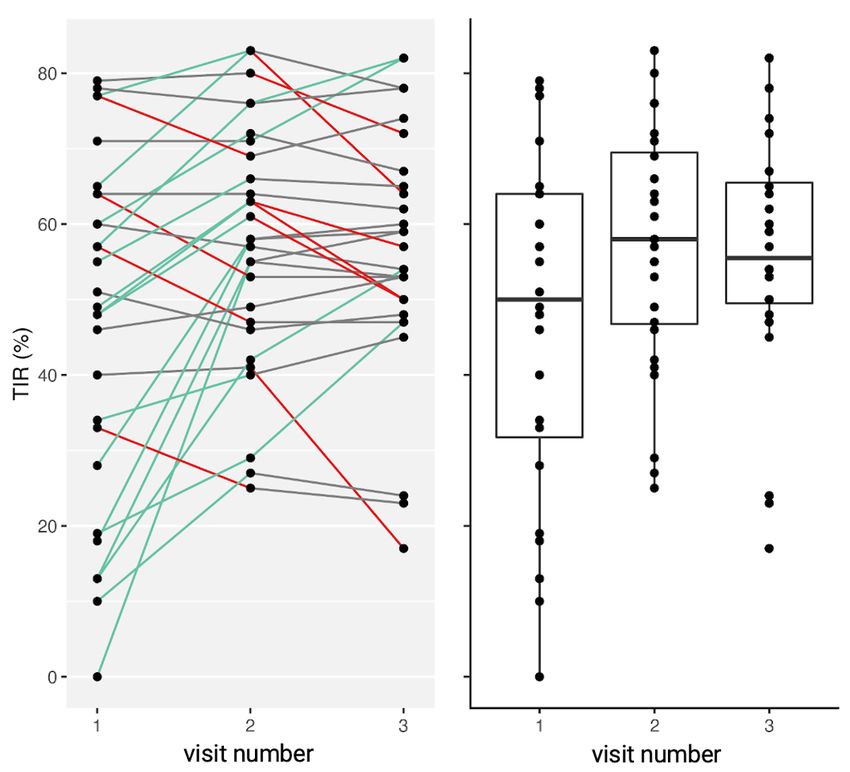
JMIR MHEALTH AND UHEALTH                                                                                                            Braune et al

     KEYWORDS
     telemedicine; telehealth; remote care; digital care; type 1 diabetes; pediatric diabetes; open source; service design; digital health;
     COVID-19; diabetes; workflow

                                                                         benefit from these relatively modern treatment options, people
     Introduction                                                        with diabetes require a high level of self-management, diabetes
     People’s interest in digital and remote care has been increasing    care teams require expertise and training, and appropriate digital
     worldwide. Although previous studies have demonstrated the          infrastructures must be available in health care settings.
     effectiveness and increasing acceptability of telemedicine [1],     Value-based and integrated care are promising strategies for
     knowledge on the implementation of digital care in health care      managing chronic conditions, as they emphasize the importance
     settings and workflows remains limited.                             of shared decision making and the organization of care. These
     The COVID-19 pandemic has forced many health care teams             strategies are largely information-driven processes.
     to find alternative approaches for delivering care to patients      Technological tools for collecting and exchanging information
     with chronic conditions. The demand for acute and emergency         are essential to all stakeholders involved in integrated care
     care has dramatically increased, and other areas of health care     [13,14]. From a patient’s perspective, integrated care aims to
     have been considerably compromised [2]. This is particularly        meet their health and social needs by using patient data as a
     concerning, as people with chronic conditions may have a higher     starting point for redesigning their health care experiences.
     risk for hospitalization and morbidity when they contract           Due to people’s interest in the transition from traditional care
     COVID-19. As such, health care professionals (HCPs) and             to digital care, which has considerably increased as a result of
     public health institutions recommend that people who are at         the COVID-19 pandemic, evidence related to HCPs’, patients’,
     risk of SARS-CoV-2 infection should be protected from               and caregivers’ experiences with this transition has been
     potential exposure to the virus. New legal frameworks that          emerging in various fields of medicine [15-28]. A variety of
     encourage health care teams to conduct remote, web-based            health care providers have shown increasing interest in the
     consultations and prescribe medical software or apps have been      possibilities of digital health. However, there is little research
     introduced [3].                                                     on methods for integrating digital health tools into existing
     Diabetes is highly relevant to the field of telemedicine [4,5].     structures and workflows.
     Intensive diabetes management has proven to be beneficial in        The Digital Diabetes Clinic (DDC) project sought to (1)
     delaying the onset of diabetes-related complications and            remotely support children with type 1 diabetes and their
     reducing the severity of long-term complications [6].               caregivers during diabetes management; (2) increase the time
     Therapeutic guidelines have recommended a target hemoglobin         that these children spend in the optimum glucose range (ie, time
     A1c (HbA1c) level of
JMIR MHEALTH AND UHEALTH                                                                                                                    Braune et al

     Figure 1. An overview of the methods that were used in this study; the interventions that involved the HCP team, patients, and caregivers; and the
     service design thinking approach. This is presented on a project timeline. HCP: health care professional; IT: information technology.

                                                                               needs. The interviews were conducted on site (ie, at the hospital)
     Service Design: A New Approach in Health Care                             and in person. Each interview involved a small group, which
     Service design is a strategic approach that is typically used in          included 2 researchers and 2-4 interviewees. Voice recordings,
     business environments and public sectors. This approach is used           notes, and photographs of the hospital workspace allowed us
     to create or improve processes for delivering desirable,                  to better understand and portray technology use in the university
     consistent, and seamless experiences to users [29-31], such as            hospital. Interviewees and interviewers used post-its and
     staff, patients, and caregivers in health care settings. Service          sketches to depict the process/steps that patients and caregivers
     design thinking methods are used to assess the interrelations             undergo during hospital visits, such as scheduling appointments,
     among different people, groups, organizations, resources,                 waiting for consultations, waiting for laboratory test results,
     technologies, processes, and communication paths. This                    and receiving prescriptions. This information was used to map
     systemic and process-driven view is useful to design and deliver          a comprehensive patient journey. The as-is journey is used to
     valuable services to users, including patients, their caregivers          identify areas for improvements, by taking into account
     and health care professionals. Physical and digital touchpoints           workflows and perspectives of various stakeholders (Figures
     and resources are identified and evaluated, including data                2-4).
     capture, usage and storage, as well as benefits and disadvantages
     of various communication channels (eg, apps, emails, phone                Using findings from the as-is journey, a future journey was
     calls, and written documentation).                                        created that offers a better patient experience. Afterward, we
                                                                               developed a strategic concept with a clear value proposition,
     Workflow Analysis and Patients’ Journeys                                  which showed how different stakeholders can better coordinate
     We followed the service design thinking process, starting with            their activities so that users can access new or improved services
     qualitative interviews. These interviews were conducted to                [32,33].
     assess users’ experiences (ie, journeys) with receiving pediatric         Once the concept was defined, we progressed to the
     diabetes care from a university hospital and identify problem             implementation phase, during which the care team transitioned
     areas (ie, pain points), such as moments of frustration and               to their new responsibilities, adopted new technologies, and
     challenges/gaps in the care process. The design team conducted            changed their routines and communication methods. This phase
     semistructured interviews with the health care team (ie,                  involved upskilling certain actors and transparently
     physicians, diabetes educators, nurses, social workers, and               communicating these changes to patients, caregivers, care team
     psychologists) via an exploratory approach to learn about                 members, organization members, or the general public.
     existing workflows, group-specific wishes, and stakeholders’

     https://mhealth.jmir.org/2021/4/e24374                                                             JMIR Mhealth Uhealth 2021 | vol. 9 | iss. 4 | e24374 | p. 3
                                                                                                                      (page number not for citation purposes)
XSL• FO
RenderX
JMIR MHEALTH AND UHEALTH                                                                                                                  Braune et al

     Figure 2. The "as-is" patient journey, the workflow of a conventional clinic visit, and current problem areas that require improvements. HbA1c:
     hemoglobin A1c; HCP: health care professional; BG: blood glucose.

     Figure 3. The "future" patient journey and the workflow of remote monthly check-ins. REDCap: Research Electronic Data Capture.

     https://mhealth.jmir.org/2021/4/e24374                                                           JMIR Mhealth Uhealth 2021 | vol. 9 | iss. 4 | e24374 | p. 4
                                                                                                                    (page number not for citation purposes)
XSL• FO
RenderX
JMIR MHEALTH AND UHEALTH                                                                                                                 Braune et al

     Figure 4. The patient experience and the workflow of remote, on-demand consultations (ie, those conducted between monthly check-ins). REDCap:
     Research Electronic Data Capture.

                                                                             (6) “how did the experience impact the children”; and (7) “did
     Stakeholder Workshops                                                   they give any feedback on the new process”?
     A series of interactive workshops were held in preparation for
     and throughout the project. Initially, these workshops involved         Clinical Trial Design
     in-person meetings. Later, we transitioned to web-based                 A prospective, longitudinal, open-label feasibility trial was
     meetings due to the COVID-19 pandemic. A participatory                  conducted at a single clinical center from December 2019 to
     approach was used to facilitate a process for creating team trust;      June 2020. Children with type 1 diabetes who were aged 3-12
     enabling clear communication; and promoting alignment,                  years were enrolled. To be included in this trial, the child had
     commitment, and shared goals. Relevant information about the            to live with a caregiver who could upload data and attend remote
     project proposal was shared and discussed in order to identify          visits. Moreover, the treatment at the time of the initiation visit
     concerns and expectations. Attendees were able to provide               had to include the use of an insulin pump for at least 6 months
     feedback and contribute to the design and organization of this          and the use of CGM sensor for at least 1 month. Children were
     study. The following questions were discussed: (1) “what do             asked for their consent to continue CGM during this study.
     the terms ‘telemedicine’ and ‘digital care’ mean to us”; (2)            Caregivers’ ability to use an insulin pump and CGM sensor was
     “what are the pros and cons of a health care service that is            verified. This included their ability to insert the infusion set,
     carried out remotely”; (3) “how can health care settings, like a        change the reservoir or patch pump (ie, where applicable),
     university hospital, adopt digital tools, new processes, and            calibrate CGM sensors, and read and interpret related data.
     communication patterns into their current workflows”; (4)
                                                                             Families could not participate in the trial if the caregivers who
     “which processes have to be adapted or redesigned”; (5) “what
                                                                             operated the study tools were diagnosed with a physical or
     roles and responsibilities exist among the stakeholders”; and
                                                                             mental health condition that severely interfered with their ability
     (6) “what technical and organizational support is needed”?
                                                                             to complete the study protocol. Families were also excluded if
     After the successful completion of 6 months of remote visits,           they had no access to a computer or if they were experiencing
     a group of caregivers participated in a web-based workshop to           problems with their at-home cellular/Wi-Fi connection (ie,
     share what they learned, discuss their reflections, and provide         problems that interfered with their ability to upload data and
     feedback. Similar to the previous workshops, our intention was          attend video consultations).
     to facilitate a participatory, cocreative session, during which
     caregivers could safely and comfortably voice opinions on how
                                                                             Recruitment
     to improve users’ experiences with remote care. The study team          We made families aware of this study by placing posters in the
     created the following research questions: (1) “what was the             hospital’s waiting area, mailing informational materials to all
     study’s greatest benefit for you and your child”; (2) “if you           families with children that fulfilled the inclusion criteria, and
     could, what would be the one thing you would change”; (3)               directly contacting families’ pediatric endocrinologists.
     “what are the advantages or disadvantages of the DDC”; (4)              Additionally, a website was launched to disseminate information
     “what elements should be adopted by existing health care                on this study’s overall goals, activities, technicalities, and
     services”; (5) “what challenges or benefits did you experience”;        recruitment process. Eligible participants were invited to
                                                                             workshops in small groups. During these workshops, families

     https://mhealth.jmir.org/2021/4/e24374                                                          JMIR Mhealth Uhealth 2021 | vol. 9 | iss. 4 | e24374 | p. 5
                                                                                                                   (page number not for citation purposes)
XSL• FO
RenderX
JMIR MHEALTH AND UHEALTH                                                                                                             Braune et al

     learned about the study design and tools, provided their informed    (ie, 3.0 mmol/L) and 54-70 mg/dL (ie, 3.0-3.9 mmol/L); (2)
     consent, and enrolled in this study.                                 time in hyperglycemia, which refers to the percentage of time
                                                                          that participants spend with a sensor glucose level of >250
     Hardware                                                             mg/dL (ie, 13.9 mmol/L) and 180-250 mg/dL (ie, 10.0-13.9
     Webcams with integrated microphones and speakers were                mmol/L); (3) the incidence of severe hypoglycemia presenting
     provided to all participants. Caregivers could also use their own    with the need for assistance from others or unconsciousness;
     computers, tablets, or smartphone cameras. Access to a               (4) the incidence and suspected cause of diabetic ketoacidosis;
     Windows personal computer or Macintosh computer with an              (5) diabetes-related hospitalizations; (6) HbA1c (ie, if available)
     internet connection was required to upload data.                     and estimated HbA1c levels; (7) participants’ quality of life,
     Data Platform                                                        which parents reported via a web-based survey (ie, the Pediatric
                                                                          Quality of Life Inventory questionnaire); and (8) the feasibility
     A personalized version of the open-source Tidepool platform
                                                                          of the care model, which was based on the proportion of
     (Tidepool Project) was used [34]. Caregivers could upload CGM
                                                                          participants who successfully complete 6 months of remote
     sensor and insulin pump data to a secure and encrypted server
                                                                          visits, as well as caregiver feedback from web-based surveys
     that was hosted by Charité – Universitätsmedizin Berlin. They
                                                                          and interactive workshops (ie, optional feedback).
     could also access their data via a web-based platform. As
     Tidepool is an open-source platform that is managed by a             Caregiver Feedback
     nonprofit group of parents of children with diabetes, its license    At the end of the study, caregivers were invited to provide
     permits third parties to use, reproduce, and alter the platform.     feedback via an optional web-based survey, which asked them
     Therefore, we were able to create a version of Tidepool that         to share the pros and cons of their experiences with remote care
     was adapted to the hospital’s information technology                 and their expectations and needs for future diabetes care.
     infrastructure and local data protection requirements [35-38].
     This decision was based on the platform’s compatibility with         Data Collection and Analysis
     multiple devices and manufacturers; our need to visualize CGM        A deidentified data set that included demographic data, outcome
     sensor and insulin pump data on a single platform in an              measures, and consultation information was documented and
     integrated, device-agnostic fashion; the platform’s easy upload      analyzed with the REDCap (Research Electronic Data Capture;
     process; the care team’s and caregivers’ need for equal data         Vanderbilt University) platform. REDCap is a secure electronic
     access at all times; the need for a user interface that was simple   data capture tool that is hosted locally at Charité –
     to understand; and the availability of ambulatory glucose profiles   Universitätsmedizin Berlin [39]. Furthermore, remote and
     with information on all important clinical outcome parameters.       in-person consultations were documented in the hospital’s
     Caregivers signed up for an account, installed the Tidepool          information system. Quantitative analyses were conducted with
     uploader on their computer, and provided data access to the care     the R version 4.0.2 programming framework (The R
     team. All participants received training on how to upload and        Foundation), and the ggplot2 package was used to generate
     review data. Several participants also used other software, such     figures. Changes in primary and secondary outcome parameters
     as Dexcom Clarity (Dexcom Inc) and Abbott FreeStyle                  were assessed with the Wilcoxon signed-rank test, which
     LibreView (Abbott Diabetes Care Inc).                                included a P value threshold of .05 for paired data and a 1-tailed
                                                                          test with an alternative hypothesis (ie, “less”). With regard to
     Remote Visits                                                        HbA1c descriptive statistics and associated statistical tests,
     A secure, web-based video chat app (ie, Patientus [Jameda            missing HbA1c values were substituted with estimated HbA1c
     Gesellschaft mit beschränkter Haftung]) was used to conduct          values (ie, when available).
     remote visits. As previously agreed upon in the stakeholder
     workshops, remote visits with a certified diabetes educator were     Ethical Conduct and Informed Consent
     scheduled on a monthly basis. This ensured that a frequent           This study was conducted in accordance with the Declaration
     number of follow-ups were conducted and limited the additional       of Helsinki, Good Clinical Practice guidelines, and Data Privacy
     burden on participating families at the same time. In addition,      Law of Berlin (ie, the Berliner Datenschutzgesetz or Berlin Data
     participants were offered optional, daily, on-demand                 Protection Act). This study was approved by the Charité ethics
     consultation hours. Participants could also opt to remotely attend   committee (approval number: EA2/125/18) and registered under
     their routine appointments (ie, those that occurred every 2-3        the clinical trial registration number DRKS00016170. Informed
     months) with their pediatric endocrinologists. These                 consent was obtained from each child’s caregiver prior to a
     appointments typically involved in-person visits, which were a       family’s inclusion in this study. A child-friendly version of the
     part of participants’ standard care.                                 information sheet was provided to children aged 8-12 years,
                                                                          and they were asked for their assent to participate.
     Outcome Measures
     The primary outcome parameter was time in range, which refers        Results
     to the percentage of time that participants spend with a sensor
     glucose level of 70-180 mg/dL (ie, 3.9-10.0 mmol/L).                 We present the results of a 6-month feasibility trial, information
                                                                          on the conceptual development of the trial, and details on the
     Our secondary endpoints included the following: (1) time in
                                                                          lessons that we learned throughout the process.
     hypoglycemia, which refers to the percentage of time that
     participants spend with a sensor glucose level of
JMIR MHEALTH AND UHEALTH Braune et al
Patient Journey and Workflow Analysis of completely replacing ambulatory services, and by improving
The service design activities involved 5 pediatric data access and analysis. Much time was spent on structuring
endocrinologists, 3 diabetes educators, 3 nurses, 3 a remote service that promotes better interactions, higher
psychologists/social workers, 1 resident physician, and 4 flexibility, and lower stress among all stakeholders. The clear
families that previously participated in telemedicine advantages of telemedicine were identified, such as the ability
interventions. to save time and effort and the possibility of delivering health
care to families in rural areas. Furthermore, people believed
Figure 2 illustrates the patient journey and the current workflow that digital care was less bureaucratic than nondigital care.
of a conventional visit to the hospital. Multiple pain points were Hence, digital care was less time-consuming than nondigital
identified, such as long waiting hours; the lack of digitally care, as per the documentation. Therefore, health care providers
available data from devices; patients’/caregivers’ limited insight could save money by using digital care services. The care team
into their own data; and time-consuming tasks for the care team, was also generally open to the adoption of new technology, as
such as documentation processes and the provision of paper file they saw clear benefits for patients. Limited staff availability
logistics. In the proposed workflow for scheduled remote due to the increasing economization of the health care sector,
consultations (Figure 3) and on-demand remote consultations organizational challenges, and structural challenges were
(Figure 4), the identified problem areas were addressed; HCPs perceived to be the main barriers to the adoption of new tools
and patients/caregivers were provided with equal access to data, and care pathways. Furthermore, safety concerns were addressed
and they collaboratively agreed upon individual therapy goals and a triage system for emergency scenarios was created (Figure
and methods for achieving them. The documentation process 5).
was simplified.
The perceived challenges that were identified in this study were
Stakeholder Workshops mainly technical in nature. Such challenges included the
The stakeholders agreed that the project’s value proposition compatibility between several sensors/pumps and the Tidepool
was to improve patients’ well-being by using existing uploader and hospital server errors that required time-consuming
ambulatory services to complement remote consultations instead and complex solutions.
Figure 5. The triage system for on-demand consultations; risk assessments; and the emergency management of severe hypoglycemia, DKA, or other
emergencies that are subjectively perceived as serious. DKA: diabetic ketoacidosis; ISF: insulin sensitivity factor.
https://mhealth.jmir.org/2021/4/e24374 JMIR Mhealth Uhealth 2021 | vol. 9 | iss. 4 | e24374 | p. 7
(page number not for citation purposes)
XSL• FO
RenderXJMIR MHEALTH AND UHEALTH Braune et al
Study Cohort country of residence). All 28 children used insulin pumps and
A total of 28 patients (age: median 8 years, SD 2.6 years) with CGM sensors as a sensor-augmented pump therapy system
diabetes (duration: median 4 years, SD 2.2 years) were enrolled (n=27) or hybrid closed-loop system (n=1). Families had a
in this study. It should be noted that 3 more families were median annual household net income of €60,000 (US
interested in participating in this study, but they could not be $72,824.10; SD €34,078 [US $41,361.70]), and 45% (28/62)
included due to the incompatibility of their diabetes hardware of caregivers had a university degree. The income and education
(n=1), their lack of access to a computer (n=1), and technical levels of the cohort were above the national average. Children’s
issues with their at-home personal computers (n=1). Of the 27 CGM sensor and pump supplies were fully covered by their
participating families, 1 (4%) had 2 children with diabetes, 2 health insurance; 85% (23/27) of the families had a public health
(7%) came from single-parent households, 2 (7%) had parents care plan and 15% (4/27) had a private health care plan. A
who lived separately, and 7 (26%) had a migration background summary of the cohort’s demographic characteristics are
(ie, at least 1 parent was born in a country other than their reported in Table 1.
https://mhealth.jmir.org/2021/4/e24374 JMIR Mhealth Uhealth 2021 | vol. 9 | iss. 4 | e24374 | p. 8
(page number not for citation purposes)
XSL• FO
RenderXJMIR MHEALTH AND UHEALTH Braune et al
Table 1. Sociodemographic characteristics of the study cohort.
Characteristics Value
Gender, n (%)
Female 18 (64.2)
Male 10 (35.7)
Other 0 (0)
Comorbidities, n (%)
Celiac disease 3 (10.7)
Hashimoto thyroiditis 1 (3.6)
Other 2 (7.1)
Type of insulin pump, n (%)
Medtronic 670G 1 (3.6)
Medtronic 640G 23 (82.1)
Medtronic Veo 4 (14.3)
Type of continuous glucose monitoring sensor, n (%)
Medtronic Guardian 13 (46.4)
Dexcom G6 5 (17.9)
Dexcom G5 1 (3.6)
FreeStyle Libre 2 9 (32.1)
Caregiver’s/mother’s employment status, n (%)
Full-time employment 10 (35.7)
Part-time employment 13 (46.4)
Unemployed 4 (14.3)
Student 1 (3.6)
Not available 0 (0)
Caregiver’s/mother’s highest educational level, n (%)
No/some high school 1 (3.6)
High school 4 (14.3)
University degree or diploma 12 (42.9)
Doctorate 2 (7.1)
Other 9 (32.1)
Not available 0 (0)
Caregiver’s/mother’s professional background, n (%)
Health care/science 8 (28.6)
Education and childcare 3 (10.7)
Information technology 1 (3.6)
Service 3 (10.7)
Other 9 (32.1)
None 1 (3.6)
Not available 0 (0)
Caregiver’s/father’s employment status, n (%)
Full-time employment 22 (78.6)
Part-time employment 2 (7.1)
Unemployed 2 (7.1)
https://mhealth.jmir.org/2021/4/e24374 JMIR Mhealth Uhealth 2021 | vol. 9 | iss. 4 | e24374 | p. 9
(page number not for citation purposes)
XSL• FO
RenderXJMIR MHEALTH AND UHEALTH Braune et al
Characteristics Value
Student 1 (3.6)
Not available 1 (3.6)
Caregiver’s/father’s highest education level, n (%)
No/some high school 4 (14.3)
High school 3 (10.7)
University degree or diploma 13 (46.4)
Doctorate 1 (3.6)
Other 6 (21.4)
Not available 1 (3.6)
Caregiver’s/father’s professional background, n (%)
Health care/science 2 (7.1)
Education and childcare 1 (3.6)
Information technology 4 (14.3)
Service 2 (7.1)
Other 14 (50)
None 2 (7.1)
Not available 1 (3.6)
with remotely uploading, accessing, and reviewing their data.
Feasibility Although the technical aspects of the data and video chat
All enrolled participants completed 6 months of monthly remote platforms were mostly discussed during the first web-based
visits. In addition, 57% (16/28) of the participants opted to visit, follow-up visits largely focused on diabetes- and
remotely attend at least one of their regular clinic visits (ie, health-related topics. During the monthly check-ups, 90.4%
those that occurred every 2-3 months) with their pediatric (110/122) of children fully achieved their individual therapy
endocrinologist. The on-demand clinic service was used by 29% goals, and 6.1% (7/122) partially achieved their individual
(8/27) of the families. Of these 8 families, 7 (88%) made use therapy goals. There were no study dropouts. Severe
of this service once, and 1 (12%) used this service multiple hypoglycemia, diabetic ketoacidosis, or other issues that required
times throughout the study. The subject matters that were study personnel to consult the on-call endocrinologist did not
discussed during remote visits are summarized in Table 2. In occur. Patient handovers to psychologists and social workers
96.4% (118/122) of the consultations, participants felt confident occurred 6 times.
Table 2. Activities and subject matters that were discussed during remote care visits.
Activities and subject matters Monthly check-in, n (%) On-demand clinic, n (%)
Reviewed data together 96 (85.7) 6 (60)
Basal rate adjustments 59 (52.7) 4 (40)
Carbohydrate exchange factor adjustments 52 (46.4) 3 (30
Technical aspects of the data platform 34 (30.4) 1 (10)
General organizational matters 32 (28.6) 1 (10)
Refreshed diabetes education and training 25 (22.3) 2 (20)
Technical aspects of the video chat platform 18 (16.1) 2 (20)
Mental health concerns 13 (11.6) 1 (10)
Technical aspects of continuous glucose monitoring 9 (8) 1 (10)
Technical aspects of insulin pumps 8 (7.1) 1 (10)
Therapy adjustments for physical activity 7 (6.3) 0 (0)
Insulin sensitivity factor adjustment 5 (4.5) 1 (10)
Acute illness 2 (1.8) 1 (10)
Other topics 30 (26.8) 3 (30)
https://mhealth.jmir.org/2021/4/e24374 JMIR Mhealth Uhealth 2021 | vol. 9 | iss. 4 | e24374 | p. 10
(page number not for citation purposes)
XSL• FO
RenderXJMIR MHEALTH AND UHEALTH Braune et al
Clinical and Patient-Reported Outcomes during the first wave of the COVID-19 pandemic in Germany
After completing 3 months of remote consultations, participants’ (ie, from March to May 2020). After 3 and 6 months of remote
time in range (P=.001) and time in hyperglycemia (P=.004) visits, patients’ time in hypoglycemia did not significantly
significantly improved (Figure 6). This improvement was increase (3 months: P=.21; 6 months: P=.08), no significant
maintained over the lockdown period (ie, between months 3 changes in HbA1c levels were observed (3 months: P=.43; 6
and 6 of this study); daycares, playgrounds, schools, universities, months: P=.42), and patients’ psychosocial health significantly
nonessential businesses, and international borders were closed improved. All details on outcome parameters are shown in Table
3.
Figure 6. The individual changes and overall distribution of participants’ percent TIR of sensor glucose targets before remote consultations (ie, visit
1), after 3 months of remote consultations (ie, visit 2), and after 6 months of remote consultations (ie, visit 3). Green lines indicate that the individual
change in TIR was >5% (ie, high amount of change). Red lines indicate that the individual change in TIR wasJMIR MHEALTH AND UHEALTH Braune et al
Table 3. Clinical and patient-reported outcomes before, during, and after 6 months of remote consultations. All significance levels for the visit 2 and
visit 3 results were compared to those for visit 1.
Outcome measures Visit 1 (ie, enrollment) Visit 2 (ie, 3 months of com- Visit 3 (ie, 6 months of com-
pleted remote consultations) pleted remote consultations)
Value, mean P value Value, mean P value Value, mean P value
(SD) (SD) (SD)
Time in range, % 46.9 (22.9) Referent 57.5 (16.3) .001 56.3 (16.5) .02
Time in hypoglycemia (mg/dL [mmol/L]), % 5.1 (12.1) Referent 4.7 (6.9) .21 3.7 (4.3) .08
54-70 (3.0-3.9) 3.1 (5.4) Referent 3.5 (5.0) .17 2.7 (3.0) .11
250 (13.9) 21.3 (20.2) Referent 12.0 (12.8) .004 13.9 (14.7) .01
Hemoglobin A1c level, % 7.5 (0.9) Referent 7.7 (0.9)a .43 7.6 (1.1) .42
Hemoglobin A1c level, mmol/mol 58.2 (9.0) Referent 58.1 (9.3)a .43 59.1 (13.0) .42
Quality of life scoreb
Psychosocial health summary score 72.5 (14.0) Referent —c — 78.0 (14.4) .04
Physical health summary score 81.0 (17.9) Referent — — 82.7 (16.0) .14
Diabetes-related score 70.3 (10.7) Referent — — 73.6 (9.0) .06
a
Not available for patients who opted to perform their month-3 visit remotely. Instead, estimated hemoglobin A1c values were calculated based on
sensor data.
b
Based on Pediatric Quality of Life Inventory scores.
c
Not available.
newly gained insights. Details on caregiver feedback are shown
Caregiver Feedback in Table S1 in Multimedia Appendix 1.
Caregivers expressed that remote care was beneficial to them
and their child. They also believed that remote care had Discussion
advantages over in-person meetings. Reductions in the amount
of time and stress (ie, those associated with hospital visits); Principal Results
flexibility during different times of the day; and the opportunity This study describes the feasibility of remote care, the transition
to be in a safe, comfortable, and familiar setting allowed for from traditional care to digital care, and the use of an
more engagement and dedicated interactions between families interoperable health data platform in an ambulatory pediatric
and health service providers. Families also believed that health diabetes care setting. Digital care was delivered successfully,
service providers were less stressed, more dedicated, and and participants were satisfied with the care that they received.
focused. The ability to review data together resulted in new and Remote and continuous data access considerably improved for
valuable insights for most stakeholders and enabled caregivers patients, caregivers, and the health care team. Data access was
to take initiative and make adjustments to therapy. The families perceived as helpful for therapeutic decision making. Despite
were satisfied with the care that they received. They also the COVID-19 pandemic and its numerous potential implications
expressed their desire to continue digital care after their for physical and mental health [40,41] and people’s social and
participation in this study and suggested that digital care should family lives, better clinical outcomes were achieved before the
be fully integrated into routine care. Furthermore, families intervention period, and these outcomes were maintained during
desired remote consultations with psychologists and social the intervention period. Furthermore, patients’ psychosocial
workers. The intervals between visits were shorter, and health significantly improved.
caregivers perceived this as beneficial for discussing any arising
questions. The late afternoon and evening hours were caregivers’ Our findings are in line with those of studies that were conducted
preferred times for attending consultations. Technical problems before [4,5,42-44] and during [45-51] the COVID-19 pandemic
with internet connections, video chats, and data platforms (ie, studies that reported on the benefits of remote care in various
occasionally occurred. regions and settings). Our study is the first to report on the
following: (1) the impact that remote care during the COVID-19
Finally, remote care was perceived to be “more modern, timely pandemic has on clinical outcomes; and (2) the integration of
and suited to their needs,” with a perceived general improvement remote care into pediatric diabetes care during the COVID-19
of the children’s well-being, improved glycemic outcomes, and pandemic. Our study is also the first to describe how service
https://mhealth.jmir.org/2021/4/e24374 JMIR Mhealth Uhealth 2021 | vol. 9 | iss. 4 | e24374 | p. 12
(page number not for citation purposes)
XSL• FO
RenderXJMIR MHEALTH AND UHEALTH Braune et al
design methods were used to increase stakeholder engagement metered dose inhalers (eg, uploading data from glucometers
and improve workflows in clinical care. and electronic pens or integrating diabetes diary apps into
routine care). Based on the stakeholder feedback, we conclude
Conventional hospital visits and admissions provide patients
that it is crucial to integrate new digital tools into routine care
with artificial time windows that rarely address their actual daily
instead of creating separate care pathways. Therefore, further
challenges and individual needs. Young people with diabetes
service design research should address how health care teams
and caregivers have often perceived a lack of communication
in other health care settings (eg, high-volume clinics for adult
with their health care providers when it comes to discussing
diabetes care) and staff with limited technical skills can be
their treatments [52]. They have also felt that their care teams
trained to confidently provide digital care.
do not sufficiently understand their daily problems and do not
have a lot of involvement in the therapeutic decision-making The ability to effectively provide telemedicine increases if a
process [52]. Studies have shown that few people with diabetes clinic has experience with diabetes technology provision (eg,
and caregivers regularly download and review their own data insulin pumps, CGM sensors, electronic health records, diabetes
[53,54]. It has also been reported that self-assessments and management software, etc) and the required infrastructure (eg,
specialists’ referrals (ie, those for obtaining data) can improve software, computers, and internet connections). However, it is
diabetes management [55]. worth acknowledging that although the use of diabetes
technology is clearly associated with countries’ local
The findings from this study allowed us to validate the technical
reimbursement strategies or health insurance plans [57], diabetes
instruments and organizational processes that are necessary for
technology uptake is heterogeneous in countries that offer full
the transition to digital care and new workflows. Both the “as-is”
reimbursements. Individual aspects such as personal attitudes
journeys and “future” journeys were key tools for promoting
or interests (ie, those of people with diabetes and, more
shared understanding and alignment among stakeholders. As
importantly, HCPs), awareness, structure, and capacity are
recent modalities have led to overall changes in work culture
insurance-related determinants to improving the accessibility
and social interactions (eg, the majority of professional
of diabetes technology [58]. Thus, we are aware that our
meetings, social gatherings, university coursework, and school
proposed model may not be suitable for all pediatric diabetes
classes have been conducted via web-based platforms), there is
clinics.
a strong need for the health care sector to adopt new methods
for communication. The implementation of remote data The beliefs and attitudes of HCPs may be barriers to increasing
assessments and web-based communications can therefore the universal accessibility of advanced diabetes technologies
improve people’s access to specialty care during and beyond [56,59,60]. New care models may initially result in feelings of
the pandemic. However, a paradigm shift in the delivery, uncertainty, and they might seem overwhelming to people who
management, and funding of health care services is required. have usually delivered in-person care for the past few decades
[61]. Organizational and structural changes can lead to
The use of an open-source data platform was considered positive
frustration and negatively impact people’s motivations for
for the following reasons: (1) it was interoperable with devices
adopting new care pathways. To ensure that health care teams
from different manufacturers; (2) it allowed both parties to
do not shy away from new technology and additional work
immediately access data; and (3) it provided a positive user
requirements, all relevant stakeholders must be engaged with
experience. However, technical issues occasionally occurred
the transition process as early as possible. The business
throughout the intervention period. These issues were sometimes
environment has learned that the service design approach can
challenging to solve, as the data platform was not a
be used to innovate methods for addressing people's needs.
plug-and-play service that was provided by a third party.
Therefore, the health care ecosystem can greatly benefit from
Therefore, follow-up projects should include structured
using the same approach [31]. As an applied research and
management plans that clarify the roles and responsibilities of
innovation framework, service design prioritizes empathy for
technical support personnel.
the users of a service or product; embraces interdisciplinarity
During the transition to technological innovations, the digital and collaboration within project teams; and encourages the
divide might leave several user groups behind. Therefore, while action-oriented, rapid prototyping of user-derived insights
people with diabetes have generally reported positive instead of top-down hypotheses. Service design has proven to
experiences with diabetes technology, the complexity of be beneficial for encouraging all stakeholders to contribute their
accessing and maintaining such technology remains a challenge. ideas during the design process, acknowledge their concerns,
It should be noted that younger adults, who are generally and build supportive practices [61].
perceived as “tech savvy,” are in fact less likely to embrace the
Our study adds to the ongoing discussion on the importance of
use of diabetes technology. Additionally, physical barriers (eg,
time in range (ie, as a measure that is comparable to or more
the need to carry devices) and general diabetes distress are more
important than HbA1c levels). Our choice to use time in range
severe among younger adults than older adults [56].
as the primary outcome parameter and HbA1c level as a
In this study, the team primarily interacted with caregivers. secondary outcome parameter may be a strength of our study
Further research is needed on actively increasing children’s and (ie, compared to most other studies that have reported on the
adolescents’ involvement in telemedicine consultations and clinical outcomes of people with diabetes). Although our study
adapting digital care interventions to cater to the needs of other cohort’s time in range and quality of life significantly improved,
age groups, people with diabetes (ie, other than type 1 diabetes), there were no significant changes in patients’ HbA1c levels.
and people who use self-monitoring blood glucose devices and
https://mhealth.jmir.org/2021/4/e24374 JMIR Mhealth Uhealth 2021 | vol. 9 | iss. 4 | e24374 | p. 13
(page number not for citation purposes)
XSL• FO
RenderXJMIR MHEALTH AND UHEALTH Braune et al
Although HbA1c is widely used as a primary outcome parameter from middle- to high-income and educated families, and all
in many CGM studies [62-66], time in range has been participants used insulin pumps and CGM sensors. This may
acknowledged as an outcome measure for representing glycemic mean that socioeconomic status–related biases are present in
control [67,68]. Studies have only shown moderate correlations our study. Furthermore, people who experience language barriers
between time in range and associated HbA1c levels (ie, changes and people with low levels of technological literacy might not
in HbA1c levels for a given change in time in range widely have felt confident with participating in this study. This might
varies) [69]. Our findings support the fact that there is a need indicate that selection bias was present in our study.
to use CGM-derived outcome measures in clinical care and Additionally, access to the internet and a computer was required.
clinical research and a need to identify new surrogate markers Although these technologies are available to most families, they
for the development of diabetes-related long-term complications were not available to all eligible families. Furthermore, as CGM
[67-69]. These needs can be addressed, as CGM data can be sensors, insulin pumps, and supplies are fully covered by the
remotely assessed without having to resort to additional invasive public and private health insurance plans in Germany (ie, for
procedures for people with diabetes. Furthermore, clinical children with diabetes), this project may not be applicable to
outcome improvements may remain unobserved if researchers all diabetes care settings. Limited access to diabetes
only focus on analyzing HbA1c levels. technologies, which is evident in many regions outside of
Western Europe, could limit the applicability of our service
We acknowledge that our study has several strengths and design approach. Although advances in technologically mediated
limitations. First, this study provides other diabetes care teams treatments are promising, there are still concerns about social
with a practical example of how to take advantage of the inequality and the challenge of ensuring that such treatments
opportunities that have arisen from the necessity of remote care. are widely disseminated across the population. More research
Second, our study supports the use of technology in the delivery is needed to understand these potential obstacles and provide
of diabetes care and the promotion of patient involvement in appropriate education and support.
the cocreation of services. Third, our study is based on
Conclusions
real-world data; it presents the different perspectives of health
service providers and users. The limitations of this study should This study sought to identify and solve the following problems
also be acknowledged. This study was a single-arm, in diabetes care: the limited accessibility of diabetes device
nonrandomized feasibility trial that analyzed data from a small data; the poor interoperability of data from different devices;
cohort of patients. Due to the trial’s observational nature and and restricted access to specialists, especially during a global
our lack of a control group, our ability to assess the effectiveness pandemic. Our study design allowed the care team, patients,
of remote and routine care for all people with diabetes was and caregivers to actively contribute to the DDC project and
limited. Although our participants had widely varying promoted shared decision making. The results generated by this
characteristics (ie, various education levels, income levels, and study will help to inform and improve methods for implementing
professional backgrounds), the majority of the participants were remote and digital diabetes care into the wider health care sector
during and beyond the pandemic.
Acknowledgments
We would like to thank all children with diabetes, their families, and all professional diabetes team members from the
Interdisciplinary Social Pediatric Center and the Department of Paediatric Endocrinology and Diabetes of Charité –
Universitätsmedizin Berlin, who greatly contributed to this study. Furthermore, we would like to thank the team members of
Tidepool, Diabeloop, and Sensotrend for their advice on implementing the Tidepool platform and uploader in our study setting.
We also acknowledge the German Research Foundation and the Open Access Publication Funds of Charité − Universitätsmedizin
Berlin for their support with the publication of this study.
The DDC project was funded by the Berlin Institute of Health. The project also received nonfinancial support from the service
design company Designit. The funding source was not involved with this study.
Authors' Contributions
KBraune performed the literature search. KBraune, KBoss and KR designed the study. KBraune, KBoss, JSH, LS, and BP
collected the data. KBraune, AT, LS, and BP analyzed and interpreted the data. KBraune wrote the initial draft of the manuscript.
All authors critically reviewed and revised the draft. All authors read and approved the final version of the manuscript. KBraune
is the guarantor of this study.
Conflicts of Interest
All authors completed the Unified Competing Interest form. KBraune received research grants from the Berlin Institute of Health
Junior Clinician Scientist program for conducting this study. Outside of this study, KBraune received research grants from the
Berlin Institute of Health Digital Clinician Scientist program, the European Commission’s Horizon 2020 Research and Innovation
program, Wellcome Trust, Stiftung Charité, and the German Diabetes Association. Outside of this study, KBraune served as a
speaker and advisory board member for Medtronic Diabetes and received fees for medical consulting and public speaking from
https://mhealth.jmir.org/2021/4/e24374 JMIR Mhealth Uhealth 2021 | vol. 9 | iss. 4 | e24374 | p. 14
(page number not for citation purposes)
XSL• FO
RenderXJMIR MHEALTH AND UHEALTH Braune et al
Roche Diabetes Care, Dexcom, Medtronic Diabetes, Diabeloop, and Bertelsmann Stiftung. JSH is employed as a part-time diabetes
coach at mySugr. KR received grants from the European Commission's Horizon 2020 Research and Innovation Program (grant
agreement number: 823902). Outside of this study, KR is an advisory board member of Lilly Diabetes Care and Abbott Diabetes
Care. All other coauthors have no conflicts of interest to declare.
Multimedia Appendix 1
Table S1. Caregiver feedback regarding their experience with remote consultations.
[DOCX File , 19 KB-Multimedia Appendix 1]
References
1. Bashshur RL, Shannon G, Krupinski EA, Grigsby J. Sustaining and realizing the promise of telemedicine. Telemed J E
Health 2013 May;19(5):339-345 [FREE Full text] [doi: 10.1089/tmj.2012.0282] [Medline: 23289907]
2. Pfiester E, Gomber A, Rojas D, Al-Bajar M, Wofford K, Ortiz L, et al. Implications of the covid-19 pandemic on chronic
care: global perspectives from people with type 1 diabetes. BMJ Opinions. 2020 Nov 06. URL: https://blogs.bmj.com/bmj/
2020/11/06/implications-of-the-covid-19-pandemic-on-chronic-care-global-perspectives-from-people-with-type-1-diabetes/
[accessed 2021-02-26]
3. Entwurf eines Gesetzes für eine bessere Versorgung durch Digitalisie-rung und Innovation (Digitale-Versorgung-Gesetz
– DVG). Digitales Versorgungsgesetz. URL: https://www.bundesgesundheitsministerium.de/fileadmin/Dateien/3_Downloads/
Gesetze_und_Verordnungen/GuV/D/Digitale-Versorgung-Gesetz_DVG_Kabinett.pdf [accessed 2020-09-04]
4. Levin K, Madsen JR, Petersen I, Wanscher CE, Hangaard J. Telemedicine diabetes consultations are cost-effective, and
effects on essential diabetes treatment parameters are similar to conventional treatment: 7-year results from the Svendborg
Telemedicine Diabetes Project. J Diabetes Sci Technol 2013 May 01;7(3):587-595 [FREE Full text] [doi:
10.1177/193229681300700302] [Medline: 23759390]
5. Wood CL, Clements SA, McFann K, Slover R, Thomas JF, Wadwa RP. Use of telemedicine to improve adherence to
american diabetes association standards in pediatric type 1 diabetes. Diabetes Technol Ther 2016 Jan;18(1):7-14. [doi:
10.1089/dia.2015.0123] [Medline: 26295939]
6. Diabetes Control and Complications Trial Research Group, Nathan DM, Genuth S, Lachin J, Cleary P, Crofford O, et al.
The effect of intensive treatment of diabetes on the development and progression of long-term complications in
insulin-dependent diabetes mellitus. N Engl J Med 1993 Sep 30;329(14):977-986. [doi: 10.1056/NEJM199309303291401]
[Medline: 8366922]
7. American Diabetes Association. 6. Glycemic targets: Standards of medical care in diabetes-2018. Diabetes Care 2018
Jan;41(Suppl 1):S55-S64. [doi: 10.2337/dc18-S006] [Medline: 29222377]
8. DiMeglio LA, Acerini CL, Codner E, Craig ME, Hofer SE, Pillay K, et al. ISPAD Clinical Practice Consensus Guidelines
2018: Glycemic control targets and glucose monitoring for children, adolescents, and young adults with diabetes. Pediatr
Diabetes 2018 Oct;19 Suppl 27:105-114. [doi: 10.1111/pedi.12737] [Medline: 30058221]
9. Foster NC, Beck RW, Miller KM, Clements MA, Rickels MR, DiMeglio LA, et al. State of type 1 diabetes management
and outcomes from the T1D Exchange in 2016-2018. Diabetes Technol Ther 2019 Feb;21(2):66-72 [FREE Full text] [doi:
10.1089/dia.2018.0384] [Medline: 30657336]
10. Gajewska KA, Bennett K, Biesma R, Sreenan S. Low uptake of continuous subcutaneous insulin infusion therapy in people
with type 1 diabetes in Ireland: a retrospective cross-sectional study. BMC Endocr Disord 2020 Jun 23;20(1):92 [FREE
Full text] [doi: 10.1186/s12902-020-00573-w] [Medline: 32576284]
11. van den Boom L, Karges B, Auzanneau M, Rami-Merhar B, Lilienthal E, von Sengbusch S, et al. Temporal trends and
contemporary use of insulin pump therapy and glucose monitoring among children, adolescents, and adults with type 1
diabetes between 1995 and 2017. Diabetes Care 2019 Nov;42(11):2050-2056. [doi: 10.2337/dc19-0345] [Medline: 31488568]
12. DeSalvo DJ, Miller KM, Hermann JM, Maahs DM, Hofer SE, Clements MA, T1D Exchange and DPV Registries. Continuous
glucose monitoring and glycemic control among youth with type 1 diabetes: International comparison from the T1D
Exchange and DPV Initiative. Pediatr Diabetes 2018 Nov;19(7):1271-1275 [FREE Full text] [doi: 10.1111/pedi.12711]
[Medline: 29923262]
13. Guldemond N, Hercheui MD. Technologycare for patients with chronic conditions: The chronic care model as a framework
for the integration of ICT. In: ICT Critical Infrastructures and Society. 2012 Presented at: IFIP International Conference
on Human Choice and Computers; September 27-28, 2012; Amsterdam, The Netherlands p. 123-133. [doi:
10.1007/978-3-642-33332-3_12]
14. Vrijhoef HJ, de Belvis AG, de la Calle M, de Sabata MS, Hauck B, Montante S, et al. IT-supported integrated care pathways
for diabetes: A compilation and review of good practices. Int J Care Coord 2017 Jun;20(1-2):26-40 [FREE Full text] [doi:
10.1177/2053434517714427] [Medline: 28690856]
15. Joshi AU, Lewiss RE, Aini M, Babula B, Henwood PC. Solving community SARS-CoV-2 testing with telehealth:
Development and implementation for screening, evaluation and testing. JMIR Mhealth Uhealth 2020 Oct 16;8(10):e20419
[FREE Full text] [doi: 10.2196/20419] [Medline: 33006942]
https://mhealth.jmir.org/2021/4/e24374 JMIR Mhealth Uhealth 2021 | vol. 9 | iss. 4 | e24374 | p. 15
(page number not for citation purposes)
XSL• FO
RenderXJMIR MHEALTH AND UHEALTH Braune et al
16. Gujral UP, Johnson L, Nielsen J, Vellanki P, Haw JS, Davis GM, et al. Preparedness cycle to address transitions in diabetes
care during the COVID-19 pandemic and future outbreaks. BMJ Open Diabetes Res Care 2020 Jul;8(1):e001520 [FREE
Full text] [doi: 10.1136/bmjdrc-2020-001520] [Medline: 32690631]
17. Kircher SM, Mulcahy M, Kalyan A, Weldon CB, Trosman JR, Benson AB. Telemedicine in oncology and reimbursement
policy during COVID-19 and beyond. J Natl Compr Canc Netw. Epub ahead of print 2020 Sep 30. [doi:
10.6004/jnccn.2020.7639] [Medline: 32998106]
18. Chaudhry H, Nadeem S, Mundi R. How satisfied are patients and surgeons with telemedicine in orthopaedic care during
the COVID-19 Pandemic? A systematic review and meta-analysis. Clin Orthop Relat Res 2021 Jan 01;479(1):47-56. [doi:
10.1097/CORR.0000000000001494] [Medline: 33009231]
19. Rivas JG, Rodríguez-Serrano A, Loeb S, Teoh JYC, Ribal MJ, Bloemberg J, et al. Telemedicine and smart working: Spanish
adaptation of the European Association of Urology recommendations. Actas Urol Esp 2020 Dec;44(10):644-652 [FREE
Full text] [doi: 10.1016/j.acuro.2020.08.010] [Medline: 33012592]
20. Vazquez J, Islam T, Gursky J, Beller J, Correa DJ. Access to care matters: Remote health care needs during COVID-19.
Telemed J E Health. Epub ahead of print 2020 Sep 30. [doi: 10.1089/tmj.2020.0371] [Medline: 33017270]
21. Betancourt JA, Rosenberg MA, Zevallos A, Brown JR, Mileski M. The impact of COVID-19 on telemedicine utilization
across multiple service lines in the United States. Healthcare (Basel) 2020 Oct 01;8(4):380 [FREE Full text] [doi:
10.3390/healthcare8040380] [Medline: 33019667]
22. Mancebo G, Solé-Sedeño JM, Membrive I, Taus A, Castells M, Serrano L, et al. Gynecologic cancer surveillance in the
era of SARS-CoV-2 (COVID-19). Int J Gynecol Cancer. Epub ahead of print 2020 Oct 05. [doi: 10.1136/ijgc-2020-001942]
[Medline: 33020205]
23. Kriem J, Rahhal R. COVID-19 pandemic and challenges in pediatric gastroenterology practice. World J Gastroenterol 2020
Sep 28;26(36):5387-5394 [FREE Full text] [doi: 10.3748/wjg.v26.i36.5387] [Medline: 33024391]
24. Reinhard MA, Burkhardt G, Grosse-Wentrup F, Eser-Valerie D, Mumm FHA, Barnikol-Oettler B, et al. [Psychosocial
support during the COVID-19 pandemic: interdisciplinary concept of care at a university hospital]. Nervenarzt. Epub ahead
of print 2020 Oct 06 [FREE Full text] [doi: 10.1007/s00115-020-01014-8] [Medline: 33025071]
25. Kaushik A, Patel S, Dubey K. Digital cardiovascular care in COVID-19 pandemic: A potential alternative? J Card Surg.
Epub ahead of print 2020 Oct 10 [FREE Full text] [doi: 10.1111/jocs.15094] [Medline: 33040399]
26. Schifeling CH, Shanbhag P, Johnson A, Atwater RC, Koljack C, Parnes BL, et al. Disparities in video and telephone visits
among older adults during the COVID-19 pandemic: Cross-sectional analysis. JMIR Aging 2020 Nov 10;3(2):e23176
[FREE Full text] [doi: 10.2196/23176] [Medline: 33048821]
27. Monaghesh E, Hajizadeh A. The role of telehealth during COVID-19 outbreak: a systematic review based on current
evidence. BMC Public Health 2020 Aug 01;20(1):1193 [FREE Full text] [doi: 10.1186/s12889-020-09301-4] [Medline:
32738884]
28. Tebeje TH, Klein J. Applications of e-Health to support person-centered health care at the time of COVID-19 Pandemic.
Telemed J E Health. Epub ahead of print 2020 Jul 31. [doi: 10.1089/tmj.2020.0201] [Medline: 32746750]
29. Roberts JP, Fisher TR, Trowbridge MJ, Bent C. A design thinking framework for healthcare management and innovation.
Healthc (Amst) 2016 Mar;4(1):11-14. [doi: 10.1016/j.hjdsi.2015.12.002] [Medline: 27001093]
30. Shaw J, Agarwal P, Desveaux L, Palma DC, Stamenova V, Jamieson T, et al. Beyond "implementation": digital health
innovation and service design. NPJ Digit Med 2018 Sep 28;1:48 [FREE Full text] [doi: 10.1038/s41746-018-0059-8]
[Medline: 31304327]
31. Service design - Design is not just for products. Interaction Design Foundation. URL: https://www.interaction-design.org/
literature/article/service-design-design-is-not-just-for-products [accessed 2020-09-04]
32. Alter S. Value blueprint and service design space for facilitating value creation. In: Proceedings of the Nineteenth Americas
Conference on Information Systems. 2013 May 08 Presented at: The Nineteenth Americas Conference on Information
Systems; August 15-17, 2013; Chicago, Illinois URL: https://repository.usfca.edu/cgi/viewcontent.
cgi?article=1018&context=at [doi: 10.1007/springerreference_61782]
33. Greenhalgh T, Jackson C, Shaw S, Janamian T. Achieving research impact through co-creation in community-based health
services: Literature review and case study. Milbank Q 2016 Jun;94(2):392-429 [FREE Full text] [doi:
10.1111/1468-0009.12197] [Medline: 27265562]
34. Neinstein A, Wong J, Look H, Arbiter B, Quirk K, McCanne S, et al. A case study in open source innovation: developing
the Tidepool Platform for interoperability in type 1 diabetes management. J Am Med Inform Assoc 2016 Mar;23(2):324-332
[FREE Full text] [doi: 10.1093/jamia/ocv104] [Medline: 26338218]
35. Verordnung (EU) 2016/679 des Europäischen Parlaments und des Rates vom 27. April 2016 zum Schutz natürlicher
Personen bei der Verarbeitung personenbezogener Daten, zum freien Datenverkehr und zur Aufhebung der Richtlinie
95/46/EG (Datenschutz-Grundverordnung) (Text von Bedeutung für den EWR). EUR-Lex. URL: https://eur-lex.europa.eu/
legal-content/EN/TXT/?uri=uriserv%3AOJ.L_.2016.119.01.0001.01.DEU [accessed 2020-09-04]
36. Frielitz FS, Storm N, Hiort O, Katalinic A, von Sengbusch S. [The creation of a data protection policy: a guide to telemedicine
healthcare projects]. Bundesgesundheitsblatt Gesundheitsforschung Gesundheitsschutz 2019 Apr;62(4):479-485. [doi:
10.1007/s00103-019-02918-w] [Medline: 30874830]
https://mhealth.jmir.org/2021/4/e24374 JMIR Mhealth Uhealth 2021 | vol. 9 | iss. 4 | e24374 | p. 16
(page number not for citation purposes)
XSL• FO
RenderXYou can also read


