Shopping Independents - A National Survey Defining Real Growth Opportunities February 2018 - National Grocers Association
←
→
Page content transcription
If your browser does not render page correctly, please read the page content below
Shopping Independents
     A National Survey Defining Real Growth Opportunities

February 2018                                               1
A Best in Class Integrated View of Independents

                           The Nielsen Independent Grocery Shopper
                                    Database and Analytics
                                 (See and understand the Past)

    Multiple Dimensions of Shopper Behaviors at Independent Grocers
    Delivering to the Independent Grocer First Mover Advantage in Shopper Knowledge and Actionability

                              The Harris Poll Independent Grocery
                                Shopper Annual Survey (2017)
                               (Crystallize today and the future)

                                                                                                2
The Nielsen Independents
   Database and Analytics
(See and understand the Past)
A new asset to develop real growth strategies and capabilities

                   Household-level window into where and how shoppers shop,
                                    and what they purchase

        Nielsen Homescan                                                                                        Nielsen Independent
         Consumer Panel                                                                                        Grocery Shopper Panel
                                                                                                                  44K Households
        100K Households

                     44K Households across Nine US Census Divisions
         First ever view of independent grocery shoppers in regional markets

Source: Nielsen Homescan, Total US, 52 weeks ending Q2 2017; Independent shopper defined as 1x+ in 52 weeks;
Independent Shopper Share of Wallet defined within Grocery Channel
Windows into competing in your local trading regions

             The power to benchmark in your region, multiple similar regions, and nationally

                                                                               4,200                           7,400
                                                                                                                       8,000
                                                                                                                                       3,100

   5,700

                                                                                                                               6,800
                                         1,900
                                                                                                               2,800
                                                                  4,500

Source: Nielsen Homescan, Total US, 52 weeks ending Q2 2017; Independent shopper defined as 1x+ in 52 weeks;
Sample size by regions
National views do not tell the true power of shoppers
           at Independents

• Source: Nielsen Homescan, 52 weeks ending 7/1/2017, All
  Shoppers, Total Store
                                                                                                                           Annual     Average
                                                       % of Grocery   Household                                 Annual    Trips per   Dollars
                                                      Channel Dollars Penetration                               Spend    Household    per Trip

   Grocery Channel                                             100%                          98%                $2,376      50.2        $46

   Independents                                                  21%                         56%                $884        19.7        $44

   All Other Grocery Banners                                     79%                         94%                $1962       40.8        $46

  Source: Nielsen Homescan, Total US, 52 weeks ending Q4 2017; Independent shopper defined as 1x+ in 52 weeks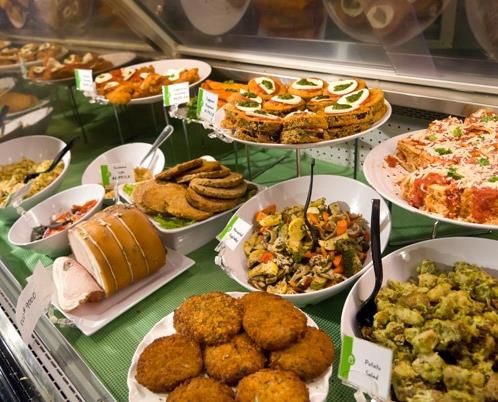
Illustrating the buying power of shopper loyalty at Independents

                                                       Independent                        Independent Shopper                  Independent Shopper
                                                         Shopper                              w/ 50%+ SOW                          w/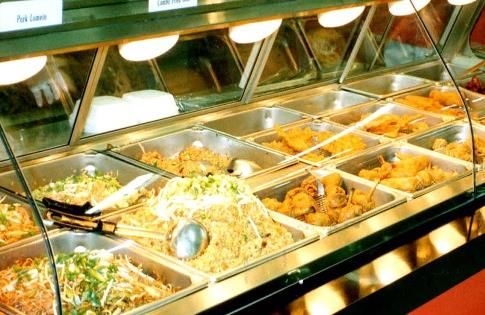
Getting local – the ability to prioritize real growth
                                                                                                                                      Red text: Lower than total US
Independent shoppers that spend more than 50% of their dollars in independents                                                        Green text: Higher than total US
           Pacific                                             West North Central                               Mid Atlantic
 Annual Spend: $3,499                                      Annual Spend: $2,730                          Annual Spend: $3,383
 Dollars per Trip: $68                                     Dollars per Trip: $52                         Dollars per Trip: $61
 Trips Per Year: 50.9                                      Trips Per Year: 52.4                          Trips Per Year: 54.7
                                                                                                                                                  New England
 Share of Wallet: 70%                                      Share of Wallet: 66%                          Share of Wallet: 72%
                                                                                                                                            Annual Spend: $3,498
 Household Penetration: 3%                                 Household Penetration: 4%                     Household Penetration: 20%
                                                                                                                                            Dollars per Trip: $71
 Percent Sold on Deal: 20%                                 Percent Sold on Deal: 28%                     Percent Sold on Deal: 44%
                                                                                                                                            Trips Per Year: 49.2
                                                                                                                                            Share of Wallet: 72%
                                   Mountain                                                                                                 Household Penetration: 17%
                                                                                           East North Central                               Percent Sold on Deal: 26%
                         Annual Spend: $3,937
                                                                                        Annual Spend: $2,905
                         Dollars per Trip: $63
                                                                                        Dollars per Trip: $58
                         Trips Per Year: 61.9
                                                                                        Trips Per Year: 49.4
                         Share of Wallet: 69%
                                                                                        Share of Wallet: 60%
                         Household Penetration: 1%
                                                                                        Household Penetration: 5%
                         Percent Sold on Deal: 25%
                                                                                        Percent Sold on Deal: 31%

           Total USA                                            West South Central                       East South Central                         South Atlantic
  Annual Spend: $3,287                                      Annual Spend: $2,942                     Annual Spend: $2,985                     Annual Spend: $3,120
  Dollars per Trip: $62                                     Dollars per Trip: $53                    Dollars per Trip: $57                    Dollars per Trip: $61
  Trips Per Year: 52.7                                      Trips Per Year: 54.3                     Trips Per Year: 51.7                     Trips Per Year: 50.3
  Share of Wallet: 69%                                      Share of Wallet: 64%                     Share of Wallet: 67%                     Share of Wallet: 68%
  Household Penetration: 6%                                 Household Penetration: 2%                Household Penetration: 3%                Household Penetration: 1%
  Percent Sold on Deal: 35%                                 Percent Sold on Deal: 18%                Percent Sold on Deal: 13%                Percent Sold on Deal: 27%

   Source: Nielsen Homescan, 52 week Q4 2017, 50%+ Share of Wallet Households
Less loyal independent shoppers spend in all other grocery, mass and club
           retailers

           Independent Shopper (1x+ Trip)                      Independent Shopper 50%+                         Independent Shopper
Independent households dynamics are clear

                                                   Independent Shopper Households versus
                                                         Overall Grocery Households
                                                          Key Demographic Attributes

              MIDDLE                                                       NO CHILDREN                       HIGH SCHOOL
              AGED &                                                       IN THE HOME                        EDUCATED
            OLDER (45+)

                 TWO                                                                 MULTI-                  EAST & CENTRAL
               PERSON                                                               CULTURAL                     REGION
              HOUSEHOLD

Source: Nielsen
Source: Nielsen Homescan,
                Homescan, 52
                          Total US, ending
                             weeks  52 weeks
                                           Q3 ending
                                              2017 Q4 2017; Independent shopper defined as 1x+ in 52 weeks           10
How Independent Shoppers spend their time in the store
Perimeter versus Center Store – benchmarking against all other grocery banners
Perimeter strengths among independents vary by region, stronger in the South, East North Central and Mountain
Total West West
New Mid East North South East South
North South Mountain Pacific
USA England Atlantic Central Atlantic Central
Central Central
Independents
% Center Store 63% 64% 66% 61% 62% 60% 60% 59% 61% 61%
% Perimeter 37% 36% 34% 39% 38% 40% 40% 41% 39% 39%
All Other Grocery Banners
% Center Store 61% 60% 58% 63% 62% 63% 62% 62% 61% 57%
% Perimeter 39% 40% 42% 37% 38% 37% 38% 38% 39% 43%
Independents vs. Grocery Channel Index
Independent’s Center
Store vs. Channel 102 105 106 98 101 96 97 95 99 105
Independent’s Perimeter
vs. Grocery 96 93 91 104 98 107 105 108 101 93
Source: Nielsen Homescan, 52 week Q4 2017 Center Store includes Dry Grocery, Frozen, Dairy, Non-Foods, HABA, GM, Independent shopper defined as 1x+ in 52 weeksEngaging the most loyal Independent shoppers (90%+ SOW)
Where and how to target and maximize marketing spend
There are clear shopper engagement strategies based on loyalty to independents
Radio Stations Magazines Read Websites Visited Newspapers Sections Read
Any AM MapQuest.com Sunday/Weekend Newspaper: International/National
Coastal Living News
SiriusXM (Any Satellite) LinkedIn Weekday Newspaper: International/National News
News/Talk Real Simple Sunday/Weekend Newspaper: Circulars/Inserts/Fliers
TripAdvisor.com
Sports Sunday/Weekend Newspaper: Sports
AOL Mail
Consumer Reports Sunday/Weekend Newspaper: Entertainment/Lifestyle
All News
Travelocity.com Weekday Newspaper: Entertainment/Lifestyle
Classical
American Way Sunday/Weekend Newspaper: Food/Cooking
Yahoo! Finance
Adult Hits
Weekday Newspaper: Editorial Page
Orbitz.com
Soft Adult Contemporary Cooking Light
Sunday/Weekend Newspaper: Editorial Page
AAA Shutterfly
Sunday/Weekend Newspaper: Business/Finance
Bon Appétit
Jazz MSN Money Sunday Mag/Net Carrier Newspapers: Any Issues Read
Source: Nielsen Spectra, Independent Shopper 90%+ SOW Profile ViewThe Harris Poll Independents
Annual Survey (2017)
(Crystallize today and the future)Table of Contents
15 | Objectives and Methodology 50 | Fresh Foods & Prepared Foods
18 | Executive Summary: Taking Action 55 | Nutrition
24 | Satisfaction with Primary Store 60 | Purchase Behavior
28 | Drivers of Satisfaction 65 | Future Outlook
35 | Trade Off Analysis 68 | Sources of Information
39 | E-Commerce 70 | Regional Scorecards
92 | Demographic Profiles
14Objectives and Methodology
Objectives
The National Grocers Association has historically conducted a national survey of grocery shoppers and
presented the results to its members at The NGA Show.

Past research has been considered a definitive snap shot of the state of the Independent Grocery industry.

The focus of the survey include the following:
  • Concentrating on actionable findings: We want to provide guidance to retailers about consumer
    attitudes, communication channels and other concrete steps they can take to help their businesses
    grow.
  • Identify future trends: instead of using the survey as a snapshot of the current state of the industry,
    we want to identify future trends that impact business operations for NGA members.
  • Highlighting areas of differentiation across the nine US regions
  • Identify changes from last year
  • Present the data in exciting new ways

                                                                                                              16
Who We Talked To
✓ 3008 U.S. Adults, 18 years and older
✓ A regional level representation versus a nationally
representative sample
✓ Shoppers who self-identify as spending 50% or more of
their grocery shopping at an independent grocery store
SURVEY
• Surveys conducted online
• Duration: ~23 minutes
• From Nov. 13 – Dec. 8th, 2017
00:23
Note: Data weighted to represent the U.S. general population, age 18 and over
17Executive Summary
Independents: Taking Action

TOPIC                                          FINDINGS                                                           ACTION STEPS

                    • Satisfaction is high among shoppers; almost 2 in 3 are very               • Price and convenience are top considerations. But there
Satisfaction with     satisfied and nearly 9 in 10 are at least fairly satisfied.                 are other steps you can take that are more manageable like
Primary Store                                                                                     quality and personal service to ensure that customers
                    • Convenience, followed by price, are the two main factors
                                                                                                  remain satisfied.
                      drawing consumers to their local supermarket. Location, and price,
                      are also the key reasons a shopper might switch.
                    • Only 14% have switched supermarkets in the past year. Most
                      would continue to shop at their local store even if prices increased by
                      5%, and the vast majority have no plans to switch in the coming year.

                    • The primary drivers of satisfaction are: low prices, quality meats        • To drive satisfaction even higher, focus on core
Drivers of            and produce, and quick problem resolution.                                  competitive strengths like quality, staff, and layout.
Satisfaction        • Secondary drivers include: friendly staff, easy-to-navigate layout,         Offering fair prices and quicker problem resolution will also
                      community support, cleanliness, and customization.                          continue to build satisfaction and loyalty.

                                                                                                                                           19
Independents: Taking Action
TOPIC FINDINGS ACTION STEPS
• When considering where to shop for groceries Independents value: • Focus on price and selling quality produce and meats,
Trade Off Analysis low prices, quality meats and produce, friendly staff, these are the most important to Independent shoppers
cleanliness, and offering locally grown produce and other across all of the 9 census regions.
packaged goods.
• There are aspects of the shopping experience that are
of higher importance based on region. Take a
customized approach by tailoring your efforts to what is
most important to your region.
• Local supermarkets perform well on most key drivers especially • Higher satisfaction leads to a greater likelihood your
Business quality, staff and layout, but do not fare nearly as well for price and customers will speak positively on your behalf, recommend
Impact resolving problems. you, and continue to choose you over any online or offline
alternatives.
• Over 8 in 10 shoppers prefer their local store to an online
alternative; and nearly three-quarters are willing to advocate and
recommend.
20Independents: Taking Action
TOPIC FINDINGS ACTION STEPS
• Online grocery shopping has yet to catch on for Independents. • Increase e-commerce investments in a targeted
E-Commerce (only 11% shop online today). For those who do, consumers use online fashion, focusing on ‘target markets’ that make sense.
grocery shopping more as a supplement to the store, not a replacement. • Emphasize the benefit of convenience and keep fees low
In fact, they still make most of their purchases at the brick-and-mortar and consistent.
location.
• Do research and make changes to improve the online
• Convenience is the main rationale for shopping online for groceries,
modes (website/app) to become more user-friendly.
while the need for sight is the biggest barrier. And delivery is far more
popular than “click and collect.” • Find a strategy to address concerns about sight and
freshness. High quality, fresh food at no additional cost =
• Not many rate their local store’s technology (website/app) very well, table stakes for e-commerce.
and don’t seem to find the same products or prices online as offline.
• Most would like fees in the $0-5 range (lower for click and collect than
delivery), but even offering a reasonable fee does not appear likely to
change behavior.
• That said, about 3 in 10 anticipate an uptick in their online grocery
shopping over the next five years.
• Produce is the most important fresh food, while the top preferences • Pay close attention to freshness and appearance. This
Fresh Foods & for prepared foods are split between entrees, side dishes and salads. is a clear place to differentiate from the competition. No
traits matter more with fresh and prepared foods;
Prepared Foods • For both fresh and prepared foods, shoppers care most about
freshness is one key reason consumers return to the
freshness and appearance.
store.
• Similar to last year Independent shoppers more than any other group
say it’s very important for prepared food to be prepared fresh every day.
21Independents: Taking Action
TOPIC FINDINGS ACTION STEPS
• Local supermarkets can – and should – support shoppers in • Consumers expect action from supermarkets. Help
Nutrition healthy eating and living, according to consumers. shoppers live healthier lives by offering solutions like shelf
tags and a greater array of options (organics, food for
• Similar to last year, consumers recommend shelf tags, organics, a
special diets).
wider assortment and foods for special diets to help consumers lead
healthier lives. • Provide tangible guidance on food (cooking and label
reading) to ensure that shoppers make the best choices
• Many would also welcome instruction on how to cook certain foods
and receive the best nutritional value for the money.
and on label reading.
• Whenever possible, these items should be provided at
• Most would prefer healthy foods alongside other foods, not in their
no cost to the shopper.
own special section.
• Shoppers are most sensitive when it comes to the price
Purchase • Approximately two in ten shoppers say that their beef, seafood, of seafood…avoid price increases and run deals on
Behavior deli and bakery purchases have decreased. seafood.
• Changes in purchasing specific foods have to do more with diet and • For those that have moved away from beef due to diet, find
price than anything else and a many of these shoppers do not have healthier solutions within category or find ways to improve
plans to replace these items. selection in other areas like produce, poultry, and other
alternatives.
22Independents: Taking Action
TOPIC FINDINGS ACTION STEPS
• A price increase of 5% to Independent shopper’s weekly shopping • Carefully manage price increases, but if it has to be done
Future Outlook basket, will cause nearly two in ten (19%) to leave their local the realistic threshold is most likely in the 2-3% range.
supermarket. A 10% price increase will have nearly six in ten (58%) Develop a prioritized category specific price increase
of shoppers looking for another place to do their grocery shopping. strategy.
• Given the importance (and growth) of social media to half
Sources of • Half don’t use social networking tools to gain information on food. the population, you can’t afford not to be online. Develop
Information • But for those who do, Facebook is the pre-eminent source. an affordable Omnichannel capability set where on-line
growth is fully integrated.
23Satisfaction with Independents
Convenience tops list of reasons to shop locally, followed by price
                 Loyalty is common; only 14% have switched in past year

                                                                                                    Reasons to Shop at Independents
                             L O C A L                                                              Convenience (70%)
                    SUPERMARKET

                                                                                                    Best prices (52%)

                    Spend at least                                          100%                    Better than nearby alternatives (44%)
                    50% more at an
                    Independent
                                                                                                    Best quality (44%)
                    store
                                                                                                    Personal service (20%)

                                                                                                                    14%
BASE: ALL QUALIFIED RESPONDENTS (Total n=3008)
                                                                                                                                Switched local supermarkets
SQ309 Do you spend at least 50% or more of your grocery shopping at an independent grocery store?
BASE: SPEND 50% OR MORE OF GROCERY SHOPPING AT INDEPENDENT GROCERY STORE (n=3008)
                                                                                                                                in the past 12 months
SQ310 Why do you shop at your local supermarket? Please select all that apply.
BASE: SPEND 50% OR MORE OF GROCERY SHOPPING AT INDEPENDENT GROCERY STORE (n=3008)
SQ311 And, have you switched local supermarkets in the past 12 months?

                                                                                                                                               25
Location and price are also key factors that prompt switch
Food options are less salient, like meat, perishables, organic food, and prepared food
Factors Influencing the Switch
Location 48%
Price 48%
Quality 38%
Meat 32%
Ease of shopping 32%
Customer service 29%
Fresh perishables 21%
Assortment 15%
Natural and organic selection 14%
In store expertise 13% Top Key Factors
Prepared foods 11%
Home Delivery 9% Location
Health and wellness services 8%
Private Label 7% Price
Click and collect and/or curbside pick-up 6%
Other 13%
BASE: SWITCHED LOCAL SUPERMARKET IN PAST 12 MONTHS (Total n=364)
SQ313 You indicated that you have switched your local supermarket in the past 12 months. What Factors influenced this switch?
26Satisfaction is high for independents primary store
Nearly 2 in 3 consumers are very or extremely satisfied
Satisfaction with Primary Independent Store
Not at All
Somewhat 1%
12%
Extremely
20%
Fairly
23% Extremely/Very Satisfied
64%
Very
44%
BASE: ALL QUALIFIED RESPONDENTS (Total (n=3008)
Q1 All things considered, how satisfied are you with the job your local supermarket is doing to satisfy your needs?
27Drivers of Shopping Satisfaction at Independents
Cleanliness is the key trait associated with independents
                   Friendly employees and an easy-to-use layout are also common characteristics

Perceptions about                                                                                        Is a clean, neat store                                                    80%
Local Supermarket –                                                                        Has courteous, friendly employees                                                      77%
Top Responses                                                           Has a store layout that makes it easy for me to shop                                                      77%
Scores of 6 or 7 on a 7-point                                              Offers a deli with prepared foods or ''foods to go''                                                 73%
agreement scale where
7 = Describes very well and                                                                Offers Private Labels/Store Brands                                                   72%
1 = Does not describe well                                                               Sells high quality fruits & vegetables                                                71%
                                                                                                      Sells high quality meats                                                 71%
                                                               Store resolves shopping /product/service issues immediately                                                  62%
                                                                      Offers locally grown produce & other packaged goods                                                  59%
                                                                                                           Features low prices                                             59%
                                                                     Pays attention to customers' special requests or needs                                              55%
                                                                                               Offers organic food of all kinds                                          55%
                                                                               Is active in and supports our local community                                            53%
                                                                           Offers a good selection of ethnic or cultural foods                                         52%
                                                                      Has a Frequent Shopper Program that offers benefits                                           44%
                                                  Has nutrition & health information easily available near the products I buy                                       43%
          Experience                                                                         Has a pharmacy inside the store                                       42%
                                                                                                  Offers me mobile marketing                                      39%
             Product                                     Offers online ordering with curbside pick-up and/or home delivery                                     30%
                                                                                                   Has a dietician at the store                          14%
BASE: ALL QUALIFIED RESPONDENTS; Total (n=3008)
Q2 Thinking about your current grocery shopping experience, please tell us how well each of the following statements describes your local supermarket.

                                                                                                                                                                                         29
Over 8 in 10 prefer their independent store to an online option
Almost three-quarters are also willing to advocate for and recommend their local supermarket
Supportive Behaviors
Scores of 6 or 7 on a 7-point scale where 7 = Extremely likely and 1 = Not at all likely
TOTAL
Respondents
84% 74% 72% 57% 37%
Continue to shop at Speak positively Recommend the local Support the local Recommend the local
the store instead of about the local supermarket to others supermarket because it is supermarket to others
shopping online supermarket through word of mouth linked to the community through social media
through employees,
local programs, and
community donations
Shoppers who are
EXTREMELY/VERY
SATISFIED with their 92% 89% 87% 69% 46%
independent store
BASE: ALL QUALIFIED RESPONDENTS (Total (n=3008)
Q4 And still thinking about your local supermarket, how likely are you to do each of the following?
30Satisfaction matters because it drives business supportive behaviors
This drivers analysis pinpoints the attributes that have the highest impact on your
customer’s satisfaction and with increased satisfaction comes a higher likelihood
your customers will have these desired behaviors that drive business.
The key objective of the
analysis for this research ATTRIBUTES SATISFACTION OUTCOMES
is to provide NGA with:
• a framework for
understanding Analysis to determine Analysis to provide an Analysis of independent
independents which attributes were assessment of the shoppers to find out which
satisfaction statistically significantly relative importance of behavioral outcomes
related to local these attributes in driving (advocacy, benefit of the
• a prioritized path for supermarket satisfaction. overall satisfaction. doubt, etc.) they are most
increasing satisfaction likely to do if they have a
and the outcomes it high level of satisfaction.
affects (advocacy,
benefit of the doubt, etc.)
31Key areas that most drive satisfaction for Independents include:
low prices, efficient customer service, and quality meats and produce
Behavioral Outcomes for
Primary Attribute Drivers
Independent Shoppers
Continue to shop at the store
• Features low prices instead of shopping online
• Store resolves shopping /product/service 92%
issues immediately Speak positively about the local
supermarket
• Sells high quality meats
89%
• Sells high quality fruits & vegetables Recommend the store to others
through word of mouth
Satisfaction 87%
Secondary Attribute Drivers Support the local supermarket
of Independent because it is linked to the
• Has courteous, friendly employees Grocery 69% community through employees,
• Has a store layout that makes it easy local programs, and community
for me to shop
Shoppers donations
• Pays attention to customers' special 46%
requests or needs Recommend the store to others
through social media
• Is active in and supports our local community
• Is a clean, neat store
Independent shoppers who are very, extremely satisfied are 92% extremely likely to
continue to shop at the store instead of shopping online, 89% extremely likely to
speak positively about the store, 87% extremely likely to recommend the store to
others through word of mouth. These shoppers also have a higher likelihood to act
on these behaviors compared to national chain shoppers.
32Importance vs. Performance
High
MAINTAIN LEVERAGE
Low Importance High Importance
High Performance High Performance
Mean Performance
Performance (% Agree (6-7))
Mean Importance
Low Importance High Importance
Low Performance Low Performance
Low
MONITOR IMPROVE
Low High
Derived Importance (Impact of Attributes on Satisfaction)
33Independents – Shopping Attribute Map
MAINTAIN LEVERAGE
Impact of Attributes &
High
Performance Clean, neat store Store Layout
Independents perform well on
strong drivers of satisfaction Deli with prepared foods or ''foods to go''
Courteous, friendly employees
like quality meats and High quality fruits & vegetables High quality meats
produce, friendly employees, Private Labels/Store Brands
and easy-to-navigate layout. Locally grown produce & Store resolves shopping
Performance (% Agree (6-7))
Organic food of all kinds, other packaged goods /product/service issues immediately
Low prices
including produce &…
But, there is room to improve Is active in and supports
our local community Pays attention to customers' special
other key attribute drivers like Frequent Shopper
Program that offers
requests or needs
low prices and quick problem benefits
Good selection of ethnic or cultural foods
resolution, which will offer a
lift to customer satisfaction. Pharmacy inside the Nutrition & health information easily available
store near the products I buy
Mobile marketing
Low
Online ordering with curbside
pick-up and/or home delivery
MONITOR IMPROVE
ATTRIBUTE KEY
Primary Low High
Secondary
Derived Importance (Impact of Attributes on Satisfaction)
34Trade Off Analysis for Shopping Experience and Product Attributes
What Is Maximum-Difference (MaxDiff) Scaling?

• Maximum difference preference scaling is a trade-off
  approach that provides a means of estimating consumer              Attribute A                                200
  preferences for each of several features or benefits               Attribute B                          171           Most Important
                                                                                                                      (ranking above 150)
• Category importance ratings are measured using a forced-           Attribute C                    153
  choice method referred to as Maximum Difference Scaling.
• From their choices, we get a clearer understanding of what         Attribute D                    148
  the audience really values.                                                                                         Average Importance
                                                                     Attribute E               92                       (ranking between
                                                                                                                           90 and 150)
• Responses lead to individual-level importance scores that
  differentiate strongly between what matters and “what is nice
  to have”.                                                          Attribute F               88

                                                                     Attribute G          66
• Typically, the first step in a max-diff analysis is to translate                                                      Least Important
  the raw data into a relative ranking index which is scaled to      Attribute H     43                                (ranking below 90)

  get an “average” ranking.
                                                                      Attribute I   31
• This works more clearly than rating scales, where all items
  can be rated as having the same importance.

                                                                                                                               36
Independent shoppers value price, quality and local items, a clean store with
an easy layout and friendly employees the most
Features low prices 220
Sells high quality fruits & vegetables 220
Most Important
(ranking above 150) Sells high quality meats 195
Is a clean, neat store 181
Has courteous, friendly employees 150
Offers locally grown produce & other packaged goods 143
Average Importance
Has a store layout that makes it easy for me to shop 119
(ranking between Store resolves shopping /product/service issues immediately 108
90 and 150) Pays attention to customers’ special requests or needs 103
Has a Frequent Shopper Program that offers benefits 102
Offers Private Labels/Store Brands 80
Offers a deli with prepared foods or “foods to go” 73
Offers organic food of all kinds, including produce &… 71
Offers a good selection of ethnic or cultural foods 65
Least Important
(ranking below 90)
Is active in and supports our local community 57
Offers me mobile marketing (through the use of digital… 41
Has nutrition & health information easily available near the… 33
Has a pharmacy inside the store 18 Experience
Offers online ordering with curbside pick-up and/or home… 14
Product
Has a dietician at the store 5
BASE: ALL QUALIFIED RESPONDENTS (Total n=3008)
Q6 Please indicate which of the following considerations will be most important and which will be least important when you are shopping for groceries over the next 12 months.
37Full Census View – Trade Off Analysis showing differentiation for 6 most
important attributes
Middle East North West North South East South West South
Total New England Mountain Pacific
Atlantic Central Central Atlantic Central Central
Features low prices 220 230 225 223 227 205 233 215 217 215
Sells high quality fruits & vegetables 220 227 218 222 221 212 210 222 214 226
Sells high quality meats 195 194 189 194 210 198 207 206 189 187
Is a clean, neat store 181 181 178 183 190 177 191 185 179 180
Has courteous, friendly employees 150 149 137 153 167 148 168 160 158 144
Offers locally grown produce & other packaged goods 143 151 137 144 133 137 140 141 149 157
Has a store layout that makes it easy for me to shop 119 123 117 125 139 109 116 119 116 115
Store resolves shopping /product/service issues immediately 108 117 107 106 116 116 116 106 107 97
Pays attention to customers’ special requests or needs 103 104 96 101 105 115 115 108 114 92
Has a Frequent Shopper Program that offers benefits 102 122 127 99 91 99 84 77 96 94
Offers Private Labels/Store Brands 80 78 81 80 85 71 96 86 69 82
Offers a deli with prepared foods or “foods to go” 73 63 76 80 83 71 66 64 69 71
Offers organic food of all kinds, including produce & packaged 71 60 68 66 44 86 44 69 77 96
Offers a good selection of ethnic or cultural foods 65 49 62 70 44 65 47 64 60 89
Is active in and supports our local community 57 46 51 59 59 54 59 70 70 56
Offers me mobile marketing 41 46 50 39 34 41 49 35 41 36
Has nutrition & health information easily available near the
33 25 39 27 28 38 25 36 37 33
products I buy
Has a pharmacy inside the store 18 18 19 14 13 27 15 22 23 12
Offers online ordering with curbside pick-up and/or delivery 14 13 17 12 10 22 13 11 11 13
Has a dietician at the store 5 5 5 4 3 10 5 4 5 5
Most Important Average Importance Least Important
Experience
Blue arrow indicates areas where region is higher than the
national average for 6 most important attributes (ranking above 150) (ranking between 90 and 150) (ranking below 90) Product
38E-Commerce
Similar to last year, online shopping is uncommon in the United States
                 Only about 1 in 10 shop for groceries online, convenience being the main incentive

                                                                                           Reasons for Shopping Online
                                                                                                 Convenience                    43%

                                                                   I don’t have enough time to go to the store            13%

                                                           It’s easier to purchase non-perishable items online           12%

                                                                          It’s easier to find what I need online         10%

                                                                       I don’t enjoy going to the grocery store          10%

     11% Shop                                                        Specialty items / Items unavailable local      5%

     for Groceries Online                                                              Inability to go shopping    1%

                                                                                    Something different to try     1%

                                                                                           Good/Better Prices      1%

BASE: ALL QUALIFIED RESPONDENTS (Total (n=3008)
Q8 When shopping for groceries, do you ever shop online?
BASE: SHOPS ONLINE (n=284)
Q10 Why do you shop for groceries online? .

                                                                                                                                      40
The key barriers are the necessity of sight when purchasing food
Concerns about freshness are also a perceived obstacle for nearly half of consumers
Reasons for Not Shopping Online
Some foods need to be purchased by sight 67%
Concerns about the food being fresh 48%
Enjoy the social experience of going to the grocery store 35%
Concerned that the product will arrive damaged 31%
The fees for online delivery service are too expensive 30%
My local supermarket does not have online delivery service 23%
89% Do Not Shop The fees for pick up is too expensive 21%
for Groceries Online Security concerns with providing information online 15%
Shopping for groceries online is too slow 14%
BASE: ALL QUALIFIED RESPONDENTS (Total (n=3008) *Reasons above 10% are shown
Q8 When shopping for groceries, do you ever shop online?
BASE: NO TO SHOPPING ONLINE (n=2724)
Q11 Why don’t you shop for groceries online? Please select all that apply.
41Food delivery is much more common than “click and collect”
The majority of online shoppers pay a fee each time food is delivered
When shopping for food online do you typically…
Have the food delivered to Pick the food up from the store
your home... (“click and collect”)...
for a fee unlimited times for for a fee for free
each time a monthly fee
64% 12% 13% 26%
Base: Shops Online (Total (n=284)
Q9 When shopping for food online do you typically...
421 in 2 consumers (who view delivery prices as too high) think $5 is a fair price
However a more reasonable fee would have little influence on their use of the service
What Should Be the Fee for Online Delivery?
Among those who feel fee is too expensive
How Likely to Shop Online if
Delivery Were Reasonable?
Among those who feel fee is too expensive
$0 21%
$1 - $4 18% 2%
16%
$5 46%
Very likely
$6 - $9 1% Somewhat likely
45%
$10 7% 18% Neither likely nor unlikely
Somewhat unlikely
$11+ 7%
Very unlikely
18%
BASE: FEES FOR ONLINE DELIVERY TOO EXPENSIVE (n=905)
Q12 You told us that the fees for online delivery service are too expensive. In your opinion, how much do you think the fee should be?
Q14 Over the next 12 months, how likely would you be to shop online for groceries if the fees became more reasonable?
43Most consumers (who view pick-up prices as too high) think $1-5 is a fair price
But one-quarter believe the service should be free, and few would utilize it even if the fee changed
What Should Be the Fee for Click and Collect?
Among those who feel fee is too expensive
How Likely to Shop Online if Click
and Collect Were Reasonable?
Among those who feel fee is too expensive
$0 26%
$1 - $4 24% 3%
$5 38% 19%
Very likely
$6 - $9 1% 44% Somewhat likely
$10 7% Neither likely nor unlikely
17% Somewhat unlikely
$11+ 4%
Very unlikely
18%
BASE: FEES FOR PICK UP SERVICE IS TOO EXPENSIVE (n=628)
Q13. You told us that the fees for pick up service are too expensive. In your opinion, how much do you think the fee should be?
Q15. Over the next 12 months, how likely would you be to shop online for groceries if the fees for pick up service became more reasonable?
44Online grocery delivery is generally used in addition to the supermarket
All Amazon options lead the list of online services used
Uses Online Grocery Store and Home Delivery
(Among those who shop online delivery service)
Men are significantly
68% more likely than
Women to use
online grocery and
delivery instead of
32% going to the store:
38% vs. 24%
IN PLACE OF IN ADDITION TO
going to supermarket going to supermarket
BASE: SHOPS ONLINE DELIVERY SERVICE (n=200)
Q16 When you shop online, do you use an online grocery store and home delivery service …?
45“Click and collect” is typically used in addition to going to the supermarket
Men more likely than women to use in place of going to a supermarket
% Use Online Grocery Store and Click and Collect...
(Among those who shop online pickup service)
64%
36% 42% vs. 24%
Men are also more
likely than Women
to use online grocery
and pick the food up
instead of going to
IN PLACE OF IN ADDITION TO the store
going to supermarket going to supermarket
BASE: SHOPS ONLINE PICK UP SERVICE (n=118)
Q17. When you shop online, do you use an online grocery store and pick the food up from the store…
46Even among online shoppers, the majority of purchases are made at the store
Men are more likely to rely on online shopping for monthly grocery purchases
% of Groceries Purchased At the Store
vs. Online in Average Month
(Among those who shop online)
Women (79%)
25% more likely than
Online Men (73%) to
buy monthly
75% groceries at
At the the store rather
than online
store
BASE: SHOPS ONLINE (n=284)
Q20 When shopping online for groceries each month, what percentage of your groceries are purchased at the store and what percentage are purchased online?
Even if you are not sure, please provide your best guess.
47The most common online purchase is packaged foods
10% of purchases tend to be general merchandise and/or health/beauty care
% Breakdown of Typical Online Shopping Purchases
(Among those who shop online)
Packaged foods 14%
General merchandise/ health and beauty care 10%
Cleaning products or supplies 10%
Paper products 9%
Fresh foods, fruits and vegetables 9%
Canned foods 6%
Meats 6%
Milk, cheese and other dairy 5%
Frozen foods 5%
Soda/soft drinks 4%
Juice 4%
Bakery (bread and fresh baked goods) 4%
Prepared foods/Foods to go 4%
Deli 3%
Beer/wine/liquor (where allowed) 2%
Baby food/products 2%
Other 4%
BASE: SHOPS ONLINE (n=284)
Q19 When shopping online, what percentage of the time do you buy each of the following?
48In the near-term future, only 1 in 7 will increase their online shopping habits
But in the longer-term (i.e, 5 years), almost 3 in 10 plan to do more online
% Increase of Groceries Purchased Online
Scores of 4-Somewhat likely or 5-Very likely on a 5-point scale where 5 = Very likely and 1 = Very unlikely
40%
30% 27%
19%
20%
14%
10%
0%
12 months 24 months 5 years
BASE: ALL QUALIFIED RESPONDENTS (n=3008)
Q21 How likely is it that the percentage of your groceries purchased online will increase over the next…?
49Fresh Foods and Prepared Foods
Produce is the most important department by far when thinking of ‘fresh foods’
                 Highest among non parents

     Most Important Fresh Foods Department

               Produce                                       47%

                                                                   Produce is significantly
                      Beef                            22%
                                                                   more important to those
                                                                   without children (51% vs
                     Dairy                9%                         42% children in HH).

                  Poultry               7%

               Seafood                 5%

                       Deli            5%                          The beef department is
                                                                    most important to East
                  Bakery             3%                            and West South Central
                                                                   regions (34% and 31%
                                                                        respectively).
               Cheeses             1%

BASE: ALL QUALIFIED RESPONDENTS (n=3008)
Q23 Which fresh foods department is most important to you?

                                                                                              51
Not surprisingly, freshness matters most in the presentation of fresh foods
Appearance and cleanliness are tied in second place
What Matters Most in Presentation of Fresh Foods?
Products are fresh 76%
Appealing appearance of food 35%
Cleanliness of display 35%
Packaging that gives me a clear view of product 32%
Size appropriate to my needs 23%
Packaging that preserves freshness 21%
Locally grown 17%
Organic 10%
Sustainability 10%
Packaging with nutritional information 9%
Source traceability 5%
Packaging with cooking instructions 5%
Brand name 4%
Recipes 2%
BASE: ALL QUALIFIED RESPONDENTS (n=3008)
Q24 What matters to you most about the presentation of fresh foods? You can select as many as three responses from the list below.
52Freshness is also a key priority in the presentation of prepared foods
Appearance and clear packaging are second and third respectively
What Matters Most in Presentation of Prepared Foods?
Products are fresh 68%
Appealing appearance of food 41%
Packaging that gives me a clear view of the product 35%
Size appropriate to my needs 34%
Packaging that preserves freshness 27%
Packaging with cooking/heating instructions 19%
Packaging that enables easy heating/cooking 17% Prepared foods that
preserve freshness is
Packing with nutritional information 14% significantly more
important to the Mountain
None of these 8% region (44%)
BASE: ALL QUALIFIED RESPONDENTS (n=3008)
Q26 What matters most to you about the presentation of prepared foods? You can select as many as three items from the list below.
53Hot entrees, side dishes and salads are the most popular prepared foods
Breakfast items are the least common
Types of Prepared Foods Purchased at Supermarket
Hot dinner entrees Sides dishes: Salads Pizza Heat at home dinner entrees Pre-made sandwiches
34% 32% 27% 24% 22%
Soups Made-to-order sandwiches Side dishes: Vegetables Breakfast items None of these
21% 20% 19% 15% 28%
BASE: ALL QUALIFIED RESPONDENTS (n=3008)
Q25 What type of prepared foods do you purchase at your supermarket, Please select all that apply.
54Nutrition
Consumers believe independents can support healthy eating
                 The #1 way that supermarkets can help adults eat healthier is shelf tags with nutritional info

The same 3 top the
  list this year with
almost similar rate                  How Can Your Primary Independent Store Help You Maintain a Healthy Diet?
 (41%, 33%, 31%)
                                      Shelf tags with easily visible nutritional information                           39%

                                               Greater assortment of natural/organic items                       33%

                Products for special diets (i.e., gluten free) that are clearly marked                           32%

                                                                           Cooking instructions            24%                  South Atlantic and West
                                                                                                                              North Central regions are
                                                                       Recipes for specific diets          24%                  more likely to want shelf
                                                                                                                                 tags with easily visible
              Knowledgeable staff on-hand who can suggest alternative products                            20%                nutritional information (46%).
                                                                                                                                  As are those who are
                                                In-store classes that focus on specific diets        9%                        likely to switch grocers in
                                                                                                                                  the next year (42%).
                                                                            Access to dieticians    6%

                                                                                  None of these            23%

BASE: ALL QUALIFIED RESPONDENTS (Total n=3008)
Q28 How can your local supermarket help you maintain a healthy diet?

                                                                                                                                              56
Consumers expect independents to support healthy living
The top recommendations are instruction on how to cook certain foods and how to read labels
Would Like Primary Store to Offer the Following…
How to cook certain foods 28%
Label reading including ingredients and nutritional claims 25%
General guidance on foods that give good nutritional value for the dollar 23%
Best foods for my specific health condition 21% 37%
General guidance on a balanced diet 20% Do not expect my
local supermarket
Foods to stay away from for my specific health condition 16%
grocery store to
Weight loss guidance 16% provide me with
Nutritionally smart holiday entertainment ideas 14% this type of
assistance
Foods to go with my fitness program 14%
Guidance towards my individual wellness goals 11%
Guidance from an in-store nutritionist/dietitian 8%
Collaboration with the pharmacist, with my permission 4%
BASE: ALL QUALIFIED RESPONDENTS (Total n=3008) A/B/C indicates significant difference between segments at 95% confidence .
Q30 Which of the following would you like your local supermarket to offer you when helping you live a healthier lifestyle? Please select all that apply?
57Over half of adults think healthy foods should be displayed next to other foods
Only about 4 in 10 believe healthy foods belong in a separate section
How Should Healthy Foods Be Displayed?
Healthy food A healthy foods
alternatives section in the
shelved store, separate
alongside other from the main
food items aisles
58% 42%
Over half who may switch
supermarket in next year
think healthy foods should
have their own section of
a store (51%)
BASE: ALL QUALIFIED RESPONDENTS (Total n=3008)
Q29 Which would you prefer most when shopping for healthy foods?
58More than half would like fresh and seasonal items to be clearly marked
Only about one-quarter say no help is needed
Advice on Seasonal Items
Those who may switch
54% supermarket in next year
would like fliers emailed
with recipes (33%)
33% 30%
24% 22%
Clearly indicate Fliers with In store demos No help needed Fliers emailed
what is fresh recipes in store with recipes
and in season
BASE: ALL QUALIFIED RESPONDENTS (Total n=3008)
Q31 How would you like your local supermarket to offer you advice on in season items? Please select all that apply.
59Purchase Behavior
For the most part, purchasing has stayed the same
                     Beef, Seafood, Deli, and Bakery purchase have decreased the most

                                                                                   Department Purchase Change
                                                                                  Decreased     Stayed the same   Increased

                                     Produce         3%                                   71%                                 26%

                                          Beef              18%                                       62%                      19%

                                       Poultry         9%                                       71%                            20%

                                     Seafood               16%                                    64%                          20%

                                           Deli            17%                                        66%                       17%

                                         Dairy        8%                                        74%                             18%

                                    Cheeses          6%                                         75%                             19%

                                       Bakery              16%                                         71%                          13%

BASE: ALL QUALIFIED RESPONDENTS (Total n=Base Varies)
Q33 Have your purchases at your local supermarket in the following departments…

                                                                                                                                          61
For the most part, purchasing has stayed the same
Beef, Seafood, Deli, and Bakery purchase have decreased the most
Department 13%
19% 20% 20% 17% 18% 19%
Purchase Change 26%
Increased
66% 71%
62% 64% Stayed the same
71% 74% 75%
71% Decreased
18% 16% 17% 16%
9% 8% 6%
3%
Produce Beef Poultry Seafood Deli Dairy Cheeses Bakery
BASE: ALL QUALIFIED RESPONDENTS (Total n=Base Varies)
Q33 Have your purchases at your local supermarket in the following departments…
62The main reason for a decline in seafood and produce purchases is price
But for beef, deli food, dairy, cheese and baked goods, the motivation is a change in diet
Factors Describing the Decrease
Lack of Knowledge
Change of Diet Quality Service with this Department Price Solution
Continue To Differentiate On Quality And While
Produce (n=102) 14% 38% 4% 5% 50% Monitoring And Adjusting Pricing To Drive Traffic
Consider Alternate Protein Offerings Coupled
Beef (n=570) 57% 12% 3% 3% 39% Quality, Pricing, And Merchandising Initiatives
Consider Alternate Protein Offerings While Insuring
Poultry (n=262) 43% 18% 3% 6% 40% An Optimized Pricing Strategy
Differentiate on Quality, Education, and Pricing.
Seafood (n=512) 18% 21% 6% 9% 55% Improve Category Merchandising
Adjust Assortment to Reflect Better for You Choices
Deli (n=517) 50% 13% 7% 5% 32% While Insuring Pricing in Market Competitive
Redesign Assortment To Align With Current Trends
Dairy (n=250) 54% 10% 10% 6% 32% And Insure Market Competitive Pricing
Recognize Current Diet Trends And Consider
Cheeses (n=209) 59% 13% 11% 7% 31% Category Innovation, Artisanal Coupled With
Pricing. Seek Alternative Options For Shoppers
Optimize Market Level Pricing, Invest In Category
Bakery (n=515) 73% 10% 3% 1% 21% Innovation Especially Trend Alternatives
BASE: DECREASED PURCHASES AT LOCAL SUPERMARKET(n=Base Varies)
Q35 You mentioned that your purchases have decreased for the following departments. What reasons best describe this decrease?
63Generally consumers don’t replace items that they no longer purchase
Only in the case of produce do they typically switch to a different store
Ways of Replacing Items
Not Replacing
Them at All Different Store Going Out to Eat Online Other
Produce (n=102) 27% 59% 7% 3% 8%
Beef (n=570) 56% 21% 10% 3% 19%
Poultry (n=262) 45% 35% 10% 4% 18%
Seafood (n=512) 55% 26% 12% 2% 13%
Deli (n=517) 64% 16% 9% 2% 19%
Dairy (n=250) 52% 33% 3% 2% 15%
Cheeses (n=209) 51% 20% 8% 5% 21%
Bakery (n=515) 69% 14% 4% 2% 17%
BASE: DECREASED PURCHASES AT LOCAL SUPERMARKET(n=Base Varies)
Q36 With the decrease in purchases for the following departments. How are you replacing items that would have previously been purchased from these departments?
64Future Outlook
A price increase of 5% to shopper’s weekly shopping basket, will cause
                      nearly two in ten (19%) to leave their independent store

                                                           5%                                         10%                                15%                20%                    25%

                                                          Yes                                         Yes                                Yes                Yes                    Yes
 If price is                                              81%                  YES                    42%                  YES           21%        YES     12%        YES          9%
                                                       (n=2448)                                   (n=1265)                              (n=628)            (n=368)             (n=257)
 increased by X%,
 would you
                                                       Yes        No                               Yes       No                         Yes    No          Yes    No           Yes         No
 continue to shop

                                                                                                                                                                                     YES
 at your local
 supermarket?                                              50%                                        45%                                40%                 35%                   30%

                                                          Yes                                        Yes                                 Yes                Yes                    Yes
                                                          4%                     YES                  4%                     YES         4%          YES    5%          YES         6%
                                                        (n=106)                                    (n=128)                              (n=134)            (n=156)             (n=180)

                                                       Yes        No                              Yes       No                          Yes    No          Yes    No           Yes         No
BASE: ALL QUALIFIED RESPONDENTS
Q32 Thinking about your average weekly shopping basket, would you continue to shop at your local supermarket if the price increased:.

                                                                                                                                                                              66
Almost 7 in 10 consumers have no plans to switch from their independent store
But for those who do, Walmart or Kroger is where they plan to shop in the future
Likelihood to Switch Local Supermarket
in Next 12 Months
9% Likely (Net) Supermarket Planning to Switch To
3%
6% 9%
44% 24% Very likely
Somewhat likely
Neither likely nor unlikely 4%
Somewhat unlikely
Very unlikely
23%
3%
BASE: ALL QUALIFIED RESPONDENTS (Total n=3008)
Q37 Within the next 12 months, how likely are you to switch your local supermarket?
BASE: SOMEWHAT OR VERY LIKELY TO SWITCH IN NEXT 12 MONTHS (Total n=218)
Q38 What supermarket are you planning to switch to?
67Sources of Information
Nearly half do not use any social networking tools to exchange food info
                   But for those who do, Facebook tops the list of social media sites

                   Use Social Networking Sites to Research
                   New Products, Recipes and Nutrition

                                Facebook                                                                38%

                                  Pinterest                                   19%
                                                                                                                                                Who Uses Social
                                                                                                                                                Networking Most?         Those who are
                                                                                                                                                                         likely to switch
                                 YouTube                                    18%                                                                                         super markets in
                                                                                                                                                                          next year are
                                Instagram                           12%                                                                                                     significantly
                    93% Yes                                                                                                                                             higher across all
                                                                                                                                                                        social networking
                                     Twitter                   8%                                                                                                          tools, as are
                                                                                                                                                                              parents
                                       Other                6%

                          None of these                                                                              47%

BASE: ALL QUALIFIED RESPONDENTS (Total n=3008)                                                                                                                             Proprietary: Not for Public Release
Q27 Of the following social networking tools, which do you actively use to gather or exchange information about foods, including new products, nutrition and recipes?

                                                                                                                                                                                            69
Regional Scorecards
Scorecard: Snapshot Across All Regions
                                                                                        Middle               East North              West North                South                East South            West South
                                          Total             New England                 Atlantic              Central                 Central                 Atlantic               Central               Central                  Mountain                 Pacific
Satisfaction                               64%                     67%                     60%                    65%                     73%                    65%                     52%                    67%                     66%                    63%
(extremely/very satisfied)

Switch local supermarket
(somewhat/very likely)                      9%                      4%                      7%                    10%                      7%                    11%                     13%                    10%                      4%                    12%

Trade off analysis                 • Features low price    • Features low price    • Features low price   • Features low price    • Features low price   • Sells high quality    • Features low price   • Sells high quality    • Features low price   • Sells high quality
(top 3 attributes of importance)   • Sells high quality    • Sells high quality    • Sells high quality   • Sells high quality    • Sells high quality     fruits & vegetable    • Sells high quality     fruits & vegetable    • Sells high quality     fruits & vegetable
                                     fruits & vegetable      fruits & vegetable      fruits & vegetable     fruits & vegetable      fruits & vegetable   • Features low price      fruits & vegetable   • Features low price      fruits & vegetable   • Features low price
                                   • Sells high quality    • Sells high quality    • Sells high quality   • Sells high quality    • Sells high quality   • Sells high quality    • Sells high quality   • Sells high quality    • Sells high quality   • Sells high quality
                                     meats                   meats                   meats                  meats                   meats                  meats                   meats                  meats                   meats                  meats

Shops online                               11%                      8%                     11%                     8%                      8%                    14%                      7%                     7%                     13%                    15%

Increase online purchases
over next 2 years                          19%                     10%                     22%                    15%                     18%                    23%                     19%                    20%                     20%                    19%
(somewhat/very likely)

Most important fresh               47% Produce             52% Produce             47% Produce            47% Produce             52% Produce            46% Produce             35% Produce            43% Produce             51% Produce            48% Produce
food dept (top 3)                  22% Beef                15% Beef                17% Beef               23% Beef                27% Beef               23% Beef                34% Beef               31% Beef                24% Beef               20% Beef
                                    9% Dairy               11% Dairy               12% Poultry            11% Dairy                6% Dairy               9% Dairy               10% Dairy              10% Dairy                9% Dairy              10% Dairy
                                                                                                                                                                                 10% Poultry

Social networking                  38% Facebook            33% Facebook            35% Facebook           38% Facebook            31% Facebook           46% Facebook            43% Facebook           40% Facebook            44% Facebook           37% Facebook
Tools used (top 3)                 19% Pinterest           16% Pinterest           16% YouTube            18% Pinterest           22% Pinterest          25% YouTube             30% Pinterest          22% YouTube             28% Pinterest          22% YouTube
                                   18% YouTube             10% Instagram           13% Pinterest          14% YouTube             10% YouTube            22% Pinterest           17% YouTube            20% Pinterest           19% YouTube            20% Pinterest

Ways local supermarket             39% Shelf tags with     35% Shelf tags with     40% Shelf tags with    39% Shelf tags with     46% Shelf tags with    46% Shelf tags with     40% Shelf tags with    33% Shelf tags with     39% Shelf tags with    40% Greater
can help with maintaining          easily visible          easily visible          easily visible         easily visible          easily visible         easily visible          easily visible         easily visible          easily visible         assortment of
                                   nutritional info        nutritional info        nutritional info       nutritional info        nutritional info       nutritional info        nutritional info       nutritional info        nutritional info       natural/organic items
a healthy diet (top 2)
                                   33% Greater             32% Greater             30% Products for       32% Greater             33% Products for       38% Greater             34% Products for       31% Greater             39% Products for       36% Shelf tags with
                                   assortment of           assortment of           special diets          assortment of           special diets          assortment of           special diets          assortment of           special diets          easily visible
                                   natural/organic items   natural/organic items                          natural/organic items                          natural/organic items                          natural/organic items                          nutritional info

% of shopper base that                 5% – 81%                5% – 90%                5% – 84%               5% – 80%                5% – 80%               5% – 80%                5% – 77%               5% – 80%                5% – 80%               5% – 81%
would continue to shop
                                      10% – 42%               10% – 43%               10% – 47%              10% – 38%               10% – 40%              10% – 42%               10% – 34%              10% – 40%               10% – 43%              10% – 43%
at your store based on
a X% price increase                   15% – 21%               15% – 18%               15% – 28%              15% – 19%               15% – 16%              15% – 19%               15% – 8%               15% – 22%               15% – 25%              15% – 22%

                                                                                                                                                                                                                                              71
Full Census View – Trade Off Analysis showing differentiation for 6 most
important attributes
Middle East North West North South East South West South
Total New England Mountain Pacific
Atlantic Central Central Atlantic Central Central
Features low prices 220 230 225 223 227 205 233 215 217 215
Sells high quality fruits & vegetables 220 227 218 222 221 212 210 222 214 226
Sells high quality meats 195 194 189 194 210 198 207 206 189 187
Is a clean, neat store 181 181 178 183 190 177 191 185 179 180
Has courteous, friendly employees 150 149 137 153 167 148 168 160 158 144
Offers locally grown produce & other packaged goods 143 151 137 144 133 137 140 141 149 157
Has a store layout that makes it easy for me to shop 119 123 117 125 139 109 116 119 116 115
Store resolves shopping /product/service issues immediately 108 117 107 106 116 116 116 106 107 97
Pays attention to customers’ special requests or needs 103 104 96 101 105 115 115 108 114 92
Has a Frequent Shopper Program that offers benefits 102 122 127 99 91 99 84 77 96 94
Offers Private Labels/Store Brands 80 78 81 80 85 71 96 86 69 82
Offers a deli with prepared foods or “foods to go” 73 63 76 80 83 71 66 64 69 71
Offers organic food of all kinds, including produce & packaged 71 60 68 66 44 86 44 69 77 96
Offers a good selection of ethnic or cultural foods 65 49 62 70 44 65 47 64 60 89
Is active in and supports our local community 57 46 51 59 59 54 59 70 70 56
Offers me mobile marketing 41 46 50 39 34 41 49 35 41 36
Has nutrition & health information easily available near the
33 25 39 27 28 38 25 36 37 33
products I buy
Has a pharmacy inside the store 18 18 19 14 13 27 15 22 23 12
Offers online ordering with curbside pick-up and/or delivery 14 13 17 12 10 22 13 11 11 13
Has a dietician at the store 5 5 5 4 3 10 5 4 5 5
Most Important Average Importance Least Important
Experience
Blue arrow indicates areas where region is higher than the
national average for 6 most important attributes (ranking above 150) (ranking between 90 and 150) (ranking below 90) Product
72Full Census View – Driver Analysis
Middle East North West North South East South West South
New England Mountain Pacific
Atlantic Central Central Atlantic Central Central
Has a store layout that makes it easy for me to shop
Is a clean, neat store
Has courteous, friendly employees
Has a dietician at the store
Offers a deli with prepared foods or ''foods to go''
Offers a good selection of ethnic or cultural foods
Has a pharmacy inside the store
Has nutrition & health information easily available near the
products I buy
Sells high quality fruits & vegetables
Sells high quality meats
Features low prices
Offers me mobile marketing
Offers locally grown produce & other packaged goods
Offers online ordering with curbside pick-up and/or home
delivery
Offers organic food of all kinds, including produce &
packaged foods
Is active in and supports our local community
Pays attention to customers' special requests or needs
Has a Frequent Shopper Program that offers benefits
Store resolves shopping /product/service issues immediately
Offers Private Labels/Store Brands
Experience
BASE: ALL QUALIFIED RESPONDENTS (Total (n=3008)
Q2 Thinking about your current grocery shopping experience, please tell us how well each of the following statements describes your local supermarket.
Primary Driver Secondary Driver Product
73Scorecard: New England
Most Important Fresh
New
England
9% Satisfaction
(Extremely/Very Satisfied)
Likelihood of Switching Trade Off Analysis Foods Department
Your Local Supermarket
(Somewhat/Very Likely)
Features low prices 230
Avg Age
Produce Beef Dairy
49 Sells high quality fruits & vegetables 227
52% 15% 11%
Gender Race 67% 4% Sells high quality meats 194
69% White Is a clean, neat store 181 Social Networking Tools
used to gather or exchange
11% Black Offers locally grown produce & other information about foods
52% 48% 5% Hispanic packaged goods 151
14% Other
Business Critical Shopper Behaviors Facebook Pinterest Instagram
33% 16% 10%
8% Shop for % Increase of Groceries
Groceries Purchased Online 86% 73% 71% 52% 32% Ways Local Supermarket
Online Continue to Speak Recommend Support local Recommend Can Help to Maintain a
shop at the positively local super- supermarket local super-
store instead of about the local market to others because it is market to Healthy Diet
40% shopping online supermarket through word linked to the others through
of mouth community social media Shelf tags with easily
30% visible nutritional 35%
18% 90% information
20% 100%
10% 10% % of Shopper Base 80% Greater assortment of
10% that Would Continue 60% 43% natural/organic items 32%
to Shop at Your Store 40% 18%
0% Products for special diets
12 mo 24 mo 5 years
Based on a x% Price 20% (i.e., gluten free) that are 31%
Increase 0% clearly marked
+5% +10% +15%
74New England – Trade Off Analysis
Features low prices 230
Sells high quality fruits & vegetables 227
Most Important
(ranking above 150) Sells high quality meats 194
Is a clean, neat store 181
Offers locally grown produce & other packaged goods 151
Has courteous, friendly employees 149
Average Importance
Has a store layout that makes it easy for me to shop 123
(ranking between Has a Frequent Shopper Program that offers benefits 122
90 and 150) Store resolves shopping /product/service issues immediately 117
Pays attention to customers’ special requests or needs 104
Offers Private Labels/Store Brands 78
Offers a deli with prepared foods or “foods to go” 63
Offers organic food of all kinds, including produce &… 60
Offers a good selection of ethnic or cultural foods 49
Least Important
Offers me mobile marketing (through the use of digital… 46
(ranking below 90)
Is active in and supports our local community 46
Has nutrition & health information easily available near the… 25
Has a pharmacy inside the store 18 Experience
Offers online ordering with curbside pick-up and/or home… 13
Product
Has a dietician at the store 5
BASE: ALL QUALIFIED RESPONDENTS (New England n=215)
Q6 Please indicate which of the following considerations will be most important and which will be least important when you are shopping for groceries over the next 12 months.
75You can also read


