State of Alaska
Department of Labor
and Workforce
Development
Sarah Palin
Governor
Commissioner
Clark Bishop
January 2008
←
→
Page content transcription
If your browser does not render page correctly, please read the page content below
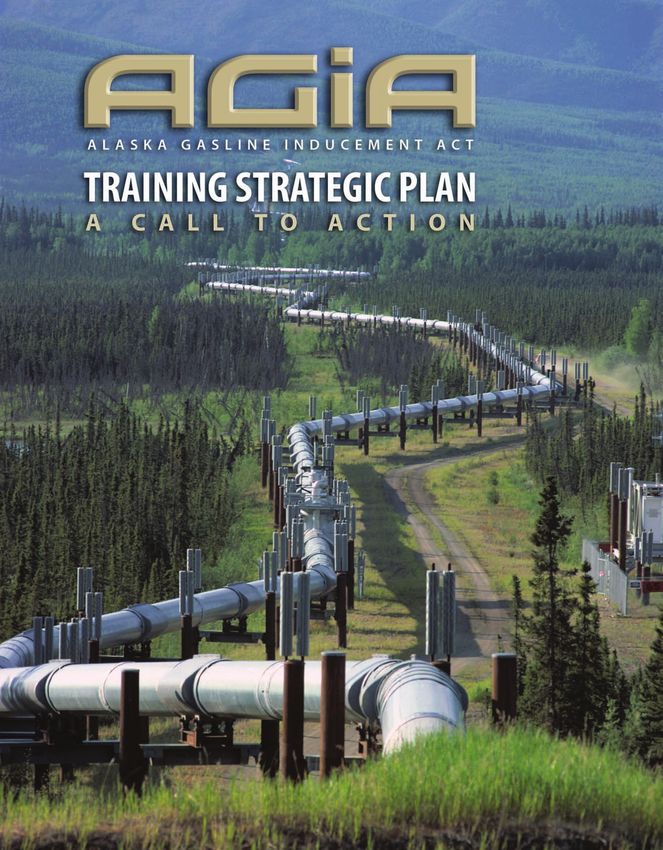
State of Alaska Department of Labor and Workforce Development Sarah Palin Governor Commissioner Clark Bishop January 2008


Table of Contents

3   Commissioners AGIA
    Training Steering Committee
5   Executive Summary
    Training Strategic Planning Document: A Call to Action

7   Draft AGIA
    Training Strategic Planning Document, January 2008

11 Strategies
    11    Strategy 1.0
          Increase awareness of and access to career opportunities in
          natural resource development.

    17    Strategy 2.0
          Develop a comprehensive, integrated Career and Technical Education

                                                                                AGIA TRAINING STRATEGIC PLAN
          system for Alaska that aligns training institutions and coordinates
          program delivery.

    29    Strategy 3.0
          Increase opportunities for registered apprenticeship in skilled
          occupations and expand other structured training opportunities.
    39    Strategy 4.0
          Increase opportunities for development of appropriate training
          programs for operations, technical and management workers.

51 Inside the AGIA Report
53 AGIA Occupations
62 Educational Training Providers
   for AGIA Occupations
68 Glossary
                                                                                1
2
AGIA TRAINING STRATEGIC PLAN
Commissioners AGIA
Training Steering Committee

Members and Staff
Industry Members
Edgar Cowling, Conoco Phillips
Dave Rees, BP
Dave Matthews, HC Price
Tony Delia, Arctic Slope Regional Corporation
Bonnie Jo Savland, Alyeska Pipeline

Training and Education Members
Karen Martinsen, Sitka Education Consortia
Mike Andrews, Alaska Works Partnership
Janelle Vanasse, Bethel Regional High
Wendy Redman, UA Statewide

                                                                  AGIA TRAINING STRATEGIC PLAN
John Hakala, U.S. Department of Labor, Office of Apprenticeship

Department Members
Commissioner Clark Bishop
Fred Esposito, Director AVTEC
Greg Cashen, Director Alaska Workforce Investment Board

Staff
Michelle Unrein, Administrative Assistant
Brynn Keith, Chief Research and Analysis
Guy Bell, Assistant Commissioner
Tom Nelson, Director Employment Security Division
Corine Geldhof, Director Business Partnerships Division
Mike Shiffer, Assistant Director Business Partnerships Division

Consultant and Writer
Mary Lou Madden
                                                                  3
4
AGIA TRAINING STRATEGIC PLAN
Executive Summary
AGIA Training Strategic Planning Document:
A Call to Action

The Need: Close the Alaskan Skills Gap
Alaska stands at a crossroad of vital need and compelling opportunity. The state is in
its twentieth year of steady economic growth with 48,000 new jobs projected by 2014,
however in some regions unemployment is among the highest in the nation, and is
ranked fifth in the nation for teens not in school and not working. Vast supplies of oil,
gas, and minerals make Alaska one of the most resource rich regions in the world, yet
the state faces a workforce skills gaps in critical occupations where there are either a
high number of non-residents, or a significant percent are over the age of 45.

The Promise: Put Alaskans To Work
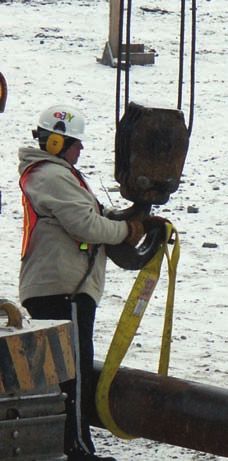
Among the most promising economic drivers is the potential construction of an Alaska
gas pipeline, but the state’s workforce preparedness system, including public K-12 and
post-secondary education, is not meeting current industry demand. Not to be repeated
is the fact that when the Trans-Alaska Pipeline System was built 30 years ago, most
jobs were filled by nonresidents; Alaska’s workforce was simply not prepared. Governor
Sarah Palin championed the passage of the Alaska Gasline Inducement Act (AGIA) in
2007. The AGIA statute’s call to action is particularly timely as it is widely understood

                                                                                            AGIA TRAINING STRATEGIC PLAN
that Alaska’s natural resources must be responsibly developed to the maximum benefit
of all Alaskans.

The Strategy: AGIA Training To Enhance Existing Programs
The AGIA Training Strategic Planning Document is designed to enhance Alaska’s exist-
ing training programs so that Alaskans are afforded the opportunity to upgrade skills
and acquire new ones in preparation for gasline jobs. The plan identifies four broad
strategies to address the workforce needs of the existing labor skills gap and AGIA:
    1) increase awareness of an access to career opportunities in natural resource
       development,
    2) develop a comprehensive, integrated career and technical education system that
       aligns training institutions and coordinates program delivery,
    3) increase opportunities for registered apprenticeship in skilled occupations and
       expand other structured training opportunities, and

                                                                                            5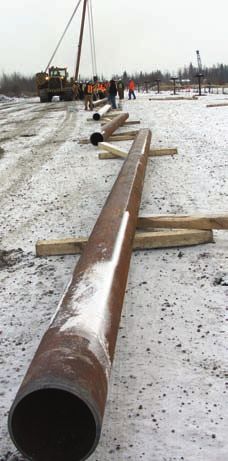
4) increase opportunities for development of appropriate training programs for
                                      operations, technical, and management workers.

                               The Plan: Five Years, Three Phases
                               While this document remains subject to updates, the training plan outlines a five-year
                               strategically phased approach for accomplishing its strategies.
                                Phase one – establish industry skill standards for training and extend accreditation
                                 to regional training centers;
                                Phase two is to address the existing “skills gap” and will require significant new
                                 investments in public post secondary training programs with significant expansion of
                                 registered apprenticeship programs;
                                Phase three will require information on the number of jobs created by the gasline
                                 project and focus on training for those jobs.

                               The plan includes the Alaska Department of Labor
                               and Workforce Development
                               Research and Analysis Section’s newly identified 113 AGIA related occupations; future
                               updates will feature more precise job projections and a skills inventory and outreach
                               component to the Alaska Labor Exchange System (ALEXsys), supporting gasline
                               employer recruitment and resident hire.

                               The Purpose: Anchored In Collaboration and Innovation
                               The plan’s overall purpose is to bring Alaska into a new era of collaboration and inno-
                               vation among educators and training providers combined with strategic investments in
                               connected, regionally delivered and accredited programs to create world class training
                               and education systems for Alaska. The plan will guide the Alaska Workforce Investment
                               Board about where and how to invest in training.
AGIA TRAINING STRATEGIC PLAN

                               The Call For Action: Engage Stakeholders To Build Capacity
                               The call for action now is to engage educators, trainers, sponsors of registered appren-
                               ticeship, and business and industry in committing to finance and execute the plan’s
                               strategies. The results will transform Alaska’s workforce preparedness system, catalyze a
                               spirit of innovation, and ultimately create a new economy, beyond the boom and bust
                               cycle, where new business and industry is encouraged by the state’s collective capacity
                               and expertise to train a local workforce.

6
Draft AGIA
Training Strategic Planning Document
January 2008

The Alaska Gasline Inducement Act of 2007 requires that “the Commissioner of Labor
and Workforce Development shall develop a job training program that will provide
training for Alaskans in gas pipeline project management, construction, operations,
maintenance and other gas pipeline related positions” (AS 43.90.470).

To fulfill this charge, Commissioner Click Bishop sought the advice of concerned and
knowledgeable Alaskans in identifying strategies that would best prepare the state’s
workforce for the demands of gas pipeline construction. A cross section of industry,
labor, education and state government representatives have been involved in the
planning effort. A list of participants is attached as Appendix A.

Participants in the planning process began with an examination of the existing training
environment. They quickly determined that although steps have been taken by both
government and the private sector to address worker shortages and skill gaps, the system
is not meeting current workforce development demands, much less the added demands
of AGIA. Participants also realized that there are other major natural resource
development projects underway or in the planning stages—projects that demand many

                                                                                           AGIA TRAINING STRATEGIC PLAN
of the same skills needed for pipeline construction. The planning participants concluded
that focusing only on a gas pipeline would ignore these larger issues of capacity and
competition for workers. They therefore adopted a broader goal for their efforts.

Goal: Deliver an Alaska workforce prepared for careers in construction,
operations, management and other occupations related to natural
resource development including a gasline.

 When examining current capacity, participants identified these areas as needing
  particular attention:
 Making better use of current workforce development resources through greater
  cooperation and coordination.
 Recognizing industry’s major contributions to worker training and leveraging these
  resources by expanding public/private partnerships.
 Creating better connections between Alaskans and the career opportunities opened
  up by a gasline and other development projects.
                                                                                           7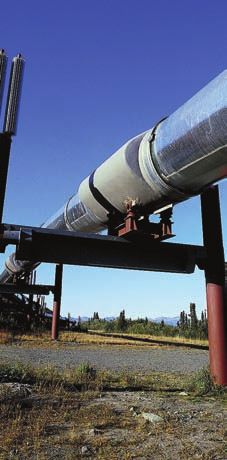
The plan presented on the following pages addresses these points. It consists of a set of
                               recommended strategies that, if implemented, will position the state to “grow its own”
                               workforce for AGIA and for other large projects. The suggested activities are not directed
                               specific jobs or occupations. They are intended to build a flexible system of workforce
                               development that can anticipate and respond to a variety of demands and that will serve
                               Alaskans well into the future.

                               Planning participants recognize that implementing the plan will call for significant
                               additional investment by the State of Alaska. In order that this investment yields the
                               greatest return, it must be directed at high need, cost effective proposals. The groups
                               strongly recommend that the Alaska Workforce Investment Board review and prioritize
                               all requests for operational and capital training funds—a role well within the Board’s
                               charge of overseeing and coordinating Alaska’s workforce development policies and
                               programs. To fulfill this function effectively, the Board must be empowered and
                               strengthened. This requires adequate budget and staffing, including a full-time AWIB
                               position to oversee AGIA training plan implementation.

                               The planning groups have been guided by the Principles for Alaska’s Vocational and
                               Technical Education and Training System found in Alaska’s Future Workforce Strategic
                               Policies and Investment Blueprint. Participants reviewed and endorsed the good
                               planning efforts that have already been accomplished—for example, the Construction
                               Workforce Development Plan adopted by AWIB in 2006 and the Vocational Education
                               Comprehensive Plan for Alaska developed by DOLWD in 2004—and have incorporated
                               many of the recommendations from these plans.

                               Planning participants also reached consensus on the following points:
                                Industry employers, trade associations, trade unions, apprenticeship sponsors, local,
                                 state and federal agencies and public and private educational institutions all have a
                                 role in workforce development.
AGIA TRAINING STRATEGIC PLAN

                                Program planners and decision makers need accurate information on employment
                                 demand and supply.
                                Preparation of the future workforce must start early in the educational process.
                                Public/private partnerships are essential.
                                Training needs to be based on industry standards.
                                State training dollars should be targeted at programs that meet industry needs and
                                 standards, incorporate proven strategies and techniques (“best practices”) and
                                 demonstrate measurable outcomes.
                                Training for the gas pipeline needs to emphasize long-term careers as well as short-
                                 term jobs.

8
In addition to the development of a strategic plan, DOLWD has begun building the data
foundation for the AGIA job training program. Working with industry partners, DOLWD
staff identified those occupations needed in the construction of a natural gas pipeline.
In 2006, over 16 percent of workers in these occupations were nonresidents and over 37
percent were over the age of 45 – statistics that point to both current and future skills
gaps. (See Appendix B.) Unless these skills gaps are addressed, both sides of the labor
market will suffer. Alaska’s employers will have difficulty finding the types of workers
they need and significant numbers of Alaskans will remain either unemployed or
discouraged.
The plan is not complete; rather, it provides a framework for further action. It will be
revisited and refined frequently as more detailed information about the gas pipeline and
other major projects becomes available. Carrying out the identified strategies will require
concentrated effort on the part of responsible parties—the State of Alaska, industry and
private training providers. Through this cooperative effort, the planning groups believe
that the state can achieve the following vision:
Alaskans are trained and ready for gas pipeline and other natural
resource development jobs and these jobs are made available to Alaskans.
AGIA TRAINING STRATEGIC PLAN
910 AGIA TRAINING STRATEGIC PLAN
Strategy 1.0
Increase awareness of and access
to career opportunities in
natural resource development.

Industry and the state need to promote understanding among Alaskans about the
career opportunities opened up by the development of the state’s natural
resources. Further, Alaskans need information on how to prepare themselves to
access these opportunities.

This strategy can be implemented by:
 Conducting public awareness campaigns.
 Developing a comprehensive, one-stop information system on training
  opportunities and job openings in Alaska.

Funding:
 Industry
 State general fund

                                                                                AGIA TRAINING STRATEGIC PLAN

                                                                                11
Strategic Element 1.1
Conduct public awareness
campaign
Rationale
The development of Alaska’s natural resources offers enormous career
opportunities for state residents. However, even those most closely involved in
workforce training do not have a complete understanding of the employment
demands of the various large scale projects that are underway or in the planning
stages. Parents, high school students and adult workers have much more limited
information on which to base career planning and goals.
Action Steps
Retain professional assistance in crafting a multi-faceted public awareness
strategy phased to the development of the gas pipeline and other major
resource development projects
Develop communication strategies effective in recruiting rural, Alaska Native
and minority residents into training and jobs
Identify best practices to be highlighted in the campaign
AGIA TRAINING STRATEGIC PLAN
Develop consistent—branded—messages
12Responsible Parties
DOLWD/AWIB
Business/industry partners
Resources
Funding
State general fund
Industry
People
AGIA Training Plan Coordinator
Timeline
FY09
Evaluation AGIA TRAINING STRATEGIC PLAN
Public awareness/communications plan is in place and being implemented as
phased.
13Strategic Element 1.2
Develop a comprehensive, one-stop information system
on job openings and training opportunities in Alaska.
Rationale
Once Alaskans are made aware of the employment opportunities provided by
natural resource development, they need to know how they can access these jobs
or the training/retraining they might need to become prepared for employment.
At present, this information is scattered and not always current. A centralized
clearinghouse of information that can be accessed on-line can provide a link
between individuals and opportunities.
Action Steps
Create an inventory of available training and job openings, emphasizing jobs
related to natural resource development
Disseminate the inventory through interactive electronic and print media
Provide for updating and maintenance of the system
Provide incentives for trainers and employers to participate in the inventory
AGIA TRAINING STRATEGIC PLAN
Increase support for packaging and disseminating regional employment data
Responsible Parties
DOLWD/Employment Security Division
Alaska Commission on Postsecondary Education (ACPE)
14Resources
Materials/systems
ALEXsys employment data base
AKCIS career information data base
Funding
State and federal workforce development dollars
People
AGIA Training Plan Coordinator
Timeline
FY09
Evaluation
AGIA TRAINING STRATEGIC PLAN
A centralized, electronic source of information on training and job opportunities
is established and maintained.
1516
Strategy 2.0
Develop a comprehensive, integrated Career and
Technical Education system for Alaska that aligns
training institutions and coordinates program delivery.

Building a strong, flexible workforce to meet Alaska’s resource development needs
requires a healthy CTE system—one that prepares high school students for further
training and work and that provides opportunities for adults to maintain job skills
or acquire new ones. At present, there is little state investment in career and
technical education at the secondary level and only limited support at the
postsecondary level.
In addition, there is no system in place to assure that CTE operating and capital
dollars are being spent in the most effective manner to meet high priority needs.
Better coordination among existing training institution and closer alignment of
program offerings are essential to increasing the state’s capacity to grow its own
labor force.

This strategy can be implemented by:
 Developing a state initiative for career pathways
 Establishing and implementing standards for Alaskan training programs
 Incorporating career counseling and planning in the K-12 system.

                                                                                      AGIA TRAINING STRATEGIC PLAN
 Creating an integrated system of out-of-school youth and adult training and
  education
 Coordinating program development and delivery among the existing training
  programs.

Funding:
 TVEP and STEP dollars
 State General Fund
 WIA and other federal training programs
 Industry

                                                                                      17
Strategic Element 2.1
Develop a state initiative
for career pathways
Rationale
Alaskan students need a clear picture of the careers available to them and what
it takes to prepare for their chosen careers. Students also should have easy
transitions from one educational level to another. Career pathways—which lay out
the academic and technical instruction related to a particular career—can assist
students in planning their education and in securing employment in their field of
choice.
Action Steps
Identify models for mapping career pathways
Survey Alaskan school districts and the private sector
Secure examples from national sources
“Alaskanize” nationally developed career pathways, where necessary, to fit
local conditions
AGIA TRAINING STRATEGIC PLAN
Utilize business/industry/education consortia to develop industry-specific
pathways if no model exists
Provide electronic and print resources and pathways templates to public and
private training providers
Require state-funded training programs to develop and implement career
pathways, including articulation between one educational level and the next
Encourage private postsecondary training institutions to develop and utilize
career pathways
Revitalize the Career and Technical Student Organizations (CTSOs), such as
DECA, Junior Achievement, etc.
Reestablish and fill the AWIB Secondary/Postsecondary Liaison position
18Responsible Parties
Alaska Department of Education and Early Development (secondary school
career pathways)
DOLWD (state-funded training centers)
University of Alaska system
Private training providers
Business/industry consortia
Resources
Models and materials:
National career pathways initiatives
Alaska developed career pathways
Funding:
AGIA TRAINING STRATEGIC PLAN
State general fund
Federal (Carl Perkins IV, WIA)
Industry
Timeline
Begin immediately, based on the requirements of Carl Perkins IV. Provide state
funding by FY10.
Evaluation
All publicly-funded (secondary and postsecondary) training programs will be part
of a published career pathway that is available to students, parents and other
interested parties.
19Strategic Element 2.2
Incorporate career counseling
and planning into the K-12 system.
Rationale
Alaska’s K-12 student population is its greatest pool of potential workers. Better
information about career options in the state is a first step. However, students
also need assistance in making realistic career choices and taking concrete steps
to meet their career goals. Parents play an important part in forming their
children’s aspirations and choices and need to be involved in career planning.
Industry has information and resources that can help students make wise choices.
Action Steps
Encourage school districts to utilize the Alaska Career Ready Certificate as an
impetus for career planning for all students
Create and disseminate a template for career plans, based on career pathways
Provide awareness and training for counselors and teachers in career pathways
and career plans
AGIA TRAINING STRATEGIC PLAN
Utilize industry consortia for career information and guidance materials and
presentations
Use district-to-district volunteers to assist school districts with planning
Develop and disseminate models for involving parents in career awareness and
planning
Identify and disseminate strategies for using community resources in career
exploration and planning
20Responsible Parties
DEED
Local school districts
DOLWD
Resources
Materials and models
State and local school district career planning templates
DOLWD career guides and publications
Industry consortia-developed career information materials
Funding
State general fund
People:
AGIA TRAINING STRATEGIC PLAN
DEED Career and Technical Education Staff
DOLWD Career Counselors
Timeline
Fall 2009
Evaluation
All Alaskan high school graduates have a written career plan based on their
selected career pathway.
21Strategic Element 2.3
Establish and implement standards
for Alaskan training programs.
Rationale
All training should lead to employment by assuring that successful completers
demonstrate the technical skills and work attitudes required by industry. To meet
the needs of industry and students, training programs must be consistent across
the state. Developing and enforcing training standards can provide these
assurances. Programs and processes that produce demonstrated student success
and job placement need to be identified as “best practices” and adopted widely
in training efforts.
Action Steps
Identify and disseminate information about available industry standards
Identify nationally-adopted standards, where available
Use business/industry/education consortia to develop or “Alaskanize”
standards if national models are not available or not sufficient for local
AGIA TRAINING STRATEGIC PLAN
conditions
Inventory training programs to assess if they are based on recognized industry
standards
If current programs—either publicly or privately funded—do not meet
standards, provide assistance for
Curriculum development
Professional development
Equipment/materials needed to meet standards
Expense of undergoing industry certification review
Require all state-funded training to be based on industry standards, leading
to appropriate industry certification for successful completers
Require all state-funded training programs to adopt and implement an
employability and soft skills assessment program
Recognize training programs that meet or exceed standards
22Responsible Parties
DEED
DOLWD/AWIB
Resources
Models and materials:
National standards developed by various industries
Existing employability and soft skills assessment programs (WorkKeys/WIN®,
Youth Employability Skills, SCANS).
Funding:
State General Fund
Federal (Carl Perkins, WIA)
AGIA TRAINING STRATEGIC PLAN
Industry
Timeline
FY09 budget request
Evaluation
All state-funded training programs meet appropriate industry standards and
demonstrate inclusion of employability and soft skills.
23Strategic Element 2.4
Coordinate program development
and delivery among existing training programs.
Rationale
Alaska’s limited training resources must be deployed in the most efficient and
effective manner if the state’s workforce development needs are to be met.
Unnecessary duplication of programs, programs that are not adequately
resourced, facilities that are underutilized or substandard, competing
administrative structures all dilute the ability of the current system to respond to
demand.
Action Steps
Create a network among existing state-supported regional training centers
that will:
Provide technical assistance in meeting program standards
Serve as an umbrella for national accreditation of these centers
Rationalize program delivery among the centers
AGIA TRAINING STRATEGIC PLAN
Strengthen the statewide organization of career and technical training
providers as a vehicle for coordination and communication
Incentivize private providers to meet state standards and recognize those that do
Require requests for state operational and capital training dollars to be
funneled through and prioritized by the Alaska Workforce Investment Board
24Responsible Parties
DOLWD/AWIB
State-funded training centers
Statewide career and technical training providers
Resources
Funding:
TVEP/STEP/state general fund
WIA, Denali Commission and other federal training programs
Industry
Timeline
AGIA TRAINING STRATEGIC PLAN
FY09 budget request
Evaluation
State training dollars are allocated in line with AWIB priorities. There is minimum
duplication of training programs and where duplication exists, it is based on
demonstrated need.
25Strategic Element 2.5
Maintain a robust support system
for youth and adult vocational education.
Rationale
Many youth and adults seeking to enter jobs in natural resource occupations need
skill development before they can be successful. Data indicate that there is a
considerable pool of workers who have some of the skills required for these
occupations, but need foundational skills upgrades, remediation, and/or
remediation in order to compete successfully for good jobs. Other adults may
need additional educational services such as Adult Basic Education (ABE), General
Educational Development (GED), English as a Second Language, and math and
language training. Prospective workers may also require other types of supportive
services while in training or apprenticeships. These services can be as small as a
referral for child care services to funding a complete physical exam, but are
required to keep the student in class and allow them to be successful.
Action Steps
Increase support for ABE and ESL programs in all regions of the state.
AGIA TRAINING STRATEGIC PLAN
Identify and widely disseminate information on Web-based instruction for
skills upgrading in various occupations.
Increase individual electronic access to the Alaska Job Center Network (AJCN)
and the Alaska Career Information System (AKCIS).
Encourage the use of all available supportive services provided through
workforce development grantees, social service organizations, and the One-
stop Job Centers, particularly training and employment services.
Responsible Parties
DOLWD
ABE/GED Grantees
Job Center Network
26Resources
Marketing materials
AKCIS & ALEXsys systems
Funding (state and federal funds)
Personnel (job center staff and partners; providers of ABE/GED; WIA & STEP
grantees)
Timeline
FY09
Evaluation
Youth and adult workers have information about obtaining natural resource
development jobs.
AGIA TRAINING STRATEGIC PLAN
Reduce attrition in job training and apprenticeship programs.
2728
Strategy 3.0
Increase opportunities for registered
apprenticeship in skilled occupations and expand
other structured training opportunities.

Registered Apprenticeship is a national training system that combines paid
learning, on-the-job and related technical and theoretical instruction in a skilled
occupation. The purpose of a Registered Apprenticeship program is to enable
employers to develop and apply industry standards to training programs that can
increase productivity and improve the quality and safety of the workforce.
Apprenticeship programs are the primary vehicle for the considerable private
sector investment in workforce development.
Certifications earned through Registered Apprenticeship programs are recognized
nationwide as portable industry credentials. Registered Apprenticeship has been
utilized successfully in Alaska for over 50 years, primarily in the construction industry.
There are other models of structured training such as certificate and degree programs
that use internships, cooperatives and mentorships. Many college and career and
technical education programs utilize these models in engineering, project
management, and similar disciplines where on-the-job (OJT) practicums are required.

This strategy can be implemented by:

                                                                                             AGIA TRAINING STRATEGIC PLAN
 Increasing job training through construction academies, career and tech- prep
  programs, and pre-apprenticeship programs for entry-level employment.
 Increasing employment opportunities for apprenticeships on all construction
  and infrastructure projects in Alaska.
 Developing training incentives for employers who utilize apprenticeships and
  other structured OJT.
 Establishing a funding mechanism to support apprenticeships and other
  structured training opportunities.

Funding:
 Davis-Bacon training benefit.
 Tax credits/WIA funding, and public and private investments.
 State training fund established through AS36.05.045
 Industry
                                                                                             29
Strategic Element 3.1
Increase job training through construction
academies, career and tech-prep programs, and pre-
apprenticeship programs for entry-level employment.
Rationale
Training that utilizes actual work experience along with classroom instruction is
a time-proven method for placing people in jobs. The success of construction and
other skill academies in all parts of Alaska and with youth and adult workers
indicates that such efforts are cost-effective preparation for entry-level positions.
Tech prep programs transition secondary students to postsecondary programs,
including apprenticeship.
Action steps
Increase state funding for workforce development programs that utilize
structured training opportunities
Use state dollars to leverage private support for structured training
opportunities
Increase state support for tech prep programs at both the secondary and
AGIA TRAINING STRATEGIC PLAN
postsecondary level.
Responsible Parties
DOLWD
DEED
University of Alaska
Private sector training entities
30Resources
Funding
State training fund
Industry support for academies
Timeline
FY09
Evaluation
Skill academies are offered in various regions of the state. Tech prep opportunities
are available in all state high schools. Training programs at all levels utilize some
form of structured, on-the-job training.
AGIA TRAINING STRATEGIC PLAN
31Strategic Element 3.2
Increase employment opportunities for
apprenticeships on all construction
and infrastructure projects in Alaska
Rationale
Employers have long been the major source for job training. Private investment
in specific skill development—primarily through union and non-union
apprenticeships—far outstrips public expenditure for occupational training.
Currently in Alaska, there is considerable room for expansion of apprenticeship
opportunities on both public and private projects.
Action Steps
Require apprenticeship employment on all state funded construction projects
Inform employers of the benefits of apprenticeship utilization
Create an information system that tracks apprenticeship hire by trade
Responsible Parties
AGIA TRAINING STRATEGIC PLAN
DOLWD
State government agencies having capital projects
Private employers
32Resources
Funding
State capital projects
Davis-Bacon training benefit
Union training trusts
Industry
Persons
Federal Apprenticeship Office
State Apprenticeship Coordinator
Timeline
Begin in FY09 capital budget
AGIA TRAINING STRATEGIC PLAN
Evaluation
Apprenticeship slots are utilized on all state-funded construction projects,
including major maintenance. Number of apprentices employed on private
projects increases, as indicated by the apprentice tracking information system.
33Strategic Elements 3.3
Develop training incentives for employers who utilize
apprenticeships and other structured OJT.
Rationale
While many employers already use apprentices, there is considerable room for
growth, particularly among smaller firms. Identifying and providing appropriate
incentives can be a cost-effective way for the state to leverage private funding
and to increase apprenticeship and other on-the-job training slots across many
skill areas.
Action Steps
Identify incentives that have been used elsewhere to encourage apprentice
and other OJT utilization
Adopt those incentives that would be most effective in the Alaska context
Provide technical assistance to firms wanting to establish or increase
apprentice/ OJT use
AGIA TRAINING STRATEGIC PLAN
Responsible Parties
DOLWD
34Resources
Funding
WIA/other federal workforce development funds
State general fund
People
State/Federal Apprenticeship Coordinators
Timeline
FY09
Evaluation
Incentive system is in place and is being utilized by employers to develop or
expand apprentice/OJT utilization, as indicated by the apprentice tracking
AGIA TRAINING STRATEGIC PLAN
information system.
35Strategic Element 3.4
Establish a funding mechanism to
support apprenticeships and other
structured training opportunities.
Rationale
Legislation exists (AS36.05.045) that assesses a fee on all state and federally
funded construction projects. Currently, these funds accrue to the general fund,
but they could be used to establish a training fund that is a separate account
subject to Legislative appropriation under the authority of the DOLWD
Commissioner. Funds deposited into the account would not lapse at the end of
the fiscal year, unless otherwise provided for by the Alaska legislature. The
approximately $2 million dollars per year generated could provide partial funding
for the activities recommended in this plan. Additional appropriations could be
made to the fund, as determined by the Legislature.
Action Steps
Introduce legislation to establish a training fund from receipts collected under
AS 36.05.045.
AGIA TRAINING STRATEGIC PLAN
Responsible Parties
Alaska Legislature
DOLWD
36Resources
Funding
AS36.05.045 fees
Additional appropriations to the fund
Timeline
2008 legislative session
Evaluation
AS36.05.045 is amended to establish a training fund. Annual appropriations are
made to the fund from assessed fees.
AGIA TRAINING STRATEGIC PLAN
3738
Strategy 4.0
Increase opportunities for development of
appropriate training programs for operations,
technical and management workers.

These jobs range from professionally-certified and degreed positions to support
functions for industries impacted by natural resource development. Degree
programs such as engineering and science, process operations and technical
positions require both academic/conceptual education and work-place
application.

This strategy can be implemented by:
 Expanding programs in the postsecondary system for critical jobs such as
  engineering, environmental sciences, etc.
 Recruiting more Alaskan high school graduates into these programs.
 Increasing internships and work-cooperatives for both secondary and
  postsecondary students.
 Assuring better articulation between incumbent workers and management
  programs/degrees.

Funding:
                                                                                  AGIA TRAINING STRATEGIC PLAN
 Increased funding for UA and other postsecondary institutions in target
  programs
 Tax credits for internships
 Support for applied academics as part of state funding for career and
  technical education
 Industry contribution to specific certificates and degrees

                                                                                  39
Strategic element 4.1
Expand programs in the postsecondary system for
critical jobs such as engineering, environmental
sciences, technical operations and management.
Rationale
Professional, technical and managerial employees have highly-transferable skills
that provide excellent long-term career prospects. At present, these occupations
have a large number of non-resident hires. The state’s current capacity to train
for these careers is severely strained. Expanding capacity to meet additional
demand requires considerable lead time in order to secure the necessary faculty
and to recruit qualified students.
Action Steps
From DOLWD data, identify the high priority occupations in which there are
the significant current shortages
Assess in-state postsecondary capacity to address these shortages
Engage the University of Alaska, state/regional training centers and other
certificate/degree granting institutions in developing a comprehensive plan to
AGIA TRAINING STRATEGIC PLAN
expand capacity
Prioritize funding requests for program start-up or expansion through AWIB
Explore loan forgiveness for students completing degree programs in target
areas for which no in-state program is available
Responsible Parties
DOLWD/AWIB
University of Alaska
AVTEC/State-funded training centers
Private certificate/degree granting institutions
40Resources
Materials and equipment
Industry
Funding
TVEP and STEP dollars
State general fund
Industry for specific programs
Timeline
Spring 2008
Evaluation
State capacity in certificates and degree programs in professional, technical and
AGIA TRAINING STRATEGIC PLAN
managerial occupations is sufficient to meet industry needs.
41Strategic Element 4.2
Recruit more Alaskan high school graduates
into programs leading to professional,
technical and managerial certificates/degrees.
Rationale
Because these occupations provide excellent long-term potential, they make
attractive career choices for Alaskan youth. However, students who wish to pursue
careers in these areas need begin preparation early by taking the necessary math
and science courses in high school.
Action Steps
Start early in the educational process to encourage students in these careers,
using proven success strategies such as those used in the Alaska Native
Science and Engineering Program (ANSEP)
Expand the use of applied academics in secondary math and science courses
Increase summer engineering, science and technology camps
Develop tech prep and other secondary/postsecondary articulation
agreements in these occupational areas
AGIA TRAINING STRATEGIC PLAN
Utilize the regional training centers as pipelines for transitioning rural high
school completers into these programs
Initiate a state matching program for scholarship support for students in these
programs
Responsible Parties
DEED/School districts
University of Alaska
DOLWD
AVTEC/State-funded training centers
Industry consortia
42Resources
Models and Materials
ANSEP
Existing math and science camps
Funding
State Foundation funding
State general fund
Federal/state grant funds for camps
Industry
People
DEED program specialists
UA program faculty
AGIA TRAINING STRATEGIC PLAN
‘Timeline
FY09
Evaluation
Increased numbers of Alaskan high school students enroll in certificate and
degree programs leading to professional, technical and management careers in
natural resource development.
43Strategic Element 4.3
Increase internships and work-cooperatives
for both secondary and postsecondary students.
Rationale
All students—whether they are training for a skilled craft or for a professional or
technical occupation—benefit from on-the-job experience during their training
program. Such experience can also lead to job placement after training is
completed. Many of the major employers in natural resource industries already
use internships and other forms of work experience to recruit their workforce.
However, there is the potential for expanding these opportunities beyond the core
companies.
Action Steps
Identify existing internship and work cooperative programs
Disseminate successful industry practices in providing meaningful work
experiences
Use industry to industry contacts to promote such programs and practices
AGIA TRAINING STRATEGIC PLAN
Provide technical assistance to companies that want to develop internships
Encourage continued cooperation between industry consortia and
certificate/degree program staff
44Responsible Parties
Certificate/degree program faculty and staff
Industry consortia
Resources
Models and materials
Model internship/work experience programs
Industry consortia
Funding
Industry employers
TVEP
Timeline
AGIA TRAINING STRATEGIC PLAN
FY09
Evaluation
Students in certificate and degree programs leading to professional, technical and
managerial occupations have meaningful on-the-job experience as part of their
educational program.
45Strategic Element 4.5
Increase job opportunities by expanding capacity to
deliver incumbent worker training focused primarily on
helping workers keep pace with technological changes
and including journeyman craft worker skills upgrades.
Rationale
Many of the current workers are required to keep pace with technological changes
and journey level craft workers in particular need opportunities for skill upgrades
to keep or advance in their job.
Action Steps
Expand flexibly offered incumbent worker training.
Offer short term, developmental instruction in technology and skill upgrades.
Responsible Parties
Postsecondary program faculty
State-funded training centers
Industry associations
AGIA TRAINING STRATEGIC PLAN
Apprenticeship sponsors
48Strategic Element 4.4
Assure better articulation between incumbent
workers and management programs/degrees.
Rationale
Many of the supervisors and managers needed for the gas pipeline and other
natural resource development projects will come from the current workforce.
These workers often already have much of the knowledge and skills imparted in
a formal certificate or degree program. Recognizing this prior experience in terms
of college credit can accelerate program completion. Short courses on specific
supervisory and management topics can also speed the advancement of current
workers.
Action Steps
Expand the use of awarding of credit for prior experience in university-level
professional or technical certificates and degrees
Offer short term, developmental instruction in supervision, safety
management and other topics identified by industry
AGIA TRAINING STRATEGIC PLAN
Responsible Parties
Postsecondary program faculty
State-funded training centers
Industry associations
Apprenticeship sponsors
46Resources
Models
Associate Degree in Apprenticeship Technologies
Funding
Industry, for professional development of current workers
Timeline
FY10
Evaluation
Incumbent workers advancing to supervisory positions have access to the
necessary developmental instruction and to certificate/degree programs that
acknowledge their prior experience.
AGIA TRAINING STRATEGIC PLAN
47Strategic Element 4.5
Increase job opportunities by expanding capacity to
deliver incumbent worker training focused primarily on
helping workers keep pace with technological changes
and including journeyman craft worker skills upgrades.
Rationale
Many of the current
Action Steps
Expand flexibly offered incumbent worker training.
Offer short term, developmental instruction in technology and skill upgrades.
Responsible Parties
Postsecondary program faculty
State-funded training centers
Industry associations
Apprenticeship sponsors
AGIA TRAINING STRATEGIC PLAN
48Resources
Models
Contract and corporate training programs
Funding
State General Funds
STEP
WIA
Timeline
FY10
Evaluation
AGIA TRAINING STRATEGIC PLAN
Incumbent workers advancing in and maintaining employment in their given
field.
4950 AGIA TRAINING STRATEGIC PLAN
Inside the AGIA Report
                                                                                                             Gasline Occupations
                                                                              A list of 113 occupations considered significant inconstructing a natural gas pipeline.

                                                                         Gasline Phases                                                        Statewide Labor Force Indicators
                                                     A general progression of the gasline project. Phases                              Statistical data providing measurements relating to the
                                                     may, at times, overlap or run concurrently. A                                     statewide labor force. The occupational numbers in this
                                                     indicates the phase(s) that the occupation will be in                             table are not industry or project specific (e.g. gasline
                                                     significant demand.?                                                              construction), but are statewide numbers which include
                                                                                                                                       all industries combined.
      Summary Statistics for All
         AGIA Occupations
Select statewide labor force indicators which
estimate nonresidency and older worker
information.

            Training Levels
Counts of occupations by training
requirements. The training level
abbreviations used in the table are defined in
footnote 11 at the end of the report.

                  Groups
The report is organized by ten occupational
groups, each consisting of occupations that
are related in broad terms by the nature of
the functions performed.

                                Group and AGIA Totals
                  Summarized counts and calculations on presented data.

   51
                  The occupational numbers in this table are not industry
                  specific or project specific (e.g. gasline construction),
                  but are statewide numbers which include all industries
                  combined.
AGIA Occupations
black Gasline Phases1 Statewide Labor Force Indicators
Summary Statistics for All
AGIA Occupations Design/
Permit/ ALEXsys Alaska Employment Worker Occupation
Open
c Percent Nonresident Workers 2 16.4% Season
Alaska Worker Data Estimated Demand Employment Data Potential Supply Projections Demographics Characteristics
Phases (2006) 2 (2004-2014) 3 (2006) (2006) (2004-2014) 3 (2006) 9
c Percent of Workers Age 45+ 9 37.4%
c Percent of Workers Age 50+ 9 24.3%
Training Levels11
STOJT MTOJT LTOJT WkExp VOC AA BA BA+
25 28 13 13 6 7 18 3
bgCrafts
Carpenters
' ' 5,173 879 17.0 53 79 132 404 1,655 4.1 1,198 178 1,791 4,855 5,383 10.9 34.6 20.0 $25.73 LTOJT
Cement Masons and Concrete Finishers
' ' 430 131 30.5 * * * 13 166 12.8 80 30 188 * * * 28.0 15.4 $26.72 MTOJT
Construction and Building Inspectors
' ' 262 65 24.8 6 5 10 13 76 5.8 56 20 27 210 265 26.2 67.8 51.4 $31.54 WkExp
Construction Laborers
' ' 8,367 1,626 19.4 63 48 111 635 2,564 4.0 2,332 858 3,015 3,605 4,232 17.4 24.2 13.8 $20.57 MTOJT
Construction Managers
' ' 1,045 174 16.7 39 31 69 54 277 5.1 197 32 87 1,681 2,066 22.9 63.7 44.3 $39.87 BA
Crushing, Grinding, and Polishing Machine Setters,
Operators, and Tenders ' 132 25 18.9 4 3 7 7 14 2.0 19 3 35 101 141 39.6 14.9 7.9 $22.66 MTOJT
Electricians
' ' 2,767 669 24.2 31 43 74 152 416 2.7 431 160 697 2,164 2,471 14.2 32.7 20.0 $29.93 LTOJT
Explosives Workers, Ordnance Handling Experts, and Blasters
' 44 9 20.5 * * * 3 23 7.7 17 7 5 * * * 39.5 34.2 $23.86 MTOJT
Fence Erectors
' ' 110 10 9.1 n/a n/a n/a 6 31 5.2 18 10 41 n/a n/a n/a 21.4 9.7 * MTOJT
First-Line Supervisors/Managers of Construction Trades and
Extraction Workers ' ' 1,641 533 32.5 45 34 80 27 230 8.5 334 108 162 2,013 2,467 22.5 57.3 37.2 $37.24 WkExp
First-Line Supervisors/Managers of Helpers, Laborers, and
Material Movers, Hand ' 387 45 11.6 4 7 11 61 109 1.8 91 16 47 284 325 14.4 39.5 25.3 $21.20 WkExp
First-Line Supervisors/Managers of Production and Operating
Workers ' ' 816 273 33.5 7 21 28 24 82 3.4 282 40 191 995 1,062 6.7 50.2 30.9 $30.94 WkExp
Helpers, Construction Trades, All Other
' ' 741 168 22.7 * * * 16 327 20.4 208 136 183 * * * 22.0 13.7 * STOJT
Helpers--Carpenters
' 406 59 14.5 * * * 33 152 4.6 109 80 133 * * * 14.4 9.1 $14.88 STOJT
Helpers--Electricians
' ' ' 180 24 13.3 * * * 17 122 7.2 63 51 44 * * * 16.8 8.1 $15.65 STOJT
Helpers--Extraction Workers
' 216 52 24.1 * * * 1 51 51.0 83 65 39 * * * 17.9 8.4 $26.84 STOJT
Helpers--Installation, Maintenance, and Repair Workers
' 1,079 178 16.5 11 15 26 187 396 2.1 389 262 267 454 562 23.8 33.8 22.5 $14.71 STOJT
52
Note: Employment totals are not restricted to gasline occupations. An asterisck (*) means data are suppressed due to confidentiality. The "n/a" means data are not available.AGIA Occupations
black Gasline Phases1 Statewide Labor Force Indicators
Summary Statistics for All
AGIA Occupations Design/
Permit/ ALEXsys Alaska Employment Worker Occupation
Open
c Percent Nonresident Workers 2 16.4% Season
Alaska Worker Data Estimated Demand Employment Data Potential Supply Projections Demographics Characteristics
Phases (2006) 2 (2004-2014) 3 (2006) (2006) (2004-2014) 3 (2006) 9
c Percent of Workers Age 45+ 9 37.4%
c Percent of Workers Age 50+ 9 24.3%
Training Levels11
STOJT MTOJT LTOJT WkExp VOC AA BA BA+
25 28 13 13 6 7 18 3
bgCrafts (Continued)
Helpers--Pipelayers, Plumbers, Pipefitters, and Steamfitters
' ' 423 167 39.5 * * * 19 119 6.3 202 0 103 * * * 16.8 9.8 * STOJT
Helpers--Production Workers
' ' 154 29 18.8 4 9 12 159 378 2.4 38 19 9 302 339 12.2 16.7 12.1 $12.32 STOJT
Highway Maintenance Workers
' 129 19 14.7 * * * 34 86 2.5 32 7 37 * * * 47.1 32.8 $24.74 MTOJT
Insulation Workers, Floor, Ceiling, and Wall
' 232 55 23.7 * * * 49 46 0.9 31 0 42 * * * 20.6 11.3 * MTOJT
Insulation Workers, Mechanical
' 230 88 38.3 * * * 34 30 0.9 23 0 29 * * * 36.4 17.9 $25.51 MTOJT
Millwrights
' 216 52 24.1 * * * 9 38 4.2 60 18 33 * * * 53.1 37.9 $26.74 LTOJT
Painters, Construction and Maintenance
' ' 809 183 22.6 13 14 27 95 331 3.5 164 49 240 909 1,038 14.2 27.7 14.3 $20.75 MTOJT
Plumbers, Pipefitters, and Steamfitters
' ' 2,130 484 22.7 22 34 57 153 286 1.9 325 46 474 1,492 1,716 15 32.7 18.9 $28.34 LTOJT
Sheet Metal Workers
' 453 45 9.9 * * * 17 59 3.5 65 34 159 * * * 32.4 18.7 $24.49 LTOJT
Structural Iron and Steel Workers
' ' 288 78 27.1 * * * 21 94 4.5 125 33 111 * * * 31.5 17.1 $27.11 LTOJT
Welders, Cutters, Solderers, and Brazers
' ' 1,004 349 34.8 11 18 28 141 412 2.9 229 55 170 628 734 16.9 40.4 25.5 $24.70 LTOJT
Welding, Soldering, and Brazing Machine Setters, Operators,
and Tenders ' ' 59 15 25.4 * * * 0 28 n/a 15 0 11 * * * 37.0 23.9 n/a MTOJT
Group Totals
STOJT MTOJT LTOJT WkExp VOC AA BA BA+
29,923 6,484 21.7 2,384 8,598 3.6 7,216 2,317 8,370 32.9 19.9
g
7 10 7 4 0 0 1 0 See footnote 3 See footnote 3
bgEquipment Operators
Bus and Truck Mechanics and Diesel Engine Specialists
' ' 844 141 16.7 10 18 28 98 160 1.6 241 6 104 707 807 14.1 41.9 24.4 $24.41 VOC
Crane and Tower Operators
' ' 187 61 32.6 2 3 5 20 23 1.2 34 3 23 116 136 17.2 53.6 37.7 * LTOJT
Excavating and Loading Machine and Dragline Operators
' ' 365 66 18.1 6 7 13 20 238 11.9 102 12 154 256 315 23 46.9 30.7 $23.53 MTOJT
53
Note: Employment totals are not restricted to gasline occupations. An asterisck (*) means data are suppressed due to confidentiality. The "n/a" means data are not available.AGIA Occupations
black Gasline Phases1 Statewide Labor Force Indicators
Summary Statistics for All
AGIA Occupations Design/
Permit/ ALEXsys Alaska Employment Worker Occupation
Open
c Percent Nonresident Workers 2 16.4% Season
Alaska Worker Data Estimated Demand Employment Data Potential Supply Projections Demographics Characteristics
Phases (2006) 2 (2004-2014) 3 (2006) (2006) (2004-2014) 3 (2006) 9
c Percent of Workers Age 45+ 9 37.4%
c Percent of Workers Age 50+ 9 24.3%
Training Levels11
STOJT MTOJT LTOJT WkExp VOC AA BA BA+
25 28 13 13 6 7 18 3
bgEquipment Operators
Crafts (Continued)
First-Line
CarpentersSupervisors/Managers of Mechanics, Installers, and
Repairers ' ' 802
5,173 89
879 11.1
17.0 20
53 27
79 47
132 17
404 97
1,655 5.7
4.1 217
1,198 81
178 57
1,791 1,089
4,855 1,285 18
5,383 10.9 62.6
34.6 39.2
20.0 $31.62
$25.73 WkExp
LTOJT
Industrial Machinery
Cement Masons Mechanics
and Concrete Finishers
' ' ' 208
430 34
131 16.3
30.5 4
* 9
* 12
* 70
13 61
166 0.9
12.8 61
80 23
30 42
188 431
* 467
* 8.4
* 54.9
28.0 36.4
15.4 $27.67 LTOJT
$26.72 MTOJT
Maintenance
Construction Workers, Machinery
and Building Inspectors
' ' 289
262 74
65 25.6
24.8 *
6 *
5 *
10 29
13 141
76 4.9
5.8 135
56 109
20 55
27 *
210 * 26.2
265 * 50.4
67.8 36.0
51.4 $16.95 STOJT
$31.54 WkExp
Mobile HeavyLaborers
Construction Equipment Mechanics, Except Engines
' ' 796
8,367 180
1,626 22.6
19.4 18
63 18
48 36
111 55
635 135
2,564 2.5
4.0 193
2,332 10
858 76
3,015 842
3,605 1,019 21
4,232 17.4 42.7
24.2 27.5
13.8 $27.69 VOC
$20.57 MTOJT
Operating Engineers
Construction Managersand Other Construction Equipment
Operators ' ' 4,192
1,045 767
174 18.3
16.7 82
39 71
31 153
69 140
54 586
277 4.2
5.1 941
197 366
32 1,448
87 2,741
1,681 3,561
2,066 29.9
22.9 49.9
63.7 31.0
44.3 $27.32
$39.87 MTOJT
BA
Paving, Surfacing,
Crushing, Grinding,and
andTamping Equipment
Polishing Operators
Machine Setters,
Operators, and Tenders
' ' 98
132 15
25 15.3
18.9 *
4 *
3 *
7 18
7 106
14 5.9
2.0 60
19 10
3 70
35 *
101 * 39.6
141 * 29.1
14.9 23.3
7.9 * MTOJT
$22.66
Pile-Driver
Electricians Operators
' ' 131
2,767 31
669 23.7
24.2 *
31 *
43 *
74 2
152 10
416 5.0
2.7 28
431 17
160 50
697 *
2,164 * 14.2
2,471 * 37.7
32.7 27.4
20.0 $25.12
$29.93 MTOJT
LTOJT
Truck Drivers,
Explosives HeavyOrdnance
Workers, and Tractor-Trailer
Handling Experts, and Blasters
' ' 3,090
44 421
9 13.6
20.5 40
* 55
* 95
* 381
3 1,065
23 2.8
7.7 710
17 142
7 712
5 3,380
* 3,781
* 11.9
* 48.8
39.5 33.6
34.2 $21.12
$23.86 MTOJT
Fence
Group Erectors
Totals
STOJT MTOJT LTOJT WkExp VOC AA BA BA+
11,002 1,879 17.1 850 2,622 3.1 2,722 779 2,791 49.2 31.8
g
1 5 2 1 2 0 '0 ' 0 110 10 9.1 See
n/a footnote
n/a 3 n/a 6 31 5.2 18 10 41 See
n/afootnote
n/a 3n/a 21.4 9.7 * MTOJT
bgFirst-Line
Material Supervisors/Managers of Construction Trades and
Handling
Extraction Workers ' ' 1,641 533 32.5 45 34 80 27 230 8.5 334 108 162 2,013 2,467 22.5 57.3 37.2 $37.24 WkExp
First-Line Supervisors/Managers of Helpers,
Transportation and and
Laborers,
Material-Moving
Material Movers, Machine
Hand and Vehicle Operators ' 473
387 46
45 9.7
11.6 7
4 15
7 22
11 4
61 69
109 17.3
1.8 227
91 28
16 97
47 635
284 702
325 10.6
14.4 60.3
39.5 41.0
25.3 $31.48
$21.20 WkExp
Laborers
First-Lineand Freight, Stock, and Material
Supervisors/Managers Movers,
of Production andHand
Operating
Workers
'
' ' 6,531
816 1,228
273 18.8
33.5 27
7 120
21 146
28 371
24 768
82 2.1
3.4 2,247
282 1,270
40 1,364
191 3,667
995 3,932
1,062 7.2
6.7 25.7
50.2 15.6
30.9 $14.65 STOJT
$30.94 WkExp
Order Clerks
Helpers, Construction Trades, All Other
' '
' 374
741 17
168 4.5
22.7 *
* *
* *
* 12
16 48
327 4.0
20.4 169
208 83
136 38
183 *
* *
* *
* 30.3
22.0 20.4
13.7 $14.93
* STOJT
STOJT
Stock Clerks and Order Fillers
Helpers--Carpenters
'
' 2,891
406 378
59 13.1
14.5 0
* 124
* 124
* 492
33 1,221
152 2.5
4.6 947
109 377
80 326
133 3,348
* 3,202
* -4.4
* 23.9
14.4 15.0
9.1 $14.09
$14.88 STOJT
STOJT
Helpers--Electricians
Group Totals
STOJT MTOJT LTOJT WkExp VOC AA BA BA+
10,269 1,669 16.3 879 2,106 2.4 3,590 1,758 1,825 27.1 16.9
g
3 0 0 1 0 0 ' 0 ' 0' 180 24 13.3 See
* footnote
* 3 * 17 122 7.2 63 51 44 See*footnote
* 3 * 16.8 8.1 $15.65 STOJT
bgHelpers--Extraction
Logistics Workers ' 216 52 24.1 * * * 1 51 51.0 83 65 39 * * * 17.9 8.4 $26.84 STOJT
Bus Drivers, Transit and
Helpers--Installation, Intercity and Repair Workers
Maintenance,
'
' 1,068
1,079 276
178 25.8
16.5 6
11 11
15 17
26 130
187 215
396 1.7
2.1 349
389 79
262 267
267 523
454 580
562 10.9
23.8 61.0
33.8 45.6
22.5 $15.90
$14.71 MTOJT
STOJT
54
Note:
Note: Employment
Employment totals
totals are
are not
not restricted
restricted to
to gasline
gasline occupations.
occupations. An
An asterisck
asterisck (*)
(*) means
means data
data are
are suppressed
suppressed due
due to
to confidentiality.
confidentiality. The
The "n/a"
"n/a" means
means data
data are
are not
not available.
available.You can also read


