STOMATOLOGY EDU JOURNAL - since 2014
←
→
Page content transcription
If your browser does not render page correctly, please read the page content below
ROMANIAN ACADEMY                                                                  STOMATOLOGY EDU JOURNAL
                                                                                                                                since 2014

                          A WORLD OF EDUCATIONAL RESOURCES FOR EACH PRACTICE
                                                                                  2021 VOLUME 8 ISSUE 1

                                                                               Founding editors:
                                                                               Jean-François Roulet, USA
                                                                                                                                        1
                                                                                                                                       2021
                                                                               Rolf Ewers, Austria
    PUBLISHING HOUSE
OF THE ROMANIAN ACADEMY                                                        Marian-Vladimir Constantinescu, Romania   CE PROGRAM FAQs
Neuromuscular Dentistry
 Powered by Myotronics

                                             GE T T
                                                      IN
                                                Und G YO
                                                   ersta     UR B
                                                         nd
                                                    of yo ing the im ITE R
                                                          ur oc            IG
                                                                clusi portanc H T!
                                                                     on.     e

                                                 Robe
                                                      rt R.
                                                              Jank
                                                                  elson,
                                                                           DDS

                                                                           7/11/0
                                                                                 8 1

      Contact Myotronics to receive information on upcoming CE courses and
      FRPSOLPHQWDU\ERRNOHWVRQWKHEHQH¿WVRI1HXURPXVFXODU'HQWLVWU\
      RULQIR#P\RWURQLFVFRP

  www.myotronics.com

                                      Patient Posture and Cervical Range of Motion
                                      recording is available exclusively on the K7x.
More and more dentists worldwide admit:

I                                                  Occlu
                                                   Sense      Innovative device for digital
                                                                                                                                    ®

                                                              occlusion control.
                                                              Take advantage of the award-winning OccluSense®
                                                              system:
                                                              • 60 microns thin, flexible pressure sensors record
                                                                 both static and dynamic occlusion
                                                              • Data transfer to OccluSense®-iPad-App via wireless
                                                                 network
                                                              • Ergonomic design for intuitive handling
                                                              • Additionally, red colour coating marks the occlusal
                                                                 contacts on the patient’s teeth

                                                                                                                            More information:
                                                                                                                        www.occlusense.com
                                     WE MAKE OCCLUSION VISIBLE®                                                                 and YouTube
            Dr. Jean Bausch GmbH & Co. KG | Oskar-Schindler-Str. 4 | 50769 Köln | Germany
    Tel.: +49-221-709360 | Fax: +49-221-70936-66 | info @ occlusense.com | www.occlusense.com
    Bausch and OccluSense are trademarks of Dr. Jean Bausch GmbH & Co. KG, registered in Germany and other countries.
                  Apple and iPad are trademarks of Apple Inc., registered in the U.S. and other countries.
www.stomaeduj.com

                    2021
Contents
                    Volume 8                                                          A WORLD OF EDUCATIONAL RESOURCES FOR EACH PRACTICE

                    Issue1                                                            ISSN (print) 2360-2406; ISSN (on-line) 2502-0285; ISSN-L 2360-2406

                    Pages 01-88

                     GUEST EDITORIAL

                       01      Global prevention
                               Jean-François Roulet
                                    https://doi.org/10.25241/stomaeduj.2021.8(1).edit.1

                     EDITORIAL

                       03      Value of randomized controlled trials
                               Marco Ferrari
                                   https://doi.org/10.25241/stomaeduj.2021.8(1).edit.2

                    CONTINUING EDUCATION ONLINE

                       05       JADA CE Online

                     ORIGINAL ARTICLES

                               COMMUNITY DENTISTRY: Sri Lankan dental professionals’ knowledge of the                                             precautions planned for the post-pandemic dental practice

                       07
                                                                                                                                300

                               Corona Virus Disease-19 (COVID-19): a questionnaire survey                                       250

                                                                                                                                200

                               Ruwan Duminda Jayasinghe, Rasika Manori Jayasinghe,                                              150

                               Pilana Vithanage Kalani Shihanika Hettiarrachchi, Lakshman Perera Samaranayake                   100

                                                                                                                                 50

                                     https://doi.org/10.25241/stomaeduj.2021.8(1).art.1                                           0
                                                                                                                                      Temp. check Temp. check information
                                                                                                                                       for all pts for all staff from all pts
                                                                                                                                                                                Tracing data Disposible pt

                                                                                                                                                                                      yes     no
                                                                                                                                                                                                covers
                                                                                                                                                                                                             Disposible
                                                                                                                                                                                                              clinician
                                                                                                                                                                                                               covers
                                                                                                                                                                                                                          Reusable
                                                                                                                                                                                                                          gowns per
                                                                                                                                                                                                                           session

                                                                                                                              Fig 3- Details of precautions planned by the respondents for the post-pandemic dental practice

                       18      DENTAL MATERIALS: Biosurface processing with role in improving
                               the osseointegration of the oral implant
                               Vlad Gabriel Vasilescu, Elisabeta Vasilescu, Valentin Sîrbu, Lucian Toma Ciocan
                                    https://doi.org/10.25241/stomaeduj.2021.8(1).art.2

                       26
                               ORTHODONTICS: An association between dimensions and bridging of the
                               sella turcica and dental anomalies
                               Seden Akan, Nevin Kaptan Akar
                                    https://doi.org/10.25241/stomaeduj.2021.8(1).art.3

                               COMPUTERIZED DENTAL PROSTHETICS: Effect of digital workflow on
                      33       the marginal fit of long-span implant-supported bars for Kennedy II class
                               removable prostheses in vitro
                               Aristeidis Villias, Triantafillos Papadopoulos, Nick Polychronakis, Hercules Karkazis,
                               Gregory Polyzois
                                     https://doi.org/10.25241/stomaeduj.2021.8(1).art.4

      II            Stoma Edu J. 2021;8(1): II                                                             pISSN 2360-2406; eISSN 2502-0285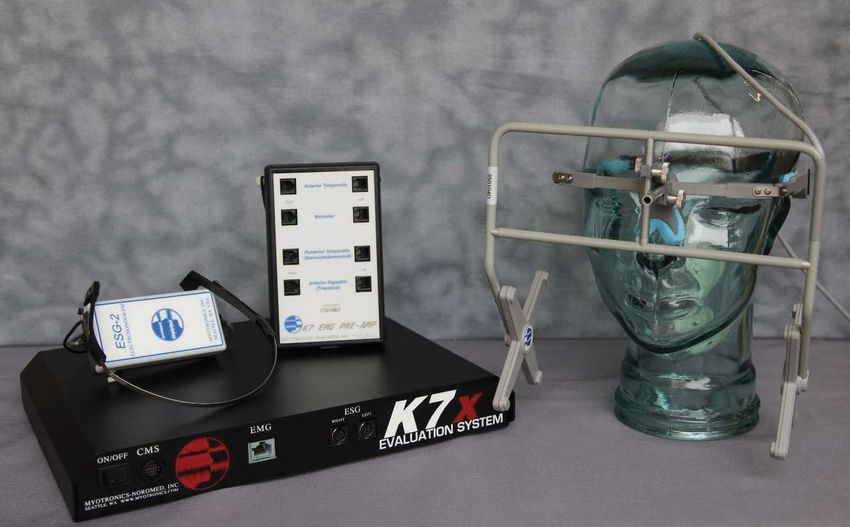
www.stomaeduj.com

                                                                                                                      Contents
           DENTAL ERGONOMICS: A standardized method to determine the proper
  45       working distance for dental magnification utilizing neutral ergonomics
           positioning
           Hind S. Hussein, Shelby Anderson, Melissa Matick, Avery Greene, Mark P. Zmiyiwsky,
           Nader F. Abdulhameed
                 https://doi.org/10.25241/stomaeduj.2021.8(1).art.5

            OCCLUSION AND TMJ: Condylographic recording of masticatory
   52       function: explorative study on occlusal parameters and chewing
            performance with natural food and a standard food model
            Giulia Tanteri, Carlotta Tanteri, Gregor Slavicek
                 https://doi.org/10.25241/stomaeduj.2021.8(1).art.6

 REVIEW ARTICLE

   66       ORAL MEDICINE: The influence of the oral microbiome on general health
            Johannes Friedrich Carl Rohr, Aldis Rozenblats, Guntars Selga, Ingrīda Čēma
                 https://doi.org/10.25241/stomaeduj.2021.8(1).art.7

 CASE REPORT

            ORAL AND MAXILLOFACIAL SURGERY: A rare case report of syphilis
   78       mimicking an oropharyngeal neoplasm
            Sofia Kalantary, Christophe Politis, Wouter De Vos, Sten Stevens,
            Maarten Van Genechten, Herman Jr Vercruysse, Geert Van Hemelen
                 https://doi.org/10.25241/stomaeduj.2021.8(1).art.8

 PRODUCT NEWS

   84      A new disinfection device - DeactivateTM by Xenex
           Florin - Eugen Constantinescu
                 https://doi.org/10.25241/stomaeduj.2021.8(1).prodnews.1

 INSTRUCTIONS FOR AUTHORS

   86      Instructions for authors

Stoma Edu J. 2021;8(1): III                                                        pISSN 2360-2406; eISSN 2502-0285     III
www.stomaeduj.com
Editorial Board EDITORS-IN-CHIEF DEPUTY EDITORS-IN-CHIEF
Marco Ferrari Adrian Bejan
MD, DMD, DDS, PhD, FADM, Professor, Chairperson, Dean Eng, PhD, J.A. Jones Distinguished Professor, Acad (AR)
University of Siena, Siena, Italy Duke University, Durham, NC, USA
Constantinus Politis Constantin Ionescu-Târgoviște
MD, DDS, MM, MHA, PhD, Full Professor and Chairperson MD, PhD, Professor, Acad (AR)
University of Leuven, Leuven, Belgium “Carol Davila” University of Medicine and Pharmacy, Bucharest, Romania
Marian-Vladimir Constantinescu Gabriel Octavian Lazăr
DDS, MSc, PhD, Professor Phys, PhD, Professor
“Carol Davila” University of Medicine and Pharmacy, Bucharest, Romania “Vasile Alecsandri” University of Bacău, Bacău, România
CO-EDITORS-IN-CHIEF (EUROPE)
CO-EDITORS-IN-CHIEF (AMERICAS)
Gavriel Chaushu
James Richard Hupp DMD, MSc, Professor, Head
BS, DMD, MD, JD, MBA, Professor Rabin Medical Center, Beilinson Campus, Petah Tikva, Israel
Washington State University, Spokane, WA, USA The Maurice and Gabriela Goldschleger School of Dental Medicine
Tel Aviv University, Tel Aviv, Israel
Hom-Lay Wang Mutlu Özcan
DDS, MSD, PhD, Professor DDS, PhD, Professor, Head Division of Dental Biomaterials
University of Michigan, Ann Arbor, MI, USA Clinic of Reconstructive Dentistry, Center of Dental Medicine (ZZM)
University of Zürich, Zürich, Switzerland
Mauro Marincola
MD, DDS, Clinical Professor Letizia Perillo
State University of Cartagena, Cartagena, Colombia MD, MS, PhD, Professor
Head, Dean, University of Campania Luigi Vanvitelli, Naples, Italy
George E. Romanos
DDS, PhD, DMD, Professor Hande Şar Sancakli
Stony Brook University, Stony Brook, NY, USA DDS, PhD, Associate Professor
FDI Regional CE Director Europe, Geneva-Cointrin, Switzerland
CO-EDITORS-IN-CHIEF (ASIA-PACIFIC) SENIOR EDITORS
Lakshman Perera Samaranayake
Hon DSc, FDSRCS (Edin), FDS RCPS (Glas), FRACDS, FRCPath (UK), BDS, DDS Bruce Robert Donoff
(Glas), FHKCPath, FCDSHK, FHKAM (Pathology), FHKAM (Dental Surgery) DMD, MD, Professor, Dean
Emeritus Professor, Department of Oral Biosciences, Faculty of Dentistry Medicine Harvard University, Boston, MA, USA
Immediate-past Dean, University of Hong Kong, Hong Kong
Hiroshi Ogawa Rolf Ewers
DDS, MDSc, PhD, Associate Professor MD, DMD, PhD Professor and Chairman em.
Niigata University, Niigata, Japan Medical University of Vienna, Vienna, Austria
Mahesh Verma Adrian Podoleanu
BDS, MDS, MBA, FAMS, FDSRCS (England), FDSRCPSG (Glasgow), FDSRCS Eng, PhD, Professor, FInstP, FOSA, FSPIE, Professor
(Edinburgh) PhD (HC), Professor University of Kent, Canterbury, Kent, UK
Maulana Azad Institute of Dental Sciences, New Delhi, India
Yongsheng Zhou Saman Warnakulasuriya
DDS, PhD, Professor and Chair, Associate Dean BDS, FDSRCS (Eng), FDSRCS (Edin), FDSRCPS (Glasg), PhD(Glasg)
Department of Prosthodontics, School of Stomatology (PKUSS), Peking DSc, FKC, Professor
University, Beijing, P.R.China King's College London, London, UK
EMERITUS EDITORS-IN-CHIEF EMERITUS EDITORS-IN-CHIEF
Peter E. Dawson Prathip Phantumvanit
DDS, Founder Emeritus of The Dawson Academy DDS, MS, FRCDT, Professor
Saint Petersburg, FL, USA Thammasat University, Bangkok, Thailand
Adi A. Garfunkel
DMD, PhD, Professor Emeritus Rudolf Slavicek
Hadassah Hebrew University, Jerusalem, Israel MD, DMD, Professor
Medical University of Vienna, Vienna, Austria
Robert Louis Ibsen
DDS, OD, FAGD, FACD, FICD Jacques Vanobbergen
Founder & President DenMat Corporation, Santa Maria, CA, USA MDS, PhD, Professor Em. Professor and Chairman
Gent University, Gent, Belgium
Birte Melsen
DDS, Dr Odont, Professor Julian B. WOELFEL
Aarhus University, Aarhus, Denmark DDS, FACD, FICD, Professor Emeritus
College of Dentistry, The Ohio State University, Columbus, Ohio, U.S.A
Alexandre Mersel
DDS, PhD, Professor, Director of Studies David Wray
Geneva Institute of Medical Dentistry (GIMD), Versoix, Switzerland MD (Honours), BDS, MB ChB, FDS, RCPS (Glasgow), FDS RCS (Edinburgh) F Med
Sci Professor Emeritus, Professor, University of Glasgow, Glasgow, UK
SECTIONS EDITORS Clinical Research / Oral and Dental Diagnosis / Dental Ioan Dănilă, DDS, PhD, “Gr. T. Popa” University of
Gottfried Schmalz, DDS, PhD, Dr hc, Acad (Leopoldina), Radiology / Evidence-Based Dentistry Medicine and Pharmacy Iasi, Iasi, Romania
Editor-in-Chief Chiarella Sforza, MD, PhD, University of Milan, Milan, Italy Mihnea Ioan Nicolescu, DMD, MD, PhD, “Carol Davila”
- Editor-in-Chief University of Medicine and Pharmacy Bucharest,
Basic Research / Dental Materials / Dental Technology Amid I Ismail, BDS, MPH, MBA, Dr PH, Dean, Temple Bucharest, Romania
Gottfried Schmalz, DDS, PhD, Dr hc, Acad (Leopoldina), University, Philadelphia, PA, USA Mihaela Răescu, DDS, PhD, “Titu Maiorescu” University,
University of Regensburg, Regensburg, Germany Fawad Javed, BDS, PhD, University of Rochester, NY, USA Bucharest, Romania
- Editor-in-Chief Dalia Kaisarly, BDS, MDSc, PhD, University of Munich,
Vasile Iulian Antoniac, Eng, PhD, Habil, Vice Dean, Munich, Germany Cariology / Pedodontics / Oro-Dental Prevention
University “Politehnica” of Bucharest, Bucharest, Romania Sorin Uram-Țuculescu, DDS, PhD, Virginia Luca Levrini, DDS, PhD, University of Insubria, Varese,
Bogdan Calenic, DDS, PhD, “Carol Davila” University of Commonwealth University, Richmond, VA, USA Italy - Editor-in-Chief
Medicine and Pharmacy Bucharest, Bucharest, Romania Sorin Andrian, DDS, PhD, “Gr. T. Popa” University of
Horia Octavian Manolea, DMD, PhD, Head, University Community Dentistry / Oral Epidemiology / Oral Health / Medicine and Pharmacy Iasi, Iasi, Romania
of Medicine and Pharmacy of Craiova, Dolj, Romania Dental Public Health / Health Promotion Dana Cristina Bodnar, DDS, PhD, “Carol Davila”
Annalisa Monaco, DDS, MSc, PhD, University of L’Aquila, Poul Erik Petersen, DDS, Dr Odont, BA, MSc, University of Medicine and Pharmacy Bucharest,
L’Aquila, Italy WHO Senior Consultant, University of Copenhagen, Bucharest, Romania
Copenhagen, Denmark - Editor-in-Chief Ralf Janda, DDS, PhD, Heinrich-Heine-University,
Noemí Bordoni, DDS, PhD, Director, Public Health Düsseldorf, Germany
Research Institute, Buenos Aires, Argentina Tamara Tserakhava, DDS, PhD, Belarusian State
Medical University, Minsk, Belarus
IV Stoma Edu J. 2021;8(1): IV pISSN 2360-2406; eISSN 2502-0285
www.stomaeduj.com

Minimally Invasive Dentistry / Dental Laser                     Anesthesiology / Dentoalveolar Surgery / Maxillofacial       Aestethic Dentistry / Dental Photography

                                                                                                                                                                                           Editorial Board
Akira Aoki, DDS, PhD, Tokyo Medical and Dental                  Surgery / Oral Implantology / Emergencies at the             Bernard Touati, DDS, PhD, Paris V University, Paris, France
University (TMDU), Tokyo, Japan - Editor-in-Chief               Dentist’s                                                    - Editor-in-Chief
Marcus Oliver Ahlers, DDS, PhD, Hamburg University              Michael Frank, DDS, PhD, ERO President, German Dental        John C. Kois, DMD, MSD, Kois Center, LLC, Seattle, WA, USA
Eppendorf, Hamburg, Germany                                     Chamber, Frankfurt am Main, Germany - Editor-in-Chief        Joseph Nissan, DMD, Tel Aviv University, Tel Aviv, Israel
Peter Hermann, DMD, MSc, PhD, Head, Vice-Rector,                Cristian Niky Cumpătă, DMD, MD, MSc, PhD, “Titu
Semmelweis University Budapest, Budapest, Hungary               Maiorescu” University Bucharest, Bucharest, Romania          Periodontology / Oral Microbiology / Dental Hygiene
Sanda-Mihaela Popescu, DDS, MSc, PhD, University of             Joel Motta Junior, DMD, PhD, State University of             Anton Sculean, DMD, MS, Dr hc, University of Bern,
Medicine and Pharmacy of Craiova, Dolj, Romania                 Londrina, Londrina, Brazil                                   Bern, Switzerland - Editor-in-Chief
Roman Šmucler, MD, PhD, Charles University Prague,              Giorgio Lombardo, MD, DDS, University of Verona,             Radmila R. Obradović, DDS, PhD, University of Niš,
Prague, Czech Republic                                          Verona, Italy                                                Niš, Serbia
                                                                Gianluca Martino Tartaglia, DDS, PhD, University of          Marian Neguţ, MD, PhD, Acad (ASM), “Carol Davila”,
Aestethic Dentistry / Dental Photography                        Milan, Milan, Italy                                          University of Medicine and Pharmacy Bucharest,
Douglas A. Terry, DDS, PhD, University of Texas,                                                                             Bucharest, Romania
Houston, TX, USA - Editor-in-Chief                              Prosthetic Dentistry / Oral Rehabilitation / Gerodontology
Lucian Toma Ciocan, DMD, PhD, Head, “Carol Davila”              Veronica Mercuţ, DMD, PhD, Vice-Rector, University of        Oral Medicine / Oral Pathology
University of Medicine and Pharmacy Bucharest,                  Medicine and Pharmacy Craiova, Dolj, Romania                 Ingrīda Čēma, DDS, PhD, Riga Stradins University, Riga,
Bucharest, Romania                                              - Editor-in-Chief                                            Latvia - Editor-in-Chief
Daniele Maria Gibelli, MD, PhD, University of Milan,            Nader Farhan Abdulhameed, BDS, MS, MSc, PhD,                 Romeo Călărașu, MD, PhD, Acad (ASM), “Carol Davila”,
Milan, Italy                                                    LECOM School of Dental Medicine, FL, USA                     University of Medicine and Pharmacy Bucharest,
Galip Gürel, DDS, MSc, Dentis Dental Clinic, Istanbul, Turkey   Marina Meleșcanu-Imre, DDS, PhD, “Carol Davila”             Bucharest, Romania
Henriette Lerner, DMD, PhD, HL Dentclinic & Academy,            University of Medicine and Pharmacy Bucharest,               Saman Warnakulasuriya, BDS, FDSRCS, FDSRCS,
Baden-Baden, Germany                                            Bucharest, Romania                                           FDSRCPS, PhD, DSc, FKC, King’s College London, London, UK
                                                                Vjekoslav Jerolimov, DDS, PhD, Acad (CASA), University
Endodontics and Traumatology / Dental Microscopy                of Zagreb, Zagreb, Croatia                                   Occlusion and TMJ / Orofacial Pain / Dental Occlusion
Adam Stabholz, DMD, PhD, Hebrew University                      Anastassia E Kossioni, DDS, PhD, University of Athens,       and Posture
Hadassah Jerusalem, Jerusalem, Israel - Editor-in-Chief         Athens, Greece                                               Gregor Slavicek, DDS, PhD, Steinbeis University Berlin,
Arnaldo Castellucci, DDS, PhD, Dr. Arnaldo Castellucci                                                                       Berlin, Germany - Editor-in-Chief
Dentist Study, Florence, Italy                                  Restorative Dentistry / Computerized Dental Prosthetics      Minh Son Nguyen, DDS, PhD, Head, Danang University
Enrico Manca, DDS, PhD, Dental Clinic Dr. Enrico Manca,         François Duret, DDS, DSO, PhD, MS, MD, PhD, Acad             of Medical Technology and Pharmacy, Danang, Vietnam
Cagliari, Italy                                                 (ANCD) University of Montpellier, Montpellier, France -      Sever Toma Popa, DDS, PhD, “Iuliu Haţieganu”
Paula Perlea, DDS, PhD, “Carol Davila” University of            Editor-in-Chief                                              University of Medicine and Pharmacy, Cluj-Napoca,
Medicine and Pharmacy Bucharest, Bucharest, Romania             Wael Att, DDS, PhD, Tufts University, Boston, MA, USA        Romania
Zrinka Tarle, DMD, PhD, Dean, University of Zagreb,             Joannis Katsoulis, DMD, PhD, University of Bern, Bern,
Zagreb, Croatia                                                 Switzerland                                                  Orthodontics and Dento-Facial Orthopedics
                                                                Georg B. Meyer, DMD, PhD, Dr hc, Chairman, Ernst-            Fabio Savastano, MD, MOrth, Jaume I University,
Periodontology / Oral Microbiology / Dental Hygiene             Moritz-Arndt University, Greifswald, Germany                 Castellón de la Plana, Castellón, Spain - Editor-in-Chief
Mariano Alonso Sanz, DDS, MSD, PhD, Complutense                 Roberto Carlo Spreafico, MD, DMD, Busto-Arsizio,             Elina Teodorescu, DMD, PhD, “Carol Davila” University of
University of Madrid, Madrid, Spain - Editor-in-Chief           Milan, Italy                                                 Medicine and Pharmacy Bucharest, Bucharest, Romania
Gabriela Băncescu, MD, MSc, PhD, “Carol Davila”,                                                                             Irina Nicoleta Zetu, DDS, PhD, “Gr. T. Popa” University of
University of Medicine and Pharmacy Bucharest,                                                                               Medicine and Pharmacy, Iasi, Romania
Bucharest, Romania                                              EDITORIAL ADVISORY BOARD SECTIONS
Radmila R. Obradović, DDS, PhD, University of Niš,              Stephen F. Rosenstiel, BDS, MSD, Prof. Em.                   Anesthesiology / Dentoalveolar Surgery / Maxillofacial
Niš, Serbia                                                     Editor-in-Chief                                              Surgery / Oral Implantology / Emergencies at the
Alina Pūrienė, BS, PhD, Dr hábil, Vilnius University,                                                                        Dentist’s
Vilnius, Lithuania                                              Basic Research / Dental Materials / Dental Technology        Nardi Casap-Caspi, DMD, MD, Hebrew University
Jon Byron Suzuki, DDS, PhD, MBA, Associate Dean,                Nicoleta Ilie, Dipl-Eng, PhD, Ludwig-Maximilians-            Hadassah Jerusalem, Jerusalem, Israel - Editor-in-Chief
Temple University, Philadelphia, PA, USA                        Universität München, München, Germany - Editor-in-Chief      Andrezza Lauria de Moura, DMD, PhD, Federal
                                                                Andrei Cristian Ionescu, DDS, PhD, University of Milan,      University of Amazonas (FAO-UFAM), Manaus – AM, Brazil
Oral Medicine / Oral Pathology                                  Milan, Italy                                                 Gianluca Martino Tartaglia, DDS, PhD, University of
Mare Saag, DDS, PhD, University of Tartu, Tartu, Estonia        Nikolay Ishkitiev, DMD, PhD, Medical University of           Milan, Milan, Italy
- Editor-in-Chief                                               Sofia, Sofia, Bulgaria
Asja Čelebić, DDS, MSc, PhD, University of Zagreb,                                                                           Prosthetic Dentistry / Oral Rehabilitation / Gerodontology
Zagreb, Croatia                                                 Clinical Research / Oral and Dental Diagnosis / Dental       Elena Preoteasa, DDS, PhD, “Carol Davila” University of
Valeriu Fala, DM, PhD, MSc, “Nicolae Testemiţanu” State         Radiology / Evidence-Based Dentistry                         Medicine and Pharmacy Bucharest, Bucharest, Romania
University of Medicine and Pharmacy, Chişinău, Republic         Rodolfo Isaac Miralles Lozano, MD, PhD, University of        - Editor-in-Chief
of Moldova                                                      Chile, Santiago, Chile - Editor-in-Chief                     Emilian Hutu, DDS, PhD, “Carol Davila” University of
Maria Greabu, Chem, PhD, Head, “Carol Davila”                   Cristina Teodora Preoteasa, DMD, PhD, “Carol                 Medicine and Pharmacy Bucharest, Bucharest, Romania
University of Medicine and Pharmacy Bucharest,                  Davila” University of Medicine and Pharmacy Bucharest,       Martina Schmid-Schwap, DDS, PhD, Medical University
Bucharest, Romania                                              Bucharest, Romania                                           of Vienna, Vienna, Austria
Mei-Qing Wang, DDS, PhD, Air Force Medical University           Robert Sabiniu Şerban, Eng, PhD, MSc, “Carol Davila”
(AFMU), Xi’an, Shaanxi, P.R.China                               University of Medicine and Pharmacy Bucharest,               Restorative Dentistry / Computerized Dental Prosthetics
                                                                Bucharest, Romania                                           Stephen F. Rosenstiel, BDS, MSD, Prof. Em., The Ohio
Occlusion and TMJ / Orofacial Pain / Dental Occlusion                                                                        State University, Columbus, USA - Editor-in-Chief
and Posture                                                     Community Dentistry / Oral Epidemiology / Oral Health /      Mariam Margvelashvili-Malament, DDS, MSc, PhD,
Noshir R. Mehta, DMD, MDS, MS, Associate Dean, Tufts            Dental Public Health / Health Promotion                      Tufts University, Boston, MA, USA
University, Boston, MA, USA - Editor-in-Chief                   Amar Hassan Khamis Mohamed Omer, PhD, DEA,                   Alexandru Eugen Petre, DDS, PhD, “Carol Davila”
Rafael Benoliel, DDS, PhD, BDS, Associate Dean, The             MSc, BSc, Mohammed Bin Rashid University of Medicine         University of Medicine and Pharmacy Bucharest,
State University of New Jersey, Newark, NJ, USA                 and Health Sciences, Dubai, UAE - Editor-in-Chief            Bucharest, Romania
Jean-Daniel Orthlieb, DDS, PhD, Vice-Dean, Aix                  Nina Mussurlieva, DDS, PhD, Medical University of
Marseille University, Marseille, France                         Plovdiv, Plovdiv, Bulgaria
Grigorios Polyzois, DDS, Dr. Dent, MScD, National and           Aldo Fabián Squassi, DDS, PhD, Chair, University of          ENGLISH LANGUAGE EDITOR-IN-CHIEF
Kapodistrian University of Athens, Athens, Greece               Buenos Aires, Buenos Aires, Argentina
Sven Erik Widmalm, DDS, Dr Odont, University of                                                                              Roxana-Cristina Petcu, Phil, PhD, Professor
Michigan, Ann Arbor, MI, USA                                    Cariology / Pedodontics / Oro-Dental Prevention              Faculty of Foreign Languages, University of Bucharest,
                                                                Vlademir Margvelashvili, MD, PhD, DMSci, Tbilisi State       Bucharest, Romania
Orthodontics and Dento-Facial Orthopedics                       University, Tbilisi, Georgia - Editor-in-Chief
Abdolreza Jamilian, DDS, PhD, Tehran University of              Dorjan Hysi, DDS, PhD, University of Medicine of Tirana,     ENGLISH LANGUAGE EDITORS
Medical Sciences, Tehran, Iran - Editor-in-Chief                Tirana, Albania                                              Valeria Clucerescu, Biol., Bucharest, Romania
Fabrizia d’Apuzzo, DDS, MSc PhD, Research Fellow,               Rodica Luca, DDS, PhD, “Carol Davila” University of          Diana Florea, Phil, PhD, Bucharest, Romania
University of Campania “Luigi Vanvitelli”, Naples, Italy        Medicine and Pharmacy Bucharest, Bucharest, Romania
Ecaterina Ionescu, DDS, PhD, Vice-Rector, “Carol
Davila” University of Medicine and Pharmacy Bucharest,          Minimally Invasive Dentistry / Dental Laser                  HONORARY STATISTICAL ADVISERS
Bucharest, Romania                                              Domenico Massironi, DDS, MEG – Master Educational
Mariana Păcurar, DDS, PhD, University of Medicine and           Group, Melegnano (MI), Italy - Editor-in-Chief               Radu Burlacu, PhD, Bucharest, Romania
Pharmacy, Târgu Mureș, Romania                                  Joanna Kempler, DDS, PhD, University of Maryland,            Amar Hassan Khamis Mohamed Omer, PhD, DEA,
Letizia Perillo, MD, MS, PhD, Dean, University of               Baltimore, MD, USA                                           MSc, BSc, Dubai, UAE
Campania Luigi Vanvitelli, Naples, Italy                        Vygandas Rutkūnas, DDS, PhD, Vilnius University,
                                                                Vilnius, Lithuania

Stoma Edu J. 2021;8(1): V                                                                                                 pISSN 2360-2406; eISSN 2502-0285                                      V
www.stomaeduj.com

                    BOOKS REVIEWERS                                        TECHNICAL EDITORS
Editorial Board     Iulia Ciolachi, DMD, Bucharest, Romania                Gabriel Octavian Lazar, Bucharest, Romania
                    Florin-Eugen Constantinescu, DMD, PhD Student,         Edgar Moraru, Bucharest, Romania
                    Bucharest, Romania                                     Valentin Miroiu, Bucharest, Romania
                                                                           Johannes Friedrich Carl Rohr, Riga, Latvia
                    JOURNAL MANAGER
                    Ioana Bălan, Maths, MSc, Bucharest, Romania
                    PROJECT EDITOR
                    Irina-Adriana Beuran, DMD, PhD, Bucharest, Romania
                    Carmen Liliana Defta, Biol, PhD, Bucharest, Romania
                    Alexandra Popa, Bucharest, Romania

                    INDEXING DATABASES

                    The Stomatology Edu Journal (Stoma Edu J) is a        ROPOSTURO                                            Cover by
                    scientific magazine of the Romanian Association       Romanian Association of Oral Rehabilitation and      Arch. Florin Adamescu
                    of Oral Rehabilitation and Posturotherapy –           Posturotherapy
                    ROPOSTURO, a partner of the FDI regular member,       10, Ionel Perlea St., 1st District                   Publisher Office
                    the Romanian Society of Stomatology – RSS             RO-010209 Bucharest, Romania                         Romanian Academy Publishing House
                    (founded in 1923) under the aegis of The Romanian     Tel: +4021 314 1062; Fax: +4021 312 1357             Calea 13 Septembrie, 5th District
                    Academy.                                              e-mail: roposturo@gmail.com                          RO-050711 Bucharest, Romania
                                                                          www.roposturo.ro                                     Tel: +40213188146
                    Editor Office                                                                                              Fax: +40213182444
                    Stomatology Edu Journal, 102-104 Mihai Eminescu st.   Technical Editors                                    e-mail: edacad@ear.ro
                    2nd District, RO-020082 Bucharest, ROMANIA            Gabriel Octavian Lazar,                              www.ear.ro
                    Tel/Fax: +40314327930,                                Valentin Miroiu
                    e-mail: stomatology.edu@gmail.com,                    Edgar Moraru                                         Technical Editor
                    www.stomaeduj.com                                                                                          Doina Argeșanu
                                                                          Project Editor
                    Editors-in-Chief                                      Irina-Adriana Beuran                                 Editorial Assistant
                    Marco Ferrari, Constantinus Politis                                                                        Monica Stanciu
                    Marian-Vladimir Constantinescu                        Design Editor
                                                                          Dragoș Georgian Guțoi                                Computer Editing
                    Managing Editor                                                                                            Iolanda Povară
                    Florin-Eugen Constantinescu

                    All the original content published is the sole responsibility of the authors. All the interviewed persons are responsible for
                    their declaration and the advertisers are responsible for the information included in their commercials.

     VI             Stoma Edu J. 2021;8(1): VI                                                                              pISSN 2360-2406; eISSN 2502-0285
www.stomaeduj.com

                                                                                                                    Guest Editorial
Global prevention
                Jean-François ROULET
                DDS, Habil, Prof hc, Dr hc, Professor
                University of Florida, Gainesville, FL, USA
                Stomatology Edu Journal
                Founding Editor

Dear readers,

The year 2020 is over and it was completely dominated by the COVID-19 pandemic, which as we all know
started on December 30st 2019 in Wuhan [1]. In our minds we look back at a very bad year with more than
1.8 million people that passed away due to the infection that may end up being utterly deadly, especially if
individuals are exposed to additional risks. We were all faced with severe restrictions which have profoundly
changed our lifestyles, from the obligation to wear masks and keep social distancing to skipping social
gatherings, large events, and travelling. Altogether a bad year and a big crisis. However, in every crisis there
is a chance as well. The positive thing is that the world population is now talking about prevention and
is sensitized to everything that is prevention. Furthermore, we can widely see how people may react to
preventive measures by either accepting them or rejecting them by hiding behind abstruse theories like
claiming the pandemic is an illusion created by the mighty and powerful.
This brought me to the idea that we dentists that (I claim it for myself ) have grown up with prevention should
jump on the bandwagon of general prevention and based on our experience help to move general health up
to a higher level. Wherever I look I see prevention and potential to increase its level with the corresponding
knowledge. Prevention works best when it can be consumed without a special effort; examples here are
the water fluoridation to reduce the incidence of caries or the reduction of saturated fats or the reduction
of sugar in processed food to fight obesity. Looking at cars, ABS or airbags work according to the same
principle. Prevention that requires the recipient’s activity mainly boils down to a change in lifestyle, which
is the most difficult task to accomplish. Here the input of psychologists is welcome as well as the one of
legal experts when preventive measures should be backed with laws and enforced. We have seen during
the corona year that this may be a big challenge. There were episodes where people were afraid to ask
other people to wear a mask where it was mandatory, because they were afraid of violent reactions. Another
example I remember were party goers that violated all requirements to wear masks and social distancing for
a big new year’s party that became so violent that the police quit dispersing the masses, or simply people
attending discos that instead of giving their address just wrote down a bogus address to avoid contact
tracing. A way of enforcement is controlling and fining violators. But it may be tricky to find the right way.
I remember that many years ago, when wearing a seat belt in a car became mandatory, you could buy t-shirts
with a seatbelt printed on them to avoid being pulled out of traffic and getting a ticket!
Today some cars offer the seatbelt once the person is seated or simply start with an ugly buzz a few seconds
after the passenger is seated. To reduce the level of fatalities because of car accidents by defensive driving is
much more difficult to enforce.
The overall conclusion is that we need to bundle all our expertise to improve prevention, since now the
moment seems to be favorable. We must come out of our silos and think outside the box. In dentistry we train
our students in the techniques of motivation, which is the very first step in changing people’s behavior, and
we have established simple measuring tools to monitor the progress of oral hygiene. In fighting infectious
diseases vaccination has become the favorite tool, but we notice more and more people that do not let
themselves or their kids to be vaccinated, with putting themselves and others at risk. Remember how many

Stoma Edu J. 2021;8(1): 01-02                                            pISSN 2360-2406; eISSN 2502-0285                 1
www.stomaeduj.com

                    years it took to eradicate small pox or polio? It took a lot of measures to accomplish what required bundled
Guest Editorial     knowledge in immunology, as well as information transfer, persuasion and logistics. Law makers may be
                    required to do that when it comes to regulations. I know that in Denmark a “fat tax” was introduced with
                    the idea to fight obesity. In Switzerland for the same reason, students were required to take more physical
                    education classes.
                    To help with this process I have decided to create a webpage (www.globalprevention.ch) where every
                    specialty interested in prevention can share their ideas and find partners for the common goal: make our lives
                    and health better. Dear experts, make your knowledge, your success, but also your problems and challenges
                    known to the others by sharing them on this website.
                    Furthermore, develop crazy ideas! What about stimulating the use of facemasks by design: incorporating
                    pheromones makes the wearer feel good; or incentivize the use of tracing applications and social distancing
                    by a reduction of health care insurance premiums (this may work for many preventive measures that require
                    behavioral changes).
                    Or create immunization by aerosols at events that attract big masses, like concerts, festivals, sports
                    competitions, or political rallies.
                    Take the chances and help to make this a better world!

                    Sincerely yours
                    J-F Roulet
                    Stomatology Edu Journal
                    Founding Editor

                    REFERENCES
                    1. Buckley C, Kirkpatrick DD, Quin A., Hernandez JC. 25 Days That Changed the World: How Covid-19 Slipped China’s Grasp. New
                    York Times Jan 6, 2021.

                                                                                       https://doi.org/10.25241/stomaeduj.2021.8(1).edit.1

      2             Stoma Edu J. 2021;8(1): 01-02                                                        pISSN 2360-2406; eISSN 2502-0285
www.stomaeduj.com
Value of randomized
Editorial
controlled trials
Marco FERRARI
MD, DMD, PhD, FADM, Professor, Chairperson, Dean
University of Siena, Siena, Italy
Stomatology Edu Journal
Editor-in-Chief
Dear readers,
In the globalization era technology is rapidly advancing in all the fields of dentistry and there is an urgent
need to collect longitudinal clinical data to be shared in the world dental community. Hundreds of laboratory
studies performed following different techniques are continuously published in international peer-reviewed
journals (with Impact Factor) and they are useful to provide comparative data among several products within
the same category. Such investigations can potentially predict to some extent the clinical performance of
new materials and techniques. However, in vivo trials based on predictable and reproducible protocols
should always precede the large-scale clinical use of recently introduced products. Clinical validation is
indeed a cornerstone of ‘Evidence-Based Dentistry’. Such requirement is understandably strict with new
adhesive materials, but it should be even more cogent when dealing with implant surgery techniques. Based
on the Helsinki Declaration on the ethical principles for medical research involving human subjects, a clinical
research protocol should preliminarily receive the written approval of the pertinent Ethical Committee, and
should clearly state the study’s inclusion and exclusion criteria. Patients should be fully informed on the
objectives of the research, as well as on the methods and possible related risks. The patients’ written informed
consent to the study should be obtained. All the researchers performing clinical studies should conform to
this policy and the editorial boards of scientific journals should verify that all the requirements are met.
However, by reading some of the internationally published literature, the impression can be gained that
ethical issues are not always given the due attention by the authors and then also overlooked by the journals
reviewers. It is not uncommon that published papers are found to miss relevant details on the ethical aspects
of the clinical study, such as whether or not the protocol was approved by a pertinent Ethical Committee,
what were the contents of the patient informed consent, who was the principal investigator. Such defective
information can indeed limit the scientific value of the research. Moreover, some published clinical studies
have been conducted in countries where the regulation on research in humans is more permissive than
that of the Helsinki Declaration. Not to mention that false declarations, although disreputable, are always
possible.
Those we agree that credibility is the highest quality of a researcher cannot escape the feeling that in some
studies patients are used as experimental animals or even worse, if one considers that in some advanced
countries animal research is actually strictly ruled.
Certainly, imposing a more ethical approach to clinical research will not be an easy task. Nevertheless, against
this perspective, it would be advisable if peer-review journals could request, as a condition for publication
of clinical studies, that the authors provide evidence of the Ethical Committee approval and if reviewers
could verify with the authors a proper list of required ethical issues related to the study have been properly
addressed. Although such a policy would predictably, initially affect the submission rate of clinical studies,
however it would also limit the dissemination of research that does not have a solid, ethical foundation.
Sincerely yours,
M. Ferrari
Stomatology Edu Journal
Editor-in-Chief
https://doi.org/10.25241/stomaeduj.2021.8(1).edit2
Stoma Edu J. 2021;8(1): 03 pISSN 2360-2406; eISSN 2502-0285 3www.stomaeduj.com
AG A I N
IVE ST
CT V
A
IR
LY
US
FUL
ES
DAC Universal S
ES
FUL
US
Ankylos® Impant System
LY
IR
Hazards turned harmless.
A
V CT
ST IVE
AG A I N
Excellent esthetic outcome.
You think you will never win the fight against germs but Dentsply Sirona turns hygiene risks into
manageable maintenance. With DAC Universal S you’ll benefit from an automated and quick way
of cleaning, lubricating and sterilizing dental instruments. The process takes approx. 21 minutes
making it possible to comply with hygiene requirements by simply pressing a button. Your
patients and your team can fully rely on our comprehensive protection against hazards.
Find out more at dentsplysirona.com/safehygiene
Dentsply Sirona Office & Showroom Romania
98A Vulturilor Street, 030857, Bucharest, Romania
Tel.: +40 774 074 094
e-mail: office.romania@dentsplysirona.com
www.dentsplysirona.ro
http://facebook.com/dentsplysirona.romania
Stoma Edu J. 2021;8(1): pISSN 2360-2406; eISSN 2502-0285www.stomaeduj.com
Continuing Education Online
Stoma Edu J. 2021;8(1):05
From The Journal of the American Dental Association
JADA ONLINE CE EXAMS
http://jada.ada.org/ce/home
http://jada.ada.org/ceworksheets
March 01, 2021
Ren Shang, Dr. med. dent. (candidate), Limin Gao, PhD
IMPACT OF HYPERGLYCEMIA ON THE RATE OF IMPLANT FAILURE AND PERI-IMPLANT PARAMETERS IN
PATIENTS WITH TYPE 2 DIABETES MELLITUS
SYSTEMATIC REVIEW AND META-ANALYS
J Am Dent Assoc. 2021 March 01, 152 (3): 189-201–667. Doi: https://doi.org/10.1016/j.adaj.2020.11.015
https://jada.ada.org/article/S0002-8177(20)30819-9/fulltext
This article has an accompanying online continuing education activity available at:
http://jada.ada.org/ce/home.
DOI: https://doi.org/10.1016/j.adaj.2020.11.015
Copyright © 2020 American Dental Association. Published by Elsevier Inc. All rights reserved.
Stoma Edu J. 2021;8(1): 05 pISSN 2360-2406; eISSN 2502-0285 5www.stomaeduj.com
Cercon® ht ML
Extra translucent multilayer
Aesthetics meets Strength
• Strength & Safety – From single crowns up to 14-unit bridges, based on the high
bending strength (gradient from 1200 MPa in the dentin up to 750 MPa in the incisal)
and over 20 years of documented Cercon experience.
• Natural Aesthetics – The gradient of the layers matching natural
tooth aesthetics in one disc without the need to veneer or stain.
• Approved Color Accuracy* – Excellent color matching for
all 16 VITA** shades and BL2.w. CT
IVE
AG A I N
ST
V
A
IR
LY
• Easy to use – Easy to nest and same milling
US
FUL
ES
and firing programs for all Cercon zirconia discs.
DAC Universal S
ES
FUL
US
LY
• As a Team: Cercon ht ML and Cercon xt ML
IR
Hazards turned harmless.
A
V CT
ST IVE
AG A I N
are the Zirconia Multilayer-Solution.
You think you will never win the fight against germs but Dentsply Sirona turns hygiene risks into
dentsplysirona.com
manageable maintenance. With DAC Universal S you’ll benefit from an automated and quick way
of cleaning, lubricating and sterilizing dental instruments. The process takes approx. 21 minutes
making it possible to comply with hygiene requirements by simply pressing a button. Your
* Based on our trusted True Color Technology
patients and your team can fully rely on our comprehensive protection against hazards.
** VITA is a registered brand of VITA Zahnfabrik
Find out more at dentsplysirona.com/safehygiene
Dentsply Sirona Office & Showroom Romania
98A Vulturilor Street, 030857, Bucharest, Romania
Tel.: +40 774 074 094
e-mail: office.romania@dentsplysirona.com
www.dentsplysirona.ro
Stoma Edu J. 2021;8(1):
http://facebook.com/dentsplysirona.romania pISSN 2360-2406; eISSN 2502-0285COMMUNITY DENTISTRY www.stomaeduj.com
SRI LANKAN DENTAL PROFESSIONALS’ KNOWLEDGE OF
Original Articles
THE CORONA VIRUS DISEASE-19 (COVID-19):
A QUESTIONNAIRE SURVEY
Ruwan Duminda Jayasinghe1a* , Rasika Manori Jayasinghe2b , Pilana Vithanage Kalani Shihanika Hettiarrachchi1c ,
Lakshman Perera Samaranayake3d
1Department of Oral Medicine and Periodontology, Faculty of Dental Sciences, University of Peradeniya, Peradeniya, 20400 Sri Lanka
2
Department of Prosthetic Dentistry, Faculty of Dental Sciences, University of Peradeniya, Peradeniya, 20400 Sri Lanka
3
Department of Oral Biosciences, Faculty of Dentistry, University of Hong Kong, Hong Kong
a
BDS, MS, Professor, Chair; e-mail: ruwanja@dental.pdn.ac.lk; ORCIDiD: https://orcid.org/0000-0002-8054-4301
b
BDS, MS, Senior Lecturer, Head; e-mail: manorija@dental.pdn.ac.lk; ORCIDiD: https://orcid.org/0000-0001-5878-4985
c
BDS, MD, Senior Lecturer; e-mail: kalaniz2004@yahoo.com; ORCIDiD: https://orcid.org/0000-0003-2618-5050
d
DSc, DDS (Glas), FRCPath, FDSRCS(Edin), FRACDS, FDS RCPS (Glas), FHKCPath, FCDSHK, Professor Emeritus; e-mail: lakshman@hku.hk;
ORCIDiD: https://orcid.org/0000-0002-9122-336X
ABSTRACT https://doi.org/10.25241/stomaeduj.2021.8(1).art. 1
Background Dental practitioners are some of the most vulnerable professionals exposed to the risk of
contracting the Corona Virus Disease-19 (COVID-19), by virtue of the aerosol generating procedures (AGPs).
Hence, an evidence based and detailed knowledge of the disease is important in order to mitigate the
effects of the COVID-19 transmission.
Aim To identify the perspective, knowledge, and attitudes of Sri Lankan dental surgeons on the COVID-19
pandemic.
Methods An online web-based, self-administered questionnaire survey (Google) was conducted among Sri
Lankan dental surgeons. All questions, in the pre-tested questionnaire were close-ended, and formulated
to elicit data on the views, knowledge, attitudes, and infection control practices related to the COVID-19
pandemic.
Results One quarter of the cohort responded and the majority (44.7%) were 30-40 years old with a marginal
female preponderance (52.3%). In general, females were significantly more knowledgeable than males on
COVID-19, and the post-pandemic preparedness for dental practice (pJayasinghe RD, et al.
www.stomaeduj.com
Original Articles
Figure 1. Distribution of respondents according to the highest educa- Figure 2. Distribution of respondents according to the age group.
tional qualifications.
precautions planned for the post-pandemic dental practice
COVID-19 cases worldwide has surpassed 75 million, 300
with over 1.6 million deaths [3]. In Sri Lanka, the
250
first case of COVID-19, was reported in a Chinese
tourist, in January 2020, and the first, communally 200
transmitted patient reported two months later; at 150
the time of writing (December 2020), Sri Lanka has
100
over 36,000 confirmed cases, with 165 reported
deaths. SARS‑CoV‑2 primarily spreads via droplets 50
produced by coughing, sneezing, and talking. When 0
Temp. check Temp. check information Tracing data Disposible pt Disposible Reusable
droplets are large and heavy, they usually fall to the for all pts for all staff from all pts
yes no
covers clinician
covers
gowns per
session
ground or onto surfaces, but the smaller particles,
Figure
Fig 3. Details
3- Details of precautions
of precautions plannedplanned by the respondents
by the respondents for the post-dental practice
for the post-pandemic
called aerosols, are entrained in the air for prolonged pandemic dental practice.
periods of approximately 3 hours if the ambient
circulation is stagnant [4,5]. A substantial proportion 2. METHODS
of dental procedures entail aerosol generation due
to the high speed instrumentation accompanied by An online web-based questionnaire survey was
air/water coolants, and hence dentistry is considered conducted among dental specialists and dental
a high risk profession in terms of contracting air surgeons in Sri Lanka. Those with access to the World
borne diseases such as COVID-19 [6]. Furthermore, Wide Web, both in the government service and in
experience from previous epidemics such as the private practice, were included in the study. A self-
severe acute respiratory syndrome (SARS) has shown administered pre-tested Google form (Appendix 1)
the susceptibility of health care providers, including was used as the study instrument.
dental health care workers to the risk of possible The questionnaire, formulated by the authors
infection [7]. In order to protect dental professionals, (LPS, RJ), was first pre-tested among a group of 10
and their patients from COVID-19, many national dental surgeons to ensure clarity of interpretation,
bodies, including the Sri Lanka Dental Association, and ease of completion by the participants. The
have issued guidelines on infection control in questionnaire, of all close-ended questions, compri-
dental settings to the profession at large [6,7]. sed demographic data and specific questions
Nevertheless, there has been little follow up after on the views, knowledge and attitudes of Sri
such promulgations and, no feedback elicited from Lankan dental surgeons on the current COVID-19
dentists on the adherence to, and implementation pandemic. The pre-tested questionnaire was then
of these guidelines in clinical practice. Clearly, such converted into a Google form and the survey link
feedback is helpful in rectifying deficiencies, and was disseminated as a Uniform Resource Locator
preparing for future emergencies. Hence the main (URL) web address among the cohort, via social
aim of the current questionnaire survey was to media and email. A cover letter was included with
identify the views, knowledge and attitudes of Sri the questionnaire, which described the purpose of
Lankan dental surgeons on the current COVID-19 the study and its outline, and instructions were given
pandemic through a web-based questionnaire on completing the questionnaire; the confidentiality
survey. A particular focus of the survey was to and anonymity of the data provided were assured.
evaluate the adherence to the COVID- 19 protective The data management and statistical analyses were
measures and awareness of methods of SARS‑CoV‑2 performed using the statistical software SPSS version
transmission, infection control precautions that need 21.0. Frequencies and percentages were obtained
to be implemented during the pandemic, and the for categorical data, and Chi-square test was used
challenges associated with their implementation. to determine the association between variables.
8 Stoma Edu J. 2021;8(1):07-17 pISSN 2360-2406; eISSN 2502-0285Sri Lankan dental professionals’ knowledge of the COVID-19
www.stomaeduj.com
Original Articles
Table 1. Comparison of P values highlighting statistical significance between respondents’ gender, age groups and highest educational
qualifications with knowledge of COVID- 19 and its impact on dental practice.
Sex Age Education
Question
(P) group (p) (p)
Incubation period of COVID 19 infection? 0.000 0.412 0.249
Attendance to webinars or continuing education programs on maintaining dental practices
0.000 0.361 0.305
during COVID-19 pandemic
Believe patients with chronic diseases run a higher risk of contracting COVID 19? 0.000 0.643 0.409
Believe older patients are at a higher risk for COVID 19 infections? 0.000 0.566 0.401
Believe mortality rate for the young population is zero? 0.000 0.074 0.315
Covid-19 transmission 0.000 0.476 0.000
Prevented by good hygiene practices? 0.000 0.655 0.369
Minimum social distance advised to prevent COVID-19 spread? 0.000 0.691 0.780
Loss of taste and loss of smell as early symptoms of COVID-19 0.000 0.243 0.420
P levelJayasinghe RD, et al.
www.stomaeduj.com
Original Articles Table 2. Percentage of responses regarding knowledge and plan of the respondents to start dental practice during and post COVID- 19 pandemic.
Questions in the questionnaire %
Can disease be prevented by good hygiene practices?
Yes 95
No 3
What is minimum social distance advised to prevent COVID-19 spread?
1m 84.4
1.5m 4.3
2m 8.6
2.5m 1.3
Are you aware that loss of taste and loss of smell are early symptoms of COVID-19
Yes 86.8
no 12.6
How important is it to know the patient’s residential area when taking the history?
Highly important 91.4
Not important 6.6
May be important 0.7
Will you consider patient’s travel history before treating him?
97.7
Yes
1
No
1.3
May be
How confident are you about starting your dental practice after the pandemic? 12.6
Highly confident 52.3
Confident 25.2
Hesitant 6.0
Not confident
What is your biggest fear on starting your post-pandemic dental practice? (Select ALL that apply)
Increased cost of care delivery
5.41
Risk of contracting disease from patients
36.2
Limited resources including PPE
58.6
Will you ask your patient to get tested for Covid-19 before treatment?
10.9
Yes, all the patients for aerosol generating procedures 18.2
No 70.9
May be, only if patient is symptomatic
How worried are you about Medico Legal issues once you open up your dental practice? (1 not worried, 5
extremely worried) Rate from 1 to 5
11.3
1
11.3
2
38.4
3
17.9
4
19.9
5
practice. The majority were to introduce temperature 4. DISCUSSION
checks for all patients (88.4%), and the staff (75%),
but planned use of reusable gowns per each session The unprecedented COVID-19 pandemic caused by
and of disposable over wear for both patients and SARS-CoV-2 has taken the world by surprise. It is now
clinicians were low (Fig. 3). Ninety one percent of the clear that aerosols are the main mode of COVID-19
respondents felt it is highly important to know the transmission, and dentistry, being an important
residential area of the patients, while 97.7% thought branch of health care has come under intense
knowing the patient’s travel history is important scrutiny due to the many AGPs that entail clinical
before treating them. The highest fear among the dental practice. Hence, infection control procedures
respondents to start dental practice was the limited in dentistry have been freshly reviewed with revised
availability of resources for protection such as PPE guidelines promulgated by various bodies including
(Table 2). The answers covering the respondents’ US Centers for Disease Control [8]. A good awareness
knowledge on the pandemic and the plans in and knowledge of the mode of transmission of
relation to the maintenance of post-pandemic dental COVID-19 among dental professionals is essential
practice were analyzed according to their gender, to implement these guidelines. Although a number
and females almost always responded better than of reports are available on the dentists’ awareness
males (pSri Lankan dental professionals’ knowledge of the COVID-19
www.stomaeduj.com
Original Articles
Table 3. Comparison of P values highlighting statistical significance between respondents’ gender, age groups and highest educational
qualifications with their plan for patient handling at the dental practice during COVID-19 pandemic and post pandemic period.
Sex Age Education
p group (p) (p)
Do you triage your patients? 0.000 0.013 0.071
Will you consider patient’s travel history before treating him? 0.000 0.206 0.846
How important is it to know the patient’s residential area when taking the history? 0.000 0.257 0.009
Have you purchased / provided with Personal Protection Equipment (PPE) kits? 0.000 0.795 0.668
Do you have access to purchase / provided with N95 masks? 0.000 0.154 0.415
Have you treated emergency patients during the month from 15th March to 15th April? 0.000 0.974 0.821
Have you treated emergency patients during the month from 16th April to 15th May? 0.000 0.910 0.192
Have you treated emergency patients after 16th of May? 0.000 0.368 0.297
How confident are you about starting your dental practice after the pandemic? 0.000 0.151 0.327
Will you ask your patient to get tested for Covid-19 before treatment? 0.000 0.202 0.202
US centers for disease control (CDC), and many dental associations including SLDA have
0.000 0.946 0.750
proposed guidelines for COVID-19 prevention in dental clinics.
Precautions planning at the post-pandemic practice
0.054 0.179 0.324
1.Temperature checking of all patients
2.Temperature checking of all staff before they start work 0.066 0.552 0.430
3. Information form on COVID-19 to all patients 0.002 0.894 0.894
4. Tracing data 0.013 0.805 0.519
5. Disposable Patient covers 0.000 0.687 0.513
6. Disposable clinician covers changed for each patient 0.000 0.497 0.577
7. Reusable gown worn for session/ day 0.052 0.194 0.730
8. Will you edit the patient history questionnaire 0.000 0.599 0.816
9. Will you question the patient on recent loss of taste or smell? 0.005 0.073 0.05
the current electronic, online survey to elicit the that has shown low attendance rates at continuing
knowledge and practices of 1598 dental surgeons education courses by dentists [12].
and dental specialists working in the public Prevention of COVID-19 is mainly achieved by proper
and private sector in Sri Lanka [11]. A pre-tested hand washing, social distancing and by respiratory
questionnaire was sent via email to the cohort and protective measures such as the use of face masks/
open invitations for response were posted in the face shields [13]. In contrast to the findings of
social media platforms, including Facebook and other similar surveys [10,12], almost a fifth of our
specific groups created among dental surgeons. Our respondents incorrectly mentioned that hand
study demonstrated a relatively poor response rate hygiene is not important in preventing infection
with only a quarter (25%) of the dental surgeons and pet animals are a major source of infection.
and specialists responding to the questionnaire. Low Personal protective equipment (PPE) is an essential
response rates are common in electronic questio- prerequisite for the safe delivery of dental care,
nnaire surveys and non-respondent bias may have as well as for the protection of the dental surgeon
affected the outcome of our results. Given this and the dental team. A number of organizations
caveat, the findings of our survey shed light on the including the US Centers for Disease Control [8] and
knowledge of, and attitudes to infection control in the Sri Lanka Dental Association [6] have empha-
Sri Lankan dental surgeons during the pandemic sized the importance of PPE in dentistry. PPE include
period. Overall, a large majority of respondents had gloves, respirators or face masks, face shields or
envisioned and anticipated the impact of COVID-19 goggles and protective clothing [14]. Most of the
on their clinical practices, as they demonstrated a respondents (92.4%) in our survey had purchased
very satisfactory knowledge of the disease sympto- PPE, but only 60% had N95 masks. This is better than
matology and preventive measures. It was enco- the figures reported in similar studies on Indian and
uraging to note that most of them attended Turkish dentists, respectively [12,15]. As fever is one
webinars to improve their knowledge of COVID-19, of the demonstrable early symptoms of COVID-19,
in contrasts to a recent similar study from Turkey dental health care providers must as a routine,
Stoma Edu J. 2021;8(1): 07-17 pISSN 2360-2406; eISSN 2502-0285 11Jayasinghe RD, et al.
www.stomaeduj.com
measure the patients’ body temperature as well as for countries such as Sri Lanka, should help improve
Original Articles those of his staff and him/herself, prior to entering the prospects of dentists returning to work without
the clinic premises [14]. The majority were aware much ambivalence.
of this recommendation as 80% were planning to
measure the temperature of the patients, and 65% 5. CONCLUSIONS
in both the patients as well as the staff.
As a health care worker, it is the solemn duty of a In general, the knowledge, attitudes and practices
dental surgeon to provide essential and emergency of Sri Lankan dental surgeons on the COVID-19
care to patients, irrespective of the pandemic pandemic appear satisfactory but there are
circumstances. Hence it was heartening to note significant gaps in their knowledge that need to be
that some two thirds of the respondents (62.3%) addressed such as the knowledge on the method of
managed patients with dental emergencies during transmission. Highest fear among the respondents
the island-wide, lock-down period in Sri Lanka (from was limited availability of resources to practice
15th March to 15th April 2020). This is in contrast to dentistry. Health authorities and professional associa-
only one fifth of the dentists (22.8%) in India who tions need to consider these factors when preparing
rendered such emergency services during a similar guidelines for the management of patients in the
lock-down period in India [15]. dental clinics during the pandemic. Gender as well as
It is the general consensus that COVID-19 pandemic educational qualifications-related differences were
is unlikely to subside in the immediate term, and is noted in some responses. Our survey highlights the
likely to smolder, and remain as an endemic disease importance of continuing education and further
in most regions of the world for the foreseeable educational programs on COVID-19 for dental profe-
future. Yet, dental professionals, like all other similar ssionals in Sri Lanka.
care providers, need to maintain their services to
the public while taking the necessary precautions CONFLICT OF INTEREST
to minimize infection spread. Due to the high The authors declare no conflict of interest.
levels of morbidity and mortality associated with
COVID-19, there is nevertheless a reluctance, fear ACKNOWLEDGMENTS
and anxiety amongst dentists to return to work, as
shown in some recent studies [9,15]. This was clearly We like to thank all the dental surgeons who helped disseminate
expressed in our survey, as one fourth of responding and respond to the questionnaire during a difficult period.
dental surgeons were hesitant to start their post-
pandemic dental practice in the short term, and AUTHOR CONTRIBUTIONS
6% were not confident in doing so at all. However,
it was heartening to note that approximately, RDJ: plan the study, plan the questionnaire and assisted in data
one half of the respondents (52.4%) were very collection and did the first draft. RMJ: was involved with the
confident in returning to work after the lock-down data collection, preparation of questionnaire, statistical analysis
period. This number is significantly higher than the and finalizing the manuscript. PKH: was involved with the data
figure reported by Kinariwala et al., where 54.3% collection, preparation of questionnaire and finalizing the
of respondents in their study were not confident, manuscript. LPS: came up with the idea, assisted in preparation
and 35.7% were hesitant to commence their post- of questionnaire, supervise the project and assisted in finalizing
pandemic dental practices [15]. In addition, the the manuscript.
availability of COVID-19 vaccines in the near future,
12 Stoma Edu J. 2021;8(1):07-17 pISSN 2360-2406; eISSN 2502-0285You can also read


