Substances Act 2013 Approved Products Policy - ('LAPP') - Parnell
←
→
Page content transcription
If your browser does not render page correctly, please read the page content below
BEFORE
  THE
  AUCKLAND
  COUNCIL


                                                                                                                                                                                                                                                                                                         IN
  THE
  MATTER
                                                                                                                                                              of
  the
  Psychoactive

                                                                                                                                                                                                                                                                                                                                                                                                                                                                                            Substances
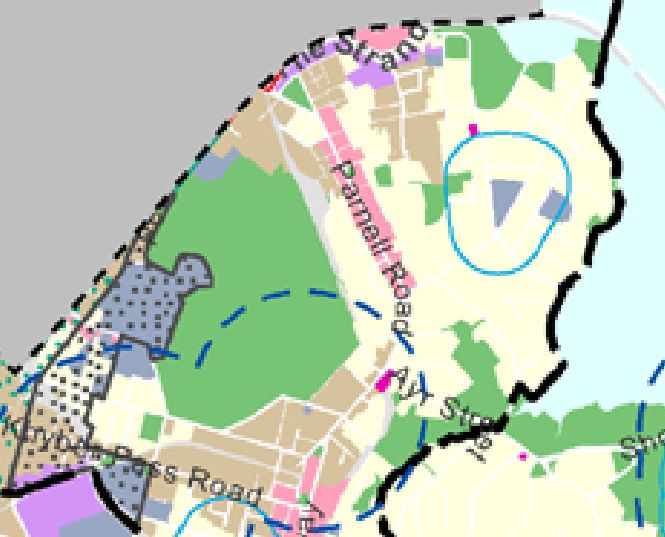
  Act
  2013


                                                                                                                                                                                                                                                                                                         AND


                                                                                                                                                                                                                                                                                                         IN
  THE
  MATTER
                                                                                                                                                              of
  Auckland
  Council
  Local

                                                                                                                                                                                                                                                                                                                                                                                                                                                                                            Approved
  Products
  Policy

                                                                                                                                                                                                                                                                                                                                                                                                                                                                                            (‘LAPP’)


                                                                                                                                SUBMISSION
  ON
  BEHALF
  OF
  PARNELL
  INC
MAY
IT
PLEASE
THE
COMMITTEE:
(1)
INTRODUCTION
1. This
Submission
is
made
on
behalf
of
the
Parnell
Inc,
which
is
Parnell’s
local
business
association
and
business
improvement
district.
2. The
objective
of
the
Association
is
to
ensure
a
great
Parnell
experience
for
shoppers
and
businesses
alike.
Previously
known
as
Parnell
Mainstreet,
Parnell
Inc.
currently
represents
over
500
businesses
along
Parnell
Road
and
Parnell
Rise.
The
Association
is
currently
in
the
process
of
doing
a
Boundary
Expansion
so
it
is
able
to
represent
and
support
all
businesses
in
the
Parnell
area.
It
will
then
include
3
business
nodes
in
Parnell
-‐
Parnell
Rise
and
Parnell
Rd,
St
Georges
Bay
Ave
and
Carlaw
Park.
(2)
BACKGROUND
3. The
Psychoactive
Substances
Act
2013
(the
‘Act’)
sets
a
regulatory
framework
for
the
manufacture
and
sale
of
psychoactive
substances.
4. Sections
66
to
69
of
the
Act
establish
the
regime
for
the
development
of
a
Local
Approved
Products
Policy
(‘LAPP’).
These
sections
of
the
Act
were
introduced
at
the
Parliamentary
Select
Committee
stage,
following
submissions
made
by
local
authorities.1
5. Of
note
is
the
section
of
the
Report
from
the
Select
Committee
on
the
Psychoactive
Substances
Bill
on
LAPPs:2
“Despite
advertising
restrictions
to
limit
advertising
to
the
inside
of
retail
premises
and
reduce
visibility
of
the
products
in
communities,
we
are
concerned
that
retail
outlets
might
be
situated
near
schools
or
in
other
places
considered
inappropriate
by
the
local
community.
We
therefore
recommend
making
provision
for
local
community
input
on
decisions
as
to
the
location
of
outlets,
including
a
requirement
to
have
regard
to
their
density,
by
inserting
clauses
61A,
61B,
and
61C.”
6. As
stated,
Parliament’s
concern
was
the
‘visibility’
of
the
premises
selling
these
products
from
sensitive
facilities
in
the
local
community.
7. Of
particular
note
is
68
of
the
Act,
which
is
set
out
below:
1
See,
for
example,
Submission
by
the
Manurewa
Action
Team
to
the
Health
Select
Committee
on
the
Psychoactive
Substances
Bill.
http://www.parliament.nz/resource/0001580415
2
Psychoactive
Substances
Bill
(Government
Bill)
as
reported
from
the
Health
Committee.
http://www.parliament.nz/resource/0001693197
2
68 Content of local approved products policy

                          A local approved products policy may include policies on 1 or more of the following
                          matters:
                           (a) the location of premises from which approved products may be sold by reference
                           to broad areas within the district:
                           (b) the location from which approved products may be sold by reference to
                           proximity to other premises from which approved products are sold within the
                           district:
                           (c) the location of premises from which approved products may be sold by reference
                           to proximity to premises or facilities of a particular kind or kinds within the district
                           (for example, kindergartens, early childhood centres, schools, places of worship, or
                           other community facilities).


       8. Accordingly,
  LAPPs
  may
  include
  policies
  on
  1
  or
  more
  of
  the
  following
  matters:


                 (a)
  the
  location
  of
  premises
  from
  which
  approved
  products
  may
  be
  sold

                 by
  reference
  to
  broad
  areas
  within
  the
  district;


                 (b)
  the
  location
  from
  which
  approved
  products
  may
  be
  sold
  by
  reference

                 to
   proximity
   to
   other
   premises
   from
   which
   approved
   products
   are
   sold

                 within
  the
  district;


                 (c)
  the
  location
  of
  premises
  from
  which
  approved
  products
  may
  be
  sold

                 by
  reference
  to
  proximity
  to
  premises
  or
  facilities
  of
  a
  particular
  kind
  or

                 kinds
   within
   the
   district
   (for
   example,
   kindergartens,
   early
   childhood

                 centres,
  schools,
  places
  of
  worship,
  or
  other
  community
  facilities).


       9. Of
  some
  concern
  is
  that
  the
  Auckland
  Council
  LAPP
  has
  not
  closely
  followed
  the

           provisions
   set
   out
   in
   section
   68(c)
   of
   the
   Act
   and
   has
   instead
   taken
   a
   different

           approach
  in
  its
  interpretation
  of
  section
  68.


       10. The
  Auckland
  Council
  LAPP
  seeks
  to
  prevent
  the
  sale
  of
  approved
  psychoactive

           substances
  in
  the
  following
  areas
  in
  Auckland:


                   a. high
  deprivation
  areas
  as
  defined
  by
  the
  Ministry
  of
  Health’s
  Deprivation

                      Index
  score
  of
  8,
  9
  or
  10
  indicating
  areas
  that
  fall
  in
  the
  bottom
  30%
  of

                      deprivation
  scores;

                   b. neighbourhood
  centers
  as
  defined
  by
  the
  draft
  Unitary
  Plan;

                   c. within
   500m
   of
   a
   residential
   mental
   health
   or
   addiction
   treatment

                      center;

                   d. small
   areas
   identified
   as
   restricted
   areas
   due
   to
   only
   being
   partially

                      covered
   by
   the
   census
   high
   deprivation
   areas
   and
   being
   in
   a
   high

                      deprivation
  area;
  and


                   e. areas
  of
  residential
  high
  deprivation
  in
  the
  city
  centre.


       11. As
   noted
   above,
   in
   our
   view,
   Parliament’s
   concern
   arose
   from
   the
   ‘visibility’
   of

           the
   premises
   selling
   these
   products
   from
   sensitive
   facilities
   in
   the
   local

           community.


       12. The
   Parliamentary
   Select
   Committee
   said
   that
   despite
   advertising
   restrictions

           that
  it
  was
  able
  to
  enact,
  to
  reduce
  the
  visibility
  of
  the
  products
  in
  communities,

           Parliament
   empowered
   councils
   through
   LAPPs
   to
   limit
   the
   location
   of
   premises

           from
   which
   products
   may
   be
   sold
   by
   reference
   to
   facilities
   such
   as

           kindergartens,
   early
   childhood
   centres,
   schools,
   places
   of
   worship,
   or
   other


                                                                                                                                                  3
community
   facilities).
   In
   our
   view,
   Parliament’s
   concern
   was
   the
   visibility
   of

           these
   premises
   from
   kindergartens,
   early
   childhood
   centres,
   schools,
   places
   of

           worship,
  or
  other
  community
  facilities.


       13. Parliament
   did
   not
   mention,
   when
   enacting
   these
   sections,
   that
   it
   intended
   the

           policies
   in
   LAPPs
   to
   limit
   the
   availability
   of
   these
   products
   to
   potential

           customers.
   As
   a
   consequence,
   we
   have
   some
   doubt
   that
   the
   approach
   taken
   by

           Auckland
  Council
  is
  in
  accordance
  with
  the
  Act.


       14. Despite
  Parliament
  explicitly
  mentioning
  kindergartens,
  early
  childhood
  centres,

           places
   of
   worship,
   and
   other
   community
   facilities,
   the
   Auckland
   LAPP
   does
   not

           identify
  these
  facilities.


       15. Parnell
   Inc
   believes
   that
   in
   taking
   this
   approach,
   Auckland
   Council
   appears
   to

           have
  misinterpreted
  the
  Act.


(3)
  SENSITIVE
  SITES
  IN
  PARNELL


       16. A
   selection
   from
   the
   Auckland
   Council
   Central
   LAPP
   map
   showing
   Parnell
   is

           shown
  below.


       17. Currently
  two
  sites
  are
  identified
  on
  the
  map.
  These
  are:


              •    ACG
  Parnell
  College
  (2
  Titoki
  Street
  and
  39
  George
  Street,
  Parnell)

              •    Parnell
  District
  School
  (48
  St
  Stephen’s
  Ave,
  Parnell)


                                                                                                                                    4
18. Having
regard
to
the
approach
taken
by
Auckland
Council,
Parnell
Inc
submits
that
the
Housing
New
Zealand
state
housing
on
Heather
Street
and
near
Fraser
Park
in
Parnell
is
an
area
of
high
density
social
housing
-‐
similar
to
that
in
the
City
Centre.
In
our
submission,
the
City
Centre
zone
should
be
extended
to
include
this
area
of
high
density
social
housing
in
Parnell
if
Auckland
Council
decides
to
continue
with
its
approach.
Our
local
crime
stats
reveal
that
much
of
the
crime
experienced
in
Parnell
emanates
from
these
apartments,
so
while
it
may
not
be
formally
classified
as
an
area
of
high
deprivation,
it
certainly
has
the
characteristics
of
such.
19. However,
having
regard
to
the
approach
we
believe
has
been
set
out
in
the
Act,
in
our
submission
the
following
sensitive
sites
should
be
identified
and
included
in
the
Parnell
section
of
the
LAPP
with
appropriate
buffers
of
200m:
a. Kindergarten
(12
Alberon
Place)
b. Places
of
Worship
(Holy
Trinity
(Cnr
Parnell
Road
and
St
Stephens
Avenue)
and
the
Selwyn
Chapel
(St
Stephens
Avenue))
c. Place
of
Worship
(Knox
Presbyterian
Church,
Birdwood
Crescent)
d. Place
of
Worship
(Catholic
Church
of
St
John
the
Baptist
(244
Parnell
Road))
e. Community
Facility
(Plunket
Room,
192
Parnell
Road)
f. Community
Facility
(545
Parnell
Road
(Jubilee
Building)
–
which
has
a
number
of
‘kiddies
programmes’,
day
care,
and
early
childhood
programmes)
(see
www.parnell.org.nz)
g. Neighbourhood
Centre
(cnr
of
Avon
Street
&
Gladstone
Road)
20. Finally,
as
an
aside,
the
establishment
of
a
City
Centre
zone
has
peculiar
effects
for
retail
outlets
previously
selling
psychoactive
substances
on
Karangahape
Road,
as
some
find
they
will
now
be
prohibited
from
doing
so
under
the
proposed
LAPP
because
they
fall
within
the
Auckland
Girl’s
Grammar
School
prohibition
zone,
while
others
will
find
themselves
permitted
to
sell
these
products
because
they
are
inside
the
City
Centre
zone.
21. Parnell
Inc
asks
to
be
heard
in
any
hearings
of
submissions.
By
and
on
behalf
of
Parnell
Inc
Cheryl
Adamson
General
Manager
5
You can also read


