SWEET 16 QUALITY OF LIFE PLAN 2018 - Anderson Impact Center
←
→
Page content transcription
If your browser does not render page correctly, please read the page content below
SWEET 16
QUALITY OF LIFE
PLAN
2018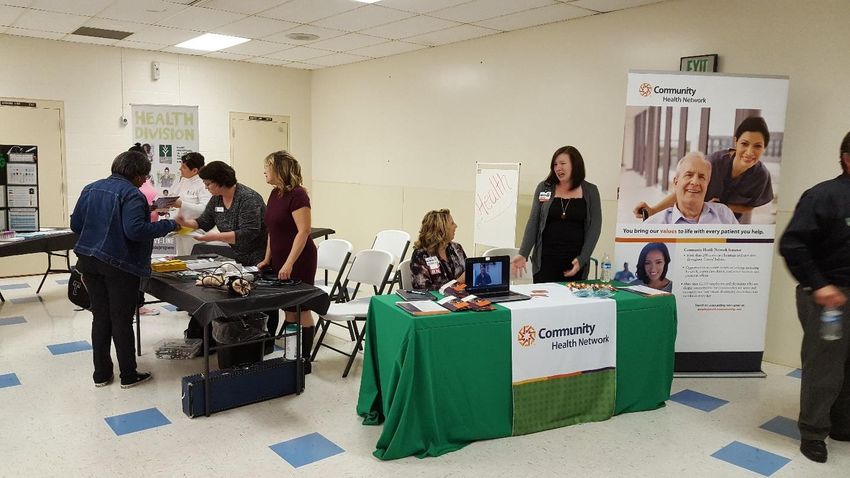
Backbone Organization – Anderson Impact Center

Community Partner – Vectren Foundation

Facilitator – Prosperity Indiana

Steering Committee Members:

Sherry Peak-Davis                  Beth Erskine                 Levi Rinker
Monique Flores                     Karen Hemberger              Tonia Simpson
Carl Caldwell                      Lelia Kelley                 Karen Soetenga
Sally DeVoe                        Annette Phillips             Eli Whitesel

Working Group Members:

Transportation and                 Education and Job Training   Karen Soetenga
Infrastructure                     Claire Berger                Jennifer Davisson
Elijah Whitesel                    Mary Baker                   Shane Bivens
Karen Soetenga                     Rodney Chamberlain           John Clemons
Ryan Phelps                        Betty Chamberlain            Tom Steiner
Bobby Wertman                      Andrea Faye Barber           Dewayne Landwehr
Perry Washington                   Shelly DeLong                Sherry Peak-Davis
Kim Townsend                       Sally DeVoe
                                   Lelia Kelley                 Housing
Health and Safety                  Sherry Peak-Davis            Rev. Ray Wilkins
Karen Finnigan                     Perry Washington             Lelia Kelley
Mike Casuscelli                                                 Karl Graddy
Rev. Ray Wilkins                   Business Development         Charles Weatherly
Ruthie Smith                       Ben Orcutt                   Annette Phillips
Elijah Whitesel                    Dirk Webb                    Kellie Kelley
                                   Daniel Courtney              Kim Townsend

                                                                                    1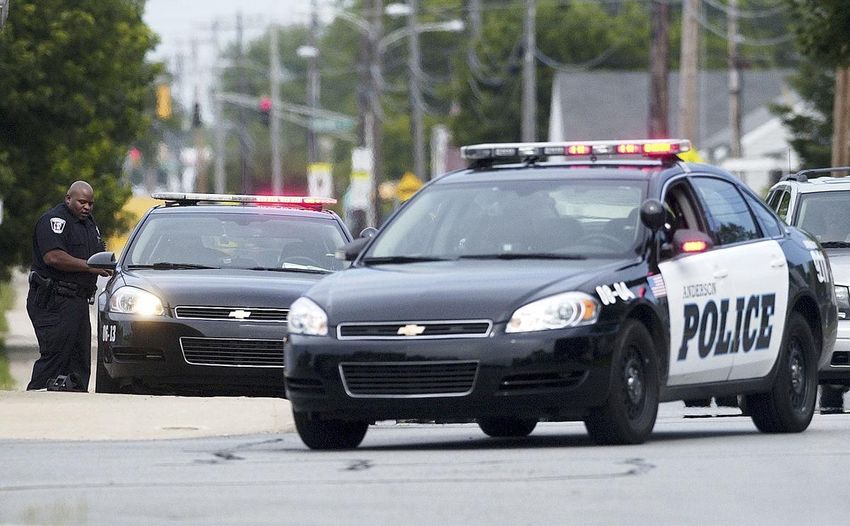
How the work began…
The Vectren Foundation is deeply committed to supporting local initiatives that bring people,
organizations and talent together to revitalize the communities it serves. As part of this effort, the near
west side of Anderson was targeted for a quality of life planning effort. The Vectren Foundation funded
the work of Prosperity Indiana in engaging with residents, stakeholders, and leaders in Anderson to
define neighborhood boundaries, name the neighborhood, and engage in an intentional process of
planning to improve the quality of life in the area.

After a community summit, Prosperity Indiana and the Vectren Foundation asked for local organizations
that would be interested in serving as the backbone organization for the project and the Anderson
Impact Center, located in the area identified by stakeholders, was selected.

Once a steering committee was identified and trained on the one-on-one interview process for engaging
residents and stakeholders, the process was underway. More than 65 interviews were conducted in 90
days. A report back session, where the findings of the interviews were presented, was held May 4, 2017
at The Anderson Impact Center. A vision was created for the neighborhood and 5 working groups
started developing goals and action plans with support from the Impact Center and Prosperity Indiana.
The Sweet 16 Plan is the result of the effort of the working groups and the “end of the beginning” of the
process, moving from thinking about quality of life in the neighborhood to implementing the plan to
achieve the vision.

Defining the Sweet 16
During the Community Conversation, groups mapped the area generally west of downtown that they
believed should be included in the neighborhood planning process. Prosperity Indiana used these maps
to propose an area, which was later refined by the steering committee. Over time, the steering
committee chose the name Sweet 16 – a name that references both the zip code of the area (46016)
and gives nod to the area’s connection to Indiana’s rich high school basketball tradition and history.

The former Anderson High School basketball arena, known as “The Wigwam” still sits in the
neighborhood and is part of a revitalization and reuse project for the former high school site. The
original arena hosted the NBA's Anderson Packers from 1949 to 1950. It burned down in 1958. The
replacement arena opened up in November 1961 and has a capacity of 8,996. It was the second largest
high school basketball arena, after New Castle Fieldhouse in New Castle, Indiana. Before the
construction of Market Square Arena (and then Bankers Life Fieldhouse), the Indiana Pacers played
several games at the Wigwam.
Source 1: Chris Bergin for the New York Times

The 46016 ZIP code area is larger than the neighborhood plan area, extending east of the neighborhood
and north. The Sweet 16 area is centrally located and positioned just minutes from downtown
Anderson. It is an area that is 1.85 square miles that begins at Raible Avenue and continues South along
29th Street, East along Brown/Delaware Street and North along 10th Street. Included in the Sweet 16
area are 40 plus businesses, schools, churches, organizations and residential properties.

                                                                                                    1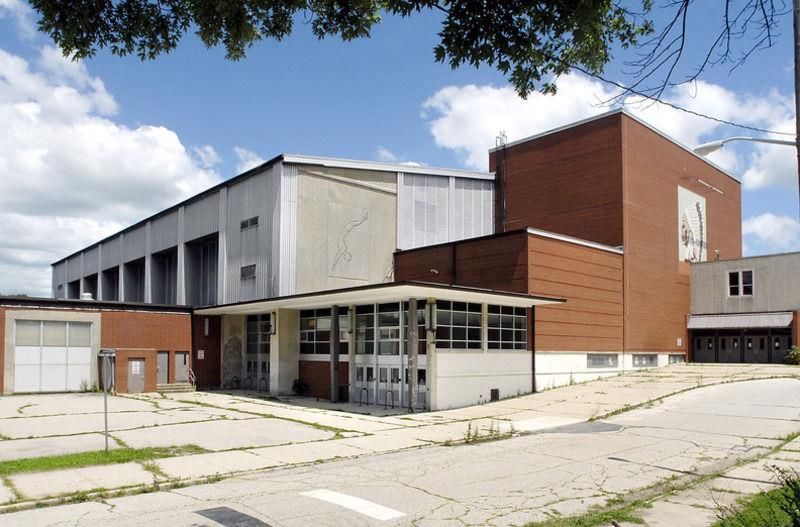
What We Said About Our Neighborhood
Members of the Sweet 16 Action Plan Steering Committee began conducting numerous one-on-one
listening sessions with pertinent leaders and members of the community in July 2016. The purpose was
to discover what the people who live, work and spend time in the neighborhood see as the strengths,
weaknesses, threats and opportunities of the area. The summary of those conversations was presented
at a Report Back in May 2017.

   •   Dedicated homeowners, many of who are second generation residents, who watch out for
       neighbors and care about their property.
   •   There are several organizations, churches and schools that offer recreational and mentoring
       programs for youth in the neighborhood.
   •   There are several long-standing businesses in the neighborhood and surrounding areas.
   •   There is police presence and substance abuse programs located in the neighborhood.
   •   School facilities are being updated and now focusing more on programming for families.
   •   There are employers in the area who have remained in the neighborhood.

   •   There are issues with some of the properties and property owners within the Sweet 16 area.
   •   Lack of offerings from the business sector is of concern.
   •   The overabundance of availability and access to drugs and alcohol poses as a weakness for the
       Sweet 16 area.
   •   The quality of public schools academics, career, technology and fine arts programs are not as
       strong as in neighboring communities and other states.
   •   The loss of businesses/commercial organizations and manufacturing jobs in the surrounding
       neighborhood has significantly decreased the labor pool’s employment opportunities.
   •   The lack of programs and services available for youth and parents was often mentioned.

   •   There’s potential for increased vitality with beautification through building infrastructure and
       facilities for children and families to use, which the community would take pride in and not
       vandalize.
   •   There is a need to provide more opportunities for youth.
   •   Interviewees expressed a clear desire to see the development of the business district within The
       Sweet 16 area.
   •   Jobs are opening up.
   •   There is an opportunity to come together to strengthen education for our youth and foster
       professional enrichment for the younger adults.
   •   There is a real need to provide better/safer neighborhood parks and other areas for children.

                                                                                                     2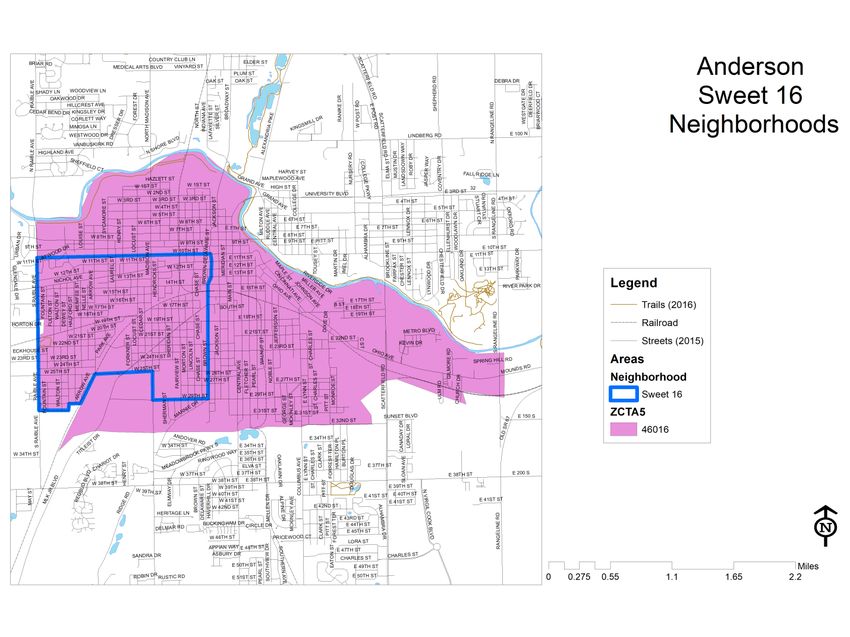
•   There is a large number of abandoned and uncared for homes and blight throughout the
    neighborhood that scares investors away.
•   Because of lack of jobs/activities for youth they are getting involved in things they shouldn't.
    Youth have no hope and are apathetic.
•   A major threat to the community is the lack of middle skills jobs that provide a career for
    individuals along with decent pay, retirement and long-term pride in their work.
•   Another threat is the lack of education to help improve employment.
•   Empty buildings and storefronts in the Sweet 16 area are viewed as the main threat for the area.
•   Crime and perceived crime in surrounding areas were also listed as a threat to the area.

                                                                                               3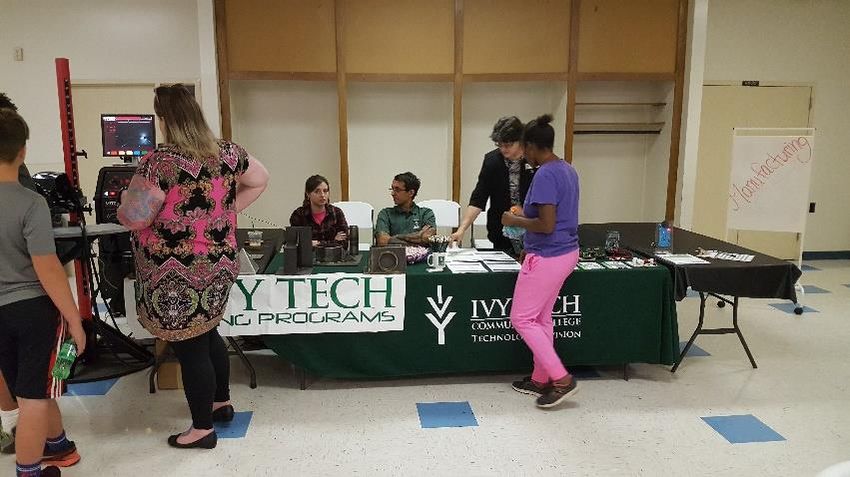
A Vision for the Future Sweet 16
Anderson’s Sweet 16 neighborhood is a community of choice for people of all ages. It’s a beautiful area
to live and work, with well-maintained homes and green spaces. Bike and walking paths encourage
residents to enjoy the area parks, and residents and visitors feel safe and enjoy the neighborly
atmosphere. Children and youth have access to educational and recreational opportunities that prepare
them for their futures, and people of all ages have access to healthcare services. Education extends
through job training programs, creating a prepared workforce ready to take advantage of neighborhood
and surrounding jobs. Entrepreneurs and business owners in Sweet 16 also have the resources to grow
and expand local businesses, particularly along the Nichol Avenue corridor, adding new restaurants,
shops, and a grocery store that serve the neighborhood. Strong infrastructure and transportation options
make it easy to access jobs, education, and recreation. Residents take pride in their community and work
together to create a thriving Sweet 16.

                                                                                                   4
The Blueprint
To bring the vision to life, working groups formed to develop the goals and action plans that will carry
the work through implementation and make progress toward achieving the vision. The plan is generally
a five-year plan, with the understanding that to fully live into the vision will take longer. Each topical
area developed SMAART (specific, measureable, aggressive yet achievable, relevant, and timebound)
goals as well as action plans to support each goal. These goals and action plans, along with supporting
data, provide the basis for the blueprint.
Transportation and Infrastructure
Transportation and infrastructure systems are the “bones” of a neighborhood, supporting access to
property, movement of people and goods, access to clean water and sanitation, and a means of
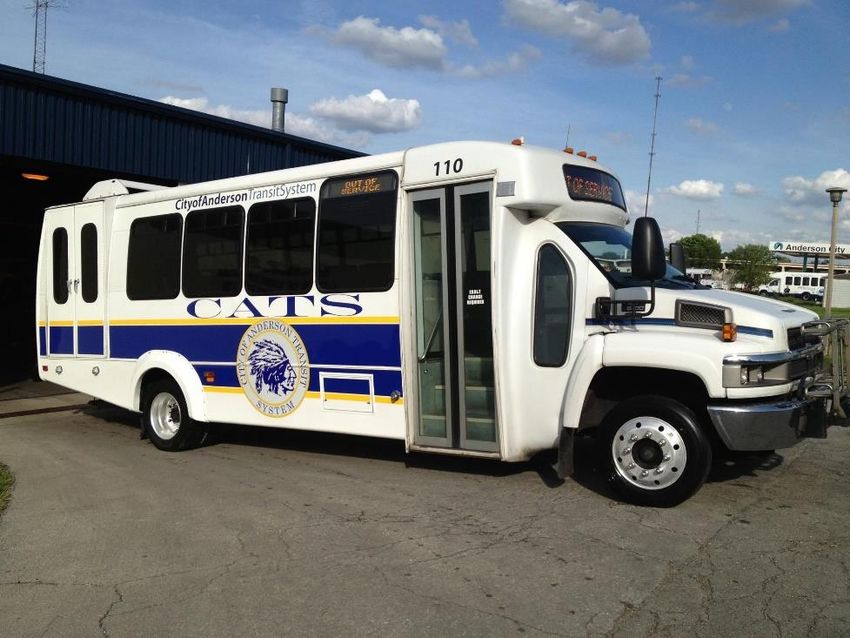
engaging in recreation and fitness. These goals are centered around the CATS bus system and
transportation choice and increasing physical activity.
Goal T1: Improve transportation options in the neighborhood, connecting people to jobs and services,
by improving bus route signage and shelters, making the bus system a more desirable transportation
choice and increasing ridership on neighborhood routes by 10% in three years.
Source 2: CATS bus
Supporting information:
• According to the American Communities Survey estimates 42 people in 46016 took public
transportation to work in 2016.
• A new transportation center is planned for CATS that will benefit the entire CATS network, work
should begin in 2018.
• The 2016 CATS budget was $2.51 million.
5• CATS made 233,796 trips in 2016.
• Unlimited monthly passes for CATS (regular price) are $24
• Clean Zone Marketing in Fishers handles bus and shelter marketing. The shelters are not owned
by CATS or the City of Anderson.
Action Responsible Timeline Performance Baseline data
Party Measure
Route Signage
Inventory the Transportation & Q 1 2018 Number and None
existing signage in Infrastructure location of signs
the Sweet 16 Group with CATS
neighborhood
Identify preferred CATS Q 1 2018 Cost estimate for None
signs/locations and sign
develop cost replacement/
estimate installation
Budget for CATS 2019-2021 Budget for 1/3 None
replacement sign replacement
in annual budget
2018-2020
Install signs CATS 2019-2021 1/3 signs None
replaced each
year
Bus Shelters
Inventory the Transportation & Q 1 2018 Number and None
existing shelters in Infrastructure location of
the Sweet 16 Group shelters
neighborhood
Identification of
shelters on/off
current bus
routes
Engage with CATS Q2 2018 Agreement on None
Burkhardt about bus program
shelter program improvements or
termination
Identify preferred Transportation & Q2 2018 Map of preferred None
locations for bus Infrastructure locations
shelters Group
Identify preferred Transportation & Q3 2018 Amenity list per None
shelter amenities for Infrastructure location
each location Group
Develop a cost CATS Q4 2018 Cost estimate and None
estimate for funding proposal
recommended
shelter
improvements
6Develop CATS Q1 2019 Agreement None
funding/replacement
and management
plan with Burkhardt
or a new shelter
program
Implementation of CATS 2020 New (or None
the program improved)
shelters installed,
old shelters
removed
Ongoing CATS Ongoing Trash/weeds None
maintenance removed weekly
Shelters washed
monthly
Snow removed as
needed
Advocacy
Advocate for Transportation At least 12
implementation of and residents from
the transit center Infrastructure Sweet 16 engage
project Group CATS and the City
of Anderson in
supporting the
transit center
Communicate how MPO Ongoing At least one PSA July 1 Census
the federal budget developed about Estimate
and policy decisions how federal population:
could impact funding connects 55,130,
Anderson’s federal to population size approximately
funding, especially 2% loss since
with smaller 2010
population
Ridership
Track CATS Monthly 10% ridership 2017 monthly
monthly/annual increase by 2023 ridership
ridership numbers (needed)
on all routes
7Goal T2: Improve the desirability and safety of walking and biking in the neighborhood to increase
transportation choice and physical activity, with at least 25% of residents identifying that they walk or
bike in the neighborhood at least weekly March through November.
Source 2: The Herald Bulletin
Supporting information:
• According to the American Communities Survey estimates 208 people in 46016 walked to work.
• The population of 46016 is 18,207. 25% of residents would be 4,551.
• The population over age 16 is 14,001, of those 53% (7,420) are in the labor force. 25% of the
labor force would be 1,855.
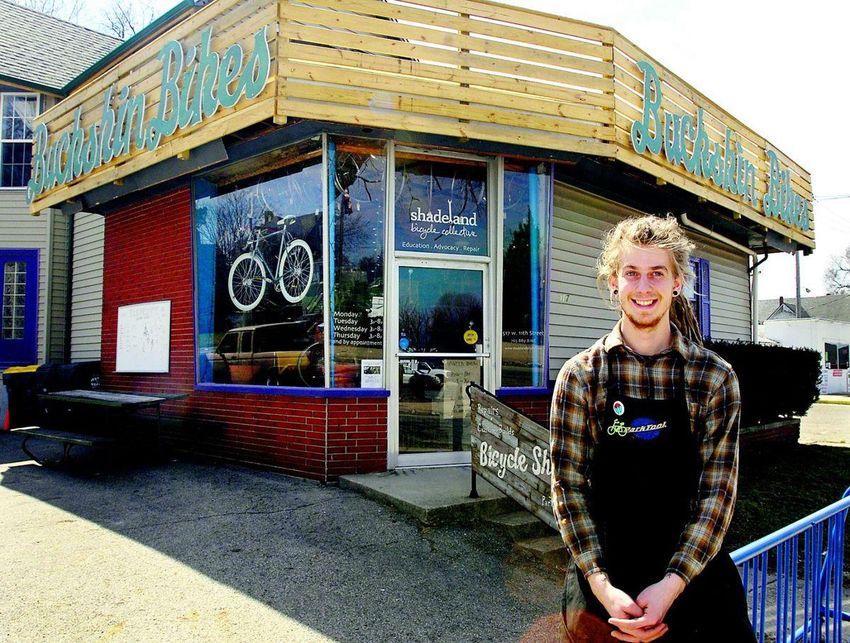
• Buckskin Bikes is in the Sweet 16 neighborhood.
8Action Responsible Timeline Performance Baseline data
Party Measure
Wayfinding
Engage A Town Arts Transportation Q1 2018 A Town Arts None
in developing the and agrees to
wayfinding program Infrastructure participate in the
Group program
Identify destinations Transportation Q1 2018 At least 12 None
to include in the and destinations
wayfinding signage Infrastructure identified
program Group
Develop a signage A Town Arts Q2 2018 Signage program None
system approved by
participating
organizations
Identify preferred Transportation Q3 2018 Map of sign None
locations and and information with
information for each Infrastructure detailed
sign Group specifications
Develop a cost Transportation Q4 2018 Cost estimate None
estimate for the and
signage program Infrastructure
Group
Identify a funding Transportation Q4 2018 Project 100% None
source (or and funded by Q2
crowdfund) Infrastructure 2019
Group
Install and maintain Transportation Q2 2019 and Signs installed None
signs and ongoing
Infrastructure Mechanism for
Group reporting sign
problems
9Walking Improvements
Inventory existing Transportation Q1 2018 Map, condition None
crosswalks in the and notes, and photos
neighborhood Infrastructure
Group
Engage the City of A Town Arts Q1 2018 Approval to None
Anderson in repaint
conversation about crosswalks with
resident-led art and approved
crosswalk design/materials
improvements
Organize resident A Town Arts Q2 2018 At least 50% of None
and artist groups to crosswalks are
paint approved improved
crosswalks
Develop a public art A Town Arts 2020 At least one None
program for the public art
Sweet 16 installation in the
neighborhood, neighborhood
including funding for
art creation and
installation
Bikeways Improvements
Inventory existing Transportation Q1 2018 Map and sign None
Lenape bikeway and descriptions
signage Infrastructure
Group
Use low-cost Transportation Q2 2018 Test at least 5 Rider counts (if
temporary signs and signs on Lenape available)
showing bike Infrastructure Bikeway
distance/time to Group
destinations
Identify additional Transportation Q2 2018 Map and sign None
needed signs and and descriptions
locations including Infrastructure
“Bikes May Use Full Group
Lane” signs
Develop a cost Transportation Q2 2018 Cost estimate None
estimate and and
identify a funding Infrastructure 100% of funding
source Group secured
Implement the Transportation Q1 2019 Signs installed None
signage program and
Infrastructure Lane markings
Group installed (as
appropriate)
10Road Diets
Work with the City Transportation Q1 2018 City agreement List of high
of Anderson to and on locations suitability road
determine feasibility Infrastructure segments (see
of low barrier road Group below)
diets to add bike
lanes
Test proposed road Transportation Q2 2018 At least one None
diets with and tactical urbanism
temporary solutions Infrastructure road diet test of
(tactical urbanism Group at least a few
strategies) hours
Engineering City of Anderson Q2 2018 Engineering None
drawings for drawings for at
selected road diet least 5 routes
reconfigurations
Schedule for City of Anderson Q2 2018 Schedule for at None
reconfiguration least 5 routes
Public information MPO 2018 TBD None
program on road
diets and bike lanes
Implementation of City of Anderson Q1 2019 At least 5 routes Traffic counts
reconfiguration are reconfigured before changes
for bike lanes
Number of
Number of lane parking spaces
miles of new bike before changes
lanes
Evaluation of
pre/post change
traffic counts,
parking spaces
Impact
Conduct a brief Transportation Annual beginning Residents biking 2018 survey
survey of residents and in Q4 2017 and walking (needed)
including a question Infrastructure weekly reaches
about how often Group 25% by 2020
they bike/walk in
the neighborhood
11High Suitability Road Diet Segments:
• MLK Blvd from 38th to Brown Street
• Raible Ave from Highland Ave to 17th Street
• Nichol Ave from Park Rd to Brown/Delaware
• Arrow Ave from Nichol Ave to 14th St
• Brown-Delaware/Brown St from Jackson St to MLK Blvd
• 12th St from John St to Brown/Delaware
• 14th/SR 32 from Arrow Ave to Brown/Delaware
• 19th St from MLK Blvd to Jackson St
• 29th St from MLK Blvd to Brown St
12Goal T3: Reallocate the CATS budget by 2019 to focus on local funds for operations and federal funds
for capital improvements to maximize leverage of federal funds and increase resources available for
system improvements that support transit use to connect residents to jobs and services.
Supporting information:
• The Madison County Council of Governments, which serves as the Metropolitan Planning
Organization for Anderson and Madison County, has identified a way to reallocate the CATS
budget to leverage federal funds more effectively.
Action Responsible Timeline Performance Baseline data
Party Measure
Engage CATS in MPO Q1 2018 Interest in CATS 2017
conversation about continuing the budget
budget and conversation
leveraging federal Sample budget
funds maximizing
leverage
Public meetings CATS Q3 2018 At least two Publication of
about budget, public meetings notices per
federal resources, held, at least one Public
and opportunities in Sweet 16 Participation
neighborhood Plan
2019 budget shifts CATS Q3 2018 Budget adopted None
local match to
better leverage
federal funds
Capital projects CATS Q3 2018 Projects None
identified using integrated into
additional resources budget
Evaluate impact CATS Q3 2020 Investment in None
capital
improvements
Federal funds
leveraged
The CATS public participation plan is available at
https://www.cityofanderson.com/DocumentCenter/View/1012
13Housing
Neighborhoods are comprised of people, and people living in the houses of the neighborhood are the
greatest asset a neighborhood can have. The changing economy and the housing market collapse left
some vacant, abandoned, or foreclosed properties in the neighborhood. The city works on demolishing
unsafe structures, but there is need for investment in the housing stock to provide safe, decent,
affordable housing to a range of people
Goal H1: Increase pride and beauty in the Sweet 16 are by cleaning up the neighborhood regularly and
working with the city to reduce blighted properties by 25% by 2023.
Supporting information:
• The city uses federal funds to demolish unsafe housing units.
• The process to demolish a housing unit can be lengthy to protect the property rights of
individuals.
Action Responsible Party Timeline Performance Baseline data
Measure
Coordinate a Community May 2018 Sweet 16 Cleanup
community wide Development representative committee
clean up in a target participates in starts meeting
area of Sweet 16 Churches (New city-wide cleanup in February each
Hope) planning year
Quality of Life
Steering Committee
Neighborhood
Community
Corrections
Organize a Encourage the city May 2018 Commitment of Citywide
neighborhood to develop a 50 volunteers to cleanups are
volunteer team to neighborhood recruit people for held annually
help with cleanups cleanup initiative in cleanup
and act as a liaison Sweet 16 as a part
to the city of the city-wide
cleanup
14Create mowing Department of 2018 Program None
programs involving Corrections established
youth and the
Department of Churches (New 50 yards mowed
Corrections Hope) in first year
Saving The Next 25 youth
Generation participants
Second Chance
Youth Foundation
Housing Committee
Engage the Housing Committee 2018 Enlist 2 None
community community
corrections Quality of Life corrections
program to remove Steering Committee programs to
trash in the assist in
neighborhood neighborhood
including alcohol cleanup activities
and drug
paraphernalia
15Goal H2: Engage the city and key landlords in rental property maintenance activities beginning in
2019.
Supporting information:
• There are 10,024 housing units in 46016, and 4,120 (41%) are renter occupied. (American
Communities Survey - ACS)
• There are 2,598 vacant housing units. 469 of those are for rent. 31 are rented, but not occupied.
Action Responsible Party Timeline Performance Baseline
Measure data
Enforce landlords’ maintenance of Code 2019 Two code None
rental housing through concentrated Enforcement enforcement
code enforcement sweeps sweeps
Neighborhood
Anderson
Municipal
Development
Community
Advocates
Increase awareness of the city’s Impact Center 2018 Number of FB None
online reporting tool at post likes
http://cityofanderson.com/requestt regarding the
racker.aspx reporting tool
Poster in the
lobby at Impact
Center
Business cards
with URL
available at
Impact Center
and City Hall
Increase awareness of fair housing Human Relations Ongoing Fair Housing None
rights and responsibilities among Department-Fair Conference/
landlords and tenants Housing Coalition workshops and
outreach
Increase awareness of roles and Community Ongoing None
responsibilities between landlords Development
and tenants through
Housing Counseling Program PathStone
Fair Housing Conference/Workshops
Fair Housing
Coalition
16Goal H3: Increase participation in homeowner repair programs for low-income, elderly, and disabled
residents who need assistance with home repairs, assisting 30 households per year beginning in 2019.
Supporting information:
• There are 10,024 housing units in 46016, of them 3,306 (33%) are owner occupied. (ACS)
• Of the 2,598 vacant housing units 33 are sold but not occupied. (ACS)
• Most of the homes in 46016 are single-family detached houses. (ACS)
• Many of the houses in 46016 were built before 1940 (4,066), and most of the rest were built in
the 1940s (1,330) and 1950s (1,393). (ACS)
• Of homeowners with a mortgage, 46% spent more than 30% of their income on housing, while
35% spent at least 35% of their income on housing. (ACS)
• 2,615 resident sin Sweet 16 have an ambulatory (physical mobility) difficulty. More than 450 of
them are over age 75. (ACS)
Action Responsible Party Timeline Performance Baseline data
Measure
Assist existing low- Anderson 2018-2022 4 households in City will assist
income Community 46016 approximately 4
homeowners with Development assisted per year LMI households
needed repairs in qualified
JobSource Census tracts
each year
Work with Local Churches 2019-2023 Recruit 5 None
churches and other churches to assist
community Quality of Life 4 households
organizations to Steering Committee each per year
form program and
recruit volunteers Community
to assist Development will
homeowners with assist to create a
repairs. home savers
program through
Faith-based
initiatives
17Goal H4: Rehab or develop 54 units of rental housing affordable to low- and moderate-income
households by 2025.
Source 3: The Herald Bulletin
Supporting information:
• The median household income in 46016 is $25,898. (ACS)
• The median gross rent is $651 per month. (ACS)
• Nearly 55% of renters spend more than 30% of their household income on housing. (ACS)
• More than 40% of renters spend 35% or more of their household income on housing. (ACS)
Action Responsible Party Timeline Performance Baseline data
Measure
Develop 44 units of BWI 2019 44 one-bedroom BWI awarded
affordable rental apartments $1,083,424 in
housing at the Section 42 tax
Fieldhouse credits and
$765,000 from
the Housing
Trust Fund for
the Fieldhouse
development in
2017
18Develop 4 multi- PathStone 2019 100% of units None
family housing occupied by
units for low/mod people below
income rental 60% of AMI
Conduct a tour of Anderson 2018 20 people None
existing housing Community participate in the
and assess needs Development tour
and share
successful project Human Relations-
models Fair Housing
Coalition
PathStone
Partner with a JobSource 2022 6 units of Area Median
developer to rehab new/rehabbed Household
or develop 6 single rental housing for Income for
housing units for people under 46016 is
low/mod income 80% AMI $25,116
rental
City-wide the
Area Median
Income is
$33,644
Half of
households in
46016 have
incomes below
80% of the city
AMI
Rehab 6 single JobSource 2022 6 units single- Area Median
family units for family rental Household
low/mod income housing for Income for
rentals people under 46016 is
80% AMI $25,116
Develop a Scholar PathStone 2021 5 participants in None
Housing Rental the program
Rehab Program – Impact Center
rehab homes near
AIC and Excel for Anderson
their students and Community
families working Development
with other orgs and Anderson Housing
churches Authority
Goodwill-Potential
19Goal H5: Increase homeownership in the Sweet 16 by 10% by 2025.
Supporting information:
• There are 10,024 housing units in 46016, of them 3,306 (33%) are owner occupied. (ACS)
• Female-headed households (no husband present) are 10% more likely to be renters than male-
headed households (no wife present). (ACS)
Action Responsible Party Timeline Performance Baseline data
Measure
Increase PathStone 2018 10% more Participants in
participation in participants in 2017 (needed)
financial Anderson financial literacy
literacy/credit Community programs
repair programs by Development
10%
Prosperity Indiana
Rehabilitate 2 PathStone 2022 Financing (and 9,918 housing
homes for sale to subsidy) secured units in 46016
first-time Down Payment for rehab
homebuyers Assistance- 7,376 occupied
Anderson Rehab of 2 housing units in
Community homes complete 46016; 2,542
Development vacant housing
2 first-time units
Anderson homebuyers
Community Schools purchase 1,752 units are
rehabbed vacant for
JobSource housing reasons other
than for sale, for
rent, or for
seasonal use
40% of occupied
housing units
were built prior
to 1940
69% of occupied
housing units
are single-family
detached homes
69% of occupied
housing units
have 2-3
bedrooms
203,302 homes are
owner-occupied
(48% of
occupied)
Demolish 10 Potential Partners: 2022 10 houses 2,542 vacant
vacant/abandoned City of Anderson demolished housing units in
housing units for Blight Elimination 46016
redevelopment Program Property
City of Anderson sold/transferred 1,752 units are
Municipal for development vacant for
Development & reasons other
Community than for sale, for
Development rent, or for
City of Anderson seasonal use
Community
Development
Corporation
Develop 7 new Habitat 2022 Sites identified 40% of occupied
homes for owner- (15) housing units
occupancy in Sweet Anderson were built prior
16 neighborhood Community Schools Owners to 1940
identified (15)
JobSource
Homes built (15)
Closing on sales
(15)
Provide down- Anderson 2023 Downpayment Median home
payment assistance Community assistance value in 46016 is
to 7 first-time Development provided for $40,100
homebuyers in purchase of 15
Sweet 16 PathStone homes in Sweet FHA 6% down
neighborhood 16 payment is
Federal Home $2,400 on
Loan Bank median value
home
21Goal H6: Educate landlords on fair housing and criminal records.
Supporting information:
• Fair housing laws apply to public and private housing and housing transactions.
• Generally fair housing applies to people in protected classes: race, religion, national origin,
disability, gender, and family status. However, discrimination against people in other classes
(former felons) may disproportionately impact people in protected classes.
Action Responsible Party Timeline Performance Baseline data
Measure
Educate landlords Drug Intervention 2018 10 clients with None
on fair housing, Task Force records secure
criminals records, housing
and activities about Anderson Housing
HUD guidance on Authority
criminal records
and renters
Educate HUD Drug Intervention 2018 10 clients with None
program Task Force records secure
participating housing
landlords on fair Anderson Housing
housing, criminal Authority
records and renters
22Health and Safety
The ZIP code where a person lives is the greatest determinant of their health outcomes. Addressing
safety and health conditions in the 46016 is a way to improve social and economic well-being.
Goal S1: Develop a neighborhood watch group to provide education, prevention, and intervention
services to reduce the number of drug-related crimes and arrests in Sweet 16 by 25% by 2020.
Source 4: The Herald Bulletin
Supporting information:
• Anderson Police Department reported 21 violent crimes, 174 non-violent crimes, and 4 thefts in
2016 for the area that most closely aligns with the Sweet 16.
• The Robert Wood Johnson Foundation reported 23 drug overdose deaths in their 2017 report of
health statistics in Madison County.
• Anderson has a neighborhood crime watch program out of their Community Policing Office
Action Responsible Timeline Performance Baseline data
Party Measure
Mitigating Neighborhood Effects
Establish a robust Health and Safety 2018 Neighborhood None
neighborhood watch Group watch formed
program in with at least 15
collaboration with resident
the Anderson Police participants
Department
23Drug Prevention, Intervention and Education
Inventory and Health and Safety 2018 Inventory of None
coordinate existing Group resources
resources
Identify gaps in the Health and Safety 2018 Gap analysis None
prevention system Group
Create a drug use Health and Safety 2018 Quarterly None
prevention task Group meetings
force
Develop a work plan Health and Safety 2018 Work Plan None
for preventing drug Group
use targeted to the
Sweet 16 population
24Goal S2: Raise awareness of diabetes prevention and management resources available in the
neighborhood among residents, employers, and places of worship through a coordinated information
campaign reaching at least 250 residents with at least 50 residents per year receiving a diabetes risk
assessment or diagnostic testing and at least 10 additional residents per year receiving diabetes
education and engaging in physical activity.
Supporting information:
• According to the Centers for Disease Control (CDC), the incidence of diabetes in Madison County
grew from 9% to 12.4 % between 2004 and 2009, but then declined to 12.1% by 2013.
• Similarly, the prevalence of obesity increased from 25% to 36.8% between 1004 and 2009, then
decreased to 33.4% in 2013.
• Leisure time physical activity has followed a similar trend, increasing between 2004 and 2009m
but then decreasing to 26% in 2013.
Action Responsible Timeline Performance Baseline data
Party Measure
Identify resources Health and Safety Q1 2018 Resource list None
available in Sweet Committee
16 neighborhood for
diabetes
Host risk screening Community 2018 50 people None
in Sweet 16 Wellness complete risk
Cooperative assessment
Coordinate a Community Q2 2018 10 participants None
walking group and Wellness for at least 8
steps challenge or Cooperative weeks
physical activity
challenge for
competition in
Sweet 16
neighborhood
Host bike skills Buckskin Bikes Q2 2018 At least one clinic None
clinics and with at least 6
coordinate a no- Community participants
drop group ride in Wellness and 10
the neighborhood Cooperative participants for
bike ride for at
least 8 weeks
Create a steps YMCA 2018 10 participants None
challenge or physical
activity challenge
competition for
people in DPP
programs
25Business Development
Goal B1: Improve communication about business activity and plans to help residents connect with the
information that is available to the community.
Supporting information:
• According to the 2015 County Business Patterns (CBP) from the Census, there are 472 business
establishments in 46016 with 6,196 employees.
• Non-employer establishments aren’t included as business establishments. These are businesses
with no employees that are not family members or owners of the business.
Action Responsible Party Timeline Performance Baseline data
Measure
Host community Impact Center Q2 2018 50 residents 46016
meeting to rally participate population:
Sweet 16 18,221
neighborhood
74% over age 18
11% over 65
Schedule regular Impact Center Q3 2018 25 residents None
Sweet 16 participate
neighborhood
meetings to inform
Sweet 16
neighborhood
about
developments
Develop Impact Center Q1 2018 Webpage # of FB likes
communication launched (needed)
tool to inform
and/or engage 250 Facebook
neighborhood “likes”
residents
250 Twitter
followers
250 Instagram
followers
Post events, job Impact Center Q1 2018 Weekly updates None
openings, and
zoning cases on
web and social
media sites weekly
Gather list of Madison County Q2 2018 Lists provided to None
businesses within Council of working group
46016 Governments
26neighborhood Indiana Small
(historical and Business
present) Development
Center
Goal B2: Strengthen businesses located within the Sweet 16 neighborhood through an active business
group with at least ten members.
Supporting information:
• The Service Core of Retired Executives (SCORE) is a national program with a local presence of
retired business people who engage with businesses to help them be successful.
• The Indiana Small Business Development Center (ISBDC) is a state agency that supports
development of small businesses in local communities.
Action Responsible Party Timeline Performance Baseline data
Measure
Revive “Westside Impact Center Q3 2018 Organizational None
Business Group” meeting with at
and establish a Indiana Small least 20
group of business Business participants
leaders to engage Development
residents, Center 10 participants by
businesses, the third regular
organizations, and meeting
governmental
entities
Connect businesses Westside Business Q4 2018 1 presentation None
to local resources Group per regular
(SCORE, ISBDC, meeting
Bankable) through
presentations and
information
provided to
business group
participants
Create business SCORE Q1 2019 Host one meeting None
owners’ roundtable per quarter
discussion Indiana Small devoted to
Business business owners
Development discussing topics
Center among
themselves
27Identify contact Mayor’s office Q2 2018 City liaison None
person to serve as present at each
City of Anderson meeting
liaison to help
streamline
communication
Communicate tax City liaison Annually One meeting per None
incentives for small year dedicated to
business and the an update on tax
rezoning process programs and
for commercial use commercial
zoning/permitting
Goal B3: Develop and strengthen the entrepreneurship base within the Sweet 16 neighborhood, with
at least five new startups by 2020.
Supporting information:
• 240 business establishments in 46016 had 1-4 employees. (CBP)
Action Responsible Party Timeline Performance Baseline data
Measure
Conduct survey on Impact Center Q1 2018 # of survey None
entrepreneurship responses
needs Indiana Small
Business
Development
Center
Gather list of Impact Center Q1 2018 List available None
support for
entrepreneurship
Connect Impact Center Ongoing # of contacts/ None
entrepreneurs to referrals made
local resources
(SCORE, ISBDC,
Bankable)
Support JobSource Ongoing # of joint None
entrepreneurial activities
activity at the Impact Center
Talent
Development
Center through
information sharing
and networking
28Provide business SCORE Q1 2018 # of participants None
and in workshop
entrepreneurship Indiana Small
education and Business # of participants
training Development in roundtables
Center
Goal B4: Connect entrepreneurs to appropriate funding mechanisms/sources assisting at least 10
Sweet 16 entrepreneurs by 2020.
Supporting information:
• According to the Census there were 472 business establishments in 46016 in 2015.
• 336 establishments had fewer than 10 employees.
• 463 establishments had fewer than 100 employees.
Action Responsible Party Timeline Performance Baseline data
Measure
Identify the small SBDC Q1 2018 Resource matrix None
business funding available to
opportunities at all SBDC, SCORE, Ivy
levels – Tech, Purdue,
microlending, Impact Center
startup capital and
operating, angel,
mezzanine, etc.
Use the city’s City of Anderson Ongoing Number of loans None
Revolving Loan originated for
Fund (RLF) as gap Sweet 16
financing to businesses
support Sweet 16
entrepreneurs
Use crowd funding Impact Center 2018 $ raised through None
platforms to crowd funding
support
microlending for
startups
Increase Impact Center 2018 Increase # of
participation in participation by participants in
financial literacy PathStone Corp 10% 2017 (needed)
programs to
generate loan- Indiana Small
ready Business
entrepreneurs Development
Center
29Goal B5: Provide data, information, and support to local organizations working toward recruiting or
developing a food organization to address the food desert challenges facing Sweet 16.
Supporting information:
• According to the Robert Wood Johnson Foundation, 16% of Madison County residents are food
insecure and 6% had limited access to healthy food.
• The closing of Marsh increased the number of people in Anderson living in food deserts,
including in the Sweet 16.
• According to ESRI Retail Marketplace there are 8 food and beverage places in 46016.
• According to ESRI there is $23,194,368 total leakage (spending outside the neighborhood by
residents) in 46016 for retail and food and drinking establishments. More than 35 percent of
retail and food and drinking establishment spending leaks out of the neighborhood.
• The Talent Development Center at the Wigwam will include an aquaponics facility that will grow
food and include fish farming and opportunities for residents to engage in year-round gardening
Action Responsible Party Timeline Performance Baseline data
Measure
Gather information Impact Center Q2 2018 Business plan None
about starting a research
food establishment
Tour Pogue’s Run in Impact Center Q2 2018 10 participants in None
Indianapolis and tours
Blooming Foods in
Bloomington
Provide data and Impact Center As needed Responsive to None
information to requests
support a grocery JobSource
establishment
Develop an JobSource 2021 20% of food None
aquaponics facility produced is for
at the Talent use by local
Development eateries,
Center to grow food groceries, or
and raise fish that food pantries
can be used to
address
neighborhood fresh
food needs
Create JobSource 2021 At least three None
opportunities for Sweet 16
Sweet 16 residents households
to engage in year- participate in
round gardening gardening
30Goal B6: Develop a co-working space for small businesses in the Sweet 16 neighborhood beginning in
2018 with space for up to 10 businesses
Supporting information:
Action Responsible Party Timeline Performance Baseline data
Measure
Identify a Impact Center Q1 2018 Champion None
champion/host secured
Secure a location Vesuvius Q2 2018 Lease None
Determine services, Vesuvius Q2 2018 Business canvas None
rates, marketing
plan, build out Marketing plan
Lease up Vesuvius Q4 2018 80% lease up by None
end of first
operating year
First year Vesuvius 2019 Rents collected None
operations
Edit as
appropriate for
Vesuvius
Tenant needs
met
Evaluation Vesuvius Q4 2019 None
31Education and Job Training
Goal E1: Assist at least 25 unemployed and underemployed neighborhood adults in obtaining full-
time, living wage employment by 2020.
Source 5: Anderson Impact Center
Supporting information:
• The minimum wage in Indiana of $7.25 per hour results in $15,080 annual wages for a 40-hour
work week.
• In order to afford a one-bedroom apartment in Anderson at Fair Market Rent (FMR), a person
would need to make $11.29 per hour for a 40-hour work week, at minimum wage a worker
would need to work 62 hours per week (National Low Income Housing Coalition).
• According to the American Communities Survey, in 46016 unemployment is 15% for people age
16+, and the same for people age 20-64. Women age 20-64 have an unemployment rate of
nearly 17%, compared to men at 13.4%.
32Action Responsible Party Timeline Performance Baseline data
Measure
Skills Gaps
Identify the skills Ivy Tech Community Q2 2018 Top 10 skills None
sought by College identified
employers in Sweet
16 and city wide Anderson Impact
through a survey Center
WorkOne JobSource
Identify full-time Ivy Tech Community Q2 2018 Top 10 living None
jobs available College wage
locally that pay at opportunities
least $11.30 per Anderson Impact identified
hour Center
WorkOne JobSource
Matrix client skills Anderson Impact Q2 2018 Top 10 gaps None
with employer Center identified
desired skills
WorkOne JobSource
Skills Training
Inventory existing Anderson Impact Q2 2018 Inventory None
skills training Center available at
programs available Impact Center
WorkOne JobSource and places where
unemployed seek
assistance
Identify funding Ivy Tech Community Q2 2018 Inventory None
sources available College available at
Impact Center
Anderson Impact and places where
Center unemployed seek
assistance
WorkOne Job
Source
33Connecting Employees and Employers
Host an annual Ivy Tech Community Q4 2018 Number of None
career expo to College employer
connect local participants
employers and Anderson Impact
workers Center Number of
worker
WorkOne JobSource participants
Education and Job Evaluation results
Training Committee
Research social WorkOne JobSource 2018 None
enterprises that
employ ex-felons Education and Job
and determine if Training Committee
there is a need in
Anderson
Work with the City WorkOne JobSource 2018 Develop a None
of Anderson on a Education and Job program
green Training Committee recommendation
infrastructure
program than
includes re-entry
workforce
development
Track job Anderson Impact Quarterly Number of None
placement in Sweet Center placements
16 neighborhood
WorkOne JobSource Number of
placements at
Education and Job wages over
Training Committee $11.30 per hour
Develop living JobSource 2021 Number of None
wage (or higher) positions created
paying jobs at the BWI paying at least
Talent $11.30 per hour
Development
Center and the
Sweet Galilee
Assisted Living
Facility
WorkOne has tools to identify industries at the county level with high and increasing wages:
http://www.hoosierdata.in.gov/highlights/profile.asp?geo_val=S18;C095&page_id=7
34Current industries with increasing wages in Madison County are: Construction, Wholesale Trade, Finance
& Insurance, Real Estate & Rental & Leasing (15%+ growth 2012-2016)
Goal E2: Provide programs and resources to youth, parents, and school counselors to encourage
interest in careers and skill development with 50% of Sweet 16 youth connecting to at least one
program.
Supporting information:
• K-12 enrollment in Anderson is 3,544, 50% would be 1,772.
Action Responsible Party Timeline Performance Baseline data
Measure
Expose Sweet 16 youth to careers with local employment options
Provide STEM Anderson Q4 2018 By 5th grade all None
career exploration Community Schools neighborhood
at local elementary youth have
school events Sweet 16 Education participated in at
and Job Training least one career
committee day
Engage technical Sweet 16 Education Q2 2019 At least 10 local None
workers and and Job Training workers in
professionals in committee technical or
after school professional
programs fields have
engaged with an
after school
program in the
Sweet 16
neighborhood
Identify % of high Sweet 16 Education Q2 2019 None
school grads and Job Training
choosing STEM committee
education Ivy Tech Community
pathways College
35Source 6: Anderson Impact Center
A New Beginning – Sustainability of the Work
The plan is the “end of the beginning” – a time to transition from planning to implementation, or doing.
Some of the working groups will continue as implementation committees. There will be a need to
identify and recruit new members for these committees as they begin implementation. The
fundamentals of having a backbone organization and continuous communication continue to be
important to achieving the vision.
The Anderson Impact Center will continue to serve as the backbone organization and should seek
funding support from local and statewide charitable organizations interested in quality of life and
neighborhood community economic development. Funding will ensure that the Impact Center has the
capacity to build relationships, support working groups and others responsible for implementation, and
provide continuous communication to residents, businesses, and stakeholders.
In addition to the communication items that are included in action plans, the Impact Center should host
semi-annual or annual workshops for the neighborhood to share progress that has been made,
communicate the priorities for the next year, identify challenges, and solicit input on actions that are
successful and ones that need to change as the needs of the neighborhood change. Each neighborhood
develops their own system for self-governance, and it will take at least a year for Sweet 16 to develop
systems that are shared in the neighborhood.
The City of Anderson, the Impact Center, the Vectren Foundation, JobSource, and others can work
collaboratively to secure the Census Tracts of the Sweet 16 inclusion in the new federal Opportunity
Zone program, which will create incentives and tools for achieving many of the outcomes expressed in
the plan.
The plan is a living document, that will evolve over time as opportunities arise and conditions change. It
is a starting place for greater collaboration in moving forward toward a shared vision.
36It will take stakeholders and residents coming together to each bring something to the table in order to
make change happen in the Sweet 16. Together the neighborhood is stronger than any one individual or
organization. The story of stone soup tells the story of how comprehensive community development
works.
Some travelers come to a village, carrying nothing more than an empty cooking pot. Upon their
arrival, the villagers are unwilling to share any of their food stores with the hungry travelers.
Then the travelers go to a stream and fill the pot with water, drop a large stone in it, and place it
over a fire. One of the villagers becomes curious and asks what they are doing. The travelers
answer that they are making "stone soup", which tastes wonderful and which they would be
delighted to share with the villager, although it still needs a little bit of garnish, which they are
missing, to improve the flavor. The villager, who anticipates enjoying a share of the soup, does
not mind parting with a few carrots, so these are added to the soup. Another villager walks by,
inquiring about the pot, and the travelers again mention their stone soup which has not yet
reached its full potential. The villager hands them a little bit of seasoning. More and more
villagers walk by, each adding another ingredient. Finally, the stone (being inedible) is removed
from the pot, and a delicious and nourishing pot of soup is enjoyed by travelers and villagers
alike. Although the travelers have thus tricked the villagers into sharing their food with them,
they have successfully transformed it into a tasty and nutritious meal which they share with the
donors.
The story isn’t about “tricking” people into sharing their food so much as people each bringing their
talents, gifts, and resources together to create something new, wonderful, and greater than the
contribution of any one.
37You can also read


