TELEHE ALTH AT NEW ZE AL AND DHBs AND THE IMPACT OF COVID -19 - OC TOBER 2020 SPECIAL REPORT - Zoom
←
→
Page content transcription
If your browser does not render page correctly, please read the page content below
TELEHE ALTH AT
                    NE W ZE AL AND DHBs
                    AND THE IMPAC T OF
                    COVID -19
                    eHealthNews.nz special report

                    OC TO B E R 2 02 0 S PECI A L R E PO R T
                    PUBLISHED FOR HINZ MEMBERS

hi nz .o rg . n z                           TELEHEA LTH OCTOBER 2 02 0 : : 1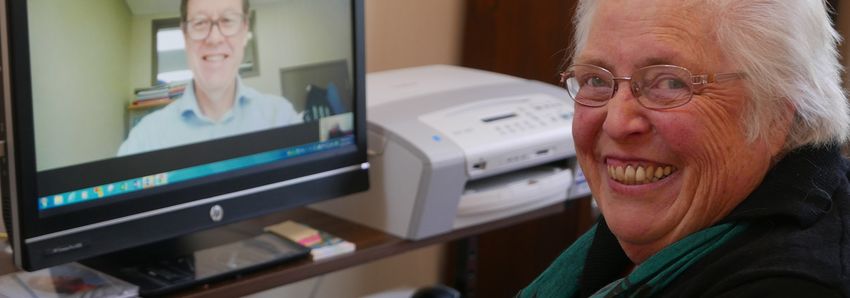
Introduction             To gain an insight into the
                         national impact of Covid-19 on
                                                                 The number of reported telehealth
                                                                 appointments in August will be
                         telehealth services, eHealthNews        higher in Auckland than other
                         contacted all DHBs seeking              parts of the country due to the
                         statistics and case studies.            city’s Level 3 regional lockdown,
                                                                 but all except one DHB is doing
                         The arrival of Covid-19 and
                                                                 more telehealth appointments
                         subsequent national lockdown
                                                                 now than before Covid-19
                         had a significant impact on the
                                                                 arrived in February this year.
                         use of telehealth at New Zealand
                         District Health Boards (DHBs).          The Ministry of Health has given
                                                                 $7.1m ‘digital enablement funding’
                         At Alert Levels 3 and 4, the Ministry
                                                                 to DHBs to support locally led
                         of Health advised that outpatient
                                                                 delivery of telehealth services and
                         appointments should be managed
                                                                 digital inclusion and established
                         wherever possible via contactless
                                                                 a digital enablement work
                         methods such as video or telephone.
                                                                 programme, “to guide the allocation
                         DHBs worked rapidly to respond          of further available funding”.
                         to the crisis, leading to a steep
                                                                 DHBs spoken to by eHealthNews
                         rise in telehealth appointments,
                                                                 say they are assessing their
                         particularly via phone.
                                                                 telehealth capability and looking
                         A telehealth briefing paper to the      at what support and enablers they
                         Northern DHB board describes            need to build a sustainable and
                         a “seismic shift of activity” with a    quality service for the future.
                         large number of clinicians moving
                         out of hospitals to working from
                         home, as well as the decision
                         to deliver all outpatient clinics
                         remotely to patients outside
                         the hospital environment.

                         Three DHBs were unable to
                         provide any data on telehealth
                         pre-Covid, but the remaining
                         17 reported doing around 3,300
                         telehealth consultations per
                         week in a pre-Covid month from
                         November 2019 – January 2020.
Special Report written
by eHealthNews.nz        In April, in the midst of the Level 4
editor Rebecca McBeth,   national lockdown, this rose more
editor@hinz.org.nz       than tenfold to 34,500 per week.

Published by HiNZ,       In June-August this year the average
exclusively for HiNZ     weekly number had dropped
members.                 to around 19,000 per week.

hi nz .o rg . n z                                                        TELEHEA LTH OCTOBE R 2 02 0 : : 2
AVERAG E WEEKLY TELEHEALTH                                             V I DEO CO N S U LTATI O NS
                               APPOINTMENTS AT DHBs                                                   W E E KLY AV E RAGE

                                        258
                                                                                                      DHBs            VIDEO CONSULTATIONS
                    AUCKLAND                                                 3807
                                                          1773

                                   3                                                                   PRE LOCKDOWN
                         BOP                   832

                                                                                                       7               280
                                       76
                                   20
             CANTERBURY                                                      3900
                                                     1300

                                         357
        CAPITAL & COAST                                        2182                                    NATIONAL LOCKDOWN
                                             689

                                                                                                       12 2000
                               0
     COUNTIES MANUKAU                                                 2984
                                                        1376
                                       184
             HAWKE'S BAY                          905
                                        272
                                                                                                       POST LOCKDOWN

                                                                                                       16 870
                                            422
             HUTT VALLEY                             1310
                                            451
                                       214
                       LAKES               744
                                        290

                                       98
              MIDCENTRAL                  532                                                         Not all DHBs were able to categorise
                                       138

                                            445
                                                                                                      video consultations vs phone.
NELSON MARLBOROUGH                                             2080
                                        319
                                                  994
               NORTHLAND                                                3300
                                                          1745

                                   28
                    SOUTHERN                                          2870
                                       178
                                   12
     SOUTH CANTERBURY                247
                                   73
                                                                                                      Data source and notes
                                   6
                TAIRAWHITI          100                                                               Data supplied to eHealthNews.nz
                                   48
                               0
                                                                                                      by DHBs. Some DHBs noted that
                    TARANAKI 0
                               0                                                                      the numbers likely undercount the
                               0                                                                      actual number of appointments
                     WAIKATO        208
                                   45                                                                 due to the ability of systems to
                                   1
               WAIRARAPA            147                                                               categorise an appointment as
                                   26
                                                                                                      ‘telehealth’. This is particularly
                                       151
               WAITEMATA                                                              7853            relevant to the pre-Covid figures.
                                                                                             10,078

                                   14                                                                 Where monthly figures were
              WEST COAST           77
                                   28                                                                 provided, an average over four
                                   116                                                                weeks has been calculated.
               WHANGANUI             422
                                    221
                                                                                                      Taranaki DHB was unable
                                                                                                      to supply any figures.
                                         pre lockdown November 2019 to January 2020

                                         national lockdown April 2020
                                         post lockdown June to August 2020

hi nz .o rg . n z                                                                                               TELEHEA LTH OCTOBER 2 02 0 : : 3
CAS E STU DY

                                              Southern

     Patient Janice McDrury in a telehealth consultation with Southern DHB endocrinologist Professor Patrick Manning.

Southern DHB is developing                    a very good proof of concept                 However, Donlevy says the
a telehealth platform using                   to move forward and promote                  enthusiasm is still there and the
Microsoft Teams.                              telehealth more strongly and                 DHB continues to do significantly
                                              convince clinicians that telehealth          more telehealth appointments than
Simon Donlevy, SDHB acting
                                              is a viable option,” says Donlevy.           the same time last year. Southern
general manager medicine and
                                                                                           is also better prepared if it has to
women’s and children’s health                 Clinicians use two screens for
                                                                                           go into Level 4 lockdown again.
says telehealth was available prior           telehealth appointments, one
to the arrival of Covid-19 and the            for interacting with the patient             “We’re concentrating at the moment
DHB had promoted its use.                     and the other showing Health                 on the platform, then we will be
                                              Connect South, the clinical                  very quickly looking to ensure we
“It’s fair to say there was a degree
                                              portal for the South Island.                 have the ability for patients, who
of concern and apprehension about
                                                                                           perhaps don’t have the equipment,
the utility of telehealth and whether         The DHB is now establishing
                                                                                           to still access telehealth,” he says.
patients and medical staff would              a robust video platform for
take to it, because it’s a significant        patients to interact with their              “We will never be forcing patients
change in practice,” he says.                 clinicians using Microsoft Teams.            to use telehealth as some will
                                                                                           never be comfortable and we
One week in November last year                Immediately post-lockdown,
                                                                                           can’t forget the need for in-
there were just 28 telehealth                 enthusiasm for telehealth remained
                                                                                           person appointments as well.”
appointments. In a week in April              high as evidenced by the DHB
2020, more than 2,800 telehealth              calling for interested staff to be
appointments were conducted                   on a telehealth steering group
and in the last week of August,               and getting 100 responses.
clinicians did 178 telehealth
                                              Appointment numbers have
appointments with patients.
                                              significantly dropped since then as
“Covid forced us to make those                Southern has focused on building
changes. Feedback from patients               a video platform and many staff
and clinicians was that it was                reverted to what they know, which
very well received, so it provided            is bringing patients into hospital.

hi nz .o rg . n z                                                                                  TELEHEA LTH OCTOBE R 2 02 0 : : 4
Building a Chair of the National Telehealth
Leadership Group Ruth Large
so they feel safe in order to be able
to deliver good care,” Large says.
sustainable says the impact of the Covid-19
Clinicians also need digital services
service pandemic on interest in, and use
of, telehealth has been huge.
such as electronic prescribing and
ordering as well as modern booking
“I can’t open a medical journal systems that enable seamless
or brief without seeing the word booking of telehealth appointments.
telehealth or virtual health in it,
“Without those things, clinicians
whereas previously we would have
end up spending a lot more
difficulty getting interest,” she says.
“First and A recent ASMS Telehealth Research
time on a consultation and then
they lose the, ‘what’s in it for
foremost, we Brief notes that whereas telehealth me?’ part,” explains Large.
need to make had previously been viewed largely
as an optional or exceptional
“Most clinicians are really happy to
sure that means of delivering health
do the best thing for the patient,
but if it’s taking them an hour to
we upskill care services, one of the lasting
consequences of the pandemic may
see one patient, then not only is it
clinicians.” be that telehealth consultations
frustrating for them, it also means
that other patients miss out. And
will become mainstream.
that’s where we see their interest
But moving to virtual consultations really dramatically drop off.”
involves “numerous and complex
A report on the uptake of
changes, for example, to routines
telehealth during lockdown at
for booking appointments,
Manukau SuperClinic also identifies
documenting consultations, and
that the shift requires “major
for arranging follow-ups,” it says.
changes in roles, routines and
By giving clinicians and patients processes” and “adjusting to these
the opportunity to try telehealth changes risks increasing clinician
and see that it can work, the workloads, disincentivising the
pandemic has broken down a lot ongoing utilisation of telehealth”,
of barriers around clinician culture the ASMS report says.
and change management.
However, much work needs to be
done to build a sustainable quality
telehealth service that serves
the needs of those who need it
most, particularly the vulnerable.
This includes the need for education
and support for both clinicians and
patients and reliable data collection.
“First and foremost, we need to
make sure that we upskill clinicians,
hi nz .o rg . n z TELEHEA LTH OCTOBE R 2 02 0 : : 5Digital A number of digital services
are needed to deliver a quality
and settings that are working
towards NZePS integration
enablers for telehealth experience for to complete this work.
telehealth clinicians and patients.
eOrdering of lab tests is another key
Electronic prescribing is a key digital service linked to telehealth
digital enabler of telehealth. and the arrival of Covid-19 has driven
Adoption of the New Zealand a significant increase in its use.
Electronic Prescription Service
Use of eOrdering for lab tests has
(NZePS) has significantly increased
jumped from 25 per cent to 80 per
since March 2020, particularly
“820 GP amongst GPs with 820 practices
cent in the Nelson Marlborough
region, driven by the pandemic.
practices now now activated to use the NZePS,
up from 137 in December 2018. Southern DHB has also started
activated The service enables a prescription
trialling the use of eOrdering for
to use the to be generated by the prescriber,
laboratory tests using Éclair.
NZePS, up transmitted to the NZePS health
information exchange broker,
Acting general manager medicine
and women’s and children’s health
from 137 in and downloaded electronically Simon Donlevy says this project
December at a community pharmacy. would not have been started
this year if not for the arrival of
2018.” The latest MoH data shows seven
DHBs have 100 per cent of all
Covid-19 and the need for wrap-
around digital services to support
pharmacies scanning ePrescriptions
telehealth consultations.
and all but one have more
than 90 per cent doing so.
There is no data on users of
the service outside of GPs and
pharmacies, but the Ministry website
says it is “working with providers of
hospital, specialist and community
care IT systems to enable prescribers
to issue electronic prescriptions
for hospital discharge, outpatient,
specialists, nurse prescribers (not in
general practice), and midwife care”.
In the meantime, a temporary
waiver for non-NZePS signature
exempt prescriptions has been
extended until 23 December 2020.
The Ministry website says the
extension of the temporary
waiver, which was due to expire
in September, enables systems
hi nz .o rg . n z TELEHEA LTH OCTOBE R 2 02 0 : : 6CAS E S TU DY
Waitematā
Waitematā DHB has built a send a prescription electronically,
toolkit to enable administrators are key to a sustainable service.
and clinicians to deliver
The DHB also recently introduced
telehealth as part of its long-
a new tool to allow clinicians to
term strategy to provide virtual
email patients relevant information
care as an option for patients.
about their condition, something
Waitematā is the only DHB to which used to be given as a paper
have delivered more telehealth booklet during consultations.
appointments in a week
“It’s about having the whole package
following the national Level 4
working. I wasn’t surprised to see
lockdown, than during it.
our August numbers above April
The average number of telehealth because it’s quite easy to pivot to a
appointments conducted per greater proportion of telehealth with
week in November 2019 was 150, that in place,” explains Christiansen.
rising to more than 7,800 in April
The DHB is yet to work out what is a
2020, then up to 10,000 telehealth
realistic and sustainable number of
appointments conducted
Chief Medical Officer Jonathan telehealth appointments post-crisis.
during a week in August.
Christiansen in Waitematā
During lockdown, people had to have
DHB’s telehealth pod. Chief Medical Officer Jonathan
telehealth appointments when in-
Christiansen says telehealth
person would have been preferable
is not just about having the
and now the DHB is working to
option of a phone or video
catch up on missed appointments.
interaction with a patient.
Christiansen says the focus should
“You need quite a lot of
remain on continuing to provide
infrastructure and staffing support
good quality care and giving patients
to make that work and what
choice about how they receive that.
we’ve been building over the last
several years is the toolkit to allow He says the DHB had a three-year
administrators and clinicians to plan to introduce more telehealth
support the telehealth work,” he says. between 2019 and 2022, and has
already achieved greater numbers
Administrators have worked hard
than expected in less than a year.
to get the majority of patients on
to validated email addresses, which “It’s astonishing, not only the
means they can be set up with numbers of appointments, but
one-link Zoom appointments. how much has changed to achieve
those numbers,” he says.
Every clinic room has video
capabilities and administrative
teams have booking options
for telehealth. Tools such as
ePrescribing and eOrders, so a
clinician can easily order tests or
hi nz .o rg . n z TELEHEA LTH OCTOBE R 2 02 0 : : 7Telephone More than 90 per cent of telehealth
consultations done at DHBs during
Northern DHB identified a 20-
fold increase in use of Zoom
vs video and after lockdown were done via for video conferencing during
telephone and the proportion of the national lockdown.
phone over video has increased
“With much of the groundwork
since before Covid-19 hit.
completed and the majority of
However, the number of DHBs teams and staff who needed it
reporting some use of video already using Zoom pre-Covid, we
has risen significantly. were in a good position to scale
our service rapidly to support staff
"The number of Seven DHBs identified doing
around 280 video consultations
shifting to remote working,” a
DHBs reporting a week pre-Covid.
briefing paper to the board says.
some use of In April, 12 DHBs were able to identify
video has risen around 2,000 consultations a week
being done via video conference.
significantly." By either June, July or August
2020, all but four DHBs were
able to report on telehealth
consultations done via video, with
an average of 870 per week.
Large says it is much easier to
upscale a telehealth service if
you have something going in
the first place and that is what
we have seen in New Zealand.
“So those places which were
already providing little centres
of excellence have been able to
upscale. But because the support
and infrastructure were not there,
a lot of telehealth done during
lockdown was over the phone.”
She says reviews of patient
feedback, both in New Zealand and
internationally, show the majority
of patients were happy to receive
contact from the clinicians by any
form possible whilst lockdowns
were in place, but they would
have much preferred video.
hi nz .o rg . n z TELEHEA LTH OCTOBE R 2 02 0 : : 8Patient The opportunity to try telehealth
during New Zealand’s lockdown
on travel was the best part of
the digital consultation.
experience periods has been a positive one
An assessment of telehealth
for most patients, according
delivered by Northern DHB’s Mental
to surveys done by DHBs.
Health and Addiction Service
In May this year, Waitematā surveyed (MHAS) found the experience
patients who had received a of participants during Covid-19
telephone or video appointment was “significantly positive”.
during lockdown and 95 per cent
“Most participants indicated they
of respondents said telehealth
“Most appointments are a good service
would like to continue to receive
some form of telehealth, the
participants to provide and that they should be
offered where clinically appropriate.
majority of those preferring to
indicated they Chief Medical Officer Jonathan
have the option to have both
telehealth and in-person face
would like Christiansen says patient feedback to face contact,” it says.
to continue has been positive, particularly from
people who were able to have a
“There was no clear difference
to receive family member or support person
between Māori and non-Māori
preference for telehealth.”
some form of join a telehealth consultation,
who would not have been able While not travelling long distances
telehealth.” to attend with them in-person. to hospitals is a key benefit
of telehealth, having a health
Patients also reported feeling
professional in the room with
comfortable in their own homes and
the patient is often needed
appreciated not having to take a lot
and beneficial for their care.
of time out of their day to attend
a short hospital appointment. A number of DHBs, including
Northern, MidCentral, Nelson
“Offering the choice to patients has
Marlborough and Southern, use
been very consistently supported.
regional clinics or hospitals as
It’s about what’s the best option
hubs for telehealth clinics, where
for the patient and the clinician
patients can have a consultant
at any given time,” he says.
appointment closer to home.
At Southern DHB, patient surveys
have also revealed that the vast
majority of patients were satisfied or
very satisfied with their telehealth
appointments during lockdown and
80 per cent of patients surveyed
on their telehealth experience
by Nelson Marlborough DHB said
they would use telehealth again.
Patients in that region reported
that time and money saved
hi nz .o rg . n z TELEHEA LTH OCTOBE R 2 02 0 : : 9CAS E S TU DY
Nelson Marlborough
A telehealth survey at Nelson This issue, combined with the
Marlborough DHB found an overall pressures of a busy workforce
satisfaction rating of 4.05 (five trying to deal with the backlog of
being very satisfied) with patients appointments caused by lockdown,
reporting that time and money means people revert back to what
saved on travel was the best part they know and are comfortable with.
of the digital consultation.
Livingstone says sending patients
Also, personal interaction with a an appointment letter is simpler
specialist when it was a video call. than contacting the patient to
ask if they would like a telehealth
Zoom is the DHB’s platform
appointment and ensuring they have
of choice for clinical processes
the technology available to do it.
and it is working with primary
health organisations to But lockdown has given people a
get more consistency in taste of telehealth and a chance
telehealth use for patients. to engage in a new way of doing
things, so the DHB is working
Lisa Livingstone, registered nurse
with clinicians service by service
and clinical lead IT projects at
Registered nurse and clinical lead on how to enable telehealth as
IT projects, at Nelson Marlborough Nelson Marlborough DHB, says this
a seamless process at scale.
DHB, Lisa Livingstone is important as it can get confusing
for patients having to work with Ultimately, the goal is a mixed
several different platforms as they model of telehealth and in-
move between providers and places. person appointments, where
patients have choice.
She believes that a unified approach
is key to making telehealth work
for patients and that is why the
South Island DHBs are looking
to promote a regional approach.
The South Island Alliance has
recently appointed a telehealth
facilitator for the region.
With the national Health Information
Platform on the horizon and the
NZTLG doing great things in this
space, Livingstone is hopeful of
telehealth making “great strides” on
the back of the Covid-19 pandemic.
However, she says NMDHB does
not yet have the maturity in its
systems, such as integration with
its patient management system, to
make telehealth easily available.
hi nz .o rg . n z TELEHEA LTH OCTOBER 2 02 0 : : 10Digital A key concern about a rapid shift to
telehealth is that it may exacerbate
or hubs in the community as a way
of removing technology as a barrier.
inclusion inequities in the health system.
Southern DHB is also looking into
A report from the Telehealth using marae as telehealth hubs
Resource Centre says up to 20 per and funding data for telehealth
cent of the population will not interactions for patients.
have access or skills to embrace
“We have to be careful that we
telehealth and this may be higher
don’t increase inequity of care as
for high-needs populations.
we don’t want telehealth to be just
“Digital A Waitematā DHB survey released
last year found the most common
available to those people with the
necessary computer equipment or
inclusion is not reasons for declining a video phone data,” says acting general
just ensuring appointment were; no access
to a device; preference for a
manager medicine and women’s and
children’s health Simon Donlevy.
people have personal visit; and do not like/feel
On a national level, the Ministry
the devices comfortable using video calls.
of Health has introduced a new
and data to use The Northern DHB telehealth brief
notes that, “introducing telehealth
sponsored data partnership with
telecommunications companies
technology, but to patients in the home/community to help reduce the digital divide
also providing has the risk of increasing equity
gaps for those lacking technological
by ensuring people without
data on their smartphones can
opportunities confidence or with limited access still access health information
and education.” to the technology that is needed. and services online.
“Careful consideration of this is Under the deal, the Ministry
required and a solution that is of Health pays for all mobile
more than simply web pages and data charges for 11 key health
brochures requires a pro-active websites and two GP patient
patient centred approach,” it says. portals until June 2021.
Large says that digital inclusion is The Ministry says it is also
not just ensuring people have the providing funding to the sector
devices and data to use technology, to enable health providers to
but also providing opportunities and increase digital inclusion.
education for potential patients.
This could include the use
Waikato DHB is working on a of technology prescriptions,
‘tech checklist’ to go through where a device and/ or internet
with patients to see if they connectivity is provided to a
can participate in a telehealth patient so they access digital
consultation and if they can’t, services. However, a Ministry
what can be done to help them? spokesperson says, “providers will
determine what type of technology
Some DHBs, such as Waitematā, are
prescription they may offer and
looking at setting up telehealth pods
to whom based on need”.
hi nz .o rg . n z TELEHEA LTH OCTOBER 2 02 0 : : 11CAS E STU DY
MidCentral
MidCentral DHB has established who, in some cases, is trained
a telehealth project group to to do physical examinations.
develop it as a regular service and
MidCentral DHB was doing just
choice for patients and clinicians.
under 400 telephone and video
Radiation oncologist Claire Hardie appointments a month last
says, “we are working on a project November. This jumped to nearly
to ensure we are going to meet 2200 in April during the national
the needs of our patients and lockdown and has since gradually
clinicians with options for telehealth dropped to 550 in August 2020.
and how to ensure patients have
Hardie says the cancer service
the accessibility they need”.
collects data in its own booking
While a telephone appointment system, which previously did not
is relatively easy to provide, completely integrate with the
a video conference involves hospital system, so the DHB’s
more technology and numbers prior to July 2020 do
potentially cost to patients. not tell the whole story.
“We are working through making it The Covid-19 crisis highlighted this
Radiation oncologist at Palmerston
North Hospital, Claire Hardie sustainable, ensuring we have the as an issue and work has completed
infrastructure at our end to book the to integrate the systems.
appointment and the capability of
“Covid-19 has really helped us
our patients to access it,” she says.
to push forward the telehealth
The DHB is also looking at how agenda,” she says.
community groups may be able
“Before, people were quite
to support patients in telehealth
sceptical about how it would
closer to home, rather than giving
work and whether patients would
devices to patients themselves.
accept it. What Covid has shown
“We’re working through how is what telehealth can offer in
that might look and the partner terms of flexibility and options.”
agencies we might engage
with,” Hardie explains.
Hardie is based at Palmerston
North Hospital and she and her
colleagues in the cancer and
haematology service had been
using video conferencing for
patient appointments for some
time before the pandemic hit
with video links to New Plymouth,
Hastings and Masterton hospitals.
Patients are accompanied by
a nurse at the telehealth clinic
hi nz .o rg . n z TELEHEA LTH OCTOBER 2 02 0 : : 12Capitalising Resistance to change is a key
barrier to digital transformation.
through barriers around change
management and culture.
on the Covid-19 has seen this barrier
“With any change process you always
momentum to implementing telehealth
rapidly broken down amongst
have leaders and early adopters and
of Covid-19 organisations, health care
we had quite a number in November
last year, but the majority of
professionals and patients.
clinicians hadn’t had the opportunity
DHBs recognise the need to to experience it,” he explains.
capitalise on that momentum and
“Medical professionals are generally
acceptance of change, but have also
"The focus has in many cases had to put the brakes
quite conservative about changing
patterns of work they’ve been doing
now shifted on telehealth use, while they build
a lasting service going forward.
for a long time and we do need a
to embedding Large says there is no easy answer
bit of a pivot point to say, ‘actually
we have to do this differently, it’s
telehealth to that problem, but “if we continue not nice to have it’s a must have’,
into business to deliver a shoddy technology
with poor supporting tools, then we
and that’s what Covid-19 gave us.”
as usual." will rapidly lose willing clinicians”.
“They’ve been given the impetus,
but we have to support them
“We need to accept that we should so their experience of doing
get this right. What I would love to telehealth for the first time is
see nationally is people saying, ‘we reasonable and good and they
may be parking the difficult parts have the skills to do it,” he says.
for now but here is our roadmap so
A Northern DHB telehealth briefing
that we are clear with what we need
paper says “Covid-19 has converted
to deliver and when’,” she explains.
many to a new way of working
While work goes on to get the and at least a new way of thinking.
technology and enablers in place, The focus has now shifted to
a lot can be done in parallel to embedding telehealth into business
look at services and consider as usual as a significant contributor
what needs to be done to upskill to improved patient access,
clinicians and patients, “particularly timeliness and quality of care.”
those who are disadvantaged
For resources on implementing
or those who we know need
telehealth, see the NZ Telehealth
the service most,” she says.
Forum and Resource Centre.
“It’s a really good opportunity for
DHBs up and down the country
to look at those places that have
done these things well at speed.”
Chief medical officer at Waitematā
DHB, Jonathan Christiansen, says
that while the tools were in place
to deliver telehealth prior to the
pandemic, Covid-19 helped break
hi nz .o rg . n z TELEHEA LTH OCTOBER 2 02 0 : : 13TH A N K YO U!
WE WELCOME
YOUR OPINION
eHealthNews thanks those who
generously contributed their time
and expertise to this special report.
HiNZ intends to publish a special
report every quarter. What
topics would you like us to write
about in future reports?
To provide feedback on this
report, and suggestions for
future reports, please email
eHealthNews editor Rebecca
McBeth at editor@hinz.org.nz
To support our work, please
consider joining HiNZ. It is only $17
per month or $198 per year. Read
more at hinz.org.nz/whyjoin
powered byYou can also read


