The Community Energy Mentor Training Course - Dingle ...
←
→
Page content transcription
If your browser does not render page correctly, please read the page content below
The Community Energy
Mentor Training Course
May 2021

Dr Clare Watson; MaREI Centre
Deirdre de Bhailís, Brendan Tuohy; Dingle Creativity and Innovation Hub

Community Energy Mentors 2020 (L-R): Suzanne Murtagh, John Fitzgerald, Joe O’Brien, Jeanne Spillane, Tom Kennedy, Siobhán
Dempsey (facilitator), Catríona Fallon, Dinny Galvin, David Garner, Gearóid óCathasaigh, and John Martin (not in photo)

Located in the south west of Ireland, the Dingle Peninsula
is defined by the territory to the west of a line connecting
Blennerville to Castlemaine and with an area of 583 sq
km and extending 48 km into the Atlantic. It has a resident
population of 12,764, with 2,500 living in Dingle Town
(CSO, Census, 2016). There are 6,989 houses on the
Penuinsula, comprised of 5,063 homes and 1,926
second (holiday) homes. Tourism accounts for c. 30% of
the local economy.

                                                                                          Energy Climate Marine
Background

     In March 2018, a meeting was held between representatives of the Dingle Hub and Kerry Education
     and Training Board (Kerry ETB) to discuss the various initiatives to transition the Dingle Peninsula to
     a low carbon community and to explore how Kerry ETB might become a partner and help the Dingle
     Peninsula and, ultimately, County Kerry, to transition to a low carbon society. It was agreed that Kerry
     ETB, with the support of the Dingle Hub and the wider Corca Dhuibhne/Dingle Peninsula 2030 team,
     would provide a training course in Dingle for local participants, which would equip them to help,
     enable and support people (in a factual, non-judgmental manner) to adapt their current energy
     lifestyles.

     A Steering Committee was established in January 2019 with the following members: Sandy McSwin-
     ey (Kerry County Council), Anne-Marie Fuller (Kerry Sustainable Energy Co-op), Deirdre de Bhailís
     and Brendan Tuohy (Dingle Hub), Clare Watson (MaREI), Claire McElligott (ESB Networks), Prof
     Enda McGovern (Sacred Heart University, USA), Seamus Hoyne (Limerick Institute of Technology),
     Xavier Dubuisson (SEAI SEC Mentor), and Ian Kilgallon (Gas Networks Ireland). This group met
     three times over the following eight months.

     In mid-2019, after much deliberation about the type and length of course (for more detail see Appen-
     dix 2), it was agreed to run a 12-week part-time programme for Community Energy Mentors. Kerry
     ETB engaged Impact Training to oversee the logistics and delivery of the training.

     The course was advertised widely by both Kerry ETB and the Dingle Hub on local and social media,
     and interviews were held with prospective trainees in early November 2019.

     Kerry Education Training Board/Kerry College

     Kerry Education Training Board (Kerry ETB) was established in 2013 in place of the former County
     Kerry Vocational Education Committee (VEC). Its mission is ‘to create and promote the develop-
     ment of a lifelong learning society in Kerry, so that all who live there have access to the education
     and training required to fulfil their potential and to meet their personal, social, cultural, economic and
     civic needs’.

     Kerry ETB has a corporate structure, made up of a democratically appointed committee and a man-
     agement team. It serves a population of about 147,707 people, and has centres in Tralee, Killarney,
     Listowel, Castleisland, Causeway, Killorglin, Dingle, Caherciveen, Waterville and Kenmare.

     In September 2019, all further education and training provision in Kerry was brought together into
     one fully integrated college called Kerry College. Existing Kerry ETB centres in Tralee at Monaval-
     ley, Clash and Denny Street, and Church Street, Listowel were renamed as campus locations.

     Kerry ETB has been very innovative in its mission and has a huge commitment to working closely
     with its local communities, and helping to prepare these communities, and the learners in them, to
     avail of the opportunities for jobs and for a better quality of life.

Page 2                                                                                            The Community Energy
                                                                                                  Mentor Training Course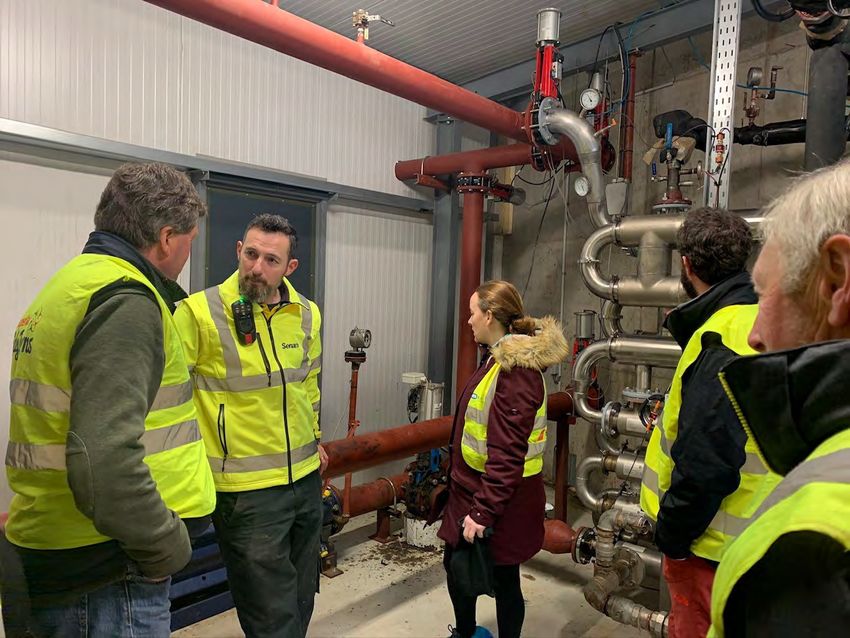
Flier circulated to notify people of the course

           NEW: Community Energy Mentor Course

                                                     COURSE INFO

                                                     LOCATION:          Údarás na Gaeltachta, Páirc Ghnó an
                                                                        Daingin, Dingle

                                                     COURSE             12 weeks (Part-time) – 2 days per week
                                                     DURATION:          (Wednesdays & Thursdays)

                                                     START DATE:        13.11.2019

             The purpose of this course is to introduce and educate participants to the concepts of energy
             sustainability, the goals of energy technology assessment, and the promotion of sustainable
             energy technologies at community level.
             v
             The aim of the course is that participants will gain the knowledge and skills required to
             manage and assist in future Dingle Peninsula Sustainable Energy Community (SEC) aware-
             ness across the community and information events and a proposed weekly Energy Clinic.
             The course is directed at those who are interested in becoming more familiar with the subject
             areas of renewable energy and sustainability.

             It should be of particular interest to the following groups:

                           Voluntary sector individuals who wish to upskill and support community
                           transition to a low carbon society.

                           Individuals who have an interest in pursuing careers in the area of energy
                           sustainability and will progress to further education on completion of this
                           course.

             This course is provided by Kerry College – Monavalley Campus, in association with Dingle
             Sustainable Energy Community (SEC).

             Visit: http://kerryetbtrainingcentre.ie/course/energymentor

             Contact info@kerrycollege.ie or call 066 7149696 to apply.

Page 3                                                                                          The Community Energy
                                                                                                Mentor Training Course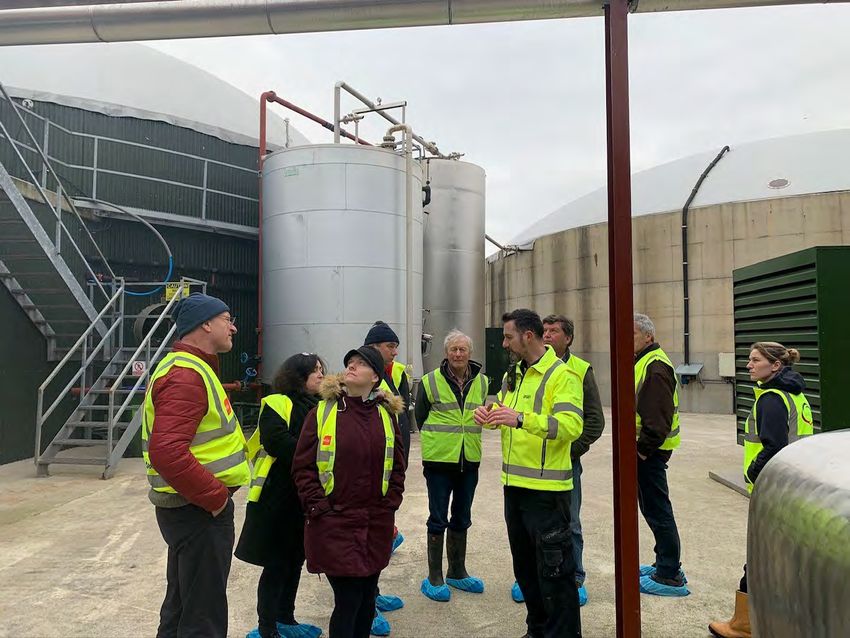
Timeline

                           Dingle Hub and
                           NEWKD toured
                           Kerry ETB                                                                             Final Steering
                           Monavalley                                                                            Committee
                           Training Centre            Planning for                           SEAI and            Meeting held
                                                      12-month                               representatives                         Course began
                                                      course to                              of Dingle                               with 10
                              Dingle Peninsula        train 12-18                            Peninsula 2030                          participants
                                                                       Several
                              2030 identified         'energy          candidates            toured KETB
                              need for ‘Energy        coaches'         identified            Centre
                              Coaches’                began

                  Mar      Apr       Jun         Sept         Nov      Dec          Jan      Feb       Jun      July      Sept       Nov         Feb
                  2018     2018      2018        2018         2018     2018         2019     2019      2019     2019      2020       2020        2020

                                        Agreement to
                                        develop a Local                                                                                          Course ended
                                        Training Initiative
                                        (LTI) programme                                                Impact
                                                                                                       Training
                                                                                                       engaged to
                                     Dingle Hub                                                        run 12-week
                                                               Dingle Hub           Steering           part-time              Energy Coach’
                                     introduced
                                                               advertised           Committee          programme              title changed to
                                     ESBN to
                                                               Energy Coach         established.                              ‘Community
                                     Kerry ETB
                                                               Training             Two                                       Energy Mentor’
                                                               Coordinator          meetings
                                                               and Assistant        held. It was
                   Dingle Hub and                                                   subsequently
                                                               Coordinator
                   Kerry Education                                                  decided to
                                                               positions
                   and Training                                                     run a shorter
                   Board (Kerry                                                     course
                   ETB) meeting

          After over a year of planning and development, the Community Energy Mentor Course began on 13
          November 2019 and ran on Wednesdays and Thursdays over a period of 12 weeks. It was based in
          the Údarás na Gaeltachta premises at Páirc Ghnó, An Daingin, on the outskirts of Dingle town, and
          involved in-person classroom sessions interspersed with site visits. The course was provided free of
          charge. There were 10 participants, four females and six males, from a variety of backgrounds,
          including farming and theatre management. They had varying levels of technical expertise and knowl-
          edge. The common chord was an interest in learning more about sustainability, renewable energy and
          retrofitting, and then sharing this within the local community. The syllabus of the course was deliber-
          ately designed to be flexible at the outset to allow for participant input into how the course proceeded.

          The course (see Appendix 1 for schedule) was launched with an introductory talk by a representative
          of the Sustainable Energy Authority of Ireland (SEAI), who also provided a range of experts to deliver
          material on community energy planning, sustainable energy practice and measures, sustainable
          communities, sustainable finance, sustainable energy systems, sustainable transport and hydro sys-
          tems. Other sessions from various presenters focused on climate change, the light-emitting diode
          (LED) bulb swap event, Dingle Peninsula energy usage, building a successful Sustainable Energy
          Community (SEC), community engagement, smart energy, and the ESB Networks Dingle Project. A
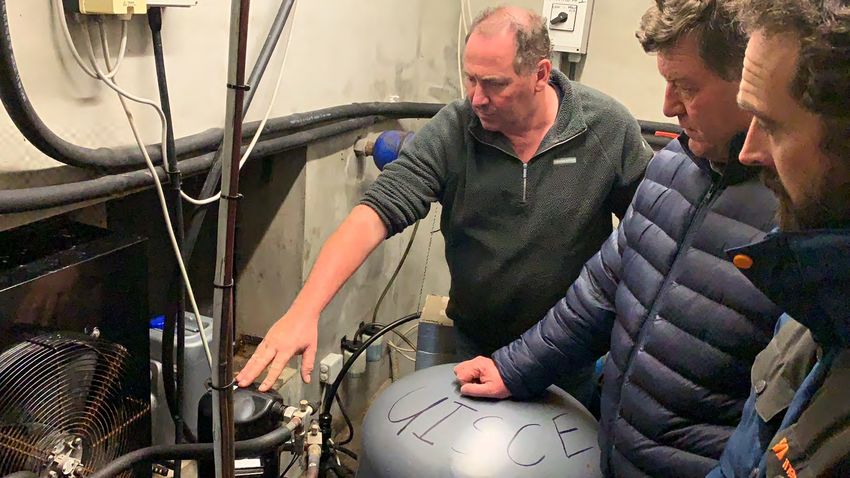
          number of site visits were interspersed between classes to show the retrofitting and renewable energy
          installations in ESB Networks Ambassador buildings, and elsewhere including heat pump and geo-
          thermal systems, external insulation, a hydro installation, a BER assessment, an anaerobic digester
          and a community owned windfarm. The participants also completed an accredited two-day First Aid
          Responder Certificate Course.

          The course ended on 13 February 2020 and the mentors participated in the official launch of Dingle
          Peninsula 2030, just a few weeks before the Covid 19 pandemic hit Ireland.

Page 4                                                                                                                                                  The Community Energy
                                                                                                                                                        Mentor Training Course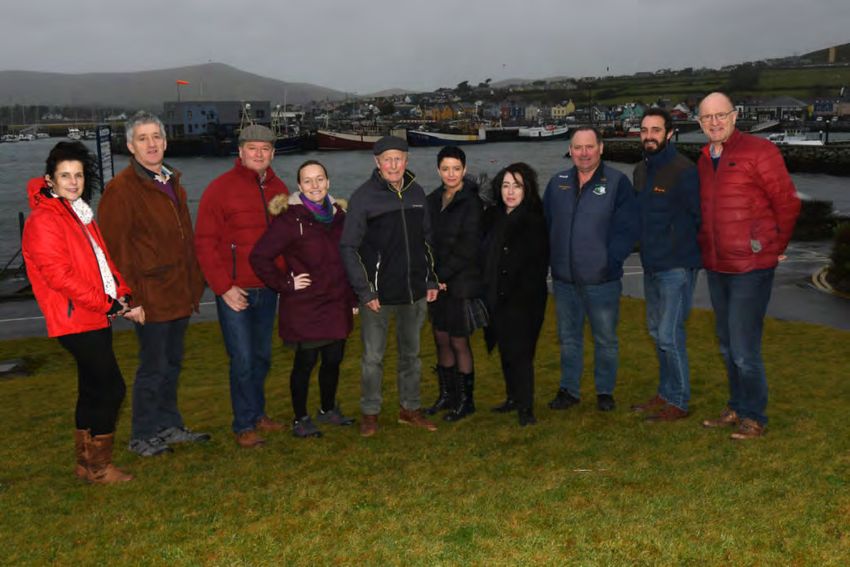
Funding

         In total, this project cost the equivalent of €39,300 (excluding the SEAI contribution – see below).

         This included:
                The Dingle Hub role in initiating, scoping and coordinating the overall project during the 18+
                months: €8,000.
                The overall costs incurred by Kerry ETB for the running and marketing of the part-time 12-week
                course: €16,000.

         And the following ‘in-kind’ costs which were generously donated ‘pro bono’:
                Provision of a room for the course by Údarás na Gaeltachta: €2,000
                Attendance at 3 meetings of the 9 Steering Committee members: €9,000
                Recruitment of the initial course coordinators: €1,500
                The time and expertise of 7 non-SEAI presenters: €2,800

         SEAI support was critical to the success of the course and their services and presenters were also
         generously provided free of charge. As these services were based on many inputs, accumulated over
         a number of years and involving experts from SEAI and outside bodies, they would be difficult to
         quantify. Therefore, the costs incurred have not been included in the above analysis.

         Benefits of the Course

         One of the great benefits of the course was the creation of a network of competent, like-minded
         people who were committed to supporting (both individually and collectively) the energy transition in
         their own local community and also in continuing to learn more about the topics.

         In general, participants thoroughly enjoyed the course, and appreciated the extensive investment in
         their up-skilling. They felt very well served and supported by Impact Training, the Dingle Hub and
         Kerry ETB. In particular, they welcomed the opportunity to input their ideas into the schedule as the
         course progressed. They also welcomed the chance to get to know each other, to work together, to
         learn from skilled experts and to experiment with technical calculations. The participants found the
         field trips to be particularly useful – where they saw working examples of the various technologies
         (e.g. wind, hydro, anaerobic digestion, external insulation, air to water and ground source
         heat-pumps), and learnt from the personal experiences of those involved. They felt the course was
         well run and the speakers were excellent. Contacts made during the course were also very useful.

         The First Aid Responder’s course was commended as a very beneficial addition, especially for the
         farming community.

         Unfortunately, the Covid pandemic began very soon after the course ended. The subsequent lock-
         downs and uncertainty made it very difficult to hold meetings, particularly public meetings, which
         would have greatly assisted with the dissemination of ideas across the local community. Once these
         restrictions have been lifted in the future, it is hoped that more active involvement will commence. One
         idea is to organise an energy event on the Peninsula to showcase the different energy technologies
         and the changes people can make in their own homes, farms and businesses.

Page 5                                                                                            The Community Energy
                                                                                                  Mentor Training Course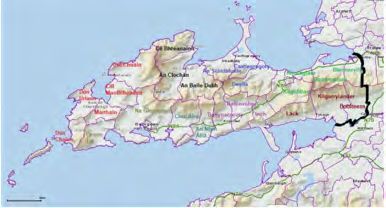
Benefits of the Course

         Nevertheless, despite the circumstances, as one participant stated, it is important to ‘Learn, Plan and
         Do’. During 2020, the Community Energy Mentors carried out research on the viability of the Din-
         gle-Tralee commuter bus service, which led to Bus Eireann introducing a new, higher-frequency, bus
         schedule for that route as part of the wider Dingle Peninsula Sustainable Transport pilot project. In
         June 2020, some of the mentors participated in ‘Re-Imagine Dingle’, an on-line workshop using digital
         tools to facilitate community-driven innovation, co-creation, and radical imagination. And significantly,
         two new groups have been set up by course participants, namely:

         1) The West Kerry Dairy Farmers Sustainable Energy Community (SEC), which aims is to create
         a vibrant community of sustainable, energy efficient dairy farmers, build resilience, exploit renewable
         energy sources, reduce costs and carbon emissions, and develop a template for other rural farming
         communities across the country.

         2) The Corca Dhuibhne Community Energy Group, which aims to develop community-owned proj-
         ects supporting the sustainable transition and to help create and maintain well-paid, year-round jobs
         on the Peninsula. The work will focus on community-owned electricity projects, retrofitting and the
         provision of an information service for domestic energy users.

         The commitment by Kerry ETB was very impressive and that commitment has continued through the
         publication of the Kerry ETB Service Plan 2021, which incorporates the launch of a Kerry ETB Sus-
         tainability Strategy. Kerry ETB also envisages the provision of suitable training for those wishing to
         work in the area of sustainability. In this regard, Kerry ETB is proposing to construct a new facility for
         training apprentices, technicians and others interested in new ‘green’ and ‘smart’ technologies. They
         hope to build a model training-house that will enable teaching of these skills on site. They have also
         continued to commence the delivery of innovative courses in areas such as Wind Turbine Technical
         Apprenticeship, marine technician, ecological studies, green hospitality, energy renewables and
         smart technology courses. These will complement the current range of courses on Wind Turbine
         Maintenance, Overhead Lines, etc.

Page 6                                                                                             The Community Energy
                                                                                                   Mentor Training Course
Lessons Learnt

       Based on the experience of working with Kerry ETB, it is clear that the Education and Training Boards
       have a huge resource of committed professional educators and trainers, operating in a well-respected
       organisation that is deeply embedded in the local community and has the capability, capacity and
       willingness to organise accredited courses and training that could assist with the transition to low
       carbon and help address the challenges posed climate change. While the Climate Action Plan (2019)
       and the Programme for Government (2020) commit the Government to addressing climate action,
       each Government Department and public body is expected to make its contribution by seeing what it
       can do to support the overall commitment. By being willing to explore at local level what can be
       achieved and how it can address some of the issues, Kerry ETB has been to the forefront nationally
       in seeking to address the training requirements so that local communities and learners will be ready
       for, and benefit from, the low carbon society of the future.

       The initial idea suggested by Dingle Hub to Kerry ETB was very ambitious. It was clear to the Hub that
       there would be significant opportunities for local job creation and the establishment of new business-
       es linked to the low carbon transition. It would also be necessary to build capacity and capability within
       the local community to help it to transition to a low carbon community. Therefore, there was a need to
       explore the kind of training that would be required, how best Kerry ETB could assist in providing this,
       what format would be most suitable and what course content and form of accreditation would be pos-
       sible. Being the first of its type, a series of discussions took place until a suitable solution was agreed.
       This took a number of iterations, as it did not neatly fall into any traditional category with which the
       Kerry ETB was familiar. The support and flexibility displayed by Kerry ETB was superb and the course
       would not have happened without that support. This included not only agreeing a specific course
       format but also the detailed content for each module, the form of evaluation and the logistics, all of
       which had to be agreed in advance, and then making the required changes as it became clear that
       potential participants had a preference for a part-time 12-week programme, as opposed to a
       year-long course.

       Other agencies were also very helpful. The Sustainable Energy Authority of Ireland (SEAI) was
       hugely accommodating, both in agreeing what should be provided and in supplying suitable course
       materials and instructors to help deliver the training. ESB Networks was also supportive in discussing
       the requirements that it saw would be important for the future energy transition and by participating in
       the Steering Committee and offering to assist where it could.

       Even for those most interested in transitioning to low carbon, the need to navigate a complex pathway
       across installers and product technicians (from ventilation to heat pumps to hot water, etc.), energy
       consultants and auditors, and builders is highly challenging. An original objective of the Community
       Energy Mentor course was to address the gap where homeowners perceive a lack of independent,
       impartial advice. There is a wealth of knowledge on the SEAI website but people do not have the
       understanding or time to find the information relevant to them. What we have learned is that a 12
       week, part-time course cannot provide the level of training necessary and there is still a need for an
       integrated energy clinic service with qualified experts, alongside local Community Energy Mentors.

       From the outset, there was a lack of clarity around what the course would equip the participants to do.
       When soundings were taken in the local community it became obvious that potential participants
       wanted a relatively short part-time course. Therefore, this removed the possibility of accreditation
       under the National Framework of Qualifications. Some participants hoped that it would help them to
       find paid employment in the area of sustainability and energy transition, which has not materialised,
       whereas others were more interested in just improving their own knowledge on the topics, with a view
       to assisting the local community. There was also some confusion around what they were expected to
       do as Community Energy Mentors and the time that would be required for their voluntary input. There-
       fore, participants struggled initially to identify a role for themselves. While there was a general and
       very positive aspiration that the mentors would deliver active energy engagement in and with the

  Page
Page 7 17                                                                                          The Community   Energy
                                                                                                     The Value of Collaboration
                                                                                                   Mentor Training Course
Lessons Learnt
community, in practice this felt very vague and this sense of ‘vagueness’ continued after the course
concluded. It was not clear whether the mentors were being left free to make what they would of that
aspiration, so some may have felt a little ‘at sea’.
It was also initially not clear where the mentors fitted into the existing Dingle Peninsula Sustainable
Energy Community (SEC), and whether or not they could or should develop their own active groups
(e.g. community energy) inside or outside this structure.
The participants left the course feeling they were not subject matter experts, and that they lacked both
the expertise and confidence to fully advise members of the community on their energy options and
choices. They felt they did not have all the answers, as there are so many scenarios and options.
Many of the questions that members of the public have are technically specific.
The lack of a clear path ahead was obviously not helped by the Covid pandemic which emerged soon
after the course ended and which had such a subsequent impact both on the participants’ lives and
on the local community. The resulting lockdowns meant that it was not possible for the Community
Energy Mentors to hold proposed drop-in advice ‘Energy Clinics’ in the Dingle Hub or to participate in,
or organise, other public events. However, during 2020, the mentors recognized that there was a
range of opportunities in which to get involved, they just needed the initial support to go down their
own routes, or to work as a team on relevant projects.
Page 8 The Community Energy
Mentor Training CourseRecommendations
A clearer outcome for the course needs to be defined at the outset, so that the expectations from
the organisers matches those of the participants. Linked to this is the type of course envisaged
- the time commitment, the standard of the course and whether it is accredited under the Nation-
al Qualifications Framework (NFQ), or not. An NFQ accreditation would not be possible from a
two-day per week, 12-week course so, therefore, the level of commitment and standard required
of participants have important implications for the outcome. This type of course provides a gen-
eral introduction and there should be no expectation that it will lead to a ‘qualification’ (such as
BER certifier ). For these qualifications, the course/s need to be NFQ-approved and will demand
from participants both a significant time commitment and a minimum technical standard.
Rather than prescribing the role of the trained Community Energy Mentor and a follow-up action
plan in advance, participants should be encouraged to look at this as part of their project work
during the course itself.
Classroom time would benefit from a clear schedule in which sessions were broken down into
smaller chunks of no more than 40 minutes each, incorporating both presentations and small
group discussion, with breaks and movement in between.
The field trips and on-site visits are very important for participants so that they can get a greater
understanding of the technologies and how they work in real life situations, alongside people’s
experiences of using them.
Expecting Community Energy Mentors to provide members of the local community with advice
on renewable energy technology and retrofitting was daunting and felt like a very responsible
role. This area is very technical and therefore direct advice should only come from fully-trained,
accredited skilled people. However, some training could be provided to Community Energy
Mentors on managing a large scale retrofitting programme and the development of funding and
business case models for community-owned energy.
Hopefully in 2021, Kerry ETB will construct a ‘model house’ to demonstrate the various renew-
able energy technologies. This could be of real interest to future participants and, indeed, former
participants.
Similarly, it would be useful for course participants to be able to log into a website with connec-
tions to a working demonstration house or sample homes, giving up-to-date real-time informa-
tion data on energy being generated (solar panels, heat pumps, wind turbine or mini hydro) and
showing the savings being made. Having ongoing verifiable figures on hourly, daily, monthly and
yearly basis to study would be a great asset and would help mentors to feel more confident in
recommending a system that works. This may be something that could be provided by SEAI.
With the new obligations coming on local authorities under the Climate Change and Low Carbon
Development Bill 2021, there is likely to be interest from local authorities in increasing the knowl-
edge within local communities in relation to the low carbon sustainable transition. The course
(suitably updated) could be run again and made available across County Kerry (and beyond, if
desired). There may even be a possibility of running an online version, complimented by some
site visits.
Similarly, this course might be of interest to SEAI, as a precursor to setting up an SEC, as it
would provide the basic roadmap and knowledge and would develop a sense of ownership of
the process. The data from the local Energy Master Plan could be included in the course
content.
Page 9 The Community Energy
Mentor Training CourseRecommendations
There is potential to build upon the collaboration with Kerry ETB and to discuss potential oppor-
tunities in the following areas:
General introductory training for farmers to address renewable energy issues and the use
of technologies and data (e.g Internet of Things, Sensors, Data and Information and
Communications Technologies) to support a transition to low emission farming;
General introductory training for owners/managers/staff in the tourism and hospitality
sector;
A course for second level teachers who may be interested in addressing the climate
change issues through the use of renewable energy and associated technologies (e.g.
the use of Internet of Things, Sensors, Data and Information and Communications Tech
nologies) to support a transition to low carbon society; and the use of Virtual Climate
Hacks for use in schools;
Assisting house owners, house holders and others to consider how best to address the
transition to low carbon, in respect of their own house, was one of the challenges that the
Community Energy Mentors thought they might be able to address. From a policy
perspective, there may be benefits in adopting the model that is utilised by the Money
Advice and Budgeting Service (MABS), which is a free service provided to the public and
funded through the Citizens’ Information Board. Seeing as energy is a significant ongoing
cost for householders and the costs associated with transition to low carbon will be signifi
cant, there may be benefits in utilising a model similar to MABS. There may be a role for
Community Energy Mentors, with additional training (if required) to provide this support
through such a service.
Page 10 The Community Energy
Mentor Training CourseAppendix 1: Community Energy Mentor Course Schedule
13 November 2019 05 December 2019 22 January 2020
Registration: Kerry College, Morning Session Site Visit
Monavalley Campus Group presentations on idea Dún Chaoin
Introductions generation - Building a local Blaithín & Rory McKeown,
Siobhán Dempsey, Course sustainable community house, ESBN Ambassadors
Facilitator
Mark Sexton, Impact Training, Afternoon session 29 January 2020
Course Manager Site visit - ESBN Dingle Project Speaker
Deirdre de Bhailís, Dingle Hub participant Noel Malone, Sylvia Thompson Kerry SEC
Ballyferriter Building a successful SEC
14 November 2019
Speaker 11 December 2019 30 January 2020
Gearóid Fitzgibbon, TEA Video link with conference in Speaker
Community Energy Planning Athenry @ Dingle Hub Therese Murphy
Lessons learned from Denmark & Smart Energy - The Dingle
21 November 2019 Germany ESBN Project
Speakers John Fitzgerald
Laurence O Reilly, ORS 12 December 2019
Energy Sustainable Practice & Site Visit 05 February 2020
Measures, domestically & Lios Póil Heat Pump & Geothermal Site Visit
Commercially system Tipperary Energy Agency, Shaun
Annascaul External Insulation Finn, BER Assessment, Lios
Deirdre de Bhailís, Dingle Hub Póil, Galvin house
Who we are and what we do 18 December 2019
Morning session 06 February 2020
Site Visit Deirdre de Bhailís, Dingle Hub Site Visits
ESBN Dingle Project LED Bulb Swap Event Newcastle West, AD Plant,
Ambassador, Dinny Galvin speaker Senan Meade
Farm & Home Afternoon session
Connor McGookin, MaREI/UCC Tipperary, Power’s farm,
27 November 2019 Research details on Dingle Community Energy Pioneer,
Speaker Peninsula Energy usage speaker Aidan Power
Dr Vincent Carragher, TCD
Sustainable Communities & 19 December 2019 Templederry, Tipperary Energy
Sustainable Finance Speaker Agency, speaker Derry O’Donnell
Laurence O Reilly, ORS
28 November 2019 Sustainable Transport Hydro Templederry Community
Morning session Systems Windfarm, speakers John &
Idea Generation - Building a local Sarah Fogarty
sustainable energy community 08 January 2020
Afternoon session Speaker 12 February 2020
Site Visit - ESBN Dingle Project Prof Enda Mc Govern SHU Planning & Preparing for Energy
Ambassador, Spillane’s Pub, Climate Change Event
Maharees
09 January 2020 13 February 2020
04 December 2019 Site Visit & Speaker Speakers
Speaker Kilgarvan Hydro Installation Hughie Kelliher, Kingspan
Laurence O Reilly, ORS Gerry Cunnan, Wind Water, Solar Insulation
Sustainable Energy - an Clare Watson, MaREI/UCC
overview of systems in use in 14-16 January 2020 Community Engagement
Ireland First Aid Responder Certificate
Course George Emerson, Kerry College,
Monavalley Campus.
ENERGY EVENT, Launch of
Dingle Peninsula 2030
Page 11 The Community Energy
Mentor Training CourseAppendix 2: The Development Of The Course
In March 2018, a meeting was held between representatives of the Dingle Hub and Kerry Education
and Training Board (Kerry ETB) to discuss the various initiatives to transition the Dingle Peninsula to
a low carbon community and to explore how Kerry ETB might become a partner and help the Dingle
Peninsula and, ultimately, County Kerry, to transition to a low carbon society.
At the time, Kerry ETB provided training in wind turbine maintenance, fibre installation and in over-
head electricity lines, and they were planning to develop courses for electric vehicle maintenance.
They were very interested in exploring what types of courses would be helpful to prepare local com-
munities and learners to participate fully in the low carbon transition and the associated job opportuni-
ties and new businesses that may become available. It was proposed that, in discussion with ESB
Networks, courses could be identified for the upskilling of plumbers, electricians, technicians, install-
ers of heat pumps, and others. A role for Kerry ETB could also possibly emerge in the Dingle Hub/Net
Feasa water monitoring sensor project, using sensors over a LORA network, and in relation to sus-
tainable tourism on the Peninsula.
The following month, members of the Dingle Hub and North East and West Kerry Development
(NEWKD) were given a tour of the Kerry College of Further Education and Training (Monavalley
campus) in Tralee. In June 2018, the Dingle Hub brought representatives of ESB Networks to the
Centre to discuss how to create a training and re-skilling program in Kerry for the delivery of infra-
structure and services required for the ESB Networks Dingle Project and the wider Dingle Peninsula
2030 initiative. It was suggested that the Local Training Initiative (LTI) might be a suitable mechanism
through which to work.
Arising from these discussions, Kerry ETB, in collaboration with the Dingle Peninsula 2030 and ESB
Networks Dingle Project initiatives, committed to exploring and developing the following: 2
A range of upskilling courses for qualified crafts people in the area of renewable / smart
technologies;
A Demonstration House with suitable equipment to be used for training, with a public ‘Open
Day’ to be organised for the house on completion;
A programme to train local people as ESB Networks Ambassadors to encourage local
engagement and uptake of renewable options in local homes and businesses;
A Mobile Demonstration Unit to engage with the community and to explain what the low carbon
transition will look like and the changes it will involve;
Training for the installation and maintenance of electric vehicle (EV) charging points, and for
mechanics who may be required to service and maintain EVs;
The development of a Professional (Digital) Passport for suitably qualified persons (with
existing trades) outlining their suitability to undertake these new activities/installs;
Training for the installation and ongoing maintenance of smart widgets (for water and soil
monitoring initially – but likely to go far beyond these two areas) in addition to maintenance and
installs of Anaerobic Digesters.
ESB Networks had initially expressed an interest in supporting the development of the Demonstration
House and Mobile Demonstration Unit, but were unable to do so within their Dingle Project budget.
2
Outlined in the Kerry ETB Service Plan 2019 https://www.kerryetb.ie/sdm_downloads/kerry-etb-service-plan-2019/
Page 12 The Community Energy
Mentor Training CourseAppendix 2: The Development Of The Course
A clear need for the training of local ‘energy coaches’, to support people in the process of transition-
ing to a low carbon society, was identified and discussed at a Dingle Peninsula 2030 stakeholder
meeting. This became the first collaborative project with Kerry ETB. At the time, the Dingle Hub was
the central point for enquiries from people wanting to know more about how to retrofit their homes
and introduce new renewable technologies. The staff in ESB Networks were also receiving many
queries on the back of launching their solar PV trials and Ambassador Programme in the area. It was
hoped that these people would become an initial customer base for the trained energy coaches, with
the Hub facilitating the connection. It was also anticipated that participants would support the Course
Coordinator to coach the five Ambassadors that were to become part of the ESB Networks Dingle
Project.
The Local Training Initiative (LTI) was identified as the most suitable route through which to deliver
the course. It is primarily for people who are experiencing barriers accessing the labour market,
mainstream training or education programmes, and priority is given to persons who have been on the
Live Register for longer periods of time. The LTI provides a Level 6 QQI award which can lead to
further qualifications if desired, and it provides for a Coordinator and Assistant Coordinator to deliver
and coordinate training. It was hoped that a suitable course and award could be developed combin-
ing community development and sustainable energy, which would then serve as a national model.
The overall aim of the project was to provide a training course which would equip participants to help,
enable and support people to adapt their current energy lifestyles in a factual, non-judgmental
manner. The objectives included: introducing participants to the concepts of energy sustainability, the
goals of energy technology assessment, and the promotion of sustainable energy technologies at
community level; equipping participants with skills to benefit from the employment opportunities that
will inevitably come from the transition to a low carbon society, and providing a development path for
them to move to higher skilled, sustainable employment; helping to connect the trained mentors with
the local community, through a drop-in facility in the Dingle Hub; and building greater competence
and capability across the community so that the transition to low carbon can be enabled and
jobs/business opportunities can be identified and supported on the Dingle Peninsula and across
County Kerry.
In June 2018, it was agreed that an LTI application would be made and that potential suitable candi-
dates for the course would be identified in the local community. It was initially hoped that a Course
Coordinator and Assistant Coordinator could be recruited in September/October 2018, in order to
help design the programme and to have it up and running in January 2019. It was noted that the main
parts of any LTI course would take place in Dingle but the Kerry ETB Training Centre in Monavalley,
Tralee would also be available.
Simultaneously, discussions began with SEAI to elicit their involvement and collaboration in the train-
ing initiative, which included a visit by their Head of Emerging Sectors to the Kerry ETB Training
Centre in Tralee in February 2019.
By September 2018, plans were afoot to develop a 12-month course, as a pilot project, to train
approximately 12-18 (ideally 15) people as ‘energy coaches’. Participants would obtain an L6 award
that could lead to further education and qualifications, if desired. The course would develop compe-
tence in the area of renewable energy technologies (air source heat pumps, solar PVs, smart circuit
breakers, batteries, etc.) and sales and communications skills. An in-depth knowledge of SEAI grant
processes would also be provided. It was felt that these combined skills would position the trainees
to avail of employment opportunities that are likely to arise from the transition to a low carbon society.
It was also hoped that, if this pilot worked, it could be rolled out nationally, using the accreditation
system and sharing of curricula that all Education and Training Boards utilise.
Page 13 The Community Energy
Mentor Training CourseAppendix 2: The Development Of The Course
A Steering Committee was established with the following members: Sandy McSwiney (Kerry County
Council), Anne-Marie Fuller (Kerry Sustainable Energy Co-op), Deirdre de Bhailís and Brendan
Tuohy (Dingle Hub), Clare Watson (MaREI), Claire McElligott (ESB Networks), Enda Gallagher (Sa-
cred Heart University), Seamus Hoyne (Limerick Institute of Technology), Xavier Dubuisson (SEAI
SEC Mentor), and Ian Kilgallon (Gas Networks Ireland).
The first meeting of the Steering Committee was held in early January 2019, in the Kerry College of
Further Education (Monavalley campus) in Tralee, with a representative of Kerry ETB. Discussion
centred on the development of the course curriculum and content, course recruitment, resources
required, and the appropriate mechanism to acquire SEAI approval. A second Steering Committee
meeting was held in the Dingle Hub two weeks later to review draft documents on the two proposed
course modules. But there were still questions around whether the course should be full-time or
part-time. In order to engage the Coordinators on a full-time basis, there was a possibility that two
part-time courses could be run.
SEAI assigned their SEC manager to work on this initiative, and it was thought that there may be
scope for developing the trainees as mentors that SEAI could engage in the future, similar to the
mentor roles for the SECs, or as technically proficient community engagers on behalf of community
energy groups.
Approval was granted by Údarás na Gaeltachta for course attendees to qualify under a number of
employment schemes, the most suitable being the rural social scheme (RSS).
Kerry ETB had advised that the earliest start date would be the end of April 2019. But, while feedback
from local community groups indicated a clear interest in the course, there was virtually no support
for commencing in Dingle in the April/May timeframe (as that is a very busy time for tourism on the
Dingle Peninsula), so it was proposed to start in September. Both potential Coordinators were happy
to plan around this.
However, over the next few months, it became apparent that the LTI vehicle, leading to a Level 6 QQI
award, may not be the most appropriate way of delivering this course. Moreover, the proposed sylla-
bus was too long in duration to simply provide an L5 certificate and the full-time nature was not
appealing to prospective trainees. Instead, Kerry ETB offered to fund a shorter, part-time course, run
by external consultants (who were on their list of approved contractors), to meet requirements.
It was therefore proposed to run a 12-week part-time programme to provide training for domestic
energy coaches. The course would be based on a validated L5 QQI module, which gives flexibility to
include any complimentary skills required. Kerry ETB engaged Impact Training to provide this
course and to oversee all of the logistics and the delivery of the training.
In July 2019, the Steering Committee met with Impact Training to review and confirm the Minimum
Intended Module Learning Outcomes for Module 1 – Energy Sustainability in the Community. Trying
to match the prospective participants’ desire for a part-time course (such as, two days per week over
twelve weeks) and the need for some form of accreditation for the course that would enable it to be
supported by Kerry ETB, was challenging as most accredited courses were fulltime and/or part-time
but spread over a number of years. It was finally proposed by Kerry ETB that, in order to be able to
provide some form of certification, an existing accredited course, such as First Aid Response, could
usefully be incorporated into Module 1. This would enable the delivery of the required skills through
a part-time course that would be attractive to people interested in this pilot project. There would then
be potential, in the future, to offer an advanced level Module 2 to course participants who may wish
to gain a relevant qualification beyond the initial pilot.
Page 14 The Community Energy
Mentor Training CourseAppendix 2: The Development Of The Course
In early September 2019, Impact Training raised a concern about the use of the word ‘Coach’ in the
title, as the word implied a level of certification which did not apply as the new course would only be
delivering the preparatory Module 1. The Steering Committee agreed the following title – ‘Community
Energy Mentor Course’.
The course was advertised widely by both Kerry ETB and the Dingle Hub on local and social media,
and interviews were held with prospective trainees in early November. The course began on 13
November 2019 and ended on 13 February 2020.
The Dingle Peninsula 2030 co-ordinating team would like to acknowledge and thank all the people who
have so generously given their time and support, both on the Dingle Peninsula and further afield and in
particular the community energy mentors who participated in the course and inputted into this learning
brief.
This series of learning briefs is co-funded by MaREI, the SFI Centre for Energy, Climate and Marine, the
Dingle Creativity and Innovation Hub (Mol Teic), ESB Networks and North East West Kerry Development
(NEWKD).
www.dinglepeninsula2030.cYou can also read


