Thoracic Aortic Aneurysm Surgery - Lumbar Drain Management - Presented By Tonya L. Page MSN, APRN, ACNP-BC
←
→
Page content transcription
If your browser does not render page correctly, please read the page content below
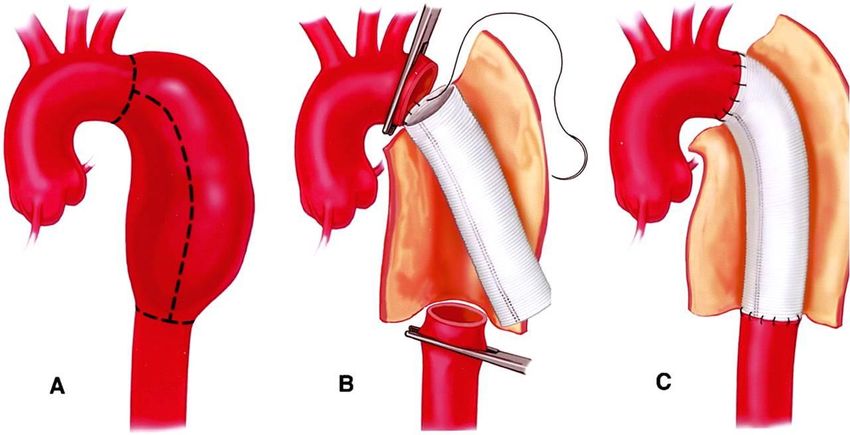
Lumbar Drain Management

  Thoracic Aortic
 Aneurysm Surgery

               Presented
                  By
   Tonya L. Page MSN, APRN, ACNP-BC
What is a Lumbar drain?
A small, flexible, soft plastic tube placed in the
lower back (lumbar area) to remove cerebrospinal
fluid (CSF)

Used to drain some of the cerebrospinal fluid that
fills the ventricles of the brain and surrounds the
brain and spinal cord.
Purpose of the Lumbar drain
Draining cerebrospinal fluid(CSF) can reduce pressure in the spinal cord or brain.

     Increased Pressure      =      Reduce blood flow

                   Confusion

                   Headache/Pain

                   Weakness/Paresis

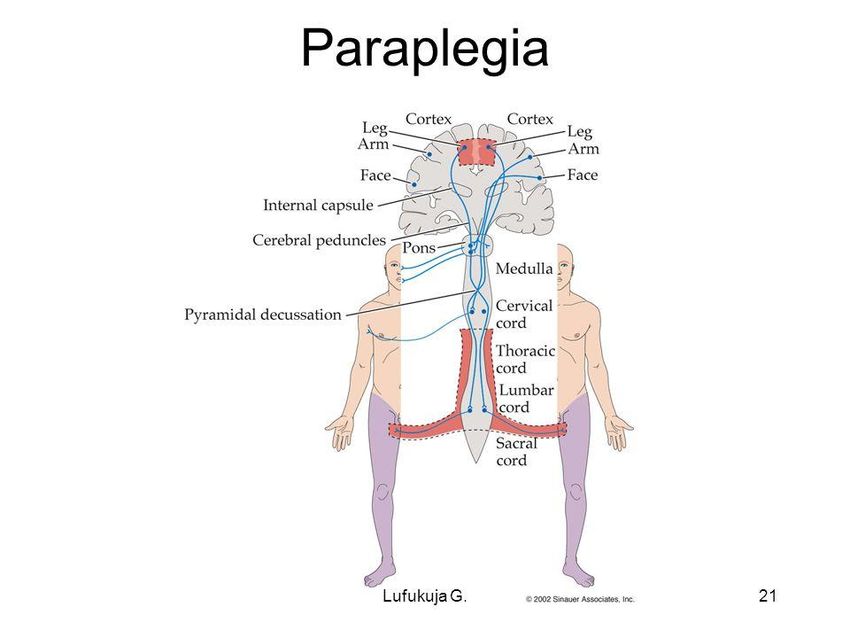
                   Paralysis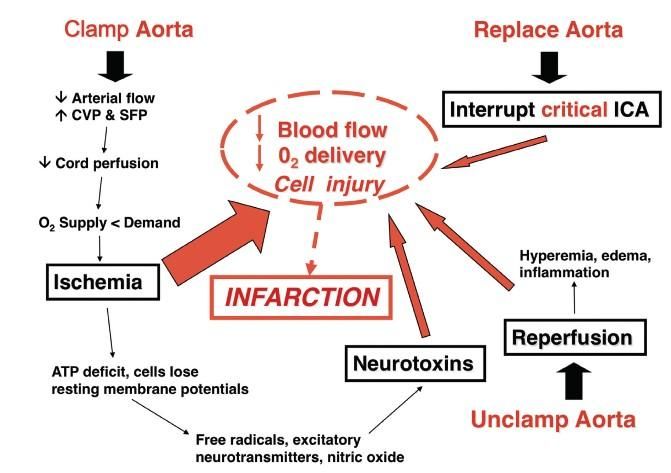
Indications in Aortic Aneurysm Surgery

Paraplegia remains one of the most devastating complications of thoracoabdominal aortic surgery
and is associated with a significant increase in both morbidity and mortality (Fedorow, et al., 2010).
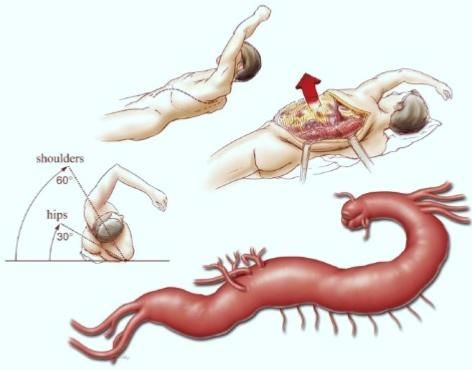
Indications for cerebrospinal fluid (CSF) drain
 Evidence from randomized and nonrandomized trials and from cohort
 studies support the use of CSF drainage as an adjunct to prevent
 paraplegia when this adjunct is used in centers with large experience
 in the management of TAAA.

 Lower limb neurologic deficits occurred in 12% of patients who
 underwent CSF drainage and 33% of control subjects.

      Cinà, C. S., Abouzahr, L., Arena, G. O., Laganà, A., Devereaux, P. J., & Farrokhyar, F. (2004). Cerebrospinal fluid drainage to prevent paraplegia during thoracic and thoracoabdominal aortic aneurysm
      surgery: A systematic review and meta-analysis. Journal of Vascular Surgery, 40(1), 36-44. 10.1016/j.jvs.2004.03.017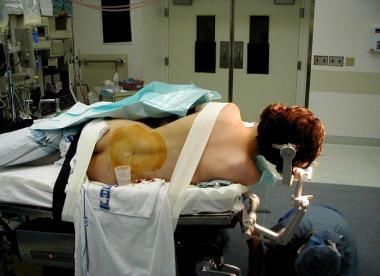
Why does this happen?
Intraoperative ischemia of the spinal cord is thought to be, in
part, related to interruption of blood flow to the arteries that
supply blood to the spinal cord during surgery.

                                                    Fedorow, C. A., Moon, M. C., Mutch, W. A. C., & Grocott, H. P. (2010). Lumbar cerebrospinal fluid drainage for
                                                    thoracoabdominal aortic surgery: Rationale and practical considerations for management. Anesthesia and
                                                    Analgesia, 111(1), 46. 10.1213/ANE.0b013e3181ddddd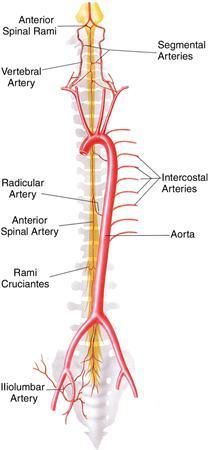
Why does this happen?
• Aortic cross clamping reduces the
  distal mean arterial pressure (MAP)
  and the spinal cord perfusion
  pressure (SCPP)
• Clamping reduces the perfusion to
  the spinal cord and can cause
  ischemia and edema
• Then end result may be partial or
  incomplete paresis or complete
  paraplegia

What increases the risk?
1.   Emergency (dissection/rupture)
2.   Increased Clamp Time
3.   Extensive Aneurysms
4.   Post-op Hypotension
5.   Increased Age
6.   Previous Aneurysm Repair
7.   Diabetes (comorbid diseases)
Perioperative Insertion Side lying position Sterile site prep of the lumbar spine Needle insertion at L3-L4 or L4-L5 into intrathecal space Cerebrospinal fluid flow confirmed Catheter advanced 5-7cm – (often times anesthesia will place stich) Occlusive Dressing applied Transducer connected and leveled at the right atrium CSF drained to
ICU Management Orders
Transduce Cerebrospinal Fluid Pressure (CSFP) (sometimes called ICP)
Position patient HOB 30°
Level transducer to phlebostatic axis or right atrium
Continuously transduce CSFP
Turn stopcock off toward the cylinder
Read waveform on end expiration
Document the CSF pressure every 1 hour for 3 days
If CSF >10mmHg drain toICU Management Orders Neuro Vital Signs Neuromuscular Checks q1h Neurovascular Checks q1h Notify MD/NP/PA for any changes immediately Maintain Lumbar Drain 72 hours for open repair 24-48 hours for endovascular repair
ICU Management Orders Monitor for Pink/Bloody CSF. If CSF Pink/Bloody clamp drain and notify CV surgeon and CV Anesthesia Maintain Hemoglobin >9mg/dl Notify NP/PA/MD for possible transfusion order. Maintain Cardiac Index >2.5 Maintain SBP >140 mmHg
Delayed Paraplegia
Evidence does suggest that CSF drainage is an effective rescue
maneuver for patients who develop delayed-onset paraplegia.

Predictors of DP include:
1. Increased age
2. Greater extent of TAAA (I,II,III),
3. CSF drain complications,
4. Post operative renal replacement therapy
5. Fluctuations in systolic arterial blood pressure, but not mean
   arterial pressure.
                                   Estrera, A. et al., 2016. Fluctuations in Spinal Cord Perfusion Pressure: A Harbinger of Delayed Paraplegia After
                                   Thoracoabdominal Aortic Repair, AATS Aortic Symposium, May 13, 2016 power point presentation
Recognizing Neurological Deficits
A new neurologic deficit developing after the patient awakened from
the operation with a normal examination.
Deficits can be graded as:
0 = no muscular contraction
1 = a barely detectable flicker or trace of contraction
2 = active movement with gravity eliminated
3 = active movement against gravity
4 = active movement against gravity and resistance
5 = normal.
A significant improvement in paraplegia or paraparesis defined as an
improvement of at least two motor grades.Delayed Neurologic Deficit Management
C SF Drain Status O xygen Delivery P atient Status
Malfunction Normal Low? Assess
Replace Drain 1. O2 sat
2. Hgb: >10 mg/dl
3. Cl: >2.5 L/min/BSA
1. Patient Flat 1. Mean BP: >90 mmHg
2. Drain pressure 80 mmHg (MAP-CSFP)
3. Drain for 7 days 3. Cognitive Status: Bloody CFS?
Estrera, A. et al., 2016. Fluctuations in Spinal Cord Perfusion Pressure: A Harbinger of Delayed Paraplegia
After Thoracoabdominal Aortic Repair, AATS Aortic Symposium, May 13, 2016 power point presentationLumbar Drain Removal & Monitoring MD/NP/PA to remove drain in sterile fashion Site inspected and covered with 2x2 and clear occlusive dressing Patient to lay flat with spine aligned for 2-4 hours Monitor for headache due to continued CSF leak Notify CV anesthesia if symptoms do not resolve
References

Estrera, A. et al., 2016. Fluctuations in Spinal Cord Perfusion Pressure: A Harbinger of Delayed Paraplegia After Thoracoabdominal Aortic Repair, AATS Aortic
Symposium, May 13, 2016 power point presentation.

Fedorow, C. A., Moon, M. C., Mutch, W. A. C., & Grocott, H. P. (2010). Lumbar cerebrospinal fluid drainage for thoracoabdominal aortic surgery: Rationale and practical
considerations for management. Anesthesia and Analgesia, 111(1), 46. 10.1213/ANE.0b013e3181ddddd
You can also read


