Transmission & Distribution - UVM-02 Transmission Vegetation Management Plan (TVMP) - Southern California Edison
←
→
Page content transcription
If your browser does not render page correctly, please read the page content below
For Internal Use Only

                                   Transmission &
                                     Distribution
                            UVM-02
              Transmission Vegetation Management
                          Plan (TVMP)

                                          For Internal Use Only – Southern California Edison
Printed copies of this document are uncontrolled. In the case of a conflict between printed and electronic versions of this document, the
                                     controlled version published on the Company portal prevails.
                                                              Page 1 of 57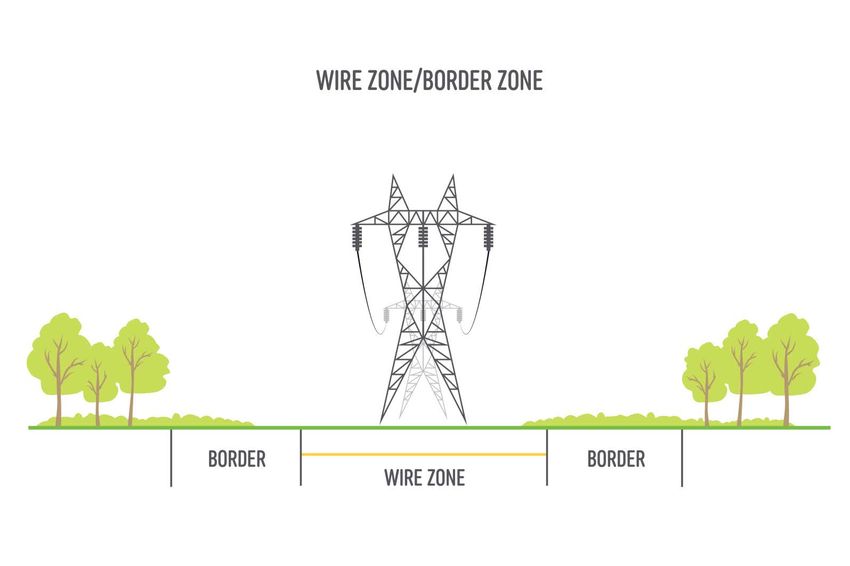
For Internal Use Only

                                                           Table of Contents
1.      Introduction .............................................................................................................................. 4
     1.1     Purpose .............................................................................................................................. 4
     1.2     Objectives .......................................................................................................................... 4
2.      Applicability .............................................................................................................................. 5
     2.1     Operating Units .................................................................................................................. 5
     2.2     Facilities ............................................................................................................................. 5
     2.2.1 Transmission and Generation Facilities – NERC ................................................................ 5
     2.2.2 Transmission Facilities – CPUC ......................................................................................... 6
     2.2.3 Transmission Facilities – Cal Fire ....................................................................................... 6
3.      Definitions ................................................................................................................................ 7
4.      Document Detail....................................................................................................................... 7
     4.1     Encroachments .................................................................................................................. 7
     4.2     Maintenance Procedures ................................................................................................... 9
     4.3     Notification of Vegetation Threat ...................................................................................... 11
     4.4     Constraints ....................................................................................................................... 12
     4.5     Inspections ....................................................................................................................... 13
     4.6     Completion of Annual Work Plan ..................................................................................... 13
5.      Clearance Requirements ....................................................................................................... 15
     5.1     Transmission Lines .......................................................................................................... 15
     5.2     Transmission Poles and Towers ...................................................................................... 21
6.      Other Program Elements ....................................................................................................... 22
     6.1     Inspection Types .............................................................................................................. 22
        6.1.1 Pre-inspections ............................................................................................................. 22
        6.1.2 Supplemental Inspections ............................................................................................. 23
     6.2     Inspection Methods .......................................................................................................... 23
        6.2.1      Ground Inspections.................................................................................................... 23
        6.2.2      LiDAR Inspections ..................................................................................................... 23
        6.2.3      LiDAR Supplemented Ground Inspections ................................................................ 23
        6.2.4      Aerial Inspections ...................................................................................................... 24
     6.3     Abnormal Field Conditions ............................................................................................... 24
     6.4     ROW Width ...................................................................................................................... 24
     6.5     Vegetation Control Techniques ........................................................................................ 24
                                           For Internal Use Only – Southern California Edison
 Printed copies of this document are uncontrolled. In the case of a conflict between printed and electronic versions of this document, the
                                      controlled version published on the Company portal prevails.
                                                               Page 2 of 57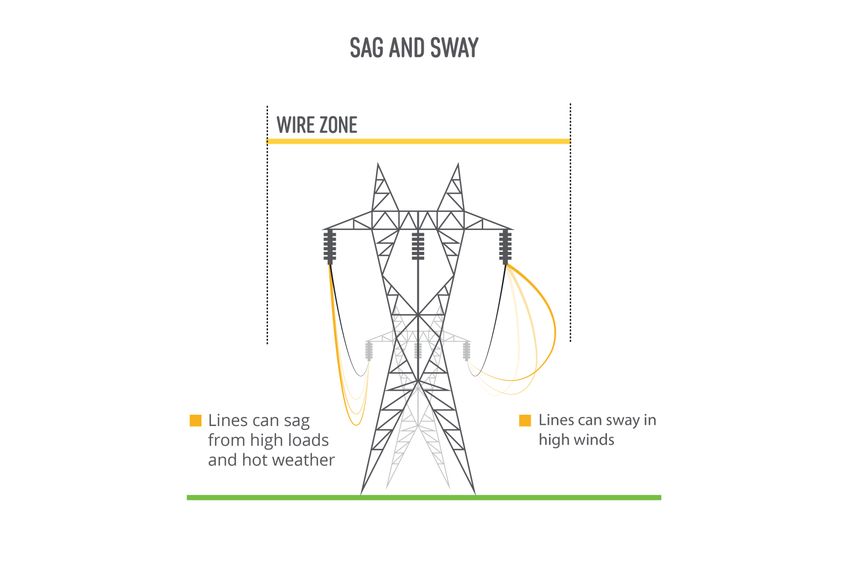
For Internal Use Only

     6.6    Post Work Verification ...................................................................................................... 24
     6.7    Personnel Qualifications and Training.............................................................................. 25
       6.7.1      Utility Vegetation Management Personnel ................................................................. 25
       6.7.2      UVM Contractors ....................................................................................................... 25
7.     Outages ................................................................................................................................. 25
     7.1    Outage Investigations ...................................................................................................... 25
       7.1.1      Periodic Data Submittals ........................................................................................... 26
8.     Evidence ................................................................................................................................ 26
9.     Approvals ............................................................................................................................... 27
10. Revision History ..................................................................................................................... 27
11. References ............................................................................................................................. 27
     11.1      External References ..................................................................................................... 27
     11.2      Internal References....................................................................................................... 28
12. Attachments ........................................................................................................................... 28
13. Distribution and Data Retention ............................................................................................. 28
14. Key Contacts .......................................................................................................................... 29

                                           For Internal Use Only – Southern California Edison
 Printed copies of this document are uncontrolled. In the case of a conflict between printed and electronic versions of this document, the
                                      controlled version published on the Company portal prevails.
                                                               Page 3 of 57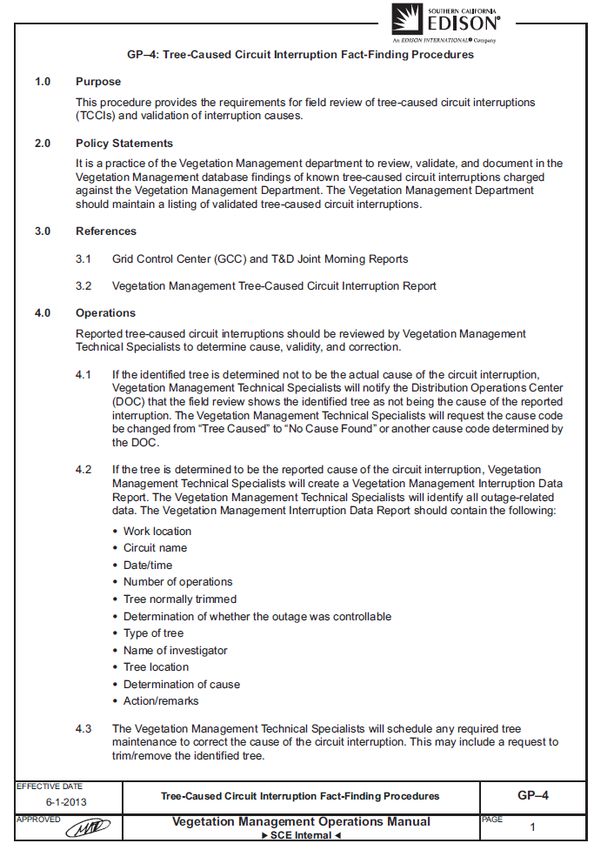
Legal,           Transmission & Distribution                        Doc. No.    UVM-02
    SCE         Regulatory, and          Utility Vegetation            Methodology
                 Compliance             Management (UVM)                                 Version    V3

                  Effective Date   1/31/2019

                    Supersedes     V2
                                      Transmission Vegetation Management Plan (TVMP)

1. INTRODUCTION

    1.1 Purpose
    Southern California Edison (SCE) maintains a reliable electric transmission system by using a
    defense-in-depth strategy to manage vegetation located on and adjacent to transmission
    Rights-of-Way (ROW) in order to minimize the risk of encroachments into the specified
    clearance zones.

    1.2 Objectives
    The SCE Transmission Vegetation Management Plan (TVMP) is designed to comply with
    regulatory Compliance Requirements, such as the North American Electric Reliability Corp.
    (NERC) Reliability Standard FAC-003-4, California Public Utilities Commission (CPUC)
    General Order (GO) 95 requirements, Cal Fire Public Resource Codes (PRC), and Title 14,
    California Code of Regulations (CCR) while improving the reliability of SCE’s transmission
    system by establishing maintenance and inspection procedures to:

   •    Manage vegetation to prevent vegetation encroachment into Clearance Zones stated in the
        following regulations, as applicable:

        o   FAC-003-4
        o   GO 95, Rule 35 (Case 13 and Case 14)
        o   GO 95, Rule 37
        o   PRC 4293
        o   PRC 4292
        o   Title 14 CCR Sections 1250-1258

   •    Document the maintenance strategies, procedures, processes and specifications used to
        manage vegetation to prevent the encroachment into the clearances described in the
        regulations noted above
   •    Include consideration of 1) conductor dynamics, 2) vegetation movement in high winds,
        and 3) the interrelationships between vegetation growth rates, control methods and
        inspection frequency
   •    Provide timely notification to the appropriate control center of vegetation conditions that
        could cause a flash-over or Fault at any moment
   •    Implement corrective actions to prevent the encroachment into the clearances described in
        the regulations noted above
   •    Inspect vegetation conditions annually
   •    Complete the annual work needed to prevent encroachments into the clearances described
        in the regulations noted above
                                          For Internal Use Only – Southern California Edison
Printed copies of this document are uncontrolled. In the case of a conflict between printed and electronic versions of this document, the
                                     controlled version published on the Company portal prevails.
                                                              Page 4 of 57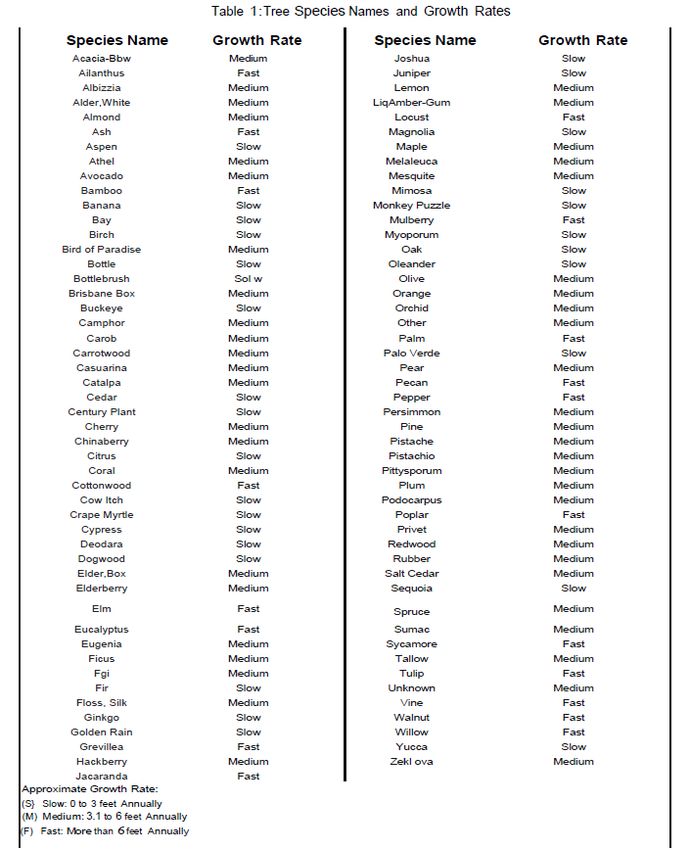
Legal,           Transmission & Distribution                    Doc. No.    UVM-02
SCE            Regulatory, and          Utility Vegetation        Methodology
                Compliance             Management (UVM)                             Version    V3

                 Effective Date   1/31/2019

                    Supersedes    V2
                                    Transmission Vegetation Management Plan (TVMP)

2. APPLICABILITY

      2.1 Operating Units

       This document is applicable to the OUs impacted by the Energy Regulatory Compliance
       Program (ERCP) compliance requirements related to Vegetation Management, including but
       are not limited to:

      •       Transmission and Distribution
      •       Generation

      2.2 Facilities
      2.2.1 Transmission and Generation Facilities – NERC

              The following language is from NERC Reliability Standard FAC-003-4: Transmission
              Facilities: Each overhead transmission line as defined below, located outside the fenced
              area of the switchyard, station or substation and any portion of the span of the
              transmission line that is crossing the substation fence and including, but not limited to,
              those that cross lands owned by federal, state, provincial, public, private, or tribal entities:

                •    Each overhead transmission line operated at 200kV or higher.
                •    Each overhead transmission line operated below 200kV identified as an element of
                     an IROL under NERC Reliability Standard FAC-014 by the Planning Coordinator.
                •    Each overhead transmission line operated below 200kV identified as an element of a
                     Major WECC Transfer Path in the Bulk Electric System (BES) by WECC.

              Generation Facilities: Those lines as defined below including, but not limited to, those that
              cross lands owned by federal, state, provincial, public, private, or tribal entities.

                •    Overhead transmission lines that 1) extend greater than one mile or 1.609
                     kilometers beyond the fenced area of the generating station switchyard to the point
                     of interconnection with a Transmission Owner’s Facility, or 2) do not have a clear
                     line of sight 1 from the generating station switchyard fence to the point of
                     interconnection with a Transmission Owner’s Facility and are:

          1 “Clear line of sight” means the distance that can be seen by the average person without special
          instrumentation (e.g., binoculars, telescope, spyglasses, etc.) on a clear day.
                                          For Internal Use Only – Southern California Edison
Printed copies of this document are uncontrolled. In the case of a conflict between printed and electronic versions of this document, the
                                     controlled version published on the Company portal prevails.
                                                              Page 5 of 57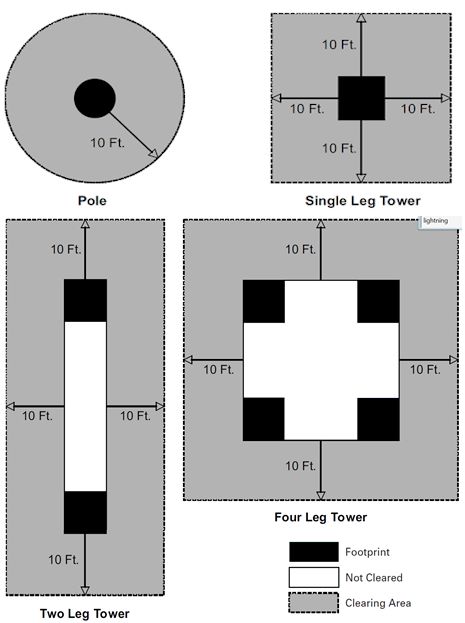
Legal,           Transmission & Distribution                       Doc. No.    UVM-02
SCE         Regulatory, and          Utility Vegetation           Methodology
             Compliance             Management (UVM)                                Version    V3

              Effective Date   1/31/2019

                Supersedes     V2
                                 Transmission Vegetation Management Plan (TVMP)

                  o Operated at 200kV or higher; or
                  o Operated below 200kV and identified as an element of a Major WECC Transfer
                    Path or an element of an IROL.

        2.2.2 Transmission Facilities – CPUC
        The following language is from CPUC General Order 95, Rules 35 and 37.

        Where overhead conductors traverse trees and vegetation, certain vegetation management
        activities are to be performed in order to establish necessary and reasonable clearances.
        The minimum clearances are set forth in Cases 13 and 14 and measured between line
        conductors and vegetation under normal conditions.

        Transmission lines operated at 115kV to 500kV located in:

        •    Non-fire areas where GO 95, Rule 35 (Case 13) applies
        •    Extreme and Very High fire areas where GO 95, Rule 35 (Case 14) applies

        2.2.3 Transmission Facilities – Cal Fire
        The following language is from Cal Fire PRC 4293 and Related CCRs

        Any person that owns, controls, operates, or maintains any electrical transmission or
        distribution line upon any mountainous land, or in forest-covered land, brush-covered land,
        or grass-covered land shall, during such times and in such areas as are determined to be
        necessary by the director or the agency which has primary responsibility for the fire
        protection of such areas, maintain a clearance of the respective distances in all directions
        between all vegetation and all conductors which are carrying electric current.

        Transmission lines operated at 115kV to 500kV located in:

        •    Fire areas where PRC 4293 applies

        The following language is from Cal Fire PRC 4292 and Related CCRs

        Any person that owns, controls, operates, or maintains any electrical transmission or
        distribution line upon any mountainous land, or forest covered land, brush-covered land, or
        grass-covered land shall, during such times and in such areas as are determined to be
        necessary by the director or the agency which has primary responsibility for fire protection
        of such areas, maintain around and adjacent to any pole or tower which supports a switch,
        fuse, transformer, lightning arrester, line junction, or dead end or corner pole, a firebreak

                                          For Internal Use Only – Southern California Edison
Printed copies of this document are uncontrolled. In the case of a conflict between printed and electronic versions of this document, the
                                     controlled version published on the Company portal prevails.
                                                              Page 6 of 57
Legal, Transmission & Distribution Doc. No. UVM-02
SCE Regulatory, and Utility Vegetation Methodology
Compliance Management (UVM) Version V3
Effective Date 1/31/2019
Supersedes V2
Transmission Vegetation Management Plan (TVMP)
which consists of a clearing of not less than 10 feet in each direction from the outer
circumference of such pole or tower.
Transmission lines operated at 115kV to 500kV located in:
• Fire areas where PRC 4292 applies
3. DEFINITIONS
Refer to the NERC Glossary of Terms, the E&C Shared Services Glossary of Terms (ECSS-02),
and the UVM Glossary of Terms (UVM-20) for any capitalized terms used in this document.
4. DOCUMENT DETAIL
4.1 Encroachments
The language below is from the following Compliance Requirements:
• NERC Reliability Standard FAC-003-4 Requirements 1 and 2
• GO 95, Rule 35 and Rule 37
• PRC 4293
SCE or its approved contractor will manage vegetation to prevent encroachments into the
Regulation Clearance Distance (RCD) of its applicable line(s), as described in Section 2,
operating within their Rating and all Rated Electrical Operating Conditions of the types
shown below2.
1. An encroachment into the applicable RCD 3, observed in Real-time, absent a
Sustained Outage 4
2 FAC-003-4 Requirements 1 and 2 do not apply to circumstances that are beyond the control of an
applicable Transmission Owner or Generator Owner subject to this reliability standard, including natural
disasters such as earthquakes, fires, tornados, hurricanes, landslides, wind shear, fresh gale, major storms
as defined either by the applicable Transmission Owner or Generator Owner or an applicable regulatory
body, ice storms, and floods; human or animal activity such as logging, animal severing tree, vehicle contact
with tree, or installation, removal, or digging of vegetation.
3 See Table 1 and Table 2, Paragraph 4.
4 If a later confirmation of a Fault by the applicable Transmission Owner or Generator Owner shows that a
vegetation encroachment within the RCD has occurred from vegetation within the ROW, this shall be
considered the equivalent of a Real-time observation.
For Internal Use Only – Southern California Edison
Printed copies of this document are uncontrolled. In the case of a conflict between printed and electronic versions of this document, the
controlled version published on the Company portal prevails.
Page 7 of 57Legal, Transmission & Distribution Doc. No. UVM-02
SCE Regulatory, and Utility Vegetation Methodology
Compliance Management (UVM) Version V3
Effective Date 1/31/2019
Supersedes V2
Transmission Vegetation Management Plan (TVMP)
2. An encroachment due to a fall-in from inside the ROW that caused a vegetation-
related Sustained Outage 5
3. An encroachment due to the blowing together of applicable lines and vegetation
located inside the ROW that caused a vegetation-related Sustained Outage
4. An encroachment due to vegetation growth into the RCD that caused a vegetation-
related Sustained Outage
Measure
SCE will provide evidence to regulators upon request that it managed vegetation to
prevent encroachments into the RCD as described above. Examples of acceptable forms
of evidence may include dated attestations, dated reports containing no Sustained
Outages associated with encroachment types 2 through 4 above, or records confirming no
real-time observations of any RCD encroachments.
Strategy and Supporting Documentation
In order to prevent an encroachment into the RCD, SCE or its approved contractor will
inspect and manage all vegetation located within its ROWs or easements upon which the
applicable lines are located. SCE will also manage all vegetation located outside the ROW
or easement to prevent encroachment into the RCD. During the inspection and the
completion of work, movement of the line conductors and vegetation growth will be taken
into consideration 6.
Evidence that SCE or its approved contractor managed vegetation to prevent
encroachments into the RCD will include:
• Attachment B: Utility Vegetation Management (UVM) Inspection Report
• Attachment C: UVM Post Work Verification Report
Transmission line vegetation maintenance shall be completed annually. SCE or its
approved contractor will verify the completion of annual vegetation maintenance.
5Multiple Sustained Outages on an individual line, if caused by the same vegetation, will be reported as one
outage regardless of the actual number of outages within a 24-hour period.
6 See Paragraph 1.2. Maintenance Procedures
For Internal Use Only – Southern California Edison
Printed copies of this document are uncontrolled. In the case of a conflict between printed and electronic versions of this document, the
controlled version published on the Company portal prevails.
Page 8 of 57Legal, Transmission & Distribution Doc. No. UVM-02
SCE Regulatory, and Utility Vegetation Methodology
Compliance Management (UVM) Version V3
Effective Date 1/31/2019
Supersedes V2
Transmission Vegetation Management Plan (TVMP)
Oversight of Maintenance work will be provided pursuant to the UVM Post Work
Verification and UVM Program Oversight Procedure (see UVM-07) to provide reasonable
assurance work is completed in accordance with the work specification.
4.2 Maintenance Procedures
The following language is from Requirements: NERC Reliability Standard FAC-003-4
Requirement 3; GO 95, Rule 35 and Rule 37; PRC 4293
SCE shall have documented maintenance strategies or procedures or processes or
specifications it uses to prevent the encroachment of vegetation into the RCD that
accounts for the following:
• Movement of line conductors (sag and sway) under their Rating and all Rated
Electrical Operating Conditions (See Figure 2).
• Inter-relationships between vegetation growth rates, vegetation control methods,
and inspection frequency.
For Internal Use Only – Southern California Edison
Printed copies of this document are uncontrolled. In the case of a conflict between printed and electronic versions of this document, the
controlled version published on the Company portal prevails.
Page 9 of 57Legal, Transmission & Distribution Doc. No. UVM-02
SCE Regulatory, and Utility Vegetation Methodology
Compliance Management (UVM) Version V3
Effective Date 1/31/2019
Supersedes V2
Transmission Vegetation Management Plan (TVMP)
Figure 1: Sag and Sway
Measure
The maintenance strategies or procedures or processes or specifications provided
demonstrate that SCE can prevent encroachment into the RCD considering the factors
identified in the requirement.
Strategy and Supporting Documentation
In order to prevent an encroachment into the RCD, SCE or its approved contractor will
manage vegetation on ROWs according to the following specifications:
For Internal Use Only – Southern California Edison
Printed copies of this document are uncontrolled. In the case of a conflict between printed and electronic versions of this document, the
controlled version published on the Company portal prevails.
Page 10 of 57Legal, Transmission & Distribution Doc. No. UVM-02
SCE Regulatory, and Utility Vegetation Methodology
Compliance Management (UVM) Version V3
Effective Date 1/31/2019
Supersedes V2
Transmission Vegetation Management Plan (TVMP)
ROW widths, Maximum Line Sag, and Maximum Line Sway for all lines subject to NERC
Reliability Standard FAC-003-4 will be documented on a span by span basis and will be
provided to internal personnel and/or contractors performing inspection work. ROW widths,
Maximum Line Sag, and Maximum Line Sway for all subject lines will be included in the
UVM Transmission Field Guide. This will allow field personnel to account for movement of
the conductors under all Rated Electrical Operating Conditions when determining needed
clearances or performing review.
The methodology used to define the ROW width is found in the Attachment D: ROW Width
Table. Actual ROW width used for vegetation management may vary depending on site
location, requirements, or restrictions. All lines subject to NERC Reliability Standard FAC-
003-4 will meet ground clearance requirements, if possible, under all Rated Electrical
Operating Conditions, as specified in General Order 95, Rule 37.
SCE performs a review of maintenance work as prescribed in the UVM Post Work
Verification and UVM Oversight Procedure (UVM-07) to provide reasonable assurance
work is completed according to the work prescription and required clearances.
SCE will document vegetation management elements related to its applicable lines as
follows:
• Work methods (e.g., tree removal and pruning, herbicide application, brush removal,
other vegetation management activities as described)
• Maintenance schedule
• Vegetation management inspection schedule (ground, aerial, LiDAR)
• Line inspection schedule (other than vegetation management inspections)
• Species specific growth rates, as applicable (may use fastest growing species on
ROW as worst case growth rate)
• Clearances to be attained during vegetation management work are based on
species specific growth rates or worst case species growth rate in a given span, as
applicable (see Paragraph 4, Table 1 and Table 2)
• Clearances are to be maintained under all operating conditions and at all times, as
applicable (see Paragraph 4, Table 1 and Table 2)
4.3 Notification of Vegetation Threat
The following language is from NERC Reliability Standard FAC-003-4 Requirement 4
SCE, without any intentional time delay, shall notify the switching center for the associated
applicable line when SCE has confirmed the existence of a vegetation condition that is
likely to cause a Fault at any moment.
For Internal Use Only – Southern California Edison
Printed copies of this document are uncontrolled. In the case of a conflict between printed and electronic versions of this document, the
controlled version published on the Company portal prevails.
Page 11 of 57Legal, Transmission & Distribution Doc. No. UVM-02
SCE Regulatory, and Utility Vegetation Methodology
Compliance Management (UVM) Version V3
Effective Date 1/31/2019
Supersedes V2
Transmission Vegetation Management Plan (TVMP)
When SCE has a confirmed vegetation condition likely to cause a Fault at any moment it
will retain evidence that it notified the switching center for the associated transmission line
without any intentional time delay.
Strategy and Supporting Documentation
The Vegetation Threat Procedure (UVM-08), establishes and documents the processes to
follow when an imminent threat, emerging threat, or low threat condition exists.
4.4 Constraints
Requirements: FAC-003-4 Requirement 5; GO 95, Rule 35 and Rule 37; PRC 4293
When SCE is constrained from performing vegetation work on an applicable line operating
within its Rating and all Rated Electrical Operating Conditions, and the constraint may lead
to a vegetation encroachment into the RCD prior to the implementation of the next annual
work plan, then SCE shall take corrective action to ensure continued vegetation
management to prevent encroachments.
Measure
SCE shall retain evidence of the corrective action taken for each constraint where an
applicable transmission line was put at potential risk.
Strategy and Supporting Documentation
In the event that a property owner or jurisdiction refuses to allow SCE or its authorized
contractor to complete vegetation work within the defined ROW on an applicable line, and
the constraint may lead to a vegetation encroachment into the RCD prior to the
implementation of the next annual work plan, SCE or its contractor will complete the
following steps.
Determine the vegetation condition, and follow the appropriate mitigation procedure for that
vegetation condition. The criterion for setting work priority is found in UVM-08.
Imminent Threat Condition
In the event that any imminent threat condition is observed, Vegetation Management
Operations (VM) personnel, or the Grid Control Center (GCC) will be contacted without any
intentional time delay and the steps outlined in UVM-08 will be followed. The Abnormal
For Internal Use Only – Southern California Edison
Printed copies of this document are uncontrolled. In the case of a conflict between printed and electronic versions of this document, the
controlled version published on the Company portal prevails.
Page 12 of 57Legal, Transmission & Distribution Doc. No. UVM-02
SCE Regulatory, and Utility Vegetation Methodology
Compliance Management (UVM) Version V3
Effective Date 1/31/2019
Supersedes V2
Transmission Vegetation Management Plan (TVMP)
Field Conditions Form will be completed (Attachment G).
4.5 Inspections
Requirements: FAC-003-4 Requirement 6; GO 95, Rule 35 and Rule 37; PRC 4293
SCE shall perform a Vegetation Inspection of 100% of its applicable transmission lines at
least once per calendar year and with no more than 18 calendar months between
inspections on the same ROW 7.
Measure
SCE shall retain evidence that it conducted Vegetation Inspections of the transmission line
ROW for all applicable lines at least once per calendar year but with no more than 18
calendar months between inspections on the same ROW.
Strategy and Supporting Documentation
SCE or its approved contractor will inspect all vegetation located on and adjacent to the
defined ROW of the applicable lines maintained by SCE as listed in the UVM Inspection
Schedule at least once per calendar year and no longer than 18 calendar months between
inspections.
Trees that may require additional maintenance throughout the year for any number of
reasons (e.g., fast-growing species, thermal and physical loading) are identified as
Exception Trees and may be inspected more frequently as needed.
4.6 Completion of Annual Work Plan
Requirements: FAC-003-4 Requirement 7; GO 95, Rule 35 and Rule 37; PRC 4293
7 When the applicable Transmission Owner or Generator Owner is prevented from performing a Vegetation
Inspection within the timeframe in R6 due to a natural disaster, the TO or GO is granted a time extension that
is equivalent to the duration of the time the TO or GO was prevented from performing the Vegetation
Inspection.
For Internal Use Only – Southern California Edison
Printed copies of this document are uncontrolled. In the case of a conflict between printed and electronic versions of this document, the
controlled version published on the Company portal prevails.
Page 13 of 57Legal, Transmission & Distribution Doc. No. UVM-02
SCE Regulatory, and Utility Vegetation Methodology
Compliance Management (UVM) Version V3
Effective Date 1/31/2019
Supersedes V2
Transmission Vegetation Management Plan (TVMP)
SCE shall complete 100% of its annual vegetation work plan of applicable lines to ensure
no vegetation encroachments occur within the RCD. Modifications to the work plan in
response to changing conditions or to findings from vegetation inspections may be made
(provided they do not allow encroachment of vegetation into the RCD) and must be
documented. Examples of required modifications to the annual plan may include:
• Change in expected growth rate/environmental factors
• Force Majeure Events 8 that are beyond the control of a Transmission Owner or
Generator Owner
• Rescheduling work between growing seasons
• Crew or contractor availability/mutual assistance agreements
• Identified unanticipated high priority work
• Weather conditions/accessibility
• Permitting delays
• Land ownership changes/change in land use by the landowner
• Emerging technologies
Measure
SCE retains evidence that it completed its annual vegetation work plan for applicable lines.
Strategy and Supporting Documentation
SCE or its approved contractor will complete its annual vegetation work plan on the
applicable lines as listed in the UVM annual work plan on an annual basis.
The UVM annual work plan is created and approved by SCE management and
communicated to internal employees and contractors prior to the start of each calendar
year.
In addition to the documentation required above, the following information will also be
retained related to the completion of the annual vegetation work plan, as applicable.
• Completed annual work plan (as finally modified)
• Annual work plan in its original form
• Explanation of all changes to the original annual work plan
8 Circumstances that are beyond the control of an applicable Transmission Owner or Generator Owner
include but are not limited to natural disasters such as earthquakes, fires, tornados, hurricanes, landslides,
ice storms, floods, or major storms as defined either by the TO or GO or an applicable regulatory body.
For Internal Use Only – Southern California Edison
Printed copies of this document are uncontrolled. In the case of a conflict between printed and electronic versions of this document, the
controlled version published on the Company portal prevails.
Page 14 of 57Legal, Transmission & Distribution Doc. No. UVM-02
SCE Regulatory, and Utility Vegetation Methodology
Compliance Management (UVM) Version V3
Effective Date 1/31/2019
Supersedes V2
Transmission Vegetation Management Plan (TVMP)
5. CLEARANCE REQUIREMENTS
5.1 Transmission Lines
Based on the conditions described below, the subsequent processes are used to establish
the clearance requirements in the Wire Zone and Border Zone:
5.1.1 Fire Areas (see Table 1)
Applicable regulations:
1. FAC-003-4
2. PRC 4293
3. GO 95, Rule 35, Case 14
Grid Resiliency Clearance Distances (GRCD) are established to mitigate fire risk and
maintain compliance with FAC-003-4 requirements.
• GRCD-A and GRCD-B are to be established at time of maintenance work
based on line voltage
• Trigger Clearance Distance 9 (TCD) for UVM work to be initiated based on
line voltage
• Compliance Clearance Distance 10 (CCD) to be maintained at all times based
on line voltage
5.1.2 Non-Fire Areas (see Table 2)
Applicable regulation:
1. FAC-003-4
GRCDs are established to maintain compliance with FAC-003-4 requirements.
• GRCD-A and GRCD-B are to be established at time of maintenance work
based on line voltage
• TCD for UVM work to be initiated based on line voltage
• CCD to be maintained at all times based on voltage
5.1.3 Non-Fire Areas (see Table 3)
Applicable regulation:
1. GO 95, Rule 35, Case 13
9 TCD = CCD + 3-feet
10 CCD = RCD x 1.5 (Safety Margin) rounded up
For Internal Use Only – Southern California Edison
Printed copies of this document are uncontrolled. In the case of a conflict between printed and electronic versions of this document, the
controlled version published on the Company portal prevails.
Page 15 of 57Legal, Transmission & Distribution Doc. No. UVM-02
SCE Regulatory, and Utility Vegetation Methodology
Compliance Management (UVM) Version V3
Effective Date 1/31/2019
Supersedes V2
Transmission Vegetation Management Plan (TVMP)
GRCDs are established to maintain compliance with GO 95, Rule 35 requirements.
• GRCD-A and GRCD-B are to be established at time of maintenance work
based on line voltage
• TCD for UVM work to be initiated based on line voltage
• CCD to be maintained at all times based on voltage
5.1.4 Restricted Areas
Conditions prevent UVM requirements described in 5.1.1, 5.1.2, or 5.1.3 from being
implemented. Examples include crops, orchards, environmentally sensitive areas or
lack of easement rights.
• GRCD-A or GRCD-B can be modified and documented to address the
specific circumstances or restrictions at that location
• TCD for UVM work to be initiated based on line voltage
• CCD to be maintained at all times based on voltage
To prevent encroachments into the RCD, clearance at time of scheduled maintenance,
clearance to be maintained, and trigger distance for UVM work will be as follows:
For Internal Use Only – Southern California Edison
Printed copies of this document are uncontrolled. In the case of a conflict between printed and electronic versions of this document, the
controlled version published on the Company portal prevails.
Page 16 of 57Legal, Transmission & Distribution Doc. No. UVM-02
SCE Regulatory, and Utility Vegetation Methodology
Compliance Management (UVM) Version V3
Effective Date 1/31/2019
Supersedes V2
Transmission Vegetation Management Plan (TVMP)
All Elevations in Fire Areas
FAC-003-4, PRC 4293 and GO 95, Rule 35, Extreme and Very High Fire Areas (Case 14)
WZ / BZ
Wire Border Clearance
Zone/Sag - Zone/Sway - Distance to
Clearance Clearance WZ / BZ be
Distance at Distance at Clearance Maintained Regulation
Time of Time of Distance that for Clearance
Nominal Maintenance Maintenance Triggers Work Compliance Distance
Voltage 11 GRCD-A 12 13 GRCD-B 14 TCD CCD RCD
Clear to
Defined ROW
500kV 30’ 15 Boundaries 18' 15' 10.0'
Clear to
Defined ROW
230kV 30' 16 Boundaries 18' 15' 10.0'
161kV 30' 17 30’ 18 19 18' 15' 10.0'
115kV 30' 20 30' 21 22 18' 15' 10.0'
69kV 12' 23 12' 9' 6' 4.0'
Table 1: Clearance Distance –Fire Areas, FAC-003-4, PRC 4293, Rule 35 Case 14
11 161kV, 115kV, and 69kV Major WECC Transfer Path or IROL only
12 Value to be used when LiDAR data is not available for ROW. See UVM-06 LiDAR Usage Procedure for ROW
where LiDAR is scheduled as part of the inspection
13 GRCD-A is measured from conductor at maximum sag
14 When ROW is defined by maximum sway the CCD must be added to the maximum sway to determine the GRCD-B
15 GO 95 Rule 35 Appendix E recommended clearance
16 GO 95 Rule 35 Appendix E recommended clearance
17 GO 95 Rule 35 Appendix E recommended clearance
18 Use this GRCD-B on lines where a defined ROW has been established.
19 Use nominal 69kV GRCD-B on lines where a defined ROW has not been established
20 GO 95 Rule 35 Appendix E recommended clearance
21 Use this GRCD-B on lines where a defined ROW has been established
22 Use nominal 69kV GRCD-B on lines where a defined ROW has not been established
23 GO 95 Rule 35 Appendix E recommended clearance
For Internal Use Only – Southern California Edison
Printed copies of this document are uncontrolled. In the case of a conflict between printed and electronic versions of this document, the
controlled version published on the Company portal prevails.
Page 17 of 57Legal, Transmission & Distribution Doc. No. UVM-02
SCE Regulatory, and Utility Vegetation Methodology
Compliance Management (UVM) Version V3
Effective Date 1/31/2019
Supersedes V2
Transmission Vegetation Management Plan (TVMP)
Non-Fire Areas -Based on Elevations up to 8000’ in
FAC-003-4
WZ / BZ
Wire Border Clearance
Zone/Sag - Zone/Sway - Distance to
Clearance Clearance WZ / BZ be
Distance at Distance at Clearance Maintained Regulation
Time of Time of Distance that for Clearance
Nominal Maintenance Maintenance Triggers Work Compliance Distance
Voltage 24 GRCD-A 25 26 GRCD-B TCD CCD RCD
Clear to
Defined ROW
500kV 30’ Boundaries 18' 15' 9.6' 27
Clear to
Defined ROW
230kV 30' Boundaries 28 10' 7' 4.7'
161kV 30' 15' 8' 5' 3.2'
115kV 30' 15' 7' 4' 2.2'
69kV 12' 10' 6' 3' 1.5' 29
Table 2: Clearance Distances – Non-Fire Areas, FAC-003-4
24 161kV, 115kV, and 69kV Major WECC Transfer Path or IROL only
25 Value to be used when LiDAR data is not available for ROW. See UVM-06 LiDAR Usage Procedure for ROW
where LiDAR is scheduled as part of the inspection
26 GRCD-A measured from lowest point of conductor at maximum sag
27 Rule 35 Clearance
28 When ROW is defined by maximum sway the CCD must be added to the maximum sway to determine the GRCD-B
29 Rule 35 Clearance
For Internal Use Only – Southern California Edison
Printed copies of this document are uncontrolled. In the case of a conflict between printed and electronic versions of this document, the
controlled version published on the Company portal prevails.
Page 18 of 57Legal, Transmission & Distribution Doc. No. UVM-02
SCE Regulatory, and Utility Vegetation Methodology
Compliance Management (UVM) Version V3
Effective Date 1/31/2019
Supersedes V2
Transmission Vegetation Management Plan (TVMP)
Non-Fire Areas -All Elevations
GO 95, Rule 35 (Case 13)
WZ / BZ
Wire Border Clearance
Zone/Sag - Zone/Sway - Distance to
Clearance Clearance WZ / BZ be
Distance at Distance at Clearance Maintained Regulation
Time of Time of Distance that for Clearance
Maintenance Maintenance Triggers Work Compliance Distance
Nominal Voltage GRCD-A 30 GRCD-B TCD CCD RCD
161kV 12' 10' 8' 5' 3.2'
115kV 12' 10' 7' 4' 2.2'
Table 3: Clearance Distances – Non-Fire Areas, Rule 35 Case 13
The clearances in Tables 1, 2 and 3 must take into consideration maximum sag and sway
under all Rated Electrical Operating Conditions and vegetation movement.
30 Non-fire Area GRCD-A consistent with Fire Area GRCD-A (GO 95 Rule 35 Appendix E recommended clearance)
For Internal Use Only – Southern California Edison
Printed copies of this document are uncontrolled. In the case of a conflict between printed and electronic versions of this document, the
controlled version published on the Company portal prevails.
Page 19 of 57Legal, Transmission & Distribution Doc. No. UVM-02
SCE Regulatory, and Utility Vegetation Methodology
Compliance Management (UVM) Version V3
Effective Date 1/31/2019
Supersedes V2
Transmission Vegetation Management Plan (TVMP)
Figure 2: Wire Zone – Border Zone
• Vegetation in the Wire Zone must be cleared, and maintained per the clearances
noted in the Clearance Distances (Tables 1, 2 and 3) as appropriate. All fast
growing tree species are described in Attachment E: “Tree Species in SCE Service
Territory.” Fast Growing Tree Species that are located in the Wire Zone shall be
removed as appropriate or where applicable. The Wire Zone in Tier 2 and Tier 3 fire
areas will contain only low-growing trees, shrubs, and grasses.
• Vegetation in the Border Zone will be pruned or removed to prevent encroachment
into a Clearance Zone under all Rated Electrical Operating Conditions as
documented on the Attachment B: “UVM Inspection Report” and if applicable, on
Attachment C: “UVM Post Work Verification Report” if corrective action is needed.
In the event that the required Line Clearance for any given span is located outside
the defined ROW, vegetation will be pruned to the edge of the defined ROW.
For Internal Use Only – Southern California Edison
Printed copies of this document are uncontrolled. In the case of a conflict between printed and electronic versions of this document, the
controlled version published on the Company portal prevails.
Page 20 of 57Legal, Transmission & Distribution Doc. No. UVM-02
SCE Regulatory, and Utility Vegetation Methodology
Compliance Management (UVM) Version V3
Effective Date 1/31/2019
Supersedes V2
Transmission Vegetation Management Plan (TVMP)
• Vegetation identified as a Hazard Tree will be mitigated in accordance with
Procedure UVM-04, “UVM Hazard Tree Management Plan.”
• An Exclusion Zone is to be established and maintained under and around
transmission towers. The Exclusion Zone is a clear area (bare ground) under the
tower and measuring a minimum of 10’ out from the outside perimeter of the tower
footings and a 20’ perimeter Exclusion Zone will be established where necessary for
access and maintenance.
• When the stated clearances cannot be attained at the time of scheduled
maintenance due to easements, other legal agreements, or regulations that restrict
vegetation management practices, the maximum allowable amount of vegetation will
be removed or otherwise controlled as appropriate. These Exception Tree(s) will be
documented and re-inspected as necessary throughout the year.
5.2 Transmission Poles and Towers
The following clearances around transmission poles and towers are to be maintained as
required in PRC 4292 and CCR 1254.
The 10 foot clearance for towers noted in Figure 3 may be increased to 20 feet when needed
for vehicle access.
For Internal Use Only – Southern California Edison
Printed copies of this document are uncontrolled. In the case of a conflict between printed and electronic versions of this document, the
controlled version published on the Company portal prevails.
Page 21 of 57Legal, Transmission & Distribution Doc. No. UVM-02
SCE Regulatory, and Utility Vegetation Methodology
Compliance Management (UVM) Version V3
Effective Date 1/31/2019
Supersedes V2
Transmission Vegetation Management Plan (TVMP)
Figure 3: Clearances around Poles and Towers
6. OTHER PROGRAM ELEMENTS
6.1 Inspection Types
6.1.1 Pre-inspections
SCE conducts Pre-Inspections of applicable lines, to identify:
For Internal Use Only – Southern California Edison
Printed copies of this document are uncontrolled. In the case of a conflict between printed and electronic versions of this document, the
controlled version published on the Company portal prevails.
Page 22 of 57Legal, Transmission & Distribution Doc. No. UVM-02
SCE Regulatory, and Utility Vegetation Methodology
Compliance Management (UVM) Version V3
Effective Date 1/31/2019
Supersedes V2
Transmission Vegetation Management Plan (TVMP)
• Vegetation management work needed to maintain compliance with applicable
regulations
• Potential CCD or RCD encroachments
• Hazard Trees (on-ROW and observable off-ROW trees)
• Exception Trees
6.1.2 Supplemental Inspections
Supplemental inspections are performed by qualified Transmission Operations
personnel throughout the year. Identified conditions requiring vegetation related
work are recorded and reported to VM personnel for scheduling of remediation, as
applicable.
6.2 Inspection Methods
6.2.1 Ground Inspections
SCE performs inspections, for lines with identified vegetation, from vehicles or by
foot from the source point to the end of line.
6.2.2 LiDAR Inspections
LiDAR should be used where lines cannot be readily accessed by ground or the
clearances between vegetation and conductors cannot be obtained both vertically
and horizontally from an aerial patrol.
Based on topography, line construction, and ecosystem type, the LiDAR inspection
will be scheduled as needed. Refer to UVM-06, LiDAR Reference Guide.
If necessary the LiDAR inspection can be performed as early as one year from the
previous flight but can be delayed if the LiDAR data is still actionable.. -
• Slow-growing plant communities or Subject Trees near or beyond the Border
Zone can have valid LiDAR data older than five years from the inspection.
6.2.3 LiDAR Supplemented Ground Inspections
Vegetation concerns identified from evaluation of the LiDAR data will be followed up
with LiDAR Supplemented Ground Inspections.
For Internal Use Only – Southern California Edison
Printed copies of this document are uncontrolled. In the case of a conflict between printed and electronic versions of this document, the
controlled version published on the Company portal prevails.
Page 23 of 57Legal, Transmission & Distribution Doc. No. UVM-02
SCE Regulatory, and Utility Vegetation Methodology
Compliance Management (UVM) Version V3
Effective Date 1/31/2019
Supersedes V2
Transmission Vegetation Management Plan (TVMP)
6.2.4 Aerial Inspections
Where Line Clearance cannot be readily assessed from the ground but the horizontal and
vertical clearance between the vegetation and conductors can be determined from an
aerial inspection, then aerial inspections are acceptable. Aerial inspections are also an
acceptable method for conducting post-storm/post-fire emergency inspections.
6.3 Abnormal Field Conditions
Inspections that cannot be completed due to inaccessibility or restrictions will be promptly
reported to VM personnel these areas will be documented on the UVM Abnormal Field
Conditions form (Attachment G).
6.4 ROW Width
ROW widths are established by engineering or construction standards as documented in either
construction documents, pre-2007 vegetation maintenance records, or by the blowout
standard in effect when the line was built (See Appendix D—ROW Width Table).
6.5 Vegetation Control Techniques
SCE uses industry standard Integrated Vegetation Management (IVM) techniques to
perform scheduled and required work. These techniques may include:
• Manual (Pruning and Removal)
• Chemical (Herbicides)
• Mechanical (Mowing, Mastication, Feller Bunchers, etc.)
• Other cultural and biological practices to promote desirable, stable, low - growing
plant communities that will resist invasion by tall growing tree species
Prescriptions for required work are generally developed on a case by case basis and
consider a myriad of local factors.
6.6 Post Work Verification
VM TSPs perform a Post Work Verification after completion of contractor(s) work. The VM
TSP reviews occur after the clearing work is completed. Review samples are selected in
For Internal Use Only – Southern California Edison
Printed copies of this document are uncontrolled. In the case of a conflict between printed and electronic versions of this document, the
controlled version published on the Company portal prevails.
Page 24 of 57Legal, Transmission & Distribution Doc. No. UVM-02
SCE Regulatory, and Utility Vegetation Methodology
Compliance Management (UVM) Version V3
Effective Date 1/31/2019
Supersedes V2
Transmission Vegetation Management Plan (TVMP)
accordance with UVM-07, Post Work Verification and UVM Program Oversight.
6.7 Personnel Qualifications and Training
6.7.1 Utility Vegetation Management Personnel
The VM TSPs responsible for performing Post Work Verifications shall be qualified in
accordance with Procedure UVM-16, “Qualification of VM Technical Specialist.” TSPs
shall be Certified Arborists with the International Society of Arboriculture. TSPs are also
trained to utilize transmission circuit maps; understand transmission and substation
operations; recognize restricted areas; and are trained to understand all laws, regulations,
and standards applicable to their work.
6.7.2 UVM Contractors
Contract personnel receive the majority of their training through their respective
employers. This ongoing training is supplemented by SCE
Training provided by SCE to contract personnel includes, but is not limited to, the
following:
• Regulatory Compliance Requirements (state and federal)
o NERC Reliability Standard FAC-003, General Order 95, Public
Resource Codes
• Imminent threat procedures (UVM-08, Vegetation Threat Procedure)
• Reporting inaccessible areas
• Environmentally sensitive habitat areas
• Avian restrictions
• SCE operations and contractual requirements
7. OUTAGES
7.1 Outage Investigations
Sustained Outages are investigated by a qualified Transmission department employee
and/or a qualified VM employee to determine the cause. This investigation is performed
using a Tree Caused Circuit Interruption (TCCI) Investigations Log.
For Internal Use Only – Southern California Edison
Printed copies of this document are uncontrolled. In the case of a conflict between printed and electronic versions of this document, the
controlled version published on the Company portal prevails.
Page 25 of 57Legal, Transmission & Distribution Doc. No. UVM-02
SCE Regulatory, and Utility Vegetation Methodology
Compliance Management (UVM) Version V3
Effective Date 1/31/2019
Supersedes V2
Transmission Vegetation Management Plan (TVMP)
7.1.1 Periodic Data Submittals
SCE will report vegetation related transmission outages to the Regional Entity pursuant to
current Regional Entity’s requirements under NERC Reliability Standard FAC-003-4.
Outages will be reported using the following categories:
1. Category 1A — Grow-ins: Sustained Outages caused by vegetation growing into
applicable lines, that are identified as an element of an IROL or Major WECC
Transfer Path, by vegetation inside and/or outside of the ROW
2. Category 1B — Grow-ins: Sustained Outages caused by vegetation growing into
applicable lines, but are not identified as an element of an IROL or Major WECC
Transfer Path, by vegetation inside and/or outside of the ROW
3. Category 2A — Fall-ins: Sustained Outages caused by vegetation falling into
applicable lines that are identified as an element of an IROL or Major WECC
Transfer Path, from within the ROW
4. Category 2B — Fall-ins: Sustained Outages caused by vegetation falling into
applicable lines, but are not identified as an element of an IROL or Major WECC
Transfer Path, from within the ROW
5. Category 3 — Fall-ins: Sustained Outages caused by vegetation falling into
applicable lines from outside the ROW
6. Category 4A — Blowing together: Sustained Outages caused by vegetation and
applicable lines that are identified as an element of an IROL or Major WECC
Transfer Path, blowing together from within the ROW
7. Category 4B — Blowing together: Sustained Outages caused by vegetation and
applicable lines, but are not identified as an element of an IROL or Major WECC
Transfer Path, blowing together from within the ROW
8. EVIDENCE
SCE shall retain data or evidence to show compliance with NERC Reliability Standard
FAC-003-4, Requirements R1, R2, R3, R5, R6 and R7 for three calendar years unless
directed by its Compliance Enforcement Authority to retain specific evidence for a longer
period of time as part of an investigation.
SCE shall retain data or evidence to show compliance with NERC Reliability Standard
FAC-003-4, Requirement R4 for the most recent 12 months of operator logs or the most
recent 3 months of voice recordings or transcripts of voice recordings, unless directed by
its Compliance Enforcement Authority to retain specific evidence for a longer period of time
as part of an investigation.
For Internal Use Only – Southern California Edison
Printed copies of this document are uncontrolled. In the case of a conflict between printed and electronic versions of this document, the
controlled version published on the Company portal prevails.
Page 26 of 57Legal, Transmission & Distribution Doc. No. UVM-02
SCE Regulatory, and Utility Vegetation Methodology
Compliance Management (UVM) Version V3
Effective Date 1/31/2019
Supersedes V2
Transmission Vegetation Management Plan (TVMP)
9. APPROVALS
10. REVISION HISTORY
Next Review
Version Date Description of the Revision By
Year
Re-write to include the
following enhancements:
UVM Build
1 7/1/18 Clearing distances calculated 2019
Team
based on additional factors
such as sag and sway
Updated to include all
UVM Build
2 9/27/18 Vegetation Regulations – not 2019
Team
just FAC-003
Updated clearance distances
3 2/1/19 Bill Kotteakos 2019
in all tables
11. REFERENCES
11.1 External References
• ANSI A300: Standards that apply to professionals who provide or supervise the
management of trees or woody landscape plants
• ANSI A300 (Part 1): Identifies written pruning performance standards for tree care
For Internal Use Only – Southern California Edison
Printed copies of this document are uncontrolled. In the case of a conflict between printed and electronic versions of this document, the
controlled version published on the Company portal prevails.
Page 27 of 57Legal, Transmission & Distribution Doc. No. UVM-02
SCE Regulatory, and Utility Vegetation Methodology
Compliance Management (UVM) Version V3
Effective Date 1/31/2019
Supersedes V2
Transmission Vegetation Management Plan (TVMP)
• ANSI A300 (Part 7): Integrated approach to management of vegetation on utility right-
of-way
• ANSI A300 (Part 9): Provides guidelines for the practice of tree risk assessment and
standards for writing specifications
• ANSI Z 133.1: Applies to employers engaged in the business of pruning, maintaining, or
removing vegetation and brush chipping
• NERC Glossary of Terms
• NERC Reliability Standard FAC-003-4 NERC Glossary of Terms
https://www.nerc.com/pa/Stand/Glossary%20of%20Terms/Glossary_of_Terms.pdf
11.2 Internal References
• ECSS-02, E&C Shared Services Glossary of Terms
• UVM-06 LiDAR Reference Guide
• UVM-07 Post Work Verification and UVM Program Oversight
• UVM-16 Qualification of UVM Technical Specialist
• UVM-17 Training Employee and Contractor Training
12. ATTACHMENTS
Attachment A: WECC Transfer Paths and IROLs Under 200kV
Attachment B: UVM Inspection Report
Attachment C: UVM Post Work Verification Report
Attachment D: ROW Width Table
Attachment E: Tree Species in SCE Service Territory
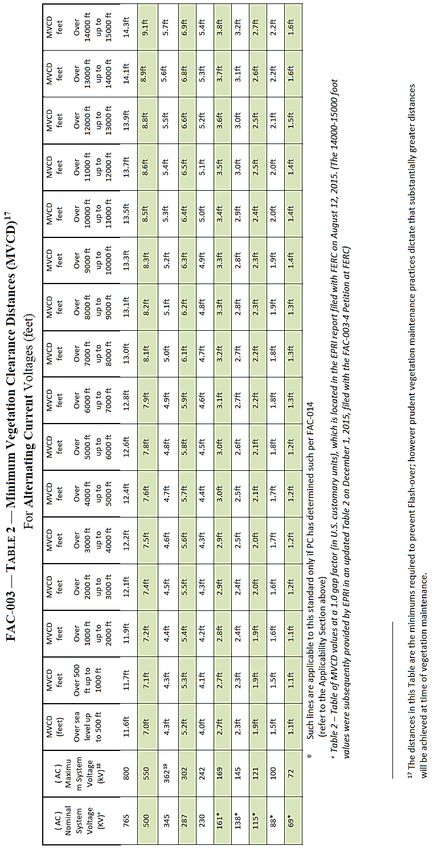
Attachment F: NERC Reliability Standard FAC-003 - Table 2, Minimum Vegetation Clearance
Distances
Attachment G: UVM Abnormal Field Conditions
Attachment H: UVM Outage Investigation Report
13. DISTRIBUTION AND DATA RETENTION
The official his version of the document shall be stored on the Maintenance and Inspection
server (\\sce\workgroup\TDBU20\ts compliance) while in effect and for at least seven (7) years
thereafter.
Distribution List:
• UVM Program Owner
• UVM Department Managers
• OU Touchpoints
For Internal Use Only – Southern California Edison
Printed copies of this document are uncontrolled. In the case of a conflict between printed and electronic versions of this document, the
controlled version published on the Company portal prevails.
Page 28 of 57You can also read


