UNIFIED TECHNICAL WORK PROGRAM (UTWP) FY 2022 - JULY 1, 2021 - JUNE 30, 2022 CUUATS - Champaign County Regional Planning ...
←
→
Page content transcription
If your browser does not render page correctly, please read the page content below
UNIFIED TECHNICAL WORK PROGRAM (UTWP)
FY 2022
JULY 1, 2021 - JUNE 30, 2022

DRAFT JANUARY 2021

                               CUUATS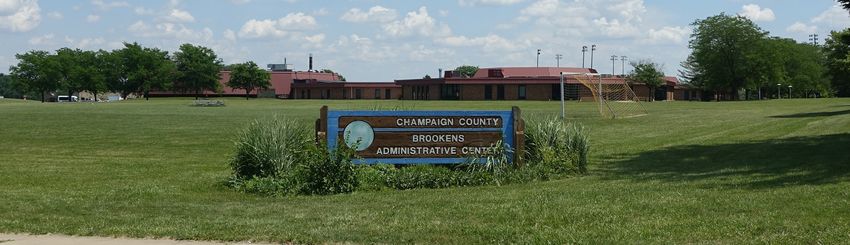
THIS PAGE INTENTIONALLY LEFT BLANK
UNIFIED TECHNICAL WORK PROGRAM (UTWP)
                              FOR THE

CHAMPAIGN-URBANA URBANIZED AREA TRANSPORTATION STUDY (CUUATS)

                              FY 2022

PREPARED FOR:   Champaign-Urbana Urbanized Area Transportation Study (CUUATS)

IN COOPERATION WITH:    Illinois Department of Transportation
                        Federal Highway Administration
                        Federal Transit Administration

PREPARED BY:    Rita Morocoima-Black
                CCRPC Planning and Community Development Director
                CUUATS Transportation Planning Manager

      Champaign County Regional Planning Commission (CCRPC)
                   1776 East Washington Street
                       Urbana, Illinois, 61802
                          (217) 328-3313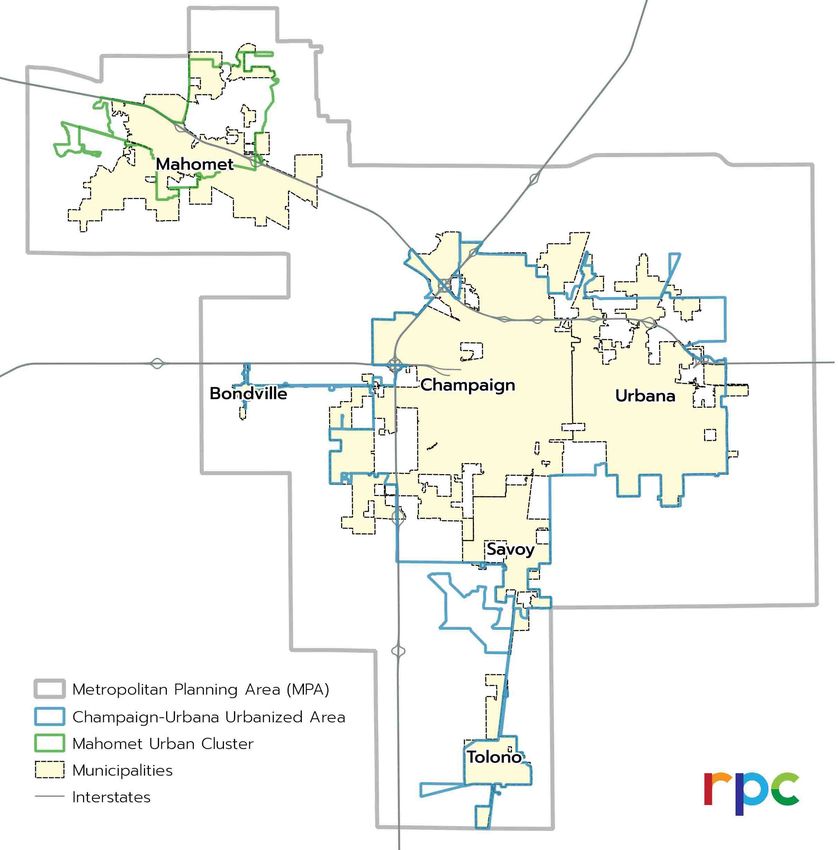
CHAMPAIGN-URBANA URBANIZED AREA TRANSPORTATION STUDY

                                       POLICY COMMITTEE
  Diane Marlin, Chairperson...........................................................City of Urbana
  Bradley Diel, Vice-Chairperson..............................................CU Mass Transit District
  Kyle Patterson.......................................................................................Champaign County
  Deborah Frank Feinen...................................................................City of Champaign
  Joan Dykstra...........................................................................................Village of Savoy
  Mohamed Attalla................................................................................University of Illinois
  Scott Neihart..........................................................................................IDOT District 5

                                    TECHNICAL COMMITTEE
  Karl Gnadt, Chairperson................................................................CU Mass Transit District
  Tim Cowan, Vice-Chairperson.................................................City of Urbana
  Jeff Blue.....................................................................................................Champaign County Highway Department
  John Cooper..........................................................................................Champaign County Highway Department
  Amy Snyder............................................................................................CU Mass Transit District
  Dave Clark...............................................................................................City of Champaign
  Rob Kowalski..........................................................................................City of Champaign
  Lorrie Pearson......................................................................................City of Urbana
  Robert Nelson.......................................................................................IDOT District 5
  Daniel Magee........................................................................................IDOT District 5
  Dalitso Sulamoyo................................................................................Champaign County Regional Planning Commission (CCRPC)
  Ehab Kamarah.......................................................................................University of Illinois
  Stacey DeLorenzo.............................................................................University of Illinois
  Christopher Walton.........................................................................Village of Savoy
  Roland White.........................................................................................Village of Savoy

                                                     STAFF
  Dalitso Sulamoyo................................................................................CCRPC Chief Executive Officer (CEO)
  Rita Morocoima-Black....................................................................Planning and Community Development Director
  Matthew Yoder....................................................................................Data and Technology Manager
  Ashlee McLaughlin...........................................................................Planning Manager
  Shuake Wuzhati...................................................................................Transportation Engineer II
  Mahamudul Hasan.............................................................................Transportation Engineer I
  Kazi Jahan.................................................................................................Transportation Planner II
  Rafsun Mashraky.................................................................................Transportation Planner II
  James Sullivan.......................................................................................Transportation Planner I
  King Ming Lai........................................................................................Software Developer I
  Samuel Stewart....................................................................................HSTP Coordinator
  Deborah Peterik..................................................................................Executive Assistant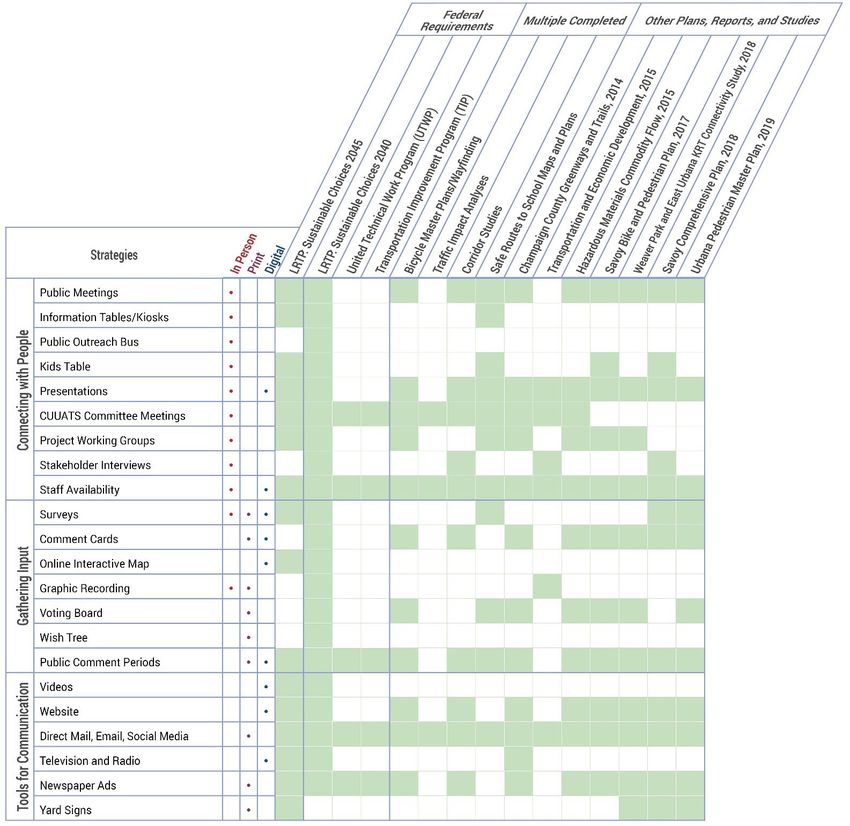
Table of Contents
1. INTRODUCTION                                                1
  CUUATS                                                       1
  CUUATS Organizational Structure                              3

2. UTWP BACKGROUND                                             5
  Purpose                                                      5
  The FAST Act and FHWA Performance Management Measures        6
  State of Illinois and Champaign-Urbana LRTP Goals            7
  CUUATS Planning Priorities                                   9
  Public Involvement                                          11

3. TASKS AND BUDGET DESCRIPTION                               13
  UTWP Structure                                              13
  TASK 310: Data Collection, Analysis, and Maintenance        14
  TASK 320: Long Range Planning and Performance Measures      16
  TASK 330: Short Range Planning and Programming              18
  TASK 340: Administration and Management                     20
  TASK 350: Special Studies                                   22
  TASK 360: Transportation Modeling and Information Systems   24
  Other Special Projects                                      26

4. BUDGET DETAIL                                              31
  EXHIBIT I                                                   32
  EXHIBIT II                                                  33
  EXHIBIT III                                                 34
  EXHIBIT IV                                                  35
  EXHIBIT V                                                   36
  CUUATS Fee Structure                                        37
Glossary
TRANSPORTATION TERMS AND ACRONYMS
ADA: Americans with Disabilities Act                           ISTEA: Intermodal Surface Transportation Efficiency Act of 1991
ADT: Average Daily Traffic                                     LAMA: Local Accessibility and Mobility Analysis
CATS: Campus Area Transportation Study                         LEAM: Land Use Evolution and Impact Assessment Model
CCRPC: Champaign County Regional Planning Commission           LOS: Level of Service
CFR: Code of Federal Regulations                               LRTP: Long Range Transportation Plan
CUUATS: Champaign-Urbana Urbanized Area Transportation Study   MAP-21: Moving Ahead for Progress in the 21st Century
CU-MTD: Champaign-Urbana Mass Transit District                 MCORE: Multimodal Corridor Enhancement
CVP: Consolidated Vehicle Procurement                          MOVES: Motor Vehicle Emission Simulator
DOE: Department of Energy                                      MPO: Metropolitan Planning Organization
EMS: Emergency Medical Services                                PIP: Public Involvement Policy
EPA: Environmental Protection Agency                           PL: MPO planning funds administered by FHWA
FAST Act: Fixing America's Surface Transportation Act          RTAG: Rural Transit Advisory Group
FHWA: Federal Highway Administration                           SAFETEA-LU: Safe, Accountable, Flexible, Efficient Transportation
FTA: Federal Transit Administration                                           Equity Act: A Legacy for Users
GALUM: GIS-based and Adaptable Land-Use Model                  SCIL: Selected Crash Intersection Locations
GF: General Fund                                               SRTS: Safe Routes To School
GHG: Greenhouse gases                                          STP: Surface Transportation Program
GIS: Geographic Information System                             TAZ: Traffic Analysis Zone
GT: Greenways and Trails                                       TDM: Travel Demand Model
HIA: Health Impact Assessment                                  TFG: Transit Facility Guidelines
HSIP: Highway Safety Improvement Program                       TEA-21: Transportation Equity Act for the 21st Century
HSTP: Human Services Transportation Plan                       TIP: Transportation Improvement Program
HTF: Highway Trust Fund                                        TSM: Transportation System Management
IDOT: Illinois Department of Transportation                    UTWP: Unified Technical Work Program
ILMUG: Illinois Modeling Users Group                           VMT: Vehicle Miles Traveled
ITEP: Illinois Transportation Enhancement Program              3Cs: Continuing, Comprehensive and Cooperative Transportation
ITS: Intelligent Transportation System                              Planning
1       Introduction

CUUATS                                                             Savoy, Tolono, and Bondville (Figure 1). The Champaign-
                                                                   Urbana Metropolitan Planning Area (MPA) boundary covers the
The Champaign-Urbana Urbanized Area Transportation                 existing urbanized area and the contiguous area expected
Study (CUUATS) was created in 1965 to administer the               to become urbanized during the Long Range Transportation
region’s cooperative, comprehensive, and continuing                Plan 20-year forecast period as approved by the CUUATS
(3C) transportation planning process. Federal regulations          Technical and Policy Committee members, most recently in
require that a Metropolitan Planning Organization (MPO) be         2015 (Figure 1).
designated to carry out a 3C transportation planning process
for urbanized areas (as defined by the U.S. Census Bureau)
with a population of 50,000 or more. In order to assure               CUUATS Member Agencies
that comprehensive regional planning efforts were achieved
according to federal and state regulations and to avoid               • Champaign County
duplication of efforts, in March 1974, the Governor of the State      • Champaign-Urbana Mass Transit District (CUMTD)
of Illinois designated the Champaign County Regional Planning         • City of Champaign
Commission (CCRPC) as the MPO for the Champaign-Urbana                • City of Urbana
urbanized area. CCRPC administers the staff for CUUATS and            • Illinois Department of Transportation (IDOT)
recognizes CUUATS as its own transportation planning entity.
                                                                      • University of Illinois at Urbana-Champaign
                                                                      • Village of Savoy
The Champaign-Urbana urbanized area boundary includes
the Cities of Champaign and Urbana and the Villages of

                                                                                                                                 1
Introduction
Figure 1: CUUATS Urbanized Area and Metropolitan Planning Area
2Introduction
CUUATS Organizational Structure the Policy Committee for their approval. CUUATS Technical
Committee membership is composed of representatives of
CUUATS operates under the principal direction of two the following agencies:
committees: the Policy Committee and the Technical
Committee. In its organizational structure, the Technical TECHNICAL COMMITTEE MEMBERS
Committee acts as a working committee under the direction • Champaign County (2 voting members):
of the Policy Committee. -- County Engineer
-- Assistant County Engineer
CUUATS Policy Committee • Champaign-Urbana Mass Transit District (2 voting members):
-- Managing Director
The CUUATS Policy Committee consists of local elected and
-- Chief of Staff
appointed officials of those agencies that have a primary
• City of Champaign (2 voting members):
interest in transportation. Each member is expected to reflect -- City Engineer
the official position of his or her constituent agency and/or -- Assistant Planning Director
the public interest they represent. This committee assumes • City of Urbana (2 voting members):
the decision-making authority for CUUATS and establishes -- Director of Public Works
policies that guide and form the transportation planning -- Community Development Director
process. The committee has a variety of responsibilities, which • Illinois Department of Transportation (2 voting members):
range from approving the annual TIP to establishing the MPA -- Planning and Services Chief (District 5)
boundary for the urbanized area. -- Federal Aid Coordinator (District 5)
• University of Illinois (2 voting members):
POLICY COMMITTEE MEMBERS: -- Associate Director for Project Planning
• Chair, Champaign County Board -- Transportation Demand Management Coordinator
• Chair, CUMTD Board of Trustees • Village of Savoy (2 voting members):
• Mayor, City of Champaign -- Director of Public Works
• Mayor, City of Urbana -- Village Administrator
• Program Development Engineer, IDOT District 5 • Regional Planning Commission (1 voting member):
• Executive Director, University of Illinois Facilities & Services -- Chief Executive Officer
• President, Village of Savoy • Technical Advisors (non-voting): IDOT Central Bureau
of Planning; FHWA Division Office; Village of Bondville
CUUATS Technical Committee representative; Village of Tolono representative; Village of
Mahomet representative; IDOT Office of Intermodal Project
The CUUATS Technical Committee consists of staff from all Implementation; Airport, Rail, and Freight Representatives;
CUUATS participating agencies. It performs analyses and Township Representatives (Somer, Hensley, Champaign,
makes recommendations concerning transportation issues to and Urbana)
3Introduction
CUUATS Staff CURRENT CUUATS STAFF POSITIONS
The professional time and services for transportation planning 1. CCRPC Chief Executive Officer
in this cooperative effort are provided through a composite 2. CCRPC Planning and Community Development Director
approach. It consists of CUUATS staff housed in the Champaign 3. CCRPC Data and Technology Manager
County Regional Planning Commission, as well as staff from 4. CCRPC Planning Manager
IDOT and other member agencies. The day-to-day operations 5. CCRPC Transportation Engineer II
of the agency are performed by CUUATS staff, with technical
6. CCRPC Transportation Engineer I
expertise in transportation systems planning, engineering,
7. CCRPC Transportation Planner II
and other related areas. CUUATS staff, in conjunction with
CUUATS member agencies, collects, analyzes, and evaluates 8. CCRPC Transportation Planner II
demographic, land use, and transportation data to determine 9. CCRPC Transportation Planner I
the transportation system requirements of the urbanized area. 10.CCRPC Software Developer I
The staff also prepares materials for use and discussion at 11. CCRPC HSTP Coordinator
Technical and Policy Committee meetings and other meetings.
12. CCRPC Executive Assistant
The professional staff members participate in all CUUATS
meetings and provide expertise as needed. In addition, they
represent the agency at other meetings of importance to
planning activities within the region.
CCRPC/CUUATS Offices at Brookens Administrative Building in Urbana
42 UTWP Background
Purpose is the joint responsibility of the MPO, IDOT, and member
agencies authorized to carry out transportation planning and
The purpose of the Unified Technical Work Program (UTWP) implementation activities in the urbanized area.
is to provide the Champaign-Urbana Urbanized Area
Transportation Study (CUUATS) staff with a work allocation plan This UTWP describes the transportation planning efforts in the
that promotes a cooperative, comprehensive, and continuing Champaign-Urbana urbanized area for the period of July 1,
(3C) transportation planning process for the Champaign- 2021 to June 30, 2022 by identifying transportation planning
Urbana urbanized area as required under the Federal-Aid priorities, allocating CUUATS staff resources to particular
Highway Act of 1962. All significant elements of the area- projects, defining the functional and financial responsibilities
wide planning process used in developing transportation of participating agencies that are involved in the urban
plans, programs, and projects are included in this document. transportation planning process, and serving as a management
The UTWP also contains transportation planning support tool for the participating entities. Tasks are encompassed
activities including those related to land use, social, economic, by major areas of activity or programs in which Champaign
demographic, and health factors, and other comprehensive County, the Champaign-Urbana Mass Transit District, the
planning activities. Both federally funded tasks as well as those Cities of Champaign and Urbana, the Illinois Department of
funded entirely at state and local levels are included. The Transportation, the University of Illinois, the Village of Savoy,
UTWP is sufficiently comprehensive to provide descriptions of the Champaign County Regional Planning Commission, and
the specific technical activities and funding levels necessary CUUATS staff will participate. Work performed by CUUATS staff
to carry out the CUUATS transportation planning program for is outlined in each work task.
fiscal year 2022. Development of the technical work program
5UTWP Background
The FAST Act and FHWA 3. Number of Serious Injuries
4. Serious Injuries Rate per 100 Million VMT
Performance Management 5. Number of Non-Motorized Fatalities and Serious Injuries
Measures Performance Measures: Infrastructure
(Pavement and Bridge Condition)
The UTWP FY 2022 must respond to the planning requirements
1. Percent Interstate System Pavement in Good Condition
of the Fixing America's Surface Transportation Act or "FAST
2. Percent Interstate System Pavement in Poor Condition
Act" adopted in December 2015. The FAST Act largely 3. Percent Non-Interstate National Highway System (NHS)
maintains the regional transportation planning programs and Pavement in Good Condition
funding shares first advanced in ISTEA and TEA-21 and most 4. Percent Non-Interstate NHS Pavement in Poor Condition
recently in SAFETEA-LU and MAP-21. However, the FAST Act 5. Percent NHS Bridge Deck Area in Good Condition
makes changes and reforms to many federal transportation 6. Percent NHS Bridge Deck Area in Poor Condition
programs, including streamlining the approval processes
Performance Measures: System Performance
for new transportation projects, providing new safety tools,
1. Percent Person Miles Traveled on the Interstate that are
and establishing new programs to advance critical freight
Reliable
projects. Similar to previous federal transportation bills, the 2. Percent Person Miles Traveled on the Non-Interstate NHS
FAST Act also requires the MPO to produce and oversee a that are Reliable
Transportation Improvement Program (TIP), the region's short 3. Truck Travel Time Reliability (TTTR) Index (on Interstate)
range investment plan, which must be consistent with and 4. Annual Hours of Peak Hour Excessive Delay (PHED) per
serve to implement the region’s long range transportation Capita
plan (LRTP). Furthermore, the FAST Act establishes that the 5. Percent Non-Single Occupancy Vehicle (SOV) Travel
6. Total Emissions Reduction
TIP and LRTP must also provide for the development and
Note: 4 and 5 only apply to NHS in urbanized areas with a population over
integrated management of “intermodal facilities that support
1 million or urbanized areas with a population over 200,000. 6 only applies
intercity transportation, including intercity buses and intercity to projects financed with CMAQ funds, which excludes the Champaign-
bus facilities, and commuter vanpool providers.” Urbana MPO.
Under the FAST Act, the FHWA was required to establish Performance Measures: Transit Assets
performance management measures to assess performance 1. Percent Revenue Vehicles (by type) Exceeding Useful Life
in the following areas. Benchmark (ULB)
2. Percent Non-Revenue Service Vehicles (by type) Exceeding
Performance Measures: Safety ULB
1. Number of Fatalities 3. Percent Facilities (by group) rated less than 3.0 on TERM
2. Fatality Rate per 100 Million Vehicle Miles Traveled (VMT) scale
6UTWP Background
Performance Measures: Transit Safety State of Illinois and Champaign-
1. Total Number of Fatalities Reported to the National Transit
Database (NTD) Urbana Long Range
2. Fatality Rate per 10 Million Vehicle Revenue Miles (VRM)
3. Total Number of Injuries Reported to the NTD
Transportation Plan (LRTP) Goals
4. Injury Rate per 10 Million VRM CUUATS work activities for fiscal year 2022 include addressing
5. Total Number of Safety Events Reported to the NTD the federally required performance management measures,
6. Safety Event Rate per 10 Million VRM
the 2019 Illinois LRTP goals and the Champaign-Urbana LRTP
7. Total Number of Major Mechanical System Failures
2045 goals through different tasks delineated later in this
In addition to the Performance Measures listed above, the document.
Transportation Improvement Plan (TIP) shall also address
the effect projects in the TIP will have toward achieving the 2019 State of Illinois LRTP Goals
performance targets, as identified in the LRTP. The TIP should IDOT identified the following five overarching goals that are
also link the investments of those projects to the performance the foundation of the 2019 Illinois LRTP.
targets. Therefore, projects in the TIP need to be identified
and related to the above performance management measures. ECONOMY
Improve Illinois' economy by providing transportation
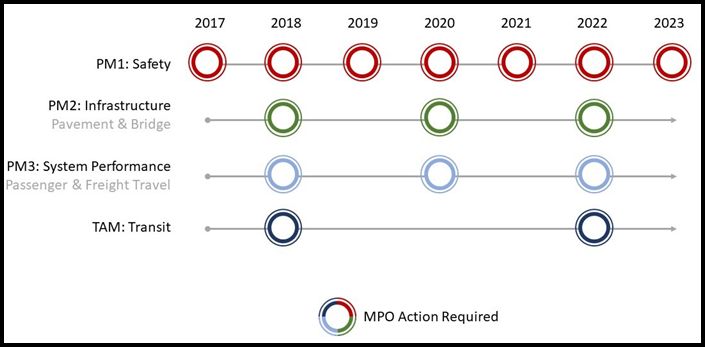
Figure 2 reflects the timeline for submission of performance infrastructure that supports the efficient movement of people
targets to IDOT according to federal regulations. and goods.
Figure 2: IDOT Performance Measure Timeline LIVABILITY
Enhance the quality of life across the state by ensuring that
transportation investments advance local goals, provide
multimodal options, and preserve the environment.
MOBILITY
Support all modes of transportation to improve accessibility
and safety by improving connections between all modes of
transportation.
RESILIENCY
Proactively assess, plan, and invest in the state's transportation
system to ensure that our infrastructure is prepared to sustain
and recover from extreme events and other disruptions.
7UTWP Background
STEWARDSHIP ECONOMY
Safeguard existing funding and increase revenues to support The metropolitan planning area will maximize the efficiency
system maintenance, modernization, and strategic growth of of the local transportation network for area employers,
Illinois' transportation system. employees, materials, products, and clients at the local,
regional, national, and global levels and facilitate strong inter-
Champaign-Urbana LRTP 2045 Goals regional collaborations to realize large-scale transportation
The UTWP FY 2022 will guide transportation planning activities improvements.
in a performance-based approach toward implementing the
ENVIRONMENT
adopted goals and objectives established in the Champaign-
The metropolitan planning area will reduce the transportation
Urbana LRTP 2045.
system’s significant contribution to greenhouse gas emissions
SAFETY and environmental degradation to maintain a high quality of
The metropolitan planning area will maintain, preserve, and human and environmental health in the region.
operate its existing transportation system to provide safe,
efficient, and reliable movement of people, goods, and CUUATS has identified specific performance measures in
services in the short term, and in the long term, achieve the the LRTP to assess progress toward achieving these goals
state’s goal of zero death and disabling injuries. and is also monitoring the region's progress toward the
performance targets established by IDOT for the federally
MULTIMODAL CONNECTIVITY required performance measures.
The Champaign-Urbana area will increase accessibility,
connectivity, and mobility of people and freight to all
areas of the region by maintaining a multimodal system of
transportation that is cost-effective for people, businesses,
and institutions and will allow freedom of choice in all modes
of transportation including active modes whenever possible.
EQUITY
The metropolitan planning area will aim to provide safe,
affordable, and efficient transportation choices to all people
to support a high quality of life in every part of the community.
8UTWP Background
CUUATS Planning Priorities • Maintain project websites and associated resources (web
maps, datasets, etc.)
The annual planning priorities established for the UTWP FY • Make relevant demographic, land use, and transportation
2022 are based on the goals and objectives delineated in the data available to the public via the Champaign County
CUUATS LRTP 2045, the goals in the 2019 Illinois LRTP, and Regional Data Portal
the National Performance Management Measures established
• Enhance Geographic Information System (GIS) tools and
under MAP-21 and ratified by the FAST Act.
capabilities for use in-house and for publishing spatial data
online
• Implement recommendations of the CUUATS LRTP 2045
• Enhance and maintain the CUUATS modeling suite tools,
• Track and publicly document the progress of the CUUATS
including the county-wide CUUATS Travel Demand
LRTP performance measures and federal performance
Model (TDM), the CUUATS Land Use Model, the MOtor
measures in the LRTP Report Card each year
Vehicle Emissions Simulator (MOVES) Model, the CUUATS
• Track and publicly document the progress of the federal Social Costs of Land Development Scenarios (SCALDS)
performance measures in the Federal Performance Measure Model, extend the Access Score tool for use in virtual
Report Card public meetings, and add the Champaign County Safety
Forecasting Tool into the modeling suite
• Update the Project Priority Review Guidelines (PPR)
according to new CUUATS LRTP 2045 goals to inform the • Develop a Collaborative Engagement Technology (CET) web
allocation of Federal Surface Transportation Block Grant application based on CUUATS Access Score to enhance
Program (STBGP) funds with respect to national, regional, input opportunities at public meetings and events
and local goals
• Continue to support the Illinois Model Users Group (IL-MUG)
• Amend (as needed) the Transportation Improvement and provide technical assistance to Illinois MPOs and help
Program (TIP) FY 2020-2025 them with the creation, maintenance, and/or improvement
of their Travel Demand Models
• Develop the TIP FY 2023-2028
• Implement recommendations of the 2019 Champaign-
• Develop the FY 2021 Annual Listing of Federally Obligated Urbana Urbanized Area Freight Plan including tracking
Projects performance measures and identifying funding
opportunities
• Develop the UTWP FY 2023
• Continue to update and maintain the 2019 Champaign-
• Respond to data requests from member agencies,
Urbana Intelligent Transportation System (ITS) Architecture
consultants, members of the university community, and the
general public
9UTWP Background
• Collect changes to sidewalk network facilities, and annually • Continue to facilitate the Champaign County Rural Transit
update the CUUATS inventory and assessment of sidewalks, Advisory Group (RTAG) to improve transit service between
curb ramps, crosswalks, and pedestrian signals in the the urbanized area and rural Champaign County and within
urbanized area Champaign County
• Continue to implement the recommendations listed in the • Prepare grant applications and provide grant application
2014 Champaign County Greenways and Trails (G&T) Plan assistance for federal and state funding, including
preparation of INFRA, HSIP, ITEP, SRTS, SPR and more
• Prepare and update Safe Routes to School (SRTS) plans
• Continue coordinating planning activities with CUUATS
and route maps for local public schools as needed
member agencies to make sure regional transportation
• Continue to provide support for active transportation plans are consistent with local government comprehensive
plans as well as other regional agencies' plans
education and encouragement activities for bicyclists and
pedestrians of all ages
• Continue to provide support for the implementation of
safety improvements in the University District
• Implement the recommendations and track progress on
the implementation of strategies from the 2019 Champaign
County Rural Safety Plan and the 2019 Champaign-Urbana
Metropolitan Planning Area (MPA) Safety Plan and continue
to convene the CUUATS Safety Committee
• Update the C-U Traffic Crash Dashboard with the most
recent crash data available
• Create a centralized, web-based database of Champaign
County regional environmental features for transportation
planners and engineers to understand and incorporate into
the transportation planning process
• Continue to track progress on the implementation of
strategies from the 2018 Human Services Transportation
Plan (HSTP) for the urbanized area
10UTWP Background
Public Involvement At different stages of the planning process, CUUATS staff
informs the public about CUUATS work products, gathers input
In all transportation planning processes, the input of residents regarding specific issues, and raises awareness about the
and other interested parties are crucial to successful planning local transportation system. CUUATS staff employs different
and project prioritization. The unique responsibility of regional techniques for different plans in accordance with federal and
transportation planners is to represent the needs and desires state requirements as well as any additional needs deemed
of the collective urbanized area without losing sight of the relevant to each plan, planning area, and planning area
social, physical, and economic differences that exist within the population. Many of these techniques are referenced above,
urbanized area. To integrate local and regional issues, CUUATS in the context of the long range planning process. A general
staff uses a variety of innovative methods and analyses summary of these techniques is described in Figure 3, loosely
to capture the mobility needs and desires of the diverse grouped under the categories of Connecting with People,
individuals and neighborhoods that make up the Champaign- Gathering Input, and Communication Tools.
Urbana urbanized area.
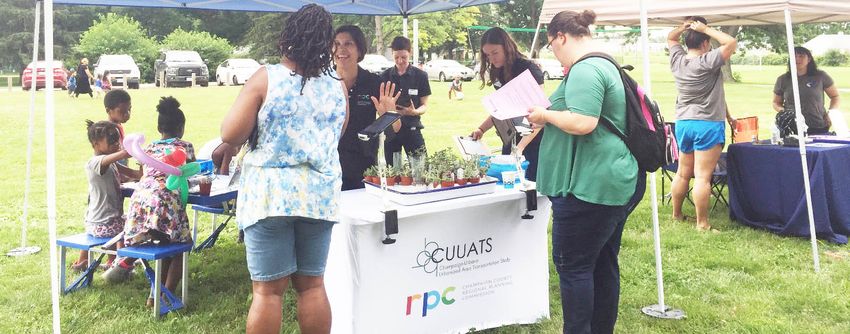
CUUATS outreach event for LRTP 2045 at Human Kinetics Park in June 2018
11UTWP Background
Figure 3: CUUATS Public Involvement
123 Tasks and Budget Description
UTWP Structure
Specific transportation planning tasks to be undertaken by the
MPO staff are organized into six major categories:
• Data Collection, Analysis, and Maintenance
• Long Range Planning
• Short Range Planning and Programming
• Administration and Management
• Special Studies
• Transportation Modeling and Information Systems
Each category includes information on its objectives, previous
work performed, work tasks involved, and work products
anticipated.
13Tasks and Budget Description
TASK 310: Data Collection, PREVIOUS WORK (JULY 1, 2020 – JUNE 30, 2021)
a. Fulfilled data requests from students, member agencies,
Analysis, and Maintenance consultants, and residents.
b. Reviewed and provided feedback on data and
Objective information received from member agencies used in local
CUUATS staff collects, analyzes, and maintains a transportation planning processes.
comprehensive set of transportation, socio-economic, land c. Collected traffic counts (pedestrians, bicyclists,
use, and environmental data in order to effectively perform automobiles, and buses) at several locations.
the transportation planning functions required by federal d. Updated the Greenways and Trails (GT) layer.
and state laws. The MPO’s data collection and analysis efforts e. Continued the process of converting existing tools and
are directly linked to the development of the LRTP, updated data for use with QGIS software.
every five years, as well as the various plans, projects, and f. Updated the Champaign County Regional Data Portal and
migrated the Champaign County Community Indicators to
studies conducted by the MPO and its federal, state, and
the portal.
local members.
g. Published updated webmaps and tabular data (2019) on
the LRTP Report Card website.
h. Published updated tabular data (2019) on the Federal
Performance Measure Report Card website.
i. Published updated tabular data (2019) on the Champaign-
Urbana Region Freight Plan Report Card website.
j. Published updated tabular data (2018) on the Champaign-
Urbana Urban Area Safety Plan Report Card website.
k. Published updated tabular data (2018) on the Rural
Champaign County Area Safety Plan Report Card website.
l. Regularly updated the new facilities on the Greenways
and Trails map.
m. Updated information and documents on the CCRPC
website.
n. Posted relevant information on the CUUATS Facebook and
Instagram pages and Twitter account.
o. Regularly updated the CUUATS mailing list.
p. Migrated the CUUATS GIS database and CUUATS
web application to a new server to reduce system
administration costs.
14Tasks and Budget Description
WORK TASKS (JULY 1, 2021 - JUNE 30, 2022) WORK PRODUCTS
The following tasks are associated with this work element: Work products for FY 2022 may include, but are not limited to:
a. Collect, organize, and update transportation data in a. Up to date transportation data in the Champaign County
support of CUUATS Models Suite as well as for the Regional Data Portal.
purpose of conducting traffic and planning studies. b. Tabular and spatial data regarding performance measures
b. Continue to collect, update, and maintain GIS data for the related to the LRTP 2045 Annual Report Card available on
MPO region. the CCRPC website.
c. Display and disseminate traffic/transportation data on the c. Tabular and spatial data regarding performance measures
online Champaign County Regional Data Portal. related to the 2020 Report Card for the Champaign-
d. Continue to collect, update, and maintain data needed Urbana Urbanized Area HSTP.
for various report card websites. d. Project technical reports available on the CCRPC website.
e. Provide data to students, other agencies, consultants,
and the general public.
f. Coordinate with local government staff and private
consultants to ensure consistent interpretation of the
traffic data.
g. Conduct literature review about different topics
associated with transportation and planning for specific
projects.
h. Maintain, update, and continue to improve CUUATS
webpages, which provide basic information including
meeting dates, times, locations, and agendas for
upcoming CUUATS committees, working groups and other
related meetings.
i. Organize and post all CUUATS documents and reports on
the CCRPC websites.
j. Deploy open source tools for field data collection, and
train staff on these tools. Maintain databases, servers, and
applications used to store and present CUUATS data.
k. Complete the migration of CUUATS project website
content to the CCRPC website.
l. Integrate the LRTP Report Card and other project report
cards with the Regional Data Portal.
15Tasks and Budget Description
TASK 320: Long Range Planning PREVIOUS WORK (JULY 1, 2020 – JUNE 30, 2021)
e. Developed the 2019 Report Card for the LRTP: Sustainable
and Performance Measures Choices 2040.
f. Used NPMRDS data and the other data provided by
Objective IDOT to assess how well the Champaign-Urbana area is
CUUATS is responsible for developing and coordinating the performing based on established federal performance
measure targets.
implementation of a long range transportation strategy for the
urbanized area. Long range planning functions support needs g. Analyzed data related to highways and bridges conditions
using information from Highway Performance Monitoring
or requirements that affect long term planning performance, System and National Bridge Inventory.
or refine issues identified in the existing Long Range
h. Reviewed and provided comments and updated maps for
Transportation Plan (LRTP) 2045. In addition, as part of this the Village of Savoy INFRA grant application.
program element, CUUATS staff prepares a variety of grant
applications based on projects or strategies recommended WORK TASKS (JULY 1, 2021 - JUNE 30, 2022)
in the current LRTP. The following tasks are associated with this work element:
a. Amend the LRTP 2045 as needed.
b. Continue to coordinate with other agencies to implement
the strategies and recommendations of the LRTP 2045 as
well as identify funding opportunities.
c. Continue to monitor and implement federal requirements
for the integration of transportation performance
measures for PM1, PM2 and PM3 and will submit to IDOT
in a timely fashion.
d. Analyze crash data provided by IDOT to identify regional
crash trends and report on Highway Safety Improvement
Program Safety Targets for 2020.
e. Update and amend the Champaign-Urbana Region Freight
Plan as needed.
f. Implement goals, objectives, and strategies proposed
in the Champaign-Urbana Region Freight Plan through
on-going participation and contribution to Illinois State
Freight Advisory Council, tracking performance measures,
and identifying funding opportunities.
g. Amend the Champaign-Urbana Urbanized Area Human
Services Transportation Plan (HSTP) as needed.
16Tasks and Budget Description
h. Implement goals, objectives, and strategies proposed in h. Rural Safety Plan Report Card for year 2021.
the Champaign-Urbana Urbanized Area HSTP working i. Implemented strategies proposed in the Champaign-
with the Champaign-Urbana HSTP Working Group and Urbana Urbanized Area Human Services Transportation
other stakeholders, tracking performance measures, and Plan (HSTP) 2018.
identifying funding opportunities.
j. Champaign-Urbana HSTP Report Card for year 2021.
i. Evaluate Consolidated Vehicle Program (CVP) grant
applications from the Champaign-Urbana area based on k. List of prioritized CVP applications submitted to IDOT for
the goals established in the Champaign-Urbana HSTP and approval by the State Oversight Committee.
forward the applications to IDOT for review by the State l. Implemented recommendations, projects, and studies
Oversight Committee. proposed in the Champaign County Greenways and Trails
j. Update and amend the Champaign County Greenways Plan.
and Trails Plan as needed. m. List of ITEP projects submitted for local competitive
k. Implement goals, objectives, and strategies proposed in funding.
the Champaign County Greenways and Trails Plan working
with stakeholders, tracking performance measures, and
identifying funding opportunities.
l. Review and provide comments to IDOT on ITEP grant
applications for funding as requested by IDOT.
m. Respond to emerging issues that have significance to
transportation planning and/or the Champaign-Urbana
urbanized area transportation system.
WORK PRODUCTS
Work products for FY 2022 may include, but are not limited to:
a. Policies, programs, projects, and studies proposed in the
LRTP 2045 for implementation.
b. Implemented strategies identified in the LRTP 2045.
c. LRTP 2045 Report Card for year 2021.
d. Federal Performance Measure Report Card for year 2021.
e. Implemented strategies proposed in the Champaign-
Urbana Region Freight Plan.
f. Champaign-Urbana Region Freight Plan Report Card for
year 2021.
g. Urban Safety Plan Report Card for year 2021.
17Tasks and Budget Description
TASK 330: Short Range Planning PREVIOUS WORK (JULY 1, 2020 - JUNE 30, 2021)
a. Amended and administratively modified the TIP for FY
and Programming 2020-2023.
b. Prepared the TIP for FY 2020-2025.
Objective
c. Created the Annual Listing of Federally Obligated Projects
CUUATS must continually fulfill various state and federal (FOP) for FY 2020.
requirements in support of regional and local projects. Short d. Updated portions of the INFRA grant application including
range planning functions are those which address near-term text and maps on behalf of the Village of Savoy for the
needs or requirements. Included in this task is all work related Curtis Road Grade Separation and Complete Streets
Project that was submitted for funding in 2020.
to developing and updating the Transportation Improvement
Program (TIP) in accordance with federal guidelines as they WORK TASKS (JULY 1, 2021 - JUNE 30, 2022)
pertain to project selection criteria and public involvement.
The following tasks are associated with this work element:
Amendments to the TIP are made either at the request of
IDOT, CUUATS agency members, or other agencies that are a. Amend and administratively modify the TIP FY 2020-2025
part of the transportation planning process. Administrative according to FHWA/FTA/IDOT regulations.
modifications are also made as requested. This task also b. Develop the TIP document for FY 2023-2028 in
includes developing the Annual Listing of Federally Obligated cooperation with IDOT.
Projects and regularly updating the Title VI Program and the c. Solicit early public involvement in developing the TIP.
MPO Public Participation Plan. d. Update the Project Priority Review Guidelines (PPR) to
inform the allocation of Federal Surface Transportation
Block Grant Program (STBGP) funds to reflect local LRTP
2045 goals as well as state and national goals.
e. Create the FY 2021 Annual Listing of Federally Obligated
Projects according to federal regulations.
WORK PRODUCTS
Work products for FY 2022 may include, but are not limited to:
a. Amendments and modifications to the FY 2020-2025 TIP.
b. FY 2023-2028 Transportation Improvement Program (TIP).
c. Projects integrated into the TIP as part of implementation
of the LRTP 2045.
d. Annual FY 2021 Annual Listing of Federally Obligated
Projects.
18Tasks and Budget Description
e. Memoranda and reports documenting short range
planning efforts.
f. Memoranda and reports documenting responses to
emerging issues for the urbanized area including, but
not limited to: FAST Act implementation, rail, freight, and
other modes of transportation.
g. Grant applications for funding projects contained in
Champaign-Urbana MPA Plans and/or Champaign County
Plans.
19Tasks and Budget Description
TASK 340: Administration and PREVIOUS WORK (JULY 1, 2020 - JUNE 30, 2021)
a. Prepared the Unified Technical Work Program (UTWP) for
Management FY 2022.
b. Prepared CUUATS monthly status reports for IDOT for FY
Objective 2021.
CUUATS must conduct federal and state mandated program c. Prepared quarterly reports for federal and state grants.
administration requirements. In that sense, CUUATS staff needs d. Organized and provided support for CUUATS Technical
to support the functions of the Policy Committee and any and Policy Committee meetings.
designated subcommittees in carrying out the transportation e. Updated and maintained CUUATS database of interested
planning process; establish administrative procedures for the citizens, consultants, state and local officials, and
organization of the planning process; coordinate the planning committee members.
activities of CUUATS with other transportation agencies, and f. Recruited and hired full time staff and interns for CUUATS
as needed.
ensure that the transportation planning process is conducted
in conformity with applicable federal and state regulations. g. Developed materials and information in a timely manner
to support decisions made by CUUATS’ Committees.
h. Prepared materials (agendas, minutes, reports) and
mailings and attended CUUATS Committees and working
groups meetings.
i. Attended monthly CCRPC meetings in order to keep staff
informed of CCRPC activities.
j. Attended several community meetings.
k. Purchased and upgraded computer equipment and
software in support of planning activities.
l. Presented at the 2020 IDOT Fall Planning Conference.
m. Attended several conferences, trainings, and webinars.
n. Participated in several active transportation
encouragement/education events.
o. Presented guest lectures for several classes at the
University of Illinois Department of Urban and Regional
Planning.
p. Prepared several grant applications including six State
Planning and Research (SPR) grant applications and three
Technical assistance grants submitted to IDOT.
20Tasks and Budget Description
WORK TASKS (JULY 1, 2021 - JUNE 30, 2022) s. Purchase specialized equipment and supplies as needed.
The following tasks are associated with this work element: t. Maintain technical and professional magazine
subscriptions and association membership dues.
a. Develop the UTWP FY 2023, monitor, and coordinate with
federal fund administrators.
WORK PRODUCTS
b. Prepare monthly, quarterly, and annual closeout reports
for the transportation planning funding programs. Work products for FY 2022 may include, but are not limited to:
c. Organize and hold CUUATS Technical and Policy
a. UTWP FY 2023.
Committee meetings as well as working group meetings.
b. Amendments to the UTWP FY 2022.
d. Support Technical Committee and Policy Committee
activities/meetings. c. Staff reports, minutes, and agendas for CUUATS Policy
and Technical Committees as well as other meetings.
e. Recruit and hire new CUUATS personnel and prepare
employee performance evaluations. d. Technical assistance to CUUATS member agencies and
other local agencies at their request through participation
f. Prepare documentation and submit all documents
in committees when developing their plans or projects.
required by state and federal agencies.
e. Monthly progress and annual closeout reports and
g. Serve as a liaison between local governments and state
accounting summaries for IDOT regarding CUUATS
and federal agencies.
activities and other transportation projects.
h. Organize and attend public meetings for different projects.
f. Transportation planning information and data to agencies,
i. Attend conference calls related to specific topics or municipalities, and citizens.
projects with local, state, and/or federal agencies.
g. Documents for public meetings and events.
j. Attend webinars related to topics relevant to
transportation planning. h. Meetings and hearings that meet the needs of the
transportation planning process.
k. Attend training and professional development sessions
related to transportation planning, engineering, etc. i. Transportation planning staff that can provide current
l. Attend and present at conferences on any relevant and reliable input to the transportation planning process
projects conducted by CUUATS staff. j. Safety campaigns and events.
m. Organize and participate in community events related to k. Public record of inquiries and issues specific to local
transportation. transportation.
n. Keep governmental entities/general public updated on l. Mailing lists.
transportation program activities.
m. Grant and award applications.
o. Assist CUMTD in responding to the findings of FTA’s
Triennial Reviews.
p. Provide general program management and supervision.
q. Monitor and adjust the budget as necessary.
r. Purchase and upgrade appropriate hardware and
software to perform required technical work, as needed.
21Tasks and Budget Description
TASK 350: Special Studies PREVIOUS WORK (JULY 1, 2020 - JUNE 30, 2021)
Champaign-Urbana Urbanized Area Sidewalk Inventory and
Objective Assessment
An emphasis of CUUATS’ Unified Technical Work Program a. Requested sidewalk network features constructed or
(UTWP) is to provide continued technical support to all CUUATS updated during 2019.
member agencies in carrying out detailed transportation b. Provided technical support to agencies accessing existing
studies. CUUATS frequently serves as an added resource to the sidewalk data.
various municipalities, the County, the University of Illinois, and c. Updates to the Sidewalk Network Inventory and
Assessment for the Champaign-Urbana Urbanized Area
the Illinois Department of Transportation (IDOT) by conducting
and the Village of Mahomet could take place in FY 2021
and/or participating in a wide range of planning and technical pending the health and safety limitations of the COVID-19
projects referred to as Special Studies. This type of planning pandemic.
is usually referred to as transportation systems management Safe Routes to School
(TSM), which typically focuses on topics such as safety studies,
a. Updated 2019 Safe Walking Route Maps book and posted
traffic signal warrant studies, traffic improvements, and service online and promoted in school districts.
analysis. Projects range from administration of ongoing major b. Assessed the SRTS plan implementation for the 2019 LRTP
studies and detailed intersection evaluations to local traffic Report Card, contacting schools, municipalities, the C-U
impact analyses. Providing support to transportation agencies SRTS Project, and the C-U Public Health District to assess
is critical in the planning, operation, and maintenance of a plan implementation.
comprehensive regional transportation system. CUUATS staff c. Processed the C-U SRTS Project surveys.
is available to provide technical support to maintain and d. Attended the C-U SRTS Project meetings.
improve transportation planning and to process critical day-
to-day information often not available at the local level. WORK TASKS (JULY 1, 2021 - JUNE 30, 2022)
The following tasks are associated with this work element:
a. Conduct special studies of transportation and
transportation related topics.
b. Conduct research on special transportation topics.
c. Prepare traffic impact analysis for new or existing facilities
and development areas.
d. Prepare traffic studies for specific intersections or
roadway segments.
e. Conduct travel time studies.
f. Prepare parking studies as requested by local agencies.
22Tasks and Budget Description
g. Prepare intersection and/or segments safety studies. e. Traffic impact analysis reports for new or existing
h. Conduct crosswalk evaluations using the Champaign- developments.
Urbana Pedestrian Crossing Enhancement Guidelines. f. Safety studies at selected signalized and unsignalized
i. Collect data for sidewalk network features constructed intersections as well as roadway segments.
or reconstructed during 2019 and update the Sidewalk g. Traffic signal warrant reports for selected locations.
Network Inventory and Assessment. h. Safety meetings and trainings.
j. Develop and evaluate potential strategies for addressing i. Traffic Safety reports.
transportation problems.
j. Programs and activities coordinated with schools, law
k. Prepare/update safe walking route maps for public enforcement, and the media.
elementary and middle schools in Champaign, Urbana,
Savoy, Thomasboro, and Rantoul. k. Corridor studies for selected locations.
l. Continue to provide support for Walk ’n Roll to School l. Events for Bike To Work, Bike To School, and Bike Month.
Day in Champaign-Urbana. m. Events to celebrate Walk ‘n Roll to School Day for schools
m. Continue to promote and provide support for Bike in Champaign-Urbana.
to Work Day, Bike To School Day, and Bike Month in n. SRTS Plans for selected schools in the urbanized area.
Champaign-Urbana. o. Updated Sidewalk Network Inventory and Assessment
n. Update the C-U SRTS Report as surveys are received and database and Sidewalk Explorer web app.
processed. p. Updated safe walking route maps for public elementary
o. Prepare SRTS Plans for selected schools in the urbanized and middle schools in Champaign, Urbana, Savoy,
area. Thomasboro, and Rantoul.
p. Review and analyze crash data for safety studies.
q. Conduct meetings of the CUUATS Safety Committee.
r. Implement safety actions/strategies.
WORK PRODUCTS
Work products for FY 2022 may include, but are not limited to:
a. Transportation plans and traffic studies prepared and
reviewed as requested.
b. IDOT crash data analyzed to determine high crash
locations in the Metropolitan Planning Area (MPA).
c. Safety data analysis reports for discussion at the CUUATS
Safety Committee meetings.
d. Problems and issues identified as special projects.
23Tasks and Budget Description
TASK 360: Transportation PREVIOUS WORK (JULY 1, 2020 - JUNE 30, 2021)
CUUATS Model Suite
Modeling and Information a. Updated documentation for the CUUATS Travel Demand
Systems Model for the LRTP 2045 update.
Champaign-Urbana Replica Model
Objective
a. Provided input and held regular meetings with Replica
To continue updating the CUUATS Travel Demand Model (TDM) staff during the development of the Champaign-Urbana
to enhance its travel forecasting capabilities with greater Replica model.
reliability and utilize this tool along with the other CUUATS IL Statewide Travel Demand Model (ILSTDM)
models for regional system level transportation analyses. a. Provided comments to IDOT regarding the ILSTDM.
Champaign-Urbana Intelligent Transportation System (ITS)
Architecture
a. Updated some elements of the 2018 Champaign-Urbana
ITS Architecture.
WORK TASKS (JULY 1, 2021 - JUNE 30, 2022)
The following tasks are associated with this work element:
a. Evaluate changes and trends in travel conditions within
the Metropolitan Planning Area using the CUUATS TDM
and other models of the CUUATS model suite.
b. Support regional planning efforts using the CUUATS Travel
Demand Model and other models of the CUUATS model
suite.
c. Apply the CUUATS Travel Demand Model and other
models of the CUUATS model suite in support of design
and development of federally funded projects and plans.
d. Forecast future travel demands and trip characteristics
within the urbanized area.
e. Maintain and update the CUUATS model suite.
f. Continue to support the development of the ILSTDM
through the Illinois Modeling Users Group (ILMUG).
g. Continue to support IDOT on the development of the
Downstate Illinois Replica model.
24Tasks and Budget Description
h. Continue to update the Champaign-Urbana ITS
Architecture.
i. Conduct meetings of the Champaign-Urbana ITS
Architecture Steering Committee.
WORK PRODUCTS
Work products for FY 2022 may include, but are not limited to:
a. Updated CUUATS Modeling Suite.
b. Updated ITS Architecture.
c. Meetings of the Illinois Modeling Users Group (ILMUG).
25Tasks and Budget Description
Other Special Projects off-street transportation facility connecting Kickapoo Rail Trail
users to East Urbana neighborhoods and employers, the
Projects Completed Champaign-Urbana Mass Transit District (CUMTD), Downtown
Urbana, the Boneyard Crossing greenway, Leal Park, and Carle
REGIONAL ENVIRONMENTAL FRAMEWORK (618) Foundation Hospital.
The Regional Environmental Framework (REF) serves to help
prepare Champaign County transportation planning projects Existing land use, transportation, and environmental data was
for the National Environmental Policy Act (NEPA) and Illinois collected for the study area. This includes parcel information,
Department of Transportation (IDOT) environmental review bicycle, and pedestrian counts along and across the rail
processes by giving planners the resources to incorporate corridor, and physical characteristics along the railroad related
environmental considerations into the planning phase, to trail development potential. Alternatives was analyzed by
resulting in a more streamlined review process with stronger segments throughout the study area for developing a trail
environmental outcomes. Staff has prepared regional maps along the north or south side of the railroad (rail-with-trail)
and narrative analyses for many environmental, cultural and or converting the rail to a trail (rail-to-trail). Study progress
historical resources to identify long term regional trends, was shared with a smaller steering committee and larger
priorities, and concerns related to these resources. Staff has stakeholder committee, and CUUATS staff is also meeting with
also drafted explanations of federal guidelines and policies to railroad officials to determine the feasibility of developing a
help planners navigate the complex regulatory environmental trail on this rail corridor.
review process. The REF includes regional goals and strategies
for the conservation of resources and mitigation of impacts. Trail alignment alternatives were presented to the public
REF Phase 2 will include an interactive mapping tool to more during a public comment period. Public input, combined
effectively understand the County’s environmental resources, with steering and stakeholder committee input, determined
as well as composite score of ecological vulnerability to aid the final trail alignment alternative. The final report lists next
in preliminary screening. steps to build the trail in phases, as well as an executive
summary that includes information on the many benefits of
trail investment.
URBANA KICKAPOO RAIL TRAILS (KRT) PLANNING STUDY (882)
This project aims to evaluate the feasibility of providing a
CHAMPAIGN COUNTY TRANSPORTATION PLAN (PHASE I) (883)
bicycle and pedestrian facility that extends the Kickapoo
Rail Trail (KRT) from its current terminus in East Urbana near The Rural Champaign County Transportation Plan will guide
Weaver Park (Main Street) to Lincoln Avenue in Urbana. where and how rural Champaign County invests in a safe,
The primary purpose of the bicycle and pedestrian facility convenient, and functional transportation network to better
extension is to provide a safe, convenient, and functional serve its residents and attract and retain businesses, people,
capital, and talent.
26Tasks and Budget Description
Phase I of the plan includes an existing conditions analysis for risk map has been updated with the modeled crash risks for
the rural Champaign County area, including fact sheets for each the roadway segments.
township in the study area. The township fact sheets provide
relevant data on demographic, socio-economic, land use, The second phase of this project is to leverage the descriptive
transportation network, roadway maintenance responsibility, analysis of the crashes, use the existing roadway geometric
and traffic and travel patterns, including average daily traffic data from the CCRPC street network and the IDOT highway
(ADT), crash severity, crash types, and crash locations. network, as well as land use and demographic data, and apply
Machine Learning algorithms to predict crash risks for urban
and rural roadway segments in Champaign County. Staff has
CHAMPAIGN-URBANA BIKE MONTH
finished building data preprocessing, binary model, and multi-
CCRPC staff was asked by local agencies to coordinate class model pipelines, and tested the models using 2014-2017
Champaign-Urbana Bike Month in 2018, 2019, and 2020. data as the training data and 2018 as the testing data. Staff
Staff organized monthly planning team meetings leading up developed a multi-class network screening process to identify
to events planned for National Bike Month (May) including high-medium-low crash risk segments. The model identified
Bike to Work Day and Bike to School Day. CCRPC organized can be incorporated into the CUUATS modeling suite to fill
the roles and responsibilities for all participating agencies the gap of network level safety assessments for long range
that covers theme, sponsorship, fundraising, planning team projects, such as the LRTP.
meetings, advertising, registration, website, social media,
media, t-shirts, and welcome stations. In 2020, the focus of Current Projects
planning efforts shifted to the promotion of individual and
family bicycling, and the Light the Night bike light installation HUMAN SERVICES TRANSPORTATION PLAN (HSTP – REGION 8) (696)
event due to the COVID-19 pandemic. HTTPS://CCRPC.ORG/PROGRAMS/HSTP/
The Human Service Transportation Plan (HSTP) is an initiative
SAFETY FORECASTING TOOL (848) to evaluate existing transportation services, identify the
transportation needs of individuals with disabilities, older
This project aims to estimate future traffic crashes using
adults, and people with low incomes, and establish and track
Machine Learning algorithms. As part of this project, staff
goals and strategies for meeting these needs in Champaign,
developed a web-based interactive dashboard for regional
Clark, Coles, Cumberland, DeWitt, Douglas, Edgar, Macon,
crash data statistics. Staff used a Python-based Dash
Moultrie, Piatt, Shelby, and Vermilion Counties in Illinois. The
framework for 2014-2018 crash data and developed additional
HSTP program was originally instated in 2005 as part of
functionalities and improved app performance. Municipalities
the Safe, Accountable, Flexible, and Efficient Transportation
and the public will be able to filter the geography and year
Equity Act: A Legacy for Users (SAFETEA-LU), which
options and explore crash statistics easily. The app's crash-
guaranteed funding for highways, highway safety, and public
27You can also read


