MULTIFAMILY AFFORDABLE HOUSING - CITY OF DETROIT
←
→
Page content transcription
If your browser does not render page correctly, please read the page content below
INTRODUCTION

  MULTIFAMILY
  AFFORDABLE
    HOUSING
   STRATEGY    CITY OF DETROIT | 2018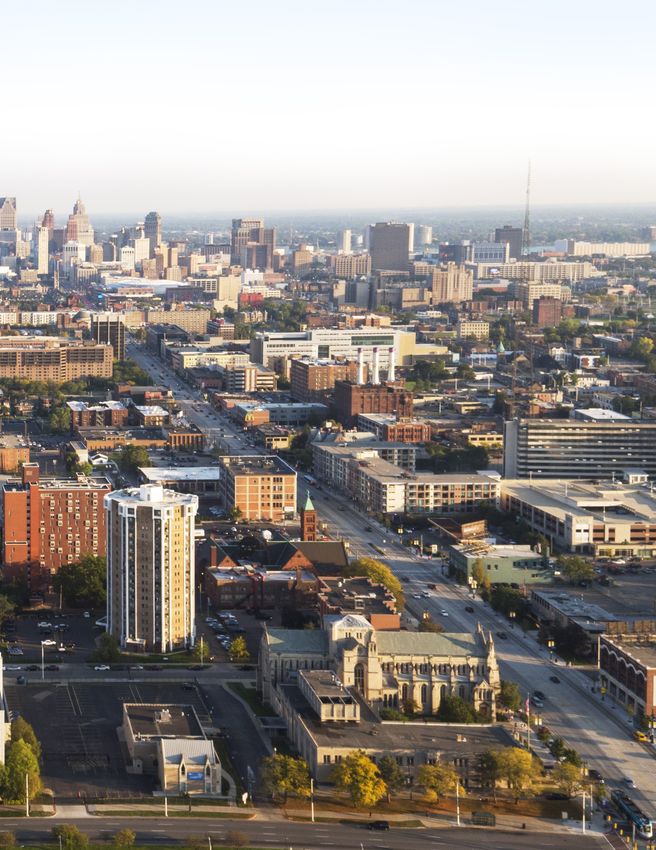
L E T T E R F R O M M AY O R D U G G A N

                                          ONE CITY. FOR ALL OF US.
                                          This central principle guides our work. While we have made significant progress toward being a stronger, safer city in
                                          recent years, we have much work to do. To continue this effort, we propose a comprehensive multifamily affordable
                                          housing strategy to build and preserve 12,000 affordable housing units in Detroit over the next five years.

                                          In recent years, we have removed or renovated over 17,000 vacant, blighted houses and structures, installed 65,000
                                          street lights, and brought police and fire response times under national averages. The City now operates with a
                                          balanced budget, and the unemployment rate is at its lowest since 2001.

                                          Although this visible progress has benefitted Detroiters, we must continue to build an inclusive city that serves and
                                          provides opportunities for all. While investment produces economic success and new opportunities within our city,
                                          we are also faced with new challenges. We must ensure that rising housing costs are met with the creation of new
                                          affordable housing, and that investment in key neighborhoods includes preservation of existing affordable housing.
                                          Together, such policies can fight displacement and ensure that all Detroiters benefit from the city’s future successes.

                                          Our work toward building an inclusive city is guided by eight principles:

                                              1   Everyone is welcome in our city.                         5   We will work to build neighborhoods of density,
                                                                                                               where daily needs can be met within walking
                                              2    e will not support development that moves
                                                  W                                                            distance of home.
                                                  Detroiters out so others can move in.
                                                                                                           6   Those who stayed will have an active voice in
                                              3    e will fight economic segregation. Every
                                                  W                                                            their neighborhood’s redevelopment.
                                                  area of Detroit will have a place for people of
                                                  all incomes.                                             7   Jobs and opportunities will be brought close
                                                                                                               to the neighborhoods whenever possible and
                                              4    light removal is critical, but we must save
                                                  B                                                            made available first to Detroiters.
                                                  every house we can.
                                                                                                           8   The Detroit Riverfront belongs to everyone.

                                          The preservation and creation of affordable housing is the cornerstone of our growth strategy. Affordable housing
                                          offers housing stability for the city’s lowest-income residents and provides housing options to households at a range of
                                          incomes in all neighborhoods. This document outlines a proactive set of initiatives to promote affordable housing that
                                          aligns with the City’s commitment to diversity and inclusion.

                                          To implement these principles in housing development, this plan calls for the preservation of 10,000 units of existing
                                          affordable multifamily units and development of 2,000 new affordable multifamily units.

                                          Achieving these goals will require targeted actions and close collaboration between the City, residents, and the
                                          development community, as outlined in this document. The following chapters lay out the strategies and actions we
                                          will take to achieve them. In coming months, we will reinforce these strategies and discuss our progress, as part of
                                          neighborhood planning processes and District community meetings.

                                          We are committed to building a strong, inclusive Detroit. Together, we can ensure that this is one city for all of us.
    Mayor Duggan and community
    stakeholders at the groundbreaking
    of the Saint Rita Apartments, a
    long-vacant building that will be
    redeveloped to provide 26 permanent
    supportive housing units.
                                          									Mayor Duggan

2                                                                                                                                                                    3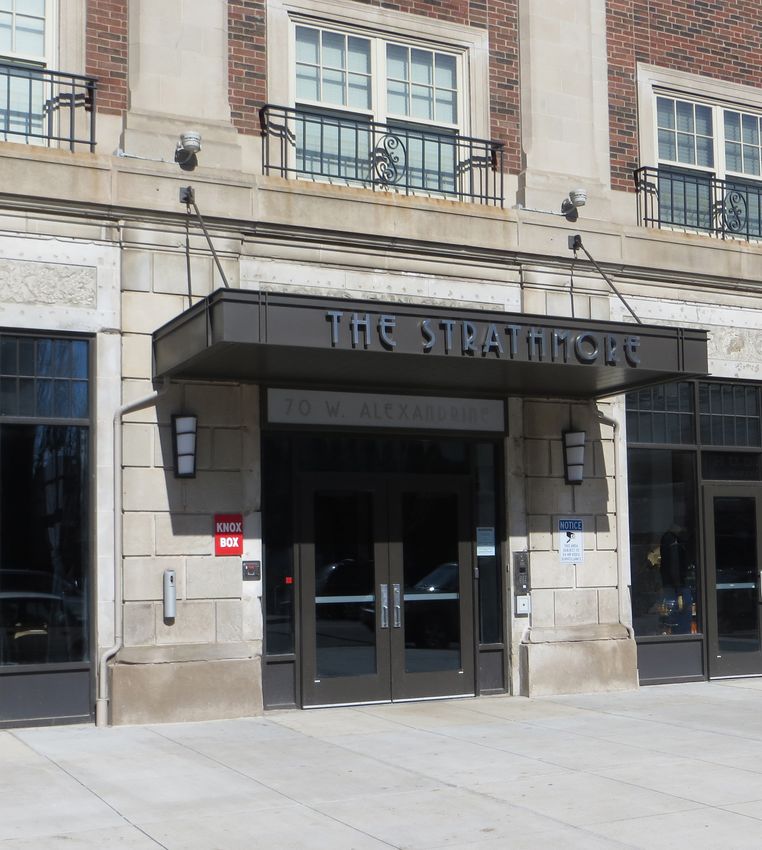
TA B L E O F C O N T E N T S

                                          Letter from Mayor Duggan                                                         3
                                          Introduction                                                                     6
                                          Focus
                                          Current State of Housing Affordability in Detroit
                                           A Strategy for Multifamily Affordable Housing

                                          Section 1: Preserving Affordable Housing                                        16
                                          Strategy 1: Preservation Action Plan
                                          Strategy 2: Sustainable Operations
                                          Strategy 3: Project-Based Rental Assistance Contracts

                                          Section 2: Development of New Multifamily Affordable Housing                    24
    Stakeholders in the Old Redford       Strategy 1: Strengthen the Detroit Housing Commission
    neighborhood at the launch of the     Strategy 2: Use of Public Land
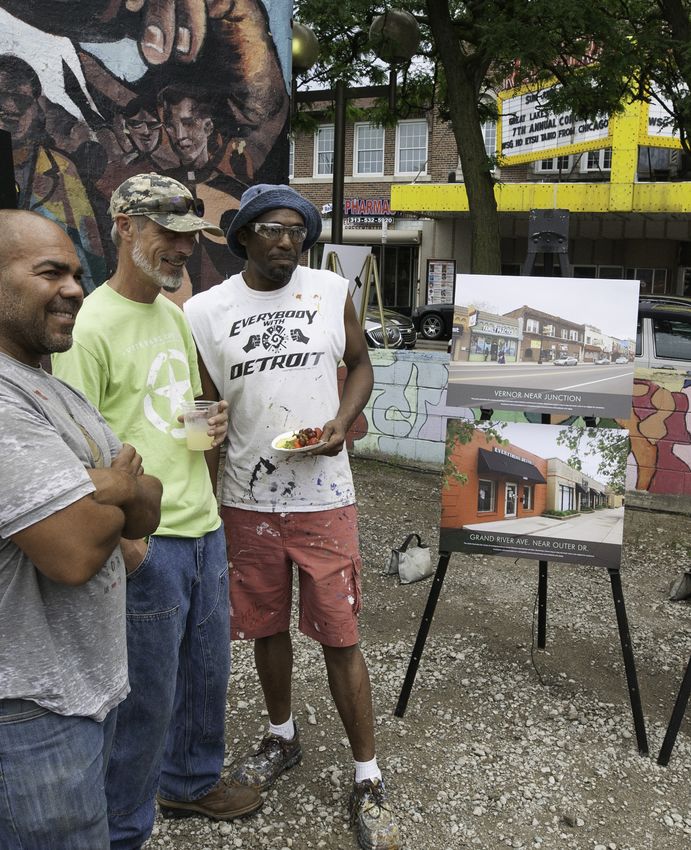
    Motor City Re-Store program, which
    provides matching grants to improve
                                          Strategy 3: New Supportive Housing
    commercial storefronts.
                                          Implementation                                                                  30

4                                                                                                                              5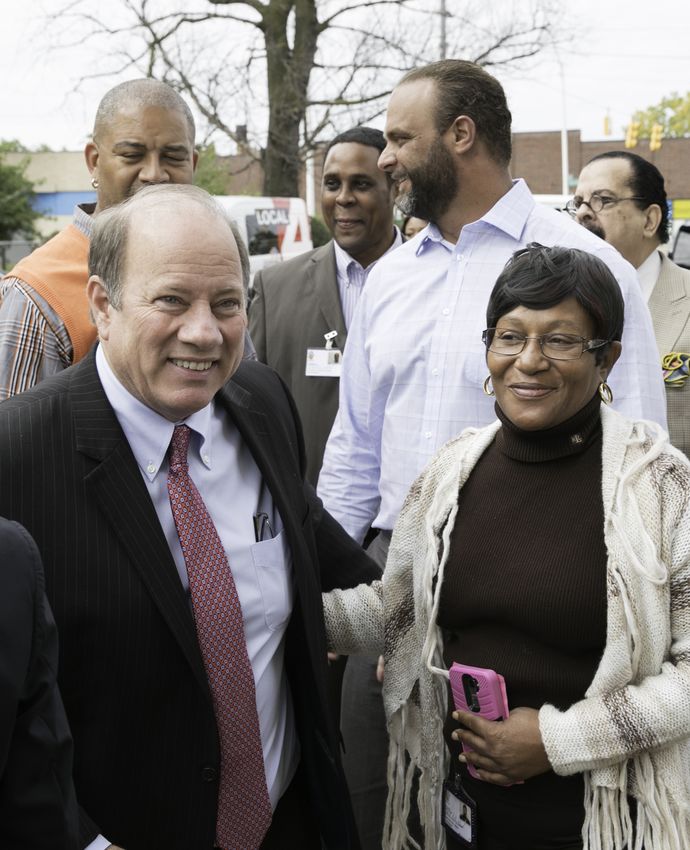
INTRODUCTION                                                                                                                        INTRODUCTION

                                                                                                         affordable to households making up to 80% of Area
                                                                                                         Median Income (AMI) (with public financial support
                                                                                                         defined as investments of federal housing development
                                             Affordable housing is central to the                        funds or the sale of public land at below market value).
                                             City of Detroit’s growth strategy
                                                                                                         This document addresses the City’s goals and strategies
                                             and will play a key role in the City’s
                                                                                                         for multifamily affordable housing and serves as a guide
                                             ability to retain existing residents,                       for the agencies and departments that will perform
                                             attract new residents, and create                           this work, led by the Housing and Revitalization
                                                                                                         Department (HRD).
                                             mixed-income neighborhoods.
                                             The City of Detroit is focused on two fronts: preserving    The following chapters of this document outline the
                                             the affordability and quality of the existing housing       key strategies the City will pursue to reach its goals.
                                             stock, and producing new housing that is priced             Central to these strategies is the City’s commitment to
                                             affordably to people across a range of incomes. Both        make the lead investment of $50 million to establish
                                             critical approaches support the City’s objective to         the Affordable Housing Leverage Fund and work with
                                             provide residents with quality affordable housing           financial institutions and philanthropic stakeholders
                                             options accessible to public transit, employment hubs,      to build a $250 million fund. This fund will be used
                                             and other essential services.                               to preserve existing affordable housing, produce new
                                                                                                         affordable housing, including supportive housing,
                                             To date, the City has made significant commitments          and strengthen neighborhoods though investments
                                             to affordable housing, including taking aggressive          in large-scale single-family stabilization projects. The
                                             action to preserve affordable housing and requiring         Implementation chapter of this document includes
                                             new multifamily housing developments receiving direct       details on the fund and a set of initiatives focused on
                                             public financial support to include at least 20% of units   bolstering the City’s capacity to realize its vision.

                                                 GOAL 1:                                                  GOAL 2:
                                                 Preserve the affordability of 10,000 units               Produce 2,000 new affordable multifamily
                                                 of multifamily housing by 2023 to retain                 housing units by 2023, equivalent to 20%
                                                 quality affordable housing options for                   of projected overall multifamily housing
                                                 residents, and use all available tools to                development.
                                                 prevent the loss of quality unregulated
                                                                                                          The production of new affordable housing will
                                                 affordable multifamily housing.
                                                                                                          expand the supply of quality housing in Detroit
                                                 Preserving the existing stock of affordable              and promote long-term community revitalization
                                                 housing, comprised of both regulated and                 and economic diversity. As part of this goal,
                                                 naturally occurring affordable housing (NOAH),           the City will target production of units for
                                                 will help retain affordable housing options              low-income residents, focusing on units
                                                 for residents and provide the opportunity for            affordable to households earning up to 60%
                                                 Detroiters of all incomes to remain in Detroit.          of AMI. Towards this goal, the City will leverage
                                                 The City will achieve its preservation goals by          public land to encourage affordable housing
                                                 tracking the stock of affordable housing, training       development and target supportive housing to
                                                 property owners in preservation methods,                 address chronic homelessness.
                                                 maintaining and extending rental subsidies
                                                 when possible, and targeting recapitalization
                                                 efforts to units that are reaching the end of their
                                                 affordability requirement.
            The Strathmore in Midtown is a
            129-unit mixed-income housing
          development that opened in 2016.
6                                                                                                                                                                   7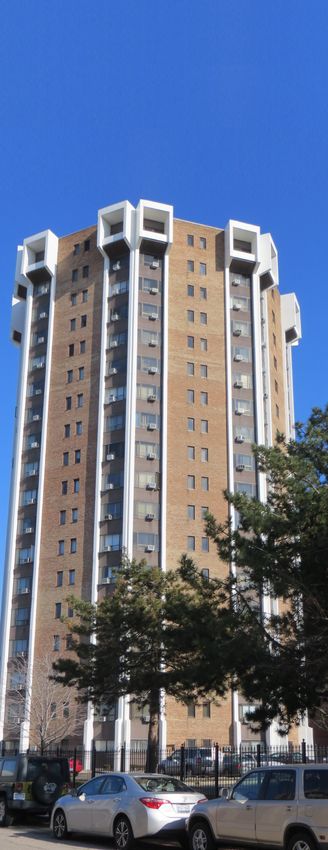
INTRODUCTION                                                                                                                                                            INTRODUCTION

Focus                                                       Figure 1: Targeted Multifamily
                                                            Housing Areas
This document focuses on the                                                                                                                                   Greater Downtown - Targeted
                                                                    Major Park               Council District
affordability and quality of                                                                                                                                   Multifamily Housing Area
Detroit’s existing and newly
                                                                                             Targeted Multifamily
developed multifamily housing,                                      Commercial Corridor
                                                                                             Housing Area
which has comprised the majority
of new housing development taking
place in Detroit in recent years.
However, the City also recognizes that the affordability
of single-family housing is a significant concern.
In recent years, several programs have been made
available to address single-family housing in Detroit,
such as the 0% Interest Home Repair Loan Program,
Rehabbed & Ready, and the Detroit Home Mortgage.
The City has committed to developing additional
strategies for single-family housing in 2018.

In line with the City’s ongoing development and
planning initiatives, the strategies described here
prioritize investments in the Targeted Multifamily
Housing Areas to create walkable, urban nodes that
provide services, transit, and access to employment,
and strategies to preserve affordable housing units,
city-wide.

Through the actions outlined in this document, HRD
will lead the preservation and development of quality
housing affordable for a wide range of incomes.
Affordable housing regulations divide income bands
at households making up to 30%, 50%, 60%, and 80%
of AMI, labeled as extremely low-income, very low-
income, and low-income (including households making
up to 60% AMI for LIHTC qualification and up to 80%
of AMI otherwise), respectively. These income cohorts
are set for varied household sizes, and are referred to
frequently throughout this document. In Detroit, the
AMI for a four-person household was $68,600 as of 2017.
As an example of how this translates to the AMI levels in
this document, 60% of AMI is equivalent to $32,940 for
a two-person household and $41,160 for a four-person
household.

                                                                                                                SOURCE: Detroit Planning & Development Dept; Detroit Housing & Revitalization Dept., 2015

8                                                                                                                                                                                                            9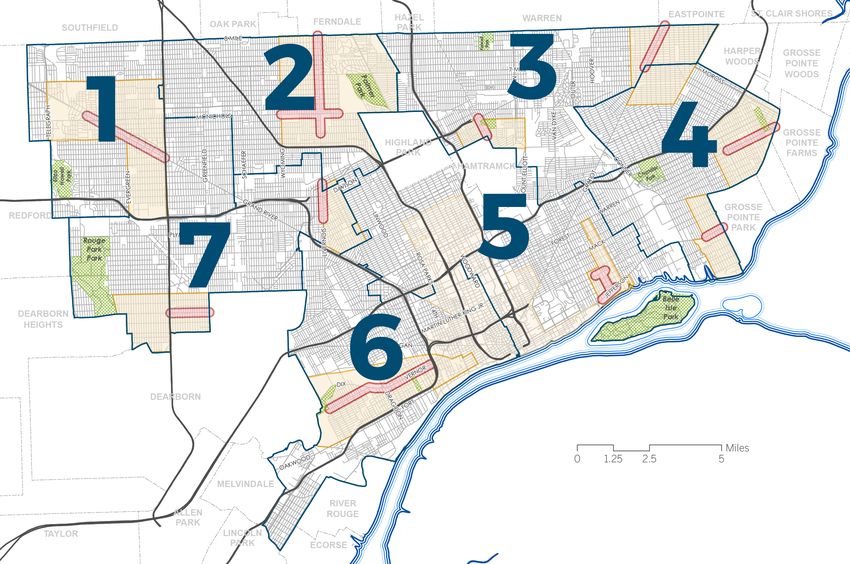
INTRODUCTION INTRODUCTION
Figure 2: Housing Affordability Income Brackets Elsewhere in the city, demand is driven by the changing burden on improving existing multifamily properties
needs and preferences of the existing population. and developing new affordable housing. Current
Throughout the city, more than a quarter of Detroit Detroit market conditions and a high property tax rate
Category Classification 1-Person 2-Person 4-Person residents are over the age of 55. The City must invest in mean that almost all multifamily development and
housing that is affordable to, and meets the needs of, its existing regulated affordable developments rely on
senior population. some form of tax incentive for financial feasibility.
30% AMI Extremely $14,450 $16,500 $24,600
Low-Income Though housing prices in Detroit are less expensive In neighborhoods where major development has
when compared to other major cities and land values not recently occurred, the economics of preserving
50% AMI Very $24,050 $27,450 $34,300
are low, many Detroiters face housing affordability or producing affordable housing are particularly
Low-Income challenges. In 2017, the average apartment asking rent challenging. Many neighborhoods still struggle with
in Detroit was 37% lower than in Chicago, 25% lower overall disinvestment and weak market conditions,
than in Philadelphia, and 11% lower than in Pittsburgh. resulting in challenging dynamics for preserving existing
60% AMI Low-Income $28,860 $32,940 $41,160 However, as of 2014, 57% of Detroit renters paid more or creating new housing stock. In addition, disinvestment
than 30% of their household income on housing costs, poses challenges to the quality of Detroit’s naturally
above the national average of 52%. This is a challenge for occurring affordable housing stock, particularly when
80% AMI Low-Income $38,450 $43,950 $54,900 Detroit’s extremely low- and very low-income residents extended periods of low-value rents or vacancy strain the
who spend a significant portion of their income on financial feasibility of upkeep and maintenance.
housing costs. In 2014, 64% of extremely low-income
100% AMI Moderate- $48,100 $54,900 $68,600 renter households, approximately one third of Detroit’s Federal funding to support affordable housing
Income residents, were “severely cost burdened,” or paying more initiatives has declined steeply. Detroit, like
than 50% of their household income on housing costs. many cities, has relied on federal funding from the
SOURCE: U.S. Department of Housing and Urban Development, Michigan State Housing Development Authority, 2017 Department of Housing and Urban Development (HUD)
Detroit’s high commercial property tax rate and to produce affordable housing and provide services,
relatively high cost of construction place a significant particularly for households with the greatest need.
neighborhoods with retail, open space, and amenities.
Current State Based on analysis of U.S. Census data, between 2010 and
2016, the population in Greater Downtown increased Figure 3: Household Income by AMI Benchmark
of Housing by over 9,000 residents, the majority of whom moved
to the area from outside Detroit and were between the
Affordability ages of 18-34. Percent of Households
in Detroit Demand is driving significant levels of new construction.
In 2016 and 2017, over 2,000 new multifamily residential
units were completed, primarily concentrated in
Detroit is beginning to see Greater Downtown. While new activity and investment
demographic and market changes, is creating valuable benefits for Detroit, the increasing
desirability of these locations also places pressure on
indicating a slowing in the rate of housing affordability.
population loss. While data on Detroit’s
population has yet to show overall population gains, Rents have experienced steep growth, particularly in
the rate of population loss in the city has steadily Greater Downtown, where from 2005 to 2016 rents
slowed since 2010. In 2016, the population declined by increased by over 37%, from an average of $746 per
0.5%, a similar decline to the year prior and together month to $1,020 per month. During the same time,
the smallest decreases since the Great Recession. In average rents increased in the city as a whole by 26%,
addition, utility connection data shows an increase of from $650 per month to $820.
over 3,000 household connections from March 2016 to
March 2017, suggesting that Detroit is reaching a turning As Detroit’s housing market continues to recover in the 34% 18% 18% 8% 22%
point. If current population trends continue, Detroit is wake of decades of disinvestment compounded by the
expected to see growth in coming years. Great Recession, neighborhoods with urban amenities
Below 30%-50% 50%-80% 80%-100% Above
may face affordability challenges due to increased
30% AMI of AMI of AMI of AMI 100% of AMI
The revitalization of neighborhoods within Greater demand and rising housing costs. The City is focused
Downtown and select other areas is attracting a young on stemming the threat of displacement in these
and educated population who seek walkable urban neighborhoods. SOURCE: U.S. Department of Housing and Urban Development CHAS data, 2014
10 11INTRODUCTION INTRODUCTION
Figure 4: Annual Federal Funding Allocation
A Strategy for Cathedral Tower, which offers
236 affordably priced units in
CDBG HOME Multifamily Midtown, will undergo a $12
million renovation through an
ESG HOPWA Affordable Housing agreement that will preserve its
affordable designation.
Since 2014, the City has taken steps
to ensure the preservation and
$60 $52.9 development of affordable housing
across all city neighborhoods.
This document outlines the strategies that the City
$40 $31.4
Millions
will pursue to provide affordable housing in Detroit
and prepare for future market changes, ensuring that
$18.5 the city is well positioned both to grow and to build
$20 $4.3 inclusive, mixed-income neighborhoods. The strategies
$1.8 $1.9 $2.7 $2.8 and actions to which the City is committing are outlined
in the Goals, Strategies, and Actions figure on the
$0 following page and detailed in the following sections.
In coordination with the release of this document,
2002
2004
2006
2008
2010
2012
2014
2016
the City will provide opportunities for residents and
other stakeholders to engage on the topics discussed
below through:
• Neighborhood planning processes, during which
SOURCE: U.S. Department of Housing and Urban Development residents will be engaged to connect neighborhood
planning to the City’s broader affordable housing
In 2002, total federal funding to Detroit for housing measured by the annual Point-in-Time count, strategies.
programs was just over $75 million, including over chronic and long-term homelessness remains
• Community meetings to provide additional
$18 million from the HOME Investment Partnerships an issue. Although persons experiencing homelessness
information and foster discussion with residents.
Program (HOME), a key resource for the construction decreased by 19% from 2015-2017, an increasing number
of affordable and supportive housing units; almost of people are experiencing homelessness for more • An annual update to City Council on the progress
$53 million from the Community Development Block than one year, or more than four times within three made in implementing the strategies and initiatives
Grant (CDBG) program, which supports HRD’s housing years. Individuals who meet these criteria are defined as detailed in this document.
programs and non-profit service providers; and an chronically homeless.
additional $4 million from the Emergency Shelter
Grant (ESG) program and the Housing Opportunities for In January 2017, 249 people were recorded as
Persons with AIDS (HOPWA) programs. experiencing chronic or long-term homelessness – 105
of those people sleeping on the street or in a place
In recent years, the total level of federal funding not meant for human habitation. These individuals
allocated to affordable housing has decreased often struggle with financial challenges and additional
substantially. In 2016, the City received only $41 million barriers to housing stability, including mental illness,
in federal funding, a 45% decrease from 2002. Although physical or developmental disabilities, substance use,
HOPWA and ESG slightly increased over this period, the and/or criminal history. Supportive housing – affordable
HOME program saw a 77% decrease, a reduction of over housing that includes support services designed to
$14 million in funding. This decrease greatly impacts help tenants stay stably housed and build necessary life
the City’s preservation and new production prospects. skills – is critical to meeting the needs of the city’s most
Figure 4 shows the change in Detroit’s federal funding vulnerable residents. The strategies to build supportive
allocation over time. housing described in this document supplement the
tactical approaches providers currently use to fight
Though the overall number of people experiencing homelessness. However, there is not currently a regional
homelessness has decreased in recent years, as strategy to tackle this issue.
12 13GOALS, STRATEGIES, AND ACTIONS
Strategy Action 1 Action 2 Action 3 Action 4
Implement near- Develop and maintain Develop a Train local developers Improve
GOAL term initiatives of the an inventory of framework for to expand knowledge coordination
1
Preservation Action Plan affordable housing prioritizing of preservation of preservation
stock preservation efforts methods funding requests
Ensure the sustainable Enhance oversight Provide technical Cultivate a network
operations of regulated of properties assistance to of developers with
affordable housing financed by the existing projects extensive preservation
City to improve experience
operations
Preserving Existing Actively maintain Assess stability of Identify a pool Coordinate with
Affordable Housing project-based rental developments served
by rental assistance
of destination
buildings for
the DHC to utilize
the RAD program
assistance contracts
Preserve 10,000 units of affordable and develop a the relocation of for HUD-assisted
multifamily housing by 2023 response protocol for rental assistance properties
at-risk buildings contracts
Strengthen the Detroit DHC will seek High Create new rental
GOAL
2
Housing Commission Performer status in assistance for
2018 and Moving to extremely low-
Work in 2019 income households
Leverage public land Develop a database Explore the
for affordable housing of vacant multifamily creation of a land
development buildings for potential trust
redevelopment
Developing New Address chronic Identify sites for Support changes to Develop an
Affordable Housing homelessness in Detroit supportive housing
(SH) development
the scoring structure
of the statewide
updated plan for
the Moving Up
Produce 2,000 units of new affordable Qualified Action initiative
multifamily housing by 2023 Plan to support new
SH development
IMPLEMENTATION
TOOLS: Create and access increased funding KEY ACTORS: Empower key actors to execute on the City’s goals
Create local funding sources Streamline use of tax incentives Establish the Office of Policy and Program Development
•C
ontinue partnership with Invest Detroit •R
evise and publish a consistent set of criteria •D
esign programs and oversee implementation of the Multifamily Affordable
in the Strategic Neighborhood Fund for awarding tax incentives Housing Strategy
•C
reate the Affordable Housing Leverage •C
reate a system to track development •E
nsure Plan goals, strategies, and initiatives are incorporated into the housing
Fund (AHLF) to provide low-cost financing projects that have received incentives strategies of neighborhood plans
and gap funding to property owners and
•R
equire building owners to submit a
developers
retention plan when incentives are requested
for occupied properties
14 15PRESERVING P R E S E R V I N G A F F O R DA B L E H O U S I N G
AFFORDABLE
Federal Housing Administration (FHA) financing
and insurance programs that required long-lasting
affordability in exchange for favorable loan terms
Preservation, maintaining the
and often guaranteed rent payments via rental
HOUSING
affordability of an existing unit subsidy contracts. Rental assistance contracts serve
over time, is critical to retaining approximately 9,500 Detroit households, many of
which include elderly residents. As these loans reach
the city’s existing population maturity, rental subsidy contracts often do as well.
and ensuring future affordable Rental subsidy contracts can be extended for the
housing options for all Detroiters. original residential development or moved to serve
The existing stock of affordable housing in Detroit other affordable developments.
The Kamper-Stevens includes regulated affordable housing – units that
development, located on • LIHTC housing: Low-Income Housing Tax Credit
receive public subsidy and have rent requirements (LIHTC) properties primarily serve very low-income
Washington Blvd., will
continue to offer affordable
in place – and naturally occurring affordable housing and low-income (up to 60% of AMI) households and
rents through 2047 after a (NOAH) units, defined as housing units priced by are managed by private or non-profit developers.
successful preservation effort market forces at levels that are affordable to Most LIHTC properties have a 15-year required
completed by the City in 2017. low-income residents. Without affordable housing
Credit: Dan Austin
affordability period, plus an “extended use period”
policies and programs targeted at the preservation that extends affordability requirements. Properties
of existing affordable units, the city risks losing may then option out after the initial 15-year
affordably priced housing, both regulated and period and convert to market-rate pricing. In
naturally occurring, particularly in neighborhoods strengthening markets with rising rents, this
with improving market conditions. becomes an appealing option for LIHTC owners
and, as a result, properties become vulnerable to
The two primary threats to affordable housing are rising loss of affordability. Over 14,000 LIHTC units have
market rents and functional obsolescence. Affordable been developed in Detroit, many of which also
properties in strong markets are often at risk of
utilize rental assistance.
conversion to market-rate rental units or condominiums,
while affordable properties in weak markets often suffer
In addition to regulated housing, Detroit’s housing stock
from disinvestment and potential foreclosure.
includes a significant number of NOAH units. The City
Preservation is more cost effective than new defines NOAH as unregulated housing units that are
development on a per-unit basis and is made possible affordable to low-income households (up to 60% AMI).
by financing and operating subsidy tools that require In 2015, approximately 67% of Detroit’s multifamily non-
the lasting affordability of units in exchange for regulated housing stock met NOAH standards. While a
continued streams of income or fees for property large share of Detroit’s housing stock qualifies as NOAH,
owners. The tools currently used for preserving the focus of preservation strategies is on units in areas
affordable housing are limited and oversubscribed. The where housing costs are rising rapidly and properties are
development of new preservation strategies and actions at risk of losing their NOAH status.
by the City will prevent displacement and ensure
adequate maintenance and safety, as well as sufficient The city’s stock of regulated and NOAH units is aging
quantity, of affordable units. and in need of reinvestment. Regulated affordable
housing, particularly public housing, faces obsolescence
There are approximately 22,000 existing regulated given the age of properties and the decline in federal
affordable housing units operating in Detroit, made funding to maintain them. For NOAH units, particularly
up of: those in weak markets, extended periods of low-value
rents strain the financial feasibility of upkeep.
• Public housing units: Public housing units are
funded by the federal government and serve
This document establishes a goal for the preservation
extremely low-income households. In Detroit, the
of 10,000 units of affordable housing units by 2023,
Detroit Housing Commission (DHC) manages over
which is roughly equivalent to the number of existing
3,300 public housing units.
regulated affordable housing with required affordability
• Rent-assisted and income-restricted multifamily terms that will expire during that time. While many
buildings: Rent-assisted multifamily buildings units are likely to continue to exist as affordable units
were developed in the 1970s and 1980s through with minimal intervention, there are approximately
16 17PRESERVING AFFORDABLE HOUSING P R E S E R V I N G A F F O R DA B L E H O U S I N G
2,500 units with expiring terms or that are at risk Figure 7: Existing Regulated
of severe obsolescence that demand more active Affordable Housing Developments
intervention to preserve affordability. The City is
focused on preserving these units as part of the Existing Regulated Afforadable Major Park Targeted Multifamily
overall preservation goal. Housing Development Housing Area
Greater Downtown - Targeted
Council District Commercial Corridor
The Development
Multifamily Housing Area
of a Preservation
Action Plan
In mid-2017, the City convened and led a task force
comprised of community stakeholders to develop a
Preservation Action Plan that will guide preservation
efforts over the next five years. The creation of this
group, known as the Detroit Affordable Housing
Preservation Task Force, was modeled on best
practices of cities like Chicago, Washington D.C.,
and Cleveland, which have established task forces
to coordinate efforts around securing the long-term
affordability and quality of LIHTC properties.
The Task Force’s work was informed by previous
preservation-focused working groups, including
the LIHTC Working Group led by Community
Development Advocates of Detroit (CDAD),
Senior Housing Preservation-Detroit (SHP-D), the
Recapitalization Task Force led by the Detroit Local
Initiatives Support Corporation (LISC) office, and the
Community Development Financial Institution (CDFI)
Coalition of Detroit. The Task Force collaborated on
a Preservation Action Plan through four working
groups focused on: financially sustainable regulated
affordable multifamily housing, financially
distressed regulated multifamily housing, naturally
occurring affordable multifamily housing, and
scattered-site single-family LIHTC developments
(not discussed in this document, but an important
part of the group’s work).
Affordable housing preservation strategies that
the City will pursue are based on a shared set of
implementation goals:
• Prevent regulated affordable units from
converting to market rate.
• Prevent the loss of public investment, specifically
HOME investments and rental assistance
contracts funded through federal housing
assistance programs.
SOURCE: Detroit Housing & Revitalization Dept., 2018
18 19PRESERVING AFFORDABLE HOUSING P R E S E R V I N G A F F O R DA B L E H O U S I N G
• Improve conditions and retain the affordability of affordable units, raising awareness of strategies for
properties suffering from deterioration, vacancy, reinvestment to ensure adequate maintenance and
abandonment, and/or foreclosure. safety of housing is essential. Owner outreach and
Existing Housing Preservation Tools The Preservation Action Plan goals support and reinforce
technical assistance will be critical to preserving
LIHTC units as their term of affordability expires and
the City’s overall preservation goal and require a
they face the potential for conversion.
9% Low-Income Housing Tax HOME Investment Partnership commitment by the City to work closely with the Task
Credits (LIHTC) (HOME) Force to carry out a set of specific initiatives over the • Improve coordination of preservation funding
MICHIGAN STATE HOUSING DEVELOPMENT CITY OF DETROIT THROUGH THE U.S. next five years. requests. Enhancing the efficiency with which
AUTHORITY (MSHDA) DEPARTMENT OF HOUSING AND URBAN funding requests are made will generate an
LIHTC are allocated on a competitive basis DEVELOPMENT (HUD) increased tax credit allocation to support increased
STRATEGY 1
through each state’s housing finance agency, Annually, the City of Detroit receives an preservation activity.
MSHDA in Michigan. MSHDA reserves a portion allocation of HOME funds to use for affordable
of the credits it has to allocate to preserving housing activities. The Federal budget
existing regulated affordable housing.
Annually, MSHDA allocates approximately
$22 million in credits statewide. These credits
determines how much funding will be available
nationwide for the program, and a formula
determined by the U.S. Congress determines
Implement near-term
initiatives of the
STRATEGY 2
allow developers to generate equity to finance how much funding each community receives. In
Preservation Action Plan, Ensure the sustainable
the construction of affordable units. the 2016 Federal budget year the City received
an allocation of $4,252,103. These funds are then including the establishment operations of regulated
allocated to affordable development projects
of the Detroit Affordable affordable housing.
% Tax Credits + Tax-Exempt
4 through a competitive process open to all
Bond Financing affordable housing projects. Housing Preservation The City and the Preservation Partnership will also
implement longer-term initiatives beyond 2018. Detroit’s
MICHIGAN STATE HOUSING DEVELOPMENT
AUTHORITY (MSHDA)
Partnership. roughly 22,000 units of regulated affordable housing
Key to realizing the goals of the Preservation Action are some of the City’s greatest assets to preventing
This is a non-competitive and unlimited HUD 223(f) displacement. As these units age, their affordable status
program available for the financing of Plan will be the establishment of the Detroit Affordable
U.S. DEPARTMENT OF HOUSING AND URBAN becomes more uncertain due to affordable contract
Housing Preservation Partnership (the Preservation
affordable housing preservation and DEVELOPMENT (HUD) requirements, building condition, management
Partnership). The Preservation Partnership will be led
development. Developments using this program HUD 223(f) is a Federal Housing Administration capacity, and surrounding market conditions.
by HRD, and include a locally based CDFI, a tenant
must be able to support debt payments (FHA) mortgage insurance program for HUD-
representative, and the DHC. The Preservation Partnership
supported by tax-exempt bond financing, which approved lenders that facilitates the purchase Regulated affordable housing units are categorized
will launch in 2018. Foundational strategies of the
must be applied for first. Development projects or refinancing of existing multifamily rental here as sustainable or unsustainable. Sustainable
Preservation Action Plan will be advanced by early 2019
receiving this bond financing are then eligible housing. units are financially solvent, operated by professional
and lay the groundwork for longer-term initiatives. Near-
to receive a non-competitive allocation of 4% property managers, and have sufficient replacement
term initiatives include the following:
tax credits. Equity realized through the 4% tax and operating reserves. Unsustainable units have a
credits is worth much less than those developed • Develop and maintain an affordable housing declining physical condition resulting from frequently
through 9% credits.
Mark-to-Market (M2M) inventory that tracks both regulated and naturally
U.S. DEPARTMENT OF HOUSING AND URBAN deferred maintenance, poor property management, and
occurring affordable housing. This system will help ownership instability, all of which threaten the ability of
DEVELOPMENT (HUD) the City and stakeholders track and quantify the
The M2M program preserves affordability by the City to provide quality affordable housing units.
ental Assistance Demonstration
R restructuring the financial debt carried by an
affordable housing supply and guide deployment of
public preservation funding and technical assistance
– Component I (RAD-1) existing affordable housing development to the For sustainable regulated affordable housing units,
to prevent the loss or conversion of affordable units.
U.S. DEPARTMENT OF HOUSING AND URBAN level a development can support at market rate the City’s focus is on ensuring the continued reliability
DEVELOPMENT (HUD) rents. Only housing developments assisted by • Develop a framework for prioritizing preservation of affordable units, preserving past investments and
RAD-1 is a program available to public housing efforts, which will be used to approach preservation government subsidies. For unsustainable regulated
Section 8 rental housing assistance contracts
commissions/authorities to privately finance in a manner that targets the most critical or affordable housing units, the City’s focus is on stabilizing
that were financed by an FHA insured mortgage
major renovations to existing public housing. threatened housing. The framework will include operations and converting the units to sustainable
(excluding Section 202 and Section 515
The number of units eligible to participate criteria based on cost, location, timing, and overall models. To achieve this, the City will:
financing) are eligible to participate in M2M.
nationwide in the RAD-1 program is limited impact, and will be reevaluated annually by the City
• Enhance oversight activities by 2020 for properties
by the U.S. Congress. Currently the program is to ensure prioritization remains current.
for which the City has provided financing. HRD will
more than fully subscribed. • Train local developers on how to preserve their lead this effort, allowing the City to evaluate the
affordable housing properties. With over 4,500 LIHTC performance of properties and provide constructive
units over 15 years of age, and numerous other aging intervention for struggling assets. This strategy will
20 21PRESERVING AFFORDABLE HOUSING P R E S E R V I N G A F F O R DA B L E H O U S I N G
supplement those laid out in the Preservation Action threatened with displacement of residents and loss of
Plan and allow the City to evaluate and quantify rental subsidy contracts. However, HUD, MSHDA, the
progress. City, and the property owner worked together to extend
the 163 rental subsidy contracts and secure financing to
• Provide technical assistance to owners to improve
perform the necessary rehabilitation.
operations and enhance project performance.
The City will also work with HUD to encourage
The City will continue to pursue opportunities with HUD
property managers to budget for service providers,
and property owners to ensure that residents served
particularly for disabled and elderly households
by rental assistance are not displaced by taking the
already assisted by HUD programs.
following actions:
• Cultivate a network of developers with extensive
• Assess the stability of developments served by rental
experience working on preservation projects, so that
assistance and develop a response protocol for at-
the City is better positioned to reach its goals.
risk buildings. HUD and the City will meet quarterly
to review developments that are nearing the end
of their required affordability or are classified as
STRATEGY 3 troubled due to concerns about financial solvency,
physical conditions, or management. The City will
conduct outreach to developers to communicate
Actively Maintain Project- policy related to terminating rental subsidy
contracts.
Based Rental Assistance
• Identify a pool of destination buildings for the
Contracts. relocation of rental assistance contracts if needed. In
the case that a building owner or developer elects
Existing rental subsidy contracts are a rare and highly
to move a rental assistance contract, or building
valuable affordable housing resource. They assist
operations have created unsafe or unsustainable
extremely- and very low-income households in paying
units, having a set of ready destination properties will
rent by providing a subsidy equal to the difference
allow the City and HUD to alleviate complications
between 30% of a household’s monthly income and
associated with this administratively intense process
the rental rate for a unit. Project-based rental assistance
and increase the likelihood that the contracts will
is provided for DHC public housing and for a set of
remain in service.
multifamily rental properties that were built decades
ago with assistance from HUD. • Coordinate with the DHC to utilize the rental
assistance demonstration (RAD) program to improve
In 2013, Detroit lost 127 rental assistance contract units building conditions. The DHC recently submitted a
when the Griswold Building (now known as The Albert) RAD interest letter and will continue to assess where
was converted to market-rate pricing, displacing the RAD fits into plans to preserve its affordable housing
largely senior resident population. In 2016, the Kamper- units upon the anticipated expansion of the RAD
Stevens buildings in downtown Detroit were similarly program for DHC properties.
Affordable housing leaders announce
the preservation and rehabilitation
of the Ryan Court townhomes and
apartments and Roberts III apartments,
as well as the development of
Peterboro Arms and Brush Park South.
22 23DEVELOPMENT D E V E L O P M E N T O F M U L T I FA M I L Y A F F O R D A B L E H O U S I N G
OF MULTIFAMILY The creation of mixed-income
STRATEGY 1
Strengthen the Detroit
AFFORDABLE
neighborhoods that provide access
to jobs, services, and transportation Housing Commission
is central to the City’s goal to grow The Detroit Housing Commission (DHC) plays a central
HOUSING
inclusively. To ensure that all neighborhoods role in the City’s affordable housing system, overseeing
include quality affordable housing, the City is more than 3,300 units of public housing and more
implementing policies that require commitments than 6,000 housing choice vouchers. Critically, the
to create new affordable housing and expanding DHC is the only avenue for increasing the number of
resources to align with these commitments. As of the project-based rental assisted units that serve extremely
publication of this strategy, there are over 5,400 units low-income households. To ensure the provision of
of new market-rate multifamily housing in planning new quality housing opportunities for extremely and
stages or under construction in Detroit, a peak in very low-income households, the DHC and the City
activity since the Great Recession. must work together to leverage DHC resources and
expertise in managing deeply affordable housing units
In 2015, the City initiated a practice requiring all throughout the city.
new multifamily housing that receives direct public
• The DHC will seek High Performer status in 2018
monetary support for development to include at least
and Moving to Work in 2019. Since emerging
20% of units affordable to low-income households
from federal receivership and returning to local
(with public financial support defined as investments
control in 2014, the DHC has been repositioning
of federal housing development funds or the sale
the agency to enhance its management and
of public land at below market value). This initiative
provision of affordable housing. In September 2017,
has helped increase the total pipeline of planned
the DHC took a substantial step in improving its
and under construction affordable units in Detroit,
performance rating when the City acquired 385
which stands at over 1,100 units as of January 2018,
dilapidated, vacant units that the DHC was unable
and includes units from all federal, state, and local
to rehabilitate given current federal funding levels
programs. Since 2015, over 20% of multifamily
for public housing. The DHC seeks to become
housing units constructed in Detroit have included an
designated by HUD as a High Performer and
affordability requirement for households earning up to
Moving to Work designee.
60% of AMI.
• DHC and the City will create new rental assistance
In September 2017, the City further committed to for extremely low-income households (30% of AMI).
mixed-income development through approval of With its non-active Annual Contributions Contract
an ordinance requiring new multifamily housing (ACC) and through Moving to Work authority, the
developments receiving direct public monetary DHC will work with the City as an affordable housing
support to include affordably priced units. Although partner, allocating rental assistance to create new
qualifying projects will be required to set aside 20% of mixed-income housing and preserve existing
units priced at a minimum of up to 80% of AMI, deeper affordable housing.
levels of affordability will be required for some projects
based on funding sources.
A resident of Hartford
This plan establishes a goal of producing new
Village arrives home.
affordable housing units equivalent to 20% of the Hartford Village is
overall housing production through 2023. Based on a mixed-income
current trends, the City projects that 10,000 units of development
housing will be completed or in the development exclusively for seniors
that opened in 2017.
pipeline during that time. To meet the above goal,
2,000 new units of affordable housing need to be
produced or in pre-development by 2023.
Mayor Duggan and local stakeholders at
the launch of a strategic program to bring
$4 million in investment to redevelopment
within the Fitzgerald neighborhood.
24 25D E V E L O P M E N T O F M U L T I FA M I L Y A F F O R D A B L E H O U S I N G D E V E L O P M E N T O F M U L T I FA M I L Y A F F O R D A B L E H O U S I N G
Figure 8: Public Land within Targeted Multifamily Housing Areas
Commercial Corridor Major Park
Greater Downtown - Targeted
Multifamily Housing Area
Targeted Multifamily
Housing Area
STRATEGY 2
Identify and utilize publicly
Detroit Land Bank
Authority Lot
City of Detroit Lot Council District City of Detroit Structure owned land, as well as City
and privately owned vacant
Detroit Land Bank
Authority Structure
multifamily buildings, to
encourage the production of
affordable housing.
Non-recreational publicly owned land totals 13,700
acres, much of which is vacant or underutilized, and
some of which includes vacant multifamily buildings
that can be rehabilitated. The City has already taken
several meaningful steps to leverage its land ownership
to promote the development of affordable housing.
From 2016 to 2017, HRD released five Requests for
Proposals (RFPs) for residential development on public
land, all of which required proposers to provide 20%
of rental housing units created on-site to low-income
households (up to 80% AMI). The City will continue
to require affordability as part of RFPs for residential
development on public land and will require expanded
affordability on certain projects. For instance, the Sugar
Hill site development will include units affordable to a
range of incomes, from 50% of AMI to 80% of AMI.
Within neighborhoods undergoing City-led planning
efforts, the City will create a formal strategy for
prioritizing affordable housing development on publicly
owned land. The prioritization strategy will consider
development type, disposition strategy, and timeframe
(near-, mid-, or long-term). In addition, neighborhood-
level criteria will be established for evaluating a publicly
owned site’s potential to incorporate affordable housing.
This will include proximity to local assets and other
attributes that make sites ideal for affordable and
mixed-income housing, including:
• Proximity to public transit, particularly public transit
that provides a link to job centers.
• Proximity to job centers or major local employers.
• Proximity to retail and other services, particularly
sources for fresh food and healthcare.
• Forthcoming public investment in new development
and infrastructure.
SOURCE: Detroit Land Bank Authority; • Parcel size and proximity to other publicly
Detroit Planning & Development Dept., 2017 owned land.
26 27D E V E L O P M E N T O F M U L T I FA M I L Y A F F O R D A B L E H O U S I N G D E V E L O P M E N T O F M U L T I FA M I L Y A F F O R D A B L E H O U S I N G
Requirements for affordable housing will be made long-term homelessness is to provide them with advocate for the Michigan Interagency Council (MOU), in coordination with the DHC and HAND, to
public through RFPs for the sale of specific parcels of supportive housing, which is a form of permanent on Homelessness recommendations to the 2018- support the continued effectiveness of the Moving
land, consistent with current practices. housing that includes access to medical and social 2019 MSHDA LIHTC QAP to improve the quality of Up initiative. The MOU will contain metrics for
services. For this population, many of whom have been supportive housing and target supportive housing evaluating the success of the initiative, such as the
• HRD will develop a database of vacant multifamily
homeless for years on end, supportive housing to those most in need. The recommendations are annual number of households served. The City is
buildings for potential redevelopment. An initial
can act as the platform to stabilize behavioral and meant to align the QAP with the statewide plan to convening HAND and the DHC through monthly
scan of multifamily buildings shows that the
physical health. workgroup meetings to discuss the structure of
predominant building size is between five and end homelessness.
Moving Up, bring the DHC on board as a partner,
20 units. These buildings are an opportunity for
In Detroit, existing supportive housing has been effective • Developing an updated plan for Moving Up by March and operationalize DHC’s participation through the
neighborhood-scale stabilization and revitalization,
in reducing homelessness. According to Detroit’s system 2018 through a Memorandum of Understanding creation of the MOU.
and for neighborhood-oriented developers to lead
for tracking the use of supportive housing, in 2016, 96%
revitalization of Detroit’s neighborhoods.
of households in supportive housing either maintained
• The City will also explore the long-term their tenancy or moved to another permanent housing
management of public land for affordable housing, situation. This rate has been stable over 10 years. Stable
commercial uses, and management of open space. tenancy, low attrition rates, and steady demand for
The scale of Detroit’s public land ownership allows supportive housing indicate the need to expand existing
the City flexibility to design a land trust that creates supportive housing polices to end chronic homelessness
affordable housing by putting previously vacant land in Detroit. This strategy calls for the development of 300
to use. The City will lead evaluation and review of the new supportive housing units.
optimal land trust model that allows for community
stewardship of land, provides for greater control In pursuing the development of additional supportive
over the affordability of housing built on public land, housing, the City is working closely with the Homeless
and includes a mechanism for ensuring long-term Action Network of Detroit (HAND). HAND is the lead
affordability. Based on findings of the evaluation, agency for Detroit’s Continuum of Care (CoC), a Detroit
the City will select a partner and move forward with planning body coordinating housing services for
implementation in 2018. homeless individuals. HAND’s “Moving Up” initiative
allows for stable tenants graduating from the intensive
services in supportive housing to exchange their
STRATEGY 3
supportive housing voucher for a portable Section 8
voucher, thereby freeing up the supportive housing
voucher and services for a new tenant exiting
homelessness. Since 2014, 246 former recipients of
Address chronic supportive housing graduated from supportive housing
homelessness in the as a result of a commitment of vouchers from MSHDA.
City of Detroit by producing The City will pursue this strategy by:
new supportive housing • Identifying, with community support, sites for
supportive housing development. To ensure that
units and improving the these sites are developed as supportive housing,
the City and its partners will conduct an outreach
capacity of organizations campaign to provide information on the value
providing supportive such developments can add to a community and
their effectiveness in serving households with high
housing services. needs. The City will work with communities to
identify developers and property managers with
People experiencing chronic homelessness often cycle
proven records in building and operating supportive
between institutions, requiring emergency medical
housing through an RFP process.
services, psychiatric services, hospital inpatient stays, and
police attention, at great cost to many care systems. In • Supporting changes to the scoring structure of
2017, 249 chronically homeless individuals in Detroit were Addendum iii of the MSHDA Qualified Allocation
identified through the City’s annual Point-in-Time count Plan (QAP) used to allocate LIHTC to provide The Treymore Apartment
– 144 residing in shelter and 105 sleeping on the streets or additional support for projects that provide building offers affordable
in other places not meant for human habitation. permanent supportive housing units, with the housing in the Cass Corridor
neighborhood of Midtown .
The national best practice for individuals experiencing goal of ending chronic homelessness. The City will
28 29IMPLEMENTATION I M P L E M E N TAT I O N
exempt bonds, brownfields and historic tax credits,
below-market-rate debt financing, and grants.
Execution of the strategies
Preserving existing affordable housing units is
described in this document will critical to ensuring that residents can remain in
require sufficient funding and their neighborhoods as the city changes and grows.
Funding for preservation is currently used to acquire
a coordinated commitment
and rehabilitate existing affordable housing and drawn
from all agencies involved in from limited sources, including LIHTC, tax-exempt bond
implementation. To preserve financing, and other federal funding sources.
and develop 12,000 units, the City
Funding new development of affordable housing units
must build organizational capacity, is critical to ensuring that neighborhoods experiencing
leverage existing incentives and significant development activity include affordable units
and become mixed-income neighborhoods, providing
programs, and create additional
economic and other opportunities to residents across a
financial resources. range of incomes. Currently, Detroit’s improved pipeline
of affordable and mixed-income housing must compete
Create local for limited sources to support affordable units, including
LIHTC and federal subsidy programs.
funding sources The City will develop additional funding resources
To preserve 10,000 existing affordable units and produce by continuing its partnership with Invest Detroit
2,000 affordable units by 2023, the City must look in the Strategic Neighborhood Fund. The Strategic
beyond the traditional sources of funding. Across the Neighborhood Fund (SNF) is a partnership between
country, programs to leverage local sources of funding the City and Invest Detroit to make targeted, catalytic
(broadly called Affordable Housing Trust Funds) have investments to create sustainable growth in 10 strategic
successfully supported affordable housing goals. neighborhoods. The SNF supplies gap financing to
These funds generally combine public and private high-quality multifamily and mixed-use development
contributions, often working in partnership with with at least 20% of units reserved as affordable for low-
philanthropic organizations. While there are similarities income households (up to 80% of AMI), as well as other
in basic structure and purpose of these funds, the projects that support the development of commercial
specific funding mechanisms and allocation of funds for opportunities and streetscape improvements while
each is adapted to fit the circumstances of its location. enhancing the quality of parks and open space
For instance, in Seattle, Washington, an affordable connecting neighborhoods.
housing trust fund is funded through a special property
tax assessment district, generating approximately $20 The first phase of the SNF was launched in 2016 and
million annually. In 2016, it was used to deploy loans supports the revitalization of West Village, Southwest
of up to $7 million that resulted in the production of Detroit, and Livernois-McNichols through a $30
approximately 350 rental units and provided support million fund raised through philanthropic grants and
to an additional 780 households in the form of eviction contributions from the public sector that will leverage at
prevention assistance and rapid rehousing assistance for least $80 million in debt equity financing. Future phases
the homeless. of the SNF will help to drive development to seven
additional neighborhoods, supporting the City’s goals to
The City has projected a total need of $800 million to produce new units in these neighborhoods.
achieve the goals specified in this document, including
$300 million aligned with preservation efforts and $500 The City will create the Affordable Housing Leverage
million aligned with support for new development. Fund (AHLF), a $250 million fund. The City will work
The flexibility and diversity of sources that can be used with stakeholders including financial institutions, CDFIs,
within an affordable housing trust fund make it an ideal and philanthropic organizations to establish the AHLF,
structure for Detroit. The fund will be used to leverage aiming to initiate project funding commitments by
The groundbreaking of the
Saint Rita Apartments, a traditional funding sources including traditional bank early 2019.
future permanent supportive loans, Low-Income Housing Tax Credits (LIHTC), tax-
housing development.
30 31I M P L E M E N TAT I O N I M P L E M E N TAT I O N
The AHLF will provide low-cost financing and gap significantly increase the supportable loan amount on of regulations, creating hurdles to development occupied building to create a retention plan with
funding to property owners and developers. While the transactions, greatly enhancing the ability to finance and dampening market confidence. Additionally, an affordable housing outcome for every resident.
AHLF will focus primarily on projects that preserve or preservation deals, for example. the City lacks a comprehensive mechanism to track Owners seeking incentives for safe, clean, and decent
create rental units for very low-income households, performance metrics of proposed projects when occupied buildings will be required to provide a plan
Streamline the use
more broadly it will allocate funds to projects that: incentives are granted, which limits the ability to adapt including affordable housing for income-eligible current
incentives to shifting market conditions. To overcome occupants on site or a comparably priced housing unit
• Preserve existing affordable housing.
of tax incentives
some of these challenges, the City will enact guidelines located off-site in a comparable location.
• Maintain affordability in the Greater Downtown. establishing a consistent set of application criteria and
• Create deeper affordability in strategic
neighborhoods.
Both new and existing regulated affordable housing
developments in Detroit rely on incentives for financial
approval mechanisms. Still, further improvements are
necessary to accelerate and enhance affordable housing Establish the
• Build supportive housing for Detroiters experiencing
feasibility due to market conditions, the high cost of
construction, and the high commercial property tax rate.
development.
Office of Policy
chronic homelessness.
• Strengthen neighborhoods through investments
Effective commercial property tax rates in the city are
The need for tax incentives creates an opportunity
to align development uses with planning efforts
Development and
Implementation
the second highest in the country among major cities
in neighborhood-scale single-family stabilization to encourage the development or preservation of
and twice the statewide average tax rate for Michigan.
projects. Although revenue generated from these taxes funds affordable housing.
The City recognizes that addressing Detroit’s need
services, the high tax rate places a burden on the
The City will revise and publish a consistent set of for affordable housing through the creation and
The AHLF will identify funds for below-market debt financial feasibility of development and
criteria for awarding tax incentives for multifamily implementation of the tools and strategies laid out
financing and grants. Based on the City’s preservation building operations.
projects that include affordable units in new in this document will require intensive efforts. To
and production goals, approximately $150 million is
construction or non-occupied structures. The City will oversee implementation, HRD will establish the Office
needed in below-market-rate capital and approximately Tax incentives are critical to the financial feasibility of
coordinate with the City Council and work with the of Policy Development and Implementation (OPDI),
$100 million is needed in grant capital. The City will operating affordable housing and must be maintained
Detroit Economic Growth Corporation (DEGC) to update which will be tasked with designing programs and
work with traditional financial institutions, CDFIs, and to preserve the existing regulated affordable housing
criteria for incentives, including: initiatives, leading implementation of new policies, and
philanthropic organizations to line up sources and stock. In regulated and naturally occurring affordable
integrating these activities into the regular operations
funds. As a lead co mmitment, the City will make $50 housing, the potential for increasing property taxes is a • Prioritizing neighborhood Targeted Multifamily of the City. In addition, OPDI will ensure that the goals,
million in grant funds available, generated through strong deterrent to investing in property improvements. Housing Areas (TMHAs) for allocation of district- strategies, and initiatives of this plan are incorporated
existing federal housing funding and other local As real estate values rise, it often becomes increasingly based development incentives. into the housing strategies within neighborhood plans.
sources. This combined $250 million goal, representing attractive for property owners to seek incentives to
• Where market conditions allow, granting the To do so, OPDI will work closely with the Planning
approximately one third of the total anticipated funding improve properties and raise rents. While the City is
maximum allowable abatement period only to and Development Department, who is leading the
required to achieve the goals of this plan, is a significant interested in continued investment and improvement
multifamily projects that meet preferred investment development of neighborhood plans. The OPDI will
step toward implementation. It will supplement the of housing quality in Detroit, rehabilitation or renovation
criteria, such as pricing 20% of rental units for low- include new staff with specific areas of focus and
estimated $550 million expected to be available of occupied buildings threatens to displace existing
income residents. expertise in affordability preservation, land trusts,
through traditional funding sources (such as LIHTC or residents who cannot afford increased housing costs.
affordable housing trust funds, development incentives,
debt and equity lending) to meet the projected $800 • Working with City Council to streamline and clarify affordability compliance, capacity building, and single-
million need to meet the goals of this plan. Similarly, almost all new multifamily development relies
regulatory guidance such that developers can expect family affordable housing strategies.
on tax incentives. The most common incentives used
approvals of projects if they meet certain approved
In 2018, the City will identify a fund manager with to support recent multifamily developments include
thresholds of affordability.
a strong local presence and experience managing Neighborhood Enterprise Zones (NEZ), Tax-Increment
similar capital funds. The AHLF manager will be Financing (TIF) for brownfield sites, and tax abatement
responsible for working with the City to identify capital under the Obsolete Property Rehabilitation Act (OPRA) The City will create a system to track multifamily
resources, coordinate the underwriting process, and and Commercial Rehabilitation Act PA 210 (PA 210). development projects that have received incentives
create consolidated recommendations for the AHLF However, these incentive programs have a limited term, to ensure compliance with established agreements.
Credit Committee to allocate funds. The AHLF Credit and when they expire, reversion to the standard property The City will lead the development of a system to be
Committee will be comprised of key financial supporters tax rate makes the long-term financial sustainability of completed by 2019, with support from DEGC, and make
of the fund and charged with identifying affordable developments uncertain. the project list publicly accessible. The information
housing developments that advance the goals of gained through this system and regular reporting on
the AHLF. Incentives for new development projects are monitored developments will position the City to gain
discretionary and granted on a case-by-case basis. insight into how market conditions are impacting the
Residents of the Islandview
As part of the AHLF, the City will pilot an initiative Property owners and developers must demonstrate need for incentives.
neighborhood discuss options
with MSHDA to develop a mixed-income financing that a project could not occur without the incentive, for a proposed Beltline
program to leverage low-interest loans and grant then receive multiple approvals from City Council. The City will work to prevent the displacement of Greenway that will connect the
funds committed to AHLF with 4% LIHTC and tax- Each part of this process poses challenges related to residents by requiring building owners seeking neighborhood to the Detroit River.
exempt bond financing. This financing approach could predictability, timing, and standardized treatment incentives for reinvestment or redevelopment of an
32 33You can also read


