Victorian Infrastructure Plan - Victorian Government
←
→
Page content transcription
If your browser does not render page correctly, please read the page content below

Victorian
Infrastructure
          Plan
       Projects Pipeline
The Secretary
Department of Premier and Cabinet
1 Macarthur Street Melbourne, Victoria, 3002
If you would like to receive this publication in an
accessible format, please contact the department
on 03 9651 5111
Information in this document is available at
vic.gov.au/infrastructureplan
Printed by Doculink Australia
Printed on Monza recycled satin

ISBN    978-1-925551-58-7 (Print)
ISBN    978-1-925551-59-4 (pdf/online)
Authorised and published by the Victorian Government
1 Treasury Place, Melbourne, 3002
© State of Victoria 2017 (Department of Premier
and Cabinet) Updated in June 2018.
You are free to reuse this work under a Creative Commons
Attribution 4.0 licence, provided you credit the State of
Victoria (Department of Premier and Cabinet) as author,
indicate if changes were made and comply with the other
licence terms. The licence does not apply to any branding,
including government logos.
Cover photo: The Dome,
Geelong Library and Heritage Centre
Emma Cross, photographer
Aboriginal
Acknowledgement
The Victorian Government proudly acknowledges
Victoria’s Aboriginal community and their rich culture and
pays respect to their Elders past and present.
We acknowledge Aboriginal people as Australia’s first
peoples and as the Traditional Owners and custodians of
the land and water on which we rely. We recognise and
value the ongoing contribution of Aboriginal people and
communities to Victorian life and how this enriches us.
We embrace the spirit of reconciliation, working towards
the equality of outcomes and ensuring an equal voice.

                              Victorian Infrastructure Plan | 1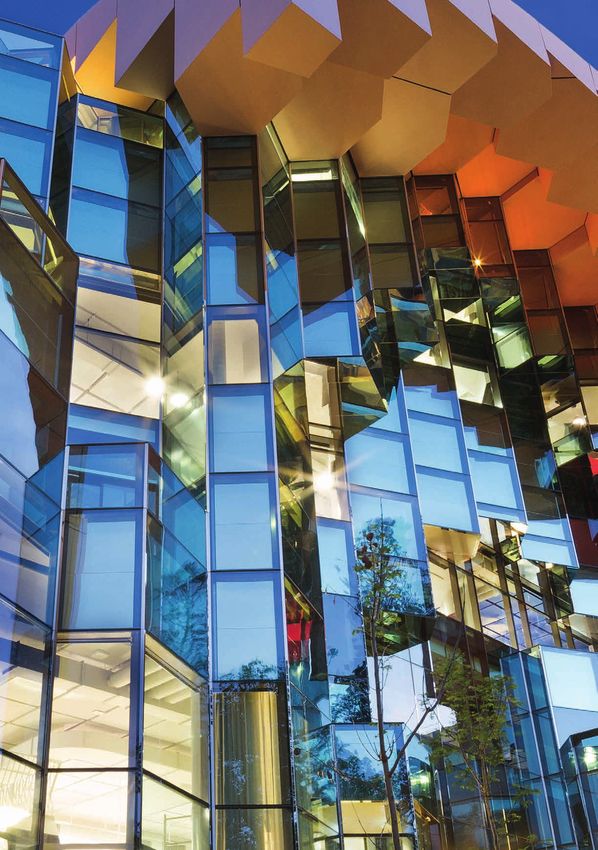
2 | Victorian Infrastructure Plan
Message from the Premier
                             Victoria is the fastest growing state in the nation. In
                             fact, we’re growing at a pace barely seen since the
                             gold rush. That growth has created opportunities and
                             contributed to our economic success. But it has also
                             presented its fair share of challenges.

                             That’s why we’re undertaking the largest infrastructure
                             investment in our state’s history.
                             We’re removing dangerous and congested level crossings.
                             We’re upgrading and improving roads to get people
                             home sooner.
                             We’re building new rail lines to connect our suburbs
                             and towns.
                             And we’re expanding hospitals and building new schools
                             across the state.
The Hon. Daniel Andrews MP
Premier of Victoria          All up, this pipeline is worth over $80 billion, and is providing
                             work for 75,000 Victorians.
                             But we know there’s a lot more still to do.
                             That’s where Infrastructure Victoria’s 30-year Infrastructure
                             Strategy comes in.
                             The strategy, combined with the long-term vision from this
                             Government, provides a clear forward plan to meet our
                             state’s immediate and long term needs.
                             From schools to hospitals, roads to public transport, it guides
                             those all-important efforts.
                             This update of the Projects Pipeline builds on that work,
                             helping to keep us up-to-date and on track.
                             And as this update shows – on every measure – we’re
                             making vital progress.
                             We really are getting things done – for today, and tomorrow.

                                                                                      Victorian Infrastructure Plan | 3
4 | Victorian Infrastructure Plan
Message from the
                             Special Minister of State
                             Infrastructure delivery requires long term planning
                             to achieve the benefits our community deserves.

                             Gone are the days of Victoria’s infrastructure delivery being
                             tied to short-term politics. Now, thanks to our creation of
                             Infrastructure Victoria and our commitment to delivering on
                             their recommendations, we have a clear plan for Victoria’s
                             future.
                             From education to health, public transport to the arts, we
                             are identifying and acting upon the projects that matter. We
                             are considering the needs of the whole state and prioritising
                             the projects that deliver the best results. It won’t happen
                             overnight, but the benefits will last for generations to come.
                             Our pipeline of major projects will continue to grow
The Hon. Gavin Jennings MP   our economy and create jobs. This updated pipeline
Special Minister of State    highlights the progress we have made on delivering on our
                             infrastructure agenda, and shows that we haven’t hit pause
                             by identifying the projects that matter to our future.

                                                                                  Victorian Infrastructure Plan | 5
Introduction
As Victoria’s population continues to grow, the amount and type of infrastructure we
need to invest in will also need to change.

In the inaugural Victorian Infrastructure   Plans for five of the NEICs are             The Victorian Government will
Plan, released in October 2017, the         expected to be completed in 2018.           continue to deliver on its state-shaping
Victorian Government responded to           The government is facilitating new          infrastructure agenda, ensuring that
Infrastructure Victoria’s 30-Year           development as part of level crossing       all Victorians are provided with a well-
Infrastructure Plan. The Victorian          removals including delivering housing       functioning and efficient transport
Government accepted 134                     adjacent to stations on surplus             network, a world class education
recommendations, in full, in part           government land.                            system, high-quality health care and
or in principle and outlined the                                                        the infrastructure they need to support
                                            In order to improve the effectiveness
government’s priorities.                                                                a thriving community. At the same
                                            of the transport network, the Victorian
                                                                                        time, the Victorian Infrastructure Plan
The Victorian Infrastructure                Government has continued to focus on
                                                                                        addresses how we can get the most
Plan - Projects Pipeline has now            unlocking additional capacity through
                                                                                        from our existing assets. This includes
been refreshed and updated, as              significant investment in new transport
                                                                                        boosting services, upgrading facilities,
progress continues on Victoria’s key        solutions such as Metro Tunnel. New
                                                                                        implementing new policies and
infrastructure projects. New initiatives    initiatives such as the Suburban Roads
                                                                                        adopting new technologies.
have also been included, reflecting the     Upgrades Package will upgrade existing
ongoing investment in maintaining           roads to reduce congestion and the          The Victorian Infrastructure Plan
Victoria’s liveability and prosperity.      ongoing delivery of additional rolling      priorities and future directions
                                            stock will improve the reliability and      are informed by the nine critical
Infrastructure Victoria provided advice
                                            efficiency of Victoria’s public transport   sectors where infrastructure policy
on the Victorian Infrastructure Plan.
                                            network.                                    and delivery are key to maintaining
Their findings focused on alignment
                                                                                        Victoria’s prosperity. These sectors
with the key priorities of their 30-Year    The Victorian Infrastructure Plan also
                                                                                        and a selection of significant
Infrastructure Plan. These priorities       supports the most vulnerable Victorians,
                                                                                        investments are included in this
relate to increasing housing densities      with a commitment to implementing key
                                                                                        updated Projects Pipeline.
to make better use of existing              elements of the Victorian Government’s
infrastructure, managing demand on          Homelessness and Rough Sleeping             We have now progressed on the initial
the transport network, increasing the       Action Plan. This includes the provision    priorities, and identified new projects
supply of social and affordable housing     of modular homes for people sleeping        that will help meet current demand and
and improving communications                rough and housing teams to provide          prepare us for the future. This pipeline
infrastructure.                             individualised support.                     helps to provide certainty for industry
                                                                                        on our longer term directions, and
The government is implementing a            Victoria’s digital connectivity is
                                                                                        makes clear the Victorian Government’s
number of initiatives to facilitate new     continually being improved, with a
                                                                                        priorities over the next five years and
housing in established areas and            focus on rural and regional areas. This
                                                                                        beyond.
employment centres. Seven National          includes ongoing investment to remove
Employment and Innovation Clusters          regional mobile blackspots, as well as
(NEICs) are identified in Plan Melbourne    the regional rail connectivity program
2017-2050 as a focus for jobs growth        which will improve mobile coverage on
and strategic infrastructure investment,    the five busiest regional rail lines.
supporting decentralisation of jobs in
metropolitan Melbourne and providing
opportunities for densification of
housing.

6 | Victorian Infrastructure Plan
Victorian Infrastructure Plan | 7
Reading the sector plans
                                                         and priorities
The Victorian Infrastructure Plan is organised
around nine critical sectors. Each sector plan               The nine sectors are:                            page
outlines our vision, overarching priorities, projects,       1. Transport                                        10
reforms and long-term policy directions for
that sector.                                                 2. Culture, sport and community                    20

                                                             3. Digital connectivity                             26

                                                             4. Education and training                          30

                                                             5. Energy                                          38

                                                             6. Environment                                     42

                                                             7. Health and human services                       48

                                                             8. Justice and emergency services                  56

                                                             9. Water                                           64

                                                         Note
                                                         Where it is important to understand the government’s
                                                         overall response to a specific priority, initiatives include
                                                         investment from years prior to 2017.
                                                         Investments are shown in calendar years for year
                                                         one to five projects and reforms, to reflect the December
                                                         2016 timing of Infrastructure Victoria’s 30-year Infrastructure
                                                         Strategy. Year one to five projects and reforms will be
                                                         reviewed annually. Timelines are indicative only and subject
                                                         to change. Sector pipeline values are an estimate of total
                                                         projects and reforms listed in this plan and do not include
                                                         the full scope of government investment. Funding end dates
                                                         are indicated in line with Victorian State budgets, but some
                                                         projects and reforms may be allocated further funding.
                                                         This will be updated in future editions of the Victorian
                                                         Infrastructure Plan.

                                                                                         Victorian Infrastructure Plan | 9
Transport
More than 50
                                                                   projects and
                                                                        reforms

  Sector
  pipeline
  valued over
  $35 billion

Introduction
Safe and efficient transport networks are
                                                             SECTOR KEY PRIORITIES:
important to Victoria’s future.
                                                             1. Making the most of existing
The Victorian Government is making record investments           assets
in transport. Focusing on road and rail initiatives, we’re
undertaking the most comprehensive project pipeline in       2. Building for the future
Victoria’s history.
Metro Tunnel, Victoria's biggest ever public transport       3. Connecting regional Victoria
project, headlines a program of critical transport
investment. The pipeline includes new construction,          4. Developing smarter transport
transport infrastructure upgrades and rethinking our use        solutions
of current assets to maximise value from our transport
infrastructure.
A productive economy relies on the effective transport of
goods and materials. This program of priorities, projects
and reforms will grow our economy by adding capacity,
improving speed and creating cost-effective transport
options right across the state.
Investment in our transport infrastructure is important
to Victorian business. Our freight moving capability will
be strengthened by port and airport enhancements,
complemented by the road and rail network upgrades
that are already creating jobs.

                                                                    Victorian Infrastructure Plan | 11
1. Making the most of existing assets
Victoria's extensive transport network connects people to jobs and services across the state. To make sure the
network continues to operate reliably and efficiently, Victoria must make the most of our existing transport
infrastructure. To achieve this, the Victorian Government is improving how assets are maintained and managed,
deploying technology to improve efficiency, reforming public transport systems to increase capacity, as well as
upgrading arterial roads to reduce congestion. These investments will ensure value for money over the longer
term and contribute towards a more liveable and more productive state.
Projects and reforms
YR 1 YR 2 YR 3 YR 4 YR 5
2017 2018 2019 2020 2021
1. $700 million total investment (including a $350 million Commonwealth
contribution) to widen and install traffic management infrastructure to Metro Melbourne
the three remaining sections of the 38 kilometre M80 Ring Road upgrade
— the Princes Freeway to Western Highway; Sydney Road to Edgars
Road; and Plenty Road to Greensborough Highway.
2. $218.1 million to continue rolling out Melbourne’s new trams, including Metro Melbourne
10 new high-capacity E‑class trams and the associated infrastructure
required. This brings the number of new E-class trams to 80 in total.
3. Complete existing urban road upgrades including the $1.3 billion
CityLink Tulla Widening, $100 million Chandler Highway upgrade, Metro Melbourne
$131.2 million for Stage 1 of the Yan Yean Road duplication and
$138.6 million for Plenty Road Stages 1 and 2.
4. Active Transport Victoria will work with VicRoads, the Transport Accident Metro Melbourne
Commission, local councils and communities to prioritise and invest Regional Victoria
in infrastructure that keeps cyclists and pedestrians safe, including
through the $100 million Safer Cyclists and Pedestrians Fund.
In 2018/19, $22.7 million will be made available through the Safer Cyclists 2018 Budget
and Pedestrians Fund.
Metro Melbourne
5. $67 million was provided to boost train and bus services across
Melbourne.
In 2018/19, an additional $145.1 million was provided to expand this work 2018 Budget
on the Clifton Hill group, Werribee and Dandenong rail lines and for
various metropolitan bus services.
Metro Melbourne
6. $193.2 million to continue all-night public transport on weekends. Regional Victoria
Metro Melbourne
7. $11.4 million was provided to improve accessibility and safety across
Victoria’s public transport network, especially for those living with Regional Victoria
disability.
In 2018/19, an additional $16.3 million was provided to continue and 2018 Budget
expand this work.
8. The Yan Yean Road upgrade is being delivered as part of the Suburban Metro Melbourne
Roads Upgrades Package.
Metro Melbourne
9. $62.7 million was provided to deliver proactive maintenance and
painting on the West Gate Bridge.
2018 Budget
In 2018/19, an additional $38.7 million was provided to continue this work.
12 | Victorian Infrastructure PlanProjects and reforms
YR 1 YR 2 YR 3 YR 4 YR 5
2017 2018 2019 2020 2021
10. $108.6 million for the Streamlining Hoddle Street project which includes
a new intelligent transport system and smart mobility solutions package, Metro Melbourne
improving safety and travel time information to allow users to better plan
their journeys.
11. $20.2 million for a pipeline of road improvement projects to respond to key Metro Melbourne
network priorities. The activities will range from minor intersection upgrades
Regional Victoria
to significant arterial road duplications. This will address congestion and
improve travel times and safety.
2018 Budget
In 2018/19, an additional $40.6 million was provided to continue this work.
12. $82.9 million was provided towards metropolitan road restoration and Metro Melbourne
road surface replacement, so that our roads can continue to provide
safe conditions for motorists.
In 2018/19, an additional $115.9 million was provided to continue and 2018 Budget
expand this work.
13. The business case for the Monash Freeway Upgrade was completed and Metro Melbourne
the project was funded in the 2018/19 Budget.
14. $711.8 million for Stage 2 of the Monash Freeway Upgrade between Metro Melbourne
Warrigal Road and EastLink and between Clyde Road and Cardinia
2018 Budget
Road, two of the busiest sections along Victoria’s most important road
corridor, and links to a new duplicated O’Shea Road.
Metro Melbourne
15. $16.4 million for train protection warning systems and bus stop Regional Victoria
upgrades to enhance safety and security on the network.
2018 Budget
Metro Melbourne
16. $12.3 million to upgrade South Yarra station, including upgrading the
station building to improve customer access and upgrading the existing 2018 Budget
tram stop to provide an accessible intermodal interchange.
Metro Melbourne
17. $21.1 million to undertake bridge strengthening and renewal works on Regional Victoria
critical bridges across Victoria.
2018 Budget
Metro Melbourne
Regional Victoria
18. $5.2 million for better recreational facilities on Victorian waterways.
2018 Budget
19. $1.8 billion to deliver a package of road upgrades and maintenance Metro Melbourne
through the procurement of the Western Suburbs Road Package to cater
for high population growth in Melbourne’s west.
Metro Melbourne
20. $2.2 billion for the Suburban Roads Upgrades Package: a targeted
package upgrading some of the most congested arterial roads in the 2018 Budget
south-eastern and northern-outer suburban areas of Melbourne.
Victorian Infrastructure Plan | 132. Building for the future
Our transport system must develop and adapt to the changing needs of the Victorian population and
economy. As our population grows and demographics change, the demand on the transport system will
change. We will need to think ahead and design our new transport infrastructure with an eye to the future.
The Victorian Government is planning and building transport solutions that are needed now, but also
cater for the needs of tomorrow.
Projects and reforms
YR 1 YR 2 YR 3 YR 4 YR 5
2017 2018 2019 2020 2021
1. $11 billion to build the Metro Tunnel. This project will free up congestion
in the city loop and improve reliability of services across Melbourne.
Within the project, five new underground stations will be built and a Metro Melbourne
state-of-the-art signalling and communications system will be installed.
This will support high capacity trains and increase the frequency of
services.
2. $6.7 billion to deliver the West Gate Tunnel project which will provide
quicker and safer journeys from Geelong, Ballarat and the western
suburbs, and take thousands of trucks off residential streets. The project
includes building Victoria’s longest road tunnel, the Monash Freeway
Upgrade and access improvements to Webb Dock. The project will also Metro Melbourne
provide over 14 kilometres of new and upgraded cycling and walking
paths, including a new 2.5 kilometre veloway above Footscray Road. The
project includes additional scope, features and community benefits
of the project following community consultation and a comprehensive
Environment Effects Statement process.
Metro Melbourne
3. Ongoing investment in more trains, better bus services, new connections
and station upgrades across the state, including $1.3 billion in 2016/17 Regional Victoria
and $1.5 billion in 2017/18 towards regional public transport.
In 2018/19, an additional $704 million was provided towards regional 2018 Budget
public transport.
4. $6.8 billion to remove Victoria’s 50 most dangerous and congested level Metro Melbourne
crossings including delivering the Caulfield to Dandenong project, as well
as $1.4 billion to continue station upgrades and network improvements.
5. $100 million was provided for planning and pre-construction work for
the North East Link. This project will provide an essential connection Metro Melbourne
between Melbourne’s north and east and cater for the city’s future
growth. The new link will remove trucks from local streets, reduce
congestion while improving freight and supply chain efficiency, and
create more than 10,000 new jobs.
In 2018/19, an additional $110 million was provided to fast-track planning 2018 Budget
and development activities, meaning the project will be ready to go to
market in 2019. The Commonwealth has committed up to $1.75 billion for
this project.
6. $604.1 million for the Mernda Rail Extension project to help connect the
area to jobs, services and the broader community. This initiative will
build eight kilometres of new rail line, three state-of-the-art stations at Metro Melbourne
Marymede, Mernda and Hawkstowe; and a coordinated new bus network.
The TEI of this project has increased by $7.4 million due to the inclusion of
a pedestrian overpass at Hawkstowe station.
7. $135.9 million was provided for the Hurstbridge rail line Upgrade to duplicate
the single track between Heidelberg and Rosanna, including a new tunnel Metro Melbourne
under Darebin Street and a second rail bridge over Burgundy Street.
In 2018/19, an additional $2.5 million was provided for planning of Stage 2 2018 Budget
of the upgrade.
14 | Victorian Infrastructure PlanProjects and reforms
YR 1 YR 2 YR 3 YR 4 YR 5
2017 2018 2019 2020 2021
8. $300 million was provided to build the Mordialloc Bypass. This project will
create a nine kilometre connection between Springvale Road in Aspendale Metro Melbourne
Gardens and the Dingley Bypass. This road link will reduce traffic congestion
and improve safety in one of Melbourne’s fastest growing areas.
2018 Budget
In 2018/19, an additional $75 million was provided to upgrade this project
to freeway standard.
9. $187.4 million was provided to shift train stabling from Carrum to a new Metro Melbourne
yard in Kananook, as part of the Frankston line transformation to cater for
the longer term stabling needs of the growth corridor.
2018 Budget
In 2018/19, an additional $49.3 million was provided to continue this work.
10. $84.8 million towards the Network Transition Program, which will prepare
the network to realise the full potential of the Metro Tunnel and the
rollout of High Capacity Metro Trains. This will involve planning for track, Metro Melbourne
power and signalling upgrades, platform extensions and additional
stabling and maintenance facilities. Planning work will also commence
for other major rail infrastructure projects.
Metro Melbourne
11. $255.8 million for the Network Transition Plan – Phase A to upgrade
2018 Budget
ageing infrastructure across Melbourne's busiest train lines.
12. $30 million was provided to develop an Airport Rail business case in Metro Melbourne
partnership with the Commonwealth.
In 2018/19, an additional $50 million was provided for a detailed
2018 Budget
investigation of a high-speed rail link between Geelong and
Melbourne, as well as creating a rail pathway to Melbourne Airport. The
Commonwealth has committed up to $5 billion for this project.
13. $272.9 million was provided to deliver X'Trapolis metropolitan trains that Metro Melbourne
will replace Comeng trains.
In 2018/19, an additional $103.5 million was provided to deliver five 2018 Budget
additional X'Trapolis metropolitan trains.
14. $50 million to transform the Carrum Promenade area. This involves Metro Melbourne
improvements to public space, creation of new community spaces and 2018 Budget
improved beach connections, including an access road, additional car
parking, landscaping, public amenities and associated land acquisition.
15. $608 million for the Caulfield to Dandenong conventional signalling and Metro Melbourne
power infrastructure upgrade works.
Metro Melbourne
16. $572 million to transform the Sunbury to Cranbourne-Pakenham
rail corridor to increase capacity, improve system resilience and 2018 Budget
accommodate the new High Capacity Metro Trains.
Metro Melbourne
17. $60 million for new and upgraded car parking spaces to be built at key Regional Victoria
train stations across the network.
2018 Budget
Victorian Infrastructure Plan | 15Projects and reforms
YR 1 YR 2 YR 3 YR 4 YR 5
2017 2018 2019 2020 2021
18. $3 million was provided for design and planning of a new rail connection
2018 Budget
in Melbourne's south-east. The Commonwealth has committed up to
$475 million for this project.
19. The Commonwealth has committed up to $225 million for the 2018 Budget
electrification of the Frankston line to Baxter.
3. Connecting regional Victoria
With regional Victoria’s population expected to almost double by 2051, we are investing in transport
infrastructure and services to give communities in regional Victoria the quality service they deserve. This
includes the Regional Rail Revival Program, a once in a generation investment to improve infrastructure and
services by upgrading tracks, stations and signalling to run more trains, more often, more reliably. The $1.5
billion program, jointly funded with the Commonwealth, includes a substantial series of projects that will make
it easier for people to access jobs, education and services and connect goods produced in Victoria with domestic
and international markets.
Projects and reforms
YR 1 YR 2 YR 3 YR 4 YR 5
2017 2018 2019 2020 2021
1. $530.6 million was provided to maintain and upgrade roads and bridges
and undertake planning work towards future road improvements to Regional Victoria
cater for regional growth, as well as improving travel times and safety on
Victoria’s roads.
In 2018/19, an additional $941 million was provided to fix regional roads, 2018 Budget
including establishing Regional Roads Victoria, road restoration and
upgrades, and safety upgrades across regional Victoria.
2. A roads upgrade package for south-western Victoria to improve safety
and increase capacity along important routes. This includes $65.8 million
for the South Western Victoria Road Improvement Program to improve Regional Victoria
key roads like the Great Ocean Road, and $37.2 million for a Narrow Seal
Roads Program to widen 40 kilometres of arterial roads and support two-
way traffic.
3. $50 million (including a $25 million Commonwealth contribution) to
realign the South Gippsland Highway through Koonwarra, including Regional Victoria
additional shoulder sealing and installation of targeted safety barriers
between Meeniyan and Yarram.
4. Complete existing regional road upgrades including $672 million
Western Highway (Ballarat to Stawell), $117.4 million for the Drysdale Regional Victoria
Bypass and $280 million (includes Commonwealth and New South Wales
government contributions) for the Echuca-Moama Bridge.
5. $435 million for Gippsland Line Upgrade, plus $95 million to replace Regional Victoria
Avon River Bridge.
16 | Victorian Infrastructure PlanProjects and reforms
YR 1 YR 2 YR 3 YR 4 YR 5
2017 2018 2019 2020 2021
6. $316.4 million for major periodic maintenance, maintaining and repairing
Regional Victoria
tracks across the regional rail system, as well as $12.5 million to upgrade
and replace the V/Line Classic Fleet trains and carriages.
In 2018/19, an additional $10.6 million was provided for further V/Line Classic 2018 Budget
Fleet works.
7. $300 million to redesign VLocity carriages and build 39 new carriages
for long-haul services, including to Shepparton, building on the 48 Regional Victoria
already ordered. The cost of this project has reduced by approximately
$11 million due to procurement savings.
8. $110 million to fund the first stage of the Geelong Line Upgrade project, Regional Victoria
to prepare the corridor for duplication between South Geelong and
Waurn Ponds and reserve land for a future line to Torquay.
2018 Budget
In 2018/19, the Commonwealth committed $50 million for this project.
9. $43.5 million was provided for Stage 1 works to upgrade the Regional Victoria
Shepparton line.
In 2018/19, an additional $313 million was provided to continue the
project which will enable faster journeys and improved reliability and
amenity for regional passengers, and enable an additional four train 2018 Budget
services per weekday between Melbourne and Shepparton. This includes
new stabling, signalling and track upgrades, platform extensions and
level crossing safety upgrades.
10. $549.5 million to upgrade the Ballarat line to Melton to increase the Metro Melbourne
reliability of services for the Ballarat region and Melbourne’s outer west
Regional Victoria
and providing additional services. The scope and cost of this project has
increased marginally.
11. $114 million to upgrade the Warrnambool line to run more services and Regional Victoria
$91 million to enhance the Bendigo to Echuca line, including faster trains.
12. Delivery of the $440 million Murray Basin Rail Project funded in Regional Victoria
partnership with the Commonwealth to provide better rail freight access
and services in the Murray Basin area at reduced costs.
Metro Melbourne
13. Continued collaboration with the Commonwealth on the delivery of
the Inland Rail project to upgrade freight lines between Melbourne and Regional Victoria
Albury as part of the high capacity inland rail route being constructed
between Melbourne and Brisbane.
14. $188.7 million to build train stabling and maintenance facilities to enable Regional Victoria
the expansion and upgrade of the state’s regional train fleet. This
2018 Budget
initiative also includes design and pre-procurement for new regional
trains to replace the Classic Fleet.
Victorian Infrastructure Plan | 174. Developing smarter transport solutions
Advancements in technology present a wide range of opportunities to improve the efficiency of our transport
system. Developing smarter transport solutions that are driven by real-time data, sensor and automation
technology is just as important as the physical building of new infrastructure. This trend of technology-
driven solutions will continue as technology becomes more embedded within the network and as the
demand for transport services increases. The Victorian Government is pursuing a range of state-of-the-art
technology systems to improve efficiency, safety, sustainability and amenity for transport users.
Projects and reforms
YR 1 YR 2 YR 3 YR 4 YR 5
2017 2018 2019 2020 2021
1. $35.8 million for the Optimising Transport Network Performance and
Productivity Program. This includes the implementation of Intelligent
Metro Melbourne
Transport Systems and intersection upgrades to improve traffic flow and
reduce congestion on Melbourne’s key tram and bus routes, and freeways.
2. $15 million towards Keeping Melbourne Moving by funding a Network
Impact Management Plan to better understand and manage disruption Metro Melbourne
from significant transport upgrades and enable provision of targeted,
tailored and timely information.
3. Support the upgrade and roll-out of advanced traffic management systems
on key parts of the network to improve the capacity of Melbourne’s freeway Metro Melbourne
network. Major projects include the M80 Ring Road Upgrade, West Gate
Tunnel, Monash Freeway-M1 Corridor and CityLink-Tulla Widening Project.
Metro Melbourne
4. Introduction of Australia's first fully open and competitive commercial
passenger vehicle regulatory model, which will put passengers first by Regional Victoria
bringing taxi, hire car and ride share services under an aligned set of rules.
5. Supporting the University of Melbourne's ambitious and unique hi-tech
Melbourne National Connected Multimodal Test Bed, which is studying
Metro Melbourne
public transport, traffic and people movements through the use of
thousands of sensors and connected infrastructure in a five square
kilometre area of central Melbourne. The study will provide unprecedented
insights to feed into planning transport systems of the future.
18 | Victorian Infrastructure PlanVictorian Infrastructure Plan | 19
Culture, sport
and community
More than 20
                                                                 projects and
                                                                      reforms

  Sector
  pipeline
  valued over
  $1.5 billion

Introduction
World-class facilities draw the
                                                            SECTOR KEY PRIORITIES:
international events Victoria is known for.
                                                            1. Maintaining Victoria's
Victoria’s creative, sport and recreation industries make      competitive edge
a sizeable contribution to our economy. Our reputation is
growing stronger every year, making facilities investment   2. Planning for a growing
critical to the infrastructure equation.                       population
The Victorian Government is harnessing the social and
economic benefits that our cultural, sport and recreation   3. Growing participation
amenities bring.
                                                            4. Maintaining our current
Regardless of its size or standing, any activity requires      facilities
suitable facilities. These must be planned, built,
maintained, upgraded and fully utilised. Government
investment, private development and community
involvement are all important inputs to this landscape.
This program of initiatives creates the climate required
to extend our reach as Australia’s sporting and cultural
capital and enhance the economic value of this vibrant
sector.

                                                                   Victorian Infrastructure Plan | 21
1. Maintaining Victoria’s competitive edge
Victoria is renowned as Australia's sporting and cultural capital, with a packed events calendar that is the
envy of the nation. But competition from elsewhere means we can’t afford to stand still. The Victorian
Government is undertaking long-term planning to expand and renew our arts and sporting precincts. This
investment will protect our visitor economy and enhance our reputation as one of the most liveable places
in the world.
Projects and reforms
YR 1 YR 2 YR 3 YR 4 YR 5
2017 2018 2019 2020 2021
1. $62 million from the Major Events Fund to attract major events to Metro Melbourne
Victoria, including funding to assist in the operation and staging of
Regional Victoria
national and international events.
Metro Melbourne
2. Undertake a range of targeted renewal projects across Victoria’s cultural
and civic facilities, including $33.2 million for Geelong Performing Arts Regional Victoria
Centre and $40 million for the Arts Centre Melbourne.
3. Renew and/or redevelop major sporting infrastructure including Metro Melbourne
$272 million for the Melbourne Park Redevelopment, $10 million for
the Victorian Home of Golf and National High Performance Centre, Regional Victoria
$38.5 million for Ballarat’s Eureka Sports Precinct and $25 million for
Junction Oval.
Metro Melbourne
4. $4.9 million to support project development for the State Netball and
Hockey Centre and the Stage 5 redevelopment of Kardinia Park. This Regional Victoria
work was completed in 2018.
5. $140 million towards the Geelong City Deal (not including a Regional Victoria
Commonwealth contribution yet to be negotiated). The deal will include
projects such as the Geelong Convention and Exhibition Centre, 2018 Budget
improved visitor experiences along the Shipwreck Coast, and a program
to revitlaised central Geelong.
Metro Melbourne
6. $37.8 million to support visitor economy infrastructure in Greater
Melbourne which delivers a better visitor experience, increases visitor 2018 Budget
spend and improves access around Victoria.
7. $205 million for The Melbourne Convention and Exhibition Centre
(MCEC) – Stage 2 development which will provide additional capacity to Metro Melbourne
the MCEC facility and help cater to the growing demand for exhibitions
linked to conferences.
8. Melbourne's Arts Precinct package includes $208 million for planning
and design of the new National Gallery Victoria Contemporary Gallery 2018 Budget
and upgrades to the Arts Centre Melbourne, the design of the public
space with the precinct and the purchase of the former CUB site.
22 | Victorian Infrastructure Plan2. Planning for a growing population
Demand for cultural, sporting and recreation spaces is increasing with population growth. Every
Victorian should have the opportunity to participate and access activity spaces no matter where they
live. Participation improves health and wellbeing, encourages social cohesion and creates jobs. To meet
the diverse needs of metropolitan and regional areas, the Victorian Government is delivering new and
improved facilities in consultation with local communities.
Projects and reforms
YR 1 YR 2 YR 3 YR 4 YR 5
2017 2018 2019 2020 2021
1. $100 million for the Growing Suburbs Fund to assist local councils in Metro Melbourne
outer suburban areas to respond to population changes, including the Regional Victoria
growing demand for community facilities.
2018 Budget
In 2018/19, an additional $50 million was provided for the Growing
Suburbs Fund to continue this work.
Metro Melbourne
2. $22.4 million for the Living Libraries Infrastructure Program to support
local councils across the state to build new libraries and upgrade Regional Victoria
facilities to meet growing demand.
3. Land Use Victoria will undertake an audit of public land, including
Metro Melbourne
schools within the Melbourne metropolitan area, to find opportunities
to share government-owned public land and facilities with local
communities.
Metro Melbourne
4. $22 million for Better Indoor Sports Stadiums to develop multi-use indoor
stadiums across the state. Regional Victoria
5. $85 million sporting facilities investment in the Latrobe Valley, including
$46 million to build a new Gippsland Regional Aquatic and Leisure Regional Victoria
Centre and $17 million to redevelop the Gippsland Regional Indoor
Sports and Entertainment Complex.
6. $9.6 million to build 64 competition compliant netball courts in inner- Metro Melbourne
Melbourne, ensuring nobody is turned away from playing the game they love.
Metro Melbourne
7. $120 million was provided for the Community Sport Infrastructure Fund
to support planning and improvement works for community sport and Regional Victoria
recreation facilities.
In 2018/19, an additional $60 million of the $241.6 million community sport
investment package for the Community Sports Infrastructure Fund to 2018 Budget
provide grants to community sports organisations, and $5 million for
Community Sports Infrastructure Loans, which will unlock up to $100 million
to upgrade local facilities.
Victorian Infrastructure Plan | 233. Growing participation
As our population grows in size and diversity, new cultural and sporting pursuits are emerging, and many
single-purpose facilities are no longer suitable. These need upgrading or redesign to accommodate a
broader range of activities. Increasing participation in cultural, sporting and recreation activities improves
health and wellbeing and connects local communities. The Victorian Government is committed to working
with councils, sporting clubs and community groups so that all Victorians can participate.
Projects and reforms
YR 1 YR 2 YR 3 YR 4 YR 5
2017 2018 2019 2020 2021
1. $50 million through the Shared Facilities Fund to create smart, multi- Metro Melbourne
purpose ‘hubs’ at major schools across the state that will be accessible
Regional Victoria
to all members of the community.
2. $14 million was provided for the Female Friendly Facilities Fund, as part Metro Melbourne
of the Community Sport Infrastructure Fund, to build new, and upgrade
Regional Victoria
existing, outdated change facilities that cater for female sports, with a
focus on promoting female and family friendly environments.
In 2018/19, an additional $82 million of the $241.6 million community
sport investment package to encourage women and girls to participate 2018 Budget
in sport at all levels by making sure venues meet the needs of female
players and officials, including developing and upgrading the Melbourne
Victory Football Academy and Rugby League State Centre of Excellence.
3. Delivering accessible, flexible, multipurpose facilities across regional
Victoria through the Regional Jobs and Infrastructure Fund, which are Regional Victoria
critical for growing jobs and ensuring regional communities remain
a great place to live. Examples of successful investments include the
Ararat Arts Precinct and the upgraded Mars Stadium.
Metro Melbourne
4. $15.4 million to support new and upgraded recreation facilities such as
pavilions, trails, sports facilities and playspaces that increase sport and 2018 Budget
recreation opportunities in our parks.
5. $17.1 million for a multicultural community infrastructure program to Metro Melbourne
support community and cultural infrastructure in Caulfield, Dandenong
and Wyndham and expand the existing Community Infrastructure and 2018 Budget
Cultural Precincts program.4. Maintaining our current facilities
Victoria has significant cultural, sporting, recreation and community facilities. These let people express
themselves creatively, engage with their community and stay healthy and active. Current and future
generations should have access to upgraded or new facilities. The Victorian Government is committed
to upgrading these assets across the state. These initiatives will encourage community participation and
physical activity, provide amateur to professional pathways, and showcase our sporting and creative talent.
Projects and reforms
YR 1 YR 2 YR 3 YR 4 YR 5
2017 2018 2019 2020 2021
Metro Melbourne
1. $6.6 million for the maintenance of Victoria’s state-owned arts and
cultural institutions to ensure ongoing safety and smooth operations. Regional Victoria
2. $28.7 million to continue the National Gallery of Victoria's Summer
Program and deliver its Triennial of Contemporary Art, as well Metro Melbourne
as supporting permanent exhibitions, maintenance, collections
management and operating expenses.
3. $9.6 million for the State Sport Centres Trust to help provide improved Metro Melbourne
services at the Melbourne Sports and Aquatic Centre, State Netball and
Hockey Centre, and Lakeside Stadium.
4. $88.1 million (including $27.7 million from philanthropic sources) to
transform the State Library Victoria for the next generation. The Metro Melbourne
redevelopment will open up an additional 1,000 square metres of space Regional Victoria
for public use and provide an e-Town Hall initiative to connect regional
public libraries throughout Victoria.
5. $5 million was provided for the Australian Centre for the Moving Image Metro Melbourne
(ACMI).
In 2018/19, an additional $34.8 million (including $5 million from
philanthropic sources) was provided to revolutionise ACMI’s visitor 2018 Budget
experience, and support cutting-edge technology and educational
programs for young creatives.
Metro Melbourne
6. $64.6 million of the $241.6 million community sport investment package to
redevelop the State Netball and Hockey Centre, including six new indoor 2018 Budget
netball courts and an indoor hockey court.
7. $231 million to assist with the redevelopment of Docklands Stadium
and the National Sports Museum at the Melbourne Cricket Ground. Metro Melbourne
Funding will also be provided to plan future redevelopments at Whitten Regional Victoria
Oval in Footscray and Eureka Stadium in Ballarat. The Victorian Major
Stadia Funding Program will help identify priorities to improve Victoria’s 2018 Budget
network of stadia and arenas and maintain Victoria’s world-leading
position and reputation in sport and major events.
Victorian Infrastructure Plan | 25Digital connectivity
More than 15
projects and
reforms
Sector
pipeline
valued over
$450 million
Introduction
All Victorians need access to fast,
efficient, reliable digital technology. SECTOR KEY PRIORITIES:
The speed and simplicity of digital connectivity is 1. Improving digital access
changing how we communicate and do business. By across Victoria
investing in our digital capability we can better capitalise
on the opportunities emerging technologies present. 2. Supporting use of digital
technologies
Dedicated investment in broadband and mobile
availability throughout rural and regional Victoria will 3. Transforming state assets
enable and foster innovation. Digital agriculture projects,
like the ‘Internet of Things’, will help more regional users
capitalise on fast and reliable connectivity.
By enhancing Victoria’s digital capability, the government
is supporting business. Digital connectivity offers access
to new markets, supports new product development,
enables on demand service delivery and provides a
platform for innovative business models.
Enabling digital connectivity is an investment in our
future. By keeping us connected – with each other, the
help we need and services we rely on – technology
brings Victorians together, keeps us safe and creates
opportunities to prosper.
Victorian Infrastructure Plan | 271. Improving digital access across Victoria
Digital connectivity is critical in metropolitan and regional Victoria, for households and businesses alike.
The Victorian Government is committed to improving digital access by connecting regional communities
and supporting enhanced digital services across the state. With initiatives including the $45 million
Connecting Regional Communities Program, the government is ensuring all Victorians are connected.
Projects and reforms
YR 1 YR 2 YR 3 YR 4 YR 5
2017 2018 2019 2020 2021
1. $45 million to address mobile blackspots by building and upgrading Metro Melbourne
mobile base stations across Victoria. This project is in partnership with Regional Victoria
the Commonwealth Government and mobile carriers.
In 2018/19, an additional $11 million was provided to continue and expand 2018 Budget
this work.
2. $25 million to encourage the development of innovative broadband Regional Victoria
market solutions in regional Victoria. This project will support enhanced
broadband demonstration projects and the roll-out of public Wi-Fi.
3. $68 million to provide reliable access to digital services in the classroom Metro Melbourne
that are essential to teaching and learning, and an additional
Regional Victoria
$16.4 million to improve bandwidth and digital connectivity for students
in rural and regional Victoria.
4. $18 million to fund improvements to mobile connectivity for commuters
along the Geelong, Ballarat, Bendigo, Traralgon and Seymour rail lines. Regional Victoria
This is being delivered through an innovative partnership with mobile
carriers and leveraging state infrastructure.
5. $1 million to improve the ability of the Victorian Government to use its Regional Victoria
own telecommunications infrastructure in partnership with the private
sector to improve coverage and competition in digital connectivity.
2. Supporting use of digital technologies
The way Victorians communicate and conduct business is changing as new technologies emerge. This
includes technologies such as artificial intelligence, autonomous vehicles and the 'Internet of Things'. The
Victorian Government is supporting the use of these new technologies in the private sector, as well as looking
at how government service delivery can be improved for the benefit of all Victorians.
Projects and reforms
YR 1 YR 2 YR 3 YR 4 YR 5
2017 2018 2019 2020 2021
1. $7 million to implement the Digital Economy Plan to drive innovation and Regional Victoria
competitiveness of regional industries.
2. $12 million for projects to support the adaption of web-enabled on-farm Regional Victoria
technologies in Victoria’s North West, the Macalister Irrigation District,
the Murray-Darling Basin and the Serpentine region.
3. VicRoads will work closely with the private sector to trial the roll-out of Metro Melbourne
automated vehicles, including on the Monash-CityLink-Tullamarine Freeways.
28 | Victorian Infrastructure PlanProjects and reforms
YR 1 YR 2 YR 3 YR 4 YR 5
2017 2018 2019 2020 2021
Metro Melbourne
4. $96.1 million to establish Services Victoria, which will provide a single
Regional Victoria
online contact point for a range of government services.
5. $28.5 million was provided for Smart Planning Stages 1, 2 and 3, which Metro Melbourne
is reforming the planning system by simplifying rules and policies, and Regional Victoria
developing modern digital tools that will make the system more efficient,
effective, accessible and transparent.
In 2018/19, an additional $14.7 million was provided for Stage 3 of the 2018 Budget
program to reform local planning schemes and establish a planning
dashboard.
Metro Melbourne
6. Land Use Victoria will continue to work with the conveyancing industry
Regional Victoria
to achieve 100 per cent digital lodgement of property transactions.
7. Land Use Victoria will continue to promote the electronic lodgment Metro Melbourne
of plans of subdivision through the SPEAR (Surveying and Planning
Regional Victoria
through Electronic Applications and Referral) system and support
processing of digital plans.
3. Transforming state assets
Rapidly increasing populations and technology usage brings new demands and challenges. To make
the most of our assets, systems and infrastructure, the Victorian Government is identifing technology
solutions in a range of areas, including traffic management, energy storage, emergency communications,
data usage and cyber security. These technology solutions are being tested and implemented to transform
the way we do things, delivering cost savings, greater efficiency and higher productivity across all sectors of
the Victorian economy.
Projects and reforms
YR 1 YR 2 YR 3 YR 4 YR 5
2017 2018 2019 2020 2021
1. $72.3 million for Triple Zero to respond to demand for emergency Metro Melbourne
call-taking and dispatch services, and to improve emergency services
communications, including radio coverage in the City Loop and the Regional Victoria
national telephone warning system.
Metro Melbourne
2. $11.9 million was provided to enhance cyber security capability, with
foundation enablers for the uplift of 29 Victorian health services’ Wide Regional Victoria
Area Networks (WANs).
3. $35.8 million to roll-out advanced traffic management systems across Metro Melbourne
our roads through the Optimising Transport Network Performance and
Productivity initiative.
Metro Melbourne
4. $2.9 million to secure Victoria’s data by improving monitoring
capabilities and identifying and mitigating risks. Regional Victoria
Victorian Infrastructure Plan | 29Education and training
More than 30
                                                                      projects and
                                                                           reforms

  Sector
  pipeline
  valued over
  $5 billion

Introduction
Investing in education shows long-term vision for
Victoria’s workforce and economy.                               SECTOR KEY PRIORITIES:
Education is important in the life of every Victorian. It       1. Catering for a growing
enables our success, individually and as a state. Education        population
is also Victoria’s largest services export industry.
Through the Education State, the Victorian Government           2. Creating inclusive shared
has made a record breaking investment in our education             spaces
system. Hundreds of school infrastructure projects are
preparing Victoria for population growth, building futuristic   3. Maximising use of technology
classrooms and creating integrated community hubs.
                                                                4. Developing skills for tomorrow
These state-shaping initiatives will maintain Victoria’s
competitive advantage by strengthening education                5. Improving education
outcomes and developing the skills needed to drive our             infrastructure
evolving economy. This includes the significant export
income derived through Victorian education services.
An active project pipeline is supported by significant
facilities maintenance funding. These investments will give
all Victorians equal opportunity, and ensure our education
system meets community expectations well into the future.

                                                                       Victorian Infrastructure Plan | 31
1. Catering for a growing population
With Victoria’s population projected to reach 10.1 million by 2051, more students than ever will enrol in our
education and training institutions. To accommodate growing student numbers, the Victorian Government
is building and upgrading education facilities. To ensure the next generation of students has equal learning
opportunities, government is working together with local and national stakeholders in planning for future
education needs.
Projects and reforms
YR 1 YR 2 YR 3 YR 4 YR 5
2017 2018 2019 2020 2021
1. Over $2.5 billion for school infrastructure needed to cater for a growing
population. Government investment is delivering facility upgrades and Metro Melbourne
56 new schools across Victoria. This includes $722 million to construct, Regional Victoria
plan and buy land to construct new schools, and $174 million for new
relocatable classrooms.
In 2018/19, an additional $1.25 billion was provided for 14 new schools
2018 Budget
and to upgrade additional schools, strengthening the government's
commitment to an Education State, where every student has the
knowledge, capabilities and attributes to see them thrive.
2. $120 million to provide new and refurbished classrooms to meet Metro Melbourne
increasing enrolment demand at Independent and Catholic Schools Regional Victoria
across Victoria.
Metro Melbourne
3. $60 million over four years to address early years demand in high
growth areas, to support local government and other service providers Regional Victoria
to invest in early childhood infrastructure.
2018 Budget
In 2018/19, an additional $43 million was provided to continue this work.
Metro Melbourne
4. Complete a school investment pipeline on government's five-year
investment program in new and upgraded facilities to allow for planning Regional Victoria
certainty.
Metro Melbourne
5. Improve demand management for schools through more effective
school network planning. This will mean more efficient investment and Regional Victoria
use of school facilities.
32 | Victorian Infrastructure Plan2. Creating inclusive shared spaces
Schools can be more than places for learning. They have potential to be used by different groups and for
purposes that benefit the whole community. To maximise value, the Victorian Government’s Education
State will transform many education facilities into integrated community centres that bring people together,
connect local services and foster community pride.
Projects and reforms
YR 1 YR 2 YR 3 YR 4 YR 5
2017 2018 2019 2020 2021
1. Increase links between schools and the community through $50 million Metro Melbourne
to deliver the Shared Facilities Fund and $21.8 million invested across the
Regional Victoria
School Improvement Fund and School Pride and Sports Fund.
Metro Melbourne
2. $20 million was provided for the Inclusive Schools Fund and ongoing
Regional Victoria
funding for the Accessible Building Program.
In 2018/19, an additional $10 million was provided to the fund and a 2018 Budget
further $31.6 million towards support for special needs.
3. The Department of Education and Training has developed the TAFE Metro Melbourne
Asset Decision-making Strategy which guides increased community
engagement and usage of facilities. The strategy analyses the public Regional Victoria
value of TAFE assets and provides recommendations to improve that
value.
Metro Melbourne
4. $10 million to plan and build Early Childhood Development facilities co-
Regional Victoria
located at new primary schools.
In 2018/19, an additional $9 million was provided to continue and expand 2018 Budget
this program.
Metro Melbourne
5. $43.8 million for the Doctors in Secondary Schools program, delivering
modern, fit for purpose GP consultation facilities on school grounds at Regional Victoria
100 secondary schools across Victoria.
In 2018/19, an additional $26.3 million was provided to continue this 2018 Budget
program.
Victorian Infrastructure Plan | 333. Maximising use of technology
A new generation of students are learning and creating in new ways. Education facilities and curricula
must keep pace with technology and the opportunities it offers students. To support the next generation
of innovators, creators and digital professionals, the Victorian Government is investing in cutting-edge
technology in education centres throughout the state. As part of the 2017/18 State Budget the Victorian
Government will double the internet bandwidth of 347 small rural and regional government schools so all
students can access a first-rate digital education, wherever they live.
Projects and reforms
YR 1 YR 2 YR 3 YR 4 YR 5
2017 2018 2019 2020 2021
Metro Melbourne
1. $68 million to ensure that digital education is accessible in the
Regional Victoria
classroom for all young Victorians.
2. $16.4 million to improve regional connectivity by increasing bandwidth
for small regional and rural schools to ensure they have faster and more Regional Victoria
reliable access to online teaching, learning resources and an extended
choice of subjects.
Metro Melbourne
3. Ensuring government schools are provided with approved technicians
through the Technical Support for Schools Program. Regional Victoria
Metro Melbourne
4. Equipping our teachers with the technology they need through the
Regional Victoria
Notebooks for Teachers and Principals Program.4. Developing skills for tomorrow
The Education State is about making sure we equip Victorian students with the skills they need for the
future. This includes jobs-focused skills training and further engagement with Asia. To ensure Victorians
can adapt and act on new opportunities, the Victorian Government is investing in the future of our
international education system through the $200 million Future Industries Fund. We are committed to
maintaining Victoria’s reputation as a global education leader for our domestic and international students.
Projects and reforms
YR 1 YR 2 YR 3 YR 4 YR 5
2017 2018 2019 2020 2021
Metro Melbourne
1. $128 million to deliver 10 Tech Schools across the state. These schools will be
high-tech learning centres that provide students access to leading-edge Regional Victoria
technology and pathways into post-secondary education and training.
In 2018/19, an additional $28.6 million was provided to continue this work and 2018 Budget
for schools to operate.
Metro Melbourne
2. $303.8 million to fund our TAFEs, Learn Locals and private training providers
to deliver more than 30,000 additional training places under the Skills First Regional Victoria
program.
Metro Melbourne
3. $32 million to implement the International Education Sector Strategy to
support the growth of international education across the state. Regional Victoria
Metro Melbourne
4. Victoria's China Strategy emphasises the importance of strong links
built through the international sector as a means to developing capable Regional Victoria
Victorian students.
Metro Melbourne
5. $171.9 million for Free TAFE for Priority Courses to provide tuition-fee- Regional Victoria
free training for 30 non-apprenticeship courses and 18 courses that
provide pathways to apprenticeships across the state. 2018 Budget
Metro Melbourne
6. $49.8 million for school-based apprenticeships and traineeships that will Regional Victoria
be piloted in high-demand trades such as construction, and emerging
industries with growing numbers of new jobs. 2018 Budget
Victorian Infrastructure Plan | 35You can also read


