VINIFLORA Yeast Range - Preparing for Pre & Primary Fermentation: Pondering the Possibilities of Your Microbiological Toolbox - Gusmer Wine
←
→
Page content transcription
If your browser does not render page correctly, please read the page content below
Senior
VINIFLORA® Yeast Range
Preparing for Pre‐ & Primary Fermentation:
Pondering the Possibilities of Your Microbiological
Toolbox
May 2021
© 2021 Chr. Hansen. All rights reserved.
BBBioprotectBioB
Chr. Hansen is a bio‐science
company since 1874 …
‐ Making culture is our core activity
© 2021 Chr. Hansen. All rights reserved.
History of wine cultures development
‐ Part of Chr. Hansen DNA
Since the beginning of “Direct to vat” cultures for malolactic fermentation in the 80’s, Chr. Hansen has always offered
innovative solutions for wine industry
2009 PRELUDE™
the 1st pure
Torulaspora delbruecki
2010, FrootZen™ the 1st pure
Pichia kluyveri
1980 Introduced Viniflora™; 2004 First to introduce
first direct inoculation Malolactic non‐Sacch/Sacch yeast
2006 Introduce Frozen LS
Malolactic cultures for
Bacteria blends for wine
large wineries
2011 CONCERTO™ the 1st pure
2012 CiNe™ the 1st Lachancea thermotolerans
2020 OCTAVE™ 2016 Harvest LB1™ 2016 Neer™ 1st Citrate negative
Lachancea thermotolerans Lb plantarum for Pichia Kluyveri for Oenococcus oeni
fermented beverages non‐alcoholic beers
© 2021 Chr. Hansen. All rights reserved.
Managing fermentation
Fungi Bacteria
Environmental
Environmental yeast to
bacteria to carry
carry out the alcoholic out the malolactic
fermentation fermentation
While this often gave acceptable results, it also carries a high
risk of spoilage/contamination from unwanted microbes
In late 20th century, commercial yeast and MLF cultures that
can be added to wine were introduced, allowing greater control
over the microbial population in the wine
In red grape must
© 2021 Chr. Hansen. All rights reserved.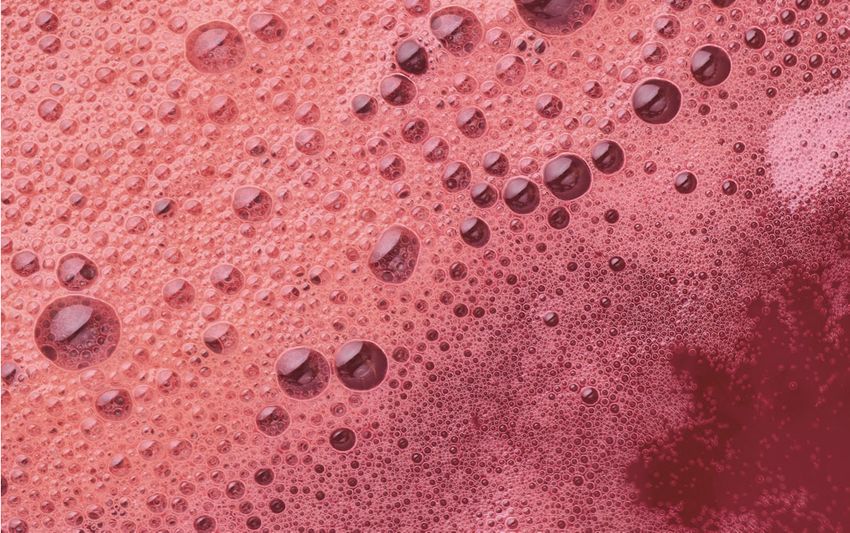
Manage your fermentations with Chr. Hansen VINIFLORA®

 C O M PA N Y                              PRE‐ALCOHOLIC                     ALCOHOLIC                        MALOLACTIC
                                           F E R M E N TAT I O N             F E R M E N TAT I O N            F E R M E N TAT I O N
 ›      Fermentation experts               ›   VINIFLORA® yeast range        ›   VINIFLORA® yeast range       ›   VINIFLORA® bacteria range
 ›      Highest QC methods                 ›   Non‐Saccharomyces yeast for   ›   Saccharomyces yeast for      ›   Lactic acid bacteria for
 ›      Sustainability                             › BioProtection                   › Fruit forward wines             › Stability
 ›      Global reach                               › Mouthfeel                       › Consistency                     › Sensory
 ›      Innovation bio‐tech                        › Differentiation                 › Low nutrient demands            › Efficiency
 ›      VINIFLORA® for wine                        › Acid Balance                    › Bacteria synergies              › Food Safety

© 2021 Chr. Hansen. All rights reserved.
Manage your fermentations with Chr. Hansen VINIFLORA®

 C O M PA N Y                              PRE‐ALCOHOLIC                     ALCOHOLIC                        MALOLACTIC
                                           F E R M E N TAT I O N             F E R M E N TAT I O N            F E R M E N TAT I O N
 ›      Fermentation experts               ›   VINIFLORA® yeast range        ›   VINIFLORA® yeast range       ›   VINIFLORA® bacteria range
 ›      Highest QC methods                 ›   Non‐Saccharomyces yeast for   ›   Saccharomyces yeast for      ›   Lactic acid bacteria for
 ›      Sustainability                             › BioProtection                   › Fruit forward wines             › Stability
 ›      Global reach                               › Mouthfeel                       › Consistency                     › Sensory
 ›      Innovation bio‐tech                        › Differentiation                 › Low nutrient demands            › Efficiency
 ›      VINIFLORA® for wine                        › Acid Balance                    › Bacteria synergies              › Food Safety

© 2021 Chr. Hansen. All rights reserved.
Master your population sequence in winemaking

                                                                         Saccharomyces spp.

                                           Non‐Saccharomyces spp.                                      Oenococcus oeni
Population

                            Pre‐alcoholic fermentation              Alcoholic fermentation       Malolactic fermentation

                                                                     Time (in days then weeks)

             © 2021 Chr. Hansen. All rights reserved.
Master your population sequence in winemaking

                                                                         Saccharomyces spp.

                                           Non‐Saccharomyces spp.                                      Oenococcus oeni
Population

                            Pre‐alcoholic fermentation              Alcoholic fermentation       Malolactic fermentation

                                                                     Time (in days then weeks)

             © 2021 Chr. Hansen. All rights reserved.
Yeast cultures –the toolbox with Non‐Saccharomyces,
Saccharomyces and blends

                                           Temp.   SO2 tol.
     Culture               Species                            Alc. %   Speed                 Features                                           Description
                                             °C     (ppm)
                                                                         Pre‐fermentative yeasts (non‐Saccharomyces)

  FrootZen™                                                                      No rehydration needed. Releases      Provides an intense fruit aroma. Perfect for white, rosé and light
                        Pichia kluyveri    15‐25     45         6        +
    (DVS®)                                                                             thiols; antioxidant.                                       red wines.

                          Lachancea                                               Naturally restores the ideal acid    Increases crispness and freshness, provides light fruity notes.
 CONCERTO™ thermotolerans                  15‐25     30         9        +
                                                                                              balance                               Ideal for wines from warm climates.

                                                                                  Polysaccharides for wine body,
                         Torulaspora                                                                                  Provides rounder mouthfeel with notes of caramel and pastries.
  PRELUDE™               delbrueckii
                                           10‐25     30        10        +              reduces greenness,
                                                                                                                         Perfect for reds and whites, fermented and aged with oak
                                                                                     ideal for cold maceration

                         Lachancea                                                                                     Add acidity and freshness as well as white stone fruit aroma to
    OCTAVE             thermotolerans
                                           15‐25     30        11        +          Strong lactic acid producer
                                                                                                                                 white and rosé; inhibits spontaneous MLF.

© 2021 Chr. Hansen. All rights reserved.
Yeast cultures –the toolbox with Non‐Saccharomyces,
Saccharomyces and blends

                                           Temp.   SO2 tol.
     Culture               Species                            Alc. %   Speed                  Features                                           Description
                                             °C     (ppm)
                                                                       All in one (Saccharomyces and non‐Saccharomyces)
                                                                                Mix of three yeasts (60:20:20). Saves
                                                                                                                        Increases complexity and mouthfeel. Suitable for both red and
  MELODY™                    Blend         15‐28     30        17       ++       preparation time as it covers both
                                                                                                                                           aromatic white wines.
                                                                                pre‐fermentation and fermentation.

                                                                                                                          Brings a distinctive touch to wines, helping winemakers to
HARMONY™                     Blend         15‐28     30        17                  Mix of three yeasts (80:10:10)
                                                                                                                                 differentiate their wine and add complexity.

                                                                                  Saccharomyces cerevisiae 60% +          Suitable for both red and white wines of warm climates to
  RHYTHM™                    Blend         15‐28     30        17       ++
                                                                                  Lachancea thermotolerans 40%          restore acidity balance together with an improved complexity

© 2021 Chr. Hansen. All rights reserved.
Yeast cultures –the toolbox with Non‐Saccharomyces,
Saccharomyces and blends
Temp. SO2 tol.
Culture Species Alc. % Speed Features Description
°C (ppm)
Saccharomyces
Adds red/black fruit and spicy notes. For medium to heavy
Low SO2 production, high alcohol
MERIT™ Sac. cerevisiae 15‐30 90 17 ++ bodied reds. Merlot, Cabernet Sauvignon, Shiraz, Carmenère.
resistance
Also for sparkling wines
No rehydration needed. High For reds that embody terroir and elegance. Augments clean and
JAZZ™ (DVS) Sac. cerevisiae 10‐30 90 17 +++ fermentation speed, strong symbiosis pure notes of fruit. Rhone blends, Syrah, Pinot noir, Grenache,
with ML cultures Nebbiolo.
© 2021 Chr. Hansen. All rights reserved.Chr. Hansen is the world’s most sustainable
food ingredient company
Ranked no. 2 on Corporate Knights’ list of Global 100 most
sustainable companies in 2020
Corporate Knights, an independent ranking agency reviews all
publicly listed companies globally with > USD 1bn revenue (7,395)
In 2020, we improved our total score against Corporate Knights’
indicators due to our products’ contribution to the UN Global
Goals and performance on environment and diversity.Emerging challenges set the
scene in winemaking
› Climate change and increase of temperature
makes it hard to maintain freshness and low
alcoholicity
› Consumer demand for reduced sulfites is growing
but lowering sulfites increased the risk of
spoilage microorganisms to proliferate
› Sulfites are also less efficient in the context
of higher pH linked to global warming
› Increased competition requires a higher degree
of diversification and improved quality
16 © 2021 Chr. Hansen. All rights reserved.Adjust your winemaking with pre‐
fermentative yeasts to meet evolving
customer demand, increased
competition and adapt to the climate
A PA L E T T E O F D I F F E R E N T P R O P E R T I E S
› Adapted to the early stages of vinification, they will influence the final
wine characteristics thanks to their specific metabolism
PROTECT THE MUST
› Reduce or eliminate sulfites and rely on BioProtection by natural way
during the early steps of winemaking
M I M I C A S U C C E S S F U L N AT U R A L P R O C E S S
› Express the true potential of your wine and bring your own signature
by increasing complexity while smoothing out year to year fluctuations
17 © 2021 Chr. Hansen. All rights reserved.Non‐Sac yeasts: identify the needs
Flavors Acid balance Mouthfeel
Precursors conversion Organic acids Polysaccharides
Metabolism differences production Mannoproteins
1 species among wine NSAC yeast has shown the
1 species among wine NSAC yeast has shown the 1 species among wine NSAC yeast has shown the
highest potential:
highest potential: Pichia kluyveri highest potential: Torulaspora delbrueckii
Lachancea* thermotolerans
FrootZen™ Concerto™ Prelude™
© 2021 Chr. Hansen. All rights reserved.Viniflora® Prelude™ (Torulaspora delbrueckii)
• First pure NonSac (launched in 2009)
F E AT U R E S
• Improves mouthfeel
• Gives flavor complexity
• Lower VA
© 2021 Chr. Hansen. All rights reserved.Viniflora® Prelude™ for increasing mouthfeel
Blend Syrah/Marselan
• Selected for its polysaccharide production/release 400
• A polysaccharide are polymeric carbohydrates that confer 350
Polysaccharides (mg/l)
300
texture and viscosity 250
add smoothness, roundness and reduce astringency 200
150
• The longer Prelude works, the more polysaccharides it releases 100
50
0
Glucose subunit
Merit Prelude 2d + Sac Prelude 4d + Sac
© 2021 Chr. Hansen. All rights reserved.Viniflora® Prelude™ for protecting the wine during cold
settling
• Great implantation and growth in musts at low temperatures
Growth of total yeast (YGC)
1.00E+08
Cell count (CFU/ml)
1.00E+07 Prelude 12‐5C
FrootZen 12‐5C
Melody 12‐5C
Incubation at 12°C Incubation at 5°C
1.00E+06
0 1 2 3 4 5 6 7 8 9 10
Time (days after inoculation)
© 2021 Chr. Hansen. All rights reserved.Viniflora® Prelude™ for avoiding stressful fermentations
• Osmotolerant avoids VA and/or fatty acids production from stressed Sac in must
with high sugar concentration (> 250 g/L)
Retain malolactic bacteria vitality
Values at end alcoholic fermentation
Acetic acid Glycerol Esters Fatty acids (C6,8,10,12)
g/L g/L mg/L mg/L
S. cerevisiae (EC1118) 0.21 6.7 6.3 14.5
T. delbrueckii (Prelude™) +
0.06 6.9 7.3 3.5
S. cerevisiae (EC1118)
© 2021 Chr. Hansen. All rights reserved.Viniflora® Prelude™ to give complexity in Chardonnay
14
12
Chardonnay wine tasting
10
Increased complexity
with a panel of 18 trained
wine tasters focused on 8
PRELUDE™
aromas & flavors + S. cerevisiae
6
descriptors
Numbers indicate a 4
frequency 2 S. cerevisiae
Burgundy, France
0
Cloves
Dry fruits (apricot, fig, grape)
Pineapple/Mango
Dairy
Citrus/Grape fruit
Peach/Apricot
Dry nuts
Caramel
Violette
Grilled/Toast
Orange blossom
Fruits Flowers Cinnamon Spices Pastries
© 2021 Chr. Hansen. All rights reserved.Viniflora® Prelude™
STRENGTHS A P P L I C AT I O N
Red and whites to improve non‐fruity complexity
Versatile yeast Cold soak both red and white
Provides rounder mouthfeel Reduce VA and FA from Sac and H. uvarum
Give aromatic complexity Australia and NZ mainly use Prelude in white wines
In the rest of the world mainly red varieties as Pinot noir,
Protects during cold soaking
Cabernet franc, Merlot etc.
© 2021 Chr. Hansen. All rights reserved.Viniflora® FrootZen™ (Pichia kluyveri)
• Launched in 2010
• First frozen yeast for direct inoculation
• Low‐fermentative no strong reduction of sugars
F E AT U R E S
• Very flavour‐active
• Bio‐protection
Gathering of islets on the surface Harvest truck Tank filling
© 2021 Chr. Hansen. All rights reserved.FrootZen™: a fast solution for winemakers
• 4 steps to ferment and 15 minutes to prepare
• Save time to monitor your wines, not your yeasts!
Freezer
at ‐50°C
10‐15 minutes at
20°C
Remove Wine tank
Cut the protecting 15 to 20°C
Wait cap
Pour the yeast
directly
© 2021 Chr. Hansen. All rights reserved.FrootZen™: the ideal yeast product for winemakers © 2021 Chr. Hansen. All rights reserved.
Protection against oxidation
› V I N I F I C AT I O N O F W H I T E S A N D R O S É
WITHOUT SO2
Dosage for 1 kg FrootZen for 13 tonnes grapes
(= 10’000 L juice)
Direct inoculation of the frozen yeast or
through a solution (water or unsulfited must)
on the grapes
To avoid oxidation
To start protecting vs. microflora
© 2021 Chr. Hansen. All rights reserved.FrootZen™ reduces the risk of spoilage microorganisms
and oxidation
• France 2018: no SO2 Grenache gris (unpasteurized)
• Inoculation after the harvest machine + after pressing
FrootZen™ (Pichia kluyveri) NonSac 1 NonSac 2 Pichia NonSac NonSac
kluyveri 1 2
Dissolved oxygen
(Sauvignon Blanc, cold maceration)
After malolactic fermentation
© 2021 Chr. Hansen. All rights reserved.FrootZen™ improves thiols and MCFA esters release in
Sauvignon blanc (NZ)
Saccharomyces only FrootZen + Saccharomyces
3MH 3MHA
6
3000
5
Volatile thiols (ng/L)
MCFA esters (mg/L)
2500 11 times
4
2000
Ca. 50%
3 5 times
1500
1000
2
500 1
0 0
Saccharomyces only FrootZen Co‐inoc Sac FrootZen Seq Sac Ethyl octanoate Ethyl decanoate Ethyl dodecanoate
Ethyl octanote: pineapple, brandy, pear
3MH: 3‐mercaptohexan‐1‐ol
Ethyl decanoate: apricot, sweet, brandy
3MHA: 3‐mercaptohexyl acetate
Ethyl dodecanoate: waxy, floral
© 2021 Chr. Hansen. All rights reserved.Viniflora® FrootZen™: summary of application notes
A P P L I C AT I O N
STRENGTHS
White, rosé (less in red wine e.g. Pinot noir)
Boost fruity aroma in all varieties Increase quality of high yield, low aromatic grapes
(white grapes in warm areas)
Bio‐protect must at early stages
Blending tool for high and base white wine
White wines with skin contact (BioP)
Improve color (esp. in No SO2 rosé)
© 2021 Chr. Hansen. All rights reserved.Viniflora® Concerto™ (Lachancea thermotolerans)
• Launched in 2012
• Formerly Kluyveromyces thermotolerans
F E AT U R E S
• Improves acidity balance
• Reduces (slightly) alcohol level
• Produces fruity esters (red fruits)
© 2021 Chr. Hansen. All rights reserved.Viniflora® Concerto™ adds with red berries
Ethyl Lactate
70
60
50
mg/L
40
30
20
10
0
S.cerevisiae Prelude + Sac Concerto + Sac Spontaneous
© 2021 Chr. Hansen. All rights reserved.Viniflora® Concerto™
STRENGTHS A P P L I C AT I O N
Red wine & fortified wine (e.g., Port)
Increase freshness through acidity
Thermo‐vinified red wine (less cooked profile)
Give freshness through fruitiness
Warm‐climate reds for acidity and less ethanol
Helps in producing wine w/o sulfites
Get additional notes of red/black berries in reds and rosé
© 2021 Chr. Hansen. All rights reserved.Viniflora® Octave™: the new kid in town
• New Lachancea thermotolerans strain
• Launch in NH2020
• For white and rosé wines
F E AT U R E S
• More acidity (pH ↓)
• Less ethanol
• Add white stone fruits
© 2021 Chr. Hansen. All rights reserved.I n c re a s e a c i d i t y w i t h n at u ra l l a c t i c a c i d
LACTIC ACID IN NON‐SULFITED ROSÉ WINE L A C T I C A C I D I N W H I T E S PA R K L I N G B A S E
OCTAVE 1 day + Saccharomyces
CONCERTO 3 days + Saccharomyces
OCTAVE 3 days + Saccharomyces
OCTAVE 3 days + Saccharomyces
4 Saccharomyces control
1.2
1
3
L‐lactic acid (g/L)
L‐Lactic acid
0.8
2 0.6
0.4
1
0.2
0 0
Inoculation Day 3 Day 10 Day 23 Inoculation Day 1 Day 3 Day 6
Compared to Viniflora® CONCERTO, OCTAVE is more Lactic acid increases stronger during the first week of
efficient in releasing L‐lactic acid fermentation, while slowing down in the second
phase of alcoholic fermentation
© 2021 Chr. Hansen. All rights reserved.D e c re a s e et h a n o l w h i l e reta i n i n g f u l l f l avo r c o m p l ex i t y
Part of the carbon source like glucose and fructose is dedicated to the production of lactic acid. As a result, ethanol
production can decrease.
I L L U S T R AT I O N O F S U G A R M E TA B O L I S M ETHANOL IN FINAL WINE
% v/v
Saccharomyces Lachancea 16
13.49 12.9
cerevisiae thermotolerans 14 12.54
12
Ethanol (% v/v)
10
8
6
4
Lactic acid 2
0
Saccharomyces control CONCERTO 3 days + OCTAVE 3 days +
Ethanol + Ethanol + Saccharomyces Saccharomyces
CO2 CO2
The ethanol reduction can vary between 0.1 to 0.9 %
(v/v) units compared to a Sac control, with an average of
0.4 % (v/v)
© 2021 Chr. Hansen. All rights reserved.I n h i b i t s p o nta n e o u s m a l o l a c t i c fe r m e ntat i o n
With high pH, malolactic fermentation (MLF) can occur spontaneously before the end of alcohol fermentation and possibly trigger a
sensorial defect. When linked with citrate degradation to diacetyl, MLF can give a buttery and fatty flavor that is antagonistic to
freshness and masks fruit intensity in white and rosé wines.
ADDITION OF L‐LACTIC ACID A F T E R A L C O H O L I C F E R M E N TAT I O N
0 g/L LA
Malic acid
1.5 g/L LA Lactic acid
3 g/L LA 3
4.5 g/L LA
2.5
L‐Malic / L‐Lactic acid (g/L)
Malic acid (g/L)
2
1.5
1
0.5
0
Time during MLF Control Octave 1d + Sac Octave 3d + Sac
Lactic acid at levels >1.5 g/L are already inhibitory to Viniflora® OCTAVE used in pre‐fermentation can
indigenous malolactic bacteria inhibit the development of spontaneous MLF, keeping
most of the malic acid and adding with lactic acid
© 2021 Chr. Hansen. All rights reserved.Fermentation yeast and blends
SAC C H A RO M YC ES
› We offer 2 reliable strains for a robust alcohol
fermentation and respect of varietal character
D I R E C T I N O C U L AT I O N
› Our strain JAZZ is a strain developed for direct
inoculation in must, for an efficient fermentation and a
lift of fruit character.
BLENDS
› All in one blends are user friendly cultures that leverage
the possibilities by combining Non‐saccharomyces and
Saccharomyces at a low cost in use.
43 © 2021 Chr. Hansen. All rights reserved.Viniflora® Melody™ ‐ the 3‐in‐1 solution
• A blend for complexity, mouthfeel and convenience
In addition to well mastered alcohol fermentation,
• 20% Torulaspora delbrueckii (Prelude™) MELODY™ increases the aromatic complexity of wine
and brings it a round mouthfeel
• 20% Lachancea thermotolerans (Concerto™)
• 60% Saccharomyces cerevisiae (Merit™)
• Prelude™ for mouthfeel and secondary flavors Melody use to be sold mainly for
• Concerto™ for acidity, structure and esters (red berries) Chardonnay
• Merit™ for alcoholic fermentation • However, over the recent
years if has become
increasingly popular in many
• Saves preparation time as it covers both pre‐ red varieties e.g. Shiraz,
fermentation and fermentation Grenache and Mourvèdre
© 2021 Chr. Hansen. All rights reserved.Viniflora® blends ‐ the convenient solution
• Blends for adding complexity, mouthfeel and convenience • Prelude™ for mouthfeel and secondary flavors
• Saves preparation time as it covers both pre‐fermentation • Concerto™ for acidity, structure and esters (red berries)
and fermentation • Merit™ for alcoholic fermentation
MELODY™ increases the floral and Rhythm™ is an excellent choice for Harmony™ is the right product
tropical fruit aromas in dry white fruit forward dry red wines and for white or red wines that
wines and brings it a round mouthfeel produces round, rich flavors with demand subtle but multi‐
notes of blackberry and dark fruit. dimensional differences.
45
© 2021 Chr. Hansen. All rights reserved.Yeast cultures –the toolbox with Non‐Saccharomyces,
Saccharomyces and blends
Temp. SO2 tol.
Culture Species Alc. % Speed Features Description
°C (ppm)
Pre‐fermentative yeasts (non‐Saccharomyces)
FrootZen™ No rehydration needed. Releases Provides an intense fruit aroma. Perfect for white, rosé and light
Pichia kluyveri 15‐25 45 6 +
(DVS®) thiols; antioxidant. red wines.
Lachancea Naturally restores the ideal acid Increases crispness and freshness, provides light fruity notes.
CONCERTO™ thermotolerans 15‐25 30 9 +
balance Ideal for wines from warm climates.
Polysaccharides for wine body,
Torulaspora Provides rounder mouthfeel with notes of caramel and pastries.
PRELUDE™ delbrueckii
10‐25 30 10 + reduces greenness,
Perfect for reds and whites, fermented and aged with oak
ideal for cold maceration
Lachancea Add acidity and freshness as well as white stone fruit aroma to
OCTAVE thermotolerans
15‐25 30 11 + Strong lactic acid producer
white and rosé; inhibits spontaneous MLF.
© 2021 Chr. Hansen. All rights reserved.Yeast cultures –the toolbox with Non‐Saccharomyces,
Saccharomyces and blends
Temp. SO2 tol.
Culture Species Alc. % Speed Features Description
°C (ppm)
All in one (Saccharomyces and non‐Saccharomyces)
Mix of three yeasts (60:20:20). Saves
Increases complexity and mouthfeel. Suitable for both red and
MELODY™ Blend 15‐28 30 17 ++ preparation time as it covers both
aromatic white wines.
pre‐fermentation and fermentation.
Brings a distinctive touch to wines, helping winemakers to
HARMONY™ Blend 15‐28 30 17 Mix of three yeasts (80:10:10)
differentiate their wine and add complexity.
Saccharomyces cerevisiae 60% + Suitable for both red and white wines of warm climates to
RHYTHM™ Blend 15‐28 30 17 ++
Lachancea thermotolerans 40% restore acidity balance together with an improved complexity
© 2021 Chr. Hansen. All rights reserved.Yeast cultures –the toolbox with Non‐Saccharomyces,
Saccharomyces and blends
Temp. SO2 tol.
Culture Species Alc. % Speed Features Description
°C (ppm)
Saccharomyces
Adds red/black fruit and spicy notes. For medium to heavy
Low SO2 production, high alcohol
MERIT™ Sac. cerevisiae 15‐30 90 17 ++ bodied reds. Merlot, Cabernet Sauvignon, Shiraz, Carmenère.
resistance
Also for sparkling wines
No rehydration needed. High For reds that embody terroir and elegance. Augments clean and
JAZZ™ (DVS) Sac. cerevisiae 10‐30 90 17 +++ fermentation speed, strong symbiosis pure notes of fruit. Rhone blends, Syrah, Pinot noir, Grenache,
with ML cultures Nebbiolo.
© 2021 Chr. Hansen. All rights reserved.Thank you!
› For more information on Chr. Hansen products;
contact our exclusive distributor:
Gusmer Enterprises
www.gusmerwine.com
866‐213‐1131
© 2021 Chr. Hansen. All rights reserved.Thank you
Questions ?
© 2021 Chr. Hansen. All rights reserved.© 2021 Chr. Hansen. All rights reserved.
You can also read


