VISITOR GUIDE & MAP - Aquarium of the Pacific
←
→
Page content transcription
If your browser does not render page correctly, please read the page content below
VISITOR GUIDE & MAP
AQUARIUM MAP 1ST FLOOR
                                                     ZEBRA
                                                     SHARK
  Butterfly Garden
Our Water Future 13      gb13                             gb14
                                                            14   Shark Lagoon
                                                                 Corals and Sponges
Southern California                                              Baby Bamboo
 Steelhead Story 12      gb12                                    Sharks
                                                                 Molina Animal
 Lorikeet Forest          gb10
                            10
                                                          gb16
                                                            16
                                                                 Care Center
    Bamboo Bistro                                                Horseshoe Crab
                                                                 Touch Lab
           Marine Life
             Theater                          Stairs to
                                              2nd floor
            Gift Store
                                 Kingfisher                      Seals &
           Nectar Hut                                            Sea Lions

        HARBOR
                                                              Honda
       SEAL PUP                                           ga7
                                                            7
                                                              Blue Cavern

      Harbor                                                     Southern
                                                                 California/
      Terrace                                                    Baja
                                                                 Gallery
    Mudskippers gb11
                  11

     Archerfish gb11
                  11

  Ocean Science
         Center ga5
                   5

                                                                 Northern Pacific
      Moon Jelly
      Touch Lab          gb11
                           11                                    Preview

            Amazing
             Pictures

    Ocean Theater

    Ocean Theater
      Ticket Kiosk

Pacific Collections
                                                            Great Hall
             Gift Store                                    of the Pacific

      Tickets

                   Entrance                           Future
                                                  Pacific Visions

       2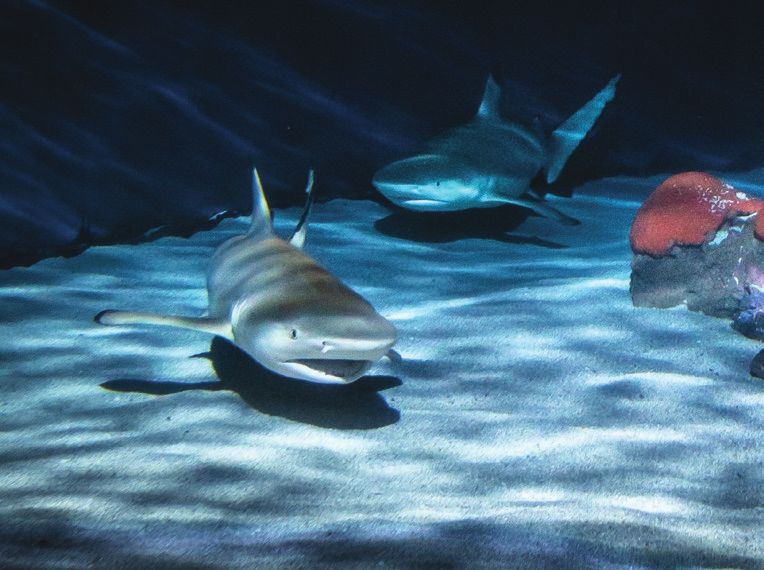
AQUARIUM MAP 2ND FLOOR
                                                                                                     June Keyes
                                                                                             bg 17
                                                                                                17   Penguin
                                                                                                     Habitat
                            Stairs to
                            1st floor
                                                                                                     Seals &
      BAT RAY                                                                               ga9
                                                                                              9
                                                                                                     Sea Lions
                                                                                                     Southern
                                                                                                     California/
      Café Scuba                                                                                     Baja Gallery
                                                                                                     Ray Habitat
 Veranda Dining                                                                             gb1919   Touchpool
      Above Ocean
     Science Center                                                                                  Shorebird
                                                                                            gb1818   Sanctuary
                                                                                                     Coastal Corner
 FISH - EATING                                                                                       Touch Lab
   ANEMONE
                                                                                                     Sea Otter
                                                                                            gb23
                                                                                              23
                                                                                                     Habitat
   SEA OTTER                                                                                         Northern
                                                                                                     Pacific
                                                                                                     Gallery

BRUSH CORAL                                                                                     Frogs: Dazzling
                                                                                     gb26
                                                                                       26
                                                                                                & Disappearing
          Ocean
Exploration Hub

QUEENSLAND
   GROUPER
                                                                                             bg 28
                                                                                                28   Tropical Reef
 Tropical Pacific
         Gallery

                                                                                                     STONEFISH
Map Legend

    CHILD CARE
    STATION         gb14
                      14   GUIDE STOP

    RESTROOMS              PHONES

                           INFORMATION
    DINING                 CENTER
                                                                                   Vanishing Animal
    ELEVATORS              SHOW - SEE                                     This symbol represents animals that
                           SHOW TIMES                                           are threatened or endangered.

                                    Look for the circle icons on the map to find each of the
                                    Look for the circle icons on the map to find each of the
                                    eightfor
                                    Look  embossing
                                              the circle stations.
                                                          icons on theEmboss
                                                                         map toyour
                                                                                 findcorners
                                                                                      each of on
                                                                                              the
                                    eight embossing stations. Emboss your corners on
                                    pages  9, 15, 19, 21, 23,
                                    eight embossing           25, 27, Emboss
                                                          stations.   29. Showyour
                                                                                yourcorners
                                                                                      completed
                                                                                              on
                                    pages 9, 15, 19, 21, 23, 25, 27, 29. Show your completed
                                    guide at
                                    pages      the19
                                           9, 15,  Information     Center
                                                    , 21, 23, 25, 27        for your
                                                                    , 29. Show  a freecompleted
                                                                                       surprise!
                                    guide at the Information Center for a free surprise!
                                    guide at the Information Center for a free surprise!
                                                 Aquarium of the Pacific Sponsor
                                                 Aquarium of the Pacific Sponsor
                                                 Aquarium of the Pacific Sponsor
GENERAL INFORMATION
Welcome to the Aquarium of the Pacific. Use this Visitor Guide and Map
to discover the wonders of the ocean.
      FIRST AID/EMERGENCIES                                               RESTROOMS AND
      LOST & FOUND                                                        BABY CARE STATION
If possible, please proceed to the Information Center       See map for restroom locations. There are changing
near the main entrance, or contact the nearest staff        stations in all restrooms in the Great Hall on levels one
member.                                                     and two and in Shark Lagoon. A baby care room is
                                                            located off of the first floor women’s restroom.
      NO SMOKING OR GUM
       Smoking, vaping, gum, and balloons are not al-                            VISITORS WITH
lowed in the Aquarium. Please use trash and recycling                            DISABILITIES
bins. Do not toss objects into the exhibits.                Wheelchairs are available at the Information Center.
                                                            All exhibits are wheelchair-accessible. See map for
      VISITOR INFORMATION                                   the location of elevators throughout the Aquarium.
      Visit the Information Center, located in the Great    Audio tours and Braille Visitor Guides for guests who
Hall of the Pacific near the main entrance, to inquire      are blind and copies of show scripts for those who are
about tours, Aquarium membership, and special events.       deaf are available at the Information Center.
      REFRESHMENTS                                                                             CREDIT CARDS
      Café Scuba on level two serves a selection of                                      We accept VISA,
sandwiches, salads, and grilled entrees, including          MasterCard, Discover, and American Express.
sustainable seafood. Bamboo Bistro offers pizza, hot
dogs, cold beer, and refreshments. The Coffee Cart in              AMAZING PICTURES
the Great Hall serves coffee, cappuccinos, sodas, and              Purchase a unique souvenir of your Aquarium
snacks.                                                     visit with this fun photo opportunity located in the
                                                            Great Hall of the Pacific.

ADDITIONAL ADVENTURES
The programs below have an additional cost. Please visit the Information Center for times, pricing, and availability.
For advance reservations, please call (562) 590-3100.

BEHIND - THE - SCENES TOUR                                  DIVE IMMERSION
Go behind the scenes on this one-hour guided tour.          Dive in an Aquarium exhibit. Restrictions apply.
Visit parts of the Aquarium generally off limits to the     Advance reservations required.
public. Go above our largest exhibit to feed the fish.
Age restrictions apply.                                                          OCEAN THEATER
                                                                                 The Aquarium’s Ocean Theater
ANIMAL ENCOUNTERS                                                                features a free film and 4D movies
This is your chance to feed and interact with the an-                            with special lighting, sounds, and
imals with a member of our animal care staff. Age                                other effects for an additional fee.
and height restrictions apply. Advance reservations
required.

HARBOR TOURS
Tour the Long Beach/Los Angeles Harbors with Harbor
Breeze Cruises for a 45-minute narrated cruise around         VISITOR APP
one of the most active ports in the world.                    Download our Visitor App from
                                                              the App Store or Play Store. It fea-
VIP EXPERIENCE                                                tures show schedules, interactive
Go on a private tour with exclusive, up-close animal          maps, animal IDs, and more.
experiences.
                                                              AQUARIUM WIFI
WHALE WATCHING                                                The Aquarium offers free WiFi
Explore the nearby ocean aboard a Coast Guard-                throughout the facility. Select the
certified boat to seek out local marine life such as          network named AquariumWiFi.
whales, dolphins, sea lions, and migratory birds.             No password is required.

4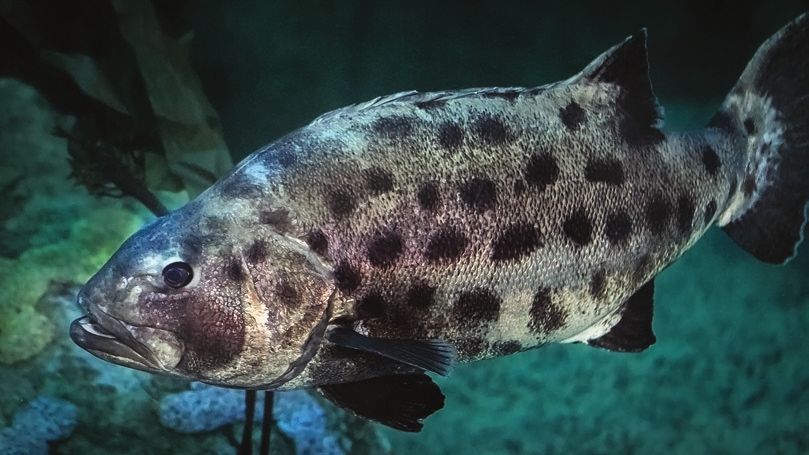
AQUARIUM OF THE PACIFIC
    20TH ANNIVERSARY

    This year the Aquarium of the Pacific
    celebrates its twentieth anniversary. Since
    opening day on June 20, 1998, millions of
    visitors have experienced the Aquarium's
    programs and exhibits.                                   AQUARIUM UNDER
                                                             CONSTRUCTION

    Today the Aquarium of the Pacific is the                 A special thank you to our
    nation’s fourth most attended aquarium                   2,368 charter members and
                                                             eight corporate and foun-
    and is home to more than 11,000 animals.
                                                             dation partners, including
    Join the anniversary celebration! Learn                  founding sponsor American
    the fascinating history of our animals and               Honda Motor Co., Inc., for
                                                             supporting us since our
    exhibits, and meet some new animals.                     opening in 1998.

   OCEAN SCIENCE CENTER                                      ag 5
The Ocean Science Center uses the National Oceanic
and Atmospheric Administration’s (NOAA) Science on
a Sphere to explore and tell stories about our planet. See
Ocean Science Center entrance for posted show times.

  SHOWS
  More than a dozen
  short shows play
  throughout the day
  on rotation. Learn
  about ocean and en-
  vironmental issues
  and see their effects
  on a global scale.
  Shows feature mu-
  sic, narration, and
  Spanish language
  subtitles.

                                                                                          5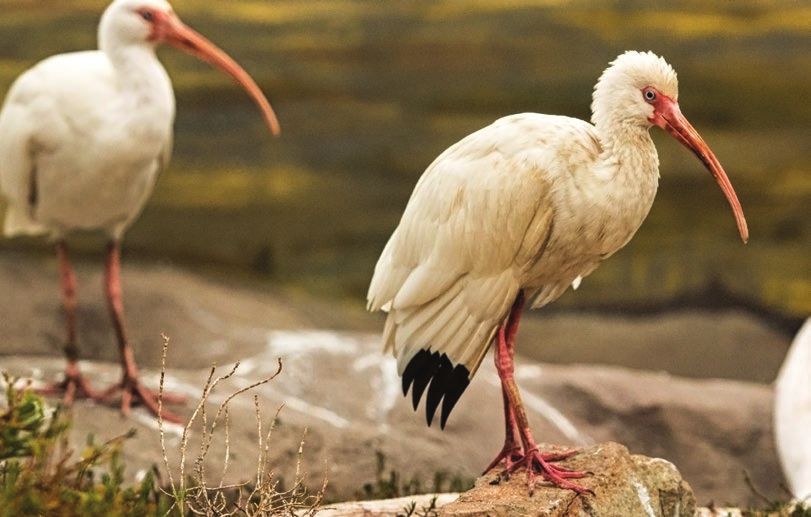
This gallery represents the Southern
       SOUTHERN
                                                         California and Baja coasts, between Point
       CALIFORNIA/
                                                         Conception in Santa Barbara and the tip
       BAJA GALLERY
                                                         of Baja California, Mexico.
June Keyes Penguin Habitat
                      17

                                                     Shorebird                            Gulf of
           June Keyes 17
                                gb17                 Sanctuary
                                                               18
                                                                    gb18          gb20
                                                                                    20
                                                                                          California
       Penguin Habitat
                                           Ray Habitat 19
            Honda
                         ga77               Touchpool  gb19
       Blue Cavern
                                                                                                       BAT RAY
     Seals &
   Sea Lions       ga9
                     9

                                                                                                  Garden Eels

                                                                                                      2ND FLOOR

        Honda                                                                      Pacific                 Amber
   Blue Cavern      ga77                Sea
                                                               Abalone
                                                                      Spiny
                                                                                  Seahorse           ga8
                                                                                                       8
                                                                                                         Forest
                                       Jellies   Breakwater          Lobsters
     Seals &
   Sea Lions       ga9
                     9
                                                                                                  Kelp
                                                                                               Camouflage
          Underwater
       Viewing Tunnel                                                                                 Redondo
                                                                                                      Submarine
                                                                                                      Canyon

   HARBOR
                                                                           Stroller Parking    Great Hall
                                                                                              of the Pacific
                                                                              (optional)
  SEAL PUP

                                                                                                      1ST FLOOR

   Map Legend                   PHONES            INFORMATION
                                                  CENTER
                                                                     SHOW - SEE
                                                                     SHOW TIMES        gb17
                                                                                         14   GUIDE STOP

                                                  CHILD CARE                                  EMBOSSING
          DINING                RESTROOMS                            ELEVATORS
                                                  STATION                                     STATION

   6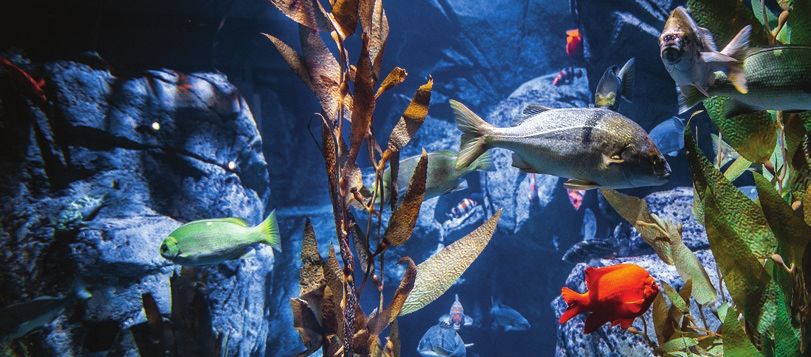
HONDA BLUE
   CAVERN                                     ag 7
The Honda Blue Cavern Habitat is                                     CALIFORNIA MORAY EEL
                                                                         Gymnothorax mordax
modeled after Blue Cavern Point,
an underwater cavern along the
coast of Santa Catalina Island.

                             HALFMOON                                       LEOPARD SHARK
                                                                             Triakis semifasciata
                             Medialuna
                             californiensis                   FUN    FACT

                                                     Supported by charter donor Edison

                                                                                       !
                                                        International, the blue whale
                                                      models hanging in the Great Hall
                                                        were named “Edi” and “Son.”
                                                       They were built in Arizona and
                                                         transported in seven pieces.

          CALIFORNIA
       SHEEPHEAD (MALE)
         Semicossyphus pulcher
                                                      GIANT
                                                      SEA BASS
 Presented by:

                                                      Two of the Aquarium's
                                                      three adult giant sea bass,
                                                      a female and a male, have
                                                      been here since 1998. They are
                                                      estimated to be about thirty
                                                      years old. They produced the
                                                      first successful giant sea bass
                                                      offspring in an aquarium.

                                                                                              7
AMBER FOREST                      ag 8
                                          8

The Amber Forest exhibit represents
the diverse marine life that depends
on kelp forests.                                               PACIFIC MACKEREL
                                                                      Scomber japonicus

    BLUE ROCKFISH                                 OPALEYE
     Sebastes mystinus                          Girella nigricans

    BLACK SURFPERCH                        FLAG ROCKFISH
       Embiotica jacksoni                     Sebastes rubrivinctus

                                                     FU N      FACT

                                                                                   !
                                        This exhibit offers a glimpse of the
                                          colorful garibaldi (California’s
                                         state fish) and other examples of
                                                   local ocean life.
      GARIBALDI
    Hypsypops rubicundus

         C O N S E R VA T I O N

        Abalone Breeding
            Program
      The Aquarium is working with
      partners to breed endangered
             white abalone.

8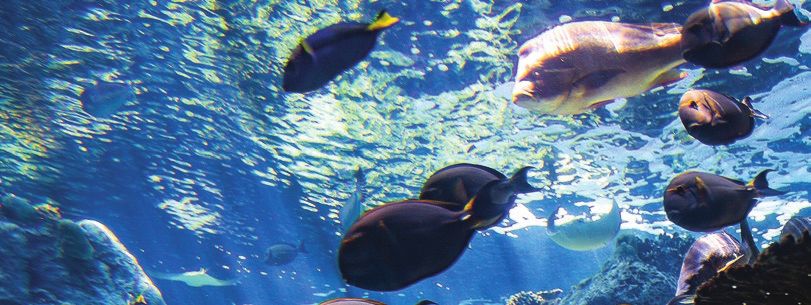
SEALS & SEA LIONS

Seals and sea lions live throughout our      ag 99

coastal waters. Sea lions can be identified
by the presence of ear flaps and their
ability to walk using their front flippers.

   HARBOR SEAL                                       HARBOR
     Phoca vitulina
                                                     SEAL PUP
                               CALIFORNIA            Phoca vitulina
                                SEA LION
                                   Zalophus          Harbor seals live in
                                 californianus
                                                     coastal habitats. Pups
                                                     can swim within an
                        HARBOR                       hour or two after birth.
                       SEAL PUP                      They gain weight and
                       Phoca vitulina
                                                     strength at a rapid rate,
                                                     more than doubling in
                                                     weight by the time they
    HARBOR SEALS                                     are weaned at four to six
                                                     weeks old.
    Harbor seals Shelby and Ellie
    have lived at the Aquarium
    since before opening day.
    Ellie is 29 years old, and
    22-year-old Shelby is the
    mother of three pups born at
    the Aquarium.

                                                           How do seals
                                                            stay warm?
                                                       Find the answer at the exhibit.
      Shelby               Ellie

                                                                                 9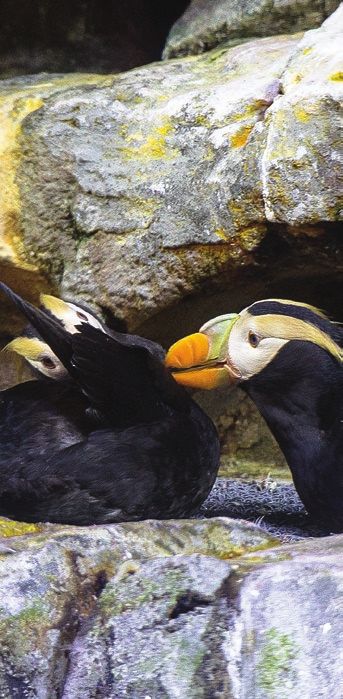
LORIKEET FOREST

                                      gb10
Our aviary is home to more than 100
lorikeets native to Australia.          10

                                                        GREEN - NAPED LORIKEET
                                                       Trichoglossus haematodus haemotodus

                                      EDWARD’S
     SWAINSON’S                       LORIKEET
      LORIKEET                         Trichoglossus
       Trichoglossus                    haematodus
        haematodus                      capistratus
        moloccanus

          FU N         FACT

                              !
                                                   C O N S E R VA T I O N
      Lorikeet Forest opened
     in 2001, Shark Lagoon in
     2002, and the June Keyes                     Guam Kingfisher
     Penguin Habitat in 2012.
                                                  This critically endangered
                                                   bird species is extinct in
                                                   the wild. The Aquarium
                                                     is part of a breeding
                                                   program to help restore
                                                        the population.

10
gb11
11 HARBOR
TERRACE
BANDED
ARCHERFISH This outdoor space over-
Toxotes jaculatrix
looks Rainbow Harbor.
INSECT HUNTERS
Archerfish have the ability to FU N FACT
spit a jet of water above the
!
surface as a method of hunting The Aquarium of the
insects and other prey. Pacific was the first
to develop a large-
scale touch exhibit
for moon jellies.
DWARF MUDSKIPPER
Periophthalmus novemradiatus
UPSIDE -
DOWN JELLY
Cassiopeia xamachana
MOON JELLY
Aurelia aurita
11SOUTHERN
CALIFORNIA
STEELHEAD gb12 12
STORY
Built in 2014 this immersive
THREATS
exhibit communicates the
Over the years steelhead have faced
history of local waterways many threats such as pollution,
and tells the story of drought, and dams and concrete
channels that have prevented them
the Southern California from traveling upstream.
steelhead fish species and
its importance in the local
ecosystem. After coming NATURAL HABITAT
close to extinction, in 1997 The Aquarium’s steel-
head exhibit transports
the Southern California visitors along a moun-
steelhead was listed as an tain path to the ocean.
These fish were once
endangered species. abundant in Southern
California's rivers and
streams.
LIFE CYCLE
Steelhead are anadromous, meaning most of their lives growing and ma-
that they are born in freshwater, can turing, and then return to freshwater
migrate to the sea where they spend rivers and streams to reproduce.
12OUR WATER
FUTURE gb13 13
Learn more about where
our water comes from and
ways to conserve water in
our daily lives. See how you
can save water at home with
appliances and landscaping.
CALIFORNIA -
FRIENDLY GARDENS
Replacing your
lawn with a Califor-
nia-friendly garden can
result in significant
INTERACTIVE TABLE water savings at home.
Push a button to create
rainfall and see how water
flows over land to the
ocean. Learn about ground-
water storage and flooding.
F U N FACT:
While the Aquarium's
attendance and
facility have grown
over the years, it
!
has reduced its use
of water by a third,
thanks to measures
like water-saving
toilets and faucets.
MONARCH BUTTERFLY
Danaus plexippus
13SHARK LAGOON
gb14
14
Visit Shark Lagoon and learn more
about the ocean’s top predators.
RETICULATE
WHIPTAIL RAY
Himantura uarnak
ZEBRA SHARK
Stegastoma fasciatum
ATTENTION
ATTENTION
For the health and
BLACKTIP REEF SHARK For the health and
safety of our animals,
please be gentle!
safety of our animals,
please be gentle!
Carcharhinus melanopterus
Use Only
Use Only Two Fingers!
Two Fingers!
Do Not Scratch!
COWNOSE RAY Do Not Scratch!
BROWN - BANDED BAMBOO SHARK
Rhinoptera bonasus Chiloscyllium punctatum
Do Not Grab!
Do Not Grab!
C O N S E R VA T I O N
Global FinPrint
Aquarium staff members
and citizen scientists
log shark sightings in
underwater video footage
from reefs where sharks live
to help track populations
and behavior.
SAND TIGER SHARK
Carcharias taurus
14ATTENTION: For the health and safety of
our animals, please be gentle!
Use Only
Two Fingers!
NOITNETTA
dna htlaeh eht roF
,slamina ruo fo ytefas
!eltneg eb esaelp
ylnO esU
!sregniF owT
NOITNWHITE
ETTA - SPOTTED
!hctarcS toN oD BAMBOO SHARK
dna htlaeh eht roF
,slamina ruo fo ytefas Chiloscyllium plagiosum
!eltneg eb esaelp
!barG toN oD
ZEBRA
ylnO esU
!sregniF owT
EPAULETTE SHARK
Hemiscyllium ocellatum
SHARK
!hctarcS toN oD
Stegastoma fasciatum
SHARKS The slow-swimming,
!barG toN oD
bottom-dwelling zebra
Fern the zebra shark and two shark gets its common
blacktip reef sharks are among name from its juvenile
the Aquarium's original animals. markings. They are born
with stripes that turn
Fern into spots as they become
Over 20 years old, Fern adults. They hunt for
is the mother of two their food, including
zebra sharks born at the
Aquarium after she was snails, crabs, and
artificially inseminated, small fish, at night.
an industry first.
Blacktip reef sharks
These two sharks can be
seen swimming with the
other large sharks in the
main exhibit in Shark
Lagoon. They were origi-
nally in the Tropical Reef
Habitat, but were moved How big does
to Shark Lagoon after
that exhibit was added
this shark get?
in 2002. Find the answer at the exhibit.
15MOLINA ANIMAL
CARE CENTER gb16
16
The Aquarium’s Molina Animal Care Center
includes a veterinary hospital, animal The Molina Animal Care Center
is funded by
holding tanks, and a public exhibit.
Penguin receives annual exam. Veterinarian draws blood sample.
CORALS & HORSESHOE
SPONGES CRABS
This exhibit highlights the promise These animals play a critical role
for bioactive compounds found in in our healthcare. Their blood is
marine animals that could hold cures used to test vaccines, IVs, and
for human diseases. implants for contamination.
RED TREE
SPONGE
Ptilocaulis sp.
LETTUCE HORSESHOE CRAB
CORAL Limulus polyphemus
Pavona sp.
16JUNE KEYES
PENGUIN HABITAT gb17
17
The June Keyes Penguin Habitat features
Magellanic penguins native to South America.
Robin Riggs
BREEDING
The Aquarium has had
several successful breeding
seasons since the penguin
exhibit opened in 2012.
Ten chicks have been
F U N FACT:
born at the Aquarium.
Four of the
Aquarium's MAGELLANIC
twenty penguins PENGUIN
!
Spheniscus
were wild birds magellanicus
rescued when
they were found
far from their PENGUIN MOLTING
usual habitat. Penguins undergo
a molt each year in
which they lose
and replace all
their feathers.
C O N S E R VA T I O N
Penguin Conservation
The rescued wild penguins in
the Aquarium’s colony help to
improve genetic diversity among
penguins living at zoos and
aquariums. Their inclusion in the
breeding program ensures genetic
health in this population.
Robin RiggsSHOREBIRD
SANCTUARY gb18
18
Our Shorebird Sanctuary
represents a tidal wetland.
See a variety of bird species
native to the local area.
Robin Riggs
C O N S E R VA T I O N
WHITE IBIS
Los Cerritos Wetlands Eudocimus albus
Restoration
The Aquarium hosts a free
habitat restoration event at the
Los Cerritos Wetlands on the
first Saturday of every month.
Volunteers help remove non-
Tom Grey
native plants and collect trash.
Visit aquariumofpacific.org/
events to learn more.
BLACK - NECKED
STILT
Himantopus mexicanus
BLACK BELLY
PLOVER
Pluvialis squatarola
18RAY HABITAT
TOUCHPOOL gb19
19
Gently touch a bat ray or shovel-
nose guitarfish while learning
about these animals from staff
members at the center station.
BAT RAY
BAT RAY
Myliobatis californica
Myliobatis californica
SHOVELNOSE
GUITARFISH The bat ray gets its
Rhinobatos productus
common name from the
shape of their pectoral
Tom Jefferson
ATTENTION: For the health and safety of fins. This species is found
our animals, please be gentle!
along the West Coast,
Use Only
from Oregon to the Gulf
Two Fingers! of California. They can
grow up to 6 feet wide.
They are bottom-dwellers
that live on shallow,
BAT RAYS sandy areas at depths
of about 165 feet.
Several of the Aquar-
ium's bat rays are
original animals. Bat
rays can live up to
thirty-five years and
weigh over 200 pounds.
What do
these rays eat?
Find the answer at the exhibit.
19GULF OF
gb20
CALIFORNIA SCRAWLED
FILEFISH
Aluterus scriptus
The Gulf of California is one of
the world’s most biologically POPEYE
CATALUFA
productive and diverse seas. Pristigenys serrula
LONGNOSE
BUTTERFLYFISH
Forcipiger flavissimus
SPLENDID
GARDEN EEL
GIANT DAMSELFISH Gorgasia preclara
Microspathodon dorsalis
NORTHERN PACIFIC GALLERY
The Aquarium’s Northern Pacific Gallery focuses on the Bering Sea.
Diving Birds
Giant Pacific
gb22 Sea Otter
Octopus gb22 Habitat gb23 Rocky
Reef
Bays &
Jellies gb21 Coastal Corner
Touch Lab
Deepwater Sounds
Sandy
Bottom
SEA
OTTER
2ND FLOOR
FISH - EATING
gb21 Whales:
Giant
Spider
Jewels of the
Surge Northern
ANEMONE Voices in the Sea Crabs Pacific
Channel
20SEA JELLIES
gb21
Sea jellies are found in ocean
waters around the world.
UMBRELLA
JELLY
Eutonina
indicans
FISH - EATING
ANEMONE
Urticina piscivora
PACIFIC
SEA NETTLE These anemones average
Chrysaora fuscescens about 8 inches tall and
10 inches across. While
other anemones feed
on smaller bits of food
FISH - EATING that float by, fish-eating
ANEMONES anemones feed on shrimp
and small fish. They live
Several fish-eating anemones have on rocky reefs and pier
lived in the Aquarium's Surge pilings.
Channel exhibit since opening
day. They come from off the coast
of Washington State. They have
an indeterminate lifespan.
How do these
animals capture fish?
Find the answer at the exhibit.
21DIVING
BIRDS gb22
These birds live in PIGEON
HORNED CRESTED GUILLEMOT
the icy waters of the PUFFIN AUKLET Cepphus columba
Northern Hemisphere. Fratercula Aethia cristatella
corniculata
TUFTED PUFFINS
A Speedy
B Val
C Naia
D Monty
A B C D
Six tufted puffins were the first residents of the Diving Birds
exhibit, and four—Speedy, Val, Monty, and Naia—still live at
the Aquarium. Two other facilities donated the birds before the
grand opening. These puffins form monogamous pairs; Monty
and Naia have been together as a pair since 1998.
SUNFLOWER
SEA STARS
The sunflower sea stars
in the giant Pacific
octopus and giant
spider crab exhibits
arrived from
Washington in 1997.
Known for their speed,
sunflower sea stars can travel
more than 40 inches per minute.
22SEA OTTER
HABITAT gb23
The southern sea otter is found
along the California coast from
Half Moon Bay to Coal Oil Point
near Santa Barbara.
Robin Riggs
SOUTHERN
SEA OTTER
Enhydra lutris nereis
Sea otters, the smallest
of all marine mammals,
fuel their high metabo-
lism by eating 25 to 30
SEA OTTERS percent of their weight
in food each day. They
have the densest fur of
any animal. This helps
to maintain their body
temperature.
Charlie Brook
Charlie and Brook are among the
Aquarium's original animals. At
21 years old, they are the oldest
male and female sea otters living
at a zoo or aquarium. Charlie was
Do sea otters
the first sea otter to participate
voluntarily in a blood draw without
come on land?
Find the answer at the exhibit.
sedation for a medical exam.
23TROPICAL
PACIFIC GALLERY
The Aquarium’s Tropical Pacific Gallery
represents many tropical habitats,
including Indonesia and the archipelago
of Palau, the western-most section
of Micronesia.
Tropical
Live Coral Reef Habitat Jewels of
the Pacific
Frogs: Dazzling bg 2525 gb28 Seahorse
& Disappearing gb26
26
Tropical
gb27 Community
Tunnel
Sex Change
Exhibit
gb28
Lagoon
Clownfish & Jellies
Anemones
Coral
Restoration
Coral
Triangle
Coral
Lagoon STONEFISH
Ocean Deep
Exploration Reef
Hub Tentacles
and Ink
QUEENSLAND gb28
GROUPER Weedy and Leafy
BRUSH CORAL Seadragons 2ND FLOOR
Map Legend PHONES INFORMATION
CENTER
SHOW - SEE
SHOW TIMES gb17
14 GUIDE STOP
CHILD CARE EMBOSSING
DINING RESTROOMS ELEVATORS
STATION STATION
24LIVE CORAL
gb25
Coral reefs are home to many
diverse species of fish. Corals are
related to sea jellies and anemones.
They are made up of tiny organisms
called polyps. They also host algae
that photosynthesize, producing food
from sunlight to benefit the coral.
Corals grow in colonies forming reefs.
BRUSH
CORAL
Pocillopora eydouxi
Brush corals live in
exposed reef fronts at
SCROLL depths of 15 to 30 feet
CORAL
Turbinaria where currents are
reniformis
strong. They reach up
to three feet across and
can form large groups.
CORAL
COLONIES
The Aquarium's original
coral colonies can be found in
the Live Coral exhibit in the
Tropical Pacific Gallery. This
collection was built from outside
sources, including
donations from
local hobbyists. What other name
does this coral have?
BRUSH CORAL Find the answer at the exhibit.
25FROGS: gb26
DAZZLING &
DISAPPEARING
Discover close to two dozen species
of frogs and other amphibians and
learn about this fascinating class
of animals that relies on both land
and water to survive.
VARIABLE POISON
DART FROG
Ranitomeya variabilis
MOSSY FROG
Theloderma corticale
SOLOMON ISLAND GREEN AND BLACK
LEAF FROG POISON DART FROG
Ceratobatrachus guentheri Dendrobates auratus
OLIVE RIDLEY SEA TURTLES
Theo Lou
Theo and Lou are olive ridley sea turtles born in 1995. They
were originally seized as eggs by Fish and Wildlife agents at
the Dallas-Fort Worth airport. After they hatched at another
aquarium, they were eventually transferred to the Aquarium of
the Pacific, where they have lived in the Tropical Reef Habitat.
26JEWELS
gb27
These small exhibits
feature animals that
live in tropical waters.
DWARF SEAHORSE
Hippocampus zosterae
SCOLY CORAL
Scolymia sp.
STONEFISH
Synanceia verrucosa
Not only is the stonefish
the ocean’s most deadly
WARTY fish, but also it uses
FROGFISH camouflage to ambush
Antennarius pictus
its prey of fish and crus-
taceans. It has thirteen
spines along its back
with a potent toxin. Its
STONEFISH venom can be fatal to hu-
mans. This fish species is
found in coastal areas
of the Indo-Pacific.
Three of the Aquarium's stonefish
have been on exhibit since opening
day. They came to the Aquarium
of the Pacific from another facility, What animals
which was looking for a new home
eat stonefish?
for the fish after closing their own
Find the answer at the exhibit.
stonefish exhibit.
27TROPICAL REEF
gb28
The Tropical Reef Habitat is the
Aquarium’s largest exhibit, containing
350,000 gallons of saltwater and
more than 500 animals.
BLUEFIN TREVALLY POWDER BLUE TANG SAILFIN TANG
Caranx melampygus Acanthurus leucosternon Zebrasoma veliferum
SEMICIRCLE ANGELFISH CRIMSON SNAPPER ACHILLES TANG
Pomacanthus semicirculatus Lutjanus erythropterus Acanthurus achilles
SEAHORSES &
SEADRAGONS gb28
Seahorses and seadragons are fish and
have rigid bony plates covering their
LEAFY
bodies. Seadragons are found only in SEADRAGON
the ocean waters off the southern and Phycodurus eques
western coasts of Australia.
WEEDY
SEADRAGON
Phyllopteryx
taeniolatus
28BLUESPINE EMPEROR
UNICORNFISH ANGELFISH
Naso unicornis Pomacanthus imperator
ORANGESPINE SERGEANT
UNICORNFISH MAJOR
Naso lituratus Abudefduf troschelii
QUEENSLAND
GROUPER
REDTOOTH BLUE - LINED
Epinephelus lanceolatus
TRIGGERFISH SNAPPER
Odonus niger Lutjanus kasmira The Queensland grouper
is the largest reef-dwelling
fish in the world. They
tend to be solitary and
QUEENSLAND have a home cave where
GROUPER they frequently stay. They
feed on spiny lobsters,
fishes, juvenile sea turtles,
and crabs.
The Aquarium’s Queensland
grouper has lived in the Tropical
Reef Habitat since 1998. It came How large do
from a hotel in Las Vegas, where these fish get?
it had outgrown its exhibit and Find the answer at the exhibit.
needed a new home.
29PLASTIC POLLUTION
THINGS YOU CAN DO Eliminate using single-use
plastics like drinking
straws and plastic bags to
Simple changes to your day-to-day activities help protect the ocean.
can make a big difference.
C O N S E R VA T I O N
Reduce Your Impact
The types and amounts of
energy we use and the ways we
produce food are among the top
activities impacting the environ-
ment. Reduce your energy use,
particularly of fossil fuels, and
learn about environmentally
responsible food sources to help
contribute to a brighter future
for our planet.
ADDITIONAL AQUARIUM OPPORTUNITIES
Visit aquariumofpacific.org for more information.
MEMBERSHIP GIFT STORES
Apply the cost of your admission Be sure to stop by our gift stores for a unique selection
to a membership and enjoy the of gifts, toys, books, educational items, housewares,
Aquarium in the best way pos- clothing, and art.
sible—as a member! Members
receive unlimited free admission for twelve months ADOPT AN ANIMAL
in addition to exclusive access, special discounts, and You can adopt an animal to help support the care of
so much more. Beyond the valuable benefits, your our Aquarium family. In return, you receive an adop-
membership support also helps protect the ocean and tion certificate, animal updates, and much more.
its inhabitants.
SPECIAL EVENTS
EDUCATION Host your wedding, family reunion picnic, corporate
The Aquarium of the Pacific hosts a variety of engaging party, or other special event at the Aquarium.
programs and events for both adults and children.
SEAFOOD FOR THE FUTURE
VOLUNTEER Learn about sustainable seafood. Visit
Do you want to make a difference? The Aquarium de- seafoodforthefuture.org for more information.
pends on volunteers to help us achieve our mission of
ocean education and conservation.
30FOR MORE DETAILS, CALL (562) 432-6500 OR VISIT OUR WEBSITES. 435 Shoreline Village Dr. Long Beach, CA 90802 parkerslighthouse.com | queensviewsteakhouse.com
CO
                                                                                                                                 M
                                                                                                                                     IN
                                                                                                                                         G
                                                                                                                                             20
                                                                                                                                                 19

The Aquarium is engaging in a fundraising campaign to support a new front wing called
Pacific Visions, which will include additional exhibit space, the cutting-edge Honda Pacific
Visions Theater, and space for art installations and performances.

Pacific Visions will tell the story of the changing relationship of humans with nature and
help us create a better future. To learn more, visit our website.
                                                                                                              Aquarium Founding Sponsor

                                 OUR VISION
                                 To create an aquarium dedicated to conserving and building natural capital (na-
                                 ture and nature's services) by building social capital (the interactions between and
                                 among people).
   100 Aquarium Way              The Aquarium of the Pacific is a non-profit 501(c)3 institution with a mission to
 Long Beach, CA 90802            instill a sense of wonder, respect, and stewardship for the Pacific Ocean, its inhab-
 aquariumofpacific.org           itants, and ecosystems. We rely heavily on the generous donations of individuals
                                PEPSI_H1_4CP_SM (FOR USE .25” 1.5" )

 9:00 a.m.– 6:00 p.m. daily      and organizations.                            CMYK

   except Christmas Day                                                                  During your visit, you may be filmed, videotaped, or photo-
                                                                                         graphed by an Aquarium of the Pacific employee, volunteer,
                                                                                         or contract service professional. Your admission to our facility
                                                                                         serves as permission for use of your image by the Aquarium of
                                                                                         the Pacific and its constituents. The commercial use of photo-
                                                                                         graphs, video, and film you may have taken during your visit
                                                                                         is strictly prohibited without the full written consent of the
                                                                                         Aquarium of the Pacific.

                                PEPSI_H1_4CP_MED (FOR USE 1.5" TO 4")
©2018 Aquarium of the Pacific                                           Printed on Recycled Paper from Responsibly Managed Forests | Cost: 50¢
                                                                               CMYK
You can also read


