Wellington City Council - Indicative business case for a new movie museum - November 2015
←
→
Page content transcription
If your browser does not render page correctly, please read the page content below
Wellington City Council
Indicative business case for a new movie
museum

November 2015
                                       1|Page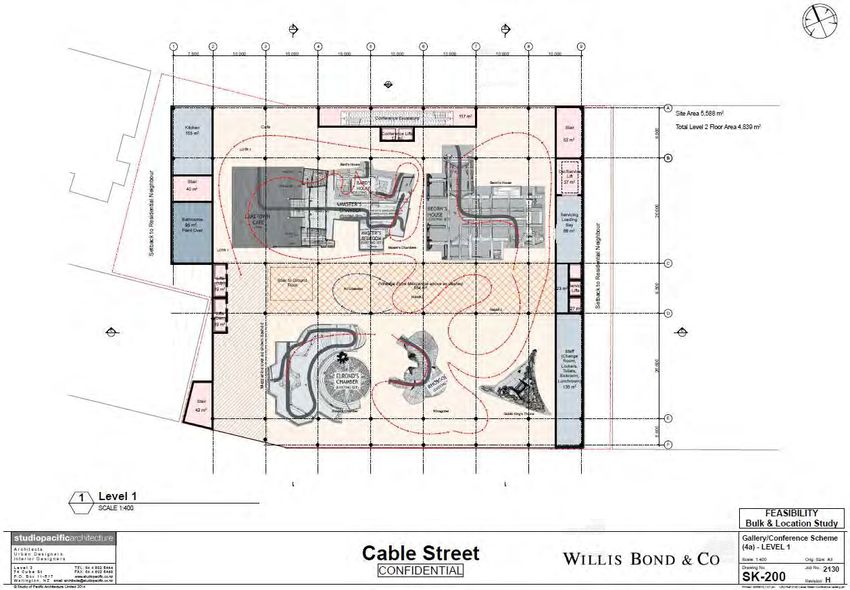
Contents
1. Executive summary ................................................................................................................................... 4
   1.1. Overview of the proposal .................................................................................................................... 4
   1.2. The movie museum ............................................................................................................................ 4
   1.3. Benefits for Wellington .......................................................................................................................5
   1.4. Financial implications ........................................................................................................................ 7
2. The Movie Museum .................................................................................................................................. 8
   2.1. What is the movie museum? ............................................................................................................. 8
   2.2. How is Wellington City Council involved? ....................................................................................... 9
3. Proposal ...................................................................................................................................................10
   3.1. Proposal outline ................................................................................................................................10
   3.2. Connection with proposed convention centre ................................................................................10
4. Strategic case ........................................................................................................................................... 14
   4.1. Strategic objectives ........................................................................................................................... 14
   4.2. Film related tourism ......................................................................................................................... 17
   4.3. Comparative attractions ................................................................................................................... 17
   4.4. Drivers of a successful movie museum........................................................................................... 23
   4.5. Strategic benefits ............................................................................................................................. 24
5. Economic case ......................................................................................................................................... 26
   5.1. Introduction...................................................................................................................................... 26
   5.2. Investment objectives ...................................................................................................................... 26
   5.3. Options assessment ......................................................................................................................... 26
   5.4. Measuring economic value .............................................................................................................. 28
   5.5. Forecasting movie museum attendance ......................................................................................... 29
   5.6. Forecasting additional spend .......................................................................................................... 29
   5.7. Stakeholder views ............................................................................................................................ 34
   5.8. Forecast of economic impact .......................................................................................................... 35
   5.9. Alternative estimates ........................................................................................................................37
   5.10. Additional associated economic impacts ...................................................................................... 38
6. Financial/commercial case ..................................................................................................................... 41
   6.1. Principles of the financial analysis ................................................................................................... 41
   6.2. Financial structure of the proposal.................................................................................................. 41
   6.3. Financial projections for WCC ........................................................................................................ 43
   6.4. Financial projections for TMML ..................................................................................................... 46
7. Management case ....................................................................................................................................47
   7.1. Managing delivery .............................................................................................................................47
   7.2. Operational management arrangements ........................................................................................ 49
Appendix A. Consolidated Risk Register ................................................................................................... 50
Appendix B. Location options .................................................................................................................... 52
Appendix C. Building Plans ....................................................................................................................... 56

                                                                                                                                                2|Pag e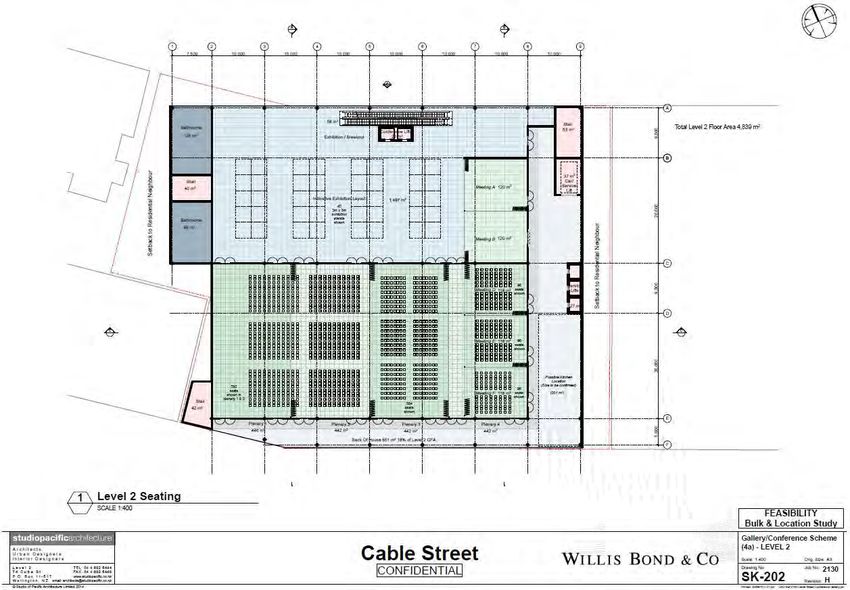
Glossary
Abbreviation   Term

CBD            Central business district
FTE            Full time equivalent
GFA            Gross floor area
LOTR           Lord of The Rings
Te Papa        Museum of New Zealand Te Papa Tongarewa
TMML           The Movie Museum Limited
WCC            Wellington City Council
Willis Bond    Willis Bond and Company Limited
TRC            TRC Tourism Ltd
NZIER          NZ Institute of Economic Research

                                                         3|Page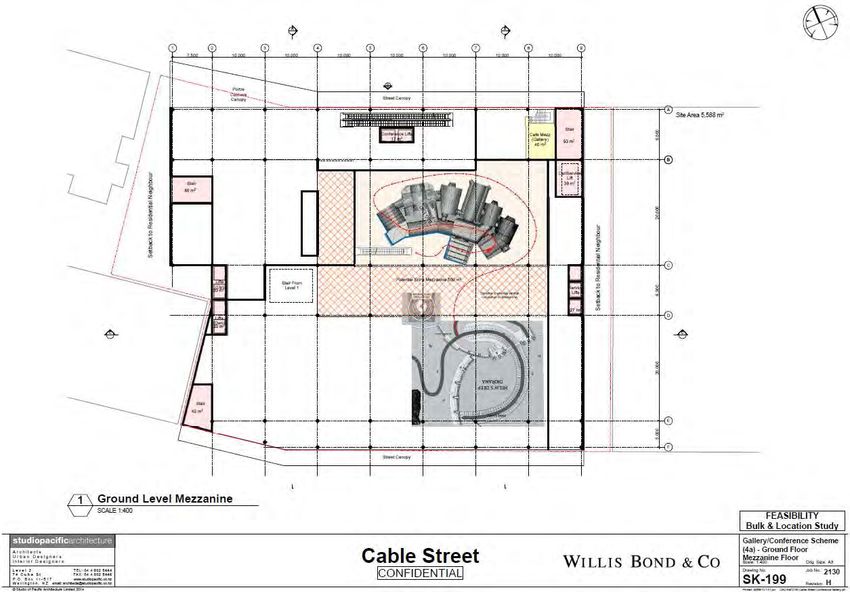
1. Executive summary
1.1. Overview of the proposal
Wellington City Council (WCC) is currently pursuing a growth strategy that seeks to drive income and
productivity, create jobs, grow knowledge-intensive exports, support innovation and deliver ‘smart’
infrastructure. To help deliver on these economic outcomes, WCC is progressing “Eight Big Ideas” that
aim to boost the local economy and make it more diverse. Of the eight ideas, two are central to this
business case: (1) developing conference and concert venues and (2) developing a film museum.
The proposal is to fund and develop a purpose built movie museum, which will be co-located with a
convention centre. Under the proposed development arrangement:
WCC will acquire land fronting Cable and Wakefield Streets, directly opposite Te Papa
WCC will develop and own premises to house the convention centre and The Movie Museum,
utilising Willis Bond as development manager. The expected movie museum development cost
is $68.8 million.
WCC will bear the majority of risk associated with development and ownership. Further, WCC
will be responsible for all on-going building costs including insurance, building services and
building maintenance.
Once complete, WCC will lease the movie museum to The Movie Museum Limited (TMML), a
newly formed New Zealand company headed up by Sir Peter Jackson, Fran Walsh, Sir Richard
Taylor and Tania Rodger.
The lease term will be 25 years and the initial rent will be $3 million per annum. After five
years, the rent will increase by $5 (CPI linked) for every visitor over 300,000 visitors.
TMML will be responsible for operating and managing the facility and will fund the initial fit-
out estimated at $23 million, on-going fit-out ($3.6 million over 10 years), and operational
costs of the museum.
1.2. The movie museum
Overview
Wellington has for the past two decades been synonymous with world-class film-making. This once-
cottage industry is now a thriving centre of film-making creativity and excellence, creating thousands
of jobs for New Zealanders and attracting major film and television productions from around the
world.
It has long been envisioned that a large-scale tourist destination be developed which would bring all
the artistry and achievements together and showcase Wellington’s impressive film-making credentials
and the substantial collections of Sir Peter Jackson, Fran Walsh, Sir Richard Taylor and Tania Rodger.
The Movie Museum will be a home for thousands of the priceless designs, props, models and set
pieces from the numerous film productions, from whole worlds to single weapons, creatures to
costumes, make-up to miniatures, vehicles and more -- an astonishing archive of Wellington
filmmaking has been collected, curated and is ready to be shared.
The Movie Museum will be designed to appeal to a broad audience by offering a dynamic and
immersive experience, bringing to life aspects of the films created by Sir Peter Jackson and Sir
Richard Taylor. The museum will fully utilise innovative technologies that will bring to life those
aspects of film making that New Zealand has been recognised for, in particular special effects, make
up and costumes.
Exhibitions will be both permanent and temporary – with planned capital expenditure to continually
refresh the exhibitions. TMML also intend hosting travelling exhibitions and sharing its collections
4|Page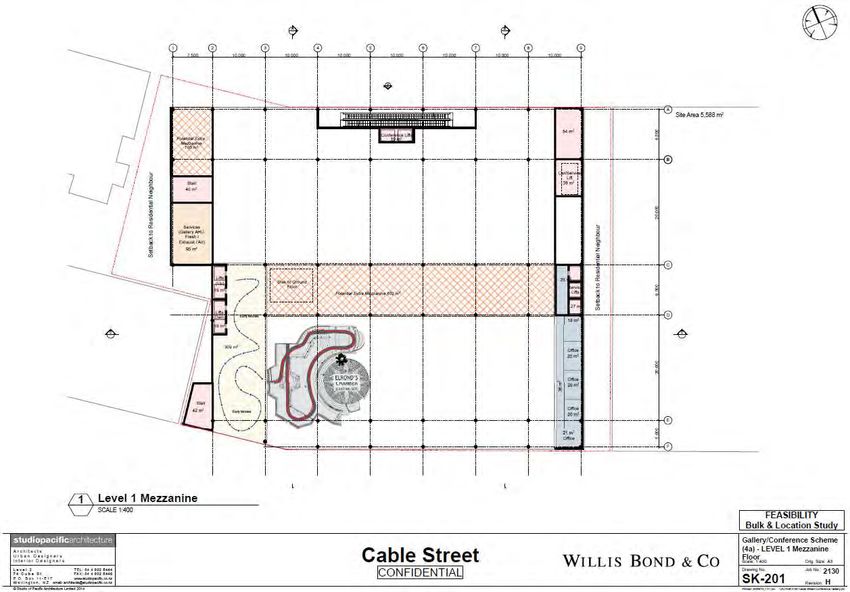
with other museums. The movie museum will also offer a retail shop, a café, permanent offices for
museum management and a functions area.

This a unique offering and opportunity for Wellington. It builds on New Zealand’s reputation as an
international centre for film production. It is backed by a highly credible team with a reputation for
quality, and with recent success in visitor attractions at Hobbiton in Matamata and the Weta Cave in
Miramar.

Co-location with the convention centre
By co-locating the movie museum with the convention centre, the Council can make efficient use of
scarce downtown space. It also enables both facilities to benefit from this prime tourism location
including proximity to Te Papa.

There will be opportunities for cross-selling and marketing into both customer bases. The movie
museum will be able to draw on convention delegates, and the convention centre will be able to offer
something unique to delegates and their partners, when compared with other convention centres such
as those being developed in Auckland and Christchurch.

There are also opportunities to leverage each facility. For example the convention centre would be
available to the movie museum with a range of valuable offerings including: theatre showings, space
for temporary exhibitions, gala events and associated conferences. There may also be operational
efficiencies such as joint service and maintenance contracts or shared cleaning operations.

1.3. Benefits for Wellington
The key reason for WCC to be involved in this proposal is to grow Wellington’s economy through
investment in facilities / infrastructure to support and drive the tourism market. As such, the expected
benefits of the proposal include:

    (1)   increased visitor numbers and expenditure in Wellington
    (2)   job creation and increased commercial activity
    (3)   generating secondary investment as a response to growth
    (4)   cementing Wellington’s image as the film capital of New Zealand
    (5)   improving the liveability of Wellington city.

When assessing the viability of the proposal, it is necessary to consider the quantum and likelihood of
the movie museum delivering against the expected benefits. These benefits are discussed in further
detail below.

Movie museum visitation
The movie museum is expected to average just over 350,000 visitors during its first ten years of
operation. For comparison, this is significantly less than Te Papa, which achieved almost 1.5 million
visitors in 2014/15, but similar to the number of visitors at other paid attractions such as Hobbiton in
Matamata, Te Puia in Rotorua and Kelly Tarlton’s Sea Life Aquarium in Auckland.

                  TMML's movie museum visitor forecasts
450,000

400,000

350,000

300,000

250,000

200,000

150,000
           2019   2020   2021   2022   2023   2024   2025   2026   2027   2028

                                                                                              5|Page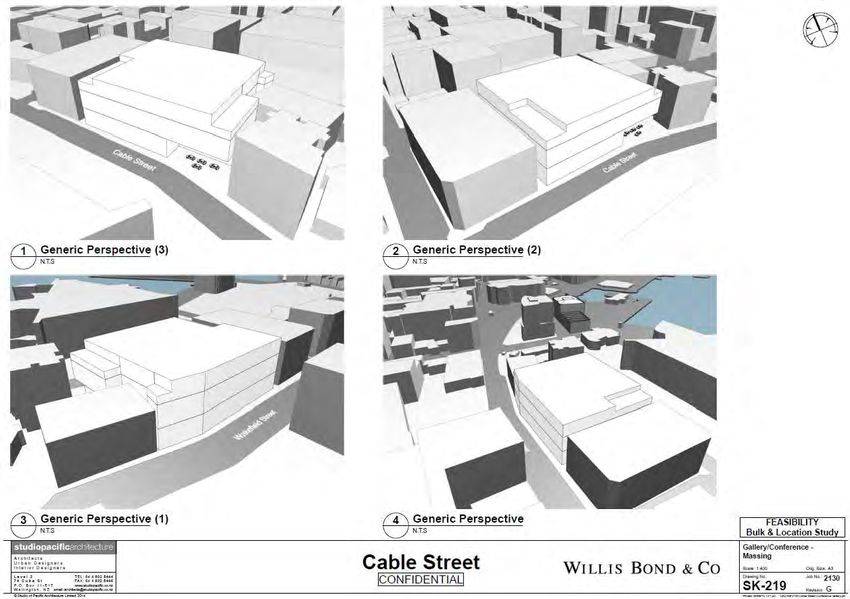
Increased visitor numbers and expenditure in Wellington 1
The movie museum is expected to generate significant additional visitor expenditure in Wellington via
new visitors, visitors extending the duration of their trips, visitors adding Wellington to their
itineraries and additional induced spend related visitors substituting the movie museum for a lower
cost or free experience. Overall, the additional annual spend is Wellington is projected to be
approximately $16.0 million – a breakdown of the components of this total is detailed below:

                                New visitor impact to Wellington of $4.4 million

                                Impact from visitors extending their existing stay in Wellington $1.3 million

                                Impact from visitors adding Wellington to their itinerary $4.0 million

                                Induced increased spend impact for Wellington $6.3 million

Additional spending drives economic benefits
The additional spending will drive economic impacts for Wellington in terms of jobs and increased
Wellington GDP (value added).
                                                                                The movie museum is
BERL has estimated that the $16 million of annual additional spending           expected to drive 272
will drive an additional 272 jobs and increase annual GDP in the city by        new jobs and generate
$15.7 million.                                                                  $5.50 of new GDP in
                                                                                Wellington for every
Over the 25-year museum lease term and using an 8% discount rate,               $1 invested
additional GDP is estimated at $150.9 million. To achieve this benefit,
the investment required by WCC has a cost of $27.5 million in NPV terms over 25 years. The movie
museum has a ratio of benefits to costs of 5.5 - for every $1 invested by the council there is an
additional $5.50 in economic value added. The movie museum represents a strong economic return
on investment for the city.

Stakeholder support
This concept has been discussed with a number of key tourism industry stakeholders, and there is
strong support for the project.

Stakeholders noted that a lot of visitors currently bypass Wellington, or primarily visit for the ferry to
or from the South Island. There was general agreement that the movie museum would measurably
add to Wellington’s visitor offer, building upon the strength of Te Papa, to help make sure Wellington
was seen as a “must visit” location. There was a strong view that iconic offerings drive visitation.

Stakeholders mentioned the significant impact of film tourism for New Zealand over the last 15 years,
and pointed to the success of Hobbiton as evidence of the continuing appeal. It was also noted that
Wellington was an appropriate location to celebrate the success of the film industry.

1 Estimates of visitor numbers and additional spend have been prepared by TRC Tourism Ltd – these have been converted into measures of
    economic impact by BERL.

                                                                                                                              6|Page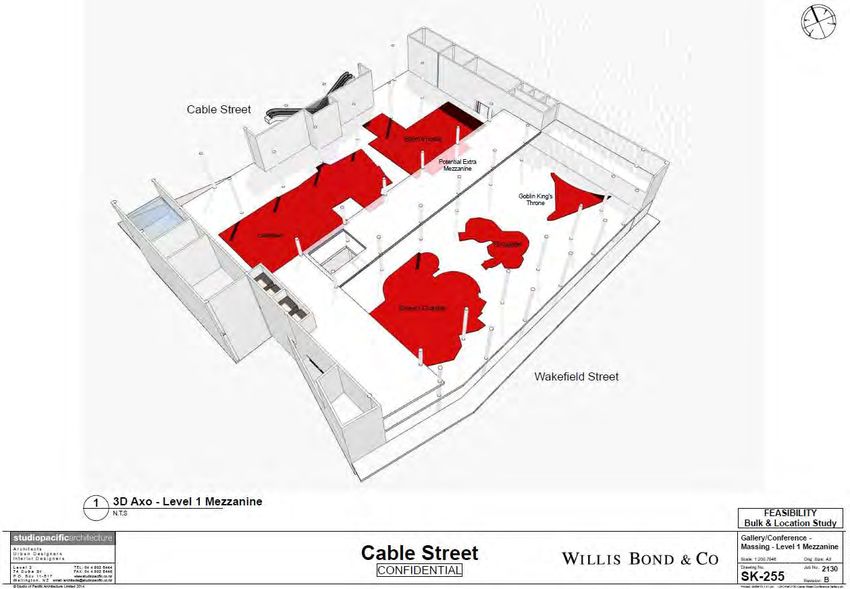
Generating secondary investment as a growth response
Located in close proximity to hotels, other convention facilities, tourist attractions, entertainment
venues, restaurants and bars, the proposed development is likely to present an opportunity to drive
further future development in this area over the medium term and deliver gains to WCC in terms of
growing the ratepayer base, enhancing the vibrancy of this area and contributing to economic growth.
Further, the combined convention centre / movie museum is likely to provide a unique proposition
that entices business visitors and their travelling partners to conventions, who otherwise might not
have attended. In addition, specific conferences related to the film sector, should have a natural home
in Wellington.

Cement Wellington’s image as the film capital of New Zealand
In conjunction with other Wellington ‘film related attractions’, such as Weta Cave Workshop, the
movie museum presents a unique opportunity to leverage off Wellington and New Zealand’s film
centre excellence.

Improving the liveability of Wellington City
WCCs “8 big ideas” do not exist in isolation; there are significant interdependencies between all eight
ideas (particularly the convention centre, film museum, sector support and the runaway extension).
As such, progressing with the convention centre and movie museum complex could be viewed as a
catalyst to the entire growth strategy. These projects individually and collectively will foster a growing
economy, lift business confidence and encourage more investment in new businesses feeding a
virtuous cycle of increased growth and living standards.

1.4. Financial implications
The initial capital outlay for this proposal is $68.8 million, which WCC will finance entirely with debt.
In addition to debt costs, insurance costs of $80,000 per annum are expected. Lease revenue from
TMML will commence at a rate of $3 million per annum and increase with visitation after five years,
at the rate of $5 per visitor over 300,000 visitors.

The lease revenue is not sufficient to fully cover the costs associated with the building. The estimated
WCC investment for the project is $2 million on average over the first five years of operation. This
investment is forecast to decrease over the life of the project, but the movie museum is not expected to
deliver any significant positive cashflows for WCC. The project is not commercially viable for TMML
on a standalone basis without the lease investment provided by WCC.

                    Pre-           Years            Years           Years           Years           Years
                   lease             1-5             6-10            11-15          16-20           21-25
Total cash         $2.1m          $10.2m            $5.6m           $3.2m            $1.3m        ($0.3m)
required

Average            $1.0m           $2.0m             $1.1m          $0.6m           $0.3m         ($0.1m)
annual cash
requirement

While such financial results would likely preclude such an investment in a profit-orientated
commercial environment, given WCCs primary objective is to grow Wellington’s economy, the
investment is justified by the economic benefits expected to accrue to Wellington as previously
described.

                                                                                               7|Page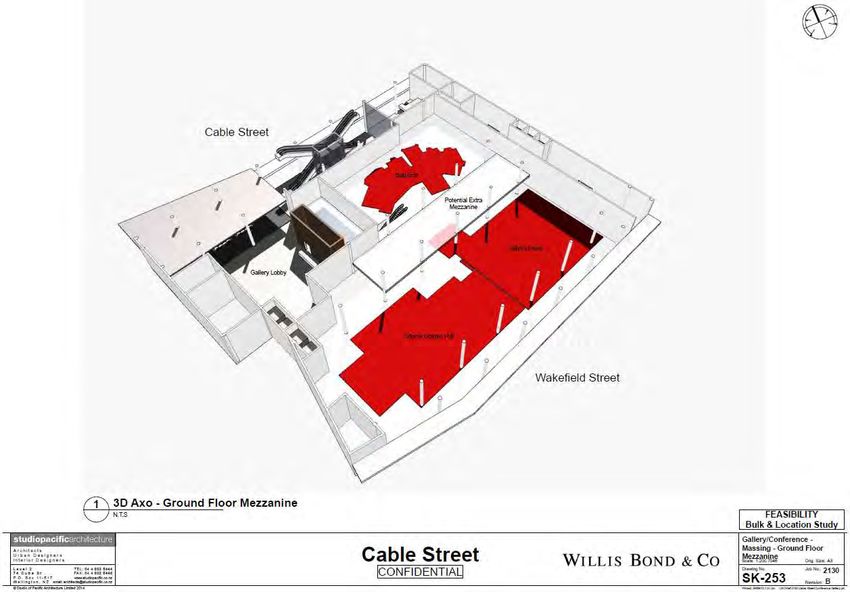
2. The Movie Museum
2.1. What is the movie museum?
Wellington has, for the past two decades, been synonymous with world-class film-making. And for
much of that time, the driving force behind Wellington’s success has been Sir Peter Jackson and Sir
Richard Taylor and their partners Fran Walsh and Tania Rodger as well as the group of companies
they established on the Miramar Peninsula.

                                                Today, this once-cottage industry is now a thriving
                                                centre of film-making creativity and excellence,
                                                creating thousands of jobs for New Zealanders and
                                                attracting major film and television productions and
                                                some of the best directors, producers, actors, artists
                                                and technicians from around the world.

                                                It is a testament to the quality of work that the Weta
                                                Group of Companies has generated and to Jackson and
                                                Taylor’s commitment to develop their creative work in
                                                their home city, Wellington.

One project which has proven elusive to date has been a large-scale tourist destination which brings
all the artistry and achievements together and showcases Wellington’s impressive film-making
credentials and the substantial collections that Peter and Fran, Richard and Tania have amassed.

The Movie Museum promises to inspire Wellingtonians and domestic and international visitors alike.
It will span the award-winning, Hollywood-scale productions the Weta Group of Companies has
helped bring to the big screen through to the earlier home-grown movies, and will also encompass one
of the most valuable collections of Hollywood memorabilia anywhere in the world.

The long-anticipated Movie Museum will be created and operated by a new company, The Movie
Museum Limited (TMML), established by its founders and investors. The Museum would be delivered
in collaboration with Wellington City Council.

The Movie Museum will be a home for thousands of the priceless
designs, props, models and set pieces from the numerous film
productions, from whole worlds to single weapons, creatures to
costumes, make-up to miniatures, vehicles and more -- an astonishing
archive of Wellington filmmaking has been collected, curated and is
ready to be shared.

The Movie Museum will be designed to appeal to a broad audience by
offering a dynamic and immersive experience, bringing to life aspects
of the films created by Sir Peter Jackson ad Sir Richard Taylor. The
museum will fully utilise innovative technologies that will bring to life
those aspects of film making that New Zealand has been recognised
for, in particular special effects, make up and costumes.

It is expected that the Movie Museum will offer permanent and temporary exhibition spaces, a retail
shop, café and permanent offices.

This a unique offering and opportunity for Wellington. It builds on New Zealand’s reputation as an
international centre for film production. It is backed by a highly credible team with a reputation for
quality, and with recent success in visitor attractions at Hobbiton in Matamata and the Weta Cave in
Miramar.

                                                                                              8|Pag e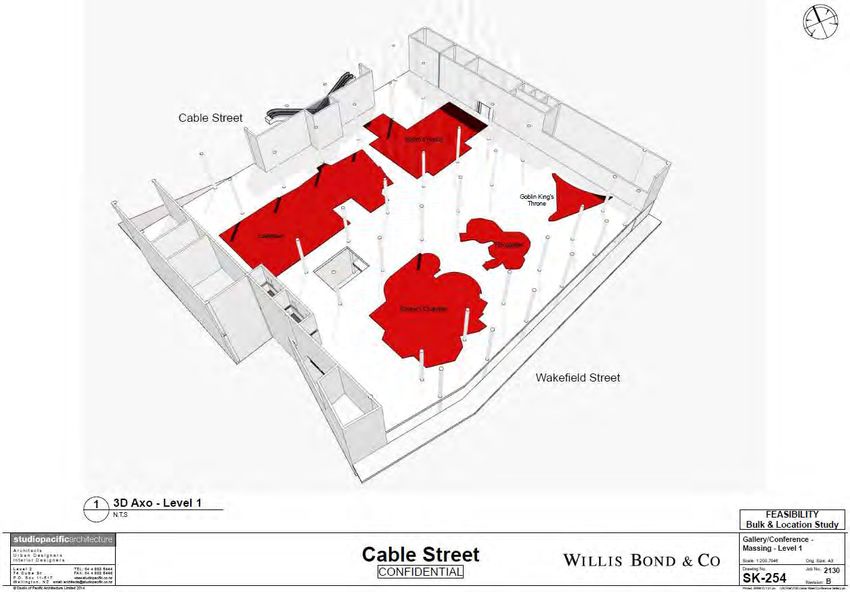
The Miramar Peninsula has been home to the Weta Group of Companies since they were founded and
has hosted the many productions that have been based or filmed there, as well as many others that
have called on the talented artists based in Wellington to help bring their film visions to life.

It is also the place that some 2,000 talented filmmakers and craftspeople call home and The Movie
Museum will also celebrate their work, bringing the film industry closer to the people and
communities which support it.

                             From grand cinemas to public sculptures to famous film locations,
                             filmmaking is already celebrated throughout the city. It’s a part of our
                             DNA. The Movie Museum will sit at the heart of this celebration, linking
                             it together and providing learning and entertainment opportunities for
                             schools, community groups, those interested in the film industry and the
                             general public. With the majority of the filmmaking industry situated in
                             Miramar, it will be an integral link between the Peninsula and
                             Wellington City, bringing the magic of the film-making that takes place
                             there to the centre of Wellington and making it visible and accessible to
                             many more people.

                             The team behind The Movie Museum have a vision for a truly world-
                             class, internationally-renowned movie museum which adds to the
                             creative reputation of Wellington and the many innovative and inspiring
                             tourist attractions already on offer.

2.2. How is Wellington City Council involved?
It is envisioned that the WCC would provide TMML with a long-term lease of purpose-built premises
that will be constructed and owned by the Council. TMML would be responsible for the fit-out,
operation and maintenance of its facility. Various site options have been explored and co-location
with other new developments currently under consideration is the preferred option.

The benefits to the WCC and to Wellington ratepayers for investing in projects like The Movie
Museum would include potential economic growth, as well as the direct and indirect benefits of
increased tourist visits to Wellington and further job creation in the film and creative arts and
museum sectors.

                                                                                             9|Page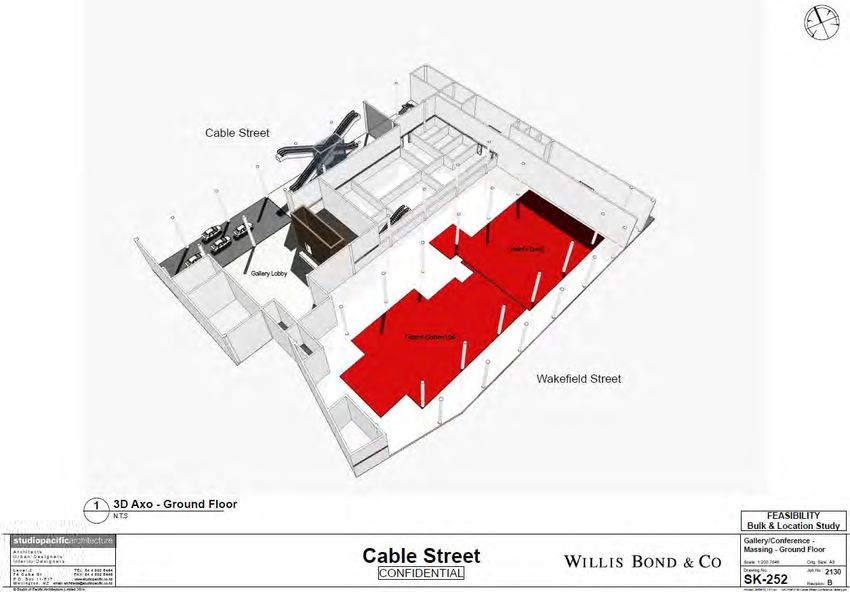
3. Proposal
Key points:
The proposal is to develop a purpose built movie museum, which will be co-located with a
convention centre. The scope of the museum will be focused on films associated with Sir Peter
Jackson and Sir Richard Taylor, together with exhibits from their extensive collection of film
memorabilia.
WCC has considered a range of options in relation to location and delivery model for the movie
museum. A museum development in combination with the convention centre on Cable/Wakefield
Streets is preferred. It is recommend that WCC build and own the combined facilities, using the
services of a development manager for delivery.
Under the proposed development arrangement, WCC assumes the cost, responsibility and risk for
structural integrity, design and construction of the building. The estimated total capital
investment is $68.8 million. WCC will lease the movie museum to TMML on a 25 year term.
TMML will be responsible for operating and managing the facility and will fund the initial ($23
million) and on-going fit-out ($3.6 million over 10 years) and operational costs of the museum.
The proposed combination of a convention centre and movie museum is a unique value
proposition for WCC to deliver multiple outcomes. The co-location arrangement will present
synergistic benefits to both facilities.
The museum’s proximity to Te Papa should benefit both attractions by providing a ‘cluster’ effect.
3.1. Proposal outline
This business case pertains to the development of a movie museum in central Wellington, co-located
with a convention centre, utilising a site fronting Cable Street directly opposite Te Papa, and
Wakefield Street. The development of the movie museum is contingent on a combined development
with the convention centre.
The proposed convention centre and movie museum complex will be funded and built by WCC,
employing the services of Willis Bond as development manager. Under this arrangement WCC will
acquire two land parcels at the Cable Street location for $21.5 million.
WCC will then lease the movie museum premises to TMML on a 25 year lease. The initial rent will be
$3 million per annum and will increase after five years, at a rate of $5 per visitor (CPI linked) in
excess of 300,000 visitors. TMML will be responsible for operating and managing the facility and will
fund the initial fit- out ($23 million), on-going fit-out ($3.6 million over 10 years) and operational
costs of the museum. WCC will be responsible for all building costs including insurances, building
services (eg air conditioning, lifts etc) and building maintenance.
While being located on the same site, the convention centre and movie museum will be distinct and
separate legal entities, providing unique opportunities to leverage off each other.
3.2. Connection with proposed convention centre
3.2.1. Background of the convention centre
Wellington’s existing convention facilities are dated and limited in size, functionality and availability.
This has resulted in a steady decline of ‘delegate days’ since 2010. In response, WCC is currently in the
process of seeking approval from the Council to build a new convention centre on a site fronting Cable
Street and Wakefield Street. The proposed convention centre will feature a gross floor area of
10 | P a g e5,285 sqm and able to host full format multi-day conferences for up to 1,000-1,100 people, large
banquets for 1,380 people and seat 2,250 people in theatre style seating arrangements. This main
space will be fully flexible with operable walls able to break the space down into five smaller spaces for
concurrent events, further sub-dividable for smaller meetings. The location directly opposite Te Papa
will allow for opportunities for even larger events to be held in combination across both locations.
This capability will complement and strengthen Wellington’s business events markets offering. The
convention centre is expected to bring new business to Wellington in the larger conferencing market,
however the centre will target the majority of its business in the medium sized conferencing market
where there is a greater volume of events.
3.2.2. Convention centre options – linkage to the movie museum
WCC has the option to purchase two separate land titles on Cable/Wakefield Streets. These options
are due to expire during December 2015, and it is necessary for the Council to make a decision on
whether or not to commit to the development on that site. There are three possible development
options:
(1) standalone convention centre
(2) convention centre + movie museum
(3) convention centre + hotel (or similar type of accommodation).
If WCC wished to progress the movie museum, this would be subject to public consultation in early
2016. It is important to note that WCC would not consider the proposition of a stand-alone movie
museum in this location. If the concept of a combined movie museum / convention centre is rejected,
the convention centre will be developed either as a stand-alone facility or in conjunction with a hotel.
3.2.3. Advantages of co-location of the convention centre and movie museum
This business case is focussed on option (2) above, being a co-located convention centre and movie
museum. In this scenario, a three level building will be constructed, where the movie museum will
occupy the ground and first floors and the convention centre the second floor. The convention centre
and movie museum will be distinct and separate legal entities with independent management teams.
WCC will lease the first two floors of the building to TMML. TMML will then be responsible for fitting
out, operating and managing the facility.
There are a number of financial and non-financial advantages of this concept of co-location – these
are detailed below.
Overall benefit Detail
Shared costs of The primary cost saving achieved from co-location is the cost of land, which
development is significant given the prime location of the site.
A shared location also makes efficient use of a prime central city site, when
alternative options are limited.
There is no need to invest in additional event space at the movie museum as
this can be provided via the convention centre.
Unique market The combination of a movie museum and purpose built modern convention
offering centre is a relatively unique offering to convention delegates.
As such this proposal provides a point of difference compared to the more
usual model of a stand-alone museum or hotel based convention centre, as
being developed in Auckland and Christchurch.
Opportunities for While the movie museum and convention centre will be separate entities,
leverage and cross- there will be opportunities for cross-selling and marketing into both
selling customer bases – particularly for the movie museum.
The convention centre would be available to the movie museum with a
range of valuable offerings including: theatre showings, space for temporary
exhibitions, gala events and associated conferences.
The convention centre may benefit from the high profile of the museum, eg
through private viewings for multi-day events.
11 | P a g eOverall benefit Detail
Both venues will have opportunity to benefit from cross-facility advertising
and marketing opportunities.
Prime tourist Directly opposite Te Papa and the waterfront, the proposed location is in the
location heart of Wellington's tourist zone, making the Cable/Wakefield street site
among the most prime undeveloped sites remaining in central Wellington.
A co-location arrangement means both the convention centre and movie
museum can capitalise on the commercial advantages of this site / location.
Operating While the movie museum and convention centre will be separate entities,
efficiencies there will be potential opportunities for operational efficiencies from a
shared site / building. These could range from joint service and
maintenance contracts to shared cleaning operations and include
opportunities to consider efficiencies that would be gained by sharing back-
office, administrative and other functions.
Urban This area of the city has large areas of low quality development. A dual-
regeneration purpose convention / movie museum development will contribute strongly
to regeneration of this area and attract a diverse range of visitors
(conference attendees and tourists) and new businesses. The effect is
unlikely to be as significant for either a stand-alone convention centre or
movie museum.
Dual contribution Development of a convention centre and movie museum will contribute
to WCCs growth significantly to two of WCCs “Eight Big Ideas” (discussed in more detail
strategy below).
Combined demand drivers will stimulate secondary investment in
Wellington.
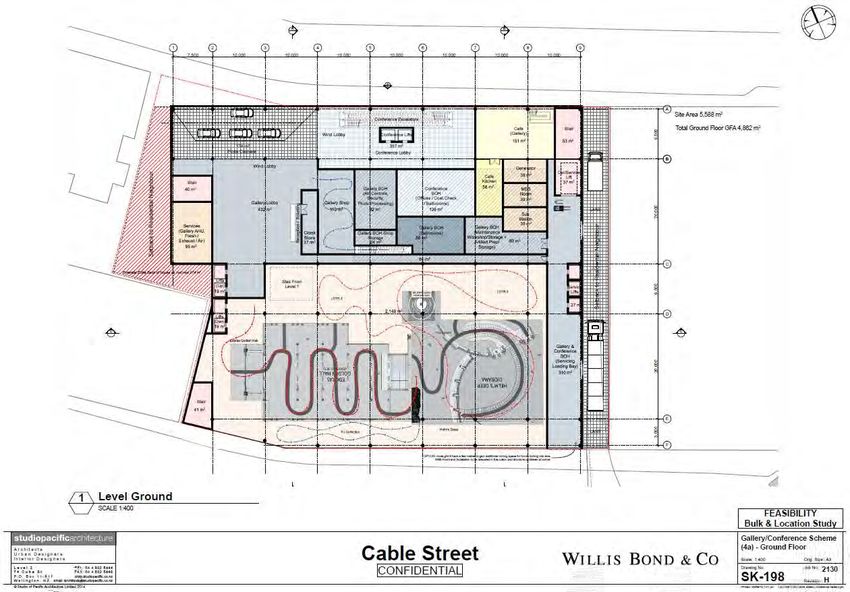
Floor plans and concept maps for both the movie museum and the convention centre are attached as
Appendix C.
Attributes
Location attributes:
The ability for the convention
centre / movie museum to
partner with Te Papa in the
delivery of some large events.
The opportunity to attract
visitors from Te Papa, and more
generally to create a cluster
development of tourism / visitor
attractions.
Ease of access to Wellington’s
waterfront for spectacular views
and a vibrant atmosphere.
Ease of access to some of
Wellington’s best restaurant and
bars.
Excellent public transport
connections and parking in the
vicinity
Ease of access to retail and
shopping experiences.
Close proximity to Wellington’s
CBD and 15 minutes from the
airport.
12 | P a g ePhysical attributes:
It will be the only movie museum in New Zealand.
The museum will be purpose built and offer both permanent and temporary exhibitions that will
be continually updated and refreshed.
Covering two levels of the building (plus two mezzanines), the museum will be sizeable and
custom built.
Visitors will have access to a movie museum café.
The movie museum will have a dedicated retail store, which will be open to the general public.
Operational attributes:
The movie museum will be operated by TMML, a company comprising individuals with significant
experience and credibility in the film industry. TMML has owners in common with the Hobbiton,
which has been very successful in building its reputation and visitor numbers.
The movie museum will be able to leverage off the convention centre – with respect to having
access to conference delegates, scope to gain operational cost efficiencies (i.e. shared back-office
administrative functions), use of space for temporary exhibits and conferences.
13 | P a g e4. Strategic case
The strategic case includes detail of the proposal and with reference to supporting strategies,
developments and plans, confirms the strategic context for the investment proposal.
Key points:
The proposed movie museum complex aligns closely with WCCs growth strategy by fulfilling one
of the council’s “Eight Big Ideas”.
The competitive landscape is favourable for the movie museum as there are no directly
comparable tourists attractions in Wellington or New Zealand.
The presence of TMML and the existing infrastructure that has been established in Miramar
results in Wellington being the natural location for a movie museum.
The movie museum / convention centre is a unique offering.
The movie museum is expected to generate: increased visitor numbers and expenditure in
Wellington, job creation and increased commercial activity, cementing Wellington’s image as the
film capital of New Zealand, generating secondary investment as a response to growth, and
improving the liveability of Wellington city.
By building the basket of Wellington attractions there is the potential to move Wellington from a
‘maybe’ to a ‘must-see’ destination for visitors.
4.1. Strategic objectives
4.1.1. Strategic objectives of Wellington City Council
As set out in WCC’s Economic Development Strategy, there is an urgent need for the Council to focus
on economic development priorities that will deliver long-term, sustainable growth. The strategy
recognises the need to respond to challenges that are arising globally and nationally, including the
increasing levels of public investment in Christchurch and Auckland.
One of the priority areas for WCC is to market Wellington as a destination, not just for tourism
activity, but as a city that attracts talent, business and investment. Through this, and the strategy’s
other areas of focus, the Council seeks to drive income and productivity, create jobs, grow knowledge-
intensive exports, support innovation and deliver ‘smart’ infrastructure. To help deliver on these
economic outcomes, WCC is progressing “Eight Big Ideas” (illustrated below) that aim to boost the
local economy and make it more diverse.
The illustration overleaf provides a pictorial representation of the Council’s “Eight Big Ideas”.
14 | P a g e5. Mirimar
framework
4.
3. Tech Conference
precinct and concert
2. venues
International
air
connections
1. Film 6. Better
museum transport
7. Let's be
open for 8. Liveable
business city
Idea 1 relates to developing a film museum, recognising that the film industry has become a vital part
of the Wellington’s identity and economy - attracting visitors, creating jobs and bringing wealth to the
city. A film museum would celebrate the contribution Wellington’s film sector has made to the
country’s economy and reputation and be a high-quality tourist attraction in the central city.
Idea 4 relates to conference and concert venues, recognising the benefits that activities in these
facilities can bring for the city. Conference venues enable the city to host a range of business events,
such as meetings, incentives, conventions and exhibitions. WCC previously endorsed a convention
centre proposed for this site.
Both the proposed movie museum and convention centre support and contribute to the Council’s
economic development agenda and growth strategy. WCC’s core strategic objectives for the movie
museum are as follows:
Increase international visitor numbers and spend – an estimated 593,446 international
tourists visited Wellington in the year ended June 20152.
International tourist expenditure within Wellington for the year The movie museum
ended March 2014 was $440 million3. Increasing international “would be certain to
visitor numbers and spend will contribute positively to attract new
Wellington’s economy. international visitors by
Increase domestic visitor numbers and spend – domestic creating a tipping point
tourism expenditure in Wellington totalled $1.3 billion for the year whereby visitors who
ended March 20144. 1.7 million nights were spent by domestic would not have
visitors in short-term Wellington commercial accommodation in otherwise visited
the year ended July 2015. 41% of domestic visitors come to Wellington would
Wellington to visit family and friends, 28% on holiday and 28% on choose to do so”
business5. Increasing domestic visitor numbers and spend will
contribute positively to Wellington’s economy. Matt Clarke,
Gain leverage from the convention centre – the movie Wellington Airport
museum is likely to obtain significant leverage from the convention
centre; studies in Australia have found that close to 60% of
delegates visiting cities as convention delegates indicated that they
2 Statistics New Zealand. (June 2015). International Visitor Survey.
3 Ibid.
4 TRC. (October 2015). Proposed Wellington Movie Museum: Preliminary Economic Impact Analysis.
5 Statistics New Zealand. (July 2015). Commercial Accommodation Monitor, Wellington.
15 | P a g ewould return as tourists.6
Profile Wellington’s film industry – as the film industry is a vital part of Wellington’s
identity and economy, a movie museum would help to profile and further capitalise on the
success of the industry, particularly WetaWorkshops, Weta Digital and Park Road Post
Production etc.
Job creation –142 direct jobs and 142 indirect and induced jobs would be created as a
consequence of the movie museum.
Increasing liveability – tourism attractions bring a diverse range of people to the city and
contribute to Wellington’s international connectedness. Visitor activity financially supports a
range of recreational utilities, such as shops and restaurant precincts, thus making the city a
more attract place to live, work and invest.
4.1.2. Wellington’s competitive advantage
As the “coolest little capital in the world”, there are a number of reasons Wellington is the best
location for the movie museum – these include:
Film capital of New Zealand – due to the presence of Sir Peter Jackson’s and Sir Richard
Taylor’s Wellington-based film production businesses (Weta Workshop, Weta Digital, Park
Road Post Production, Wingnut Films, Stone Street Studios and Portsmouth Hire), Wellington
has become the undisputed film capital of New Zealand, and is firmly on the world stage.
Compact city – visitors can easily navigate between convention activity and other attractions
and amenities, and the proximity of the CBD to the airport means that time spent in traffic is
relatively minimal.
Creative capital of New Zealand – Wellington is a magnet for creative thinkers and is
widely regarded as New Zealand’s arts and culture capital.
Vibrancy – the ease of access to our vibrant nightlife, waterfront and CBD is superior to
anywhere else in New Zealand, which makes Wellington a popular visitor destination.
Amenities – Wellington has great restaurants, shopping, nightlife and a good range of
accommodation, all of which are necessary to encourage visitors to come to the city.
Te Papa, New Zealand’s premier tourist destination, is located immediately adjacent to the
proposed film museum and convention centre.
Travel connections – Wellington is well connected to all parts of New Zealand by no more
than a one hour flight, and internationally to Australia’s east coast.
4.1.3. Strategic objectives of The Movie Museum Limited
The strategic objectives of TMML are to:
Protect and display the original sets, props, costumes and designs from films such as LOTR and
The Hobbit films.
Reveal the ‘magic’ of film-making and some of the techniques and special effects.
Display unique film artefacts and collectibles from Sir Peter Jackson’s and Sir Richard Taylor’s
personal collections.
Celebrate the creativity demonstrated by Sir Peter Jackson’s and Sir Richard Taylor’s
Wellington-based film production businesses (Weta Workshop, Weta Digital, Park Road Post
Production, Wingnut Films, Stone Street Studios and Portsmouth Hire).
The financial and commercial implications for TMML and WCC are discussed in the financial and
commercial cases from page 41.
6 Melbourne Convention and Visitors Bureau. (December 2007). Melbourne Convention Delegate Study.
16 | P a g e4.2. Film related tourism
From 2000, the global tourism industry has increasingly seen a growing visitation that has been
driven or induced by film and television7. The recent impact of the LOTR and Hobbit trilogies in New
Zealand is well documented. TRC cite a wide range of other examples of these impacts including:
Game of Thrones, which has been shot primarily in Northern Ireland and Croatia. Northern
Ireland’s County Antrim saw a 65% rise in interest from global holiday makers and a 47%
increase in domestic traveller interest in 20158. In Croatia an estimated USD10million a year
was generated for the tourism industry 9, and the country as a whole is also benefiting, having
seen a 24% increase in tourism in the last three years 10.
Anne of Green Gables, a book and subsequent film series shot in the Prince Edward Island
National Park in Canada. The Anne of Green Gables franchise brings approximately 169,000
people to the national park each year11.
The Sound of Music, continues to draw visitors to Salzburg in Austria 50 years after the film
was released. An average of 300,000 people visit the von Trapp Family homes and film
locations in Salzburg each year12, and three-quarters of American visitors list The Sound of
Music as the main reason for travelling to Salzburg13.
4.3. Comparative attractions
4.3.1. Comparable international attractions
There is a small number of existing international tourist attractions that are directly comparable to the
proposed movie museum. The table below provides detail on some existing attractions. In New
Zealand dollars, prices range from approximately $18 – $75. The proposed adult price for the movie
museum compares favourably at $35 (estimate only). The Making of Harry Potter is probably the
most like-for-like attraction, and has had considerable success, winning a number of tourism awards
and undergoing its first expansion earlier this year, despite only being open since 2012 14.
Attraction Description Location Adult
ticket
price
Warner Brothers, Set adjacent to the working film studios where all London GBP33
Leavesden eight Harry Potter films were made, the studio tour
Studios: The offers visitors the unique opportunity to explore two ~NZD75
Making of Harry soundstages and a backlot filled with original sets,
Potter animatronic creatures and breath-taking special
effects.
Warner Brothers invested more than £100 million in
developing the Leavesden studio. The attraction has
7 Gjorgievski, M. & Trpkova, S.M. 2012. 'Movie induced Tourism: a new tourism phenomenon', UTMA Journal of Economics,3(1), pp. 97-104.
http://search.proquest.com.ezproxy.library.uq.edu.au/docview/1030093898?pq-origsite=summon
8 Kitching, C., 2015. 'The Game of Thrones effect! Hit’, Daily Mail. Available at http://www.dailymail.co.uk/travel/travel_news/article-
3119601/The-Game-Thrones-effect-Hit-TV-series-boosts-tourism-Northern-Ireland-holidaymakers-search-real-Westeros.html
9 Winfrey, M., 2015. 'Can Game of Thrones Save Croatia?', Bloomberg Business, Available at http://www.bloomberg.com/news/articles/2015-04-
02/can-game-of-thrones-save-croatia.
10 White, C., 2014. 'Masters of Coin: The Economic Impact of Game of Thrones Location Filming', Winter is Coming. Available at
http://winteriscoming.net/2014/10/24/masters-coin-economic-impact-game-thrones-location-filming/.
11 Day, J., 2015. Anne of Green Gables economic impact alive, well: tourism market report. Available at
http://www.theguardian.pe.ca/Travel/2008-02-20/article-1290120/Anne-of-Green-Gables-economic-impact-alive-well-tourism-market-
report/1.
12 16Austrian National Tourist Office, 2015. Take a Sound of Music Tour in Salzburg . Available at http://www.austria.info/uk/things-to-
do/cities-and-culture/the-sound-of-music/sound-of-music-tour.
13 Gibson, C. & Conell, J., 2005. Music and Tourism: On the Road Again, Cromwell Press, Great Britain, Channel View Publications.
14 https://en.wikipedia.org/wiki/Warner_Bros._Studios,_Leavesden
17 | P a g eAttraction Description Location Adult
ticket
price
been extremely popular, achieving profits of £32
million and revenue of £57 million in 2013, which was
the attraction’s first full trading year 15.
The Walt Disney The Walt Disney Family Museum brings Disney’s San USD20
Family Museum legacy to life and invites viewers to find their own Francisco
creative inspiration in his story. The museum melds ~NZD30
history with state-of-the-art technology, including
more than 200 video screens. Visitors can also enjoy a
Museum Store, Learning Centre, and Fantasia-themed
theatre.
The London Film The London Film Museum is the only film museum of London GBP15
Museum its kind in Great Britain, showcasing the film industry
and the talent within it. It is self-supporting, ~NZD35
reinvesting back into the museum and within the
community. The museum is currently exhibiting the
James Bond film series.
Star Wars A travelling exhibition featuring a collection of Star Various Circa
Identities Wars costumes, models, props, and artwork. EUR25
(travelling
exhibition) ~NZD40
Museum of the Museum of the Moving Image advances the New York USD12
Moving Image understanding, enjoyment, and appreciation of the
art, history, technique, and technology of film, ~NZD18
television, and digital media by presenting exhibitions,
education programmes, significant moving-image
works, and interpretive programmes, and collecting
and preserving moving-image related artefacts. The
Museum’s core exhibition, Behind the Screen,
immerses visitors in the creative process of making
moving images. It features over 1,400 artefacts, from
nineteenth-century optical toys to video games, as well
as an array of interactive experiences, audio-visual
material, and artworks.
The Lucas The Lucas Museum of Narrative Art is a new museum Chicago Unknown
Museum of planned to open in Chicago in 2018. The museum will at this
Narrative Art be funded (estimated development cost of USD300m) stage
(planned) and endowed (estimated value of USD400m) by
George Lucas, and developed in partnership with the
City of Chicago. Its “unique collection features popular
art from illustration to comics, an insider’s perspective
on the cinematic creative process, and the boundless
potential of the digital medium.”16
These international examples show that the public is prepared to pay for high quality movie themed
attractions.
15 The Guardian. (July 2014). Harry Potter tour helps Leavesden studios triple 2013 profits to £32m.
16 Taken from www.lucasmuseum.org on 10 November 2015
18 | P a g eSite selection for the Lucas Museum of Narrative Art
A mayor’s site selection task force report, concluded that the museum required:
1. A central location easily accessible to tourists and locals alike important
2. Close proximity to other educational/museum institutions is important. This allows for stronger
relationships to be formed and opportunities to be created through collaboration and alignment of similar
goals, particularly in the education and youth space, for the benefit of residents.
3. Close proximity to the Chicago convention centre (McCormick Place) seen as a huge advantage to capitalise
on the economic benefits conventions bring to the city by enticing many delegates to extend their trips to
see the treasures inside the museum.
http://www.cityofchicago.org/content/dam/city/depts/mayor/FrontPageFeatures/LucasReport.pdf.pdf
Site selection has similarly been an important factor for consideration of the Wellington film museum.
4.3.2. Comparable domestic attractions
The tables below provide details on existing New Zealand attractions as points of comparison for the
proposed movie museum. These include attractions which are primarily cultural such as museums
and galleries, and also attractions that are primarily commercial.
This shows a number of attractions both in Wellington and elsewhere that command visitor numbers
similar to or higher than forecast for the movie museum. It also shows that the proposed $35 adult
entry fee (estimated) is broadly in line with charges for many other attractions.
This also shows that there are few attractions within New Zealand that could constitute a direct
competitive threat to the proposed movie museum. The only attractions that are comparable from a
content perspective are Hobbiton and the Weta Cave Workshop Tour – neither of which present a
threat as they are owned by the same individuals as TMML and are located outside Wellington central.
These attractions are likely to compliment the movie museum, and help demonstrate the appetite for
this type of attraction. Moreover, the downtown location near Te Papa is expected to provide ‘cluster’
benefits, whereby visitors to one location also visit the other, or visitors are drawn to the area by the
presence of two attractions.
Cultural attractions
Attraction Location Visitor Adult ticket Comments / comparison with
numbers price movie museum
2013/1417
Auckland Art Auckland 423,327 $0
Gallery
Auckland Auckland 808,698 $0 (Though a Demonstrates very high visitor numbers
Museum $25 donation despite $25 charge for non-Auckland
is ‘requested’) residents
Cable Car Wellington 229,960 $0 Shows the high interest levels for
Museum cultural attractions in Wellington,
despite being a small and highly
specialised offering
City Gallery Wellington 150,289 $0
Museum of Wellington 112,536 $0
City and Sea
Pataka Art Porirua 285,498 $0
and Museum
Te Papa Wellington 1,289,353 $0 Te Papa has presented LOTR
exhibitions in the past, with two
exhibitions in 2002 and 2006
collectively attracting 326,467 visitors.
Te Papa provides ready access to an
17 The Movie Museum Limited (August 2015). The Movie Museum.
19 | P a g eAttraction Location Visitor Adult ticket Comments / comparison with
numbers price movie museum
2013/1417
existing body of tourists. Access to these
potential visitors is made even easier by
the proximity of Te Papa to the
proposed movie museum.
Voyager NZ Auckland 155,136 $17 Demonstrates appeal of museums, even
Maritime for specialised content.
Museum
Te Puia Rotorua 380,000 $51 (day pass) Te Puia is a Maori cultural centre in
Rotorua. Te Puia’s 60 hectare site
includes the New Zealand Maori Arts
and Crafts Institute, a live kiwi
enclosure, the Pohutu Geyser, and more
than 500 other geothermal features.
This provides an evidence base for the
pulling power of unique attractions -
95% of visitors are international.
The Dowse Lower 194,247 $0
Art Museum Hutt
Also of relevance, Sir Richard Taylor designed the Gallipoli: The Scale of our War exhibition at Te
Papa, and the Sir Peter Jackson-designed Great War exhibition at Pukeahu which both opened in 2015
and are understood to be delivering strongly.
Commercial attractions
Attraction Location Visitor Adult Comments / comparison with
numbers ticket movie museum
2013/1418 price
Hobbiton* Waikato 330,000 $75 Hobbiton offers the closest comparison
(2014/15) as it features the movie set of The Hobbit.
It demonstrates the attraction of a high-
quality offering, even in a relatively
remote location and high price. Hobbiton
has common owners with TMML.
Weta Cave Wellington 75,000 $24 The Weta Cave Workshop Tour provides
Workshop Tour (2014/15) a comparative experience to the proposed
movie museum. However, its ‘specialised’
content has a more technical flavour than
the museum. It also has common owners
with TMML.
International Christchurch ~100,000 $59 Antarctica themed attraction based in
Antarctic Christchurch.
Centre
Kelly Tarlton’s Auckland 280,000 $39 Aquarium based in Auckland with a
Sea Life (est) similar price point to the movie museum.
Aquarium
Zealandia Wellington 100,000 $17.50
A 225 hectare wildlife sanctuary in Karori
sanctuary that is focused on native New Zealand
wildlife.
*Hobbiton’s financial performance and economic impact is discussed in more detail in section 2.4
below.
18 The Movie Museum Limited (August 2015). The Movie Museum.
20 | P a g eThis summary of different cultural and commercial attractions suggests:
There is limited direct competitive threats to the proposed movie museum.
There is a lack of commissionable attractions in the Wellington region.
The proposed movie museum pricing is compares favourably with many of these attractions.
Visitation
The graph below shows the estimated base visitation to the movie museum of 310,000 people per year
compared to raw visitor numbers of other New Zealand tourist attractions.
Estimated visitor
numbers are
reasonable based
on throughput at
other New Zealand
attractions
Source: TMML
Case study: Hobbiton Hobbiton visitor numbers 2010-2015
Hobbiton is the closest comparison to the
proposed movie museum as it features the
movie set of The Hobbit and is owned and 2014/15
operated by the same core stakeholders as
2013/14
TMML. The information presented in the
graph provides persuasive evidence of the 2012/13
attraction’s popularity as well as the
credibility, experience and expertise of the 2011/12
owners / operators. It also demonstrates the
conservative stance of the original 2010/11 2010/11
projections.
0 50,000 100,000 150,000 200,000 250,000 300,000 350,000
Based on actual results from the previous four Actual visitors Projected visitors (per 2010/11 report)
years, the 2014/15 projections are19:
Rings Scenic Tours Limited total
revenue increasing to $30 million per annum, employment
increasing to 150 full time equivalents (FTEs), and wages /
salaries increasing to $5 million per annum.
Within the Matamata-Piako district, total expenditure
(directly and indirectly attributable to Hobbiton) of $53
million per annum, total employment increased by 306 FTE
jobs and total wages / salaries increasing by $10 million per
annum.
In addition to the financial and economic projections noted above, Hobbiton has increased economic resilience of
the district by reducing reliance on agriculture (which is heavily impacted by uncontrollable factors such as
commodity price volatility and adverse environmental conditions). Hobbiton has also increased diversity and put
Matamata “on the map” as a popular tourist attraction.
19 Brown, Copeland & Co. Limited. (2014). Update to the Assessment of the Economic Effects of the Hobbiton Movie Set at Matamata
21 | P a g eYou can also read


