West Kent HOUSING & HOMELESSNESS - Final Draft 15 06 2017
←
→
Page content transcription
If your browser does not render page correctly, please read the page content below

West Kent
HOUSING & HOMELESSNESS
       Strategy 2016–2021
          Final Draft 15 06 2017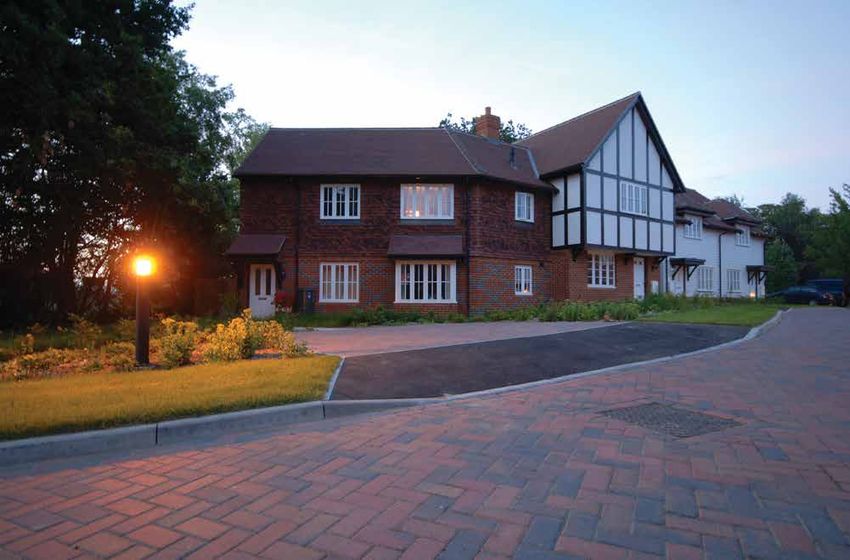
Contents
Executive Summary                                                                                  3
1    Introduction                                                                                  4
     Our Vision                                                                                    4
     About this strategy                                                                           4
     Who is this strategy for?                                                                     5
     How the strategy was developed                                                                5

2    Contexts                                                                                      6
     The National Context                                                                          7
     The Kent Regional Context                                                                    10
     The Local Policy Context                                                                     12
     West Kent: population and housing market profile                                             13

3    Progress against 2011—16 Joint Homelessness Strategy and the individual local authorities’   14
     Housing Strategies

4    Emerging Challenges                                                                          16

5    Our Ambitions                                                                                33
     Ambition 1: Improving the availability of housing for all and preventing homelessness        33
     Ambition 2: Improving Supply                                                                 34
     Ambition 3: Improving Standards                                                              34
     Ambition 4: Improving health and wellbeing                                                   36

6    Delivering the Plan                                                                          37

7    Appendices
     Appendix One: Project Team and Stakeholder involvement                                       39
     Appendix Two: Evidence Base                                                                  40
     Appendix Three: Glossary of terms                                                            56
     Appendix Four: Action Plan                                                                   59

2
Executive Summary
West Kent is a generally affluent area.          To achieve our vision we have identified
It has a buoyant economy, above                  four ambitions that will guide our
average levels of home ownership and             work over the life of the strategy:
high house prices. However, many
residents face real challenges finding           Ambition 1: Improving the availability
affordable housing, whether in the private                   of housing for all and
or public sector, buying or renting.                         preventing homelessness
                                                 Ambition 2: Improving Supply
Recognising this, our vision is:
‘To increase the availability of good            Ambition 3: Improving Standards
quality affordable homes for purchase
and rent whilst reducing homelessness            Ambition 4: Improving health and wellbeing
and contributing to building the West Kent       The strategy has been developed with
economy. We want our residents to live in        input from our key partners and stake-
safe, good quality homes that meet their
                                                 holders from across the private, public and
needs.’
                                                 voluntary sectors. These relationships and
This strategy is set against a backdrop of       working in partnership are crucial to the
ongoing radical reform in housing policy.        success of the strategy and for us to deliver
With recent legislative changes such as          our ambitions over the coming years.
the Housing & Planning Act 2016, the
Welfare Reform & Work Act 2016 and the
Homelessness Reduction Act 2017, the
pace of reform is accelerating. We expect
these changes to have significant impacts
on the delivery and availability of affordable
housing in West Kent. Added to this is
the uncertainty caused by the decision to
leave the European Union and the impact
this may have on the housing market.

                                                                                                 3
S1         : Introduction

Our Vision                                    West Kent over the life of this strategy,        The three West Kent local authorities
                                              and into the next decade. The population         – Tunbridge Wells District Council,
In developing our housing and
                                              is ageing, which is creating pressures           Tonbridge & Malling Borough Council and
homelessness strategy for
                                              on health resources. There has also              Sevenoaks District Council – have a long
West Kent our vision is:
                                              been a growing acknowledgement in                history of working together successfully
    ‘to increase the availability of good     recent years of the close links between          on housing and homelessness initiatives.
                                              housing, health and wellbeing.                   We have previously published two Joint
    quality affordable homes for purchase                                                      Homelessness Strategies, setting out how
    and rent whilst reducing homelessness     At the same time, council budgets have           we intend to work collectively and individually
                                              significantly reduced and there are              to relieve homelessness across West Kent.
    and contributing to building the          fewer resources available to support the
    West Kent economy. We want our            implementation of this strategy. This will       We see this document as an effective way of
    residents to live in safe, good quality   mean a changing relationship with customers      building on the achievements of the last Joint
                                              who seek our help. We will have to:              Homelessness Strategy and our most recent
    homes that meet their needs’.                                                              individual Housing Strategies; advancing
                                              •   Focus support on the most vulnerable.        the work we have done individually and
Background
                                              • Manage the expectations of the                 jointly since 2011; and setting out how we
We are seeing:                                  people who seek our help.                      will work over the next five years to meet
• A reduction in the supply of existing       • Build resilience and encourage                 our statutory duties and responsibilities.
  affordable rented housing.                    communities to support each other, so          As non-stock holding authorities, these
                                                that people are able to find their own         duties and responsibilities include:
• A focus on housing for sale, particularly
  through the Starter Home Initiative and       solutions to their housing problems.           • Enabling the forward supply
  fewer new affordable rented homes.          • Use existing partnerships creatively,            of affordable housing.
• An increase in homelessness.                  and develop new ones.                          • The prevention of homelessness and
• It becoming more challenging for                                                               assisting homeless households.
                                              About this strategy
  people on low or moderate incomes                                                            • Improving housing conditions, including
                                              The Homelessness Act 2002 requires
  (working or non-working) to find                                                               enforcement in the private rented
                                              local authorities to formulate and publish a
  solutions to their housing needs.                                                              and owner occupied sectors.
                                              Homelessness Strategy. While councils are
Further pressure will come from the           not required by law to produce a housing         • Building partnerships to promote the
anticipated growth in population across       strategy it is seen as good practice to do so.     health and wellbeing of residents.
4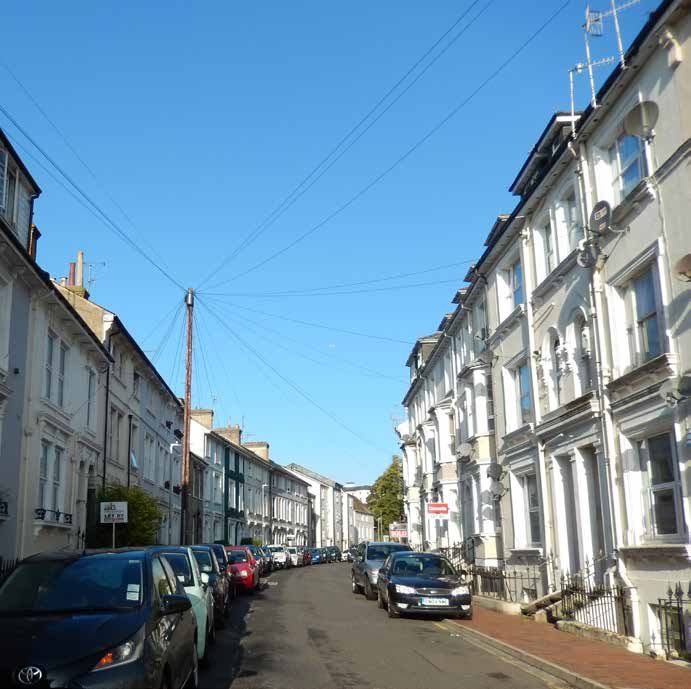
• Implementing Kent-wide                        organisations that provide services     How this strategy was
  adopted strategies.                           in West Kent, as it sets out our
                                                priorities and how we want to work
                                                                                        developed
The strategy has been written against                                                   The strategy was developed between
the backdrop of far-reaching reform of          with partners to deliver our vision.
                                                                                        October 2015 and June 2017.
housing and social welfare policy, the        • The councils themselves, as it sets
impacts of which are not yet fully known.       out how we intend to take forward       A Project Team comprising ten
This means that the document will have          the councils’ ambitious approach        representatives of the three councils was
to be flexible enough to accommodate            to tackling housing issues.             established which met regularly over
the impacts of these changes as they                                                    the period. The Project Team worked
unfold throughout the life of the strategy.                                             with key stakeholders to seek their input
                                                                                        through workshops in April and June
Who is this strategy for?                                                               2016. A list of the organisations who
We want this strategy to be an accessible                                               attended these events is at Appendix 1.
document that is used by both internal                                                  The draft strategy was subject to public
and external stakeholders. We expect                                                    consultation during the summer of 2017.
that it will be of particular interest to:
                                                                                        All key objectives have been subject
• Both existing residents and people                                                    to Equality Impact Assessments in
  looking for a home in West Kent,                                                      the development of this Housing and
  particularly those looking for affordable                                             Homelessness Strategy and, where
  housing, as it sets out a realistic                                                   necessary, adjustments made to address
  picture of how we will support them                                                   any potentially negative effects. These
  to find practical solutions to the                                                    assessments will be reviewed regularly.
  housing problems they face.
• Private developers and Registered
  Providers proposing to build new
  homes in West Kent as it sets out
  our expectations and highlights our
  commitment to working in partnership.
• Public bodies and voluntary sector                                                   A household in Sevenoaks who were
                                                                                       assisted via a Shared Ownership Scheme
                                                                                                                                    5
S2   : Contexts

      O    ver the last five years or so,
           social housing has undergone
      profound change. Recent legislation
                                              and availability of affordable housing
                                              in West Kent. They will intensify the
                                              challenges we currently face including:
                                                                                        Taken in the round, the impacts of
                                                                                        these changes are likely to be far
                                                                                        reaching. They will create challenges
      including the Housing & Planning Act,                                             for residents (particularly those on
      the Welfare Reform & Work Act have      • A reduction in the supply of existing   lower incomes or in receipt of welfare
      set out far-reaching policy changes       affordable rented housing.              support), local authorities, housing
      in housing, planning and welfare that   • Less Government funding                 associations and the voluntary sector.
      seemed unthinkable when we wrote          available to build housing for
      the last strategy. More recently, the     social and affordable rent, with        At the same time, with all three
      Government’s White Paper ‘Fixing          more of a focus on building             Councils’ budgets significantly
      our broken housing market’ has            housing for intermediate tenures        reduced since 2010 and less funding
      acknowledged the difficulties many        and for sale, which will result         for new affordable housing, there are
      face in obtaining accommodation and       in the supply of new affordable         fewer resources available to support
      sets out ambitious aims for getting       rented homes diminishing.               the implementation of this strategy.
      more homes built more quickly. In       • Further welfare reform affecting        This means a changing relationship
      addition, the Homelessness Reduction      many lower income households            with customers who seek our
      Act, which commenced on 3 April           (working and none working)              help: focusing support on the most
      2018, has extended the duties             across West Kent, which will            vulnerable and with an increased
      local authorities have to people in       make it more challenging to find        emphasis on mature and honest
      a homeless situation who are not          solutions to their housing needs.       conversations so our customers
      in priority need for assistance.                                                  have realistic expectations and
                                              • Additional demand for on                are assisted to find their own
      These legislative changes will have       local authorities from people
      significant impacts on the delivery                                               solutions to housing problems.
                                                facing homelessness.

6
The National Policy Context                      • There will be a policy expectation through   • However, there has been a slight
                                                   the National Planning Policy Framework         shift in policy during 2017, as set
Reform of social housing                           that housing sites deliver a minimum           out in the Government White Paper
Social housing has undergone significant           of 10% affordable home ownership               ‘Fixing the Broken Housing Market’
reform in the last five years and is               units, including Starter Homes.                and with the most recent Affordable
facing further change including:                 • Aimed at first time buyers between             Housing Funding Programme launched
• Housing associations facing an estimated         23 and 40, Starter Homes will be               by the Homes and Communities
  14% cut in their resources as a result of        priced at up to £250,000 (after a 20%          Agency (2016—21) including grant for
  rents being reduced by 1%/year to 2020.          discount on the open market value).            building affordable rented homes.

• A shift to fixed-term tenancies                  Local authorities will have a duty to        Welfare Reform
  for social housing tenants.                      promote the supply of Starter Homes
                                                                                                The Welfare Reform Act 2012 introduced
                                                   on ‘all reasonably sized sites’.
• Housing associations having the option                                                        wide-ranging changes to the welfare
  to introduce a ‘pay-to-stay’ scheme for        • Local authorities will also be expected      system, aimed at simplifying the benefit
  social housing tenants on higher incomes.        to work with developers to ensure 10%        system, making work more financially
                                                   of properties built on housing sites         worthwhile, restricting entitlement to
• Housing associations being encouraged            are affordable home ownership units,         benefits and reducing the overall welfare
  through the regulatory system to use             although other affordable tenures such as    bill. Universal Credit replaces a range
  their assets to deliver new homes.               rented homes can be provided alongside.      of benefit entitlements with one single
Greater focus on home ownership                  • Incentivise first time buyers,               monthly payment. The Welfare Reform
                                                   including with Help to Buy, interest-        and Work Act 2016 and other legislation
The Government has been strongly                                                                continues the reform agenda proposing:
committed to extending home ownership for          free equity loans and new models
the last few years, with the priorities being:     of affordable home ownership.                • A lower ‘benefit cap’ from April 2016.
                                                 • Introduce the Right to Buy (RTB) for         • Housing Benefit, child benefit, tax
• Help up to 200,000 people become home
                                                   housing association tenants. Homes             credits and a range of other working
  owners through the various affordable
                                                   lost through RTB can be replaced with          age benefits frozen for four years.
  home ownership schemes available,
                                                   shared ownership or outright sale, and not
  which include Starter Homes, Shared                                                           • Removing the eligibility for Housing
                                                   necessarily in the same area.
  Ownership, Help to Buy and Right to Buy.                                                        Benefit of most young people
                                                                                                  aged 18—21 from 2018.

                                                                                                                                            7
• Capping Housing Benefit for new private         • A duty to keep a register of self               of meeting the needs of young people
  tenants at Local Housing Allowance (LHA)          or custom-build sites and publish               in areas of high demand and cost.
  levels , with people under-35 able to             a Brownfield Register.                       • Buy-to-let: changes announced in
  claim only for a room in a shared house.        • removing the need to assess the                the 2016 Budget limit tax relief for
• Capping rents for supported,                      specific accommodation needs                   buy-to-let landlords and impose a
  general needs and sheltered social                of gypsies and travellers.                     higher rate of stamp duty. These
  housing at LHA levels from 2017.                • Strengthening powers to protect                changes will make buy-to-let less
• Continuing the roll out of Universal              the Green Belt and increase                    attractive commercially and reduce
    Credit, with the direct payment                 density around commuter hubs.                  supply in the private rented market.
    of rent benefit to tenants.                   The New Homes Bonus, introduced in             • Emerging institutional investment in rented
• Replacing Council Tax Benefit                   2011/12 to incentivise local authorities         housing: institutional investors (such as
  with Council Tax support                        to encourage residential development             pension funds) are increasingly funding
                                                  has brought almost £10 million of                affordable rented housing. Accessing
• A new national ‘Living Wage’ for over-                                                           this market could be an important source
  25 year olds from April 2016.                   additional resources into West Kent. The
                                                  Government is consulting on limiting the         of funding for rented housing in future.
Planning policy                                   bonus, reducing the resources available.       Other national strategies and
The National Planning Policy Framework
                                                  Other policies                                 guidance
(NPPF), published in 2012, set out the                                                           Other national strategies and guidance
Government’s planning policies for England.       Other recent national policy issues
                                                                                                 relevant to this strategy include:
It provided a framework within which councils     relevant to this strategy include:
and local people can produce Local or                                                            • The Health and Social Care Act 2012
                                                  • Tackling rogue landlords in the private
Neighbourhood Plans reflecting the needs                                                           which brought fundamental change to the
                                                    sector: the Housing and Planning
and priorities of their local communities. This                                                    NHS, giving local authorities a larger role
                                                    Act 2016 contains measures to tackle
includes encouraging local authorities to                                                          in public health promotion and wellbeing.
                                                    ‘rogue’ private sector landlords including
create plans that see housing built in support      banning orders and a national database       • The 2014 Care Act which gives
of economic growth in rural areas. The              of rogue landlords/letting agents. This        authorities a duty to consider the physical,
Housing and Planning Act 2016 introduces            should make it easier to act on the            mental and emotional wellbeing of people
significant changes to the planning system          worst landlords and so help improve            needing care and to provide preventative
aimed at increasing housing supply including:       standards in the private rented sector.        services to help keep people healthy.
• Introducing automatic planning                  • Space Standards: with national               • The Better Care Fund which
  consent on land allocated for housing,            minimum space standards for new homes          provides financial support for
  with a presumption in favour of                   abolished, some councils are exploring         councils and NHS bodies to jointly
  development on small sites.                       micro-units (‘pocket homes’) as a way           plan and deliver local services.

8
• The 2011 Localism Act led to changes
  in allocation policies, enabling local
  authorities to define those persons
  qualifying for social housing as those with
  a local connection and to use the private
  rented sector to discharge housing duties.
• No Second Night Out: a vision
  to end rough sleeping.
• Making Every Contact Count: a joint
  approach to preventing homelessness.
• Social Justice: Transforming Lives
  2012: a strategy aimed at tackling
  multiple disadvantage and poverty
  through a multi-agency approach.
• Deregulation Act 2015: which
  prohibits retaliatory evictions.
• Energy Efficiency (Private
  Rented Property) (England &
  Wales) Regulations 2015 which
  will stop landlords letting the
  least energy efficient homes.

          Dudley Road, Royal Tunbridge Wells
                                                9
The Kent Regional Context
There are a range of County policies and initiatives which will impact on this strategy (see Table 1).
Table 1: Kent-wide plans and policies
 Document                               Relevance
 Vision For Kent 2012—22                Countywide strategy for the social, economic and environmental wellbeing of Kent’s
                                        communities, led by Kent Council Leaders
 Better Homes: localism, aspiration     A Housing Strategy for Kent and Medway
 and choice (2011)
 Every Day Matters: Kent’s Children     Kent’s Multi agency Strategic Plan for Children and Young People, developed by the Kent
 and Young People’s Plan (2013—         Children and Young People’s Joint Commissioning Board
 2016)
 Rural Homes: Supporting Kent’s Rural   Kent Housing Group’s cross-County Protocol to help deliver affordable local needs housing in
 Communities                            rural parts of Kent and Medway.
 Growing the Garden of England:         Strategy for environment and economy in Kent
 Think Housing First                    Kent Joint Policy and Planning Board’s (Housing) strategy to reduce health inequalities through
                                        access to good quality and affordable housing
 Mind the Gap: Building Bridges to      Kent’s Health Inequalities Action Plan
 better health for all
 Better Homes, Greater Choice:          SCCS Accommodation Strategy for Adult Social Care
 Sustainable Lettings Protocol          The protocol highlights the importance of creating sustainable core purpose is to ensure that
                                        future housing developments within Kent meet the objective of creating long lasting sustainable
                                        communities
 Growth & Infrastructure Framework      The framework developed by Kent County Council to provide comprehensive picture of growth
                                        and infrastructure and to help prioritise investment to create new jobs, homes and infrastructure
 Initiative                             Impacts
 The ‘No Use Empty’ Scheme              KCC’s empty property strategy
 The Kent Health & Wellbeing Board      Committee of KCC which leads on work to improve the health and wellbeing through joined up
                                        commissioning across the NHS, social care, public health and other services.
 Ongoing monitoring of the West Kent    Although reaching the end of its life, the HCA continues to monitor the implementation of the LIP
 Local Investment Plan by the HCA

10
West Kent councils also operate
some successful shared services with
neighbouring authorities including
Tunbridge Well’s Mid-Kent Improvement
Partnership with Swale and Maidstone
Council whose shared services include
Housing benefit, Planning and Legal.
The three West Kent local authorities
are holding discussions to explore the
broader national devolution agenda. These
conversations are focused on looking
at potential ways we could continue to
improve how we work together, drive
forward further efficiencies, and enable
smarter collaboration in the future.
A new sheltered scheme near Swanley
(West Kent Housing Association)
11The Local Policy Context
This 2016–2021 Housing & Homelessness Strategy is one of a number of plans, strategies and
policies that will deliver our vision over the coming years. These are set out in the table below.
Sevenoaks DC Tonbridge & Malling BC Tunbridge Wells BC
• Tenancy Strategy • Core Strategy: Local Development • Vision 2026
• Empty Homes Action Plan Framework • Our Five Year Plan 2014
2015/16–2016/17 • Tenancy Strategy • Sevenoaks & Tunbridge Wells Strategic
• Under-Occupation Strategy • Housing Assistance Policy Housing Market Assessment 2015
• Private Sector Housing Assistance Policy • Empty Homes Protocol • Sustainable Community Strategy
• Community Plan • Think Housing First: Mind the Gap • Local Plan
• Core Strategy 2011 • Affordable Housing SPD • Tunbridge Wells Core Strategy
• Allocations Policy • Sustainable Communities Strategy Development Plan 2010
• Health Inequalities Action Plan • Tonbridge & Malling Strategic • Tunbridge Wells Core Strategy Review
• Housing Strategy Action Plan 2012 Housing Market Assessment 2014 • Private Sector Renewal
• Gypsy & Traveller Accommodation Strategy 2004—09
• Sevenoaks MTD
Assessment • Empty Homes Policy 2012—17
• Affordable Housing SPD 2011
• Tenancy Strategy
• Sevenoaks & Tunbridge Wells Strategic
Housing Market Assessment 2015 • Health Inequalites Plan
• Private Sector Stock Condition Survey
12WEST KENT: Population and Housing Market Profile
Sevenoaks Tonbridge Tunbridge Wells
& Malling
Population 117,035 120,800 116,100
Projected population growth 2013—2033 +17% +19% +17%
Projected household growth 2013—2033 21% 25% 25%
Land within Green Belt 93% 75% 70%
Projected increase in households 65+ to 2033 49% n/a 61%
Level of owner occupation 73% 71% 66%
Average house price 1 £302,000 £275,000 £260,000
Median income £36,300 £36,800 £34,600
Ratio of income to house price (national average 6.5) 2 11 9.3 9.7
Average entry level private sector rent p.m. (2-bed) £1100 £850 £824
Number on council Housing Register 3 715 1054 994
Number of new social lettings 2016/17 4 211 291 363
Average length of wait before offer (2-bedroom flat 18 months 15 months 16 months
for high need Homeseeker band) 2016/17 5
Net need for additional affordable homes (per year) 422 277 341
All data taken from Sevenoaks and Tunbridge Wells SHMA 2015/TMBC SHMA 5 From local authority data
Update report 2014 except where detailed in footnotes.
1 Median house price (June 2017) Taken from ‘House prices & transactions
2016’, Kent County & District authorities (HM Land Registry figures)
2 Lowest quartile (entry level) house price
3 As at 31.3.17
4 From local authority data 13S3 : Progress against 2011—16 Joint Homelessness Strategy
and the individual local authorities’ Housing Strategies
Sevenoaks: • advice and support on employment, Tonbridge and Malling:
debt, benefits and education.
• New specialist housing scheme for • Welfare Advisor offering
people with learning disabilities. • Flying Start: support project with enhanced benefits advice.
West Kent Housing Association
• New sheltered housing scheme. • Working with the Elderly
overcoming barriers to new tenancies.
• A wide range of low-carbon initiatives Accommodation Council to improve
• Private Sector Lettings Scheme: understanding and support for older
to improve thermal efficiency of
improving access to private people needing housing advice.
housing and reduce fuel poverty.
rented housing, providing deposit
• Energy switching service with surgeries • Exceeding targets to deliver
bonds, rent in advance, Landlord
focused on older people to identify wider more new affordable homes.
incentives and property accreditation
housing, health and well-being issues. to raise quality standards. • Young Persons Scheme and
• Joint funded Officer and tenant incentive Coldharbour developments
scheme to reduce under-occupation. providing new affordable homes.
• £1.8m provided through planning • Land and planning permission secured,
gains to deliver a wide range of ready to commence construction of
housing strategy measures· Bespoke a new domestic violence refuge.
shared ownership product ‘A Home • Improved access for residents to
of Your Own’ assisted 20 households energy efficiency measures through
to purchase a share in a home. engagement in the Kent and Medway
• 49 long-term empty homes Sustainable Energy Partnership.
brought back into use.
• Housing Energy and Retraining
Options (HERO).
14Tunbridge Wells: West Kent:
• Modernised sheltered housing. • 1326 new affordable homes
• Additional homes for disabled between 2011—16.
residents; Regeneration of • Joint service mapping with the Bridge
Sherwood and Ramslie Estates Trust and publication of the West
and Rusthall completed. Kent Homelessness Directory.
• Winter shelter in partnership with • Empty homes brought back
Tunbridge Wells Churches providing into use through participation in
local bed spaces in winter months. the No Use Empty project led
• Joint funded Rough Sleeper Outreach by Kent County Council.
Worker with Tunbridge Wells • At least 2 West Kent Landlords
Churches continuing rough sleeping Forums held each year for the last nine
prevention work throughout the year. years, attended by an average of 60
• Increased housing options for landlords at each event: helping us to
homeless applicants, including work better with private landlords and
widening access to private improve the quality and availability
rented accommodation. of private rented accommodation
for those in housing need.
St John’s Road, Royal Tunbridge Wells
15S4 : Emerging Challenges
Housing Demand
T he previous chapter outlined the
policy context within which this
strategy is set. It identified that far-
Demand for all types of housing in West
Kent is high and is likely to remain so.
reaching changes to social housing, • The population is predicted to grow
welfare reform and the shift from by 16–19% by 20333 with the trend
rent to home ownership are likely being for more, smaller households.
to have a significant impact on the • The greatest need will be for 2–3
West Kent local authorities’ ability bedroom market properties, and
to provide housing options for their 1–2 bedroom affordable homes.
residents. This section explores these
Restrictions on benefit entitlements
impacts in more detail and sets out
may further increase demand for
the challenge for the authorities in
smaller affordable homes and Houses
the coming years, highlighting:
in Multiple Occupation (HMOs).
How housing demand is increasing. • There are currently over 2,700
• How the supply of affordable households on the three
homes has not kept pace Housing Registers.
with demand, and is likely • The housing market is once
to diminish further. again buoyant and both house
• How affordability, particularly prices and private sector rents
for middle and lower income are rising faster than inflation.
households, across all sectors Calls to the Housing Options services
of the market is worsening. seem to be broadening in their scope.
• How homelessness is likely Consequently, the advice and signposting
to increase as a result.
3 Sevenoaks and Tunbridge Wells SHMA 2015;
Tonbridge and Malling SHMA Update Report 2014. All
net figures.
Priory works, Tonbridge. Clarion Housing
16provided has needed to adapt to become
more holistic to include financial guidance, CASE STUDY:
health related advice and community
safety awareness in addition to core Reducing numbers in emergency housing
accommodation issues. That also means Tunbridge Wells Borough Council (TWBC) has seen an increase
that the housing services must be closely in numbers of households needing emergency accommodation
linked to other sections of the local authority from an average of five in 2011/12 to 13 during 2015/16.
and external agencies and organisations
Emergency accommodation is typically a room in a bed and
High demand for affordable rented breakfast with shared bathroom and kitchen facilities for a single
accommodation from homeless households homeless applicant, and a self contained chalet or flat for homeless
has meant increased use of temporary families with children. The accommodation is often outside the
accommodation. Across West Kent its use borough due to lack of availability locally. Being out of area puts
has increased by a third since 2011 and additional pressure on our homeless applicants, disrupting their
costs have more than doubled to £354,000 employment and education, as well as being costly to provide.
in 2014/5. Temporary accommodation is,
in the main, self-contained but there is In order to secure an alternative source of local temporary
some use of costly nightly-paid emergency accommodation we worked with Town and Country Housing
provision. On average, households stay Group (TCHG) to lease one and two bedroom flats to house
in temporary accommodation for 69 days, homeless accepted applicants who were waiting for a longer
a situation likely to worsen. We have a term offer. TWBC managed the properties day-to-day while
challenge to source an adequate supply TCHG retained responsibility for repairs. As well as proving cost
of appropriate temporary accommodation effective alternative emergency accommodation, this initiative
for the increasing numbers of homeless made good use of flats on the Sherwood estate which were
households requiring longer stays. due to be demolished as part of a regeneration project.
17Housing Supply For example, a mismatch between housing
The need for affordable housing is CASE STUDY: association stock and housing need, plus the
size criteria (or ‘bedroom tax’), has meant
currently estimated at 422 homes/year
in Sevenoaks, 341 homes in Tunbridge Bringing back empty homes that in SDC’s area, there is a good supply
Wells and 277 homes in Tonbridge and into use of larger accommodation (3-bedroom+)
compared to a potential shortage of smaller
Malling4. Supply has not kept pace with A flat above a local shop had lain empty
homes. There are also significant levels
need. Over the last five years the average for 12 years and could not be let as
of under-occupation (homes with two
number of affordable homes developed it was accessed through the shop. A
or more ‘spare’ bedrooms), particularly
each year has been 49, 100 and 113 loan from ‘No Use Empty’ enabled the
amongst older person households.
respectively, meaning that there is a owners to refurbish the flat, creating
While matching up under-occupying and
growing gap between supply and demand. a separate entrance via an external
overcrowded households could be an
staircase. In addition, the refurbishment
Challenges to our ability to deliver answer, it is not always easy to achieve.
converted part of an old store room
more housing include: adjacent to the shop to create a second Almost 1500 mainly private sector homes
• High land values, with land supply flat. Tunbridge Wells’ “NO Use Empty” have been empty for more than six months
constrained by Green Belt and AONB loan brought the flat above the shop across West Kent — a considerable waste of
restrictions, particularly in Sevenoaks back into use and allowed the owners resource. Tackling this issue is a challenge
where 93% of land falls within the Green to create a second unit for rent. as properties are empty for a variety of
Belt. reasons including difficulty in selling or
letting the property; renovation work;
• HCA funding available having an
repossession; probate/inheritance issues;
emphasis on home ownership, with more
• The introduction of the voluntary or the owner is being cared for elsewhere
limited resources for new rented housing.
Right to Buy for housing association or is in hospital. The local authorities
• Rent reductions impacting on housing tenants, which will potentially diminish employ a range of tactics (including
associations’ business plans, resulting in the stock of rented housing, in part formal enforcement action) to encourage
many cutting back on future development because the high cost of reprovision owners to bring properties back into use.
plans or focusing on building other forms may mean that replacement homes
of housing including intermediate tenures are provided outside the area. Affordability
and homes for outright sale.
As well as an overall shortfall, there Securing affordable housing is a challenge
are mismatches in the type of housing in all sectors of the housing market across
available that makes it difficult to make West Kent.
the best use of the existing stock.
4 Sevenoaks and Tunbridge Wells SHMA 2015;
Tonbridge and Malling SHMA Update Report 2014. All
net figures.
18CASE STUDY: use as much needed affordable housing
units. The properties near Larkfield
Bringing back empty homes had historically been used as day crew
into use accommodation for the Fire Service.
Tonbridge & Malling use a range of However, changes in service requirements
options including advice and information, meant they were not longer needed
‘No Use Empty’ loans, Home Improvement and, after careful consideration, KFRS
Assistance and enforcement action to decided to sell the empty properties.
facilitate and encourage owners to bring With support from Tonbridge & Malling,
long term empty properties back into use. Circle Housing Russet (now Clarion)
As a result of effective partnership working successfully obtained Homes &
with Tonbridge & Malling Borough Council, Communities Agency Empty Homes
Kent Fire and Rescue Service (KFRS), Funding of £225,000 to bring the homes
and Circle Housing Russet, five long term into use as affordable housing available to
empty KFRS properties were returned to families in need on the housing register.
Home ownership Irrespective of the Government’s focus on Starter Homes have been introduced by
affordable home ownership, purchasing a the Government to assist first time buyers
Despite low unemployment compared
property will therefore remain out of reach under 40 to purchase a home. However,
to Kent and the South East and above
for many households, with both the income it has been estimated that in order to buy
average incomes, high property values
levels and the deposit needed to secure a home costing £250,000 (after the 20%
mean that home ownership is out
a mortgage representing a significant discount has been applied) a household
of reach for many in West Kent.
barrier. To purchase a stake in a shared would have to earn £58,000/year plus put
The problem is most acute for lower income ownership property, many households down a £47,000 deposit. If mortgage lenders
households for whom houses prices are have to rely on parents or relatives for are prepared to offer 95% mortgages,
between nine and 11 times the average help with deposits: Sevenoaks DC has the buyer would need a lower deposit of
income5. The problem is even more severe already seen several households relying £13,000 but need to earn £67,000/year.6
in rural areas, where the average house on deposits of £50,000 plus to buy a share This puts Starter Homes out of reach for
costs 17 times the average income. at mortgage levels they can afford. households on lower or average incomes.
5 Sevenoaks and Tunbridge Wells SHMA 2015, TMBC 6 figures based on Shelter, October 2015
SHMA Report 2014
19The private rented sector Figure 1:
West Kent has a thriving, growing private
rented sector and for many, private rent
is an effective solution to their housing Private rent levels compared to LHA levels
needs. However, fuelled by buy-to-let
investors, the sector has boomed over
recent years and rents have risen faster
than inflation. This means that private
renting is becoming increasing out-of-
reach to many lower income households.
With LHA rates frozen, analysis7 has
shown that, by 2020, private rents across
four-fifths of the UK will be out of reach to
households claiming welfare support for
housing costs. In West Kent, entry-level
private rents already exceed LHA levels
(see Figure 1) , putting the sector out of
reach for households reliant on benefits:
on one day in April 2016, Right Move Other barriers to private renting • Universal Credit, which will see
(property website) had no 2-bedroom include: in Tunbridge Wells housingsubsidy paid directly to
properties available in Tunbridge Wells residents, may make landlords more
• Recent changes to the benefit cap, which reluctant to accept tenants on benefits.
district for private rent at rent levels
will mean that over 300 households
below the LHA cap of £765/month.
across West Kent have a shortfall Affordable housing
Where households can access private rented (averaging £61 per week in Sevenoaks).
Whilst Starter Homes and other intermediate
housing, they may not find the longer term • The requirement to meet income housing products such as shared ownership
security they seek in order to put down roots thresholds set by letting agents (30 times will help some households find a suitable
in an area. In 2014/15 the most common the monthly rent) plus upfront costs home, in West Kent there remains a
cause of homelessness in West Kent was such as one month’s rent in advance, substantial number of households who will
the ending of an Assured Shorthold Tenancy, deposits and administration fees. be unable to access either home ownership
most often due to rents being increased or the private rented sector. For this group,
and the affordability pressures this brings. • Benefit claimants and non-working
households need to have a guarantor affordable or social rented housing is the
who either earns at least £30,000/ only realistic option. However, with the
year or who is a homeowner. current focus on home ownership, the
7 Shelter, July 2015
20supply of social and affordable homes
available to rent is expected to diminish.
CASE STUDY: Even where affordable housing is available,
there may be barriers to accessing it.
The costs of securing a private rented home • Some housing associations are
In order to secure a 2 bedroom flat with a rental of £795 introducing affordability criteria
per month, the prospective tenant typically has to pay: for new tenants, both to ensure
tenancies are sustainable and to
Referencing fees : approximately £300
protect their future income.
Deposit: six weeks’ rent – £1100 • In Sevenoaks applicants on the Housing
Rent in advance : one month: £795 Register need to earn £33,400 or less,
while households accessing shared
Total: £2095 ownership generally earn more than
If the applicant is not earning a salary of more than 30 times £40,000. This means that there are
the monthly rent (£23,850 in this case) they will usually need a few potential housing options for
guarantor, most often a UK-based home owner who also earns 30 households earning £30–40,000.
times the monthly rent. In summary, residents continue to face
Many of the people approaching the local authorities for help with increased pressure on the affordability
housing do not have sufficient savings to cover these upfront costs, and accessibility of housing, with fewer
and don’t have a family member or friend who would qualify as housing options available. We anticipate
a guarantor. To get round this issue, all three LAs operate a rent that there will be a marginal group of low to
deposit scheme. middle income households who are unable
to access any of the home ownership
TWBC’s scheme provides payment up front to landlords or agents products, who are priced out of the private
(after a property inspection has been carried out to ensure it is in or affordable rented sector, and who have
good condition). We then set up an affordable repayment plan with no realistic hope of being allocated social
the applicant, so the money we have paid out can be recycled for housing (see Figure 2 overleaf). Dealing with
other homeless families. Once the applicant has repaid the loan, the needs of this group will be one of the
any monies due back from the deposit at the end of the let are main challenges for us in the coming years.
transferred to them, so they can use this to help them with their next
move.
21Figure 2: Accessing affordable housing in West Kent
Monthly income
available for
housing costs This chart highlights the difficulties lower
income households have in accessing
2 bed new shared affordable housing in West Kent.
ownership
(35% purchase) • The horizontal lines indicate the
2 bed market price of various housing products
purchase with 90% (based on the average monthly cost
mortgage for a typical entry level property).
2 bed shared ownership
resale (35%) purchase • The columns show the amounts
2 bed private rent that six different household types
have available to spend on housing
each month, as described in the
case studies below. The case
studies are real examples and are
typical of the households who seek
1 bed private rent housing advice and assistance
from the councils each year.
1 bed affordable rent
2 bed social rent
1 bed social rent
Case study Case study Case study Case study Case study Case study
1 2 3 4 5 6
22CASE STUDY 1 CASE STUDY 2 CASE STUDY 3
HOUSEHOLD: A single man aged 18, HOUSEHOLD: An unemployed young HOUSEHOLD: A single woman (aged
Tonbridge and Malling area, told to man (aged 29) living in Tonbridge and 40) living in Tunbridge Wells
leave by his parents. Malling without savings.
EMPLOYMENT/INCOME: Entitled
EMPLOYMENT/INCOME: Employed EMPLOYMENT/INCOME: Reliant on to claim welfare benefits to cover the
on the minimum wage of £5.30 / benefits, he is able to claim housing social rent of £470 per month for a
hour. Not entitled to receive benefit costs of up to £335/month through suitable housing association property.
to help with housing costs (from 2017 Universal Credit (based on the High Total monthly income is £720.
under current proposals). Based on Weald LHA shared room rate).
affordability criteria (30% of income), OUTCOME: While this applicant
this young man could afford to spend OUTCOME: This man does not have would be entitled to social housing,
£275 on housing each month. high enough priority to successfully she is excluded by the affordability
secure social housing. Few rooms in criteria introduced by some registered
OUTCOME: His circumstances mean shared housing are advertised at this providers. Using Office of National
this man is not eligible for social low cost and it is likely to be difficult Statistics estimates of her anticipated
housing, and cannot afford the average to secure accommodation without monthly outgoings (£849), she
rent for the smallest self-contained savings to pay a deposit, without a would be assessed by the housing
property in the private sector. He would guarantor, and in competition with association as having a shortfall
need to look for a room in a shared other applicants who may be in of £128 each month. She would
property, and have savings to pay a employment. therefore be assessed as unable to
deposit. However, at this time there sustain a social rent tenancy and so
were no rooms advertised within his be denied a tenancy by the housing
limited budget. association.
23CASE STUDY 4 CASE STUDY 5 CASE STUDY 6
HOUSEHOLD: A couple with 1 child HOUSEHOLD: A lone parent with HOUSEHOLD: A working couple
living and working in Sevenoaks. two children seeking a 2 bedroom with one child living and working in
property in Tunbridge Wells. Sevenoaks
EMPLOYMENT/INCOME: Annual
household income of £22,177. EMPLOYMENT/INCOME: The EMPLOYMENT/INCOME: Annual
Applying affordability criteria, up to family receive £1,667 each month in income of £44,341. Each month, the
£554 / month could be available for wages and partial benefits, including couple have £1,108 available to meet
housing costs (30% of income). payment for housing costs. housing costs (30% of income in
accordance with affordability criteria).
OUTCOME: This family could OUTCOME: At the time of looking OUTCOME: The household is
afford social rented properties, the family is unable to find any able to access affordable home
but with substantial waiting lists it suitable property in the private rented ownership. However, to purchase
may be difficult to secure suitable sector within the LHA cap of £765 a 35% stake in a 2 bedroom
accommodation and will depend upon per month within a 5-mile radius resale shared ownership home
their circumstances. They are unable of Tunbridge Wells. The cheapest the family must have access
to afford a 2-bedroom property in the property advertised in the private to a deposit of £3,675.
private rented sector or to access rented sector costs £795/month. In a
home ownership. They would need competitive rental market and without
further benefits advice to assess their anyone able to stand as guarantor, the
circumstances and determine if they family are not able to negotiate any
are eligible for additional benefits. rent reduction. To cover the shortfall
and stay close to established family
networks and children’s schools, the
family must pay the extra £30 / month
from their overall benefit income.
This means 48% of their total income
will be spent on housing costs.
24Homelessness core landlord activities. Given the emphasis
placed on work as a route out of benefits and
Advice and support low incomes, this will leave a significant gap in
Providing housing advice and help to those services. To meet this challenge, we will need:
who are homeless or threatened with it is
a core service for the councils. In 2015/16, • Understanding of the needs of our
2,400 households approached the three customers and how they are best able
councils for housing advice and assistance. to access services, making it easier
and cheaper for residents to access
In future, we expect to see growing demand information and advice directly.
for information and advice services, more
• Effective management of customer
applications to join the Housing Register
expectations and demand for housing
and more complex cases than in the past.
support, with households being
There has also been a significant change to
encouraged to proactively help themselves.
the advice and assistance duty through the
recently passed Homelessness Reduction • A joined-up approach linking
Act. Due to become law in 2018, this welfare and work advice.
places additional duties on councils to help • New models for delivering housing
prevent homelessness of all families and advice, embracing new technology
single people. Councils must also ensure and with more self-servicing.
that everyone who qualifies for help under
homelessness law receives advice in writing Preventing homelessness
on the housing options available to them. Where possible, the councils work with
At the same time, the authorities will individuals and households to prevent
have to manage with fewer resources homelessness. In 2015/16 they achieved
and fewer housing options. this for almost 500 households. With the
cost to the public pursue of providing
Residents approaching us for help and temporary accommodation and subsequent
support are presenting with increasingly re-housing amounting to at least £5,300
complex needs. In the past, our housing per case per year, prevention is clearly
association partners have offered wider cost effective8. Homeless prevention tools
support services that have complemented included providing support to sustain existing
our advice and prevention work in areas such tenancies, providing employment advice
as employment and training, welfare advice, and assistance and working with migrant
support and community investment. However, communities at risk of sleeping rough. Housing in the Sevenoaks district
financial pressures mean some providers are
withdrawing these services to focus on their 8 Heriot Watt University 2007: Demonstrating the
cost effectiveness of homelessness
25CASE STUDY:
Using rent deposits to prevent
homelessness
A young household consisting of a mother
and baby approached Tonbridge & Malling
Borough Council’s Housing Options service as
they were threatened with homelessness due
to domestic issues with the extended family.
In order for the family to move on in a
planned way and to prevent homelessness,
the Options Officer found a property in the
private sector. The home was suitable but
was needed energy efficiency work as its
low energy performance rating constituted
Flying Start is Sevenoaks District We met with Mrs X to discuss her housing a Category 1 hazard for Excess Cold.
Council’s (SDC) pre-tenancy options, which were limited due to the Initially the landlord was reluctant to work with
workshop & support service. Over the high cost of renting in Sevenoaks. We the Council as they were able to command
last nine months they have helped suggested she sign up with the Private a rent well above Local Housing Allowance
almost 100 households on a one- Sector Letting (PSL) scheme offered (LHA) rates. Following lengthy negotiations, the
to-one basis and held a series of by SDC, prepared a household budget Council assisted the landlord with an additional
workshops with over 75 attendees. for her to understand what she could insurance premium to give security against
afford and began approaching landlords non-payment of rent. This was accompanied
One of these was Mrs X who was who promoted outside the conventional
referred to Flying Start by Sevenoaks by a Housing Assistance Loan to install a new
marketing methods. Mrs X and her heating system. A month’s rent in advance
Citizens Advice. She was desperate to daughter also attended a pre-tenancy
find a home in Sevenoaks for her and and a deposit equivalent to another month’s
workshop and, soon after, contacted rent was supplied by the Council, and the
her teenage daughter who had been our PSL team. They located a suitable
separated following family breakdown. landlord agreed to an initial 12 month tenancy.
property and, after financial checks from The tenancy has been sustained successfully
Mrs X’s daughter was living with friends HERO and the PSL team, Mrs X secured
to enable her to get to school whilst with no issues and the family have been
the home for a new life with her daughter. settled in their home for over three years.
Mrs X stayed with friends and worked
in Tunbridge Wells as a nurse.
26Homeless acceptances The Housing Register The Housing Register Allocations Policies
After a prolonged period of declining Each authority maintains its own Housing give additional priority to applicants in
homelessness9, the number of households Register for those waiting to access particularly urgent situations, such as
presenting themselves as homeless and social housing. On 31 March 2016, a total those fleeing domestic abuse, extreme
the numbers accepted as homeless have of 2763 households were on the three violence or harassment and those whose
doubled over the last two years across the Housing Registers (1054 in Tonbridge health is significantly at risk if they remain
three authorities (to 191 in 2015/16). & Malling, 715 in Sevenoaks and 994 in in their current unsuitable housing. All
Tunbridge Wells). As Table 3 below shows, the local authorities operate a Sanctuary
Around two thirds of households accepted the need is mainly for smaller homes. Scheme, which helps people stay in their
as homeless have children, with most being current home by fitting additional security
lone parents. The most common reason for As households feel the impacts of welfare measures to make their property safer.
homelessness is the loss of a tenancy (mostly reform and find themselves with fewer
private rented tenancies, most commonly housing options, applications to join the The number of rough sleepers across the
because as landlords are increasing Housing Register are likely to increase. three councils has more than doubled since
the rent) or because family is no longer 2011 with 29 found at the last headcount.
willing or able to accommodate them. There are some specific local challenges
for certain groups including households
Sourcing good quality temporary renting privately and given notice by their
accommodation is a constant challenge. landlord, those experiencing domestic
We want to continue to limit the use of abuse, people asked to leave by friends
temporary accommodation, and particularly and family, rough sleepers and offenders.
bed and breakfast accommodation. To
achieve this we need to improve the supply
of good quality alternatives and must
work closely with private sector landlords Table 3: Composition of the Housing Register by size of accommodation
and the voluntary sector to do this. needed
Placing families in emergency
accommodation outside the area is 4-bed + Total
Local Authority 1-bed 2-bed 3-bed
becoming increasingly common due larger
to a lack of affordable emergency Tunbridge Wells 430 363 143 53 989
accommodation locally.
Tonbridge & Malling 545 349 117 51 1062
9 The picture does differ significantly across the three
authorities due to the different operation of allocation
Sevenoaks 409 241 47 14 711
policies.
Total 1384 953 307 118 2762
27Meeting the housing needs of Moving into employment improves the
Working in partnership with Tunbridge housing options for young people, so
Wells Churches, Tunbridge Wells
specific groups our ability to signpost young people to
Borough Council has supported the Housing for young people the appropriate employment and training
Tunbridge Wells Churches Winter Young people face particular challenges in services (such as the Sevenoak’s HERO
Shelter. This has offered a safe, meeting their housing needs including: service) and managing transitions into work
warm, local place to stay for rough is key to helping this group.
• Proposed removal of housing
sleepers during cold weather for the
benefit for 18—21 year olds. Older people
past four years. The Council have
• Restrictions on access to self-contained The ageing population poses medium
also joint funded a Rough Sleeper
accommodation, with those aged to long term challenges of delivering
Outreach Worker during the summer
under 35 on benefits only eligible for sufficient good quality appropriate housing
months to echo the work of the winter for older people, not least the increasing
the shared room rate. Shared housing,
shelter throughout the rest of the year. proportion of people with dementia.
while appropriate for some, is often not
In 2015/16, the Outreach Worker suitable for vulnerable young people
successfully helped 20 individuals to Further specialist accommodation will
• Care leavers, of which Kent has a be required to meet the needs of this
move into housing (six people housed
disproportionately large number, are a growing community, with an estimated
through the Housing Register, 12 helped
particularly vulnerable group. Kent County 250 places for older people needed
into supported housing, two helped to across West Kent each year plus a further
Council has duties under the Leaving
find private rented accommodation). 26—40 residential care places10.
Care Act 2000 towards eligible, relevant
and former relevant children and young Meanwhile, there are a number of other
people and has a statutory duty to ensure short term challenges to increasing the
that all such young people who meet the supply of older peoples’ housing:
criteria for services as care leavers are
placed in suitable accommodation when • There is a mismatch between the current
leaving care, transitioning to adulthood supply and demand. Much of the existing
sheltered accommodation is unattractive
In response to this, we must work in
to potential tenants and suffers from
partnership with Kent County Council’s
low demand. Future demand is likely
18+ Care Leaver Service to find the
to be for extra care housing models.
best solutions for Care Leavers; This
may require exploring more creative • Many housing associations, rather than
options including shared accommodation remodeling stock, are moving out of
where suitable and appropriate. older people’s provision and focusing
resources on home ownership.
• Questions over future revenue
funding mean that housing-related 10 Sevenoaks and Tunbridge Wells SHMA 2015,
28 support faces an uncertain future. TMBC SHMA Report 2014You can also read


