Why Did the Vikings Choose to Invade Britain? - YEAR 5 - Roseberry ...
←
→
Page content transcription
If your browser does not render page correctly, please read the page content below
Why Did the Vikings Choose to
      Invade Britain?
           YEAR 5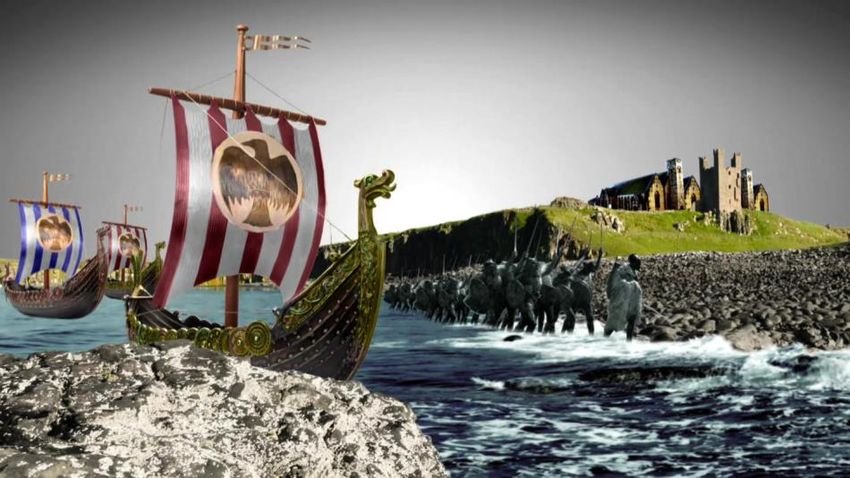
History

             Children will learn where the Vikings came from, where they
   invaded and settled, and reasons why they left Scandinavia. Using sources of
    evidence, children will discuss how we come to know so much about Viking
       life. Sequencing significant events and developments on timelines and
      exploring maps, children will begin to appreciate why the Vikings were
successful and will empathise with the people of Britain who experienced invasion.
We will also learn about how the effect of the Viking raids are still significant today.

                                                          Useful Websites

                   • http://www.primaryhomeworkhelp.co.uk/vikings.html
                   • https://www.natgeokids.com/uk/discover/history/general-history/10-facts-about-the-
                     vikings/
                   • https://www.bbc.co.uk/bitesize/topics/ztyr9j6
                   • https://historykids.net/vikings/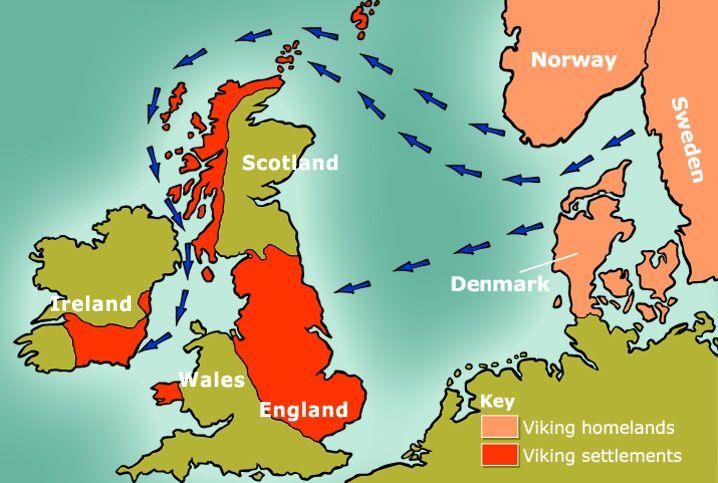
Geography

Children will use physical and political maps to describe key physical and
  human characteristics of regions of Europe before defining the key
physical features of Europe: Danube River, Rhine River, Ural Mountains,
 The Pyrenees, Mediterranean Sea, The Alps, English Channel, Iberian
       Peninsula, Scandinavian Peninsula and The European Plain.

                                   Children will understand that mountains and hills of England are made up of
                                   different terrains, name some of the major mountains of the world and the
                                    UK, and describe what the weather is like in a mountainous environment.

 Children will know and understand what life is like in cities and in villages and in a range of settlement sizes.
                The will learn that the products we use are imported as well as locally produced.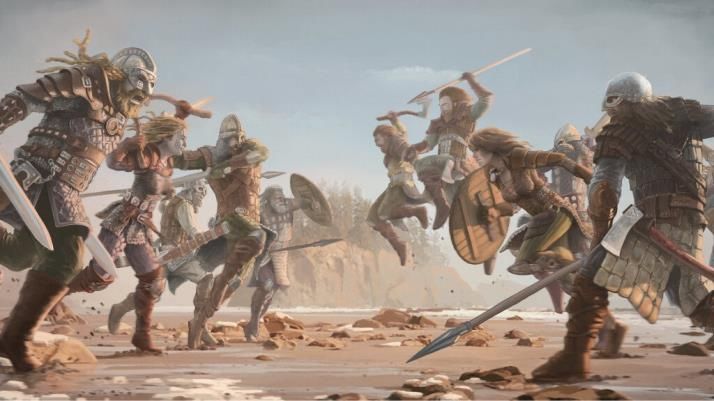
Design Technology

  Children will evaluate current children’s toys identifying their strengths and
    areas for development before designing and making their own moving
    Viking toy. Throughout the designing and making process, children will
 evaluate their ideas and products against their original design specifications.

                             Children will learn that food is grown, reared and caught in the UK, Europe
                              and the wider world. They will link this in with topic work to help them
                                      understand why the Vikings wanted to settle in Britain.

                                                                 Children will use their learning from science
                                                                 lessons to help design and make a moving toy.
                          Science

Children will learn about different forces. They will identify
 the effects of air resistance, water resistance and friction,             https://www.bbc.co.uk/bitesize/topics
that act between moving surfaces and recognise that some                                /znmmn39
  mechanisms including levers, pulleys and gears allow a                   https://www.dkfindout.com/uk/scienc
           smaller force to have a greater effect.                          e/forces-and-motion/what-is-force/
Art

Children will discuss and evaluate the 3D work of Calder before using their sketchbook to plan their own wire
       sculpture through drawing. They will show clearly how they plan to join parts of their sculpture.

 Children will use line, tone, shape and colour to represent
Viking figures in forms of movement (in battle), considering
the position of limbs and facial expression in relation to the
                            context.

                                  Children will recreate a
                                  2D image of a Viking in
                                  battle in 3D, focussing                         Children will manipulate
                                    on capturing body                           paper by curling, rolling and
                                         language.                             pleating to create a 3D Viking
                                                                                   headdress or costume.
Physical Education

Children will develop and improve their ball skills through a variety of activities. They will learn how to move into
 space to catch a travelling ball and know several different ways to pass a ball. Children will pass a ball (by either
   throwing and kicking) to a peer whilst moving, and they will occasionally look up when dribbling a ball. The
               children will confidently change direction while dribbling a ball around a playing area

                    Religious Education                                                 Music

    In a study the Sikh place of worship, The Gurdwara,               Children will play an accompaniment on a
 children will name two of its features in Punjabi and two        glockenspiel, bass drum or cymbal and compose
    actions Sikhs take in the Gurdwara, explaining their          and perform melodies using five or more notes,
                          meaning.                                     creating simple rhythmic patterns with
Children will explain how and why the Guru Granth Sahib              awareness of timbre (quality of sound) and
is treated in the Gurdwara and give a view as to the value             duration (length of notes and intervals).
 of a place of worship. Children will discuss why Sikhs and         Children will read/work out the musical stave
      Hindus celebrate Diwali before highlighting their                 and perform from simple notation on
                         differences.                                        tuned/untuned instruments.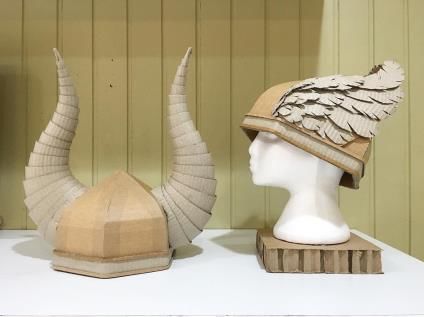
Relationships and Health Education

Children will continue to learn about the different feelings and emotions that they can experience and will begin
    to build up some strategies for managing these. Children will discuss the long-term effects of alcohol and
                     smoking on health and the implications of exercise on their wellbeing.

       Campaigning/Global Goal                                       Rights Respecting Focus/British Values
                                                                  We will explore the right to a safe environment
Make cities and human settlements inclusive,                      and how we can campaign to ensure safety for
                    safe,                                                                all.
      resilient and sustainable for all.

                          Computing                                                 French

Children will learn about how to be a news reporter (Linked         Children will continue to develop their
                           to English)                                French vocabulary focusing on the
As well as this, the children will continue to learn about how            description of characters.
    to be safe online and the impact of online bullying.
Reading

  Reading regularly at school and at home is essential to children’s
 language development: it increases their vocabulary and develops
               their understanding of age-related texts.
 In school, children will use Reading Plus three times per week and
as a result, they will be exposed to a vast range of texts across a vast
                            range of genres.

                                                 Bespoke book focus Diary of a Wimpy Kid

                  Whilst they will have regular reading sessions in school, children will also benefit further by
                  sharing and discussing texts at home. To support your child, you should encourage them to
                  access Reading Plus at home and when sharing non-fiction texts, ask them to consider how
                           the structure and layout helps make the information clear for the reader.
                                    https://student.readingplus.com/seereader/api/sec/login
                                                       Site code: rproseb3
English

Children will examine the literary features and structure of a range of texts. They
 will write their own based on those shared. Children will explore writing stories,
   newspaper articles and descriptive writing of a Viking. They will be thinking
carefully about the language that they need to use and the features that they will
                                  need to apply..

                                                            Spelling

                                    Please ensure that the children continue to learn and apply
                                  weekly spellings ready for their spelling test on a Monday.
                               Tip: Keep previous spelling sheets and use these to re-fresh your
                                                        child’s memory!

                                          https://uk.spellodrome.com/#/home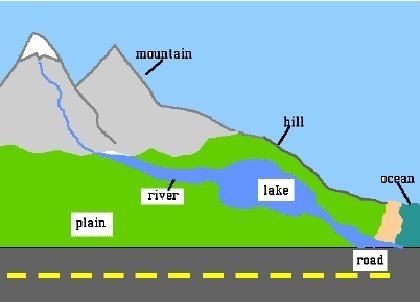
Maths

     Children will continue developing their knowledge of number,
statistics, geometry and measures. This half term children will develop
their knowledge of fractions and decimals. We will build on knowledge
   from year 4 to learn how to add and subtract fractions as well as
    multiply them. Additionally, we will be ordering and comparing
                                                                                        https://home.oxfordowl.
        decimals and using this to solve real life money problems.
                                                                                        co.uk/kids-activities/fun-
                                                                                           maths-games-and-
                                                                                                activities/
In order to support your child with their learning, it would be helpful if you could:
• ask them to calculate the cost of some items when doing the shopping                         Mathletics
and to work out the change you should expect
• involve them when cooking, asking them to weigh out the food and read the
scale, talking to them about measurements
• talk to them about timings during the day using both analogue and digital 12
and 24 hour clocks
• ask them multiplication table questions (just one table a night) e.g. focus on
the 7x table on Monday and ask questions such as 7 x 4, 35 divided by 7
Reading diaries should be in school every day.
Please try to hear your child read at least three times a week and discuss
key themes, events and characters.
Please comment on your child’s reading in the Home School Book.
Homework will be given
Please assist your child in taking each Friday and should be
responsibility for remembering to bring returned the following
their PE kit into school at the start of Wednesday
every new term.
5/2/21 – non-uniform day Curriculum Visits, Visitors and Enrichment
suggested donation £1
Due to current restrictions in place due to Covid-19, we have not
10/2/21 – end of term
treat (nothing is needed organised a visit or visitor for this half term. This is subject to change
from home) and you will be informed with notice if a change is made.Why Did the Vikings
Chose to Invade Britain?
At the end of our Viking topic, after studying the Viking
Reflection Task way of life, children will plan their own
‘We are Viking Invaders’ day in school.
Children will have to think about how to dress as fierce
Vikings using materials in school, what food that they will
eat, what weapons they will need and what they might
make as part of their ‘normal day’.
We expect them to have a fantastic day!
(Nothing is needed from home for this day)Creative
Homework
Hand in day –
Wednesday 10th
February 2021
All children who
complete creative
homework will receive
an extra play time and
small treat.You can also read


