YEAR 10 - Castle Newnham ...
←
→
Page content transcription
If your browser does not render page correctly, please read the page content below
YEAR 10

                                                             Curriculum Newsletter

       Welcome to our termly                    place to start. Follow this link to a selection   Reminders/Key dates:
       curriculum newsletter.                   of radio performances of the novella. This
                                                BBC resource also has links to sets of            Autumn term
Pupils have started their GCSE courses          study notes that pupils can use to develop        7 September - 18 December
this year and in most subjects this builds      knowledge of the text: https://www.bbc.co.        Training day
on all their learning over the years. It is     uk/programmes/b03g64q4                            23 October
more important than ever that pupils start      This link will allow pupils to access a wide
to become more involved in their home                                                             Half term
                                                range of Dickens’ non fiction writing, which
                                                                                                  26 October - 30 October
learning which will either be set by their      will support them with their Paper 2
subject teachers or involve independent         Non-fiction unit.                                 Spring term 2021
study and review of their learning to date.                                                       5 January - 26 March
Please find our assessment calendar,                                                              Half term 2021
dates for parents evening (virtual) and                        SCIENCE                            15 February - 19 February
reports on the school website.

                                                In Year 10 pupils continue their GCSE
              ENGLISH                           courses in science. Pupils have now
                                                made the choice to study either the ‘triple
                                                science’ or ‘combined trilogy science’
                                                course. Both qualifications are
What are we doing this term?                    administered by and assessed by the
Pupils will be preparing for their AQA          AQA exam board.
English Literature Paper 2 in the lead up to    This term, all pupils will start by studying
half term. This unit involves the study of      animal and plant transport in Biology,
the first eight poems from the Power and        structure and bonding in Chemistry and
Conflict cluster, and the development of        energy transfers in Physics. Further
the pupils ability to compare poems linked      information about these courses, along
by theme. The remaining seven poems in          with supporting documentation can be
the cluster will be taught later in the year.   found online via the AQA website.
After half term, pupils will move onto the
study of ‘A Christmas Carol’. They will         To help pupils throughout their GCSE
read the full text and complete a range of      science course, there are a variety of
extract-based analyses to replicate the         excellent resources on YouTube including
questions that will come up in the exam.        free science lessons, Fuse School and
                                                Cognito.
What can you do to support your child?
Talk to them about what they are doing.
Pupils will be provided with a copy of the
poetry anthology but they will require their
                                                                MATHS
own copy of ‘A Christmas Carol’ to allow
them to annotate the text in lessons.           We would like to use this opportunity to
There will be a letter coming out shortly       welcome year 10s back into school and
with advice about which copies to               also to thank parents for all the support
purchase of the set texts. Look out for any     they offered during the lockdown. Most
Charles Dickens documentaries on TV,            pupils participated well with the online
and you could watch ‘The Man Who                work and so they have come back to
Invented Christmas’ on Netflix - this is a      school with a positive mindset and desire
biopic which looks at Dickens’ life at the      to be successful.
time he was writing the Novella.                                                                            Refurbishment
                                                We had planned and scheduled                               being carried out
Wider reading: Many of Dickens’ novels          assessments for the year group at the end                        in the
explore the idea of poverty; Oliver Twist                                                                  Food Technology
                                                of the last academic year to guide us in                      classroom.
and Little Dorritt would be an excellent

                                                        Autumn
Year 10
MATHS (cont….) GEOGRAPHY (cont….)
grouping our pupils into higher and foundation groups, landscapes of the UK. We will also learn how human
but due to lockdown, this did not take place. For this activity changes these landscapes. Following this, we
reason, we will let all pupils sit a test at the end of this will learn about coastal landscapes – the processes
half term. which change them and how human activity interacting
with the physical environment changes our coasts. This
Just like last academic year, all homework will be set on
will include an in-depth study of the coast at Dawlish
‘mathswatchvle’. Pupils are also advised to do at least
Warren and how this can be managed sustainably. River
one hour of independent learning every week in addition
landscapes will be the last section in this topic and will
to their homework. This should be spaced out as 20
include a study of how physical processes change river
minute or 15 minute sessions on any of the online
landscapes and how interaction between these and
platforms or using revision guides or mathematics work
human activity causes flooding. We also learn about
books.
how we can manage hazards such as flooding. Our
At the start of every lesson, all pupils are supposed to in-depth study will be of the River Tees.
complete the starter questions from their starter booklet.
Following this, we move to Topic 2 – Weather Hazards
These are exam style questions which are aimed at
and Climate Change. This includes learning about
exposing pupils to the nature of the short GCSE AO1
atmospheric circulation and how this causes global
questions which usually carry a mark or two. It is
weather patterns. We also consider climate change in
therefore very important that all pupils take them
detail – the natural causes of this and how these have
seriously.
now been superseded by human causes of global
We would like to ask that all pupils come into school with warming. After learning about global climate patterns,
their scientific calculators; pupils need to start using we focus on the causes, impacts and human response
them regularly because they have to be used in two out to both hurricanes and drought, with a focus on
of their three GCSE mathematics exams, and we are Hurricane Sandy and Typhoon Haiyan – tropical storms
unable to provide any for pupils in lessons. affecting the USA as a developed country and the
Philippines as an emerging country. We will consider
drought in California and compare this with the
PE experience of drought in Ethiopia, a developing country.
Throughout the course, pupils will have opportunity to
Physical education looks a little different this year for learn and practise a variety of geographical skills,
every key stage. Despite many considerations to make, including maths and English skills, and to experience
regarding various guidelines, we’ve still managed to and practise a variety of GCSE questions.
create a broad curriculum across secondary. For the first Homework will be set regularly and will be designed to
time, we’ve introduced summer sports to September, as help pupils remember information and apply this.
they were missed during May to July, and fortunately
we’ve had the weather to suit– long may it continue. Together with working hard during lessons and
homework, pupils can further support themselves by
Things start to differ in year 10 and 11 core PE, where using:
they have the opportunity to sculpt their curriculum BBC Bitesize – GCSE Geography – Edexcel
slightly, through some options. For the first time, one of Seneca – a quiz platform – GCSE Geography
the options for year 10 is the ‘Sports Leaders’ Edexcel A
qualification. By the end of the course pupils will have a
qualification that is recognised on personal statements,
giving them that ‘extra something’ to stand out on
college and 6th form applications. The other two options,
for year 10 core PE, include either a fitness or HISTORY
performance focus; delivered through various different
sports.
Ways to help your child`s learning:
Learn around the subject – this could include
GEOGRAPHY reading fiction or non-fiction books about the topic.
It can also involve watching documentaries, films or
programmes such as Horrible Histories. Pupils have
a recommended list in their topic booklet and on the
We are following the GCSE Geography (9-1) Edexcel A Google Classroom.
specification. Talk to your child about their work in school –
We have begun our GCSE studies with Component 1 – challenge their ideas. History is often about different
The Physical Environment, Topic 1 – Changing Land- viewpoints of the same event. By talking about the
scapes of the UK. To start with, we will have an over- work, it can help create new ideas and deepen the
view of UK landscapes, learning about rock types and understanding of what happened.
characteristics and how these, and a range of physical Check the quiz homework is being completed
processes, form distinctive upland and lowland accurately and that revision material is being
Autumn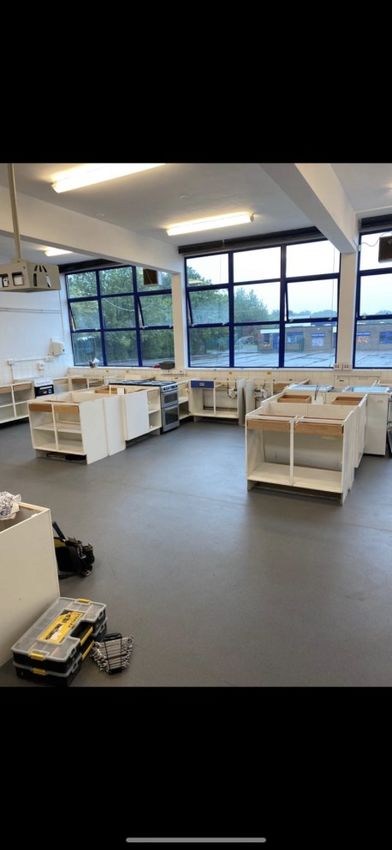
Year 10
HISTORY (cont….) MUSIC (cont….)
prepared as lessons are taught. Each quiz can be further develop understanding of the progression and
taken three times. After each attempt, if the pupil development of popular music. Watch concerts and
has not achieved 100%, this is an opportunity to gigs online. Attend instrumental lessons, develop
check their work before trying the quiz again. This regular practice routines, complete all homework tasks
will help to improve the overall results. and thoroughly prepare for listening tests.
Learn key words in the glossary in the topic booklet.
Greater understanding of the key words will bring
about a deeper understanding of the subject.
Encourage your child to create revision materials as
DRAMA
they learn the topic, rather than wait until the end –
more preparation = less stress later! In GCSE Drama, pupils have been exploring the theatre
Encourage your child to look at the Google sector in line with Component 1 of the GCSE course.
Classroom and the resources available to them – Pupils will be learning about: pace, rhythm, atmosphere
this includes all the materials used in lesson. This and themes within a performance; the different roles and
can help with revision and preparation of revision responsibilities in the theatre; as well as an overview of
material. the production elements to a theatre (lighting, costume,
Support your child in a ‘Little but often’ form of set design and sound). This knowledge will then be
revision. 30 minutes three times a week is more applied to writing a critical review of a live theatre
effective than an hour and a half, once a week. recording. We will continue to explore the chosen live
It is never too early to start revision! production and the social, political and historical
contexts in lessons over the year. Pupils have also
begun refreshing knowledge of the theatre practitioners:
ART Stanislavski, Brecht, Boal and Artaud which were
studied in Year 9. Year 10 pupils have also been
introduced to new practitioners: Berkoff, Grotowski and
Cultures Meyerhold. This work will continue next half term. In
order to extend their learning further, we would
Year 10 pupils begin their course with a two week recommend pupils research a performance based on
drawing workshop. They will be experimenting with one of the practitioners and form a case study on it - this
different drawing materials and working to a variety of will help pupils to see how the practitioner style is
scales. They will then move onto look at ‘World Cultures’ evident in performance.
as a starting point for their GCSE coursework. Pupils
should have chosen a culture to study in detail and Next term, pupils will be exploring a range of stimuli to
should now be collecting photographs and images to create devised drama which is in preparation for
support and develop their own ideas - we want to see Component 2 of the GCSE course.
sketchbooks full of interesting pictures and images.
Pupils will also research ceramic artists and design a
clay vessel to represent their chosen culture. DANCE
MUSIC In GCSE dance, pupils will begin to explore each
component of the course including performance,
choreography and analysis. For performance, pupils will
begin to learn the two key set phrases in readiness for
Pupils have 5 lessons of music per fortnight and are their performance exam. This is to be part of the Dance
linking listening, analysis, performance and Showcase in June. Pupils will also participate in
composition. They will be studying the Conventions of workshops in which they will explore different movement
Pop (1950s to present day) and joining together as a techniques and phrases that will eventually be part of
whole class to gain understanding of performing as a their duet/trio as per the dance course. Pupils will also
larger group and the role of the individual parts to the begin to explore the beginnings of the choreographic
overall texture of the music. They will be studying process and how to create creative and interesting
composition and learning how to use chord patterns as a dances from set stimuli.
starting point and developing rhythmic ideas to create
melodies, hooks and riffs. They will also be developing Finally, pupils will begin to apply theoretical knowledge
their own performance on their chosen instrument. They to Sections A and B of Component 2 (written exam).
will be listening and analysing music using the elements Pupils will understand the importance of safe dance
of music. They also study the theory of music throughout practice, choreographic processes and performance
the year to support their understanding of musical skills.
scales, clefs, notation, note and pitch values as well as
time signatures.
Further learning / Ways to support this learning:
Listen to examples of music from the 1950s - 1980s to
Autumn
Year 10
HOSPITALITY and CATERING MFL (cont….)
Pupils have started this term learning ‘The structure of work alongside Miss Vandewyer in German lessons and
the Hospitality and Catering Industry’, which is one of run a lunchtime German club for those pupils who are
the four units for the exam. We also look forward to keen to deepen their knowledge of German-speaking
introducing the pupils to the newly refurbished food culture and the German language.
technology classroom. The room has been refitted, with
What can you do to support your child?
new sinks, worktops and cupboards and we are very
excited to share this with the pupils this term. As soon as Helping your child does not mean having to know
we can start cooking, we will be building up the essential French or German. Similarly to the advice in English,
practical skills that pupils need to master this year. We encourage them to become ‘word detectives’; making
will be making pasta, roux sauces, bread and choux links with English and other languages that they know
pastry. During this term, pupils will be participating in will help them to guess what words mean. In order to
The Rotary Club’s Young Chef award, where their achieve a good pass and the higher grades at GCSE
cooking will be judged by Josef Plattne - Head Chef at level, that is, Grades 5 - 9, it is essential that pupils have
Cranfield University. It is vital that this year, pupils an understanding of verb usage, and of the past,
remember their ingredients every week. present and future tenses. The most effective way to
.
learn verbs and items of vocabulary is by practising, little
Please don’t hesitate to contact me if you require
and often. Some pupils prefer to use a vocabulary sheet,
support with this.
whilst others prefer to use free language learning
websites such as Duolingo and Memrise. Most pupils
already have a Memrise account but we will be
MFL reminding pupils how to log on and access courses
directly linked to what they are learning in school. To
support with reading and listening skills, Castle
What are we doing this term? Newnham also subscribes to Pearson Active Learn
resources and we will be setting tasks via their website.
French
Pupils will begin by talking about where they live: the
geographical features and discussing what there is to do
and to see in the area. They will describe their town or BPE
village, giving both positive and negative opinions, and
they will learn key facts about some of the regions of
France. Leading up to half term, pupils will be This half term pupils will be studying the Holocaust.
introduced to the simple future tense (what you ‘will’ do): They will be examining what took place during the
they will learn how to discuss the weather forecast and Holocaust and considering how survivors adapted to life
make plans referring to the future. After half term, pupils afterwards. Pupils could look at the Holocaust Memorial
will move on to the topic of holidays. As well as Day website (www.hmd.org.uk) or Yad Vashem website
describing past holidays, they will also learn how to (www.yadvashem.org) for further information. They
describe their dream holiday using the conditional tense could also read books e.g. Anne Frank’s Diary. After this
(what you ‘would’ do). Finally, pupils will prepare role pupils will be looking at a topic on extremism.
play scenarios for ordering food in a restaurant and
booking a room in a hotel.
This year the Modern Languages team welcomes Design Technology
Mrs Young who brings with her a wealth of
experience teaching GCSE Modern Languages; she
has been impressed by Year 10s effort in French, so Pupils in Year 10 will be learning the following over the
keep up the good work everyone! Autumn term:
German Paper size, weight & quality
Pupils will begin by talking about role models and how Commercial printing
they inspire us. They will then move on to describing Surface treatment and printing
their home and talking about a typical day, using Looking at Recycling paper
separable verbs and reflexive verbs. Leading up to half Make a prototype for a printing process.
term, pupils will be revising food and discussing
traditional German meals; they will also talk about a
meal and give opinions using the past tense. After half
term, pupils will move on to the topic of social media
and technology, discussing both how they use them and
the related advantages and disadvantages.
We are looking forward to the arrival of our two
exchange teachers from Bamberg, Bedford’s twin town
in Germany. Mr Hochdorfer and Miss Von Rueden will
AutumnYou can also read


