2018 Iowa Fishing Regulations - Iowa DNR
←
→
Page content transcription
If your browser does not render page correctly, please read the page content below
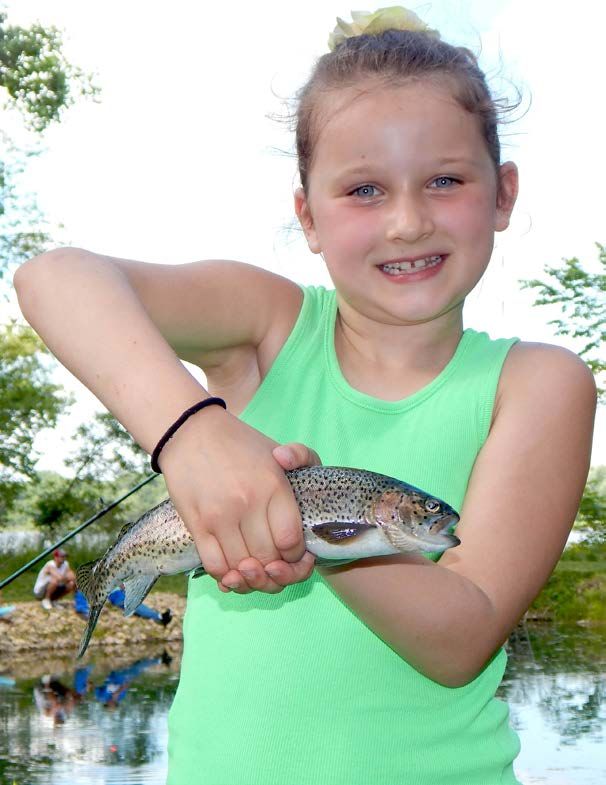
www.iowadnr.gov

  2018
  Iowa Fishing
  Regulations
  Free Fishing Days June 1, 2 & 3
  Iowa Residents Only

This booklet lists rules and regulations you need to fish in Iowa. It is not a complete list of all
fishing regulations nor is it a legal document. For more information, visit www.iowadnr.gov
or contact the DNR Central Office in Des Moines at 515-725-8200.
                                       www.iowadnr.gov/fishing                                        1
Table of Contents                                                      What’s New for 2018?
    Golden Rules for Anglers.....................................3           • New turtle harvest season and catch limits
    License & Permit Requirements...........................3                  started March 22, 2017. See p. 12.
    Threatened & Endangered Species.....................4                    • Changes to Missouri River Paddlefish sea-
    General Fishing Regulations................................5               son start Feb. 4, 2018. See p. 11.
    Health Benefits of Eating Fish..............................8            • Changes to special event fishing tourna-
    Fishing Seasons & Limits.....................................9             ment rules; allow culling during restrictive
    Fish Identification...............................................14       catfish tournaments; no length limit and up
    License Agreement with Bordering States..........16                        to five fish bag for bass tournaments start-
    Fish Consumption Advisories.............................17                 ed July 1, 2017. See p. 5.
    Aquatic Invasive Species...................................18
                                                                             Invite a kid, your best friend or a spouse
    Fisheries Offices Phone Numbers......................20
                                                                             to go fishing on Iowa’s Free Fishing
    Become a Master Angler....................................21
                                                                             weekend, June 1, 2 and 3. Iowa residents
    First Fish Award..................................................22
                                                                             may fish without a license or trout fee;
    Law Enforcement Phone Numbers....................23
                                                                             all other regulations remain in place.
    Iowa Record Fish................................ Back Cover
    2018 License and Permit Fees
    Resident Fishing (On Sale Dec. 15, 2017)                               Nonresident Fishing (On Sale Jan. 1, 2018)
    Annual 16 years old and older         $19.00                           Annual 16 years old and older         $41.00
    3-Year                                $53.00                           7-Day                                 $32.00
    7-Day                                 $13.50                           3-Day                                 $17.50
    1-Day                                  $9.50                           1-Day                                 $10.50
    Annual Third Line Fishing Permit      $12.00                           Annual Third Line Fishing Permit      $12.00
    Trout Fee                             $12.50                           Trout Fee                             $15.00
    Lifetime (65 years old and older)     $52.50                           Boundary Water Sport Trotline         $42.50
    Boundary Water Sport Trotline         $22.50                           Fishing Tournament Permit             $25.00
    Fishing Tournament Permit             $25.00                           Paddlefish Fishing License & Tag      $42.00
    Fishing, Hunting, Habitat Fee Combo   $47.00
                                                                                 LICENSES are available online at
    Paddlefish Fishing License & Tag      $22.00                                 www.iowadnr.gov, at any of the 800 retail
                                                                                 outlets or by calling 1-800-367-1188
    Paying for our natural resources
    The Fish & Game Trust Fund
           There’s been a lot of discussion recently on license fees and who pays for our natural resources.
    I’d like to share a little background on financial support for Iowa’s natural resources.
           Two primary funding sources support management of natural areas for Iowa’s hunting and fish-
    ing activities – fees from hunting, trapping and fishing licenses and federal excise taxes on firearms
    and ammunition (Pittman-Robertson) and federal aid to states for management and restoration of fish
    (Dingell-Johnson).
           Those revenues go to the Fish and Game Trust Fund for use by the Iowa DNR’s Fisheries, Wild-
    life and Law Enforcement bureaus to provide high quality and diverse resources, and to make sure
    everyone plays by the rules.
           In 1996, 88 percent of Iowa voters approved adding the Iowa Fish and Game Trust Fund to the
    state constitution, creating a fund that can only be used for fish and wildlife purposes. The fund does
    not pay for trails, campgrounds, state parks or state forests.
           Revenues in the fund have gone from $66 million in 2011 to $58 million in 2016. The Iowa Legis-
    lature has provided money for specific projects but the bulk of Iowa’s work to support wildlife and fish
    habitat, management and research is supported by you – the license buyer.
           Thank you for buying a license and your continued support of Iowa’s wild places.
                                               Chuck Gipp
                                               Director, Iowa Department of Natural Resources
2                                                             Let's Go Fishing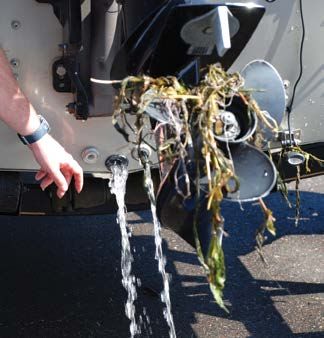
Golden Rules for Anglers                                   be provided to enforcement agencies to establish,
•   Be considerate of anglers with special physical        modify and enforce child support and tax obliga-
    needs when fishing universally accessible facili-      tions. It WILL NOT appear on your hunting or fishing
    ties.                                                  license.
•   Leave the fishing site as clean or cleaner than
    you found it.                                          Requirements to Buy Resident
•   Never discard trash, fishing line or old tackle on     Licenses
    shore or in the water.                                     A nonresident does not live in Iowa. NOTE:
•   Do not spill gas, oil or other pollutants on land or   Iowa residents who have previously hunted, fished
    into the water.                                        and/or trapped as nonresidents should plan ahead
•   Take precautions not to spread invasive plants         to get license privileges as soon as possible. The
    or animals (see p. 18).                                electronic licensing system for hunting, fishing and
•   Report fishing and boating violations at               trapping automatically identifies people who have
    1-800-532-2020.                                        previously bought licenses as nonresidents. This
•   Obey all fishing regulations.                          law change was made to identify a growing problem
•   Treat other anglers and boaters with courtesy          in Iowa of nonresidents falsifying records to illegally
    and respect.                                           get (invalid) resident licenses. If you previously
•   Sinkers, including split shots, are now made           bought a nonresident Iowa license, but are now
    from steel, tin, bismuth and tungsten for anglers      eligible for resident licenses, you must fill out and
    concerned about using lead tackle.                     return a form available at www.iowadnr.gov/fishing.
                                                           License vendors CANNOT make this change at the
License and Permit Requirements                            point of sale and it cannot be done over the phone.
   You can take fish, mussels, turtles, frogs and bait     Contact the local conservation officer for more infor-
with a sport fishing license according to the regula-      mation (p. 23).
tions listed in this booklet. You cannot buy or sell,          A resident must meet one of the following crite-
dead or live, a fish, mussel, turtle, frog or bait         ria.
with a sport fishing license.                                  1. Iowa has been your principal and main resi-
                                                           dence or domicile for at least 90 consecutive days
Special Licenses for Residents                             immediately before you apply for or buy a resident
   Applications for and help with these special            license and you have an Iowa driver’s license or
licenses are available at the DNR central office by        non-operator’s ID. Factors to determine your domi-
calling 515-725-8200, or DNR offices (p. 20) that          cile include, but are not limited to, place of employ-
sell hunting and fishing licenses.                         ment, mailing (street) address, utility records, real
   1) Free Annual Fishing or Combination Hunting           estate records, vehicle registrations and addresses
and Fishing licenses - Available to low-income Iowa        listed on your state and federal income tax records.
residents 65 years or older, or low-income perma-              You are not considered a resident under this
nently disabled residents.                                 paragraph if you live in Iowa only for a special or
   2) Disabled Veteran’s License - Available to Iowa       temporary purpose including, but not limited to,
residents who served for a minimum aggregate of            hunting, fishing or trapping.
90 days of active federal service and who have a               2. You are a full-time student at an accredited
service-connected disability, or were a prisoner of        educational institution in Iowa and live in Iowa while
war during their military service.                         attending the educational institution, or are a full-
                                                           time student under 25 years of age at an accredited
Buying a License                                           educational institution outside the state as long as
   The Iowa Department of Natural Resources is             at least one parent or legal guardian maintains a
required to collect social security numbers from           principal and main residence in Iowa.
anyone getting a hunting, fishing or other recre-              3. You are a student who qualifies as a resident
ational license under section 252J.8 of the Code of        pursuant to the above paragraph only for the pur-
Iowa and 42 U.S. Code 666(a)(13). Your social se-          pose of buying any resident license specified in
curity number is your principal identification number      section 483A.1 or 484A.2.
to determine if you are eligible for licenses. It will
                                             www.iowadnr.gov/fishing                                                 3
4. You are a nonresident under 18 years of age their catch to the one person daily limit of five trout.
with a parent who is a legal resident of Iowa. Children under 16 can buy their own trout privilege,
5. You are a member of the armed forces of the which lets them fish without a properly licensed
United States who is serving on active duty, claims adult and keep their own daily limit (5).
residency in Iowa, and has filed a state individual
income tax return for the preceding year, or is sta- Littering Public Waters
tioned in this state. You cannot throw or deposit cans, bottles, gar-
Dual Residency Not Permitted: Unless you bage, rubbish or other debris, onto or in any Iowa
qualify under 2, 3, 4 or 5 in the previous section, waters, ice or land.
you cannot buy or apply for any resident license or
permit if you have claimed residency in any other
Threatened & Endangered Species
state or country.
You cannot take, possess, transport, import,
export, process, sell or offer for sale, buy or
License and Fees offer to buy, nor can a common or contract car-
Iowa residents and nonresidents 16 years and rier transport or receive for shipment any of the
older must have a valid fishing license on their per- following species of fish, frogs, turtles, mussels
son while fishing, and have paid all applicable fees. or salamanders:
Exceptions: The following do not need a fish- Fish: Lake Sturgeon, Pallid Sturgeon, Pugnose
ing license: Shiner, Weed Shiner, Pearl Dace, Freckled
Residents and nonresidents under 16 years old. Madtom, Bluntnose Darter, Least Darter, Ameri-
Minor pupils of the state school for the deaf, or can Brook Lamprey, Chestnut Lamprey, Grass
minor inmates of other state institutions under the Pickerel, Blacknose Shiner, Western Sand
Department of Human Services (not including in- Darter, Black Redhorse, Burbot, Orangethroat
mates in state penal institutions). Darter, Topeka Shiner
Patients of substance abuse facilities who are Frogs: Crawfish Frog
supervised by an employee of the facility while fish- Turtles: Yellow Mud Turtle, Wood Turtle, Or-
ing, and the facility has been issued a permit from nate Box Turtle, Common Musk Turtle, Bland-
the DNR. A person supervising a group may fish ing’s Turtle
with the group and is not required to have a fishing Mussels: Spectacle Case, Slippershell,
license. Buckhorn, Ozark Pigtoe, Bullhead, Ohio River
Military personnel on active duty with the armed Pigtoe, Slough Sandshell, Yellow Sandshell,
forces of the U.S., on authorized leave from a duty Cylinder, Strange Floater, Creek Heelsplitter,
station outside of Iowa and qualify as an Iowa Purple Pimpleback, Butterfly, Ellipse and the
resident. Military personnel must carry their leave Higgin’s Eye Pearly Mussel
papers on their person and a copy of their current Salamanders: Blue-spotted Salamander,
earnings statement showing a tax deduction for Central Newt and the Mudpuppy.
Iowa income taxes while fishing. In lieu of the earn-
ings statement, they may claim residency by being
registered to vote in Iowa.
Wildlife Violator Compact
Resident and nonresident landowners or tenants
and their children under age 18, may fish on their Iowa is part of the agreement between participat-
lands without a license. ing states that prohibits a person whose hunting
or fishing privileges are suspended in one state
from participating in those activities in another
Trout Fee state.
Iowa residents and nonresidents who are re-
quired to have a fishing license must pay the Trout
Fee to fish for or possess trout. Exception: Iowa Stay Connected
residents and nonresidents under 16 years old may Sign up to get the weekly fishing report and tips
possess or fish for trout without having paid the and hot spots delivered to your e-mail inbox.
Trout Fee if they fish with a properly licensed adult www.iowadnr.gov/fishing/Fishing-Tips-How-Tos
who has paid the Trout Fee and together they limit
4 Let's Go FishingGeneral Fishing Regulations license in the Mississippi, Missouri and Big Sioux
Artificial Light Rivers. All boundary water sport trotlines must have
You may use artificial light to take any fish except the owner’s name and address on a metal tag at-
those species listed as threatened or endangered tached above the waterline. You cannot sell fish
(p. 4). with a boundary water sport trotline license.
Bait Definitions Culling or Sorting
“Bait” includes, but is not limited to, minnows, You cannot sort, cull, high-grade or replace any
Green Sunfish, Orange-spotted Sunfish, live or fish already in your possession. Participants in
dead Gizzard Shad, frogs, crayfish, salamanders DNR-permitted Black Bass and catfish (five fish per
and mussels. “Minnows” are chubs, shiners, suck- boat restriction) tournaments are exempted. Any
ers, dace, stonerollers, mudminnows, redhorse, fish taken into possession by holding in a live well,
Bluntnose and Fathead Minnows. You can only take on a stringer, or in other fish holding devices is part
live mussels from the Mississippi River and its con- of the daily bag limit. Once you reach the daily bag
nected backwaters. The daily and possession limit limit of a species, you can still fish for that species,
is 24 live mussels (p. 10). but you must immediately release all fish caught.
Participants in a DNR-permitted catch and
Bait Collection release bass fishing tournament can possess five
You need a valid sport fishing license to collect Black Bass of any species (Largemouth, Small-
bait for individual use. You can use minnow traps mouth or Spotted) of any length.
not more than 3 feet long. Each trap, when in use,
must have a metal tag attached plainly labeled Definition of “Limits”
with the owner’s name and address. You can use “Daily bag limit” or “possession limit” is the
a minnow dip net not larger than 4 feet in diameter, number of fish a license holder can take or hold in a
a cast net not larger than 10 feet in diameter and specified time. Fish immediately released unharmed
a minnow seine not longer than 20 feet with mesh are not considered part of either limit.
not smaller than one-quarter inch bar measure. You
cannot possess live Gizzard Shad at any lake. Fishing Tournaments - Permits
You cannot take or try to take bait for commercial Required
purposes from any Iowa waters, or transport min- You need a permit issued by the DNR to conduct
nows without a bait dealer’s license. “Commercial a fishing tournament on public waters under the ju-
purposes” are selling, giving or furnishing to others. risdiction of the state. Fishing clinics and youth fish-
Bait dealers must notify their DNR conservation offi- ing days are excluded. “Fishing tournament” means
cer before operating. The licensee must be present any organized fishing event, except for department-
with license in hand when bait is collected. Licensed sponsored fishing events held for educational pur-
bait dealers may use minnow seines not longer poses, involving any of the following: (1) six or more
than 50 feet. Call 515-725-8200 for information on boats or 12 or more participants, except for water
the differences of a retail bait dealer license versus of the Mississippi River, where the number of boats
a wholesale bait dealer license. is 20 or more and the number of participants is 40
or more; (2) an entry fee is charged; and (3) prizes
Bait Dumping or other inducement are awarded. You must submit
It is against the law to dump bait in Iowa lakes, your application via the centralized special events
rivers or streams. Throw away unwanted bait in the application system at www.iowadnr.gov/fishing more
trash. If keeping bait, you must exchange water than 30 days before the event. For more informa-
in the bait buckets with tap or bottled water before tion, contact any fisheries bureau office (p. 20).
you leave any waterbody to prevent the spread of A tournament held on a boundary water (p. 16)
aquatic invasive species (p. 18). must be permitted by the Iowa DNR for anglers to
legally fish Iowa water, regardless in which state the
Boundary Water Sport Trotline tournament is based.
You can use a maximum of four trotlines with
200 hooks with a boundary water sport trotline
www.iowadnr.gov/fishing 5Fishing Private Waters Ice Fishing Shelters
Much fishing in Iowa is done on private waters Ice fishing shelters left unattended on land or
with permission from the property owner. Iowa water under the jurisdiction of the state, must have
residents and nonresidents 16 years old and the owner’s name, street address and city in 4-inch
older must have a valid Iowa fishing license to or larger block letters (in a color contrasting to
fish private ponds and lakes, and trout streams. their background) on all sides, but do not need to
Only owners or tenants of land and their children be registered. Attach reflectors to all sides of any
under 18 may fish on such lands without a license. shelter left on the ice after sundown. Keep shelters
All anglers on private waters must obey rules and unlocked while in use. Remove shelters from all
regulations governing fishing, including bag limits, state-owned lands and waters by Feb. 20 or ice
except there is no daily bag limit for bluegill or crap- melt, whichever comes first, unless the deadline is
pie for private waters. Statewide length limits do not extended.
apply on private waters.
Just because the DNR stocked a pond, does Identification of Catch
not open that pond to public fishing. When fishing You cannot transport or possess fish on any
privately owned waters, ask the property owner for waters of the state unless: a) the species can be
permission to fish, do not block lanes and drive- identified easily by a portion of the skin (at least one
ways, close any gates opened, do not damage square inch) including the scales left on each fish
fences and leave the area clean and litter free. or fillet, and b) the length of fish can be determined
when length limits apply. “Any waters of the state”
Frogs - Catching & Selling includes from the bank or shoreline in addition to
You cannot use any device, net, barrier or fence wading and by boat.
which stops frogs from having free access to and
from the water. You cannot transport any frogs Jug Fishing
taken in Iowa across state lines. You can buy, sell or When jug fishing, you cannot use more than two
possess frogs or any portion of their carcasses that jugs or more than two hooks on each jug. You can-
have been taken legally and shipped in from outside not leave the jugs in the water unattended by being
the state with a bait dealer’s license. Frogs may be out of visual sight of the jugs. You can fish with one
used for food or bait. You can catch frogs on your pole with line and one jug or two jugs and no pole
own land for your own private use. with line. You can fish a third line or jug if you have
a valid third line fishing permit.
Hooks
When fishing by hook and line, you cannot use Mussel Taking
more than two lines or more than two hooks on See p. 10 for possession limit. Licensed anglers
each line when still fishing or trolling. When fly fish- and children younger than 16 years of age may
ing, you cannot use more than two flies on one line. lawfully take and possess mussel species other
When you are trolling and bait casting, you cannot than those listed as threatened or endangered
use more than two trolling spoons or artificial baits (p. 4). Zebra mussels (p. 18) shall not be taken or
on one line. You can use a third line if you have a possessed. Native mussels in the Mississippi River
valid third line fishing permit. You cannot leave fish often have zebra mussels attached to them. Re-
line or lines with hooks in the water unattended by move zebra mussels by scrubbing with a stiff brush
being out of visual sight of the lines. One hook is a before any native mussels are transported.
single, double or treble-pointed hook, and all hooks
attached as a part of an artificial bait or lure are Prohibited Stocking
counted as one hook. An Alabama (umbrella) rig is You cannot stock or introduce any live fish,
not an artificial bait or lure. except for hooked bait (see Bait Definitions on p.
5), into public waters without the permission of the
director of the DNR. Unauthorized stocking leads
to the introduction of undesirable fish species such
as Gizzard Shad, Yellow Bass, Common Carp and
Asian Carp. When these species are stocked they
6 Let's Go Fishingcause ecological and economic harm by displacing You cannot use more than five trotlines with
beneficial native plants and animals, and destroying a valid sport fishing license. These trotlines can-
the quality of the fishery resource. You cannot pos- not have more than 15 hooks total. Each separate
sess live Gizzard Shad at any lake. This does not line must have a tag attached, plainly labeled with
apply to privately owned ponds and lakes. the owner’s name and address. You must check
the line at least once every 24 hours. Remove all
Showing License & Catch to Officer trotlines and parts from the shore if they are not be-
When requested, you must show your license ing actively fished. A trotline is considered actively
and any required fee to any conservation or law en- fished if at least once daily the trotline is left with at
forcement officer or to the owner or person in legal least one baited hook in the water. You cannot use
control of the land or water you are fishing. You also trotlines in a stocked lake or within 300 feet of a
must show your catch to the conservation officer if dam or spillway, or in a stream or portion of stream
asked. which is closed or posted against its use. One end
of the line must be set from the shore and visible
Tip-Up Fishing Device above the shore waterline. You cannot set the line
A “tip-up” is an ice fishing device with an attached entirely across a stream or body of water. Any con-
flag or signal to show fishing action, used to hold servation officer can remove untagged or unlawful
fishing line and a hook. You may fish a combination lines.
of one tip-up and one additional line, or two tip-ups
and no additional lines. You can use an additional Turtles
line or tip-up if you have a third line fishing permit. You can take and possess a maximum of 100
When fishing the Mississippi, Missouri and Big pounds of live turtles or 50 pounds of dressed
Sioux Rivers and their connected backwaters, the turtles with a valid sport fishing license. It is illegal
following regulations apply: you can use up to three to sell turtles taken on a sport fishing license. You
tip-up fishing devices. You can use two or three must have a commercial turtle license to sell turtles,
hooks on the same line, but the total number of including parts and eggs. You cannot take turtle
hooks each person uses cannot exceed three. Each eggs from the wild.
tip-up fishing device must have a tag attached, Nonresidents can only take common snapping
plainly labeled with the owner’s name and address. turtles, spiny softshells, smooth softshells and paint-
You cannot use a tip-up fishing device within 300 ed turtles from the Missouri, Mississippi and Big
feet of a dam or spillway or in a part of the river Sioux Rivers. Nonresidents cannot take any other
which is closed or posted against use of the device. turtles or crayfish anywhere else in the state.
Three tip-up fishing devices may be used in addition Residents can take common snapping turtles,
to two lines with no more than two hooks per line. spiny softshells, smooth softshells and painted
turtles.
Trotlines Turtles can only be taken by hand, turtle hook,
“Trotlines” as used in this section refers to lines turtle trap or hook-and-line. You cannot sort, cull,
commonly called “tagged lines,” “throw lines,” high-grade or replace any turtle in your possession.
“banklines,” “ditty lines,” “ditty poles” and other Turtle traps must have no more than one throat or
names. funneling device. All turtle traps must have a func-
You can use trotlines in all Iowa rivers and tional escape hole with a minimum diameter in all
streams, except those in Mitchell, Howard, Win- directions of 7-1/2 inches to let fish and small turtles
neshiek, Allamakee, Fayette, Clayton, Delaware, pass through. The 7-1/2 inch escape hole on hoop
Dubuque and Jackson counties. Trotlines may be style traps must be in the last hoop to the tail-line.
used in the above nine counties only in the follow- Any unattended gear used to take turtles must have
ing stream sections: Mississippi River; Maquoketa an all-weather gear tag with the owner’s name and
River, mouth to Backbone State Park dam; North address. All turtle traps must be lifted and emptied
Fork Maquoketa River, mouth to Jones-Dubuque of their catch at least once every 72 hours.
county line; Turkey River, mouth to Elkader dam;
and Upper Iowa River, mouth to the first dam up-
stream in Winneshiek County.
www.iowadnr.gov/fishing 7Unlawful Means ton River from directly below Lake Rathbun Dam
You can use gaff hooks or landing nets to help to 300 yards downstream; 6. Spillway area from
you land fish. You cannot use any grabhook, snag- directly below the Spirit Lake outlet to the conflu-
hook, any kind of net, seine, trap, firearm, dynamite ence at East Okoboji Lake; 7. Northeast bank of
or other explosives, or poisonous or stupefying the Des Moines River from directly below the Ot-
substances, lime, ashes or electricity to take or try tumwa Dam, including the catwalk, to the Jefferson
to take any fish. St. bridge. Snagging from the South Market St.
You must return to the water immediately all bridge is also prohibited; 8. Missouri River, any
game fish not hooked in the mouth, except Paddle- Missouri River tributary beginning at its confluence
fish, with as little injury as possible. and extending below its Interstate 29 bridge and the
Big Sioux River from the Interstate 29 bridge to the
Bow Fishing & Spearing confluence with the Missouri River with the excep-
You can take rough fish and frogs by bow and tion of snagging Paddlefish and only Paddlefish
arrow and spear with a valid sport fishing license. during the open season; 9. Des Moines River from
Bow fishing and spearing are allowed on public directly below the hydroelectric dam (Big Dam) to
lakes, reservoirs and rivers, private ponds with the Hawkeye Avenue bridge in Fort Dodge; 10. Des
permission and border waters described on p. 16. Moines River from directly below the Little Dam to
Some state parks, federal refuges and lakes con- the Union Pacific Railroad bridge in Fort Dodge; 11.
trolled by city and county governments may have Skunk River, from directly below the Oakland Mills
additional regulations specific to bow fishing and Dam to the downstream end of the 253rd Street
spearing. boat ramp.
Snagging, bow and arrow fishing and spear-
Bow Fishing, Spearing & Snagging ing is not permitted in the following areas:
A valid sport fishing license lets you take Com- 1. From the Ventura Grade roadway, jetties and
mon Carp, Bighead Carp, bridges of Clear Lake and Ventura Marsh; 2. Within
Silver Carp, Grass Carp, Treble Hook 300 feet of the concrete culvert and metal fish bar-
Black Carp, Bigmouth Buf- rier of Lost Island Lake Inlet; 3. Within 300 feet of
falo, Smallmouth Buffalo, the outlet and metal fish barrier of Lost Island Lake
Black Buffalo, Quillback, Outlet; 4. Within 300 feet of the outlet and metal fish
Highfin Carpsucker, River barrier of Barringer Slough; 5. Beginning at 230th
Carpsucker, Spotted Suck- Avenue and extending downstream to the signed
er, White Sucker, Short- Iowa Great Lakes Sanitary District property line of
head Redhorse, Golden Lower Gar Lake outlet.
Redhorse, Silver Red-
horse, Freshwater Drum,
How to measure Health Benefits of Eating Fish
Shortnose Gar, Longnose
Eating fish is an important part of a healthy
Gar, Bowfin, Gizzard Shad
diet for all ages. Fish are low in saturated fats,
and Goldfish by snagging, bow fishing and spearing
have high quality protein, and important vitamins
and Paddlefish (p. 11) by snagging. You cannot use
and minerals. Some fish can also have omega-3
a hook larger than a 5/0 treble hook or measuring
fatty acids. Eating fish can help with a healthy
more than 1 ¼ inches long when two of the hook
heart and a child’s proper growth and brain
points are placed on a ruler.
development. The American Heart Association
Snagging is not permitted in the following
recommends that people enjoy at least two serv-
areas: 1. Des Moines River from directly below
ings of baked or grilled fish each week, especially
Saylorville Dam to Southeast 14th St. bridge in
oily fish. Eating fish may protect against many
Des Moines; 2. Cedar River in Cedar Rapids from
diseases and illnesses in adults, such as cancer,
directly below the 5 in 1 Dam under I-380 to the 1st
heart disease, dementia, diabetes, depression,
Ave. bridge; 3. Cedar River in Cedar Rapids from
rheumatoid arthritis, psoriasis, prostate cancer,
directly below the “C” St. Roller Dam to 300 yards
stroke and autoimmune disease.
downstream; 4. Iowa River from directly below the
Coralville Dam to 300 yards downstream; 5. Chari-
8 Let's Go FishingFishing Seasons and Limits
Black Bass Largemouth, Smallmouth, Spotted bass combined
Season: All waters - Continuous
Daily Bag & Possession Limit: All Inland Waters and Interior Streams and River Impoundments
- combined daily 3 and possession of 6. See p. 16 for boundary lakes.
Inland Waters1
Length Limits - public lakes, including Coralville, Rathbun, Saylorville and Red Rock reservoirs - 15-inch
minimum except as otherwise posted; special regulations are posted at:
A. 16-inch minimum at Swan Lake (Carroll)
B. 18-inch minimum at lakes Ada Hayden (Story); Ahquabi, Hooper (Warren); Big Creek, Thomas
Mitchell, Yellow Banks (Polk); Casey (Tama); Cold Springs (Cass); Green Valley (Union); Hendricks
(Howard); Krumm (Jasper); Little Wall (Hamilton); Lost Grove (Scott); Mill Creek (O’Brien); Pleasant
Creek (Linn); Smith (Kossuth); and South Prairie (Black Hawk)
C. Catch and release only at lakes Brown (Jackson) and Wapello (Davis)
D. All 12 to 16-inch fish must be immediately released at Lake Hawthorn (Mahaska)
E. All 12 to 18-inch fish must be immediately released at Lake Sugema (Van Buren)
Interior Streams & River Impoundments
Length Limits - 12-inch minimum except all Black Bass caught from the following stream segments must be
released alive immediately:
A. Cedar River (Mitchell) extending downstream from below the Otranto Dam as posted to the bridge on county
road T26 south of St. Ansgar
B. Maquoketa River (Delaware) extending downstream from below Lake Delhi Dam as posted to the first county
gravel road bridge
C. Middle Raccoon River (Guthrie) extending downstream from below Lennon Mills Dam as posted to the
dam at Redfield
D. Upper Iowa River (Winneshiek) extending downstream from the Fifth Street bridge in Decorah as posted to
the upper dam.
Boundary Rivers2
Daily Bag & Possession Limit: Boundary Rivers - combined daily 5 and possession of 10
Length Limits - 14-inch minimum on the Mississippi River and 12-inch minimum length limit on the Mis-
souri River. Associated chutes and backwaters of the border rivers are included where intermittent or
constant flow occur. No length limit on the Big Sioux River. Browns Lake Mississippi River (Jackson) is
catch and release only.
Bluegill, Crappie & Pumpkinseed
Season: All waters - Continuous
Length Limits: All waters - None
Daily Bag and Possession Limits
Inland waters1 - 25 daily for Bluegill and 25 daily for crappie on public waters and no possession limit for
either. No daily limit for Bluegill or crappie on private waters. See p. 16 for boundary lakes.
Boundary rivers2 - Missouri and Big Sioux Rivers - None. Mississippi River and connected backwaters;
daily bag limit of 25 and possession limit of 50 for each of the following: Bluegill and Pumpkinseed com-
bined, and crappie.
www.iowadnr.gov/fishing 9Catfish Channel, Blue, Flathead Catfish combined & bullhead
Season: All waters - Continuous
Length Limits: All waters - None
Catfish Daily Bag & Possession Limits
Inland lakes - Catfish combined daily 8 and possession 30, except for Iowa boundary lakes listed on p. 16.
No limit for bullheads.
Inland streams, Coralville, Rathbun, Red Rock and Saylorville Reservoirs - Catfish combined daily 15
and combined possession 30. No limit for bullheads.
Boundary rivers2 same as streams except no bag or possession limit on the Mississippi River.
Frogs, except for the endangered crawfish frog
Season: All waters - Continuous
Length Limits: All waters - None
Daily Bag & Possession Limits: All waters - All frogs except bullfrogs and crawfish frogs combined
daily: 48 and possession: 96. Bullfrogs combined daily and possession: 12. Crawfish frogs are protected as
an endangered species. See p. 4.
Muskellunge including Hybrids (Tiger) (Identification p. 14)
Season: All waters - Continuous except there is an open season on West Okoboji, East Okoboji and
Spirit Lakes (Dickinson County) and on Iowa-Minnesota boundary lakes from May 21 through Nov. 30,
each year.
Length Limits: All waters - 40 inches minimum length limit
Daily Bag & Possession Limits: All waters - Daily and possession of 1.
Mussels All mussels except for those listed as threatened or endangered (p. 4) and the Zebra Mussel (p.
18). The angler is responsible for the identification of the mussel species in possession.
Season: All waters - Continuous but the taking of mussels is restricted to the hours between sunrise and
sunset.
Length Limit: All waters - None
Daily Bag & Possession Limit: Inland waters1, Missouri River and Big Sioux River - Only dead
shells may be harvested. Mississippi River and connected backwaters, live and dead shells may be har-
vested. The possession limit for all waters is 24 whole mussels or 48 shell halves. See p. 6 “Mussel Tak-
ing.”
Northern Pike (Identification p. 14)
Season: All waters - Continuous
Length Limit: All waters - None
Daily Bag & Possession Limit
Inland waters1 - Daily of 3 and possession of 6. For boundary lakes, see p. 16.
Boundary rivers2 - Daily of 5 and possession of 10 on the Mississippi and Missouri Rivers and a daily of 6
and possession of 12 on the Big Sioux River.
10 Let's Go FishingPaddlefish
Season: Continuous open season on all interior waters, except you cannot snag in areas closed to snagging
(p. 8). The open season on the Mississippi River is March 1 through April 15. Snagging for Paddlefish on the
Mississippi River is restricted to the area within 500 yards below the navigation dams and their spillways. The
open season on the Missouri and Big Sioux Rivers is Feb. 4 through April 30. The open area is limited to Iowa
waters only, starting at the Big Sioux River below the I-29 bridge to the Big Sioux River’s confluence with the
Missouri River and in the Missouri River, including all backwater and sloughs and any Missouri River tributary
starting at its confluence and extending below its I-29 bridge, starting at the Big Sioux River confluence and
extending to the Hamburg Landing boat ramp. Snagging hours on the Big Sioux and Missouri Rivers is sunrise
to sunset. You cannot use hooks larger than 5/0 treble or measuring more than 1-1/4 inch long when two of the
hook points are placed on a ruler (p. 8).
Length Limits: None, except for the Mississippi River where there is a 33-inch maximum length limit; and on
the Big Sioux and Missouri Rivers, there is a 35-45-inch protected slot limit. You must immediately release alive
all fish measuring 33 inches or more on the Mississippi River and 35-45 inches on the Big Sioux and Missouri
Rivers. Measure the length of a Paddlefish from the front of the eye to the natural unaltered fork of the tail. (See
illustration below). Use a flexible tape to measure along and over the center line contour of the fish while it is
lying flat. You must immediately release alive all fish you do not take into possession.
Daily Bag & Possession Limit: All waters - daily of 2 and possession of 4 except the daily and pos-
session limit is two in the Big Sioux River, Missouri River and any Missouri River tributary to its I-29 bridge.
Big Sioux & Missouri Rivers Special License and Regulations:
You must have a valid resident or nonresident fishing license in addition to the Paddlefish fishing license
with unused tag(s) to fish for Paddlefish in the Big Sioux and Missouri Rivers. Residents and nonresidents
under 16 years of age must have a Paddlefish fishing license and unused tag(s) to fish for Paddlefish.
Licenses are available first come, first served - 950 resident licenses and 50 nonresident licenses are avail-
able each year. You can buy up to two tags per year - one from Dec. 15 to Dec. 31 and an additional tag
from Jan. 1 to Jan. 7, or two tags if you didn’t buy one in December. To buy a license, go to www.iowadnr.
gov/fishing. Anglers with a Paddlefish fishing license and unused tag(s) can snag fish to catch Paddlefish
and rough fish (see p. 8 for list). You cannot use a gaffe hook or other penetrating device to help land a
snagged fish. Once you have caught and tagged a Paddlefish, you must stop snagging. Immediately upon
taking into possession a legal Paddlefish, attach the valid current year transportation tag issued with the
license to the fish’s lower jaw in a way that it cannot be removed without mutilating or destroying it. A dam-
aged tag or closed tag not attached to a Paddlefish is no longer valid. You cannot possess a Paddlefish
fishing license or transportation tag issued to another angler, or tag a Paddlefish with a transportation tag
issued to another angler. The transportation tag must be attached before you can move the carcass from
the place of harvest and remain attached to the Paddlefish until it is processed for consumption. The Pad-
dlefish must remain intact except for the snout in front of the eye until the fish reaches the final processing
place. The “final processing place” is defined as the angler’s residence or the location where consumption
occurs. The transportation tag is proof of possession of the carcass by the licensee.
Shovelnose Sturgeon (Identification p. 15)
Season: All waters - Continuous except no harvest allowed in Big Sioux River.
Length Limit: All waters - None
Daily Bag & Possession Limits: All waters - None, except the daily bag limit is 10 and possession
limit is 20 in the Missouri River. You cannot sell eggs with a sport fishing license.
Measuring a Paddlefish and Shovelnose Sturgeon
Correct Measurement
Measuring a Paddlefish
Measure from the front of the eye to the
unaltered fork in the tail.
Measuring a Shovelnose Sturgeon
Measure from the tip of the snout to the unaltered fork in the tail.
www.iowadnr.gov/fishing 11Threatened and Endangered Species (p. 4)
Season: All waters - Closed
Trout Brook, Brown and Rainbow (Identification p. 15)
Season: All waters - Continuous
Length Limits: None, except a 14-inch minimum length limit for all trout in Spring Branch Creek
(Delaware), from the spring source to County Hwy. D5X as posted, and on Brown Trout only in portions of
Bloody Run Creek (Clayton) where posted.
Daily Bag & Possession: All waters - Combined daily of 5 and possession of 10.
Catch & Release Only: You must release alive immediately all trout caught from the posted portion of
Hewett and Ensign Creeks (Clayton); McLoud Run (Linn), South Pine Creek (Winneshiek); and Water-
loo Creek (Allamakee); and Brown Trout caught from French Creek (Allamakee).
Special Restrictions:
Artificial Lure Only: You can only use artificial lures in the posted areas of Bloody Run Creek, Ensign
Creek and Hewett Creek (Ensign Hollow), French Creek, McLoud Run, South Pine Creek, Spring
Branch Creek and Waterloo Creek. Artificial lures do not contain or have applied to them any natural or
human-made substance designed to attract fish by the sense of taste or smell.
Turtles Common Snapping, Spiny Softshell, Smooth Softshell and Painted
Season: All waters - Continuous for common snapping turtles; Open season for spiny softshell, smooth
softshell and painted turtles is July 16 to May 14.
Length Limits: None
Daily Bag & Possession: Daily of 4 common snapping, 1 spiny softshell or smooth softshell, 1 painted
and possession of a maximum of 100 pounds of live turtles or 50 pounds of dressed turtles; the daily catch
limit cannot exceed the possession limit.
Walleye, Sauger & Saugeye (Identification p. 14)
Inland Waters
Season: Continuous except on West Okoboji, East Okoboji and Spirit Lakes (Dickinson). The open sea-
son on West Okoboji, East Okoboji and Spirit Lakes is from May 5, 2018 through Feb. 14, 2019.
Length Limit: None except for the special lakes which are posted or published below.
Daily Bag & Possession Limit: Combined daily 5 and combined possession limit of 10, except for
special lakes listed below and boundary lakes listed on p. 16.
Special Walleye Restrictions: The lakes listed below have a daily bag limit of 3 and possession limit
of 6 in addition to special length restrictions.
Big Creek Lake (Polk) 15-inch minimum length limit, and no more than one Walleye longer than 20-inches
may be taken per day;
Clear Lake (Cerro Gordo) 14-inch minimum, and no more than one Walleye longer than 22-inches may be
taken per day;
Storm Lake (Buena Vista) and West Okoboji, East Okoboji, Spirit, Upper Gar, Minnewashta, Lower
Gar (Dickinson) immediately release alive all 17 to 22-inch Walleyes; no more than one Walleye longer
than 22 inches may be taken per day.
Boundary Rivers2
Season: Continuous
Length Limit: A 15-inch minimum length limit applies to Walleye on all pools of the Mississippi River. In
addition, you must immediately release alive all walleye from 20 to 27-inches caught from below Lock and
Dam 11 at Dubuque to the Missouri state line, and no more than one Walleye above 27-inches may be
taken per day on these pools.
DAILY BAG & POSSESSION LIMIT: Mississippi River combined daily 6 and combined possession of 12.
Big Sioux and Missouri rivers - combined daily of 4 and possession of 8.
12 Let's Go FishingYellow Bass, White Bass, Rock Bass & Hybrid (Wiper)
Season: All waters1 - Continuous
Length Limit: All waters - None
Daily Bag & Possession Limits:
Inland waters1 - None
Boundary rivers2 Missouri and Big Sioux Rivers - None. Mississippi River and connected backwaters;
daily bag limit of 25 and possession limit of 50 for each of the following: White and Yellow bass combined,
and Rock Bass.
Yellow Perch
Season: All waters - Continuous
Length Limit: All waters - None
Daily Bag & Possession Limits: All waters - Daily of 25 and possession of 50 except there is no
daily or possession limit on the Missouri River. For Boundary lakes, see p. 16.
All Other Fish
Season: All waters - Continuous
Length Limits: All waters - None
Daily Bag & Possession Limits: All waters - None
1
Inland waters of the state include all interior lakes and streams including: Green Island Lake and Slough
(Jackson), Middle and Upper Sabula (Jackson) and Lake Odessa (Louisa).
2
Boundary rivers of the state include the Mississippi, Missouri, Des Moines (Van Buren and Lee) and Big
Sioux and their backwater lakes and sloughs.
Visit the DNR fisheries website at www.iowadnr.gov/fishing to find out more about Iowa fish and fishing.
Looking for information on hunting, boating and camping? Go to www.iowadnr.gov.
www.iowadnr.gov/fishing 13Fish Identification
Walleye & Sauger
Anglers need to know the difference between Walleye and Sauger due to differences in length limits.
Walleye
Walleye have a white tip on the lower
tail fin; do not have distinct blotches or
mottling on the sides; forward (spiny)
portion of the dorsal fin has dark
streaks or blotches instead of distinct
black spots.
Photo courtesy of Jim Negus, www.tnfish.org
Sauger
Sauger do not have a white tip on
the lower tail fin; back is crossed with
several darker saddles or blotches
extending down on both sides; dis-
tinct black spots on the forward
(spiny) portion of the dorsal fin
aligned in rows.
Photo courtesy of Jim Negus, www.tnfish.org
Iowa’s Pike Family
Lakes and streams may contain muskie and Northern Pike. It is important for anglers to know the
difference among members of the pike family to obey appropriate size, catch and possession limits.
Northern Pike
They are normally a bluish-green to gray on the back
with irregular rows of light-colored horizontal bean-
shaped spots on the sides. There are five or fewer
pores on each side of the lower jaw. The entire cheek
and upper half of the gill cover is scaled.
Muskie 6 to 8 pores per side Pike up to 5 pores per side
Muskellunge
Muskies usually are olive to dark
gray with tiger-like vertical markings
on the side. They have 6 to 8 pores
on each side of the lower jaw. Only
the upper half of both the cheek and
gill cover is scaled.
14 Let's Go FishingTrout
Rainbow Trout
Olive to greenish-blue above and silvery
below with a prominent horizontal red band
on the side. There are many small, dark
spots on the body, dorsal fin and tail.
Brown Trout
Olive to greenish-brown. The large black
and reddish-orange spots on the sides
of the fish have a pale border. The lower
portions of the fish are yellow, fading to
gray or white beneath. Browns have few or
no spots on the tail fin.
Brook Trout
Vivid white markings on the front edges of
the lower fins. They also have light “worm-
like” markings on the back. General color:
olive to gray-green.
Sturgeon
Lake Sturgeon
Endangered: If caught, release
immediately, unharmed.
l Short snout turns up at end
l Barbels are not fringed
Pallid Sturgeon
Endangered: If caught, release
immediately, unharmed.
l Outer barbels twice as long as inner
barbels
l Base of barbels “U” shaped, inner
two set out in front
l Smooth belly
Shovelnose Sturgeon
l Barbels all the same length
l Barbels straight across
l Rarely exceeds 4 pounds
l Belly is scaled
Sturgeon images are courtesy of the Missouri Department of Conservation.
www.iowadnr.gov/fishing 15License Agreements with Bordering States
Fish privileges on boundary waters common to Iowa and a bordering state are mutually agreed
upon by the neighboring states. You can fish boundary waters common to Iowa with a valid fishing
license, but it is your responsibility to know which state you are fishing in and the regulations for the
water that you are fishing. (See the following table).
A resident or nonresident with a Mississippi River Missouri River Big Sioux River Des Moines Border Lakes
valid Iowa fishing license Wisconsin1 Illinois Nebraska South Dakota River Missouri3 Minnesota
May hook and line fish only X X
May hook and line fish, spear X X X4
and archery fish
May hook and line fish, spear X
and take minnows and crayfish
for such fishing
May fish all sloughs and back- X X X2 X3
waters connected with the main
channel
May fish from a boat or the X X X X
bank of either state
May not fish from or attach any X X
device or equipment to the main
bank of the state where you are
not licensed, cannot fish any
tributary
Must comply with the regula- X
tions of the state in which you
are fishing
When fishing in water in which X X X X X4
you are not licensed you must
comply with the state having the
more restrictive regulations.
1
Wisconsin-Iowa - You only can fish in the waters of the Mississippi River lying between the Chi-
cago, Milwaukee and St. Paul railroad tracks on the Iowa side of the river and the Chicago, Burling-
ton and Quincy railroad tracks lying on the Wisconsin side of the river.
2
Nebraska-Iowa - Waters of the Missouri River include all oxbows, sloughs, chutes and back-
waters that draw water from the Missouri River proper. Included are any oxbows, chutes and back-
waters separated from the river but through which the Iowa-Nebraska stateline passes. In Desoto
Bend Lake, you must obey federal refuge regulations.
3
Missouri-Iowa - Included are any oxbow lakes separated from the river but through which the
Iowa-Missouri state line passes.
4
Minnesota-Iowa boundary lakes include Little Spirit Lake (Dickinson), Iowa Lake (Osceola),
Burt (Swag) Lake (Kossuth), and Iowa and Tuttle (Okamanpeedan) Lakes (Emmet). The following
species have a continuous open season with a daily bag and possession limit set forth below: Wall-
eye, Northern Pike and in combination Largemouth and Smallmouth Bass daily bag and possession
limit three. There is no length limit for bass. Channel Catfish daily bag and possession limit eight.
Crappie species and sunfish species (Bluegill, Pumpkinseed, Green Sunfish, Orangespotted Sun-
fish, Longear Sunfish, Warmouth and hybrids) in aggregate, bag and possession limit 25. Muskel-
lunge daily bag and possession limit one with an open season beginning May 21 through November
30 and a 40-inch minimum length limit shall apply on all border lakes. Spearing or archery may be
used to take carp, buffalo, Bowfin, Sheepshead, gar and Quillback Carpsucker. All species not listed
above are subject to the inland regulations of the state and have a continuous open season.
16 Let's Go FishingFish Consumption Advisories recommend that pregnant and nursing women,
Every year, Iowa DNR biologists collect tissue those planning to become pregnant and children
samples of fish for laboratory analyses. Results 12 years or younger limit their consumption to
of these analyses show that most fish are safe to one meal per week of all larger size predator fish,
eat even though trace amounts of chemicals may such as Walleye and bass. Predator fish are more
be present in fish tissue. Mercury and polychlori- likely to have higher concentrations of mercury
nated biphenyls (PCBs) are the chemicals most (see https://www.fda.gov/Food/ResourcesForYou/
likely to accumulate in fish and exceed Iowa’s Consumers/ucm393070.htm); however, con-
risk-based advisory levels that are based on guid- sumption of panfish by these higher risk individu-
ance provided by the Iowa Department of Public als is considered safe unless otherwise posted.
Health. Find the most up to date list of consumption
Fish consumption advisories are issued wher- advisories at: www.iowadnr.gov/Environmental-
ever it is confirmed that Iowa’s advisory levels are Protection/Water-Quality/Water-Monitoring/Fish-
exceeded. Consumption advisories usually focus Tissue. New advisories are issued and existing
on predator and bottom-feeding species. Panfish advisories are removed, based on results of an-
(crappie, Bluegill, Yellow Perch) are generally nual fish contaminant monitoring in Iowa.
safe to eat with almost no risk.
The U.S. Environmental Protection Agency
(EPA) and Food and Drug Administration (FDA)
Safe Eating Guidelines
Do not eat more than 1 meal/week of, Advisory contaminant
Lake (County)
Channel Catfish, PCBs
McKinley Lake (Union)
Largemouth Bass, Mercury
Grade Lake (Clarke), Lake Geode (Henry), Lake Iowa (Iowa), Lake Keomah (Mahaska), Lake Miami (Monroe),
Lake Wapello (Davis), Mormon Trail Lake (Adair), Nine Eagles Lake (Decatur), North Banner Lake (Warren),
Pollmiller Park Lake (Lee), Red Haw Lake (Lucas), South Banner Lake (Warren), Upper Centerville Reservoir
(Appanoose)
Snapping Turtle, Mercury
Pollmiller Park Lake (Lee)
Do not eat more than 1 meal/week of, Advisory contaminant
River Reaches (County)
Any Predator Fish, Mercury
Cedar River from HWY 218 bridge at Floyd (Floyd) to the IA/MN state line (Mitchell), Iowa River from the upper
end of Coralville Reservoir near Swisher (Johnson) to the dam in Iowa Falls (Hardin); Shell Rock River from the
West Fork Cedar River confluence near Cedar Falls (Black Hawk) to the Winnebago River confluence near Rockford
(Floyd); Turkey River from Mississippi River confluence near Millville (Clayton) to the Volga River confluence near
Garber (Clayton); and West Fork Des Moines River from the East Fork Des Moines River confluence near Dakota
City (Humboldt) to HWY15 south of West Bend (Humboldt/Pocahontas)
Any Fish, Mercury
Upper Iowa River from County Road 76 near Dorchester (Allamakee) to County Road W20 (Bluffton Road) near
Decorah (Winneshiek)
Common Carp over 20 inches in length, PCBs
Mississippi River (Scott), Pool 15 at Davenport
Smallmouth Bass, Mercury
Volga River from Volga (Clayton) to its headwaters near Hawkeye (Fayette) including the Little Volga and North
Branch Volga Rivers
www.iowadnr.gov/fishing 17Aquatic Invasive Species
Bighead Carp, Silver Carp, Eurasian watermilfoil, zebra mussels and other nonnative aquatic
species threaten Iowa waters. These aquatic invaders do not occur naturally in our lakes and rivers.
When stocked into them, they can cause ecological and economic harm by displacing native plants
and animals, damaging water resources and interfering with water-based recreation, including fish-
ing.
County, Waterbody
Eurasian Watermilfoil
Black Hawk, George Wyth Lake Bremer, Sweet Marsh, Martens Lake, Wilson
Grove Pond Cerro Gordo, Blue Pit Fremont, Percival Lake, Pinky’s Glen, Scott
Lakes Kossuth, Siems Park Ponds, St. Benedicts Ponds Marion, Ted Johnson
Pond Mills, Mile Hill Lake, Pony Creek Lake O’Brien, Mill Creek Lake Palo
Alto, Sportsman’s Lake Pottawattamie, Carter Lake Story, Jennet Pond Tama,
Otter Creek Marsh Pond Webster, Brushy Creek Lake Multiple Counties, Mis-
sissippi River
Brittle Naiad
Adair, Meadow Lake Benton, Hannen Lake, Rodgers Lake Black Hawk,
George Wyth Lake Boone, Don Williams Lake Bremer, Martens Lake,
Plainfield Lake Buchanan, Koutny Pond Carroll, Great Western Park Pond
Crawford, Nelson Park Pond, Yellow Smoke Lake Davis, Lake Wapello De-
catur, Nine Eagles Lake, Slip Bluff Lake Dubuque, Bergfeld Pond Fayette,
Volga Lake Grundy, Grundy County Lake Guthrie, Springbrook Lake Han-
cock, Eldred Sherwood Lake Hardin, Lower Pine Lake, Upper Pine Lake
Harrison, Willow Lake Henry, Lake Geode Howard, Lake Hendricks Ida,
Crawford Creek Lake, Moorehead Park Pond Iowa, Lake Iowa Johnson,
Lake Macbride Jones, Central Park Lake Keokuk, Belva Deer Ponds Linn,
Mt. Vernon Quarry, Murphy Lake, Pleasant Creek Lake Mahaska, White Oak Lake Marshall, Sand
Lake Mills, Mile High Lake Monroe, Lake Miami O’Brien, Dog Creek Lake Sac, Black Hawk Lake,
Black Hawk Slough, Arrowhead Lake Shelby, Prairie Rose Lake Tama, Casey Lake Van Buren,
Indian Lake, Lacey-Keosauqua Lake, Lake Sugema, Morris Park Pond, Tug Fork West Webster,
Brushy Creek Lake Winneshiek, Lake Meyer Woodbury, Little Sioux Park Pond, Snyder Bend,
Southwood Ponds Multiple Counties, Mississippi River
Flowering Rush
Dubuque, Mississippi River Jackson, Mississippi River
Zebra Mussels
Appanoose, Lake Rathbun Cerro Gordo, Blue Pit, Bluebill Lake,
Clear Lake Dickinson, Okoboji/Spirit Chain of Lakes Wright,
Lake Cornelia Multiple Counties, Mississippi River; Missouri
River; Winnebago, Shell Rock, West Fork Cedar, Cedar, Iowa Riv-
ers between Clear Lake and Mississippi River; Maquoketa River
between Delhi and the Mississippi River
18 Let's Go FishingSilver Carp, Bighead Carp
Clay, Elk Lake Dickinson, Okoboji/Spirit Chain of Lakes, Mill Creek Harrison,
Desoto Bend Palo Alto, Lost Island Lake Wapello, Ottumwa Lagoon Wood-
Silver Carp bury, Snyder Bend Multiple Counties, Mississippi, Chariton, Des Moines,
Skunk, Iowa, Cedar, Missouri, Big Sioux, Little Sioux, Nishnabotna, Nodaway
and Platte rivers
Bighead Carp
Aquatic Invasive Species Regulations
You cannot possess, introduce, buy, sell or transport aquatic invasive species in Iowa except
when a species is being removed from watercraft and equipment at a water access, is caught and
immediately killed or returned to the water from which it came, or is being transported in a sealed
container for identification purposes.
Do your part; protect our waters from aquatic invasive species
It’s the Law!
• CLEAN any plants, animals, or mud
from your boat and equipment before
you leave a waterbody.
• DRAIN water from all equipment
(motor, live well, bilge, transom well)
before you leave a waterbody. Drain
plugs must be removed at the wa-
ter access and remain open during
transport.
• DRY anything that comes into con-
tact with water (boats, trailers, equip-
ment, boots, clothing, dogs). Before
transporting to another waterbody
either: Spray your boat and trailer
with hot, high-pressure water; or Dry
your boat and equipment for at least
five days.
• Never release plants, fish, or ani-
mals into a waterbody unless they
came out of that waterbody. Empty
unwanted bait in the trash.
Photo courtesy of Wildlife Forever
For more information, call the Iowa DNR Aquatic Invasive Species Program at 515-432-2823 or go to
www.iowadnr.gov/ais.
www.iowadnr.gov/fishing 19Length Limits How to Measure Fish Length
Length limits are an important tool in fish Measure total length from the tip of the snout
management. Length limits are used in Iowa to to the end of the tail with the fish laid flat, mouth
protect important predator species such as bass, closed and tail lobes pressed together. See p. 11
Walleye, muskie and trout from overharvest. for Paddlefish and Shovelnose Sturgeon mea-
Length limits are also used to provide larger surement.
quality size fish to catch. Length limits are not
the cure-all to better fishing. Improved fishing
opportunities do exist where anglers obey the
law and return fish outside the length limit un-
harmed to grow and be caught again.
Estimate Fish Weight
Estimate the weight of a released fish with the following formula:
sunfish, Walleye, northern, muskie and Largemouth and Smallmouth bass, take the length in inches
and multiply it by itself 3 times.
Divide that total by the following number for each species: sunfish, divide by 1,200; Walleye,
divide by 2,700; northern and muskie divide by 3,500; Largemouth and Smallmouth bass, divide by
1,600; catfish, divide by 3,300.
For example, a 20-inch Largemouth Bass.
First multiply 20 x 20 x 20 (20 x 20 = 400, 20 x 400 =8,000) then divide 8,000 by 1,600 = 5
You have just released a 5-pound Largemouth Bass!
For trout, multiply the girth (distance around the body) by itself and then multiply that value by the
fish’s length and divide by 800.
Poaching is A Crime!
Fisheries Phone Numbers If you see or know
DNR Central Office - Des Moines__________ 515-725-8200 of a fish or wildlife
violation, report it
Bellevue Fisheries Station________________ 563-872-4976
to TIP as soon as
Big Spring Hatchery_____________________ 563-245-2446 possible by calling
Black Hawk Station_____________________ 712-657-2638 1-800-532-2020. Provide as much
Boone Research Station_________________ 515-432-2823 information as possible when you
Chariton Research Station_______________ 641-774-2958 call, such as a description of the
Clear Lake Station______________________ 641-357-3517 individual, vehicle and the time and
Decorah Fisheries Station________________ 563-382-8324 location of the violation.
Fairport Fish Hatchery___________________ 563-263-5062 A conservation officer will be
Guttenberg Fisheries Station______________ 563-252-1156 sent to investigate. Since the TIP
Lake Darling Regional Office______________ 319-694-2430 program began in 1985, about
Lake Macbride Station___________________ 319-624-3615 $230,000 has been approved in
Manchester Fish Hatchery _______________ 563-927-3276 reward payments.
Mississippi Monitoring Station_____________ 563-872-5495 Turn In Poachers
Mt. Ayr Fish Hatchery___________________ 641-464-3108 1-800-532-2020
Onawa Fish Station_____________________ 712-249-1997 or online at
Rathbun Fish Hatchery__________________ 641-647-2406 www.iowadnr.gov/tip
Southwest Regional Office_______________ 712-769-2587 You can remain anonymous!
Spirit Lake Fish Hatchery________________ 712-336-1840
20 Let's Go FishingYou can also read


