Propulsion Products Catalog October 2016 - Orbital ATK
←
→
Page content transcription
If your browser does not render page correctly, please read the page content below
Orbital ATK, Inc.					Orbital ATK, Inc.
Missile Products 					Propulsion Systems
55 Thiokol Road					   5000 South 8400 West
Elkton, MD 21921					  Magna, UT 84044
Tel (410) 392-1000					Tel (801) 250-5911
Fax (410) 392-1205

Dear Customer:

Orbital ATK would like to take this opportunity to provide you with the latest version of our Propulsion
Products Catalog to help you address your future propulsion requirements. This catalog describes
flight-proven motors and development motors in our product line. These products provide a
wide range of proven designs, existing manufacturing processes, and tooling which enable paths
to lower risk and lower cost solutions to your requirements. Generally, flight-proven current
production products can be delivered the soonest for the least risk and lowest non-recurring cost,
providing some advantages over new designs.

If current production motors contained in this catalog do not address specific needs, we have the
capability to modify designs to meet application motor performance requirements. The practicality
of tailoring motor performance has been demonstrated many times in derivatives of earlier design
configurations (many examples exist in the STAR™, Orion, and CASTOR® series, for instance).
Orbital ATK would be happy to work with you to evaluate and optimize potential solutions to your
requirements, so don’t hesitate to contact us.

Orbital ATK continues to invest in the development of new products and capabilities. Ongoing
activities include new stage propulsion as well as extensive work with controllable solid-propulsion
systems, which use proportional valves to control performance, and liquid and electric propulsion
for small spacecraft.

Orbital ATK is committed to being the propulsion provider of choice to multiple customers and
markets. This demonstrated commitment has resulted in decades of reliable launch success.
We look forward to and encourage future collaborations and partnerships with commercial
and government customers that satisfy and service a broad range of propulsion needs and
opportunities.
Orbital ATK Propulsion Products Catalog

                                           Table of Contents

INTRODUCTION. . . . . . . . . . . . . . . . . . . . . . . . . . . . . . . . . . . . . . . . . . . . . . . . . . . . . . . . . 1
LARGE MOTOR SUMMARY INFORMATION. . . . . . . . . . . . . . . . . . . . . . . . . . . . . . . . . . . 5
ORION MOTOR SERIES . . . . . . . . . . . . . . . . . . . . . . . . . . . . . . . . . . . . . . . . . . . . . . . . . . 11
        ORION 50S. . . . . . . . . . . . . . . . . . . . . . . . . . . . . . . . . . . . . . . . . . . . . . . . . . . . 13
        ORION 50ST. . . . . . . . . . . . . . . . . . . . . . . . . . . . . . . . . . . . . . . . . . . . . . . . . . . 14
        ORION 50SG. . . . . . . . . . . . . . . . . . . . . . . . . . . . . . . . . . . . . . . . . . . . . . . . . . . 15
        ORION 50S XL . . . . . . . . . . . . . . . . . . . . . . . . . . . . . . . . . . . . . . . . . . . . . . . . . 16
        ORION 50S XLT . . . . . . . . . . . . . . . . . . . . . . . . . . . . . . . . . . . . . . . . . . . . . . . . 17
        ORION 50S XLG. . . . . . . . . . . . . . . . . . . . . . . . . . . . . . . . . . . . . . . . . . . . . . . . 18
        ORION 50 (50T) . . . . . . . . . . . . . . . . . . . . . . . . . . . . . . . . . . . . . . . . . . . . . . . . 19
        ORION 50 XL (50 XLT) . . . . . . . . . . . . . . . . . . . . . . . . . . . . . . . . . . . . . . . . . . . 20
        ORION 38 . . . . . . . . . . . . . . . . . . . . . . . . . . . . . . . . . . . . . . . . . . . . . . . . . . . . . 21
        ORION 32 . . . . . . . . . . . . . . . . . . . . . . . . . . . . . . . . . . . . . . . . . . . . . . . . . . . . . 22
CASTOR MOTOR SERIES. . . . . . . . . . . . . . . . . . . . . . . . . . . . . . . . . . . . . . . . . . . . . . . . . 23
        CASTOR IVA. . . . . . . . . . . . . . . . . . . . . . . . . . . . . . . . . . . . . . . . . . . . . . . . . . . 24
        CASTOR IVA-XL. . . . . . . . . . . . . . . . . . . . . . . . . . . . . . . . . . . . . . . . . . . . . . . . 25
        CASTOR IVB. . . . . . . . . . . . . . . . . . . . . . . . . . . . . . . . . . . . . . . . . . . . . . . . . . . 26
        CASTOR 30. . . . . . . . . . . . . . . . . . . . . . . . . . . . . . . . . . . . . . . . . . . . . . . . . . . . 27
        CASTOR 30B. . . . . . . . . . . . . . . . . . . . . . . . . . . . . . . . . . . . . . . . . . . . . . . . . . .28
        CASTOR 30XL. . . . . . . . . . . . . . . . . . . . . . . . . . . . . . . . . . . . . . . . . . . . . . . . . . 29
        CASTOR 120. . . . . . . . . . . . . . . . . . . . . . . . . . . . . . . . . . . . . . . . . . . . . . . . . . . 30
        CASTOR 120XL. . . . . . . . . . . . . . . . . . . . . . . . . . . . . . . . . . . . . . . . . . . . . . . . . 31
LARGE CLASS STAGE (LCS) . . . . . . . . . . . . . . . . . . . . . . . . . . . . . . . . . . . . . . . . . . . . . . 33
        LCS I. . . . . . . . . . . . . . . . . . . . . . . . . . . . . . . . . . . . . . . . . . . . . . . . . . . . . . . . . 34
        LCS III. . . . . . . . . . . . . . . . . . . . . . . . . . . . . . . . . . . . . . . . . . . . . . . . . . . . . . . . 35
GEM MOTOR SERIES. . . . . . . . . . . . . . . . . . . . . . . . . . . . . . . . . . . . . . . . . . . . . . . . . . . . 37
        GEM 40 (GROUND IGNITED). . . . . . . . . . . . . . . . . . . . . . . . . . . . . . . . . . . . . . 38
        GEM 40 (AIR IGNITED). . . . . . . . . . . . . . . . . . . . . . . . . . . . . . . . . . . . . . . . . . . 39
        GEM 40 VN. . . . . . . . . . . . . . . . . . . . . . . . . . . . . . . . . . . . . . . . . . . . . . . . . . . . 40
        GEM 46 (FIXED, GROUND-IGNITED). . . . . . . . . . . . . . . . . . . . . . . . . . . . . . . 41
        GEM 46 (VECTORABLE, GROUND-IGNITED) . . . . . . . . . . . . . . . . . . . . . . . . 42
        GEM 46 (FIXED, AIR-IGNITED) . . . . . . . . . . . . . . . . . . . . . . . . . . . . . . . . . . . . 43
        GEM 60 (VECTORABLE) . . . . . . . . . . . . . . . . . . . . . . . . . . . . . . . . . . . . . . . . . 44
        GEM 60 (FIXED). . . . . . . . . . . . . . . . . . . . . . . . . . . . . . . . . . . . . . . . . . . . . . . . 45
        GEM 63. . . . . . . . . . . . . . . . . . . . . . . . . . . . . . . . . . . . . . . . . . . . . . . . . . . . . . . 46
        GEM 63XL. . . . . . . . . . . . . . . . . . . . . . . . . . . . . . . . . . . . . . . . . . . . . . . . . . . . . 47

                                                                                                                         i
                    Approved for Public Release OSR No. 16-S-1432; Dated 05 April 2016
Orbital ATK Propulsion Products Catalog

SOLID ROCKET MOTOR UPGRADE (SRMU). . . . . . . . . . . . . . . . . . . . . . . . . . . . . . . . . . 49
         SRMU . . . . . . . . . . . . . . . . . . . . . . . . . . . . . . . . . . . . . . . . . . . . . . . . . . . . . . . . 50
REUSABLE SOLID ROCKET MOTOR (RSRM). . . . . . . . . . . . . . . . . . . . . . . . . . . . . . . . . 51
         RSRM . . . . . . . . . . . . . . . . . . . . . . . . . . . . . . . . . . . . . . . . . . . . . . . . . . . . . . . . 52
RSRM DERIVATIVES. . . . . . . . . . . . . . . . . . . . . . . . . . . . . . . . . . . . . . . . . . . . . . . . . . . . . 53
         1-segment RSRM . . . . . . . . . . . . . . . . . . . . . . . . . . . . . . . . . . . . . . . . . . . . . . . 54
         1.5-segment RSRM. . . . . . . . . . . . . . . . . . . . . . . . . . . . . . . . . . . . . . . . . . . . . . 55
         2-segment RSRM . . . . . . . . . . . . . . . . . . . . . . . . . . . . . . . . . . . . . . . . . . . . . . . 56
         2.5-segment RSRM. . . . . . . . . . . . . . . . . . . . . . . . . . . . . . . . . . . . . . . . . . . . . . 57
         3-segment RSRM . . . . . . . . . . . . . . . . . . . . . . . . . . . . . . . . . . . . . . . . . . . . . . . 58
         4-segment RSRM . . . . . . . . . . . . . . . . . . . . . . . . . . . . . . . . . . . . . . . . . . . . . . . 59
         5-segment RSRM . . . . . . . . . . . . . . . . . . . . . . . . . . . . . . . . . . . . . . . . . . . . . . . 60
STAR MOTOR SERIES. . . . . . . . . . . . . . . . . . . . . . . . . . . . . . . . . . . . . . . . . . . . . . . . . . 61
    TM

         STAR 3. . . . . . . . . . . . . . . . . . . . . . . . . . . . . . . . . . . . . . . . . . . . . . . . . . . . . . . .67
         STAR 3A . . . . . . . . . . . . . . . . . . . . . . . . . . . . . . . . . . . . . . . . . . . . . . . . . . . . . . 68
         STAR 4G. . . . . . . . . . . . . . . . . . . . . . . . . . . . . . . . . . . . . . . . . . . . . . . . . . . . . . 69
         STAR 5A . . . . . . . . . . . . . . . . . . . . . . . . . . . . . . . . . . . . . . . . . . . . . . . . . . . . . . 70
         STAR 5C . . . . . . . . . . . . . . . . . . . . . . . . . . . . . . . . . . . . . . . . . . . . . . . . . . . . . . 71
         STAR 5CB. . . . . . . . . . . . . . . . . . . . . . . . . . . . . . . . . . . . . . . . . . . . . . . . . . . . . 72
         STAR 5D . . . . . . . . . . . . . . . . . . . . . . . . . . . . . . . . . . . . . . . . . . . . . . . . . . . . . . 73
         STAR 5F . . . . . . . . . . . . . . . . . . . . . . . . . . . . . . . . . . . . . . . . . . . . . . . . . . . . . . 74
         STAR 6B . . . . . . . . . . . . . . . . . . . . . . . . . . . . . . . . . . . . . . . . . . . . . . . . . . . . . . 75
         STAR 8 . . . . . . . . . . . . . . . . . . . . . . . . . . . . . . . . . . . . . . . . . . . . . . . . . . . . . . . 76
         STAR 9. . . . . . . . . . . . . . . . . . . . . . . . . . . . . . . . . . . . . . . . . . . . . . . . . . . . . . . .77
         STAR 12GV. . . . . . . . . . . . . . . . . . . . . . . . . . . . . . . . . . . . . . . . . . . . . . . . . . . . 78
         STAR 13B . . . . . . . . . . . . . . . . . . . . . . . . . . . . . . . . . . . . . . . . . . . . . . . . . . . . . 79
         STAR 15G. . . . . . . . . . . . . . . . . . . . . . . . . . . . . . . . . . . . . . . . . . . . . . . . . . . . . 80
         STAR 17. . . . . . . . . . . . . . . . . . . . . . . . . . . . . . . . . . . . . . . . . . . . . . . . . . . . . . .81
         STAR 17A . . . . . . . . . . . . . . . . . . . . . . . . . . . . . . . . . . . . . . . . . . . . . . . . . . . . . 82
         STAR 20. . . . . . . . . . . . . . . . . . . . . . . . . . . . . . . . . . . . . . . . . . . . . . . . . . . . . . .83
         STAR 24. . . . . . . . . . . . . . . . . . . . . . . . . . . . . . . . . . . . . . . . . . . . . . . . . . . . . . .84
         STAR 24C . . . . . . . . . . . . . . . . . . . . . . . . . . . . . . . . . . . . . . . . . . . . . . . . . . . . . 85
         STAR 26. . . . . . . . . . . . . . . . . . . . . . . . . . . . . . . . . . . . . . . . . . . . . . . . . . . . . . .86
         STAR 26B . . . . . . . . . . . . . . . . . . . . . . . . . . . . . . . . . . . . . . . . . . . . . . . . . . . . . 87
         STAR 26C . . . . . . . . . . . . . . . . . . . . . . . . . . . . . . . . . . . . . . . . . . . . . . . . . . . . . 88
         STAR 27. . . . . . . . . . . . . . . . . . . . . . . . . . . . . . . . . . . . . . . . . . . . . . . . . . . . . . .89
         STAR 27H . . . . . . . . . . . . . . . . . . . . . . . . . . . . . . . . . . . . . . . . . . . . . . . . . . . . . 90
STAR 30 SERIES . . . . . . . . . . . . . . . . . . . . . . . . . . . . . . . . . . . . . . . . . . . . . . . . . . . . . . . . 91
         STAR 30BP. . . . . . . . . . . . . . . . . . . . . . . . . . . . . . . . . . . . . . . . . . . . . . . . . . . . 92
         STAR 30C . . . . . . . . . . . . . . . . . . . . . . . . . . . . . . . . . . . . . . . . . . . . . . . . . . . . . 93
         STAR 30C/BP . . . . . . . . . . . . . . . . . . . . . . . . . . . . . . . . . . . . . . . . . . . . . . . . . . 94
         STAR 30E . . . . . . . . . . . . . . . . . . . . . . . . . . . . . . . . . . . . . . . . . . . . . . . . . . . . . 95

                                                                                                                         ii
                    Approved for Public Release OSR No. 16-S-1432; Dated 05 April 2016
Orbital ATK Propulsion Products Catalog

STAR 31 and 37 SERIES . . . . . . . . . . . . . . . . . . . . . . . . . . . . . . . . . . . . . . . . . . . . . . . . . . 97
         STAR 31. . . . . . . . . . . . . . . . . . . . . . . . . . . . . . . . . . . . . . . . . . . . . . . . . . . . . . .98
         STAR 37FM. . . . . . . . . . . . . . . . . . . . . . . . . . . . . . . . . . . . . . . . . . . . . . . . . . . . 99
         STAR 37FMV. . . . . . . . . . . . . . . . . . . . . . . . . . . . . . . . . . . . . . . . . . . . . . . . . . . 100
         STAR 37XFP. . . . . . . . . . . . . . . . . . . . . . . . . . . . . . . . . . . . . . . . . . . . . . . . . . . 101
         STAR 37GV. . . . . . . . . . . . . . . . . . . . . . . . . . . . . . . . . . . . . . . . . . . . . . . . . . . . 102
STAR 48 SERIES . . . . . . . . . . . . . . . . . . . . . . . . . . . . . . . . . . . . . . . . . . . . . . . . . . . . . . . . 103
      STAR 48A . . . . . . . . . . . . . . . . . . . . . . . . . . . . . . . . . . . . . . . . . . . . . . . . . . . . . . . . 104
      STAR 48A . . . . . . . . . . . . . . . . . . . . . . . . . . . . . . . . . . . . . . . . . . . . . . . . . . . . . . . . 105
      STAR 48B . . . . . . . . . . . . . . . . . . . . . . . . . . . . . . . . . . . . . . . . . . . . . . . . . . . . . . . . 106
      STAR 48B . . . . . . . . . . . . . . . . . . . . . . . . . . . . . . . . . . . . . . . . . . . . . . . . . . . . . . . . 107
      STAR 48BV. . . . . . . . . . . . . . . . . . . . . . . . . . . . . . . . . . . . . . . . . . . . . . . . . . . . . . . 108
STAR 63 SERIES . . . . . . . . . . . . . . . . . . . . . . . . . . . . . . . . . . . . . . . . . . . . . . . . . . . . . . . . 109
      STAR 63D. . . . . . . . . . . . . . . . . . . . . . . . . . . . . . . . . . . . . . . . . . . . . . . . . . . . . . . . 110
      STAR 63F . . . . . . . . . . . . . . . . . . . . . . . . . . . . . . . . . . . . . . . . . . . . . . . . . . . . . . . . 111
STAR 75 SERIES . . . . . . . . . . . . . . . . . . . . . . . . . . . . . . . . . . . . . . . . . . . . . . . . . . . . . . . . 113
      STAR 75 . . . . . . . . . . . . . . . . . . . . . . . . . . . . . . . . . . . . . . . . . . . . . . . . . . . . . . . . . 114
STAR 92 SERIES . . . . . . . . . . . . . . . . . . . . . . . . . . . . . . . . . . . . . . . . . . . . . . . . . . . . . . . . 115
      STAR 92 . . . . . . . . . . . . . . . . . . . . . . . . . . . . . . . . . . . . . . . . . . . . . . . . . . . . . . . . . 116
STAR STAGES. . . . . . . . . . . . . . . . . . . . . . . . . . . . . . . . . . . . . . . . . . . . . . . . . . . . . . . . . . 117
ELECTROMECHANICAL THRUST VECTOR ACTUATION SYSTEM. . . . . . . . . . . . . . . . 119
ORION LAUNCH ABORT SYSTEM (LAS) ATTITUDE CONTROL MOTOR (ACM). . . . . . 121
      ORION LAS ACM . . . . . . . . . . . . . . . . . . . . . . . . . . . . . . . . . . . . . . . . . . . . . . . . . . 122
ADVANCED SOLID AXIAL STAGE (ASAS™) MOTORS. . . . . . . . . . . . . . . . . . . . . . . . . . 123
      ASASTM 13-30V. . . . . . . . . . . . . . . . . . . . . . . . . . . . . . . . . . . . . . . . . . . . . . . . . . . . 126
      ASAS 21-85V. . . . . . . . . . . . . . . . . . . . . . . . . . . . . . . . . . . . . . . . . . . . . . . . . . . . . . 127
      ASAS 21-120. . . . . . . . . . . . . . . . . . . . . . . . . . . . . . . . . . . . . . . . . . . . . . . . . . . . . . 128
      ASAS 21-120V. . . . . . . . . . . . . . . . . . . . . . . . . . . . . . . . . . . . . . . . . . . . . . . . . . . . . 129
      ORIOLE. . . . . . . . . . . . . . . . . . . . . . . . . . . . . . . . . . . . . . . . . . . . . . . . . . . . . . . . . . 130
      ASAS 28-185/185V. . . . . . . . . . . . . . . . . . . . . . . . . . . . . . . . . . . . . . . . . . . . . . . . . 131
      ASAS 32-58V (RAVEN). . . . . . . . . . . . . . . . . . . . . . . . . . . . . . . . . . . . . . . . . . . . . . 132
LAUNCH STRUCTURES . . . . . . . . . . . . . . . . . . . . . . . . . . . . . . . . . . . . . . . . . . . . . . . . . . 133
      ATLAS V STRUCTURES. . . . . . . . . . . . . . . . . . . . . . . . . . . . . . . . . . . . . . . . . . . . . 134
      DELTA IV STRUCTURES. . . . . . . . . . . . . . . . . . . . . . . . . . . . . . . . . . . . . . . . . . . . 135
      GEM. . . . . . . . . . . . . . . . . . . . . . . . . . . . . . . . . . . . . . . . . . . . . . . . . . . . . . . . . . . . . 136
      ORION. . . . . . . . . . . . . . . . . . . . . . . . . . . . . . . . . . . . . . . . . . . . . . . . . . . . . . . . . . . 137
      PEGASUS. . . . . . . . . . . . . . . . . . . . . . . . . . . . . . . . . . . . . . . . . . . . . . . . . . . . . . . . 138
ORDNANCE PRODUCTS. . . . . . . . . . . . . . . . . . . . . . . . . . . . . . . . . . . . . . . . . . . . . . . . . . 139
      MODEL 2011. . . . . . . . . . . . . . . . . . . . . . . . . . . . . . . . . . . . . . . . . . . . . . . . . . . . . . 146
      MODEL 2134B. . . . . . . . . . . . . . . . . . . . . . . . . . . . . . . . . . . . . . . . . . . . . . . . . . . . . 147
      SCB INITIATOR. . . . . . . . . . . . . . . . . . . . . . . . . . . . . . . . . . . . . . . . . . . . . . . . . . . . 148
      ESA. . . . . . . . . . . . . . . . . . . . . . . . . . . . . . . . . . . . . . . . . . . . . . . . . . . . . . . . . . . . . 149
      EOSA. . . . . . . . . . . . . . . . . . . . . . . . . . . . . . . . . . . . . . . . . . . . . . . . . . . . . . . . . . . . 150

                                                                                                                                         iii
                       Approved for Public Release OSR No. 16-S-1432; Dated 05 April 2016
Orbital ATK Propulsion Products Catalog

                                                                                   iv
Approved for Public Release OSR No. 16-S-1432; Dated 05 April 2016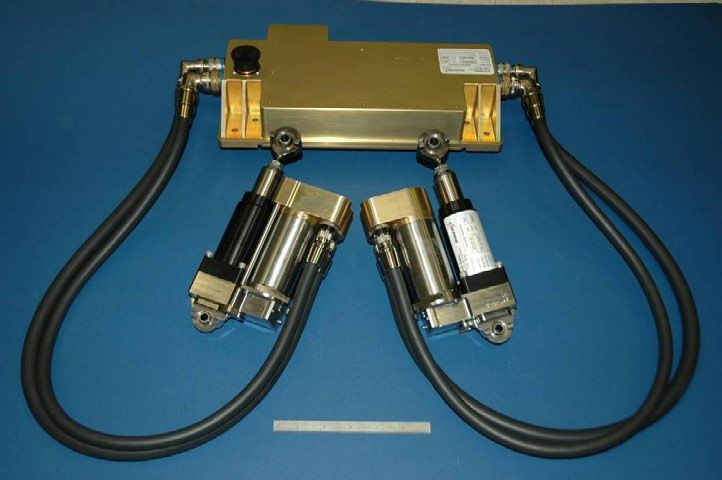
Orbital ATK Propulsion Products Catalog

                               ACRONYM LIST
ACS      Attitude control system — A thruster system used to maintain spacecraft/
         missile positioning and orientation. Also referred to as a reaction control
         system (RCS) in some applications

AKM      Apogee kick motor — A motor used to circularize the orbit of a spacecraft,
         often to geosynchronous earth orbit (GEO)

ASAS     Advanced Solid Axial Stage — ASAS is used as a designation for a family
         of enhanced performance motors that generally incorporates common
         technologies such as high-strength graphite composite cases, high
         performance propellants, advanced ordnance, and/or thrust vector control
         nozzles with electromechanical actuation. These motors are identified by
         primary diameter, case length, and TVC content. For example, ASAS 21-
         120V is a 21-inch-diameter motor with a 120-inch case and TVC nozzle

BIT      Built-in test — A feature of electronic devices that allows their operability to
         be confirmed via a signal provided in response to a test command or query

CSC      Conical shaped charge — An ordnance product typically used as part of
         upper stage destruct systems to satisfy range safety requirements

CTPB     Carboxyl-terminated polybutadiene — A type of polymer used as a
         propellant binder

EOSA     Electro-optical safe and arm — A class of safe-and-arm device based on
         isolation of the unit and primary initiation functions using laser systems
         and fiber optics to reduce weight and eliminate sensitivity to electrostatic
         energy that results from the use of long wiring runs for ordnance systems
         typically used in launch vehicles

EPDM     Ethylene propylene diene monomer — A class of elastomeric rubber
         insulation materials typically used to insulate motor cases

ESA      Electronic safe and arm — A class of safe-and-arm device based on the
         use of semiconductor bridge initiator technology. ESA designs provide
         capabilities for reporting health status of the ordnance system and
         incorporating specific safety and command and control protocols

ETA      Explosive transfer assembly — ETAs are used as part of a space motor
         ignition train, generally to transfer the initiation signal from a safe-and-
         arm device to another ordnance component such as a through-bulkhead
         initiator (TBI). These may be further identified as an FETA = flexible ETA,
         or RETA = rigid ETA

ETR      Eastern Test Range

GBI      Ground-based interceptor

GEM      Graphite epoxy motor — Orbital ATK developed GEM designs for the
         Delta II launch vehicle. Designed to take advantage of proven, off-the-
                                                                                            v
       Approved for Public Release OSR No. 16-S-1432; Dated 05 April 2016
Orbital ATK Propulsion Products Catalog

         shelf technologies, the GEM system provides increased performance and
         heavier lift capability

GEO      Geosynchronous earth orbit — 22,600 miles out from the earth is an orbital
         location where satellites remain over a fixed point on the earth

GMD      Ground-based Midcourse Defense

GPS      Global positioning system — A satellite constellation providing precise
         navigation and location data for military and commercial users

GSE      Ground support equipment — Equipment used to support motor integration
         with the spacecraft and/or launch vehicle and to provide associated final
         motor checks

HEW      Head end web — A type of grain design in which the propellant completely
         covers and is generally bonded to the motor head end

HTPB     Hydroxyl terminated polybutadiene — A type of polymer used as a
         propellant binder

IMP      Interplanetary monitoring platform

IRBM     Immediate-range ballistic missile

JPL      Jet Propulsion Laboratory, Pasadena, CA

LCS      Large class stage – A high-performance, high-reliability booster being
         developed by Orbital ATK with the support of the U.S. Air Force

LEO      Low earth orbit — A position reached by the Space Shuttle and many
         launch systems prior to orbital adjustments that are typically made using
         perigee kick motor (PKM) and apogee kick motor (AKM) propulsion

MDA      Missile Defense Agency

MER      Mars Exploration Rover — Designation for the 2003 to 2004 NASA missions
         to Mars that landed the Spirit and Opportunity rovers

NSI      NASA standard initiator

PBAN     Polybutadiene acrylic acid acrylonitrile polymer — A binder formulation
         widely used on large rocket boosters such as the Titan III and Space
         Shuttle

PKM      Perigee kick motor — A motor typically used to raise a satellite into elliptical
         orbit

RAD      Rocket-assisted deceleration — Designation for motors used to decelerate
         payloads such as the Mars RAD motors

                                                                                            vi
       Approved for Public Release OSR No. 16-S-1432; Dated 05 April 2016
Orbital ATK Propulsion Products Catalog
RAVEN RApid VEctoring Nozzle
RCS Reaction control system
RPM Revolutions per minute — Used to designate spin rates used to stabilize
spacecraft. Note that the cited spin rates are the highest levels to which the
design was tested or analyzed, not necessarily its maximum spin capability
RSRM Reusable solid rocket motor — Designation used for the Space Shuttle
boosters
S&A Safe and arm — Used to designate an electronic or electromechanical
device that inhibits ordnance functions to provide enhanced safety
SCB Semiconductor bridge — The SCB chip is used in a line of initiators that
provides fast and repeatable function times using low initiation energy
SLS Space Launch System
SRM Solid rocket motor
SRMU Solid rocket motor upgrade — Originally developed for the U.S. Air Force
and Lockheed Martin to increase the launch capability of the Titan IVB
Space Launch Vehicle (retired)
SSB Solid strap-on booster
STS Space Transportation System — The Space Shuttle
TBI Through bulkhead initiator — Part of a space motor ignition train
TLI Trans-Lunar Injection — Designation for a motor system used to inject a
satellite into a lunar orbit. This specific designation applies to the STAR
37FM-based TLI stage used for the Lunar Prospector spacecraft
TCR Orbital ATK line of resins and pre-impregnated composite materials
available in combination with a variety of fibers for industrial, commercial,
and aerospace applications
TIRS Transverse impulse rocket system — Designation for motors used to
stabilize the lander during descent as part of the Mars Exploration Rover
mission
TVA Thrust vector actuation — Refers to the system used to actuate a TVC
nozzle
TVC Thrust vector control — Refers to a type of movable nozzle
UWARS Universal water activated release system — A program that uses a qualified
SCB initiator produced by Elkton
WTR Western Test Range
vii
Approved for Public Release OSR No. 16-S-1432; Dated 05 April 2016Orbital ATK Propulsion Products Catalog
viii
Approved for Public Release OSR No. 16-S-1432; Dated 05 April 2016Orbital ATK Propulsion Products Catalog
INTRODUCTION
Orbital ATK space propulsion and ordnance products outlined in this catalog reflect more
than 50 years of experience in providing high-performance and reliable propulsion for the
aerospace industry. This catalog presents technical information on numerous product lines
within the Orbital ATK Space Propulsion Product portfolio: Orion, CASTOR®, CASTOR
120®, LCS (large class stage), GEM (graphite epoxy motor), SRMU (solid rocket motor
upgrade), the Space Shuttle RSRM (reusable solid rocket motor) and its derivative motors,
the STAR™ series of space motors and integrated upper stages, ASAS™ (advanced solid
axial stage), ordnance products, and space launch structures.
RSRM Boosters GEM and STAR Propulsion CASTOR and Orion
Lift the Space Shuttle Power Delta II Motors Boost Taurus
Solid rocket motor technology provides excellent reliability, tailorable ballistic performance,
and low costs for many space, upper-stage, and missile defense applications. Introduction
of high-strength composite materials has further enhanced performance for many classes
of motors. In addition, Orbital ATK motors with thrust vector control nozzles and attitude
control systems provide significant upgrades in solid propulsion system capabilities.
STAR 48 Motor and Magellan Lunar Prospector LCS I Static Test
Satellite Begin Journey to (STAR 37 Integrated
Venus Stage)
STAR™ and ASAS™ are trademarks of Orbital ATK, Inc. CASTOR® and CASTOR 120® are registered
trademarks of Orbital ATK, Inc.
Copyright © 2016 by Orbital ATK, Inc. All rights reserved.
1
Approved for Public Release OSR No. 16-S-1432; Dated 05 April 2016Orbital ATK Propulsion Products Catalog
Sometimes existing designs must be modified, stretched, offloaded, or scaled up to achieve
performance goals and/or to accommodate structural interfaces established for specific
missions or applications. Orbital ATK routinely modifies our products to meet evolving
customer needs through detailed design, analysis, and testing of new propulsion systems
that maintain the heritage of prior, flight-proven designs when it saves time and cost.
Rapid Vectoring Nozzle (RAVEN) ASAS 21-120 Motor Test
Demonstration Motor
Our ordnance products have also established excellent flight reliability records in both motor
ignition and destruct system applications. Current electronic safe-and-arm technology can
be applied by Orbital ATK to reduce ordnance weight and cost and to precisely control
ordnance events for your propulsion systems.
We have also included an overview of Orbital ATK’s integrated stage capabilities. Orbital
ATK has a broad range of capabilities, including simple stage hardware and stage/vehicle
integration support, to more complex three-axis stabilized, inertially-guided vehicle designs.
Orbital ATK now offers fully autonomous single or multiple stage stacks and all of the
required avionics hardware, flight software, and mission design and management services.
2
Approved for Public Release OSR No. 16-S-1432; Dated 05 April 2016Orbital ATK Propulsion Products Catalog
In addition to hardware, Orbital ATK routinely provides a variety of support services,
including engineering design trades, launch and integration support, field handling training,
aging and surveillance, demilitarization, testing, and analysis. These services support
mission assurance goals leading to successful flight. We also routinely provide shipping
containers and ground support equipment for use with the motors. To accommodate new
environments or structural interfaces, we can define and support delta-qualification of
components and/or complete motor assemblies. Orbital ATK can also design skirts and
interstages and provide heaters, thermal blankets, and flight termination ordnance to adapt
our products to your needs.
Shipping Container Lunar Prospector Size
With Lifting Beam Tooling
for Stage/Motor Handling
This catalog contains data sheets that summarize the principal design and performance
characteristics of each existing propulsion product. The information provided in the data
sheets will permit initial evaluation of our current products in reference to your mission
requirements. We encourage you to involve us in these evaluations and welcome the
opportunity to provide optimal solutions for your mission needs.
Inquiries regarding specific product lines should be directed to our business development
representatives as listed below. In addition to the products noted in this catalog, Orbital ATK can
provide reliable space structures, aerospace tanks, and hypersonic propulsion technology.
For information about these and other Orbital ATK products, please visit our website at
www.Orbital ATK.com.
Products Contact No. Contact E-mail Address
STAR, ASAS, and CASTOR I and II Phone: (410) 392-1430 starmotors@Orbital ATK.com
Motors; STAR™ Stages; Ordnance Fax: (410) 392-1205
Orion, CASTOR, LCS, GEM, SRMU, and Phone: (801) 251-5373 commercialmotors@Orbital
RSRM Motors/derivatives Fax: (801) 251-5548 ATK.com
Space Structures Phone: (801) 775-1962 Larry.Mortensen@Orbital ATK.
Fax: (801) 775-1207 com
Tanks Phone: (323) 722-0222 psi.tank@Orbital ATK.com
Fax: (323) 721-6002
Hypersonic Propulsion Technology Phone: (631) 737-6100 GASL.Marketing@Orbital ATK.
Fax: (631) 737-6121 com
3
Approved for Public Release OSR No. 16-S-1432; Dated 05 April 2016Orbital ATK Propulsion Products Catalog
4
Approved for Public Release OSR No. 16-S-1432; Dated 05 April 2016Orbital ATK Propulsion Products Catalog
LARGE MOTOR SUMMARY
INFORMATION
ORION, CASTOR, LCS, GEM, AND RSRM
MOTOR SERIES CAPABILITIES
Orbital ATK’s large motor series (Orion, CASTOR, LCS, GEM, and RSRM families) span
a significant range of size and boost capability, with motors ranging from approximately
2,000 pounds up to 1.6 million pounds. The figure on the following page provides a graphic
comparison of the relative sizes of the principal motors in these series.
Tabular summaries of motor dimensions, weights, and performance data across these
motor series are provided in Table 1, and a summary of test and flight experience is
provided in Table 2. (NOTE: Similar summary data is provided under the STAR motor
section for the STAR motor series.)
5
Approved for Public Release OSR No. 16-S-1432; Dated 05 April 2016100 200 300 400 500 600 700 800 900 1000 1100 1200 1300 1400 1500 1600 1700 1800 1900
RSRMV
RSRM
SRMU
GEM 60
GEM 46
ORION 50S XL
GEM 40
ORION 50ST
LCS I
Approved for Public Release OSR No. 16-S-1432; Dated 05 April 2016
ORION 32
ORION 50XL
CASTOR 120
ORION 50
CASTOR 30
ORION 38
100 200 300 400 500 600 700 800 900 1000 1100 1200 1300 1400 1500 1600 1700 1800 1900
Inches
Orbital ATK Motor Comparision
6
Orbital ATK Propulsion Products CatalogTable 1. Large Motor Summary
Propel-
Overall Total
Diameter lant Mass Total Impulse Burn Time
Motor Nozzle Length Weight Status
(inches) Weight Fraction (lbf-sec) (sec)
(inches) (lbm)
(lbm)
Orion Motor Family
Orion 32 Vectorable 32 121 4,280 4,721 0.91 1,186,000 41.0 Component-qualified
Orion 38 Vectorable 38 52.6 1,698 1,924 0.88 491,140 66.8 Flight-proven
Orion 50 Vectorable 50.2 103.2 6,669 7,395 0.90 1,949,000 75.1 Flight-proven
Orion 50 XL Vectorable 50.2 120.9 8,631 9,494 0.91 2,521,900 71.0 Flight-proven
Orion 50S Fixed 50.2 350.1 26,801 29,529 0.91 7,873,000 74.9 Flight-proven
Orion 50ST Vectorable 50.2 335.4 26,801 29,103 0.92 7,676,500 74.2 Flight-proven
Orion 50S XL Fixed 50.2 404.3 33,145 36,153 0.92 9,744,300 69.7 Flight-proven
Orion 50S XLT Vectorable 50.2 390.8 33,145 35,763 0.93 9,472,400 69.0 Flight-proven
Orion 50S XLG Vectorable 50.2 372.4 33,145 35,525 0.93 9,061,400 69.0 Flight-proven
CASTOR Motor Family
CASTOR IVA Fixed 40.1 363.4 22,286 25,737 0.87 5,967,840 55.2 Flight-proven
CASTOR IVA-XL Fixed 40.1 457.0 28,906 33,031 0.88 8,140,170 58.0 Flight-proven
CASTOR IVB Vectorable 40.1 353.7 21,990 25,441 0.86 5,880,600 63.6 Flight-proven
CASTOR 30 Vectorable 92 144.2 28,098 30,570 0.92 8,239,110 149.8 Flight-proven
CASTOR 30B Vectorable 92 169.7 28,405 30,800 0.92 8,539,320 126.7 Flight-proven
CASTOR 30XL Vectorable 92 235.8 54,949 58,217 0.94 16,174,800 155.0 Flight-proven
CASTOR 120 Vectorable 92 355 107,914 116,993 0.92 30,000,000 79.4 Flight-proven
CASTOR 120XL Vectorable 92.1 378.3 114,194 123,383 0.93 31,872,000 83.5 Qualified
Approved for Public Release OSR No. 16-S-1432; Dated 05 April 2016
*Large Class Stage (LCS)
*LCS I Vectorable 92.1 378.3 114,194 123,665 0.92 31,774,000 77.9 Qualified
*LCS III Vectorable 92.1 164.5 28,278 31,307 0.91 8,483,300 133.0 Qualified at simulated altitude
Graphite Epoxy Motor (GEM) Family
GEM-40 Fixed 40.4 449.1 25,940 28,883 0.90 7,351,000 63.3 Flight-proven
(Air- Ignited)
GEM-40 VN Vectorable 40.4 425.1 25,940 28,886 0.90 6,959,000 64.6 Flight-proven
GEM-46 Fixed 45.1 495.8 37,180 41,590 0.89 10,425,000 75.9 Flight-proven
(Ground-
Ignited)
7
Orbital ATK Propulsion Products CatalogPropel-
Overall Total
Diameter lant Mass Total Impulse Burn Time
Motor Nozzle Length Weight Status
(inches) Weight Fraction (lbf-sec) (sec)
(inches) (lbm)
(lbm)
GEM-46 Vectorable 45.1 491.5 37,180 42,196 0.88 10,400,000 76.9 Flight-proven
(Ground-
Ignited)
GEM-46 Fixed (Air- 45.1 508.6 37,180 42,039 0.88 10,803,000 75.9 Flight-proven
Ignited)
GEM-60 Fixed 60 518 65,472 73,156 0.89 17,965,776 90.8 Flight-proven
GEM-60 Vectorable 60 518 65,472 74,185 0.88 17,928,000 90.8 Flight-proven
GEM-63 Fixed 63 789.3 * * * * * In development
GEM-63XL Fixed 63 862.0 * * * * * In development
Solid Rocket Motor Upgrade (SRMU)
SRMU Vectorable 126 1,349 695,427 776,038 0.89 195,476,128 135.7 Flight-proven
Reusable Solid Rocket Motor (RSRM) and Derivatives
RSRM Vectorable 146.1 1,513.5 1,106,059 1,255,334 0.88 297,001,731 122.2 Flight-proven
1-Segment Commercial Vectorable 146.1 499.6 336,231 404,601 0.83 92,978,688 115.8 Design
1.5-Segment Com- Vectorable 146.1 697 476,496 558,993 0.85 132,700,522 117 Design
mercial
2-Segment Commercial Vectorable 146.1 860 619,003 715,659 0.86 170,800,000 114.1 Design
2.5-Segment Com- Vectorable 146.1 1,037 758,990 867,215 0.87 209,304,469 113.2 Design
mercial
3-Segment Commercial Vectorable 146.1 1,156.2 843,286 981,686 0.86 223,000,000 133.7 Design
Approved for Public Release OSR No. 16-S-1432; Dated 05 April 2016
4-Segment Commercial Vectorable 146.1 1,476.3 1,114,155 1,278,078 0.87 298,000,000 132.8 Design
RSRM V Vectorable 146.1 1,864.7 1,427,807 1,616,123 0.88 381,367,646 131.9 Completing qualification
(5-Segment)
* In development, subject to refinement
8
Orbital ATK Propulsion Products CatalogTable 2. Large Motor Test and Flight History as of 22 September 2016
Number of
Number of Motors
Motor Applications/Uses Static Fire TVC Production Status
Flown
Tests
Orion 32 Technology Demonstration 2 (HCDM, 0 Yes Development
MCRT)
Orion 32-5 Technology Demonstration 1 0 Yes Development
Orion 32-7 Technology Demonstration 1 0 Yes Development
Orion 38 Pegasus/Taurus/Pegasus XL/ Taurus 3 77 Optional Production
XL/Minotaur I/Minotaur IV/GMD OBV
Orion 38HP Technology Demonstration 1 0 Yes Development
Orion 50 Pegasus Std 1 10 Optional Out of Production
Orion 50T Taurus Std 0 6 Optional Out of Production
Orion 50 XL Pegasus XL/Minotaur/OBV 2 59 Optional Production
Orion 50 XLT Taurus XL 0 5 Optional Production
Orion 50S Pegasus Std/Hyper-X 1 13 No Out of Production
Orion 50ST Taurus Std 1 6 Optional Out of Production
Orion 50SG 0 0 Optional Out of Production
Orion 50S XL Pegasus XL 1 32 No Production
Orion 50S XLG GMD OBV/ALV/IRBM Target 5 17 Optional Production
Orion 50S XLT Taurus XL 0 3 Optional Production
CASTOR IVA Delta II/Atlas 2AS 7 313 No Out of Production
CASTOR IVB Maxus/Targets 4 33 Yes Out of Production
CASTOR IVA-XL HII-A 4 34 No Out of Production
Approved for Public Release OSR No. 16-S-1432; Dated 05 April 2016
CASTOR 30 Antares/Athena Ic/Athena IIc 1 2 Yes Production
CASTOR 30B Antares 0 2 Yes Production
CASTOR 30XL Antares 1 1 Yes Production
CASTOR 120 Athena Ic/Athena IIc/ Taurus/Taurus 2 16 Yes Out of production
XL
CASTOR 120XL 0 0 Yes Production
LCS I Conventional Strike/Family of Motors 1 0 Yes Demonstrated
LCS III Conventional Strike/Family of Motors 1 0 Yes Demonstrated
9
Orbital ATK Propulsion Products CatalogNumber of
Number of Motors
Motor Applications/Uses Static Fire TVC Production Status
Flown
Tests
GEM 40 Delta 2 13 990 No Production
GEM 40VN GMD BV+ 3 3 Yes Out of Production
GEM 46 Delta 2 Heavy/Delta 3 3 81 Fixed/TVC Out of Production
GEM 60 Delta 4 14 52 Fixed/TVC Production
SRMU Titan IVB 6 34 Yes Out of Production
RSRM Space Shuttle 28 220 Yes Out of Production
(+5-seg ETM-3)
1-Seg. RSRM 0 0 Yes Concept
1.5-Seg. RSRM 0 0 Yes Concept
2-Seg. RSRM 0 0 Yes Concept
2.5-Seg. RSRM 0 0 Yes Concept
3-Seg. RSRM 0 0 Yes Design
4-Seg. RSRM 0 0 Yes Design
RSRM V Space Launch System (SLS) / for- 5 0 Yes Completing development and qualification
(5-Seg.) merly Ares I First Stage (+Ares I-X, 4-seg)
Reliability/Success Rate: Demonstrated success rate of 99.76% in flight and static tests. One static test faillure and four flight failures in
2,121 tests and flights (two TVC related). Two of the flight failures were subsequently attributed to damage resulting from handling and post-
delivery flight processing.
Approved for Public Release OSR No. 16-S-1432; Dated 05 April 2016
Orbital ATK Propulsion Products Catalog
10Orbital ATK Propulsion Products Catalog
ORION MOTOR SERIES
AFFORDABLE, LOW-RISK FLEXIBLE CAPABILITIES
Orion Series
The Orion family of motors began with three stages originally designed for use in a joint
venture with Orbital Sciences Corp. for the Pegasus® launch vehicle. Modifications to the
original three Orion motors, first for extended length (XL) versions and subsequently for
skirt, nozzle, and other smaller differences, have accommodated additional applications
and enhanced performance capabilities. Vehicle applications successfully flown using
Orion motors include Pegasus®, Taurus®, Pegasus® XL, Minotaur®, Hyper-X, Taurus
Lite and Taurus® XL launch vehicles, and the Ground-based Midcourse Defense (GMD)
ground-based interceptor (GBI). New applications continue to evolve, such as target
vehicle configurations for Missile Defense Agency (MDA).
The multiple configurations and applications currently existing demonstrate that these
flight-proven motors are readily adaptable to a wide range of launch scenarios (e.g.,
ground-start, air-start, silo-launched, etc.) and missions. Orbital ATK has also demonstrated
support for their deployment and use at a wide range of launch sites and field locations,
including multiple non-Continental United States launch sites. Further, it should be noted
that much of the adaptation has been accomplished with only relatively minor changes
(skirt thicknesses and hole patterns, nozzle length, etc.), with little or no changes to the
basic motor.
The current major vehicle applications and variants for Orion motors are shown in the
table below. The motor identification key provides a further explanation for nomenclature
designations in the Orion motor series.
11
Approved for Public Release OSR No. 16-S-1432; Dated 05 April 2016Orbital ATK Propulsion Products Catalog
Flight-Proven Orion Motor Configurations
Orion Motor
Vehicle Application
First Stage Second Stage Third Stage Fourth Stage
50S 50 38 Pegasus
50S XL 50 XL 38 Pegasus XL
50ST 50T 38 Taurus
50S XL 50 XLT 38 Taurus XL/
Minotaur C
50S XLG 50 XL 38 Taurus Lite
50 XL 38 Minotaur I
38 Minotaur IV
50S Hyper-X
50S XLG 50 XL 38 GMD GBI
50S XLG* 50 XLT IRBM target
* with lengthened nozzle
Motor Identification Key
Example Orion 50 S XL G T
SRM class
SRM diameter (in)
Stretch
• With “S” denotes Stage 1
• Without “S” denotes Stage 2
XL or Std motor length
• “XL” denotes extra length (otherwise standard length)
Nozzle configuration
• “G” denotes ground-launched (truncated exit cone)
Thicker skirt
• “T” denotes thicker skirt (increased structural capacity)
12
Approved for Public Release OSR No. 16-S-1432; Dated 05 April 2016ORION 50S
MOTOR DIMENSIONS
Motor diameter, in.................................................50.2
Overall motor length (including nozzle), in.........350.1
Nozzle exit cone diameter, in................................56.0
MOTOR PERFORMANCE (60°F NOMINAL,
VACUUM)
Burn time to 30 psia, sec......................................74.9
Maximum thrust, lbf........................................126,641
AIR-IGNITED, FIXED NOZZLE Effective specific impulse, lbf-sec/lbm…........ 292.25*
The Orion 50S was developed as a low-cost, high-performance Total impulse, lbf-sec................................. 7,873,000*
Burn time average thrust, lbf..........................105,097
first stage for the Pegasus launch vehicle. The 50S configuration,
* Includes 137 lbm of expended inerts
shown above incorporating a saddle attachment, has a fixed nozzle
and is air ignited after a 5-second freefall drop from approximately WEIGHTS, LBM
40,000 ft. The Orion 50S has launched Pegasus satellite missions Total motor........................................................29,529
Propellant ........................................................26,801
into successful orbit, some of which were Pegsat, Microsat, SCD-
Burnout...............................................................2,533
1 (Brazil’s first data collection satellite), Alexis, and Space Test
Experiment Platform (STEP)-2. This motor, with some additional PROPELLANT DESIGNATION
.............. QDL-1, HTPB POLYMER, 19% ALUMINUM
modifications, has also been used as a booster in Hyper-X flights
to support scramjet flight-testing. HAZARDS CLASSIFICATION…................... 1.3
RACEWAY........................................ OPTIONAL
ORDNANCE..................................... OPTIONAL
TVA ...............................................................NO
TEMPERATURE LIMITS
Operation..................................................+36°-100°F
Storage….................................................+30°-100°F
PRODUCTION STATUS
........... FLIGHT PROVEN, INACTIVE PRODUCTION
** Pegasus standard first stage
Approved for Public Release
OSR No. 16-S-1432; 13
Dated 05 April 2016ORION 50ST
MOTOR DIMENSIONS
Motor diameter, in.................................................50.2
Overall motor length (including nozzle), in.........335.4
Nozzle exit cone diameter, in................................47.6
MOTOR PERFORMANCE (60°F NOMINAL,
VACUUM)
Burn time, sec.......................................................74.2
Maximum thrust, lbf........................................122,099
Effective specific impulse, lbf-sec/lbm…........ 284.97*
Total impulse, lbf-sec................................. 7,676,500*
Burn time average thrust, lbf..........................103,356
* Includes 137 lbm of expended inerts
WEIGHTS, LBM
Total motor........................................................29,103
Propellant ........................................................26,801
AIR-IGNITED, VECTORABLE NOZZLE Burnout...............................................................2,165
Another version, Orion 50ST, incorporates a ± 5-degree moveable PROPELLANT DESIGNATION
nozzle for the air-ignited, Taurus Stage 1. This version has flown on .............. QDL-1, HTPB POLYMER, 19% ALUMINUM
all six Taurus missions (both Air Force and commercial versions), HAZARDS CLASSIFICATION…................... 1.3
such as the Multi-Spectral Thermal Imager (MTI), Orbview-4,
RACEWAY........................................ OPTIONAL
Korea Multi-Purpose Satellite (KOMPSAT), etc.
ORDNANCE .................................... OPTIONAL
TVA .................................................. OPTIONAL
TEMPERATURE LIMITS
Operation..................................................+36°-100°F
Storage.....................................................+30°-100°F
PRODUCTION STATUS
........... FLIGHT-PROVEN, INACTIVE PRODUCTION
** Taurus standard first stage
Approved for Public Release
OSR No. 16-S-1432; 14
Dated 05 April 2016ORION 50SG
MOTOR DIMENSIONS
Motor diameter, in.................................................50.2
Overall motor length (including nozzle), in.........318.3
Nozzle exit cone diameter, in................................36.0
MOTOR PERFORMANCE (60°F NOMINAL,
VACUUM)
Burn time, sec.......................................................74.2
Maximum thrust, lbf........................................ 117,358
Effective specific impulse, lbf-sec/lbm….......... 273.7*
Total impulse, lbf-sec................................. 7,372,900*
Burn time average thrust, lbf............................99,268
* Includes 137 lbm of expended inerts
WEIGHTS, LBM
Total motor........................................................28,865
Propellant ........................................................26,801
GROUND-IGNITED, VECTORABLE NOZZLE
Burnout...............................................................1,930
Another version, Orion 50SG, incorporates a ± 3-degree moveable
nozzle for a ground-ignited Stage 1 configuration. This version is PROPELLANT DESIGNATION
.............. QDL-1, HTPB POLYMER, 19% ALUMINUM
similar to what has flown on the standard Taurus missions, but
with a shorter nozzle. HAZARDS CLASSIFICATION…................... 1.3
RACEWAY........................................ OPTIONAL
ORDNANCE .................................... OPTIONAL
TVA .................................................. OPTIONAL
TEMPERATURE LIMITS
Operation..................................................+36°-100°F
Storage.....................................................+30°-100°F
PRODUCTION STATUS
................... QUALIFIED, INACTIVE PRODUCTION
Approved for Public Release
OSR No. 16-S-1432; 15
Dated 05 April 2016ORION 50S XL
MOTOR DIMENSIONS
Motor diameter, in.................................................50.2
Overall motor length (including nozzle), in.........404.3
Nozzle exit cone diameter, in................................56.0
MOTOR PERFORMANCE (60°F NOMINAL,
VACUUM)
Burn time to 30 psia, sec......................................69.7
Maximum thrust, lbf........................................160,404
Effective specific impulse, lbf-sec/lbm…........ 292.78*
Total impulse, lbf-sec................................. 9,744,300*
Burn time average thrust, lbf..........................139,726
* Includes 137 lbm of expended inerts
AIR-IGNITED, FIXED NOZZLE
WEIGHTS, LBM
A performance upgrade of the Orion 50S, the Orion 50S XL, is 55.4 Total motor........................................................36,153
inches longer and contains 6,500 lbm more propellant. To date, Propellant ........................................................33,145
this fixed-nozzle XL version has performed successfully on 32 Burnout...............................................................2,837
Pegasus XL launch vehicle missions, such as the Solar Radiation PROPELLANT DESIGNATION
and Climate Experiment (SORCE), Fast Auroral Snapshot (FAST), .............. QDL-1, HTPB POLYMER, 19% ALUMINUM
High Energy Solar Spectroscopic Imager (HESSI), Orbview-3, and HAZARDS CLASSIFICATION…................... 1.3
Transition Region and Coronal Explorer (TRACE).
RACEWAY ....................................... OPTIONAL
ORDNANCE .................................... OPTIONAL
TVA ...............................................................NO
TEMPERATURE LIMITS
Operation..................................................+36°-100°F
Storage.....................................................+30°-100°F
PRODUCTION STATUS
.......................... FLIGHT-PROVEN, PRODUCTION
**Pegasus XL first stage
Approved for Public Release
OSR No. 16-S-1432; 16
Dated 05 April 2016ORION 50S XLT
MOTOR DIMENSIONS
Motor diameter, in.................................................50.2
Overall motor length (including nozzle), in.........390.8
Nozzle exit cone diameter, in................................47.6
MOTOR PERFORMANCE (60°F NOMINAL,
VACUUM)
Burn time to 30 psia, sec......................................69.0
Maximum thrust, lbf….....................................156,823
Effective specific impulse, lbf-sec/lbm............ 284.61*
Total impulse, lbf-sec................................. 9,472,400*
Burn time average thrust, lbf..........................137,192
* Includes 137 lbm of expended inerts
WEIGHTS, LBM
Total motor........................................................35,763
Propellant ........................................................33,145
AIR-IGNITED, VECTORABLE NOZZLE Burnout...............................................................2,472
Vectorable nozzle configurations of the Orion 50S XL have also PROPELLANT DESIGNATION
been added to support versatility and new applications. One such .............. QDL-1, HTPB POLYMER, 19% ALUMINUM
configuration, Orion 50S XLT, has been used as a second-stage HAZARDS CLASSIFICATION…................... 1.3
motor on the enhanced Taurus XL vehicle, which first launched
RACEWAY........................................ OPTIONAL
in May 2004. This version incorporates a ± 5-degree vectorable
nozzle and thicker skirts. ORDNANCE .................................... OPTIONAL
TVA .................................................. OPTIONAL
TEMPERATURE LIMITS
Operation..................................................+36°-100°F
Storage.....................................................+30°-100°F
PRODUCTION STATUS
.............................FLIGHT-PROVEN, PRODUCTION
**Taurus XL first stage
Approved for Public Release
OSR No. 16-S-1432; 17
Dated 05 April 2016ORION 50S XLG
MOTOR DIMENSIONS
Motor diameter, in.................................................50.2
Overall motor length (including nozzle), in.........372.4
Nozzle exit cone diameter, in................................36.0
MOTOR PERFORMANCE (60°F NOMINAL,
VACUUM)
Burn time to 30 psia, sec......................................69.0
Maximum thrust, lbf….....................................150,010
Effective specific impulse, lbf-sec/lbm............ 272.26*
Total impulse, lbf-sec................................. 9,061,400*
Burn time average thrust, lbf..........................131,200
* Includes 137 lbm of expended inerts
WEIGHTS, LBM
Total motor........................................................35,525
Propellant ........................................................33,145
GROUND-IGNITED, VECTORABLE NOZZLE Burnout...............................................................2,237
A ground ignited, vectorable nozzle configuration with ± 5-degree
PROPELLANT DESIGNATION
vector capability has also been developed, designated Orion .............. QDL-1, HTPB POLYMER, 19% ALUMINUM
50S XLG. This motor was first flown on the Taurus Lite vehicle,
HAZARDS CLASSIFICATION…................... 1.3
February 2003, as the ground-ignited first stage.
RACEWAY........................................ OPTIONAL
ORDNANCE..................................... OPTIONAL
TVA .................................................. OPTIONAL
TEMPERATURE LIMITS
Operation..................................................+36°-100°F
Storage.....................................................+30°-100°F
PRODUCTION STATUS
.............................FLIGHT-PROVEN, PRODUCTION
**Taurus Lite and GMD first stage
Approved for Public Release
OSR No. 16-S-1432; 18
Dated 05 April 2016ORION 50 (50T)
MOTOR DIMENSIONS
Motor diameter, in.................................................50.2
Overall motor length (including nozzle), in.........103.2
Nozzle exit cone diameter, in................................33.9
MOTOR PERFORMANCE (60°F NOMINAL,
VACUUM)
Burn time to 30 psia, sec......................................75.1
Maximum thrust, lbf….......................................29,554
Effective specific impulse, lbf-sec/lbm............ 290.23*
Total impulse, lbf-sec................................. 1,949,000*
Burn time average thrust, lbf............................25,939
* Includes 46.4 lbm of expended inerts
WEIGHTS, LBM
Total motor..........................................................7,395
Propellant ..........................................................6,669
AIR-IGNITED, VECTORABLE NOZZLE Burnout..................................................................670
PROPELLANT DESIGNATION
The Orion 50 was developed as a low-cost, high-performance .............. QDL-1, HTPB POLYMER, 19% ALUMINUM
second stage for the Pegasus launch vehicle. It incorporates a
moveable nozzle with ± 5-degree vector capability. The motor was HAZARDS CLASSIFICATION…................... 1.3
designed for upper stage applications but can readily accommodate RACEWAY................................................... YES
lower expansion ratios, such as for ground-launch application,
ORDNANCE..................................... OPTIONAL
using a truncated nozzle. The Orion 50 has propelled 10 satellite
missions into successful orbit, including: Pegsat, Microsat, SCD- TVA................................................... OPTIONAL
1 (Brazil’s first data collection satellite), Alexis, and Space Test
Experiment Platform (STEP)-2. A nearly identical version with TEMPERATURE LIMITS
slightly enhanced skirts, the Orion 50T, has also flown successfully Operation..................................................+36°-100°F
on six Taurus launch vehicle flights. STORAGE....................................... +30°-100°F
PRODUCTION STATUS
........... FLIGHT-PROVEN, INACTIVE PRODUCTION
**Pegasus and Taurus standard second stage
Approved for Public Release
OSR No. 16-S-1432; 19
Dated 05 April 2016ORION 50 XL (50 XLT)
MOTOR DIMENSIONS
Motor diameter, in.................................................50.2
Overall motor length (including nozzle), in.........120.9
Nozzle exit cone diameter, in................................33.9
MOTOR PERFORMANCE (60°F NOMINAL,
VACUUM)
Burn time to 30 psia, sec......................................71.0
Maximum thrust, lbf….......................................43,713
Effective specific impulse, lbf-sec/lbm............ 290.65*
Total impulse, lbf-sec................................. 2,521,900*
Burn time average thrust, lbf............................ 35,511
* Includes 46.4 lbm of expended inerts
WEIGHTS, lbm
Total motor..........................................................9,494
AIR-IGNITED, VECTORABLE NOZZLE
Propellant ..........................................................8,631
A flight-proven, extended-length version of the initial Orion 50 is Burnout..................................................................808
also available. The Orion 50 XL is 18 inches longer and contains
PROPELLANT DESIGNATION
almost 2,000 lbm more propellant than the Orion 50. It flew on .............. QDL-1, HTPB POLYMER, 19% ALUMINUM
the 1995 Space Test Experiment Platform (STEP)-3 mission as
HAZARDS CLASSIFICATION…................... 1.3
the second stage of the Pegasus XL. It has also flown as the
third-stage motor for the Air Force’s Minotaur launch vehicle as RACEWAY................................................... YES
part of the Orbital/Suborbital Program and as the second stage ORDNANCE .................................... OPTIONAL
on the Taurus Lite vehicle. In addition, a nearly identical version
TVA .................................................. OPTIONAL
with heavier skirts, the Orion 50 XLT, launched in May 2004 as a
second-stage motor on the enhanced Taurus XL launch vehicle. TEMPERATURE LIMITS
Operation..................................................+36°-100°F
Storage.....................................................+30°-100°F
PRODUCTION STATUS
.............................FLIGHT-PROVEN, PRODUCTION
**Pegasus XL second stage, Minotaur I third
stage
Approved for Public Release
OSR No. 16-S-1432; 20
Dated 05 April 2016ORION 38
MOTOR DIMENSIONS
Motor diameter, in.................................................38.0
Overall motor length (including nozzle), in...........52.6
Nozzle exit cone diameter, in................................20.7
MOTOR PERFORMANCE (60°F NOMINAL,
VACUUM)
Burn time to 30 psia, sec......................................66.8
Maximum thrust, lbf….........................................8,303
Effective specific impulse, lbf-sec/lbm............ 286.97*
Total impulse, lbf-sec.................................... 491,140*
Burn time average thrust, lbf..............................7,352
* Includes 14.6 lbm of expended inerts
WEIGHTS, lbm
Total motor..........................................................1,924
Propellant ..........................................................1,698
AIR-IGNITED, VECTORABLE NOZZLE Burnout..................................................................206
UPPER-STAGE BOOSTER PROPELLANT DESIGNATION
The Orion 38 was developed as a low-cost, high-performance third .............. QDL-1, HTPB POLYMER, 19% ALUMINUM
stage for the Pegasus launch vehicle and incorporates a ± 5-degree HAZARDS CLASSIFICATION…................... 1.3
vectorable nozzle. It also functions as the standard third-stage motor
RACEWAY.....................................................NO
for other launch vehicles such as the Pegasus XL; Taurus, Taurus
XL, and Taurus Lite launch vehicles; and as the fourth stage of the ORDNANCE .................................... OPTIONAL
Air Force’s Minotaur vehicle. This motor has performed successfully TVA .................................................. OPTIONAL
in more than 75 flights over two decades of use.
TEMPERATURE LIMITS
Operation..................................................+36°-100°F
Storage.....................................................+30°-100°F
PRODUCTION STATUS
.............................FLIGHT-PROVEN, PRODUCTION
Approved for Public Release
OSR No. 16-S-1432; 21
Dated 05 April 2016ORION 32
MOTOR DIMENSIONS
Motor diameter, in....................................................32
Overall motor length (including nozzle), in............121
MOTOR PERFORMANCE (70°F NOMINAL,
VACUUM)
Burn time, sec..........................................................41
Average chamber pressure, psia...........................660
Total impulse, lbf-sec...................................1,186,000
Burn time average thrust, lbf............................28,800
NOZZLE
Housing material..........................................Aluminum
Exit diameter, in....................................................24.9
Expansion ratio, average.........................................23
WEIGHTS, lbm
VECTORABLE NOZZLE IN-LINE BOOSTER
Total loaded........................................................4,721
The Orion 32 is a low-cost, high-performance derivative of an Propellant ..........................................................4,280
existing upper-stage motor. This development motor is 121 inches Burnout..................................................................418
long and nominally designed as a second-stage motor. A longer
PROPELLANT DESIGNATION
version (up to 255 inches) for potential first stage application and .............. QDL-2, HTPB POLYMER, 20% ALUMINUM
a reduced length version (down to 70 inches) are also in design
RACEWAY ....................................... OPTIONAL
evaluation. This motor configuration has not flown; however, all
components, except skirts, are flight-proven. ORDNANCE .................................... OPTIONAL
TVA .................................................. OPTIONAL
TEMPERATURE LIMITS
Operation..................................................+20°-100°F
Storage.....................................................+20°-100°F
PRODUCTION STATUS...................IN DESIGN
Thrust vs Time Profile
35,000
30,000
25,000
Vacuum Thrust (lbf)
20,000
15,000
10,000
5,000
0
0 10 20 30 40
Burn Time (Sec)
Approved for Public Release
OSR No. 16-S-1432; 22
Dated 05 April 2016Orbital ATK Propulsion Products Catalog
CASTOR® MOTOR SERIES
LOW-COST, HIGH-RELIABILITY BOOSTERS
The CASTOR motor family was originally developed in the mid-to-late 1950s to support the
NASA Scout and Little Joe vehicles. In 1969, the CASTOR IV was developed to provide
first stage propulsion for the Athena H and was later adapted as a strap-on booster for Delta
II. The CASTOR I-IV family has a combined total of over 1,900 flights and a demonstrated
reliability of 99.95%. Since then, newer derivatives including the CASTOR IVA, IVA-XL,
and IVB have replaced the CASTOR IV motor.
• CASTOR IVA, high-performance strap-on propulsion launch vehicles
• CASTOR IVA-XL, 8-foot extended length version with 30% greater launch capability
• CASTOR IVB, TVC version with first stage, second stage, or strap-on booster application
Orbital ATK currently manufactures a complete line of first- and second-stage and strap-on
solid rocket motors. Over 50% of the U.S. space launches carry commercial satellites and
CASTOR motors are designed to provide low-cost, high-reliability propulsion to support
that access to space. Orbital ATK has used the base technology from four generations
of ballistic missile boosters and the technology and experience from expendable launch
vehicle programs to continue to add to the CASTOR series.
Development of the CASTOR 120 motor began in 1989. The CASTOR 120 was designed,
using proven technology, to meet the need for a medium-sized, reliable, solid rocket
booster. The primary goals of the program were to achieve a >0.999 reliability rating and
a 50% cost reduction. CASTOR 120 motors have served as stage one of the Lockheed
Martin Athena I and stages one and two on Athena II, and Orbital Sciences’ Taurus vehicle
used it as an initial stage (Stage 0) booster.
More recently, an upper stage CASTOR 30/30B and CASTOR 30XL have been added to
the series. CASTOR 30/30B/30XL have each flown successfully on Orbital ATK’s Antares
launch vehicle.
23
Approved for Public Release OSR No. 16-S-1432; Dated 05 April 2016You can also read


