CMS DAQ-2 Shi,er Tutorial - Hannes Sakulin, CERN/EP-CMD On behalf of the CMS DAQ group - CERN Indico
←
→
Page content transcription
If your browser does not render page correctly, please read the page content below
CMS DAQ-2 Shi,er Tutorial

     Hannes Sakulin, CERN/EP-CMD
    On behalf of the CMS DAQ group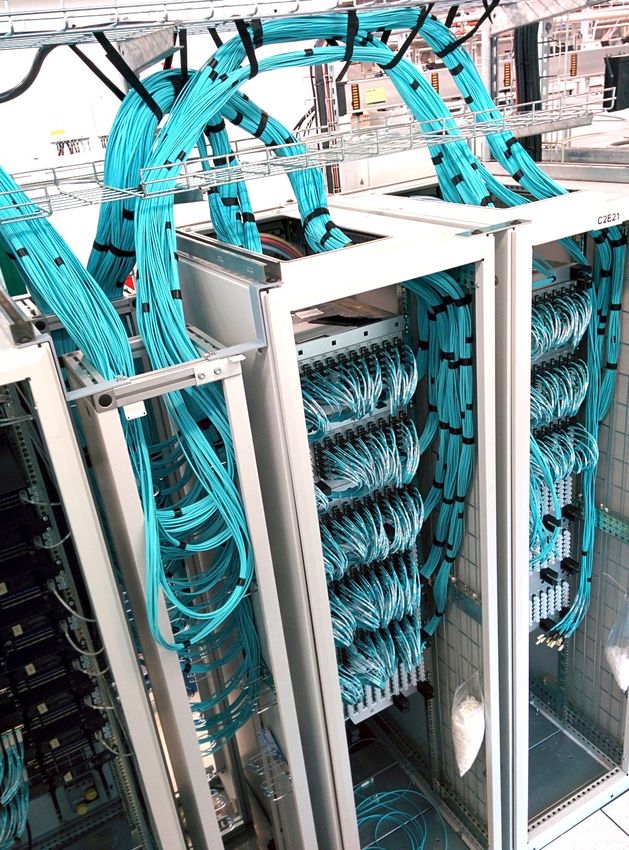
DAQ-2 Shifter Tutorial, 25 April 2018               2    H. Sakulin / CERN EP

    DAQ2 Tutorial Outline
n   Part 1: Your tasks as a DAQ shi2er

n   Part 2: Overview of the DAQ-2 system
     ¨   Change from DAQ-1 to DAQ-2
     ¨   DAQ-2 hardware and data flow from the detector to storage / Tier 0
     ¨   Flow control
     ¨   So2ware

n   Part 3: Controlling data taking through Run Control

n   Part 4: DAQ monitoring tools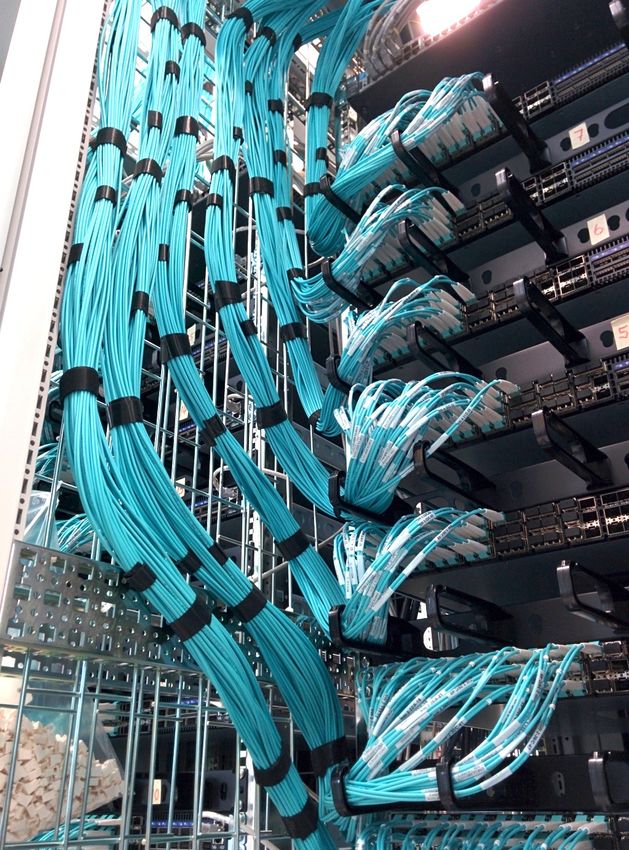
DAQ-2 Shifter Tutorial, 25 April 2018   3   H. Sakulin / CERN EP

     Part 1: Your tasks as a DAQ shi,er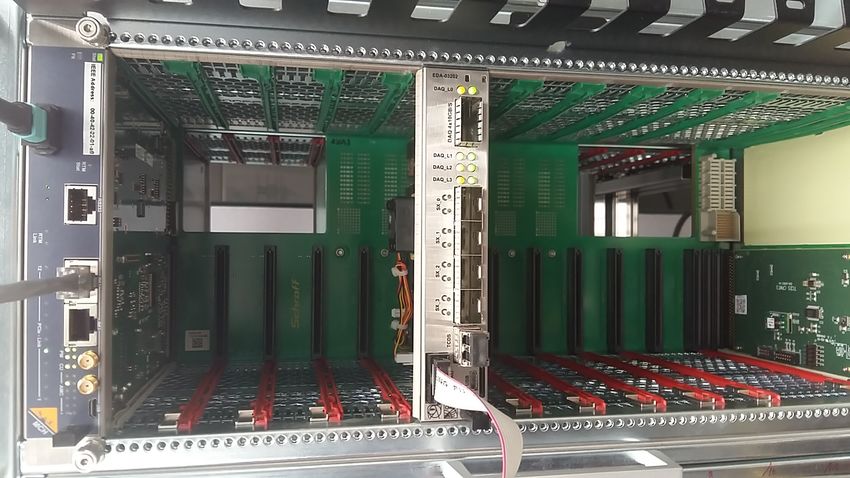
DAQ-2 Shifter Tutorial, 25 April 2018                4   H. Sakulin / CERN EP

    Context
n   DAQ shi2s take place at the
    CMS Control Room at Point 5
    of the LHC in Cessy, France

n   Three shi2s: 7-15, 15-23, 23-7

n   Five shi2ers
     ¨  Shi2 leader: manage operaRons in line with daily plan, monitor data
        taking, communicate with LHC, safety
     ¨ DCS shi2er: slow control, access, safety
     ¨ DAQ shi2er: control, monitor & troubleshoot data taking
     ¨ Trigger shi2er: monitoring of the L1 trigger
     ¨ DQM shi2er: monitoring of data quality
     (the laWer three shi2s may get cancelled under certain circumstances)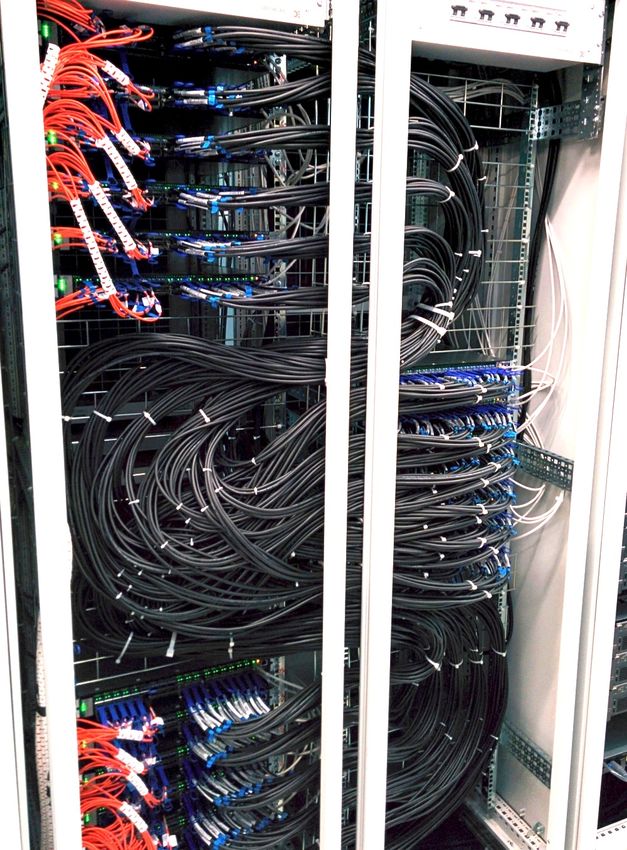
DAQ-2 Shifter Tutorial, 25 April 2018                                 5     H. Sakulin / CERN EP

    Your responsibilities as a DAQ Shifter
n   Main DAQ responsibiliRes:
     ¨   Monitor the DAQ
          n   Make sure the DAQ is running smoothly and that CMS is collecRng high quality
              data!
          n   This means:
                 ¨   Monitoring all stages of the DAQ from FEDs -> data sent to Tier 0.
                        § Data rate, dead Rme, back-pressure, CPU usage, problems
                 ¨   Interfacing with the shi2 crew
     ¨   Control data taking as the Shi2 Leader requests
          n   Start / stop runs
          n   Take in / out sub-detectors, FEDs
          n   Manual re-syncs, hard resets, control random rate
     ¨   Troubleshoot the DAQ in case of problems
          n   But don’t hesitate to call the DAQ DOC (x76600) when you are stuck!
     ¨   Document your shi2: use the ELOG!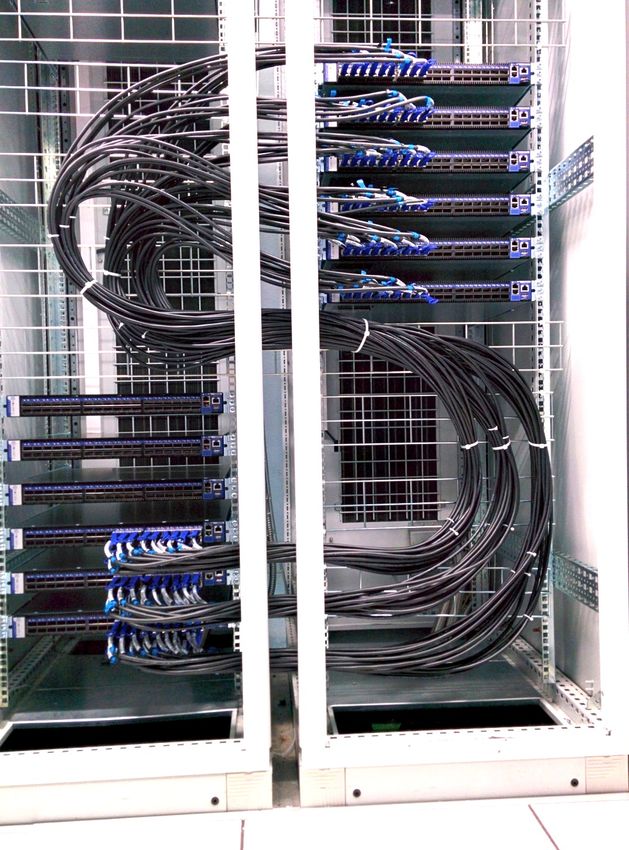
DAQ-2 Shifter Tutorial, 25 April 2018                    6    H. Sakulin / CERN EP

Your responsibilities as a DAQ Shifter

u   You are the main responsible for efficient data taking of CMS

      -The   CMS efficiency will depend to a high degree on your abilities

      -As   a consequence you need to
             u Read and learn the necessary procedures
             u Keep yourself up-to-date
                 -The run environment will evolve in time
                 -Procedures will change
                 -Monitoring systems will change

            u    This means you have to dedicate some time outside of your shift
                 period to study the online DAQ system and how to operate it.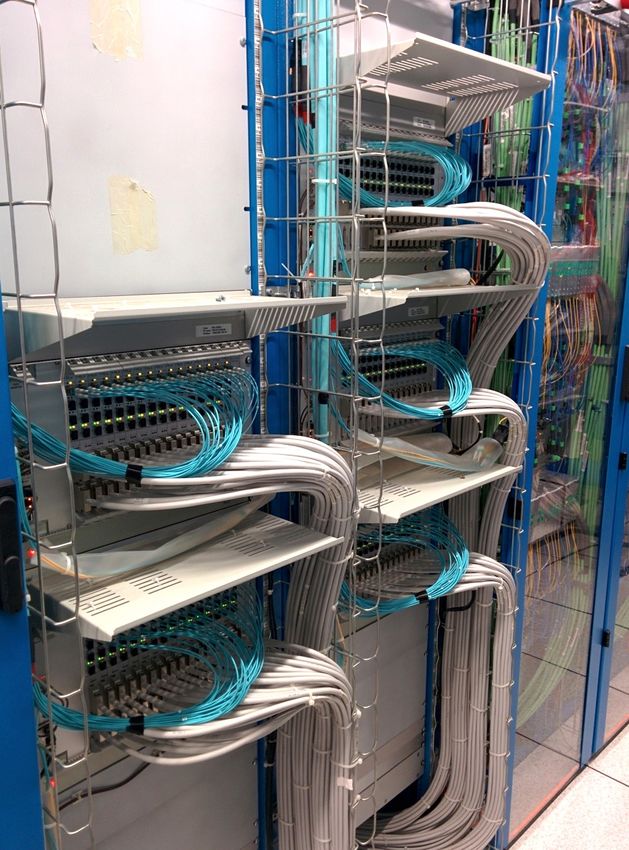
DAQ-2 Shifter Tutorial, 25 April 2018                                7     H. Sakulin / CERN EP

Your responsibilities as a DAQ Shifter
u   During your shift you have to communicate continuously with the
    shift leader and other shifters/DOCs in order to keep running
    efficiently

     -You   are needed since the job CANNOT be done by a computer program or a robot !

     -Since you are the key person which starts and stops the run, you also should be the key
     person to overcome or work around problems. This means:
          u   You should be able to localize where the problem is
                -In the central DAQ, or in a subsystem, or in the computing infrastructure
          u   You must communicate efficiently to the relevant experts and the shift leader in
              the control room
          u   You are involved in suggesting workarounds where you can
          u   You are co-responsible to solve problems in the DAQ and online system
                -This often means to efficiently communicate to the expert on call
                -You must be precise & concise when reporting problems on the phone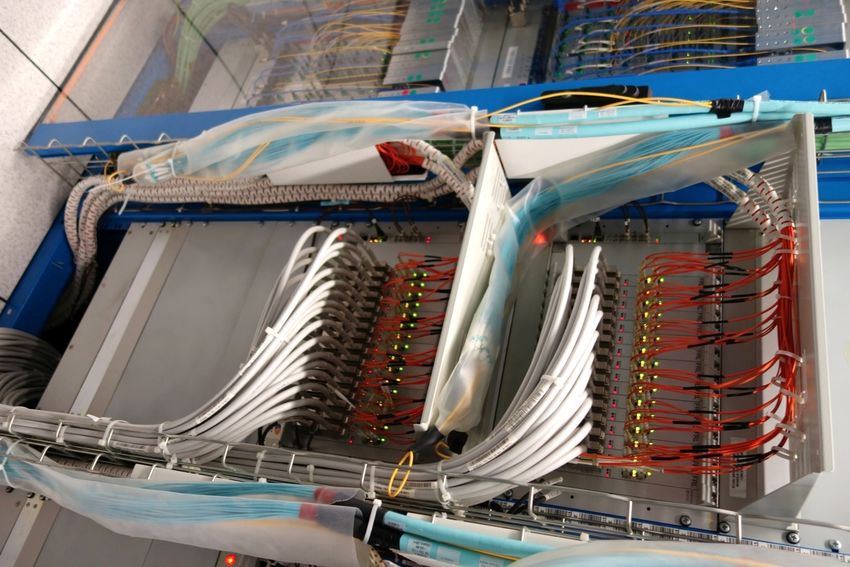
DAQ-2 Shifter Tutorial, 25 April 2018                    8    H. Sakulin / CERN EP

Your responsibilities as a DAQ Shifter
 u   Be active! Do not just wait for instructions

      -This  will increase the data taking efficiency.
      -If you think time is being wasted, talk to the shift-leader.
      -If you think a specific sub-system is blocking for too long the data
      taking talk to the shift leader.
            u  You as a cDAQ shifter probably have the best feeling which
               subsystem is blocking data-taking.

      -When you are active, you learn more about the other systems, too.
      This makes shifting much more fun, and is a good thing for CMS!

 u   But always: Do nothing without informing the shift leader
      -In particular when subsystem experts contact you directly:
      Always involve the shift leader that he/she knows what is going on!

      -Always  make sure that either you or the shift leader have contacted
      the relevant sub-system expert (DOC) before deciding to remove
      subsystems or FEDs from the run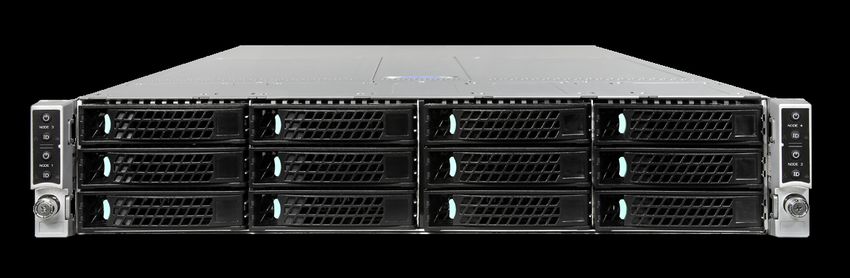
DAQ-2 Shifter Tutorial, 25 April 2018                               9     H. Sakulin / CERN EP

    E-Log
n   Document your shi2 in the e-log
     ¨   Your entries are essential to make CMS run efficiently. The e-log is a primary source of
         information for improving the system. With your entries in the e-log you are part of the
         team which tries to improve the online system to achieve “smooth operation”.
n   There should be an e-log window already open. Logout the old shi2er and log in
    yourself as soon as you start your shi2
     ¨   Use the Subsystems>DAQ>DAQ area – there is a link to it in the shi2ers guide
n   Please “submit” comments in a Rmely manner
     ¨   That way people offsite can monitor what’s going on
           n   Many short entries are preferable to one long log entry at the end of your shi2!
n   Document any issues that come up or observaRons you have about the DAQ, e.g.
     ¨   If you have to constantly restart or resync a subdetector, If the DAQ goes into error at
         any Rme, anything that seems funny or you don’t understand
     ¨   Make sure to copy / paste any error messages that are relevant
           n   From hotspot / RCMS / handsaw / etc.
     ¨   Add context informaRon to the errors
n   Give a meaningful & correct subject to your log message
           n   E.g.: “Run blocked due to HCAL FED 1122 sending events out of sequence”
               (instead of “DAQ crashed”)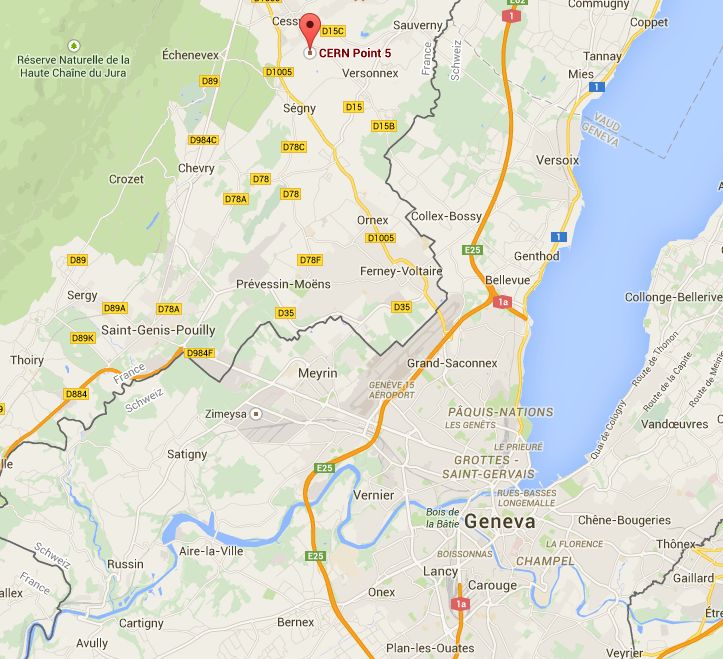
DAQ-2 Shifter Tutorial, 25 April 2018                     10    H. Sakulin / CERN EP

    Shi, BulleJn Board
n   Before each shi2 check the Shi2 BulleRn Board
     ¨ This Twiki page contains
          n   Procedures
          n   Seings (e.g. sub-system RUN Keys, FEDs that are out for a period of Rme)
          n   Known problems (and workarounds)
          n   (temporary) instrucRons
     ¨ If you do not fully understand, check with the previous shi2er
       or the DAQ on-call at the beginning of your shi,

n   You must keep the Shi2 BulleRn Board up-to-date
     ¨ The next shi2er will rely on it
DAQ-2 Shifter Tutorial, 25 April 2018 11 H. Sakulin / CERN EP
General Rules and Policies
u Security (computing):
-Neverwrite down passwords in public places where other people have
access to (files in your home account, paper on your desk, etc)
-Do not give the passwords to other people
u It is the on-call experts which give the relevant information to the
shiftersDAQ-2 Shifter Tutorial, 25 April 2018 12 H. Sakulin / CERN EP
General Rules and Policies
u Take your work seriously:
-If you have time (during a long smooth run in the night):
u Of course you may check your email on your portable
u Of course you may write an email
u You SHOULD eat and drink something during your shift...
-BUT : You must continuously watch the screens to check that the data
taking proceeds as it should.
u It is unacceptable that the run stops due to some problem and you
do not realize this for 5 minutes.
u Shifting is real work, and unfortunately not always exciting or breath-
taking...
u If you manage to do efficiently other work during your shift, then you
do not take the shifting seriously !DAQ-2 Shifter Tutorial, 25 April 2018 13 H. Sakulin / CERN EP
General Rules and Policies
u In case you are in trouble:
-FIRST INFORM THE SHIFT LEADER
u Tell him/her what you suggest to do next. (Sometimes he/she
does not know what to do...)
u You cannot get a run going and beam is there or imminent
-You have serious doubts that the data is taken correctly and/or there is
a problem in the central DAQ
-CALL THE DAQ ON-CALL EXPERT AT ANY TIME
-The experts are there to help you at any time. (This is why they do not
need to do other shifts)
u If you have a problem or question which you are sure is NOT critical
to efficient data taking
-Document your problem in e-log
-Call the expert at any time during the day/morning/evening.
-The experts are also there in order to make you more expert!!DAQ-2 Shifter Tutorial, 25 April 2018 14 H. Sakulin / CERN EP
Your shi, outline
n Arrive 15 minutes early!
¨ Discuss with previous shi2er any problems / issues / requests
¨ Read through the shi2 bulleRn board and make sure you understand it
¨ Log into the Elog and begin documenRng your shi2
n If a run is ongoing, check all the monitoring screens
¨ Is the data flowing ok?
¨ Do you understand the trigger rate? Is the trigger correct?
n Follow any requests from the shi2 leader
¨ Never include / remove subdetectors or FEDs without talking to the shi2
leader
n When you have Rme, take a tour of both the central control room and
the subdetector room
¨ Introduce yourself to your fellow shi2ers!
n If quesRons/problems do not hesitate to call the DAQ DOC (x76600)DAQ-2 Shifter Tutorial, 25 April 2018 15 H. Sakulin / CERN EP
DocumentaJon and Resources
n DAQ2 shi2ers guide twiki page
¨ hWps://twiki.cern.ch/twiki/bin/view/CMS/Shi2PourNuls2014
n The le2bar of the DAQ2 shi2ers guide has many valuable links:
DAQ shifter bulletin board: read before every shift.
DAQ shifter hypernews: subscribe to this! All DAQ
shift related announcements are sent here
DAQ ELOG: Link to DAQ area of the ELOG
DAQ Shift Tutorial: link to slides from shift tutorial
Glossary of DAQ Terms: definition of all the DAQ
acroynyms.
Expert on call: link to DAQ DOC area of shift tool
Expert List: link to list of DAQ and HLT experts
DAQ shift schedule: link to DAQ shifters area of shift tool
P5 shuttle: link to shuttle schedule
n Shi2er bookmarks : hWp://cmsdaqweb/daqpro/Shi2erBookmarks.html
n QuesRons about shi2s: cms-daqshi2-office@cern.chDAQ-2 Shifter Tutorial, 25 April 2018 16 H. Sakulin / CERN EP
Part 2: The central DAQ systemDAQ-2 Shifter Tutorial, 25 April 2018 17 H. Sakulin / CERN EP
The Central DAQ during Run-1
DAQ-1DAQ-2 Shifter Tutorial, 25 April 2018 18 H. Sakulin / CERN EP
CMS DAQ for
LHC Run-1 Bunch crossing rate
40 MHz nominal
Only 2 trigger
levels in CMS Event size up to 1MB
Level-1 Trigger
accepting 100 kHz DAQ: 100 GB/s
et bandwidth
Myrin
Custom electronics
2-stage event builder
Et he rnet Myrinet
1 Gb/s Gigabit Ethernet
High-Level Trigger
working on full events
99.6 % cDAQ availability up to 1.2 GB/s 13000 cores
(2010-2013 physics runs) to storage ~500 Hz accept rateDAQ-2 Shifter Tutorial, 25 April 2018 19 H. Sakulin / CERN EP
Why build a new DAQ?DAQ-2 Shifter Tutorial, 25 April 2018 20 H. Sakulin / CERN EP
LHC plans
13 TeV center-of-mass energy
40 MHz (25 ns ) operation
targeting 40 fb-1 / year
higher pile-up
Plan for
startup
after LS1
(2015)
(*)
(*)
nvtx = PU * 0.7
LHC run-2 pile-up scenarios CMS event size
(*) LHC will perform luminosity leveling to limit pile-up to 50
(Run-1 subsystems)DAQ-2 Shifter Tutorial, 25 April 2018 21 H. Sakulin / CERN EP
New or upgraded detectors in CMS
n Several detectors / online-systems being n 2014: New Trigger Control and DistribuRon System
upgraded to cope with higher luminosity n 2014: Stage-1 calorimeter trigger upgrade
n Increase of event size n 2014/15: new HCAL readout electronics
n 2016: Full trigger upgrade
n Readout electronics of upgraded systems
n 2017: New pixel detector and readout electronics
based on µTCA
SLINK sender mezzanine SLINK express
plugged onto sender = IP-core
VME electronics µTCA electronics
“AMC-13” card used
Fragment size 1..4 kB by many subsystems
Fragment size 2..8 kB
SLINK-64 copper cable
400 MB/s Optical SLINK-express
4 Gb/s or 10 Gb/s
Myrinet NIC - retransmit
Frontend-
Readout Frontend-
Link Readout
Optical
Link
640 Legacy Links: SLINK-64 + 50 new Links: SLINK-express
(600 after pixel upgrade) (170 after pixel upgrade)DAQ-2 Shifter Tutorial, 25 April 2018 22 H. Sakulin / CERN EP
Other reasons to upgrade
n Ageing hardware
¨ Most PCs of Run-1 system
at end of life cycle DAQ1 TDR (2002)
¨ NICs of Run-1 based on PCI-X
Myrinet
1 Gb/s
Ethernet
n New technologies 10 Gb/s
Ethernet
¨ Myrinet widely used when
DAQ-1 was designed
Infiniband
¨ Today Ethernet and Infiniband
dominate the Top-500
supercomputers
2014
Top500.org share by Interconnect familyDAQ-2 Shifter Tutorial, 25 April 2018 23 H. Sakulin / CERN EP
Event size up to 1MB Event size up to 2MB
(large margin)
100 kHz 100 kHz
L1 rate L1 rate
et
Myrin
10/40 Gb/s Ethernet
ther net
b/s E 56 Gb/s Infiniband
1G 100 200
GB/s GB/s
13000 core
filter farm 16000+ core
CMS DAQ 1 CMS DAQ 2 filter farm
max. 1.2 GB/s to storage ~ 3 GB/s to storageDAQ-2 Shifter Tutorial, 25 April 2018 24 H. Sakulin / CERN EP
The Central DAQ during Run-2
DAQ-2DAQ-2 Shifter Tutorial, 25 April 2018 25 H. Sakulin / CERN EP
Legacy readout link Optical readout link
SLINK-64 SLINK express
Frontend Readout Optical Links
10 Gb/s TCP/IP
links from FPGA
Data Concentrator:
Individual 10/40 Gb/s fat tree: can route
Ethernet switches to other switches
Core Event Builder:
Clos network
56 Gb/s FDR Infiniband
Event Filter
attached by
1/10/40 Gb/s
Storage:
Ethernet
Cluster file systemDAQ-2 Shifter Tutorial, 25 April 2018 26 H. Sakulin / CERN EP
Frontend-Readout OpJcal Link
PCI-x
TCP/IP in principle difficult to
implement in an FPGA …
10 Gb/s simplified TCP/IP
from an FPGA
switch
10 GbE
PC running standard
TCP/IP Linux stackDAQ-2 Shifter Tutorial, 25 April 2018 27 H. Sakulin / CERN EP
Frontend-Readout OpJcal Link
x
x
x x x
PCI-x x x x
x
Simplified unidirectional TCP/IP
only needs 3 states
10 Gb/s simplified TCP/IP
from an FPGA
switch
10 GbE
PC running standard
TCP/IP Linux stackDAQ-2 Shifter Tutorial, 25 April 2018 28 H. Sakulin / CERN EP
New in 2017: FEROL 40 board
n 4x 10 Gb/s SLINK Express in
n 40 Gb/s (4x 10 Gb/s) TCP/IP to
DAQ
n uTCA standard
n Used to read out Pixel UpgradeDAQ-2 Shifter Tutorial, 25 April 2018 29 H. Sakulin / CERN EP
Data concentrator
48 Frontend Readout Optical Links (FEROLs)
per data concentrator switch
patch panels
48 x 10 Gb/s in links to fat tree
Individual 10/40 Gb/s
Ethernet switches
Mellanox MSX1024
6 x 40 Gb/s out
Readout Unit (RU) PCsDAQ-2 Shifter Tutorial, 25 April 2018 30 H. Sakulin / CERN EP
DAQ-2: FRL/FEROL 10 Gb/s
DAQ-1: FRL/Myrinet
Ethernet
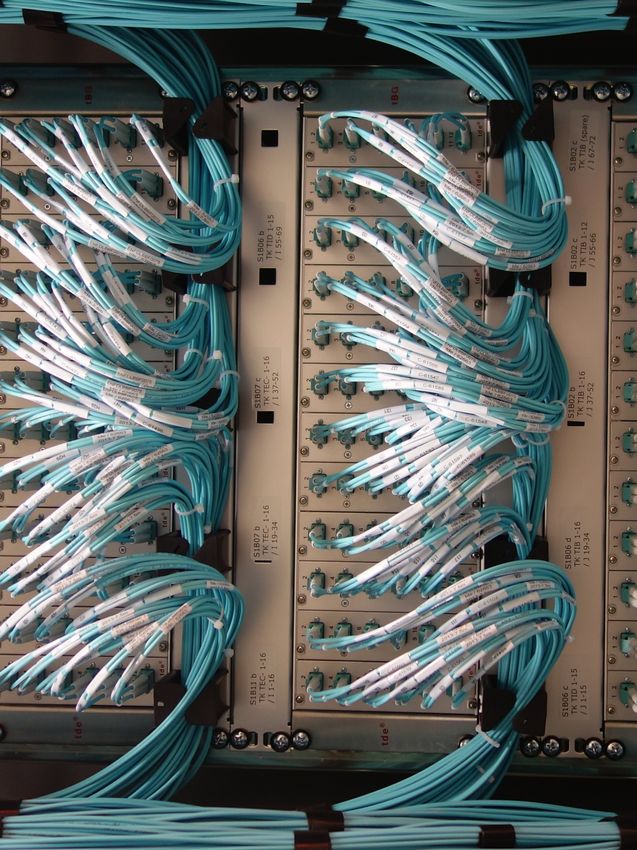
Switchover completedDAQ-2 Shifter Tutorial, 25 April 2018 31 H. Sakulin / CERN EP Data concentrator patch panels and switches
DAQ-2 Shifter Tutorial, 25 April 2018                            32    H. Sakulin / CERN EP

   Core Event Builder

       108x72 Event Builder – 56 Gb/s FDR Infiniband Clos network (108x108 IOs)            3.5 Tb/s

  Infiniband
    • reliable in hardware at link level (no heavy software stack needed)
    • supports credit-based flow control
    • switches do not need to buffer
    • can construct large network from smaller switches
    • cost effective
                                                                                    6 spine switches

                                                                              6 Tb/s per direction

                                                                                             12 leaf
                                                                                            switches

Inputs and outputs mixed on leafs to better utilize leaf-to-spine connections
DAQ-2 Shifter Tutorial, 25 April 2018 33 H. Sakulin / CERN EP Infiniband Clos network
DAQ-2 Shifter Tutorial, 25 April 2018                    34    H. Sakulin / CERN EP

    Core event builder performance tuning
n   40 Gb/s Ethernet
     ¨   Linux stack with performance
         tuning                                                                    dual 8-core
                                                                                   E5 2670

n   56 Gb/s Infiniband
     ¨   So2ware based on
         Infiniband Verbs API
     ¨   All data transport by RDMA
n   In both cases:
     ¨   MulRple threads for data                                                  dual 8-core
                                                                                   E5 2670
         recepRon and wriRng
     ¨   CPU affiniRes tuned
          n   threads
          n   memory pools                    Non-Uniform Memory Access (NUMA)
          n   interrupts
DAQ-2 Shifter Tutorial, 25 April 2018 35 H. Sakulin / CERN EP
Filter Farm
Infiniband
Appliance
(=BU and
its FUs)DAQ-2 Shifter Tutorial, 25 April 2018 36 H. Sakulin / CERN EP
HLT farm, DAQ2
2012 2015 2016 2018
64x 90x 81x 100 x
2012 extension of DAQ-1 HLT PC 2015 HLT PC 2016 HLT PC 2018
Dell Power Edge c6220 Megware S2600KP Action S2600KP Maguay
Form 4 motherboards in 2U box 4 motherboards in 2U box 4 motherboards in 2U box 4 motherboards in 2U box
factor
CPUs 2x 8-core Intel Xeon 2x 12-core Intel Xeon 2x 14-core Intel Xeon 2x 16-core Intel Xeon Gold
per E5-2670 Sandy Bridge, 2.6 E5-2680v3 Haswell, 2.6 E5-2680v4 Broadwell, 2.5 6130 Skylake, 2.1 GHz,
mother- GHz, hyper threading, 32 GB GHz, hyper threading, 64 GHz, hyperthreading, 64 GB hyperthreading, 92 GB RAM
board RAM GB RAM RAM
#boxes 64 (=256 motherboards) 90 (=360 motherboards) 81 (=324 montherboards) 100 (=400 motherboards)
#cores 4096 8640 9072 12800
Data link 2x 1Gb/s 1x 10 Gb/s, 1x 1Gb/s 1x 10 Gb/s, 1x 1Gb/s 1x 10 Gb/s, 1x 1Gb/s
Cloud / Spare
Total 2018: 31k cores on 1100 motherboardsDAQ-2 Shifter Tutorial, 25 April 2018 37 H. Sakulin / CERN EP
HLT farm, DAQ2
Total 2018: 31k cores on 1100 motherboardsDAQ-2 Shifter Tutorial, 25 April 2018 38 H. Sakulin / CERN EP
File based Filter Farm Data Flow
n BUs build full events and write them to
RAM disk BU-FU
Appliance
n Several FU machines per BU run CMSSW
processes to reconstruct / filter the events
¨ CMSSW input/output is file based
¨ BU-FU data transfer uses file systems as a
protocol
¨ 8-16 FUs mount ram disk via NFSv4 over
the BU-FU network :
n 40 to 10 Gbit Ethernet
(1 Gbit on legacy FU)
n The output files of the CMSSW processes are FUs
merged by the Micro-Merger on the FU and
wriWen back to a hard disk on the BU over
NFS.DAQ-2 Shifter Tutorial, 25 April 2018 39 H. Sakulin / CERN EP
Merging
n File-Based Filter Farm Lustre
produces output files DQM
BU
¨ A2er micro-merging on FU:
1100 files x 10 streams per
lumi secRon (23s) ~ 4.5 GB/s write
scaWered over hard disks on + ~ 4.5 GB/s read
72 BUs
¨ To be merged to 1 file per
stream and lumi secRon
in a central place
n Merging is done by a Global File System (Lustre)
¨ Micro-merging on FU
¨ Mini-Merging on BU
¨ Macro-merging on dedicated merger nodesDAQ-2 Shifter Tutorial, 25 April 2018 40 H. Sakulin / CERN EP
Mini-Merge step
BU1 BU2 BU64
…
merger
2 TB
One file per
hard disk
event filter PC
on hard disk
of Builder Unit
Single output file in the cluster file system
n Mini-Merge step
¨ Merger process on BU reads data from all FUs in the appliance
¨ Data are wriWen directly from the BUs to a single output file per stream
in the global file system
n ExcepRon: DQM streams: One file per BU in the global file systemDAQ-2 Shifter Tutorial, 25 April 2018 41 H. Sakulin / CERN EP
Macro-Merge step and Transfer System
Lustre
DQM
BU
~ 4.5 GB/s write
+ ~ 4.5 GB/s read
n Macro-Merge step
¨ Single output file in Lustre is checked and resized
¨ ExcepRon: DQM streams
n Output files per BU are read from Lustre and wriWen to single output
¨ Cut on size (2 GB) and Rmeout of 15s to ensure DQM data gets to DQM in Rme
n Histograms are added
n Transfer
¨ Merged data are then transferred from Lustre to Tier 0 or to consumers
(e.g. DQM/Event Display) at pt.5DAQ-2 Shifter Tutorial, 25 April 2018 42 H. Sakulin / CERN EP
Legacy readout link Optical readout link
SLINK-64 SLINK express
Frontend Readout Optical Links
10 Gb/s TCP/IP
links from FPGA
Data Concentrator:
Individual 10/40 Gb/s fat tree: can route
Ethernet switches to other switches
Core Event Builder:
Clos network
56 Gb/s FDR Infiniband
Event Filter
attached by
1/10/40 Gb/s
Storage:
Ethernet
Cluster file systemDAQ-2 Shifter Tutorial, 25 April 2018 43 H. Sakulin / CERN EP
Flow control
n The enRre DAQ from detector to storage is loss-less
n If cDAQ cannot handle the data throughput, back-pressure is
propagated all the way back to the FED
¨ Bandwidth limitaRon in any part of CDAQ
¨ CPU limitaRon in the filter farm
¨ A failure / crash
n Buffers in the FED may fill up
¨ If too much data is coming from the detector
n Backgrounds, noise, high trigger rate, wrong seings
¨ Or if the FED is back-pressured by CDAQ
n In this case the FED throWles the trigger
¨ Through the Trigger ThroWling System (TTS)
A tree of Fast Merging Modules (FMMs)DAQ-2 Shifter Tutorial, 25 April 2018 44 H. Sakulin / CERN EP
Trigger, TCDS + flow control
Global
Trigger TCDS
Physics Physics
triggers +calibration
+random
triggers DAQ
FRL/ back-
pressure
FEROL
n Each FED sends a TTS signal
n Possible sTTS signals: Busy, Warning, OutOfSync, Error, Disconnected, Ready
n FEDs are grouped into parRRons
n FMMs (Fast Merging Modules) merge sTTS signals from FEDs in each parRRon
n Merged signals sent to TCDS (Trigger Control and DistribuRon System) which
reacts according to the signal
¨ i.e. blocks triggers from Global Trigger for all states except Ready
n Special cases of TTS signals that are only seen by TCDS (not by the FMMs):
¨ For tracker parRRons also the emulated APV state is an input to the parRRon controller
¨ New uTCA FEDs send their TTS status through the TTC ParRRon Interface to TCDSDAQ-2 Shifter Tutorial, 25 April 2018 45 H. Sakulin / CERN EP
So,wareDAQ-2 Shifter Tutorial, 25 April 2018 46 H. Sakulin / CERN EP
The online so,ware
XDAQ Framework – C++, XML, SOAP
XDAQ applications control hardware and data flow
XDAQ is the framework of CMS online software
It provides Hardware Access, Transport Protocols,
data
Services etc.
XDAQ Application
XDAQ Online …
Software
data
data
control
Low voltage
High voltage Front-end L1 trigger Sub-det DAQ Central DAQ Central DAQ High Level Trigger Farm
Gas, Magnet Electronics electronics electronics electronics Event Builder & StorageDAQ-2 Shifter Tutorial, 25 April 2018 47 H. Sakulin / CERN EP
The online so,ware
Run Control System – Java, Web Technologies GUI in a web browser
Defines the control structure HTML, CSS, JavaScript, AJAX
Run Control System
Run Control Web Application Level-0
Apache Tomcat Servlet Container
Java Server Pages, Tag Libraries,
Web Services (WSDL, Axis, SOAP)
…
DCS Trigger Tracker …ECAL DAQ DQM
Function Manager
Trigger
Node in the Run Control Tree
Supervisor …
defines a State Machine & parameters
User function managers dynamically
loaded into the web application
XDAQ Online …
Software
HLTD merger transfer
CMSSW
CMSSW
CMSSW
data
data
control
Low voltage
High voltage Front-end L1 trigger Sub-det DAQ Central DAQ Central DAQ High Level Trigger Farm
Gas, Magnet Electronics electronics electronics electronics Event Builder & StorageDAQ-2 Shifter Tutorial, 25 April 2018 48 H. Sakulin / CERN EP
The online so,ware
DCS YOU
Shifter (as DAQ
shifter)
errors monitor F3 mon
alarms clients
Detector Run Control System
Control Level-0
TRG
… DAQ
ES
ES
System
Live Access
Servers
…
DCS Trigger Tracker ECAL DAQ DQM
Tracker … ECAL
tribe
Trigger
Supervisor …
Elastic search
… Monitor collectors
XDAQ monitoring
XDAQ Online & alarming
WinCC OA …
Software
(Siemens ETM) HLTD
CMSSW merger transfer
SMI++ (CERN) CMSSW
CMSSW
data
data
control
Low voltage
High voltage Front-end L1 trigger Sub-det DAQ Central DAQ Central DAQ High Level Trigger Farm
Gas, Magnet Electronics electronics electronics electronics Event Builder & StorageDAQ-2 Shifter Tutorial, 25 April 2018 49 H. Sakulin / CERN EP
File-based Filter Farm So,ware
n FFF on appliances is controlled by a service (hltd), asynchronous
to Run Control
n hltd is running on BUs and FUs and responsible for:
¨ DetecRng a new run (run directory in ramdisk appears)
¨ CMSSW runs as standard cmsRun jobs, process input files
¨ Output bookkeeping and copying merged data files to BU
n Monitoring
¨ Using elasRcsearch (a search engine)
¨ Data is indexed, searching for specific informaRon is
available in near-realRme
¨ Running on central ES server clusters
¨ InserRon of informaRon by hltd or merger services
injection
n CPU usage, event processing staRsRcs, merging compleRon,
logs (more details later in F3Mon descripRon)DAQ-2 Shifter Tutorial, 25 April 2018 50 H. Sakulin / CERN EP
How Run Control starts up a sub-system:
Run Control + XDAQ system structure configurable
High-level tools
Store
configuration
Resource
Service
API
XML XML
configurations Load configuration
Run Control
Resource Service
Database
start
Control structure & configure
• Function Managers to load (URL) applications
• Parameters
• Child nodes
Configuration of XDAQ Executives (XML)
• libraries to be loaded
• applications (e.g. builder unit, filter unit) Job Control
& parameters Service
• network connections
• collaborating applicationsDAQ-2 Shifter Tutorial, 25 April 2018 51 H. Sakulin / CERN EP
Level-0 DAQ shifter
Control room
On-Call
Expert
interacJon
Detector Online
LHC Control
LHC + HV state Level-0 Monitoring
GCM
Configuration DBs
Run Mode Run Info
Resource
Service
L1 Trg Session
Logs
…
Equipment
HLT
L1- … Central
PIX TRK ECAL CSC DAQ DQM
Trigger
Data Quality
sub-detectors Monitoring
FEC FED FB EVB
FED Builder Event BuilderDAQ-2 Shifter Tutorial, 25 April 2018 52 H. Sakulin / CERN EP
RCMS: Registration and Keys
n Sub-system configurations need to be “registered” with the Global
Configuration Map Database. This is done by the DAQ on-call expert or
sub-system experts
n The Level-0 Function Manager queries the DB
¨ to know what configuration to start for a subsystem
n Important: when a new configuration is registered you need to destroy
(red recycle) the corresponding FM
¨ to know what RUN KEYS are available for a subsystem
n You can parameterize a subsystem’s configuration by selecting a run key
(unless the key is are selected by a CMS Run Mode)DAQ-2 Shifter Tutorial, 25 April 2018 53 H. Sakulin / CERN EP
Part 3: Controlling data taking
through Run ControlDAQ-2 Shifter Tutorial, 25 April 2018 54 H. Sakulin / CERN EP
Create FM Level Zero
n RCMS workflow to create the FM Level Zero
¨ Log into RCMS as toppro (http://cmsrc-top.cms:10000/rcms)
¨ Configuration Chooser: Path: PublicGlobal/LevelZeroFMwithAutomator
¨ Press on “Create”
n At this point the Level 0 Function Manager is created in the tomcat.DAQ-2 Shifter Tutorial, 25 April 2018 55 H. Sakulin / CERN EP
1. RCMS interface
n This is your main interface to DAQ management. This is the window where you
will configure the CMS running mode, start / stop runs, remove / add
subdetectors and FEDs, and look for errors.DAQ-2 Shifter Tutorial, 25 April 2018 56 H. Sakulin / CERN EP
1. RCMS interface
Main activity (start /
stop / TTCResync etc)
Subdetector status (Running,
Configured, Error, etc)
Subdetector Configuration Keys
Subdetector recycle/reconfigure
& commander buttons
Additional info from
subdetectors (could be errors)DAQ-2 Shifter Tutorial, 25 April 2018 57 H. Sakulin / CERN EP
1. RCMS interface
Slow Control (DCS / Information (and settings)
LHC) information (when for Trigger keys, Clock
available) source, TCDSDAQ-2 Shifter Tutorial, 25 April 2018 58 H. Sakulin / CERN EP
Managing the run: start / stop runs
Main activity (start /
stop / TTCResync etc)
Subdetector status (Running,
Configured, Error, etc)
Subdetector Configuration Keys
Subdetector recycle/
commander buttons
Additional info from
subdetectors (could be errors)DAQ-2 Shifter Tutorial, 25 April 2018 59 H. Sakulin / CERN EP
Simplified state diagram for run control
n In green are commands, in black are states reached a2er command is executed
n Note that “Error” state can happen during any step
n Only valid commands in each state are enabled in the Run Control screen
reConfigure
Configure
Start
Halted Configured Running
Halt Stop
Initialize Resume Pause
Faulty/Error Paused
Error
Destroy
Re-configure = (Halt) + Configure
Re-cycle = Destroy + InitializeDAQ-2 Shifter Tutorial, 25 April 2018 60 H. Sakulin / CERN EP
Full state diagram for run control
n In green are commands, in black are states reached a2er command is executed
n Note that “Error” state can happen during any stepDAQ-2 Shifter Tutorial, 25 April 2018 61 H. Sakulin / CERN EP
StarJng / Stopping runs
n In general, you will use the buWons in the main acRvity area
¨ Here the iniRalize / configure / start / stop buWons will address all subdetectors in
the run
n There is an order in which the commands must be sent to subdetectors, and the order is
built into the L0 funcRon manager
n It is possible also to use the “commander” and / or “recycle” buWons below
the subdetector
¨ Sends commands only to one subdetector
¨ If this command requires subsequent acRon on another subdetector, then there
will be a flashing message next to the subdetector that requires acRon
n E.g. if you add a subdetector into the run when the TCDS or DAQ (or both) is already
configured, a flashing message next to the TCDS / DAQ will tell you to reconfigure it
¨ Recycle/Reconfigure buWons
n There are two: “red” recycle and “green” reconfigure
n Red recycle destroys the subdetector funcRon manager and restarts it, ending in the
“halted” state. You can do this from any state, you must do this from the “error” state
n Green reconfigure reconfigures the subdetector only. You can do this either from the
“halted” or “configured” stateDAQ-2 Shifter Tutorial, 25 April 2018 62 H. Sakulin / CERN EP
Adding / removing subsystems and/or FEDs
To add / remove FEDs or subsystems,
FED & TTS button click on the FED & TTS button
The window on the next slide will pop up
Subdetector recycle/
commander buttons
To remove an entire subsystem, you can also choose the “Destroy and
Out” command from the commander pull down menuDAQ-2 Shifter Tutorial, 25 April 2018 63 H. Sakulin / CERN EP
Adding / removing subsystems and/or FEDs
n Following is pictures / more in depth informaRon
The subsystem chooser buttons
have IMMEDIATE effect.
Do not use during a run.
FED/TTS changes are IMMEDIATELY reflected
In the monitoring systems. Do not change FEDs during a run.DAQ-2 Shifter Tutorial, 25 April 2018 64 H. Sakulin / CERN EP
Adding / removing subsystems and/or FEDs
FED groups help to
differentiate between
subsystems within
a partitionDAQ-2 Shifter Tutorial, 25 April 2018 65 H. Sakulin / CERN EP
Sub-Systems Control Panel
• The Sub-Systems panel contains:
– All the subsystems included in the
Global Run
– State of each subsystem
– Applied Run Key for each subsystem
– Run Key selector
– Commander for each subsystem:
– The pull down menu allows to
send command directly to the
subsystem
– Red re-cycle button allows to
destroy the subsystem software
and bring it to halted state.
– Green re-cycle button allows to
(re-)configure the subsystem
software.DAQ-2 Shifter Tutorial, 25 April 2018 66 H. Sakulin / CERN EP
FM L0 built-in cross-checks
• Indicate sub-systems to re-
configure if :
n A parameter is changed in the GUI
n A sub-system / FED is added/
removed
n External parameters change
• Enforce correct order of re-
configuraRon
• Enforce procedure to follow if LHC
clock stability changesDAQ-2 Shifter Tutorial, 25 April 2018 67 H. Sakulin / CERN EP
Access Control
Subsystems are created by the Level-0 in a
locked state and the subsystem RCMS GUIs
may be attached for read access but may not
command the subsystem or set parameters.
If a subsystem-expert needs to access the
sub-system through their RCMS GUI, you may
unlock the subsystem by clicking on the lock
icon. You should lock the subsystem again
after the intervention is finished.
If a subsystem was created by a GUI or by a different Level-0, the central Level-0
may not be able to command this subsystem. In order to control the subsystem from
the central Level-0, the subsystem must be destroyed from where it was created.
Destroy Backdoor (this applies for any Function Manager, whether it belongs to a
subsystem or it is the Level-0 itself): If things went wrong and you cannot destroy a
Function Manager in any regular way.DAQ-2 Shifter Tutorial, 25 April 2018 68 H. Sakulin / CERN EP
Run and Trigger mode selecJon
Select CMS Run Mode other than MANUAL
Tick to auto-select
CMS Run Mode
Based on LHC mode
(Only available if
connection to DCS
is working)
All keys defined by CMS Run Mode
including (some) sub-system RUN KEYsDAQ-2 Shifter Tutorial, 25 April 2018 69 H. Sakulin / CERN EP
You may someJmes need: Manual RUN MODE
Select CMS Run Mode is MANUAL
Select L1/HLT Mode
L1 and HLT keys
defined by
L1/HLT mode
Select clock source
( Select primary/secondary
TCDS system – not yet available)
Attention: You also need to select sub-system run keys manuallyDAQ-2 Shifter Tutorial, 25 April 2018 70 H. Sakulin / CERN EP
You may rarely need: Manual L1/HLT MODE
Select CMS Run Mode is MANUAL
L1/HLT Mode is MANUAL
Choose HLT key and
HLT SW Architecture
L1 Keys defined
by trigger shifter
Select clock source
( Select primary/secondary
TCDS system – not yet available)
Attention: You also need to select sub-system run keys manuallyDAQ-2 Shifter Tutorial, 25 April 2018 71 H. Sakulin / CERN EP
Automator
DCS DAQ
Operator
DAQ Expert monitor
Operator clients
errors
alarms
Automator Function Manager
Run Control System
Level-0 Function
LHC DCS SE Gd Manager
HV status,
Detector Control System
Ind. SM Conf
LHC state Config
Monitoring Services
DBs
…
Subs 1 … Subs n
…
XDAQ Online
Software
HLT, merge &
transfer
control
data
data
control
Low voltage Trigger
High voltage Front-end Control and Central DAQ Central DAQ File based Filter Farm
L1 trigger Sub-det DAQ
Gas, Magnet Electronics electronics Distribution electronics electronics Event Builder & Storage
SystemDAQ-2 Shifter Tutorial, 25 April 2018 72 H. Sakulin / CERN EP
Level-0 Automator
Start a run from any state • Taking into account all cross-checks (except sanity checks)
Stop a run then re-start • Taking into account scheduled actions
• Attempting to recover from failures (2 retries, currently)
Schedule
“at-fault” is for future
automatic down-time splittingDAQ-2 Shifter Tutorial, 25 April 2018 73 H. Sakulin / CERN EP
Level-0 Automator
n When to use what buWon
¨ If we are not “Running”
n “Start Run” will start a new run ( “Recover Run” will do the same thing)
¨ If we are “Running”
n “Recover Run” will stop, then start a new run (“Start Run” has no effect)
n When to use the automator
¨ To start a run
n First set all seings (Subsystems & FEDs in/out, run mode etc. )
n Then let the automator re-configure / re-cycle subsystems as necessary and start a new run
¨ To recover from a problem (if you know the appropriate recovery acRon)
n Select the recovery acRon in the Schedule
n Let the automator stop the run, re-configure / re-cycle subsystems as necessary and start a
new run
¨ To apply changed seings such as a new run mode or trigger key
n Just click “Recover Run” while a run is going
n The automator stops the run, recycles/ reconfigures subsystems as requested by indicators
and starts againDAQ-2 Shifter Tutorial, 25 April 2018 74 H. Sakulin / CERN EP Level-0 Jmeline Shows history of subsystem states and all manual and automatic actions taken
DAQ-2 Shifter Tutorial, 25 April 2018              75   H. Sakulin / CERN EP

   Level-0 Jmeline
Tool tips give information about the reasons for action
DAQ-2 Shifter Tutorial, 25 April 2018                76   H. Sakulin / CERN EP

   Level-0 Jmeline
Tool tips give information about the reasons for action … and their outcome
DAQ-2 Shifter Tutorial, 25 April 2018   77   H. Sakulin / CERN EP

ToolJps for errors
DAQ-2 Shifter Tutorial, 25 April 2018   78   H. Sakulin / CERN EP

Going back to analyze problems
DAQ-2 Shifter Tutorial, 25 April 2018                    79    H. Sakulin / CERN EP

FM L0 Links Panel

                                                                  Save
                                         –       Save the configuration parameters
                                                       of the Level Zero GUI.
                                                                Refresh
                                                 –       Refresh the Level Zero page.
                                                                Detach
                                             –       Disconnect the Level Zero GUI
                                                         from the Level Zero FM.
                                                                Destroy
                                                     –    Kill all Function Managers
                                                         and XDAQs started by them
DAQ-2 Shifter Tutorial, 25 April 2018 80 H. Sakulin / CERN EP
Automation:
Automatic reaction to
LHC beam/machine mode and
DCS high voltage stateDAQ-2 Shifter Tutorial, 25 April 2018 81 H. Sakulin / CERN EP
Automator
DCS DAQ
Operator
DAQ Expert monitor
Operator clients
errors
alarms
Automator Function Manager
Run Control System
Level-0 Function
LHC DCS SE Gd Manager
HV status,
Detector Control System
Ind. SM Conf
LHC state Config
Monitoring Services
DBs
…
Subs 1 … Subs n
…
XDAQ Online
Software
HLT, merge &
transfer
control
data
data
control
Low voltage Trigger
High voltage Front-end Control and Central DAQ Central DAQ File based Filter Farm
L1 trigger Sub-det DAQ
Gas, Magnet Electronics electronics Distribution electronics electronics Event Builder & Storage
SystemDAQ-2 Shifter Tutorial, 25 April 2018 82 H. Sakulin / CERN EP
DAQ acJons on LHC and DCS state changes
n Extensive automaRon in the n Some DAQ seings depend on the LHC and
Detector Control System (DCS) DCS states
¨ AutomaRc handshake with the ¨ Suppress tracker payload while HV is off
LHC (noise)
¨ AutomaRc ramping of high ¨ Reduce pixel gain while HV is off
voltages (HV) driven by LHC ¨ Mask sensiRve channels while LHC ramps …
machine and beam mode
n AutomaRc new run secJons driven by
asynchronous state noRficaRons from
DCS/LHC
Detector Control System Run Control System
DCS PVSS Level-0
SOAP
LHC eXchange
Tracker … ECAL DCS Tracker … DAQ
PSX
XDAQ
serviceDAQ-2 Shifter Tutorial, 25 April 2018 83 H. Sakulin / CERN EP
AutomaJc acJons driven by the LHC …
STABLE BEAMS
…
ADJUST
LHC dipole
current
STABLE BEAMS
section 1
DCS ramps up DCS ramps down
tracker HV tracker HV
Start run at FLAT TOP. DCS ramps up DCS ramps down
pixelHV pixelHV
The rest is automatic.
section 1 section 2 section 1 2 3 …
Special run with circulating beam Collisions run
Automatic actions in DAQ (“PerformingDCSPauseResume” state)
ramp start ramp done Tracker HV on Tracker HV off
Mask Unmask Enable payload (Tk) Disable payload (Tk)
sensitive sensitive raise gains (Pixel) reduce gains (Pixel)
trigger trigger
channels channelsDAQ-2 Shifter Tutorial, 25 April 2018 84 H. Sakulin / CERN EP
Automatic recovery
from Soft ErrorsDAQ-2 Shifter Tutorial, 25 April 2018 85 H. Sakulin / CERN EP
AutomaJc so, error recovery
n With higher One Single Event Upset
instantaneous (needing recovery) every 73 pb-1
luminosity in 2011 more
and more frequent “so2
errors” causing the run
to get stuck
¨ ProporRonal to
integrated luminosity
¨ Believed to be due to
single event upsets
n Recovery procedure
¨ Stop run (30 sec)
¨ Re-configure a sub-
detector (2-3 min) Single-event upsets in the electronics of the Si-Pixel
¨ Start new run (20 sec) detector. Proportional to integrated luminosity.
3-10 min down-RmeDAQ-2 Shifter Tutorial, 25 April 2018 86 H. Sakulin / CERN EP
AutomaJc so, error recovery
n From 2012, new automaRc recovery
procedure in top-level control node
1. Sub-system detects so2 error and signals by
changing its state to RunningSo,ErrorDetected
… 2. Top-level control node invokes recovery
procedure
a) Pause Triggers (TCDS)
b) Invoke newly defined selecRve recovery transiRon
Function on requesRng detector (FixSo,Error)
Manager
c) In parallel perform prevenRve recovery of other
detectors
d) Resynchronize
e) Resume
12 seconds down-Rme
At least 46 hours of down-time avoided in 2012DAQ-2 Shifter Tutorial, 25 April 2018 87 H. Sakulin / CERN EP
Other special states
n RunningDegraded
¨ Subsystems may change into RunningDegraded state
if data taking is sRll conRnuing, but there is a problem
requiring the aWenRon of the shi2 crew
¨ The subsystem message panel should contain a message
describing the problem
¨ Discuss with the shi2 leader how to proceed and check with
the corresponding DOC if the message is not 100% clear.
n RunBlocked
¨ The DAQ and Level-0 may change into the RunBlocked state if
the DAQ received corrupted data from a subdetector
n It is possible to (Force-)Stop the run from RunBlocked state.DAQ-2 Shifter Tutorial, 25 April 2018 88 H. Sakulin / CERN EP
Part 4: Monitoring toolsYou can also read


