CREATE A GROCERY GAME PLAN GROCERY LIST - FRUITS
←
→
Page content transcription
If your browser does not render page correctly, please read the page content below

CREATE A GROCERY GAME PLAN
                                       GROCERY LIST
                FRUITS                                GRAINS
                                            (BREADS, PASTAS, RICE, CEREALS)

                DAIRY                              VEGETABLES
         (MILK, YOGURT, CHEESE)

          PROTEIN FOODS                                OTHER
(MEAT, SEAFOOD, BEANS & PEAS, NUTS, EGGS)

        NOTES: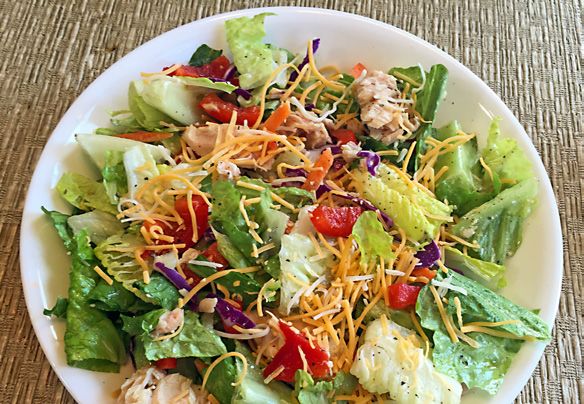
United States Department of Agriculture

          10                                                          MyPlate
        tips                                                                                                                   Based on the

                                    MyWins
                                                                                                                                 Dietary
    Nutrition                                                                                                                  Guidelines
Education Series                                                                                                             for Americans

                         Eating better on a budget
Get the most for your budget! There are many ways to save money on the foods that you eat. The three main
steps are planning before you shop, purchasing the items at the best price, and preparing meals that stretch your
food dollars.

1                                                                             6
        Plan, plan, plan!                                                            Convenience costs...
      Before you head to the grocery store, plan your                                go back to the basics
     meals for the week. Include meals like stews,                                    Convenience foods like frozen dinners, pre-cut fruits
casseroles, or soups, which “stretch” expensive                               and vegetables, and take-out meals can often cost more
items into more portions. Check to see what foods                             than if you were to make them at home. Take the time to
you already have and make a list for what you                                 prepare your own—and save!

                                                                              7
need to buy.

2
                                                                                     Easy on your wallet
         Get the best price                                                         Certain foods are typically low-cost options all year
       Check the local newspaper, online, and at the store                         round. Try beans for a less expensive
       for sales and coupons. Ask about a loyalty card for                    protein food. For vegetables, buy cabbage,
extra savings at stores where you shop. Look for specials                     sweet potatoes, or low-sodium canned
or sales on meat and seafood—often the most expensive                         tomatoes. As for fruits, apples and bananas
items on your list.                                                           are good choices.

3                                                                             8
         Compare and contrast                                                       Cook once...eat all week!
       Locate the “Unit Price” on the shelf directly below		                        Prepare a large batch of favorite recipes on your day
       the product. Use it to compare different brands and                          off (double or triple the recipe). Freeze in individual
different sizes of the same brand to determine which is the                   containers. Use them throughout the week and you won’t
best buy.                                                                     have to spend money on take-out meals.

4                                                                             9
         Buy in bulk                                                                Get creative with leftovers
       It is almost always cheaper to buy foods in                                  Spice up your leftovers—use them in new ways.
       bulk. Smart choices are large containers of                                  For example, try leftover chicken in a stir-fry, over a
low-fat yogurt and large bags of frozen vegetables.                           garden salad, or in chili. Remember, throwing away food is
Before you shop, remember to check if you have enough                         throwing away your money!
freezer space.

5                                                                             10
                                                                                         Eating out
          Buy in season                                                                   Restaurants can be expensive. Save money by
       Buying fruits and vegetables in season can lower the                               getting the early bird special, going out for lunch
       cost and add to the freshness! If you are not going to                 instead of dinner, or looking for “2 for 1” deals. Ask for water
use them all right away, buy some that still need time to                     instead of ordering other beverages, which add to the bill.
ripen.

                                                                                                                            DG TipSheet No. 16
Center for Nutrition Policy and Promotion                      Go to ChooseMyPlate.gov                                            November 2011
USDA is an equal opportunity provider, employer, and lender.       for more information.                                    Revised October 2016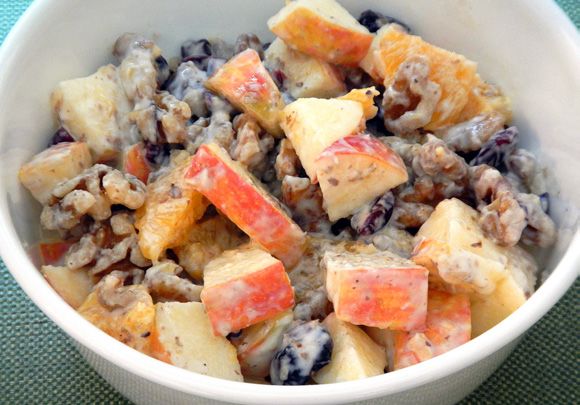
REFRIGERATOR & FREEZER STORAGE CHART
Since product dates aren’t a guide for safe use of a product, consult this chart and follow these tips. These short but safe
time limits will help keep refrigerated food 40° F (4° C) from spoiling or becoming dangerous.
•   Purchase the product before “sell-by” or expiration dates.
•   Follow handling recommendations on product.
•   Keep meat and poultry in its package until just before using.
•   If freezing meat and poultry in its original package longer than 2 months, overwrap these packages
    with airtight heavy-duty foil, plastic wrap, or freezer paper, or place the package inside a plastic bag.
Because freezing 0° F (-18° C) keeps food safe indefinitely, the following recommended storage times are for quality only.

Product                           Refrigerator    Freezer             Product                        Refrigerator    Freezer
Eggs                                                                  Soups & Stews
Fresh, in shell                   4 to 5 weeks    Don’t freeze        Vegetable or meat-added
Raw yolks, whites                 2 to 4 days     1 year               & mixtures of them            3 to 4 days     2 to 3 months
Hard cooked                       1 week          Don’t freeze well
Liquid pasteurized eggs                                               Bacon & Sausage
 or egg substitutes,                                                  Bacon                          7 days          1 month
    opened                        3 days          Don’t freeze        Sausage, raw from pork,
    unopened                      10 days         1 year               beef, chicken or turkey       1 to 2 days     1 to 2 months
Mayonnaise, commercial                                                Smoked breakfast links,
  Refrigerate after opening       2 months        Don’t freeze         patties                       7 days          1 to 2 months
                                                                      Summer sausage labeled
TV Dinners, Frozen Casseroles                                          “Keep Refrigerated,”
Keep frozen until ready to heat                   3 to 4 months          unopened                    3 months        1 to 2 months
                                                                         opened                      3 weeks         1 to 2 months
Deli & Vacuum-Packed Products
Store-prepared                3 to 5 days         Don’t freeze well   Fresh Meat (Beef, Veal, Lamb, & Pork)
 (or homemade)                                                        Steaks                         3 to 5 days     6 to 12 months
 egg, chicken, tuna, ham,                                             Chops                          3 to 5 days     4 to 6 months
 macaroni salads                                                      Roasts                         3 to 5 days     4 to 12 months
Pre-stuffed pork &                                                    Variety meats (tongue,
 lamb chops, chicken                                                   kidneys, liver, heart,
 breasts stuffed w/dressing   1 day               Don’t freeze well    chitterlings)                 1 to 2 days     3 to 4 months
Store-cooked convenience
 meals                        3 to 4 days         Don’t freeze well   Meat Leftovers
Commercial brand                                                      Cooked meat & meat dishes      3 to 4 days     2 to 3 months
 vacuum-packed                                                        Gravy & meat broth             1 to 2 days     2 to 3 months
 dinners with USDA seal,
 unopened                     2 weeks             Don’t freeze well   Fresh Poultry
                                                                      Chicken or turkey, whole       1 to 2 days     1 year
Raw Hamburger, Ground & Stew Meat                                     Chicken or turkey, parts       1 to 2 days     9 months
Hamburger & stew meats     1 to 2 days            3 to 4 months       Giblets                        1 to 2 days     3 to 4 months
Ground turkey, veal, pork,
 lamb                      1 to 2 days            3 to 4 months       Cooked Poultry, Leftover
                                                                      Fried chicken                  3 to 4 days     4 months
Ham, Corned Beef                                                      Cooked poultry dishes          3 to 4 days     4 to 6 months
Corned beef in pouch              5 to 7 days     Drained, 1 month    Pieces, plain                  3 to 4 days     4 months
 with pickling juices                                                 Pieces covered with broth,
Ham, canned, labeled                                                   gravy                         3 to 4 days     6 months
 “Keep Refrigerated,”                                                 Chicken nuggets, patties       3 to 4 days     2 months
  unopened                        6 to 9 months   Don’t freeze
  opened                          3 to 5 days     1 to 2 months       Fish & Shellfish
Ham, fully cooked, whole          7 days          1 to 2 months       Lean fish                      1 to 2 days     6 months
Ham, fully cooked, half           3 to 5 days     1 to 2 months       Fatty fish                     1 to 2 days     2 to 3 months
Ham, fully cooked, slices         3 to 4 days     1 to 2 months       Cooked fish                    3 to 4 days     4 to 6 months
                                                                      Smoked fish                    14 days         2 months
Hot Dogs & Lunch Meats (in freezer wrap)                              Fresh shrimp, scallops,
Hot dogs,                                                              crawfish, squid               1 to 2 days     3 to 6 months
 opened package                1 week             1 to 2 months       Canned seafood                 after opening   out of can
 unopened package              2 weeks            1 to 2 months        (Pantry, 5 years)             3 to 4 days     2 months
Lunch meats,
 opened package                3 to 5 days        1 to 2 months
 unopened package              2 weeks            1 to 2 months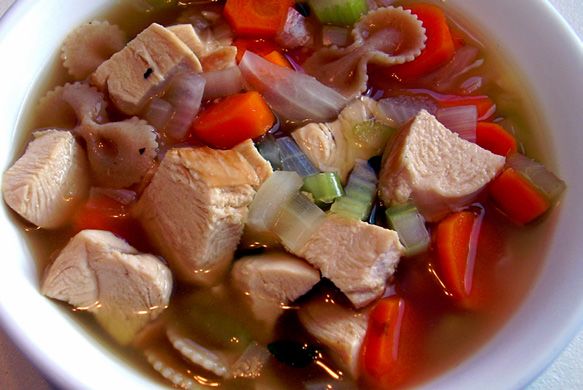
FOOD SAFETY TIPS
             This holiday season and throughout the year, follow these 11 tips
                          to reduce your risk of foodborne illness.

                                     Suds up for 20 seconds.
                                      Wash hands with soap under
                                     warm, running water before and
                                         after handling food to
                                             fight bacteria.

                                                                      Start with a
                                                                      clean scene.
           Keep foods separate.                                         Wash cutting
        Separate raw meat, seafood and                                 boards, dishes,
         eggs from other foods in your                                countertops and
         grocery shopping cart, grocery                               utensils with hot
         bags and in your refrigerator.                               water and soap.

                               Don’t rinse                              Keep your
                                meat or                               refrigerator at
                                poultry.                              40°F or below.
                               It is not a safety                           Refrigerate
                                 step and can                          leftovers in shallow
                                 spread germs                           containers within
                                  around your                               two hours.
                                     kitchen.

Learn more about food safety
                                 BROUGHT TO YOU BY:
 at StoryOfYourDinner.org
Rinse fresh fruits
                                                                and veggies
                                                                 under running tap
                                                               water, including those
                                                              with skins and rinds that
                                                                   are not eaten.

 Read and follow
 package cooking
   instructions.                   Place meat and
The instructions may call         poultry in plastic
for a conventional oven,           bag provided at
convection oven, toaster
 oven or microwave, and           the meat counter,
  it’s important to use          and keep it in the plastic
 the proper appliance to          bag in your refrigerator
  ensure even cooking.                   at home.

                                    Use a food                           Clean out
 Never defrost at                  thermometer.
room temperature.              Food is safely cooked when               your fridge.
Safely defrost food in the      it reaches a high enough               No leftovers past
refrigerator, in cold water    internal temperature to kill               3-4 days.
   or in the microwave.         the harmful bacteria that
                                      causes illness.

BROUGHT TO YOU BY:

               Learn more about food safety at StoryOfYourDinner.org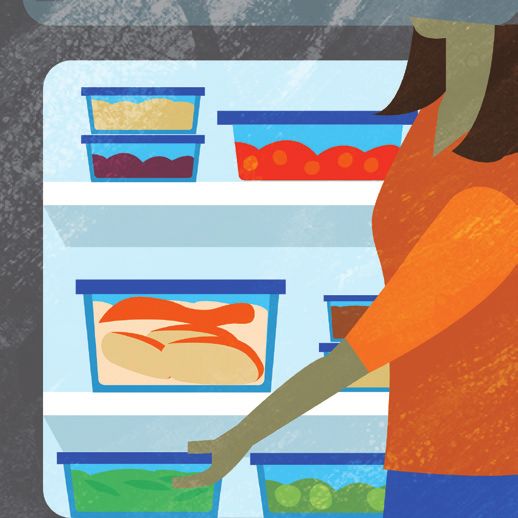
Leftover Makeovers and
                    Refrigerator Reboots!
                                                        Meat, Vegetables,                                             Cheese
       Alice Henneman, MS, RDN                                Pasta
           Extension Educator

     Got some leftovers languishing in
your refrigerator? Or perhaps little bits
of foods that are almost past prime time
to eat. Read on if their next stop is likely
to be the trash can.
     Give new life to still edible foods
with our gallery of delicious ideas. As
a general rule, use leftovers within 3–4                                                                    Use up those odds and ends of
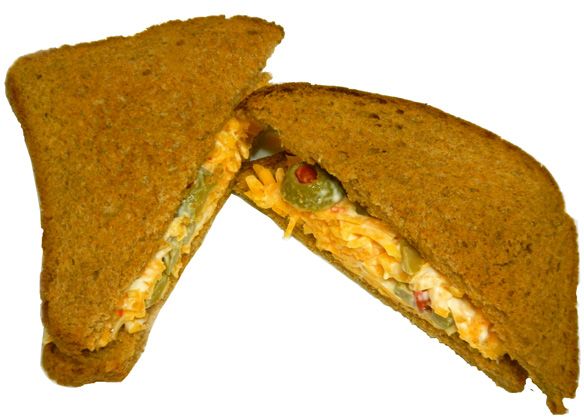
days.                                                   Search your fridge for foods that              harder cheeses by shredding them with
                                                   can be combined into a soup. Add                    a grater or in a food processor. Check
                                                   extra cooked pasta or rice at the end,              your refrigerator for other ingredients
       90 Billion Pounds                           so it heats through but doesn’t become              to include such as olives, pickles,
        of Wasted Food                             mushy from overcooking. Keep some                   pimientos, walnuts, red or green
                                                   chicken stock or canned, diced toma-                peppers, etc.; add low-fat mayonnaise to
      The U.S. Department of                       toes on-hand for a quick soup base.                 bind ingredients and use as a sandwich
  Agriculture (USDA) estimates                                                                         spread.
  about 90 billion pounds of                                         Bread
  edible food goes uneaten each                                                                                   Fruit, Yogurt
  year in homes and away-from
  home eating places. This is
  equal to 123 times the weight
  of the Empire State Building and
  costs consumers about $370
  per person each year.
      Here’s the breakdown from
  USDA on how much food is
  wasted from each food grouping                        Transform slightly dried-out bread
  per person yearly:                               into croutons: Preheat oven to 350°F.
  • Grains: $22                                    Lightly brush top side of bread with                     Chop and combine those last pieces
  • Fruits: $45                                    olive oil. If desired, sprinkle with Italian        of fruit. Flavored or plain yogurt —
  • P rotein Foods (meat, poultry,                seasoning. Cut into 1/2- to 3/4-inch                perhaps sweetened with a little honey
     fish, eggs and nuts): $140                    cubes, leaving the crusts on. Spread in             and a splash of vanilla — makes a tasty
  • Vegetables: $66                                a single layer on an ungreased baking               dressing. Other possible add-ins include
                                                   sheet. Bake on middle shelf of the                  the remainder of that package of nuts
  • Dairy: $60
                                                   oven for 5–10 minutes or until lightly              and those final bits of dried fruit.
  • Added Fat & Sugar: $37
                                                   browned and crisp. No need to turn
                                                   croutons during baking.                                              continued on next page

Extension is a Division of the Institute of Agriculture and Natural Resources at the University of Nebraska–Lincoln
cooperating with the Counties and the United States Department of Agriculture.

University of Nebraska–Lincoln Extension educational programs abide with the nondiscrimination policies
of the University of Nebraska–Lincoln and the United States Department of Agriculture.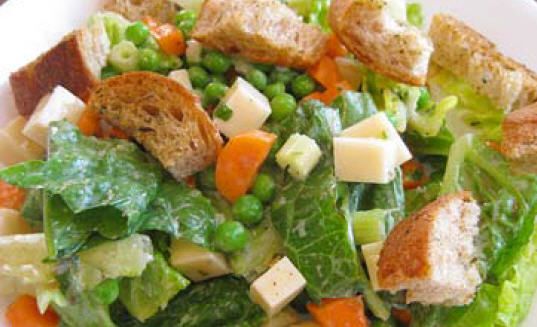
Eggs                        by boiling the eggs. Hard-cooked eggs,
                                            will keep in their shell for 7 days in a
                                            clean covered container in the fridge.
                                            They make a quick high quality protein
                                            source for a meal such as in main dish
                                            salads and sandwiches.

                                                   Assorted Produce
                                                Toss assorted bits and pieces of
                                            produce lingering in the refrigerator         something “grate” and grate in some
                                            and on your kitchen counter into a            cabbage and carrots; while you’re at it,
                                            salad. Add the last of that bag of soon-      add some grated cheese. Mix in some
     A general guideline is to use eggs     to-be-limp lettuce; wedges cut from an        leftover chicken chunks or add a can of
within 3–5 weeks after purchasing them      almost overly ripe tomato and strips          tuna, and you’ll have a bountiful main
for best quality. Gain extra storage time   from that remaining half a pepper. Do         dish salad!

    CLEAN OUT THE FRIDGE AND CUPBOARDS CASSEROLE
    (Makes 6 servings)
    Make your own casserole from what’s on-hand using these basic ingredients. Select food(s) from each category or use your
    own favorites.
    Starch — select ONE:
    • 2 cups uncooked pasta (macaroni, penne, spiral, bow tie), COOKED
    • 1 cup uncooked long-grain white or brown rice, COOKED
    • 4 cups uncooked noodles, COOKED
    Protein — select ONE:
    • 2 cups cooked ground beef
    • 2 cups cooked and diced chicken, turkey, ham, beef or pork
    • 2 cups chopped hard-cooked egg
    • 2 cans (6–8 ounce) fish or seafood, flaked
    • 2 cups cooked or canned dry beans (kidney, etc.)
    Vegetable — select ONE:
    • 1 package (10 ounce) thawed and drained frozen spinach, broccoli, green beans, green peas
    • 1 can (16 ounce) green beans, peas, carrots, corn, drained
    • 2 cups sliced fresh zucchini
    Sauce — select ONE:
    • 2 cups white sauce or 1 can sauce-type soup (mushroom, celery, cheese, tomato, etc.) mixed with milk to
         make 2 cups
    • 1 can (16 ounce) diced tomatoes with juice
    Flavor — select ONE or MORE:
    • 1/2 cup chopped celery, 1/4 cup chopped onion, 1/4 cup sliced black olives
    • 1–2 teaspoons mixed dried leaf herbs (basil, thyme, marjoram, tarragon)
    • Salt and pepper to taste
    Topping — select ONE or MORE (if desired after heating, place on top):
    • 2 tablespoons grated Parmesan cheese
    • 1/4 cup shredded Swiss, Cheddar or Monterey Jack cheese
    • 1/4 cup buttered bread crumbs
    • 1/4–1/2 cup canned fried onion rings

    Combine in a buttered 2 to 2-1/2 quart casserole dish. Cover and bake at 350°F for about 50 minutes to 1 hour or
    microwave using 50% power for about 15–30 minutes, rotating or stirring as necessary. Heat until steaming hot (165°F)
    throughout. Return casserole with topping(s), uncovered, to oven for about 10 minutes or to microwave for about 2 minutes.

                                                                                                       This is a peer reviewed publication
                                                                                                                            Copyright ©2016
How to Make a Casserole from
What’s on Hand
Alice Henneman, MS, RD, UNL Lancaster County Extension Educator, ahenneman1@unl.edu
Create delicious casseroles from this basic recipe.
Make-Your-Own" Casserole (Makes 6 servings)
General Directions: Select food(s) from each category or use your own favorites.
Combine in a buttered 2- to 2 1/2- quart casserole dish. Cover and bake at 350 F for about
50 minutes to 1 hour or microwave using 50% power for about 15 to 30 minutes, rotating
or stirring as necessary. Heat until steaming hot (165 F) throughout.
Starch - select ONE:
2 cups uncooked pasta (macaroni, penne, spiral, bow tie), COOKED
1 cup uncooked long-grain white or brown rice, COOKED
4 cups uncooked noodles, COOKED
Protein - select ONE:
Image courtesy of
2 cups cooked ground beef National Cancer Institute
2 cups cooked and diced chicken, turkey, ham, beef, or pork
2 cups chopped hard-cooked egg
2 (6 to 8-oz.) cans fish or seafood, flaked
2 cups cooked or canned dry beans (kidney, etc.)
Vegetable - select ONE:
1 (10-oz.) pkg. thawed and drained frozen spinach, broccoli, green beans, green peas
1 (16-oz.) can green beans, peas, carrots, corn, drained
2 cups sliced fresh zucchini
Sauce - select ONE:
2 cups white sauce or 1 can sauce-type soup (mushroom, celery, cheese, tomato, etc.) mixed with milk to
make 2 cups
1 (16-oz.) can diced tomatoes with juice
Flavor - select ONE or MORE:
1/2 cup chopped celery, 1/4 cup chopped onion, 1/4 cup sliced black olives
1 - 2 teaspoons mixed dried leaf herbs (basil, thyme, marjoram, tarragon)
Salt and pepper to taste
Topping- select ONE or MORE: (If desired after heating, place on top)
2 tablespoons grated Parmesan cheese
1/4 cup shredded Swiss, Cheddar, or Monterey Jack cheese
1/4 cup buttered bread crumbs
1/4 to 1/2 cup canned fried onion rings
Return casserole with topping(s), uncovered, to oven for about 10 minutes or to microwave for about 2 minutes.
You can also read


