Energy Efficiency for Equipment (Distribution Transformers) - 26th November 2020 Soledad GARCIA
←
→
Page content transcription
If your browser does not render page correctly, please read the page content below
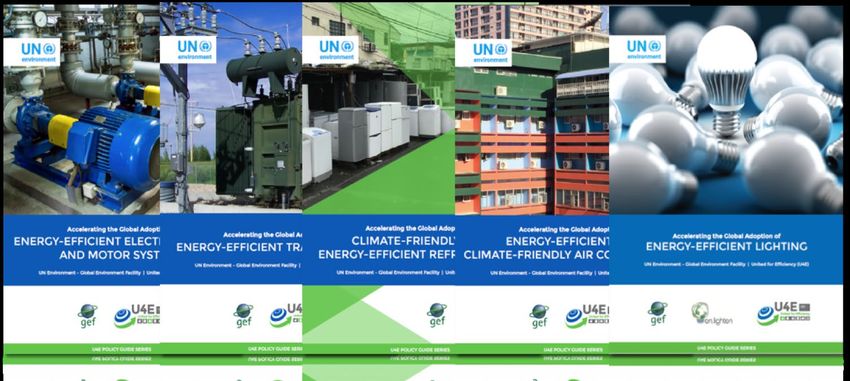
Energy Efficiency for Equipment
             (Distribution Transformers)
                             26th November 2020

          Soledad GARCIA                            Mayur KARMARKAR
International Energy Efficiency consultant   International Technical Equipment expert
           United for Efficiency                 International Cooper Association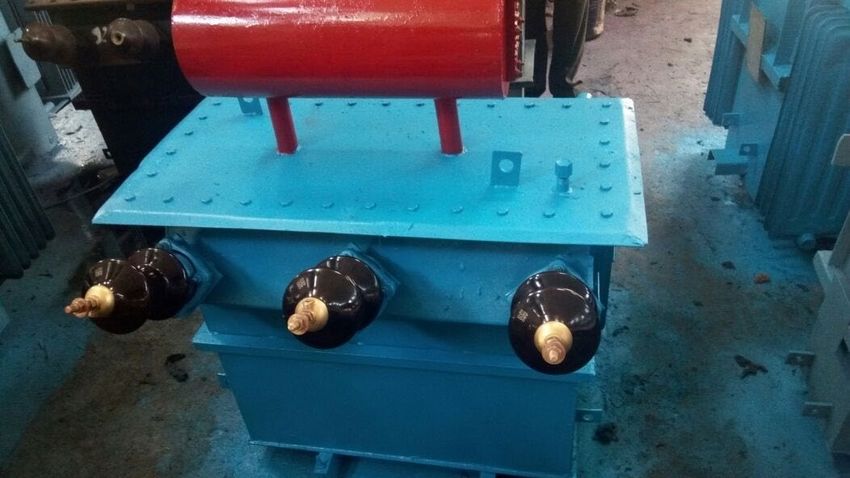
Supporting Countries to Save 20% of their Electricity
  By accelerating the Global Transition to much more energy efficient lighting and appliance technologies by
strengthening country capacities around the world, as well as ensuring environmentally sound management practices.
   Building synergies among stakeholders, sharing knowledge and information, helping create strategic policy and
                        regulatory frameworks, and addressing technical and quality issues.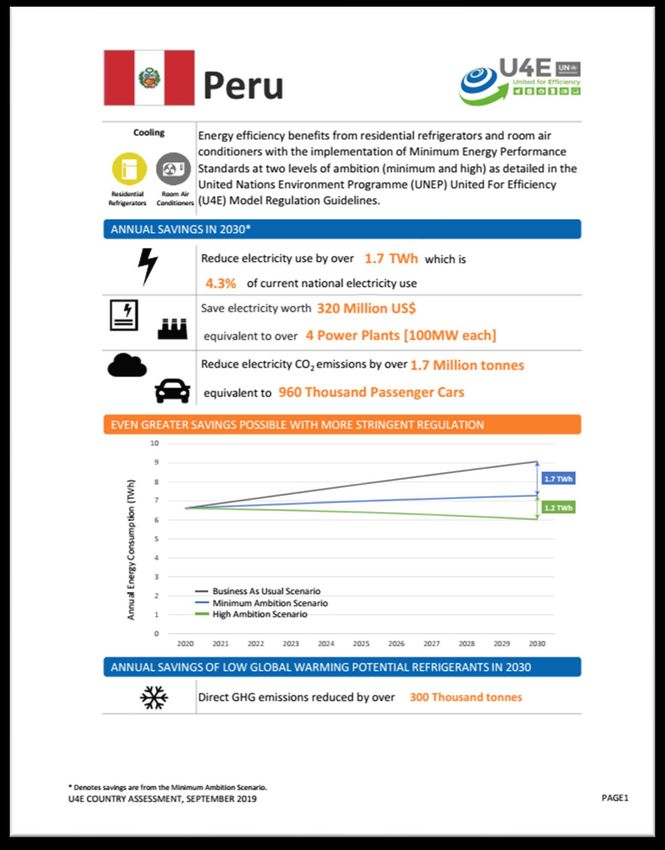
U4E Integrated Policy Approach
U4E implements a proven I ntegr ated Policy A pproach for product market
Transformation

                                                                           3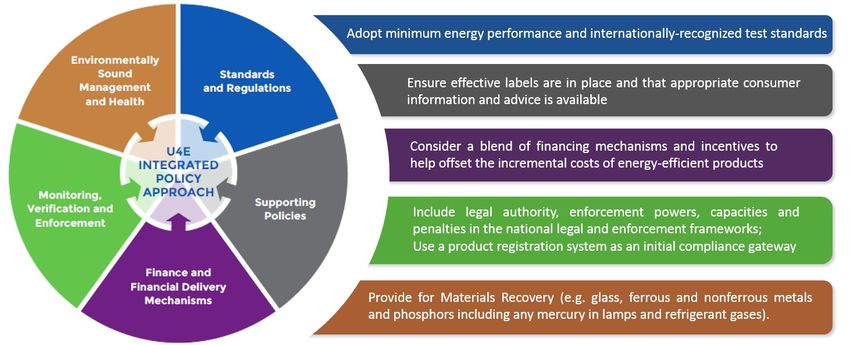
Fulfilling our Mission: Standards, Labelling and Incentives
                                              Offer incentives support the
                                              adoption of the best products
                                              (e.g. rebates, financing schemes,
                                              bulk procurement, etc)
                                                                                  Monitor the market for MEPS
Energy Efficiency of Products in the Market

                                                                                                      4

                                                                                  compliance, test the products
                                                                                     and enforce the rules
                                                       Promote efficient
                                                products (e.g. labels and
                                                awareness campaigns to
                                                                                             +
                                                 help buyers understand             ESM for Recycle & dispose
                                                             EE benefits)          old products in a sustainable
                                                                                               way

                                               Minimum Energy Performance
                                               Standards (MEPS) ban the worst
                                               products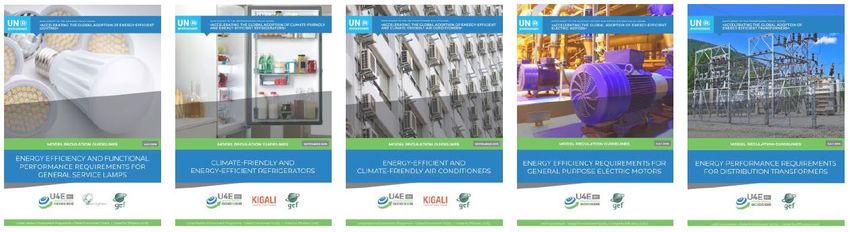
Project Partners:

      MANUFACTURERS &
          INDUSTRY
        ASSOCIATIONS

        TECHNICAL
      ORGANISATIONS
       & INITIATIVES

    FUNDERS, FINANCIERS
      & IMPLEMENTING
          AGENCIES

5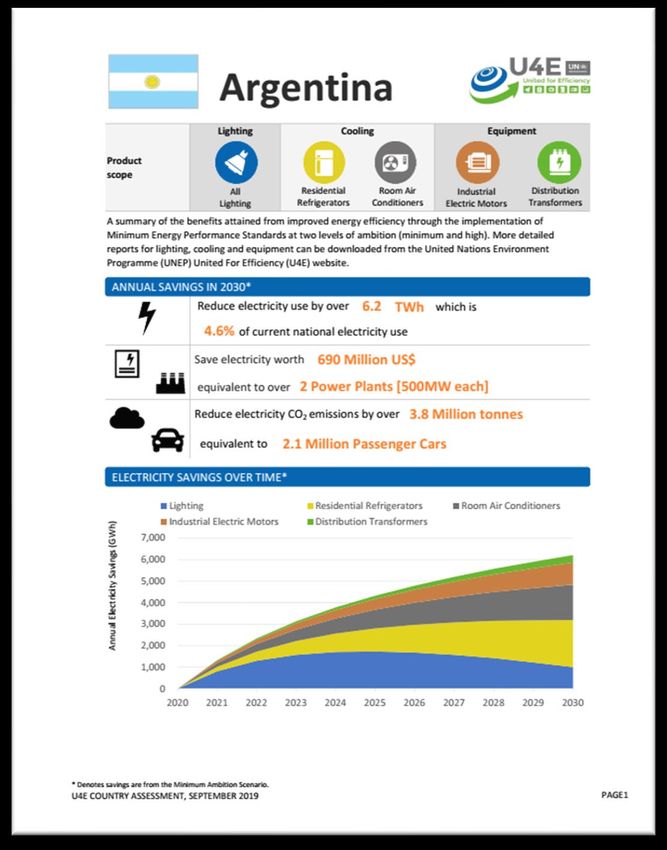
U4E Scope of Support:
U 4 E provides support at various levels. Currently presente in more than 30 countries with both
Regional and Country projects

                                                                                                               6

-   155 Country Savings Assessments                                        -   National Strategies
                                      -   Regional Market Assessments
-   6 Policy Guides                                                        -   National Training for Policy Makers
                                      -   Regional Capacity Building for       and Practitioners
-   5 Model Regulation Guidelines         Policy Makers
                                                                           -   Implementation Technical
-   Product Registry System
                                      -   Regional Harmonization               Assistance
-   Communications and outreach           Activities.                      -   Project development and Fund
-   www.united4efficiency.org                                                  rising support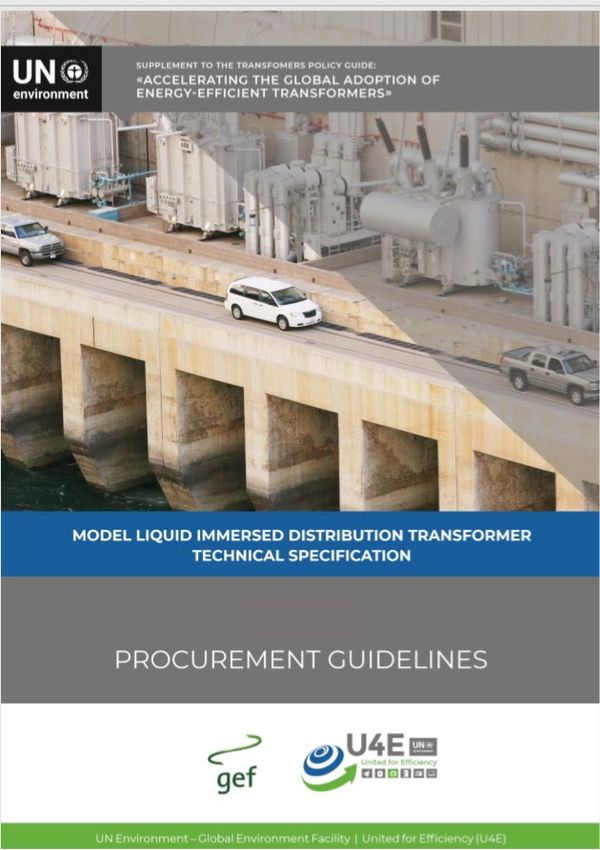
U4E International Tools & Resources
                                 Procurement Specifications
+155 Country Saving Assessment         Guideline and
                                     Financial Manuals      5 Policy Guides for selected products

                                                                                          7

                                                                 Monitoring, Verification and
              Model Regulation Guidelines                           Enforcement Guides
Saving Opportunities in Mozambique from Energy-
                   Efficient Transformers
                                                                               Annual Savings in 2030* from
                                                                                 Energy Efficient Lighting:
                                                                                                               8

                                                                      55 GWh   55 GWh of electricity
                                                                               consumption, which is
                                                                      32 GWh
                                                                               equivalent to:
    By 2030 the
     electricity                                                               • 35 Thousand tonnes of CO2
consumption used
   for lighting is   *Policies can reduce       **More stringent               • 3 Million USD on electricity
   forecasted to       this increase to        policies reduce this
                                                   increase to                   bills
 increase by over
                           8%                        8%
    35%                                                                           *Minimum Ambition Scenario

                      Business As Usual Scenario
                      Minimum Ambition Scenario
                      High Ambition Scenario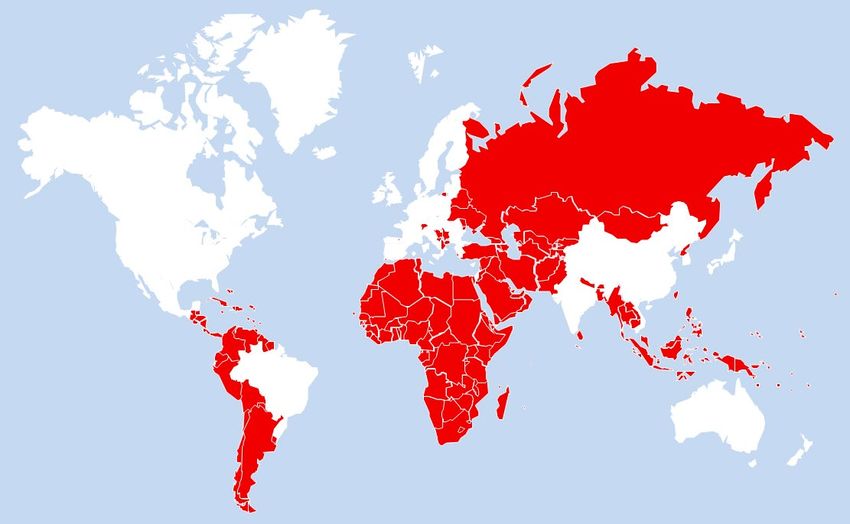
1. Achiving Savings
    through EE Tranformers

9
Energy-Efficient Transformers Policy Guide

                        Energy-              10

                        Efficient
                        Transformer
                        s Policy
                        Guide
Transformers energy and environmental impact
• Static devices that transfer electrical
power between circuits
11
Losses proportional to current in wire:
increase voltage & decrease current
• Huge impact on energy, environment
Operate non-stop
Lifetimes of 25 years or more
Lose nearly 5% of global electricity
Stock will nearly double by 2030Focus of the Policy Guide
12
Main Power Transformers Distribution
Transformers
Group Voltage Phases Insulation Common Use
Large Power >245 kV Single & Liquid-filled Step up or down voltage for
Three transmission over long distances;
substation transformers
Medium >36 kV & Single & Liquid-filled Stepping voltages down from a sub-
Power ≤230 kV Three or dry-type transmission system to a primary
distribution system
Medium ≤36 kV Single & Liquid-filled Step down voltage in a distribution
Voltage Three or dry-type circuit from primary to secondary
Distribution voltage
Low Voltage ≤1 kV Single & Dry-type Step down voltage in a building
Distribution Three distribution circuit or to supply power
to equipmentLoss and Efficiency Relationship
13Why Leapfroging to Energy-Efficient Transformers?
13 of the world’s largest economies undergoing a Market Transformation
• Very attractive when considering the total cost of ownership
• Significant risks of inaction: lock-in decades of electricity waste 14
• Savings potential: 400 TWh and 250 million tonnes of CO2 emissions in 2030
Countries (in red) lacking
national mandatory
efficiency policies for
distribution transformersExamples of MEPS for Transformers
15
Three-Phase Liquid-Filled Transformers
Source: SEAD Standards & Labelling Working Group Distribution Transformers Collaboration. Part 1: Comparison of Efficiency
Programmes for Distribution Transformers. December 2013Examples of MEPS for Transformers
16
Single-Phase Liquid-Filled Transformers
Source: SEAD Standards & Labelling Working Group Distribution Transformers Collaboration. Part 1: Comparison of Efficiency
Programmes for Distribution Transformers. December 2013Sample Recommendations for Policymakers Standards Aim to adopt MEPS with test method IEC 60076 Supporting Policies 17 Labels Communication campaigns Monitoring, Verification and Enforcement Implement MVE in national legal framework in time for the adoption of MEPS Financial Mechanisms Encourage the adoption of purchasing practices that are based on the total cost of ownership over a transformer’s lifetime, rather than on the first cost. Environmentally Sound Management and Health Follow guidance from the Stockholm Convention on Persistent Organic Pollutants for locating, handling and disposing of PCB contaminated
Distribution    18

 Transformer
    Model
Procurement
  Technical
Specifications
Salient Features Technical Specification Voluntary guidance to assist Governments & utilities in developing and emerging economies that are considering a procurement of liquid immersed distribution transformers. Balance between General & Specific Requirement 19 Includes introductory main part and two annexes providing specifications (Annexes B and C) as per the U4E model regulation. Purchasers can adopt, either as they are or to use as a baseline to adjust to their own unique specifications. User Flexibility Although the sample technical specifications to use, also provides additional comments and suggestions to each clause of the annexed technical specifications The words/terms/figures in grey indicate that the purchaser should pay attention to suit their system requirements. Promotes Life Cycle Cost based Purchases Procurement policies set a minimum energy performance (max. losses) of the transformer and include Total Cost of Ownership (TCO) based evaluation of the bids.
2. India Case Studies:
       Transforming the
      Transformers Active
          Repair Way

20
Objectives
Legacy Distribution Transformers Improvement
Energy-Efficient Transformers Policy Guide
21
Loss Reduction
Total Technical Losses reduction
Reliability Improvement
Reducing DT Failure rates
kVA Capacity Enhancement
Increasing kVA capacity of DTs to allow higher % loadingIntensity of Problem: High DT Failure rates, huge spent on
R&M, and High DT Technical Losses
Failure rate is the most observed KPI for DTs. DT Technical losses mostly remain undiscovered.
All India statistics
Total DT stock ~12.5 million 22
Total DT MVA capacity ~2,20,000 MVA
Avg. DT Failure rate ~12-15%
(6-8 lakhs DTs fail yearly)
Repair and Maintenance costs spent ~3,000 INR crores/ year
on DTs repair
Avg. Total Technical losses in DTs ~3%
Avg. AT&C losses 24%
Recent trend is to sweat key assets
by the utilityMethodology:
Legacy Distribution Transformers Improvement
23
Pre-repair testing (open circuit
LV Winding as per HV Winding as per
Received DT at MTRU and short circuit test) at MTRU
with MPPKVVCL representatives design at MTRU design at MTRU
Final Active Repaired DT was Oven dried DT placed Assembled DT ready to
Post Repair testing with
sent to ERDA for validation of in tank as final be moved for oven
MPPKVVCL representatives
results
assembly drying
DT to be connected in Monitor performance
the network of the DTActive Repair Example – Solution & Results
100 kVA DT was found to be approx. 86kVA based on the pre-repair test results and
radiator fins calculation
Baseline
Pre- Actual
% Deviation % Change
Key Design Parameters Unit Utility Specs repair Post-repair
from Specs from baseline
(at (at ERDA) 24
MTRU)
Capacity kVA 100 86* 109** +20%
Year of Manufacturing 2013
LV Winding Material DPC Al DPC Copper
# of LV Turns # 76 76 0%
HV Winding Material DPC Al DPC Copper
# of HV Turns # 3,344 3,344 0%
No Load Loss Watts 260 258 -0.7% 295 +15% ***
Full Load Loss Watts 1,760 2,358 +34% 1168 -50%
Impedance % 4.05 – 4.95 3.84 4.21
Total Winding Weight Kg 46.62 192.36
*Based on pre-repair test results and radiator fins calculation as mentioned in slide 12
**kVA enhancement inferred and estimated from ERDA results
***The allowed tolerance for loss level as per TS-1116 for repaired transformer are: No-load loss is 15% ;
Full load loss is 15%; Total loss is 10%. No Load loss could have been reduced by increasing no. of turns
with trade-off of slight higher (still reduced) Full Load loss. Total Loss optimization was done.Cost Benefit Analysis
Active Repair provides good cost economic option to Discom to upgrade legacy DTs asset with performance
improvement objective.
Cost Benefit Analysis Cost Benefit Analysis with EoL Salvage Value
Total Units Saved 4,779 Total Units Saved 4,779
(kWh/year) (kWh/year)
25
Avg. Cost of Supply 6.25 Avg. Cost of Supply 6.25 (as per
(Rs./kWh) (Rs./kWh) regulator’s Tariff
order of 2017-18)
Total Money Saved 29,871
(INR/year) Total Money Saved 29,871
(INR/year)
Total Cost for Active 98,131
Repair (INR) Total Cost for Active 98,131
Repair (INR)
Total Cost for 11,342
Conventional Repair Total Cost for 11,342
(INR) Conventional Repair
(INR)
Incremental Cost (INR) 86,789
Incremental Cost (INR) 86,789
Simple Payback Period 1.66
including financing Cu Salvage Value (INR) 89,006
charges (years)
Simple Payback Period 2
including financing
charges (years)
! INR = 1 MZNPotential Business Model - EDM
EE Fund
Can Government
Invest in / MDB support
incremental this? Issues that need to
% share of annual
cost for
deemed savings from
be addressed:
procurement of
Active Repaired DTs 26
new EE new Cu Invest in Active
+
Residual value of Cu at Repair’s • Standardization of
end of life incremental cost Active Repair
solution
When DTs
• Skill set
fail • Material
Procurement
Procurement of Legacy DTs Repair Center • Inhouse repair vs
new DTs (as per
IEC standard)
outsource
Active Repair
• Test capability
• Design support
Back into the
network
Active
Repaired DTsContact
TRANSFORMING MARKETS TO ENERGY-EFFICIENT PRODUCTS
Thank you
PHONE EMAIL WEBSITE
united4efficiency.org
soledad.garcia@un.org
mayur.karmarkar@copperalliance.asiaYou can also read


