Energy research in Schleswig-Holstein - EKSH
←
→
Page content transcription
If your browser does not render page correctly, please read the page content below
ENERGIELANDSCHAFTEN
SCHLESWIG-HOLSTEIN 2042
SZENARIEN ZUR ZUKUNFT DER ENERGIEWIRTSCHAFT
IN SCHLESWIG-HOLSTEIN

                                              Energy research in Schleswig-Holstein
                                                                                      Energy research in
                                                                                      Schleswig-Holstein

                                                                                                                                REPORT
                                                                                      Research projects and courses on energy
                                                                                      and climate protection at
                                                                                      universities and research institutes

                                                                                      3rd edition 2018
                                                3rd edition 2018
TABL E OF CON T EN T S
Introduction
4 Foreword, Stefan Sievers, Managing Director
Gesellschaft für Energie und Klimaschutz Schleswig-Holstein GmbH
6 Opening words, Dr. Oliver Grundei, State Secretary for Science and Cultural Affairs
Ministry of Education, Science and Cultural Affairs of the State of Schleswig-Holstein
Energy-related courses
8 Europa-Universität Flensburg
9 Flensburg University of Applied Sciences
11 Kiel University
15 Kiel University of Applied Sciences
17 Technische Hochschule Lübeck
19 West Coast University of Applied Sciences
Centers of Excellence and major projects in energy research
22 Collaborative project Norddeutsche Energiewende 4.0 (NEW 4.0)
24 Competence Centre Renewable Energies and Climate Protection Schleswig-Holstein (EEK.SH)
26 R&D Centre Kiel University of Applied Sciences GmbH
28 European Centers for Power Electronics Schleswig-Holstein (ECPE)
32 Smart Energy Center of Excellence
33 Schleswig-Holstein Electromobility Center of Excellence (KESH)
35 E-Mobility Coordination Schleswig-Holstein
36 Schleswig-Holstein eHighway Field Trial (FESH)
38 Autonomous Driving Collaborative Project
40 ANGUS II Research Network
42 Center for Sustainable Energy Systems (ZNES)
44 Wind Energy Technology Institute (WETI)
46 Green Energy Center of Excellence and QUARREE 100
48 Wissenschaftszentrum für intelligente Energienutzung (WiE)
49 Green Entrepreneurship Center (GEC) Flensburg
Research Institutes Covering Energy Research
52 Fraunhofer Institute for Silicon Technology (ISIT)
53 Helmholtz-Zentrum Geesthacht Centre for Materials and Coastal Research
54 GEOMAR Helmholtz Centre for Ocean Research Kiel
56 Kiel Institute for the World Economy (IfW)
61 Kiel Cluster of Excellence “The Future Ocean”
Imprint
Heads of Energy Research: Brief bios
64 Europa-Universität Flensburg
66 Flensburg University of Applied Sciences
80 Kiel University
Gesellschaft für Energie und Klimaschutz Schleswig-Holstein GmbH
Wissenschaftspark Kiel Boschstraße 1 24118 Kiel 96 Kiel University of Applied Sciences
info@eksh.org www.eksh.org 112 Universität zu Lübeck
116 Technische Hochschule Lübeck
Editor: Sabine Recupero, Martin Geist, Joachim Welding
122 West Coast University of Applied Sciences
Graphic Design: Ulrike Heinichen, Kiel
Printed by: nndruck, Kiel
Image sources: unless otherwise stated:
shutterstock (Cover picture: VikaSuh) EKSH-Funding for universities
Printed: 8/2018
127 Project funding for universities
The editors have deliberately refrained from using male/female double formulations in favour of enhancing the readability of this publica- 128 Funding program “HWT Energie und Klimaschutz”
tion. All designations formulated as male are also valid for women. 130 Funding program “EKSH Doctoral Scholarships”
This brochure was printed on certified paper.
Annex
The printer designs the production steps in an environmentally conscious manner and dispenses with chemicals in the production
of printing plates, for example. The printing inks are organic inks, which are predominantly produced using renewable resources. 132 Central university contacts
All wastes are segregated for disposal and can largely be recycled. 134 Index of names
2 3
F ORE WORD

                                             Stefan Sievers
                                             Managing Director
                                             Gesellschaft für Energie und Klimaschutz

                                                                                                                     “
                                             Schleswig-Holstein GmbH
                                                                                                                             The non-profit EKSH has a broad base when
                                                                                                                             it comes to supporting groundbreaking
                                                                                                                             projects addressing energy and climate
                                                                                                                             protection issues in Schleswig-Holstein.

 The transformation of the energy system is one of the most groundbreaking and forward-             future lies in the ability to anticipate, discuss, and incorporate emerging developments in
 looking projects of our time and has gained significant momentum within the last years.            strategic considerations. Looking ahead, we designed a distant future and four scenarios
 Implementation is also and in particular progressing by leaps and bounds in Schleswig-             that demonstrate a fictitious 2042 with potential futures of the Schleswig-Holstein energy
 Holstein. For example, there are a number of new topics and projects that are dealing with         landscape. Since then, a number of discussion forums moderated by the EKSH involving
 exciting energy issues at the universities and research institutes. An update of the brochu-       various stakeholders have been held, articulating the need for further specification and the
 re “Energy research in Schleswig-Holstein”, published for the first time five years ago, was       derivation of recommendations for action. The EKSH will now continue the wide-ranging
 therefore overdue. Here is the full work with over 90 leaders in energy research, as well as 15    future dialogue to be initiated in a follow-up project accordingly. The objective is to deve-
 major projects and centres of excellence. It shows that the complexity has increased. There        lop new focus topics and publish them in regular succession.
 is barely a topic that is still studied in isolation, the recognisable objective generally re-
 mains climate protection by CO2 reduction and enhancing the essential, associated overall         A triad of energy transition, transport transformation and transition to
 system – the interaction of renewables, energy conversion and storage, energy efficiency,         sustainable mobility offers great potential.
 sustainable mobility and related cross-cutting issues. The necessary sectoral coupling gi-
 ves rise to new research questions and new approaches requiring ecological, business and           Exciting questions are posed and offer many points of contact; one is, for example, the
 wider economic, technological or technical evaluation or implementation.                           future of sustainable mobility in our federal state. A triad of energy transition, transport
                                                                                                    transformation and transition to sustainable mobility offers great potential. The EKSH is
The necessary sectoral coupling gives rise to new research questions                                therefore currently working on a pioneering Delphi study on mobility in Schleswig-Hol-
and new approaches.                                                                                 stein. The aim of the study is to initiate a dialogue on the perspectives for sustainable
                                                                                                    transport and mobility transition in Schleswig-Holstein involving all relevant stakeholders.
 It was our goal to design a brochure that, on the one hand, you would enjoy browsing               The results of the study will be available in May 2018, waiting for discussion and further
 through, and at the same time would offer added value at events and trade fairs. On the            shaping.
 other hand, it should also be capable of serving as a convenient reference work. Therefore
 we created a detailed register of persons and accomodated additional information, e.g. by          Let yourself be surprised!
 using cross-references or QR codes. For young people interested in studying energy issues,
 there are still detailed descriptions of the relevant courses of study at the universities. The    The non-profit EKSH has a broad base when it comes to supporting forward-looking pro-
 brochure is intended to communicate in many ways – first and foremost, it should arouse            jects addressing energy and climate protection issues in Schleswig-Holstein. You have a
 interest and make energy research in Schleswig-Holstein accessible.                                project idea or you are looking for a partner to implement a pilot project with a lasting
                                                                                                    impact? Talk to us!
 The EKSH does not conduct its own research. We rather promote applied research pro-
 jects and their transfer, support pilot projects and networks, including events with and           For now, enjoy reading and discovering!
 for energy experts from universities, companies, associations, politics and administration.
 Examples include our large, HWT university programs and PhD doctoral scholarships (see
 page 128 et seq.) or the Kiel Energy Discourse.
                                                                                                    Stefan Sievers
 As soon as you look at the back of this brochure, you will see four pictures of scenarios re-
 garding the future of the energy industry in Schleswig-Holstein, which we presented to the
 public at the beginning of 2017 as Energy Landscapes 2042. The fast pace and increasing dy-
 namisation of our everyday lives, globalisation, changes in the Internet culture, changing
 mobility patterns, as well as the intensification of the energy and resource situation, are
 increasingly affecting our economic development. The Schleswig-Holstein energy industry
 is particulary affected by these changes. A key to successfully adapting to and shaping the

4                                                                                                                                                                                                   5
OPENING WORDS

                                          Dr. Oliver Grundei
                                          State Secretary for Science and Cultural Affairs
                                          Ministry of Education, Science and Cultural
                                                                                                                                                         Energy-related courses
                                          Affairs of the State of Schleswig-Holstein

Energy research in Schleswig-Holstein has many faces – this brochure demonstrates this li-
terally. I very much welcome this approach of providing an overview of current courses and
research fields in a new edition. This is how the Gesellschaft für Energie und Klimaschutz
Schleswig-Holstein supports our goal of showing the state’s considerable energy research
and of promoting cooperation across institutions.

There is hardly any research field so closely linked to a major social project like energy
research. The transformation of our energy system – energy transition – is in full swing and
there is much to be done. This is no longer a question of technical issues; it also concerns
environmental, sociological and economic challenges that need to be taken into conside-
ration in research right from the outset. Energy transition can only succeed when it enjoys
broad public acceptance.

The numerous innovations in the field of energy research must prove effective as compo-
nents of a comprehensive transformation. At the same time, a high level of specialisation
in this field requires a high degree of open-mindedness and compatibility with further sci-
entific and economic partners. Schleswig-Holstein’s universities and research establish-
ments are well prepared for this by combining their scientific expertise with a willingness
to collaborate interdisciplinarily. The Competence Centre Renewable Energies and Climate
Protection Schleswig-Holstein, in short EEK.SH, has also been a common point of contact
for all questions of the universities relating to renewable energy since 2015.

Currently, additional opportunities for energy research open up. As an innovator in the
sector of renewable energies, our state offers excellent conditions for pioneering the next
steps in energy system transformation. For example, it addresses the question of how the
power, heat and mobility energy sectors can be meaningfully combined using regenerative
solutions. The state government therefore aims at promoting energy research even more
in the coming years – in close cooperation between the ministries of energy transition, the
economy and science. In addition, it considers to work together with the other northern
German states to nationally promote energy research as a common strength of the North.
                                                                                               © iStock by Getty Images/Jovanmandic

Dr. Oliver Grundei                                                                                                                    Europa-Universität Flensburg
State Secretary for Science and Cultural Affairs
                                                                                                                                      Flensburg University of Applied Sciences
Ministry of Education, Science and Cultural Affairs of the State of Schleswig-Holstein
                                                                                                                                      Kiel University
                                                                                                                                      Kiel University of Applied Sciences
                                                                                                                                      Universität zu Lübeck
                                                                                                                                      Technische Hochschule Lübeck
                                                                                                                                      West Coast University of Applied Sciences

6                                                                                                                                                                                 7
E N E RG Y- R E L AT E D CO U R S E S
Europa-Universität Flensburg Flensburg University of Applied Sciences
Course guidance Course guidance
Tel +49 461 805-2193 Tel +49 461 805-1215 /-1747
zsb@uni-flensburg.de studienberatung@hs-flensburg.de
www.uni-flensburg.de www.hs-flensburg.de
Energy Sciences (B.Eng.) Electrical Energy Systems Engineering (B.Eng.)
Energy supply, energy transition, new, sustainable, Re- Electrical energy systems engineering is omnipresent in
newable energies - the degree program introduced in both in our private lives and industry in the form of supply
2015 brings together professionals and executives of the facilities, drives, sensors, control devices and equipment.
future energy supply. At the beginning the students will There is a corresponding range of content on the course
be taught in common events the most important energy and the later professional activity of graduates. A major
science part of the course features cooperation with industry. The
basics. Then the study continues, basic skills from electrical engineering, mathematics and
according to individual interests, in one of the three fields: physics are components of the first course semester. The
Canteen Photos: Christoph Schellhaus R The study program Electrical Energy System Technolo- course therefore prepares students for technologies of the
gy trains engineers - qualified in electrical engineering future. In the 6th semester a choice can be made between
energy systems. They learn about project planning, pl- two main subjects:
Energy and Environmental Management in anning, development, production and operation. R Electrical energy systems engineering with problems
Industrial Countries (M.Eng.) Library R The field of study Regenerative Energy Technology from control technology, control and management as well
The course focusses on energy management, environmen- trains engineers - familiar with the full spectrum of as model creation and simulation in complex power plants
tal economics, economics and legal sciences, engineering applied energy technology. Their broad expertise apply R Renewable energy engineering: Technology and opera-
computer science and selected business engineering sub- Energy and Environmental Management in them on modern facilities for the use of renewable ener- tion of wind energy plants, photovoltaic and solar pow-
jects. This form of specialisation in energy and environmen- Developing Countries (M.Eng.) gies in technical projects of any size. er plants, small power plants and the use of biomass
tal management is the only one of its kind in the Federal Re- This course with 15 places is based on the content of the R The field of study Energy and Environmental Manage- Duration: 7 semesters
public. Graduates are in a position to work in the following “Energy and Environmental Management in Industrial ment trains industrial engineers - heavily influenced by The three-semester Master’s course in systems techniques
professional fields at national and international level: Countries” course. The admission requirements also ap- interdisciplinary thinking. These industrial engineers builds on this Bachelor’s course. It incorporates skills from
R Energy supply companies ply accordingly here. Specific knowledge is imparted for develop solutions for a wide variety of energy and envi- mechanical engineering into electrical energy systems en-
R Manufacturers of energy technology worldwide use in the field of energy and management. The ronmental problems in the sense of “sustainable deve- gineering.
R Service companies and engineering offices in the energy language of instruction is English. lopment”. Duration: 7 Semesters
and environmental sector Duration: 3 Semesters Duration: 7 Semester
R Major companies in manufacturing industry 2014 2015 2016
R Energy and environmental research institutions 2014 2015 2016 2017 2015 2016 2017
70
R Associations in the energy and environmental sector 25 152
170 60
R Authorities, Ministries and parliaments 16
15 15 14 15 20 150 38 50
The admission requirement for this Master’s course is an 14 14 116 119
12 15 130 40
above-average degree from the Bachelor’s course in Energy 22 20
110 30
and Environmental Management at Flensburg UAS, inclu- 10 13
90 20
ding one semester spent abroad or a comparable qualifi- 5 0* 0*
70 10
cation.
50
Duration: 3 semesters Course beginners Course graduates Course beginners Course graduates
30 RRR
0 1 0
10
2014 2015 2016 2017 Information for Summer Semester (SS) and the subse-
42 quent Winter Semester (WS) Course beginners Course graduates
50 40
37
© Fotolia.de/Igor Mojzes
40 31 30
23 27
30
18
20
10
Course beginners Course graduates
8
E N E RG Y- R E L AT E D CO U R S E S
Flensburg University of Applied Sciences Kiel University
Energy and Environmental Management Renewable Energy Engineering (B.Eng.) Course guidance
(B.Eng.) The increasing importance of renewable energy enginee-
The course run in collaboration with the Europa-Universi- ring is also reflected in the main subjects on the course. Tel +49 431 880-7440
tät Flensburg combines business engineering with tech- With regard to the latest developments in industry, the zsb@uv.uni-kiel.de
nical aspects of the energy and environmental sector. following topics are covered in depth: www.uni-kiel.de
The integral features are in particular interdisciplinarity, R The use of wind energy
internationality and practical aspects. After the scientific R Solar and geothermal energy
fundamentals have been taught in natural sciences, tech- R The use of biomass to produce energy
nology as well as business and economics, specialisation R Conventional energy engineering
starts as of the 4th semester. This includes the specia- R Energy efficiency and application
list fields of electrical energy engineering, structure and In the first part of the three and a half year course the ba- Climate Physics (M.Sc.) Electrical Engineering and Information Techno-
design of energy and environmental engineering plants, sics of mechanical engineering, electrical engineering and The Climate Physics course (meteorology and physical oce- logy (B.Sc. and M.Sc.)
environmental engineering as well as energy and environ- other subjects are covered. The second part will deal with anography) that is taught in English is intended to provide In addition to traditional electrical engineering, the sub-
mental project management. A compulsory stay abroad the application of energy technology. Students can choose students with advanced knowledge of the terms and laws ject has above all developed further in the field of compu-
and a three-month placement in a company or an authori- to specialise in: of atmospheric physics, the ocean and the climate system, ter technology into general systems engineering. This con-
ty round off the three and a half year course. R Mechanical and industrial engineering or familiarise them with experimental and theoretical me- cerns applications in almost all technical fields, therefore
Duration: 7 Semesters R Systems and grid integration for the generation of rene- thods and introduce them to current research. Students also in the energy sector. The course is supplemented by
wable energy will be prepared to present physical facts, critically assess mathematical and theoretical system-based concepts as a
A placement in the energy industry is intended to prepare scientific questions and make optimal use of modern ex- basis for interdisciplinary collaboration with the subjects
2014 2015 2016 students in applying their scientific knowledge. perimental or theoretical working methods. This course of computer science, biotechnology, medical engineering
Duration: 7 Semesters builds on the Bachelor’s course in “Physics of the Earth and nanotechnology. One main subject is electrical ener-
100
90 81 System: Meteorology – Oceanography – Geophysics” and gy engineering, dealing with the generation, transmission
80
2014 2015 2016 is offered in cooperation with the Helmholtz Centre for and distribution of electrical energy as well as its appli-
70 59 Ocean Research in Kiel (GEOMAR). cation. The field of power electronics concerns its use in
70
54 51 52 Duration: 4 Semesters wind turbines and vehicles with electric or hybrid drives
60 60
45 45 44 amongst other things.
50 50
40
2015/2016 2016/2017 2017/2018 Bachelor’s: 7 semesters
40
20
17 Master’s: 3 semesters
30 30
14
20 20
0* 0* 0* 0*
15 11 11 2015/2016 2016/2017 2017/2018
10 10 9
10 6 100
Course beginners Course graduates Course beginners Course graduates 76
80
5 57
56 60
Information for WS and the subsequentSummer Semester SS
25 30 25 29 25 23 40
Course beginners Course graduates 19 16 20
* The three courses have been integrated in the new course “Energy sciences”. To the numbers of course beginners, see 20
page 9. Information for Winter Semester (WS) and the subsequent Summer
Semester (SS) Course beginners Bachelor Course graduates Bachelor
Course beginners Master Course graduates Master
Wind Engineering (M.Sc.)
This course run in English at Flensburg UAS is offered in co- knowledge of English.
operation with the universities and universities of applied Duration: 4 Semesters for Bachelors with 180 CPs. Bachelors
Sciences in Kiel and Flensburg, the West Coast UAS and the with 210 CPs can graduate in 3 Semesters.
Nordakademie. It paves the way for engineers that have
specialised in mechanical engineering, civil engineering or
electrical engineering to become multi-disciplinary gene- 2014 2015 2016
ralists with individual specialisations. Graduates will have
70
the ability to understand wind energy plants and systems
46 60
in their entirety. Their later fields of activity will include
50
in particular the planning, construction and operation of
© Kiel University
40
wind turbines and their components. Admission require- 20 18 30
ments are an above-average Diplom or Bachelor qualifi- 10
6 6 20
cation in engineering sciences, mechanical engineering/
10
electrical energy systems engineering/renewable energy
engineering or associated subjects as well as an excellent Course beginners Course graduates RRR
10 11
E N E RG Y- R E L AT E D CO U R S E S
Kiel University
Marine Geosciences (M.Sc.) Materials Science (B.Sc. and M.Sc.) Environmental and Resource Economics (M.Sc.)
The interdisciplinary course run in English teaches all the The main subject concerns functional materials made of In an initial phase, the English-language, single-subject
main subject areas that deal with geological, biological, metal, semi-conductors, ceramics and polymers. Compo- master’s program provides students with a sound basic
geochemical and physical processes in the oceans. As well site materials, in which various materials are combined, knowledge of microeconomic and statistical econometric
as basic research, marine geosciences also pursue appli- are also covered. Modern materials are used extensively in methods. In a second phase of the course, students spe-
cation-related objectives, including the investigation of almost all technologies of the future. Solar cells, computer cialise in environmental and resource-economic topics,
resources such as hydrocarbons or hydrothermal stores in processors and the latest generation of medical enginee- such as the impact of environmental policy instruments
the ocean. The changes in the climate system can also be ring would be unthinkable without the latest materials. or the monetary valuation of environmental damage. In
reconstructed using geoscientific methods. Model calcu- They make it possible to lower the energy consumption addition, interdisciplinary approaches may be followed. In Sustainability, Society and the Environment
lations can be developed from these findings to forecast of vehicles or aircraft through lighter construction tech- contrast to the courses offered by other universities, this (M.Sc.)
the world’s climate. Students benefit from the close colla- niques with improved functionality. Alternative energy ge- course places a clear emphasis on a sound, methodologi- The Master ”Sustainability, Society and the Environ-
boration between the Faculty of Mathematics and Natural neration as part of the energy transition in Germany is also cal, economics education. ment“ is cornerstone of the Kiel School of Sustaina-
Sciences at Kiel University and the Helmholtz Centre for inconceivable without the latest functional materials. The Duration: 4 semesters bility. The program analyses society’s sustainable de-
Ocean Research in Kiel (GEOMAR), in particular in the sub- course combines natural and engineering sciences. velopment issues and empowers students to develop
jects of meteorology and oceanography. Duration: 6 Semesters 2015/2016 2016/2017 2017/2018 strategies for a sustainable future. It offers students
Duration: 4 Semesters 50 learning opportunities to expand their competences as
2015/2016 2016/2017 2017/2018 35 38 a change maker and change leader either in the field
2015/2016 2016/2017 2017/2018 107 40 of research - to analyse and understand sustainable
120
development challenges - or in the field of social ent-
15
11 12 70 69 100 30
repreneurship - to design and implement local change
9 54 80
15
7 41 36 43 20 projects in the fields of sustainable development and
10 34 38 60
23 27 social innovation. The social-entrepreneurial yoo-
4 19 40 10 2 3
3 weedoo learning program is fully integrated into the
5 20
course program. Many students transfer their projects
Course beginners Bachelor Course graduates Bachelor Course beginners Course graduates to charitable organisations and social startups during
Course beginners Course graduates Course beginners Master Course graduates Master the course of their studies. Students can choose from
Information for WS and the subsequent Summer Semester SS an interdisciplinary spectrum of more than 70 teaching
Information for WS and the subsequent Summer Semester SS modules, thus developing their individual emphases.
The course is international and attracts students from
around the world. Around 30 students are admitted per
year.
www.sustainability.uni-kiel.de
Physics of the Earth System: Meteorology – Oceanography – Geophysics (B.Sc.) www.yooweedoo.org
The “Earth System” is the research subject of physical
earth sciences with its physical-chemical processes that 2015/2016 2016/2017 2017/2018 Prof. Christoph Corves, PhD
occur in the atmosphere, in the ocean, in the lithosphere Head of the School of Sustainability
and on the earth’s surface as well as deep in the earth’s 60
Head of the yooweedoo –
core, its natural resources, dynamism and living environ- 48 changemaker project
42 50
ment. In addition to pure basic research, the geosciences 38 Brief bio, page 80
also follow applied objectives. The course teaches all the 34 40
most important fundamentals to forecast the world’s cli- 23 30 Tel +49 431 880-1620
mate and weather, investigate and extract raw materials, 18 corves@geographie.uni-kiel.de
20
use natural resources, determine the condition of the oce-
an, forecast storm surges and sea conditions as well as sa- 10
feguard the environment. The course is offered in collabo- Dr. Inken Reimer
ration between Kiel University and the Helmholtz Centre Course beginners Course graduates Coordinator
for Ocean Research in Kiel (GEOMAR). Development of teaching fields
Duration: 6 Semesters Information for WS and the subsequent Summer Semester SS Societal aspects of the
energy transition and
International climate change policy
Tel +49 431 880-1906
reimer@geographie.uni-kiel.de
The main auditorium of Kiel University. Photo: Kiel University
12 13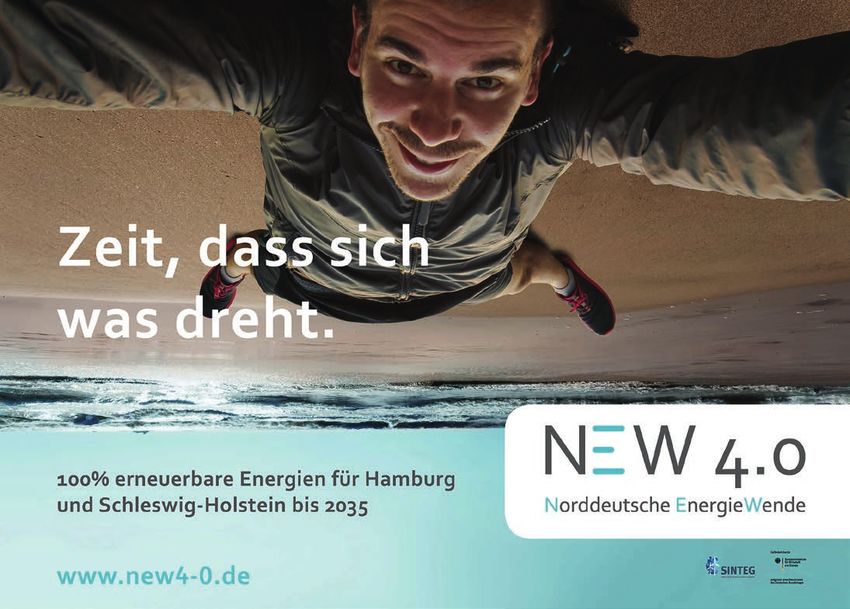
E N E RG Y- R E L AT E D CO U R S E S
KUR RESEARCH PROJEC T
Climate Adaptation in Urban Areas Kiel University of Applied Sciences
Kiel University, Course guidance
Institute of Geography
Didactics of Geography Working Tel +49 431 210-1760
Group studienberatung@fh-kiel.de
www.fh-kiel.de
Dr. Jana Koerth
B.Sc. Sinja Dittmann
Tel +49 431 880-3884
kur@geographie.uni-kiel.de
www.kur.uni-kiel.de Electrical Engineering/Electrical Energy Enginee- Mechatronics/Electromobility (B.Eng.)
ring (B.Eng.) Mechatronics is an interdisciplinary field combining me-
“Electrical Energy Engineering” is one of the three main chanics, electronics, optics and computer science. Mecha-
subjects on the Electrical Engineering course. The course tronic systems include for example CD players or mobile
Climate change is coming. Even if we save energy and offers in-depth teaching on the engineering and natural transport vehicles with automated navigation. The course
reduce our emissions today, climate change is regarded sciences basic subjects of electrical engineering and is first teaches the basics of mechatronics, including ma-
as unavoidable. International research reveals that, structured in modules in line with international enginee- thematics, physics, electrical engineering, programming,
depending on global emissions reductions and ring education. The main subject of Electrical Energy Engi- design, technical mechanics and computer-aided design
population growth, the climate is considered to change neering includes: (CAD). The subject of Electromobility involves these areas:
in a number of ways. R High voltage technology R Development of electric vehicles
R Energy generation and application R Power electronics in engine controls
Climate change involves two things. Change; this may R Renewable energy R Circuit simulation and manufacture of electronic com-
appear to imply something gradual. For example, it will R Networks and plants ponents
involve long-term and global phenomena such as global R Drive technology R Basics of power electronics
sea-level rise and global temperature increase. However, R Electromagnetic compatibility R Micro controller technology
climate change also involves weather events on a local le- In the Competence Center for Power Electronics Schleswig- R Modelling and simulation
vel: climate change means that extreme weather events Holstein (KLSH) at Kiel UAS (see page 33) students have the R Bus systems in vehicle technology
may be more frequent and more powerful. opportunity to carry out research in teams with professors R Sensor technology
In the future, extreme rainfall and storm surges may occur more and engineers on new technologies. In the Schleswig-Holstein Electromobility Center of Excel-
Climate change has local impacts. Climate change will frequently. Photo: Pixabay/Hermann Duration: 7 Semesters lence at Kiel University of Applied Sciences (see page 29)
appear around the globe. How affected a human system, students work with professors and engineers on forward-
such as a country, a city, or a group of people will be, es- The KUR research project is developing an education mo- 2014 2015 2016 2017 looking solutions for electric vehicles.
sentially depends on its properties. To what extent can a dule dealing with climate adaptation in urban areas, using Duration: 7 Semesters
90
country react to a one-hundred-year flood? How well is a the city of Kiel as an example. The project will produce 75
80
city prepared for extreme rainfall? How can people be sup- educational materials, tools and media to help make cli- 60 2014 2015 2016 2017
70 59
ported when infrastructure fails? mate adaptation more accessible to the general public. 53
60
44 79 90
KUR organises events for both school pupils and citizens. 50 71
37 80
Here, ideas on how Kiel can adapt to 40 29 62
26 58 70
the consequences of climate change 30 60
are generated jointly. Established as 20 50
a practice/research interface project, 10 25 40
KUR deals with climate adaptation 21 19
18 30
as an important way of addressing Course beginners Course graduates
20
climate change, in addition to clima-
10
te protection. The project is based
at the Institute of Geography at Kiel Course beginners Course graduates
© Irina Nünning
University and offers students a ran-
ge of possible thesis topics. The pro- Information for SS and the subsequent WS
ject is funded by the Federal Ministry
for the Environment, Nature Conver-
servation and Nuclear Safety over a
two year period.
The management and protection of coastal areas is an important component of climate
adaptation in coastal towns and cities – here: Falckensteiner Strand in Kiel. Photo: KUR RRR
14 15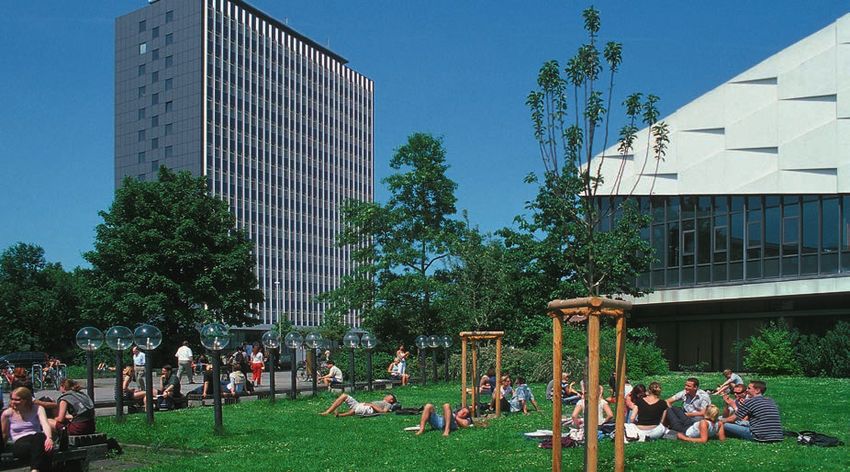
E N E RG Y- R E L AT E D CO U R S E S
Kiel University of Applied Sciences Technische Hochschule Lübeck
Technology Management and Marketing/ Electrical Technologies (M.Eng.) Course guidance
Renewable Energy (B.Eng.) The modules on this course deepen knowledge from the
The interdisciplinary course offers a balanced combination courses in electrical engineering and mechatronics with Tel +49 451 300-5644 or -5629
of technology and business. It includes all the technical specific content in energy engineering, communication studieren@th-luebeck.de
and business aspects that are close to the market in the technology or mechatronics. This will enable students to www.th-luebeck.de
various fields of work and in this way prepares students acquire various skills:
for work in management and marketing interfaces. These R managing sustainable energy systems
include: R expanding worldwide communication networks
R Product and system development R controlling projects
R Manufacturing and sales R developing mechatronic systems
R Purchase of products and systems R linking technical areas through interdisciplinarity Chemical and environmental engineering (B.Sc.) Energy systems and automation engineering
R Consultancy and training Duration: 3 Semesters The main subjects of this broad-ranging interdisciplinary (B.Sc.)
The course is structured in modules and offers two main course lie in the fields of environmental protection engi- The traditional main subjects of energy engineering are
subjects. The main subject of “Renewable Energy” prima- 2014 2015 2016 2017 neering, chemistry, biotechnology and process enginee- supplemented by the requirements of automation engi-
rily includes these areas: 64 ring. Its curriculum is based on the continuous further neering owing to the change in demand from the market.
57 70
R Solar energy systems 54 52 53 development and interlocking of the courses in chemical Therefore the merger of energy engineering and automa-
44 60
R Wind energy 41 engineering and environmental engineering. The sectors tion engineering in the Energy systems and automation
50
R Energy from biomass 32 of environmental protection, chemistry, pharmacy, bio- engineering course represents a tailor-made course for the
40
R Sustainability/climate protection medical engineering and food will be open to graduates. requirements of the energy and product market. Gradua-
30
Duration: 7 Semesters Duration: 7 Semesters tes are in demand at energy supply companies and in the
20
new fully automated energy billing sector as well as at
10
2014 2015 2016 2017 2014/2015 2015/2016 2016/2017 companies, which operate in the renewable energy sector.
60
Course beginners Course graduates The course content in the main subject of energy enginee-
43 41 60 ring includes:
50 51
33 35 R Technical mechanics
40 31 28 28 29 Information for SS and the subsequent WS
50 44
30
R Drive technology
20 40 R Positioning drives
10
R High voltage technology and EMC
30
Wind Engineering (M.Sc.) R Energy supply
Course beginners Course graduates This course run in English is offered in collaboration with 17 16 R Renewable energy
20
Flensburg UAS (see P. 10). 10 After the 3rd semester students can move to the “the in-
10 ternational electrical engineering course of studies”. Here
0
they will study for two semesters in Lübeck with American
Offshore Systems Engineering (B.Eng.) Online course in Business Management (M.A.) Course beginners Course graduates students in English and then complete a double Bachelor’s
The broad-ranging course is based on basic engineering This course that started in 2014 with 21 students is provi- degree at the partner university in Milwaukee (USA).
and naval architecture teaching supplemented by compre- ded mostly online. Students learn with supervised course Duration: 7 Semesters
hensive offshore-specific specialist knowledge. In additi- modules and together with other students on an online
on to the general engineering applications, graduates can learning platform. Face-to-face events are voluntary and
above all be deployed in design, development or planning are held on Fridays and Saturdays. Through this model it is 2014/2015 2015/2016 2016/2017
and the operation of dynamic, extremely demanding sys- easy for students to combine the course with work or with
tems in the offshore field. other commitments. The content areas covered in depth 70
Duration: 6 Semesters include the energy industry module with the sub-discipli- 57
55 60
nes of energy engineering, energy policy, energy trade and
2014 2015 2016 2017 energy law.
50
60 Duration: 4 semesters full-time, correspondingly longer 39
44 part-time 33 40
50
35 32 Info: www.oncampus.de
40 26 30
23 20
30 15
20 10 20
2
10 0
10
Course beginners Course graduates
Fully equipped laboratories ensure knowledge is imparted at the Course beginners Course graduates
highest level in the universities in Lübeck.
Photo: Universität zu Lübeck Information for WS and the subsequent Summer Semester SS RRR
16 17
E N E RG Y- R E L AT E D CO U R S E S
Online course in industrial engineering (B.Eng.) Architecture (B.A. and M.A.) West Coast University of Applied Sciences
The majority of the course that has been offered since Skills and basic knowledge are taught in design, presenta-
2003 is provided online. Students learn with dedicated tion and configuration, building design and technical buil-
course modules and together with other students on an ding equipment, urban planning, history of architecture, Course guidance
online learning platform. Face-to-face events account for as well as organisational and business support for building
approximately 20 per cent of the study time, including ex- projects. Students are expected to acquire the ability to Tel +49 481 8555-141
aminations, laboratory events and exercises, which mainly think on the basis of scientific and artistic fundamentals beratung@fh-westkueste.de
take place at the weekends. Through this model students and work as well as learning the corresponding methods www.fh-westkueste.de
can combine the course with work or other commitments. and specialist knowledge in the field of architecture from
In addition to imparting economic and engineering skills the course and prepare for a career in the field of enginee-
in the field of mechanical engineering/manufacturing, the ring. Specialisations in the energy sector are possible in
course also focusses on technical information media as these elective subjects:
well as social-communicative content. Students can choo- R Climate-conscious construction
se the specialisation module of the energy industry. R Energy performance certificates Electronics and Information Technology (B.Sc.) Environmentally Friendly Building System
Duration: 7 semesters full-time, correspondingly longer R Sustainable building The course is geared to the requirements of the growth Technology (B.Sc.)
part-time Duration: 6 Semesters markets of microelectronic systems and industrial auto- Students of this course are trained as experts who can
Info: www.oncampus.de mation. The course therefore takes into account the ever- holistically analyse and optimise a building in terms of
2014/2015 2015/2016 2016/2017 increasing share of information technology within the energy, material and information flows. The focus is on
2014/2015 2015/2016 2016/2017 field of technology. building optimisation in terms of energy efficiency and
66
57 62 After teaching the scientific, electrical and information sustainability. The central topics are:
70
60 technology fundamentals, wind energy technology is one R Building services engineering (heating, ventilation, air-
48 48 48 47 60
46 of the elective subjects. The specialisation courses offered conditioning, refrigeration, sanitary engineering)
50
50 32 32 31 30 are: R Renewable energy supplies
28 40
23 R Automation and applied informatics: use of innovative R Building services automation and security technology
40 30
sensor and actuators, open- and closed-loop control of R Thermal insulation
5 20
30 systems using modern computer hardware and soft- Graduates are able to manage projects, develop building
10
13 ware, programming and networking. concepts in terms of energy and technologies, and provide
20
7 Course beginners Bachelor Course graduates Bachelor R Microtechnologies and electronic systems: from resis- advisory services throughout all phases of construction.
6
10 Course beginners Master Course graduates Master tor to microchip, from PCB design to microwave circuit, Duration: 7 Semesters
from digital signal processing to Bluetooth and satellite
Course beginners Course graduates Information for WS and the subsequent Summer Semester SS communications. 2014 2015 2016 2017
Duration: 7 Semesters
29 29 28
24 30
2014 2015 2016 2017 20
Applied information technology (M.Sc.) Energy and Building Engineering (B.Eng.) 54 17
60 46 20
The course started in the 12/13 winter semester and is in The study program started in the winter semester 16/17 is 43
50 34
line with Bachelor’s courses in energy systems and au- based on to the classical study to the engineer for tech- 33 6
40 27 3 10
tomation engineering, electronics and communication nical building equipment. Since modern, energy-efficient, 24 22
30
systems as well as the international electrical engineering environmentally sound and ecological building technolo- 20
course of studies. Graduates of these courses benefit from gy can be integrated meaningful only in close coordina- 10
Course beginners Course graduates
a broader, in-depth scientific content without excessive tion with the building planning the course also provides Information for SS and the subsequent WS
specialisation. The aim of the course is to acquire know- in-depth knowledge of the building sector. It contains ele- Course beginners Course graduates
ledge and skills for the design, development and operation ments of the study courses Mechanical Engineering,
of information technology systems in companies, public
administration or other establishments. Electrical engineering and computer science, but goes
Duration: 3 Semesters even more clearly,to regard aspects of planning in const- Green Energy (M.Sc.)
ruction. There will be integrated elements of civil enginee- This course, which began in the 14/15 winter semester,
2014/2015 2015/2016 2016/2017 ring and the architecture as well as energy efficiency and provides a link between the economic, technical and le- 2014 2015 2016 2017
20 sustainability. Course graduates are capable of technical gal aspects in the field of renewable energy resources.
tasks to work on when planning a building, to coordinate Students acquire interdisciplinary knowledge with a focus 17
15 12 and monitor. In addition they develop the basics of clima- on management, project planning and certification in the 14 20
13
7 8 7 te-friendly buildings. field of renewable energy resources. The students develop
10 6 6
8
Duration: 7 Semesters holistic concepts and strategies to market them. They can
6 6 10
5 Students in the SS 2018: 34 work in energy utilities, as energy commissioners in asso-
ciations and companies, in government agencies, research
Course beginners Course graduates institutes or as experts.
Duration: 4 Semesters Course beginners Course graduates
18 19Collaborative project Norddeutsche Energiewende 4.0 (NEW 4.0)
Competence Centre Renewable Energies and Climate Protection Schleswig-Holstein (EEK.SH)
R&D Centre Kiel University of Applied Sciences GmbH
Centers of Excellence Power Electronics Schleswig-Holstein (ECPE)
Smart Energy Center of Excellence
Schleswig-Holstein Electromobility Center of Excellence (KESH)
E-Mobility Coordination Schleswig-Holstein
Schleswig-Holstein eHighway Field Trial (FESH)
Autonomous Driving Collaborative Project
ANGUS II Research Network
Center for Sustainable Energy Systems (ZNES)
Wind Energy Technology Institute (WETI)
Green Energy Center of Excellence and QUARREE 100
Wissenschaftszentrum für intelligente Energienutzung (WiE)
Green Entrepreneurship Center (GEC) Flensburg
Centers of Excellence
© iStock by Getty Images/Ivan Balvan
and major projects
in energy research
20 21C E N T E R S O F E XC E L L E N C E
NEW 4.0 NORDDEUTSCHE ENERGIEWENDE
Energy Transition in the Reality Lab
NEW 4.0 coordinating agency
Schleswig-Holstein
c/o Gesellschaft für Energie und Kli-
maschutz Schleswig-Holstein GmbH
Lars Kaiser
Tel +49 431 9805-850
kaiser@eksh.org
NEW 4.0 project manager
Prof. Dr. Werner Beba
Alexanderstraße 1
20099 Hamburg
Tel +49 40 42875-6937
new4-0@haw-hamburg.de
www.new4-0.de
Barely any other region is as well suited as a model for “The central topic of NEW 4.0 is
energy transition than that of Germany’s Hamburg/ that of networking, bringing to-
Schleswig Holstein region. Hamburg generates practi- gether producers and consumers.
cally no electricity from renewables, but needs a lot. The correlation of protagonists is
Schleswig Holstein, on the other hand, increasingly automated to the greatest possi-
produces more green power than it needs. Late in 2016, ble extent and allows us to incre-
a unique innovation alliance incorporating a total of 60 ase the utilisation of renewable
protagonists from business, science and politics establi- electricity in the region. At the
shed under the title of NEW 4.0 (Norddeutsche Energie- same time practical relevance
Wende - North German Energy Transition), with the aim is very important in this respect, which is why NEW 4.0
of uniting the two threads. demonstrates the technology in a real system.”
Lars Kaiser, head of the NEW 4.0 coordinating agency den on the grids, is used to generate hydrogen, which ends field. The 4.5 million inhabitants in the Hamburg/Schles-
The acronym NEW stands for Norddeutsche EnergieWende Schleswig-Holstein up in the gas network of the municipal utility or in gas wig Holstein region are facing 46,000 power generation
(North German Energy Transition) and forms part of the fuelling stations. Construction of the electrolysis plant facilities, and consumption and production can only be
Schaufenster intelligente Energie - Digitale Agenda für die necessary to produce the hydrogen will begin in spring appropriately coordinated using highly efficient control
Energiewende (SINTEG) program (Smart Energy Showcase other hand, managing the growing imbalance between 2018. In addition, battery storage, which will compensate technology.
- Digital Agenda for the Energy Transition) launched and energy production and consumption in the model region for fluctuations in the grid, has been in operation since
funded by the German Federal Ministry for Economic Af- would be a blueprint for energy transition as a whole. autumn 2017. The demonstration plant thus exemplifies Further crucial factors for a functioning energy transiti-
fairs and Energy. A funding volume of €46 million aimed at the goals of NEW 4.0: energy should be generated safely, on are comprised within entirely different aspects. Thus,
triggering additional investments of up to €80 million by Economic heavyweights such as Aurubis AG, Trimet Alumi- cost-effectively and environmentally friendly, regardless NEW 4.0 addresses various legal regulations that are still
the end of 2020 forms the basis for NEW 4.0. num SE and ArcelorMittal GmbH account for approximate- of whether it being electricity, heat, traffic or industry. tailored to the era of large-scale power stations and have
ly 30 percent of the electricity demand of the entire Han- an inhibiting effect on the flexibility available today. Ano-
Furthermore, it is no coincidence that this considerable seatic city of Hamburg, bringing about quite a paradigm NEW 4.0 addresses numerous other energy transition ther field is the education and training of skilled workers
sum is being spent in the North of Germany. As early as shift in these times of energy transition. While electricity issues. Among other things, the aim is to develop pro- at universities and in the craft trade sector, while another
2015, Schleswig Holstein was able to cover 100% of its elec- has previously been available practically anywhere and cedures to make electricity trading even faster, because subsection deals with public relations and acceptance re-
tricity demand from renewable energy sources in absolute anytime, consumption now needs to follow generation electricity generation is also subject to very short-term search. Here, the focus is on the NEW 4.0 Roadshow, which
terms, predominantly wind power. Hamburg, on the other as closely as possible. Let the machines run at full steam effects. A topic known as grid traffic lights, a system that will be launched in 2018 and will carry the project and its
hand, generates merely three percent from renewables, when the wind blows is the somewhat exaggerated mot- distinguishes between three phases similar to ordinary goals deeply into the region holding a wide range of infor-
still accounting for 40 percent across the region as a who- to, brought to life not least due to innovations in turbine traffic lights is also on the agenda. A green light means mation material.
le. This model region, of which there are another four in engineering. everything is just fine; a red light means that the stability
Germany, is therefore up to ten years ahead of schedule in of the grid is endangered, meaning that the grid operator
Germany’s energy transition. The more so, Schleswig-Hol- Part of the solution also lies in sector coupling. Excess must take action. Thus the grid operator takes the wind
stein aims at generating three times more green electricity green electricity is converted into different forms of ener- turbine off the grid. The establishment of a yellow phase
by 2025 than is needed and generation is simultaneously gy, for example heat or hydrogen. In the context of NEW aims at allowing flexible consumers to be switched in to
unlikely to increase much more in Hamburg because of the 4.0, this can be achieved by means of of a multi-megawatt avoid this particular imminent collapse.
extremely limited area of the city-state, this model charac- hybrid storage project in the Brunsbüttel Industrial Park.
ter will become even more significant in the future. On the Excess wind power, which would otherwise only be a bur- Intelligent control systems play a key role – not only in this
22 23C E N T E R S O F E XC E L L E N C E
COMPETENCE CENTRE RENEWABLE ENERGIES AND
CLIMATE PROTEC TION SCHLESWIG-HOLSTEIN (EEK.SH)
For all things regenerative
Competence Centre Renewable
Energies and Climate Protection
Schleswig-Holstein (EEK.SH)
c/o FuE-Zentrum FH Kiel GmbH
Tel +49 431 218-4433
info@eek-sh.de
www.eek-sh.de
Project management,
Competence Centre, coordination:
Dr. Wolfgang J. Bonn
Great climate? Diverse research initiatives in Germany’s energy generated offshore more and more can now be
northern federal state should ensure that the question produced much more cheaply than initially assumed by
mark above will be replaced by an exclamation mark as many experts. There are considerable amounts of dormant
soon as possible. The Competence Centre Renewable reserves to be found in grids and power electronics, the
Energies and Climate Protection Schleswig-Holstein development of which could contribute to making Schles-
(EEK.SH) bundles these research initiatives with the aim wig-Holstein an attractive location for energy-intensive
of finding pioneering solutions for topical questions rela- businesses. Meanwhile, the use of shore power for ships
ting to renewable energy to promote energy transition. in ports of cities for reasons of climate protection has be-
come an issue.
The EEK.SH has been operating since October 2015, but that
does not mean it started from scratch. Rather, the EEK.SH In addition, there are cross-cutting issues that affect all
follows in the footsteps of the Schleswig-Holstein Centre renewable energy sources. This primarily encompasses
of Biomass (CE Bio) and the Center of Excellence for Wind- storage, but also the development of smart grids or sec-
energy Schleswig-Holstein (CE Windenergy). Their work, tor coupling, which deals with heat and traffic with their ly such forms of dialogue. In addition, network partners
which has been successful for more than a decade, will enormous consumption of fossil fuels, in addition to elec- from universities, companies and business development
continue under the new organisational umbrella, but the tricity. In Schleswig-Holstein, hydropower or the deep geo- agencies collaborate continously with one another on new
range of topics will be expanded to include more renewa- thermal energy potential has barely been researched and event formats to initiate cooperation or projects. Broke-
ble energy sources such as solar energy and hydropower. certainly not used. ring expert partners from industry and science is an im-
portant task to be completed by the EEK.SH as well as sup-
Five Schleswig-Holstein universities are united in this net- In principle, these are all issues that the EEK.SH deals with porting companies in applied research.
work, and thus have a central point of contact when it co- in many ways. It initiates and implements research pro-
mes to energy research. At the same time, the EEK.SH is jects, but also assists researchers and scientists in attrac- The Competence Centre is closely interlinked with the
also aimed at municipal protagonists, plant operators and, ting third-party funding or supervises projects that are Schleswig-Holstein Renewable Energy Network Agency
last but not least, companies that are, or wish to become, funded by the EKSH. (EE.SH), the successor project to the Wind Energy Network
active in the field of green energy. Agency windcomm, which continues in the form of an as-
Interdisciplinarity is an important factor in innovation. For sociation and supports the work of the EE.SH. In principle,
“We promote knowledge transfer to businesses and soci- a start, it assumes that experts in the respective discipli- the EE.SH is the counterpart to the EEK.SH on the entrepre-
ety, but we also aim to contribute to integrating practical nes know what is going on in other disciplines. In series neur side and represents companies from all marketable
findings in teaching,” coordinator Dr. Ing. Wolfgang Bonn of events such as the “Kiel Algae Round Table” or “Work- renewable energy sectors in the state.
describes the double thrust. Here, technologies previously shop – Science – Business“, the EEK.SH supports precise-
in the background are increasingly moving to the centre of The EEK.SH Competence Centre is funded by the state and
focus. Wind, biomass and photovoltaics may continue to through the European Regional Development Fund. The
be the strongest pillars of renewable energy generation in “We promote knowledge transfer project executing organisation is R&D centre Kiel Uni-
the North, but promising new approaches are also emer- to businesses and society, but versity of Applied Sciences GmbH (FuE-Zentrum FH Kiel
©FuE-Zentrum FH Kiel GmbH
ging in these areas. For example, turning algae into mini- we also aim to contribute to GmbH). The EEK.SH has a second site in Flensburg, which
power stations by means of molecular biology no longer integrating practical findings in is mainly responsible for continuing education.
works simply in the lab and could give the utilisation of teaching.”
biomass a completely new impetus. Dr. Wolfgang J. Bonn,
Dr. Wolfgang Bonn, project
What’s more, the economic potential is far from being manager and Competence
exhausted. The energy generated onshore as well as the Centre coordinator
24 25C E N T E R S O F E XC E L L E N C E
R&D CEN T RE KIEL UNIVER SI T Y OF APPL IED SCIENCE S
Head start due to knowledge pool
FuE Zentrum FH Kiel GmbH The R&D centre brings its expertise into the following
Björn Lehmann-Matthaei fields:
R Testing and measuring services: Testing and measuring
Tel +49 431 218-4440 products, developments and failure cases with precise
fue-zentrum@fh-kiel-gmbh.de results.
www.fh-kiel-gmbh.de R Transfer projects: From expert opinions through project
planning and development to acceptance and quality
assurance as a partner in technical projects in a wide va-
riety of fields
R Externally funded project services: The R&D centre can
They test ways of producing energy from renewable Lehmann-Matthaei, CEO of the R&D centre. The facility help in the acquisition of external public funds, from
natural resources and develop the offshore technolo- accepts scientific challenges from all fields – from consul- project initiation through application to successful pro-
gies of the future on the FINO3 research platform in the tation to project completion. Companies can fall back on ject execution
North Sea. The collective knowledge pool of around 150 an enormous knowledge pool, providing practical results R CPD: The R&D centre has managed the Kiel UAS CPD pro-
professors from Kiel UAS and other universities in the for a rapid ROI. gram since 2009
state are bundled in the Forschungs- und Entwicklungs-
zentrum der Fachhochschule Kiel GmbH (R&D centre
Kiel University of Applied Sciences GmbH) – for the
benefit of innovative Fast racing boats: Flow tests in experimental set-ups form part of
businesses in the North. North Sea research platform the research services in the Yacht Research Unit Kiel.
The “Competence Centre Offshore Wind Energy Use –
Since its founding in North Sea Development Platform for Technology and Na-
1995 the R&D centre Kiel ture Conservation (FINO3-NEPTUN)” which was sponsored investigate environmental conditions and the effects of WS Cup
University of Applied by the Ministry of Economic Affairs of the Federal State of offshore wind turbines on the environment. The data ac- WS/WD Sonic
Sciences GmbH has pro- Schleswig-Holstein with federal state funding and funds quired and results achieved provide crucial information for WD Vane
cessed more than 1,000 from the European Regional Development Fund (ERDF), both the licensing agencies and the potential operators of
private and public pro- together with the Federal Ministry for the Environment, offshore wind turbines. Temp./Humidity
jects. Around 150, often Nature Conservation and Nuclear Safety was established Rain
well-known, businesses at the end of 2005. After three and a half years of planning, Since autumn 2015, the R&D centre Kiel University of Ap- Solar Radiation
from Airbus and BMW design, construction and erection of the platform 80 kilo- plied Sciences GmbH has been the project promoter of the
Oracle Racing through meters west of the German island of Sylt, operations be- Competence Centre Renewable Energies and Climate Pro-
Dräger and Jungheinrich gan in August 2009. Ever since, far out in the sea scientists tection Schleswig-Holstein (EEK.SH), a scientific Network
to Repower and Thyssen have developed and tested procedures and products for of six universities in Schleswig-Holstein. Pillars of the EEK.
Krupp Marine Systems, offshore technology – practically adjacent to the offshore SH are formed by the networks of the former competence
are among the project wind farms which are already in operation. The aim is to centers wind energy and biomass utilization (see report
partners. “We bring sci- gain knowledge on wave behaviour, meteorology, hydro- page 24).
entific expertise and logy, bird migration, noise control and wind farm founda-
corporate research and tions. The results help wind farm operators and wind tur- “It is primarily regional companies that profit from the Measurement geometry
development require- bine manufacturers in planning, building and operations expertise of our researchers,” explains Lehmann-Matthaei.
ments together. The of offshore wind farms. Two-thirds of customers are from within Schleswig-Hol-
comprehensive techni- stein, the remaining partners are distributed throughout
cal facilities of Kiel UAS In 2012 the R&D centre at Kiel UAS was commissioned by the federal republic or outside its borders. The young sci-
and other universities in the German Federal Ministry for the Environment to also entists also profit: In the projects the UAS graduates get
Schleswig-Holstein are operate the FINO1 research platform in the North Sea north the chance to test the waters and recommend themselves
available to this end, in of the island of Borkum. On the platform, which has been to companies looking for qualified new staff, says the head
addition to the recognis- operated by Germanischer Lloyd since 2003, the scientists of the R&D centre. “Since our foundation far more than
ed expertise of the pro- perform research with a variety of project partners on phy- 250 graduates have taken the leap into industry from the
fessors,” explains Björn sical, hydrological, chemical and biological projects. They research centre and found a permanent job.”
Research in the middle of the North Sea: The FINO3 platform provides information on the construction Determination of physical-meteorological parameters on a 100 meter high wind measurement pole.
and operation of offshore wind farms. Photos: FuE Zentrum FH Kiel GmbH Figure: FuE Zentrum FH Kiel GmbH
26 27You can also read


