FOOD IN A WARMING WORLD - THE CHANGING FOODS ON THE BRITISH PLATE - WWF-UK is
←
→
Page content transcription
If your browser does not render page correctly, please read the page content below
FOOD IN A
WARMING WORLD
THE CHANGING FOODS ON THE BRITISH PLATE
Food in a warming world:
    -   The changing foods on the British plate

Executive Summary
Our climate is changing at an alarming rate, with 2015, 2016 and 2017 confirmed as the three warmest years on
record. The international Paris Agreement has been created to limit the greenhouse gas emissions that are causing
climate change, and it recognises the breadth of activities that contribute emissions. The role of the food we eat has
come into the spotlight in addressing climate change, and it is now evident how much we can all do to help global
efforts by adapting our diets.

This report takes the example of four iconic, classic UK dishes: chicken tikka masala, fish and chips, ploughman’s
lunch, and cawl, Wales’ famous lamb stew. We consider where the ingredients come from and how much the
different ingredients contribute to carbon footprint. For comparison, one example result shows that the emissions
for the ingredients and preparation of one chicken tikka masala meal are equivalent to boiling a kettle 89 times to
make a cup of tea. In doing so, we consider how the footprints of these meals compare to the ‘carbon budget’ we
need to have adopted by 2030 to meet the Paris Agreement.

But the climate and our food is a two-way street. We have identified twenty risks posed by climate change to our
classic British dishes, some affecting food production overseas, while others emerging on home shores. Example
impacts include lower yields for global commodities like rice and soybeans; heat stress disrupting livestock
productivity; warmer, wetter conditions leading to pest invasions and proliferations; and water shortages
threatening age-old production regions.

There is plenty of evidence that climate change is already affecting our food system. Imports of avocados, coffee
and courgettes have already been squeezed, and UK farming has been battling with flooded fields and new pest
problems.

This Earth Hour, WWF is asking people to make a #PromiseForThePlanet, a pledge to make one change in their own
lives to reduce their environmental footprint. The promises include becoming a flexitarian and reducing the amount
of meat we eat, refusing plastic cutlery and carrying a reusable coffee cup. The promises have been chosen as
examples of small behaviour changes people can make that collectively will have a big impact.

We hope this report helps to think about the two-way street between the climate and their food, and to choose to
eat food that is good for both their health and for the planet.
Introduction
We know climate change is happening, and we know that it is caused by our actions. The Earth's atmosphere is
warming faster than it probably ever has. In some cases weather patterns, climates and natural environments are
changing quicker than wildlife or people can adapt.
The current median trajectory for climate change is a 3.2 degree rise by 2100, which would be devastating for many
ecosystems and vulnerable human populations. The ‘COP 21’ Paris Climate Change Agreement aims to reduce man-
made greenhouse gas emissions to a level that limits the global average temperature rise to well below two degrees,
compared to pre-industrial levels, with an aspirational goal of 1.5 degrees. Globally, 20% of direct greenhouse gas
(GHG) emissions are from food and agriculture, so clearly diets have a critical role in supporting the international
mission to minimise anthropogenic emissions and limit the most severe effects of climate change.
Wherever food production takes place, the systems are dependent on the environment, whether wild fish caught at
sea, sheep grazing on our hillsides or potatoes maturing in the soils beneath our feet. This report delves deeper into
this dependency, to examine the relationship between food and the climate by looking at four much-loved, iconic
British dishes and how they are threatened by climate change. We consider how our food can contribute towards the
problem of climate change, but also how climate change threatens the supply of ingredients we take for granted. The
results show there is a ‘two-way street’ between the climate and our food, insomuch as each is directly affected by
the other.
Our food provides great pleasure, but is also essential fuel for our bodies. Dietary choices are key to influencing
exactly what is grown, and how much is needed. That is why this Earth Hour WWF is asking people to make a promise
for the planet and eat more sustainably. We’re asking people to make small lifestyle changes and cut back on the
amount of meat, fish and dairy they eat rather than cutting back altogether. By doing this, we can all play our part in
helping resolve some of the issues in our food system, reduce our carbon footprint and future-proof our best-loved
dishes.
Iconic British dishes
The UK has a diverse food landscape, shaped by its history and multiculturalism, and enabled in the last 30 years by
the consistent availability of high quality, affordable ingredients sourced from a dynamic, complex global food system.
Ingredient sourcing moves between countries dependent on the season, market prices, and supplier relationships and
so on - for example, fresh UK tomatoes are supplied from Morocco, Spain, Egypt, The Netherlands and domestic
producers. The popularity of television food programmes, social media sharing and the burgeoning of new food
outlets and delivery channels are all revolutionising the types of food that UK consumers recognise and want to eat.
Despite these changes, some classic British dishes have retained their draw to the present day. Given that 22 million
take-aways are eaten every week and almost half of Brits go to the pub at least once a week, we have selected four
iconic British dishes that are popular pub-grub and typical take-aways. These much-loved meals all have interesting
th
origins – one dates back to the 11 century – and comprise a range of different ingredients through which we can
explore links to the environment and climate.
FISH & CHIPS, with mushy peas
- A prominent meal in British culture, the culinary fusion of fish and chips first appeared in the UK in the early
1860s. ‘Chippies’ serving the dish quickly spread around the country, with meals served in old newspapers to keep
prices low. The development of steam trawling boats secured a steady supply of white fish from the North Sea,
and the number of chippies in London peaked in 1927 with 35,000 - today, the number is closer to 10,000,
although the dish is also firmly established on pub menus nationwide. Fish and chips became an iconic meal and
national institution; during the First World War the government refused to ration the dish and ensured its
availability to boost morale and combat hunger.
1
- Major ingredients
o UK-sourced: Cod, potatoes, peas, wheat flour for batter
o Imports: Lemon (Spain), sunflower oil for frying (France).
- Pub meal cost: £8.25
2
- Protein choice: consumption of seafood stands at 177g per person per week, of which 25g is for cod. But cod
remains the most popular fish eaten out of home, with 126 million servings recorded annually.
1
For the purpose of this report we have specified single source countries that are significant suppliers of the ingredients. However, actual sourcing
will vary and often be from more than one country at any one time. Appendix 1 lists details of all ingredients for each dish.
2
Protein data taken from recent industry sources Seafish, AHDB and Diary UK. Figures are generally higher than NDNS data from 2010 used in
‘Eating for 2 degrees’, which are self-reported and recognised as potential underestimates.CHICKEN TIKKA MASALA, with rice and naan bread
- The origins of chicken tikka masala are debated. Various accounts credit an Indian restaurant in Glasgow for
creating the dish in the 1960s when a patron complained that his Chicken Tikka was too dry. The chef reportedly
added tomato soup, spices and yogurt and eventually added this concoction to his menu as “Chicken Tikka
Masala.” Other reports claim that the dish was a spin-off of butter chicken or a solution to tone down the
spiciness common in other Indian dishes for British palates. At the other extreme, some claim that it originated in
the 1500s with the Mughal empire in India! No matter the dispute about its origins, in 2001 the Foreign Secretary
called it a “true British national dish,” highlighting its popularity and cultural importance.
- Major ingredients
o UK-sourced: Chicken, cream, yoghurt, butter, onion, wheat flour and rapeseed oil.
o imports: Rice (India), tomato (Spain), coriander (Spain), lemon (Spain), spices (various)
- Pub meal cost: £8.29
- Protein choice: demand for chicken has risen rapidly, and it is now the most popular meat consumed in the UK
representing 36% of the market, with consumers eating on average 670g per person per week.
PLOUGHMAN’S LUNCH, with egg and bread
th
- Reference to a traditional meal of bread, cheese and beer dates back to 14 century manuscripts. Rural labourers
relied on this in the fields, and it could be found served in pubs and inns across the UK. However, the
‘Ploughman’s lunch’ was not officially named until the 1950s, when the Cheese Bureau began advertising the
concept in pubs to promote the sale of cheese. In the 1960s, the Milk Marketing Board began promoting the meal
and its name nationwide.
- Major ingredients
o UK-sourced: Cheese, egg, onion, apple, celery, radish, butter, and wheat flour.
o imports: Tomato (Spain)
- Pub meal cost: £8.50
- Protein choice: given that 10 litres of milk are needed for 1kg of Cheddar, cheese makers are a key market for
dairy farmers, and UK consumers eat an average of 190g of cheese per person per week. An average of 3.8 eggs
are eaten per person per week.
CAWL (lamb stew)
th
- Dating back to the 11 century, cawl (rhymes with ‘owl’) is considered one of Wales’ national dishes. This
traditional country one-pot stew was developed to feed working men and women using whatever ingredients
were available. A shortage of grain and vegetables resulted in a dependence on meat, and the meat was often
reused for broth for cawl. “Cawl twymo” means second eating, and the original pot of cawl was often bulked up
th th
with added ingredients over the following days. In the 18 and 19 centuries, there was a meat shortage, so the
stew was often bulked with potatoes and leeks. Traditionally, the cawl is served with bread and butter, and often
also with cheese. A popular choice is Caerphilly, a hard cow’s milk cheese made from unpasteurised milk and
animal rennet and matured for just a couple of months before being sold.
- Major ingredients (all UK-sourced): Lamb, potatoes, leeks, onion, parsnip, swede, cheese, butter, and wheat
flour.
- Pub meal cost: £8.95
- Protein choice: sales of lamb are in decline, with average consumption now at 90g per person per week,
reportedly because it is less convenient to prepare and cook than other proteins, and is less present in
international foods such as Italian, Mexican and Chinese that constitute a significant part of the modern UK diet.
Just under half of the food consumed in the UK is domestically produced, with imports particularly high for certain
food groups such as fruit and vegetables. For our four iconic dishes, the higher proportion of ingredients listed from
UK sources may be because they originate from a time when fresh imports where much less readily available.
However, nowadays 90% of cod consumed in the UK is from overseas, and although most livestock is UK-reared, there
is still high dependency on imported feeds.
Responsible consumers are conscious of where food comes from, and although the ‘food miles’ focus has waned (as
impacts from deforestation and livestock digestion have gained prominence), local provenance and supporting British
farmers are still considered to be important to shoppers in the UK. Perhaps in recognition of these preferences, we
are seeing the major UK retailers and many restaurants make explicit consumer commitments to British sourcing,
particularly for fresh meat.THE PRESENT
How our food affects the climate
Food production and processing is a significant portion of our contribution to climate change, with 20% of UK’s
greenhouse emissions attributed to feeding the population. The scale and precise sources of greenhouse gas
emissions depend on factors such as the agricultural production methods, input and structures of the supply chain. In
broad terms, greenhouse gas emissions can be categorised as follows:
AGRICULTURE
o Land conversion – where natural land-use such as forests or peat soils are converted for agriculture
– particularly for soy, oil palm and beef production – leading to the release of stored carbon to the
atmosphere
o Fertilisers – these are needed for plant nutrition, but generally have high impacts in manufacture
and from the soil where they are applied to the fields
o Livestock digestion – particularly from ruminants such as sheep and cattle, leading to the release of
methane which is a potent greenhouse gas in the atmosphere
o Rice cultivation – high levels of methane, a potent greenhouse gas, occur from growing rice in
flooded fields
o Animal manures – particularly for intensive livestock systems, concentrated piles are major emitters
of methane and nitrous oxide gases.
o Farm fuel and energy – farm machinery such as tractors and irrigation pumps, and onsite processes
such as refrigeration require energy which is typically derived from fossil fuels
SUPPLY
o Transportation – from farms to processing sites; to distribution centres; and then out to retailers
and food service
o Food processing – energy for cooking, chilling, freezing and packing goods in the supply chain.
o Packaging – product packaging, with energy and other resource needed for making plastics, steel,
aluminum and card.
CONSUMPTION
o Consumer travel – journeys from homes to supermarkets and restaurants.
o Food preparation – to refrigerate, prepare and cook our food, whether at home or in food service
By compiling the agricultural production and processing required for each of our four dishes, we have calculated their
carbon footprints to understand the climate change impact – see Appendix 2 for details on the methodology. Results
are reported in ‘kilograms of carbon dioxide equivalents’, or kgCO2e, which bundles all greenhouse gases such as
methane and nitrous oxide to a single unit to enable comparisons. The table below shows the carbon footprint for
3
each of the major ingredients and total for each dish.
3
Individual ingredient values are shown for all ingredients 3g CO2e.Carbon footprint (kgCO2e)
Ingredients list CHICKEN FISH and PLOUGHMAN’S CAWL
TIKKA MASALA CHIPS (LAMB STEW)
Apple - - 0.05 -
Butter 0.05 - 0.20 0.20
cheese - - 1.28 0.83
chicken 0.77 - - -
Cod - 0.91 - -
Cream 0.39 - - -
Egg - - 0.35 -
Lamb - - - 4.51
Lemon 0.03 0.09 - -
mustard 0.03
palm oil 0.03 - - -
Peas - 0.09 - -
Pickle - - 0.23 -
Potato - 0.10 - -
Radish - - 0.04 -
rapeseed oil 0.07 - 0.06 -
Rice 0.33 - - -
rice flour 0.03 0.03 - -
sunflower oil - 0.17 - -
tomato 0.07 - 0.07 -
wheat flour 0.06 0.11 0.14 0.10
yoghurt 0.07 - - -
Other 0.16 0.05 0.16 0.29
TOTAL 2.0 1.5 2.6 5.9
Key: Yellow 100 to 250g CO2e; orange 250 to 500g CO2e; bright red 500g to 2kgCO2e; dark red > 2kgCO2e.
Higher carbon footprint values mean higher greenhouse gas emissions, exacerbating the problem of climate change,
which in turn effects the conditions needed for producing our food. The average daily footprint in the UK is currently
35.6kg CO2e which includes travel, home heating, and so on. The average diet related carbon footprint is 5.17kg CO2e
– but this needs to shrink to 4.09kg CO2e by 2030.
The iconic dish with the highest footprint is for cawl, at 5.9kg CO2e per serving, of which three quarters derive from
the lamb, largely due to the enteric fermentation of sheep digestion that leads to methane release. The second
highest carbon footprint dish is the ploughman’s lunch at 2.6kg CO2e, because the 124g of cheese in the recipe causes
1.3kg CO2e, this time because of the methane emissions from cow digestion. Chicken tikka masala is the third highest
at 2.0kg CO2e, with chicken, cream and rice being major contributors. The lowest footprint meal is fish and chips at
1.5kg CO2e, in part because the cod protein is wild-caught and there are no other animal products in the recipe.So, how do these numbers for our dishes compare to other activities? For each of our dishes, we can compare the
footprint to other common items and daily activities:
CHICKEN FISH and PLOUGHMAN’S CAWL
4
Equivalent to : TIKKA MASALA CHIPS (LAMB STEW)
Number of 500ml PET plastic bottles 25 19 31 71
Days of LED lightbulb being switched on 22 17 28 65
Times boiling the kettle for one cup of tea 89 67 113 258
Miles driving in average UK car 11 8 13 31
Number of full charges for a smartphone 249 188 316 722
How the climate affects our food
The relationship between the climate and our food is interdependent. While what we grow and eat can contribute to
climate change due to the differing carbon footprint as shown above, the changing climate can also directly affect our
food production and supply.
Forecasts for climate change are extremely complex – with different conditions predicted in different parts of the
world and even across the UK. The global trend is for warmer average temperatures with more energy in the
atmosphere leading to increased frequency of more severe events such as droughts, heat waves, hurricanes, flooding
and tidal surges. UK projections include increases in precipitation in winter, spring and autumn for most regions, as
well as more frequent short duration, “extreme” precipitation events. This is evident from Met Office reports, with the
2013/4 winter the wettest for 250 years and December 2015 the wettest month ever recorded, both of which caused
widespread flooding.
Extreme weather events have occurred historically, but due to the improving science of event attribution it is now
sometimes possible to attribute likelihood as well as intensity of a single weather event to climate change. For
example, it has been calculated that the occurrence of the 2003 European heat wave when thousands of people died
was twice as likely as a consequence of climate change.
Precisely how severe weather events impact food production depends on various factors such as the type of crop,
timing, location, local vulnerability, and so on. The ultimate impact on food supply also depends on factors such as
global trade, particularly if there are simultaneous supply issues elsewhere in the world, which can be unrelated. The
mechanisms by which severe weather impacts food production include:
Event Potential impacts
Heavy rainfall Waterlogged land prevents access and harvest; reduced yields; increased disease risks
Flooding Soil erosion; kills plants; washes away livestock; long term yield loss
Drought Reduced yields; water shortages for livestock; supplementary feed requirements
Heat wave Heat stress for livestock; crop losses
Storms Loss of leaves/blossom; crop damage from hail or wind; supply chain disruptions
For many weather events there are also indirect impacts. This is true for pests and diseases – such as insects, bacteria,
and viruses – which have lifecycles that can be dramatically affected by the environmental conditions. When the
weather is warmer, wetter or windier, new or larger populations of pests can emerge that infect both crops and
livestock. And over the long term, weather events such as wind and rain can cause soil erosion that reduces the
productivity and resilience of future crops. Other indirect impacts relating to human activities, such as port closures
stopping shipments or power outages affecting key food operations, can cause as much disruption to supply as direct
impacts on agriculture.
Food production has always been at the mercy of the elements, and inclement conditions and severe events have
impacted food supply since records began. However, observed climate change appear to be consistent with direct
experiences for some of our key imports, as well as for UK agriculture:
Avocados
4
Calculations use Defra’s UK grid average electricity emissions factor. ‘Average car’ from SMMT 2016, with emissions of 120gCO2e/kmThe cost of “smashed avo’ on toast” increased during the first half of 2017, as the price of avocados in
supermarkets in the UK had increased by at least 50%. Global supplies dwindled due to a late harvest in Mexico,
exacerbated by a workers’ strike and floods in Peru. Mexico and Peru alone account for 37% of global avocado
production. Increased demand from emerging markets, like China, where consumption has doubled annually for
several years, contributed to these higher prices. In the United States, several years of drought in California
resulted in a harvest of about half of the usual amount and combined with fewer imports from Mexico, doubled
the retail price of avocados. Despite higher prices, global demand for avocados continues to increase. The market
is likely to experience more chaotic years like 2017 as most avocadoes consumed in the UK are grown in the warm
climates of developing nations which can be more vulnerable to climate change events.
Coffee
More than 60 countries produce coffee in the ‘bean belt’, with Arabica coffee — 60% of global output — growing
in tropical highlands and performing best at an average temperature of 18-21 degrees Combined changes in
temperature and precipitation are the main avenues through which climate change affects coffee production, and
rising temperatures tend to force growers upslope to track suitable climates. Where coffee was previously grown
up to 2,200m in Ethiopia, the level has now risen to 2,600m – the productive area in Ethiopia, coffee’s original
homeland, could fall by up to 60% through the century. Growing regions in India have already suffered
substantially lower yields due to one third decrease in rainfall, higher temperatures, and pest problems.
Courgettes (and other imported vegetables)
UK imports of lettuce, courgette and other produce from southern Spain were disrupted in early 2017 because of
flooding, unseasonal frost and snow. These conditions ruined harvests and severely limited transportation,
leading to retailers imposing purchasing limits on items. Prices skyrocketed with courgette prices up by 60%,
aubergines by 132% and tomatoes by 45%. UK retailers resorted to air freighting lettuces and other items from
the US to plug the gap.
Costs to UK agriculture of 2014 winter flooding
From mid-December 2013 to February 2014, the UK experienced a series of intense winter storms and the largest
rainfall on record. This resulted in extensive flooding, with saturated soils worsened by poor drainage. The
flooding had a £6.9 million agricultural economic impact and resulted in £19 million in damages. Over 80% of the
damages were to the livestock sector. Two poultry farms in North Lincolnshire that supplied major UK retailers
were hit by a tidal surge, costing the company half a million pounds in lost stock and damages. Cereals and break
crops suffered the greatest loss at 20%, while potatoes and root crops saw a 10% reduction in yield.
Pests and disease threatening UK livestock
The presence and spread of many pests and disease are exacerbated by warm, wet weather that enable faster
growing cycles and survival over winter. Bluetongue virus, which infects sheep and cattle via a biting midge,
arrived in the Netherlands in 2006 and was first confirmed in the UK in 2007. A vaccine was developed and
deployed in 2008 which prevented major livestock losses. Similarly, during the mild winter of 2012, severe rumen
fluke infections in cattle were reported for the first time in the UK and were attributed to warmer weather. The
control of pests and disease – and particularly if faced with new exotic species that require warmer environments
– presents an arms race for veterinarians and farmers to control infections, all of which requires additional
investment and management by the industry.
The interconnected, global nature of modern day food supply also means that impacts in one region have spillover
effects elsewhere in the world. And when two or more events coincide, the combined effect can be amplified to cause
real shocks to the global supply and market prices. We are already seeing these ‘amplification’ effects ripple through
the global system, and these are likely to become more frequent. The 2007-8 food price crisis was attributed to
factors including droughts in grain-producing countries, oil price rises and competition for land with biofuel
production. The effects were dramatic, with price increases in commodities of wheat by 130%, soy by 87% and rice by
74%. The cost of tinned foods in the UK increased by 15%, and fruit and vegetables were up by nearly a third. The
effects in developing countries were more severe, with widespread rioting in response to food unaffordability – for
example, common food items in Haiti were 50% higher in 2008 than the previous year. It is clear that the combination
of a changing climate and supply chain pressures are leading to disruption across the globe, affecting all aspects of our
food system.
At each stage of the food chain, individuals and organisations can take steps to adapt to climate change, whether that
be new crop varieties that cope with different growing conditions; techniques to preserve the soil; or new ventilation
to reduce temperatures in livestock enclosures. However, in many cases – and particularly when facing extreme
weather events – the forces of nature are just too powerful, and will have devastating effects irrespective of the
preparations.THE FUTURE – 2030 & Beyond
Climate risks to iconic dishes
What might climate change mean for the future iconic British dishes? Although it is impossible to predict exact
impacts, there is evidence of risks to our dishes based on recent climate-related events, as well as threats from future
conditions expected as a consequence of manmade climate change . The table below lists twenty risks from climate
impacts to major ingredients. While it is by no means exhaustive, it shows how different climate impacts could affect
ingredient supply.
Climate Impact Ingredients affected
Heat wave causing heat
Chicken Milk Lamb Tomatoes
stress
Water shortage and
Potatoes Peas Wheat
droughts
Warmer, wetter
Rice Onions Peas Wheat Lamb Potatoes
conditions favouring pests
Climatic change reducing Soy (for chicken & dairy
Tomatoes Cod Apples Rice
growth rates feed)
Unseasonal weather
Lemons
events
Soil losses to erosion
Wheat
Many ingredients face multiple challenges, and these combine to present a range of risks for each of our four dishes.
The following sections describe potential impacts, and summarise what these could mean for our dishes:
Chicken tikka masala – Rising costs from rising temperatures
Potential impacts from climate change
Heat stress affecting chicken welfare and impacting growth rates
Disruption to soymeal market, giving rise to use of alternative feeds such as insects and algae.
Rice could be one third more expensive in 2050
Onion growers battling fusarium soil fungus
Extreme rainfall and heat waves hitting tomato growing regions, driving up prices
o Chicken
o Heat stress in livestock is not a common problem under normal climate conditions in the UK, but is a
growing threat under more frequent heat waves forecasted with climate change. High temperatures
induce heat stress, which can affect feed intakes, growth rates, fertility, immunity to diseases and
pests, and overall welfare. For poultry, heat stress occurs from mid-twenty degrees and these
effects can reduce chicken meat quality and/or yields. Heat stress in poultry was a cause of concern
in the summer of 2012, when temperatures as high as 30 degrees disrupted poultry health and
productivity. One vulnerability in chicken supply chains is transportation to slaughter, when
controlling the temperature on trucks can be more difficult than in rearing sheds. If a heat wave
coincided with journey delays there could welfare impacts as well as productivity losses.
o Poultry feed in the UK is about one fifth soyameal, and the UK bought 2.3 million tonnes of soyameal
in 2010 (including from rapidly expanding Argentinian soy production where harvests are
encroaching on vulnerable ecosystems) of which 1.15 million tonnes were used for poultry feed.
Higher temperatures and changing rainfall patterns have been shown to reduce soy yields by 30%
for the largest global producer, the United States, and this could also affect those countries which
export soy products to the UK. Chicken feed is carefully managed to optimise growth, with particular
amino acids in soy protein being a vital constituent. If soy costs increase markedly – as they did for a
period during the 2008 food price spike with an increase of 87% – or availability declines,
‘alternative feeds’ such as insects and algae may become more cost competitive. All in all, these
changes point towards upward pressure on the currently cheap price of chicken protein.
o Rice – Rice is an increasingly important grain in the UK diet, and in 2013 the UK imported almost 600,000
tonnes. Rice prices are highly volatile and soared ten years ago in the 2008 ‘Global Rice Crisis’, triggered in
part by major droughts in Australia reducing global grain supplies. Forecasts for the future are for themajority of climate change impacts on rice to be to be negative: water shortages and irregular rainfall
patterns will increase the intensity of diseases such as brown spot and blast, and rice-weed competition,
while extreme weather events have recently led to dramatic rodent population outbreaks in Asia due to
unseasonal cropping. The net effect is a forecast that by 2050 rice prices will increase by up to 37% as a result
of climate change, and that rice productivity will reduce by at least 10% in Asia and Africa.
o Onions – Onions are widely cultivated around the globe and are the second most valuable crop after
tomatoes. Production is valued at £110 million per year in the UK and £9.5 billion globally. One threat to
onion production is Fusarium Basal Rot (FBR), a soil-borne fungus that causes the bulbs to rot in the ground
or while sitting on store shelves. In 2012, higher than normal temperatures in the UK were linked to losses
costing an estimated £11 million. FBR is forecast to worsen with climate change projections for warmer and
wetter conditions, so the UK risks more losses in our onion fields.
o Tomatoes – Marketable tomato yields have been shown to decrease with increasing temperatures. The UK
imports more than 80% of the tomatoes it eats, primarily from The Netherlands and Spain. Almost all Spanish
export tomatoes are grown in the semi-arid southeast, Almeria and Murcia, and its cultivation requires
significant amounts of water, especially when plants experience high temperatures. During the 2014-2015
season, temperatures of more than 40 degrees severely damaged more than 60% of the tomato plants in the
main growing towns of Águilas and Amzarrón. The next season, 2015-2016, the region suffered from severe
flooding, further affecting produce yield, including tomatoes, leading to shortages and higher prices in export
markets like the UK.
Fish & chips – Under threat from acid oceans
Potential impacts from climate change
Warming, acidified oceans disrupting cod habitats and reproduction
Potato growers moving from the East of England and struggling to water crops in dry years
Pea beetle’s arrival from mainland Europe, compounding bacterial blight and water stress
Droughts leading to farmer protests, lemon shortages and prices spikes
o Cod – Both rising sea surface temperature and ocean acidification pose a real threat to maintaining
economically and biologically viable cod stocks. The North Sea is reported to be warming twice as fast as the
world’s other seas and oceans. North Sea cod – which over the last two decades have been recovering in
numbers – are migrating to cooler waters. A temperature rise of 1 degree has seen cod shift their range
further north and southern species, like anchovies and sea bass, are replacing indigenous fish populations.
With increasing temperatures, this trend will continue. Evidence from the Atlantic has shown that in cod’s
spawning waters of the Gulf of Maine, where temperature has increased markedly, cod are less likely to
reach maturity. The expected effects of ocean acidification have been recreated in the laboratory, and show
the doubling of mortality of newly-hatched cod larvae under the predicted acidification levels for 2100.
o Potatoes – Potatoes are a water-thirsty crop, and water shortages are already affecting key UK growing
regions in the South and East of England. Many producers have constructed on-farm winter-filled reservoirs
for water storage, but with forecasts for 75% decrease in rainfall, droughts still pose a risk. The more
drought-resistant Maris Piper is the most popular UK-grown spud, but the future may see increases in other
resistant varieties such as King Edward, or Russet Burbank.
o Peas – The UK is the largest producer and consumer of frozen peas in Europe, but changing temperatures
may introduce new and changing pests, diseases and weeds. Milder winters without frost acclimation risk
damages from aerial diseases and bacterial blight, resulting in lower yields as pests are not eliminated. The
pea beetle’s range is expected to extend further north from France to the UK, and temperature changes may
also increase powdery mildew, affecting yields and plant health. Dry years lead to increased root disease;
water stress lowers yields; and the sowing and growing seasons may be affected.
o Lemons – The UK imports about £150 million of lemons and limes, which from May to September come from
the southern hemisphere (Argentina and South Africa), and the rest of the year from southern Europe,
primarily the water-stressed Spanish region of Murcia which produces about 40% of all Spanish fresh fruit
and vegetable exports to the UK. In 2016, a three-year drought period led to farmers protesting with the
regional government to declare a ‘drought crisis’, to enable them to use drought wells to save their
dehydrated crops. Murcia´s lemon production is Europe´s largest, but experienced a 30% drop in fruit
development and harvest in 2017 due to water shortages, leading to price increases.Ploughman’s lunch – Production disruptions in the south
Potential impacts from climate change
Dairy farmers need to manage herds to avoid heat stress in hot summers
Water shortages and soil losses undermine quality and yields of wheat from the south east
Warmer conditions lead to softer apples, with orchards moving northwards
o Milk for cheddar cheese – dairy farming in the UK is concentrated in south-west Wales, south-west England,
western Midlands and south-west Scotland. Although these hillier areas are subject to fewer heat waves than
the south-east of England, high yielding dairy cows are particularly susceptible to heat stress which impacts
health and milk production. Higher humidity and temperatures coupled with low air flow in buildings can
cause up to a 15% decrease in milk production. If temperatures rise above 25 degrees, milk yields can fall by
20% and there is a greater chance of infertility, causing problems and additional costs for farmers. During the
2006 heatwave, there were report of cows in the southeast UK which had decreased milk yields of 30%.
o Wheat for bread– Wheat is the highest value (£1.6 billion) and largest planted area (1.8 million hectares) of
all British crops. Globally, yields are expected to decrease due to increasing temperatures and droughts,
although for the UK the medium-term forecast to 2050 is for warmer temperature that could increase
production, if other factors (such as precipitation and disease) remain constant. However, severe weather
events such as intense precipitation or droughts impact quality, delay harvests and lead to reduced yields
and/or value of the final crop. Pests and disease also threaten production, with stem rust, Fusarium head
blight and powdery mildew all expected to increase in the UK due to climate change. In the medium-term,
drier conditions exacerbating soil loss (erosion) in the major wheat growing regions in the east of England
pose a potential risk due to reductions in soil fertility.
o Apples: Fruit trees take several years to mature and can be productive for 20 years or more, meaning that
orchard locations are high value, long-term investments. For apples to develop each year, the trees require
sufficient cold days over winter to ‘wake up’ and begin budding in the spring. With warming temperatures,
existing orchards are under threat as winters may no longer be cold enough, resulting in buds falling,
abnormal flowering, and lower yields of poor quality. It is estimated that in Europe for every 1.5 degrees
increase in temperature, apple orchards will need to move at least 50km north. And these changes will affect
taste too, with research showing that warmer temperatures lead to softer and sweeter apples. In addition to
average temperature changes, extreme events such as heavy rainfall and particularly hail can be devastating
during spring when trees are flowering, as well during early fruit development.
Cawl (lamb stew) – New challenges for Welsh farmers
Potential impacts from climate change
Frequent flooding risking sheep welfare in the uplands and lowlands
Northward march of Colorado Potato Beatle risks potato crop devastation
Weather fluctuations adding volatility for dairy farmers, from feed sourcing and welfare conditions
o Lamb: Since sheep are extensively managed in the outdoors, UK sheep are expected to be exposed
to some climate vulnerability, including drought and heat stress reducing fertility and forage quality. Too
much precipitation can also be a problem, with flooding that can wash sheep away. After the 2016 floods,
almost half of vets in the flooded areas reported loss of livestock, poor welfare or flood-related lameness,
with sheep being the worst hit. Standing in water and mud exposes sheep to diseases, such as foot rot, or
parasites like liver fluke, which are spread by snails. Although management options and good husbandry can
mitigate some of these problems, as more intense rainfall events are projected these may take a toll on herd
productivity and animal welfare costs.
o Potatoes are susceptible to pest infections, and with warmer temperatures pests can persist and thrive at
more northerly latitudes. UK potatoes are at risk from the potato cyst nematode, which already causes losses
of approximately £50 million/year, and are expected to rise with higher air and soil temperatures. The most
destructive pest for potatoes is the deadly Colorado Potato Beetle which can destroy the entire crop.
Although widespread in continental Europe, there have been only a few UK cases, but with a warmer climate
it is feared this Beetle will become a much greater pest for UK producers.o Milk for Caerphilly cheese: Welsh dairy farms are predominantly in the lowlands areas of the southwest,
southeast, northeast, coastal regions and river valleys, and represent about one third of the output of Welsh
agriculture. However, the average dairy farm business income fell by 40% from 2015 to 2016, and like the
rest of the UK, volatility in the dairy sector has impacted Wales. Exposure to feed price fluctuations, such as a
42% rise in soyameal costs in 2011 attributed to the US drought, have been cited as a factor, with milk
outputs also reduced by unusual weather as witnessed during the second wettest summer on record in 2012.
Coping with climate change
In this report we have identified twenty risks from climate impacts to major ingredients which illustrate the breadth of
threats to the ingredients used in our four dishes. Given the complexity of the food system and the variable nature of
climate change impacts, it is extremely difficult to forecast exactly what will happen, where or when. If we look at the
consequences of climate change on UK production, there may be some effects – such as warmer temperatures leading
to longer growing seasons and elevated atmospheric carbon dioxide concentration – that could even increase crop
fertility and average yields in the short term. It is also the case that when facing adversity humans don’t ‘stand still’,
but will innovate in response to changing conditions. For example, producers can take adaptive measures to buffer
impacts, such as selecting more resilient crop varieties, erecting hail nets, installing irrigation systems and so on.
However, despite these uncertainties and our abilities to respond, the prospect of unpredictable, extreme events still
pose significant threats to the food system. This is because adaptation measures often carry significant additional
costs, and more importantly because many climatic events will be either not as predicted, or of such scale to
overwhelm even the very best defences. For example, protracted droughts, tidal surges or new species of pests can
devastate food production, irrespective of the attempts made to prepare and respond.
The net effect is that we need to be prepared for impacts to our food system that could include:
- Degradation and loss of land from agricultural production, particularly in exporter countries
- Financial pressures on the supply chain – particularly farmers – in the wake of severe events
- Fluctuations in quality of ingredients, as producers cope with suboptimal conditions
- Temporary periods of unavailability of ingredients on supermarket shelves
- Higher cost of food ingredients and meals for consumers
What can we do?
The impacts of climate change will be felt in our food system in the short and long term. For farmers and food
businesses, these impacts will present economic and operational challenges, and for consumers these challenges will
flow through as higher prices and even periods of unavailability of certain ingredients.
Despite the complexity of forecasting precise impacts, one key determinant of the severity of these conditions is the
concentration of greenhouse gases in the atmosphere. So, although globally we are already facing some disruptions
from elevated greenhouse gas emissions, now is the time to act to minimise the scale of long term climate change.
Given that the food system is responsible for approximately 20% of the UK’s total carbon footprint, and we are all
contributors, there is much that we can do to reduce the impacts of the food that we eat. WWF recently calculated
that our individual ‘carbon budgets’ for the food we eat need to reduce by 8% from 5.17 kg CO2e per person per day
today to 4.77 kg CO2e per person per day in 2020 in order to be on target to meet the Paris climate agreement in
2030. Following a Livewell diet has the potential to achieve an 18% reduction to 4.25kg CO2e per person per day in
2020. To put this in context, the footprints of each of our dishes are:
- Chicken tikka masala – 2.0 kgCO2e
- Fish and chips – 1.5 kgCO2e
- Ploughman’s – 2.6 kgCO2e
- Cawl (lamb stew) – 5.9 kgCO2e
This report provides context for individual dishes in a carbon-conscious future, and the need for moderations to meal
choices, frequencies and portion sizes to contribute to eating for 2 degrees.
But there are reasons to be hopeful. Swelling support in 2018 for ‘Veganuary’ (being vegan in January); burgeoning
plant-based food and milk products from retailers; and an increase to 29% of evening meals now being meat-free, all
indicate encouraging shifts in eating patterns. These changes make a huge contribution to meeting the UK’s
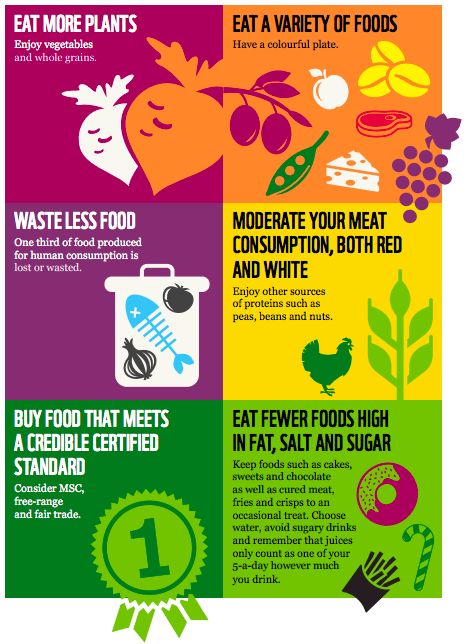
commitment to limiting climate change to a 1.5 degree rise.To help inform consumers about diets that are good for the planet and good for their health, WWF has developed six principles people can follow to ensure their diet is healthy as well as being sustainable and good for the planet. And by making an Earth Hour #PromiseForThePlanet this year, WWF hopes to encourage people across the UK to consider the part their diet has to play in affecting the environment and the small steps we can all take to reduce our individual carbon footprint.
Appendix 1 – Meal ingredients and footprints

Chicken Tikka Masala w/ Rice and Naan Bread
List of main ingredients by weight (more than 5g), excluding water.
                                                                      Quantity (g)
                                         TOTAL        MARINATED                             NAAN
      Ingredient             %           MEAL          CHICKEN          SAUCE        RICE   BREAD
 chicken                    22%           150             150              -          -       -
 rice                       15%           100              -               -         100      -
 tomato                     11%           77              38              38          -       -
 cream                      8%            50               -              50          -       -
 onion                      7%            46               -              45          1       -
 wheat flour                6%            40               -               -          -      40
 yoghurt                    5%            33              33               -          -       -
 lemon                      4%            29               -              29          -       -
 rapeseed oil               3%            22               -              15          -       8
 red bell pepper            2%            13               -               -         13       -
 coriander                  2%            13               3              10          0       -
 spinach                    1%            10               -              10          -       -
 spice extracts             1%             8               2               5          1       -
 palm oil                   1%             8               8               -          -       -
 salt                       1%             6               1               1          3       1
 rice flour                 1%             5               -               -          5       -
 corn flour                 1%             5               5               -          -       -
 corn starch                1%             5               -               5          -       -
 Minor Ingredients          7%            50              10              19         10      12
  CHICKEN TIKKA MASALA w/ RICE and
                     BREAD TOTAL           668           249             227         132     60
List of main ingredients by footprint (more than 1%), excluding water.
Footprint (kgCO2e)
TOTAL MARINATED NAAN
Ingredient % MEAL CHICKEN SAUCE RICE BREAD
chicken 38% 0.768 0.768 - - -
cream 19% 0.389 - 0.389 - -
rice 16% 0.329 - - 0.329 -
rapeseed oil 3% 0.065 - 0.043 - 0.022
yoghurt 3% 0.065 0.065 - - -
wheat flour 3% 0.057 - - - 0.057
tomato 3% 0.071 0.036 0.036 - -
butter 2% 0.050 - 0.050 - -
palm oil 2% 0.031 0.031 - - -
rice flour 1% 0.030 - - 0.030 -
lemon 1% 0.027 - 0.027 - -
All other ingredients 8% 0.162 0.025 0.067 0.034 0.035
CHICKEN TIKKA MASALA w/ RICE and
BREAD TOTAL 2.04 0.93 0.61 0.39 0.11Fish and Chips with Mushy Peas
List of main ingredients by weight (more than 5g), excluding water.
Quantity (g)
TOTAL MUSHY
Ingredient % MEAL FISH CHIPS BATTER MIX PEAS
potato 27% 208 - 208 - -
cod 24% 183 183 - - -
peas 15% 113 - - - 113
lemon 13% 100 100 - - -
wheat flour 10% 77 - 26 51 -
sunflower oil 7% 52 - 52 - -
yeast 1% 8 - - 8 -
rice flour 1% 5 - 5 - -
corn starch 1% 5 - 5 - -
Minor Ingredients 3% 21 - 7 11 3
FISH and CHIPS w/ MUSHY PEAS
TOTAL 772 283 303 70 116List of main ingredients by footprint (more than 1%), excluding water.
Footprint (kgCO2e)
TOTAL MUSHY
Ingredient % MEAL FISH CHIPS BATTER MIX PEAS
cod 59% 0.907 0.907 - - -
sunflower oil 11% 0.173 - 0.173 - -
wheat flour 7% 0.109 - 0.036 0.073 -
lemon 6% 0.086 0.086 - - -
peas 6% 0.085 - - - 0.085
potato 7% 0.103 - 0.103 - -
rice flour 2% 0.030 - 0.030 - -
All other ingredients 3% 0.049 - 0.027 0.018 0.004
FISH and CHIPS w/ MUSHY PEAS TOTAL 1.54 0.99 0.37 0.09 0.09Cheese Ploughman’s
List of main ingredients by weight (more than 5g), excluding water.
Quantity (g)
CHEESE &
Ingredient % TOTAL MEAL BUTTER SALAD BREAD
cheese 16% 124 124 - -
wheat flour 13% 100 - - 100
apple 11% 83 - 83 -
egg 10% 80 - 80 -
tomato 10% 76 - 76 -
onion 9% 71 - 71 -
radish 8% 60 - 60 -
pickle 7% 55 - 55 -
celery 4% 30 - 30 -
leaves 3% 26 - 26 -
rapeseed oil 2% 19 - - 19
butter 2% 18 18 - -
mustard 2% 15 - 15 -
sugar 1% 6 - - 6
salt 1% 4 - 3 2
Minor Ingredients 2% 16 - 5 12
CHEESE PLOUGHMAN’S TOTAL 784 142 504 138List of main ingredients by footprint (more than 1%), excluding water.
Footprint (kgCO2e)
CHEESE &
Ingredient % TOTAL MEAL BUTTER SALAD BREAD
cheese 50% 1.283 1.283 - -
egg 13% 0.347 - 0.347 -
pickle 9% 0.233 - 0.233 -
butter 8% 0.196 0.196 - -
wheat flour 5% 0.141 - - 0.141
rapeseed oil 2% 0.055 - - 0.055
tomato 3% 0.065 - 0.065 -
apple 2% 0.050 - 0.050 -
mustard 1% 0.026 - 0.026 -
radish 1% 0.035 - 0.035 -
All other ingredients 6% 0.159 - 0.085 0.074
CHEESE PLOUGHMAN’S TOTAL 2.59 1.48 0.84 0.27Welsh Cawl w/ Caerphilly Cheese and Bread
List of main ingredients by weight (more than 5g), excluding water.
Quantity (g)
CHEESE &
Ingredient % TOTAL MEAL STEW BUTTER BREAD
lamb 21% 138 138 - -
cheese 12% 80 - 80 -
potato 11% 76 76 - -
wheat flour 11% 70 - - 70
swede 11% 70 70 - -
leeks 8% 53 53 - -
carrot 6% 37 37 - -
onion 5% 36 36 - -
leaves 4% 25 25 - -
parsnips 3% 21 21 - -
butter 3% 18 - 18 -
rapeseed oil 2% 13 - - 13
barley 1% 8 8 - -
Minor Ingredients 3% 17 4 - 14
WELSH CAWL w/ CHEESE AND BREAD TOTAL 663 469 98 97List of main ingredients by footprint (more than 1%), excluding water.
Footprint (kgCO2e)
CHEESE
&
Ingredient % TOTAL MEAL STEW BUTTER BREAD
lamb 76% 4.510 4.510 - -
cheese 14% 0.828 - 0.828 -
butter 3% 0.196 - 0.196 -
wheat flour 2% 0.099 - - 0.099
All other ingredients 5% 0.286 0.196 - 0.090
WELSH CAWL w/ CHEESE AND BREAD TOTAL 5.92 4.71 1.02 0.19Appendix 2: Streamlined approach for carbon footprint assessments
The purpose of this report is to raise awareness about the links between food and the climate. As such, the
footprint assessments of the four meals were one component only. The objective was to create representative
footprints to inform the discussion rather than highly detailed, accurate assessments. This appendix explains the
approaches taken to achieve this aim using a streamlined approach, and details the assumptions made.
Farm to plate carbon footprints were carried out to determine the global warming contributions of four iconic British
dishes: chicken tikka masala with naan bread, fish and chips with mushy peas, cheese ploughman’s with bread and
butter, and Welsh cawl with bread and Caerphilly cheese.
A theoretical recipe was constructed for each of the four plates, combining ingredient types and weights from several
publicly available recipes. Emission factors to farm gate derived from academic literature. The methods published in
WWF’s Eating for 2 degrees – new and updated Livewell Plates report were adapted and used for energy use in
distribution centres; supermarkets; and for average distances transported. Cardboard and plastic packaging weights
were assumed to be a percentage of ingredient weight, not least because formats would vary between delivery
channel. Consumer in-home energy use was derived from the Product Sustainability Forum applied to each ingredient
based on assumptions on home storage and cooking method.
Cultivation Waste Distribution Supermarket Transport Packaging Consumer
• Land use • Embodied Centre • Electricity use • Emissions • Embodied Energy Use
change, carbon of • Electricity use (lighting, associated with carbon Plastic • Chilling
fertiliser use, wasted (lighting, refrigeration) fuel used in • Embodied • Cooking
enteric ingredients, as refrigeration) • Natural gas use Euro 4 lorry for carbon
fermentation, per cultivation . calculated • Washing-up
(heating) Cardboard
manure distances.
management,
on-farm energy
use, etc...
Figure 1: Lifecycle stages of four iconic British dishes.
Cultivation
Several food websites were used as sources for the four recipes. Sites were chosen based on the existence of the four
recipes. For chicken tikka masala and Welsh cawl recipes from allrecipes.com, goodfood.uktv.co.uk, jamieoliver.com,
and bbc.co.uk were used. For fish and chips recipes from goodfood.uktv.co.uk, jamieoliver.com, and bbc.co.uk were
used. For cheese ploughman’s recipes from culinaryginger.com, and bbc.co.uk were used, along with a recipe defined
by the researchers. The meals weigh between 660 and 790 grams, excluding water.
Some recipes report ingredient quantities by units of produce or in volume and not weight, so the necessary
conversions were made.Table 1: Weight of ingredients in grams for each of the four dishes
Ingredients CHICKEN TIKKA
(more than 5g) MASALA FISH and CHIPS PLOUGHMAN’S CAWL
apple - - 83 -
barley - - - 8
butter - - 18 18
carrot - - - 37
celery - - 30 -
cheese - - 124 80
chicken 150 - - -
cod - 183 - -
coriander 13 - - -
corn flour 5 - - -
corn starch 5 5 - -
cream 50 - - -
egg - - 80 -
lamb - - - 138
leaves - - 26 25
leeks - - - 53
lemon 29 100 - -
mustard - - 15 -
onion 46 - 71 36
palm oil 8 - - -
parsnips - - - 21
peas - 113 - -
pickle - - 55 -
potato - 208 - 76
radish - - 60 -
rapeseed oil 22 - 19 13
red bell pepper 13 - - -
rice 100 - - -
rice flour 5 5 - -
salt 6 - 4 -
spice extracts 8 - - -
spinach 10 - - -
sugar - - 6 -
sunflower oil - 52 - -
swede - - - 70
tomato 77 - 76 -
wheat flour 40 77 100 70
yeast - 8 - -
yoghurt 33 - - -
Other Ingredients 50 21 16 17
TOTAL 668 772 784 663
5
Emission factors were selected from Clune (2017) for the following ingredients: apple, barley, basil, butter, carrot,
chicken, cheese, cod, coriander, cream, egg, fennel, ginger, ginger puree, green chilli puree, lamb, leaves, milk, onion,
paprika extract, peas, pimento, potato, red bell pepper, rice, spinach, swede, tomato, turmeric, and yoghurt.
The Product Sustainability Forum Final Report (2013), An initial assessment of the environmental impact of grocery
products was used to obtain emission factors for ingredients not present in Clune et al., particularly for: black pepper,
calcium, carbonates, cardamom, celery seed, cinnamon, clove, cumin, garlic powder, garlic puree, grilled onions,
honey, iron, leeks, lemon, niacin, nutmeg, onion powder, onion seed, parsnips, radish, pickle, red pepper, spice
extracts, thiamine, and white pepper.
For the remaining ingredients and components of the carbon footprint several sources for emissions were used
including Ecoinvent, case studies (Kingsmill Bread), PhD theses, amongst others. The components are: cardboard,
5
‘Systematic review of greenhouse gas emissions for different fresh food categories’. Journal of Cleaner Production. 140:2, 766-
783colour, corn starch, corn flour, dextrose, electricity, wheat flour, natural gas, lorry, mustard, palm oil, packaging film,
rapeseed oil, rice flour, salt, sugar, sunflower oil, water, and yeast.
Waste
Waste volumes across the supply chain were assumed to equal 5% of total ingredient weight. This uplift was used not
only to calculate embodied emissions from the actual food wasted, but was also applied to ingredients stored in
distribution centres and transported to supermarkets. Emissions from landfilling or composting waste food are not
included in the analysis.
Distribution Centre
Data from WWF’s Eating for 2 degrees – new and updated Livewell Plates (2017) report were used to calculate
emissions arising from distribution centres. Ingredients were categorised by storage temperature and the following
electricity use was applied:
o Lighting – 0.04 kWh/kg
o Cold Storage - 0.05 kWh/kg
o Frozen Storage - 0.09 kWh/kg
Emissions associated with refrigerant use are not included.
Supermarket
As with distribution, data from WWF,(2017), were used to calculate emissions arising from supermarkets. Ingredients
were categorised by storage temperature and the following electricity use was applied:
o Lighting (all ingredients) – 0.036 kWh/kg
o Cold Storage - 0.03 kWh/kg
o Frozen Storage - 0.05 kWh/kg
Additionally, ambient heating for customers was included in the analysis and assumed to be provided by natural gas.
o Heating (all ingredients) – 0.079 kWh/kg
Emissions associated with refrigerant use are not included.
Transport
As with distribution and supermarkets, data from WWF( 2017), were used to calculate emissions arising from
transport. A Euro 4 16-32 tonne lorry was assumed to be the method of transport. Distances were assumed to be as
follows:
o Non-animal farm products to supermarket – 170km
o Animal farm products to supermarket – 320km
Emissions from refrigerated transport are not included .
Packaging
Packaging was assumed to equal 5% of meal weight and assumed to be half plastic and half cardboard. The embodied
carbon emissions from the production of core board and low density polyethylene packaging film were calculated
from Ecoinvent data and applied to the packaging weights.
Consumer energy-use
Data on tonnes of CO2e associated with different stages of the food life cycle from the Product Sustainability Forum
were used to determine uplifts for home energy use required for storing and preparing food.Uplifts of 14% for cooking, 11% for chilling, and 2% for washing-up were applied to the meals to determine energy use
in the home.
Results
Results by the lifecycle stages described in this method are shown in table 2, below.
Table 2: Results by life-cycle stage
Footprint (kgCO2e)
lifecycle stage CHICKEN TIKKA FISH and
MASALA CHIPS WELSH CAWL PLOUGHMAN'S
Cultivation 1.460 1.045 4.475 2.055
Supply chain waste 0.073 0.052 0.224 0.103
Distribution Centre 0.036 0.046 0.029 0.039
Supermarket 0.041 0.050 0.037 0.047
Transport 0.023 0.027 0.023 0.023
Packaging 0.066 0.077 0.066 0.078
Consumer energy-use 0.344 0.245 1.065 0.245
TOTAL 2.04 1.54 5.92 2.59
Results by lifecycle stage show that cultivation and consumer use in the home represent the highest portion of
emissions. Where the method used relied on assumptions – notably packaging and waste – the figures are low, and
may represent an underestimate. However, conducting a detailed analysis of the supply chains – and given the
variability in delivery channels – these figures are deemed acceptable for the illustrative purpose of this report.Appendix 3: References Adaptation Sub-Committee. 2016. UK Climate Change Risk Assessment 2017 Evidence Report – Summary for Wales. Adaptation Sub-Committee of the Committee on Climate Change, London. Addy, R. 2014. Weather damage costs 2 Sisters £500k+. Food Manufacture [online]. 05 February 2014. Available from: https://www.foodmanufacture.co.uk/Article/2014/02/05/2-Sisters-Food-Group-faces-500k-bill-after-flood. [Accessed 22 January 2018]. Agriculture & Horticulture Development Board (AHDB). 2016. MeatStats: UK Meat & Livestock Facts. AHDB, Kenilworth, UK. Agriculture & Horticulture Development Board (AHDB). 2017. UK Yearbook 2017 Sheep. AHDB, Kenilworth, UK. Agriculture & Horticulture Development Board (AHDB) Better Returns Program. 2015. Managing cattle and sheep during extreme weather events. AHDB Better Returns Programme, Kenilworth, UK. Agriculture & Horticulture Development Board (AHDB) Dairy. Heat Stress in Dairy Cattle [online]. AHDB Dairy. Available from: https://dairy.ahdb.org.uk/technical-information/animal-health-welfare/mastitis/working-arena- prevention-of-infection/housing/heat-stress-in-dairy-cattle/#.Wp2I3JOFiqB. [Accessed 20 January 2018]. Agriculture & Horticulture Development Board (AHDB) Potatoes. 2012. PCN (Potato Cyst Nematode [online]. AHDB Potatoes. Available from: https://potatoes.ahdb.org.uk/agronomy/plant-health-weed-pest-disease-management/pcn. [Accessed on 20 January 2018]. BBC Food. 2018. Fish and Chips [online]. BBC UK. Available from: https://www.bbc.co.uk/food/recipes/deepfriedfishinbeerb_67776. [Accessed 16 January 2018]. Benton T, Gallani, B, Jones, C, Lewis, K, and Tiffin, R (eds). 2012. Severe Weather and UK Food Resilience. Global Food Security, Food Research Partnership: Resilience of the UK Food System Subgroup, Government Office for Science, UK. Bénézit, M, Biarnès, V and Jeuffroy, M. 2017. Impact of climate and diseases on pea yields: what perspectives with climate change? OCL [online]. February 2017. 24: 1. Available from: https://doi.org/10.1051/ocl/2016055. [Accessed 19 January 2018]. Birch, J, Hooper, L, Rosenberg, G and Vohra, J. 2017. A Weighty Issue. Cancer Research UK. British Cheese Board. 2018. Top Cheese Facts [online]. Available from: http://www.cheeseboard.co.uk/facts/top_cheese_facts-2. [Accessed 26 January 2018]. Brown, I, Thompson, D, Bardgett, R, Berry, P, Crute, I, Morison, J, Morecroft, M, Pinnegar, J, Reeder, T, and Topp, K. 2016. UK Climate Change Risk Assessment Evidence Report: Chapter 3, Natural Environment and Natural Assets. Report prepared for the Adaptation Sub-Committee of the Committee on Climate Change, London. Carbon Brief. 2017. Mapped: How climate change affects extreme weather around the world? Carbon BriefLtd. Available from: https://www.carbonbrief.org/mapped-how-climate-change-affects-extreme-weather-around-the- world. [Accessed 19 January 2018]. Carlsberg. 2016 Consumer Insights Report 2015-2016: Insights, trends and issues shaping consumer behaviour and pub visits in the UK. Carlsberg, UK. Challinor, A, Adger, WN, Di Mauro, M, Baylis, M, Benton, T, Conway, D, Depledge, D, Geddes, A, McCorriston, S, Stringer, L, and Wellesley, L. 2016. UK Climate Change Risk Assessment Evidence Report: Chapter 7, International Dimensions. Report prepared for the Adaptation Sub-Committee of the Committee on Climate Change, London. Clune, SJ, Crossin, E and Verghese, K. 2017. Systematic review of greenhouse gas emissions for different fresh food categories. Journal of Cleaner Production [online]. January 2017. (140):766-783. Available from: https://www.sciencedirect.com/science/article/pii/S0959652616303584?via%3Dihub. [Accessed 18 January 2018].
You can also read


