Hitachi and the Private Cloud - Create a More Virtualized, More Secure, More Open Private Cloud With Hitachi Data Systems
←
→
Page content transcription
If your browser does not render page correctly, please read the page content below
SOLUTION PROFILE

                   Hitachi and the Private Cloud

                   Create a More Virtualized, More Secure, More Open                 Overview
                   Private Cloud With Hitachi Data Systems                           “The cloud” has gotten a great deal of attention in
                                                                                     recent years. IT organizations have continued to
                                                                                     wrestle with increasing demands to more effectively
                   Making your data center more service-driven and ready
                                                                                     support the business while working within their bud-
                   for the private cloud is a process. Regardless of where           gets. If implemented correctly, cloud-based solutions
                   you are on the path to data center modernization, Hitachi         can help meet these challenges.
                   Data Systems can provide the platforms, software and              As competitive pressures intensify, stakeholders are
                   assistance to get the job done right. The rich HDS portfolio      asking for IT to provide the resources and services to
                                                                                     get their jobs done. In response, IT must create an
                   of storage, converged solution and self-service offerings         environment in which applications and infrastructural
                   delivers a full range of the capabilities to create a services-   components are available on demand, regardless of
                   driven private cloud for your stakeholders. With Hitachi          the loads imposed on the resources under IT’s con-
                                                                                     trol. To accomplish this on-demand environment, IT
                   Data Systems, your private cloud can be more virtualized,         must transform the infrastructure of its data centers.
                   secure and open, and can help you save more money.                IT must enable the predictable, automated delivery
                                                                                     of services by decoupling these services from the
                                                                                     underlying storage and compute platforms.

                                                                                     The abstraction of services from underlying infra-
                                                                                     structure platforms is at the heart of the modernized,
                                                                                     transformed data center. The path to get there is
                                                                                     defined by a series of steps that involve the consoli-
                                                                                     dation of resources into a smaller, more efficient data
                                                                                     center footprint. Virtualization technologies are used
                                                                                     to create pools of compute and storage resources
                                                                                     that can be made available on demand. And the
                                                                                     automation of IT management and provisioning pro-
                                                                                     cesses makes IT administrative tasks easier.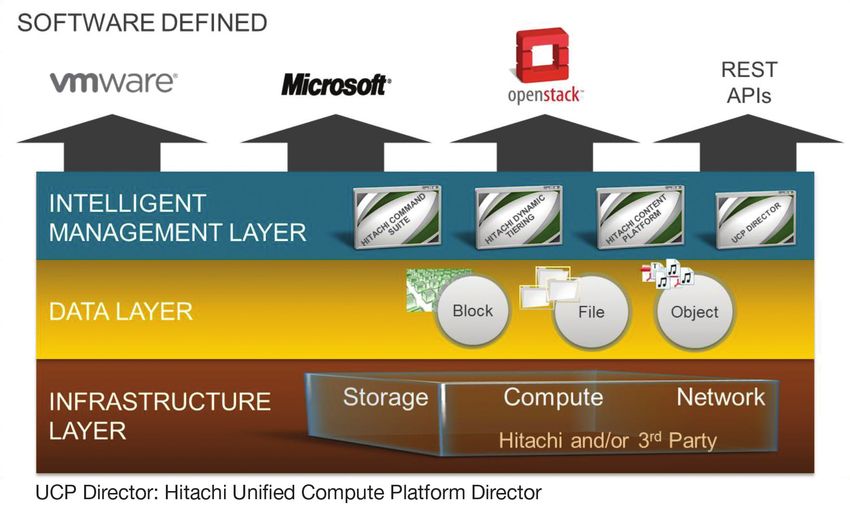
SOLUTION PROFILE

Ideally, virtualization and automation are       Organizations have a choice of cloud options:             unnecessary purchases. Doing so
applied to a converged infrastructure,           hosted, private and hybrid. An outside vendor             requires skills, technologies and, in some
one that brings together storage, network        owns and hosts the hosted clouds, while                   cases, new organizational structure or
and compute resources into a combined,           private clouds reside within the company and              alignment.
integrated resource pool. This approach          are under its full control. Hybrid clouds com-       ■■   Minimizing Disruption. If proper planning
further enhances management efficiency           bine hosted and private clouds: Well-chosen               hasn’t taken place, transformation can
and agility, and optimizes resources. Adding     applications and data are deployed to 1 or                cause significant disruption to operations
self-service capabilities completes what is      more public clouds, while sensitive data and              as new technologies and platforms are
required to build a true private cloud.          mission-critical applications are relegated to            brought online. New processes and skills
                                                 their private cloud. There is full integration            must be developed and learned. The new,
Many organizations use the platforms and
                                                 between the 2 environments.                               modernized infrastructure must therefore
technologies that make up HDS private
cloud capabilities to build private cloud.       While public cloud providers claim to provide             be created and deployed quickly, with
Service providers can also use them to           highly secure multitenant environments, secu-             existing assets leveraged as much as
build public clouds that can then provide        rity concerns have moved many organizations               possible to minimize downtime and any
services to their end-user customers.            to begin with a private cloud. For some com-              possibility of lost business.
                                                 panies that have done so, their experience           ■■   Managing Application Complexity. Often,
Why the Private Cloud?                           and success have given them the confidence                applications are numerous, built using
There is no lack of interest                     and know-how to consider deploying some                   differing technologies, and span a wide
in cloud-based solutions           Private       workloads to a public cloud.                              range of workload requirements. Some are
                                   Cloud                                                                   virtualized, while others are not. Gaining a
to address many of the                           Likewise, meeting the stakeholder demands
                                   in Action                                                               thorough understanding of what applica-
challenges facing IT today.                      noted earlier means modernizing the data
Forecasts for the cloud,            WATCH                                                                  tions exist and what is being used today,
                                                 center, which involves steps that are neces-
whether for the purchase                                                                                   and the storage, runtime and integration
                                                 sary to take full advantage of private cloud
of public cloud services or                                                                                requirements for each is critical. Once those
                                                 benefits. A full private cloud is a logical exten-
for infrastructure to build a private cloud,                                                               applications are migrated to a newly trans-
                                                 sion of the work already being done to make
vary. They differ, depending on a number                                                                   formed data center architecture, the results
                                                 IT “service-driven.”
of factors and whether hardware, software                                                                  can yield significant benefits: Organizations
or services are involved. However, annual                                                                  see greater agility, faster time to value, and
                                                 Private Cloud Drivers and
growth rates of 18% to 20% are typical,                                                                    more optimal resource usage.
                                                 Challenges
which is impressive for IT markets.                                                                   ■■   Automating Operation. Transforming to
                                                 Competitive pressures have been pushing                   a flexibility-on-demand architecture can
While interest in cloud is high, the decisions   organizations to improve IT’s capability to               require new tools and capabilities as well
as to how and when to move to the cloud,         support the activities of internal stakehold-             as organizational and operational process
and in what form, are still being made in        ers that deliver the highest returns to the               refinement. Automating the processes of
many organizations. As with any decision         business.                                                 provisioning, deprovisioning and managing
involving IT architectures and approaches,
                                                 For instance, line-of-business managers                   resources overall is critical to achieving the
the cloud requires an in-depth understand-
                                                 must access the business applications and                 efficiency, speed, performance and cost
ing of stakeholder needs, existing IT assets
                                                 data they need on demand. Developers                      benefits of a transformed data center. Doing
and how those assets are being used. The
                                                 require the ability to provision resources to             so effectively can make IT more productive
business must also have the ability and
                                                 create, qualify and test new business-                    by freeing up resources for more strategic
willingness to embrace and support the
                                                 strategic applications in a timely manner.                tasks that benefit the business.
transformations involved.
                                                 To support the varied but stringent require-         ■■   Delivering to Service Level Agreements
Some of the most serious considerations          ments of these and other end users, IT’s                  (SLAs). The goal of transformation is to
organizations face in implementing a cloud       emphasis must move away from maintain-                    create a services-driven infrastructure that
involve security and control. Traditional data   ing applications tied to siloed infrastructures           enables stakeholders to get the resources
centers have their limitations, but since        to a more services-oriented model.                        they need on demand. This goal typically
they reside within the company, IT can                                                                     means that IT commits to specific levels
                                                 Achieving the transformation required to
exercise strict control over them. Moving                                                                  of services, especially when chargeback
                                                 make this services orientation a reality can
to the cloud can mean giving up some or                                                                    mechanisms are enabled. Delivering ser-
                                                 result in significant value, but there are chal-
all of this control. Such a move introduces                                                                vices based on committed service levels
                                                 lenges to take into account along the way:
security concerns, real and perceived, that                                                                means that stakeholders reduce the time
can slow down cloud deployments or even          ■■   More Efficient Asset Utilization.                    to market for their work, which benefits
stop them completely. These concerns are              Significant savings can be achieved by               an organization’s bottom line. Reducing
especially evident in cases where data is             consolidating resources, which results               time to market with traditional architec-
sensitive and workloads are critical.                 in those resources being used more                   tures can be difficult and inefficient, since
                                                      efficiently and, ultimately, reducing                they lack the ability to leverage available
                                                                                                           resources in an agile way.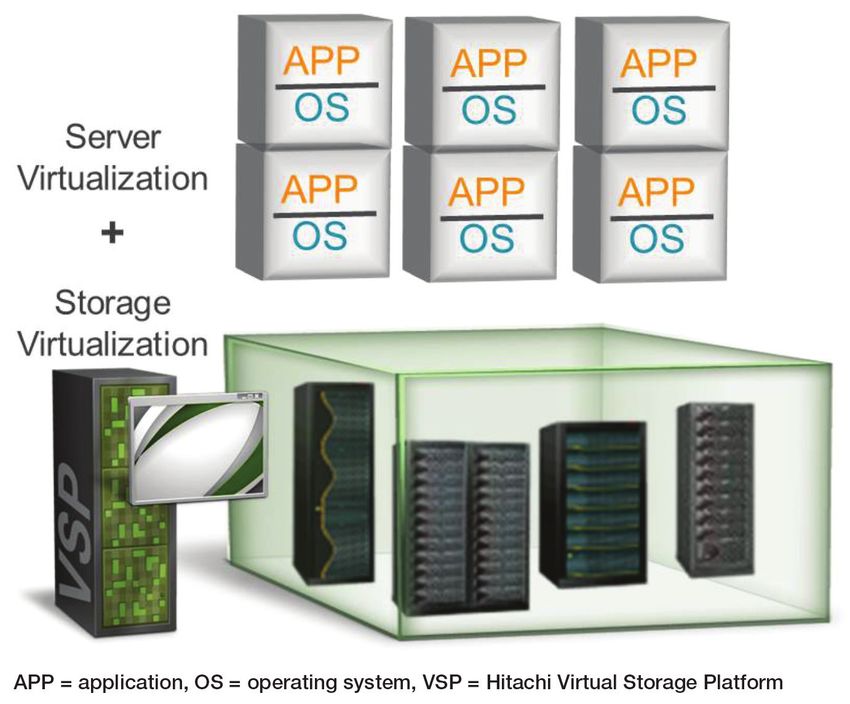
3

The reasons for taking the steps to mod-
ernize data centers are clearly strong. While                    Innovation is the engine of change, and
addressing them can be challenging, if the                   information is its fuel. Innovate intelligently
right approach is taken, they can easily be
                                                               to lead your market, grow your company,
addressed.                                                                                                      www.HDS.com/innovate
                                                                     and change the world. Manage your
The Steps to the Private Cloud                                    information with Hitachi Data Systems.
Whether a full private cloud implementation
is your goal, or you want to transform and
modernize all or parts of your data center
infrastructure, your success depends on
the approach you take. Using an organized,
multistep process that starts with building a
cost-effective, efficient foundation can help
you fully leverage the benefits of moderniza-
tion and a services-driven environment.

Our methodology to transform traditional
IT to a private cloud involves 4 major steps
that build on each other (see Figure 1). The
goal is to create a fully integrated and effi-
ciently managed pool of IT services capable
of providing stakeholders with the resources
and service levels they require:
■■   Consolidate. The 1st step involves reduc-
     ing your IT footprint to lower overall costs
     by reducing capital expenditure (capex),
     lowering space and utility costs, and less-
     ening the administrative resources required.
     The goal is to architect 1 infrastructure         Figure 1. The Private Cloud Transformation Methodology
     platform for all data and workloads, which
     increases efficiency by minimizing costs
     and maximizing utility. For some, this con-
     solidation involves only storage platforms,
     for others, compute resources, and in
     some cases, it takes the form of a “con-
     verged” infrastructure of all resources. In all
     cases, the resulting consolidated infrastruc-
     ture is more efficient and cost-effective. If
     the consolidation activity is able to leverage
     your existing resources without any signifi-
     cant “rip and replace,” these benefits will be
     particularly evident.
■■   Virtualize. The 2nd step allows you to
     extract greater value and to become
     more efficient. You can create a single
     virtual pool of all resources, including file,
     block and object storage, servers and
     applications, with the ability to manage
     across all of these resources. Resources
     in this pool can then be dynamically
     provisioned on demand (see Figure 2).
     The resulting flexibility can mean more
     optimized usage because resources are
     no longer tied to legacy application or           Figure 2. Virtualize for Dynamic Resource Provisioning
     platform “silos” that remain unused when
     they can be leveraged somewhere else.
SOLUTION PROFILE

     Ideally, this virtualization can be applied      and/or showback functionality as part of        Today, enterprises are being challenged in
     to single, converged infrastructure where        an overall business and operational frame-      various ways. Achieving higher levels of ser-
     both storage and compute resources               work. This functionality allows IT to both      vice within the data center is also a major
     work together to get tasks done. Then,           measure where resources are being used,         focus of IT today, driving it to seek out
     processes must be revised to take advan-         and, if the organization wants it, internally   solutions that provide higher performance
     tage of the new virtualization capabilities.     charge users based on their usage. The          and greater availability. The push to reduce
     The IT staff must be trained and business        result is more accountability and better        operational costs has not abated, making
     stakeholders must be made aware of the           alignment of resources with business            more effective automation and greater agil-
     new processes.                                   activities. The approach brings the greatest    ity important priorities as well.
     Automate. The 3rd step is to automate            return on investment (ROI) and a faster
                                                                                                      Continuous Cloud Infrastructure from Hitachi
■■

     your IT management and administra-               “time to market” for the work stakeholders
                                                                                                      Data Systems delivers products and solu-
     tive processes to enhance your ability           do (see Figure 3).
                                                                                                      tions that meet the availability, automation
     to meet committed service levels while          If this transformation is implemented using      and agility needs of organizations build-
     making IT and stakeholders more                 best practices, it not only maximizes pri-       ing private clouds today. At the heart of
     productive. When applied to an infra-           vate cloud benefits, but also paves the way      Continuous Cloud Infrastructure is Hitachi
     structure composed of integrated pools          toward leveraging public and hybrid cloud        Virtual Storage Platform (VSP) G1000. This
     of compute and storage resources, and           delivery models, where appropriate.              next-generation, highly scalable version of
     a complex mix of applications, automa-                                                           the proven Hitachi VSP storage manage-
     tion can ease managing and provisioning         Some organizations have begun their path
                                                                                                      ment platform delivers up to 3 times the
     tasks. Automation can deliver services          to the private cloud, while others have not.
                                                                                                      performance of its predecessor. The soft-
     with greater speed and reliability. As          Regardless of where you are, it is important
                                                                                                      ware foundation for VSP G1000 is Hitachi
     the new processes have been stream-             to recognize that you can enter the process
                                                                                                      Storage Virtualization Operating System
     lined, automating them creates a highly         at any point and take it as far as makes sense
                                                                                                      (SVOS). SVOS provides software-defined
     efficient IT organization. With this type       for you. If you have already built a private
                                                                                                      storage management and global storage
     of approach, policies can be effectively        cloud, the process is iterative, focused on
                                                                                                      virtualization across what are in essence
     enforced, and risks associated with tasks       continuous improvement throughout 4 steps.
                                                                                                      “virtual storage machines.” These provide
     prone to human error can be reduced.                                                             a virtual abstraction of physical storage
                                                     Hitachi Platforms and
■■   Self-Service. Step 4, adding self-service                                                        resources, either within a single system, or
     capabilities, completes your path to the pri-
                                                     Enabling Technologies for
                                                                                                      across multiple, geographically dispersed
     vate cloud. These capabilities are provided     the Private Cloud                                systems. The fully redundant architecture of
     via a portal or other user access frame-        Hitachi Data Systems provides organiza-          VSP G1000 ensures that there is no single
     work. They enable end users to select           tions with the products and technologies         point of failure, and makes it optimal for envi-
     the services they need and choose the           they need for the private cloud (see Table       ronments that demand 100% uptime.
     service level required based on their roles.    1). These storage, compute and manage-
                                                     ment technologies compose the foundation         The newest version of the Hitachi unified
     Provisioning and delivery of resources can
                                                     for the modernized infrastructures required      management product, Hitachi Command
     then be automated to execute upon those
                                                     to support the service-based delivery that       Suite v8, supports Continuous Cloud
     service requests. A complete self-service
                                                     makes a private cloud attractive.                Infrastructure, with centralized, integrated
     implementation includes chargeback
                                                                                                      management of all storage and server
                                                                                                      resources. Configuration, performance,
                                                                                                      replication and other key functions can be
                                                                                                      managed more efficiently under a common
                                                                                                      management framework.

                                                                                                      Hitachi Unified Storage and Hitachi NAS
                                                                                                      Platform represent the most powerful con-
                                                                                                      solidation platforms on the market, enabling
                                                                                                      organizations to consolidate existing file
                                                                                                      servers and NAS devices onto fewer nodes.
                                                                                                      This capability allows them to perform the
                                                                                                      same or even more work with fewer devices
                                                                                                      and lower overhead. At the same time,
                                                                                                      it reduces floor space requirements and
                                                                                                      associated power and cooling costs.

                                                                                                      Hitachi Unified Compute Platform (UCP)
                                                                                                      is a family of converged infrastructure
                                                                                                      solutions that brings together storage,
Figure 3. Service Catalogs Allow End Users to Easily Choose Service Level and Resources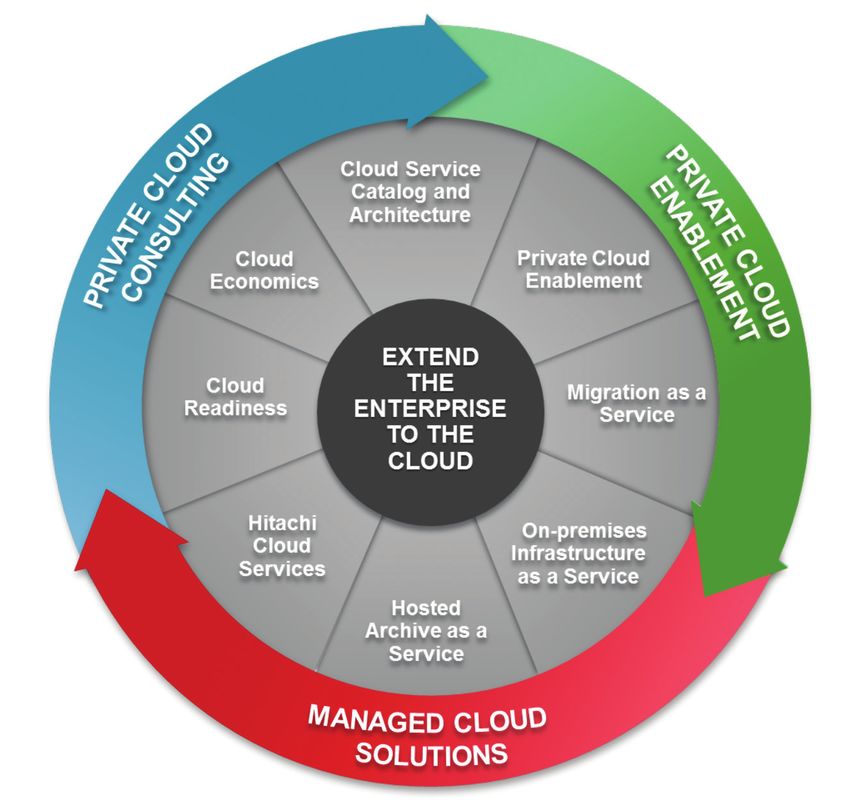
5
Its ability to automate data protection and
other IT operations makes it an ideal object
storage platform for the cloud.
When combined with Hitachi Data Ingestor,
HCP serves as both a private cloud-based
object storage solution and an on-ramp to the
private cloud for remote and branch offices.
Introducing Hitachi Content Platform
Anywhere to the solution adds secure file
sync and share capabilities. These abilities
enable a mobile workforce to collaborate
easier and faster, and support a “bring your
own device” (BYOD) policy for employees,
all from a safe, secure private cloud environ-
ment. HCP Anywhere allows organizations to
provide the productivity tools their end users
need, but still maintain control of data gover-
nance and protection practices. It also helps
Figure 4. Virtualization Across All Assets and Frameworks organizations to avoid data loss or leakage.
Hitachi cloud services management portal
Table 1. Sampling of HDS Products That Support the Private ClouD
provides self-service capabilities for private
Process Step HDS Private Cloud-Enabled Products cloud implementation. The portal enables
self-service via a service catalog, automated
Consolidate and Virtualize Hitachi Virtual Storage Platform G1000
provisioning, chargeback, subscription
Hitachi Storage Virtualization Operating System
management, billing and other capabilities
Hitachi Virtual Storage Platform
required to support private clouds. Today,
Hitachi Unified Storage VM and 100 family
the portal supports Hitachi UCP for VMware
Hitachi NAS Platform
vSphere and UCP Select for VMware
Hitachi Data Ingestor
vSphere with Cisco UCS. vCenter and
Hitachi Content Platform
vSphere are required for any UCP imple-
Hitachi Content Platform Anywhere
mentation; vCloud Director is optional.
Hitachi Unified Compute Platform solutions
Automate Hitachi Unified Compute Platform solutions HDS and the Private Cloud:
Hitachi Command Suite
More Virtualized, More Secure
Hitachi Command Director
and More Open
Hitachi Dynamic Tiering
Hitachi Dynamic Provisioning We know that organizations have many
Hitachi Content Platform choices when implementing private clouds.
With HDS, administrators can take advan-
Self-Service Hitachi cloud services management portal
tage of our tested, cloud-ready platforms
that enable more complete virtualization of
server, networking, hypervisor and software While many organizations leverage their the environment, better data security, and a
management in fully integrated packages. private clouds to deliver infrastructure ser- more open environment.
These pretested, cloud-ready infrastruc- vices, others must deliver content-based
Virtualization of all assets must begin with
ture solutions can be deployed quickly services to users who are geographically
storage, which is also the most difficult
and, because they bring various resources dispersed, mobile, or both. Hitachi Content
to virtualize because data tends to be in
into a converged platform, management Platform (HCP) is at the core of our private
motion. HDS provides the capabilities you
is greatly simplified. In fact, Hitachi Unified cloud solutions. HCP is intended to address
require to virtualize block, file and object
Compute Platform Director software allows the accelerated proliferation of unstructured
storage into a single resource pool that
administrators to pool, aggregate, manage, data, such as documents, records, audio,
is abstracted from applications and is
provision and monitor all physical and virtual video, images, mobile, collaboration and
location-independent (see Figure 4). This
infrastructure from within VMware vCenter. machine-generated data. An object storage
consolidation facilitates true data mobility
This capability makes it easier to implement solution, HCP enables the storage, sharing,
and dynamic scale, and is therefore the true
optimized best-in-industry solutions as part synchronizing and protection of unstruc-
foundation for the self-service cloud.
of a cloud-ready converged stack. tured data using a single system. HCP
provides high density and high efficiency.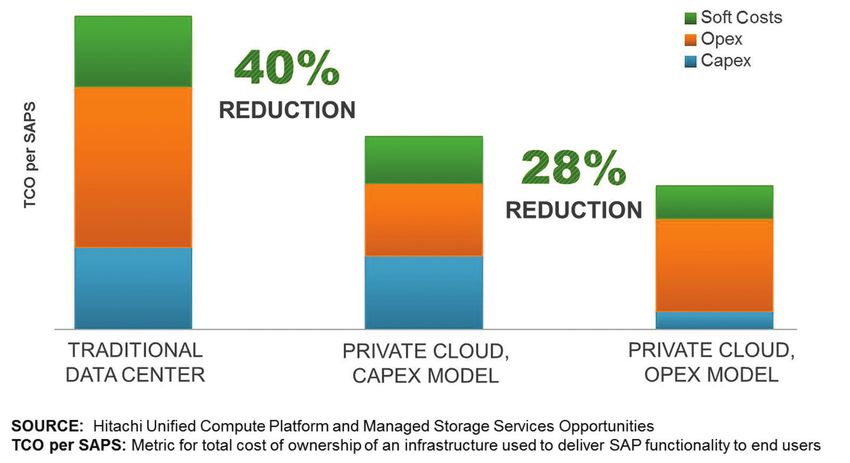
SOLUTION PROFILE

But virtualization goes beyond just data.          A truly comprehensive approach to                            HDS allows you to manage across the
Virtualizing the infrastructure means creating     openness is at the core of HDS cloud                         entire solution stack and across multiple
a single platform for all resources so that        enablement, and it includes:                                 frameworks. We provide a full set of APIs
resources can be more efficiently leveraged                                                                     that enable organizations and 3rd parties
                                                   ■■   Frameworks and Portals. We provide
on demand. In practice, virtualization means                                                                    to integrate other management frame-
                                                        the ability to integrate with a wide range
that infrastructure silos, where applica-                                                                       works into the environment as well.
                                                        of options. We offer choices, including our
tions, virtual machines and other assets are
                                                        own portal, through APIs that we provide,          The HDS approach allows organizations
hardwired to specific storage and server
                                                        integration with an organization’s own por-        to transform their architectures from tradi-
platforms, are combined and deployed
                                                        tals, or through portals that 3rd parties offer.   tional, more closed and siloed ones found
across available resources. At the same
                                                        Our Unified Compute Platform is a good             in many data centers to more open cloud
time, they maintain their isolation from one
                                                        example as well, with its integration with         architectures.
another to retain performance and security.
                                                        VMware and Microsoft® Hyper-V®, and our
                                                                                                           Openness is demonstrated through the
The virtualized environment must also be                sponsorship and support of OpenStack.
                                                                                                           variety of ways you can deploy and manage
managed. This task must cover not only                  We give you flexibility for the long term: You
                                                                                                           your private cloud with HDS. Several
the assets that make up the virtualized                 can work with emerging technologies and
                                                                                                           options are available to accommodate var-
infrastructure and data layers, but also                frameworks as they become available and
                                                                                                           ious ownership, financial and management
any frameworks that become part of the                  avoid locking yourself into a single vendor
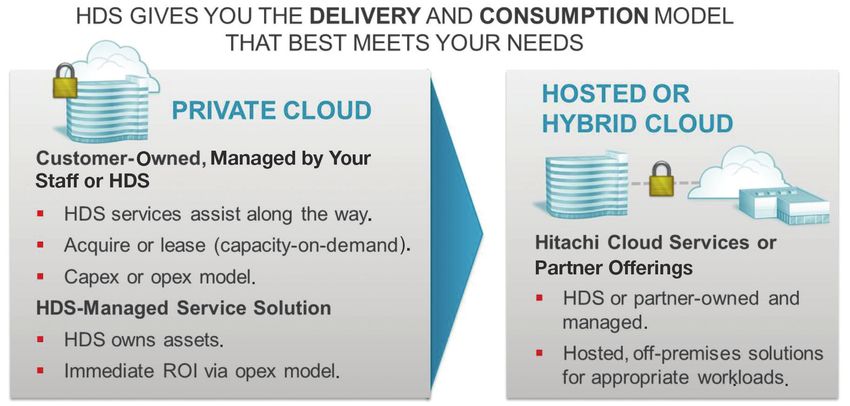
                                                                                                           models, allowing you to make the choice
environment.                                            or framework.
                                                                                                           that is right for you (see Figure 5).
Comprehensive virtualization is made pos-
                                                   ■■   Access Methods and Protocols. In
sible in great part through the abstraction of          addition to supporting standard storage            We Help You Build Your
services from underlying assets. This “soft-            protocols and access methods, some                 Private Cloud
ware-defined” approach is an important part             of our platforms support the RESTful
                                                                                                           When you are ready for
of how HDS makes the private cloud more                 API and the Amazon S3 interface. You                                                HDS
                                                                                                           transformation, Hitachi
virtualized.                                            can take advantage of standards-based                                               Cloud
                                                                                                           Data Systems can provide         Solutions
                                                        access to frameworks and portals. And,
Despite a decision to implement a private                                                                  the services capabilities
                                                        our private cloud can be a storage target                                            READ
cloud (as opposed to a public cloud) for                                                                   that help ensure your suc-
                                                        for data that S3 applications generate or
control and security reasons, robust security                                                              cess. The Hitachi Services
                                                        can write data to S3.
must still be enforced. Even a private cloud                                                               Framework is a methodology that applies
                                                   ■■   Infrastructure. HDS offers support for             proven best practices and tools to address
introduces the opportunity for greater access
                                                        3rd-party compute, networking and                  both technological and organizational
to data and content by stakeholders, regard-
                                                        storage and a wide variety of media. We            considerations in moving to the cloud (see
less of where they are located and on a wider
                                                        support the ability to search, identify,           Figure 6). The services include:
range of access devices. HDS provides
                                                        access and use data regardless of its
security capabilities that include:                                                                             Consulting services that help you drive
                                                        physical location.                                 ■■

■■   Universal encryption for both data at rest    ■■   Management Software. Integrating all                    your cloud transformation by assessing
     and “in flight.”                                   the frameworks, devices, other infra-                   the cloud readiness of your organiza-
                                                        structure components, and other assets                  tion, processes and technologies. These
■■   Write protection to make data tamperproof.
                                                        creates a new level of excellence in terms              services also help you develop your
■■   Unauthorized access protection through                                                                     transformation plan, your service catalog,
     secure multitenancy and role-based                 of managing the overall environment.
     access to data.
■■   Data loss and leaks focused on BYOD
     devices (including remote deregistration
     or wipe).

All of these measures must also be enforced
with governance capabilities for access con-
trol, compliance, data retention and activity
logging. The security capabilities within HDS
solutions answer all of these challenges.

Private clouds give IT more control over
security and governance. However, many
organizations want to be able to leverage more
assets and interoperate with various infrastruc-
ture components, applications and devices.
Their goals are to create a best-in-industry
                                                   Figure 5. Private and Hosted Cloud Delivery Models
private cloud while avoiding vendor lock-in.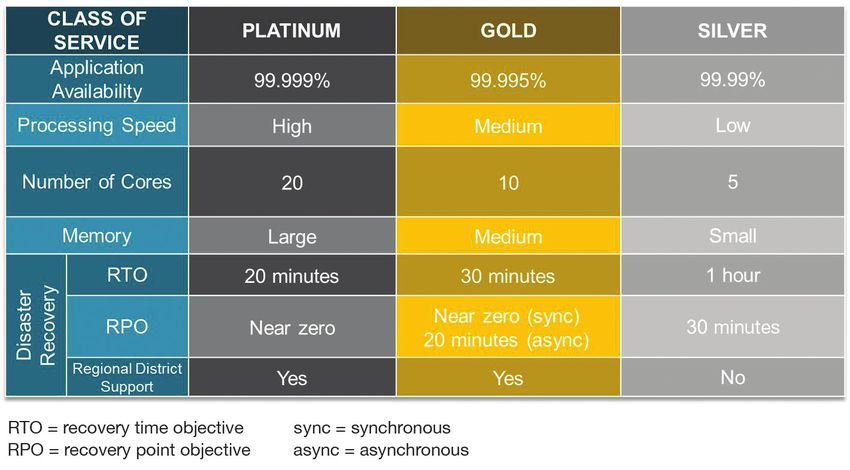
7
be realized over time as the steps are
completed. Depending on whether the
organization owns part of or the entire
infrastructure, capex and/or operating
expenditure (opex) benefits accrue to vary-
ing degrees.
Managed Service Solution
Here, HDS delivers an infrastructure-
as-a-service offering where HDS owns
and manages the private cloud that resides
within your data center. There is no initial
capex cost. Its pay-per-use pricing, a pure
opex model, includes all hardware, soft-
ware, transformation, managed service and
support for the consumption of storage and
converged infrastructure, based on service
level agreements. As such, you realize cost
benefits of the new private cloud model
Figure 6. The Hitachi Services Framework from day 1 of the contract. HDS owns
the assets and you can flex up or down
each month based on the needs of your
overall cloud architecture, and the busi- level management. Then, we enable
business. HDS leverages best practices
ness justification for moving to the cloud. the process through deployment of the
ITIL service management and our service
Transition services that assist in securely automation. Also, if more information is
■■
operations centers around the world ensure
deploying your cloud infrastructure, con- needed on what type of content you have
24/7 management. Three of our private
verged solutions and portal. HDS also across your organization and definition of
cloud storage service offerings include:
provides migration services to move data policies for automation, we provide data
across private, hosted and hybrid cloud classification services. ■■ File Tiering. This service enables you
environments. ■■ Self-Service. Finally, with all of the pre- to move inactive or low priority files out
vious tools and process in place, we can of your primary NAS environment and
■■ Managed services that accelerate your
implement your self-service portal to align into your private cloud store or different
transformation to services-based con-
to your business requirements. on-premises tiers, if appropriate.
sumption, based on SLAs.
■■ Primary File Serving. Consumers of
Furthermore, we have mapped out a range Leveraging HDS services not only gets you
cloud services can be widely distributed
of services to help at each step of our meth- to the private cloud faster, but also lets you
geographically, even within a single orga-
odology and corresponding transformation focus more resources on strategic activities
nization. This service delivers bottomless,
process: that bring value to your business.
backup-free file serving “to the edge.” It
Consolidate. HDS can help with driving provides both local cache, which allows
■■
We Help You Manage Your
the consolidation by identifying the cost and frequently accessed content to easily
Private Cloud be retrieved, and a central private cloud
benefit of the new architecture, designing
We offer options for organizations that repository, which streamlines data man-
the architecture, and implementing the new
would like their data and the cloud infra- agement, governance and protection
consolidated architecture. We minimize dis-
structure it resides on to remain in-house. practices.
ruption to your business while migrating and
We support their interest in a cloud con- Microsoft SharePoint® Archiving. This
transitioning you to your newly consolidated ■■
sumption model and/or freeing their staff policy-based service enables efficient
architecture.
from the day-to-day management tasks. storage, protection and management
■■ Virtualize. We assess your existing These options include:
infrastructure and architect the new vir- of SharePoint data, resulting in a more
tualized environment to enable pooling efficient environment, reduced cost of
Customer-Owned Infrastructure
of resources. We minimize any impact ownership, and control over SharePoint
In this case, the organization owns or data and metadata.
to business operations by conducting
leases the entire infrastructure. They build
physical-to-virtual and virtual-to-virtual In either case, HDS can manage your
their private cloud either on their own or
migrations. private cloud for you. The physical infra-
with services help from HDS or a trusted
■■ Automate. We work with you to partner. Because this approach is likely structure in your data center is remotely
define the service catalog and develop to involve the transformational steps pre- managed by HDS through a secure con-
Information Technology Infrastructure viously described, financial benefits will nection, reducing management overhead
Library (ITIL)-based processes for service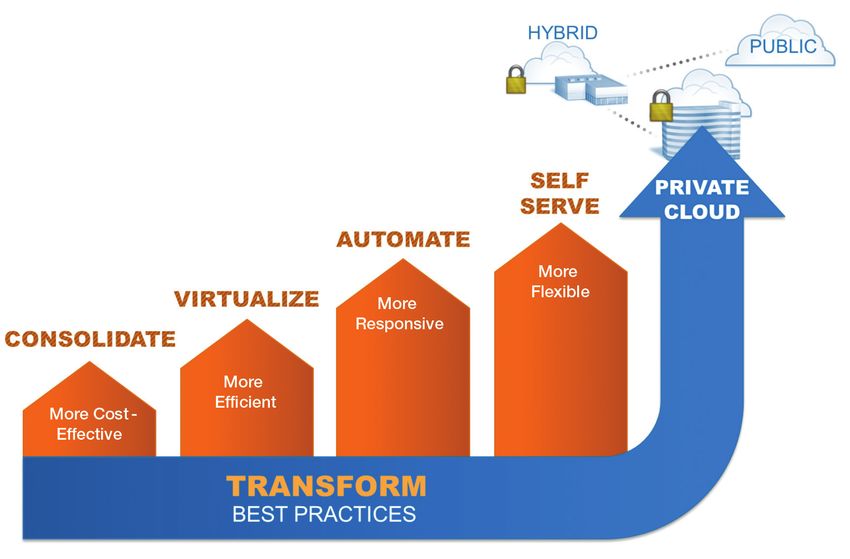
and providing the necessary skills to opti-
mize the storage environment. Requests for
new storage can be fulfilled based on the
policies set up front between Hitachi Data
Systems and the organization. The storage
is then remotely provisioned and managed
by Hitachi Data Systems.

We Host Your Cloud for You
Finally, when it makes sense for you to
move certain workloads off-site, HDS offers
hosted cloud services. The cloud environ-
ment is owned and managed by HDS or
a partner, and delivered in a pay-per-use
model. Built on the same cloud-ready
platforms that we offer for the private
cloud, Hitachi Cloud Services enable you
to extend outside of the data center more                      Figure 7: The TCO Benefits of Transformation
seamlessly. The services also feature a
RESTful interface to allow organizations to
connect key enterprise applications to the                     These savings include both easily quantifi-                     resources for maximum return. At the same
cloud. Hitachi Cloud Services are available                    able costs directly related to operations, as                   time, we enforce the security mechanisms
in the U.S. today, with other geographies                      well as costs associated with administrator                     you require to keep your data and content
being added over time.                                         productivity, performance issues, provision-                    safe. Through our APIs and support for
                                                               ing delays and other factors.                                   open interfaces and protocols, you can
Add up the Savings                                                                                                             bring best-in-industry technologies and
                                                               Summary                                                         frameworks into your cloud environment.
Modernizing the data center for the pri-
                                                               Preparing for the private cloud involves a                      You gain access to the functionality you
vate cloud can reap significant benefits in
                                                               series of steps that transform and modern-                      want and avoid vendor lock-in.
terms of total cost of ownership (TCO) (see
Figure 7). A sample of some of our engage-                     ize the data center so that the full benefits                   Regardless of where you are on our path to
ments shows that organizations delivering                      of the cloud can be realized. Hitachi Data                      the private cloud, HDS is here to help.
enterprise application functionality could                     Systems provides the platforms, technol-
reduce TCO by about 38% in moving from                         ogies and services you require to build a                       For More Information
a traditional data center architecture to a                    more robust private cloud. We help you to
                                                                                                                               For more information regarding how HDS
capex-based private cloud. An extra 28%                        take the most advantage of the benefits the
                                                                                                                               can help you move to the private cloud,
reduction in TCO could then be achieved                        cloud has to offer. Through our “more virtu-
                                                                                                                               contact your Hitachi Data Systems repre-
when transitioning to a private cloud where                    alized, more secure, more open” approach,
                                                                                                                               sentative or visit www.HDS.com.
the organizations do not own the assets.                       we help you leverage and manage your

Corporate Headquarters                                         Regional Contact Information
2845 Lafayette Street                                          Americas: +1 408 970 1000 or info@hds.com
Santa Clara, CA 95050-2639 USA                                 Europe, Middle East and Africa: +44 (0) 1753 618000 or info.emea@hds.com
www.HDS.com community.HDS.com                                  Asia Pacific: +852 3189 7900 or hds.marketing.apac@hds.com

© Hitachi Data Systems Corporation 2014. All rights reserved. HITACHI is a trademark or registered trademark of Hitachi, Ltd. Innovate With Information is a trademark or registered
trademark of Hitachi Data Systems Corporation. Microsoft, SharePoint, and Hyper-V are trademarks or registered trademarks of Microsoft Corporation. All other trademarks, service
marks, and company names are properties of their respective owners.
Notice: This document is for informational purposes only, and does not set forth any warranty, expressed or implied, concerning any equipment or service offered or to be offered by
Hitachi Data Systems Corporation.
SP-169-B DG May 2014
You can also read


