Information Technology Career Guide
←
→
Page content transcription
If your browser does not render page correctly, please read the page content below
Information Technology
     Career Guide
 Information Technology Experiences for
      Students and Teachers (ITEST)

Grit May, International Water Institute, Special Projects Coordinator
Joe Courneya, Director, Red River Center for Watershed Education

                    1
How to get started?
This career guide has been developed to help you explore career fields in Information
Technology (IT). The guides focus is on current and future job opportunities within the Red
River of the North Basin. It also provides a connection to the colleges and universities that have
educational degrees related to IT. Photos and information in this guide refer to real people doing
real work within this region.
If you are interested in a career in IT visit with your high school career counselor. They can
provide you with career planning help and tools, arrange for job shadow experiences, and
identify school and volunteer activities that will also help you develop your career interests.

Acknowledgments
This career guide is a product of the International Water Institute – Center for Watershed
Education. Funding was provided through the National Science Foundation – ITEST program,
contract # ESI 0423459. Opinions expressed herein do not reflect the position of the National
Science Foundation, and no official endorsement should be inferred.
The Innovative Technology Experiences for Students and Teachers (ITEST) program provides
opportunities for both school-age children and teachers to build the skills and knowledge
needed to advance their study and to function and contribute in a technologically rich society.
We would like to thank the following people who served as a review panel for this
publication:
Sue Zurn, M. Ed., Career Education Coordinator, West Fargo Public School, North Dakota
Dan Svedarsky, PhD., Head of the Natural Resources Department, University of Minnesota Crookston
Julie Trudeau, Training and Development Manager, Butler Machinery Company, Fargo, North Dakota
Wayne Goeken, Monitoring Coordinator, Red River Watershed Management Board, Minnesota
Garry Kotts, High School Science Teacher, Stephen-Argyle, Minnesota

Copies of this document can be obtained by contacting the International Water Institute at
701-231-5266 or www.internationalwaterinstitute.org

                                                              Funding provided by the
2007
                                                 2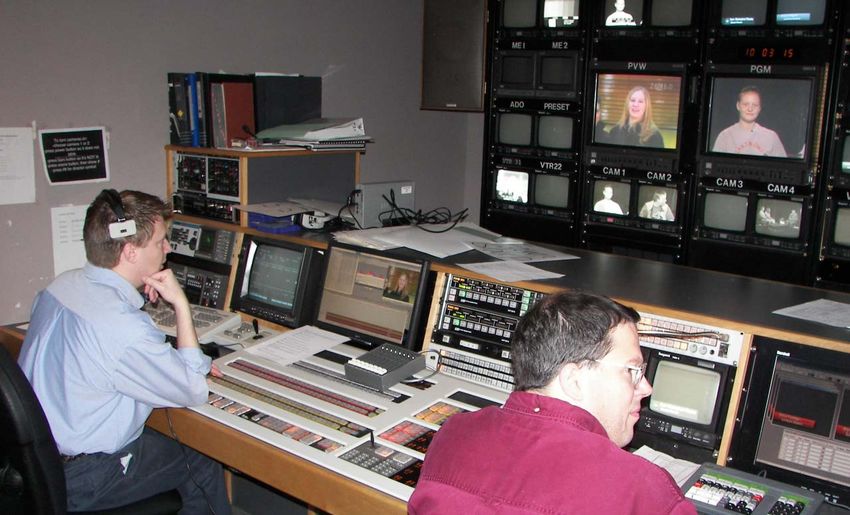
Table of Contents
Acknowledgments                                        2
How to get started?                                    2
Table of Contents                                      3
Introduction                                           4
Career Pathways                                        5
   Network Systems                                     6
   Information Support and Services                    7
   Programming and Software Development                9
   Interactive Media                                   10
Employment Fields                                      11
Job Outlook                                            12
Where to work?                                         13
Working Conditions                                     13
What are employers looking for?                        14
   Technical Skills                                    15
   Experience                                          16
   Key Soft Skills                                     17
   Business Skills                                     17
   Formal Education                                    18
Educational Landscape                                  19
Recommended High School Courses                        23
Universities and Colleges – Red River Basin Region     24
What is the earning potential?                         28
Sources                                                29
Related Links                                          30
Examples of Job Announcements in the Red River Basin   30
  Network Systems                                      31
  Information Support and Services                     34
  Programming and Software Development                 37
  Interactive Media                                    40

                               3
Introduction
         It’s an IT world!
         We are surrounded everyday by the influences of technology, and you may
         think of things like computers, iPods, game systems or even cell phones as
         the most important IT tools of the 21st century. While these are the gadgets
         most of us spend our day using to communicate, socialize and complete
         tasks, they are a small sampling of IT tools. The opportunities to find a
         career in IT are nearly limitless if you take the time to go through this guide
         and challenge yourself to explore the possibilities.
         IT is, and will continue to be, the largest industry in the US and worldwide.
         IT is computers and communications. IT is the driving force of business,
         education, entertainment, health care and government. IT is all about
         combining the power of computing with the study of managerial know-how
         and social issues to effectively solve problems and to creatively research
         future IT solutions. IT is the enabler of the information age which revolves
         around your everyday life.

         Do you want to be a part of IT?

The computer - is an IT tool that “every job”, from service to science
to saving the world requires us to have good basic skills. However,
the better your computer skills, the more likely you are to land that
“dream job” after school.

                                                                  4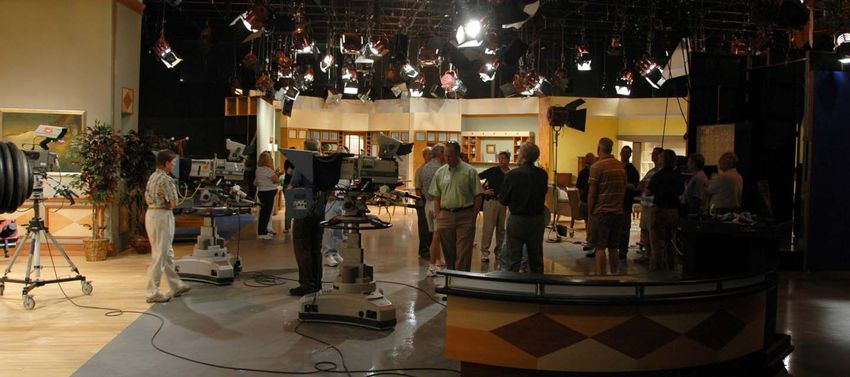
Career
Pathways
Let’s get started! Information technology careers are divided into four
pathways. Do you see one pathway that might have captured your
interest? Let’s explore further!

                                             Information Support
        Network Systems
                                                 and Services

  Programming and Software
                                               Interactive Media
        Development

                                   5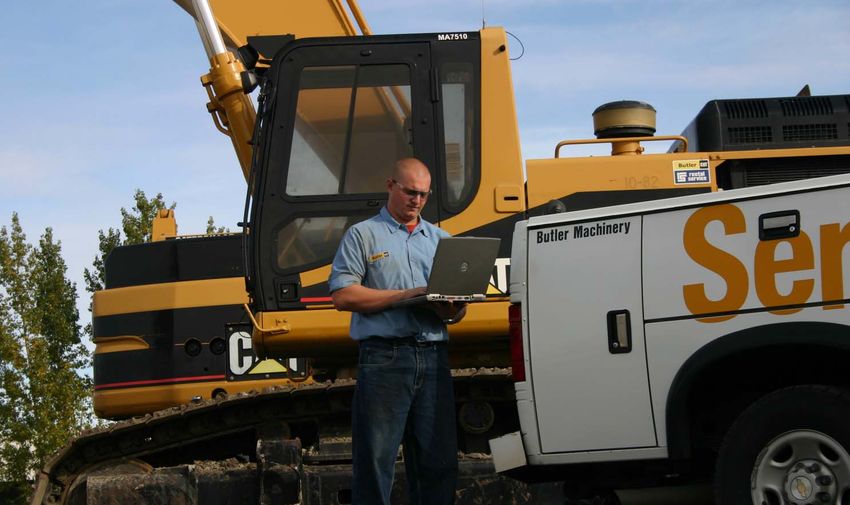
Network Systems
  If you like working with your hands and solving computer challenges, this
  may be your meal ticket!

  Overview                                               Sample Occupations
  Because networks are configured in                     Network Design and Administration
  many ways, network systems and data                    Communications Analyst
  communications analysts are needed to                  Data Communications Analyst
  design, test, evaluate, and manage systems,            Information Systems Administrator
  such as local area networks (LANs), wide area          Information Systems Operator
  networks (WANs), the Internet, intranets, and          Information Technology Engineer
  other data communications systems. Systems             Network: Administrator, Analyst, Architect,
  can range from a connection between two                   Engineer, Manager
  offices in the same building to globally               Network: Operations Analyst, Security Analyst,
  distributed networks, voicemail, and e-mail            Specialist, Technician, Transport
  systems of a multinational organization.                 Administrator
  People with expertise in network systems               PC Support Specialist
  are in high demand for a variety of positions          Systems Support Lead
  in organizations of all sizes and types.               Systems: Administrator, Engineer
  These people do work such as creating and              Technical Support Specialist
  maintaining the infrastructure in medical              User Support Specialist
  facilities that enables multiple doctors to view       Telecommunications Network Technician
  the same patient’s X-rays to determine the             Industry Certificates
  diagnosis and best treatment.                          CompTIA/Network+
  Telecommunications specialists focus on                Cisco Certified Network Associate
  the interaction between computer and                   Microsoft Certified Systems Engineer (MCSE)
  communications equipment. These workers                Certified Novell Engineer (CNE)
  design voice and data communication                    Nortel NetKnowledge Certification
  systems, supervise the installation of the             CompTIA/ Security+
  systems, and provide maintenance and other             [1]
  services to clients after the systems are
  installed.

       Every business like the Fargo based Butler
  Machinery Company employs IT specialists who
keep the companies’ computer systems operating.
                  Photo by Butler Machinery, Inc.

                                                     6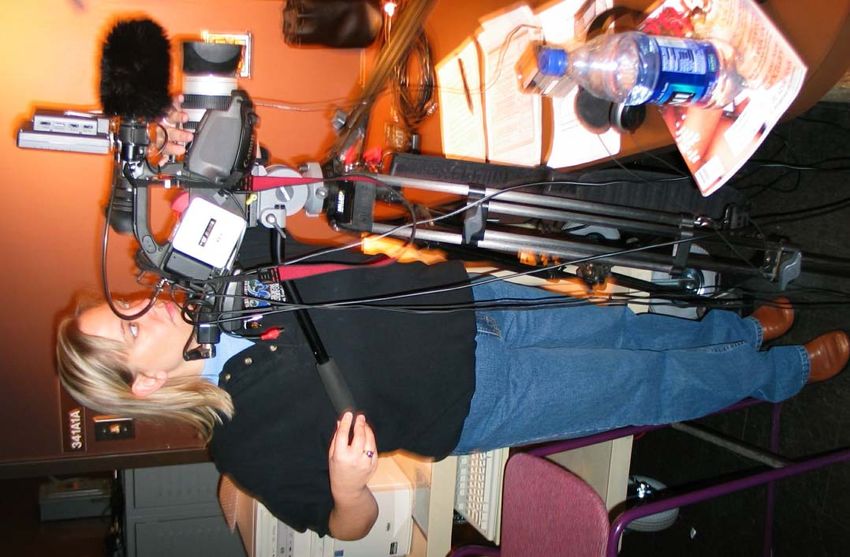
Information Support
and Services
Overview
Careers in information support and services          Senior Database Administrator, Systems
involve IT deployment, including implementing          Analyst
computer systems and software, providing             Systems Administrator, Analyst
technical assistance and managing                    Tester
information systems.
                                                     Technical Writer:
People with expertise in information support         Desktop Publisher, Document Specialist,
and services are in high demand for a variety          Documentation Specialist, Editor
of positions in organizations of all sizes and       Electronic Publications Specialist, Publisher
types. For example, they might improve               Instructional Designer, Online Publisher
service to customers by integrating multiple         Technical Communicator, Editor, Publications
databases at a global investment company             Manager, Writer
which allows employees to share information
                                                     Technical Support:
between the New York, Paris and Hong Kong
                                                     Analyst, Call Center Support Representative,
offices.
                                                       Content Manager
With the Internet and electronic businesses          Customer: Liaison, Service Representative,
generating large volumes of data, there                Service Professional
is a growing need to be able to store,               Help Desk: Specialist, Technician
manage, and extract data effectively.                Maintenance Technician, PC Support
Database administrators work with database           Specialist, PC Systems Coordinator, Product
management systems software and determine            Support Engineer, Sales Support Technician,
ways to organize and store data. Data                  Systems Analyst
integrity, backup systems, and database              Technical: Account Manager, Support
security have become increasingly important          Engineer, Support Representative
aspects of the job of database administrators.       Testing Engineer
                                                     Enterprise Systems Analysis and
Sample Occupations                                   Integration:
                                                     Application Integrator, Business Continuity
Database Development and Administration              Analyst, Cross-Enterprise Integrator
Data: Administrator, Analyst, Architect,             Data: Systems Designer, Systems Manager,
  Management Associate, Modeler, Modeling               Warehouse Designer
  Specialist                                         E-Business Specialist, Electronic Transactions
Database: Administration Associate,                  Implementer
 Administrator, Analyst, Developer, Manager,         Information Systems: Architect, Planner
  Modeler, Security Expert                           Systems: Analyst, Architect, Integrator
DSS (Decision Support Services), Knowledge           [1]
 Architect

                                                 7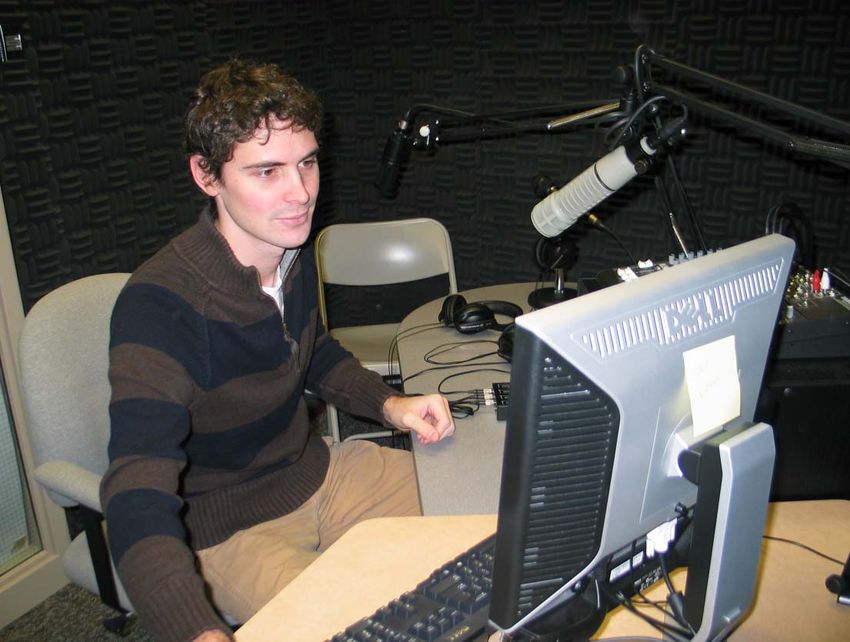
Certificates and Degrees from Industry and Colleges
Oracle Certified Professional
CompTIA A+ Certification
Microsoft Certified Database Administrator
Associate Degree of Science in Technical Support
Bachelor of Science in Information Science            How about going to work for
[1]                                                   the college that helped you
                                                      get your education? Young
                                                      talented graduates are in high
                                                      demand and can find an IT job
                                                      on any college campus in the
                                                      country.
                                                      Below: L. Prather, Classroom
                                                      Technology Specialist at
                                                      NDSU, develops a podcast.
                                                      Photo by Randy Wald

                                             8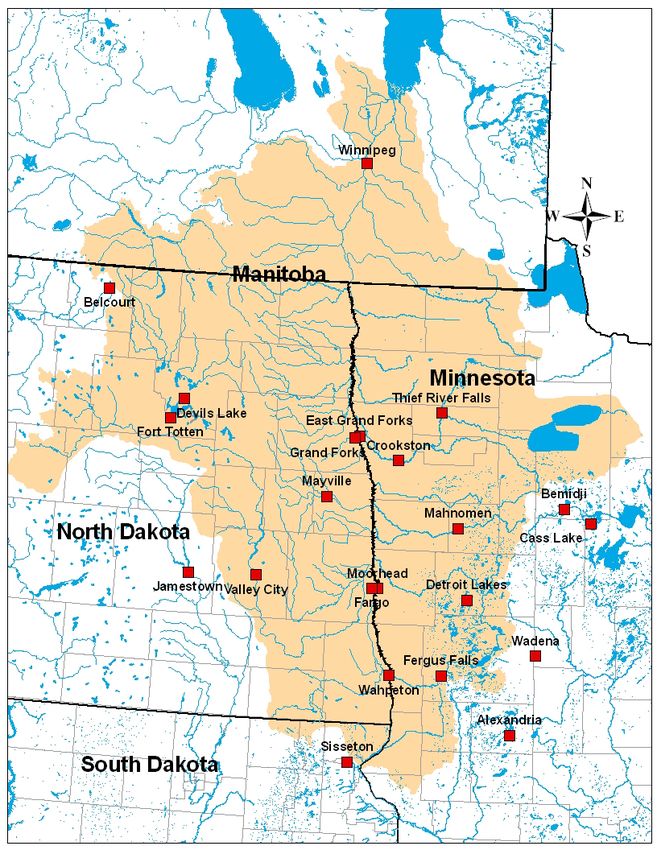
Programming and
Software Development
Overview
Careers in programming and software                   the private industry carry out tasks such
development involve the design, development,          as developing specialized languages
implementation and maintenance of computer            or information technologies, designing
systems and software, requiring knowledge             programming tools or knowledge-based
of computer operating systems, programming            systems, and even computer games.
languages and software development.
While many of the career opportunities in
                                                      Sample Occupations
this area are in software companies, large            Programming/Software Engineering:
organizations of other types, such as financial       Applications: Analyst, Engineer
services and business, also offer many                Business Analyst, Computer Engineer, Data
opportunities.                                           Modeler
People with expertise in programming and              Operating System: Designer/Engineer,
software development are in high demand,                 Programmer/Analyst
doing work such as creating the software that         Program Manager, Programmer, Programmer/
launches and runs NASA space shuttles.                  Analyst, Project Lead
                                                      Software Applications: Specialist, Architect,
Computer scientists work as theorists,                   Design Engineer, Development Engineer,
researchers, or inventors. Their jobs                    Engineer, QA Specialist, Tester
are distinguished by the higher level of              Systems: Analyst, Administrator
theoretical expertise and innovation they             Test Engineer, Tester
apply to complex problems and the creation            [1]
or application of new technology. Those
employed by academic institutions work
in areas ranging from complexity theory to
hardware to programming-language design.
Some work on multidisciplinary projects, such
as developing and advancing uses of virtual
reality, extending human-computer interaction,
or designing robots. Their counterparts in

Certificates and Degrees from
Colleges and Universities
Microsoft Certified Solutions Developer
Associate/Bachelor of Science in Real Time
  Interactive Simulation
Bachelor of Science in Computer Science
Bachelor of Science in Information Science
Master of Science in Computer Science
Sun-Java Developer Certification [1]

                                                  9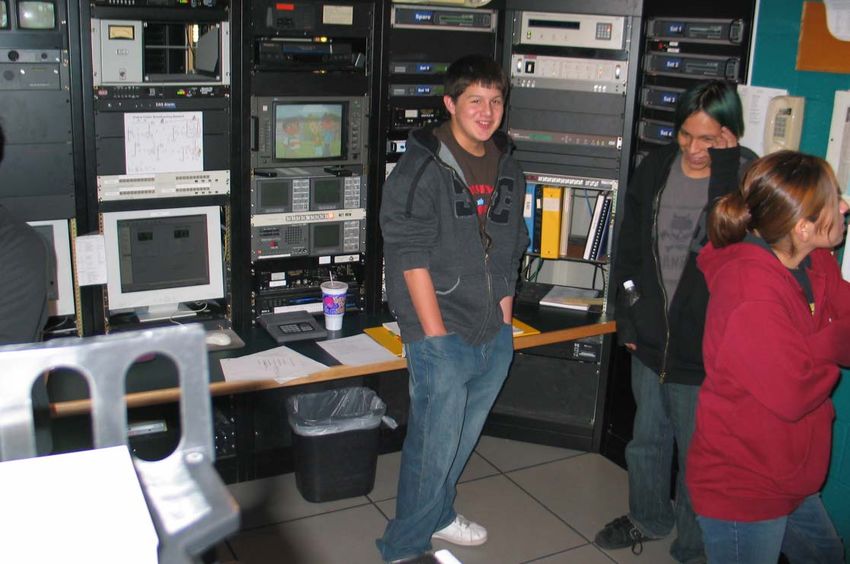
Interactive Media
Overview
Careers in interactive media involve creating,      Sample Occupations
designing and producing interactive,
multimedia products and services; including         Digital Media:
development of digitally-generated or               2D/3D Artist, Animator, Audio/Video Engineer,
computer-enhanced media used in business,             Designer, Media Specialist, Media/
training, entertainment, communications and           Instructional Designer
marketing.                                          Multimedia: Author, Authoring Specialist,
                                                      Developer, Specialist
Organizations of all types and sizes use digital
                                                    Producer, Production Assistant, Programmer,
media (World Wide Web, CDROM, DVD)
                                                      Streaming Media Specialist, Virtual Reality
to communicate with existing and potential
                                                      Specialist
customers, track transactions, and collaborate
                                                    Web: Designer, Producer, Specialist
with colleagues. Interactive media experts can
find employment opportunities in organizations      Web Development and Administration
of all sizes and types, doing work such as          Web: Administrator, Architect, Designer,
creating e-business auction Web sites that           Page Developer, Producer, Site Developer,
allow people around the world to buy and sell        Specialist, Webmaster – Level 1 & 2 (C)
items in real-time.                                 Certificates and Degrees from
Webmasters are responsible for all technical        Industry and Colleges
aspects of a Web site, including performance        Certificate of Webmaster Technology
issues, such as speed of access, and for            CompTIA I-Net+
approving the content of the site. Internet         iGeneration™ Certified Creative Producer
developers or Web developers, also called           WOW (World Organization of Webmasters)
Web designers, are responsible for day-to-day       Certified Professional Webmaster Associate/
site creation and design.                           Bachelor’s Multimedia Communications [1]

                                                           Television and video production give talented
                                                           graduates an opportunity to explore both sides of
                                                           technology, being the IT expert or being the celebrity
                                                   10      in front of the camera. Photo by Bruce Sundeen
Employment Fields
What are the odds you will land that IT dream Job? Take a look below!
National IT occupation distribution (2004)
Network Systems and data communication analysts 231,000
Network and computer systems administrators 278,000
Database administrators 104,000
Computer support specialists 518,000
Computer systems analysts 487,000
Computer software engineers, application 460,000
Computer software engineers, system software 340,000
Computer programmers 455,000
Computer and information scientists, research 22,000
Multi-media artists and animators 94,000
Computer specialists, other 149,000
Number of Workers
[2]
11Remember those classes taught by video or online
during high school? There is a good demand
for talented people who can set-up and manage
multi-media systems being used by education
and most major companies around the world.
Left: Videoconferencing at NDSU allows staff to
communicate across North Dakota.
Photo by Bruce Sundeen
Employment of computer programmers is
expected to grow more slowly than in previous
years. Sophisticated computer software now
Job Outlook has the capability to write basic code, which
eliminates the need for many programmers
to do this routine work. The consolidation and
The US Bureau of Labor Statistics [2] predicts
centralization of systems and applications,
that four of the five job categories with the
developments in packaged software, and
largest expected percentage growth through
advances in programming languages and tools
2012 in the U.S. will be in IT areas. Demand
means that more of the programming functions
for qualified IT workers is expected to double
can be transferred from programmers to
in the next five years.
other types of information workers, such as
There is a growing demand for network computer software engineers [2].
systems and data communication analysts
Employment of multi-media artists and
to help firms maximize their efficiency with
animators is expected to increase as
available technology. Expansion of electronic
consumers continue to demand more
commerce—doing business on the Internet—
realistic video games, movie and television
and the continuing need to build and maintain
special effects, and 3D animated movies. An
databases that store critical information
increasing demand for Web site development
on customers, inventory, and projects are
and for computer graphics adaptation from the
fueling demand. The introduction of the
growing number of mobile technologies will
wireless Internet, known as WiFi, creates new
create additional job openings [2].
systems to be analyzed and new data to be
administered. Also, the increasing importance The North Dakota Career Resource Network
placed on cybersecurity—the protection of [3] predicts that computer software
electronic information—will result in a need for engineers – applications and network
workers skilled in information security [2]. systems and data communication analysts
are among the fastest growing occupations
Employment of computer systems analysts
in North Dakota, with a growth rate of 38.8
and computer support specialists is driven
percent and 37.6 percent, respectively.
by very rapid growth in computer system
design and related services. The demand The Minnesota Department of Employment
for networking to facilitate the sharing of and Economic Development [4] estimates
information, the expansion of client–server the biggest growth until 2012 for network
environments, and the need for computer systems and data communication
specialists to use their knowledge and skills analysts (37.3 percent), computer software
in a problem-solving capacity will be major engineers - applications (33 percent), and
factors in the rising demand for computer computer systems analysts (32.7 percent) in
systems analysts [2]. northwestern Minnesota.
12If you can run a video camera, there are
opportunities to land a job in a wide variety of
professions from television to college teaching
to outdoor adventure filming.
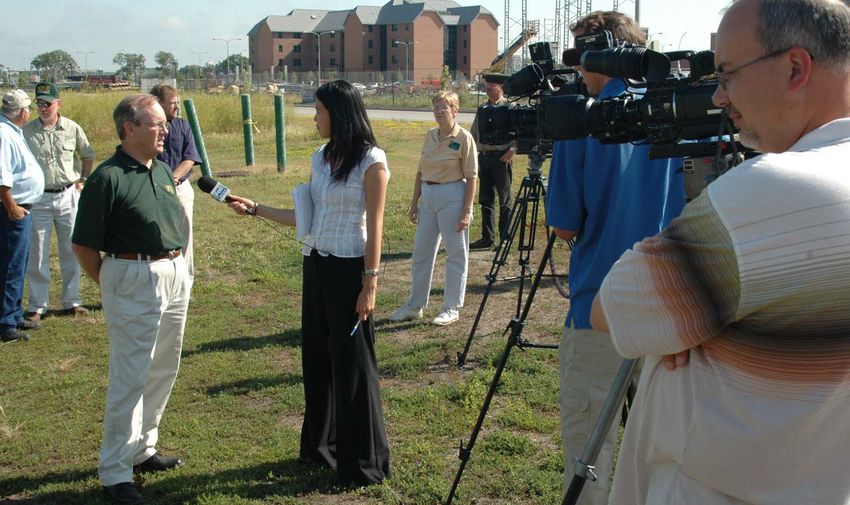
Below: MSUM IT Specialist T. Spaeth shoots
Where to work?
an educational piece for the college.
Photo by Bruce Sundeen
IT professionals are employed in:
• Professional, scientific, and technical
services industries (largest - computer
systems design and related services)
• Internet service providers, web search
portals
• Financial institutions
• Government agencies
• Insurance companies
• Educational institutions, universities
• Telecommunications companies
• Software publishers
• Wholesale and retail vendors of
computers, office equipment, appliances,
and home electronic equipment
• Manufacturers of computers,
semiconductors, other electronic
components
• Many self-employed
• Often on a temporary or contract basis
• Often as independent consultants
Working Conditions
Computer specialists and programmers, can be done from remote locations through
network analysts, and database administrators modems, laptops, electronic mail, and the
normally work in offices or laboratories in Internet [10].
comfortable surroundings. They usually Computer support specialists and systems
work about 40 hours a week—the same as administrators constantly interact with
many other professional or office workers do. customers and fellow employees as they
However, evening or weekend work may be answer questions and give valuable advice.
necessary to meet deadlines or solve specific Those who work as consultants are away
problems. With the technology available from their offices much of the time, sometimes
today, telecommuting is common for computer spending months working in a client’s office.
professionals. As networks expand, more work
13What are employers
looking for?
If you are looking to the future perhaps you are wondering how do I prepare
for the world of work. The following are key skills that employers of the 21st
century – “your future boss” – are looking for in all fields of employment.
Employers look for a combination of:
Technical Skills Soft and Business Skills
A highly specialized technical skill A range of soft skills and business
set related to specific programming skills, such as oral and written
languages; database, networking, communication skills, ability to work
and operating systems, and other in teams, and project management
technologies. These technical skills skills.
can be combined in many ways.
Experience Formal Education
Hands-on, real-world experience in Generally at least a four-year
the application of the technical skill degree, often a technical degree.
set; sometimes, experience related
to the application of IT in a particular
industry setting.
14Technical skills
A competency profile for IT occupational areas identified the following
basic, essential IT skills:
Knowledge Proficiency
• of the Internet, Internet access, and how to • in basic computer applications (word
use Internet-based services processing, design and use of databases,
• of computer hardware design, operation, spreadsheets, desktop publishing, and
and maintenance, including knowledge of graphics)
computer components and systems, • in basic data communications, accessing
ability to install a computer system, and information from electronic sources, and
troubleshooting e-mail
• of operating system components, computer • in basic computer user support (identifying
memory, and computer security, and the technical support needed and providing
ability to operate and maintain these technical assistance/training to users)
systems • in installing and configuring software
• of different networking systems, platforms, programs, evaluating their utility in meeting
standards, and protocols, and knowledge of user needs.
network connectivity [5]
• of database systems and principles, and
basic competency in their development,
implementation
Technical skills in different IT disciplines [6]:
Programming/Software Informix Web Development
Engineering Access Subset
Java Java
Network Design
C++ JavaBeans
and Administration
C Java Server Pages
Cisco Products
Visual Basic Active Server Pages
Novell Netware
XML Visual Basic
Windows NT/2000
HTML XML
Unix
Unix HTML
Linux
Windows NT/2000 JavaScript
SNA
Linux CGI
IPX
SQL Perl
Routing
Perl Cold Fusion
LAN/WAN
Active Server Pages
TCP/IP Technical Support
CGI
Ethernet Windows
JavaScript
Ethernet Switching NT/2000/98
Solaris
10 Base-T Switching Unix
Database Development Virus protection, firewalls Microsoft
and Administration Client/server technology Applications
Oracle Data network protocols LAN/WAN
SQL Server Internet connectivity Novell Netware
DB2/UDB Intranets TCP/IP
Sybase Wireless PC Hardware
15Experience
Experience is a very high priority in employer hiring considerations.
Interviewed IT workers cited that lack of • designing the graphic part of the High
experience in a specific skill or skills as one of School Annual
the largest barriers they face in getting an IT
• shooting a video of the last High School
job.
Football event etc.
Employers may be willing to accept academic
College students can gather experience
degrees, demonstrated soft skills, or IT
with internships, summer jobs, or campus
certifications that closely match their needs
employment [5].
instead of job experience in hiring for a trainee
or entry-level position.
There are already many ways to collect IT So how do I get where I want to go? Set
experience for High School students: a goal, find a good college program and
• part-time computer jobs at the High School start building your skills through your
(creating and maintaining the school’s jobs, volunteer work or internships.
website as a Network Administrator
Assistant, helping the teacher in charge
for the computers, or participating in the
implementation of an online homework
grade program for the students)
If you think computers are for office workers, think again. Most of today’s workforce out in the field carries
a laptop computer and needs the same computer skills as their colleagues back in the office. Above: A field
technician from Fargo based Butler Machinery Company uses a computer in the field when managing the big
machines out engineering the landscape. Photo by Butler Machinery, Inc.
16Key Soft Skills Business Skills
As IT has become omnipresent throughout • Needs Analysis
organizations and central to mission-critical • Project Management
operations, employers have placed an • Client/Customer Relations
increasing emphasis on IT workers’ business • Understanding company financial
skills and soft skills, such as the ability to information
communicate effectively and to work in a • Cost-Benefit Analysis
collaborative environment [5].
• Communication Skills
• Interpersonal/Team Skills
• Systems Thinking
• Creative, Critical, and Analytical Thinking
Skills/Problem Solving
• Ability to Learn Quickly/Adaptability
• Change Agent/Initiative/Leadership
Guess who makes the celebrities look good? That’s right - it is a media specialist behind the scenes with
many of the same skills teens learn while playing video games, designing YouTube videos or uploading
your favorite photos on MySpace or Facebook. Below: Technicians at the Prairie Public Television studio
make the on-air talent in the studio look and sound great. Photo by Joe Courneya
17Formal Education
A postsecondary education is necessary for • a certifications (often 1 year degree) from
professional-level IT jobs [5]. IT vendors Microsoft, Cisco, Novell, and
Oracle is needed for lower level IT positions,
• a four-year degree (Bachelor’s degree),
demonstrates a level of competence in a
especially a technical degree (computer
particular field
science or computer engineering) is
preferred in: Of the 12 professional-level IT occupations, for
• research which the U.S. Department of Labor’s Bureau
• developing new software, IT products of Labor Statistics collects information, it is
• enterprise-level applications indicated that 10 of these occupations typically
require at least a bachelor’s degree [5].
The majority of college degree workers in IT
have degrees in science, math, or engineering
disciplines.
• a two-year degree (Associate’s degree) is
needed for:
• tech support/call center jobs
• web development and administration
• database-related jobs
• network design and administration
• PC maintenance and repair technicians
often geared more toward meeting the
needs of local businesses, more
occupation specific than 4-year degree
programs
Occupation name Required degree
Computer Programmer Bachelor’s Degree
Computer Support Specialist Associate’s Degree
Computer Systems Analyst Bachelor’s Degree
Computer Software Engineer, Applications Bachelor’s Degree
Computer Software Engineer, Systems Software Bachelor’s Degree
Computer and Information Systems Manager Degree Plus Working Experience
Network and Computer Systems Administrator Bachelor’s Degree
Network Systems and Data Communications Analyst Bachelor’s Degree
Database Administrator Bachelor’s Degree
Computer Hardware Engineer Bachelor’s Degree
Computer and Information Scientist, Research Doctoral Degree
All Other Computer Specialists Postsecondary Vocational Award
18Educational Landscape
IT Bachelor’s Degree Programs IT-Related Master of Science (MS)
Bachelor’s degree programs in IT generally Programs
provide a broad, high-level conceptual MS programs address a range of IT
understanding of IT in systems architecture, professionals’ needs. Some programs offer
computer programming, and computer preparation for advancement to higher
network systems. level jobs, such as those in IT organization
On the other hand, traditional four-year management and IT business management,
technical degree programs offer less in terms or for more technically complex jobs, such
of hands-on practical experience and do not as advanced IT development work. Other
typically provide business-related skills or IT-related MS programs are geared toward
link the learning to solving specific business expanding IT professionals’ portfolios
problems. In addition, some programs at of skills into new IT disciplines, such as
universities may be out-of-date because they telecommunications, or toward preparing them
are unable to match the speed of change in IT. for work in a highly specialized IT application
area, such as bioinformatics.
IT Minor
At many universities across the Nation,
undergraduates from a wide range of
academic majors seeking IT knowledge and
skills can obtain an IT-related minor—generally
referred to as a minor in computer science,
information technology, or management
information systems. IT minors can offer
important complementary knowledge to those
majoring in a natural science, engineering,
business, or other discipline.
Remember the web design class from high
school? If you like working with the web, there
is a career waiting for you after high school.
Photo by Randy Wald
Combined IT Bachelor’s/Master’s
Degree (BS/MS) Programs
Some universities offer a combined BS/
MS program in computer science, computer
engineering, or both, to encourage their
students to seek higher level degrees by
enabling them to earn them faster. These
programs can reduce the time it takes to earn
both degrees separately by as much as two
semesters.
Remember the web design class from high school? If
you like working with the web, there is a career waiting
for you after high school. Photo by Randy Wald
19Wow - the college life! College offers a whole new
world of freedom not experienced in high school,
but be prepared to take on a whole new level of
studying and being organized for learning!
Techno-MBAs
A new class of MBA programs has arisen studies. Some programs are responding to
in recent years, focused on the integration employer demands for soft skills by adding
of management and technical knowledge. group projects and writing requirements to the
In contrast to an MBA with a technical IT curriculum.
concentration, these programs—often referred
Transfer track programs, focused on
to as “Techno-MBAs”—focus on understanding
computer science or computer information
the business value of technology, technology’s
systems management, prepare students
contribution to the bottom line, and technology
for transfer to an IT program at a four-year
as a means rather than an end. Generally,
college or university; these students are
these degrees are designed for people with
working toward a bachelor’s degree in
technical backgrounds who want to advance
computer science, computer engineering,
into management positions.
or management information systems.
Two-Year Degrees at Terminal track programs are designed
Community Colleges for students who intend to move directly
into the workforce after earning their two-
Community colleges offer a range of IT year degree. These programs—which
education and training opportunities. These often focus on programming, network and
programs are popular, in part, because they database administration, and technical
are convenient, economical, and offer training support—have a higher concentration of
opportunities for both full-time students and courses in the technical discipline. The
working adults who are seeking to upgrade curriculum typically places less emphasis
their skills or prepare for a career change on concepts and theory than do transfer
by attending training on a part-time basis. track programs, and greater emphasis on
Community colleges primarily provide practical knowledge.
preparation for low- and intermediate-level
IT jobs, and their offerings focus more on
practical applications of IT than on theoretical
20It takes a ‘team’ to succeed in today’s work setting. Even though
you may train for one area of expertise, being a team player will
most likely be required to get a job done. Above: A media team
interviews NDSU leaders to capture a story for the television
viewing public. Photo by Bruce Sundeen
IT Certificate Programs at colleges
IT certificate programs offer a wide range concentrated programs of study can add
of opportunities for potential and current IT depth to an IT worker’s knowledge and skill
workers to acquire, upgrade, and expand their in a particular specialized IT discipline or help
IT skills. These programs — designed for the worker expand his or her skills into new
introductory, intermediate, and advanced skill discipline areas. While certificate programs
levels — are offered at community colleges can vary significantly in length and cost, they
and universities at both the undergraduate and are often less costly, faster, and more focused
graduate levels. with more links to jobs and careers than
advanced degree programs.
The adult continuing education programs
typically specialize in providing in-depth Variability in program content, length, and
teaching in some particular IT specialty, such cost — even when certificates have the
as networking, e-commerce, or IT security; same name — means that IT workers and
in a specific technical skill, such as Java or employers face challenges in understanding
C++ programming; or in a particular vendor’s and considering their IT
technology, such as Oracle databases. While certificate training options. Both IT
IT certificate programs focus mainly on the workers and employers face a confusing
provision of technical skills, some programs maze of offerings and a credential—the
address knowledge and development certificate—that has no standard meaning
in business skills and soft skills. These of accomplishment across the academic
enterprise.
21The field of computer engineering takes good math
and computer skills and offers a good paycheck for
both men and women. If you are math savvy, this
may be a field to explore. Left and below: Computer
and Electrical Engineering students at NDSU work on
computer parts. Photos by Grit May
Cisco Networking Academy Program
High School students interested in IT can take
part in a high-school learning program called
the Networking Academy, offered by Cisco.
The company works with high schools across
the United States to establish programs that
let students from age 12 on get an early start
Private, For-Profit IT Education
on their IT education. Many high schools and
and Training Institutions
educational community institutions in the Red
Private, for-profit institutions offer a wide River Basin participate in this program.
scope and varying levels of IT education
Here is the web address to locate the nearest
and training to prospective and current IT
academy: http://locators.netacad.net/cnams/
workers. IT workers commented that programs
locators/AcademyClassLocator.jsp [5]
at private IT schools often use the latest
technologies and have industry instructors with
current experience, but the programs are very
expensive.
Approximately 300 IT certifications are
sponsored by IT vendors and professional
and industry associations. These
certifications— awarded for passing
exams—provide independent verification of
specific skills related to specific IT products.
The certifications do not represent a
multidimensional assessment of knowledge,
soft and business skills, or experience.
These credentials may help entry-level or
inexperienced IT job seekers convince an
employer to give them a try. They also can
expand a current IT worker’s portfolio of
credentials and may help an experienced
IT worker move into a new IT discipline.
Preparing for certification can represent a
large investment of time and money.
22Recommended High
School Courses
Believe it or not, High School is the place to start planning for your
future. Want to get ahead of the crowd? Then read below how to plan
for your future while still in high school.
According to the Department of Education Higher levels of preparation in mathematics
typical admissions requirements for four-year and laboratory sciences may aid in admission
colleges include: to some colleges’ IT bachelor’s programs [7].
• 4 years of English (grammar and
composition, American literature, English
literature, world literature)
• 3–4 years of mathematics (algebra I and II,
geometry, trigonometry, precalculus,
calculus)
• 2–3 years of history and geography
• 3–4 years of laboratory science (biology,
chemistry, physics)
• 2–3 years of foreign language
• 1 year of the visual and performing arts
• 1–3 years of appropriate electives
(computer science)
Take advantage of opportunities to
explore careers while in high school.
Right: River Watch students get a
hands-on opportunity in the Fargo
based Prairie Public Television
studio. Connecting your school to
the professional world helps to make
school projects more relevant to real
life work. Photo by Joe Courneya
23Universities and Colleges in the Red River Basin
So where do I go to study all this IT stuff? There are numerous locations in our region to earn an
IT degree. This map and corresponding grid of colleges and programs should help you explore
every opportunity in our region including Canada.
Click here for the interactive map (cities/towns)
24Universities & Four Year Colleges
Minnesota North Dakota Manitoba
Career Feild MSUM UMC Crookston BSU NDSU Fargo UND VCSU MSU UW UM
Moorhead Bemidji Grand Forks Valley City Mayville Winnipeg Winnipeg
PhD
MS BA Major/Minor PhD
BS Major/Minor MS BS Major/Minor BS
Network System BS Major/Minor BS Major/Minor BS Major/Minor BS Major/Minor MS
AAS BS Major/Minor BaS BA
BA Major BS Edu Minor BS Major/Minor
BA
PhD
MS BA Major/Minor PhD
Information Support/ BS Major/Minor MS BS Major/Minor BS
BS Major/Minor BS Major/Minor BS Major/Minor BS Major/Minor MS
Services AAS BS Major/Minor BaS BA
BA Major BS Edu Minor BS Major/Minor
BA
PhD
MS MS BA Major/Minor PhD
Programming and BS Major/Minor BS Major/Minor BS
BS Major/Minor BS Major/Minor BS Major/Minor BS Major/Minor BS Major/Minor MS
Software Development AAS BaS BA
BA BA Major BS Edu Minor BS Major/Minor
Certif
BS Major
Interactive Media BS Major BS Minor BS BS Minor BS BA Major BA
25
Certif
Degrees Universities & Colleges
MSUM Minnesota State University Moorhead, Moorhead
UMC University of Minnesota, Crookston Campus
BS (Bachelor of Science) BSU Bemidji State University, Bemidji
BA (Bachelor of Arts) NDSU North Dakota State University, Fargo
BaS (Bachelor of Applied Science) UND University of North Dakota, Grand Forks
BS Edu (Bachelor of Science in Education) VCST Valley City State University, Valley City
MS (Master of Science) MSU Mayville State University, Mayville
PhD (Doctor of Philosophy) UW University of Winnipeg, Winnipeg
Grad Certif (Graduate Certificate) UM University of Manitoba, Winnipeg
AAS (Associate in Applied Science Degree)Community & Technical Colleges
Minnesota North Dakota Manitoba
Career Field MSCTC MSCTC MSCTC MSCTC ATC NCTC NCTC NTCMN NDSCS LRST RRC WTC
Fergus Falls Moorhead Detroit Lakes Wadena Alexandria East Grand Theif Bemidji Wahpeton Devils Winnipeg Winnipeg
Moorhead Forks River Falls Lake
AAS AAS AAS Diploma
Network System AS AAS AAS AAS AAS Certif
Certif Certif Certif Certif
Diploma
Information Support/ Diploma Diploma Diploma AAS
AAS AS Diploma Certif Diploma
Services AS AAS AAS Certif
Certif
AAS
Programming and Diploma
AAS AS AS Diploma Certif
Software Development AAS
Certif
Diploma
AAS AAS
Interactive Media AAS Diploma Diploma Certif
Certif Certif
Certif
26
Degrees Community & Technical Colleges
MSCTC Minnesota State Community & Technical College, Campus: Fergus Falls/Moorhead/Detroit Lakes/Wadena
ATC Alexandria Technical College, Alexandria
Certif (Graduate Certificate) NCTC Northland Community and Technical College, Campus: East Grand Forks/Theif River Falls
AS (Associate Science Degree) NTCMN Northwest Technical College, Bemidji
AAS (Associate in Applied Science Degree) NDSCS North Dakota State College of Science, Wahpeton
Diploma LRST Lake Region State College, Devils Lake
RRC Red River College of Applied Arts, Science and Technology, Winnipeg
WTC Winnipeg Technical College, WinnipegTribal Colleges
Minnesota North Dakota South Dakota
Carrier Field WETCC LLTC TMCC CCCC SWC
Mahnomen Cass Lake Belcourt Fort Totten Sisseton
Network System AAS
AAS AAS AAS AAS
Information Support/Services
Certif
Programming and Software AS
Development
Interactive Media
Degrees
Certif (Graduate Certificate)
AS (Associate Science Degree)
AAS (Associate in Applied Science Degree)
Diploma
Tribal Colleges
WETCC White Earth Tribal & Community College, Mahnome
LLTC Leech Lake Tribal College, Cass Lake
TMCC Turtle Mountain Community College, Belcourt
CCCC Cankdeska Cikana Community College, Fort Totten
SWC Sisseton Wahpeton College, Sisseton
27What is the earning potential?
Here is a “real world” look at pay rates in various career fields. If you are
good at what you do, here is what you can expect an employer in our
region consider to paying for your skills.
Remember the median wage is the middle wage. It means that 50 percent
of the wages will be less than this value and 50 percent greater.
Northwestern Eastern
Minnesota North Dakota
Occupations Median Median
Data - 9/2007 Data - 12/2006
Network Systems
Network system and data communication analysts $52,100 $40,354
Network and computer systems administrators $50,055 $47,456
Information Support and Services
Database administrators $42,450 $49,599
Computer support specialists $34,058 $34,554
Computer systems analysts $54,801 $54,894
Programming and Software Development
Computer Software Engineers, Applications $59,334 $52,866
Computer Software Engineers, Systems Software $68,094 $72,565
Computer programmers $50,367 $45,922
Interactive Media
Multi-Media Artist and Animator $31,458 $35,916
[8] and [9]
Starting offers for graduates with a bachelor’s degree
national (averaged 2005)
in Computer Science $50,820
in Management Information Systems $46,189
in Information Sciences and Systems $44,775
in Computer Systems Analysis $44,417
[10]
Starting offers for graduates with a doctoral degree
national (averaged 2005)
in Computer Science $93,050
[10]
28Sources
[1] IT Career Cluster Initiative Brochure by Education Development Center, Inc. (EDC),
Information Technology Association of America (ITAA), National Alliance of Business
(NAB), published by EDC, http://webdev2.edc.org/ewit/materials/ITCCBRO.pdf
©1994-2007 by Education Development Center, Inc. All Rights Reserved
[2] Bureau of Labor Statistics, U.S. Department of Labor, Occupational Outlook Handbook,
2006-07 Edition, Computer Systems Analysts, http://www.bls.gov/oco/ocos287.htm
[3] North Dakota Career Resource Network
http://www.ndcrn.com/students/occupations/hot-jobs.html
[4] MN Department of Employment and Economic Development http://www.deed.state
mn.us/lmi/tools/projections/
[5] Ohio Information Technology Competency Profile, developed by the Joint Council of the
Ohio Board of Regents and the State Board of Education for itWORKS.OHIO initiative,
Ohio Department of Education, IT Programs
[6] Education and Training for the Information Technology Workforce, Report to Congress
from the Secretary of Commerce, U.S. Department of Commerce, April 2003
[7] U.S. Department of Education, http://www.ed.gov/Family/agbts/Questions/career.html
[8] ‘Wages for North Dakota Jobs’ - 2007 Edition ‘North Dakota Employment Projections’
http://www.ndworkforceintelligence.com/gsipub/index.asp?docid=339
[9] MN Dept. of Employment and Economic Development,
http://www.iseek.org/sv/41012jsp
[10] Bureau of Labor Statistics (U.S. Department of Labor) and State Workforce Agencies
http://www.bls.gov/oes/oes_emp.htm#overview
29Related Links
Have we got you interested? The more you search and learn about the
opportunities that await you, the better off you will be. Remember though,
that some jobs in the IT field have not yet even been discovered. So do
your leg work but be prepared for additional new and exciting opportunities.
General College and Career Planning Links
Mapping your Future http://mapping-your-future.org
This award winning site provides information to help you
plan your career, select a school and pay for your
education.
Career one stop http://www.careeronestop.org
A source for employment information and inspiration.
Career Planning http://reachoutmichigan.org/career/career.html
‘Michigan Reach Out’! A website that provides educational and career exploration
opportunities both inside and outside the classroom.
Interactive Career Planning Guide http://www.careerpathsonline.com/intro/default.htm
10 steps interactive career planning guide.
Collegenet http://www.collegenet.com
Job Links
IT careers http://www.itcareers.com/
Microsoft Learning http://www.microsoft.com/learning/trainingcareers/
prepare.mspx
Career Voyages http://www.careervoyages.gov/infotech-main.cfm
Computer, Tech, IT jobs http://www.tech-centric.net/
UniXL http://www.unixl.com/dir/information_technology/
Salary Information
Salary http://www.salary.com
Examples of job announcements
in the Red River Basin
Ok - so on the next page are some real jobs, being done by real people. If you see one
you might like, check out the job duties, the pay and the possibility to take advantage of
your great skills.
30Network Systems
Network Applications Developer
Spherion Corporation
Fargo, North Dakota
Implement and support services for application and database development/architecture.
Develop, implement and maintain internally developed solutions according to established
company standards and specifications. Implement and document database, application and
website changes. Communicate or direct communication for any database or application
changes to affected parties. Understand the impact of database and/or application changes and
make recommendations as appropriate. This includes, but is not limited to, data warehouse,
enterprise reporting, internal development solutions and other application environments.
Primary Duties
• Database/Application/Web Administration & Documentation
• Application & Web Development
• Support Services
• Backup Support
• Internal Project Management
Job Skills Required
• A degree in information technology, networking or related field, with a minimum of 3-5 years
experience with application and database development/architecture, and web solutions.
• Knowledge of IIS and SQL required.
• Certifications preferred: MCDBA/MCSE/MCP.
• Experience with .NET Technology, C#, ASP.NET, ASP, T-SQL, HTML, XML, ODBC, MS Office,
VBA, and APIs desired. Strong knowledge of network architecture, fault tolerance methods,
Active Directory, Windows 2000/2003 Server, Windows XP, Novell and/or UNIX preferred.
• Technical experience in database designs a must. Individual should be skilled in software
development life cycles, oral and written communication, team work, learning on-the-fly, and
the desire to succeed. Must be able to manage complex projects, implement and maintain
excellent design and development processes, and deliver complex systems on schedule
Individual must be highly motivated, very results oriented, work well both independently and in
a team environment. Individual must possess strong analytical skills in order to quickly identify
and resolve problems.
Position Type: Full-Time, Employee
Experience: 2-5 Years Experience
31Information Technologist 3 (LAN Container Administrator)
University of Manitoba, Physical Plant Department
Winnipeg, Manitoba
Salary: $50,919.18 - $66,092.00
Representative Duties
• Manages container User ID’s and trustee rights; monitors security; creates and maintains
login scripts and menus; instructs users in use of network
• Assists users with data transfer and/or conversion
• Maintains inventory of computer hardware, printers, and input/output devices
• Maintains database of current application licenses
• Acts as primary contact for any hardware, software, or network problems
• Responsible for a disaster recovery plan for all network data; performs archiving and backup
regularly
• Selects, orders, and sets up user workstations, including operating system,
network and printer drivers, local and corporate applications, virus software
• Installs and configures Novell and Zenworks client; configures machines to use DHCP
• Troubleshoots and/or assists user with troubleshooting of hardware problems
• Monitors availability of updates, and performs installation tests
• Administers IP numbers; arranges/installs the required Internet tools; instructs users on basic
Internet/campus resources
• Develops programs for department use in work scheduling, archiving, document retrieval;
develops custom databases to assist with record keeping needs
• Provides backup to database support person as required
Qualifications
• Bachelor’s degree in Computer Science or a technical diploma in Information Systems
Technology.
• Must have several years directly related working experience with Novell netware operating
system and demonstrated working experience with DOS, Macintosh and Windows.
• An acceptable equivalent combination of education and experience may be considered.
• Proficient knowledge in configuring and troubleshooting personal computers, networks and
printers.
• Proven experience in business application installation, implementation, maintenance, and
support required.
• Experience in database administration, programming, and support required.
• Experience with wider area networking is an asset.
• Good manual dexterity, mobility and eyesight.
• Moderate keyboarding speed required.
• Strong oral and written communication skills, particularly skills in dealing effectively with users
having varying levels of computer knowledge.
• Must have excellent organizational skills and demonstrated ability to work independently with
minimum supervision and direction in order to ensure the reliable and trouble-free operation
of all Physical Plant computer systems and equipment.
• Must be able to solve challenging problems, plan and carry out procedures and master new
and difficult techniques.
• Must be committed to continuous personal development to a rapidly changing field.
32Network Administrator
North Dakota State University - Information Technology Services (ITS)
Fargo, North Dakota
Salary: $43,000+/year
ITS seeks an individual who will provide a high-level support for the NDUS Wide Area
Network ((WAN) and assist with the planning, monitoring and design of the NDSU Local Area
Network (LAN). Responsibilities include but are not limited to, monitoring and analyzing
traffic for performance, implementing and maintaining complex routing protocols, preparing
and maintaining operational procedures, writing technical specifications and various forms of
graphical and text based documentation, assisting with the maintenance of centralized network
management applications, configuring security applications as required (Firewalls, VPN, IPS,
IDS, etc) and working directly with security officers to mitigate security threats.
Will work as a team member and actively participate in proving leadership in the design and
implementation of host and network based security solutions and policy development.
Minimum Qualifications
• Bachelor’s Degree or equivalent work experience in related field
• Experience in network administration
• Experience in DNS and/or DHCP Administration or maintenance
• Experience in designing, implementing and maintaining network security and authentication
solutions (such as. Radius, Kerberos, Firewalls/VPNs IDS, IPS, etc.)
• Written and verbal communication skills
• Experience with network or circuit analysis tools
Preferred Qualifications
• UNIX/Linux/Windows experience
• Experience in infrastructure design
• Professionalism & leadership experience Certifications (BICSI, Cisco, Security, Vendor
Neutral Networking)
• Experience in Higher Education
Submit the following supporting documents to the Office of Human Resources by the close of
business on the screening date:
1) cover letter addressing qualifications
2) current resume
3) names, addresses, and phone numbers of three professional references
33Information Support
and Services
Information Technology Specialist 2
Public Safety Dept - Division/Bureau: BCA/BRO/Lab/P073190
Bemidji, Minnesota
Salary: $18.09-$29.41 hourly, $37,772-$61,408 annually
Work with Laboratory staff and specified vendors to help chose hardware and software
applications that allow that scientists to create documentation directly into an electronic format.
Work with CJIS tech support to install and test hardware and software.
Support new software as necessary.
Work with CJIS tech support to provide some desktop support for all Laboratory applications.
Minimum Qualifications
• 2 year information systems degree OR equivalent experience in an IT environment
• Professional level experience working in an Information Technology (IT) Help Desk or
Customer Support position
• Knowledge of personal computer hardware including installation, configuration and
maintenance
• Knowledge of basic computer networking concepts and terminology including TCP/IP
networking
• Working knowledge of Microsoft Office products including Microsoft Word and Excel
• Excellent written and verbal communication skills in English
• Ability to stay calm under pressure and resolve computer problems in a timely manner
NOTE: Please make sure your resume clearly indicates that you have experience in the above.
Requires occasionally lifting such articles as file boxes and heavy hand tools or heavier
materials with the help from others and/or lifting and carrying light objects frequently. Even
though the weights being lifted may only be a negligible amount, a job in this category may
require walking or standing to a significant degree or may involve sitting most of the time with a
degree of pushing and pulling of arm and/or leg controls.
Preferred Qualifications
• 4-year information systems, computer science or related degree or equivalent
experience
• Remedy Help Desk software experience
• Computer network skills in a client server environment including Windows 2000/XP and
TCP/IP internetworking
• Experience supporting and troubleshooting web-based applications
• CompTIA A+ Certification or related Microsoft certification
• Strong problem solving, analytical and communication skills and the ability to effectively
communicate with customers via telephone, email and in-person
Working Title: BCA - ITS-2 - Bemidji Lab
Days of Work: Monday-Friday, 08:00 AM-04:30 PM
34.Net Developer
U.S. Transcription Inc.
Hawley, Minnesota
Salary Range: $28,000.00
Position Description
U.S. Transcription, Inc, a growing medical transcription service is seeking an experienced
.Net Developer for the Technology Division located in Hawley, MN. This position provides the
opportunity to exercise technical and interpersonal skills in assisting a wide range of clients to
meet their medical transcription business concerns. You will work under the direction of the IT
manager to define technical strategy; i.e. technologies, methodologies, etc. Assist in proposal
review, reviewing project master, statement of work, deliverables. Assist with the process of
identifying needed technical resources. Identify and implement software tools to aid in project
delivery. Perform analysis, design. Development and Support. You can expect a different
experience working at U. S. Transcription, Inc.; one that is truly caring and supportive; one
where you play an active role in your career; and one where you have the opportunity to make
an impact.
Qualifications:
• Two year degree in Computer Science
• 1+ Years of experience
• Excellent written and oral communication skills
• Experience with VB.NET, ASP, ASP.NET, C#,SQL Server and Crystal Reports
Education Requirement:
2 year college or full-time technical/vocational school
Months of Experience Requirement: 12
Salary Comments:
Salary is negotiable based on experience.
Hours per Week: 40
Shift: Rotating
Benefits:
401K - Education Assistance - Extended (Family) Sick Leave - Flexible Benefit Account - Health
Insurance - Holidays - Sick Leave - Vacation
35You can also read


