Iraq Economic Monitor - Toward Reconstruction, Economic Recovery and Fostering Social Cohesion - World Bank Document
←
→
Page content transcription
If your browser does not render page correctly, please read the page content below
Public Disclosure Authorized

                                           Iraq Economic Monitor
                                      Toward Reconstruction, Economic
                                    Recovery and Fostering Social Cohesion
Public Disclosure Authorized
Public Disclosure Authorized
Public Disclosure Authorized

                                           With a Special Focus on Transition to Poverty
                                                  Targeted Cash Transfer System

                               Fall 2018
                               Middle East and North Africa Region              Macroeconomics, Trade   Investment
Iraq Economic Monitor
Toward Reconstruction, Economic
Recovery and Fostering Social Cohesion
With a Special Focus on Transition to Poverty
Targeted Cash Transfer System
Fall 2018
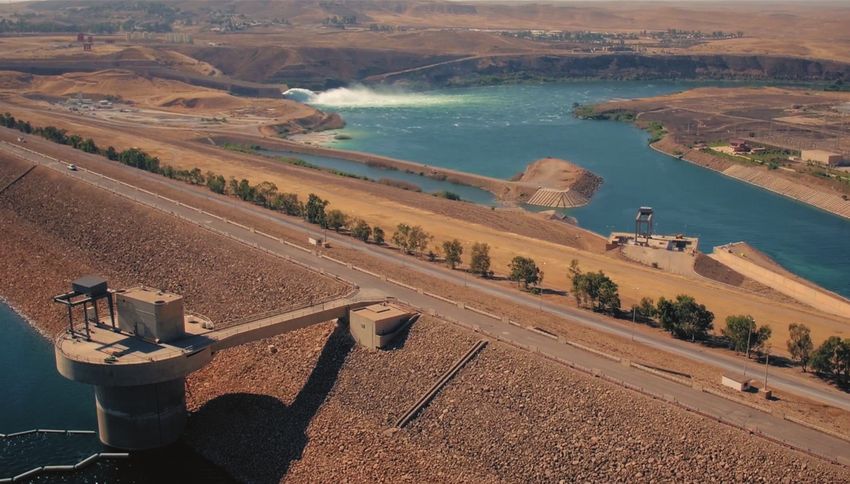
Macroeconomics, Trade InvestmentCover photo of the Mosul Dam, Iraq courtesy of Anmar Qusay.
TABLE OF CONTENTS
Abbreviations . . . . . . . . . . . . . . . . . . . . . . . . . . . . . . . . . . . . . . . . . . . . . . . . . . . . . . . vi
Acknowledgments . . . . . . . . . . . . . . . . . . . . . . . . . . . . . . . . . . . . . . . . . . . . . . . . . . . . vii
Executive Summary . . . . . . . . . . . . . . . . . . . . . . . . . . . . . . . . . . . . . . . . . . . . . . . . . . . ix
ملخص تنفيذي . . . . . . . . . . . . . . . . . . . . . . . . . . . . . . . . . . . . . . . . . . . . . . . . . . . . . . xiii
Chapter 1 Recent Economic and Policy Developments . . . . . . . . . . . . . . . . . . . . . . . . . . . . . 1
Political and Social Context . . . . . . . . . . . . . . . . . . . . . . . . . . . . . . . . . . . . . . . . . . . . . . . . . . . . . . . . . . . . . . . . . . 1
Output and Demand . . . . . . . . . . . . . . . . . . . . . . . . . . . . . . . . . . . . . . . . . . . . . . . . . . . . . . . . . . . . . . . . . . . . . . . .2
Economic Growth . . . . . . . . . . . . . . . . . . . . . . . . . . . . . . . . . . . . . . . . . . . . . . . . . . . . . . . . . . . . . . . . . . . . . . 2
Oil Sector . . . . . . . . . . . . . . . . . . . . . . . . . . . . . . . . . . . . . . . . . . . . . . . . . . . . . . . . . . . . . . . . . . . . . . . . . . . . . 4
Access to Services . . . . . . . . . . . . . . . . . . . . . . . . . . . . . . . . . . . . . . . . . . . . . . . . . . . . . . . . . . . . . . . . . . . . . . . . .6
Poverty, Equity and Vulnerabilities . . . . . . . . . . . . . . . . . . . . . . . . . . . . . . . . . . . . . . . . . . . . . . . . . . . . . . . . . . . . 9
Labor Markets and Employment . . . . . . . . . . . . . . . . . . . . . . . . . . . . . . . . . . . . . . . . . . . . . . . . . . . . . . . . . . . . 11
Business Environment and Private Sector Development . . . . . . . . . . . . . . . . . . . . . . . . . . . . . . . . . . . . . . . . 16
Public Finance . . . . . . . . . . . . . . . . . . . . . . . . . . . . . . . . . . . . . . . . . . . . . . . . . . . . . . . . . . . . . . . . . . . . . . . . . . . .17
Inflation, Money and Banking . . . . . . . . . . . . . . . . . . . . . . . . . . . . . . . . . . . . . . . . . . . . . . . . . . . . . . . . . . . . . . .19
External Position . . . . . . . . . . . . . . . . . . . . . . . . . . . . . . . . . . . . . . . . . . . . . . . . . . . . . . . . . . . . . . . . . . . . . . . . . . 21
Chapter 2 Economic Outlook and Risks . . . . . . . . . . . . . . . . . . . . . . . . . . . . . . . . . . . . . . 23
Economic Outlook . . . . . . . . . . . . . . . . . . . . . . . . . . . . . . . . . . . . . . . . . . . . . . . . . . . . . . . . . . . . . . . . . . . . . . . . 23
Risks and Challenges . . . . . . . . . . . . . . . . . . . . . . . . . . . . . . . . . . . . . . . . . . . . . . . . . . . . . . . . . . . . . . . . . . . . . 24
References . . . . . . . . . . . . . . . . . . . . . . . . . . . . . . . . . . . . . . . . . . . . . . . . . . . . . . . . . . . . . . . . . . . . . . . . . . . . . . .26
Chapter 3 Special Focus: Transition to Poverty Targeted Cash Transfer System in Iraq . . . . . . . 27
Pre-reform Scenario . . . . . . . . . . . . . . . . . . . . . . . . . . . . . . . . . . . . . . . . . . . . . . . . . . . . . . . . . . . . . . . . . . . . . . . 28
The Reform Process . . . . . . . . . . . . . . . . . . . . . . . . . . . . . . . . . . . . . . . . . . . . . . . . . . . . . . . . . . . . . . . . . . . . . . .28
Looking Forward . . . . . . . . . . . . . . . . . . . . . . . . . . . . . . . . . . . . . . . . . . . . . . . . . . . . . . . . . . . . . . . . . . . . . . . . . .31
Appendix: Selected Data on Iraq . . . . . . . . . . . . . . . . . . . . . . . . . . . . . . . . . . . . . . . . . . .33
Selected Recent World Bank Publications on Iraq . . . . . . . . . . . . . . . . . . . . . . . . . . . . . . . .37
iiiList of Figures
Figure 1: Casualty Figures Have Been Decreasing . . . . . . . . . . . . . . . . . . . . . . . . . . . . . . . . . . . . . . . . . . . . .2
Figure 2: Overall GDP Growth Is Estimated to Rebound in 2018 . . . . . . . . . . . . . . . . . . . . . . . . . . . . . . . . . . 3
Figure 3: After a Marked Contraction, GDP Per Capita Is Estimated to Have Improved Since 2017 . . . . 3
Figure 4: A More Stable Security Environment Is Expected to Increase the Share of
Non-Oil Industry to Growth, Especially Services in 2018 . . . . . . . . . . . . . . . . . . . . . . . . . . . . . . . . .4
Figure 5: Non-Oil GDP Growth Has Exceeded that in MENA Oil Exporters since 2017 . . . . . . . . . . . . . . .4
Figure 6: Non-Oil Investment Is Estimated to Increase in 2018 . . . . . . . . . . . . . . . . . . . . . . . . . . . . . . . . . . . .4
Figure 7: Foreign Direct Investment Declined since 2014 due to Insecurity and
Poor Business Environment . . . . . . . . . . . . . . . . . . . . . . . . . . . . . . . . . . . . . . . . . . . . . . . . . . . . . . . . .4
Figure 8: Oil Production Remains the Primary Driver of the Growth Despite Declining by
3.5 Percent in 2017 and Expected to Remain Flat in 2018 . . . . . . . . . . . . . . . . . . . . . . . . . . . . . . .5
Figure 9: Oil Prices Are Estimated to Further Increase in 2018 . . . . . . . . . . . . . . . . . . . . . . . . . . . . . . . . . . . 5
Figure 10: Oil Revenues Are Estimated to Increase Around US$82 Billion in 2018 Sustained by
Higher Oil Prices . . . . . . . . . . . . . . . . . . . . . . . . . . . . . . . . . . . . . . . . . . . . . . . . . . . . . . . . . . . . . . . . . . 6
Figure 11: Only about 50% of Energy Billed Is Collected . . . . . . . . . . . . . . . . . . . . . . . . . . . . . . . . . . . . . . . . . .7
Figure 12: Electricity Tariffs Remain Low and Heavy Burden on the Budget . . . . . . . . . . . . . . . . . . . . . . . . . 8
Figure 13: The Wage Bill Is the Largest and Fastest Growing Expense in the Government Budget . . . . . 11
Figure 14: Iraq Is an Outlier in Terms of the Wage Bill . . . . . . . . . . . . . . . . . . . . . . . . . . . . . . . . . . . . . . . . . . .11
Figure 15: Large Ratio of Public Sector to Population Compared to Comparators . . . . . . . . . . . . . . . . . . 12
Figure 16: The Public Sector Dominates in Iraq . . . . . . . . . . . . . . . . . . . . . . . . . . . . . . . . . . . . . . . . . . . . . . . .13
Figure 17: Unemployment Has Significantly Increased . . . . . . . . . . . . . . . . . . . . . . . . . . . . . . . . . . . . . . . . . . 13
Figure 18: Unemployment Among Women Is Very High, Especially for Youth . . . . . . . . . . . . . . . . . . . . . . .14
Figure B1: Labor Structure . . . . . . . . . . . . . . . . . . . . . . . . . . . . . . . . . . . . . . . . . . . . . . . . . . . . . . . . . . . . . . . . . . 15
Figure B2: Youth Population . . . . . . . . . . . . . . . . . . . . . . . . . . . . . . . . . . . . . . . . . . . . . . . . . . . . . . . . . . . . . . . . . 15
Figure 19: An Unfavorable Business Environment Remains a Significant Deterrent to
Foreign Investment, but Reforms on the Way . . . . . . . . . . . . . . . . . . . . . . . . . . . . . . . . . . . . . . . . . 16
Figure 20: Ease of Doing Business Slightly Improved, but Remains Below the Average of MENA . . . . . 16
Figure 21: The Quality of Governance Remains Critical . . . . . . . . . . . . . . . . . . . . . . . . . . . . . . . . . . . . . . . . . 17
Figure 22: The Fiscal Position Is Estimated to Improve Due Mostly to Higher Oil Prices . . . . . . . . . . . . . . 18
Figure 23: The Share of Non-Oil Investment to GDP Is also Expected to Increase . . . . . . . . . . . . . . . . . . . 18
Figure 24: Public Debt-to-GDP Ratio Is Estimated to Decline . . . . . . . . . . . . . . . . . . . . . . . . . . . . . . . . . . . . . 19
Figure 25: Total Debt Service Will Remain Large . . . . . . . . . . . . . . . . . . . . . . . . . . . . . . . . . . . . . . . . . . . . . . . 19
Figure 26: Inflation Remains Low but Will Likely Increase at 2 Percent in 2018 . . . . . . . . . . . . . . . . . . . . . .19
Figure 27: Rising Food Prices and Transportation Costs Led to Some Pick-Up in Inflation in
June and July 2018 . . . . . . . . . . . . . . . . . . . . . . . . . . . . . . . . . . . . . . . . . . . . . . . . . . . . . . . . . . . . . . .20
Figure 28: Broad Money Is Estimated to Stabilize in 2018 . . . . . . . . . . . . . . . . . . . . . . . . . . . . . . . . . . . . . . . 20
Figure 29: Higher Oil Prices Are Estimated to Consolidate the Current Account Surplus in 2018 . . . . . . 21
Figure 30: International Reserves Are Estimated to Increase as Well . . . . . . . . . . . . . . . . . . . . . . . . . . . . . . 21
Figure B3: Global Growth has Eased but Remains Robust at an Estimated 3 Percent in 2018 . . . . . . . . . 25
Figure B4: Growth in MENA Region is Estimated to Pick Up to 3 Percent in 2018 . . . . . . . . . . . . . . . . . . .25
Figure 31: Incidence of Public Transfers in 2012 . . . . . . . . . . . . . . . . . . . . . . . . . . . . . . . . . . . . . . . . . . . . . . . 28
iv IRAQ ECONOMIC MONITOR: TOWARD RECONSTRUCTION, ECONOMIC RECOVERY AND FOSTERING SOCIAL COHESIONList of Tables
Table 1: Iraq: Selected Economic and Financial Indicators, 2014–2020 . . . . . . . . . . . . . . . . . . . . . . . . . .33
List of Boxes
Box 1: Job Creation in the Short-Run in Iraq1 . . . . . . . . . . . . . . . . . . . . . . . . . . . . . . . . . . . . . . . . . . . . . . .15
Box 2: Global and Regional Economic Outlook . . . . . . . . . . . . . . . . . . . . . . . . . . . . . . . . . . . . . . . . . . . . . 25
Box 3: Proxy Means Test for Poverty Targeting . . . . . . . . . . . . . . . . . . . . . . . . . . . . . . . . . . . . . . . . . . . . . .29
Table of Contents vABBREVIATIONS
AML/CFT Anti-Money Laundering and Combating IDPs Internal Displaced Persons
of Terrorism Financing ILO International Labor Organization
Bpd Barrel per day IHSES Integrated Household Socioeconomic
BOP Balance of Payments Survey
CWG Cash Working Group IMF International Monetary Fund
CBI Central Bank of Iraq INUR Iraq National Unified Registry
CCT Conditional Cash Transfer INOC Iraqi National Oil Company
CGE Computable General Equilibrium IPP Independent Power Producers
CoMs Council of Ministers ISIS Islamic State of Iraq and Syria
CoRs Council of Representatives KRG Kurdistan Regional Government
CPI Consumer Price Index MDTF Multi Donor Trust Fund
CSO Central Statistical Organization MOLSA Ministry of Labor and Social Affairs
DB Doing Business MENA Middle East North Africa Region
DfID UK Department for International OPEC Organization of Petroleum Exporting
Development. Countries
DNA Damage and Needs Assessment PDS Public Distribution System
DPF Development Policy Financing PFM Public Financial Management
EMDEs Emerging Market Developing Economies PMT Proxy-Means Testing
EODP Emergency Operation for Development PPP Public Private Partnerships
Project RDF Reconstruction and Development
ESSRP Emergency Social Stabilization and Framework
Resilience Project SBA Stand-By Arrangement
FATF Financial Action Task Force SFD Social Fund for Development
FDI Foreign Direct Investment SOEs State Own Enterprises
GCC Gulf Council Countries SPC Social Protection Commission
GoI Government of Iraq TBI Trade Bank of Iraq
GDP Gross Domestic Product TSP Transmission Service Provider
GW Giga Watt UNDP United Nations Development Program
ICA Investment Climate Assessment UNOCHA United Nation Office for the Coordination
ICPI International Corruption Perception Index of Humanitarian Affairs
ICRG International Co-operation Review Group WB World Bank
ID Iraqi Dinar WDI World Development Indicators
IEA International Energy Agency WGI World Wide Governance Indicators
viACKNOWLEDGMENTS
T
he Iraq Economic Monitor provides an The report was prepared under the direction
update on key economic developments and of Kevin Carey (Practice Manager, MENA MTI) and
policies over the previous six months and Saroj Kumar Jha (Country Director, MNC02). Several
presents findings from recent World Bank work on reviewers offered helpful comments and advice.
Iraq, placing them in a longer-term and global context These included Benu Bidani, Ghassan Alkhoja, Hana
and assessing the implications of these developments Brixi, Lili Mottaghi, Matthew Wai-Poi, Rene Antonio
and other changes in policy regarding the outlook for Leon Solano and Yara Salem.
Iraq. Its coverage ranges from the macro-economy The findings, interpretations, and conclusions
to financial markets to indicators of human welfare expressed in this Monitor are those of World Bank
and development. It is intended for a wide audience, staff and do not necessarily reflect the views of the
including policy makers, business leaders, financial Executive Board of the World Bank or the governments
market participants, and the community of analysts they represent. For information about the World Bank
and professionals engaged in Iraq. and its activities in Iraq, please visit www.worldbank.
The Iraq Economic Monitor is a product of org/en/country/iraq (English) or www.worldbank.
the Middle East and North Africa (MENA) unit in the org/ar/country/iraq (Arabic). For questions and
Macroeconomics, Trade & Investment (MTI) Global comments on the content of this publication, please
Practice in the World Bank Group. The report was led contact Ashwaq Maseeh (amaseeh@worldbank.org),
by Bledi Celiku (Economist). The report is authored by Bledi Celiku (bceliku@worldbank.org), or Kevin Carey
Ashwaq Maseeh (Economist). The Special Focus is (kcarey@worldbank.org).
authored by Dhiraj Sharma (Economist). Muna Abeid
Salim (Senior Program Assistant) provided outstanding
administrative support.
viiEXECUTIVE SUMMARY
I
raq’s overall security situation has notably recent report by U.N. Office for the Coordination of
improved after the defeat of ISIS, but Humanitarian Affairs (UNOCHA) estimates that of
significant challenges lie ahead. Iraq has the almost 6 million people displaced since the rise
witnessed major political and security transitions of ISIS in 2014, some 2.0 million remain displaced
in 2017 when Prime Minister Al-Abadi announced at the end of June of 2018, and about 8.7 million
in December the victory over ISIS after a war that need humanitarian assistance. Stabilization and
lasted three years. The defeat of ISIS in Iraq left the reconstruction needs in areas liberated from ISIS are
government with the daunting tasks of rebuilding extensive. Dire living conditions, including economic
the country’s infrastructure, reconstruction of hardship, insufficient basic services such as health,
liberated areas, establishing security and stability, water, and sanitation, are faced by the 3.9 million
and providing services for the return of the displaced returnees, and are behind the reluctance of many
persons. On May 12, 2018 Iraq voted in parliamentary displaced to return home. Agricultural production
elections that delivered a win for a political bloc led by has declined by 40 percent leaving nearly 1.9 million
Moqtada al-Sadr, while PM Al-Abadi’s bloc, once seen Iraqis food insecure; 7.3 million people require health
as front runner, came in third. The ballots have been care; 5.4 million need water and sanitation assistance
recounted after allegations of fraud and completed and 4.1 million people need shelter (UNOCHA 2018).
on August 8th without major change. On September Following the successful liberation from
15th, Iraq’s parliament elected lawmaker Mohammed ISIS of all Iraq territory, the Government is
al-Halbousi as speaker, marking a major step towards putting in place a comprehensive reconstruction
establishing a new government. On October 2nd, package. The recent damage and needs assessment
Iraq’s parliament elected as president Barham Salih, conducted by the Iraqi Ministry of Planning jointly
who immediately named Adel Abdul Mahdi Prime with the World Bank estimated the overall damage at
Minister-designate, ending months of deadlock after US$45.7 billion, and more than US$88 billion in short
the national election in May. and medium-term reconstruction needs, spanning
Humanitarian conditions remain difficult in various sectors and different areas of the country.
many conflict-affected areas. The toll of four years US$30 billion worth of commitments were made mostly
of intensive combat on Iraq’s civilian population has in the form of loans and guarantees at the International
been enormous. The conflict claimed the lives of over Conference for the Reconstruction of Iraq, which
67,000 Iraqi civilians since 2014, before the casualty took place in February 2018 in Kuwait. At the same
figures started to decrease at the end of 2017. A time, the government endorsed the Reconstruction
ixand Development Framework (RDF) to reconstruct identify the poor. The GoI committed to adopt a unified
the liberated areas, forging a renewed social database of eligible households based on the PMT
contract based on citizen-state trust and sustainable system across all different social protection schemes.
developments and reforms. At the Kuwait conference, Despite military success, Iraq continues to
the World Bank pledged a total of US$6 billion to face political tensions and social unrest. Large
support the GoI’s reconstruction and development protests against increasing unemployment, corruption
agenda making it the biggest development financing and poor public services erupted in July this year,
partner of Iraq. Furthermore, in April 2018, Iraq’s particularly in Iraq’s second largest and oil-rich city,
Council of Ministers approved a 5 years National Basra, and spread to other cities including the capital
Development Plan (2018–2022) which focuses on Baghdad. The government responded with pledges
key issues including provincial construction, poverty to increase spending on electricity and water projects
reduction, and social and private sector development. (ID3.5 trillion) and create 10,000 jobs. A new commission
However, reconstruction has been slow due to political was created to investigate corruption and other factors
uncertainty following elections but more needs to be inhibiting service delivery. More sustained actions to
done urgently to restore basic services and rebuild meet protesters’ demands will be possible when a
critical infrastructure. new government is in place. The new government is
Poverty has risen sharply. The national expected to focus on prioritizing inclusion, economic
poverty rate increased from 18.9 percent in 2012 to an reforms, justice, and accountability, while ensuring the
estimated 22.5 percent in 2014. Recent labor market timely delivery of basic services.
statistics suggest further deterioration of welfare. Relations with KRG are improving after the
The unemployment rate, which was falling before the rupture related to the independence referendum
crises, has climbed back to the 2012 level. Almost a in 2017. The relations between Baghdad and Erbil
quarter of the working-age population is underutilized, have been strained since last year’s referendum on
i.e., they are either unemployed or underemployed. regional independence on September 25th, which was
Many households are prone to adverse shocks; more considered illegitimate by the Federal Government,
than a third of the households has experienced an and on budget transfer issue in early 2018. However,
adverse event since the beginning of the crises and tensions between the federal government and the
one in six households has experienced some form KRG eased when the federal government agreed
of food insecurity. The universal food ration (Public to temporarily resume transfers that seem to have
Distribution System, PDS) remains the most extensive largely addressed the region’s immediate needs, and
social assistance program, but people have also KRG total revenue is sufficient to pay salaries and
turned to friends and relatives and humanitarian pensions.
agencies for assistance. Internally displaced persons Economic conditions are gradually improving
(IDPs) have been buffeted by multiple adverse following the deep economic strains of the last
shocks: they have lost much of their wealth through three years. The 2017 rebound of economic growth
destruction of assets; they have seen family members was constrained by oil production in line with OPEC+
die, get sick, or become injured at a higher rate; and agreement. In 2018, overall GDP growth is estimated
they have faced loss of jobs or businesses. Fewer IDP to return positive at 1.9 percent thanks to a notable
adults have a job, so each employed adult in an IDP improvement in security conditions, higher oil prices,
household supports more than six other household and expected higher public and private investment.
members. Some IDPs have lost access to the PDS. The Non-oil growth is estimated to show a strong rebound
cumulative impact of these developments on IDPs is at 5.2 percent this year, underpinned by broad-based
visible in several dimensions, including a higher risk of growth in agriculture, industry, and services. Inflation
hunger. The GoI is implementing an ambitious reform was low in 2017 at just 0.1 percent, but increased
to improve targeting of social spending, following the demand pushed inflation at 1.7 percent in July 2018.
introduction of a Proxy Means Testing (PMT) system to Higher domestic demand and increased credit to the
x IRAQ ECONOMIC MONITOR: TOWARD RECONSTRUCTION, ECONOMIC RECOVERY AND FOSTERING SOCIAL COHESIONeconomy (albeit from a low level) will likely further governance, national reconciliation and peacebuilding,
increase inflation to average 2.0 percent in 2018. social and human development, infrastructure, and
Iraq’s fiscal position is estimated to economic development. Since July 2015, the World
continue to benefit from higher oil prices. In 2018, Bank is supporting the reconstruction efforts with
the overall fiscal balance is estimated to post a surplus the Emergency Operation for Development Project
of 1.2 percent of GDP due mostly to higher oil prices. (EODP). In October 2017, the World Bank approved
The plunge in world oil prices in 2015–16, increased a US$400 million additional financing to the original
security and humanitarian outlays and weak controls project (US$350 million) to focus not only on the basic
led to sharply lower oil revenues and rapidly widened infrastructure but also on health and education, with
the budget deficit. It narrowed in 2017 due to the pick- a special attention to the needs of the marginalized
up in oil prices and measures adopted to contain youth and women in those areas affected by ISIS. In
current expenditures within the framework of IMF February 2018, the World Bank approved the Iraq’s
program and World Bank DPF series. With oil prices Social Fund for Development (SFD) project financed
expected to rise, the government will have ample with US$300 million, to improve the living conditions of
fiscal space to finance reconstruction, provided that over 1.5 million poor households in Iraq by increasing
the process of fiscal consolidation continues. Official access to basic services and creating employment
financing for the budget has been less urgent with opportunities. This was followed in April 2018 by the
the improvement in the fiscal position. KRG’s fiscal approval of the Emergency Social Stabilization and
position is also estimated to relatively improve in 2018, Resilience Project (ESSRP), financed with US$200
with the federal government agreeing to reinstate million to increase livelihood opportunities, access
transfers to pay salaries and pensions. to psychosocial services, and expand the provision
Iraq public debt is estimated to further of social safety nets. In addition, efforts are under
decline and to remain sustainable. Growth and the way to establish a Multi Donor Trust Fund (MDTF)
positive overall fiscal balance are estimated to further for coordinated dialogue and donor financing of
reduce public debt-to-GDP ratio from 67.3 percent in socioeconomic recovery and reconstruction and
2016 to almost 55 percent in 2018. The government deepening critical government reforms.
also adopted a framework to control the issuance The outlook is expected to improve
of guarantees, which reached US$33 billion (or 20 considerably due to higher oil prices and the
percent of GDP) in end-2016 and these guarantees, improving security situation. Overall GDP growth
most related to the electricity sector, are now believed is projected to accelerate to 6.2 percent in 2019
to be under control. In previous years large fiscal sustained by higher oil production. In the following
deficits have been mainly financed through bilateral years, oil production is expected to increase only
and multilateral support, occasional sovereign bond marginally, reducing overall growth to an average of
issuance and indirect monetary financing by the CBI. 2.5 percent until 2023, due to the limited capacity of
Higher oil prices since mid-2017 have also the GoI to mobilize investment in the oil sector. Non-
been conducive to better outcomes on external oil growth is expected to remain positive on the back
balance. Higher oil prices turned the current account of higher investment needed to rebuild the country’s
balance from a deficit of 9 percent in 2016, into a damaged infrastructure network, private consumption
surplus of 1.2 percent of GDP in 2017 and 2.1 percent and investment. But sustained non-oil recovery will
of GDP in 2018. International reserves are estimated to depend on the transition from an immediate rebound
increase from US$49 billion in 2017 (or 6.8 months of as security improves to implementation of a high-
imports), to US$58.3 billion (or 7.7 months of imports) quality investment pipeline with sound financing. A
in 2018, rebuilding buffers to external shocks. more stable security situation will allow for private
The World Bank is supporting the GoI consumption and investment to pick up, increasing
in this critical moment to address recovery import needs for consumer and capital goods. Inflation
needs. Supported projects prioritize five key pillars: is projected to remain low at 2 percent in 2019.
EXECUTIVE SUMMARY xiFiscal and external balances are likely recovery in the conflict-affected governorates.
to continue improving as higher oil prices feed Setbacks in security and/or a crisis over formation of
through to higher revenues. Largely driven by the government could weaken growth. While the policy
expected higher oil prices and fiscal consolidation, priorities of the new government remain unknown,
the fiscal position will remain positive in 2019 but will there is a risk of weak policy implementation and
turn into small deficits by 2020. The current account pressure to spend the expected budget surpluses,
deficit is expected to remain limited as long as Iraq’s which would erode the fiscal and external positions.
oil exports prices continue to rise. Thanks to fiscal Absence of a clear commitment in the budget on
restraint, public debt is expected to continue to wage bill management and subsidy reduction could
decline and to remain sustainable over the medium weaken the fiscal consolidation and absorb the
term. The outlook includes making space for post- fiscal space otherwise available for reconstruction. A
conflict reconstruction and infrastructure spending. decline in oil revenue or a shortfall in projected donors
The short-term outlook also includes reviving financing would result in lower gross reserves and/
capital spending and responding to demands for or higher public debt. Moreover, the outlook provides
improvements in basic services in 2019 and beyond. limited fiscal space to absorb shocks and further
Carefully managing spending pressures over the expand capital spending. Iraq’s capacity to expand oil
remainder of this year and taking measures in 2019 production and exports remains constrained, further
budget would create space for capital/reconstruction exacerbating risks from a reduction of oil prices. The
spending while also using some of the oil windfall to imposition of sanctions on Iran could curb non-oil
build buffers. trade as Iran is the largest non-oil trade partner of
Challenges remain due to political risk, Iraq and result in higher prices of key commodities,
dependency on oil revenue and the regional while the economic crisis in Turkey is likely to operate
situation. Although higher oil prices are associated mainly through trade channels. Implementing the new
with reduced near-term vulnerabilities, the outlook enacted law of Iraqi National Oil Company (INOC)
remains subject to considerable uncertainties due to may also have adverse impacts on the governance of
political developments that could also delay economic the oil sector and macroeconomic stability.
xii IRAQ ECONOMIC MONITOR: TOWARD RECONSTRUCTION, ECONOMIC RECOVERY AND FOSTERING SOCIAL COHESIONملخص تنفيذي
الذي أجرته مؤخرا ً وزارة التخطيط العراقية سوي ًة مع البنك الدويل حجم ٍ
ملحوظ بعد هزمية تحسن الوضع األمني العام يف العراق بشكلٍ لقد ّ
األرضار الكلية مببلغ 45.7مليار دوالر أمرييك ،وما يزيد عىل 88مليار ٍ
تحوالت داعش ،إال أنّ العراق ال يزال يواجه تحديات كبرية .شهد العراق
دوالر أمرييك الحتياجات إعادة اإلعامر عىل املدى القصري واملتوسط ،والتي سياسي ٍة وأمني ٍة رئيسي ٍة يف عام 2017عندما أعلن رئيس الوزراء العبادي يف
قطاعات متنوع ٍة ومناطق مختلف ٍة من البالد .وقد أسهم املجتمع ٍ تغطي حرب دامت ثالث سنوات .لقد تركت كانون األول النرص عىل داعش بعد ٍ
امات ت ُق ّدر قيمتها بـ 30مليار دوالر أمرييك جاء معظمها الدويل بالتز ٍ هزمية داعش يف العراق الحكومة أمام مهام عسري ٍة تتمثل بإعادة بناء البنية
ٍ
وضامنات يف املؤمتر الدويل إلعادة إعامر العراق ،الذي ُعقد بشكل ٍ
قروض التحتية للبالد وإعادة إعامر املناطق املحررة وتوطيد األمن واالستقرار وتوفري
يف شباط 2018يف الكويت .ويف الوقت نفسه ،صادقت الحكومة عىل الخدمات الالزمة لعودة النازحني .ويف 12أيار ،2018أدىل العراق بصوته
إطار عمل إعادة اإلعامر والتنمية ( )RDFإلعادة إعامر املناطق امل ُحررة، يف االنتخابات الربملانية التي نتج عنها فو ٌز لكتل ٍة سياسي ٍة يتزعمها مقتدى
وهي بهذا توطّد عقدا ً اجتامعياً متجددا ً يقوم عىل الثقة بني املواطن الصدر ،بينام حلّت كتلة رئيس الوزراء العبادي ،والذي كان يُنظَر إليه سابقاً
والدولة والتنمية املستدامة واإلصالحات .ويف مؤمتر الكويت ،تع ّهد البنك عىل أنه األوفر حظاً بالفوز ،يف الرتتيب الثالث .ومتت إعادة العد والفرز
يل وصل اىل 6مليار دوالر لدعم أجندة الحكومة العراقية الدويل مببلغٍ ك ٍ لصنادق االقرتاع بعد ظهور مزاعم بحصول تزوي ٍر وانتهت العملية يف الثامن
رشيك لتمويل التنمية يفٍ إلعادة اإلعامر والتنمية وهو ما يجعله أكرب من آب دون حصول تغيريٍ كبري .ويف الخامس عرش من أيلول ،انتخب الربملان
العراق .عالو ًة عىل هذا ،يف نيسان ،2018صادق مجلس الوزراء العراقي العراقي محمد الحلبويس رئيساً له ،يف خطو ٍة مهم ٍة صوب تشكيل الحكومة
عىل خطة التنمية الوطنية الخمسية ( )2022–2018التي تركز عىل قضايا الجديدة .كام انتخب يف الثاين من ترشين األول برهم صالح رئيسا للبالد،
رئيسية بصمنها إعادة اإلعامر يف املحافظات والتخفيف من الفقر والتنمية والذي كلّف بدوره عىل الفور عادل عبد املهدي بتشكيل الحكومة الجديدة
االجتامعية وتنمية القطاع الخاص .ومع ذلك ،كان سري عملية إعادة وأنهى بذلك شهورا ً من الجمود السيايس نتج عن االنتخابات الوطنية يف أيار.
اإلعامر بطيئاً بسبب عدم اليقني السيايس يف أعقاب االنتخابات ،وتبقى
هنالك حاجة اىل فعل املزيد وبشكلٍ عاجلٍ من أجل استعادة الخدمات ال تزال الظروف اإلنسانية صعب ًة يف العديد من املناطق التي تأثرت
األساسية وإعادة بناء البنية التحتية الرضورية. سنوات أربع من القتال املحتدم هائل ًة عىلٍ بالنزاع .لقد كانت حصيلة
املدنيني يف العراق .لقد أودى النزاع بحياة ما يزيد عىل 67,000مدين
ارتفع الفقر بشكلٍ حاد .ارتفع املعدل الوطني للفقر من 18.9يف عام عراقي منذ عام ،2014قبل أن تبدأ أعداد القتىل بالتناقص مع نهاية عام
2012اىل ما يُقدر بـ 22.5يف عام .2014وتشري آخر إحصائيات سوق العمل .2017ويُق ّدر تقري ٌر صدر مؤخرا ً عن مكتب األمم املتحدة لتنسيق الجهود
اىل حدوث املزيد من التدهور يف الرفاهية .لقد ارتفع معدل البطالة ،الذي اإلنسانية ( )UNOCHAبأنّه من بني الستة ماليني ُمه ّجر تقريباً منذ ظهور
كان يرتاجع قبل األزمة ،مجددا ً ليصل اىل مستواه الذي كان عليه يف عام داعش يف ،2014ما يزال حوايل 2.0مليون منهم مهجرا ً يف نهاية حزيران
.2012إ ّن حوايل ربع السكان ممن هم يف سن العمل غري ُمستخ َدمني ،أي ،2018وهناك 8.7مليون منهم تقريباً بحاجة للمساعدة اإلنسانية .إ ّن
أنهم إما عاطلني عن العمل أو يبحثون عن عمل إضايف .كام شهد العديد حاجات االستقرار وإعادة اإلعامر يف مناطق تم تحريرها من داعش هائلة.
بحدث مؤ ٍذ منذ
ٍ من األرس صدمات عنيفة؛ فأكرث من ثلث األرس م ّرت كام يواجه العائدون اىل منازلهم البالغ عددهم 3.9مليون ظروفاً معيشي ًة
رس قد م ّر بشكلٍ من أشكال انعدام بداية األزمة وواح ٌد من بني كل ستة أ ٍ وخدمات أساسي ٍة غري كافي ٍة مثل الصحة
ٍ صعوبات اقتصادي ٍة
ٍ مرتدي ًة تشمل
األمن الغذايئ .ويظل نظام البطاقة التموينة (نظام التوزيع العام)PDS ، واملاء والنظافة ،وهذه كلها تقف وراء تردد العديد من النازحني للعودة اىل
الربنامج األوسع من بني برامج املساعدة اإلجتامعية ،لك ّن الناس لجؤوا أيضاً منازلهم .كام أ ّن اإلنتاج الزراعي تراجع بنسبة 40باملائة ما ترك 1.9مليون
اىل األصدقاء واألقارب واملنظامت اإلنسانية طلباً للمساعدة .ولقد تع ّرض عراقي تقريباً يعاين من انعدام األمن الغذايئ؛ و 7.3مليون فرد بحاجة
لصدمات عنيف ٍة متعددة :حيث فقدوا الكثري من ثروتهم
ٍ امله ّجرون ()IDPs للرعاية الصحية؛ و 5.4مليون فرد بحاجة اىل مساعد ٍة يف مجال املياه
بسبب تدمري املمتلكات؛ أو موت فرد أو أفراد من العائلة ،أو أصبحوا والرصف الصحي و 4.1مليون فرد بحاج ٍة للأموى (.)UNOCHA 2018
جرحى مبعد ٍل يعيقهم عن العمل؛ كام واجهوا فقدان الوظائف أو األعامل
التجارية .وقل ٌة من البالغني بني هؤالء امله ّجرين من ميلك عمالً ،بحيث أ ّن بعد التحرير الناجح لجميع األرايض العراقية من داعش ،تُعد
بيت من البيوت امله ّجرة يُعيل أكرث من ستة أفرا ٍد آخرين
كل بالغٍ عاملٍ يف ٍ الحكومة حزم ًة شامل ًة إلعادة اإلعامر .لقد ق ّدر تقييم األرضار واالحتياجات
xiiiفسح املجال لإلنفاق يف مجال إعادة اإلعامر والبنية التحتية املرتبط مبا املم ّول بـ 300مليون دوالر أمرييك ،لتحسني ظروف املعيشة ملا يزيد
بعد النزاع .كام تشمل التوقعات عىل املدى القصري إعادة إحياء اإلنفاق عىل 1.5مليون من األرس الفقرية يف العراق بزيادة الوصول اىل الخدمات
الرأساميل واالستجابة ملطالب إدخال التحسينات يف الخدمات األساسية األساسية وتوفري فرص العمل .وتَبِع هذا يف نيسان 2018املوافقة عىل
يف عام 2019وما بعده .ومن شأن عملية اإلدارة املتأنية لضغوط اإلنفاق املرشوع الطارئ لدعم االستقرار االجتامعي والصمود ( ،)ESSRPاملمول
اءات يف موازنة 2019أن يوفرخالل ما تبقى من هذا العام واتخاذ إجر ٍ بـ 200مليون دوالر أمرييك لزيادة فرص املعيشة ،والوصول اىل الخدمات
فضاءا ً لإلنفاق الرأساميل/إعادة اإلعامر مع استخدام بعض مكاسب أسعار النفسية االجتامعية ،وتوسيع نطاق توفري شبكات الحامية االجتامعية.
النفط لبناء مخزون يف الوقت نفسه. إضافة لهذا ،هناك جهو ٌد جاري ٌة إلنشاء صندوقٍ ائتام ٍين متعدد املانحني
ُنسق ومتويل املانحني للتعايف االجتامعي االقتصادي ( )MDTFللحوار امل ّ
ما تزال التحديات قامئة بسبب املخاطر السياسية ،واالعتامد عىل وإعادة اإلعامر وتوطيد إصالحات الحكومة الحاسمة.
عائدات النفط والوضع اإلقليمي .عىل الرغم من أ ّن ارتفاع أسعار النفط
قد تخفف من املخاطر عىل املدى القريب ،إال أ ّن التوقعات تظل خاضع ًة من املتوقع أن تتحسن آفاق االقتصاد بشكلٍ كبريٍ بسبب أسعار
لعدم يق ٍني كبريٍ بسبب التطورات السياسية التي من شأنها أن تؤخر أيضاً النفط املرتفعة والوضع األمني اآلخذ بالتحسن .من املتوقع أن تزداد
التعايف االقتصادي يف املحافظات املتأثرة بالنزاع .فمن شأن النكسات التي وترية منو الناتج اإلجاميل املحيل الكيل وصوالً اىل 6.2باملائة يف عام 2019
تحدث يف الوضع األمني و/أو األزمة التي قد ترافق تشكيل الحكومة أن والذي يستند يف استدامته اىل اإلنتاج املرتفع للنفط .ويُتوقع أن يرتفع
تؤدي اىل إضعاف النمو .ففي الوقت الذي تظل فيه أولويات سياسة إنتاج النفط يف األعوام القادمة بصور ٍة هامشي ٍة فقط ،ما قد يؤدي اىل
الحكومة الجديدة غري معروفة ،مثة خطور ٌة ترتبط بضعف تنفيذ السياسة تخفيض النمو الكيل مبعدل 2.5باملائة حتى عام ،2023بسبب القدرة
والضغط الذي قد يرافق إنفاق الفائض املتوقع يف املوازنة ،وهو من شأنه املحدودة للحكومة العراقية عىل زيادة االستثامر يف قطاع النفط .ومن
أن يُرض بالوضعني املايل والخارجي .ومن شأن غياب االلتزام الواضح يف املتوقع أن يبقى النمو غري النفطي إيجابياً عىل خلفية ارتفاع االستثامرات
املوازنة بخصوص خفض الرواتب واإلعانات أن يُضعف التامسك املايل الالزمة إلعادة بناء البنية التحتية امل ُد ّمرة ،ويف استهالك واستثامر القطاع
وميتص الوفرة املالية التي يُفرتض أن تخصص إلعادة اإلعامر .كام أ ّن تحسن الوضعالخاص .لك ّن التعايف املستدام غري النفطي سيعتمد عىل ّ
ٍ
انخفاض يف عائدات النفط أو عو ٍز يف التمويل املتوقع من شأن حدوث األمني وتنفيذ مشاريع استثامر عالية الجودة بتمويلٍ سليم .وسيسمح
للامنحني أن ينتج عنه احتياطياتٌ إجاملي ٌة أوطأ و/أو دين عام أعىل. الوضع األمني األكرث استقرارا ً الستهالك واستثامر القطاع الخاص أن يرتفع،
عالوة عىل ذلك ،توفر التوقعات فضاءا ً مالياً محدودا ً المتصاص الصدمات ما يزيد من احتياجات االسترياد للبضائع االستهالكية والرأساملية .ومن
وتوسيع اإلنفاق الرأساميل بشكل إضايف .كام تظل قدرة العراق عىل توسيع املتوقع أن يظل التضخم منخفضاً عند 2باملائة يف عام .2019
انتاج النفط وزيادة صادراته ُمق ّيدة ،وهو ما يُفاقم املخاطر التي ترافق
عقوبات عىل إيران أن يكبحٍ انخفاض أسعار النفط .ومن شأن فرض من املحتمل أن يستمر امليزانني املايل والخارجي يف التحسن مع
التجارة غري النفطية حيث أ ّن إيران هي الرشيك التجاري غري النفطي ٍ
عائدات أعىل .سيظل استمرار ما تعود به أسعار النفط املرتفعة من
األكرب للعراق وينتج عن هذا ارتفاع أسعار السلع الرئيسية ،بينام نجد الوضع املايل إيجابياً يف عام ،2019مدعوماً بتوقعات أسعار نفط أعىل
بأ ّن األزمة االقتصادية يف تركيا من املحتمل أن تظهر بصور ٍة رئيسي ٍة من والتعزيز املايل ،لكنه سيتحول اىل حاالت عج ٍز صغري ٍة بحلول عام .2020
خالل القنوات التجارية .كام أ ّن تنفيذ قانون رشكة النفط الوطنية العراقية ومن املتوقع أن يبقى عجز الحساب الجاري محدودا ً طاملا استمرت أسعار
شع حديثاً قد يكون له أيضاً آثارا ً سلبي ًة عىل حوكمة ( )INOCالذي ُ ّ تصدير النفط باإلرتفاع .وبفضل الضبط املايل ،من املتوقع أن يستمر الدين
قطاع النفط وعىل استقرار االقتصاد. العام باالنخفاض ويبقى مستداماً عىل املدى املتوسط .وتشمل التوقعات
xiv IRAQ ECONOMIC MONITOR: TOWARD RECONSTRUCTION, ECONOMIC RECOVERY AND FOSTERING SOCIAL COHESIONفائضاً بنسبة 1.2باملائة من الناتج اإلجاميل املحيل غالباً بسبب أسعار يف البيت .كام فقد بعض امله ّجرين الوصول اىل نظام البطاقة التموينية.
النفط األعىل .لقد أدى تدهور أسعار النفط عاملياً يف الفرتة–2016–2015 فاألثر املرتاكم لهذه التطورات عىل امله ّجرين ميكن رؤيته بأبعا ٍد متعدد ٍة،
واإلنفاق املتزايد يف املجالني األمني واإلنساين وضعف الضوابط اىل بضمنها وجود مخاطر ٍة أعىل بالتعرض للجوع .وهنا تقوم الحكومة العراقية
وسع رسيعاً من فجوة عجز املوازنة،
انخفاض حاد يف إيرادات النفط ،كام ّ بتنفيذ إصال ٍح طمو ٍح لتحسني عملية استهداف اإلنفاق االجتامعي ،بعد
لتعود وتضيق يف عام 2017بسبب ارتفاع أسعار النفط واإلجراءات التي إدخال نظام اختبار الدخل البديل ( )PMTللتعرف عىل الفقراء .فالحكومة
تم اعتامدها الحتواء النفقات الجارية يف إطار برنامج صندوق النقد بيانات موحد ٍة لألرس املؤهلة عىل أساس هذاٍ العراقية ملتزم ٌة بتب ّني قاعدة
الدويل وسلسلة مشاريع متويل سياسة التنمية ( )DPFالتابعة للبنك النظام بني جميع برامج الحامية االجتامعية املختلفة.
الدويل .ومع توقع ارتفاع أسعار النفط ،يُتوقع أن يكون للحكومة وفرة
مالية أكرب لتمويل جهود إعادة اإلعامر ،رشيطة استمرار عملية التعزيز ات سياسي ٍةبالرغم من النجاح العسكري ،ال يزال العراق يواجه توتر ٍ
تحسن الوضع املايل .فالتمويل الرسمي للموازنة أصبح أقل إلحاحاً مع ُّ وعدم استقرا ٍر اجتامعي .اندلعت مظاهراتٌ كبري ٌة ضد البطالة املتزايدة
املايل .وتشري التقديرات أيضاً اىل أ ّن الوضع املايل لحكومة إقليم كردستان والفساد وسوء الخدمات العامة يف متوز من هذا العام ،خاص ًة يف ثاين
سيتحسن نسبياً يف عام ،2018مع موافقة الحكومة الفدرالية عىل ّ أكرب مدن العراق ،البرصة الغنية بالنفط ،وانترشت اىل مدنٍ أخرى مبا فيها
استئناف تحويالت املوازنة لدفع الرواتب ومعاشات التقاعد. ٍ
بتعهدات بزيادة اإلنفاق عىل العاصمة بغداد .واستجابت الحكومة لها
مشاريع الكهرباء واملاء ( 3.5ترليون دينار عراقي) وتوفري 10,000وظيفة.
تشري التقديرات اىل أنّ الدَّ ين العام للعراق سينخفض مزيداً كام تم تأسيس هيئ ٍة جديد ٍة للتحقيق يف الفساد والعوامل األخرى التي
وسيبقى مستداما .من املتوقع أن يعمل النمو وامليزان املايل الكيل اإليجايب اءات مستدام ٍة أكرث
تعيق تقديم الخدمات .وسيكون باإلمكان القيام بإجر ٍ
عىل إحداث املزيد من االنخفاض يف معدل ال ّدين العام اىل إجاميل الناتج لإليفاء مبطالب املتظاهرين عند تنصيب حكوم ٍة جديدة .فمن املتوقع أن
املحيل من 67.3باملائة يف عام 2016اىل 55باملائة تقريباً .كام قامت تُركز الحكومة الجديدة هذه عىل جعل الشمولية واإلصالحات االقتصادية
الحكومة أيضاً بتب ّني إطا ٍر للسيطرة عىل إصدار الضامنات ،التي وصلت اىل والعدالة واملحاسبة يف أعىل ُسلم أولوياتها ،مع العمل يف الوقت نفسه عىل
33مليار دوالر أمرييك (أو 20باملائة من الناتج اإلجاميل املحيل) يف نهاية ضامن تقديم الخدمات األساسية بانتظام.
عام 2016وهذه الضامنات ،التي يرتبط معظمها بقطاع الكهرباء ،يُعتقد
بأنها اآلن تحت السيطرة .ويف السنوات املاضية ،تم متويل العجز املايل بالتحسن بعد الرشخ
ّ العالقات مع حكومة إقليم كردستان آخذ ٌة
الكبري بصور ٍة رئيسي ٍة من خالل الدعم الثنايئ واملتعدد األطراف ،وإصدار الذي نتج عن استفتاء االستقالل الذي جرى يف عام .2017شهدت العالقات
السندات السيادية بني الحني واآلخر ،والتمويل النقدي غري املبارش من بني بغداد وأربيل توترا ً منذ استفتاء العام املايض حول استفتاء اإلقليم يف
قبل البنك املركزي العراقي. رشعي،
الخامس والعرشين من أيلول ،والذي اعتربته الحكومة الفدرالية غري ٍ
وكذلك بسبب تحويالت املوازنة اىل اإلقليم يف مطلع عام .2018ومع ذلك،
ساعدت أسعار النفط املرتفعة منذ أواسط عام 2017اىل تحقيق خفّت ِح ّدة التوترات بني الحكومة الفدرالية وحكومة إقليم كردستان عندما
نتائج أفضل عىل صعيد امليزان الخارجي .فقد ح ّولت أسعار النفط وافقت الحكومة الفدرالية عىل استئناف تحويالت املوازنة التي بدا بأنها قد
املرتفعة ميزان الحساب الجاري من عج ٍز نسبته 9باملائة يف عام 2016 غطّت بشكلٍ كبريٍ احتياجات اإلقليم املبارشة ،كام يُعتقد أ ّن عائدات حكومة
اىل ٍ
فائض بنسبة 1.2باملائة من الناتج اإلجاميل املحيل يف عام 2017و2.1 اإلقليم اإلجاملية كافية لدفع الرواتب ومعاشات املتقاعدين.
باملائة من الناتج اإلجاميل املحيل يف عام .2018وتشري التقديرات اىل أ ّن
االحتياطيات الدولية سرتتفع من 49مليار دوالر أمرييك يف عام 2017 بالتحسن تدريجياً بعد الصعوبات ّ الظروف االقتصادية آخذ ٌة
(أو ما يعادل 6.8شهر من الواردات) ،اىل 58.3مليار دوالر أمرييك (أو االقتصادية العميقة التي رافقت األعوام الثالث املاضية .فانتعاش النمو
7.7شهر من الواردات) يف عام ،2018وهذا ما يعيد بناء مخزونٍ أمام االقتصادي يف عام 2017قيّده إنتاج النفط وفق اتفاقية الدول األعضاء يف
الصدمات الخارجية. منظمة أوبك ٌ
ودول أخرى من غري األعضاء .ويف عام ،2018يُق ّدر أ ّن منو
الناتج اإلجاميل املحيل سيعود إيجابياً عند 1.9باملائة والفضل يف ذلك يعود
يدعم البنك الدويل الحكومة العراقية يف هذه الفرتة الحساسة التحسن امللحوظ يف الظروف األمنية وارتفاع أسعار النفط واملستوى ّ اىل
للتعامل مع احتياجات التعايف .متنح املشاريع املدعومة األولوية لخمس األعىل لالستثامر املتوقع حدوثه يف القطاعني العام والخاص .ومن املتوقع
ركائز أساسية :الحوكمة ،واملصالحة الوطنية وبناء السالم ،والتنمية أيضاً أن يُظهر النمو غري النفطي انتعاشاً قوياً عند 5.2باملائة هذا العام،
االجتامعية والبرشية ،والبنية التحتية ،والتنمية االقتصادية .فمنذ متوز مدعوماً بنم ٍو واسع النطاق يف الزراعة والصناعة والخدمات .وكان معدل
،2015يدعم البنك الدويل جهود إعادة اإلعامر من خالل املرشوع الطارئ التضخم منخفضاً يف عام 2017عند 0.1باملائة فقط ،لك ّن الطلب املحيل
لدعم التنمية ( .)EODPويف ترشين األول ،2017وافق البنك الدويل املتزايد دفع التضخم اىل 1.7باملائة يف متوز .2018ومن املر ّجح أن يعمل
عىل متويلٍ إضا ٍيف بقيمة 400مليون دوالر أمرييك للمرشوع األصيل (350 الطلب املحيل املتزايد وزيادة اإلئتامن اىل القطاع الخاص (وإن كان من
مليون دوالر أمرييك) للرتكيز ليس فقط عىل البنية التحتية األساسية بل مستوى واطئ) عىل زيادة التضخم مبع ّدل 2.0باملائة يف عام .2018
خاص باحتياجات الشباب والنساءوأيضاً عىل الصحة والتعليم ،مع اهتاممٍ ٍ
املهمشني يف تلك املناطق التي تأثرت بداعش .ويف شباط ،2018وافق تشري التقديرات اىل استمرار انتفاع الوضع املايل للعراق من أسعار
البنك الدويل عىل مرشوع الصندوق االجتامعي للتنمية للعراق ()SFD النفط املرتفعة .من املتوقع أن تحقق املوازنة املالية الكلية يف عام 2018
xvIRAQ ECONOMIC MONITOR: TOWARD RECONSTRUCTION, ECONOMIC RECOVERY AND FOSTERING SOCIAL COHESION
1
 RECENT ECONOMIC AND
 POLICY DEVELOPMENTS

Political and Social Context                                        Iraq’s overall security situation has notably
                                                             improved after the defeat of ISIS, but significant
Following the declaration of military victory against ISIS   challenges lie ahead. On December 9, 2017, Prime
in December 2017, security conditions have improved,         Minister Al-Abadi announced victory over ISIS after a
and Iraqis are shifting their attention toward recovery      war that lasted three years. The defeat of ISIS in Iraq left
and the country’s political future. Parliamentary            the government with the daunting tasks of rebuilding
elections that were held on May 12th, 2018, resulted in      the country’s infrastructure, reconstruction of liberated
a win for al-Sadr bloc. The winning blocs would have to      areas, establishing security and stability, and providing
agree on the nomination of a new prime minister. On          services for the return of the displaced persons. On
September 15th, Iraq’s parliament elected lawmaker           May 12th, 2018 Iraq voted in parliamentary elections
Mohammed al-Halbousi as speaker, marking a major             that delivered a win for al-Sadr bloc, while prime
step towards establishing a new government. On               minister Al-Abadi’s bloc, once seen as front runner,
October 2nd, Iraq’s parliament elected as president          came in third. The winning blocs would have to agree
Barham Salih, who immediately named Adel Abdul               on the nomination of a new prime minister. The ballots
Mahdi as Prime Minister-designate. The political             have been recounted after allegations of fraud and
environment remains difficult, despite an improving          completed on August 8th without major change. On
security situation, with popular protests regarding          September 15th, Iraq’s parliament elected lawmaker
weak public services and increasing unemployment.            Mohammed al-Halbousi as speaker, marking a major
IDPs are returning home in greater numbers, but              step towards establishing a new government. On
stabilization and reconstruction needs in areas              October 2nd, Iraq’s parliament elected as president
liberated from ISIS are extensive. Relations between         Barham Salih, who immediately named Adel Abdul
Baghdad and KRG are improving. The Government                Mahdi as Prime Minister-designate, ending months of
is putting in place a comprehensive reconstruction           deadlock after the national election in May.
package, but the reconstruction has been slow due to                Humanitarian conditions remain difficult in
political uncertainty after the elections.                   many conflict-affected areas. The toll of four years

                                                                                                                            1
FIGURE 1 • Casualty Figures Have Been Decreasing inhibiting service delivery. More sustained actions to
meet protesters’ demands will be possible when a
35,000
new government is in place. The new government is
30,000
expected to focus on prioritizing inclusion, economic
25,000
Number of death
20,000
reforms, justice, and accountability, while ensuring the
15,000 timely delivery of basic services.
10,000 Relations with KRG are improving after the
5,000 rupture related to the independence referendum
0 in 2017. The relations between Baghdad and Erbil
2003
2004
2005
2006
2007
2008
2009
2010
2011
2012
2013
2014
2015
2016
2017
have been strained since last year’s referendum on
Source: Iraq Body Count, 2017. regional independence on September 25th, which was
considered illegitimate by the federal government,
and on budget transfer issue in early 2018. However,
of intensive combat on Iraq’s civilian population has tensions between the federal government and the
been enormous. The conflict claimed the lives of over KRG eased when the federal government agreed to
67,000 Iraqi civilians since 2014, before the casualty temporarily resume transfers that seem to have largely
figures started to decrease at the end of 2017 (Figure 1). addressed the region’s immediate needs, and KRG
Some 2.0 million people remain displaced at the end of total revenue is sufficient to pay salaries and pensions.
June of 20181 of the almost 6 million people displaced
since the rise of ISIS in 2014, and about 8.7 million
Output and Demand
need humanitarian assistance (22 percent of the
population). Stabilization and reconstruction needs
Iraq’s economic conditions are gradually improving
in areas liberated from ISIS are extensive.2 Dire living
from the deep economic strains of the last three years,
conditions, including economic hardship, insufficient
thanks to a more favorable security environment,
basic services such as health, water, and sanitation,
higher oil prices and the pick-up in public and private
are faced by 3.9 million returnees, and are behind
investment. Overall GDP growth is estimated to return
the reluctance of many displaced people to return
positive at 1.9 percent in 2018 and non-oil GDP to
home. Agricultural production has declined by 40
rebound at 5.2 percent supported by the broad-
percent leaving nearly 1.9 million Iraqis food insecure;
based growth in the key economic sectors.
7.3 million people require health care; 5.4 million
need water and sanitation assistance and 4.1 million
Economic Growth
people need shelter (UNOCHA 2018). Hundreds of
thousands of people, especially among women and
Economic conditions are gradually improving
youth, have been brutalized by violence and remain
following the deep economic strains of the
vulnerable and at increased risk to gender-based
last three years. Economic growth in 2017 was
harassment and exploitation.
constrained by oil production in line with OPEC+
Despite military success, Iraq continues to
agreement, and investment were lower than expected,
face political tensions and social unrest. Large
especially in construction. In 2018, overall GDP growth
protests against increasing unemployment, corruption
is estimated to return positive at 1.9 percent thanks to
and poor public services erupted in July this year,
a notable improvement in security conditions, higher
particularly in Iraq’s second largest and oil-rich city,
oil prices, and expected higher public and private
Basra and spread to other cities including the capital
Baghdad. The government responded with pledges
to increase spending on electricity and water projects 1
U.N. Office for the Coordination of Humanitarian Affairs
(ID3.5 trillion) and create 10,000 jobs. A new commission (UNOCHA).
was created to investigate corruption and other factors 2
OCHA Iraq Humanitarian Bulletin, July 2018.
2 IRAQ ECONOMIC MONITOR: TOWARD RECONSTRUCTION, ECONOMIC RECOVERY AND FOSTERING SOCIAL COHESIONFIGURE 2 • Overall GDP Growth Is Estimated to FIGURE 3 • After a Marked Contraction, GDP Per
Rebound in 2018 Capita Is Estimated to Have Improved
Since 2017
20
Year-on-year growth, percent
15 9,000
10
5
7,000
0
US$
–5
–10 5,000
–15
–20 3,000
2010 2011 2012 2013 2014 2015 2016 2017 2018e 2012 2013 2014 2015 2016 2017 2018e
GDP Non-oil GDP Iraq MENA
Sources: IMF; and World Bank estimates. Sources: IMF; and World Bank WDI.
investment. Non-oil growth is estimated to show a sector development. However, reconstruction effort
strong rebound at 5.2 percent this year, underpinned has been slow due to political uncertainty following
by broad-based growth in agriculture, industries, and elections but more needs to be done urgently to restore
services (Figure 2). The economic rebound in 2018 basic services and rebuild critical infrastructure.
is also estimated to improve GDP per capita from A more favorable security environment will
US$4,952 in 2017 to an estimated US$5,597 in 2018, improve the performance of non-oil industry and
albeit still a lower level compared to 2013 (Figure 3). services in 2018. The impact of the conflict and
Following the ISIS defeat, the GoI is putting contained government spending has had a profound
in place a comprehensive reconstruction package. impact on the already weak and under-developed
The recent Damage and Needs Assessment (DNA) non-oil economy. Non-oil industry was the hardest-hit
conducted by the Iraqi Ministry of Planning jointly sector; it contracted by an average of 22 percent in the
with the World Bank estimated the overall damage at period 2014–2017 and contributed –2.0 percentage
US$45.7 billion, and more than US$88 billion in short points to overall growth. However, a more favorable
and medium-term reconstruction needs, spanning security environment and the initial reconstruction
various sectors and different areas of the country. effort are estimated to increase the growth rate of
US$30 billion worth of commitments were made mostly non-oil industry to over 6 percent in 2018, and its
in the form of loans and guarantees at the International contribution to GDP growth to 0.3 percentage points.
Conference for the Reconstruction of Iraq, which took Also, easing of disruptions to supply chains and trade
place in February 2018 in Kuwait. At the same time, routes by a more stable security situation is estimated
the government endorsed the Reconstruction and to enhance the growth in the services sector in 2018
Development Framework (RDF) to reconstructing the by almost 5 percent, with its contribution to overall
liberated areas, forging a renewed social contract based growth being 1.4 percentage points (Figure 4). Non-oil
on citizen-state trust and sustainable developments growth in 2018 is estimated to exceed that in MENA oil
and reforms. At the Kuwait conference, the World Bank exporters group for the first time since 2014 (Figure 5).
pledged a total of US$6 billion to support the GoI’s On the demand side, private consumption
reconstruction and development agenda making it and investment are expected to pick up. With
the biggest development financing partner of Iraq. millions of Iraqis displaced because of the fighting,
Furthermore, in April 2018, Iraq’s Council of Ministers revenue streams for many households have
approved the 5 years National Development Plan (2018– disappeared. However, a more stable security situation
2022) which focuses on key issues including provincial and higher oil prices allowed for private consumption
construction, poverty reduction, and social and private and investment to pick up, increasing imports’ needs
RECENT ECONOMIC AND POLICY DEVELOPMENTS 3FIGURE 4 • A More Stable Security Environment FIGURE 5 • Non-Oil GDP Growth Has Exceeded
Is Expected to Increase the Share that in MENA Oil Exporters since 2017
of Non-Oil Industry to Growth,
Especially Services in 2018 15
10
18
Sectoral contribution to GDP, %
14 5
10
0
Percent
6
2 –5
–2 –10
–6
–15
–10
2006
2007
2008
2009
2010
2011
2012
2013
2014
2015
2016
2017
2018e
–20
2013 2014 2015 2016 2017 2018e
Agriculture Oil Services
Iraq MENA oil exporters
Non-oil industry Total GDP
Sources: Iraqi authorities; WB; and IMF staff estimates Sources: Iraqi authorities; world Bank; and IMF REO, 2018.
for consumer and capital goods. The GoI is also taking percent of GDP) in 2014 to US$1.8 billion (0.8 percent
steps to prioritize investment in areas liberated from of GDP) in 2018, but foreign investment will become
ISIS and to repair the damaged infrastructure network. increasingly important in the coming years, as the
Thus, expenditure on non-oil investment is estimated country attempts to move away from its reliance on oil
to increase to 53 percent of total investment in 2018, and finances reconstruction needs (Figure 7).
up from an average of 38 percent of total investment
expenditure in the 2015–17 period, while oil investment Oil Sector
expenditure is estimated to decline to 47 percent, from
62 percent of total investment expenditure in the same Iraq remains highly dependent on the oil sector.
period (Figure 6). Due to insecurity and poor business It accounts for over 65 percent of GDP, 92 percent of
environment, FDI declined from US$4.1 billion (2 central government revenue, and almost 100 percent
FIGURE 6 • Non-Oil Investment Is Estimated to FIGURE 7 • Foreign Direct Investment Declined
Increase in 2018 since 2014 due to Insecurity and Poor
Business Environment
80
6
Percent of total investment
60
expenditure, (%)
5
40 4
US$, billion
20 3
2
0
2013 2014 2015 2016 2017 2018e
1
Non-oil investment expenditures
0
Oil investment expenditures 2010 2011 2012 2013 2014 2015 2016 2017 2018e
Sources: IMF; and World Bank estimates. Sources: Iraqi authorities; and IMF staff estimate.
4 IRAQ ECONOMIC MONITOR: TOWARD RECONSTRUCTION, ECONOMIC RECOVERY AND FOSTERING SOCIAL COHESIONFIGURE 8 • Oil Production Remains the Primary FIGURE 9 • Oil Prices Are Estimated to Further
Driver of Growth Despite Declining Increase in 2018
by 3.5 Percent in 2017 and Expected
to Remain Flat in 2018
120 5
5.0 100 4
Million barrel per day
4.5
80
US$ per barrel
4.0
Barrel per day, million
3
3.5
3.0 60
2.5 2
40
2.0
1.5 20 1
1.0
0.5 0 0
0.0 2013 2014 2015 2016 2017 2018e
2007
2008
2009
2010
2011
2012
2013
2014
2015
2016
2017
2018e
Iraq oil exports price-LHS Oil production-RHS
Sources: CSO; and IMF. Source: Iraq Ministry of Oil.
of the country’s exports. Despite the volatile security in Iraqi Kurdistan. (Figure 8). Gross oil production
situation, oil production has tripled since 2003. With from KRG amounts to 300,000 bpd, of which 40,000
153 billion barrels Iraq has the fifth largest proven destined to local refineries. Major obstacles to further
crude oil reserves in the world and the rapid increase expansion of oil production plans include insufficient
in production in 2015 and 2016 makes it the world’s water supply and gas injection, and cumbersome
third largest and OPEC’s second largest oil exporter. bureaucratic procedures.
With 130.5 trillion cubic feet of proven reserves, Iraq’s The recent global increase in the oil price is
largely untapped natural gas reserves are the twelfth expected to have a positive impact on government
largest in the world. Iraq is also the fourth largest revenues. Higher oil revenues have been driven by the
gas flaring country in the world, with more than 50 increase in oil prices since mid-2017. Iraq’s average
percent of gas produced flared in-field. The amount of crude oil export price decreased from US$96.5 per
gas currently flared represents an annual economic barrel in 2014 to US$35.6 in 2016, before increasing to
loss approximately equivalent to US$2.5 billion and an average of US$48.7 in 2017 (Figure 9). As a result,
would be sufficient to meet most of Iraq’s unmet the government hydrocarbon revenue decreased
needs for gas-based power generation. In 2013, the to US$40 billion in 2016, a 53 percent reduction
Council of Ministers committed to eliminate routine compared to 2014 and increased to over US$56 billion
natural gas flaring by 2030 and in November 2016, in 2017. In 2018, oil revenues are estimated to increase
Iraq endorsed the World Bank’s “Zero Routine Flaring to about US$82 billion, due to higher oil prices,5 a 45
by 2030” initiative. However, limited progress has percent increase compared to 2017 (Figure 10).
been achieved to date in terms of flaring reduction In March 2018, the Iraqi parliament enacted
as volumes of associated gas have continued to rise a law establishing the Iraqi National Oil Company
since 2014 in tandem with increasing oil production.3 (INOC). The INOC is expected to take over the Ministry
Oil production remains strong despite its
decline since 2017 to implement the OPEC+ 3
Iraq vision 2030, hydrocarbon sector policy note, Dec.
agreement.4 Oil production declined by 3.5 percent 2017.
in 2017 and estimated to remain flat at 4.5 million 4
Iraqi oil production takes place in the heavily protected
barrels per day (mbpd) in 2018 in compliance with its south and ISIS was unable to decisively damage oil
output target under a global pact to cut supplies as exports.
well as the stoppage of oil exports through the pipeline 5
Around US$68 per barrel.
RECENT ECONOMIC AND POLICY DEVELOPMENTS 5You can also read


