LUNG CANCER CONFERENCE 1 - 2 March 2019 | Mandarin Orchard Singapore
←
→
Page content transcription
If your browser does not render page correctly, please read the page content below

PROGRAMME BOOKLET

                  4TH MULTIDISCIPLINARY
                  LUNG CANCER                         Organised by:

                  CONFERENCE
                        w w w. m l cc. com . s g

1 – 2 March 2019 | Mandarin Orchard Singapore

                                                       MLCC 2019 | 1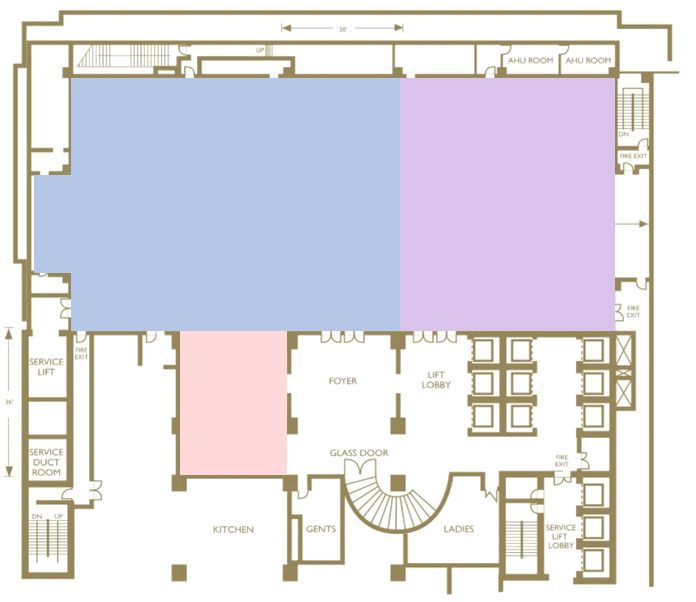
Contents
Welcome Message          1
Committees               2
Invited Faculty          3
Conference Information   10
Floor Plan               12
Scientific Programme     13
Lecture Abstract         17
Poster Abstracts         20
Organisers               26
Acknowledgement          27

B | MLCC 2019

Welcome Message
Dear Friends,

On behalf of the Lung Cancer Consortium Singapore and the Local Organizing Committee, it gives
us great pleasure to welcome you to the Multidisciplinary Lung Cancer Conference (MLCC 2019),
Singapore.

This year’s theme, “United Together in Fighting Lung Cancer”, aims to highlight how major scientific
discoveries and technology developments are rapidly transitioning to the clinic and keep participants
informed of the latest updates in the preclinical and clinical aspects of the ever-evolving field. Building
on the success of the previous conferences, international and national speakers will gather to discuss
the science and advances in the treatment and prevention as well as the multidisciplinary management
of lung cancer and thoracic malignancies.

Throughout the two days, you will be involved in an enriching learning experience and abundance of
networking opportunities. Key topics include lung cancer screening, cancer genomics, as well as novel
diagnostics and therapeutics including immunotherapy.

We encourage physicians, scientists, healthcare professionals and researchers in the lung cancer field
and anyone interested in thoracic oncology to participate in this conference. It is only through sharing
of expertise and fostering of stronger partnerships that we can improve care for our patients.

We hope that this event will serve as a platform to facilitate active scientific exchange and forge
networks for future collaborations.

We would like to take this opportunity to thank our faculty for spending their valuable time with us.
We hope that you will join our local and international experts from 1st to 2nd March 2019 for an
exciting and intellectually stimulating meeting, and that you will take time to enjoy our garden city as
well!

Dr Ross SOO                                          Dr TOH Chee Keong
Chairman                                             Co-Chairman, Organising Committee
Organising Committee                                 Chairman, Lung Cancer Consortium Singapore

Dr Daniel TAN
Co-Chairman
Organising Committee

                                                                                           MLCC 2019 | 1
Committees
LOCAL ORGANIZING AND SCIENTIFIC COMMITTEE
Chairman               Dr Ross SOO
Co-Chairman            Dr TOH Chee Keong
Co-Chairman            Dr Daniel TAN
Scientific Committee   Dr Anuradha THIAGARAJAN   Dr HUANG Yiqing
                       Dr Amit JAIN              A/Prof LEE Pyng
                       Dr Darren LIM             Dr ONG Boon Hean
                       Dr Jens SAMOL             Dr Anders SKANDERUP
                       Dr TAN Eng Huat           Dr TAN Wan Ling
                       Dr Ivan THAM              Dr TOO Chow Wei
 Dr Joe YEONG

Secretariat            Ms WANG Lanying

2 | MLCC 2019
Invited Faculty
                     OVERSEAS FACULTY
        Professor Raphael BUENO
        Chief, Division of Thoracic Surgery,
        Brigham and Women’s Hospital Professor of Surgery, Harvard Medical School
        Boston, USA

        Dr Marina GARASSINO
        Chief of Medical Thoracic Oncology Unit
        Department of Medical Oncology and Hematology
        Fondazione IRCCS Istituto Nazionale dei Tumori di Milano
        Milan, Italy

        Professor Ming TSAO
        Consultant Pathologist and Senior Scientist
        University Health Network, Princess Margaret Cancer Centre
        Professor of Laboratory Medicine and Pathobiology
        Professor of Medical Biophysics
        University of Toronto
        Toronto, Ontario, Canada

        Professor Tony MOK
        Professor and Chairman
        Department of Clinical Oncology
        Chinese University of Hong Kong
        Hong Kong

        Professor Sai-Hong Ignatius OU
        Health Science Clinical Professor
        Chao Family Comprehensive Cancer Center
        Department of Medicine, Division of Hematology-Oncology
        University of California Irvine School of Medicine
        Orange, CA, USA

        Dr Sanjay POPAT
        Consultant Medical Oncologist,
        Royal Marsden Hospital
        United Kingdom

                                                                          MLCC 2019 | 3
Professor ZHOU Caicun
Department of Medical Oncology
Shanghai Pulmonary Hospital
Tongji University
China
LOCAL FACULTY
Dr Dokev Basheer Ahmed Aneez AHMED
Head of Service, Senior Consultant
Department of General Surgery
Tan Tock Seng Hospital
Dr ANG Mei-Kim
Senior Consultant
SingHealth Duke-NUS Lung Centre
Senior Consultant
Division of Medical Oncology
National Cancer Centre Singapore
Dr Yvonne ANG
Associate Consultant
NCIS - Department of Haematology-Oncology
National University Hospital
Dr Atasha ASMAT
Consultant
Division of Thoracic Surgery
Tan Tock Seng Hospital
Associate Professor CHEAH Foong Koon
HOD, Department of Cardiac Radiology, National Heart Centre Singapore
Senior Consultant, Department Of Diagnostic Radiology, Singapore General Hospital
4 | MLCC 2019Dr CHIN Tan Min
Medical Oncology
Raffles Hospital
Dr Kevin CHUA Lee Min
Consultant
Division of Radiation Oncology
National Cancer Centre Singapore
Dr Anantham DEVANAND
Deputy Head and Senior Consultant
Singhealth Duke-NUS Lung Centre
Senior Consultant
Respiratory and Critical Care Medicine
Singapore General Hospital
Dr Brett DOBLE
Assistant Professor
Lien Centre for Palliative Care
Programme in Health Services and Systems Research
Duke-NUS Medical School
Dr Amit JAIN
Medical Oncology
National Cancer Centre Singapore
Dr KOH Wee Yao
Senior Consultant
Radiation Oncology
National Cancer Institute Singapore
National University Health System
Dr Gillianne LAI
Medical Oncology
National Cancer Centre Singapore
MLCC 2019 | 5Associate Professor LEE Pyng
Senior Consultant
Division of Respiratory and Critical Care Medicine
National University Hospital
Dr LEONG Swan Swan
Medical Oncology Specialist
Gleneagles Hospital
Dr Charlene LIEW Jin Yee
Consultant
Department of Diagnostic Radiology
Changi General Hospital
Dr Harish Mithiran MUTHIAH
Consultant Department of Cardiac, Thoracic and Vascular Surgery, NUHCS
Assistant Programme Director NUH Cardiothoracic Surgery Residency Program
National University Heart Centre Singapore
Mr NG Kwong Hoe
Head, Evaluation & Appraisal Team
Agency for Care Effectiveness
Ministry of Health
Dr ONG Boon Hean
Service Chief (SGH Campus)
SingHealth Duke-NUS Lung Centre
Consultant
Department of Cardiothoracic Surgery
National Heart Centre Singapore
Dr Brendan PANG
Consultant Pathologist and Designee Laboratory Director,
Angsana Molecular and Diagnostics Laboratory,
Parkway Laboratory Services Ltd
Visiting Consultant,
National University Cancer Institute, Singapore & National University Hospital
6 | MLCC 2019Dr PHUA Ghee Chee
Senior Consultant
Department of Respiratory and Critical Medicine
Singapore General Hospital
Dr Jens SAMOL
Senior Consultant
Department of Medical Oncology
Tan Tock Seng Hospital
Dr Ross SOO
Senior Consultant, Department of Haematology-Oncology,
National University Cancer Institute, Singapore
Adjunct Senior Research Fellow, Cancer Science Institute,
National University of Singapore
Dr SOO Ing Xiang
Consultant Thoracic Surgery
SingHealth Duke-NUS Lung Centre, Singhealth
Department of Cardiothoracic Surgery, National Heart Centre Singapore
Dr SOON Yu Yang
Associate Consultant
Radiation Oncology
National University Hospital
Dr Daniel TAN Shao Weng
Senior Consultant
SingHealth Duke-NUS Lung Centre
Senior Consultant
Division of Medical Oncology
National Cancer Centre Singapore
MLCC 2019 | 7Associate Professor TAN Soo Yong
Head, Department of Pathology, National University of Singapore & Chief, Department of
Pathology, National University Hospital
Group Director for Pathology, National University Health System
Associate Professor, Yong Loo Lin School of Medicine, National University of Singapore
Senior Principal Investigator, Institute of Cell and Molecular Biology (IMCB), A*STAR
Head, Advanced Molecular Pathology Laboratory, IMCB
Visiting Professor, University Malaya, Kuala Lumpur
Visiting Professor, Guangdong Academy of Medical Sciences and Guangdong Hospital,
China
Senior Consultant, Regulatory Policy and Licensing Division, Ministry of Health, Singapore
Senior Consultant, Manpower Development and Professional Standards Division,
Ministry of Health, Singapore
Dr TAN Wan Ling
Associate Consultant
SingHealth Duke-NUS Lung Centre
Consultant
Division of Medical Oncology
National Cancer Centre SingaporeNational Cancer Centre Singapore
Dr TAN Yew Oo
Medical Oncology Specialist
Icon SOC Farrer Park Medical Clinic
Dr Melvin TAY Chee Kiang
Consultant
Department of Respiratory & Critical Care Medicine
Singapore General Hospital
Dr Ivan THAM
Head and Senior Consultant, Department of Radiation Oncology,
National University Cancer
Institute, Singapore and NCIS, Tan Tock Seng Hospital
Assistant Professor, National University Of Singapore
Clinical Director, A*Star Clinical Imaging Research Centre
Dr Anuradha THIAGARAJAN
Consultant
Radiation Oncology
National Cancer Centre Singapore
8 | MLCC 2019Dr TOH Chee Keong
Senior Consultant
National Cancer Centre
Dr TOO Chow Wei
Consultant
Vascular and Interventional Radiology
Singapore General Hospital
Dr Grace YANG
Consultant
Division of Supportive and Palliative Care
National Cancer Centre Singapore
Dr YAP Swee Peng
Senior Consultant
Division of Radiation Oncology
National Cancer Centre Singapore
Dr Alethea YEE
Division of Supportive and Palliative Care
National Cancer Centre Singapore
Dr YONG Woon Chai
Head, Dept of Palliative Care, Alexandra Hospital
Senior Consultant, National University Cancer Institute,
Department of Haematology-Oncology, NUHS
Visiting Consultant, St.Luke Hospital
Dr ZENG Zeng
Senior Scientist
A*STAR - Agency for Science, Technology and Research
MLCC 2019 | 9Conference Information CONFERENCE VENUE Mandarin Orchard Hotel Level 6, Grand Mandarin Ballroom 333 Orchard Road, Singapore 238867 Tel: (+65) 6737 4411, Fax: (+65) 6732 2361 Website: http://www.meritushotels.com/en/mandarin-orchard-singapore/index.html CONFERENCE REGISTRATION COUNTER The Registration Counter is located at the Foyer Area outside Grand Mandarin Ballroom 2 at Level 6. The counter will be opened daily from 0800 – 1700 hours. CONFERENCE SATCHEL AND NAME BADGE Upon registration, you will receive a Conference satchel with your name badge. You are required to wear your name badge to all sessions and events. Should you lose your name badge, please contact the Conference Secretariat for a replacement. Please note that replacement fee applies. EXHIBITION A state-of-the-art exhibition held by biotech and pharmaceutical companies will be held at Level 6, Mandarin Grand Ballroom from 0800 - 1700 hours on both days. CME / CPE INFORMATION (Applicable to Singapore registered Healthcare Professionals ONLY) CME / CPE points will be accorded for attending the workshops and main sessions. Delegates are required to sign on the attendance record on a daily basis at the conference registration counter. Delegates are required to sign at the beginning of the day and during lunch time. LOST AND FOUND For lost and found items, please approach the Conference Registration Counter. CONFERENCE LANGUAGE English is the official language of this conference. MESSAGE BOARD There will be a message board next to the Conference Registration Counter. Please check this board regularly for messages. LIABILITY The Organisers are not liable for any personal accidents, illnesses, loss or damage to private properties of delegates during the Conference. Delegates are advised to arrange for appropriate insurance coverage during the conference period. 10 | MLCC 2019
DISCLAIMER
Whilst every attempt will be made to ensure that all aspects of the Conference will take place as
scheduled, the Organising Committee reserves the right to make appropriate changes should the need
arises with or without prior notice.

SPEAKERS’ HOSPITALITY SUITE
The Speakers’ Hospitality Suite is located at Foyer Area outside Mandarin Ballroom at Level 6. All
speakers should submit their presentations in Microsoft PowerPoint 2016 or earlier version in a USB
Drive, at least 30 minutes prior to their session. Notebooks are also available in the room for editing.

POSTER PRESENTATION
Each presenter will be allocated a poster board (one side only) with an area of 1m x 2m. Each poster
board will be marked with a poster panel number. Poster should be set up on Friday, 1 March 2019,
between 0800 — 0900 hours and removed on Saturday, 2 March 2019 after 1520 hours.

CONFERENCE SECRETARIAT
The Conference Secretariat is located at Level 8, Room 801, during the Conference Period.

                                                                                       MLCC 2019 | 11
Floor Plan
Exhibition
Lecture Hall Posters
(Ballroom 1 & 2) Reception
Area
(Ballroom 3)
Faculty Registration
Room Counter
(Foyer area) (Foyer area)
12 | MLCC 2019Scientific Programme
4th Multidisciplinary Lung Cancer Conference
Friday, 1 March – Saturday, 2 March 2019
Mandarin Orchard Singapore
Day 1: Friday, 1 March 2019
Time Programme Speaker/Chairpersons
0800 – 0900 Registration/Welcome Coffee & Tea
0900 – 0905 Welcome Address Toh Chee Keong
Introduction to 4th Multidisciplinary Lung Cancer
0905 – 0910 Ross Soo
Conference
0910 – 0950 Keynote Address: The Era of Translational Research Raphael Bueno
Chairpersons:
0950 – 1110 Session 1: Lung Cancer Screening Cheah Foong Koon
Ong Boon Hean
0950 – 1010 Lung Cancer Screening Charlene Liew
1010 – 1030 Management of Indeterminate Pulmonary Nodule Anantham Devanand
1030 – 1050 Current Directions for Screening in Singapore Toh Chee Keong
1050 – 1110 Imaging: Role of AI for Early Detection Zeng Zeng
1110 – 1200 Morning Tea Symposium (sponsored by Takeda)
Updates on the Evolving Landscape of Targeted Therapy in
1110 – 1200 Ross Soo
NSCLC
Chairpersons:
1200 – 1320 Session 2: Pathology Tan Soo Yong
Tan Yew Oo
1200 – 1220 Molecular Testing for NSCLC 2019 Ming Tsao
Incorporating Emerging Technologies into the Clinic (Liquid
1220 – 1240 Tony Mok
Biopsies, NGS) (sponsored by BMS)
1240 – 1300 Value Driven Health Care in Cancer Ng Kwong Hoe
Brendan Pang,
Brett Doble,
Panel Discussion/Voting
1300 – 1320 Daniel Tan, Ming Tsao,
Next Generation Sequencing: Ready for prime time? Tan Soo Yang,
Tan Yew Oo, Tony Mok
MLCC 2019 | 131320 – 1420 Lunch Symposium (sponsored by Boehringer Ingelheim)
1320 – 1420 Treatment Strategy with EGFR TKIs: A Marathon or a Sprint? Tony Mok
Chairpersons:
1420 – 1520 Session 3: Early Stage Disease Atasha Binti Asmat
Phua Ghee Chee
Role of Minimally Invasive Techniques (Robotic/VATS) and Dokev Basheer Ahmed
1420 – 1440 Sublobar Resections for Early Stage Lung Cancer Aneez Ahmed
1440 – 1500 Radiation: SBRT, Radical RT Anuradha Thiagarajan
1500 – 1520 Bronchoscopic Approaches to Early Stage Lung Cancer Melvin Tay Chee Kiang
1520 – 1610 Afternoon Tea Symposium (sponsored by Pfizer)
Advances in the Diagnosis and Treatment of ALK-positive
1520 – 1610 Ignatius Ou
NSCLC
Chairpersons:
Session 4: Locally Advanced Disease (Stage III Tumor
1610 – 1720 Tan Wan Ling
Board) Yap Swee Peng
1610 – 1620 N2 Case Presentation Tan Wei Chong
1620 – 1635 Surgical Oncology Perspective Soo Ing Xiang
1635 – 1650 Radiation Oncology Perspective Ivan Tham
1650 – 1705 Medical Oncology Perspective Ang Mei-Kim
Ang Mei-Kim,
Ivan Tham, Soo Ing
1705 – 1720 Discussion and Q&A Xiang, Tan Wan Ling,
Tan Wei Chong,
Yap Swee Peng
Disclaimer: Whilst every attempt will be made to ensure that all aspects of the programme will take place as scheduled, the Organisers reserve
the right to make appropriate changes should the need arise.
14 | MLCC 2019Day 2: Saturday, 2 March 2019
Time Programme Speaker
0800 – 0900 Registration
Chairperson:
Breakfast Symposium (sponsored by Roche) Daniel Tan
Han Shuting, Joshua
Case Presentation Hoe, Tan Ya Hwee
0815 – 0900
Brendan Pang,
Kevin Chua, Ong Boon
Panel Discussion Hean, Ross Soo,
Soon Yu Yang,
Toh Chee Keong
Chairpersons:
0900 – 1020 Session 5: Updates in Other Thoracic Cancers Jens Samol
Leong Swan Swan
0900 – 0920 Mesothelioma – Updates Raphael Bueno
0920 – 0940 Thymic Tumours – Updates Sanjay Popat
0940 – 1000 Small Cell Lung Cancers/Large Cell NEC – What’s New Caicun Zhou
Caicun Zhou,
Jens Samol, Leong
1000 – 1020 Panel Discussion Swan Swan, Raphael
Bueno, Sanjay Popat
1020 – 1110 Morning Tea Symposium (sponsored by Astrazeneca)
Experts Perspective on the Management of EGFRm NSCLC:
1020 – 1110 Sanjay Popat
TKI Standard of Care in 2019
Chairpersons:
1110 – 1230 Session 6: Advanced Stage (I) Chin Tan Min
Soon Yu Yang
Harish Mithiran
1110 – 1130 Role of Surgery in Stage IV Disease with Oligometastasis Muthiah
1130 – 1150 Radiation: Role of Radical RT for Oligometastatic Disease Kevin Chua Lee Min
1150 – 1210 Role of Ablation Too Chow Wei
Medonco: Oligometastatic Disease – Overview, Definition,
1210 – 1230 Caicun Zhou
Patient Selection for Radical Approaches
1230 – 1330 Lunch Symposium (sponsored by Astrazeneca)
1230 – 1330 New Standard of Care in Stage III NSCLC: Pivotal Role of MDT Sanjay Popat
MLCC 2019 | 15Chairpersons:
1330 – 1430 Session 7: Advanced Stage (II) Gillianne Lai
Yvonne Ang
1330 – 1350 Medonco: Immunology Landscape in Metastatic NSCLC Marina Garassino
1350 – 1410 Oncogene-Driven Tumours - Updates Ignatius Ou
1410 – 1430 Rationale for Combinatorial Strategies in Advanced NSCLC Ross Soo
Chairperson:
1430 – 1520 Afternoon Tea Symposium (sponsored by MSD) Ross Soo
Breaking Frontiers in Advanced NSCLC with Immuno-
1430 – 1520 Marina Garassino
Oncology
Chairpersons:
1520 – 1640 Session 8: Palliative/Supportive care Alethea Yee
Yong Woon Chai
1520 – 1540 Palliative Care: Optimal Time to Start Palliative Care Grace Yang
1540 – 1600 Radiation: Management of CNS Mets (SRS, WBRT) Koh Wee Yao
1600 – 1620 Bronchoscopic/Pleural Interventions for Palliation Lee Pyng
1620 – 1640 IO Toxicities Amit Jain
1640 – 1650 Best Poster Award Toh Chee Keong
1650 Closing Remarks Daniel Tan
Disclaimer: Whilst every attempt will be made to ensure that all aspects of the programme will take place as scheduled, the Organisers reserve
the right to make appropriate changes should the need arise.
16 | MLCC 2019Lecture Abstracts
SESSION I – LUNG CANCER SCREENING
Lung Cancer Screening
Dr Charlene Liew
Lung cancer is the number one cancer killer in Singapore and in the world. Despite advances in
imaging techniques and treatment, the prognosis remains poor. CT Lung cancer screening was
shown to reduce cancer deaths in the USA by 20% and yet more evidence has surfaced since the
landmark NLST study in 2011. What are the unique challenges that we face in Singapore to build
a successful lung cancer screening program? Dr Charlene Liew is the lead author of the Singapore
College of Radiologists’ Position Paper on CT lung cancer screening. Follow her as we take a deep
dive into the challenges and promise of CT Lung cancer screening in Singapore.
Management of Indeterminate Pulmonary Nodule
Dr Anantham Devanand
Lung nodules can be classified as solid, nonsolid and part solid. A guideline based approach to
dealing with nodules may result in fewer investigations and complications. Nodules that are under
8 mm are managed according to size criteria and the frequency of radiological surveillance in
determined by the risk profile in solid nodules; and the solid components in part solid nodules.
Nodules that are greater than 8 mm are profiled according to the risk of malignancy. The surgical
risks of the patient and the need for certainty in diagnosis determine the thresholds for surgical
intervention or continued radiological surveillance. The patients in between those thresholds are
subject to either PET scanning or a minimally invasive biopsy.
The data on diagnostic yield for CT-guided transthoracic biopsy of peripheral lung nodules exceeds
90% and is superior in meta-analysis to a bronchoscopic approach. However, there remain
concerns of pneumothorax and pleural seeding as complications. New bronchoscopic technology
has attempted to close the gap with CT-guided transthoracic biopsy. This has focused on improved
pre-procedure planning, endoscopic navigation, real-time localization and on-site evaluation of
histology. Despite the advances, these bronchoscopic approaches have not matched CT-guided
biopsy yields yet. This has spurred the used of a combination of bronchoscopic technologies.
Asian cancer patients have certain characteristics: they are younger, have more non-smokers
and have more driver oncogenic mutations like EGFR. Therefore, traditional risk calculators
developed in non-Asian patients fail to provide accurate predictions. PET scans should also be
used carefully because of high prevalence of false positives (granulomatous disease) and false
negatives (adenocarcinoma in situ). Longer periods (> 3 years) of radiological surveillance should
be considered in nonsolid nodules because of the long doubling times involved. These are some of
concerns that have been highlighted in the Asian guidelines for the management of lung nodules.
MLCC 2019 | 17SESSION 2 - PATHOLOGY Molecular Testing for NSCLC 2019 Professor Ming Tsao Testing for predictive biomarkers is now an integral part of routine pathology diagnosis for non- small cell lung cancer (NSCLC). These biomarkers are essential for personalizing the treatment of advanced NSCLC patients with targeted and immune therapies. Currently required tests include EGFR mutations, ALK and ROS-1 gene rearrangement or their fusion protein expression, BRAF V600E mutation, and PD-L1. Depending on the marker, testing is performed using molecular techniques (e.g. PCR, RT-PCR or nucleotide sequence analysis), immunohistochemistry (IHC), fluorescent in situ hybridization (FISH), or next generation sequencing (NGS). In 2013, the College of American Pathologists (CAP) in collaboration with International Association for the Study of Lung Cancer (IASLC) and Association of Molecular Pathologists (AMP), published a guideline that sets out basic principles of molecular testing in lung cancer. This guideline mainly focused on EGFR and ALK testing. Testing can be done reliably on DNA isolated from formalin-fixed paraffin embedded (FFPE) tissue, but prolonged atmospheric exposure (>2-4 months) of unstained sections may compromise test efficiency for PCR, FISH and IHC. Testing on tissue that has been exposed to acid decalcifying solution is also discouraged. The guideline recommended that EGFR and ALK are tested on all advanced stage patients with lung adenocarcinoma (ADC) and NSCLC with ADC component, and clinical factors should not be used to select patients for testing. Testing on archival, primary or metastatic lesions and cytology materials are equally acceptable, and testing should be completed in less than 10 working days after the receipt of tissue materials by the testing laboratory. In 2018, CAP/IASLC/AMP updated the guideline, which reaffirmed most of the 2013 recommendations on EGFR testing but expanded to include testing mutations on exons 18-21 with at least 1% prevalence. ALK IHC and RT-PCR were considered diagnostic tests equivalent to FISH. In addition, ROS-1 was recommended as routine test like EGFR and ALK. It was recommended that testing of additional low prevalence driver oncogenes (e.g., BRAF V600E, MET exon-14, HER2, RET, NTRK, etc) be performed by multiplex sequencing panels. The 2018 guideline also recommended that EGFR-mutant lung cancer patients who progress on first/ second generation EGFR TKI be tested for T790M mutation, as T790M+ patients are eligible for treatment with osimertinib, the 3rd generation EGFR TKI. In this setting, re-biopsy of growing tumor is the reference standard, but cell-free plasma DNA testing for T790M has rapidly gained favor for initial T790M testing, with re-biopsy reserved for blood test negative patients. The latter is important as sensitivity of plasma T790M test is only 70%, and some patients progress due to small cell transformation, which can only be diagnosed by histopathology. Aside from testing for driver oncogenes, testing PD-L1 expression level by IHC has become a standard for first line monotherapy with pembrolizumab, an anti-PD1 immune checkpoint inhibitor. As more tests are required for treatment decision, pathologists need to develop strategy that provide not only accurate diagnosis, but also molecular testing results using limited tissue materials and shortest possible turn-around time. 18 | MLCC 2019
SESSION 8 – PALLIATIVE/SUPPORTIVE CARE
Palliative Care: Optimal Time to Start Palliative Care
Dr Grace Yang

The call to start palliative care early can be heard throughout the world. When is the optimal
time? Well, it depends on what you mean by “palliative care”. This lecture will introduce the
various forms and functions of palliative care.

Radiation: Management of CNS Mets (SRS, WBRT)
Dr Koh Wee Yao

The natural history of lung cancer is one of frequent metastasis to the brain and used to signify
that patients are terminal with median survival of 3 months from that event. However, the face
of lung cancer has changed significantly over the years and many more patients are surviving for
a longer time despite having metastatic lung cancer to the brain. WE discuss the nuances of the
various radiotherapy options for brain metastases from lung cancer.

                                                                                  MLCC 2019 | 19
Poster Abstracts
A PHASE II WITH A LEAD-IN PHASE I STUDY TO EXAMINE SAFETY
AND EFFICACY OF HYDROXYCHLOROQUINE AND GEFITINIB IN
ADVANCED NSCLC
Yiqing Huang1, Alvin SC Wong1, Ross Andrew Soo1, Thomas IP Soh1, Angela SL Pang1, Chee
Seng Tan1, Winnie HY Ling1, Pei Jye Voon1, Joline SJ Lim1, Raghav Sundar1, Nesaretnam
Kumarakulasinghe1, Hong Liang Lim1, Boon Cher Goh1,2, Tan Min Chin1,2
1
Department of Haematology-Oncology, National University Cancer Institute, Singapore;
2
Cancer Science Institute, Singapore
Introduction:
Preclinical work demonstrated re-sensitization of cells to EGFR TKIs with erlotinib and
hydroxychloroquine (HCQ) combination after acquired resistance. We examine the safety and
efficacy of HCQ with gefitinib in an Asian cohort of NSCLC patients.
Method:
We enrolled stage IIIB/IV lung adenocarcinomas with sensitizing EGFR mutations. In early phase
of the study, non-smokers with unknown EGFR status were allowed. For the phase I lead-in study
(Nov 2008-Jan 2010), maximum tolerable dose (MTD) of HCQ and gefitinib was ascertained using
3+3 dose escalation schema.
In the phase II single-arm study (March 2010-May 2016), patients were treated with gefitinib
and MTD of HCQ, and stratified into TKI-naïve and TKI-treated cohorts. Primary end point in both
cohorts were objective response rates (ORR) and progression-free survival (PFS).
Results:
75 patients were treated. EGFR mutations were identified in 77.3%. In the phase I cohort (n=13),
MTD of HCQ was 600mg om. HCQ-gefitinib combination was well-tolerated. Common adverse
events were rash and diarrhea, mainly from gefitinib. There was no dose-limiting toxicity. In TKI-
naïve cohort (n=37) of the phase II study, ORR was 75.8% (95% CI 57.7-88.9). Median PFS was 9.4
months (95% CI 6.8-12.0). Four patients had early toxicities, including pneumonitis and hepatitis
flare. In the TKI-treated cohort (n=25), disease control rate with TKI re-challenge was 50% (95%
CI 21.9-70.9), ORR was 4.2% (95% CI 0.1-21.1). Median PFS was 2.4months, and median overall
survival was 9.9months (95% CI 5.7-14.0). Three patients achieved PFS exceeding 7 months after
re-challenge (7.6; 11.2; 15.9 months).
Conclusion:
Combination of HCQ-gefitinib is safe. In TKI-naïve cohort, combination treatment did not improve
PFS over reported average of 10 months for 1st-generation EGFR TKIs. However, in the TKI-treated
cohort, re-responses and disease control were seen, suggesting either a re-treatment effect or
disease stabilization with addition of HCQ in acquired EGFR resistance.
20 | MLCC 2019ASSOCIATION BETWEEN RADIATION HEART DOSIMETRIC
PARAMETERS, MYOCARDIAL INFARCT AND OVERALL SURVIVAL
IN STAGE III NON-SMALL CELL LUNG CANCER TREATED WITH
DEFINITIVE THORACIC RADIOTHERAPY
Chia Ching Lee1, Huili Zheng2, Yu Yang Soon1, Ling Li Foo2, Wee Yao Koh1, Cheng Nang Leong1,
Balamurugan Vellayappan1, Jeremy Chee Seong Tey1, Ivan Weng Keong Tham1
1
Department of Radiation Oncology, National University Cancer Institute, Singapore; National University
Hospital, Singapore
2
National Registry of Disease Office, Research & Surveillance Division, Health Promotion Board, Singapore
Introduction:
The aim of this retrospective observational study is to assess the association between various
radiation heart dosimetric parameters (RHDPs) and acute myocardial infarct (AMI) and overall
survival (OS) outcomes in stage III non-small cell lung cancer (NSCLC) treated with definitive
radiotherapy with or without chemotherapy.
Methods:
We identified eligible patients treated at two institutions from 2007 to 2014. We linked their
electronic medical records to the national AMI and death registries. We performed univariable
and multivariable Cox regressions analyses to assess the association between various RHDPs, AMI
and OS.
Results:
120 eligible patients were included with a median follow-up of 17.6 months. Median age was
65.5 years. Median prescription dose was 60Gy. Median mean heart dose (MHD) was 12.6Gy.
Univariable analysis showed that higher MHD (hazard ratio (HR), 1.03; 95% confidence interval
(CI), 1.01 – 1.06; P= 0.008) and volume of heart receiving at least 5Gy (V5) (HR, 1.01; 95% CI, 1.00
– 1.03; P= 0.042) were associated with increased hazards for AMI. Univariable analysis showed
that higher MHD, V5, V25, V30, V40, V50 and dose to 30% of heart volume were associated
with increased hazards for death. Multivariable analysis showed that there was no statistically
significant association between various RHDPs and OS.
Conclusions:
The incidence of AMI is low among stage III NSCLC treated with definitive radiotherapy with or
without chemotherapy. Based on our findings, there is insufficient evidence to conclude that
RHDPs are associated with AMI or OS.
MLCC 2019 | 21BENEFIT OF OSIMERTINIB IN ADVANCED NON-SMALL CELL LUNG
CANCER (NSCLC) PATIENTS WITH LOW LEVEL T790M EXPRESSION
ON PLASMA-BASED DROPLET DIGITAL PCR (DDPCR) AFTER
PROGRESSION ON FIRST- OR SECOND-GENERATION EGFR-TKIS
Elise Vong1, Liuh Ling Goh2, Alex Yuan Chi Chang3, Siew Wei Wong4
1,3,4
Department of Medical Oncology, Tan Tock Seng Hospital, Singapore
2
Molecular Diagnostic Laboratory, Tan Tock Seng Hospital, Singapore
Background:
After progression on first- or second-generation EGFR-TKIs in advanced NSCLC, osimertinib
shows potent activity in patients with tissue T790M mutation detected based on the cobas EGFR
Mutation Test (Roche Molecular Systems)1, which has a tissue T790M limit of detection (LOD) of
2-3%2. The cobas test is also currently the only FDA-approved plasma-based EGFR assay, with a
T790M detection sensitivity of 60-70% compared to tissue-based testing.3 Newer highly sensitive
quantitative tests such as ddPCR (Bio-Rad) have a T790M LOD ofDISCORDANCE IN EPIDERMAL GROWTH FACTOR RECEPTOR
MUTATION BETWEEN PRIMARY AND METASTATIC TUMOURS IN
NON-SMALL-CELL LUNG CANCER: A SYSTEMATIC REVIEW AND
META-ANALYSIS
Chia Ching Lee1, Yu Yang Soon1, Wee Yao Koh1, Cheng Nang Leong1, Jeremy Chee Seong Tey1,
Ivan Weng Keong Tham1
1
Department of Radiation Oncology, National University Cancer Institute, Singapore; National University
Hospital, Singapore; National University Health System, Singapore; National University Singapore,
Singapore
Objective:
To determine the frequency of discordance in epidermal growth factor receptor (EGFR) mutation
between primary and metastatic tumours in non-small-cell lung cancer (NSCLC).
Methods:
We searched MEDLINE and EMBASE database for eligible studies. We calculated the percentages
of discordance in EGFR mutation status and 95% confidence intervals (CIs) for each study. We
performed subgroup analyses for EGFR mutation status in primary tumor (mutant or wildtype),
site of distant metastasis (bone, central nervous system or lung/ pleural), methods of testing
(direct sequencing or allele-specific testing) and timing of metastasis relative to diagnosis of
primary tumor (synchronous or metachronous). We used the random effects model to calculate
the pooled percentage. Heterogeneity across studies was assessed using the I squared (I2) statistic
method. Comparisons of subgroups was performed using chi-square test.
Results:
We identified 19 eligible studies including 552 patients. The overall discordance rate in EGFR
mutation status was 11.53% (95% CI= 5.32% to 19.71%; I2 = 82.57%). The EGFR discordance rate
was statistically significantly higher in bone metastases (45.49%, 95% CI=14.13 to 79.02) than
central nervous system (15.41%, 95% CI= 5.86 to 28.42; P < 0.001) and lung/ pleural metastases
(11.68, 95% CI= 7.93 to 16.05; P < 0.001). Subgroup analyses did not show any significant
effect modification on the discordance rates by the EGFR mutation status (mutant, 18.74%;
wildtype,13.92%, P= 0.140), methods of testing (direct sequencing, 13.52%; allele-specific testing,
18.62%; P= 0.115) or timing of metastasis relative to diagnosis of primary tumor (synchronous,
14.83%; metachronous, 15.14%; P= 0.760).
Conclusions:
The discordance rates in EGFR mutation status between primary NSCLC and distant metastatic
tumors varied largely between studies. Discordance occurred more commonly in bone compared
with brain and lung/ pleural metastatic sites. Future researches assessing the impact of EGFR
mutation discordance on treatment efficacy and survival are required.
MLCC 2019 | 23IMPACT OF RADIATION THERAPY QUALITY ASSURANCE ON
ESTIMATES OF INTERVENTION EFFECTS ON PROGRESSION-FREE
AND OVERALL SURVIVAL IN RANDOMIZED TRIALS OF LUNG
CANCER TREATED WITH CURATIVE INTENT THORACIC RADIATION
THERAPY: A META-EPIDEMIOLOGIC STUDY
Soon YY1, Tan ALZ2, Ng IWS1, Tan TH1, Tey JCS1
1
Deparment of Radiation Oncology, National University Hospital, Singapore
2
Department of Preventive Medicine, National University Hospital, Singapore
Background:
To evaluate if the estimates of treatment effect differ between randomized trials (RCTs) that
reported radiation therapy quality assurance (RTQA) and RCTs, which did not report RTQA, for
treatment of lung cancer (LC) using curative intent thoracic radiation therapy (TRT).
Materials and Methods:
We searched MEDLINE for eligible meta-analyses (MAs) of RCTs of LC. For each trial in the
selected MAs, we reviewed if RTQA was performed and extracted the hazard ratios (HR) with
95% confidence interval (CI) for progression-free (PFS) and overall survival (OS). We quantify the
differences in the estimated intervention effect on PFS and OS by a ratio of HRs (rHRs): the HR
for trials that performed RTQA to that of trials that did not perform or report RTQA. An rHR more
than 1 would indicate a larger HR for trials that performed RTQA compared to trials that did not
perform or report. We estimated a combined rHR across MAs using a random effects MA model.
We performed a meta-regression analysis to adjust for potential confounders including cancer
type, comparisons type, sample size and single-vs-multi center trial .
Results:
We included six MAs that comprised of six comparisons and 50 RCTs (22 reported RTQA; 28 did
not). Trials that performed RTQA showed similar intervention effect on PFS (rHR 0.96, 95% CI 0.82
to 1.12, P value (P) = 0.57, I squared (I2) = 0%) and OS (rHR 1.00, 95% CI 0.88 to 1.15, P = 0.94,
I2 = 0%) compared to trials that did not perform or report RTQA, with low heterogeneity across
individual MAs. There was no significant change in the summary rHRs after adjusting for potential
confounders.
Conclusions:
The conduct of RTQA did not modify the estimates of intervention effects on progression-free and
overall survival in randomized trials of lung cancer treated with curative intent thoracic radiation
therapy.
24 | MLCC 2019LUNG CANCER SURVIVORS: WHAT ARE THEIR CONCERNS?
G.P. Chua MN, Q.S. Ng MD, H.K. Tan FRCSEd, W.S. Ong MAppStats
Background:
Lung cancer is the second and third most common cancers found in men and women in Singapore
respectively. Literature reveals that survivors of cancer have many concerns and these concerns
can linger on for decades.
The aim of this study is to determine the main concerns of cancer survivors at various stages of
the cancer survivorship trajectory in order to guide practice.
Materials and Methods:
A cross-sectional survey of cancer survivors, defined as an individual from the time of cancer
diagnosis through the balance of his or her life, was conducted over a three month period in 2017
at a cancer centre in Singapore. Survivors, who are inflicted with the 6 major types of cancer,
aged 21 and older and able to and read and write Chinese and English were asked to evaluate the
self-reported concerns based on a questionnaire adapted from the Mayo Clinic Cancer Centre’s
Cancer Survivors Survey of Needs. Logistic regression models were fitted to estimate the odds
ratios (OR) to assess the association of various variables with the presence of ≥ 1 concerned
or very concerned issue among patients. Linear regression models were fitted to identify the
variables associated with QOL.
Results:
One hundred and sixty nine lung cancer survivors responded to this survey. The top 5 concerns
long-term treatment effects (50%), cancer treatment and recurrence risk (50%), followed by
fatigue (49%), financial concerns (47%) and loss of strength (44%). Long-term treatment effects
and cancer treatment and recurrence risk were amongst the top concerns across the survivorship
trajectory. Mean QOL was 6.8 on a scale of 0 – 10. Emotional issue was the only independent
predictor for QOL.
Conclusion:
Irrespective of the cancer trajectory, survivors of lung cancers have various concerns. Designing
patient care delivery that addresses the various concerns identified is critical in assisting them in
their coping process.
MLCC 2019 | 25Organiser
Endorsed by
Conference Secretariat
Wizlink Consulting Pte Ltd
2 Venture Drive #16-16
Vision Exchange
Singapore 608526
Tel: (+65) 6774-5201
Fax: (+65) 6774-5203
Email: secretariat@mlcc.com.sg
26 | MLCC 2019Acknowledgement
The Multidisciplinary Lung Cancer Conference 2019 Organising Committee will like to thank the
following for their kind and generous contributions:
PLATINUM
GOLD
SILVER
BRONZE
EXHIBITORS
MLCC 2019 | 27You can also read


