Normothermic ex vivo Heart Perfusion Combined With Melatonin Enhances Myocardial Protection in Rat Donation After Circulatory Death Hearts via ...
←
→
Page content transcription
If your browser does not render page correctly, please read the page content below
ORIGINAL RESEARCH
                                                                                                                                           published: 31 August 2021
                                                                                                                                      doi: 10.3389/fcell.2021.733183

                                             Normothermic ex vivo Heart
                                             Perfusion Combined With Melatonin
                                             Enhances Myocardial Protection in
                                             Rat Donation After Circulatory Death
                                             Hearts via Inhibiting NLRP3
                           Edited by:
                                             Inflammasome-Mediated Pyroptosis
                                 Zhi Qi,
                                             Jun Lu 1† , Liwei Xu 1† , Zifeng Zeng 1† , Chuqing Xue 1† , Jiale Li 1 , Xiong Chen 1 ,
               Nankai University, China
                                             Pengyu Zhou 1 , Shaoyan Lin 1 , Yuhui Liao 2* , Xianjin Du 3* , Ronghua Yang 4* and
                        Reviewed by:         Shaoyi Zheng 1*
                           Minxin Wei,
       University of Hong Kong, China        1
                                              Department of Cardiovascular Surgery, Nanfang Hospital, Southern Medical University, Guangzhou, China, 2 Molecular
                            Ping Hua,        Diagnosis and Treatment Center for Infectious Diseases, Dermatology Hospital, Southern Medical University, Guangzhou,
        Sun Yat-sen University, China        China, 3 Department of Critical Care Medicine, Renmin Hospital of Wuhan University, Wuhan, China, 4 Department of Burn
                   *Correspondence:          Surgery, The First People’s Hospital of Foshan, Foshan, China
                          Shaoyi Zheng
                     zhsy@smu.edu.cn
                                             Objective: The adoption of hearts from donation after circulatory death (DCD) is
                         Ronghua Yang
                   21720091@qq.com           a promising approach for the shortage of suitable organs in heart transplantation.
                             Xianjin Du      However, DCD hearts suffer from serious ischemia/reperfusion injury (IRI). Recent
                 duxianjin@whu.edu.cn
                             Yuhui Liao      studies demonstrate that nucleotide-binding oligomerization domain-like receptor family
             liaoyh8@mail.sysu.edu.cn        pyrin domain-containing 3 (NLRP3) inflammasome-mediated pyroptosis is a novel target
     † These authors have contributed
                                             to ameliorate myocardial IRI. Melatonin is shown to inhibit NLRP3 inflammasome-
    equally to this work and share first
                            authorship
                                             mediated pyroptosis. Therefore, this study is designed to verify the hypothesis that
                                             melatonin can protect the heart graft preserved with ex vivo heart perfusion (EVHP)
                    Specialty section:       against myocardial IRI via inhibiting NLRP3 inflammasome-mediated pyroptosis in a rat
         This article was submitted to
               Cell Death and Survival,
                                             model of DCD.
                a section of the journal
                                             Methods: Donor-heart rats were randomly divided into three groups: (1) Control group:
  Frontiers in Cell and Developmental
                                Biology      non-DCD hearts were harvested from heart-beating rats and immediately preserved with
            Received: 30 June 2021           allogenic blood-based perfusate at constant flow for 105 min in the normothermic EVHP
          Accepted: 11 August 2021           system; (2) DCD-vehicle group; and (3) DCD-melatonin group: rats were subjected to the
          Published: 31 August 2021
                                             DCD procedure with 25 min of warm ischemia injury and preserved by the normothermic
                                 Citation:
        Lu J, Xu L, Zeng Z, Xue C, Li J,     EVHP system for 105 min. Melatonin (200 µmol/L) or vehicle was perfused in the
  Chen X, Zhou P, Lin S, Liao Y, Du X,       cardioplegia and throughout the whole EVHP period. Cardiac functional assessment
            Yang R and Zheng S (2021)
                                             was performed every 30 min during EVHP. The level of oxidative stress, inflammatory
Normothermic ex vivo Heart Perfusion
  Combined With Melatonin Enhances           response, apoptosis, and NLRP3 inflammasome-mediated pyroptosis of heart grafts
Myocardial Protection in Rat Donation        submitted to EVHP were evaluated.
      After Circulatory Death Hearts via
                        Inhibiting NLRP3     Results: Twenty five-minute warm ischemia injury resulted in a significant decrease
 Inflammasome-Mediated Pyroptosis.
        Front. Cell Dev. Biol. 9:733183.
                                             in the developed pressure (DP), dP/dtmax , and dP/dtmin of left ventricular of the DCD
       doi: 10.3389/fcell.2021.733183        hearts, while the treatment with melatonin significantly increased the DP, dP/dtmax of

Frontiers in Cell and Developmental Biology | www.frontiersin.org                  1                                          August 2021 | Volume 9 | Article 733183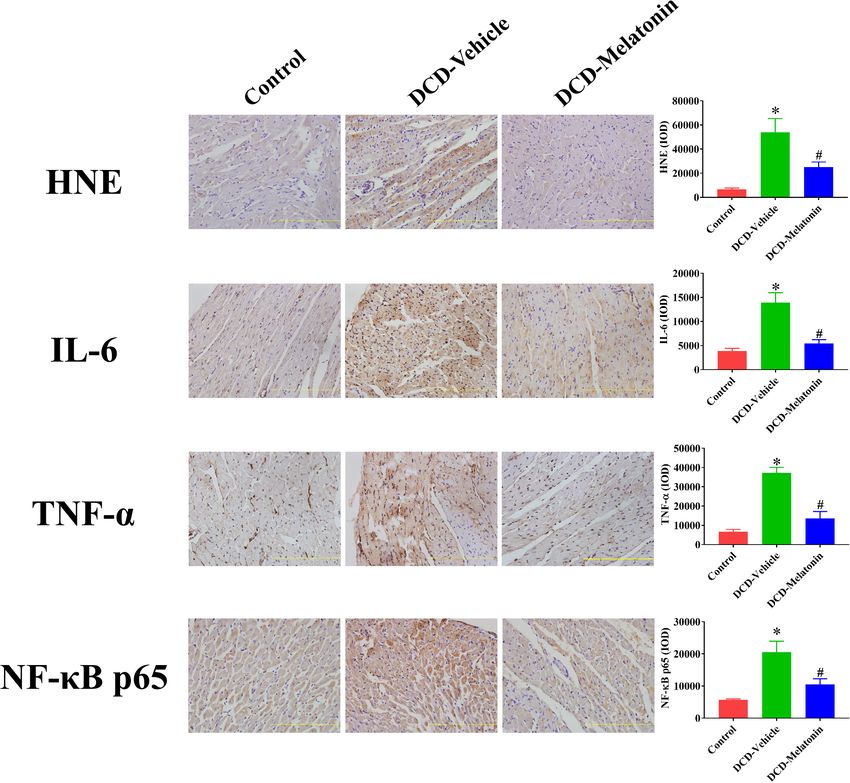
Lu et al.                                                                                                                    EVHP for DCD Heart Preservation

                                            the left ventricular of DCD hearts compared with DCD-vehicle group. Furthermore, warm
                                            ischemia injury led to a significant increase in the level of oxidative stress, inflammatory
                                            response, apoptosis, and NLRP3 inflammasome-mediated pyroptosis in the hearts
                                            preserved with EVHP. However, melatonin added in the cardioplegia and throughout
                                            the EVHP period significantly attenuated the level of oxidative stress, inflammatory
                                            response, apoptosis, and NLRP3 inflammasome-mediated pyroptosis compared with
                                            DCD-vehicle group.
                                            Conclusion: EVHP combined with melatonin post-conditioning attenuates myocardial
                                            IRI in DCD hearts by inhibiting NLRP3 inflammasome-mediated pyroptosis, which might
                                            expand the donor pool by the adoption of transplantable DCD hearts.
                                            Keywords: donation after circulatory death, normothermic ex vivo heart perfusion, melatonin, heart preservation,
                                            ischemia/reperfusion injury, pyroptosis

INTRODUCTION                                                                       can result in the cleavage of gasdermin D (GSDMD), a member of
                                                                                   the gasdermin family, thereby inducing pyroptosis (Wang et al.,
Heart transplantation remains the gold standard for the                            2020). Therefore, the interference of NLRP3 inflammasome-
treatment of patients with refractory heart failure (Burchill                      mediated pyroptosis might be a promising target for alleviating
and Ross, 2012). Unfortunately, despite the ever-increasing                        myocardial IRI of DCD hearts.
population of heart failure patients, the development of heart                         Static cold storage has been regarded as a traditional and
transplantation has been limited by the shortage of suitable                       reliable heart preservation strategy, which is simple, cheap,
donor hearts (Christie et al., 2012). Recently, the adoption of                    and able to preserve standard-criteria donor hearts for 4–6 h
hearts from donation after circulatory death (DCD) has been                        with acceptable post-transplant outcomes (Lund et al., 2017).
considered as a promising approach to expanding the donor                          However, static cold storage may not be the optimal preservation
pool (Smith et al., 2019). DCD heart transplantation has the                       method for DCD hearts since the energy-depleted DCD hearts
potential to significantly increase transplant activity by 30% in the              can poorly tolerate additional cold ischemia (Iyer et al., 2015).
United States (Jawitz et al., 2020) and 48% in the United Kingdom                  Recently, normothermic ex vivo heart perfusion (EVHP) is
(Messer et al., 2020), and will result in a substantial decrease in                introduced as a promising preservation strategy for DCD
waiting list mortality. Furthermore, DCD heart transplantation                     hearts. Normothermic EVHP can perfuse donated hearts with
provides comparable 30-day or 1-year postoperative survival in                     warm, oxygenated, and nutrient-enriched blood-based perfusate
comparison with traditional donation after brain death (DBD)                       in a semi-physiologic state during the preservation period
heart transplantation (Messer et al., 2017, 2020). Nevertheless,                   (Zhou et al., 2020). Therefore, compared with static cold
DCD hearts suffer from more serious ischemia/reperfusion                           storage, normothermic EVHP can alleviate myocardial IRI for
injury (IRI) due to an obligatory warm ischemia time (from                         DCD hearts, prolong preservation time, allow for a real-time
when the systolic blood pressure is lower than 50 mmHg                             assessment of contractile function for DCD hearts, and offer a
after the withdrawal of life-sustaining therapy to reperfusion or                  unique platform to repair DCD hearts via directly delivering
cardioplegia) (Dhital et al., 2017; Niederberger et al., 2019).                    post-conditioning agents into machine perfusion circuit (Beuth
    Recent studies have demonstrated that nucleotide-binding                       et al., 2019; Xu J. et al., 2020).
oligomerization domain-like receptor pyrin domain-containing                           Melatonin (N-acetyl-5-methoxytryptamine), which is mainly
3 (NLRP3) inflammasome-mediated pyroptosis can play an                             synthesized by the pineal gland in mammals, is regarded as
indispensable role in the myocardial IRI (Dai et al., 2020; Wei                    an anti-oxidant (Manchester et al., 2015), anti-inflammatory
et al., 2020; Xu L.J. et al., 2020). Pyroptosis is a recently identified           (Agil et al., 2013), and anti-apoptotic (Li et al., 2014) molecule.
type of programmed cell death and is characterized as a NLRP3-                     Notably, the pharmacological actions of melatonin are closely
caspase-1-dependent response during myocardial IRI (Wu et al.,                     related to the inhibition of NLRP3 inflammasome-mediated
2020). NLRP3, one of the best characterized intracellular pattern                  pyroptosis. One recent study conducted by Su et al. (2021)
recognition receptors, can be activated by the generation of                       showed that melatonin alleviated lipopolysaccharide-induced
reactive oxygen species (ROS) shortly after reperfusion. NLRP3                     myocardial injury by inhibiting NLRP3 inflammasome-
can bind to apoptosis-associated specklike protein containing a                    mediated pyroptosis. The administration of melatonin prevented
caspase recruitment domain (ASC) and finally form an NLRP3                         endothelial cell pyroptosis via MEG3/miR-223/NLRP3 axis in
complex (Geldhoff et al., 2013; Cero et al., 2015; Martínez et al.,                atherosclerosis (Zhang et al., 2018). What’s more, melatonin can
2015), which will lead to the activation of caspase-1 and                          exert neuroprotective effects by inhibiting neuronal pyroptosis
the production of interleukin-1β (IL-1β) and IL-18, and the                        in the streptozotocin-induced diabetic mice (Che et al., 2020).
recruitment of pro-inflammatory response in the progression of                     However, it remains unclear whether normothermic EVHP
myocardial IRI (Bracey et al., 2015). Moreover, active caspase-1                   combined with melatonin can ameliorate myocardial IRI for

Frontiers in Cell and Developmental Biology | www.frontiersin.org              2                                       August 2021 | Volume 9 | Article 733183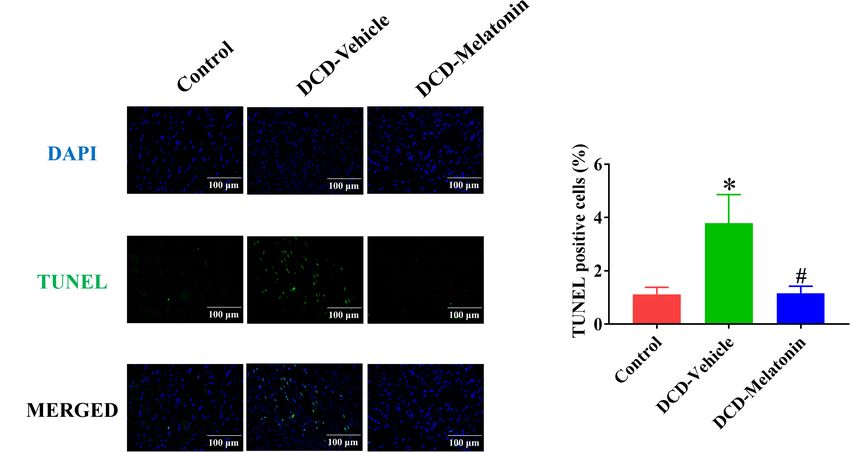
Lu et al.                                                                                                        EVHP for DCD Heart Preservation

DCD hearts via inhibiting NLRP3 inflammasome-mediated                    dissolved in ethanol). Before initiating normothermic EVHP,
pyroptosis. Additionally, until now, no study investigated               87 µl ethanal or melatonin (34.44 µmol/ml, dissolved in ethanol)
the cardioprotective effect of the normothermic EVHP                     was added into 15 ml blood-based perfusate to make the
combined with melatonin post-conditioning in the preservation            concentration of melatonin in the perfusate of 200 µM.
of donor hearts.
   Therefore, in the present study, we explored the
                                                                         Operative Procedure
cardioprotective potential of melatonin post-conditioning
                                                                         Anesthesia
during our well-established normothermic EVHP protocol in
                                                                         Sprague-Dawley rats were anesthetized with pentobarbital
a rat model of DCD. We hypothesized that the combination of
                                                                         sodium (60 mg/kg, intraperitoneally). Pedal reflex was performed
normothermic EVHP and melatonin post-conditioning could be
                                                                         to determine adequate anesthetic depth before experiments.
a novel and promising donor heart preservation strategy, which
                                                                         The rats were placed on a heating pad to maintain the
could ameliorate myocardial IRI and improve cardiac function
                                                                         body temperature.
of DCD hearts, thereby increasing the number of transplantable
hearts in heart transplantation.
                                                                         Harvest of Blood From the Donor-Blood Rat
                                                                         An 18 G, 2-inch I.V. catheter was cannulated into the abdominal
MATERIALS AND METHODS                                                    artery. A 20 ml syringe containing 1,250 IU heparin was
                                                                         connected to the catheter to withdraw 9 ml blood. The blood-
Animals                                                                  based perfusate consisted of 9 ml blood from the donor-
Male Sprague-Dawley rats (Charles River Laboratories, Beijing,           blood rat, 6 ml modified Krebs–Henseleit solution (10 mM
China) used in this study received care in compliance with the           glucose, 117 mM NaCl, 4.5 mM KCl, 25 mM NaHCO3 ,
Guide for the Care and Use of Laboratory Animals (National               1.2 mM NaH2 PO4 , 2 mM CaCl2 , 0.512 mM MgCl2 ), mannitol
Institutes of Health Publication No. 85-23, revised 1996).               (25 g/L), methylprednisolone sodium succinate (500 mg/L;
All animal experiments were reviewed and approved by the                 Pfizer; Belgium; Switzerland), and insulin (160 IU/L; Novo
Ethical Committee of the Laboratory Animal Research Center               Nordisk; Denmark) (see supplementary material). The blood-
of Southern Medical University Nanfang Hospital. The rats                based perfusate was slowly added into the perfusion circuit to be
were housed in temperature-controlled (22 ± 2◦ C) rooms with             oxygenated for 15 min (PaO2 at 150–250 mmHg).
a 12-h light-dark cycle, given food and sterilized water, and
acclimatized for 1 week.                                                 Procurement of Heart From the Donor-Heart Rat
                                                                         The rat was intubated with a 16 G, 2-inch I.V. catheter after
Experiment Design                                                        tracheotomy and mechanically ventilated. A 22 G, 1-inch I.V.
Twenty four male Sprague-Dawley rats (200–300 g; 8 to 12-                catheter was cannulated into the right carotid artery for injection
week-old) were introduced as donor-heart rats. Another 24                of heparin, real-time blood pressure monitoring, and delivery
male Sprague-Dawley rats (300–400 g; 12 to 15-week-old)                  of Custodiol cardioplegic solution. The injection of heparin
were regarded as blood donors for blood-based perfusate                  (2,000 IU/kg body weight) through the right carotid artery was
of the normothermic EVHP system. All donor hearts were                   performed to heparinize the donor-heart rat before the induction
harvested and preserved by the normothermic EVHP system.                 of circulatory death.
Functional assessment of hearts was performed during the                    Rats in the DCD-vehicle and DCD-melatonin groups were
EVHP period. Heart tissue was collected at the end of                    subjected to the following DCD procedure. Briefly, the rat was
perfusion for the evaluation of the level of oxidative stress,           extubated and the trachea was clamped by a mosquito forceps
apoptosis, inflammation, and NLRP3 inflammasome-mediated                 to induce circulatory death. Circulatory death could be declared
pyroptosis (Figure 1).                                                   when systolic pressure below 30 mmHg or asystole was observed
   Donor-heart rats were randomly divided into three groups: (1)         (Kearns et al., 2017; Aceros et al., 2020). At the end of the
control group: eight non-DCD hearts were harvested from heart-           25-min warm ischemic time (WIT, equivalent to the hands-off
beating rats and immediately preserved by the normothermic               period), we performed the sternotomy and clamped the aortic
EVHP system for 105 min. During harvesting the donor                     arch between the brachiocephalic trunk and left common carotid
heart, the heart was perfused with 20 ml cold Custodiol                  artery. After cutting the inferior vena cava and opening the left
(Dr. Franz Köhler, Chemie GmbH, Bensheim, Germany)                       atrium, the DCD heart was immersed with ice and perfused with
cardioplegic solution containing 116 µl ethanal. Before initiating       20 ml cold Custodiol cardioplegic solution containing 116 µl
normothermic EVHP, 87 µl ethanal was added into 15 ml blood-             ethanal (DCD-vehicle group) or melatonin (DCD-melatonin
based perfusate; (2) DCD-vehicle group; and (3) DCD-melatonin            group) at a constant pressure via the right carotid artery. The
group: 8 rats were subjected to the DCD procedure with 25 min            aorta distal to the left subclavian artery and pulmonary artery
of warm ischemia injury and preserved by the normothermic                were cut, respectively. Subsequently, the arrested heart was
EVHP system for 105 min. During harvesting the donor heart,              excised and cannulated with a homemade 14 G aortic catheter.
the heart was perfused with 20 ml cold Custodiol cardioplegic            The rats in the control group were treated similarly, but not
solution containing 116 µl ethanal or melatonin (34.44 µmol/ml,          submitted to 25-min WIT.

Frontiers in Cell and Developmental Biology | www.frontiersin.org    3                                     August 2021 | Volume 9 | Article 733183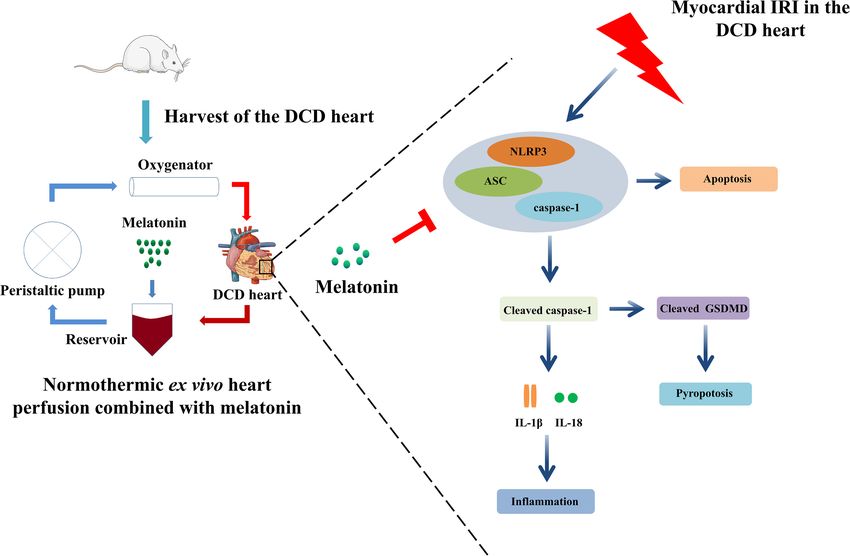
Lu et al.                                                                                                                           EVHP for DCD Heart Preservation

  FIGURE 1 | Study protocol of ex vivo heart perfusion combined with melatonin in the DCD heart preservation. DCD, donation after circulatory death; EVHP, ex vivo
  heart perfusion.

The Operation of EVHP                                                                 functional parameters of the donor heart during EVHP included
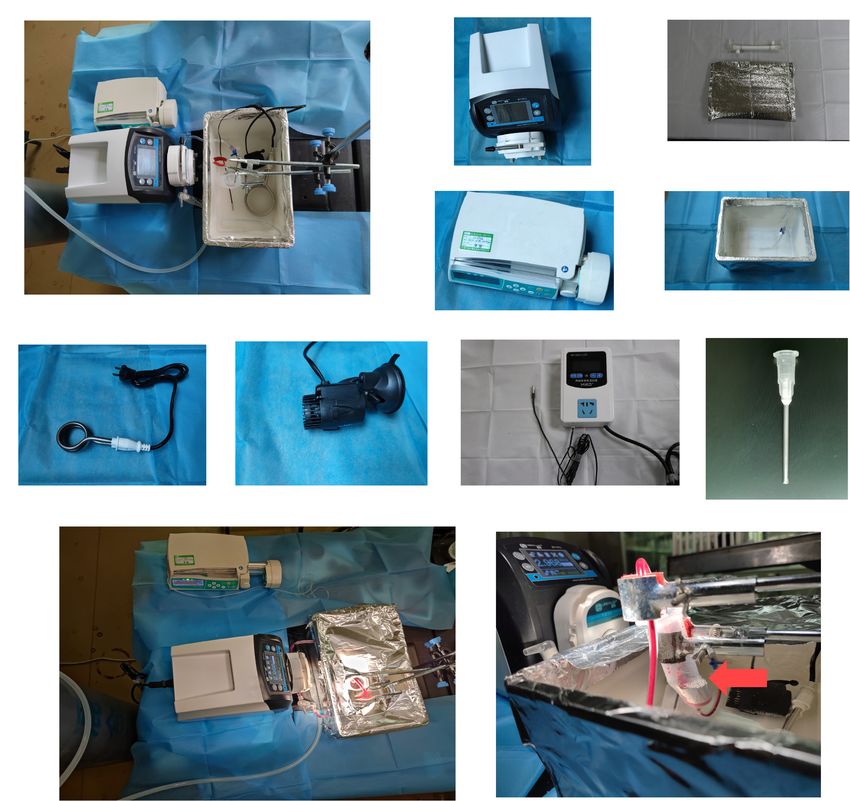
The normothermic ESHP system (Figure 2A) consisted of a                               developed pressure (DP, systolic blood pressure minus diastolic
micro-peristaltic pump (BT101L; Lead Fluid; China; Figure 2B),                        blood pressure), heart rate (HR), dP/dt max (maximum rate of
an oxygenator (Micro-1 Rat Oxygenator; Dongguan Kewei;                                rise of left ventricular pressure), and dP/dt min (maximum rate of
China; Figure 2C), 16# Tygon tubing, a reservoir, an infusion                         pressure decline).
syringe pump (Perfusor-space; B. Braun; Germany; Figure 2D)
for the administration of epinephrine, and a home-made water-                         Sample Collection
bath box (Figure 2E) containing water, heater (Figure 2F), stirrer                    At the end of 105-min EVHP, three ventricular slices (1- to 2-mm
(Figure 2G), temperature-controlling switch (Figure 2H), and                          thick) were collected serially along the long axis. The first piece of
aortic cannula (Figure 2I). The oxygenator was gassed with a                          myocardial tissue from the apex was applied for western blotting,
humidified gas mixture containing 95% O2 /5% CO2 .                                    the second one for histologic and immunohistochemical analysis,
   The donor heart was connected to the EVHP system via                               the third one for analyzing superoxide dismutase (SOD) activity,
the aortic cannula (Figures 2J,K). The reservoir was partially                        and the level of malonaldehyde (MDA).
immersed in the water of the water-bath box and the isolated
heart was placed below the horizontal plane of the water. The                         Oxidative Stress
membrane oxygenator was wrapped by a thermal insulation bag                           The SOD activity and the level of MDA in the heart tissue of
and the temperature of water in the box was set at 41–42 ◦ C                          donor heart were determined by colorimetric 5,50 -dithio-bis-
to maintain the temperature of the inflow and isolated heart at                       (2-nitrobenzoic acid)-based method and thiobarbituric acid
35–37◦ C (Figure 2K). The normothermic EVHP started with the                          reactive substance assay, respectively (A001-3-2 and A003-1-
perfusion flow rate of 2 ml/min, and slowly reached the target                        2, Nanjing Jiancheng Bioengineering Institute, China). The
perfusion flow rate (1 ml/min/100 g body weight) within 10 min.                       analysis was performed using an automatic microplate reader
The administration of epinephrine (4.8 × 10⁻⁵ mg/h/kg body                            (CLARIOstar, BMG LAGTECH, Germany). The expression
weight) was performed via an infusion syringe pump throughout                         of 4-hydroxynonenal (HNE), an indicator of oxidative
the perfusion after a 15-min stabilization period. During the                         stress, was determined by immunohistochemical analysis as
normothermic EVHP, PaO2 was maintained at 150–250 mmHg                                described below.
and the temperature of the isolated heart at 35–37◦ C. 20 µl 50%
glucose solution and 40 µl 5% sodium bicarbonate solution were                        Inflammatory Response
added into the perfusate every 15 min.                                                The expression of interleukin-6 (IL-6), tumor necrosis factor-α
                                                                                      (TNF-α), and nuclear factor kappa-B p65 (NF-κB p65) were
Cardiac Functional Assessment During EVHP                                             measured by immunohistochemistry as described below.
The latex balloon connected to a pressure sensor was inserted into
the left ventricle through the left atrium at the end of the 15-min                   Immunohistochemistry
stabilization period. The intraventricular pressure measurement                       Myocardial tissue slices were fixed in paraformaldehyde
of the donor heart was performed by slowly filling the balloon                        solution (4%), embedded in paraffin, and cut into 4-µm-
with 0.15 ml saline at the beginning of the assessment phase                          thick sections. The immunoreactivity to IL-6 (1:500, Abcam,
(T0) and then every 30 min (T30, T60, and T90). The cardiac                           ab9324, United States), TNF-α (1:200, Abcam, ab109322,

Frontiers in Cell and Developmental Biology | www.frontiersin.org                 4                                          August 2021 | Volume 9 | Article 733183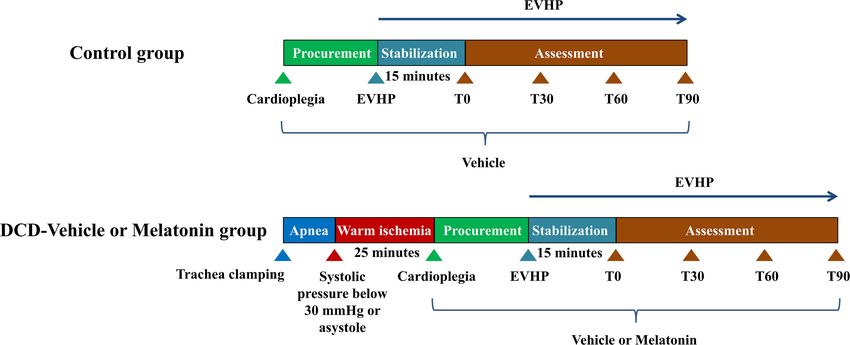
Lu et al.                                                                                                                               EVHP for DCD Heart Preservation

  FIGURE 2 | Ex vivo heart perfusion system. (A) Schematic figure of the EVHP system; (B) micro-peristaltic pump; (C) oxygenator; (D) infusion syringe pump; (E)
  water-bath box; (F) heater; (G) stirrer; (H) temperature-controlling switch; (I) aortic catheter; (J) working EVHP system; and (K) beating heart (red arrow). EVHP,
  ex vivo heart perfusion.

United States), NF-κB p65 (1:500, Proteintech, 66535, China),                           of the donor hearts as previously described (Zhou et al., 2021).
HNE (1:1,000, Abcam, ab46545, United States) was assessed. The                          The number of TUNEL-positive cells was counted under a
antigen–antibody reaction was visualized by diaminobenzidine                            fluorescence microscope and the frequency of apoptosis in the
reaction. The fields from each slice were randomly selected and                         donor heart was expressed as the ratio of 40 ,6-diamidino-2-
recorded under a conventional light microscope in a blinded                             phenylindole (DAPI)-TUNEL double-labeled nuclei to the total
manner. Image analysis was performed using Image-Pro Plus                               number of nuclei stained with DAPI.
software (Media Cybernetics, United States). The evaluation
was performed in four random and non-overlapping fields                                 Western Blotting
of the heart tissue, and the average value was calculated for                           Myocardial protein expression of donor heart was assessed
each animal. The expression of IL-6, TNF-α, NF-κB p65,                                  by western blotting as previously described (Korkmaz-Icöz
and HNE was determined by counting integrated optical                                   et al., 2020). The expression of cleaved caspase-3 (1:1,000
density (IOD).                                                                          dilution, 9664, Cell Signaling Technology (Shanghai)
                                                                                        Biological Reagents Company Limited, China), NLRP3
Apoptosis                                                                               [1:1,000 dilution, 15101, Cell Signaling Technology (Shanghai)
Terminal deoxynucleotidyl transferase dUTP nick end labeling                            Biological Reagents Company Limited, China], ASC [1:1,000
(TUNEL) staining was performed to detect DNA-strand breaks                              dilution, 67824, Cell Signaling Technology (Shanghai)

Frontiers in Cell and Developmental Biology | www.frontiersin.org                   5                                             August 2021 | Volume 9 | Article 733183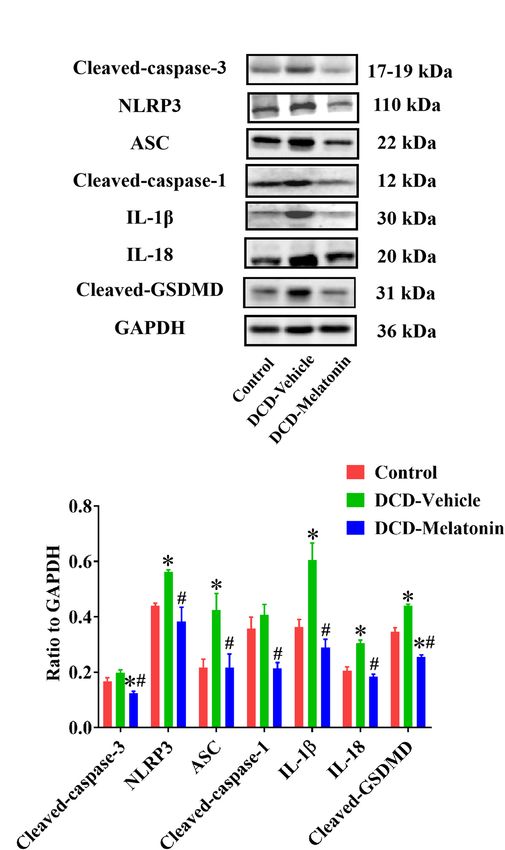
Lu et al.                                                                                                                            EVHP for DCD Heart Preservation

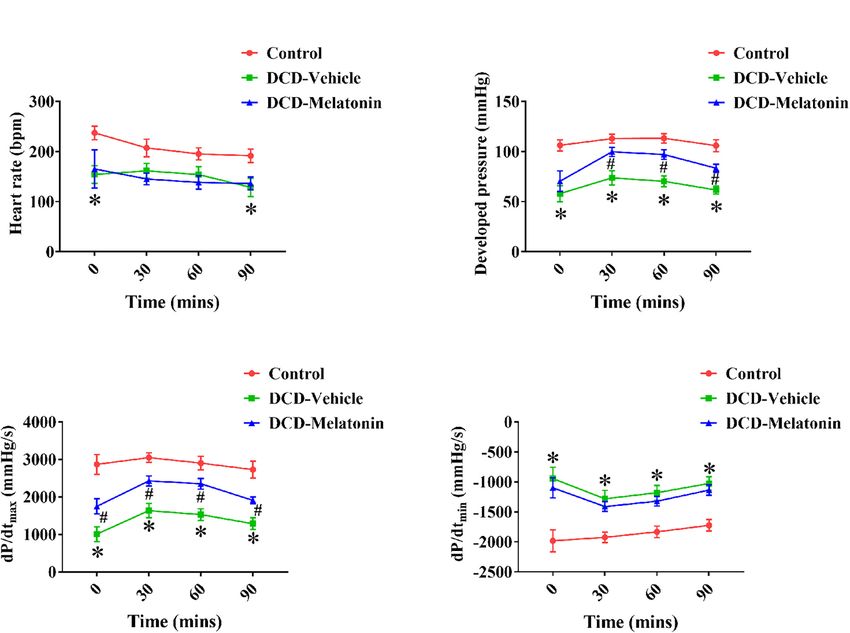
  FIGURE 3 | Cardiac functional assessment of the DCD heart during EVHP. (A) Heart rate; (B) developed pressure; (C) dP/dtmax ; and (D) dP/dtmin . Data represent
  mean ± standard error of the mean. n = 8 for each group. DCD, donation after circulatory death; EVHP, ex vivo heart perfusion; dP/dtmax , maximum rate of rise of
  left ventricular pressure; dP/dtmin , maximum rate of pressure decline. ∗ p < 0.05 vs. control; # p < 0.05 vs. DCD-vehicle.

  FIGURE 4 | Tissue content of MDA and SOD activity in the DCD heart preserved with EVHP. (A) Tissue content of MDA; and (B) SOD activity. Data represent
  mean ± standard error of the mean. n = 5 for each group. DCD, donation after circulatory death; EVHP, ex vivo heart perfusion; MDA, malonaldehyde; and SOD,
  superoxide dismutase. ∗ p < 0.05 vs. control; # p < 0.05 vs. DCD-vehicle.

Frontiers in Cell and Developmental Biology | www.frontiersin.org                 6                                           August 2021 | Volume 9 | Article 733183
Lu et al.                                                                                                                              EVHP for DCD Heart Preservation

Biological Reagents Company Limited, China], Caspase-1                                 pressure measurement recordings among control, DCD-vehicle,
(1:1,000 dilution, ab179515, Abcam, United States), IL-1β                              and DCD-melatonin groups were compared by two-way ANOVA
(1:1,000 dilution, ab9722, Abcam, United States), IL-18 (1:1,000                       according to different timepoints. A value of p < 0.05 was
dilution, ab207323, Abcam, United States), and cleaved                                 considered statistically significant.
GSDMD [1:1,000 dilution, 10137, Cell Signaling Technology
(Shanghai) Biological Reagents Company Limited, China]
were evaluated.                                                                        RESULTS
Statistical Analysis                                                                   Ex vivo Heart Perfusion Combined With
The results were expressed as mean ± standard error of the mean                        Melatonin Post-conditioning Protects
(SEM). GraphPad Prism 8.3 software (GraphPad Sofware, Inc.,
San Diego, CA, United States) was used to perform statistical
                                                                                       Against Cardiac Function Impairment
analysis. Shapiro-Wilk test was performed to test the normality                        Caused by Warm Ischemia Injury in the
of data before statistical tests were applied. One-way ANOVA                           DCD Hearts
followed by Tukey’s post hoc-test was performed for multiple                           A WIT of 25 min results in a significant decrease in HR (T0 and
comparisons between three experimental groups. If the data                             T9, Figure 3A), DP (from T0 to T90, Figure 3B), dP/dt max (from
failed the normality test, the non-parametric Kruskal–Wallis                           T0 to T90, Figure 3C), and dP/dt min (from T0 to T90, Figure 3D)
test followed by Dunn’s post hoc-test was used. Intraventricular                       of DCD hearts preserved with EVHP in the DCD-vehicle group

  FIGURE 5 | The expression of HNE, IL-6, TNF-α, and NF-κB p65 in the DCD heart preserved with EVHP. Representative photomicrographs and quantitative analysis
  of immunohistochemistry for (A) HNE, (B) IL-6, (C) TNF-α, and (D) NF-κB p65 in the DCD heart. Data represent mean ± standard error of the mean. n = 6–8 for
  each group. DCD, donation after circulatory death; EVHP, ex vivo heart perfusion; HNE, 4-hydroxynonenal; IL-6, interleukin-6; IOD, integrated optical density; TNF-α,
  tumor necrosis factor-α; NF-κB, nuclear factor kappa-B. ∗ p < 0.05 vs. Control; # p < 0.05 vs. DCD-vehicle.

Frontiers in Cell and Developmental Biology | www.frontiersin.org                  7                                            August 2021 | Volume 9 | Article 733183
Lu et al. EVHP for DCD Heart Preservation
compared with the control group. Furthermore, melatonin post- the treatment with melatonin can significantly down-regulate
conditioning leads to a significant increase in DP (from T30 to the expression of HNE in the DCD hearts preserved with
T90, Figure 3B) and dP/dt max (from T0 to T90, Figure 3C) EVHP (Figure 5A).
of DCD hearts preserved with EVHP in DCD-melatonin group Collectively, 25-min warm ischemia injury increases the level
compared with DCD-vehicle group. of oxidative stress in the heart graft preserved with EVHP,
while the addition with melatonin at 200 µmol/L during
Ex vivo Heart Perfusion Combined With cardioplegia and EVHP period attenuates the level of oxidative
stress in the DCD heart.
Melatonin Post-conditioning Reduces
Oxidative Stress in the DCD Hearts
Malonaldehyde is introduced as a reliable marker of oxidative Ex vivo Heart Perfusion Combined With
stress since it is the end product of major reactions which Melatonin Post-conditioning Attenuates
can lead to significant oxidation of polyunsaturated fatty Inflammation in the DCD Hearts
acids in cellular membranes (Reiter et al., 2009). A WIT of The expression of IL-6, TNF-α, and NF-κB in heart tissue
25 min can significantly increase the level of MDA in the was measured by immunohistochemistry to evaluate the
DCD hearts preserved with EVHP in the DCD-vehicle group inflammatory response in the myocardium. As shown in
compared with the control group. Treatment with melatonin Figure 5, a WIT of 25 min can significantly up-regulate the levels
at 200 µmol/L during cardioplegia and through the EVHP of IL-6 (Figure 5B), TNF-α (Figure 5C), and NF-κB (Figure 5D)
period can significantly reduce the level of MDA in the DCD in the DCD heart submitted to EVHP, while the treatment of
hearts in the DCD-melatonin group compared with the DCD- melatonin can lead to a significant decrease in the expression of
vehicle group (Figure 4A). SOD is an enzyme that can catalyze IL-6, TNF-α, and NF-κB in the DCD heart.
the dismutation of the superoxide (O2 − ) radical into ordinary
molecular oxygen (O2 ), thereby exhibiting a great anti-oxidant
effect (Hayyan et al., 2016). As shown in Figure 4B, the SOD
Ex vivo Heart Perfusion Combined With
activity of the heart graft in the control group and DCD- Melatonin Post-conditioning Ameliorates
melatonin group is higher than that in the DCD-vehicle group Apoptosis in the DCD Hearts
without reaching a significant difference. The expression of After normothermic EVHP, a significantly increased number
HNE, an indicator of oxidative stress, among three groups was of TUNEL-positive nuclei in the heart graft can be observed
determined by immunohistochemical analysis. A WIT of 25 min in the DCD-vehicle group compared with the control group.
leads to a significant increase in the expression of HNE in the Besides, treatment with melatonin significantly decreases DNA
DCD-vehicle group compared with the control group, whereas strand breaks and the expression of cleaved caspase-3 in the
FIGURE 6 | Apoptosis evaluation of the DCD heart submitted to EVHP. (A) Representative photomicrographs of myocardial tissue stained with DAPI (blue), nuclei
with fragmented DNA shown by TUNEL staining, and merged image (magnification of 40; scale length: 100 µm); and (B) quantification of TUNEL-positive cells (as a
percentage). Data represent mean ± standard error of the mean. n = 8 for each group. DAPI, 40 ,6-diamino-2-phenylindole (DAPI, blue); DCD, donation after
circulatory death; EVHP, ex vivo heart perfusion; TUNEL, terminal deoxynucleotidyl transferase-mediated dUTP nick end-labeling. ∗ p < 0.05 vs. control; # p < 0.05
vs. DCD-vehicle.
Frontiers in Cell and Developmental Biology | www.frontiersin.org 8 August 2021 | Volume 9 | Article 733183Lu et al. EVHP for DCD Heart Preservation
myocardium of the DCD hearts preserved with EVHP compared expression of NLRP3, ASC, cleaved caspase-1, IL-1β, IL-18, and
with DCD-vehicle group (Figures 6, 7). cleaved GSDMD is evaluated by western blotting analysis.
As shown in Figure 7, the protein level of NLRP3, ASC, IL-
1β, IL-18, and cleaved GSDMD in the heart submitted to EVHP
Ex vivo Heart Perfusion Combined With is significantly higher in the DCD-vehicle group compared with
Melatonin Post-conditioning Inhibits the control group, while the treatment of melatonin can attenuate
NLRP3 Inflammasome-Mediated NLRP3 inflammasome-mediated pyroptosis (as evidenced by
Pyroptosis in the DCD Hearts the significantly increased expression of NLRP3, ASC, cleaved
caspase-1, IL-1β, IL-18, and cleaved GSDMD) in the DCD heart
To investigate whether NLRP3 inflammasome-mediated
preserved with EVHP.
pyroptosis is involved in myocardial IRI for the DCD heart,
and the relationship between NLRP3 inflammasome-mediated
pyroptosis and melatonin treatment in the DCD heart, the
DISCUSSION
Currently, heart transplantation with DCD hearts has received
enormous attention over the past 15 years (Osaki et al., 2010;
Manara et al., 2012) and is emerging as a promising strategy
to expand the donor pool (Longnus et al., 2014). Nevertheless,
the use of DCD hearts has been hampered by the severe IRI
due to the inherent warm ischemia injury (Citerio et al., 2016;
Stehlik et al., 2018; Smith et al., 2019). Normothermic EVHP is
becoming a novel and ground-breaking strategy for DCD heart
preservation in the clinical setting. Unlike static cold storage,
the traditional organ preservation method, normothermic EVHP
can preserve the donated heart in a perfused, semi-physiologic
state (Van Raemdonck et al., 2013), thereby reducing myocardial
IRI, allowing for a thorough evaluation for the viability of donor
heart (Xu J. et al., 2020), and more excitingly, facilitating organ
reconditioning during perfusion with pharmacological, gene, and
stem cell therapy (Weissenbacher and Vrakas, 2019). Therefore,
the combination of normothermic EVHP with some novel post-
conditioning pharmacological agents could hopefully convert
DCD hearts into transplantable donor hearts.
Previous studies proved the cardioprotective effect of
melatonin, an important circadian molecule, which was either
added into preservation solution in form of cold static storage
(Rudd and Dobson, 2011) or administered for the donors (Lan
et al., 2019) or recipients (Jung et al., 2004) in the heart
transplantation. However, whether normothermic EVHP with
the addition of melatonin can become a novel preservation
strategy for the DCD heart remains unknown. The current
study is the first time to demonstrate that melatonin has
potent cardioprotective effects for the DCD heart when used
throughout cardioplegia and EVHP period. Our results indicate
that 25-min warm ischemia injury results in a significant decrease
in cardiac functional parameters, and an increase in the level of
oxidative stress, inflammatory response, apoptosis, and NLRP3
inflammasome-mediated pyroptosis of DCD hearts. However,
the treatment with melatonin leads to a significant increase in
cardiac functional parameters and attenuates myocardial IRI (as
FIGURE 7 | Representative Western blotting and quantitative analysis of the evidenced by the level of oxidative stress, inflammatory response,
effect of melatonin treatment on apoptosis and NLRP3
inflammasome-mediated pyroptosis in the hearts preserved with EVHP.
and apoptosis), and NLRP3 inflammasome-mediated pyroptosis
(A) Representative protein band densities of cleaved caspase-3, NLRP3, of DCD hearts submitted to our well-established EVHP protocol
ASC, cleaved caspase-1, IL-1β, IL-18, and cleaved GSDMD; and (B) (Figure 8).
quantitative analysis of protein expression in the DCD hearts. Data represent Recently, an increasing number of studies have demonstrated
mean ± standard error of the mean. n = 4 for each group. DCD, donation
that NLRP3 inflammasome-mediated pyroptosis is emerging
after circulatory death; EVHP, ex vivo heart perfusion. ∗ p < 0.05 vs. Control;
# p < 0.05 vs. DCD-vehicle. as a novel target to attenuate myocardial IRI (Ding et al.,
2020; Nie et al., 2021). Inhibiting microRNA-29a can alleviate
Frontiers in Cell and Developmental Biology | www.frontiersin.org 9 August 2021 | Volume 9 | Article 733183Lu et al. EVHP for DCD Heart Preservation FIGURE 8 | Ex vivo heart perfusion combined with melatonin post-conditioning exerts a profound cardioprotective effect against myocardial IRI in the DCD heart, and this protection appears to be due to the inhibition of NLRP3 inflammasome-mediated pyroptosis. IRI, ischemia/reperfusion injury; DCD, donation after circulatory death. myocardial IRI in mice by targeting SIRT1 and suppressing normothermic EVHP which can ensure cardioprotection from oxidative stress and the NLRP3-mediated pyroptosis pathway myocardial IRI. Besides, the current normothermic EVHP is (Ding et al., 2020). Furthermore, hydrogen gas inhalation limited to 105 min and a longer duration of reperfusion may can attenuate myocardial IRI in rats by the inhibition of be necessary to present better cardiac functional recovery in the oxidative stress and NLRP3-mediated pyroptosis (Nie et al., melatonin-treated DCD hearts. 2021). Notably, Quader et al. (2020) reported that the DCD Apoptosis, another form of programmed cell death, can procedure resulted in the activation of the NLRP3 inflammasome, be characterized as cell shrinkage, nuclear fragmentation, and which contributed to myocardial damage and dysfunction, while chromosomal DNA fragmentation. Furthermore, the inhibition NLRP3 inflammasome inhibition ameliorated myocardial warm of NLRP3 inflammasome can suppress the frequency of cell ischemia injury and improved DCD heart function. In line with apoptosis (Wu et al., 2014; Li et al., 2015; Zhao et al., the above findings, our study shows 25-min warm ischemia 2015). The current study reveals that the activation of NLRP3 in the DCD hearts impairs the cardiac function of hearts inflammasome-mediated pyroptosis and increased apoptotic rate during 105-min EVHP and leads to a significant increase in can contribute to myocardial IRI in the DCD heart, which the level of oxidative stress, inflammatory response, apoptosis, can be inhibited by the treatment of melatonin. Therefore, we and NLRP3 inflammasome-mediated pyroptosis. Emerging infer that normothermic EVHP combined with melatonin post- studies have demonstrated that melatonin can effectively inhibit conditioning may attenuate myocardial apoptosis via inhibiting NLRP3 inflammasome-mediated pyroptosis. In agreement with NLRP3 inflammasome-mediated pyroptosis. these researches, the present study shows the mechanism of There are several limitations to our present studies. melatonin’s cardioprotection against myocardial IRI in DCD Firstly, the duration of the current normothermic EVHP hearts preserved with EVHP is partly due to the inhibition of is limited to 105 min and should be prolonged in future NLRP3 inflammasome-mediated pyroptosis. studies to clearly present better cardiac functional recovery In our study, no difference was found in left ventricular in the melatonin-treated DCD hearts. Secondly, a heart relaxation, as evidenced by dP/dt min , between DCD-melatonin transplantation model should be introduced in the future to and DCD-vehicle groups. Nevertheless, this may be due demonstrate the cardioprotective effect of normothermic EVHP to the optimized protocol of DCD heart procurement and combined with melatonin on the post-transplant donor heart. Frontiers in Cell and Developmental Biology | www.frontiersin.org 10 August 2021 | Volume 9 | Article 733183
Lu et al.                                                                                                                                          EVHP for DCD Heart Preservation

Thirdly, the concentration of melatonin in the cardioplegic                                     ETHICS STATEMENT
solution and perfusate may not be optimal although previous
studies have demonstrated that melatonin, given either acutely                                  The animal study was reviewed and approved by the Ethical
or chronically at pharmacological doses, has virtually no toxicity                              Committee of the Animal Experimental Center of Southern
(Jahnke et al., 1999; Seabra et al., 2000). Therefore, the dose-effect                          Medical University Nanfang Hospital.
relationship of melatonin in the DCD hearts preserved with
EVHP should be investigated in the future. In parallel, future
research is necessary to confirm the cardioprotective effect of                                 AUTHOR CONTRIBUTIONS
normothermic EVHP combined with melatonin in a porcine
model to obtain more robust evidence for an efficient clinical                                  JuL, LX, ZZ, and CX performed the experiments, analyzed the
translation. Finally, the precise mechanism for inhibition of the                               data, and participated in the writing of the manuscript. JiL, XC,
NLRP3 inflammasome-mediated pyroptosis by melatonin needs                                       PZ, and SL conducted the experiments and collected the data.
to be further studied.                                                                          YL, XD, RY, and SZ designed the experiments and revised the
                                                                                                manuscript. All authors read and approved the final manuscript.

CONCLUSION                                                                                      FUNDING
Taken together, the present study reveals that normothermic                                     This research was supported by grants from the National Natural
EVHP combined with melatonin can attenuate myocardial IRI in                                    Science Foundation of China (81772136, 81972019, 21904145,
the DCD hearts via inhibiting NLRP3 inflammasome-mediated                                       82170274, and 82100410), the Guangdong Basic and Applied
pyroptosis. Therefore, the combination of normothermic EVHP                                     Basic Research Foundation (2021A1515011453), the Foundation
and melatonin may facilitate the expansion of the DCD protocol                                  of Foshan City (FS0AA-KJ218-1301-0034 and 2018AB003411),
for donor hearts by allowing the adoption of marginal organs,                                   and Special Fund of Foshan Summit plan (2019C002).
thereby improving the donor pool availability.

                                                                                                ACKNOWLEDGMENTS
DATA AVAILABILITY STATEMENT
                                                                                                We would like to express our gratitude to all the reviewers
The original contributions presented in the study are included                                  for the careful evaluation of the manuscript and appreciate the
in the article/supplementary material, further inquiries can be                                 reviewers’ insightful comments and suggestions which can help
directed to the corresponding authors.                                                          to improve our work.

REFERENCES                                                                                      Christie, J. D., Edwards, L. B., Kucheryavaya, A. Y., Benden, C., Dipchand, A. I.,
                                                                                                   Dobbels, F., et al. (2012). The registry of the international society for heart
Aceros, H., Der Sarkissian, S., Borie, M., Pinto Ribeiro, R. V., Maltais, S., Stevens,             and lung transplantation: 29th adult lung and heart-lung transplant report-
   L. M., et al. (2020). Novel heat shock protein 90 inhibitor improves cardiac                    2012. J. Heart Lung. Transplant 31, 1073–1086. doi: 10.1016/j.healun.2012.
   recovery in a rodent model of donation after circulatory death. J. Thorac.                      08.004
   Cardiovasc. Surg. S0022-5223, 30707–30708. doi: 10.1016/j.jtcvs.2020.03.042                  Citerio, G., Cypel, M., Dobb, G. J., Dominguez-Gil, B., Frontera, J. A., Greer, D. M.,
Agil, A., Reiter, R. J., Jiménez-Aranda, A., Ibán-Arias, R., Navarro-Alarcón, M.,                  et al. (2016). Organ donation in adults: a critical care perspective. Intensive Care
   Marchal, J. A., et al. (2013). Melatonin ameliorates low-grade inflammation and                 Med. 42, 305–315. doi: 10.1007/s00134-015-4191-5
   oxidative stress in young Zucker diabetic fatty rats. J. Pineal Res. 54, 381–388.            Dai, Y., Wang, S., Chang, S., Ren, D., Shali, S., Li, C., et al. (2020). M2
   doi: 10.1111/jpi.12012                                                                          macrophage-derived exosomes carry microRNA-148a to alleviate myocardial
Beuth, J., Falter, F., Pinto Ribeiro, R. V., Badiwala, M., and Meineri, M. (2019). New             ischemia/reperfusion injury via inhibiting TXNIP and the TLR4/NF-
   strategies to expand and optimize heart donor pool: ex vivo heart perfusion and                 κB/NLRP3 inflammasome signaling pathway. J. Mol. Cell Cardiol. 142, 65–79.
   donation after circulatory death: a review of current research and future trends.               doi: 10.1016/j.yjmcc.2020.02.007
   Anesth. Analg. 128, 406–413. doi: 10.1213/ANE.0000000000003919                               Dhital, K. K., Chew, H. C., and Macdonald, P. S. (2017). Donation after circulatory
Bracey, N. A., Duff, H. J., and Muruve, D. A. (2015). Hierarchical regulation                      death heart transplantation. Curr. Opin. Organ. Transplant 22, 189–197. doi:
   of wound healing by NOD-like receptors in cardiovascular disease. Antioxid                      10.1097/MOT.0000000000000419
   Redox Signal. 22, 1176–1187. doi: 10.1089/ars.2014.6125                                      Ding, S., Liu, D., Wang, L., Wang, G., and Zhu, Y. (2020). Inhibiting
Burchill, L. J., and Ross, H. J. (2012). Heart transplantation in adults with end-                 MicroRNA-29a protects myocardial ischemia-reperfusion injury by targeting
   stage congenital heart disease. Future Cardiol. 8, 329–342. doi: 10.2217/fca.                   SIRT1 and Suppressing Oxidative Stress and NLRP3-Mediated Pyroptosis
   12.11                                                                                           Pathway. J. Pharmacol. Exp. Ther. 372, 128–135. doi: 10.1124/jpet.119.
Cero, F. T., Hillestad, V., Sjaastad, I., Yndestad, A., Aukrust, P., Ranheim, T., et al.           256982
   (2015). Absence of the inflammasome adaptor ASC reduces hypoxia-induced                      Geldhoff, M., Mook-Kanamori, B. B., Brouwer, M. C., Troost, D., Leemans, J. C.,
   pulmonary hypertension in mice. Am. J. Physiol. Lung Cell Mol. Physiol. 309,                    Flavell, R. A., et al. (2013). Inflammasome activation mediates inflammation
   L378–L387. doi: 10.1152/ajplung.00342.2014                                                      and outcome in humans and mice with pneumococcal meningitis. BMC Infect.
Che, H., Li, H., Li, Y., Wang, Y. Q., Yang, Z. Y., Wang, R. L., et al. (2020).                     Dis. 13:358. doi: 10.1186/1471-2334-13-358
   Melatonin exerts neuroprotective effects by inhibiting neuronal pyroptosis and               Hayyan, M., Hashim, M. A., and AlNashef, I. M. (2016). Superoxide ion: generation
   autophagy in STZ-induced diabetic mice. Faseb J. 34, 14042–14054. doi: 10.                      and chemical implications. Chem. Rev. 116, 3029–3085. doi: 10.1021/acs.
   1096/fj.202001328R                                                                              chemrev.5b00407

Frontiers in Cell and Developmental Biology | www.frontiersin.org                          11                                               August 2021 | Volume 9 | Article 733183
Lu et al. EVHP for DCD Heart Preservation
Iyer, A., Gao, L., Doyle, A., Rao, P., Cropper, J. R., Soto, C., et al. (2015). Niederberger, P., Farine, E., Raillard, M., Dornbierer, M., Freed, D. H., Large, S. R.,
Normothermic ex vivo perfusion provides superior organ preservation and et al. (2019). Heart transplantation with donation after circulatory death. Circ.
enables viability assessment of hearts from DCD donors. Am. J. Transplant 15, Heart Fail 12:e005517. doi: 10.1161/CIRCHEARTFAILURE.118.005517
371–380. doi: 10.1111/ajt.12994 Osaki, S., Anderson, J. E., Johnson, M. R., Edwards, N. M., and Kohmoto, T.
Jahnke, G., Marr, M., Myers, C., Wilson, R., Travlos, G., and Price, C. (1999). (2010). The potential of cardiac allografts from donors after cardiac death
Maternal and developmental toxicity evaluation of melatonin administered at the University of Wisconsin Organ Procurement Organization. Eur. J.
orally to pregnant Sprague-Dawley rats. Toxicol. Sci. 50, 271–279. doi: 10.1093/ Cardiothorac. Surg. 37, 74–79. doi: 10.1016/j.ejcts.2009.07.005
toxsci/50.2.271 Quader, M., Mezzaroma, E., Kenning, K., and Toldo, S. (2020). Targeting the
Jawitz, O. K., Raman, V., DeVore, A. D., Mentz, R. J., Patel, C. B., Rogers, J., NLRP3 inflammasome to reduce warm ischemic injury in donation after
et al. (2020). Increasing the United States heart transplant donor pool with circulatory death heart. Clin. Transplant 34:e14044. doi: 10.1111/ctr.14044
donation after circulatory death. J. Thorac. Cardiovasc. Surg. 159, e307–e309. Reiter, R. J., Paredes, S. D., Manchester, L. C., and Tan, D. X. (2009). Reducing
doi: 10.1016/j.jtcvs.2019.09.080 oxidative/nitrosative stress: a newly-discovered genre for melatonin. Crit. Rev.
Jung, F. J., Yang, L., Härter, L., Inci, I., Schneiter, D., Lardinois, D., et al. (2004). Biochem. Mol. Biol. 44, 175–200. doi: 10.1080/10409230903044914
Melatonin in vivo prolongs cardiac allograft survival in rats. J. Pineal Res. 37, Rudd, D. M., and Dobson, G. P. (2011). Eight hours of cold static storage with
36–41. doi: 10.1111/j.1600-079X.2004.00133.x adenosine and lidocaine (Adenocaine) heart preservation solutions: toward
Kearns, M. J., Miller, S. D., Cheung, A., Bashir, J., Wong, S., Seidman, M. A., et al. therapeutic suspended animation. J. Thorac. Cardiovasc. Surg. 142, 1552–1561.
(2017). A rodent model of cardiac donation after circulatory death and novel doi: 10.1016/j.jtcvs.2011.05.023
biomarkers of cardiac viability during ex vivo heart perfusion. Transplantation Seabra, M. L., Bignotto, M., Pinto, L. R. Jr., and Tufik, S. (2000). Randomized,
101, e231–e239. doi: 10.1097/TP.0000000000001815 double-blind clinical trial, controlled with placebo, of the toxicology of chronic
Korkmaz-Icöz, S., Li, K., Loganathan, S., Ding, Q., Ruppert, M., Radovits, melatonin treatment. J. Pineal Res. 29, 193–200. doi: 10.1034/j.1600-0633.2002.
T., et al. (2020). Brain-dead donor heart conservation with a preservation 290401.x
solution supplemented by a conditioned medium from mesenchymal stem Smith, M., Dominguez-Gil, B., Greer, D. M., Manara, A. R., and Souter, M. J. (2019).
cells improves graft contractility after transplantation. Am. J. Transplant 20, Organ donation after circulatory death: current status and future potential.
2847–2856. doi: 10.1111/ajt.15843 Intensive Care Med. 45, 310–321. doi: 10.1007/s00134-019-05533-0
Lan, H., Su, Y., Liu, Y., Deng, C., Wang, J., Chen, T., et al. (2019). Stehlik, J., Kobashigawa, J., Hunt, S. A., Reichenspurner, H., and Kirklin,
Melatonin protects circulatory death heart from ischemia/reperfusion J. K. (2018). Honoring 50 Years of clinical heart transplantation in
injury via the JAK2/STAT3 signalling pathway. Life Sci. 228, 35–46. doi: circulation: in-depth state-of-the-art review. Circulation 137, 71–87. doi: 10.
10.1016/j.lfs.2019.04.057 1161/CIRCULATIONAHA.117.029753
Li, Y., Yang, J., Chen, M. H., Wang, Q., Qin, M. J., Zhang, T., et al. (2015). Su, Z. D., Wei, X. B., Fu, Y. B., Xu, J., Wang, Z. H., Wang, Y., et al.
Ilexgenin A inhibits endoplasmic reticulum stress and ameliorates endothelial (2021). Melatonin alleviates lipopolysaccharide-induced myocardial injury by
dysfunction via suppression of TXNIP/NLRP3 inflammasome activation in an inhibiting inflammation and pyroptosis in cardiomyocytes. Ann. Transl. Med.
AMPK dependent manner. Pharmacol. Res. 99, 101–115. doi: 10.1016/j.phrs. 9:413. doi: 10.21037/atm-20-8196
2015.05.012 Van Raemdonck, D., Neyrinck, A., Rega, F., Devos, T., and Pirenne, J.
Li, Y., Yang, Y., Feng, Y., Yan, J., Fan, C., Jiang, S., et al. (2014). A review of (2013). Machine perfusion in organ transplantation: a tool for ex-vivo graft
melatonin in hepatic ischemia/reperfusion injury and clinical liver disease. Ann. conditioning with mesenchymal stem cells? Curr. Opin. Organ. Transplant 18,
Med. 46, 503–511. doi: 10.3109/07853890.2014.934275 24–33. doi: 10.1097/MOT.0b013e32835c494f
Longnus, S. L., Mathys, V., Dornbierer, M., Dick, F., Carrel, T. P., and Wang, K., Sun, Q., Zhong, X., Zeng, M., Zeng, H., Shi, X., et al. (2020). Structural
Tevaearai, H. T. (2014). Heart transplantation with donation after circulatory mechanism for GSDMD targeting by autoprocessed caspases in pyroptosis. Cell
determination of death. Nat. Rev. Cardiol. 11, 354–363. doi: 10.1038/nrcardio. 180, 941.e20–955.e20. doi: 10.1016/j.cell.2020.02.002
2014.45 Wei, X., Peng, H., Deng, M., Feng, Z., Peng, C., and Yang, D. (2020). MiR-
Lund, L. H., Khush, K. K., Cherikh, W. S., Goldfarb, S., Kucheryavaya, A. Y., 703 protects against hypoxia/reoxygenation-induced cardiomyocyte injury via
Levvey, B. J., et al. (2017). The registry of the international society for heart inhibiting the NLRP3/caspase-1-mediated pyroptosis. J. Bioenerg. Biomembr.
and lung transplantation: thirty-fourth adult heart transplantation report-2017; 52, 155–164. doi: 10.1007/s10863-020-09832-w
focus theme: allograft ischemic time. J. Heart Lung. Transplant 36, 1037–1046. Weissenbacher, A., and Vrakas, G. (2019). The future of organ perfusion and
doi: 10.1016/j.healun.2017.07.019 re-conditioning. Transpl. Int. 32, 586–597. doi: 10.1111/tri.13441
Manara, A. R., Murphy, P. G., and O’Callaghan, G. (2012). Donation after Wu, J., Xu, X., Li, Y., Kou, J., Huang, F., Liu, B., et al. (2014). Quercetin, luteolin and
circulatory death. Br. J. Anaesth. 108(Suppl. 1), i108–i121. doi: 10.1093/bja/ epigallocatechin gallate alleviate TXNIP and NLRP3-mediated inflammation
aer357 and apoptosis with regulation of AMPK in endothelial cells. Eur. J. Pharmacol.
Manchester, L. C., Coto-Montes, A., Boga, J. A., Andersen, L. P., Zhou, Z., 745, 59–68. doi: 10.1016/j.ejphar.2014.09.046
Galano, A., et al. (2015). Melatonin: an ancient molecule that makes oxygen Wu, Y., Zhang, Y., Zhang, J., Zhai, T., Hu, J., Luo, H., et al. (2020).
metabolically tolerable. J. Pineal Res. 59, 403–419. doi: 10.1111/jpi.12267 Cathelicidin aggravates myocardial ischemia/reperfusion injury via activating
Martínez, G. J., Robertson, S., Barraclough, J., Xia, Q., Mallat, Z., Bursill, C., et al. TLR4 signaling and P2X(7)R/NLRP3 inflammasome. J. Mol. Cell Cardiol. 139,
(2015). Colchicine acutely suppresses local cardiac production of inflammatory 75–86. doi: 10.1016/j.yjmcc.2019.12.011
cytokines in patients with an acute coronary syndrome. J. Am. Heart Assoc. Xu, J., Buchwald, J. E., and Martins, P. N. (2020). Review of current machine
4:e002128. doi: 10.1161/jaha.115.002128 perfusion therapeutics for organ Preservation. Transplantation 104, 1792–1803.
Messer, S., Cernic, S., Page, A., Berman, M., Kaul, P., Colah, S., et al. (2020). A 5- doi: 10.1097/tp.0000000000003295
year single-center early experience of heart transplantation from donation after Xu, L. J., Chen, R. C., Ma, X. Y., Zhu, Y., Sun, G. B., and Sun, X. B.
circulatory-determined death donors. J. Heart Lung. Transplant 39, 1463–1475. (2020). Scutellarin protects against myocardial ischemia-reperfusion injury by
doi: 10.1016/j.healun.2020.10.001 suppressing NLRP3 inflammasome activation. Phytomedicine 68:153169. doi:
Messer, S., Page, A., Axell, R., Berman, M., Hernández-Sánchez, J., Colah, 10.1016/j.phymed.2020.153169
S., et al. (2017). Outcome after heart transplantation from donation after Zhang, Y., Liu, X., Bai, X., Lin, Y., Li, Z., Fu, J., et al. (2018). Melatonin prevents
circulatory-determined death donors. J. Heart Lung. Transplant 36, 1311–1318. endothelial cell pyroptosis via regulation of long noncoding RNA MEG3/miR-
doi: 10.1016/j.healun.2017.10.021 223/NLRP3 axis. J. Pineal Res. 64:e12525. doi: 10.1111/jpi.12449
Nie, C., Ding, X., Rong, A., Zheng, M., Li, Z., Pan, S., et al. (2021). Hydrogen gas Zhao, Y., Li, Q., Zhao, W., Li, J., Sun, Y., Liu, K., et al. (2015). Astragaloside IV
inhalation alleviates myocardial ischemia-reperfusion injury by the inhibition and cycloastragenol are equally effective in inhibition of endoplasmic reticulum
of oxidative stress and NLRP3-mediated pyroptosis in rats. Life Sci. 272:119248. stress-associated TXNIP/NLRP3 inflammasome activation in the endothelium.
doi: 10.1016/j.lfs.2021.119248 J. Ethnopharmacol. 169, 210–218. doi: 10.1016/j.jep.2015.04.030
Frontiers in Cell and Developmental Biology | www.frontiersin.org 12 August 2021 | Volume 9 | Article 733183Lu et al. EVHP for DCD Heart Preservation
Zhou, P., Liu, H., Liu, X., Ling, X., Xiao, Z., Zhu, P., et al. (2021). Donor Publisher’s Note: All claims expressed in this article are solely those of the authors
heart preservation with hypoxic-conditioned medium-derived from bone and do not necessarily represent those of their affiliated organizations, or those of
marrow mesenchymal stem cells improves cardiac function in a heart the publisher, the editors and the reviewers. Any product that may be evaluated in
transplantation model. Stem Cell Res. Ther. 12:56. doi: 10.1186/s13287-020- this article, or claim that may be made by its manufacturer, is not guaranteed or
02114-7 endorsed by the publisher.
Zhou, P., Liu, X., Xiao, Z., Xu, R., Lin, X., Zhu, P., et al. (2020). Machine perfusion of
donor heart with normothermic blood versus hypothermic HTK in preserving Copyright © 2021 Lu, Xu, Zeng, Xue, Li, Chen, Zhou, Lin, Liao, Du, Yang and Zheng.
coronary endothelium in a porcine model of DCD. Ann. Palliat. Med. 9, This is an open-access article distributed under the terms of the Creative Commons
1476–1487. doi: 10.21037/apm-20-131 Attribution License (CC BY). The use, distribution or reproduction in other forums
is permitted, provided the original author(s) and the copyright owner(s) are credited
Conflict of Interest: The authors declare that the research was conducted in the and that the original publication in this journal is cited, in accordance with accepted
absence of any commercial or financial relationships that could be construed as a academic practice. No use, distribution or reproduction is permitted which does not
potential conflict of interest. comply with these terms.
Frontiers in Cell and Developmental Biology | www.frontiersin.org 13 August 2021 | Volume 9 | Article 733183You can also read


