OUR SUSTAINABILITY STORY - Westfalia Fruit
←
→
Page content transcription
If your browser does not render page correctly, please read the page content below
OUR SUSTAINABILITY STORY

                             1

        WESTFALIA FRUIT   PAGE 1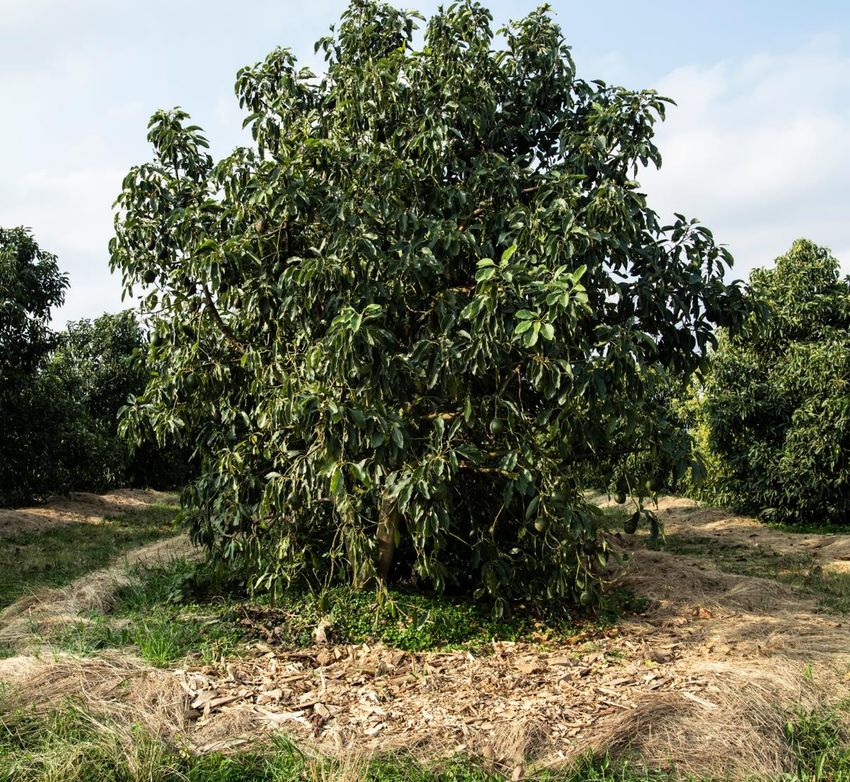
Content
Message from Chief Executive Officer, Alk Brand                    3
About the Westfalia Fruit Group
• Sustainability Foundations and Heritage                          5
• Our Global Footprint                                             7
• Westfalia Fruit Group Values and Purpose                         8
• Products and Integrated Supply Chain                             9
Natural Capital and Environmental Strategy
• United Nations Sustainable Development Goals                     12
• Our Successes in 2020                                            13
• Natural Capital – Long-Term Objectives                           14
• Our Path to Sustainable Success                                  15
• Environmental Strategy                                           16
         o Key Metrics         o Reducing Waste and Pesticides
         o Carbon Footprint o Reducing Plastics
         o Water Footprint
Framework
• Governance and Reporting Structure                               23
Sustainability in Action
• Beneficial Bugs                                                  25
• Regenerative Farming Practises                                   26
• Sustainable Innovation                                           29
Employment and Empowering Communities
• Supporting Local Economies                                       31
• Empowering Communities                                           35
• Education and Graduate Empowerment                               36
Employee Healthcare and Wellbeing
• Employee Healthcare and Wellbeing                                41
• Case Studies                                                     42
Social Welfare
• Covid-19 Community Support                                       49
• Social and Worker Welfare                                        50
• Community at the Heart                                           52

                                                WESTFALIA FRUIT   PAGE 2
Message from Alk Brand, CEO
                         Westfalia Fruit was founded over 70 years ago on the guiding principles of environmental and social sustainability.
                         These principles continue to underpin our approach today, delivering products and services in a manner that
                         respects and safeguards the Three Ps – People, Planet and Profit.

                         As a custodian of our environment, we are committed to the United Nations Sustainable Development Goals,
                         which prioritise climate and environmental issues, food security, education, the welfare of communities, and
                         economic growth and development driven by innovation and a dynamic infrastructure.

                         The Westfalia Fruit Group is recognised globally as the #AVOEXPERTS, from field to fork. Not only do we grow our
                         own avocados, but we source, ripen, pack, process and market fruit throughout the year. As responsible guardians
                         of the environments and communities in which we operate, we work towards the wellbeing of the planet, and are
                         focused on climate change mitigation. We ensure all actions demonstrate sustainability and good governance.

In 2020, we formulated a Westfalia Fruit International Environmental Strategy which has been adopted by our Board as well as our
Research, Technology and Environment sub-Committee. As an orchard-fruit producer, our business is directly impacted by the complexities
of climate change. The last ten years have been the warmest on record, with record temperatures reached around the world. While our
geographic diversification allows us to circumvent certain effects of unpredictable and extreme weather, we are witnessing the impacts of
climate change first-hand and realise the need for mass action in tackling this challenge. This is not something we can conquer alone. We
work in collaboration with several like-minded partners in research and developments projects supported by our own in-house research
teams. These include testing genetically distinct planting material in different environments around the world; evaluating various
management practices; and breeding, selecting and improving genetic stock. Our world-leading Westfalia Technological Services teams
focus on developing rootstocks that offers better yields, and prioritise efficiency, which in turn supports higher productivity within orchards
while minimising environmental impact.

As part of our ongoing commitment to the environment and sustainability, we have set long-term targets that will culminate in us
becoming ‘lifetime carbon neutral’ by 2049. These targets, outlined in this document, are a fitting tribute to our founder, Dr Hans
Merensky, as 2049 will be the 100-year anniversary of the establishment of our first farm in South Africa, and of the Hans Merensky Trust.

Sustainability is not a new word in our business, but a continuous journey. We are confident that, with a clear focus and united effort as an
industry, we will be able to significantly reduce our waste, use natural resources responsibly and protect the environment and biodiversity
for all our futures.

Alk                                                 WESTFALIA FRUIT   PAGE 3
About the Westfalia Fruit Group

                              4

         WESTFALIA FRUIT   PAGE 4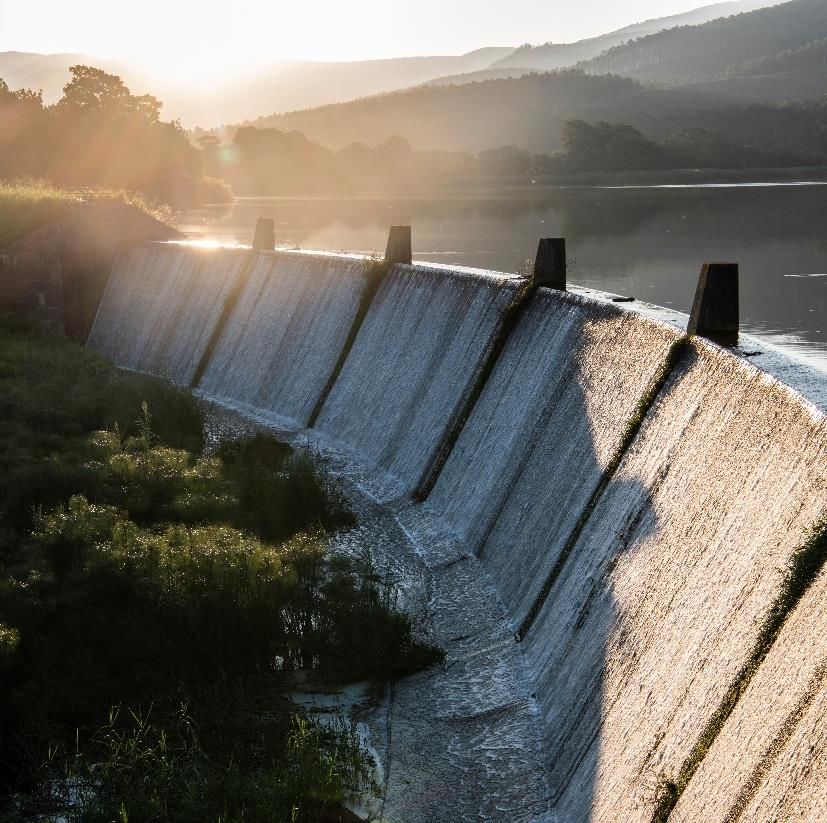
Sustainability Foundations and Heritage

Sustainability is in our roots
Westfalia Fruit was founded by Dr Hans Merensky, a visionary
prospector and acclaimed analytical geologist. Dr Merensky was
also known for his love of nature and was a dedicated
humanitarian. In 1929, Dr Merensky acquired the Westfalia Estate
in the Limpopo province of South Africa. At the time, the estate was
in disrepair. But under Dr Merensky’s stewardship, alien species
were eradicated, and the soil reclaimed and revitalised – enabling
the indigenous biodiversity on the estate to thrive. To support the
local economy and community, avocado orchards were planted and
water conservation infrastructure implemented.

Today, as a global Group, we continue Dr Merensky’s ‘whole-farm’ approach. Our aim is to ensure our environmental
commitments become an integral part of our day-to-day activities. We seek ways to continually improve our environmental
performance and operate in a responsible manner, by focusing on priorities such as reducing waste and making reductions in
our carbon emissions.

Westfalia Fruit currently manages orchards in over eight countries across four continents, and we face a diverse range of
challenges. However, our winning combination of industry-leading farming teams, local experts and dedicated communities
has allowed us to successfully introduce ground-breaking projects to build a sustainable future.

In 2020, Westfalia Fruit International created a new Executive position and appointed Johnathan Sutton as Group Safety and
Environment Executive, reporting directly to the CEO. This appointment highlights the Group’s commitment to sustainability,
and brings the focus and accountability needed for the future.

                                            WESTFALIA FRUIT   PAGE 5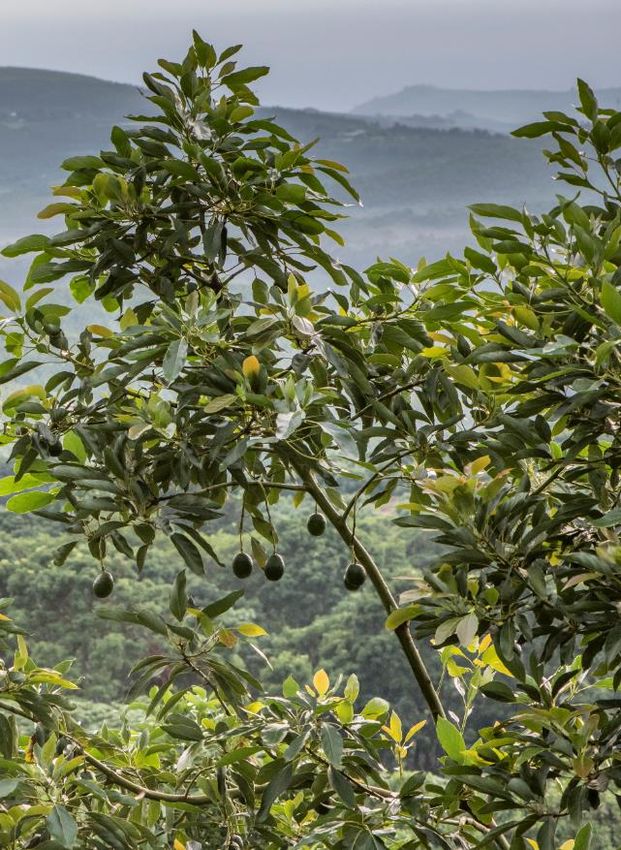
Sustainability Foundations and Heritage

                            WESTFALIA FRUIT   PAGE 6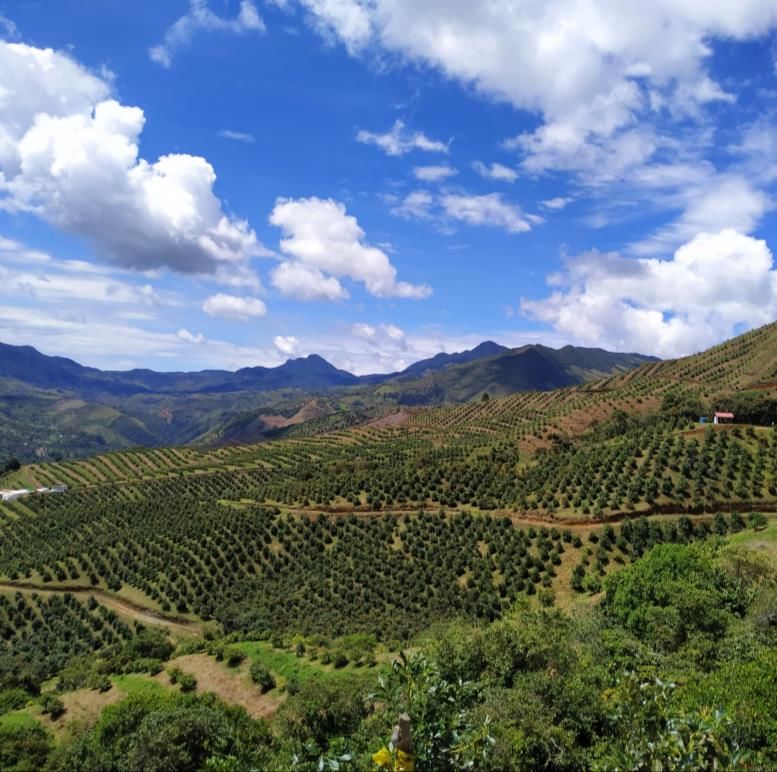
Our Global Footprint

                                                     50+
                                                   Countries

                                                  $1 Billion
                                                  2019 turnover

                                                    9,000+
                                                    Global
                                                    colleagues

                       WESTFALIA FRUIT   PAGE 7
Group Values and Purpose
                     Rooted in our heritage and in our culture, the following five corporate values underpin
                     our strategic objectives and are considered during all decision-making activities within
                     the Executive Committee and other management groups:

                     Health and Safety
                     We are committed to prioritising Health and Safety to create a safe, productive and
                     rewarding work environment.

                     Quality
                     We strive for excellence by delivering high-quality products and services, in order to
                     consistently exceed customer expectations.

                     Inclusivity
                     Respect, fairness and a no-tolerance approach to discrimination are what make the
                     Group a positive place to work, fostered by an environment of inclusivity.

                     Innovation
                     Our innovation is driven by our desire to be as competitive, efficient, productive and
                     creative as possible. We are fully committed to constant development through
                     research.

                     Integrity
                     We are committed to ethical trading, ensuring that all our actions are conducted with
                     integrity. Demonstrating honesty, truthfulness, reliability and trustworthiness in all we
                     do is key to maintaining an ethical organisation.

                            WESTFALIA FRUIT   PAGE 8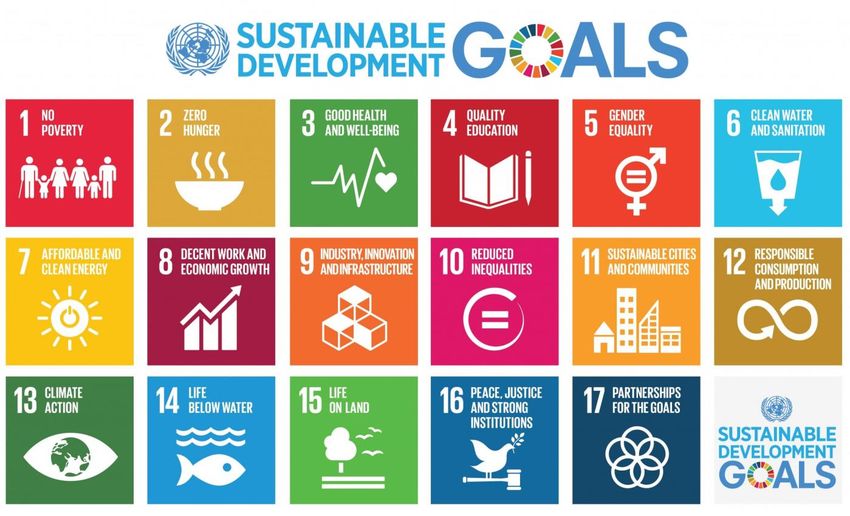
Our Products

With the largest avocado-growing footprint in the
world, Westfalia Fruit is recognised as the
#AVOEXPERTS. We operate avocado estates in all
major origins, including Southern Africa, Mexico,
Chile, Colombia, Peru, California and Europe. Our
unrivalled ability to source high-quality fruit
throughout the year, with the confidence of a fully
integrated supply chain, makes us the supplier of
choice for both retail and wholesale customers. With
sales offices in the UK, Europe, North America, Latin
America and Southern Africa, we are able to provide a
local service with a global source.

We also supply a wider range of fresh fruit including
mangoes, blueberries, pomegranates, apples, grapes,
stone fruit, citrus, cherries and passion fruit. These
expanded production capabilities, together with our
proven ripening, processing and packing proficiencies,
enhance our profile as the #FRUITEXPERTS.

Processed products on offer in specific markets
include flavoured and plain avocado oils, avocado
puree and guacamole, IQF avocado pieces, HPP
products and dried fruit.

                                           WESTFALIA FRUIT   PAGE 9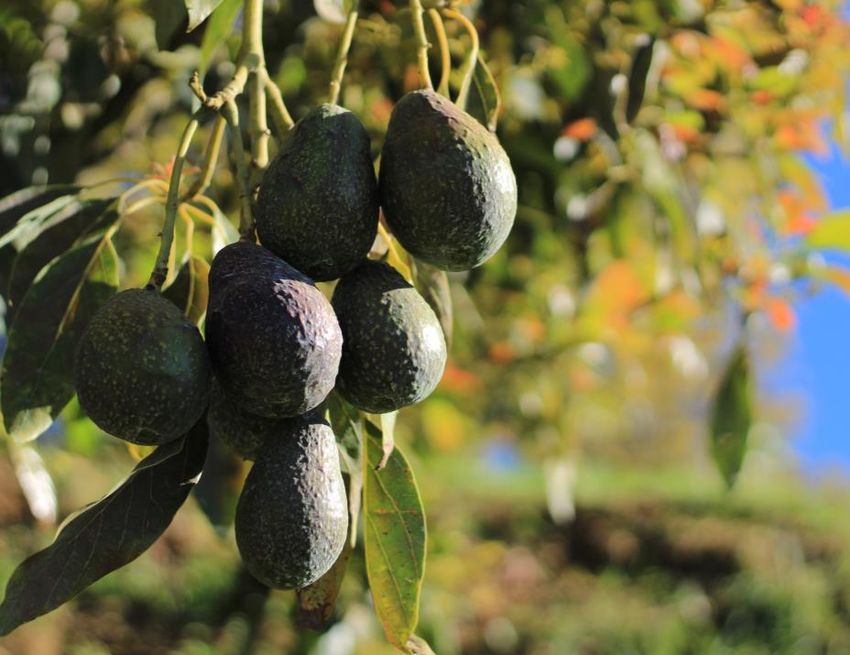
Integrated and Transparent Supply Chain

Working together
as a Group
powers our
Integrated Supply
Chain, which               Hybrids/Cultivars/             Nurseries         Planting
                                                                                                  Orchard
                                                                                                 Production
                            Seed selection
enables us to
maintain the
strictest controls
over sustainability
practices every             Quality Control              Transport         Packing (controlled     Picking
                                                   (trucking & shipping)      cold storage)
step of the way.

This allows us to
deliver the best
quality and fresh          Ripening/Packing          Value-adding            Distribution        Customers
                                                                              (depots)
taste our
customers expect.

                           WESTFALIA FRUIT      PAGE 10
Natural Capital and Environmental Strategy
11
WESTFALIA FRUIT PAGE 11United Nations Sustainable Development Goals
Westfalia Fruit is committed to the principles of sustainability as defined by the United Nations
Sustainable Development Goals, and we welcome a global focus on these critical success factors.
Given the nature of our business, we are specifically attuned to and work towards making a
significant contribution towards the following SDGs:
WESTFALIA FRUIT PAGE 12Our Successes in 2020
Over the last twelve months our teams have made significant progress towards a
sustainable future.
WESTFALIA FRUIT PAGE 13Natural Capital – Long-Term Objectives
• Evaluate climate-change impact • Minimise environmental impacts
• Improve water-use efficiency • Improve the efficiency of fuel and
• Maintain and enhance biodiversity electricity use
• Reduce or remove plastic from our • Reduce waste at all levels
packaging
WESTFALIA FRUIT PAGE 14Our Path to Sustainable Success
2030
2025
2030 • Achieve Carbon Neutrality
• Removed black plastic from packaging and only use widely recyclable materials
• Reduced our water use by 50% per kg
2025
Zero to Landfill
2035
2035
Reduced pesticide
used on farms by
50%
2049
2049 To celebrate 100 years of
Westfalia Fruit, we will have
recovered our Lifetime Carbon
and will begin the next 100
years as we started
WESTFALIA FRUIT PAGE 15Environmental Strategy
In 2020 the Westfalia Fruit Group developed the Westfalia Fruit International Environmental Strategy,
which has been adopted by both the Westfalia Fruit International Board and the Research, Technology
and Environment sub-Committee.
The Group will evaluate its impact through the following actions:
• Measuring carbon footprint
• Measuring water footprint
• Measuring waste
• Creating partnerships to
optimise impact
• Engaging stakeholders
• Focusing on reduction of plastic
WESTFALIA FRUIT PAGE 16Key Metrics
ENVIRONMENT
• Carbon Footprint – thousand tCO2e
• Energy – kWh consumption per ton of product sold
• Waste – Total Tons generated
• Water – Litre per ton of product sold
• Agro (Biodiversity)
PEOPLE
• Hours training per employee
• Health and Safety - Accident Frequency Rate (AFR)
• Staff retention %
• Covid-19 actions
ECONOMIC
• Accreditations – certificates achieved
• New products developed – lines launched
• Business structure – new positions created
• Focus on plastic packaging
WESTFALIA FRUIT PAGE 17Carbon Footprint
In 2020, the Westfalia Fruit Group established a strategic partnership with The Carbon Trust to
determine the footprint for avocado and avocado products (guacamole and oil) produced in South
Africa and sold in South Africa and the UK. Including South Africa and the UK will detail the footprint for
both long supply chains and shorter domestic supply chains. Details of the report will be shared in 2022.
Carbon capture
As an orchard-fruit producer, we have significant assets to
capture carbon through the trees we plant. Through working
with the external consultants in 2021, we will understand the
carbon-capture value of these trees within the new World
Resources Institute guidelines. This will provide a significant
step to understanding our carbon deficit and the biological
asset of our farms.
Energy use and production
As a business we will continue to invest in alternative green
power sources, whether this is directly or indirectly through
Power Purchase Agreements (PPA) or Virtual Power Purchase
Agreements (VPPA) with green-energy providers globally.
Currently, solar power on roofs produces 6% of our annual
power requirements.
Our ambition is to be 100% supplied by green energy by 2030,
where possible. Over the next two years, usage will be
reviewed with a focus on the areas of highest use.
WESTFALIA FRUIT PAGE 18Water Footprint
Westfalia Fruit defines water stewardship as:
The use of water that is socially and environmentally sustainable, as well as economically beneficial, and
achieved through a stakeholder-inclusive process that involves site and catchment-based actions. Good water
stewards understand their own water use, catchment context and shared risk in terms of water governance,
water balance, water quality and important water-related areas; and then engage in meaningful individual and
collective actions that benefit people and nature.
Three-Level Integrated Approach Global
Champion water
stewardship as part
of global commitment to
achieving SDG2030 goals
6, 11, 12, 14 and 15.
National
All operations comply to national legislation and
go above and beyond compliance to support
national water challenges.
Local
Ensure that water used directly on farms or in production is sustainably sourced
and will maintain our production areas to be in line with existing water
availability and existing licensed volume. Where necessary, acquire new licenses
to support expansion.
We will protect water catchment areas from pollution and support downstream
communities with continued access to safe water resources.
WESTFALIA FRUIT PAGE 19Reducing
Waste
We are ambitiously targeting zero-waste-to-landfill through a combination of measures:
• Minimising waste generated;
• Returning compostable waste to farmland where possible; and
• Diverting waste to biomass-energy producers or alternative recycling schemes.
In 2020 we reduced the waste sent to landfill by a further 9.8%
Pesticides
Pesticide use has been reduced using valuable
research from our in-house research and
development team (Westfalia Technological
Services), and through embracing biological
controls.
Our operations in Chile, Peru and Colombia host
small-scale beneficial-insect production units.
Beneficial insects are released into orchards to
scavenge pests, offering control without the use
of synthetic pesticides. We continue to expand
the research and production of biological
controls to further reduce the use of synthetic
pesticides in our orchards. Read more on this on
page 25.
WESTFALIA FRUIT PAGE 20Reducing Plastics
Our objective is to remove, recycle or re-use to ultimately reduce.
Remove Comexa, our operation in France, has removed 100% of plastic from consumer
packs using an innovative cardboard tray which successfully protects avocado and
eliminates the need for plastic.
Euro West in the Netherlands has also developed an alternative clam shell and
avocado box from recycled materials, further reducing the need for plastic. The
avoidance of flow wrap also eliminates the energy required to run the flow wrap
packing line.
Recycle Materials will be fully recyclable until a suitable alternative to plastic is found.
Re-use Bulk materials such as transit boxes will be re-used.
Comexa, France Euro West, Netherlands – Zero-plastic packaging
WESTFALIA FRUIT PAGE 21Framework
22
WESTFALIA FRUIT PAGE 22Governance and Reporting Structure
Westfalia Fruit Group continues to
strike a careful balance between
creating value for shareholders and
playing a crucial role in the
development and wellbeing of the
communities in which we operate.
Ensuring the most positive possible
impact on biological and social
ecosystems is core to our business
model and a priority for our
stakeholders.
The Westfalia Environmental
Management System (EMS) holds all
managers responsible for the
environmental performance of their
business units. Senior management is
required to report on environmental
issues to the Westfalia Research,
Technology and Environment sub-
Committee on an annual basis.
WESTFALIA FRUIT PAGE 23Sustainability in Action
24
WESTFALIA FRUIT PAGE 24Environment – Beneficial Bugs in Chile and Colombia
Several of our farms in South America have been
particularly successful in their whole-farm environmental
plan. These farms actively uses beneficial insects, such as
predatory organisms that feed on pests, in their natural
environments. These reduce damage from pests and
disease and restore the balance between pests and their
natural enemies.
These predators are particularly effective in controlling
White Scale insects and Mealybugs. The project is now in
its fifteenth year, with the farm significantly reducing its
reliance on more aggressive practices. Orchards have not
been sprayed with pesticides for over ten years.
The farm is now actively breeding specific local insects and
predators to further reduce the use of pesticides, and
planting coriander and other naturally occurring plants to
create a beneficial environment for the future. We
anticipate the predator will also naturally reproduce and as
a result, maintain pest and disease control in the long term.
As a global Group, we are able to share knowledge and experience across production sites across the world,
enabling the quicker adoption of similar projects to achieve our sustainability ambitions.
WESTFALIA FRUIT PAGE 25Regenerative Farming Practices – Water
Regenerative farming practices across our production sites aim to protect and enhance the ecosystem
by focusing on soil health, increased biodiversity and responsible water management.
Precision Water Usage
Currently, several of our farms in South Africa, Portugal and Chile utilise precision-irrigation techniques
to ensure more efficient and reliable water use. The technology utilises low-flow-drip technology to
irrigate fruit trees. The technology is carefully controlled by a central-management system that
measures every drop used, and can reduce water usage on farms by up to 43%.
In 2020, the Westfalia team installed the first low-flow-drip irrigation system in Mozambique at our
newest avocado farm, in Catandica. While the plantings are yet to mature, it is anticipated they will
produce early crop for the global market and establish a sustainable business for the future and for the
benefit of the local community.
WESTFALIA FRUIT PAGE 26Regenerative Farming Practices – Soil Health
Enhancing Soil Health
Mulching of organic farm waste at the base
of avocado trees is a tried and tested
method our farms have been using for
many years. Applying mulch further reduces
the reliance on supplementary irrigation. It
promotes soil conservation and ecosystem
health while also creating a natural habitat
that attracts a variety of species and
supports biodiversity.
At Everdon Estate in South Africa, mulching
has reduced water usage per hectare by
50%. Experimental trials with mulches
continue, in order to develop innovative
new approaches to significantly reduce
irrigation requirements further. To date,
trials involving avocado orchards grown
without irrigation in specific geographies
have produced positive results.
WESTFALIA FRUIT PAGE 27Regenerative Farming Practices – Growing Medium
The Westfalia Nursery Team in 2020 initiated trials of a new
growing medium, as the existing medium included high levels
of salinity which directly affected the volume of water
required to flush the medium. This also affected the
application of fertilisers for the creation of healthy roots.
The new growing medium has much lower electrical
conductivity and salinity, which has successfully resulted in
significantly less water being used.
The trials also showed additional benefits:
• The new medium is locally supplied, as opposed to
imported;
• The application of solid fertiliser and fertigation solution
is more effective, as there is available ‘space’ in the
medium to hold these nutrients;
• There is less dust in the atmosphere, as the medium is
handled wet – providing a healthier working
environment;
• There is quicker and healthier root development; and
• The waste media is reusable as a general purpose mulch
or additive to compost.
WESTFALIA FRUIT PAGE 28Sustainable Innovation – Waste Reduction
Shelf-Life Extension Whole-Fruit Use
The Westfalia Fruit Group Working with our
has led the way in utilising customers, we continue to
patented-UVC and MAP optimise the use of High-
technology to successfully Pressure Processing (HPP)
extend product shelf life, to achieve 0% fruit waste.
significantly reducing in- In the UK we currently
store wastage. Our product supply pulp for a range of
teams continue to develop products including soups,
the application of both smoothies, guacamole and
processes, complemented gelato. To meet the
by our expertise in growing appetite for a
ripening and storing fruit more plant-based diet, we
at our Ripening Centres. are actively working with
customers to bring a range
of alternative plant
products to the market.
WESTFALIA FRUIT PAGE 29Employment and Empowering Communities
30
WESTFALIA FRUIT PAGE 30Supporting Local Economies – Globally
Over the last decade, our work with smallholders across the continents has become integral to
our supply chain. We have enabled small domestic producers to access global markets – and their
communities receive the benefits and rewards. Our aim is to support our local farms to become
sustainably self-sufficient in the long term.
As a global supplier we have helped smallholders in remote locations achieve international
accreditations, including successfully completing GlobalGap audits and SMETA social
accreditation. As result, our direct suppliers can achieve good returns for their fruit from the
export market, which is then invested in their business for the long term and benefits the local
communities.
We share our experience and access to resources with farms in their infancy to ensure their
efforts and harvests reap the highest rewards. We also offer practical financial and business skills
training.
WESTFALIA FRUIT PAGE 31Supporting Local Economies – Africa
Litchis from Mozambique
Westfalia helped establish the Manica Litchi Growers Association in 2016
after recognising the potential of litchis grown by smallholders in areas
surrounding its avocado project. Today, the success of the project is seen in
the most recent bumper crop of 2020, which uplifted the community of
small-scale farmers. Over the years, Westfalia has facilitated the export of
these litchis to Europe, and initiated training programs which enabled
growers to achieve GlobalGap and GRASP status.
Earlier entry of these litchis into the market than litchis from Madagascar
has helped secure good returns. Many of the growers began as subsistence
farmers and are gradually commercialising as they find success through the
programme. The World Bank recently awarded a grant to Westfalia to
provide the growers with microjet irrigations systems that will improve the
quality of fruit and raise its potential to fetch premium prices.
Avocados from Zimbabwe and Tanzania
Westfalia’s Mozambican farms are located around 120km from the Zimbabwean avocado area of Chipinge. Westfalia
supplied trees and a route to market for growers there as early as the 1990s, standing with the Zimbabwean growers
through difficult times in the country. Tanganda and Makandi are Westfalia’s main partner growers there, with Makandi
also using Westfalia’s clonal trees.
Further north, in the highlands of Tanzania, Westfalia is supporting a group of farmers to develop an industry for the late
international marketing window. The first crops are expected in 2021. The area is very remote, with excellent natural
resources for the late season, and is also a good location for developing new cultivars.
WESTFALIA FRUIT PAGE 32Supporting Local Economies – Burkina Faso and Mexico
In 2016, Westfalia Fruit acquired a share in Timini, a local operation that sources
mangoes from smallholder farmers and dries the product for export to Europe and the
USA. Burkina Faso has a surplus of mangoes with fibreless cultivars that are suitable for
drying. Westfalia’s investment in Timini resulted in the company building a new state-of-
the-art drying facility in Burkina Faso. This expansion helped increase the volume of
mangoes sourced from smallholder growers. Timini currently sources mangoes from
over 2000 smallholder growers, which gives the business a significant social footprint.
Timini in peak season employs 1200 people.
Timini also assists small drying businesses in exporting, through Westfalia’s marketing channels, to the EU. The
operation currently works with 12 micro-businesses in Burkina Faso, Côte d’Ivoire and Mali.
In Mexico, Aztecavo buys fruit from nearly 2000
small farmers, with no individual grower’s
contribution exceeding 4% of total volume
sourced from the country. The industry in the
country is made up of mostly small farmers,
working to create a long term, sustainable
business model.
Furthermore, rigorous preventative measures
are in place to avert any drugs from being
included in shipment containers, and Aztecavo
works in partnership with the police to prevent
incidents of smuggling in shipments.
WESTFALIA FRUIT PAGE 33Supporting Local Economies – Colombia
Westfalia Fruit Colombia
Westfalia Fruit Colombia works with over 100 small
avocado farmers, typically farming orchards less than
two hectares in size. With our technical support and
investment, local farmers have successfully achieved
GlobalGAP and GRASP certification, meaning their
fruit can be sold to international markets and achieve
a higher return compared to domestic sales.
To achieve certifications, farms must demonstrate
good working conditions for employees and high
standards of Health and Safety.
On an ongoing basis, Westfalia also provide agronomic, growing and harvest training to the farmers to ensure consistent
supply and quality.
By exporting fruit, these farmers have been able to improve their living conditions, build better homes and access
transportation, while also starting to conduct business in the local municipality.
WESTFALIA FRUIT PAGE 34Empowering Communities
Westfalia prides itself on its strong Corporate Social Investment programme that seeks
to improve the lives of the communities in which we operate. The impact of the
programme is measured year on year. In Africa, central to the programme is our
partnership with customers including Albert Heijn and Waitrose, which through their
foundations make funding available to bring such initiatives to fruition. Another pivotal
factor is worker participation, which ensures that the programmes delivered are indeed
relevant to the communities in which we operate globally.
With our foundations in South Africa, we have an established Community Development
Department that liaises with community stakeholders at municipal, provincial and
national government levels. Just some of the projects we are involved in include:
• Crèche, pre-school and Wellness Centre facilities at Westfalia Fruit Estate;
• A technical-skills Development Programme, training farm employees in welding,
carpentry, bricklaying, electrical, plumbing and automotive maintenance;
• A winter school and vocational-guidance Holiday Programme for children of
Westfalia workers from Grade 3 to Grade 12;
• A Scholar and Worker Transport Project in which scholars are transported daily to
school, and sick employees are transported to neighbouring hospitals for medical
care; and
• A feeding project enabling the provision of four meals a day to the children of
Westfalia workers who attend the crèche while their parents are at work.
WESTFALIA FRUIT PAGE 35Education and Graduate Empowerment
As a values-based organisation, the Westfalia Fruit Group recognises the importance of education in supporting
and uplifting local communities. Our educational support programme in South Africa, for example, stretches
from pre-school to university and delivers after-school-care facilities as well as access to computer labs and a
library.
Over 150 young people have benefited from work-based Graduate Schemes and our Internship Programme,
successfully embarking on careers in medicine, agriculture, education and finance. Educational initiatives at our
operations across the globe involve local schools and adult literacy projects – as well as libraries within our own
facilities and in communities – bringing much-needed resources to disadvantaged areas.
WESTFALIA FRUIT PAGE 36Westfalia Fruit Estates South Africa
Bursaries
Between 2017 and 2020, Westfalia Fruit Estates
(WFE) has awarded bursaries to 85 students
studying in various fields. Amongst these bursary
recipients, eight are land-claim beneficiaries, and
three are already permanently employed by WFE.
The Bursary Programme responds to the SD Goal
4 for access to quality education.
Women in Agriculture
Twenty-seven graduates were recruited under the
graduate placement programme. This is a
collaboration between WFE and the Provincial
Department of Agriculture. Twenty-three of these
graduates are female, which goes a long way
towards breaking the barriers of gender
inequality and highlighting the participation of Westfalia has awarded 85 bursaries since 2017, and
women in agriculture. recruited many candidates through its Agriculture
Graduate Programme.
WESTFALIA FRUIT PAGE 37Agricom Chile
Educational support initiatives include:
• Educational support: Since 2004, Agricom has promoted education
and literacy. One annual initiative is an Academic Excellence Awards
Programme that recognises the best grade-point averages achieved
by the school-going children of employees;
• Donation of school supplies: Every year student supplies are donated
to the children of workers who are engaged in academic studies;
• Libraries: Four years ago, Agricom established libraries in two schools
located near its operations, which the company continues to maintain
with furniture, decoration and books. These schools are in rural areas
and for children between 4 and 15 years old. There are also two
libraries located at two Agricom packhouses for employees and their
families. A further ten mobile libraries access more remote work
sites;
• Formal education funding: This programme is aimed at staff who
want to pursue technical, technological, university or advanced
training studies in the country, with financing shared between the
employees and the company;
• Apprenticeships: Every year, students and professional-level
apprentices such as agronomists are hosted from technical high
schools located near our packhouses.
WESTFALIA FRUIT PAGE 38Westfalia Fruit Farms Colombia
Educational support and skills development initiatives include
the following:
• Financial support for continuing higher studies (technical and
pre-graduate);
• Personal Baccalaureate Graduations in the agricultural
sector;
• One-year memberships for study in English, through
collaboration with the Compensation Fund;
• Training and upskilling personnel in various areas of their
work activity; and
• Emergency firefighter and First-Aid training that was carried
out in compliance with legal decree No.1072, which
promotes training to create an internal emergency fire
brigade and assessing each site’s level of risk and available
resources, including First-Aid care. There are 13 firefighters in
the Guarne packhouse, 15 in the Sonsón packhouse, and 13
volunteers for the farms.
WESTFALIA FRUIT PAGE 39Employee Healthcare and Wellbeing
40
WESTFALIA FRUIT PAGE 40Employee Healthcare and Wellbeing
The wellbeing of our staff, including physical
and mental health, is a priority across the
Group. Support and initiatives are tailored
to the needs of each local operation.
As a Group, we have several established
programmes protecting the wellbeing of our
employees, such as our Wellness Centre at
Westfalia Fruit Estate, South Africa, or the
advice centres available in our South
American operations, which help with
social-security claims and benefits.
Over the last year, in response to the global
Covid-19 Pandemic, our teams have been
able to adapt and deliver more robust
wellbeing programmes delivering economic,
health and social support.
WESTFALIA FRUIT PAGE 41Agricom – Chile
• Family Medical Necessity: Loans are granted to workers to cover
the difference in expenses incurred due to illness of the worker or
worker’s family members, which are not covered by the pension
scheme and health insurance contracted by the company;
• Health promotion and prevention: The objective is to carry out
activities that allow employees spaces for recreation and
improving the quality of their physical and mental health.
Relaxation activities and complementary health operations are
carried out, focusing on prevention such as EMPA (Preventive Health promotion and prevention
Examination in the Field) and ophthalmological operations.
Agreements with an optician are in place to obtain lenses;
• Annual vaccination programme: The objective is to prevent
illness in the workplace. Vaccinations against influenza were
carried out in all sites in April and May 2020;
• Medical and dental reimbursements: The company has
contracted an insurance company to provide coverage for Field operations
medical and dental expenses, catastrophic events and life cover –
valuable economic support for workers and their families.
WESTFALIA FRUIT PAGE 42Agricom – Chile
Permanent support is provided to employees relating to social issues,
including domestic violence, family illness, government benefits and
support:
• Social and economic support: This year, 930 workers were given
food to help support their families during the Pandemic;
• Pre-pensioned programme: The purpose of this programme was
to prepare workers who are close to retirement by guiding and
providing legal information to start these processes, as well as to Delivering boxes of groceries
offer advice and support on how to adapt to retirement and
changes in lifestyle;
• Housing promotion: The project delivers information about housing programmes to all workers, with
the aim of encouraging the purchase of homes. Information was highlighted on bulletin boards,
including new government benefits as well as consultations with a Social Worker;
• Cash compensation stand: Once a month, the stand is opened at branch facilities so that workers can
inquire about obtaining benefits and encouraging savings.
WESTFALIA FRUIT PAGE 43Westfalia Fruit Peru
Employee Assistance Programme
This programme is developed throughout the year with the goal of
contributing to the integral wellbeing of all employees through the
promotion of healthy habits and disease prevention, the timely
treatment of risk factors and illness, as well as the provision of
advice on necessary procedures.
The programme includes the following activities:
• Assistance with social security interactions, e.g. applying for
medical leave, following up payment of economic benefits, and
further administrative support and awareness campaigns;
• Administration of plans with healthcare and life insurance
providers;
• Advice to family members on life insurance law, pensions and
other insurance in claims cases;
• Procurement and supply of medicines to stock cabinets in the
main office and other locations;
• Monitoring and follow-up of workers’ and families’ health
through the occupational doctor; and
• A mental-health monitoring and care programme to prevent,
care for, treat and rehabilitate mental-health problems that
may result from life changes.
WESTFALIA FRUIT PAGE 44Westfalia Fruit Colombia
Health, Education and Wellbeing
Various activities are underway to support employee
wellbeing, including:
• Monthly birthday celebrations, and men's and
women's days;
• The renovation of the external canteen at Guarne
plant;
• Helping employees buy frames and lenses for
reading glasses; and
• Financial support for obtaining driving licenses
(motorbikes and vehicles).
WESTFALIA FRUIT PAGE 45European Operations Support
Communication Toolkit for multi-language workforces Euro West, Netherlands
Amongst other
gestures, Euro
West recognised
the efforts and
fortitude of all its
employees in a
difficult year by
Developed by allianceHR, M&S and the CO-OP, a communication giving each staff
toolkit has been developed to help businesses like Greencell create member a well-
more inclusive workplaces with an enabling culture where workers stocked box of
feel more valued. It can also help provide greater protection for fruit and
vulnerable workers who could be susceptible to hidden exploitation. vegetables to
This also helps drive better performance, higher productivity and boost their
greater staff buy-in, while also helping address labour shortages and immune
quality. systems.
This toolkit is the framework for Greencell’s strategic objectives with
its biggest labour provider. One aspect includes providing English
lessons to workers through college or online learning, and then
introduce recognition and reward schemes based on performance and
attendance. Due to Covid-19 restrictions, college learning has not
been possible, online learning is expected to be carried out in 2021.
WESTFALIA FRUIT PAGE 46Westfalia Fruit Estates - South Africa
Mandela Day 2020 He/She Reproductive Health
Mandela Day is an annual international day Campaign
celebrated in honour of the former South African
President, Nelson Mandela, whose birthday on the The WFE Wellness Centre, in partnership with the
18th of July is used to commemorate his heroic life. Department of Health and Anova Health, ran a
In 2020, WFE’s Group Executive of Community reproductive-system health campaign for both
Development and his team chose to celebrate this male and female employees. The campaign ran
memorable day with the Rakwadu Tribal Authority. from September to November 2020. The aim of
Four avocado trees were donated and planted in the campaign was to encourage employees to
celebration of Mandela Day to encourage screen for early detection of reproductive-
communities to value fruit trees as part of food system-related cancers.
security at household level. This aligns to the UN SDG
2 for zero hunger.
WESTFALIA FRUIT PAGE 47Social Welfare
48
WESTFALIA FRUIT PAGE 48Covid-19 Community Support
The Westfalia Fruit Group has successfully supported several long-term upliftment
community projects. In 2020, our focus has also been on how we can help our
local communities facing the Covid-19 Pandemic. In addition to many food
donations to those in need, we helped establish new income streams for local
small businesses whilst operating within Covid-19 safety guidance.
We distributed medical supplies, alcohol gel and masks to low-income and non-
profit organisations in Peru and Mexico. Our operation in Chile sanitised more
than ten local towns and provided food to those in need. We further supported
employees and their families who tested Covid-19 positive.
Westfalia also introduced a voluntary employee salary sacrifice scheme, and to
date, have used funds to make provisions for those unable to work, and to provide
medical supplies to remote agricultural areas bearing the burden of additional
costs due to the Pandemic.
WESTFALIA FRUIT PAGE 49Social Welfare in Chile
In Chile, Agricom made further positive impacts:
• Education: Installation of an antenna in a local school
to give internet access to students who are studying
remotely;
• Food supplies: Delivery of 200 boxes of food in five
communities and donation of oranges to the Amigos
de Jesús Foundation;
• Water supply: Installation of a device at a local school
that creates water from condensation in the air, in an
area affected by drought and water shortages;
• Small-business development: Financing of a
programme for female entrepreneurs that provides
them with training and capital to start their own
businesses. We also created a community kitchen for
entrepreneurs to prepare food products safely for
their businesses to achieve greater
commercialization;
• Health: Delivery of Covid-19 supplies to local health
centres near the Curacaví and Pomaire work centres.
WESTFALIA FRUIT PAGE 50Worker Welfare – Greencell UK
Human-rights initiative with Aldi retail group andWider Project
ALDI South Group has commissioned Ergon Associates Greencell is working with andWider, a Company that delivers
to undertake a Human-rights Impact Assessment (HRIA) a Direct Working Reporting Toolkit, to deliver valuable insight
of avocado from Peru and has approached Greencell to into worker wellbeing in high- or medium-risk countries.
participate in this assessment.
The question themes are centered around Modern Slavery,
As part of Ergon’s research phrase for the HRIA, Fair Pay, Health and Safety, Labour Rights and Freedom of
Greencell has participated in interviews to give Ergon a Association. The Call Cycle results are made visible to
better understanding of relevant avocado supply chains, Greencell via a dashboard; from this information Greencell
and has also completed HRIA assessments for Ergon. can then look to put together action plans to improve worker
welfare.
Ergon proposes to undertake the fieldwork component
of the HRIA in April and May 2021 which will coincide To date, the toolkit has reached 157 workers in Peru and
with the start of the avocado season. Greencell will Mexico and, from their anonymous feedback, Greencell has
provide support through further collaboration in the been able to create remedial work plans with the suppliers
fieldwork phase of the HRIA, which will include contact on driving continuous improvement within the workplace.
with the Greencell Responsible Sourcing Manager and a The andWider project will be rolled out further in 2021 to
proposed visit to Westfalia Fruit Peru production sites. specific sites situated in high-risk countries.
WESTFALIA FRUIT PAGE 51Community at the Heart – Westfalia Marketing Netherlands
• In the Netherlands, we
sponsor a local football team,
who raise funds and increase
awareness of the Warchild
initiative.
• Sponsorship also provided to
the “CliniClowns” foundation,
which spends time bringing joy
to children with diseases
through entertainment.
• The Foundation for Heart
Diseases was also sponsored
to help fund further research
into heart problems.
• Additional sponsorship
included support for the
“Duchenne” Foundation, to
support its work in finding
treatment for people suffering
from Duchenne Muscular
Dystrophy.
WESTFALIA FRUIT PAGE 52Community at the Heart – Westfalia Fruit Colombia
• Support was provided for the construction of a new school classroom in Roblalito, a small village next to
Sonsón where Westfalia Farms has an investment. School supplies were donated to Roblalito pupils.
• Donations of fruit are made every year to institutions such as Fundacion Saciar, a 21-year-old Colombian
foundation comprising food banks aimed at reducing hunger and malnutrition in vulnerable communities.
• Groceries are donated to members of the Sonsón community.
• A valuable donation of biosafety elements and respiratory equipment made to the Sonsón Hospital.
WESTFALIA FRUIT PAGE 53Sustainable Development (noun): “development that meets the needs of
the present without compromising the ability of future generations to meet
their own needs” 1987 Bruntland Commission Report
Today and tomorrow, we celebrate and build on Dr Merensky’s
legacy across the Westfalia Fruit global family; and do good.
WESTFALIA FRUIT PAGE 54For more information, please email
info@westfaliafruit.com
55
WESTFALIA FRUIT PAGE 55You can also read


