PROGRAM GUIDE Free activities for all ages Presented by The Children of Indiana Nature Park Summer 2021 - IN.gov
←
→
Page content transcription
If your browser does not render page correctly, please read the page content below
Free activities for all ages
PROGRAM GUIDE   Presented by The Children of Indiana Nature Park
                Summer 2021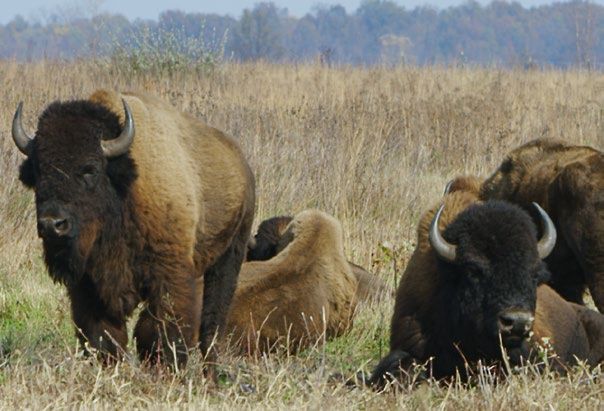
Table of Contents

This guide includes activities for you to create your own tales
using inspiration from our natural world and animals with tails
that live in it.

Activity Idea #1 Backyard Tails: Make your own bird treats!

Activity Idea #2 Word Scramble: Can you name these animals
                 with tails?
Activity Idea #3 Spot the animals!

Activity Idea #4 Tails on the Prairies and Plains: Learn about a
                 reintroduction story
Activity Idea #5 Glowing Tails: Help the firefly find her way!

                              PAGE 2
ACTIVITY IDEA #1
AC T I V I T Y I D E A # 1
    Make your own bird treats!
    (15 - 20 minutes)

Supplies:
•    ½ cup bird seed*
•    ½ cup uncooked oatmeal
•    ¼ cup flour (any type)
•    3 tablespoon water
•    ¼ cup (peanut butter, or coconut oil,
     or vegetable shortening)
•    Baking tray
•    Parchment paper or non-stick
     cooking spray
•    Needle or skewer
•    Jute twine or strong thread
* If you do not have bird seed and don’t want to purchase it, you can substitute it for the
same amount of uncooked quinoa, or crushed and unsalted mixed nuts, or dry muesli, or
crushed plain breakfast cereal. (It is important to ensure that none of the substitutes have
added sugars, flavorings or salt.)

Instructions:
1. Add the measured amounts of bird seed, uncooked oatmeal and flour
   into a medium-sized bowl. Then add 3 tablespoons of water.
2. Stir the mixture with a spoon or a spatula until all the water has been
   absorbed by the dry ingredients.
3. Add the measured amount of peanut butter (or its listed
   substitutes) and mix it well until everything has combined into a sticky
   dough. You can add water, peanut butter, and flour one tablespoon at a
   time if the mixture does not look or feel sticky enough for you.

                                           PAGE 3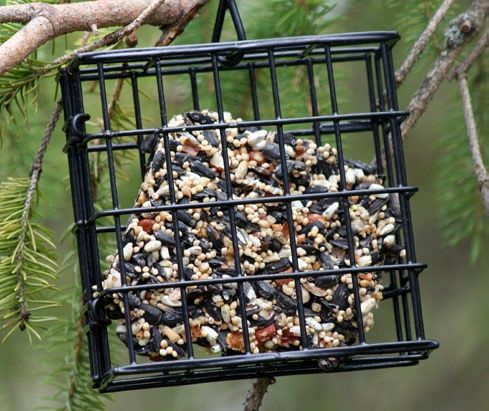
ACTIVITY IDEA #1
AC T I V I T Y I D E A # 1
 Make your own bird treats!
 (15 - 20 minutes)

 4. Grab a baking tray or pan and put some
    baking paper on it, or spray it with non-
    stick cooking spray.
 5. Now with your hands, roll or shape the
    mixture into balls or whatever shape and
    size you would like. You can even use
    cookie cutters and molds to shape them.
    Just make sure to firmly shape it into a ball
    or your preferred shape, or push them tightly
    into cookie cutters and molds so they hold
    their shape!

      Tip: You can poke a hole (with a needle or skewer) near the top of
      each treat. Use a strong thread or jute twine to thread a knot through
      the hole to hang them on branches or outside your window. You can
      also make another hole towards the bottom of the treat and put a
      skewer or twig through it so birds can perch on it and nibble away!
      You should make these holes before you bake your treats.

 6. Bake your treats at 3500F (1800C) for 15 to 20 minutes. Let them cool
    for a while and you can even put them in the fridge or the freezer to
    store them or to make them hold their shape better (especially on a
    hot summer day).

                                      PAGE 4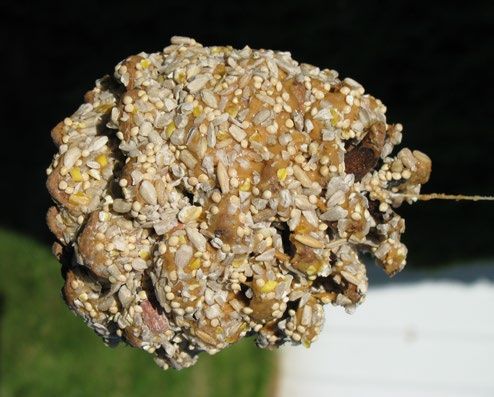
ACTIVITY IDEA #1
AC T I V I T Y I D E A # 1
  Make your own bird treats!
  (15 - 20 minutes)

You are definitely going to attract some birds and other wildlife to your
backyard and surroundings with these treats. Let’s get to know some of them
so you can spot them:

1. Northern Cardinal: This brightly colored red bird with a black
   mask, is the state bird of Indiana. Their numbers are the
   largest in Central Indiana but are commonly found through-
   out the state. The males are bright red in color whereas the
   females are tan or beige in color. Male cardinals mostly use
   their tail feathers to talk to each other and to attract females
   as part of their mating dance.
2. American Robin: Just like the cardinal, you can find this bird
   year-round in Indiana. Their backs and feathers are grey-
   brown, and their heads are black while their belly and neck is
   a warm orange color. You can also notice a white patch
   under their tail feathers if you look closely.
3. Mourning dove: They are very common throughout Indiana
   and mostly eat seeds. Their body is a pale-brown color, while
   their wings are darker and their long and pointed tail has
   white edges on the side.
4. Fox squirrel: They are found throughout Indiana and are very
   common to parks, your backyards and other wooded areas.
   They can jump quite high and climb trees very well. Their tail
   helps to balance their body weight and makes jumping,
   resting and moving on a branch, and climbing up trees
   easier. They are known to feed on these treats so watch out!

All the animals and birds in your backyard help spread different tree and plant
seeds, as they eat them and leave them in their droppings. Some seeds stick to
their body and fall off as the animals move around. This helps to pollinate and
spread the seeds, which is good for all of us and nature.

                                       PAGE 5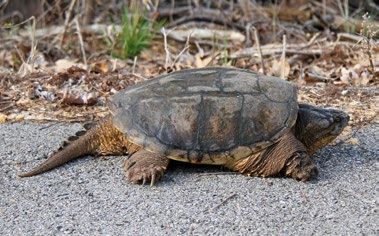
ACTIVITY IDEA #2
AC T I V I T Y I D E A # 1
     Word Jumble: Who am I?
     (20 minutes)

Look carefully at the jumbled words and, using the hints, try to rearrange them
into the names of animals. All of the jumbled words are animals found in Indiana!

1.      ORCOANC
        (Hint: I have a bushy tail with black and tan stripes and a black mask around
        my eyes)

2.      UMPSOSO
        (Hint: I am the only marsupial in North America and I like to be out at night)

3.      OYTOEC
        (Hint: I am smaller than a wolf, but still howl. I also have a bushy tail)

4.      TKAEASNETLR
        (Hint: I shake the tip of my tail and make a buzzing sound to warn predators)

5.      POKREEDCWO
        (Hint: My tail feathers have sharp spines that help me brace on trees while I
        drill and peck for food)

6.      UHMRMIBGIDN
        (Hint: I am quite small. With my narrow beak, I feed on nectar from flowers)

7.      ERVBEA
        (Hint: I have a scaly, paddle-like tail and I am known for building dams)

8.      UTETRL
        (Hint: My hard shell protects my body and my tail helps me swim and move
        across slippery surfaces)

                                            PAGE 6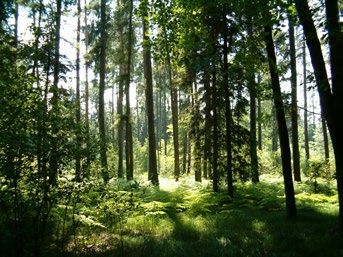
ACTIVITY IDEA #3
AC T I V I T Y I D E A # 1
 Spot the animals from the previous activity!
 (10 - 15 minutes)

Can you name some of the animals in the picture below? You have already come
across and learned about them in previous activities!

Become a wildlife spotter!
Grab a pair of binoculars! From your home or library window, look out into your
surrounding areas and trees. What do you see? Do you see any of the birds and
animals from the pictures and activities? How many are there? What are they doing?
Do you think they are looking for food, a place to rest, or for some shelter? Are they
using their tail in any way to do things? Keep a nature journal, noting the species you
see, the date you see them and their behaviors.

                                        PAGE 7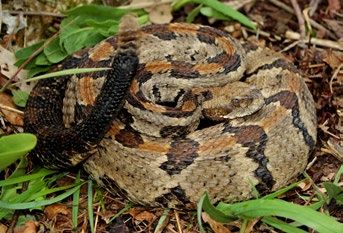
ACTIVITY IDEA #4
AC T I V I T Y I D E A # 1
 Bison coloring page
 (10 - 15 minutes)

Color: Reddish brown, lighter above; darker brown below (or any other colors
that inspire you!)

                                     PAGE 8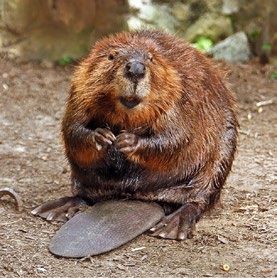
ACTIVITY IDEA #4
 AC T I V I T Y I D E A # 1

  Bison in Indiana

The reintroduction of the Bison in Indiana
In 2016, 23 bison were brought to Kankakee Sands Nature Preserve in Newton County,
Indiana. Since then, the free-roaming herd has grown to 70 bison and given birth to
calves while helping restore Indiana grasslands and prairies.

Historically, bison roamed freely
from Canada to Mexico and were
found throughout Indiana as well.
Today, with efforts by The Nature
Conservancy, the reintroduction of
bison was successful, and the herd
is doing well.

Similarly, Ouabache State park in
Wells County, Indiana also has a
bison herd. Both locations have
bison viewing areas for visitors to
enjoy these gentle and magnificent
creatures once again in their native prairies here in Indiana.

Bison feed and graze on grasses, helping to maintain the height and growth of the
grasses. This grazing allows flowering plants to thrive, as well as the insects and
animals that eat and live around them. This grazing also creates habitat for birds that
prefer low vegetation and grasses.

When bison roll around and lie on the ground, it creates small dents in the ground
which fill with rainwater, creating homes for reptiles, amphibians,
insects and plants.

For more information about bison at Kankakee Sands, visit The Nature
Conservancy website.

                                          PAGE 9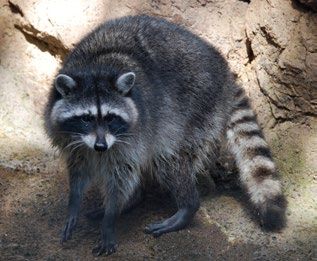
ACTIVITY IDEA #5

AC T I V I T Y I D E A # 1
 Light the way: Help the firefly reach the forest!
 (15 minutes)

                                 PAGE 10
ACTIVITY IDEA #5
AC T I V I T Y I D E A # 1
Fireflies
Fireflies, also known as lightning bugs, are found throughout Indiana in the summer.
Our state insect, fireflies are known to produce their own light from their tails. The
chemical reaction in their bodies that they rely on to produce flashing patterns is called
bioluminescence. This light allows them to talk to each other and find mates.
Recently, in Indiana and throughout USA, firefly numbers
are decreasing due to an increase in artificial light and loss
of their habitat. To help fireflies talk, play and grow their
families again you can do a few easy things:
• Turn off your porch or backyard light: Fireflies get
confused when they see bigger and brighter sources of
lights. This makes it difficult for them to communicate
and find each other. Did you know? The
• Let the grass grow on one side of your lawn or backyard: Indiana State Library
It can get annoying when you don’t mow your grass for Early Literacy Firefly
a while and it grows rapidly in the summer. However, Award for outstanding
leaving a little patch or side of a grass in your lawn and picture books is voted
backyards can help fireflies as they prefer living in on by children ages 0-5!
longer grass during the day. Learn how young
• Plant white pine and Virginia pine trees around your children can participate
house, yards and gardens: These two types of pine trees in this program.
are native to Indiana and are great for providing the
shade and low-light cover that fireflies need. The litter
that pine trees leave on the ground are also great for fireflies to lay their eggs on
and once hatched, the larvae can feed on smaller insects that might be attracted to
the wood pile.
• Only use natural fertilizers: Weed killers, and chemical pesticides and fertilizers
can poison fireflies and their larvae. Even if they might not have directly come in
contact with the chemicals, the plants that have been sprayed can harm fireflies.
PAGE 11AC T I V I T Y I D E A # 1
Resources
Finding Tales in Indiana
Indiana State Library
Collaborative Summer Library Program
Indiana Early Literacy Firefly Award
Finding Tails in Indiana
The Nature Conservancy in Indiana
Children of Indiana Nature Park
Kankakee Sands Nature Preserve
Photo credits
Cover
© Amy Nyberg
Page 3
© Robert Taylor, licensed with CC BY 2.0.
Page 4
© Wyldwest, licensed with CC BY 2.0.
Page 5
Cardinal © Matt Williams
Robin © TNC
Mourning dove © TNC
Squirrel © TNC
Page 7
Beaver © Stevehdc, licensed with CC BY-SA 2.0
Hummingbird © TNC
Possum © Life Lenses, licensed with CC BY-SA 2.0
Woodpecker © TNC
Raccoon © Eat_Crow, licensed with CC BY-ND 2.0
Cardinal © TNC
Turtle © Greg Schechter, licensed with CC BY 2.0
Rattlesnake © 2ndPeter, licensed with CC BY 2.0
Page 8
© Danmaxx, licensed with CC BY 2.0
Page 9
© Jason Whalen/Fauna Creative
Page 10
Firefly © Art farmer, licensed with CC BY-SA 2.0
Forest © Jiri Brozovsky, licensed with CC BY 2.0
PAGE 12You can also read


