RAIL NETWORK INVESTMENT PROGRAMME JUNE 2021 - KiwiRail
←
→
Page content transcription
If your browser does not render page correctly, please read the page content below
RAIL NETWORK
INVESTMENT PROGRAMME
JUNE 2021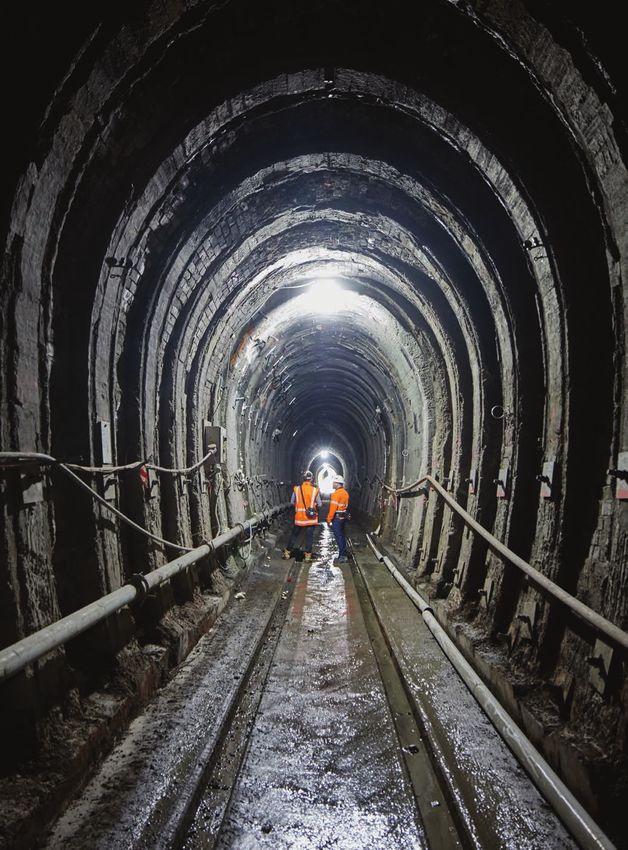
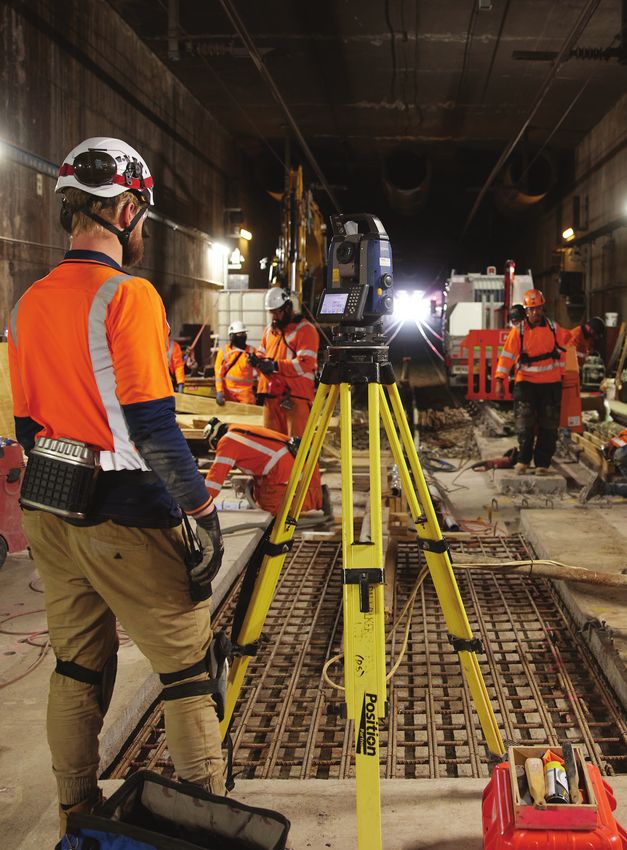
Cover: Renewing aged rail and turnouts is part of maintaining the network.
    This page: Upgrade work on the commuter networks is an important part of the investment programme.

2    | RAIL NETWORK INVESTMENT PROGRAMME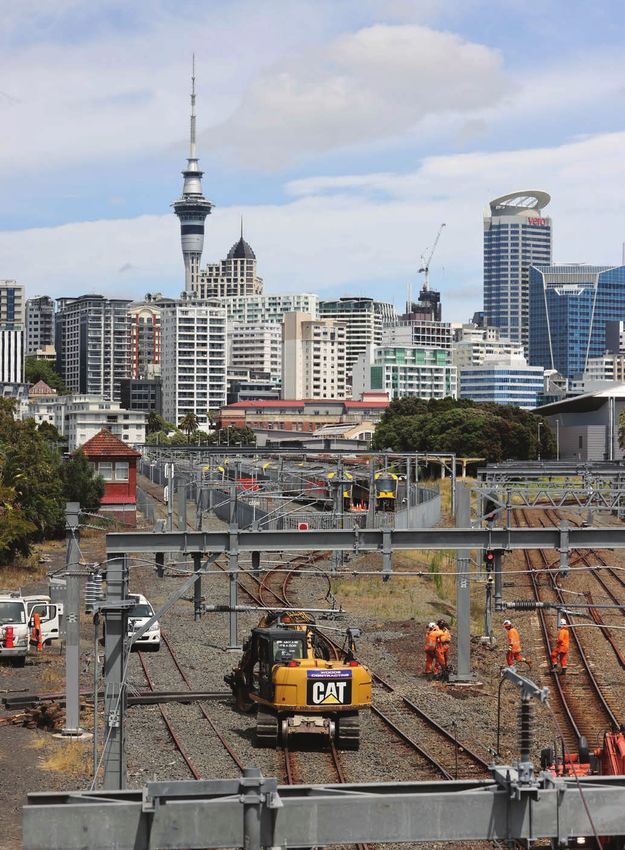
CONTENTS

1. Foreword                                                                              4

2. Introduction and approval                                                             5
   •   Rail Network Investment Programme at a glance

3. Strategic context                                                                     8

4. The national rail network today                                                      12

5. Planning and prioritising investment                                                 18

6. Investment – national freight and tourism network                                    24

7. Investment – Auckland and Wellington metro                                           40

8. Other investments                                                                    48

9. Delivering on this programme                                                         50

10. Measuring success                                                                   52

11. Investment programme schedules                                                      56

                                                       RAIL NETWORK INVESTMENT PROGRAMME | 3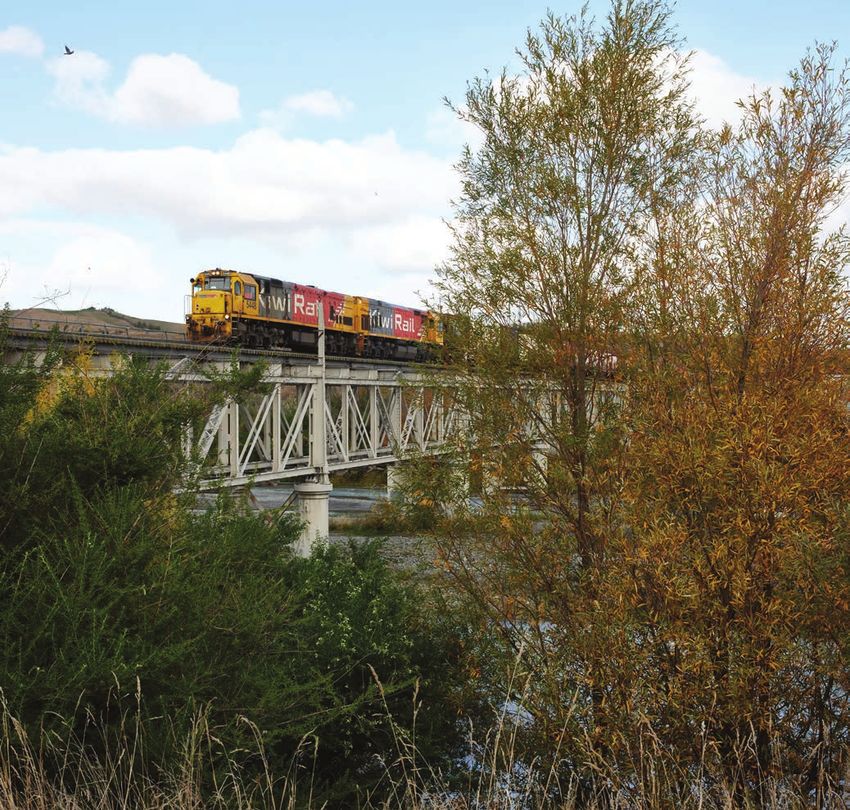
1. FOREWORD
KiwiRail is pleased to present this                           This new investment approach marks a turning point that
                                                              is crucial to securing the future of rail and unlocking its
inaugural Rail Network Investment                             full potential.
Programme.
                                                              KiwiRail now has certainty about the projected role of rail
Rail in New Zealand is on the cusp of                         in New Zealand’s future, and a commitment to provide
an exciting new era.                                          the funding needed to support that role.

Rail has an increasingly important role to play in the        This Rail Network Investment Programme (RNIP) sets out
transport sector, helping commuters and products get          the tranches of work to ensure the country has a reliable,
where they need to go – in particular, linking workers        resilient and safe rail network.
with their workplaces in New Zealand’s biggest cities, and    KiwiRail is excited about taking the next steps towards
connecting the nation’s exporters to the world.               getting this work underway and investing in the future of
As a lower emissions transport option, rail can efficiently   rail for all New Zealanders.
move large volumes of people and cargo, with a relatively
small carbon footprint. At the same time, it can help
reduce congestion and wear and tear, and improve safety
on New Zealand roads.
To enable rail to fulfil this significant role, it must be
funded appropriately. Like the nation’s roads and
highways, the rail network constitutes vital infrastructure
that delivers wider benefits by enabling both the services
that use it and the outcomes they achieve.
The changes to the Land Transport Management Act
2003 (LTMA) that take effect this year recognise this
wider benefit, and from July 2021 the rail network will
                                                              Sue McCormack			 Greg Miller
be funded on an equitable basis alongside the roading
network.                                                      Acting Chair			  Group Chief Executive

    Rail can efficiently transport large volumes of cargo.

4    | RAIL NETWORK INVESTMENT PROGRAMME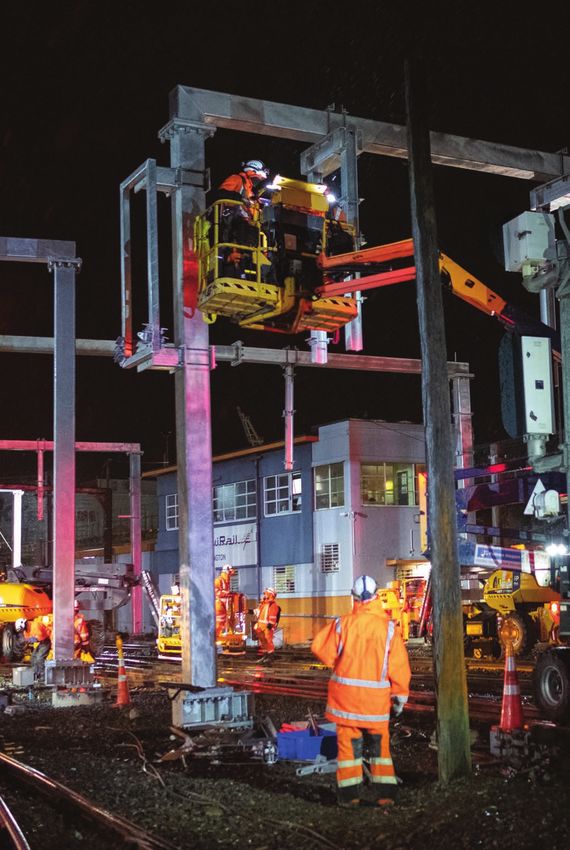
2. INTRODUCTION AND APPROVAL
This is the first-ever RNIP, developed in accordance with          The investment set out in this programme reflects the work
the requirements of the LTMA as amended in 2020. These             KiwiRail will deliver to:
amendments enable rail to be eligible for funding from the         • enable consistent travel time, meet customer service
National Land Transport Fund (NLTF).                                 levels and increase confidence in rail as a transport
The RNIP sets out a three-year investment programme and              mode
a 10-year investment forecast for the national rail network
                                                                   • anticipate and adapt to emerging threats, withstand
– the thousands of kilometres of track and associated
                                                                     and absorb impacts of unplanned disruptive events
infrastructure such as signals, tunnels and bridges, that
                                                                     and respond and recover quickly
provide the network for rail freight and passenger services in
New Zealand.                                                       • ensure the safety of passengers, staff and the public.
The programme has been developed by KiwiRail, guided by:
• the Government Policy Statement on Land Transport                APPROVAL
  2021 (GPS), and
                                                                   As Minister of Transport, I am responsible for approving
• the New Zealand Rail Plan (NZ Rail Plan).                        this RNIP, supported by Waka Kotahi in an advisory and
The strategic investment priorities for a resilient and reliable   monitoring role as well as by the Ministry of Transport and
rail network as outlined in the NZ Rail Plan are:                  the Treasury.
• investing in the national rail network to restore rail
   freight, and provide a platform for future investments for      On 29 June 2021, I, Hon Michael Wood, on behalf of
   growth                                                          the Crown, approved the Rail Network Investment
• investing in the metropolitan rail networks to support           Programme under Section 22B of the Land Transport
  growth and productivity in New Zealand’s largest cities.         Management Act 2003.
KiwiRail has worked with Auckland Transport (AT) and
Greater Wellington Regional Council (GWRC) to develop
the Auckland and Wellington metropolitan programmes,
ensuring alignment with each Regional Land Transport Plan
(RLTP).                                                            Hon Michael Wood
                                                                   Minister of Transport

                                                                          RAIL NETWORK INVESTMENT PROGRAMME                |     5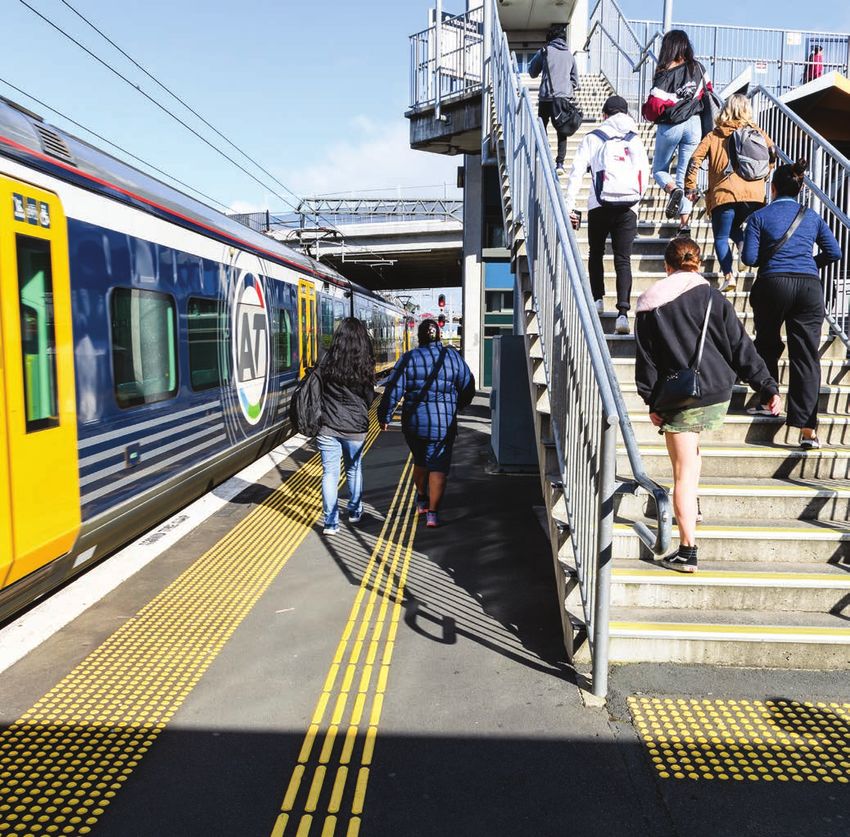
RAIL NETWORK INVESTMENT PROGRAMME
    The RNIP is guided by the New Zealand Rail Plan. The strategic investment priorities for the network are:
    • investing in the national rail network to restore rail freight and provide a platform for future investments for growth
    • investing in the metropolitan rail networks to support growth and productivity in our largest cities

    NLTF – RAIL NETWORK ACTIVITY CLASS (NATIONAL FREIGHT AND TOURISM RAIL NETWORK)
                         (3-year
    Category                          Components                                   Benefits
                         total)

                                      •   Network operations                       • Enabling services to run on-time,
    Network
    Maintenance,                      •   Maintenance                                reliably and safely
                         $361m
    Operations and                    •   Track inspections                        • Improved asset management
    management                        •   Asset management                           maturity

                                                                                   • Reduction in Temporary Speed
                                      • Replacing rail, sleepers and ballast;        Restrictions (TSRs), heat restrictions,
                                        drainage works, civil works to               derailments
                                        strengthen slopes and prevent
    Network                             coastal erosion, replacing bridges,        • Reduced outages (e.g. signal failures)
                         $790m          signalling systems etc. across the
    Renewals                                                                       • Improved safety
                                        national network
                                                                                   • Enables increased volumes on rail
                                      • New apprentices, trainees and plant
                                        to support programme delivery              • Provides capability/employment
                                                                                     opportunities

                                      •   Develop a 30-year network plan
                                      •   Yard improvements
    Network                                                                        • Improved safety performance
                         $50m         •   Otira Tunnel business case
    Improvements                                                                   • Improved service levels
                                      •   Resilience projects
                                      •   Level crossings

    NLTF – PUBLIC TRANSPORT INFRASTRUCTURE ACTIVITY CLASS (METRO RAIL NETWORK)
                         (3-year
    Category                          Components                                          Benefits
                         total)
                                      •   Fencing and security
                                      •   Strategic network planning
                                      •   Integrated rail management centre               • Critical to enable full benefits
    Auckland Metro
                         $130m        •   Infill signalling                                 of City Rail Link (CRL) to be
    – Improvements
                                      •   Additional traction feed                          realised
                                      •   European Train Control System (ETCS)
                                          level 2 business case
                                                                                          • Improved safety
    Wellington Metro                  • Re-signalling and train protection
                         $22m                                                             • Enables increased metro
    - Improvements                    • Capacity improvements business case
                                                                                            capacity

    Significant additional investment is planned in the next three years in metro areas through:
    • Renewals and Maintenance programmes delivered through contracts with AT and GWRC.
    • Delivering the New Zealand Upgrade Programme (NZUP) (over $1b) in metro areas and completing Transitional
       Rail projects (Rail Network Growth Impact Management (RNGIM), Auckland Metro Remediation (AMR),
       Wellington Metro Upgrade Programme (WMUP)).

6    | RAIL NETWORK INVESTMENT PROGRAMME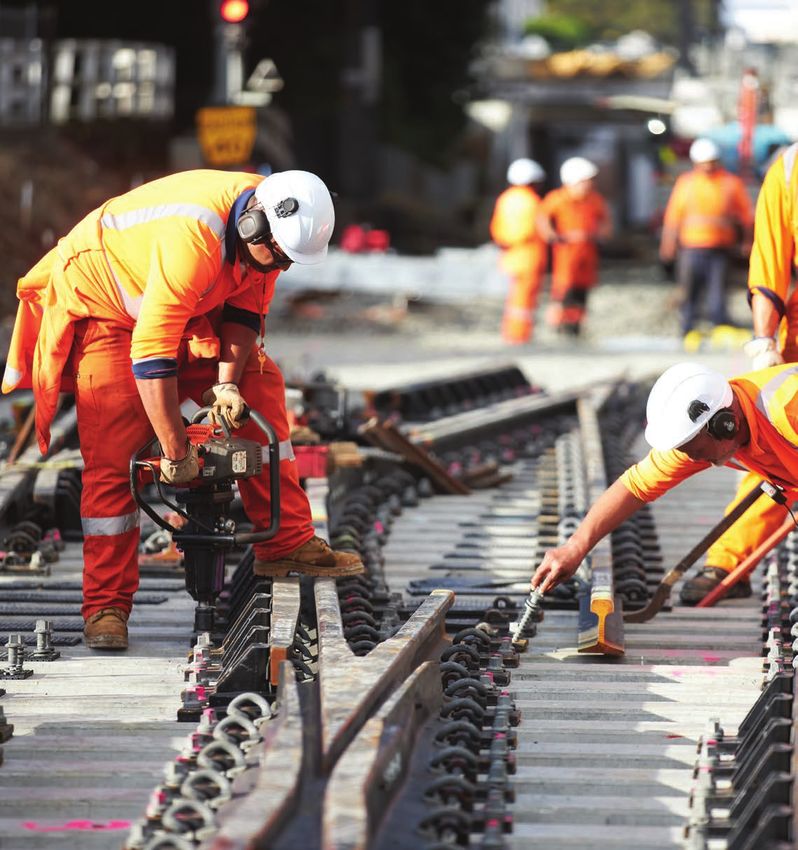
AT A GLANCE

     The focus in this first RNIP is on foundational infrastructure - maintaining and renewing the existing network
     to a resilient and reliable level, with a modest improvement programme. There is significant additional
     investment in rail improvements over this period through the NZUP and other Government funding.

  HOW WILL WE MEASURE SUCCESS?
  Detailed performance measures are shown in Section 10.

  1 to 3-year goals:
  • Improved asset condition/service level ratings (priority network routes)
  • Improved asset management maturity and data quality to support decision making
  • Maintaining volumes on rail using existing above rail assets
  • Improved financial performance

  3 to 10-year goals:
  • Improved asset condition/service level ratings (secondary network routes and above rail assets)
  • Reduction in outages/asset failures and time to recover
  • Growing volumes on rail through introduction of new above rail assets
  • Improved financial performance

  Contribution to outcomes:
  • Improved safety
  • Reduced emissions
  • Increased value of rail
  • Increased contribution of rail to GDP and employment.

  WHAT ABOUT BROADER INVESTMENT IN RAIL?

  The RNIP provides the foundational network infrastructure, with other investments (funded outside of the NLTF)
  provided to improve services and grow the network capacity.
  Existing Government investments which KiwiRail is delivering total over $4b and includes:

                                                                                NZUP (Third Main, Papakura to
  $435m           Interislander Ferry Replacement                  $1,457m*     Pukekohe, Drury Stations, Wellington
                                                                                projects, Marsden Point Spur)

                  KiwiRail Rolling Stock and Mechanical
  $1,593m                                                          $329m        Provincial Growth Fund (PGF)
                  Facilities

                  Wellington Metro Upgrade Programme                            Crown Infrastructure Partners (CIP) –
  $327m                                                            $13m
                  (WMUP)                                                        COVID response

                  Auckland Rail Network Growth Impact              $85m         Hillside Wagon Assembly
  $337m
                  Management (RNGIM)

*Excludes Marsden Point Rail spur – delivery case to confirm cost.

                                                                      RAIL NETWORK INVESTMENT PROGRAMME               |   7
3. STRATEGIC CONTEXT
                                                              Like many railways worldwide, KiwiRail operates a
3.1 THE ROLE OF RAIL                                          vertically integrated model comprising of both above rail
Rail transports people and freight - supporting               operations (locomotives and rolling stock) and the below
productivity and business growth, reducing emissions,         rail network (tracks, tunnels, bridges etc).
congestion and road deaths, and strengthening social
                                                              This model reflects that railways are interconnected
and cultural connections between communities.
                                                              systems which benefit from a coordinated approach to
Rail is a key part of a multi-modal transport system          design, planning, operation and maintenance.
for both freight and passengers in New Zealand, and a         However, the revenue KiwiRail has received from its
critical part of New Zealand’s supply chain.                  freight and passenger operations has not been sufficient
                                                              to meet the combined costs of running the above rail
3.2 A NEW APPROACH TO FUNDING                                 services and replacing associated assets, as well as fully
                                                              maintaining the track infrastructure and addressing
NEW ZEALAND’S RAIL NETWORK                                    renewals backlogs.
3.2.1 Drivers of the new way forward                          While KiwiRail is confident the above rail business will
This investment programme marks the beginning of a new        be able to fund the operation and renewal of associated
approach to funding the ongoing maintenance, renewal          assets, it is unlikely to generate sufficient cash to fully fund
and management of New Zealand’s national rail network.        the operation and renewal of the below rail business.

Some sections of the network within the Auckland and          KiwiRail has historically received Government
Wellington metropolitan areas have already benefited          contributions towards upkeep of the rail network via
from recent and ongoing improvements to support               appropriations made under the annual Budget process,
growing commuter passenger services. However, much of         but these have been below the level needed to enable a
the network is suffering from years of underinvestment in     reliable and resilient network.
core renewals and maintenance.                                The short-term nature of the funding provided has also
As a result, faults and intermittent track closures are not   proved unsuitable for planning the maintenance and
uncommon, and operational restrictions are necessary          renewal of some assets which by their nature, require
across sections of the network.                               investment decisions to be made on a long-term basis,
                                                              and often years in advance.
This significantly impacts the timeliness, reliability and
capacity of rail services in New Zealand, and ultimately
KiwiRail’s ability to fully support its freight and tourism
customers and growth in metro services.

8   | RAIL NETWORK INVESTMENT PROGRAMME
3.2.2 Rethinking the future of rail                         Ultimately, the vision is about recognising and
                                                            supporting the crucial role that rail plays in a multi-
In response to these issues, in 2017 the Government         modal transport system, which offers New Zealanders
initiated the Future of Rail review, which aimed to         a genuine choice of transport options and meets other
identify the future role rail could play in New Zealand’s   important social, economic and environmental goals.
transport system. At the same time, it acknowledged
that the existing approach to planning and funding rail     3.2.3 How the new planning and funding
could not continue.                                         framework works
As well as being an eff icient means of transporting        Under the new planning and funding framework that
large volumes of passengers and freight, rail results       takes effect on 1 July 2021, investment decisions on the
in considerably fewer carbon emissions than road            rail network will be made under the LTMA.
transport. This makes it a key ally in efforts to reduce    This means the national rail network will be planned
carbon levels and meet climate change goals.                and funded on a long-term basis alongside the rest of
Rail also plays a part in avoiding congestion by            the land transport system, including the road and public
decreasing the volume of trucks on the road, which in       transport networks.
turn helps lower road injury rates and road maintenance     Rail network funding for the national freight and tourism
costs.                                                      network will primarily come from the newly established
Key outcomes of the Future of Rail review to date have      Rail Network activity class under the NLTF, with the
included:                                                   money that funds this coming from NLTF revenue, track
• the release of the NZ Rail Plan, which outlines the       user charges and a top up from the Crown.
  Government’s long-term vision and priorities for the      NLTF funding will also support ongoing investment in the
  national rail network, and                                metropolitan passenger networks through the Public
• the establishment of a new planning and funding           Transport Infrastructure (PTI) activity class, alongside
  framework for rail.                                       funding from other sources (the specific funding
                                                            arrangements that apply to the metropolitan networks
The priorities set out in the NZ Rail Plan are:             are described in more detail in Section 7).
• investing in the national rail network to restore rail    KiwiRail will continue to fund its above rail commercial
  freight, and provide a platform for future investments    freight and passenger operations and assets from
  for growth                                                revenue received from delivering these services, with
• investing in the metropolitan rail networks to support    support from the Crown on a case-by-case basis.
  growth and productivity in some of New Zealand’s
  largest cities.

                                                                  RAIL NETWORK INVESTMENT PROGRAMME              |     9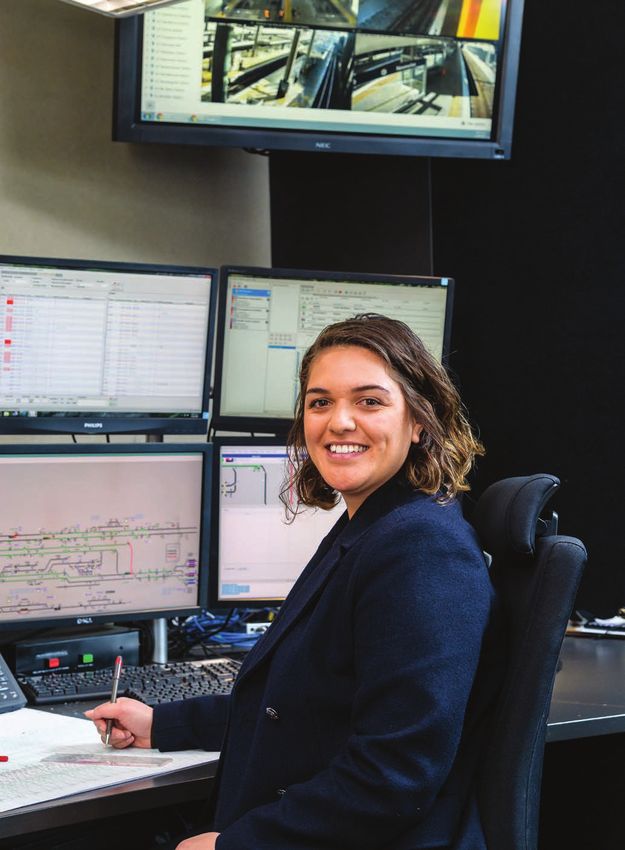
The funding received via the Rail Network activity class       3.2.5 The important role of this investment
will be available for the continuous programmes of             programme
maintenance, operations, management and renewal of             This RNIP plays a critical role in the new planning
the rail network. Improvement projects will go through a       and funding environment, as it is the means by which
robust business case process and be approved on a case-        KiwiRail:
by-case basis.
                                                               • outlines the planned investments needed to ensure
The Ministry of Transport (MoT) has established a                New Zealand develops reliable, resilient and safe
framework for KiwiRail to pay track user charges into the        national freight and tourism and metropolitan rail
NLTF to contribute to the cost of the rail network in a fair     networks, and
and transparent way.
                                                               • supports its case for the funding needed to carry out
The new approach recognises that like roads, the rail            this essential work.
network delivers broader transport benefits and should
                                                               These investments align with the long-term vision and
be funded accordingly. It also embodies the principle of
                                                               priorities for rail set out in the NZ Rail Plan, as well as the
mode neutrality – this means future investment decisions
                                                               broader land transport outcomes and priorities in the
can be based on which transport mode delivers the best
                                                               GPS.
overall outcomes.
                                                               The GPS identifies how rail can help deliver the strategic
3.2.4 Broader investment in rail                               priorities that will guide land transport investments from
In addition to introducing the new planning and funding        2021/22 – 2030/31, namely:
framework for the rail network, the Government has             • Safety – developing a transport system where no-one is
made other significant investments towards revitalising          killed or seriously injured
rail in New Zealand.
                                                               • Improving freight connections for economic benefit
These investments have been made from the NZUP, PGF,
CIP and Budget appropriations to support:                      • Climate change – developing a low carbon transport
                                                                 system that supports emission reductions while
• replacement of aged KiwiRail assets including                  improving safety and inclusive access.
  locomotives, wagons and the Interislander ferries
                                                               • Better travel options – providing people with better
• regional rail projects                                         transport options to access social and economic
• ongoing network improvements to support Auckland               opportunities.
  and Wellington’s commuter services.                          The Transport Outcomes Framework is shown in Figure 1.
The investments recognise KiwiRail’s commercial
imperatives and the important role rail has to play in
the future of New Zealand’s land transport system.
Customers are seeking increased and more reliable rail
services, and freight volumes are projected to continue
growing despite the short-term impacts of COVID-19.
The new approach to planning and funding the rail
network, along with the other investments in rail, will
enable KiwiRail to secure existing services and lay the
foundations for future growth.
More details about the wider funding landscape
supporting the revitalisation of rail are provided in
Section 8.

10   | RAIL NETWORK INVESTMENT PROGRAMME
Transport Outcomes
TRANSPORT OUTCOMES
Inclusive access Healthy and safe people
Enabling all people to participate in Protecting people from
society through access to social and transport-related injuries and harmful
economic opportunities, such as work, pollution, and making active travel
education, and healthcare. an attractive option.
A transport
system that
Economic prosperity improves
Supporting economic activity wellbeing and
liveability
via local, regional, and international
connections, with efficient Environmental sustainability
movements of people and products.
Transitioning to net zero carbon
emissions, and maintaining or
improving biodiversity, water quality,
and air quality.
Resilience and security
Minimising and managing the risks from
natural and human-made hazards, anticipating
and adapting to emerging threats, and recovering
effectively from disruptive events.
Figure 1: Transport Outcomes Framework (Ministry of Transport) 1
The priorities in the Plan revolve around investing in the network to restore it to a resilient and reliable state.
1. https://www.transport.govt.nz//assets/Uploads/Paper/Transport-outcomes-framework.pdf
RAIL NETWORK INVESTMENT PROGRAMME | 114. THE NATIONAL RAIL NETWORK TODAY
4.1 RAIL NETWORK ASSETS AND mothballed (not in operation)2 but include assets which
require continued inspection.
INFRASTRUCTURE
There is also almost 250km of track in privately-owned
New Zealand’s national rail network consists of and funded sidings that connect customers to the
3,700km of mainline track which is owned, operated national network.
and maintained by KiwiRail. The network spans almost
the full length of the country and is predominantly The North and South Island networks are connected
single track outside of metro areas. It is supported by across Cook Strait by KiwiRail’s Interislander ferries,
marshalling yards, loops and sidings. Some lines are which offer roll on/roll off capability for rail freight
travelling between the islands.
Crossing the Awatere River just north of Seddon.
2. When a line is mothballed, assets are left in place to preserve the option value of the line. Most assets will be reused if
the line is reopened, although depending on condition, some assets may need to be renewed or upgraded. The cost
of removing assets from redundant lines is typically more than their scrap value, so unless those assets present an
unacceptable risk, there is no drawback in leaving assets in place, and continuing a low level of maintenance.
12 | RAIL NETWORK INVESTMENT PROGRAMMENATIONAL RAIL NETWORK
Figure 2: National Rail Network
RAIL NETWORK INVESTMENT PROGRAMME | 13The network comprises a large number of assets, separated into the following categories:
4.1.1 Track 4.1.2 Civil assets
Components within this asset class include: Components within this asset class include:
Rail – in various weights of steel to support different Formation – including cuttings, embankments and
axle loads slope stabilisation measures that support the track
Sleepers – the beams that support and space the Drainage – including culverts (generally pipes
rail; traditionally made of timber but gradually being below the formation that prevent washouts by
replaced with stronger materials including concrete carrying water underneath the track)
and composite (plastic) River and coastal protection – including seawalls,
Ballast – (crushed stone) which supports the groynes and revetments (all intended to protect the
sleepers and distributes the weight of passing trains rail corridor).
evenly to the ground below
Subgrade – compacted soil that provides the base
for the track
Turnouts – short sections of track that enable trains
to move between adjacent tracks (enabling trains
to pass, branch to other lines, or wagons to be
marshalled)
Heavy specialist track equipment – used
for renewals, maintenance, inspections and
compliance.
Figure 3: Cross section of assets in rail corridor
4.1.3 Structures 4.1.4 Signals and telecommunications,
Components within this asset class include: traction and electrical, and active level
Bridges and viaducts (bridges more than 20m crossings
high) – the network has over 1,300 rail-carrying Components within this asset class include:
bridges and viaducts
• Signals – trackside indicators (mostly coloured
Tunnels – approximately 100 across the network lights) that convey information such as safe
Lighting towers – approximately 200 nationwide, speed and right-of-way to train drivers
which enable operations outside of daylight • Train control systems – centralised systems
hours. which manage the safe running of trains
• Telecommunications assets – a variety of
Bridges over 100 years old means to transmit voice and data, mainly for
communicating with trains, which includes
bearer networks (fibre and copper), telemetry
equipment, radio networks and line-side
systems
• Traction and electrical – including overhead
wires and traction poles (which support the
wires) along electrified sections of the network,
as well as electrical assets such as substations,
transformers and tunnel ventilation systems
• Active level crossings – road crossings
Figure 4: Age profile of rail network bridges controlled by flashing lights, bells and barrier
arms (approximately 1,200 across New Zealand).
14 | RAIL NETWORK INVESTMENT PROGRAMME4.2 SERVICES SUPPORTED BY THE RAIL supporting people, businesses, producers and exporters
to contribute to national economic productivity as well as
NETWORK regional growth.
Current services supported by New Zealand’s national rail
network include: Rail transports approximately 12% of New Zealand’s total
freight task, carrying import and export freight to and
• freight services operated nationwide by KiwiRail from major ports, as well as domestic freight between
• urban passenger rail services in Auckland and warehouse distribution centres in major cities. Bulk
Wellington, operated by TransDev on behalf of AT and commodities such as logs and coal are also transported
GWRC by rail. Of all export freight, 25% is transported by rail.
• tourism services operated by KiwiRail including the
Over 1 million tourist passengers typically use the scenic
TranzAlpine, Coastal Pacific and Northern Explorer
rail and Interislander services each year, contributing
• inter-regional passenger services operated by KiwiRail, to jobs and prosperity in New Zealand regions. While
including the Capital Connection (between Wellington volumes have been affected in the short term by the
and Palmerston North) and Te Huia (between Hamilton reduction in numbers of international visitors as a result
and Auckland) of COVID-19, they are expected to bounce back once the
• other services, including charter services and services borders re-open.
run by heritage operators.
The metropolitan rail networks of Auckland and
In the Auckland and Wellington metropolitan areas, Wellington underpin more than 35 million commuter
freight trains, urban passenger and inter-regional services trips a year (pre-COVID), connecting people with jobs and
currently share most of the same rail network. supporting businesses to thrive.
4.3 SUPPORTING NEW ZEALAND’S The nature of rail activities and services across
MARKETS AND ECONOMY New Zealand differs considerably from region to region.
This is because of the different types and needs of
Each week, KiwiRail’s National Train Control Centre industries, sectors, producers and populations in each
(NTCC) manages the following volumes of scheduled region.
movements across the national rail network:
• 900 freight trains 4.4 CURRENT STATE OF THE NATIONAL
• 44 inter-city passenger trains RAIL NETWORK
• 2,200 suburban passenger services in Wellington A railway is a combination of above rail services,
• 3,700 suburban passenger services in Auckland comprising the locomotives and rolling stock that
transport passengers and freight, and the below rail
Freight, tourism and commuter passenger services form a
network – the track and other infrastructure that support
key part of New Zealand’s economy and supply chain by
rail services.
Each week the network supports…
900
Freight trains
44
Inter-city
2,200 3,700
Suburban passenger Suburban passenger
passenger trains services in Wellington services in Auckland
RAIL NETWORK INVESTMENT PROGRAMME | 15Regardless of how above and below rail operations Civil
are funded, both components must operate together • weather proofing at-risk sections of the network, e.g.
seamlessly for the optimal delivery of rail services. reducing the steepness of slopes and replacing culverts
As the foundation of rail services, it is critical that the that are in poor condition.
rail network itself, with its many interdependent parts,
functions effectively and safely (and meets regulatory Signals and telecommunications
requirements in accordance with KiwiRail’s rail licence • upgrading out-dated signals and telecommunication
and rail safety case). systems
Because of past underinvestment, maintenance on • improving the safety of level crossings by installing
New Zealand’s national rail network has tended to be more active protection (bells, lights, barrier arms) or
reactive rather than proactive, and many parts of the other solutions such as grade separation.
network have not been renewed on a timely basis. As a
result, there is a backlog of maintenance and renewal Traction and electrical
work that needs to be addressed as part of shifting • replacing high voltage power supply and tunnel
towards a more reliable, resilient and safe network. ventilation components
This backlog of maintenance and renewal work often • replacing functionally life-expired overhead line
means that KiwiRail has to introduce operational equipment, lighting and traction substation fittings and
restrictions such as temporary speed restrictions or components
reduced axle loads in affected areas to continue safely • addressing the backlog of high-maintenance wooden
operating the network. This hinders KiwiRail’s ability to power distribution poles
deliver efficient and competitive services and increase
volumes on rail. More details about the investment programme are
provided in Sections 5 and 6.
At a high level, the work needed across the following asset
classes includes:
4.5 BENEFITS OF INVESTMENTS
Track The investments in this RNIP will address the work
• replacing track components that are functionally life needed across the network to bring it to a more reliable
expired – in particular, wooden sleepers and resilient condition. It will take time for the network
• carrying out a national grinding programme to extend to achieve this condition as the investment programme is
the functional life of rail delivered over the 10-year period.
• addressing a backlog of ballast maintenance. It is While we often hear about the costs associated with rail,
important to regularly clean and top up ballast, as there is an economic value that is generally not captured
over time it degrades and becomes contaminated in traditional profit and loss calculations.
with smaller particles, weakening its ability to evenly These benefits are delivered to all New Zealanders
distribute forces and potentially compromising the through social, environmental and economic values which
track’s foundations were first quantified in 2016 by professional services
• strengthening track to enable heavier loads of freight. firm EY. They have now updated the Value of Rail in New
This generally requires replacing both rail and sleepers Zealand report to reflect rail’s growing contribution.
and can also require remedial work to the formation.
A summary of the benefits and value of rail is shown in the
Structures diagram on the following page.
• replacing bridges that have the highest priority for The RNIP will enable renewal backlogs to be
renewal, particularly those that include life-expired progressively cleared and avoid backlogs reoccuring.
timber components Reactive maintenance work that often impacts network
availability will be reduced, and the overall condition
• refurbishing steel viaducts to extend their functional
and performance of assets will be enhanced. There will
life
be fewer operating restrictions on the network, allowing
• carrying out deferred maintenance on tunnels, KiwiRail to increase efficiency and support better service
including addressing track deterioration caused by levels.
water seepage, and maintaining tunnel linings
• replacing old lighting towers which typically date back
to the 1960s and 70s.
16 | RAIL NETWORK INVESTMENT PROGRAMMEMoving passengers and freight by rail contributes
significantly to the New Zealand economy.
The total economic $1.70B-
value of rail is: $2.14B
EVERY YEAR
$997M $322M $216M
Total reduced
congestion
reduced
air pollution
reduced
fuel use
value is
derived
from:
$180M
reduced
$105M
reduced road
$96M
improved safety
greenhouse gas maintenance outcomes
emissions
As a result, the network will be able to: This increased network performance enables KiwiRail to
offer better service levels to customers which will promote
• enable faster, more reliable services for passenger and
growth in rail freight volumes. This supports the GPS
priority freight services
strategic direction as outlined in Section 3.
• offer increased resilience to extreme or unforeseen
The performance measures that will be used to support
events, including storms and moderate seismic events
KiwiRail’s progress in restoring a resilient and reliable
• deliver expected safety levels for passengers, train network are outlined in Section 10.3.
crews, the public, maintenance and inspection staff,
with fewer operational mitigations required that can
impact service levels
• maintain and provide a platform for growth in volumes
on rail, and
• support the delivery of transport outcomes.
RAIL NETWORK INVESTMENT PROGRAMME | 175. PLANNING AND PRIORITISING INVESTMENT
5.1 ADDRESSING THE SPECIFIC NEEDS 5.1.3 Taking into account the specific nature
OF THE NETWORK of network services
This programme outlines investments for the following The investments in the national freight and tourism
parts of the national rail network: network and metropolitan commuter networks will also
reflect the different nature of services hosted by each
• national freight and tourism network (excluding the network.
Auckland and Wellington metropolitan areas) which
principally support freight and tourism services For example, some lines used exclusively by freight trains
• the sections of the network within the Auckland and may have only a limited number of trains using the line on
Wellington metropolitan networks, which principally any given day. This is a very different scenario to a busy
support commuter passenger services, although commuter network, where passenger trains operate much
freight and tourism trains share most of the same more frequently.
lines.
A short outage on the former may have little or even no
The reason these key parts of the network are treated impact on services, whereas the same outage on the
separately is outlined below. latter would likely have a much more disruptive effect.
Therefore, investments reflect and meet the particular
5.1.1 Specific funding arrangements for service levels that apply in each situation.
metropolitan areas
The Auckland and Wellington metropolitan networks are More information about the approach that has been taken
primarily used by commuter passenger services operated to prioritise investments in Section 5.4.
by AT and GWRC.
Specific agreements are in place which set out the 5.2 TYPES OF INVESTMENTS
contributions AT and GWRC make towards maintenance, For each of the two key sections of the network described
renewal and operation of the metropolitan sections of the in Section 5.1, this RNIP outlines two different categories
network, reflecting their position as the major users. of investment.
Additionally, significant Crown funding has been provided
towards upgrading the metropolitan commuter networks
5.2.1 Continuous programmes – network
(more details about these are provided in Section 7). maintenance, operations and management
This includes various channels such as the NZUP and and renewals
appropriations to support the WMUP and Auckland Operating a rail network means various ongoing costs
Transport Alignment Project (ATAP). must be met in order to:
Any additional funding towards the metropolitan • keep the network operating safely and effectively
networks from the NLTF will therefore take into account within its existing parameters
and complement the existing funding agreements, as well • maintain current service levels for customers.
as the Crown-funded projects currently underway. These
will utilise the PTI activity class and assessment process. Continuous programme costs include the following:
5.1.2 Investment priorities Maintenance
The significant Crown investment towards metropolitan Maintenance costs in the context of a rail network are
commuter rail in recent years has been aimed at enabling costs associated with helping to achieve the expected
the Auckland and Wellington networks to support the life or continued operation of particular assets or
growth of commuter passenger services. infrastructure.
Generally speaking, this means the focus in the Maintenance costs are incurred from a range of activities
metropolitan areas is on completing the work already including:
underway and building on this to enable further growth. • inspections and monitoring to understand asset
Across the freight and tourism network, the priority is condition
addressing the backlog of maintenance and renewal work • preventive maintenance aimed at avoiding asset
needed, bringing the network up to a reliable and resilient failure before it occurs and maintaining compliance
standard, and shifting the balance of maintenance to with existing engineering and safety standards, and
mostly proactive rather than mostly reactive. • corrective and emergency maintenance to return
assets from an unsatisfactory or failed condition back
to a serviceable condition e.g. within specification.
18 | RAIL NETWORK INVESTMENT PROGRAMMEWork underway at Britomart in Auckland. There are specific funding arrangements for metropolitan areas.
RAIL NETWORK INVESTMENT PROGRAMME | 19Operations and management 5.3 ASSET MANAGEMENT PLANNING
A rail network is a controlled environment, where all This RNIP describes at a high level the investments
train movements are directed and coordinated. This required to ensure a resilient and reliable rail network. It
distinguishes it from the road network, where there is underpinned by asset management planning processes,
are road rules underpinned by law, but within those reflected in KiwiRail’s existing Asset Management Plan
parameters, individuals are generally free to access the and supporting documents.
network as they please.
The focus of these processes and the plan itself will
In New Zealand, the direction and coordination of train evolve as the new planning and funding framework for
activities takes place via the NTCC, based in Wellington. the rail network is implemented. This will see KiwiRail’s
The provision of operational activities (such as train asset management planning develop in maturity and
control) is an inherent cost to providing a rail network, as evolve from a largely reactive to a largely proactive
without these activities the network would be unable to approach. This is reflected in the plan for delivering asset
operate. management planning maturity as shown in Section 6.1.3.
Management costs associated with a rail network include
asset and data management, planning, safety (Zero Harm) 5.4 PRIORITISING EXPENDITURE
management and corporate costs such as information KiwiRail has processes to select and prioritise investment
technology, human resource and finance systems, as well needs e.g. determine what work needs to be done, and
as insurance. when. These processes are consistent with recognised
asset management practices.
Renewals
For the metropolitan areas of the network, decisions on
Renewal costs in the context of a rail network are costs
the priority of investments are made jointly between
associated with extending asset life by partially or
KiwiRail and the organisation’s regional partners through
completely replacing individual assets as necessary.
the RLTP process.
All assets that comprise the rail network have a finite
functional life. This varies significantly depending on 5.4.1 Identifying what investments are
the particular asset concerned and the loading and needed
environment they are exposed to. To determine what work KiwiRail needs to do, the
Most often, assets will be renewed with brand new following is identified:
replacements. In some cases, assets can be renewed • KiwiRail’s freight and metro customers’ current and
with used or recycled assets, such as transferring rail that future needs
is no longer suitable for use on main lines to less busy
• the required level of service to meet those needs
secondary lines.
• the capacity of the network and assets needed to
5.2.2 Improvement projects meet the identified level of service.
A project is considered an improvement when the primary Keeping in mind the level of service we need to deliver,
purpose of investment is a new asset or a step change in KiwiRail continually monitors:
an existing asset’s level of service e.g. double tracking to
increase capacity. • safety and other regulations that must be complied
with
This is distinct from renewals where the primary purpose
of investment is to replace an asset at the end of its • the condition and capacity of assets
functional life e.g. replacing a bridge with a modern • any identified performance issues
equivalent that happens to allow increased axle loading. • current and future obsolescence issues
Improvement projects follow a slightly different process • imminent bow-waves of renewals (many assets
to continuous programmes in that they require a business coming to end of life at a similar time).
case and evaluation on a case-by-case basis.
These are the primary factors that determine what will be
This RNIP identifies a small number of opportunities that included in upcoming work banks (lists of projects to be
will improve resilience, reliability and safety on the freight undertaken).
network. There are also opportunities for the metro
network which will add additional capacity and growth. The prioritisation approach is summarised in the process
overview diagram on the next page.
20 | RAIL NETWORK INVESTMENT PROGRAMMEPRIORITISING INFRASTRUCTURE INVESTMENTS - PROCESS OVERVIEW
RAIL NETWORK INVESTMENT PROGRAMME | 215.4.2 Identifying when work will be While KiwiRail also shares this ambition for rail, it is
undertaken important to note that sustained investment is required
over the next decade just to meet the goal of bringing the
The first consideration is to determine a prudent and existing national rail network up to a resilient and reliable
practical timeframe for clearing the backlog so that: level. This stable foundation is critical for any future
• safety requirements are met expansion.
• customers’ needs are met In the first RNIP triennium, KiwiRail is focusing on the
• resourcing (internal and external) is both initially following in the freight and tourism network:
achievable and sustainable over time. • improving the network performance of priority routes
KiwiRail use a number of factors to prioritise work banks, • stabilising the network performance of secondary
including: routes and the wider network
• Risk – safety risks in relation to service type and • progressively increasing resource capacity to deliver a
potential impacts of failure larger investment programme
• Network criticality – how important a section of line • delivering more efficient and effective asset treatments
is to the network, in terms of factors such as the total with lower whole-of-life cost
number of trains that use it, types of users and total • asset management improvements to better understand
freight tonnage carried the network and to further optimise investments.
• Individual asset criticality – how critical is the asset to KiwiRail’s overall investment priorities over the 10-year
the operations it supports? A viaduct on a single line, period are:
for example, would likely be assessed as more critical
• Investing in the national rail network to restore rail
than a turnout in a marshalling yard with multiple
freight and provide a platform for future investments
lines, as failure of the viaduct would halt operations,
for growth, meaning:
whereas in the case of the turnout, other lines could
potentially be used until the turnout is fixed • a primary focus (and majority of spend) on
the continuous programmes of maintenance,
• Required levels of service and capacity – the ability
management and renewal
of the asset to meet current and future principal
operating parameters in terms of axle load, vehicle • a modest allowance for improvement projects to
height, vehicle width and train speed support resilience and reliability
• Asset fault and performance history. • Investing in metropolitan rail to support productivity
and growth in some of New Zealand’s largest cities
A robust way of prioritising projects is critical. If additional meaning:
funding becomes available there may be opportunities to
advance aspects of the programme. • a focus on completing the programmes which
align with ATAP and the RLTP’s, and
Where particular projects in a work bank can’t be funded
(or resourced) immediately, KiwiRail ensures that • enhanced regional services (embedding the
appropriate strategies and mitigations are in place to Hamilton to Auckland and Palmerston North to
safely maintain an acceptable level of asset performance, Wellington services).
until the preferred work can be undertaken. These investment priorities are aligned with the strategic
During the financial year, unforeseen events may occur investment priorities outlined in the NZ Rail Plan.
that impact priorities. KiwiRail’s Capital Committee and 5.4.4 Benefits of greater funding certainty
Board meet regularly to consider any new work that
The short-term funding approach KiwiRail has operated
arises on the network that may need to take priority
under in the past has meant that the focus has tended to
within the continuous programme funding range set by
be on the upcoming financial year, or just beyond.
RNIP. Significant changes will be reported to monitoring
agencies. Under the new planning and funding model, KiwiRail will
be better placed to undertake longer-term prioritisation to
5.4.3 RNIP investment priorities better optimise the investment programme.
KiwiRail knows that customers (freight and passenger) Greater surety of funding will enable:
place high value on reliability of services. An increased
demand from customers as well as support for new lines • the necessary resources (both human and specialised
and services is being seen. equipment) to be secured to efficiently carry out the
work ahead
22 | RAIL NETWORK INVESTMENT PROGRAMME• potential procurement savings on larger bodies of work e.g. addressing formation as well as track in one
• assured phasing of multi-year projects, from initial coordinated work package
business cases, through the subsequent investigation, • greater customer confidence that their needs will be
optioneering and design phases, to construction met, supporting increased volumes on rail.
• more efficient long-term planning and integration
• better whole-of-life cost through addressing all
asset issues at each site when work is carried out
Refurbished steel span being lowered into place.
RAIL NETWORK INVESTMENT PROGRAMME | 236. INVESTMENT - NATIONAL FREIGHT AND TOURISM NETWORK
6.1 CONTINUOUS PROGRAMMES – NETWORK MAINTENANCE, OPERATIONS AND
MANAGEMENT
6.1.1 Financial summary – network maintenance, operations and management
KiwiRail plan to spend $558.2m across the three-year National Land Transport Programme (NLTP) period, with
$361.0m from the NLTF Rail Network activity class as shown below:
Description ($m) 2021/22 2022/23 2023/24 Total
Network maintenance 103.3 106.5 110.5 320.3
Network operations and management 76.6 79.1 82.2 237.9
Total network maintenance, operations and management 179.9 185.6 192.7 558.2
AT funded network maintenance, operations and management* (28.5) (29.1) (30.5) (88.1)
GWRC funded network maintenance, operations and management* (24.3) (25.7) (26.7) (76.6)
Third-party funded network maintenance, operations and management* (10.6) (10.8) (11.0) (32.5)
Total freight and tourism maintenance, operations and management 116.5 120.0 124.5 361.0
*Council contributions for network maintenance, operations and management are funded separately and outside of the Rail
Network activity class
6.1.2 Network maintenance Within the maintenance programme, KiwiRail has allowed
for:
Inspections and monitoring
• Predictive Maintenance – in the longer term using the
Inspections and monitoring help us understand asset
condition data collected to anticipate deterioration
condition, ensure regulatory and safety compliance and
of assets and perform regular targeted maintenance
identify the need for maintenance.
based on the analysis.
As well as cyclical inspections, KiwiRail undertakes special
inspections such as heat runs during the summer to detect • Preventive Maintenance – e.g. lubricating track
track buckling, or in response to adverse weather or seismic (greasing curves so there is less friction and therefore
events. Inspections may be manual (e.g. network staff less wear and tear as trains go around curves); cleaning
walking the track) or mechanised (via drone or vehicle). and greasing moving parts of turnouts; regular checks
and replacement of fastenings (which connect rails to
A large focus over this period is to improve the quality of sleepers and can loosen over time); bolt runs (checking
information that is collected and used to support asset bolts on structures such as bridge spans to ensure they
management and data-quality objectives as well as are tight).
developing future investment programmes. To deliver
this, KiwiRail is increasing the number of inspectors and • Corrective Maintenance – fixing faults identified
capacity of the asset management team to make use of the through EM80 runs (a rail vehicle that uses sensors to
information collected. automatically detect track faults), and non-destructive
testing (NDT) runs – another type of vehicle, which
With improved data quality KiwiRail can refine looks for internal defects in rail).
programmes, ensuring they are optimised to deliver the
greatest overall benefit. This is essential to enable the shift • Emergency works and maintenance needing
to smarter predictive maintenance strategies as outlined immediate attention e.g. fixing broken rails and
below. sleepers, buckles, obstructions found on track,
derailments, points machine failures, signalling faults,
Maintenance bridge strikes, adverse weather runs, etc.
The maintenance programme covers all network assets
Through the RNIP and with the new longer-term planning
and is critical to ensure the railway is able to continue to
and funding model in place, KiwiRail will increase the level
operate safely and effectively.
of network maintenance and shift towards preventive
There are multiple maintenance activities that must and predictive maintenance strategies over time. This will
be undertaken across the full range of assets and their reduce the asset failure rate and improve availability and
components, e.g. maintenance of turnouts, joints, drainage, reliability of the network. This will have a positive impact
culverts, formation, bridges, tunnels, points machines, level for customers using the network as KiwiRail will be able to
crossings, poles, traction cables and radios etc. provide a more reliable and consistent service.
24 | RAIL NETWORK INVESTMENT PROGRAMMEBallast cleaners (above) and stabilisers (below) are important tools used to maintain the network.
RAIL NETWORK INVESTMENT PROGRAMME | 256.1.3 Network operations and management • deliver the improvements in the asset
The NTCC is KiwiRail’s central nervous system, designed to management improvement road map
know where every train and track occupancy is, at every • produce an updated asset management plan
second of every day throughout New Zealand. to support the next RNIP and subsequent
investment programme(s).
The Train Control investment programme assumes:
• Improving data quality
• the construction of a second northern train control
centre, with associated operating costs included and • undertake data quality gap analysis and develop
a data quality improvement road map
• the relocation of the Wellington railway station centre to
• produce a data quality framework
a new facility.
• deliver on the data quality improvement road
Asset Management map.
KiwiRail has a centralised in-house asset management
team who assist the business in developing the network Network management and overheads
investment programme and making improvements which This includes the cost of managing and supporting the
enable better investment decision making. The focus over network function and corporate overheads.
the next three-year period with the longer-term funding in The focus over the next three years is on transitioning
place is on improving KiwiRail’s asset management maturity to the new planning and funding model and investment
and capability, as well as improving data quality, with programme, including corporate support and monitoring/
specific actions as follows: reporting capability. This is essential to ensure the success
of the new model.
• Improving Asset Management Maturity
• undertake asset management gap analysis and
develop an asset management improvement
road map
• develop asset class strategies and update the
strategic asset management plan
26 | RAIL NETWORK INVESTMENT PROGRAMMEThe National Train Control Centre is KiwiRail’s central nervous system.
RAIL NETWORK INVESTMENT PROGRAMME | 276.2 CONTINUOUS PROGRAMME – NETWORK RENEWALS 6.2.1 Financial summary – network renewals KiwiRail plans to spend $789.9m in network renewals across the three-year NLTP period, from the NLTF Rail Network activity class as shown below: Description ($m) 2021/22 2022/23 2023/24 Total Track 109.8 135.8 149.4 395.0 Structures 20.1 30.0 38.9 89.1 Civil 29.9 44.0 31.3 105.2 Signals 15.5 17.3 19.7 52.5 Telecommunications 6.5 2.5 4.8 13.8 Traction and Electrical 1.7 1.4 1.2 4.3 Active Level Crossings 5.5 7.5 7.6 20.6 Incidents, unplanned works and contingency 24.5 31.2 31.5 87.3 KiwiRail share of Auckland metro renewals 1.7 1.8 4.1 7.6 KiwiRail share of Wellington metro renewals 5.3 4.8 4.6 14.6 Total KiwiRail renewals 220.6 276.1 293.2 789.9 AT and GWRC’s planned shares of network funding renewals are shown in Schedule 1. Timber sleepers being replaced with new higher strength and longer lasting concrete sleepers. 28 | RAIL NETWORK INVESTMENT PROGRAMME
6.2.2 Track                                                         Ballast
What KiwiRail will deliver                                          • Implement a remediation programme to address
                                                                      below-sleeper ballast deficiencies, prioritised to
Track and ballast programme with a focus on packaging
                                                                      support track renewals
work (e.g. civil formation) for best whole-of-life cost and
outcomes.                                                           • Re-implement a proactive, high-production ballast-
                                                                      cleaning programme.
Planned investment in specific components
within this asset class                                             Stability improvements
                                                                    • Implement a stability management programme
Rail                                                                  comprising ballast renewal, tamping (packing the
• Three-year programme to replace rail at an average of               ballast underneath the track), destressing (to reduce
  25km of track per year where the rail is aged, in poor              the likelihood of rail buckling during hot weather) and
  condition or not suitable for current or future traffic             rail welding on priority lines that would otherwise be
• Undertake a national rail grinding programme to                     subject to heat restrictions.
  extend the functional life of the rail.
                                                                    Plant and Equipment
Sleepers                                                            • Retain the newest track machines (e.g. tampers,
• Programme to replace around 135,000 timber sleepers                 ballast regulators and dynamic stabilisers) and
  per year on average in the triennium with more                      overhaul them as they fall due for refurbishment in
  resilient and longer-lasting materials such as concrete             future years
  and composites, and mainly on principal lines                     • Replace aged track equipment with modern and more
• Removing all Prematurely Decayed Sleepers (PDS),                    efficient plant required to meet the increasing demand
  generally Peruvian hardwood, which have proven to                   in track work
  be less durable than other types of sleeper, within the           • Optimise the utilisation of existing major plant e.g. the
  next five years.                                                    high-production ballast cleaner
Turnouts                                                            • Investigate the best whole-of-life cost option for
• Over the three years, replace an average of 27 life-                providing rail-grinding capacity
  expired turnouts per year with longer-life modern                 • Procure and commission new track-recording
  designs.                                                            technology for monitoring track geometry faults.

KiwiRail is replacing timber sleepers with ones made from more resilient materials.

                                                                          RAIL NETWORK INVESTMENT PROGRAMME                |   29
6.2.3 Structures Tunnels
What KiwiRail will deliver • Renew and implement further preventative measures
in tunnels.
Strengthen and improve the performance, condition,
reliability and resilience of key structures including • Address issues such as:
bridges, tunnels and major lighting towers. • deterioration of tunnel linings
Planned investment in specific components • accumulation of debris or contamination from
within this asset class coal or log trains
• water ingress and drainage (which can also
Bridges affect the track system - rail, ballast, formation)
• Three-year programme to replace on average five of the
• portal detachments (where the entrance or exit
highest-risk (determined through a composite health
is failing).
index of factors affecting bridge condition) bridges
per year with modern, 100-year-design-life structures, Lighting towers
constructed using more resilient materials such as
• Replace lattice lighting towers within yards.
concrete and steel
• Implement an annual average of 13 partial renewals
across the triennium
• Identify and prioritise sites to improve resilience during
seismic and weather events, and future-proof assets
against long-term environmental changes.
Bridges are key structures for KiwiRail – Bridge 41 on ECMT Kaimai Tunnel deviation.
30 | RAIL NETWORK INVESTMENT PROGRAMMEYou can also read


