SEMIANNUAL REPORT - NASA OFFICE OF INSPECTOR GENERAL
←
→
Page content transcription
If your browser does not render page correctly, please read the page content below

NASA OFFICE OF INSPECTOR GENERAL

SEMIANNUAL REPORT
       A P R I L 1– S E P T E M B E R 3 0, 2021
HELP FIGHT
                   FRAUD. WASTE. ABUSE.
                             1-800-424-9183
                          TDD: 1-800-535-8134
                 https://oig.nasa.gov/cyberhotline.html

                    If you fear reprisal, contact the
OIG Whistleblower Protection Coordinator to learn more about your rights:
               https://oig.nasa.gov/whistleblower.html

                                  Cover image:
               Artist conception of the James Webb Space Telescope.
FROM THE
                                                           INSPECTOR GENERAL

During this reporting period, the NASA Office of Inspector General (OIG) operated exclusively in a
telework mode due to the COVID-19 pandemic that has closed NASA facilities except for mission-critical
work. Nevertheless, NASA OIG auditors, investigators, attorneys, and support staff continued to conduct
impactful, independent, and comprehensive oversight of NASA programs and personnel.
The impressive results of their efforts detailed in this report include:
 • An audit that examined NASA’s development of next-generation spacesuits for International
   Space Station (ISS or Station) and Artemis missions. The team found that multiple challenges
   developing these next-generation spacesuits will preclude the Agency from meeting its goal of a
   2024 Moon landing. Moreover, with the Agency’s plans to invest $625 million more in spacesuit
   development, the program will spend more than $1 billion through 2025 to develop the first two
   flight-ready spacesuits.

 • An investigation by our Special Agents and Cyber Crimes Division staff, which resulted in a guilty plea
   by a former NASA senior executive for fraudulently applying for and receiving three Coronavirus Aid,
   Relief, and Economic Security (CARES) Act pandemic relief loans totaling more than $285,000. The
   former official was sentenced to 18 months of imprisonment and 3 years of supervised release, and
   was ordered to pay $285,449 in restitution.

 • An infographic by our graphics and audit team that illustrates the U.S. fleet of launch vehicles NASA
   relies on to support satellite launches to Earth orbit, cargo and crew missions to the ISS, lunar
   exploration, and interplanetary science missions.

 • An audit report that examined the state of NASA’s cybersecurity readiness, given the Agency’s
   advanced technology that makes its computer systems and networks an attractive target for cyber
   intruders. The team found that NASA’s ability to prevent, detect, and mitigate cyberattacks is limited
   by a disorganized approach to Enterprise Architecture and that its assessment and authorization of
   information technology (IT) systems are inconsistent and ineffective.

 • A case by our Office of Investigations that resulted in the conviction at trial of a former general
   manager of a Florida small business on multiple counts of conspiracy and wire fraud for
   misrepresenting the company as a woman-owned small business in a scheme to secure government
   contracts. The company had received more than $6 million in fraudulently obtained contract
   payments, to include $1 million during the former general manager’s tenure. Three other company
   executives previously pleaded guilty to felony charges related to the long-running conspiracy.

                                                                                                             iii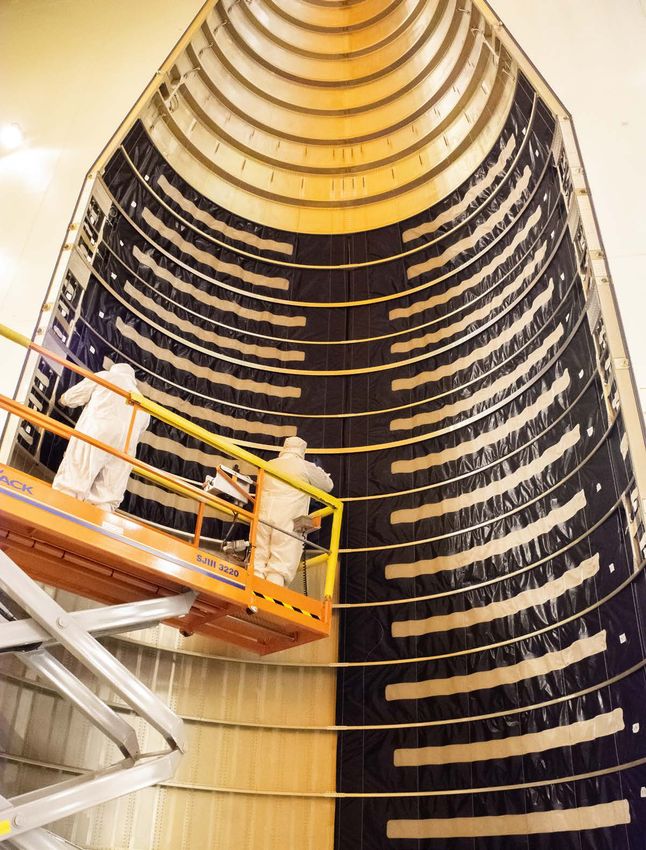
• An audit that reviewed how the Agency addresses its aging infrastructure and maintenance backlog.
   The team found that the process for selecting and prioritizing facilities projects is largely driven by
   NASA Centers, regardless of their importance to the Agency’s overall mission needs. In addition,
   Agency policy does not distinguish between the use of institutional and programmatic funds,
   resulting in specialized facilities for testing and development being built with institutional funds,
   which dilutes the funds available for critical repairs and support of more traditional institutional
   requirements.

 • An audit that examined NASA’s expenditure of $60 million in emergency funds provided by the
   CARES Act to respond to the coronavirus. The team found the Agency appropriately managed the
   funds to meet congressional mandates as well as federal and Agency guidance.

 • An investigation that led to the ex-spouse of a Kennedy Space Center (Kennedy) contracting officer
   pleading guilty to felony charges for altering official government records in order to implicate her
   ex-husband. The investigation revealed the woman altered government emails and fabricated text
   messages to make it appear that her ex-husband had made death threats toward her.

I remain extremely proud of the NASA OIG staff for their continued professionalism and resilience during
these challenging times.
Finally, we note with deep sadness the passing of Special Agent Wade M. Krieger from our Kennedy
office who died in August 2021 from complications related to COVID-19. Wade—who served 21 years
with the NASA OIG—was a highly skilled criminal investigator with a remarkable ability to communicate
complex engineering and contractual concepts in his cases. He is greatly missed by his family and OIG
friends and colleagues.
This Semiannual Report summarizes the OIG’s activities and accomplishments between April 1 and
September 30, 2021. We hope you find it informative.

Paul K. Martin
Inspector General
November 29, 2021

                                                                                                             iv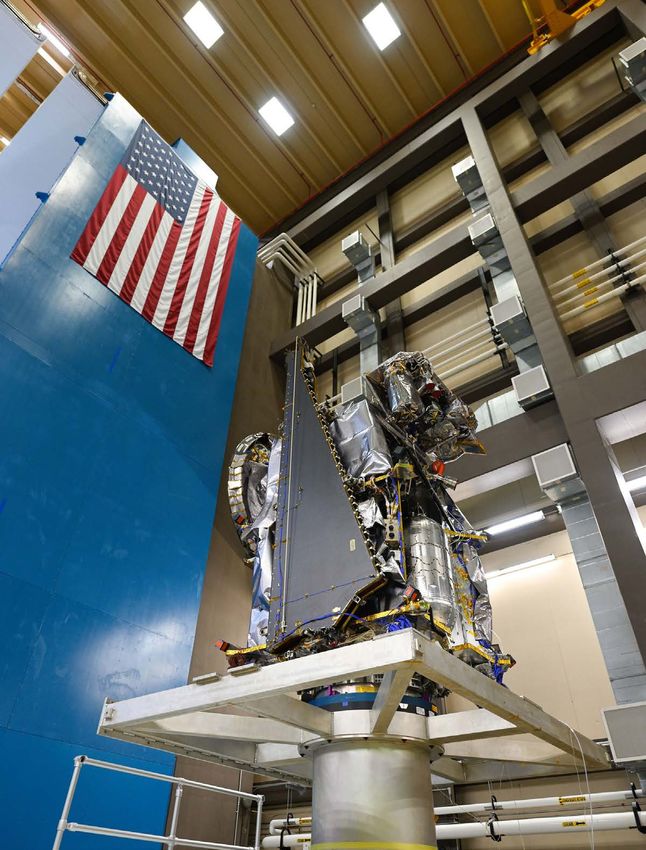
TABLE OF
                                                                                 CONTENTS

Office of Audits  . . . . . . . . . . . . . . . . . . . . . . . . . . . . . . . . . . . . . . . . . . . . . . . . . . . . . . . . . . . . . . . . 3
        Acquisition and Project Management  . . . . . . . . . . . . . . . . . . . . . . . . . . . . . . . . . . . . . . . . . . .  4
        Space Operations and Human Exploration . . . . . . . . . . . . . . . . . . . . . . . . . . . . . . . . . . . . . . . .  7
        Information Technology Security and Governance  . . . . . . . . . . . . . . . . . . . . . . . . . . . . . . . .  11
        Infrastructure . . . . . . . . . . . . . . . . . . . . . . . . . . . . . . . . . . . . . . . . . . . . . . . . . . . . . . . . . . . . . .  14
        Financial Management . . . . . . . . . . . . . . . . . . . . . . . . . . . . . . . . . . . . . . . . . . . . . . . . . . . . . . . . 17
        Statistical Data  . . . . . . . . . . . . . . . . . . . . . . . . . . . . . . . . . . . . . . . . . . . . . . . . . . . . . . . . . . . . .  20
Office of Investigations  . . . . . . . . . . . . . . . . . . . . . . . . . . . . . . . . . . . . . . . . . . . . . . . . . . . . . . . . . 27
        Procurement, Acquisition, and Grant Fraud . . . . . . . . . . . . . . . . . . . . . . . . . . . . . . . . . . . . . .  28
        Employee Misconduct . . . . . . . . . . . . . . . . . . . . . . . . . . . . . . . . . . . . . . . . . . . . . . . . . . . . . . .  29
        Other Cases . . . . . . . . . . . . . . . . . . . . . . . . . . . . . . . . . . . . . . . . . . . . . . . . . . . . . . . . . . . . . . . .  30
        Statistical Data  . . . . . . . . . . . . . . . . . . . . . . . . . . . . . . . . . . . . . . . . . . . . . . . . . . . . . . . . . . . . . . 31
Legal Issues . . . . . . . . . . . . . . . . . . . . . . . . . . . . . . . . . . . . . . . . . . . . . . . . . . . . . . . . . . . . . . . . . . . 34
        Whistleblower Matters/Review of Legislation . . . . . . . . . . . . . . . . . . . . . . . . . . . . . . . . . . . .  35
        Regulatory Review  . . . . . . . . . . . . . . . . . . . . . . . . . . . . . . . . . . . . . . . . . . . . . . . . . . . . . . . . . .  36
        Legal Training  . . . . . . . . . . . . . . . . . . . . . . . . . . . . . . . . . . . . . . . . . . . . . . . . . . . . . . . . . . . . . .  37
        Statistical Data  . . . . . . . . . . . . . . . . . . . . . . . . . . . . . . . . . . . . . . . . . . . . . . . . . . . . . . . . . . . . .  38
Appendixes . . . . . . . . . . . . . . . . . . . . . . . . . . . . . . . . . . . . . . . . . . . . . . . . . . . . . . . . . . . . . . . . . . . 40
        Appendix A. Inspector General Act Reporting Requirements . . . . . . . . . . . . . . . . . . . . . . . .  42
        Appendix B. Awards . . . . . . . . . . . . . . . . . . . . . . . . . . . . . . . . . . . . . . . . . . . . . . . . . . . . . . . . .  43
        Appendix C. Peer Reviews . . . . . . . . . . . . . . . . . . . . . . . . . . . . . . . . . . . . . . . . . . . . . . . . . . . .  44
        Appendix D. Acronyms . . . . . . . . . . . . . . . . . . . . . . . . . . . . . . . . . . . . . . . . . . . . . . . . . . . . . . .  45
        Appendix E. Office of Inspector General Organizational Chart . . . . . . . . . . . . . . . . . . . . . . .  46
        Appendix F. Map of OIG Field Offices . . . . . . . . . . . . . . . . . . . . . . . . . . . . . . . . . . . . . . . . . . .  48
OFFICE
OF AUDITS

            August marked the 50th anniversary
            of the Apollo 15 mission. In this photo,
            astronaut James B. Irwin, Lunar Module
            pilot, walks away from the Lunar
            Roving Vehicle at the Hadley-Apennine
            landing site.

                                  O ffice of Au d its   3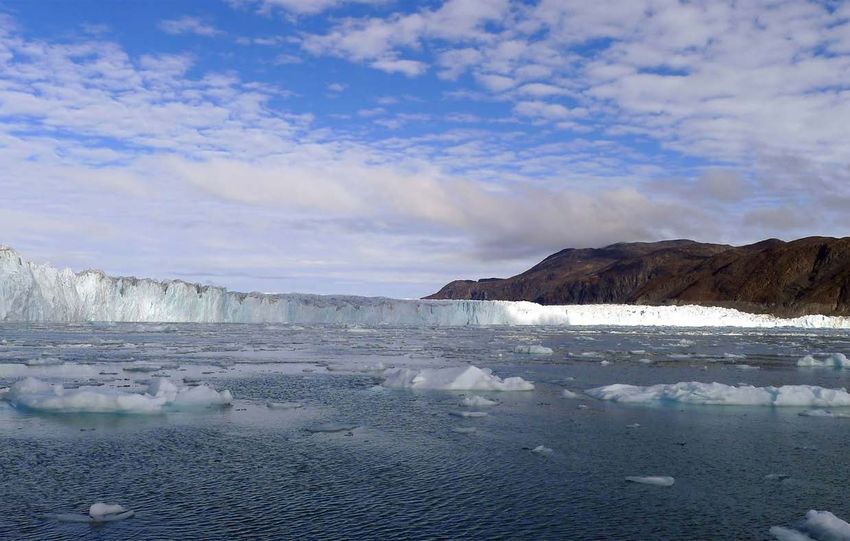
ACQUISITION AND PROJECT MANAGEMENT

Effective contract, grant, and project management remain top challenges for
NASA. Through its audits, the Office of Inspector General (OIG) helps ensure NASA
engages in sound procurement and acquisition practices that provide the Agency
and taxpayer with the best possible value.

NASA’S MANAGEMENT OF UNIVERSITIES SPACE               ONGOING AUDIT WORK
RESEARCH ASSOCIATION’S COOPERATIVE
AGREEMENTS                                            Audit of NASA’s Earth Science Disasters Program

Universities Space Research Association (USRA) is     NASA’s Earth Science Disasters Program uses
an independent, nonprofit research corporation        satellite data to support the human response to
chartered in 1969 by the National Academy of          hurricanes, floods, earthquakes, volcanoes, and
Sciences to enable universities to collaborate with   landslides. With an annual budget of $6.2 million,
NASA to perform space research and technology         the program provides Earth observation data
development. USRA is one of NASA’s largest            to decision makers at the Federal Emergency
research partners and conducts much of its work       Management Agency, the National Oceanic and
with the Agency through cooperative agreements.       Atmospheric Administration, the Environmental
In this audit, we evaluated NASA’s management         Protection Agency, and local disaster-response
of USRA cooperative agreements relative to            organizations. In this audit, we are evaluating
meeting Agency requirements. We focused on            NASA’s management of the Earth Science
NASA’s management and oversight of 21 active          Disasters Program to determine whether the
cooperative agreements valued at approximately
$476 million that the Agency had with USRA
from fiscal year (FY) 2017 through April 2020.
We found that NASA needs to take additional
steps to improve management and financial
oversight of cooperative agreements. Of our 12
recommendations, the Agency concurred with
9, partially concurred with 1, and did not concur
with 2, all of which have since been resolved given
that management is taking appropriate action to
address our concerns.

  NASA’s Management of USRA’s Cooperative
  Agreements (IG-21-022, July 14, 2021)                  Tropical Storm Henri, viewed from NASA’s Terra
                                                         satellite, August 2021.
  Report

                                                                                             O ffice of Au d its   4
Agency is effectively providing data to entities             to sustain human exploration. NASA’s plan is to
to predict, prepare for, respond to, and recover             deliver VIPER to the Moon under the Commercial
from disasters.                                              Lunar Payload Services (CLPS) initiative. However,
                                                             in previous audits we have found that the Agency
NASA’s Volatiles Investigating Polar Exploration             has taken on significant risks managing CLPS,
Rover (VIPER) Mission                                        including deficient contractor oversight, lack of
                                                             common interfaces between instruments and
Since NASA announced that it would attempt to
                                                             landers, and reliance on unproven vendors. Given
land astronauts on the South Pole of the Moon in
                                                             VIPER’s importance to future sustained human
late 2024, the Agency has been developing and
                                                             lunar operations and the potential schedule
acquiring a significant number of new systems and
                                                             and integration risk, we are reviewing NASA’s
capabilities as precursors to a lunar landing. One
                                                             management of the VIPER mission relative
of those lunar projects is VIPER. With an estimated
                                                             to achieving technical objectives, meeting
cost of $433 million, VIPER is a mobile robot that
                                                             milestones, and controlling costs.
will travel to the Moon for a close-up view of
the polar landing site to gauge the concentration
                                                             NASA’s Oversight of Its Contracts with Johns
of water ice that might eventually be harvested
                                                             Hopkins University Applied Physics Laboratory
                                                             The Applied Physics Laboratory (APL) is
                                                             the scientific and engineering research and
                                                             development division of Johns Hopkins University.
                                                             It was founded in 1942 and for more than 75 years
                                                             has provided contributions to critical challenges
                                                             with systems engineering and integration and
                                                             technology research and development. APL
                                                             participates in some capacity from project
                                                             management to instrument contributions in
                                                             25 NASA missions, including the Double Asteroid
                                                             Redirection Test and the Parker Solar Probe. Most
                                                             of APL’s work for NASA is awarded via Aerospace
                                                             Research, Development, and Engineering Support
                                                             contracts as task orders. Given the breadth of
                                                             APL’s involvement in important NASA missions, we
                                                             are evaluating NASA’s oversight of its contracts
   Apollo landing sites as well as a potential Artemis III
   landing site are shown on the Moon.                       with APL.

                                                                                                O ffice of Au d its   5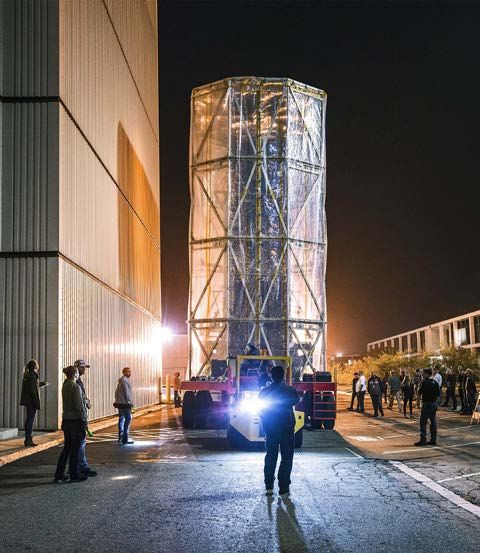
The Space Launch
System (SLS) vehicle
stage adapter is
integrated with the
rocket’s core stage
at Kennedy Space
Center’s Vehicle
Assembly Building,
June 2021.
SPACE OPERATIONS AND HUMAN EXPLORATION

Space operations and human exploration are among NASA’s most highly visible
missions, with the Agency currently operating the International Space Station (ISS
or Station), managing the commercial crew and cargo transportation programs
that support the Station, and planning for future exploration beyond low Earth
orbit, including ambitious goals for the Artemis program. Through Artemis, NASA
aims to complete exploration missions to orbit and eventually land on the Moon.

NASA’S DEVELOPMENT OF NEXT-GENERATION                    With NASA’s plans to invest $625 million more
SPACESUITS                                               in spacesuit development, the total cost will
                                                         come to over $1 billion through 2025, when the
This audit examined NASA’s development of                first two flight-ready spacesuits are expected.
next-generation spacesuits for ISS and Artemis           NASA management concurred with our four
missions. Specifically, we examined the extent           recommendations and described actions they plan
to which NASA is addressing challenges related           to take to address them.
to cost, schedule, and performance of the next-
generation spacesuit system. We found that                 NASA’s Development of Next-Generation Spacesuits
multiple challenges developing next-generation             (IG-21-025, August 10, 2021)
spacesuits preclude the Agency from its goal               Report
of a 2024 Moon landing. While NASA has
spent $420 million developing next-generation
spacesuits, the Agency still lacks a flight-ready        INFOGRAPHIC: NASA’S U.S. LAUNCH
suit for exploration missions, including Artemis.        VEHICLE FLEET

                                                         NASA uses a fleet of launch vehicles to support
                                                         satellite launches to Earth orbit, cargo and
                                                         crew missions to the ISS, lunar exploration, and
                                                         interplanetary science missions. Having a variety
                                                         of vehicles in the fleet enables the Agency to
                                                         select an appropriate launch vehicle for each
                                                         mission and encourages competitive pricing
                                                         among the contracted launch vehicle providers.
                                                         Our infographic detailed the Agency’s U.S. launch
                                                         vehicle fleet.
   A Space Exploration Technologies Corporation
   (SpaceX) Falcon 9 lifts off from Launch Complex 39A
   at Kennedy Space Center on a Commercial Resupply        NASA’s U.S. Launch Vehicle Fleet (July 2021)
   Services mission to the ISS, June 2021.                 Infographic

                                                                                               O ffice of Au d its   7
ARTEMIS STATUS UPDATE
Preparations continue for the first, uncrewed
Artemis mission scheduled for launch in late
2021. The last major test for the Space Launch
System (SLS) occurred in March 2021, when the
core stage’s four RS-25 engines were hot-fired
at Stennis Space Center. Meanwhile, at Kennedy
Space Center NASA has assembled the solid rocket
boosters and the Orion Multi-Purpose Crew
Vehicle (Orion), and the SLS core stage arrived
on site in July. Once mated with the core stage, NASA astronauts Stephanie Wilson, Jonny Kim, and
Randy Bresnik take a look at the Orion spacecraft
the launch system will undergo final testing in
simulator that recently arrived at the Agency’s
preparation for the uncrewed launch of Artemis I. Johnson Space Center.
In addition, the Agency is making progress on
the Gateway and designing the Human Landing
examining NASA’s strategy for meeting cost,
System—key elements in NASA’s Artemis plans.
schedule, and performance objectives in returning
In this report, we provided a status update on
astronauts to the Moon.
the Agency’s progress toward achieving these
and other milestones for the major programs that
NASA’s Management of Its Astronaut Corps
support Artemis as of April 2021. Although we
made no formal recommendations in this report, The United States has been launching astronauts
we continue to monitor the Agency’s efforts into space for 60 years. Since its inception, NASA’s
toward achieving a lunar landing and eventually astronaut corps has fluctuated in size, technical
sending a crewed mission to Mars. expertise, and training emphasis based on
program demands. For instance, NASA’s increasing
Artemis Status Update (IG-21-018, April 19, 2021) reliance on commercial crew partners for ISS
Report transportation has required revised astronaut
training and protocols. Further, the Agency’s
ambitious plan to send humans back to the
ONGOING AUDIT WORK Moon by 2024 and on to Mars by the 2030s has
required selecting and training a new generation
NASA’s Management of the Artemis Missions of astronauts who will spend more time and travel
further in space than ever before. In this audit,
To meet a lunar landing target date of late
we are examining NASA’s management of its
2024, NASA is making modifications to routine
astronaut corps in the face of the Agency’s current
procurement and program management practices.
priorities and future challenges.
In addition to SLS, Orion, and the Human Landing
System, NASA’s lunar strategy includes the
NASA’s Utilization, Management, and
development of the orbiting Gateway, delivery of
Commercialization of Low Earth Orbit
commercial landers carrying numerous science
experiments, and development of several lunar Orbiting roughly 250 miles above Earth’s surface,
rovers. In this audit—the second in a series about the ISS has enabled humans to live and work in
management of the Artemis missions—we are space for more than 20 years. With an annual
operating cost of about $3 billion, NASA’s venture
O ffice of Au d its 8in low Earth orbit consumes about half of its examining whether NASA’s current estimating
annual human space flight budget. While current policies and procedures are effective for
plans call for the Station’s retirement in 2024, a establishing a basis for making informed executive
congressional extension of ISS operations to 2030 and congressional decisions, as management
is pending. In the long term, NASA has committed tools, and as a means of monitoring program
to replacing the Station with a commercially performance. In addition, we are assessing the
owned and operated space destination. In this potential impact of proposed policy changes and
audit, we are examining NASA’s efforts to utilize, determining whether alternate approaches could
manage, and commercialize low Earth orbit. address concerns reported by the NASA OIG and
the Government Accountability Office.
NASA’s Management of the Mobile Launcher 2
Contract
For the Artemis missions, NASA is developing two
mobile launchers at Kennedy Space Center that
will serve as the ground structures to assemble,
process, transport, and launch the SLS and
Orion. The first mobile launcher (ML-1), originally
constructed in 2010 under the since-canceled
Constellation Program, underwent large-scale
Northrop Grumman’s Cygnus space freighter, modifications to support the SLS for the first three
carrying over 8,200 pounds of cargo to resupply the Artemis missions. The Agency is now developing
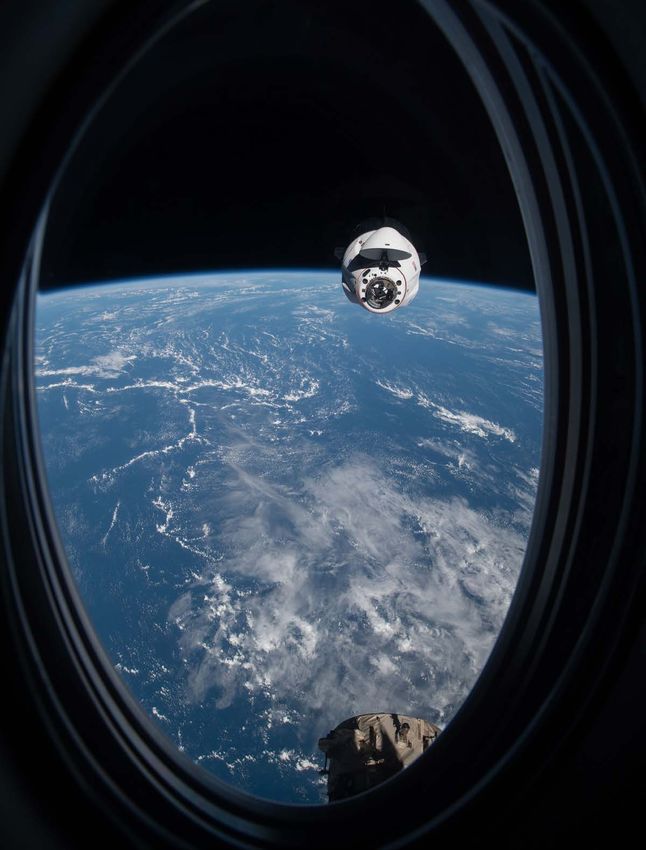
Expedition 65 crew, approaches the ISS, August 2021. a second mobile launcher (ML-2) for future, larger
variants of the SLS beginning with the Artemis IV
mission. Given NASA’s history of cost and schedule
NASA’s Cost Estimating and Reporting for Major
challenges related to the development of ML-1,
Programs with Multiple Deliverables
which we reported on in March 2020, this audit
NASA faces ongoing challenges with providing will examine the extent to which the Agency is
credible, complete, and timely cost and schedule meeting cost, schedule, and performance goals for
estimates to stakeholders for Artemis missions the ML-2 contract.
and component programs. In this audit, we are
O ffice of Au d its 9Colorful displays of phytoplankton in the Barents Sea observed by the Suomi National Polar- orbiting Partnership, a joint mission between NASA and the National Oceanic and Atmospheric Administration (NOAA), August 2021.
INFORMATION TECHNOLOGY SECURITY AND GOVERNANCE

Information technology (IT) plays an integral role in NASA’s space, science, and
aeronautics operations. In FY 2021, the Agency spent approximately $2.2 billion
on a portfolio of IT assets that included hundreds of information systems used
to control spacecraft, collect and process scientific data, provide security for IT
infrastructure, and enable NASA personnel to collaborate with colleagues around
the world. Through audits and investigations, the OIG has identified systemic
and recurring weaknesses in NASA’s IT security and governance programs that
adversely affect the Agency’s ability to protect information and information
systems vital to its mission.

NASA’S CYBERSECURITY READINESS

NASA’s high-profile and advanced technology
makes its computer systems and networks an
attractive target for cyber intruders. In this audit,
we assessed whether the Agency is adequately
prepared to identify and respond to inevitable
cybersecurity attacks and whether it has the
IT infrastructure in place to deal with new
and emerging threats while maintaining cyber
resiliency in light of the evolving threat landscape.
We found that NASA’s ability to prevent,
detect, and mitigate cyberattacks is limited by a       This image shows the aerodynamic properties
                                                        of NASA’s Transonic Truss-Braced Wing concept:
disorganized approach to Enterprise Architecture
                                                        red and violet show areas of higher drag, while
and that the Agency conducts assessment and             green and blue show areas of lower drag. The
authorization of IT systems inconsistently and          geometric formations represent airflow around the
ineffectively, with the quality and cost of the         aircraft, helping scientists understand the vehicle’s
                                                        aerodynamics and improve its efficiency.
assessments varying widely across the Agency.
NASA concurred with our five recommendations.

  NASA’s Cybersecurity Readiness (IG-21-019, May 18,
  2021)
  Report

                                                                                              O ffice of Au d its   11
ONGOING AUDIT WORK Evaluation of NASA’s Information Security
Program under the Federal Information Security
NASA’s Insider Threat Program Modernization Act (FISMA) for Fiscal Year 2021
Threats posed by an organization’s employees and In this required annual review, we are evaluating
contractors are commonly referred to as “insider NASA’s IT security program against the 2021
threats,” and detecting those threats is one of the FISMA metrics. Specifically, we are reviewing
biggest challenges that cybersecurity programs a sample of NASA- and contractor-owned
face. Space is both a collaborative and competitive information systems to assess the effectiveness
business; given its high-profile mission and of information security policies, procedures,
broad connectivity with the public, educational standards, and guidelines. We are also evaluating
institutions, research facilities, and other outside whether NASA has addressed deficiencies
organizations, NASA’s potential insider threats are identified in our prior FISMA reviews.
as varied as its missions. This audit will examine to
what extent NASA has implemented an effective
insider threat program in accordance with federal
policies, Agency policies, and best practices.
O ffice of Au d its 12The core stage of NASA’s SLS rocket departs Stennis Space Center following completion of the Green Run series of tests of its design and systems, April 2021.
INFRASTRUCTURE

NASA facilities and infrastructure—including offices, laboratories, launch
complexes, test stands, and wind tunnels—are necessary components for
exploring the Moon and Mars, facilitating the commercial space industry,
conducting aeronautics research, and studying Earth and space sciences. NASA
manages $40 billion in facility assets with an inventory of more than 5,000
buildings and structures; however, over 75 percent of this infrastructure is
beyond its design life, and the Agency faced a deferred maintenance backlog of
$2.77 billion as of 2021. Managing this expansive portfolio is an ongoing challenge
for the Agency and one we continue to monitor.

NASA’S CONSTRUCTION OF FACILITIES

NASA’s Construction of Facilities program
focuses on modernizing infrastructure through
consolidation into fewer, more efficient,
sustainable facilities and repairing failing
infrastructure to reduce overall maintenance
costs. In this audit, we assessed the extent to
which the Agency is effectively managing its
facility construction efforts. We found that NASA’s
process for selecting and prioritizing facilities
projects is largely driven by Centers regardless of
importance to the Agency’s overall mission needs.
In addition, Agency policy does not distinguish
between the use of institutional and programmatic
funds, resulting in specialized facilities for testing
and development being built with institutional
funds, which dilutes the funds available for
critical repairs and supporting more traditional
institutional requirements. Consequently,                   The James Webb Space Telescope is enclosed in a
                                                            protective clamshell that serves as a mobile clean
several construction projects we reviewed led to
                                                            room while in transport.
expansion rather than consolidation of facilities.
Agency guidance does not require programs to
identify facility needs or funding sources early in
the development and implementation phases,               lacks an Agency-wide facility master plan that
increasing the risk that facility requirements will      considers consolidation of activities between
not be identified until later, when it is more costly    Centers. Finally, 6 of the 20 facilities projects
to address those issues. We also noted that NASA         we reviewed incurred significant cost overruns

                                                                                                 O ffice of Au d its   14
ranging from $2.2 million to $36.6 million, and 16 ONGOING AUDIT WORK
of the projects were behind schedule. We found
that NASA did not provide effective oversight Ames Research Center’s Lease Management
to determine whether the Agency’s portfolio Practices
of facilities projects met cost, schedule, and
Ames Research Center, located at Moffett Federal
performance goals. NASA concurred or partially
Airfield in California’s Silicon Valley, leases Center
concurred with our four recommendations.
facilities to further its goal of developing a world-
class, shared-use research and development and
NASA’s Construction of Facilities (IG-21-027,
September 8, 2021) education campus. Ames uses revenue from the
Report leases to revitalize aging facilities and provide
various infrastructure support services. This audit
is assessing the effectiveness of Ames Research
Center’s implementation and management of its
lease agreements.
O ffice of Au d its 15This image of Ganymede was obtained by the Juno spacecraft during its flyby of Jupiter’s icy moon, June 2021.
FINANCIAL MANAGEMENT

The OIG and its independent external auditor continue to assess NASA’s efforts to
improve its financial management practices by conducting and overseeing a series
of audits—including the annual financial statement audit—to assist the Agency in
addressing weaknesses. We also assess single audits of NASA grantees performed
by external independent public accountants. The single audits provide NASA and
stakeholders with assurance that these award recipients comply with federal
directives and aid the Agency in performing pre-award risk assessments and post-
award monitoring efforts.

REVIEW OF CORONAVIRUS AID, RELIEF, AND                NASA’S COMPLIANCE WITH THE PAYMENT
ECONOMIC SECURITY (CARES) ACT FUNDING                 INTEGRITY INFORMATION ACT FOR FISCAL
                                                      YEAR 2020
The CARES Act was enacted in March 2020 to
respond to the COVID-19 pandemic by funding           The Payment Integrity Information Act of
loans, grants, and other forms of assistance          2019 (PIIA) seeks to enhance the accuracy and
for individuals, businesses, and state and local      integrity of federal payments. As mandated,
governments. NASA received $60 million in CARES       we evaluated whether NASA complied with the
Act funding to prevent, prepare for, and respond to   requirements of PIIA in FY 2020 and how the
the coronavirus. In this audit, we examined NASA’s    Agency implemented recommendations made in
spending of CARES Act funds and found that the        previous audits. We found that NASA complied
Agency appropriately managed its $60 million to       with PIIA. However, the Agency failed to report
meet congressional mandates as well as federal        FY 2020 data on the improper payment estimate
and Agency guidance. We also found that the           developed for disaster relief programs to the
sample of CARES Act transactions—totaling             Office of Management and Budget (OMB) for
approximately $12.8 million—that we reviewed          publication on the paymentaccuracy.gov website.
were procured for pandemic-related expenses and       NASA mistakenly believed that because the
were supported with sufficient and appropriate        programs’ improper payment rates were zero, it
documentation. While NASA utilized a portion of       was not required to submit the information. In
its $60 million CARES Act appropriation to pay for    addition, overpayments reported in FY 2020 were
contractor leave authorized under the Act, the        incomplete and inaccurate. The Agency concurred
Agency is incurring additional costs, and we plan     with our three recommendations.
to continue our oversight work in this area.
                                                       NASA’s Compliance with the Payment Integrity
  Review of Coronavirus Aid, Relief, and Economic      Information Act for Fiscal Year 2020
  Security (CARES) Act Funding                         (IG-21-020, May 18, 2021)
  (IG-21-024, August 9, 2021)                          Report
  Report

                                                                                        O ffice of Au d its   17
ONGOING AUDIT WORK
Audit of NASA’s Fiscal Year 2021 Financial
Statements
The Chief Financial Officers Act of 1990, as
amended by the Government Management
Reform Act of 1994, requires an annual audit of
NASA’s consolidated financial statements. We
are overseeing the FY 2021 audit, which is being
conducted by the independent public accounting
firm Ernst & Young LLP.
Review of NASA’s Fiscal Year 2020 Digital
Accountability and Transparency Act Submission
The Digital Accountability and Transparency Act
of 2014 expanded the reporting requirements An experiment analyzing slime mold growth was
for federal agencies to report financial and among the scientific studies delivered to the ISS on
a Northrop Grumman commercial resupply services
award data in accordance with the established
mission, August 2021.
government-wide financial data standards. As
mandated, we are assessing the completeness,
timeliness, quality, and accuracy of NASA’s data.
Desk Reviews of Select NASA Grantee Single Audit
Reporting Packages
We are reviewing single audit reports issued by
independent public accounting firms and the
related data collection form for NASA grantees.
The purpose of these reviews is to determine
whether the single audit reporting packages
met generally accepted government auditing
standards and requirements in the Code of Federal
Regulations.
O ffice of Au d its 18Technicians at Vandenberg Space Force Base in California remove protective blankets from the payload fairing for the Landsat 9 spacecraft, August 2021.
STATISTICAL DATA

TABLE 1: AUDIT PRODUCTS AND IMPACTS
 Report No. and
                                     Report Title                                               Impact
  Date Issued
                                           Acquisition and Project Management
                                                                        Provided recommendations to increase management
   IG-21-022      NASA’s Management of USRA’s Cooperative               and financial oversight accountability for cooperative
   7/14/2021      Agreements                                            agreements and to increase accountability over NASA
                                                                        agreements.
                                        Space Operations and Human Exploration
   IG-21-025      NASA’s Development of Next-Generation                 Provided recommendations to ensure the successful
   8/10/2021      Spacesuits                                            development and implementation of the xEMU.
                                                                        Provided a status update on the Agency’s progress
   IG-21-018
                  Artemis Status Update                                 on achieving milestones for the major programs that
   4/19/2021
                                                                        support Artemis.
                                   Information Technology Security and Governance
                                                                        Provided recommendations to strengthen NASA’s
   IG-21-019
                  NASA’s Cybersecurity Readiness                        cybersecurity readiness and provide process continuity
   5/18/2021
                                                                        and improved security posture for NASA’s systems.
                                                       Infrastructure
                                                                        Provided recommendations to ensure NASA’s
   IG-21-027                                                            Construction of Facilities projects are supported by
                  NASA’s Construction of Facilities
   9/8/2021                                                             Agency needs and deliver what was promised within
                                                                        cost, schedule, and performance goals.
                                                    Financial Management
   IG-21-024      Review of Coronavirus Aid, Relief, and Economic       Provided an analysis of NASA’s spending of CARES Act
   8/9/2021       Security (CARES) Act Funding                          funds.
                                                                        Provided recommendations to enhance NASA’s efforts
   IG-21-020      NASA’s Compliance with the Payment Integrity
                                                                        related to the Payment Integrity Information Act of
   5/18/2021      Information Act for Fiscal Year 2020
                                                                        2019.

TABLE 2: AUDIT PRODUCTS ISSUED AND NOT DISCLOSED TO THE PUBLIC, CURRENT SEMIANNUAL
REPORT
 Report No. and
                                     Report Title                                              Objective
  Date Issued
                                                                        Determined whether the audit report met generally
   ML-21-005      Desk Review of the Space Science Institute’s Fiscal
                                                                        accepted government auditing standards and the
   9/30/2021      Year 2020 Single Audit Reporting Package
                                                                        Uniform Guidance audit requirements.
                                                                        Determined whether the audit report met generally
   ML-21-003      Desk Review of the Smithsonian Institution’s Fiscal
                                                                        accepted government auditing standards and the
   9/10/2021      Year 2020 Single Audit Reporting Package
                                                                        Uniform Guidance audit requirements.
                                                                        Determined whether the audit report met generally
   ML-21-004      Desk Review of the Southwest Research Institute’s
                                                                        accepted government auditing standards and the
   9/8/2021       Fiscal Year 2020 Single Audit Reporting Package
                                                                        Uniform Guidance audit requirements.
                  Desk Review of the California Association for         Determined whether the audit report met generally
   ML-21-002
                  Research in Astronomy’s Fiscal Year 2020 Single       accepted government auditing standards and the
   8/5/2021
                  Audit Reporting Package                               Uniform Guidance audit requirements.

                                                                                                             O ffice of Au d its   20
TABLE 3: AUDIT RECOMMENDATIONS YET TO BE IMPLEMENTED, CURRENT SEMIANNUAL REPORT
Number of Latest Target Potential
Report No. and Date Recommendations
Report Title Completion Cost
Date Issued Resolved
Open Closed Date Savings
Acquisition and Project Management
IG-21-022 NASA’s Management of USRA’s
7/14/2021 11 1 12/31/2021 $246,060
7/14/2021 Cooperative Agreements
Space Operations and Human Exploration
IG-21-025 NASA’s Development of Next-
8/10/2021 4 0 6/30/2022 $0
8/10/2021 Generation Spacesuits
Information Technology Security and Governance
IG-21-019
NASA’s Cybersecurity Readiness 5/18/2021 5 0 12/30/2022 $0
5/18/2021
Infrastructure
IG-21-027
NASA’s Construction of Facilities 9/8/2021 6 0 12/30/2022 $0
9/8/2021
Financial Management
NASA’s Compliance with the Payment
IG-21-020
Integrity Information Act for Fiscal 5/18/2021 3 0 9/30/2021 $0
5/18/2021
Year 2020
TABLE 4: AUDIT RECOMMENDATIONS YET TO BE IMPLEMENTED, PREVIOUS SEMIANNUAL REPORT
Number of Latest Target Potential
Report No. and Date Recommendations
Report Title Completion Cost
Date Issued Resolved
Open Closed Date Savings
Acquisition and Project Management
IG-21-002 NASA’s Management of Its Acquisition
10/27/2020 3 1 1/31/2022 $0
10/27/2020 Workforce
IG-20-023
NASA’s Planetary Science Portfolio 9/16/2020 9 2 11/30/2021 $0
9/16/2020
NASA’s Management of the
IG-20-022
Stratospheric Observatory for Infrared 9/14/2020 1 8 10/9/2021 $0
9/14/2020
Astronomy Program
IG-19-019
Management of NASA’s Europa Mission 8/8/2019 1 9 11/12/2021 $0
5/29/2019
IG-19-018
NASA’s Heliophysics Portfolio 5/7/2019 3 1 12/30/2021 $0
5/7/2019
IG-19-014 NASA’s Engineering and Technical
3/26/2019 3 0 1/31/2022 $0
3/26/2019 Services Contracts
IG-18-015 NASA’s Management of GISS: The
4/5/2018 1 7 6/30/2020 $0
4/5/2018 Goddard Institute for Space Studies
IG-17-003
NASA’s Earth Science Mission Portfolio 11/2/2016 1 1 11/30/2021 $0
11/2/2016
Space Operations and Human Exploration
IG-21-011 NASA’s Efforts to Mitigate the Risks
1/27/2021 7 0 12/31/2025 $0
1/27/2021 Posed by Orbital Debris
IG-21-004 NASA’s Management of the Gateway
11/10/2020 6 2 12/31/2021 $0
11/10/2020 Program for Artemis Missions
O ffice of Au d its 21Number of Latest Target Potential
Report No. and Date Recommendations
Report Title Completion Cost
Date Issued Resolved
Open Closed Date Savings
IG-20-018 NASA’s Management of the Orion
10/2/2020 1 2 12/31/2021 $0
7/16/2020 Multi-Purpose Crew Vehicle Program
IG-20-013 Audit of NASA’s Development of Its
3/17/2020 2 2 4/29/2022 $0
3/17/2020 Mobile Launchers
IG-20-012 NASA’s Management of Space Launch
8/21/2020 4 4 1/30/2022 $0
3/10/2020 System Program Costs and Contracts
NASA’s Management of Crew
IG-20-005
Transportation to the International 11/14/2019 1 4 7/31/2022 $0
11/14/2019
Space Station
IG-17-017 NASA’s Plans for Human Exploration
8/10/2017 1 5 9/30/2021 $0
4/13/2017 Beyond Low Earth Orbit
IG-17-012 NASA’s Management of
3/9/2017 1 1 12/31/2022 $0
3/9/2017 Electromagnetic Spectrum
IG-16-015 Audit of the Spaceport Command and
3/28/2016 1 0 1/31/2022 $0
3/28/2016 Control System
IG-14-026 Audit of Space Network’s Physical and
7/22/2014 1 3 10/29/2021 $0
7/22/2014 Information Technology Security Risks
Information Technology Security and Governance
Fiscal Year 2020 Federal Information
IG-21-014 Security Modernization Act Evaluation
3/2/2021 1 1 8/31/2022 $0
3/2/2021 – A Center Command and Control
System
Fiscal Year 2020 Federal Information
IG-21-010
Security Modernization Act Evaluation 12/22/2020 2 3 3/31/2022 $0
12/22/2020
– An Agency Common System
IG-21-001 Audit of NASA’s Compliance with the
10/2/2020 3 1 10/29/2021 $0
10/2/2020 Geospatial Data Act
Audit of NASA’s Policy and Practices
IG-20-021
Regarding the Use of Non-Agency 8/27/2020 5 0 12/15/2021 $0
8/27/2020
Information Technology Devices
Evaluation of NASA’s Information
IG-20-017 Security Program under the Federal
6/25/2020 6 3 1/28/2022 $0
6/25/2020 Information Security Modernization
Act for Fiscal Year 2019
IG-20-011 NASA’s Management of Distributed
3/3/2020 2 1 3/31/2024 $0
3/3/2020 Active Archive Centers
Cybersecurity Management and
IG-19-022
Oversight at the Jet Propulsion 12/4/2019 1 9 9/30/2021 $0
6/18/2019
Laboratory
Review of NASA’s Computer Security
IG-12-017
Incident Detection and Handling 8/7/2012 2 1 9/29/2023 $0
8/7/2012
Capability
Infrastructure
IG-21-006 NASA’s Management of Hazardous
12/3/2020 4 4 10/1/2023 $0
12/3/2020 Materials
IG-20-001
NASA’s Security Management Practices 10/21/2019 4 4 12/31/2023 $0
10/21/2019
IG-19-002
Audit of NASA’s Historic Property 2/5/2019 3 2 6/30/2022 $0
10/22/2018
IG-17-021 Construction of Test Stands 4693 and
10/5/2017 3 0 1/31/2022 $17,115,009
5/17/2017 4697 at Marshall Space Flight Center
O ffice of Au d its 22Number of Latest Target Potential
Report No. and Date Recommendations
Report Title Completion Cost
Date Issued Resolved
Open Closed Date Savings
Financial Management
Fiscal Year 2020 Financial Statement
IG-21-009
Audit Information Technology 12/16/2020 21 0 12/31/2021 $0
12/16/2020
Management Letter
IG-21-008 Fiscal Year 2020 Financial Accounting
12/14/2020 18 0 12/31/2021 $0
12/14/2020 Management Letter
IG-21-005 Audit of NASA’s Fiscal Year 2020
11/16/2020 7 0 11/30/2021 $0
11/16/2020 Financial Statements
Vulnerability Assessment and
IG-21-003
Penetration Testing of NASA’s 11/16/2020 5 0 11/30/2021 $0
11/16/2020
Financial Network
NASA’s Compliance with the Improper
IG-20-016
Payments Information Act for Fiscal 6/11/2020 1 3 5/15/2022 $0
5/15/2020
Year 2019
Review of NASA’s Fiscal Year
IG-20-004
2019 Digital Accountability and 11/7/2019 2 3 9/30/2021 $0
11/7/2019
Transparency Act Submission
NASA’s Compliance with the Improper
IG-18-017
Payments Information Act for Fiscal 5/14/2018 1 2 5/31/2022 $0
5/14/2018
Year 2017
TABLE 5: AUDITS WITH QUESTIONED COSTS
Number of Audit Total Questioned Total Unsupported
Reports Costs Costs
Management decisions pending, beginning of
0 $0 $0
reporting period
Issued during period 1 $246,060 $0
Needing management decision during period 1 $246,060 $0
Management Decision Made During Period
Amounts agreed to by management 1 $246,060 $0
Amounts not agreed to by management 0 $0 $0
No Management Decision at End of Period
Less than 6 months old 0 $0 $0
More than 6 months old 0 $0 $0
Notes: Questioned costs (the Inspector General Act of 1978, as amended) are costs questioned by the OIG because of (1) alleged violation
of a provision of a law, regulation, contract, grant, cooperative agreement, or other agreement or document governing the expenditure of
funds; (2) a finding that, at the time of the audit, such cost is not supported by adequate documentation; or (3) a finding that the expenditure
of funds for the intended purpose is unnecessary or unreasonable.
Management decision (the Inspector General Act of 1978, as amended) is the evaluation by management of the findings and
recommendations included in an audit report and the issuance of a final decision by management concerning its response to such findings
and recommendations, including actions that management concludes are necessary.
O ffice of Au d its 23TABLE 6: OTHER MONETARY SAVINGS
Report No. and
Report Title Description Amount
Date Issued
Our 2019 audit report highlighted issues with a
congressional directive that NASA use an SLS rocket
Management of NASA’s for the planned Europa mission. In a follow-up letter to
Europa Mission Congress, we emphasized that the directive should be
IG-19-019,
removed, allowing the Agency to decide whether to use
5/29/2019
Follow-up to May 2019 SLS or a commercial vehicle based on cost, schedule,
$2.06 billion
Audit of Europa Mission— vehicle availability, and impact on science requirements.
Letter to
Congressional Launch In 2020, Congress removed the SLS requirement, and
Congress
Vehicle Mandate in July 2021, NASA proceeded with procuring a SpaceX
August 27, 2019 Falcon Heavy for the launch. The monetary savings we
are claiming is based on the difference in cost to the
Agency between the SLS and the commercial provider.
Note: Savings resulting from actions taken by NASA due to conclusions or information disclosed in an OIG audit report that were not
identified as questioned costs or funds to be put to better use in Tables 5 and 6, respectively.
TABLE 7: STATUS OF SINGLE AUDIT FINDINGS AND QUESTIONED COSTS RELATED TO NASA AWARDS
Audits with Findings 10
Findings and Questioned Costs
Number of Findings Questioned Costs
Management decisions pending, beginning of reporting period 5 $0
Findings added during reporting period 16 $440,333
Management decisions made during reporting period (10)
Agreed to by management $0
Not agreed to by management ($43,755)
Management decisions pending, end of reporting period 11 $396,578
Note: The Single Audit Act, as amended, requires federal award recipients to obtain audits of their federal awards. The data in this table is
provided by NASA.
DEFENSE CONTRACT AUDIT AGENCY AUDITS OF NASA CONTRACTORS
The Defense Contract Audit Agency (DCAA) provides audit services to NASA on a reimbursable
basis. DCAA provided the following information during this period on reports involving NASA
contract activities.
DCAA AUDIT REPORTS ISSUED
During this period, DCAA issued 24 audit reports involving contractors who do business with NASA.
Corrective actions taken in response to DCAA audit report recommendations usually result from
negotiations between the contractors and the government contracting officer with cognizant
responsibility (e.g., the Defense Contract Management Agency and NASA). The agency responsible for
administering the contract negotiates recoveries with the contractor after deciding whether to accept or
reject the questioned costs and recommendations that funds be put to better use. The following table
shows the amounts of questioned costs and funds to be put to better use included in DCAA reports
issued during this semiannual reporting period and the agreed-upon amounts.
O ffice of Au d its 24TABLE 8: DCAA AUDIT REPORTS WITH QUESTIONED COSTS AND RECOMMENDATIONS THAT FUNDS
BE PUT TO BETTER USE
Amounts in Issued Reports Amounts Agreed To
Questioned costs $9,621,000 $25,462,000
Funds to be put to better use $0 $0
Note: This data is provided to the NASA OIG by DCAA and may include forward pricing proposals, operations, incurred costs, cost accounting
standards, and defective pricing audits. Because of limited time between availability of management information system data and legislative
reporting requirements, there is minimal opportunity for DCAA to verify the accuracy of reported data. Accordingly, submitted data is
subject to change based on subsequent DCAA authentication. The data presented does not include statistics on audits that resulted in
contracts not awarded or in which the contractor was not successful.
AUDITS OF NASA CONTRACTORS
NASA contracts with independent public accounting firms and the Department of the Interior’s Interior
Business Center to perform a broad range of contract audits on the companies that conduct business
with the Agency. The purpose of the audits is to assist procurement officials with financial information
and advice relating to contractual matters and to assess the effectiveness, efficiency, and economy
of contractor operations. Contract audits also assist NASA in the negotiation, award, administration,
and settlement of contracts. During the period covered in this Semiannual Report, independent public
accounting firms and the Department of the Interior’s Interior Business Center issued 11 audit reports
that involved contractors who do business with NASA. The auditors questioned over $4 million in costs.
Additionally, the OIG procured audit services for four NASA contractors and subcontractors who were
not included in the Agency’s annual audit procurement plan. We utilized NASA’s pre-established,
Agency-wide audit support services contract with certified public accounting firms as well as interagency
agreements with the Defense Contract Audit Agency and the Department of the Interior’s Interior
Business Center. These audits were intended to identify potential gaps and risks in audit coverage
of NASA prime and subcontract costs. Based on the established memorandums of agreement and
statements of work, the objective of each audit was to examine the costs claimed on NASA contracts
and to express an opinion as to whether the costs were allowable under the Federal Acquisition
Regulations and Cost Accounting Standards (if applicable), reasonable, applicable to the contract, and
not prohibited by statute or regulation.
The auditors questioned approximately $1 million related to unallowable travel costs and unsupported
material and subcontract costs. The auditors made recommendations to NASA’s contracting officers,
who will make determinations on whether to recover the questioned costs from the individual
contractors. Going forward, we plan to continue our effort and procure additional audits to examine
systemic issues identified in those reports to the Office of Procurement.
TABLE 9: AUDIT REPORTS WITH QUESTIONED COSTS AND RECOMMENDATIONS THAT FUNDS BE
PUT TO BETTER USE
Amounts in Issued Reports Amounts Agreed To
Questioned costs $5,301,341 $0
Funds to be put to better use $0 $0
O ffice of Au d its 25NASA’s Lucy spacecraft undergoes testing at Lockheed Martin Space’s facility in Littleton, Colorado, March 2021.
OFFICE OF
INVESTIGATIONS

                 NASA’s airborne Oceans Melting
                 Greenland (OMG) is completing a 6-year
                 mission that is helping to answer how
                 fast sea level is going to rise in the
                 coming years.

                              O ffice of I nvestigations   27
The Office of Investigations investigates fraud, waste, abuse, misconduct, and
mismanagement involving NASA personnel and contractors.
PROCUREMENT, ACQUISITION, AND NASA and its contractors by misrepresenting the
GRANT FRAUD company as a woman-owned small business.
As a result of the scheme, the company was
Jury Convicts Former NASA Subcontractor of Fraud fraudulently awarded more than $84 million
in NASA contracts. The CEO was ordered to
In August 2021, a federal jury convicted the
pay $893,062 as part of a criminal forfeiture;
former general manager of a Florida small
sentencing will occur in September and October
business on multiple counts of conspiracy and wire
2021. The company had previously agreed to a
fraud for his role in misrepresenting the company
$250,000 civil settlement.
as a woman-owned small business in a scheme
to secure government contracts. The company
Former California City Mayor Sentenced
received more than $6 million in fraudulently
obtained contract payments, to include $1 million Following a joint investigation by the NASA OIG
during the former general manager’s tenure. and the Los Angeles County District Attorney’s
The former general manager will be sentenced Office, the former mayor of Palmdale, California,
in December 2021 and is the fourth employee pleaded guilty and was sentenced for his part in
convicted in the fraud scheme. a scheme by a contractor to misuse NASA funds.
The former mayor was sentenced to 24 months
Small Business Agrees to Civil Settlement of probation and ordered to pay $189,800 in
restitution to NASA. A former executive at the
A former Small Business Innovative Research
company was debarred from working with the
company agreed to a civil settlement of $192,586
federal government following a prior criminal
for charging for work by individuals who
conviction for her part in the scheme.
performed little or no activity under the contracts
and for substituting contract personnel without
Former NASA Contractor Employee Indicted
permission. As part of its settlement, the company
agreed to implement enhanced compliance A former NASA contractor employee was indicted
measures to resolve claims arising from its by an Ohio grand jury on one count of theft for
questionable administration of federal grants stealing numerous personal computers from Glenn
and contracts. Research Center.
Former Kennedy Contractor Employees Plead Guilty Former Federal Contractors Debarred for
to Conspiracy Defrauding Federal Agencies
Three executives of a Titusville, Florida, Based on a multi-agency investigation led by the
engineering company pleaded guilty to conspiracy NASA OIG, 7 individuals and 15 companies were
to commit wire fraud and misprision of felony debarred from federal procurement activities for
charges related to a 22-year conspiracy to defraud periods of up to 5 years after pleading guilty to
O ffice of I nvestigations 28or being convicted on wire fraud, major fraud, EMPLOYEE MISCONDUCT
and conspiracy charges. The subjects and their
companies conspired to defraud NASA and other Former NASA CFO Policy Director Pleads Guilty to
federal agencies by obtaining over $15 million Bank Fraud
in government contracts while posing as
As a result of a joint NASA OIG and Internal
disabled veterans and socially and economically
Revenue Service investigation, a former NASA
disadvantaged people or entities.
Office of the Chief Financial Officer senior
executive pleaded guilty to one count of bank
Former Contractor Barred from Center Access Due
fraud for fraudulently applying for and receiving
to IT Security Violations
three CARES Act loans under the Paycheck
A former Langley Research Center contractor used Protection Program totaling $272,284. As a result,
an Australian firm for data processing without the former official was sentenced to 18 months of
obtaining proper approvals from NASA and imprisonment, 3 years of supervised release, and
willfully circumvented export control regulations ordered to pay $285,449 in restitution.
to do so. A NASA OIG investigation resulted in
Langley management indefinitely suspending the Senior NASA Scientist Sentenced for Making False
contractor’s Center access and taking remediation Statements Related to Chinese Thousand Talents
steps to prevent similar incidents from occurring. Program Participation
A former chief scientist at Ames Research Center
Contract Firefighter Terminated for Misuse
was sentenced to 30 days of imprisonment and
of Position
ordered to pay a $100,000 fine for making false
A NASA OIG investigation resulted in the statements to the FBI and the NASA OIG regarding
termination of a Kennedy Space Center contract his employment by a Chinese government–funded
firefighter for misusing his official position and program that recruited individuals with access to
NASA resources to arrange a training class at a foreign technologies and intellectual property.
local fire department, for which he was paid.
Former NASA Employee Pleads Guilty to Making
Former NASA Collaborative Partner Suspended False Statements
A former NASA collaborative partner with Ames A former Glenn Research Center employee
Research Center was suspended from federal pleaded guilty to one count of making false
procurement activities pending the outcome statements on his background investigation
of criminal and civil proceedings. A NASA OIG questionnaire that concealed his close and
investigation determined that, from approximately continuing relationships with foreign nationals,
2013 to 2020, he defrauded investors of at least ownership of a foreign bank account, and the
$12.2 million in investments in various corporate nature and extent of the financial support he
stocks and/or promissory notes. provided to foreign nationals. In September 2021,
the retiree was sentenced to 1 year of probation
and ordered to pay a $9,500 fine.
O ffice of I nvestigations 29Northwestern University Researcher Pays Civil Florida Resident Sentenced for State Violations
Settlement
A Florida resident was sentenced to one year
As a result of a multi-year investigation by of probation and fined $672 for felony drug
the NASA OIG, Air Force Office of Special possession and driving with a suspended license
Investigations, Defense Criminal Investigative while on Kennedy Space Center property. The OIG
Service, Naval Criminal Investigative Service, was assisted on this case by the Kennedy Office of
and Small Business Administration OIG, a Protective Services, and the case was prosecuted
Northwestern University professor who was by the Florida State Attorney’s Office.
also an Illinois small business contractor paid a
civil settlement of $1 million in order to settle
allegations that she submitted false time sheets
and false certifications for work performed
under multiple Small Business Innovative
Research contracts.
OTHER CASES
Ex-Spouse of NASA Kennedy Contracting Officer
Pleads Guilty
Following a NASA OIG investigation, the ex-spouse
of a Kennedy contracting officer pleaded guilty
to felony charges for altering official government
records in order to implicate her ex-husband.
The investigation revealed the ex-spouse altered
government emails and fabricated text messages
to make it appear that her ex-husband had made
death threats toward her. Sentencing is set for
November 23, 2021.
O ffice of I nvestigations 30STATISTICAL DATA
TABLE 10: OFFICE OF INVESTIGATIONS COMPLAINT INTAKE DISPOSITION
Source of Administrative Management Preliminary
Zero Files a Total
Complaint Investigationsb Referralsc Investigationsd
Hotline 4 5 2 11 22
All others 23 20 1 53 97
Total 27 25 3 64 119
a
Zero files are those complaints for which no action is required or that are referred to NASA management for information only or to
another agency.
b
Administrative investigations include non-criminal matters initiated by the Office of Investigations as well as hotline complaints referred to
the Office of Audits.
c
Management referrals are those complaints referred to NASA management for which a response is requested.
d
Preliminary investigations are those complaints where additional information must be obtained prior to initiating a full criminal or civil
investigation.
TABLE 11: FULL INVESTIGATIONS OPENED THIS REPORTING PERIOD
Full Criminal/Civil Investigations a 14
a
Full investigations evolve from preliminary investigations that result in a reasonable belief that a violation of law has taken place.
TABLE 12: INVESTIGATIONS CLOSED THIS REPORTING PERIOD
Full, Preliminary, and Administrative Investigations 95
Note: The NASA OIG uses closing memorandums to close investigations. Investigative reports are used for presentation to judicial
authorities, when requested.
TABLE 13: CASES PENDING AT END OF REPORTING PERIOD
Preliminary Investigations 61
Full Criminal/Civil Investigations 133
Administrative Investigations 75
Total 269
TABLE 14: QUI TAM INVESTIGATIONS
Qui Tam Matters Opened This Reporting Period 0
Qui Tam Matters Pending at End of Reporting Period 9
Note: The number of Qui Tam investigations is a subset of the total number of investigations opened and pending.
O ffice of I nvestigations 31You can also read


