Singapore Integrated Manufacturing Complex
←
→
Page content transcription
If your browser does not render page correctly, please read the page content below
Singapore Integrated
Manufacturing Complex

                        1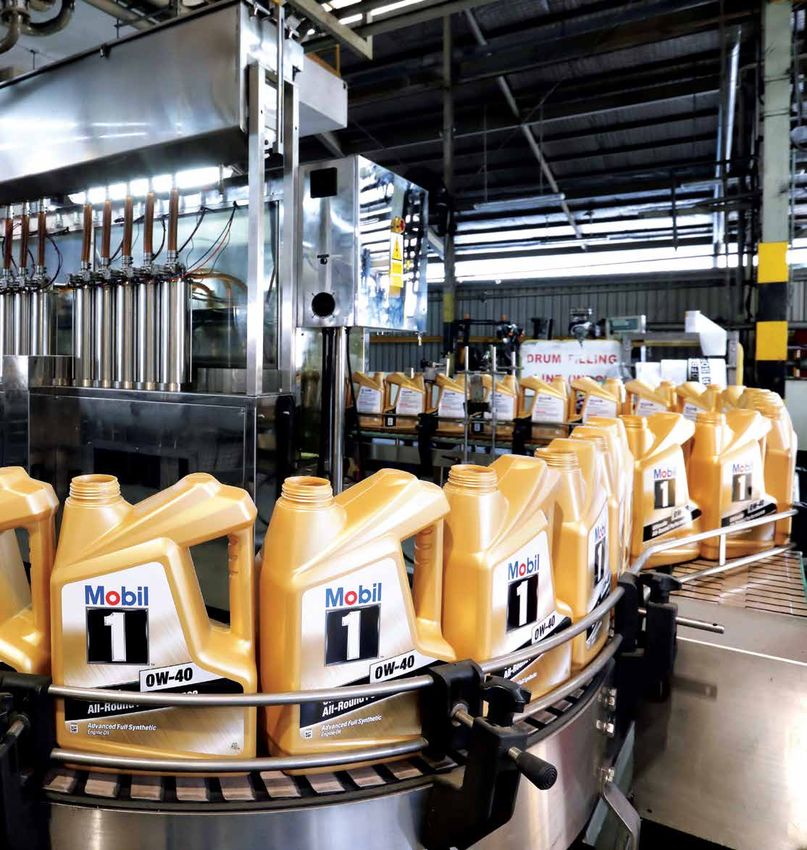
ExxonMobil has had a long presence in Singapore. What started out as a
                                                         kerosene trading house in 1893 is today a multi-billion-dollar manufacturing
                                                         and marketing business with over S$25 billion in fixed asset investments and
                                                         a diverse workforce of more than 3,500 employees.

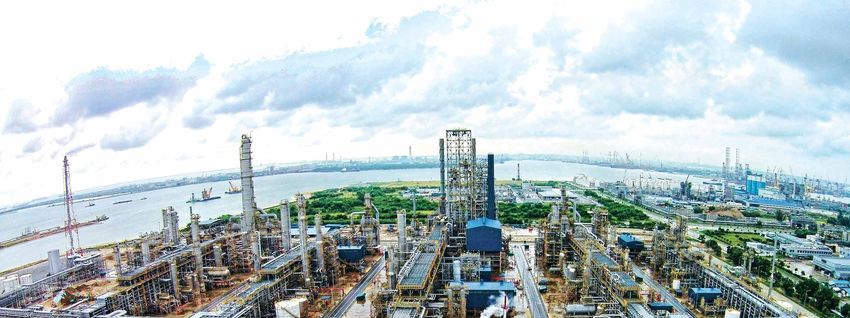
    Contents                                             The Singapore Refinery is fully integrated with the Singapore Chemical Plant
                                                         to form ExxonMobil’s largest integrated manufacturing complex in the world.
    Introduction                                     1   Our integration allows us to upgrade each molecule to its highest value.

    Milestones                                       2
                                                         The Singapore Refinery produces a range of fuel products including
    Map of ExxonMobil’s Integrated Manufacturing     3   gasoline, diesel, jet fuel, liquefied petroleum gas (LPG), asphalt and lubricant
    Complex                                              basestock. It also provides the chemical plant with feedstock. The Singapore
    Sustainability and Community Engagement          4   Chemical Plant in turn produces ethylene, propylene, polymers and specialty
                                                         chemicals - the basic building blocks for high-performance products and
    Singapore Refinery                               6   consumer goods such as diapers, food packaging, solvents, cosmetics and
    Fuels                                            8   automotive parts.

    Basestocks, Specialties and Lubricants          10
                                                         Safety, Security & Health
    Singapore Integrated Complex Process Overview   12   ExxonMobil is committed to doing business in a manner compatible with both the
    Singapore Chemical Plant                        14   environmental and economic needs of the communities in which we operate, while
                                                         protecting the safety, security and health of our employees, contractors and the public.
    Singapore Olefins Plant                         16
                                                         Safety is a core value and an integral part of ExxonMobil’s culture. Our aim is to ensure
    Singapore Polyethylene Plant                    17   each employee and contractor leaves work each day safe, and in good health. We remain
    Singapore Polypropylene Plant                   18   steadfast in our goal that “Nobody Gets Hurt” and we view effective risk management and a
                                                         commitment to safety as business imperatives.
    Singapore Elastomers Plant                      19
                                                         Our operational risks are managed through our Operations Integrity Management System
    Aromatics Plants                                20   (OIMS). This framework establishes common worldwide expectations for addressing safety,
    Singapore Resins Plant                          22   security, health, environmental, and social risk in every aspect of our business, including
                                                         process and personnel safety.
    Singapore Butyl Plant                           23
                                                         In addition, ExxonMobil maintains a strong emphasis on training for effective emergency
    Singapore Oxo-Alcohol Plant                     24   response capabilities. We establish strategic emergency support groups (ESGs) around the
    Our People                                      25   world to develop and practice emergency response strategies and assist field responders. In
                                                         Singapore, the complex periodically conducts drills and participates in joint exercises with
                                                         government agencies.

                                                         Technology
                                                         We believe that technology holds the key to ensuring that we continue to meet growing
                                                         energy demand, while at the same time reducing emissions. As a science and technology
                                                         company with more than 2,200 Ph.D. scientists on staff, we continue to pursue technologies
                                                         that benefit our company and society.

                                                         We invest in technology for operational excellence, operational flexibility and product
                                                         quality. For example, by leveraging on proprietary technologies, the world-class steam
                                                         cracker in Singapore can process an unprecedented feedstock range from gases to heavy
                                                         liquids, including crude oil. Technology also helps us improve energy efficiency and mitigate
                                                         emissions.

2                                                                                                                                                        1
Jurong Island

                                                                                                                                               Not drawn to scale
    Milestones
    ExxonMobil’s history in Singapore dates back to 1893

                       1966
                       Mobil Refinery in
                       Jurong starts up
                                                                                                             1893
                                                                                                             Vacuum Oil
                                                                                                             started selling
                                                                                                             kerosene

                                                                                                             2001
             1970                             1999                                                           Singapore
                                                                                                             Chemical Plant
             Esso Refinery on                 Merger                                                         (SCP) starts up
             Pulau Ayer Chawan
             starts up

                                                          SCP expansion
                                                          starts up
                                                                                     Singapore Diesel
                                                                                     Hydrotreater            2013
                                                                                     (SHDS) starts up

                                                              2014
                                                              ExxonMobil celebrates 120 years in Singapore

                                                                                                                    2017
               Completes              Jurong                     Acquires world-scale     New grease and
               Singapore Butyl        cogeneration facility      aromatics facility on    synthetics lubricants
               and Adhesion (SBA)     starts up                  Jurong Island            plant starts up
               production units

2                                                                                                                                                       3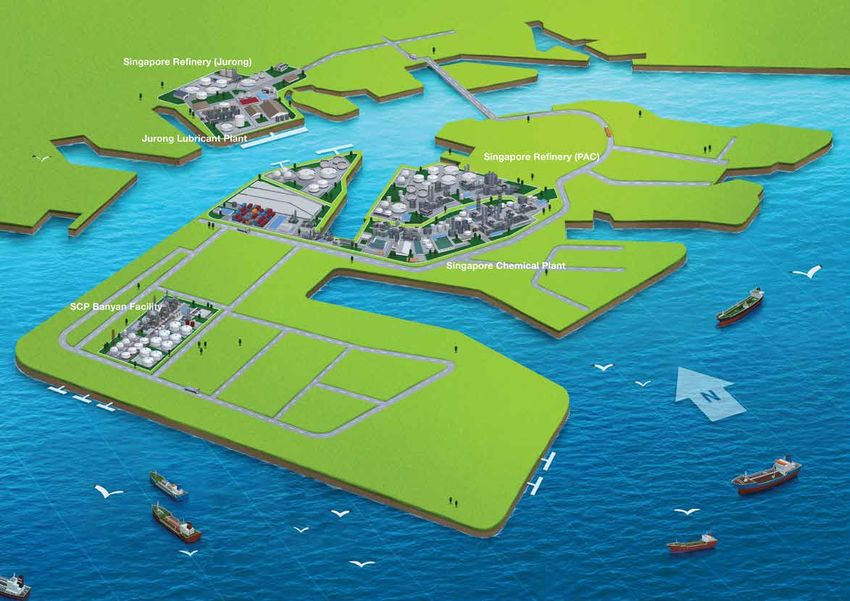
Water Management
Our operations are also designed to use alternative water Seawater cooling
reduces our freshwater
sources and we constantly seek opportunities to replace, That’s equivalent to
6X
demand by more than
Olympic-sized
reduce, reuse and recycle water, which we use mainly for
steam generation and process cooling. 4 million
gallons a day
swimming pools
of water savings
Frees up almost
In Singapore, besides seawater cooling and fin fan cooling,
we have also adopted the the membrane bioreactor (MBR)
Air fin fans
reduce the size of
300m /hour 3
of fresh water and treated
technology to treat wastewater so that it can be reused for water cooling towers
waste water!
cooling. We were the first to do so in ExxonMobil’s global
circuit of facilities when it was implemented at our chemical Membrance bioreactor (MBR) technology
plant in 2013. Today, more than 55 per cent of MBR-treated
Sustainable Operations treats In 2016,
ExxonMobil is committed to addressing the challenge of sustainability –
Social
water is recycled as cooling water. waste water
to be reused
for cooling 55%
balancing economic growth, social development and environmental protection Development
of MBR-treated water was
ExxonMobil continually looks for innovative and sustainable recycled as cooling water!
– so that future generations will not be affected by actions taken today.
options to efficiently manage energy and water use in our
Singapore facilities.
We work to expand the supplies of reliable and affordable energy needed for Economic Environmental
Growth Protection
economic progress, while advancing effective solutions that help consumers
reduce their own emissions.
Our Products’ Contributions
Our products play a key role in enabling the manufacture
Reducing Emissions and Improving Energy Efficiency of affordable, sustainable and safe products that are
To run our refining and petrochemical manufacturing operations safely and reliably, we need both energy and water. We helping to meet the growing demands of an increasing
recognize the need to manage these resources that we use efficiently.At the Singapore manufacturing complex, we take a global population. They are moving the world forward by
balanced approach by considering the impact of our operations on the economy, the community, and the environment. supporting economic growth, enhancing opportunity and
improving the quality of life for people everywhere. We
ExxonMobil believes that a continued focus on enhancing energy efficiency is one of the best ways to manage climate focus on developing solutions that can make a positive
change risks. contribution to sustainable development.
We achieve this focus by applying the Solutions include:
ExxonMobil Global Energy Management • Automotive: Lightweight plastics and high-performance Our annual Adopt-A-Rental-Block grocery distribution
System (GEMS) in our refineries and tires that support the automotive industry’s drive to
increase fuel efficiency and lower emissions ExxonMobil has also been a corporate partner with the
chemical plants worldwide. We have used
• Packaging: Thin, durable packaging films that keep food South West Community Development Council since
GEMS in Singapore to identify and act on
fresh, helping to reduce food waste 2002. The two organizations have worked together on
numerous opportunities to improve the
initiatives such as the transport bursary, which helps
energy efficiency of our operations, and • Building & Construction: House-wrap technology that
students from low-income families defray school-going
between 2002 and 2016, our complex’s improves building energy efficiency, helping to minimize
transport expenses, and the annual Adopt-A-Rental-Block
energy efficiency improved by about 25 per greenhouse gas emissions
activity, which sees 300 ExxonMobil volunteers distributing
cent. In terms of carbon dioxide emissions, • Consumer Goods: Materials that are safe, even in groceries to low-income residents in the local community.
it would be equivalent to removing over sensitive consumer goods like hygiene products, medical
479,000 cars from Singapore’s roads. applications and electronics Around our facilities, we lead the Jurong Neighbourhood
Environment Safety and Health (NESH) network and are
GEMS has allowed us to be leaders in
participants of the Sakra Owners Roundtable (SORT) -
industrial energy efficiency, and we were Community Relations platforms that allow us to actively engage the immediate
recognized in Singapore for our excellence ExxonMobil believes in making a positive impact in every community around the complex.
in energy management at the 2017 Energy community we operate in.
Efficiency National Partnership awards given
Our employees and their families also support community
out by the Singapore government. In Singapore, our community outreach activities include projects through their contributions and volunteer time.
support for education, environment, health, community Every year, they participate actively in various company-
We have also invested in three cogeneration facilities in Singapore, which can generate more than 440 megawatts of welfare and the arts. For example, we have been organized initiatives such as in the organization of blood
electricity. The electricity produced by these cogeneration units provide power to the chemical plant and refinery while supporting the Caring Teacher Awards together with the donation drives.
simultaneously generating steam that help run our operations. This has helped raise the energy efficiency of the Singapore National Institute of Education and Ministry of Education,
manufacturing complex significantly. to acknowledge the exceptional contributions of teachers
who have consistently made a significant difference in the
lives of their students, in and outside the classroom.
4 5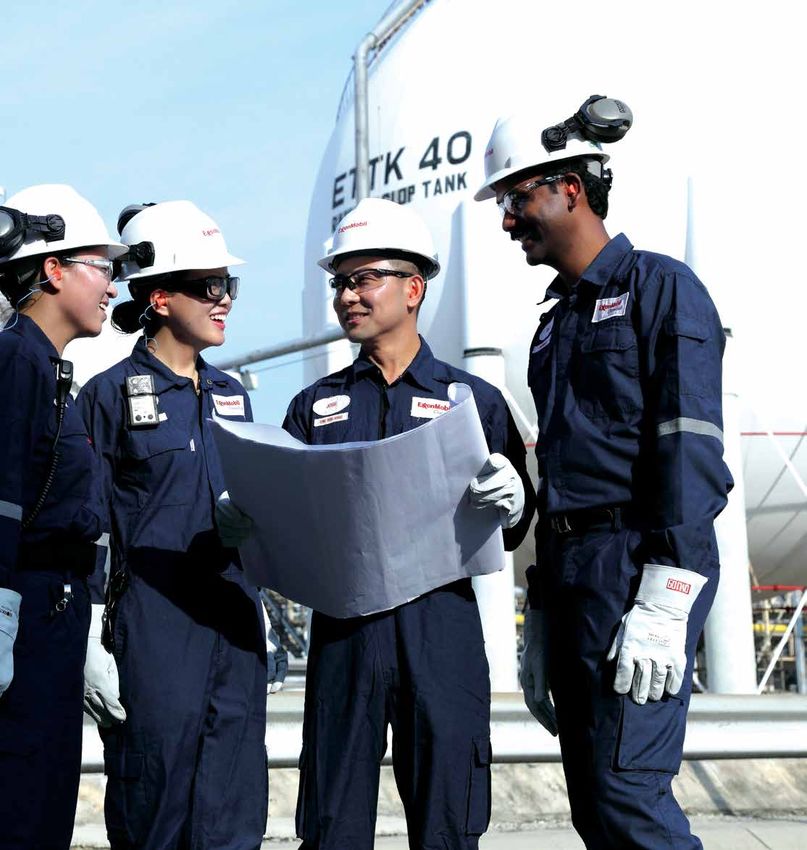
The Singapore Refinery is a world-scale refining complex across
    two sites – one on the mainland (Jurong) and another on Jurong
    Island (Pulau Ayer Chawan or PAC). Together with the Singapore
    Chemical Plant, they form the largest integrated ExxonMobil
    manufacturing complex in the world.

    This integrated refinery has a crude distillation capacity of 592,000
    barrels per day, producing a wide range of fuel products, lubricant
    basestock, aromatics and chemical feedstock for its customers and
    sister plants.

    Facts & Figures:
    Workforce Strength                   Total Throughput

                                                      Jurong
                    More than
                                                      302,000
                    1,200                             barrels per day

                    employees
                                                      PAC

                                                      290,000
                                                      barrels per day

    Products:
    Fuels & Chemical        Lubricants &             Aromatics
    Feedstock               Specialties              •   Paraxylene
    • Liquefied Petroleum   • Lubricant Basestocks   •   Benzene
      Gas (LPG)               Group I & II           •   Orthoxylene
    • Motor Gasoline        • Paraffin Waxes         •   Toluene
    • Naphtha               • Asphalt
    • Kerosene/Jet Fuel     • Hydrocarbon Fluids
    • Gas Oil/Diesel
    • Heavy Fuel Oil
      Residuals

6                                                                           7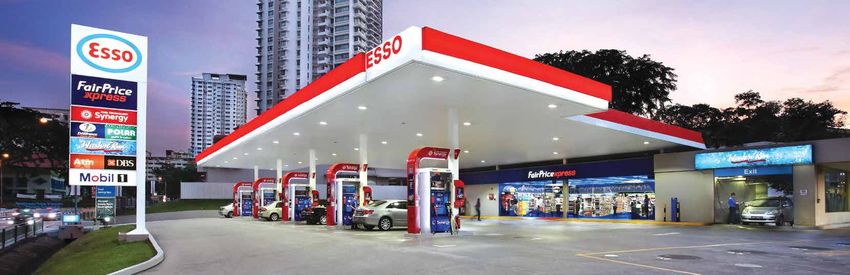
Production:
                                                                                                             • Fuels: 427 KBD
    ExxonMobil produces high quality fuels and these are                                                     What is KBD? This refers to the volume rate of Thousand Barrels per Day.
    marketed all around the world. The range of fuels is
                                                                                                             Products and Their End Uses:
    distributed through its business-to-business segments of
                                                                                                             Liquefied Petroleum Gas (LPG)
    Retail, Industrial & Wholesale, Aviation and Marine.
                                                                                                             Uses: Clean fuel for heating and cooking.

    In 2014, a diesel hydrotreater was opened at the                                                         Naphtha
    Singapore Refinery to produce ultra-low sulfur diesel.                                                   Uses: Feedstock for motor gasoline and petrochemical industry such as the production
    Completion of this new unit increased the facility’s low-                                                		    of aromatics and ethylene.
    sulfur diesel capacity to around 25 million liters a day,
                                                                                                             Motor Gasoline
    more than 10 million liters of which can meet ultra-low
                                                                                                             Uses: Fuel for motor vehicles. Also called petrol.
    sulfur diesel specifications.
                                                                                                             Kerosene (Jet Fuel)
    ExxonMobil also operates a fuels terminal and liquefied petroleum gas (LPG) bottling plant in Jurong     Uses: Domestic heating and to manufacture solvents. This refined middle distillate version is used as jet fuel.
    from which products are loaded for delivery to our customers and distributors.
                                                                                                             Gas Oil/Diesel
                                                                                                             Uses: Motor fuel for compression ignition engine in heavy vehicles and marine vessels. Light heating oil for industrial
    The terminal serves as an interface between the refinery and the service stations, and our wholesale
                                                                                                             		    and commercial purposes.
    customers. It has eight fuels loading racks and three LPG loading racks, through which bulk trucks are
    loaded with gasoline (petrol), diesel, light fuel oil and LPG before they head out.                      Heavy Fuel Oil Residual
                                                                                                             Uses: Heating and processing purposes in power plants, commercial buildings and industrial factories. Also used to
    The LPG bottling plant fills cylinders with LPG that then go to our distributors.                        		    power marine vessels.

8                                                                                                                                                                                                                                      9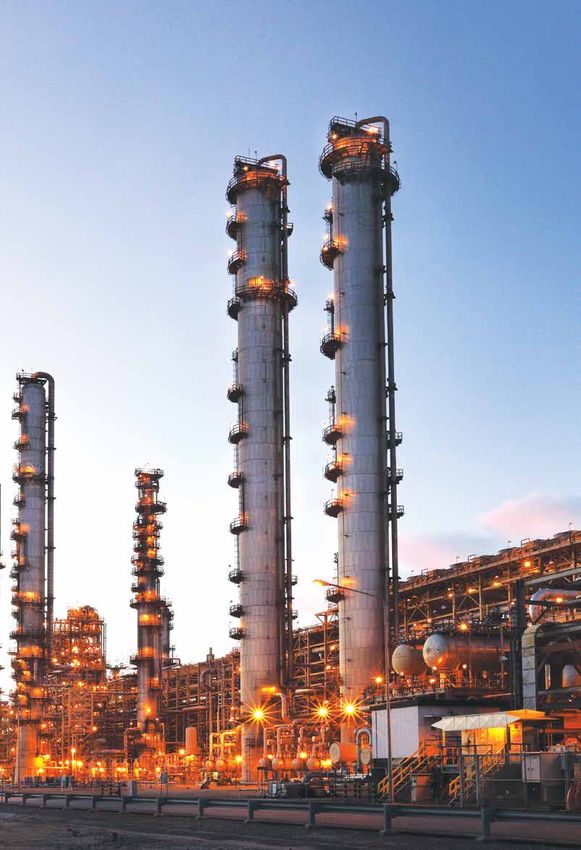
Lubricants are specially blended from basestocks, refinery products
     and additives to give them their unique strengths and properties.
     The Singapore Refinery manufactures basestocks which are then
     processed into finished lubricants and greases at a nearby plant.
     This plant was opened in 2017, and is the only location in
     Asia Pacific to manufacture Mobil 1TM, the world’s leading synthetic
     engine oil brand.

     ExxonMobil’s Lubricants and Specialties business offers its
     consumers leading lubricant products carrying the brands of
     Mobil 1, Mobil SHCTM, and Mobil DelvacTM for consumer and
     industrial uses. Its premium engine oil, Mobil 1, delivers significant
     fuel economy benefits while maintaining outstanding engine
     protection and lower emissions.

     Production:
     • Lubricant Basestock: 44 KBD

     Products and Their End Uses:
     Basestocks Groups I & II
     Group I basestocks are conventional lubricants made using a solvent refining
     technique while Group II are derived from hydrocracking and hydro-isomerisation
     technology.
     Uses: Industrial greases and oils, automotive lubricants and sealants.

     Hydrocarbon Fluids
     Hydrocarbon fluid streams specially tailored for various applications.
     Uses: Adhesives, metal working, water treatment, consumer products.

     Paraffin Waxes
     The pale yellow or white waxes are residues extracted from Group I Basestock
     Lubricants.
     Uses: Food packaging, water proofing of paper and fabrics, candles and
     		 cosmetics.

     Asphalt
     This solid to semi-viscous hydrocarbon is resistant to most chemicals and weather
     conditions.
     Uses: Road surfaces, roofing.

     Technology Feature:
     Proprietary Catalytic Innovation
     ExxonMobil’s state-of-the-art Group II lubricants plant boasts a proprietary
     catalyst which produces lubricants with attractive characteristics like greater
     thermal, volatility and oxidation stability. These lubricants are intended for a
     market that requires fuel economy, sustained emissions performance, extended
     lubricant life and greater engine protection.

10                                                                                       11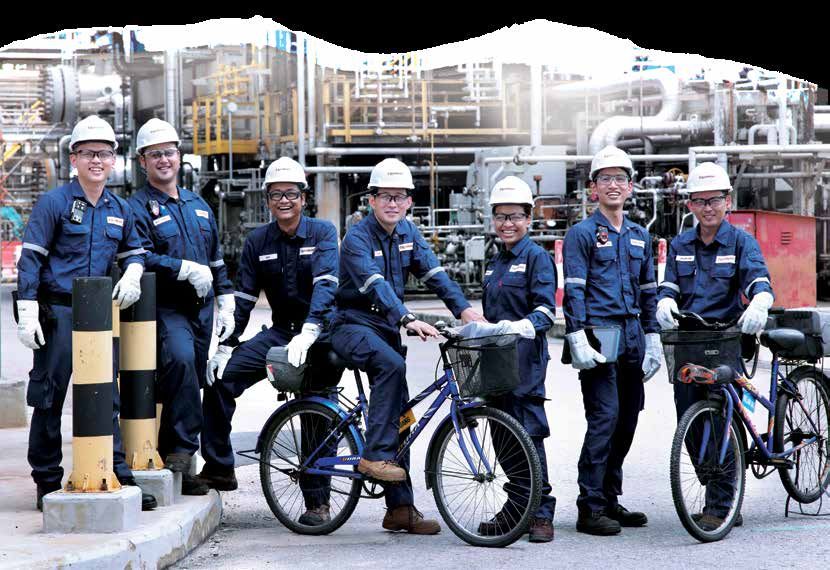
Singapore Integrated Complex Manufacturing Process Overview
Liquefied Petroleum Gas (LPG)
FEEDSTOCK Products to market
Motor C=2 – Ethylene Polyethylene Plant Polyethylene
Gasoline
Sales
Paraxylene
C=3 – Propylene Polypropylene Plant Polypropylene
Benzene
Aromatics Solution
Plant Elastomers Plant Performance Plastics
Orthoxylene
Sales
Naphtha
Steam
Toluene Cracker Sales
Kerosene
Aromatic C4s – Butenes Oxo Alcohol
Naphtha Oxo Alcohol Plant
Solvents IsoparTM Fluids
Hydrocarbon Fluids
Butyl Plant Butyl Rubber
Diesel
Crude
Distillation Resins Plant Hydrocarbon Resins
Units
Heavy Gas Oil Steam Cracker
C5-C8 – Motor
Olefins & Aromatics LSGHU* Gasoline
Fuel Oil
Group I Basestock
Group II Basestock Fuel Oil POX** Cogeneration Steam
Lubes Plant
Asphalt/Wax Power
Crude
Oil Fuel Oil
Fuel Oil
Aromatics Plant Benzene
* Lower Sulfur Gasoline Hydrogenation Unit
Paraxylene
** Partial Oxidation Unit
Refinery process
Chemical process
12 13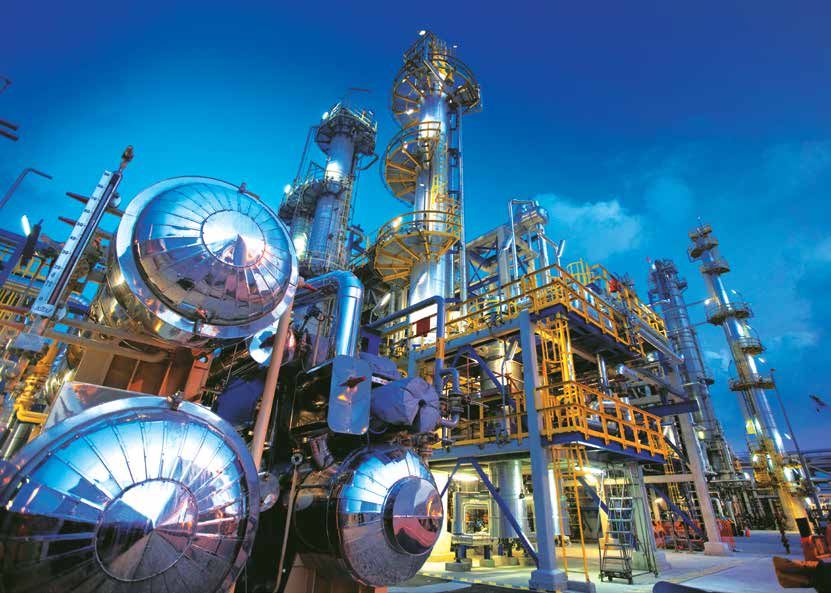
The Singapore Chemical Plant (SCP) is ExxonMobil’s largest
     integrated petrochemical complex in the world.

     The plant employs state-of-the-art chemical processing
     technologies for high performance manufacturing in today’s
     competitive global chemicals market. It is fully integrated with the
     refinery, which also provides feedstock to the steam crackers.

     Facts & Figures:
     Workforce Strength

                        More than    1,300                  employees

     Products:
     •   Ethylene
     •   Propylene
     •   Butene-1
     •   Butenes
     •   Motor Gasoline
     •   Polyethylene
     •   Polypropylene
     •   Performance Polymers
     •   Oxo alcohol
     •   Isopar Fluids
     •   Benzene
     •   Paraxylene
     •   Toluene
     •   Orthoxylene
     •   Butyl Rubber
     •   Tackifying Resins

14                                                                          15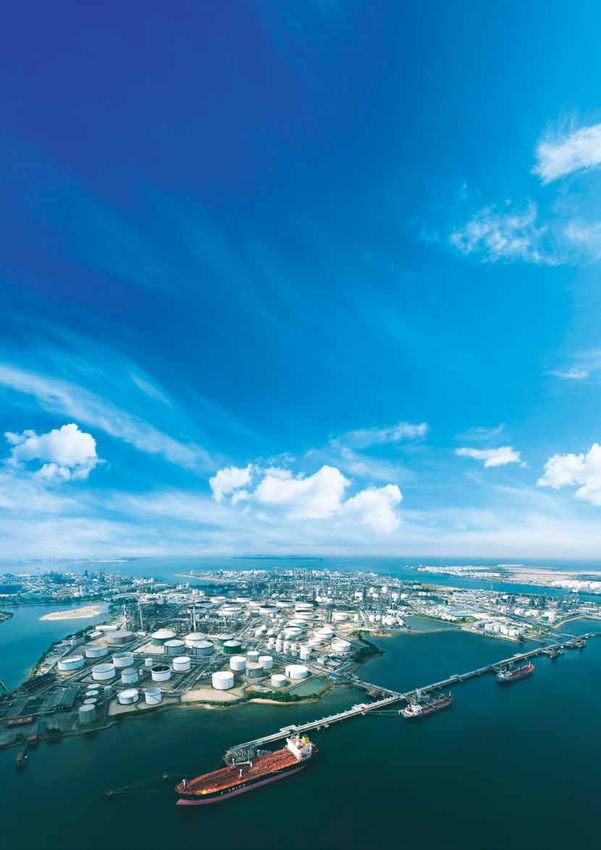
An olefin, or alkene, is an unsaturated                                                   Ethylene from the Singapore Olefins Plant is the main feedstock for
     chemical compound containing at least one                                                 producing polyethylene and performance polyethylene polymers
     carbon-to-carbon double bond. It is a basic                                               through a polymerization process.
     ingredient in many chemical and polymer
     products.                                                                                 Production:
                                                                                               • Polyethylene: 1,900 KTA
     Production:
     •   Ethylene: 1,900 KTA                                                                   Products and Their End Uses:
     •   Butene-1: 100 KTA                                                                     Polyethylene
     •   Butenes: 450 KTA                                                                      This is a polymer of ethylene that is versatile and widely used to make plastic
     •   Motor gasoline: 950 KTA                                                               products.
                                                                                               Uses: Various flexible packaging, product secondary packaging
     Products and Their End Uses:
     Ethylene                                                                                  EnableTM and ExceedTM Performance Polymers
     It is a basic building block for making a wide variety                                    The EnableTM and ExceedTM performance polymers are products made with
     of chemical and polymer products, including polyethylene.                                 proprietary catalyst technology. Film made using EnableTM and ExceedTM
     Uses: Detergent, plastic bags, film, paint, cosmetics.                                    Performance Polymers can contribute to reducing environmental impact through
                                                                                               down gauging.
     Propylene                                                                                 Uses: High integrity flexible packaging for food & non food protection,
     It is a basic building block for making polypropylene, polymers and other chemicals.      		    Hygiene backsheet, green house film.
     Uses: Carpets, upholstery, thermal underwear, yachts and polymer banknotes.
                                                                                               Technology Feature:
     Butenes                                                                                   ExxonMobil’s Gas Phase Polyethylene Technology (GPPT)
     Butenes are used as a feedstock in the synthesis of intermediate alcohols.                SPE is one of the world’s largest capacity polyethylene extrusion and pelletizing
     Uses: Wiring, cabling, vinyl flooring.                                                    line that utilizes cutting-edge ExxonMobil GPPT.

     Technology Feature:
     The Steam Crackers
     The heart of the chemical plant are two world-scale steam crackers that use
     proprietary technology to process hydrocarbon feed molecules into basic building
     blocks such as ethylene propylene, and butene-1. These are subsequently fed into
     polymers plants to produce polyethylene, propylene and specialty elastomers. Butene
     serves as a feedstock to the oxo alcohol plant to produce iso-nonyl alcohol and also
     to the polymers plants as a co-monomer feed. Benzene, which is produced from the
     steam cracker, is recovered at the aromatics plant. Other by-products from the steam
     crackers are sent to the cogeneration units to generate steam and electricity for use
     by the chemical plant. This makes the plant an energy-efficient manufacturing facility.

16                                                                                                                                                                                 17
ExxonMobil has one of the industry’s broadest portfolios of
performance polymers. The Singapore Elastomers Plant is the
company’s primary supply point of VistamaxxTM performance
polymers to customers globally.
Production:
• Solution Performance Plastics: 300 KTA
Products and Their End Uses:
VistamaxxTM Performance Polymers
This is an elastomer with unique attributes of high elasticity, softness, toughness,
flexibility, and adhesion. VistamaxxTM is compatible with various polyolefins and is
recyclable with these streams, resulting in more sustainable solutions.
Uses: Hygiene fabrics, flexible packaging, rigid containers, and toys.
Propylene from the Singapore Olefins Plant is the main feedstock for producing Technology Feature:
polypropylene through a polymerization process. ExxonMobil Process Technology
The plant uses ExxonMobil proprietary catalyst technology to ensure uniform
Production: and consistent polymers for greater strength, better sealing properties, and
• Polypropylene: 930 KTA improved clarity.
Products and Their End Uses:
Polypropylene
This propylene polymer is a highly versatile thermoplastic that serves double duty, both as a
plastic and a fiber. It is used to manufacture durable and nondurable consumer products.
Uses: Plastic containers, carpeting, car seats, sports apparel, diapers and packaging and
household appliances.
Technology Feature:
ExxonMobil Polypropylene Technology
The plant is among the world’s highest capacity, using the ExxonMobil Polypropylene
Technology for producing homo-polymer and impact co-polymer resins. ExxonMobil also
licenses this proprietary innovation, which is a pioneering integration of polypropylene slurry
and gas phase technologies.
18 19(Jurong Aromatics Recovery [JAR], Singapore Aromatics Recovery [SAR] and SCP Banyan Facility [SAR2])
Production: Singapore Aromatics Recovery and
• Paraxylene: 1,800 KTA SCP Banyan Facility (SAR2)
• Benzene: 1,300 KTA
ExxonMobil completed the acquisition of one of the
• Orthoxylene: 406 KTA
world’s largest aromatics facilities on Jurong Island
Jurong Aromatics Recovery in August 2017. This is the Corporation’s largest
Aromatics are hydrocarbons which contain one or more six-carbon benzene rings. downstream and chemical acquisition since the merger
The name was derived from the fact that many aromatic hydrocarbons have a fragrant odor. of Exxon and Mobil. This plant is now known as the SCP
Banyan Facility (SAR2).
Products and Their End Uses:
Paraxylene The acquisition adds operational and logistical
It is a feedstock used for the manufacture of polyesters and polyethylene terephthalate (PET). synergies, as well as increases ExxonMobil’s Singapore
Uses: Plastic bottles, clothing, transparent film packaging and screen protectors.
aromatics production to over 3.5 million tons per
Benzene year, including 1.8 million tons of paraxylene, plus an
It is a building block for a wide range of intermediate chemicals, such as styrene for polystyrene, phenol for polycarbonates additional 65,000 barrels per day of transportation fuels
and cyclohexane for nylon production. capacity.
Uses: Compact discs, polystyrene cups, automotive tyres and water bottles.
Technology Feature:
Orthoxylene SAR and SCP Banyan Facility (SAR2) use ExxonMobil’s state-
It is the principal precursor to phthalic anhydride, a key raw material to produce plasticizers. of-the-art xylene isomerization XymaxSM technology and other
Uses: Flexible PVC applications in inflatables, wires, cables and synthetic leather. advanced technologies to recover paraxylene and benzene.
Technology Feature:
ExxonMobil XymaxSM and TransPlusSM Technology
JAR uses ExxonMobil state-of-the-art xylene isomerization XymaxSM technology and heavy aromatics transalkylation
TransPlusSM technology. In addition, it also uses other advanced technologies to recover paraxylene and benzene.
20 21The latest additions to the petrochemical complex
are two world-scale production units for hydrocarbon
resins and halobutyl rubber.
The two new facilities, completed in 2017, build on
the Singapore petrochemical complex’s steam-cracking
capability which provide a range of feedstocks that can
be further upgraded to specialty products to support
growing market demand in Asia Pacific.
The hydrogenated hydrocarbon resin production unit – which incorporates ExxonMobil’s proprietary
technology – is the world’s largest at this time.
Capacity:
ExxonMobil is a major supplier of halobutyl rubber to the global tire industry. This new Singapore butyl
• Hydrocarbon resins: 90 KTA
unit will add production capacity of 140,000 tons per year.
Products and Their End Uses:
EscorezTM Tackifying Resins Ever since patenting butyl rubber in 1937, the company has been at the forefront of air barrier
EscorezTM tackifiers are hydrocarbon polymers that promote adhesion and tack in hot-melt and pressure-sensitive adhesives. innovations. Today, that leadership position enables users to benefit from advanced tire innerliner and
Their benefits include consistent quality, thermal stability, light color, polymer compatibility and low odor properties. pharmaceutical technologies as well as supply reliability to support sustainable business growth.
OpperaTM Modifiers
Advanced air barrier technologies bring tire manufacturers the potential to introduce tires that weigh
These modifiers are used in the manufacturing of transparent or opaque films with added stiffness and barrier properties.
They enable the production of downgauged films, reducing raw material consumption while extending shelf life and product less and retain air better to improve fuel economy, handling and durability.
freshness.
Capacity:
Oppera modifiers play a significant role in our daily lives from food packaging to confectionery, tea and even cosmetics
TM • Halobutyl rubber: 140 KTA
wrapping.
Products and Their End Uses:
ExxonTM Bromobutyl
ExxonTM bromobutyl rubber is derived from halogenating butyl rubber with bromine in a continuous process.
Exxon halobutyl rubber is the world’s most widely used butyl rubber for advanced air barrier technology. It provides tire
innerliners with the outstanding inflation pressure loss rate (IPLR) and very reliable performance that have made it
the most widely used butyl rubber for innerliners.
Advanced air barrier technologies bring tire manufacturers the potential to introduce tires that weigh less and
retain air better to improve fuel economy, handling and durability.
Key benefits include:
• Halobutyl rubbers (ExxonTM bromobutyl and ExxonTM chlorobutyl) can be vulcanized with other rubbers
• Low permeability
• High heat resistance
• Excellent flex cracking resistance
• Processability
22 23Our people are our competitive
advantage. Diversity of thought,
skills, knowledge and culture helps
facilitate innovation and makes us
more resilient. We are committed
to building a talented and diverse
workforce, and to creating an
environment in which every
employee has the opportunity to
excel based on performance.
The Singapore complex is a
dynamic, exciting place to work.
We hire exceptional people, and
every one of them is empowered to
think independently, take initiative
and be innovative.
We are committed to giving our people the opportunity to learn and grow through world-class training,
exciting career paths, and an outstanding development planning process with varied experiences and
assignments.
Oxo alcohols are obtained by adding carbon monoxide and hydrogen to an olefin to obtain an aldehyde,
which is then hydrogenated.
Production:
• Iso-nonyl Alcohol: 345 KTA
• Isopar Fluids: 35 KTA
Products and Their End Uses:
Iso-nonyl Alcohol
Feedstock for the manufacture of plasticizers, which provide flexibility and elasticity to many products, including PVC.
Uses: Floor and wall coverings, wire and cable insulation, synthetic leathers, automotive applications and healthcare products.
IsoparTM Fluids
Virtually odorless specialty fluids.
Uses: Process fluids, metal working, consumer products.
ExxonMobil Cobalt Flash Technology:
Fed by the butylene stream from the steam cracker the Oxo-Alcohol Plant utilizes ExxonMobil Cobalt Flash Technology to
produce oxo alcohols through hydroformylation. The high-quality alcohol products are supplied to customers across Asia,
including ExxonMobil’s own plasticizer plants in the region, as well as exported globally.
24 25Connect with us
Like us on
Facebook @ExxonMobil
Follow us on Exxon Mobil Corporation has numerous affiliates, many with names that include ExxonMobil,
Twitter @exxonmobil_sg Exxon, Esso and Mobil. For convenience and simplicity in this document, those terms and terms
like corporation, company, our and we sometimes used as abbreviated references to specific
Watch our latest videos at affiliates or affiliate groups. Abbreviated references describing global or regional operational
youtube.com/user/ExxonMobil organizations and global or regional business lines are also sometimes used for convenience and
simplicity. Nothing in this material is intended to override the corporate separateness of local
entities. Working relationships discussed in this material do not necessarily represent a reporting
Learn more about our connection, but may reflect a functional guidance, stewardship or service relationship. Similarly,
innovations at ExxonMobil has business relationships with thousands of customers, suppliers, governments and
energyfactor.exxonmobil.com others. For convenience and simplicity, words like venture, joint venture, partnership, co-venturer
and partner are used to indicate business relationships involving common activities and interests,
Visit us at www.exxonmobil.com.sg and those words may not indicate precise legal relationships.You can also read


