SUSTAINABILITY REPORT - '19 SCHIJVENS CORPORATE FASHION
←
→
Page content transcription
If your browser does not render page correctly, please read the page content below
Sustainability Report ‘19

SUSTAINABILITY
REPORT
‘19
SCHIJVENS CORPORATE FASHION
                                                  1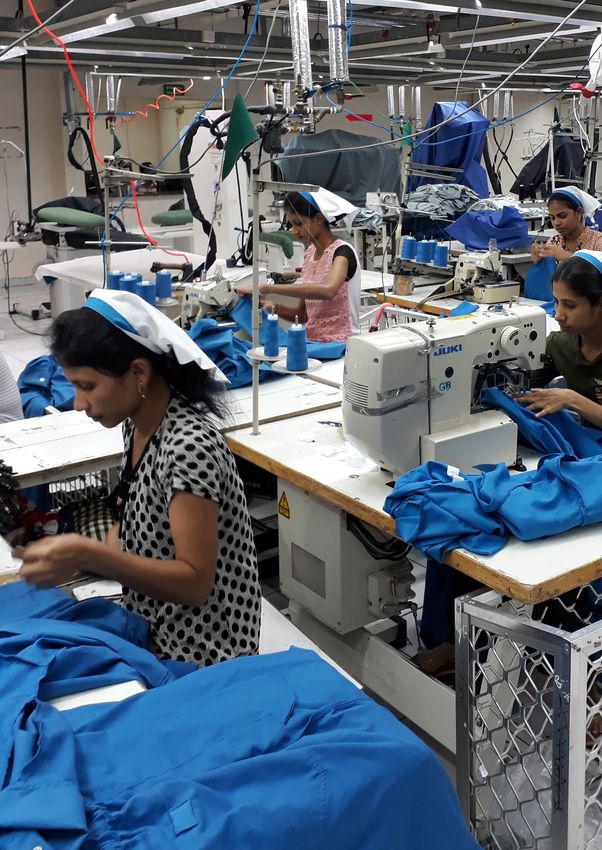
Sustainability Report ‘19                         Sustainability Report ‘19

                            SUSTAINABILITY
                            REPORT
                            ‘19
                            SCHIJVENS CORPORATE FASHION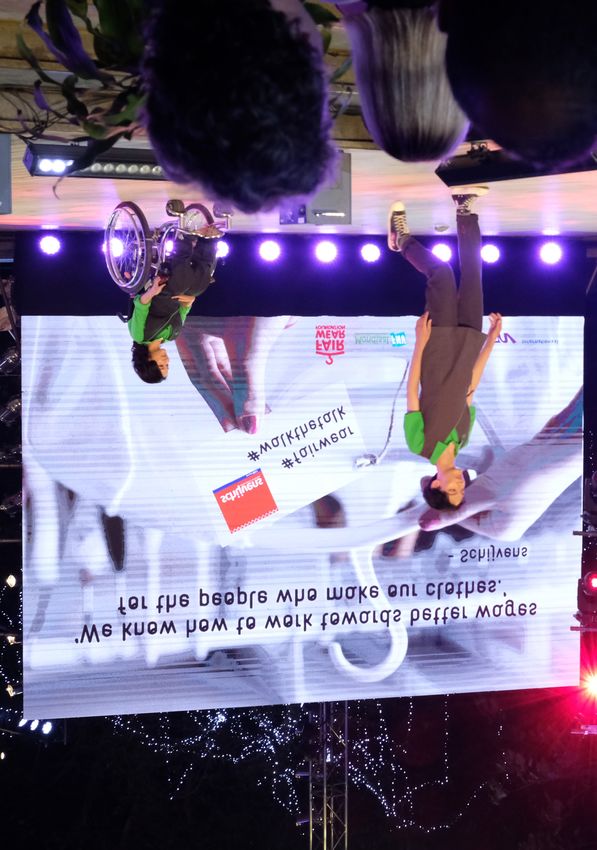
Content
Sustainability Report ‘19                               Sustainability Report ‘19

                                    4. Introduction

                                5. About Schijvens

                                    6. Sustainability

                                    12. Sustainable

                                         objectives

                              13. Purchasing policy

                            14. Production partners

                            		            17. Social

                                  conditions at our

                              production locations

                                  24. Stakeholders

                                      28. Summary

                                                                                    3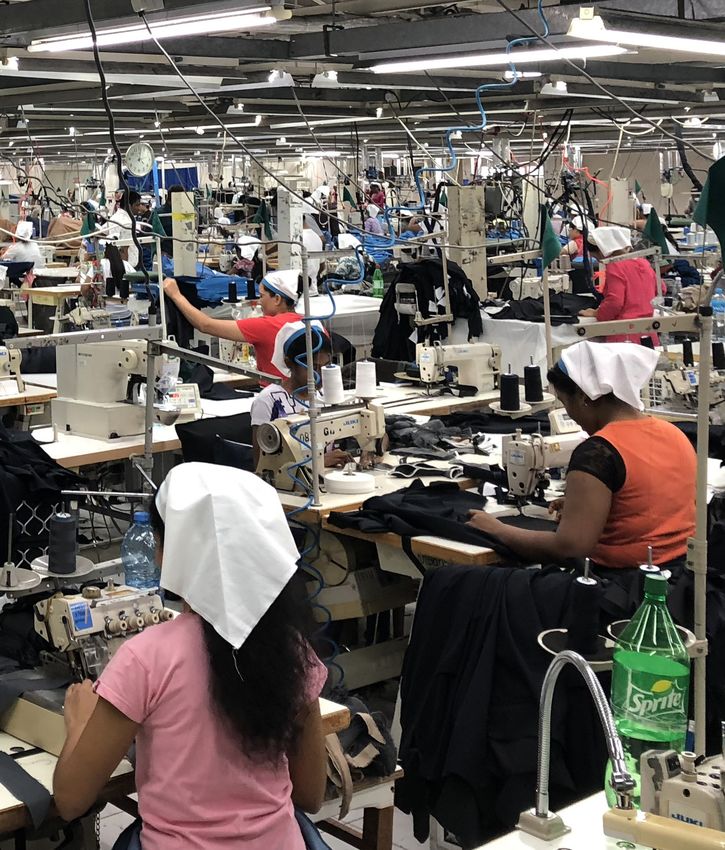
Sustainability Report ‘19 Sustainability Report ‘19
About Schijvens
Schijvens is a Dutch family business that has been The other 20% are owned by Michiel Oosterhuis
designing, manufacturing and distributing corpora- and his Turkish wife Pinar, who provide for the
te clothing for over 150 years. Schijvens has all the day-to-day management. This factory employs
departments needed to supply a high-quality pro- approximately 50 people. As a consequence
duction process, including a design department, Schijvens can continue switching fast, produce
a quality department, a workshop, a purchasing small quantities, perform fast deliveries, produce
department, a sales department with office and samples or fitting sets and this factory supplies a
field staff, a distribution centre of 5000 m2 and sup- pool of information that we can use to steer our
porting staff departments. other production locations, e.g. wage minutes per
product and patterns.
Schijvens has been around since 1863 and has
always been a producer of corporate clothing. A The customers find the power of Schijvens in the
long history, ample experience. Until 2005, Schij- full-service concept. Schijvens designs the clothing
vens was a real production company with 100 and won the Dutch Corporate Fashion Award for
seamstresses in Hilvarenbeek. Nowadays, Schijvens its appealing designs on several occasions. Schij-
is a business with a head-to-tail construction and vens supervises the production at fixed producers,
Introduction
outsources the production to low-wage countries. with personal experience in this matter from the
history and with an in-house quality control depart-
Shirley Rijnsdorp-Schijvens (owner): “I’m the 5th
Apart from designing and producing custo- ment, which is ISO9001 certified. And Schijvens can
generation of our family company: Schijvens
mer-specific corporate clothing, Schijvens also keep the collection in stock for the customers and
Corporate Fashion. We design, produce and
owns the workwear brand T’riffic, an extensive ship them to the establishments of the customer. To
distribute corporate apparel. I am owner of
and coordinated collection of trousers, overalls, this end it disposes of properly equipped software
the company together with my brother, Hugo
For years Schijvens has been well aware Schijvens, and the CEO is my husband Jaap
poloshirts, sweaters, t-shirts, jackets and thermal systems, e.g. an EDI portal, customer specific web
that continuing on the traditional path of clothing, which is all deliverable from stock. shops and a budget control system.
Rijnsdorp-Schijvens. Overall we work with 25
production is no longer sustainable in the employees in Hilvarenbeek and we have
In November 2015 Schijvens also set up a business The mission of Schijvens is to ensure that the em-
long term and this awareness is reflected production facilities all over the world. It is a
in Dubai, at the Free Trade Zone JAFZA, to offer re- ployees who wear its clothing feel good in their
in its mission and vision. Schijvens strives wonderful branche we are working in. Why?
gional support to the customers in the Middle East. workwear, so that this radiates to their customers
for an economy in which today’s goods Because people are working every day in our
and provides reassurance to the buyers. Schijvens
workwear. They receive their clothing
form the basis for tomorrow’s products; a Since 2016 Schijvens has also had its own produc- does this by supplying a fashionable design, a
circular economy. Our mission is to produce Shirley Rijnsdorp-Schijvens, Jaap Rijnsdorp-Schijvens
tion factory in Mersin, Turkey, of which it holds 80% great fit and a good quality and by making the
sustainable, post-consumer corporate of the shares. products in a sustainable way.
Owner / CEO
clothing (with worn garments as input)
that is worn with pride and pleasure by the From their employer. Therefore, it is very important
personnel. That the personnel of the company for us to ensure that the employees of our
promote the formula and so a stylish business customers are feeling happy in their corporate
apparel. This is one of our company’s main
card is issued, as an added advantage. Our
missions. Besided that, I really enjoy working
vision is that by 2020, Schijvens is completely with textiles. On this particula part, I like textiles,
producing circular. In addition in terms of because it is an industry where a lot of movement
social responsiliby, our company and our is on sustainablity. Especially when it comes to
production sites are affiliated with the Fair sustainability, my hearts start beating faster. If you
Wear Foundation, an organization that is hve a company like ours, which exists over 150
dedicated to good working conditions. We years, than social responsiblity is embedded in your
DNA.
find it naturally; respect for people and the
environment and concern for the future. Jeske van Korven CSR
4 7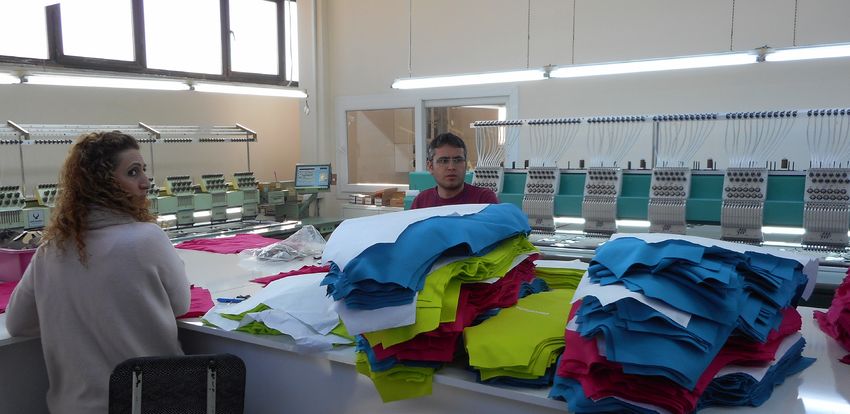
Sustainability Report ‘19                                             Sustainability Report ‘19

Sustainability
Social Responsibility                                    Fair Wear Foundation
Sustainability is In the company’s DNA. It is very       Since 2010 we are a member of Fair Wear
important to us that our clothing is manufactured        Foundation, which is a non-profit organization that
under good working conditions and as                     works with brands, factories, trade unions, NGO’s
environmentally friendly as possible. Apart from the     and sometimes governments to verify and improve
Fair Wear Foundation, we are also affiliated with        workplace conditions for garment workers in 11
the Dutch Agreement on Sustainable Garments              production countries in Asia, Europe and Africa. FWF
and Textile, Bangladesh Accord and SAC, which            is an independent foundation, which is supported
helps us to monitor the working environment at           by the Dutch government and it operates in
our production locations. All factories are audited      accordance with the ILO-standards. Membership of
by an independent third party after which, in            FWF results in an obligation to submit all production
association with the factory, work is carried out        information, including all factory details. FWF
on creating a better working environment. We             investigates the labour conditions at our production
consider all of our suppliers as partners and our        locations, which is an on-going process. All the
good long-term relationships are highly valued.          findings from audits will be followed up together with
                                                         the factory in a timely manner.

                                                                                                          6                                   9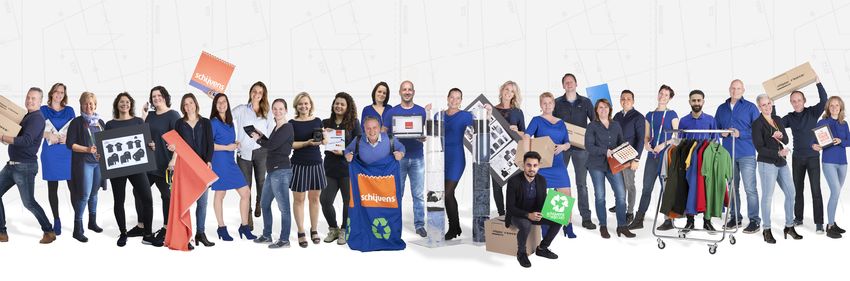
Sustainability Report ‘19

                                                                        Our living wage project in Turkey was finalized
                                                                        in 2017, ever since all factory employees have
                                                                        received a living wage. We won FWF’s Best
                                                                        Practice Award for it in 2017. At the start of this
                                                                        year this benchmark was calculated again and
                                                                        adjusted. The latter due to the high increase of the
                                                                        minimum wage.

                                                                        This project was then rolled out to the factory
                                                                        in Pakistan. In 2018 we visited this supplier twice
                                                                        to meet, about this. During one of these visits
                                                                        a questionnaire was also distributed to the
                                                                        employees who work at our production floor.
                                                                        They indicated what all their costs are, and in this
                                                                        respect the question was also asked what they
                                                                        feel a living wage should be. These results were
                                                                        processed by The Sustainable Trade Initiative (IDH)
                                                                        and a benchmark was determined in this respect.

                                                                        Feedback was subsequently given to the factory
                                                                        and now it needs to be calculated what the
                                                                        additional cost will be to increase the salaries to
                                                                        the said living wage benchmark. In this respect
                                                                        it goes without saying that the difference in work
                                                                        experience and expertise should be taken into
                                                                        account. This factory comprises 23% of our total

               Living wage                                              production. Turkey covers 39% of our production,
                                                                        hence when we have also implemented the living
                                                                        wage in Pakistan we already have a demonstrable
                                                                        living wage at well over 60% of our production.
               In the clothing industry employees are usually paid      Because we are an important player to the
               a minimum wage, which is not sufficient to make          factory in Pakistan and also because this is a family
               a living. To yet make a living overtime is often         business that is intrinsically motivated to improve
               performed, however we feel that the basic wage           and to properly provide for its staff, we expect to
               should be enough to make a living. Schijvens             be able to jointly realize this. Moreover, we are
               wants to know whether its cost price is enough           also trying to cooperate with another player of the
               to pay for a living wage. If that is the case, then      Covenant, which also sources from this factory.
               Schijvens wants to know why the employees are
               not paid a living wage. If this is, then Schijvens       If this becomes a success then we will again copy
               wants to increase its cost price in order that the       this to a subsequent producer from our “Value
               living wage can be paid. If Schijvens does pay the       Circle”. We had the ambition to do this faster
               living wage but it is not paid to the employee then      however the present experience teaches us that
               Schijvens will enter into discussions with the factory   the factories still measure much too little to truly
               management to verify what the reason is and              obtain good insight into wage minutes and cost
               what Schijvens can change about that together            prices, which are essential data. The next roll-out
               with the factory.                                        will be at the factory in Bangladesh.

               ”Wages and benefits paid for a standard working
               week shall meet at least legal or industry minimum
               standards and always be sufficient to meet basic
               needs of workers and their families and to provide
               some discretionary income”.
                                                                 10                                                     9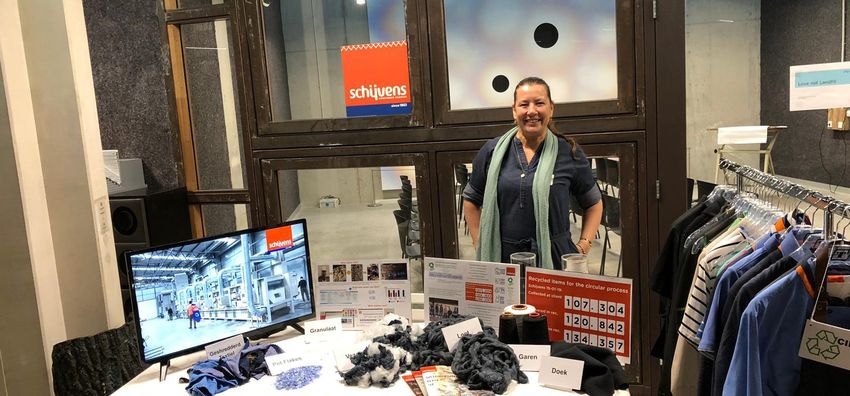
Sustainability Report ‘19                                                                   Sustainability Report ‘19

The circular process in a nutshell                                                        Environmental Responsibility
There is a world to win, that is why our recycled
clothing is made of recycled yarn. The yarn is made
of 50% recycled textile and 50% recycled PET bottles.
Schijvens adds PET bottles because they make sure
that the fabrics are strong enough and can properly
be washed”.

Schijvens does this by collecting the clothing at the
customer, recycle it and make new clothing of it.
The entire process of producing recycled company
clothing has considerable impact on the environ-
                                                                   Average savings
ment.

For instance, on average 99% water, 40% energy

                                                                  40%
and 40% CO2 emission are saved because no new
raw materials are required to produce new yarn and
because the clothing does not end up on a waste
dump or is incinerated.

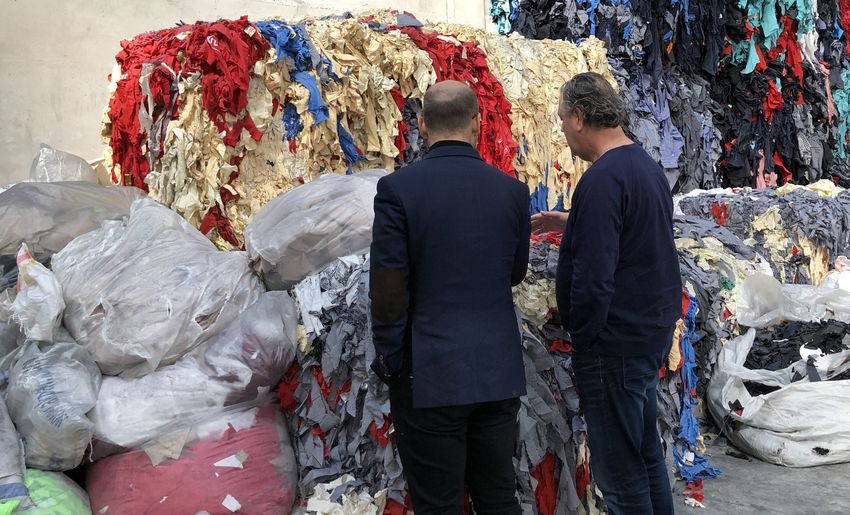
                                                                                          The textile industry is the 2nd most polluting industry    picture is complete with this collection and it shows
                                                                                          in the world. That is why Schijvens has already            that CSR does not need to be boring at all. We have
                                                                                          been working on the development to make new                an employee within Schijvens who is dedicated for

                                                                          99%             clothing of old clothing for quite some time. We
                                                                                          want to produce our clothing in a manner that is as
                                                                                          environmentally friendly as possible and we aim to
                                                                                                                                                     100% of this time to the circular process, this person
                                                                                                                                                     cooperates with our ISO coordinator who is also
                                                                                                                                                     responsible for the return logistics. In addition, we
                                                                                          be fully circular. We are working hard to increase         hired two employees who sort and repack all the old
                                                                                          the recycled content in our clothing. By recycling         clothing in order that it can be transported to the
                                                                                          clothing we produce new recycled yarn, which               recycling factory.
                                                                                          we use for new productions again. Because the

                                                                  40%
                                                                                          footprint of recycled yarn is considerably lower           Meanwhile we have, apart from the ECAP project,
                                                                                          than traditional yarn. The waste dump is also              been working with RVO and the embassies in Turkey,
                                                                                          reduced because we pick up the worn clothing               Pakistan and China on creating breakthroughs in
                                                                                          from our customers. We try doing this by convincing        the present legislation, which is not set to circularity
                                                                                          customers to participate in our recycling process.         yet. We realize that we are a small player, however
                                                                                          We can then pick up the clothing and shred or              we are a trendsetter and a disruptor who can
                                                                                          melt it at the recycling factory in Turkey. The yarn is    open doors, can set examples and make sure
                                                                                          distributed over the cloth producers who in turn can       that in time the scalability of our projects can work
                                                                                          produce new cloth that is used in new productions          internationally and can be followed or improved by
                                                                                          of Schijvens.                                              big players as a result of which the environment will
                                                                                                                                                     shortly no longer suffer from our industry.
                                                                                          In our last bookyear Schijvens delivered 25% of its
                                                                                          total production in its recycled yarn. In addition,        Our goal is to move from 25% to 75% recycled
                                                                                          it collected more than 100.000 pieces of worn old          collections in 2019. We will convince even more
                                                                                          clothing from its customers. Twenty of our customers       customers to switch to recycled clothing and will
                                                                                          are wearing recycled clothing. Schijvens also              moreover convert our T’riffic brand into recycled
                                                                                          won the 2018 Corporate Fashion Award in the                materials. Our ultimate goal is to be fully circular in
                                                                                          sustainability category, with the CSU collection, that     2021.
                                                                                          we are very proud of. According to the Jury the
                                                                                     10                                                                                                                  11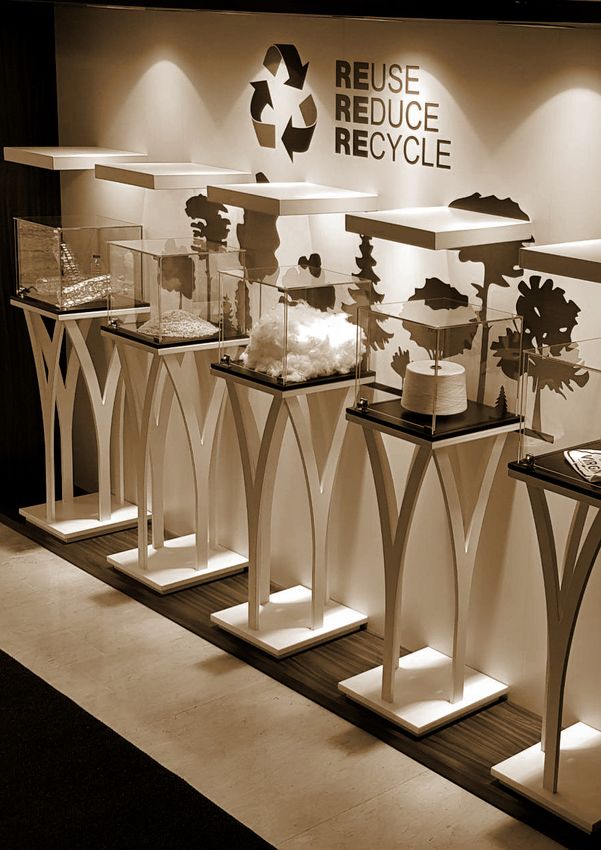
Sustainability Report ‘19                                                                                           Sustainability Report ‘19

SUSTAINABLE OBJECTIVES                                                                                              Purchasing Policy
                                                                                                                    The purchasing department consists of the                   With all these measures we try to in any case give
People
                                                                                                                    purchasing manager (CEO), project coordinator               the factories sufficient time for our productions
The auditing and following up of corrective                 Planet
                                                                                                                    (planning) and junior buyer / CSR. The purchasing           and to properly monitor the production process
actions is a continuous process that we work on,            Recycling is our biggest priority. In 2019 we
                                                                                                                    manager is responsible for sourcing, innovation             in order that interventions are, where required,
in association with the factory, throughout the             would like to move from 25% to 75% of recycled
                                                                                                                    and handles new projects and requests. The                  possible in a timely fashion. The most important
year. The biggest challenges can be found in                productions by convincing more customers
                                                                                                                    project coordinator is responsible for the planning         sourcing criteria are; sustainability, quality and
the reduction of overtime, the increase of worker           and by converting the T’riffic collection into
                                                                                                                    and is in daily contact with the factories. To keep         workmanship, price and delivery time. Schijvens
awareness and the implementation of a living                recycled materials. At our factories in Turkey and
                                                                                                                    an accurate focus on the planning a PLM system              applies a manual for all our suppliers in which it is
wage that we will work on further in the years to           Pakistan recycled productions have already
                                                                                                                    is used. This is updated and discussed with all our         mentioned how we believe a partnership should
come. With regard to the living wage our goal               been produced, we want to also expand this to
                                                                                                                    suppliers twice a month. Delivery times can thus            work. We believe in cooperation as partners. It is
is to finalize the project in Pakistan this year and        China and India. Tests are still being conducted
                                                                                                                    be monitored accurately and it is possible to               very important to us that our suppliers share the
to roll out to the factory in Bangladesh. Worker            with the recycled yarn, but in 2019 we expect to
                                                                                                                    intervene, where required, in a timely fashion. The         same vision with regard to sustainability, otherwise
awareness must be increased through training,               also start the first recycled productions in these
                                                                                                                    junior buyer / CSR is responsible for everything that       cooperation is not possible. Our manual includes,
preferably through FWF’s Workplace Education                two countries. In addition, we are working on the
                                                                                                                    is related to sustainability and also handles small         inter alia, FWF’s Code of Labour Practices, which
Program, which is aimed at both workers and                 implementation of a software tool that measures
                                                                                                                    projects that are produced in the Netherlands.              all suppliers signed. In addition, FWF’s Worker
management. We will continue also upcoming                  and renders the stock inventory, the return logistics
                                                                                                                    Our joint goal is that our collections are produced         Information Sheet is available to the employees
years with this, especially in China. With regard to        planning and the realized environmental result
                                                                                                                    in the best possible conditions, for everyone               at every factory in order that they are informed
overtime, this remains a difficult concern for us,          compared to the Sustainable Development Goals
                                                                                                                    within the supply chain. Internal measures that we          of their rights and can, where required, contact
were we will continue working on, also with other           transparent.
                                                                                                                    implement for this include, inter alia, the PLM and         FWF’s complaint hotline. In addition, every supplier
brands to hopefully make more progress .
                                                                                                                    moreover the generation of a monthly forecast for           must be audited and it is also expected that they
                                                            Finally, a due diligence is conducted at production
[Fair Trade Principles]                                                                                             our clothing. This way we keep a close eye on the           continuously keep working on the improvement
                                                            locations further ahead in the chain, we will start
                                                                                                                    stock levels and we can start new productions in            of the working conditions at the factory. It is not a
                                                            this in 2019 in order to ultimately also implement
                                                                                                                    a timely fashion. In addition, we apply standard            pass / fail system but an ‘on-going’ process. When
                                                            improvements there.
                                                                                                                    delivery times, 3 months for European production            it becomes apparent that one of our suppliers
                                                                                                                    and 5 months for the Far East, however always in            is not willing to keep working on this or is not
                                                                                                                    consultation with the factory of course.                    transparent about this then we are, unfortunately,
                                                                                                                                                                                held to terminate the partnership. Of course this is
                                                                                                                                                                                only done if we truly see no other solution anymore
                                                                                                                                                                                and in consultation with the factory.

                                                                                                            14                                                                                                                  15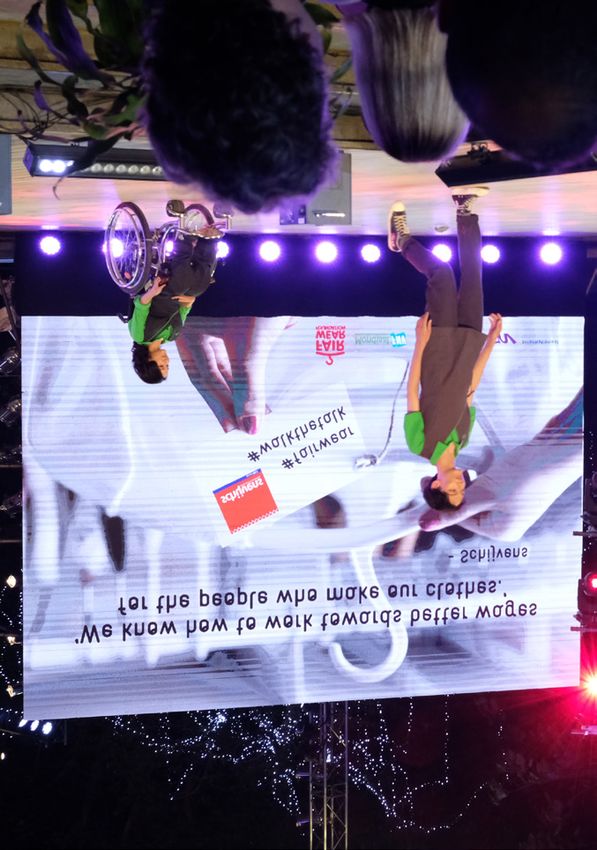
ZOOM               Sustainability Report ‘19                                                               Sustainability Report ‘19   ZOOM

   Production Partners
                                   Turkey
        Portugal
                                    42%              China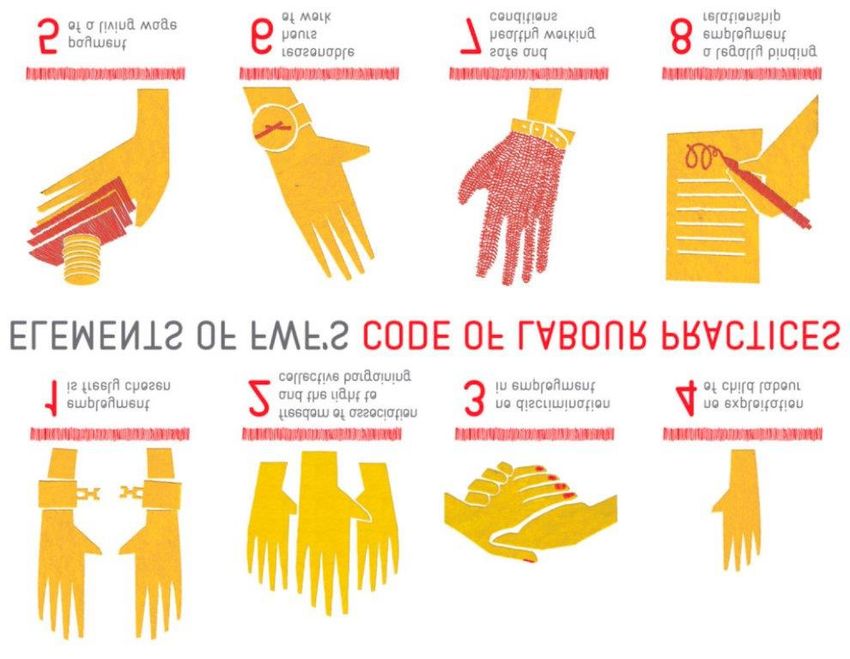
Sustainability Report ‘19                                                         Sustainability Report ‘19

Social conditions factories
The improvement of the social conditions at                together. For all our efforts and performances we
the factories is an ‘on-going’ process. All our            increased from 75 points to 86 points during the last
factories are by default audited again every               Brand Performance Check of FWF and we have
                                                           the leader status, which is the highest obtainable
three years. We do this via local audit teams
                                                           category.
of FWF. Urgent issues are picked up immedia-
tely. Less urgent aspects are discussed and, in            There are many potential risks at clothing factories
consultation with the factory, it is determined            with regard to, for instance, the safety, freedom
when it can be solved or implemented. Not a                of trade union and discrimination. By following the
single factory is perfect, hence there is always           corrective actions that are observed during audits
room for improvement.                                      we try to, in association with the factory, improve
                                                           all these action points within the time frame
All on-going action points are discussed regularly         specified by FWF. In order to thus improve the
with the factory, either by email or by telephone,         working conditions for the factory employees who
during factory visits and annually openly with             produce our collections. In general our main focus
all our suppliers during our supplier meeting, in          is on living wage, and also on reducing overtime
order that we can also learn from each other. In           and increasing worker awareness of their rights.
addition, we also cooperate as much as possible            In this report the most important actions per
with other companies that source from the same             production country are provided.
factories. This way the leverage at a facility is,
of course, increased because you are stronger

                                                                                                                   Social conditions
                                                                                                                   at our production locations
                                                                                                           18                                             19
Sustainability Report ‘19
The Risks
•
•
Excessive overtime and incorrect
payment of the overtime
Subcontracting
Pakistan The Risks
• Unequal rights for women
• Salaries under living wage
In 2018 a follow-up audit was conducted at • Limited freedom of
• Limited freedom of association MYM Knitwear. Ever since the factory has no
association
• Unfair or unlawful dismissals longer worked with temporary agreements and
the employees are entitled to a permanent • Salaries under living wage
• Unequal rights for Syrian
agreement.
refugees, child labour and In addition, improvements were implemented in
unregistered employees the area of safety and a CSR training took place
that all people in the workplace participate in. The
objective of the training was to inform people of
their rights, which was received very positively.
The most important action point is the finalization
of the living wage project. In 2018 we visited
the factory several times to meet about this.
Turkey In particular at the embroidery and printing
section ample overtime is performed in certain
periods. This is caused by the fact that we cannot
A benchmark was established together with
employees and the factory. The last step is the
calculation of the additional costs in order that the
living wage can also actually be implemented.
outsource this process due to a lack of machines
and expertise at the subcontractor. This also includes the manner that overtime is
At our own factory UFS almost all action points
reimbursed. We expect to finish the project soon,
are handled, this will be verified during the follow-
together also with another clothing brands, that
up audit in May of this year. In addition, we are Syrian refugees & unregistered employees
sources from the same factory, and implement the
working with another factory when our production The arrival of Syrian refugees in Turkey results in an
living wage in the fall of this year.
line is full. This factory was audited by BSCI. increased risk of child labour. In addition, the risk
UAE
exists that people of Syrian origin work without a
Overtime & Subcontracting work permit and do not have the same rights as
A frequently occurring problem in Turkey is Turkish employees. Syrians are also employed at The Risks
excessive overtime and the undeclared payment the factories that we work with. They have the • Excessive overtime
of overtime in order to prevent high fees on the same rights as any other and are in possession
• Non legally binding agreements Main concerns that have to be taken into account
national insurance contributions. Of course this has of a work permit. This is often a long process,
hence it may happen that an employee is still in • Limited freedom of association in the United Arabic Emirates particularly regards
an adverse effect on the employees when they
the process of obtaining a permit, however they • No statutory minimum wage the freedom of trade union, which represents a
are dismissed or retire. Since the implementation of
are always treated equally. considerable problem. Geebee Garments, which
living wage in 2017 this has also been adjusted at established
makes clothing for us in Bangladesh, also has a
our factory and everything is being paid correctly.
production location in Sharjah where costumes are
Overtime does remain a problem at the factory Freedom of trade union & women’s rights
produced. This factory was audited in 2018 and
but we worked hard on reducing this, including Our factories are located in a Free Trade Zone
no corrective actions came to the fore. We do still
through better planning, hiring additional people and a trade union is not active here. Instead, a
have a goal with regard to freedom of association.
and the possibility of outsourcing the production worker committee and an operational complaint
We would like to see the incorporation of a worker
to another facility when our production line is full. mechanism were set up. In 2018 Pinar, fellow
committee but this is, unfortunately, prohibited by
This factory does, for that matter, also fall under director of UFS, won an award for the work she
law, hence we have now indicated that a worker
our audit monitoring percentage of FWF. This performs for women’s rights in Turkey. She works
representative would be a good alternative. We
factory does, for that matter, also fall under our for women who experience sexual intimidation in
would like to implement this via training and also
audit monitoring percentage of FWF. Our factory the workplace and for women who are in need of
inform the employees of their rights, the worker
indicates that the overtime was on average additional assistance in caring for sick children.
representative and FWF’s complaint line.
reduced from 15% to 10%, which falls within The most important area of attention in Turkey
In addition, even though according to the auditor
the statutory standard of FWF. It is, however, remains overtime. In addition, several corrective
the factory also complies with the living wage
approximate, because it differs per employee. actions are outstanding at our subcontractor that
benchmark, we still want to examine this in the
The follow-up audit that took place in May of this we are working on together with a other clothing
longer term.
year must verify this. Meanwhile we are going to brands. we are working on together with a
try to reduce the overtime at UFS even further. number of other clothing brands. 18 19Sustainability Report ‘19 Sustainability Report ‘19
Bangladesh
factory. The management indicated to be positive
In 2018 a follow-up audit was conducted at about this, hence hopefully we can start this soon.
Geebee Garments, with whom we collaborate The most important action points still remain
in Bangladesh. All corrective actions are now Worker Awareness and the incorporation of a
followed up together with also other companies, properly operational anti-harassment committee.
that source from this facility. In this way our Unfortunately this process is taking a lot of time,
leverage is increased, which helps with the however our goal is to finalize this in 2019 in
remediation of improvements. association with FWF. The complaint system is
neither working optimally yet.
During our factory visit at the start of this year In terms of the safety at the factory most of the
we went through all outstanding actions as well points were improved, however actions are still
as the living wage aspect and the increase outstanding in respect of the building safety, which
of the minimum wage, which has also been must obviously be followed up as soon as possible.
implemented at the factory. In the autumn we This takes place under the supervision of the
The Risks
would like to roll out the living wage project to this Bangladesh Accord, which follows and inspects
this. • Excessive overtime
• Limited transparency
• Salaries under living wage
China
The Risks • Limited freedom of association
• Bad fire and building safety
• Subcontracting
• Sexual intimidation against
women Due to decisions of the Chinese government there there was question of a double bookkeeping. In
are factories in China that must either relocate addition, Overtime and freedom of association are
• Excessive overtime
or close. To our knowledge this takes place for a problem. We think it is a good idea to after the
• Salaries under living wage environmental motives and it is tried to place audits examine the possibilities of providing training
• Limited freedom of factories together in a more centralized manner in to the employees in order that they obtain more
order to monitor them better or, if the standard is insight into their rights and try to make the worker
association
truly not met, to even close them. committee more active.
Unfortunately, one of our factories closed. The Moreover, there are two other production
latter because relocation was not an option, locations where only a small part of our production
because it was not possible to obtain new staff is produced. We intend to discontinue with one of
or to maintain present employees. That is why we the factories, we only represent a very small part of
started looking for a new production location in their total production as a result of which we have
China, which was audited in May of this year. The very little leverage. This is particularly a problem
other factories remain, in any case for the time when following up on the social conditions at the
being, at the present location. In total, we work factory. Despite the fact that we cooperate with
with four different production locations in China. another company the total leverage is still very
small. Last year we provided a training together
Foshan Ka Chun Garment is our most important with this other company, unfortunately, due to
supplier in China, with which we have already limited cooperation of the management, only
cooperated for a long time. In July 2019 we a small number of employees participate in the
have a repeat audit scheduled at this factory. training, which is, of course, a shame. Our fourth
Risks that we want to have insight into include production location must still be audited, this will
transparency because during the previous audit also be scheduled in 2019, after which we will work
on the improvement of the corrective actions.
22 21Sustainability Report ‘19 Sustainability Report ‘19
Portugal
The most important risks are presently related Our factory in Portugal, Ultra Creative, is visited by
to the minimum wage, which is often the same us, however not audited because Portugal falls
for everyone, regardless of experience and under the low-risk countries. During a visit we do
responsibilities, and is rarely increased. In many always conduct a health and safety check, and we
instances this is not a living wage, which is discuss these risks and the situation at our factory. In
one of the reasons that employees perform so addition, the production location is also held to post
much overtime, which is often paid at a lower FWF’s Worker Information Sheet at the factory and
compensation level than prescribed by law and to inform employees of their rights and FWF’s line.
is often not registered. Another risk is related to
health and safety conditions. The economic crisis At the start of 2019 we visited the factory, which
incited employers to save on investments. That had recently relocated, in order to check what
is why machines are rarely replaced and they the factory looks like and to conduct a health and
become more dangerous to use. Also because safety check-list and this was all in order. The biggest
The Risks training is not provided and external consultants risk in Portugal is, in our opinion, excessive overtime
• Excessive overtime are not deployed to work on a risk assessment with due to fast deliveries. Our partner indicates that
• Subcontracting to smaller the factory. overtime is exceptional and minimal.
workshops
• Salaries under minimum
Morocco
and living wage The Risks
• High percentage of • Excessive overtime and incorrect
female employees without payment of the overtime
agreement or social • Salaries under living wage
Morocco has, as a production country, often more protection • Unhealthy working conditions
risks than expected because it is relatively close. • Limited freedom of
However, there are indeed big risks, e.g. ample
association
overtime and subcontracting, due to fast delivery
times, unequal rights for women and limited • Unhealthy working
freedom of trade union. conditions
THA, our factory in Morocco, organized a training
to inform employees about FWF and the complaint
mechanism. Health and safety actions were
implemented and moreover the factory indicates
that contract employees are converted into
permanent employees after two years. All these
actions will be verified during a follow-up audit.
Overtime and subcontracting are not a risk at this
factory, but of course this is always checked during
every audit. Focus points remain as followed:
optimize worker committee and complaint
mechanism and stimulate women in managerial
positions.
22 25Sustainability Report ‘19 Sustainability Report ‘19
Stakeholders Bangladesh Accord
Bangladesh Accord was incorporated in 2013
after the collapse of Rana Plaza in order to monitor
Organizations and improve the safety of clothing factories
in Bangladesh. This also includes our factory in
Bangladesh, which is a continuous process.
Schijvens is affiliated with several organizations and European Clothing Action Plan (ECAP)
initiatives in both the social and the environmental The focus of ECAP is to develop a pan-European
area that assist us in conducting due diligence. framework in which environmental and economic
Below, apart from the IMVO Covenant Sustainable advantages can be introduced in the clothing
Clothing and Textile, with which we have been industry by creating a circular approach
affiliated since the incorporation in 2016 and throughout Europe. Schijvens was the first pilot
obtained a score of 63 points, the most important to market a circular collection. The ECAP pilots
affiliates are mentioned. show that it is possible to make textile in a circular
manner as a result of which a sustainable future at
Fair Wear Foundation (FWF) the European level is within reach.
FWF works for good working conditions in the
clothing industry and is one of our most important Sustainable Apparel Coalition (SAC) Better Buying Cirmar
affiliates. Our factories are audited by FWF after Higg Index is an initiate of SAC with which Schijvens This initiative aims at the assessment of buying Cirmar sets up, together with partners, a worldwide
which we then work on improvement of the is affiliated. Our suppliers are asked to annually performances in the course of which suppliers system for circular products, components and raw
work environment in association with the factory. enter their performances with regard to the assessed Schijvens. The relevant results were materials. They assist us in setting up a software tool
Because of our performances we are, as a environment and sustainability on the basis of a discussed with all suppliers during the annual to monitor our circular process.
business, ‘leading’ within FWF, which is the highest questionnaire. This way Schijvens obtains more supplier meeting. However, our suppliers had
category and we obtained a score of 86 points. insight into the CSR policy and the performances doubts about the outcome of it. We provided GRS certification
of factories. input about the manner that questions were Factories where our recycled yarn is produced
asked. Unfortunately, during the last round it was are GRS certified. Control Union audited this for an
also indicated that we are too small for this, hence order at our factory in Pakistan.
it is presently on hold.
MVO Nederland
ISO 14001 certification We are a member of MVO Nederland (‘CSR
The annual audits of SGS in respect of the ISO Netherlands’) and we provided a presentation
14001 certificate of Schijvens ensure that we with CSU during the MCO annual event about
regularly check our environmental aspect register circularity and working conditions which was re-
and verify this, where required, with our factories. ceived very well. In addition, we participate in a
survey from Agape about our CSR policy.
Remo
For the assessment of the 100% post-consumer
company clothing for Stayokay Schijvens relied on
the expertise of the independent research agen-
cy Remo. Remo has a database that analyses
the links of the recycling chain of Schijvens and
calculates how much post-consumer material a
product contains. The label that is issued by Remo
is attached to the piece of company clothing by
Schijvens and contains a QR code that takes the
customer to a website where all the information
about the links in the production chain can be
found.
26 25Sustainability Report ‘19 Sustainability Report ‘19
Sponsoring
Apart from the sustainabilisation of the
clothing industry through corporate social and
environmental responsibility, Schijvens feels that it
is also important to make a contribution to society
by supporting charities. Meanwhile, Schijvens
has already been able to support the following
charities.
2018 Ronald McDonald McHappy day
KWF Kankerbestrijding
2017 De Voedselbank
2016 Warchild
2015 Masterpeace
In addition, Schijvens supports local initiatives
like Foundation Yayasan Jasinga, Beachbeek,
Elastiek Muziek, Football Association Hilvaria,
Carnival Association De Pezerikken and Harmonie
Willibrordus.
Communication Winner of Corporate Fashion Award
With the jury comment that the picture is truly
complete with the collection of CSU and that this
collection shows that CSR really does not need to
Sustainable Fashion Show be boring, we won the 2018 Corporate Fashion
During the sustainable fashion show ‘walk the Award together with CSU.
talk’, which took place in Hanoi in April of this
year, Schijvens could be seen with the sustainable CSR Events
collection of facilities business CSU. Schijvens As a business we are often invited to talk about
wants to show that much is possible in the textile our sustainable policy and the circular clothing
industry in the area of sustainability. The fashion that we produce. We hope to thus inspire others.
show was attended by Prime Minister Mark Rutte For instance, in Copenhagen we provided a
and the Vietnamese Minister with the objective of presentation to the City of Copenhagen and we
discussing, inter alia, violence and intimidation in were invited in Helsinki to provide a presentation
the workplace at clothing factories. at the World Circular Economy Forum In Helsinki in
June.
FWF’s Best Practice Award
In 2018 FWF’s Best Practice video was launched. Schijvens in the news
This centres on our living wage project in Turkey for In 2018 we were frequently in the news, inter
which we won the Best Practice Award. Curious also with the NOS News about the Covenant
how this process took place and how the factory Sustainable Clothing and Textile, and moreover in
employees experienced this? Check out the video various newspaper articles, magazines and on the
on: https://www.schijvens.nl. radio to talk about our sustainable developments.
28 27ZOOM Sustainability Report ‘19 Sustainability Report ‘19 ZOOM
Summary
This report covers our social and environmental
efforts and goals over our book year 2019. Despite
We want to produce our clothing in a manner that
is as environmentally friendly as possible and we
100%
of our factories are
aim to be fully circular. Twenty of our customers
KNIP
the fact that a lot has already been accomplished
in the area of sustainability, were we are there are
are already wearing recycled clothing and more audited and under
than 100,000 pieces of our old clothing have
still enough challenges left that we are pleased to
already been collected.
monitoring.
set to work with.
We are very proud that we won the Corporate
Fashion Award in 2018 for sustainability with the
What were the highlights?
CSU collection. Our goal is to gradually become
• Leader status at Fair Wear Foundation and
completely circular by 2021. The upcoming years
we will try to convince more and more customers
More than 100.000 pieces
•
score from 75 to 86.
Living wage recalculated and implemented in
to choose for recycled collections. Currently we of outworn workwear
are also converting our own T’riffic brand into a
Turkey
circular collection.
are collected. Together
• More than 100.000 pieces of old clothing were
collected.
In terms of social responsibility one of our with old pet bottles, new
main concerns is on living wage. After the
• In total 20 customers are wearing circular
NAAIEN
implementation of the living wage at our own recycled yarns are made
clothing.
• 25% of our productions were made of recycled
factory in Turkey we rolled this project out to
Pakistan. In 2019 we expect to finalize this and we
from this.
yarn.
then want to roll it out to our production location in
Bangladesh. In addition as in Turkey the minimum Living wage in Turkey
MODEL
wage has increased, our living wage benchmark recalculated and implemented.
is recalculated and adjusted in accordance Living wage in Pakistan will be
with the employees in January of this year. This
remains an ongoing concern, so employees will
implemented in 2019. What are the
F
main concerns?
keep receiving a living wage. In addition the
STO
reduction of overtime and increasement of worker
awareness on labour rights remain our primary
focus. • Implementation of the living wage at the
factory in Pakistan and roll-out to Bangladesh.
• Due diligence in respect of the entire
production chain and obtain insight into all
production locations.
• Increasing worker awareness through training
• Further investigation on reducing overtime
NAAIMACHINE
NAAIMACHINE
• Continuous improvement of working conditions
for the employees at the factories by following
up on corrective actions.
• Complete implementation of software and
We have risen
visibility recycling.
RITS
from 75 to 86
EN
• Sustainabilisation of the entire product with
points during environmentally friendly trimmings.
STIKK
• Increasing recycled collections and become
FWF’s brand fully circular by 2021.
performance
check.
30 29Sustainability Report ‘19
www.schijvens.ae
www.schijvens.nl
SINCE 1863
For more information please contact:
jeske.vankorven@schijvens.nlYou can also read


