Sustainable Home Product guidelines - Reference guide 2020 - Kingfisher plc
←
→
Page content transcription
If your browser does not render page correctly, please read the page content below
Sustainable
Home
Product
guidelines
Reference guide 2020
1   Kingfisher Sustainable Home Product guidelines reference guide 2020   Overview   Criteria by principle            Appendix

    We are committed to doing everything                                             Contents

    we can to make a positive impact for                                             2
                                                                                     3
                                                                                           Overview
                                                                                           Sustainable by design

    society so that all our homes – including                                        4     Levels of sustainability
                                                                                     5     Six principles: what is sustainable?
    our communities, our forests and planet –                                        8     Scrutiny, reporting and review

    can flourish.                                                                    8
                                                                                     9
                                                                                           Science Based Targets Initiative
                                                                                           2020 Update summary
                                                                                     10    Criteria by principle
                                                                                     11    1. Connect to nature
    We will make it affordable for millions of                                       13    2. Health & wellbeing

    customers to have homes that are well insulated,                                 16    3. Live smarter

    energy efficient and affordable to run, free                                     19
                                                                                     22
                                                                                           4. Save energy
                                                                                           5. Save water

    from harmful chemicals, made from sustainable,                                   24    6. Sustainable materials

    long-lasting materials and have beautiful, natural                               26
                                                                                     27
                                                                                           Appendix
                                                                                           Plant list
    gardens that also welcome birds and wildlife.
2   Kingfisher Sustainable Home Product guidelines reference guide 2020                                   Overview      Criteria by principle   Appendix

    Overview

    We’re transforming our ranges                              We know from our customer
    and embedding sustainability in                            research that people aspire to have
    our products, using our industry                           a sustainable home, but they often
    leading Sustainable Home Product                           find it complicated or expensive to
    Guidelines. Centred on the customer,                       achieve. We want to change this.
    these Guidelines aim to help make
    greener, healthier homes affordable                        Kingfisher sells thousands of
    by defining what is meant by                               different products. Every product
    ‘sustainable’. Teams across the                            is examined to assess whether it is
    Kingfisher group are working hard                          sustainable – and that’s what these
    to bring products that meet the                            Guidelines are designed to help with.
    Guidelines to our customers through                        From setting a maximum flow rate
    all of our banners.                                        for a tap to specifying which plants
                                                               are best for wildlife, every criteria
    We help make homes that are well-                          is discussed with experts from the
    insulated, energy efficient and                            sustainability charity Bioregional
    affordable to run. Homes that use                          before it is included in the Guidelines.
    water efficiently. Homes free from
    harmful chemicals. Homes that use                          Over 37% of group sales in 2019/20
    sustainable materials and beautiful,                       came from products that met
    natural gardens that also welcome
    birds and wildlife. Homes that use
                                                               Kingfisher’s Sustainable Home
                                                               Product Guidelines.
                                                                                                                     Customers
    fewer and more planet-friendly
    materials, and are fitted out with                                                                               We help make
    quality, long-lasting products made
    in ways that are better for people                                                                               greener, healthier
    and the planet.                                                                                                  homes affordable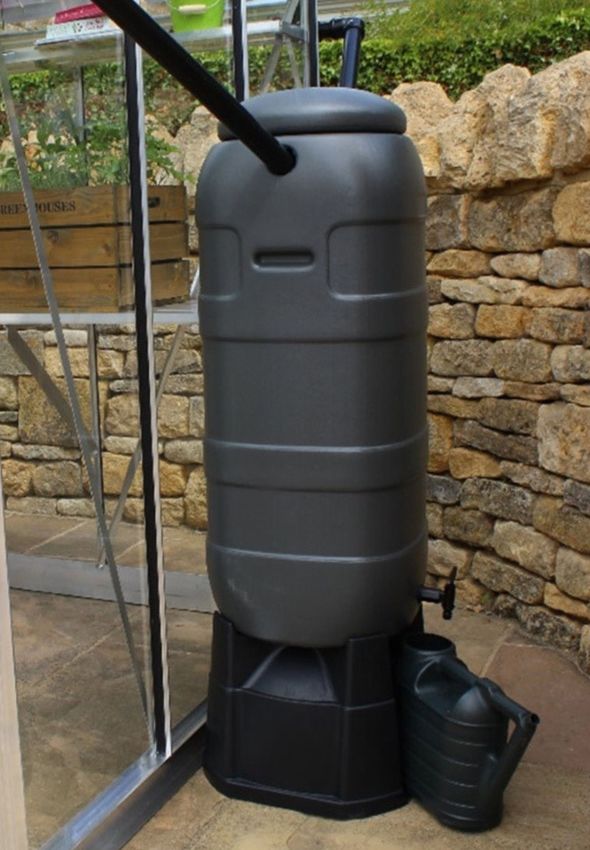
3   Kingfisher Sustainable Home Product guidelines reference guide 2020                                          Overview   Criteria by principle   Appendix

    Sustainable by design

    Sustainability is one of our five
    core design principles used in                                Case study:
    the development of our ranges,                                Kora, making recycling
    alongside price, quality, form and                            easier to live with
    function.
                                                                  Recycling can be complicated. Our
    We don’t think customers should have to search                customers have different requirements set
    out a sustainable product. We’re embedding                    by their local authorities with regards to
    sustainability into our product development                   what can or cannot be recycled. We also
    process so that in future, customers will be                  found through talking to customers that
    able to choose any product they want and be                   they wanted recycling storage that could
    confident it is as sustainable as possible.                   be customised to be exactly what their
                                                                  household needed and that would be easy
    When we improve a product’s sustainability, we                to fit neatly into their kitchen.
    do not compromise on any of the five core
    design principles. Performance, design, quality               Kora was designed and developed by
    and price remain key.                                         Kingfisher. Customers can buy exactly
                                                                  the modules they need and the bins stack.
                                                                  The units are made using recycled plastic
                                                                  and have been tested 80,000 times to
                                                                  check that they can last for 10 years in our
                                                                  customers’ kitchens.
4   Kingfisher Sustainable Home Product guidelines reference guide 2020                                                                                       Overview        Criteria by principle        Appendix

    Levels of sustainability

    As well as describing what is                                                                                         Many products meet more than one criteria at
    sustainable, the Guidelines assign                                 Sustainable Home                                   Expect, Exceed or Excite. The product’s overall        Case study: Lightbulbs
                                                                                                                          sustainability level is determined by the highest
    levels of sustainability:                                          Products                                           of the criteria it meets:                              Prior to the 1990s, most of the lighting
                                                                                                                          — A compost bin made from responsibly                  in our homes came from incandescent
    ‘Excite’ describes our most                                                       Excite                                sourced wood might be ‘Expect’ for its               lightbulbs. Compact fluorescent (CFL) and
    sustainable products with innovative                                            — Innovative products with the          materials, but ‘Exceed’ because it is helping        halogen light bulbs then became available
    features that have the potential to                                               potential to have a big positive      customers to compost waste. It would be              that were more energy efficient, so in the
    achieve significant change.                                                       impact.                               listed as ‘Exceed’.                                  earliest versions of these Guidelines in
                                                                                                                                                                                 2008, both of these lighting types were
                                                                 More sustainable
                                                                                                                          The Guidelines also have a ‘Watch list’                listed at the equivalent to ‘Exceed’.
    ‘Exceed’ products can make                                                        Exceed
                                                                                                                          describing features of products that cannot be
    a significant difference to the                                                 — Products that significantly
                                                                                                                          considered to be sustainable. If a product is on       Since then, technology has improved and
                                                                                      improve the sustainability of our
    sustainability of our customers’                                                                                      the ‘Watch list’ for any principle, it cannot be       LED lighting has superseded both CFL
                                                                                      customers’ homes.
    homes and/or the wider                                                                                                considered to be sustainable.                          and halogens, using less energy, reaching
    environment.                                                                      Expect
                                                                                                                                                                                 full brightness straight way and lasting a
                                                                                                                          To be considered sustainable, a product must           long time. As the price of LED has come
                                                                                    — Products with a sustainable         meet at least one criteria at Expect or higher         down, we moved CFL and halogen first to
    ‘Expect’ products have a sustainable                                              feature or benefit.                 and not meet any ‘Watch list’ criteria.                ‘Expect’ and then to the ‘Watch list’.
    feature or benefit. This is the lowest                                          — The minimum standard for our
    level a product needs to reach to be                                              Sustainable Home Products.          And of course, we expect all products we sell
    considered sustainable.                                                                                               to meet all Kingfisher’s policies and all legal
                                                                                      Not yet a SHP                       requirements.
                                                                                    — These products should be
                                                                 Less sustainable

                                                                                      improved so they meet our           Bioregional’s sustainability experts work with
                                                                                      standard.                           us to check every product that meets the
                                                                                                                          Guidelines. The reporting process is subject
                                                                                      Watch list                          to the same audit process as all measures in
                                                                                    — Features or products that           Kingfisher’s Responsible Business reporting.
                                                                                      cannot be sustainable.
                                                                                    — Should be phased out from our       The Guidelines are reviewed every year
                                                                                      ranges.                             because of innovations in technology and
                                                                                                                          because understanding of environmental
                                                                                                                          impacts continues to improve.
5   Kingfisher Sustainable Home Product guidelines reference guide 2020                                           Overview        Criteria by principle   Appendix

    Six principles: what is sustainable?

            Connect to nature                                             Health & wellbeing                                 Live smarter
            Helping wildlife in our gardens and                           Making our homes safer and healthier;              Reduce, reuse, recycle; smarter
            beyond; interacting with natural world;                       enjoying our homes whatever our                    uses of resources; better product
            eating produce that we’ve grown                               age; being active; addressing toxins;              quality; tackling waste; pay-to-use
            ourselves.                                                    adapting to climate change.                        propositions.

            Save energy                                                   Save water                                         Sustainable
            Keeping household energy bills down;
            addressing carbon emissions; using
                                                                          Stopping water from being wasted;
                                                                          using rainwater, preserving premium
                                                                                                                             materials
            renewable energy.                                             drinking water.                                    Responsible sourcing; choosing
                                                                                                                             materials with a positive impact; tackling
                                                                                                                             materials that have a damaging impact.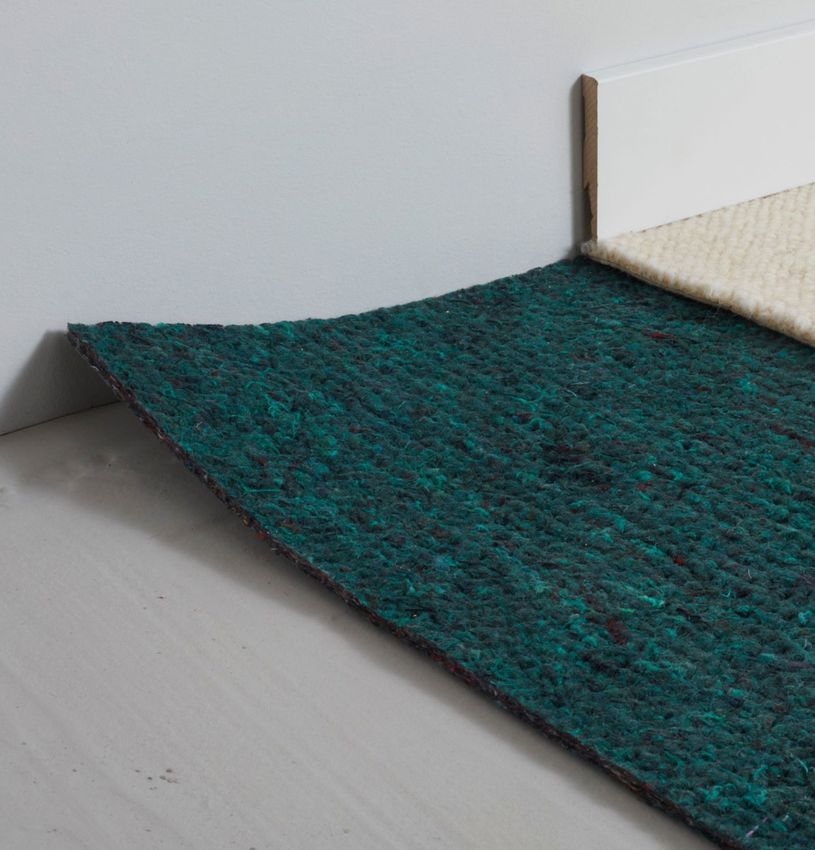
6   Kingfisher Sustainable Home Product guidelines reference guide 2020                                                   Overview         Criteria by principle        Appendix

                    Case study 1:                                                    Case study 2:                                     Case study 3:
                    Connect to nature                                                Health & wellbeing                                Live smarter
                    Growing produce                                                  Air purifying paint                               Recycled underlay

       Enabling customers to grow some of their                           Moving from solvent-based to water-based          Incorporating more recycled material
       own food has many benefits to physical                             paints helps to reduce airborne pollutants        into our products helps to close the loop
       and mental health. Selling garden tools,                           from painting projects, specifically volatile     on waste. This carpet underlay is made
       seeds and plants together with advice on                           organic compounds (VOCs). It also means           from waste textiles, clothing placed into
       how to get started helps our customers to                          that our customers can stop buying                recycling that is too poor quality to be
       connect more with the natural world.                               harmful solvents like white spirit to clean       re-worn.
                                                                          brushes.
       Many varieties of herb, fruit and vegetable
       also help wildlife directly in our gardens.                        Air purifying paint goes one step further,
       Runner beans, apple blossom and herbs                              actually reducing formaldehyde in the air.
       like rosemary are all attractive to bees.

       Helping our customers to avoid harmful
       garden chemicals also helps to make our
       gardens better places for nature.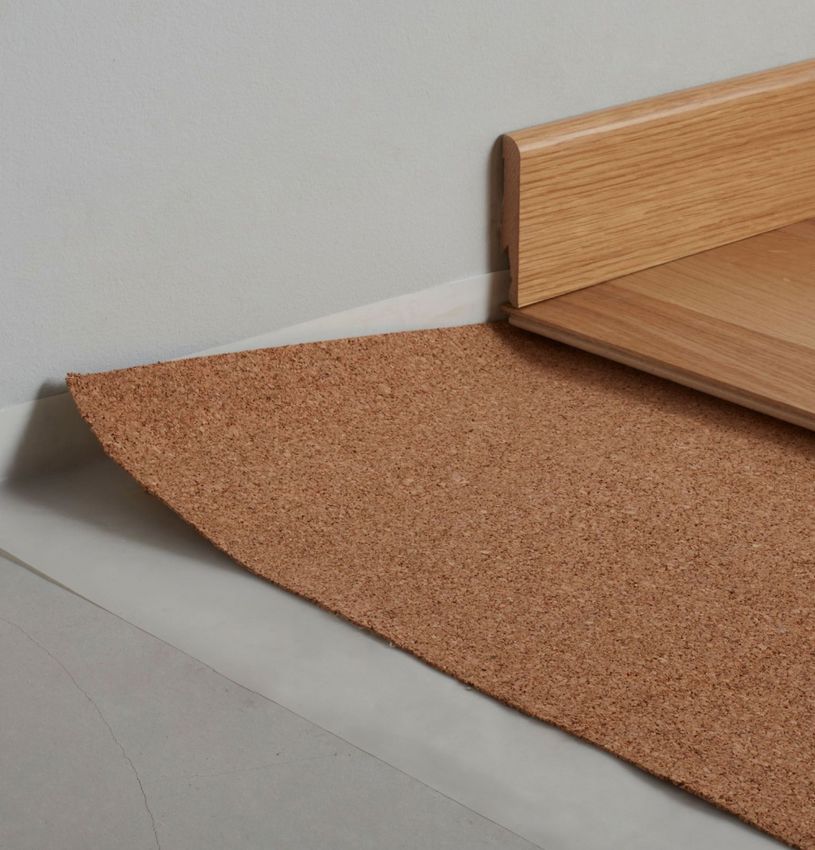
7   Kingfisher Sustainable Home Product guidelines reference guide 2020                                                   Overview          Criteria by principle             Appendix

                    Case study 4:                                                    Case study 5:                                      Case study 6:
                    Save energy                                                      Save water                                         Sustainable
       Addressing thermal efficiency is essential
                                                                                     Taps                                               materials
       for saving energy at home. Measures                                                                                              Cork
                                                                          Most of our basin and kitchen taps now
       include efficient windows, like this timber                        have an aerating regulator fitted making
       double glazed unit, insulation and efficient                                                                         Cork is harvested from cork oak trees
                                                                          them more water efficient. Regulators work
       doors.                                                                                                               from forests around the Mediterranean
                                                                          smartly, only restricting the flow when it is
                                                                                                                            that support a wealth of wildlife. Cork is
                                                                          detected to be high. Aeration mixes water
       Most all measures are large scale though.                                                                            stripped, but the tree grows the bark layer
                                                                          with air, providing a good pressure ideal for
       Fitting a draught excluding letter box,                                                                              back. It’s a traditional and skilled operation.
                                                                          cleaning toothbrushes or rinsing glasses.
       closing curtains on cold evenings or fitting                                                                         But as more wine bottles have screw caps,
                                                                          When we use less hot water in our homes,
       thermal foil behind heaters on external                                                                              demand for cork has fallen, putting the
                                                                          we are also saving energy.
       walls can all make a difference to comfort                                                                           cork oak forests at risk. Finding more uses
       as well as to energy bills.                                                                                          for cork can help to keep demand up and
                                                                                                                            protect these forests. Naturally insulating,
                                                                                                                            light and decay resistant, cork can be used
                                                                                                                            for flooring, insulation and memo boards.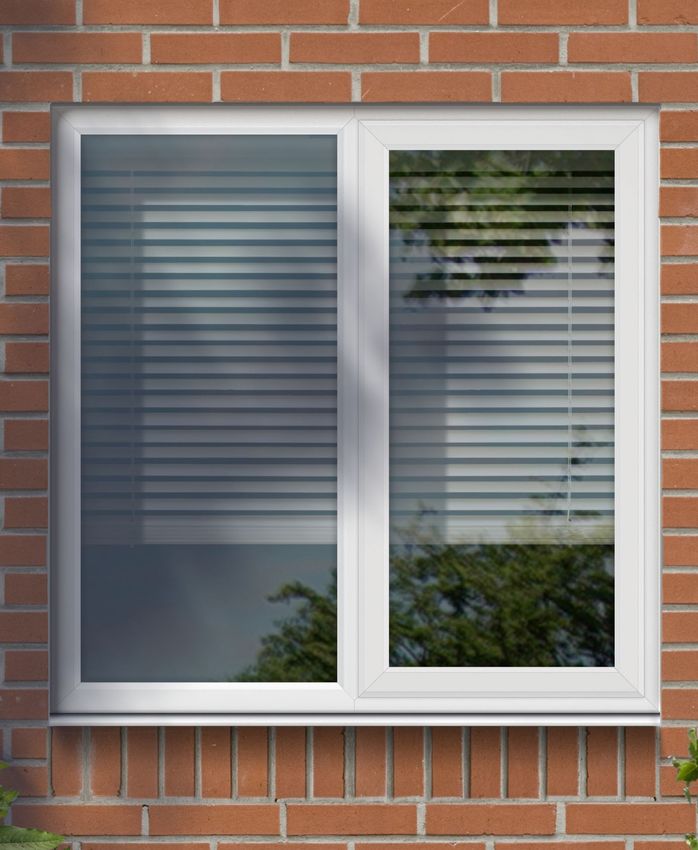
8   Kingfisher Sustainable Home Product guidelines reference guide 2020                                                                              Overview           Criteria by principle   Appendix

    Scrutiny,                                                  Science Based
    reporting                                                  Targets Initiative
    and review
    Reporting on the Sustainable                               Kingfisher has an ambitious Science
    Home Product Guidelines takes                              Based Target, will help us cut                            Case study:
    place through the year internally                          greenhouse gas (GHG) emissions from                       Peat free compost
    and externally annually as part                            our business, products and supply
    of Kingfisher’s Sustainability                             chains by 2025.                                           Peat has been identified as being one of
                                                                                                                         Kingfisher’s most material issues regarding
    Reporting.
                                                               As well as addressing the business’s operational          carbon. It is used in bagged compost and
                                                               impacts (for example, energy efficiency of our            in growing the plants we sell.
    Products that meet the Guidelines are assessed
    and sales measured using sales value. This                 stores), the Science Based Target Initiative is
                                                               challenging us to look at Scope 3 emissions. Scope 3      Peatbogs are found in many countries
    reflects materiality to the business and to our
                                                               includes the environmental impact of making the           and are now considered to be a huge
    customers. The percentage of group sales
                                                               products we sell and of what our customers do             store of the world’s carbon. Vegetation in
    that come from products that qualify for the
                                                               with products after purchase. Upstream Scope 3            a peatbog does not breakdown fully, so
    Sustainable Home Product Guidelines is a key
                                                               emissions can include the impact of mining raw            its carbon is locked up. The National Trust
    metric on Kingfisher’s Responsible Business Plan.
                                                               materials, energy used in factories and carbon            have estimated that it takes 1,000 years for
                                                               emissions from shipping. Downstream, Scope 3              one metre depth of peat to form. But when
    Reporting is subject to external audit annually.
                                                               emissions can include the impact of our customers         used in our gardens, the peat breaks down
                                                               driving home with products, energy used by the            quickly, releasing carbon.
    Sustainability experts from Bioregional act as
    Kingfisher’s external check on the Guidelines              product and the impact of what happens to the
                                                               product when the customer has finished with it.           In 2020, Kingfisher launched new
    and on reporting, prior to external audit.
                                                                                                                         formulations of peat-free compost that
    Bioregional is a charity and social enterprise that
                                                               It has been calculated that these indirect Scope 3        perform even better than many peat-
    aims to develop more sustainable ways of living.
                                                               emissions account for over 90% of Kingfisher’s total      based composts.
    Their projects have included the 2012 London
    Olympic Games, North West Bicester which is                carbon impact.
                                                                                                                         Helping our customers switch to peat-free
    the UK’s first eco-town and Les Villages Nature
                                                               Many of the criteria in the Sustainable Home Product      gardening will make a huge difference to
    Paris. Because Bioregional has a combination
                                                               Guidelines link to meeting our Science Based              Kingfisher’s carbon emissions.
    of global construction, business and community
    experience, the charity is an expert partner               Target. For example, using recycled material to
    for the Sustainable Home Product Guidelines.               make products tends to use much less energy than
    Every criteria in the Guidelines is explored with          extracting virgin raw materials as well as helping to
    Bioregional.                                               enable more recycling to take place. Choosing wood
                                                               that has been responsibly sourced means that the
                                                               product is not contributing to deforestation. In China,
                                                               Kingfisher has been working with World Wildlife Fund
                                                               Honk Kong on a programme that encourages our
                                                               vendors to make factories more energy efficient.
9   Kingfisher Sustainable Home Product guidelines reference guide 2020                                                                                 Overview         Criteria by principle          Appendix

    2020 Update summary

    For the 2020 edition, the following                           • Gas barbecues are included as Health              • Cordless and USB powered fans.                        (previously ‘Exceed’) and B rated boilers no
    changes have been made:                                         & wellbeing at ‘Expect’ because the             — All ceiling fans remain Save energy/‘Exceed’.           longer qualify for the criteria.
                                                                    associated health issues are lower than for     — As customers adapt to climate change,
                                                                    charcoal barbecues. However, if they can          keeping homes comfortable during extreme
    Barbecues:                                                      only be used with a single use gas cannister,     hot weather becomes more important. Fans           Insulation accessories:
                                                                    they are on the ‘Watch list’.                     use less electricity than air conditioning.        — New: Save energy/‘Exceed’/Thermal
    — In previous editions, charcoal has been
                                                                  • Electric barbecues are included as Health                                                              Efficiency
      categorised as Sustainable materials/
                                                                    & wellbeing at ‘Expect’. because the                                                                   • Loft stilts and other products that
      ‘Expect’ if it meets the responsible sourcing
      requirements. Gas barbecues have been on
                                                                    associated health issues are lower than for     Aluminium                                                enable spaces to be insulated where
                                                                    gas or charcoal barbecues.                      — New: Sustainable materials/‘Expect’                    other considerations (e.g. storage) would
      the ‘Watch list’ as they use cannister gas.
    — Greater understanding of air quality and other                                                                  • Aluminium comes from an Aluminium                    otherwise be a barrier.
      health and environmental aspects of using                                                                         Stewardship Initiative (ASI) certified             • Membranes that prolong the life of
      barbecues has led to a review of outdoor
                                                               Carbon filters for cooker hoods:                         smelter which requires Greenhouse Gas                insulation.
      cooking:                                                 — New: Health & wellbeing/‘Expect’                       (GHG) emission intensity, tonnes CO2 per           • Cavity closers.
      • Single use barbecue products (including                — Cooker Hood filters need to be replaced                tonne of aluminium to be ≤8 tCO2e/t Al for         • Wall ties that retain cavity wall insulation.
        disposable barbecues) remain on the                      regularly to maintain their performance in             new operations from 2020 and existing
        ‘Watch list’ in Live smarter.                            managing the air quality impact of cooking.            operations by 2030.
      • Refillable gas cannisters have been                                                                         — New: Sustainable materials/‘Exceed’                Biobased materials
        removed from the ‘Watch list’. If the gas is                                                                  • Aluminium comes from an Aluminium                — New: Sustainable materials/‘Exceed’
        not derived from fossil fuels, cannisters may          Gas hobs and gas fires                                   Stewardship Initiative (ASI) certified smelter     • DIN Geprüft Biobased, OK biobased,
        meet criteria in Save energy.                          — Deleted: Save energy/‘Expect’                          and;                                                 USDA Certified Biobased, Roundtable on
      • Single-use gas cannisters remain on the                — Although cooking on a gas hob is less carbon           - Greenhouse Gas (GHG) emission intensity,           Sustainable Biomaterials (RSB)
        ‘Watch list’ but have been moved to Live                 intensive than some electric hobs, increasing            tonnes CO2 per tonne of aluminium                  - Biobased material schemes.
        smarter as a waste issue. Products that                  concerns about indoor air quality mean that              GHG intensity of final cast aluminium          — Biobased materials are considered to be
        require a single-use gas cannister to work               this criterion has been deleted.                         ≤4.5 tCO2e/t Al.                                 moving materials in a positive direction, in line
        are also on this ‘Watch list’.                         — Likewise, the criteria for gas fires has also      — As aluminium is a carbon intensive material,         with the European Union’s ambition to develop
      • Charcoal propellant is no longer considered              been deleted.                                        requiring large amounts of energy to produce,        a bio-based economy.
        to be a Sustainable material and moves                                                                        addressing greenhouse gas emissions for
        to the ‘Watch list’ in Health & wellbeing.                                                                    producing the aluminium in products is
        However, charcoal must meet Kingfisher’s               Cooling: comfort fans                                  important to address embodied carbon.
        Wood and Paper Policy if sold by a                     — New: Save energy/‘Expect’:
        Kingfisher banner.                                       • Comfort fans where the Service Value is
      • Products that burn charcoal are now on the                 greater than or equal to 1.0 m3/min/W.           Boilers and space heaters
        ‘Watch list’ for Health & wellbeing. Firepits          — New: Save energy/‘Exceed’:                         — Change: Save energy/‘Expect’
        and chimineas have also been added to this               • Comfort fans where the Service Value is            • Following improvements in boiler energy
        ‘Watch list’.                                              greater than or equal to 1.5 m3/min/W.               efficiency, A rated boilers are now ‘Expect’
10 Kingfisher Sustainable Home Product guidelines reference guide 2020 Overview Criteria by principle Appendix
Criteria by
principle
11 1. Connect to nature
13 2. Health & wellbeing
16 3. Live smarter
19 4. Save energy
22 5. Save water
24 6. Sustainable materials11 Kingfisher Sustainable Home Product guidelines reference guide 2020 Overview Criteria by principle Appendix
1. Connect to nature
Watch list — Products that contain peat:
• Growing media (bagged or bulk) containing
— Chemicals that harm wildlife whether sold as a any peat.
chemical or present in another product: • Peat as part of growing media sold with
• Includes metaldehyde. plants unless there is a plan in place to
• Included 2-4 D. phase out the peat by January 2022.
• Includes neonicotinoids:
- Clothianidin, Imidacloprid, Thiamethoxam,
Acetamiprid, Dinotefuran, Nithiazine, Expect
Thiacloprid, Nitenpyram, Sulfoxaflor.
— All plants, including seeds, bulbs, plants, shrubs
— Non-native invasive plants, seeds and bulbs: and trees. Includes pot grown Christmas
• Examples include water hyacinth, some trees, turf, lawn seed and houseplants
species of rhododendron. See Plant List (corresponding ‘Exceed’):
(page 27) for more details. • Many plants will meet the ‘Exceed’ level. See
the Plant List for more details.
• Please note that any growing media
The RHS estimate that 5 million included should be peat free or have a plan
in place to replace the peat component by
gardens in the UK now have no
January 2022.
plants at all. Plants can help to
mitigate climate change as they — Outdoor light fittings designed to reduce light
help to keep urban temperatures pollution and light nuisance:
• For example, where the light can be
down and reduce the risk of directed downwards or is shielded above.
surface water flooding. They • Please note that timers and sensors are
can filter some pollutants. They detailed in the Save energy principle.
provide wildlife habitats. There is • LED lights will also be covered by the Save
energy function.
also evidence of a link between
plants and wellbeing. — Products re-engineered to support nature
(corresponding ‘Exceed’):
• Gabion baskets – provide shelter for wildlife,
alternative to walling.12 Kingfisher Sustainable Home Product guidelines reference guide 2020
— Green wall products — Products designed specifically for growing
• Containers designed to make plant care produce including:
easier (e.g. with a reservoir) • Specialist containers and supports
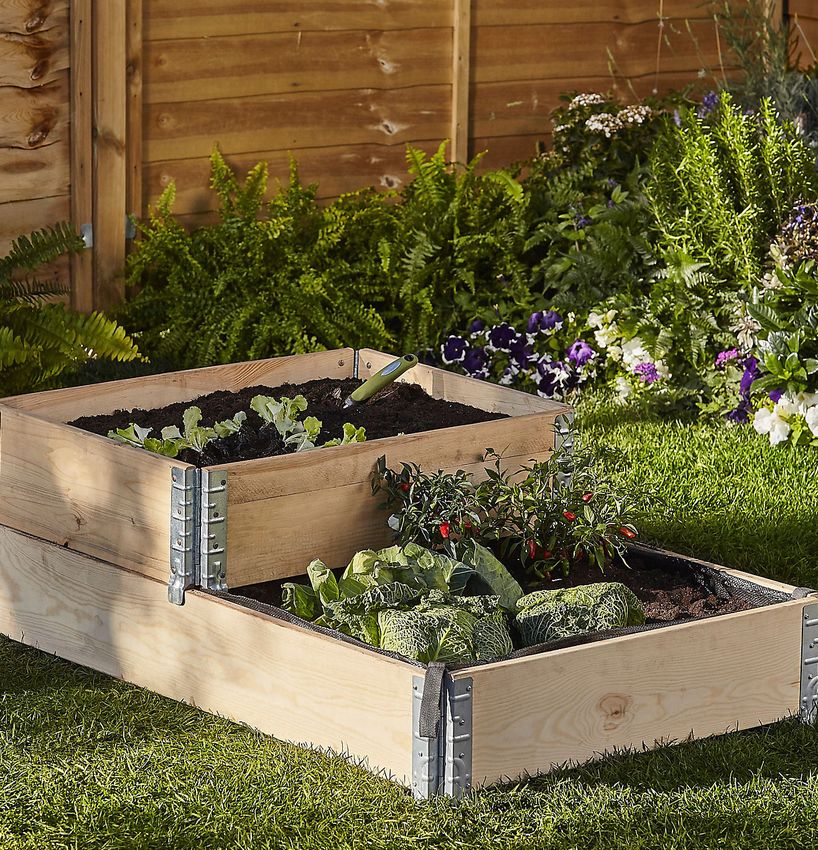
• Containers designed to facilitate vertical • Raised bed kits.
gardening. Includes containers designed to
fit on balcony rails.
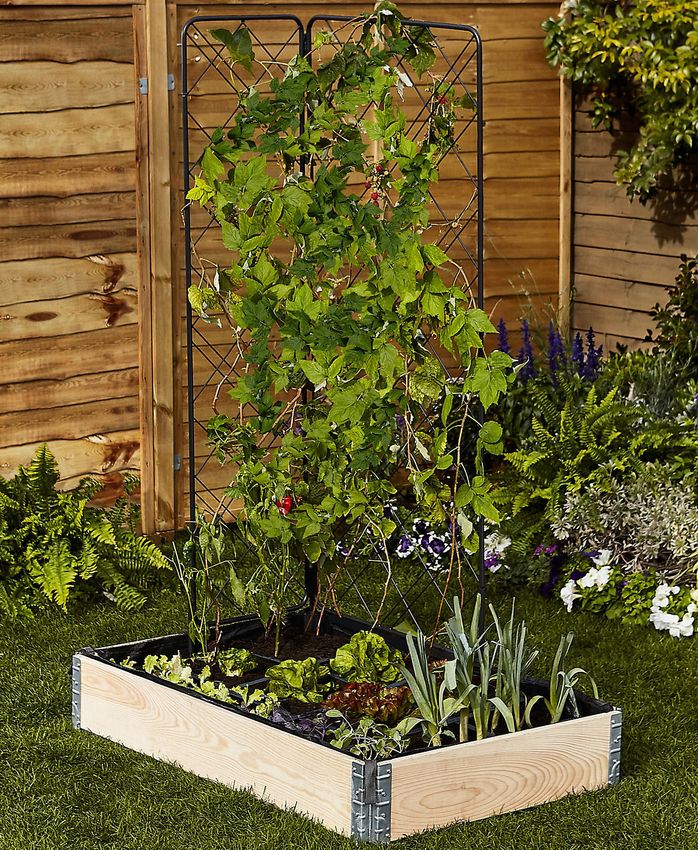
Kingfisher’s Kitchen Garden
is a modular proposition that
Exceed helps customers with limited
— Living roof products: kits and components. space to grow produce. It is
based on a raised bed system
— Alternatives to conventional garden chemicals
including:
and accessories including plant
• Farmyard manure, chicken manure pellets supports, fine mesh netting to
• Green manure seeds keep pests at bay and covers to
• Landscape fabrics for weed control extend the season and aid with
• Metaldehyde free slug control
• Biological controls propagating seeds.
• Chemicals approved for use in organic
gardening
• Fine netting as an alternative to pesticides. — Supporting nature:
• Plants that support wildlife. See Plant List for
— Native wildflowers, trees and plants. See Plant more details (corresponding ‘Expect’).
List for more details (corresponding ‘Expect’). • Products that enable customers to connect
to wildlife:
— Growing produce: - Bird care products
• Seeds, growing kits, trees, plants, bulbs that - Nest boxes
enable produce to be grown (corresponding - Bug lodges
‘Expect’) - Pond liners and pond planting baskets.
• Vegetables, including onion sets, garlic bulbs • Products adapted to support wildlife:
and seed potatoes - Fences adapted with hedgehog gaps
• Culinary herbs - Bricks adapted for swifts.
• Fruit.
— Products that support growing produce by
extending seasons or increasing the variety of
edible plants that can be grown including:
• Greenhouses, grow houses, cold frames
• Fleece protection for plants
• Unheated propagators.13 Kingfisher Sustainable Home Product guidelines reference guide 2020 Overview Criteria by principle Appendix
2. Health & wellbeing
Watch list - Diisodecyl phthalate (DIDP)
- Butyl benzyl phthalate (BBP)
— Products that put health or welfare at risk in- - Dibutyl phthalate (DBP).
use, in-production or at end-of-life including: • Very High Concern Halogenated Flame
• Corrosive household and decorating Retardants. Please note that identifying
chemicals, including drain cleaners based products that contain these chemicals is
on strong acids. ongoing. The ‘Watch list’ should only be
• Chemicals linked to health risks, including: applied in this instance to new products
- Glyphosate that are being addressed by the Sustainable
- Triclosan Chemicals team.
- Harmful solvents, including: - 1,3-Dichloro-2-propanol phosphate
▪ Diisopropyl ether (TDCPP)
▪ 1,4-dioxane - Tris(2-chloroethyl) phosphate (TCEP)
▪ Dimethyl ether - Tris (1-chloro-2-propyl) phosphate (TCPP).
▪ Pentane • Paints and chemicals with/emitting high
▪ Hexane levels of volatile organic compounds:
▪ Dimethylformamide - 25% or greater VOC content (VOC globe
▪ N,N-dimethylacetamide system), or
▪ 1-methyl-2-pyrrolidone - C rated (VOC emissions system).
▪ Methoxy ethanol
▪ Triethanolamine — Products linked to pollution, including:
▪ Diethyl ether • Products that can contribute to air pollution
▪ Benzene including:
▪ Chloroform - Petrol powered tools and generators
▪ Carbon tetrachloride - Smoky fuels.
▪ Dichloroethane - Charcoal fuel and products that use
▪ Nitromethane. charcoal as fuel.
• Very High Concern Phthalates. Please - Incinerators, fire pits and chimineas.
note that identifying products that contain - Products emitting high levels of volatile
these chemicals is ongoing. The ‘Watch list’ organic compounds.
should only be applied in this instance to • Products contributing to plastic pollution,
new products that are being addressed by including plastic microbeads, plastic glitter
the Sustainable Chemicals team. where it may enter the environment (e.g.
- Di-Iso-nonyl phthalate (DINP) applied to single-use products, added to
- Di-n-octyl phthalate (DNOP) paint and glitter supplied as a product).
- Di(2-ethylhexyl)-phthalate (DEHP) • Products that contain CFCs or HFCs.14 Kingfisher Sustainable Home Product guidelines reference guide 2020 Overview Criteria by principle Appendix
Expect — Products that enable safer outdoor cooking — Products that can help to reduce the risk of The Daily Mile initiative, started
(corresponding ‘Exceed’): surface water flooding by keeping surfaces in a Scottish school and adopted
— Products that improve safety at home and • Gas barbecues that use a refillable gas porous, including:
by over 3,600 schools globally,
whilst doing projects including: cannister. • Decorative aggregates
• Personal Protection Equipment (PPE) - Please note that ballast and gravels where aims to get schoolchildren to
including goggles, safety shoes with toe — Products re-engineered to be free from high the primary use is expected to be added run or walk a mile a day and has
protection, hi-vis clothing, nuisance masks, concern orthophthalates and halogenated to concrete are not included. been found to improve children’s
chainsaw trousers, respirators, safety gloves. flame retardants (corresponding ‘Exceed’). • Semi porous resin bonded gravel
• Anti-slip mats for bathrooms, anti-slip tape • Gravel stabilising grids
health significantly. Teachers
• Carbon monoxide alarms and detectors — Products that can help to improve indoor air • Channel drainage products. also report better concentration
• Fire protection products including: quality (corresponding ‘Exceed’) including: levels in the classroom.
- Smoke and heat detectors • Ventilation products (must be fitted with — Textile product re-engineered to be free from
- Fire extinguishers, fire blankets occupancy sensor, motion sensor, timer, all fluorocarbon water repellents.
- Escape ladders. humidistat or pollution detector). — Alternatives to harmful household and
• First aid kits - Please note that if the unit is over 30 Exceed decorating chemicals, including:
• Child safety products, including stair gates. watts, it should be B rated or better for • Microfibre cloths that work well without
energy efficiency. — Supporting active lifestyles and enabling chemical cleaners
— Water based paints, wood treatments, • Pollution sensors. customers to live independently for longer, • Non-toxic household and decorating
primers, varnishes, household and decorating • Carbon filters for cooker hoods. including: chemicals
chemicals. • Energy efficient dehumidifiers: • Products designed to help customers with • Alternatives to corrosive drain cleaning
- that have an operating capacity of 35 limited mobility, including: chemicals: including sink/basin/shower
litres or less per day or less and where - Grab rails, shower seats and other strainers, sink plungers.
Water based paint emits energy efficiency (litres per kilowatt hour) products that enable safe and
lower levels of volatile organic is 2 or more, fitted with a humidistat. independent use of bathrooms.
compounds than solvent based
- that have an operating capacity of 35 to - Products that can be adapted to Strong acids found in some
87 litres per day or less and where energy meet different needs of residents of
paint. To clean brushes, there is chemical drain cleaning products
efficiency (litres per kilowatt hour) is 2.8 or a household.
no need to use toxic solvents like more, fitted with a humidistat. - Gadgets that help to make daily life easier, are of increasing concern as
white spirit. for example, tools that enable picking up some have been linked to acid
items without the need to bend. attacks. Kingfisher has been
When rain water cannot flow • Play equipment that encourages physical
removing these products
activity outdoors, excluding water intensive
down to the water table, surface from sale. Preventing drains
— Acoustic insulation. products (e.g. paddling pools). Includes:
water flooding can occur. - Trampolines, climbing frames, swings from becoming blocked and
— Water filters, water filter systems. Choosing porous surfaces, - Sand pits promoting mechanical methods
including grass and gravel, helps - Children’s sport equipment and toys.
— Products that help to improve outdoor air of keeping drains clear are safer
quality including:
to manage surface water. alternatives.
• Cycling products, storage and security
• Electric car charging products.15 Kingfisher Sustainable Home Product guidelines reference guide 2020 Overview Criteria by principle Appendix
— Improving air quality: Excite
• Products certified to CARB2 or European
E0 level for formaldehyde emissions. — Products containing innovative green
• Products that are rated ‘Minimal’ or A+ for chemistries.
VOCs for applications where customers
would otherwise be exposed to emissions
including:
- Paint, varnishes, primers, wood treatments
- Adhesives, tile adhesives
- Carpets, carpet tiles
- Flooring underlays
- Vinyl flooring, vinyl flooring tiles
- Solid flooring including laminate,
engineered wood, solid wood
- Furniture including kitchen units and
bathroom units.
— Products that enable safer outdoor cooking
(corresponding ‘Expect’):
• Electric barbecues.
— Products re-engineered to be free from all
orthophthalates and organophosphate flame
retardants (corresponding ‘Expect’).
— Protection from flooding, including:
• Cold water tank jackets
• Flood prevention products
• Flood alarms
• Flood pumps
• Outdoor tap covers
• Gutter leaf guards
• Drain rods.
Preventing mains water from
causing flooding helps to
conserve water. Keeping drains
clear of leaves and debris helps
to prevent flooding.16 Kingfisher Sustainable Home Product guidelines reference guide 2020 Overview Criteria by principle Appendix
3. Live smarter
Watch list Expect
— Single use, disposable products where there is — Training books and other materials that enable
a viable reusable alternative. These include: customers to gain skills.
• Disposable batteries, products supplied
with short-life disposable batteries (except — Products designed for longevity, including:
smoke and carbon monoxide alarms) • Products guaranteed for 10 years or longer.
• Disposable wipes • Products designed with features that can
• Single use carrier bags improve longevity including:
• Disposable liners for paint roller trays - Modular products, including power tools
• Thin polythene dustsheets designed for with a shared battery (if available to
single use (thicker dustsheets designed for purchase without the battery and where
multiple use are not on the Watch list) the battery is available as a spare part).
• Single use barbecues - Sanding sponges as reusable alternatives
• Disposable, single-use dehumidifiers. to sand paper.
- Products that protect and ensure efficient
functioning of other SHP products e.g.
Many single use products insulation: protective membranes and
loft stilts.
do not represent a good use
of resources and some are — Enabling repair, to improve product longevity:
associated with waste problems. • Spare parts:
For example, batteries contain - A spare part is an interchangeable
component that is functionally identical
materials that can contaminate to and interchangeable with the item it is
soil and water sources. Batteries intended to replace. Spare parts are not
can be recycled, enabling the consumables.
chemicals and metals to be kept • Includes replacement toilet seat hinges,
tap washers, plugs for basins, replacement
in use. Switching from disposable siphon units for toilets, spark plugs.
to rechargeable batteries is a
way we can help to reduce the
amount of battery waste.17 Kingfisher Sustainable Home Product guidelines reference guide 2020 Overview Criteria by principle Appendix
Spare parts enable products to — Recycling and reusing materials in products - Please note that to meet chemical
be repaired, extending product (corresponding ‘Exceed’): regulations and standards, the source of
• Composite hybrid material, comprising the plastic waste should be known and
life. Making spare parts readily
recycled plastic and recycled wood. This is checked to ensure that the plastic is safe
available is a key goal of the long lasting compared to wood, even when for customers to use.
Circular Economy. exposed to water and light, and requires
no additional treatment. However, it is
impossible to separate the materials at end- Moving away from single use
• Excludes consumables. Consumables are of-life and although it can be recycled into
plastic products is an ambition.
intended to be used up and then replaced. another composite product, currently, there
- Chain saw chains, drill bits, jigsaw blades, are no widely available recycling facilities for But some single use products
strimmer line, light bulbs and mower customers. are unavoidable at present for
blades are all examples of consumables. - Please note that to meet chemical our customers. For example,
regulations and standards, the source of
— Features that reduce the need for product the plastic waste should be known and
many local authorities require bin
maintenance. checked to ensure that the plastic is safe bags to be used as part of waste
for customers to use. collection.
— Repair kits, and repair products: - Materials should be 100% recycled post-
• Includes hose pipe repair fittings. consumer waste.
• Tools designed specifically to repair e.g. tap ▪ Wood should be compliant with the — Paper:
reseating tool. Kingfisher Wood and Paper Policy. • 100% paper post-consumer waste where
• Includes adhesives that are primarily for - Composite materials should only be used the lifetime of the product is expected
repair, but please note that these must not where its durability is a key benefit. to be limited. Examples include paper
contain harmful solvents (see ‘Watch list’ ▪ For example, using as decking where towels. Please note that there must also be
for Health & wellbeing). its water resistance means that it is an compliance to all Kingfisher policies.
alternative to timber decking that will
— Products and services that make recycling require regular treatment. — Tiles made in country of sale using some
easier, including: pre-consumer recycled ceramic materials
• Split bins, waste management systems — Plastics: compared to imported tiles made from
• Recycling storage bags • 50% or more post-consumer waste. virgin clay.
• Multiple bin storage - Please note that to meet chemical
• Food waste bins regulations and standards, the source of
• Compostable liners for food waste bins the plastic waste should be known and
• Recycling services, including skip hire and checked to ensure that the plastic is safe
household collection. for customers to use.
- Please note that checks should be made • 90% plastic post-consumer waste where
to ensure that responsible recycling is the lifetime of the product is expected to be
maximised. limited. Examples include bin liners and rubble
sacks (unless designed for multiple use).18 Kingfisher Sustainable Home Product guidelines reference guide 2020 Overview Criteria by principle Appendix
Exceed — Reusable alternatives to single-use products • Aggregate:
including: - Minimum 75% recycled content.
— Established propositions from Kingfisher’s • Rechargeable batteries and chargers. • Plasterboard:
Circular Value Chain Ambition. Products - Please note that power tool batteries are - 90% post-consumer waste.
from the 20 products or services that help treated as spare parts.
customers to live smarter – relating to the • Reusable grow bags
new KF target: Products and propositions • Heavy duty garden clearaway sacks and Excite
that score Bronze or above in Kingfisher’s tear-resistant rubble bags.
circular value chains assessment. Circular — Innovative propositions from the 20 products
value chains are assessed and verified by — Products made from specified recycled or or services that help customers to live
Bioregional upon request. reused materials (corresponding ‘Expect’). smarter – relating to the new KF target:
The levels and requirements are specified by Products and propositions that score Bronze
material: or above in Kingfisher’s circular value chains
In 2014, Kingfisher launched • Paper and card: 100% post-consumer assessment. Circular value chains are
the easyGrow bedding plant waste. assessed and verified by Bioregional upon
- Note that single-use paper products are in request.
proposition which replaced the ‘Expect’ criteria.
peat with coir and expanded • Wood: — Alternative business models that offer
polystyrene trays with recycled - Reused waste wood, e.g. offcuts from innovative pay-to-use services to customers:
timber cutting services. • Repair services.
PET. Every stage of the product’s
- 100% post-consumer waste. • Tool hire where the proposition is designed
life cycle was examined and - No added formaldehyde. to widen take-up of tool hire.
improved, leading to easyGrow • Plastics: • Craft and repair events and classes, passing
being recognised as Kingfisher’s - 90% or more post-consumer waste. skills onto customers using the store’s
- Please note that to meet chemical equipment and tools.
first Circular Value Chain. regulations and standards, the source of
the plastic waste should be known and
checked to ensure that the plastic is safe
— Hire and rental – where customers can pay- for customers to use.
to-use instead of paying to own. Includes: - Bin liners and other products that are
• Van hire, enabling customers without access designed for single-use or short-term use
to a car to shop. are in the ‘Expect’ criteria.
• Tool hire where the proposition is primarily • Textiles:
aimed at Trade customers. - 90% or more post-consumer waste.
• Timber cutting services - Cotton: 20% or more post-consumer
• Glass cutting services. waste.
• Glass:
— Composting aids, including: - Clear glass: 100% post-consumer waste.
• Compost bins, composters - Glass wool: 80% post-consumer waste.
• Hessian leaf mould sacks.19 Kingfisher Sustainable Home Product guidelines reference guide 2020 Overview Criteria by principle Appendix
4. Save energy
Watch list — Fossil fuels:
• Coal and products that contain coal.
— Carbon intensive products. Please note that if • Paraffin, paraffin heaters.
a product considered to be ‘energy intensive’ • Petrol and petrol-powered products.
is re-engineered to be more energy efficient,
it may be considered to be sustainable, but
this should be assessed on a case-by-case Expect
basis. Carbon intensive products currently
include: — Efficient, good quality energy using products
• Patio heaters, external use air coolers. (corresponding ‘Exceed’), including:
• Using fuels to warm or cool outside space. • LED lighting, including string lights and
• Wired underfloor heating. battery powered LED torches, lights and
• Electrical propagators using mains lanterns.
electricity. • Kitchen appliances:
• Greenhouse heaters. - Please note that these criteria will change
in 2019 when the EU Energy Label will be
— Inefficient energy using products. Please note updated for a number of appliance types.
that if a product considered to be ‘inefficient’ - Cookers:
is re-engineered to be more energy efficient, ▪ A rated for current energy label.
it may be considered to be sustainable, but ▪ For double ovens, the rating for the
this will be assessed on a case-by-case basis. larger, main oven is the pertinent rating.
Inefficient energy using products currently ▪ For cookers that include a hob, the hob
include: should be induction or gas in order to
• Halogen lighting including light bulbs, lights meet the ‘Expect’ requirement.
supplied with halogen light bulbs. - Cooker hoods:
• Incandescent lighting, lights supplied with ▪ A rated for current energy label.
incandescent light bulbs. - Tumble dryers:
• CFL lighting including light bulbs, lights ▪ A+ rated for current energy label.
supplied with CFL light bulbs. - Fridges, freezers and fridge freezers,
• Fluorescent lighting and light tubes. wine coolers:
• Boilers and space heaters that are C rated ▪ A++ rated for current energy label.
or lower. - Washing machines:
• Gas fires that are C rated or lower. ▪ A++ rated for current energy label.
• Electric hobs, except induction. - Washer dryers:
▪ A rated for current energy label.20 Kingfisher Sustainable Home Product guidelines reference guide 2020 Overview Criteria by principle Appendix
- Dishwashers: Because it needs little
▪ A++ rated for current energy label. maintenance, uPVC is often used
• Water heaters:
for doors and windows. The
- B rated for energy label.
• Boilers and space heaters: different u-value requirements
- A rated for energy label. in these guidelines reflect the
• Electric fires: environmental issues with uPVC
- A rated for energy label.
• Air cooling:
in its manufacture and at end
- Air conditioning units: of life.
▪ Single and double duct systems that
achieve A++ energy rating.
• If the unit has a heating function, the — Products that help to keep homes cooler:
rating for heating must be at least A+. • Shutters and awnings
▪ Other systems that achieve A+ energy • Thermal blinds
rating. • Glazing film, including UV filtering products.
- Comfort fans where the Service Value is
greater than or equal to 1.0 m3/min/W. — Draught protection (corresponding ‘Exceed’):
• Power tools that employ brushless • Keyhole covers.
technology.
— Product that make use of renewable energy
— Thermal efficiency for decorative purposes:
• Doors and windows meeting ‘Expect’ • Solar powered devices, including decorative
thermal requirements (corresponding lighting.
‘Exceed’):
- Windows, roof windows, glazed doors, — Products that improve heating efficiency
patio doors: (corresponding ‘Exceed’):
▪ Where the frame is uPVC: • Central heating chemicals
Uw < 1.3 W/m2K. • Efficient electrical heater:
▪ Where the frame is timber or metal: - fitted with an integrated thermostatic
Uw < 1.6 W/m2K. control based on either radiant panel or
• Doors (unglazed): Uw < 1.5 W/m2K. inertia technology.
- Bathroom electric heating systems
fitted with a programmable timer and an
integrated thermostatic control based on
either radiant panel or inertia technology.
— Products that improve electrical efficiency
(corresponding ‘Exceed’):
• Photo sensors:
- Light fittings with photo sensors.21 Kingfisher Sustainable Home Product guidelines reference guide 2020 Overview Criteria by principle Appendix
• Multi socket extension cables that have - Fridges, freezers and fridge freezers, and other accessories. • Central heating pumps: A rated (separate/
individually switched sockets. wine coolers: • Push mowers non-integrated pumps that circulate liquid in
• Remote controlled sockets or switches. ▪ A+++ rated for current energy label. • Wind-up gadgets a closed circuit, e.g. to circulate for central
- Washing machines and washer dryers • Sun tunnels and sun pipes – making more heating or hot water).
— Components required as part of smart home ▪ A+++ rated for current energy label. use of daylight means less need for artificial • Tools that help to detect energy loss; e.g.
systems that help with energy efficiency. - Dishwashers: (powered) light. heat cameras and infra-red thermometers.
▪ A+++ rated for current energy label.
- Induction hobs — Using renewables: — Products that enable energy control including:
Exceed • Air cooling: • Solar indoor lighting • Central heating controls:
- Air conditioning units: • Solar security lights - Room thermostats
— Efficient, good quality energy using products ▪ Single and double duct systems that • Solar pond pumps - Thermostatic radiator valves
meeting higher standards (corresponding achieve A+++ energy rating. • Solar PV panels - Programmers and timers.
‘Expect’), including: ▪ Other systems that achieve A energy • Solar thermal panels, solar thermal • Timers:
• LED lighting that meets ERP (a higher rating. collectors - Timer switches to use with electrical
efficiency standard): - Ceiling fans as a less energy intensive • Biomass boilers. gadgets
- ERP is a regulatory requirement for almost alternative to air conditioning. - Timers for immersion heaters
all white lights. It requires a higher level of - Comfort fans where the Service Value is — Products that improve hot water efficiency - Countdown timer switches.
quality and efficiency. ERP does not apply greater than or equal to 1.5 m3/min/W. including: • Gadgets that enable switching off standby
to coloured lights – and there have been • Water heaters: • Hot water insulation including cylinder • Fridge thermometers
LED lights developed with enough colour - A rated for current energy label. jackets, pipe wrap and cylinders supplied • Motion and occupancy sensors:
to bypass the ERP requirement. with insulation. - Light fittings supplied with motion sensors
• Rechargeable LED portable devices, — Thermal efficiency (corresponding ‘Expect’) • Cylinder thermostats. - Motion sensors sold as stand-alone units.
including torches. • Doors and windows meeting ‘Exceed’
• Kitchen appliances: thermal requirements: — Products that improve heating efficiency
- Please note that these criteria will change - Windows, roof windows, glazed doors, (corresponding ‘Expect’) including: Excite
in 2021 when the EU Energy Label will be patio doors: Uw < 1.2 W/m2K. • Stove fans, making stoves more efficient
updated for a number of appliance types. - Doors (unglazed): Uw < 1.2 W/m2K. • Radiator foils — Renewable energy whole home solutions.
- Cookers: • Secondary retrofit glazing solutions • Radiator keys, making radiators more
▪ A+ rated or better for current energy • Draught protection including: efficient. Self-regulating valves that keep
label. - Draught excluders radiators free from air gaps.
▪ For double ovens, the rating for the - Thermal linings for curtains • Non-chemical devices that can help to
larger, main oven is the pertinent rating. - Door curtains prevent scale from building up in central
▪ For cookers that include a hob, the hob - Letterbox draught excluders heating systems.
should be induction in order to meet the - Chimney draught excluding devices • Heat recovery devices and heat pumps (e.g.
‘Exceed’ requirement. - Insulating foam. air source and ground source).
- Cooker hoods: • Thermal insulation • ‘Wet’ type underfloor heating
▪ A+ rated or better for current energy • Installed insulation and draught proofing. • Thermometers (because using a
label. thermometer can help to influence
- Tumble dryers: — Non-powered alternatives to energy using behaviour change).
▪ A++ or better rated for current energy products including: • Passive flue gas heat recovery systems.
label. • Clothes lines including pegs, ground spikes • Central heating filters22 Kingfisher Sustainable Home Product guidelines reference guide 2020 Overview Criteria by principle Appendix
5. Save water
Watch list — Products that enable more efficient garden
watering, including:
— Water intensive products, including: • Trigger fittings for hoses
• Lawn sprinklers • Micro drip irrigation
• Swimming pools, paddling pools, spas • Underground irrigation systems
• Baths with a capacity greater than 200 • Water timers
litres. • Lawnmowers with a mulching function
- Calculated to the base of the overflow (helping to keep moisture in the soil for
outlet. longer).
— Inefficient water using products, including: — Products that enable more efficient water use
• Showers with a flow rate greater than in the home including:
11 litres per minute at 3 bar pressure. • Washing up bowls
• Basin taps and kitchen taps with a flow • Tap aerators
greater than 8 litres per minute at 3 bar. • Gadgets that enable more efficient water
• Toilets with an average flush volume greater use in a bath e.g. bath dams.
than 4.5 litres. • Please note that replacement valves and
- Average flush volume is calculated based cistern fittings for toilets are listed in Live
on 3 short flushes to 1 full flush. smarter as enabling repair.
— Rainwater collection and use (corresponding
Expect ‘Exceed’) including:
• Pressure washers (electric only) supplied
— Water using efficient products (corresponding with a suction hose that enables use of
‘Exceed’) including: stored water (e.g. rainwater in a water butt).
• Showers with a flow of 9 litres or less at • Water butt pumps.
3 bar.
• Taps with flow of 8 litres per minute or less
at 3 bar. Exceed
• Toilets with an average flush volume of
4.5 litres or less. — Water using efficient products (corresponding
- Average is calculated from assuming ‘Expect’) including:
3 short flushes to 1 full flush. • Showers with flow of 8 litres per minute or
• Baths with a capacity of 170 litres or less less at 3 bar.
- Calculated to the base of the overflow • Taps with flow of 6 litres per minute or less
outlet. at 3 bar.23 Kingfisher Sustainable Home Product guidelines reference guide 2020 Overview Criteria by principle Appendix
• Toilets with an average flush volume of Excite
3.5 litres or less.
- Average is calculated from assuming — Alternatives to water using products
3 short flushes to 1 full flush. • e.g. composting toilets.
• Baths with a capacity of 155 litres or less
- Calculated to the base of the overflow — Innovative whole home rainwater or grey
outlet. water solutions.
— Products that reduce the need to water
gardens, including:
• Mulch, including chipped bark.
• Drought tolerant plants (see Plant List).
• Rain sensors for watering systems.
Mulching over a flower bed or
vegetable patch helps to keep
water in the soil for longer.
— Rainwater collection and use (corresponding
‘Expect’) including
• Water butts
• Watering cans
• Irrigation systems that can utilise stored
water.
— Grey water collection and use.24 Kingfisher Sustainable Home Product guidelines reference guide 2020 Overview Criteria by principle Appendix
6. Sustainable materials
Watch list • Suppliers who are participating in
Kingfisher’s Ceramics Community Initiative.
— Materials linked to environmental and/or • Suppliers assessed on a case-by-case
ethical issues that do not have provenance basis.
demonstrating responsible sourcing. These
include: — Any product, not listed on a principle’s
• Wood, paper, cardboard, charcoal ‘Watch list’, that has one of the following
• Stone if sourced from specified areas certifications:
• Palm oil • BES6001 at ‘Good’, ‘Very Good’ or ‘Excellent’
• Plant oil. level;
- BES6001 is a framework for the
— Materials linked to environmental issues where Responsible Sourcing of Construction
responsible sourcing is not an option: Products.
• Peat - Developed by the Building Research
• Seagrass Establishment (BRE)
• Ordinary Portland cement. • Better Cotton Initiative
• TFT Responsible Stone
— Materials where processing is considered to • Forest Stewardship Council (FSC)
be damaging. • Programme for the Endorsement of Forest
Certification (PEFC)
• Cradle to Cradle:
Expect - Cradle to Cradle certified at ‘Bronze’ or
better.
— Any product, not listed on any principle’s - Material Health certified at ‘Bronze’ or
‘Watch list’, sourced from factories with better.
exemplary standards. - Cradle to Cradle Products Innovation
• Suppliers who have joined a specified Institute is an international organisation,
low carbon programme and who have linked to the circular economy.
a validated SMETA score of 4 or better.
Schemes are: — Responsibly sourced products, addressing
- Low Carbon Management Programme specified materials that are of concern,
(World Wildlife Fund Hong Kong) including:
- Low Carbon Management Programme • Wood, paper and card that meets
Momentum (World Wildlife Fund Hong Kingfisher’s Wood and Paper policy.
Kong) • Cotton:
- Green Supply Chain Improvement - Responsible sourcing schemes include
(Environmental Defence Fund). the Better Cotton Initiative.25 Kingfisher Sustainable Home Product guidelines reference guide 2020 Overview Criteria by principle Appendix
• Stone: • Mango wood • EU Eco Label smelter and Greenhouse Gas (GHG)
- Responsible sourcing schemes include • Rubberwood - EU voluntary standard that examines emission intensity, tonnes CO2 per tonne
where the quarry is joined to The Forest • Olive wood product life cycle. of aluminium GHG intensity of final cast
Trust’s Responsible Stone Programme. • Willow • Nordic Swan aluminium ≤4.5 tCO2e/t Al.
• Plant oils: • Bamboo - Sustainability eco label for Nordic
- Endorsed under one of the EU • Heather (Brushwood) countries covering 67 different product — Specified materials:
Renewable Energy Directive (RED) • Rattan groups. Also called Nordic Ecolabel. • Banana fibre
approved certification schemes (i.e. EU • Hemp • Blue Angel • Coir, by-product of coconut processing.
Directives 2009/28/EC and 2009/30/ • Linen - German eco label scheme, Der Blaue • Cork, supporting cork oak forests.
EC – these outline voluntary schemes as • Ramie Engel. • Jute and hessian
a compliance mechanism for sustainably • Reed - 80 product categories with 10,000 • Lyocell
sourced bio-fuels and bio-based products). • Sisal. products covered. • Rice husks
• Palm oil: • Vitality Leaf • Raffia (Raphia) (must not be synthetically
- Endorsed under one of the EU — Compostable bioplastic e.g. polylactic acid - Russian eco label scheme. dyed)
Renewable Energy Directive (RED) (PLA): • Fair Trade • Straw, strawboard
approved certification schemes (i.e. EU • Material must carry EN 13432 or EN 14995 - Global certification scheme, FLO • Water hyacinth.
Directives 2009/28/EC and 2009/30/ certification or have been independently International, focusing on labour
EC – these outline voluntary schemes as tested to confirm that the material standards. — Chrome III plated products.
a compliance mechanism for sustainably will compost in a household/garden • Traidcraft
sourced bio‑fuels and bio-based environment. - UK based certification focusing on labour
products). • Raw material must be responsibly sourced standards. Excite
• Agricultural products (including Christmas using a 3rd party certification. • Good Weave
trees): - Focused on labour standards for rugs. — Innovative alternatives to damaging products,
- Sourced from suppliers that are part of — Products where distribution impact has been • Soil Association Approved e.g.
the Global GAP scheme. addressed. This needs to be assessed on a - Organic certification scheme. • Hempcrete as an alternative to cement-
• Aluminium: case-by-case basis and includes: • DIN Geprüft Biobased, OK biobased, based products
- Aluminium comes from an Aluminium • Concentrates, powders, light-weighting. USDA Certified Biobased, Roundtable on • Products re-engineered to be PVC free.
Stewardship Initiative (ASI) certified Sustainable Biomaterials (RSB)
smelter which requires Greenhouse Gas - Biobased material schemes.
(GHG) emission intensity, tonnes CO2 per Exceed
tonne of aluminium to be ≤8 tCO2e/t Al for — Responsibly sourced products, using a
new operations from 2020 and existing — Any product, not listed on any principle’s relevant scheme (corresponding ‘Expect’),
operations by 2030. ‘Watch list’, that has one of the following including:
certifications: • Willow
— Cement meeting CEMIII standard which has • Cradle to Cradle • Mango wood
55% cement replacement. - Cradle to Cradle certified at ‘Silver’ or • Rubber wood
better • Bamboo
— Specified natural materials. Please note that • Material Health certified at ‘Silver’ or better • Sisal
some of these may meet ‘Exceed’ criteria if - Cradle to Cradle Products Innovation • Aluminium
sourced to a higher standard (corresponding Institute is an international organisation, - Aluminium comes from an Aluminium
‘Exceed’): linked to the circular economy. Stewardship Initiative (ASI) certifiedYou can also read


