Tarsus Corporate Presentation - May 2021 - Public now
←
→
Page content transcription
If your browser does not render page correctly, please read the page content below
Tarsus Corporate Presentation
                                                        May 2021

© Tarsus Pharmaceuticals 2021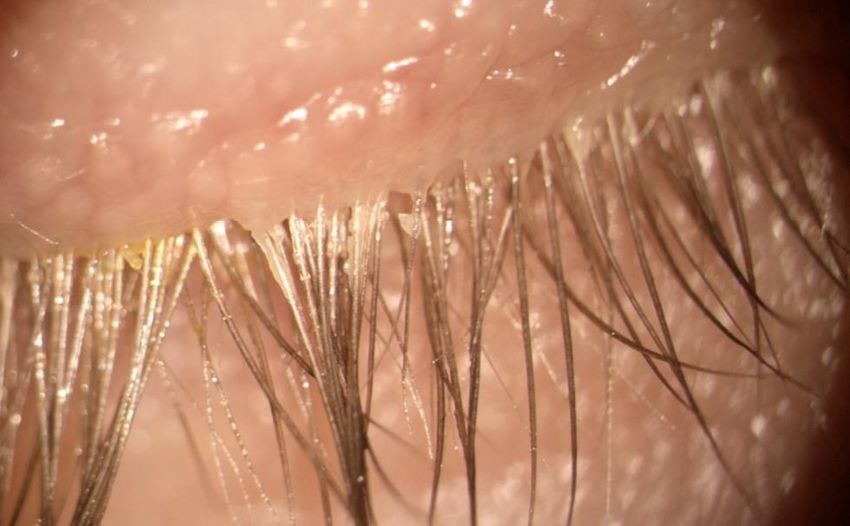
Legal Disclaimer
This presentation contains forward-looking statements that involve risks and uncertainties. Forward-looking statements are neither historical facts nor assurances of future
performance. Instead, they are based on our current expectations and projections about future events and financial trends that we believe may affect our financial condition,
results of operations, business strategy, and financial needs. All statements other than statements of historical facts contained in this presentation, including any statements
regarding our expectations of the potential market opportunity and patient populations for our product candidates, including TP-03, TP-04, and TP-05 if approved for commercial
use, including comparisons between the market for treating blepharitis and the market for treating dry eye disease; the inability to grow the market in a similar way to the dry eye
market may occur due to differences in the underlying diseases, different eye care professionals or patient attitudes towards the diseases, symptoms or treatment, regulatory
approval, market dynamics, differences in company strategy, marketing or operations and differences in key assumptions which we have not taken into account in our analysis;
the ability of our clinical trials to demonstrate acceptable safety and efficacy of our product candidates, and other positive results; the timing, progress and results of clinical trials
for our product candidates, including statements regarding the timing of initiation and completion of studies or trials and related preparatory work, the period during which the
results of the trials will become available, and our research and development programs; the timing, scope and likelihood of regulatory filings, NDA submissions and approvals;
our ability to obtain marketing approvals of our product candidates and to meet existing or future regulatory standards or comply with post-approval requirements; our
expectations regarding the potential advantages of our product candidates over existing therapies; the impact of COVID-19 on our business, clinical development programs and
operations; the receipt by Tarsus of payments and achievement and timing of milestones under the terms of the LianBio collaboration, the ability of LianBio to commercialize TP-
03 in the Greater China territory; our potential to enter into new collaborations; our expectations with regard to our ability to develop additional product candidates or product
candidates for other indications; our ability to identify additional products, product candidates or technologies with significant commercial potential that are consistent with our
commercial objectives; our ability to develop, acquire and advance additional product candidates into, and successfully complete, clinical trials; the initiation, timing, progress and
results of our preclinical studies and clinical trials, and our research and development programs; the commercialization and market acceptance of our product candidates; our
marketing and manufacturing capabilities; the pricing of and reimbursement for our product candidates; the implementation of our business model and strategic plans for our
business and product candidates; regulatory development in the United States, Europe and other jurisdictions; our ability to effectively manage our anticipated growth; our
financial performance and projections relating to our competitors and our industry, including competing therapies are forward-looking statements. The words “may,” “will,”
“expect,” “anticipate,” “aim,” “estimate,” “intend,” “plan,” “believe,” “is/are likely to,” “potential,” “continue” and other similar expressions are intended to identify forward-looking
statements, although not all forward-looking statements contain these identifying words. Forward-looking statements may involve known and unknown risks, uncertainties and
other factors that may cause our actual results, performance or achievements to be materially different from those expressed or implied by the forward-looking statements.
Accordingly, readers are cautioned not to place undue reliance on these forward-looking statements. Except as required by applicable law, we do not plan to publicly update or
revise any forward-looking statements contained herein, whether as a result of any new information, future events, changed circumstances or otherwise. No representations or
warranties (expressed or implied) are made about the accuracy of any such forward-looking statements. Important factors that could cause our actual results to differ materially
are detailed from time to time in the reports we file with the Securities and Exchange Commission, copies of which are posted on our website and are available from us without
charge. However, new risk factors and uncertainties may emerge from time to time, and it is not possible to predict all risk factors and uncertainties.

                   2   © Tarsus Pharmaceuticals 2021
Corporate Highlights

   Potential for first-ever                                                                       Pivotal clinical trials in 2021:                                                                                               Pipeline with novel API
FDA-approved therapeutic                                                                         Saturn-1 Phase 2b/3 enrollment                                                                                                advancing to Phase 2a proof
 for Demodex blepharitis.                                                                           complete and top line data                                                                                                   of concept in MGD2, and
Significant market opportunity                                                                           expected in July,                                                                                                     Phase 1/2 trials in rosacea3,
 with no approved therapies                                                                      Saturn-2 Phase 3 initiated in May                                                                                              Lyme disease and malaria4

                                   Completed four clinical trials,                                                                                              Two new studies on disease
                                      including two Phase 2b                                                                                                    prevalence and impact, and
                                    randomized control trials.                                                                                                         Chinese license
                                    Consistently met safety                                                                                                    validate market opportunity and
                                     and efficacy endpoints                                                                                                      inform commercial strategy

                1. The market for Demodex blepharitis may not be similar based on differences in the underlying disease, different ECP and patient attitudes, and treatment and/or key assumptions we have not taken into our analysis.
                2. We intend to rely on preclinical studies for Demodex blepharitis and clinical safety assessments from the Demodex blepharitis program in order to advance to Phase 2a for MGD. We have not conducted and we do not intend to conduct any precli nical studies with TP-03 for the
                   treatment of MGD.
                3. We intend to leverage systemic preclinical data from our TP-03 program and augment with additional dermal preclinical studies to select formulation in order to advance to Phase 1/2. We have not conducted any preclinical studies in rosacea with TP-04 to date. See slide 25
                   (including the footnotes thereto) for more information.
                4. In relation to Lyme disease and malaria, we intend to leverage oral systemic preclinical data from our TP-03 program as well as third-party oral systemic preclinical studies for Lyme disease or community malaria reduction, respectively. See slide 26 (including the footnotes thereto for
                   more information)

            3   © Tarsus Pharmaceuticals 2021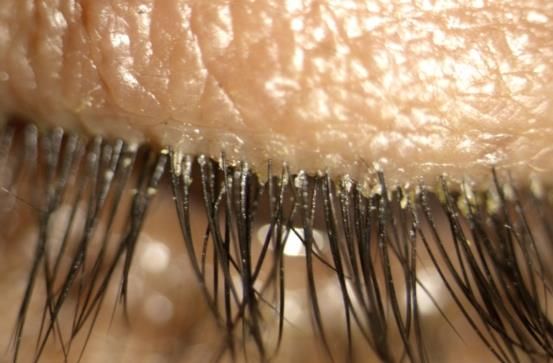
Tarsus Executive Leadership Team
          Bobby Azamian, M.D., Ph.D., President & CEO, Co-Founder              Leo Greenstein, J.D., CPA, Chief Financial Officer
          • Former CEO/CMO Metavention                                         • Former SVP, Finance & Corporate Controller of Spectrum
          • Extensive investment/entrepreneurial experience with Versant and     Pharmaceuticals, Inc.
            Third Rock Ventures                                                • 20+ years of finance leadership within publicly-traded companies
          • Medicine at Brigham, M.D., Harvard, Ph.D. Chemistry, Oxford        • Certified Public Accountant and Member of State Bar of California

          Michael Ackermann, Ph.D., Chairman, Co-Founder                       Elizabeth Yeu, M.D., Chief Medical Advisor
          • CEO Presidio Medical                                               • Nationally recognized leader in Ophthalmology
          • Former Chairman, Oyster Point Pharma                               • Cornea, Cataract, Refractive and Ocular surface specialist
          • Former CEO Oculeve, VP Neurostimulation Allergan                   • Future President American Society of Cataract and Refractive
                                                                                 Surgeons (ASCRS)

          Sesha Neervannan, Ph.D., Chief Operating Officer                     Dianne Whitfield, MSW, Chief Human Resources Officer
          • Former SVP Global Pharmaceutical Development, Allergan             • Former VP, Head of HR Evolus
          • 25+ years drug development experience, with deep expertise in      • 20+ years HR leadership including multiple roles at Allergan
            ophthalmic and dermatology products                                • Extensive experience supporting both commercial and R&D
          • Prior drug development experience at Amgen and BMS                   organizations

          Aziz Mottiwala, MBA, Chief Commercial Officer                        Bryan Wahl, M.D., J.D., General Counsel
          • Former CCO Opiant, and Head of Commercial at Avanir                • Former Partner, Knobbe Martens LLP
          • Former VP Marketing, Allergan Eye Care,(Restasis®, Lumigan®)       • Broad legal experience including IP and strategic transactions
          • 20+ years of Commercial experience, with 10+ years in eye care     • 20+ years practicing internal medicine, most recently at Kaiser
                                                                                 Permanente

      4   © Tarsus Pharmaceuticals 2021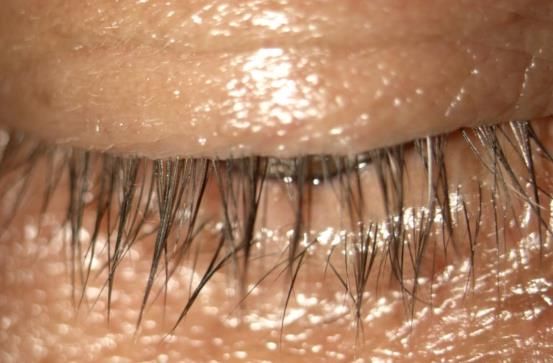
Our Mission
Our Mission

Focusing on unmet needs, we apply
proven science and new technology
to revolutionize treatment for patients,
starting with eye care.

Our Vision

A future in which patient needs are
met through boundless therapeutic
ingenuity.

        5    © Tarsus Pharmaceuticals 2021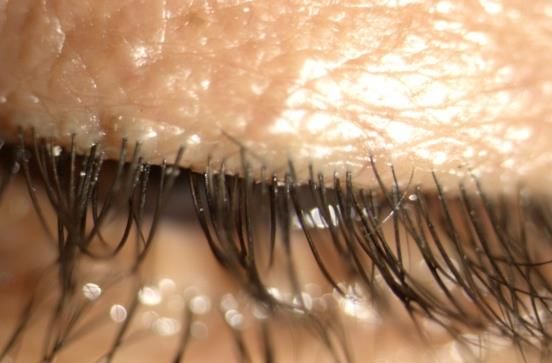
Blepharitis Is a Large and Underserved Market in Eye Care

                  Epidemiology of
                Demodex Blepharitis
                                                                • ~45M unique adult ECP
                                 Estimated                        visits/yr1
                                  In-Office                     • ~58% with collarettes2
                                Epidemiology                                                                                                                                                        Titan (collarette clinic prevalence) and Atlas (disease
                                                                                                                             Large Patient Population
                                                                                                                                                                                                    impact) studies demonstrate high prevalence of disease
                                                                                                                             with Significant Disease Impact
                                     ~25M                                                                                                                                                           and significant burden on patients

                                                                                                                             Significant Head Start on Diagnosis 2.1M ICD-10 Blepharitis Dx’s/yr8
                                Approx.                                                                                                                                                             Eyelids to become red, irritated and itchy, with debris on
                                                                                                                             Blepharitis Routinely Causes
                                9-25M                                                                                                                                                               the eyelashes.9
                                                                                                                                                                                                    Blurring of vision, missing or misdirected eyelashes, and
                              U.S. Demodex                                                                                   Blepharitis Can Lead to
                                                                                                                                                                                                    inflammation of other eye tissue, particularly the cornea4
                               Blepharitis
         Population                                                                                                                                                                                 Significant overlap in Dry Eye patients. Demodex
                               Prevalence  Current ICD-10                                                                    Concomitant Dry Eye
        Epidemiology                                                                                                                                                                                prevalent in ~69% of DE patients5
            ~9M                                                 ~1M Dx/yr
                                                                                                                                                                                                    Important factor for maximizing surgical outcomes:
                                                                                                                             Blepharitis and Surgery
                                                                                                                                                                                                    67% of Cataract Patients have Demodex blepharitis6
                                                                                                                                                                                                    Studies have shown a direct correlation between
• ~20M with blepharitis3-6                                       • 2.1M blepharitis                                          Contact Lens Drop-out
                                                                                                                                                                                                    Demodex blepharitis and Contact Lens intolerance10
• 45% with Demodex                                                 ICD-10-CM Dx’s/yr8
  infestation7                                                   • ~1M/yr Demodex7-8                                         Prescription Treatment                                                 None; 81% of patients currently seeking treatment11
                                                                 • Despite no mkt education

                        1. Wilson J Ophthalmology 2015, 435606, 2014; 2. Titan collarette prevalence study; 3. MGD Report IOVS, Special Issue 2011, Vol. 52, N. 4; 4. American Optometric Association; 5.Cheng Cornea Sept 2020; 6. IOVS June 2020; 7. Zhao - Ophthalmic Epidemiology, 19(2), 95–102, 2012; 8.
                        Symphony Claims Data Analysis; 9. Harmon, Market Scope Dry Eye Analyst Report, 2014 10. Tarkowski W, Moneta-Wielgoś J, Młocicki D. Demodex sp. as a Potential Cause of the Abandonment of Soft Contact Lenses by Their Existing Users. Biomed Res Int. 2015;2015:259109
                        11.Atlas pre-screening study

                    6   © Tarsus Pharmaceuticals 2021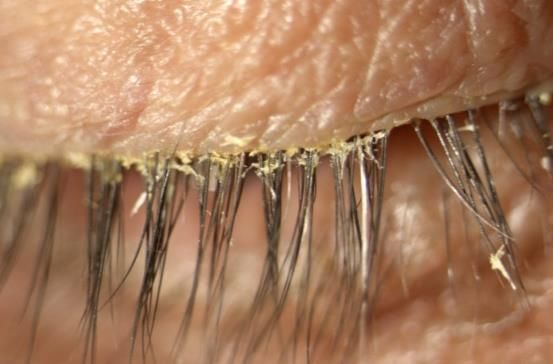
Blepharitis has Potential Similarities to Dry Eye Market 15 Years Ago
Potential Large Latent Demand for a New Therapy

• Large untapped patient population that was                                                                                                                                        Dry Eye ICD Diagnoses/Year
  activated through education of ECPs and                                                                                                                      7,000,000
  patients
• In 2003, no approved dry eye therapeutics                                                                                                                    6,000,000

     – With approval of a prescription therapeutic and

                                                                                                                                  Dry Eye Diagnoses per Year
       concurrent ECP and patient education,                                                                                                                   5,000,000
       diagnosis rate increased 12 times                                                                                                                                     Launch
                                                                                                                                                                              of Rx              Ramp in
• Blepharitis already has 2.1 million diagnoses                                                                                                                4,000,000     Dry Eye
                                                                                                                                                                             Product
                                                                                                                                                                                                  DTC
                                                                                                                                                                                                Campaigns
  per year, despite no approved therapies
                                                                                                                                                               3,000,000
• Focus on Demodex blepharitis growing                                                                                                                                                                                                                       Blepharitis
  amongst ECPs                                                                                                                                                                                                                                                 2.1M/yr
                                                                                                                                                               2,000,000
     – 80% of literature published in the last 5 years1
     – Key topic for recent major meetings and
                                                                                                                                                               1,000,000
       educational programs
     – Increasing awareness amongst both
       Ophthalmologists and Optometrists2                                                                                                                             0
                                                                                                                                                                           2003 2004 2005 2006 2007 2008 2009 2010 2011 2012 2013 2014 2015 2016 2017 2018

                 1.Tarsus Demodex blepharitis literature review
                 2. Corsica Lifesciences Market Research n=200
                 *The market for Demodex blepharitis may not be similar based on differences in the underlying disease, different ECP and pati ent attitudes, and treatment and/or key assumptions we have not taken into our analysis.
             7   © Tarsus Pharmaceuticals 2021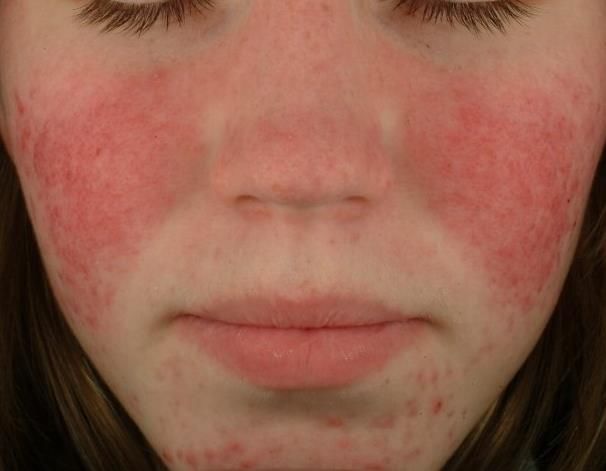
Collarettes Are Pathognomonic Sign of Demodex Infestation
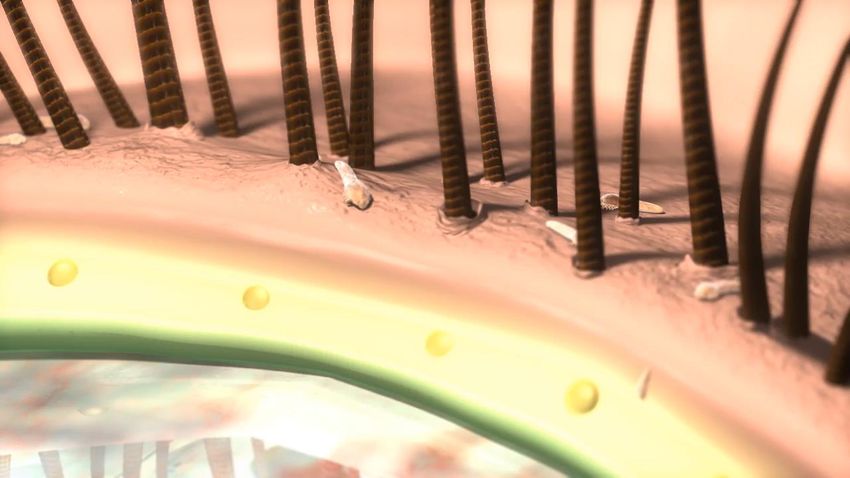
                                                                                                                             Collarettes Are Composed of Mite Waste Products and Eggs1
                                                                                                                             • Regurgitated undigested material combined with epithelial cells,
                                                                                                                               keratin, and mite eggs
                                                                                                                             • Contain digestive enzymes, which cause irritation

                                                                                                                             Easily and Rapidly Diagnosed with Standard Eye Exam
                                    % of Subjects with Demodex
                                       100%                                                                                  • Demodex mites found on 100% of lashes with collarettes2
% of Subjects with Demodex

                             100%

                             80%                                                                                             • Collarettes found in ~ 58% of eye care patients3
                             60%                                       50%
                             40%

                             20%                                                                           7%
                              0%
                                    >1 Collarette            No collarettes,                    No collarettes,
                                                            Using lid scrubs                    No lid scrubs

                                            1. Fromstein 2018
                                            2. Gao et al., Invst Ophth and Vis Sci, September 2005, Vol. 46, No. 3089-3094
                                            3. Tarsus Collarette Prevalence Study

                                        8   © Tarsus Pharmaceuticals 2021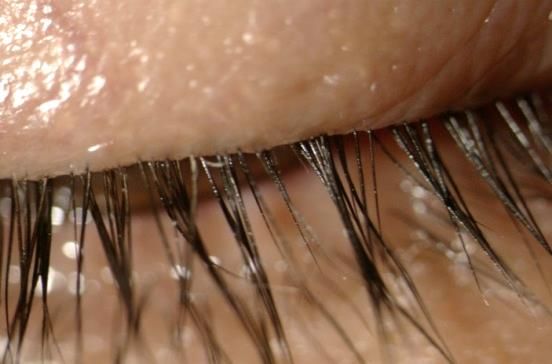
Titan Study Confirms Widespread Collarette Prevalence in ECP Clinic
Patients and Key Patient Segments
                                                               Study Overview
                 IRB-APPROVED                                        LARGE-SCALE                                               DIVERSE ANTERIOR
                RETROSPECTIVE                                         ALL-COMERS                                                   SEGMENT
                 CHART REVIEW                                        (1,032 patients)                                               CLINICS
               Examined presence                               Consecutive patients with a                                    Geographically diverse
              of collarettes and other                         wide variety of reasons for                                  (7 US sites) including both
                  characteristics                                         visit                                                 MD and OD clinics

                                                                   Key Findings
                     % of Overall Population                                                                            Key Patient Groups

                                                                                                               % with collarettes within each group

                                                                                              Blepharitis diagnosis                                69%
    With Collarettes                           Dry eye diagnosis
                                                                                             Dry Eye Rx Treatment*                         60%
        58%                                         59%
                                                     (n=609)                                      Cataract patients                      56%
          (n=598)

                                                                                                Contact lens users                     51%

                                                                                                                   0%       20%      40%       60%        80%   100%

                                                                                             * 22% of all study patients on Dry Eye Rx treatment
          9    © Tarsus Pharmaceuticals 2021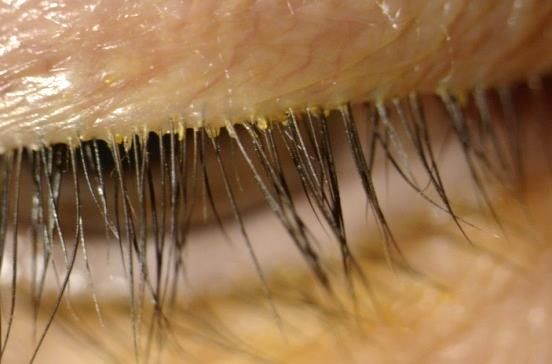
Atlas Study Reveals Symptomatic and Psychosocial Burden of
Demodex Blepharitis: 80% Report Negative Impact on Daily Life
• Multicenter, observational study of patients pre-
  screened for the Saturn-1 pivotal trial
• Evaluated the clinical and patient reported impact of
  Demodex blepharitis (interim analysis of 311 patients)
                                                                                               51%                                    58%                                            33%
     – Presence of Demodex mites (at least 1 mite per lash)                             Experienced signs                      Never diagnosed with                            Made at least 2, and
     – Presence of collarettes (> 10, upper lid)                                       and symptoms > 4 yrs                         blepharitis                           sometimes more than 6, visits
                                                                                                                                                                           to a doctor for this condition
     – At least mild erythema

                    Most Bothersome Symptoms                                                                          Functional and Psychosocial Impact

                                                        52% experienced the top 3                                                        Male        Female
                                                      symptoms frequently or all the           Feels eyes/conscious of eyes all                                                      41%
                                                                  time                                                    day                                                              51%
                   11%                                                                                                                                                        33%
                                                                                                        Difficulty driving at night
                                                                                                                                                                                            55%
                                                    9%
                   17%                                                                 Additional time needed for daily hygiene                                         28%
                                                                                                                         routine                                          31%
                                                    14%
                                                                                               Negative appearance of eyes or                               16%
                                                                                                              eyelids to others                                         27%

                   27%                                                                         Constantly worrying about your                                      23%
                                                    23%                                                        eyes or eyelids                                    22%

                                                                                                    Difficulty wearing make-up                  3%
                                                                                                                                                                              34%
              Eyes that itch                      Dry eyes
                                                                                                   Q7. Does your blepharitis affect any of the following aspects of your daily life (if
                        Top 1        Top 2        Top 3                                            applicable) or how you feel about your life?

             10   © Tarsus Pharmaceuticals 2021
TP-03 is Designed to Eradicate Demodex Mites and Treat
Demodex Blepharitis
11 © Tarsus PharmaceuticalsTP-03 is a Novel Therapeutic Designed to Eradicate Demodex Mites
and Treat Demodex Blepharitis
TP-03 is designed to paralyze the mite nervous system
through parasite-specific GABA inhibition
Lotilaner
• Potent non-competitive antagonist of insect and
arachnid GABA-Cl channels
• Highly lipophilic molecule, which may promote its uptake in
the oily sebum of the hair follicle, where the mites reside
• Tarsus has licensed worldwide rights to lotilaner for all
human uses
• Projected Orange Book Exclusivity to at least 2038
12 © Tarsus Pharmaceuticals 2021TP-03 Is a Novel Drug Designed to Treat Demodex Blepharitis
by Eradicating Mites and Collarettes1
Product Form Multi-dose eye drop solution bottle, preserved
Targeted Use Treatment of Demodex blepharitis
MOA Paralysis and death of Demodex mites
Diagnosis Collarettes identified in standard eye examination
Dosing BID* for 6 weeks
1o collarette cure rate, 2o mite eradication, 2o redness + collarette
Efficacy Goal
cure rate
Safety Goal Well-tolerated safety profile
*BID means twice per day
1. TP-03 Product profile based on Saturn-1 Trial Design
13 © Tarsus Pharmaceuticals 2021Extensive Clinical Trial Program for TP-03
Trial / Study Design Endpoints Results Achieved Status
Ex-vivo mite testing on Ex-vivo mite 100% mites dead within 24 hours
PoC: Mercury 80 mites death count (p < 0.001)
Collarette Mite Eradication
Clinical Trials
Cure Rate** Rate
28-day BID dosing, Collarette grade
86% at 28 days 57% at 28 days
P2a: Mars* single arm (n=15) Mite density
(p < 0.05) (p < 0.05)
Pilot formulation Safety
28-day BID dosing, 1o – Mite density
88% at 28 days 67% at 28 days
P2b: Jupiter* randomized 1:1 (n=60) 2o – Collarette grade
(p < 0.001) (p < 0.005)
Pilot formulation Safety
42-day BID dosing, 1o – Collarette cure rate
72% at 42 days 78% at 42 days
P2a: Io** single arm (n=18) 2o – Mite eradication
(p < 0.05) (p < 0.05) Same formulation
Current formulation Safety of TP-03 as
1o – Collarette cure rate expected in the
42-day BID dosing, Saturn trials
2o – Mite eradication 80% at 42 days 73% at 42 days
P2b: Europa** randomized 1:1 (n=54)
2o – Redness Composite (p < 0.001) (p = 0.003)
Current formulation Represents
Safety pivotal trial
1o – Collarette cure rate
42-day BID dosing,
2o – Mite eradication Trial fully enrolled Q1 2021,
P2b/3: Saturn-1**† randomized 1:1 (n=421)
2o – Redness Composite top line data expected July 2021 Two
Current formulation
Safety Pivotal
1o – Collarette cure rate Trials
42-day BID dosing,
2o – Mite eradication
P3: Saturn-2**†† randomized 1:1 (n=418)
2o – Redness Composite
Trial initiated in May 2021
Current formulation
Safety
* The Mars and Jupiter trials used collarette grade as an endpoint, which has been translated into a collarette cure (defined asCure of Collarettes with BID Use of TP-03
Baseline
Post Treatment
15 © Tarsus Pharmaceuticals 2021Europa Phase 2b: Efficacy Endpoints of Collarette Cure Rate and Mite
Eradication Rate Both Achieved
Primary and secondary efficacy endpoints same as Saturn-1 trial
Collarette Cure (0-2 collarettes)* Mite Eradication (0 mites)
100% 100%
pEuropa Phase 2b: Statistically Significant Composite Cure Rate
Lid erythema cure + collarette cure, additional secondary endpoint
Composite Cure
(Erythema Cure + Collarette Cure)
100%
Erythema + Collarette Cure (Analysis Eye)
pTP-03 Phase 2 Clinical Data Show Recurrence Rate of Clinical-Grade
Demodex Blepharitis Post-Treatment
Post treatment data from Mars & Jupiter trials show recurrence of both collarettes & mite density
>10 Collarettes on Lid Mite Density of 1.0 or More
Post-treatment follow-up Post-treatment follow-up
70% 70% 65.5%
60% 60%
58.6%
50% 48.3% 50%
41.4% 40.6%
Percentage
Percentage
40% 40%
30% 30%
20% 20% 17.6%
13.2% 12.5% 11.8%
9.4% 7.9%
10% 10% 6.3%
0% 0%
28 60 90 180 270 365 28 60 90 180 270 365
(N = 38) (N = 32) (N = 34) (N = 32) (N = 29) (N = 29) (N = 38) (N = 32) (N = 34) (N = 32) (N = 29) (N = 29)
Data account for presence of collarettes or mites on either eye, (upper eyelid for collarette score)
18 © Tarsus Pharmaceuticals 2021Differentiated Strategies for Potential Commercial Success
Positive disruption of existing norms will be at the core of our launch
Elevate eyelid health as a foundation of ocular wellness
• Educate on the importance, prevalence and impact of Demodex blepharitis,
Build a new market
and how disease management can be part of the overall practice routine
through a strong • Build a strong scientific platform through KOL engagement, evidence generation,
scientific platform and data dissemination
• Establish key patient segments: Diagnosed Blepharitis, Cataracts, Dry Eye,
Contact Lens Intolerance
Transcend the annual visit cycle by leveraging compelling disease
Drive patient action by visuals and new technologies to drive patients into the ECP office
telling a compelling • Drive patients to seek optimal lid health outside the routine exam or contact lens refill
• Leverage social and other visual media to tell a motivating, visual disease story
disease story
• Explore telemedicine as a conduit to accelerate patient action and diagnosis
Offer a cure with no barriers to facilitate market building
Enable a novel through a unique patient experience
indication by • Rapid, complete, and durable cure without hassle or frustration
redefining the • Couple broad reimbursement strategy with streamlined patient resources,
discounts, and fulfillment
patient experience
• Ensure patient touchpoints drive successful outcomes, initially, and for retreatment
• Explore role of specialty pharmacy fulfillment at launch
19 © Tarsus Pharmaceuticals 2021Market Research Shows Positive Reaction from Providers and Patients
After exposure to information on collarettes, Demodex blepharitis and TP-03 Phase 2 data
Clinician Intent to Prescribe Patient Intent to Seek a Doctor
100% of ECPs indicated would prescribe 92% of blepharitis patients indicated
1L or 2L for Demodex blepharitis would likely seek a doctor and ask about TP-03
100% 96% 70%
90%
60%
80%
70% 50%
60%
40%
50%
30%
40%
30% 20%
20%
10%
10% 4%
0% 0%
0% 0%
First Line Second Line Third Line Would not use Definitely May or Definitely
Would May Not Would
Not
N = 50 eye care providers (25 MDs, 25 ODs) N = 50 blepharitis patients
Market research sponsored by Tarsus
20 © Tarsus Pharmaceuticals 2021Encouraging Payer Feedback on TP-03 for Demodex Blepharitis
Potential for favorable reimbursement with strong outcomes and lack of current treatment options
Payers view the potential profile of TP-03 as having a strong value proposition
• Objective clinical outcomes and targeted mechanism of action contribute to positive payer feedback
• Payers acknowledge the clinical relevance of both collarette cure and mite eradication
• No current Rx treatments available, and no clear, established OTC treatment alternatives currently exist
Novel treatment approach may drive compelling pricing with modest discounting
• Pricing could be comparable to branded dry eye products
• Given product profile, and lack of treatment alternatives, discounting and rebating is expected to be modest
Payers have indicated a limited need for utilization management
• Assuming 1-2 treatment cycles per year, payers view the per member, per month budget impact as reasonable
• Any potential payer restriction would be based on confirmation of diagnosis (i.e., ECP confirms presence of collarettes)
Summary of payer interviews conducted in H2 2020; n=20
21 © Tarsus Pharmaceuticals 2021License for TP-03 in Greater China Expands Market and Provides
Significant Non-Dilutive Funding
March 2021 out-license expands patient access to TP-03 in world’s second largest healthcare market1
40M 70M $4.5B
Estimated Demodex Estimated Meibomian Gland Estimated Chinese eye care
blepharitis patients in China2 Disease patients in China2 market size by 2023
• LianBio was founded by Perceptive Advisors, and is focused on developing and accelerating
availability of paradigm-shifting medicines to patients in China and major Asian markets
• LianBio to provide Tarsus up to $200 million in milestones and other proceeds:
– $70 million expected over the next 12 months for time-based and near-term clinical milestones, including
$25 million in Q2 2021
– Additional longer-term clinical/sales milestones totaling $130 million
– Tiered double-digit royalties based on LianBio sales of TP-03 in Greater China
– Minority equity stake in LianBio
• LianBio solely responsible for all costs related to China regulatory approval and commercialization
Greater China includes the People’s Republic of China, Hong Kong, Taiwan and Macau.
1. Deloitte 2020 China Life Sciences Healthcare Trends Report
2. Xuguang S. Chin J Exp Ophthalmol. 2016, 34(6): 481-483; LEK interviews and analyses, Frost & Sullivan analyses
22 © Tarsus Pharmaceuticals 2021Pipeline with Different Formulations of Novel API
Anticipated clinical trial events in our programs in 2021 (and selected events beyond)
Candidate Indication Formulation Preclinical Phase 1 Phase 2 Phase 3 Anticipated Future Milestones* Worldwide Rights
2021: Top line data for
Phase 2b/3 Saturn-1 trial in July
Demodex blepharitis
Saturn-2 Phase 3 trial initiated in May
Meibomian Gland Initiate Phase 2a
Disease (MGD) proof of concept**
TP-03 (Eye drop)
Demodex blepharitis Bioequivalence
Preservative-free formulation to be tested after NDA submission
(Preservative–Free) studies (US) ***
2021: Initiate pre-clinical work in
Demodex blepharitis China
and MGD in China 2022: Initiate Phase 3 DB trial in
China* (Greater China Rights)
TP-04 Rosacea 2021: Initiate Phase 1/2 trial †
(Topical)
2021: IND Accepted
Lyme Disease
Initiate Phase 1 trial in July ††
TP-05
(Oral)
Malaria 2021: Initiate Phase 1 trial ††
* Anticipated milestones are subject to the impact of the ongoing COVID-19 pandemic on our business and those of our partners.
** We intend to rely on preclinical studies and clinical safety assessments from the Demodex blepharitis program. We have not conducted and do not intend to conduct any preclinical studies with TP-03 for the treatment of MGD in order to advance to Phase 2a.
*** We intend to leverage all preclinical, Phase 2 and Phase 3 data from the TP-03 Demodex blepharitis program. We intend to conduct in vitro or in vivo bioequivalence studies with our preservative-free formulation to compare it to the current preserved formulation of TP-03 in Demodex
blepharitis after NDA submission and file a supplement.
† We intend to leverage systemic preclinical data from our TP-03 program and augment with additional dermal preclinical studies to select formulation in order to advance to Phase 1/2, which we intend to conduct outside the United States. We may need to address this approach with the FDA if
we were to conduct a clinical trial in the United States. We have not conducted any preclinical studies in rosacea with TP-04 to date.
†† In relation to Lyme disease and malaria, we intend to leverage oral systemic preclinical data from our TP-03 program as well as third-party oral systemic preclinical studies for Lyme disease or community malaria reduction, respectively (and will not conduct our own preclinical studies for Lyme
disease and malaria). The formulations used in preclinical studies use the common approach of a gavage that is scaled as appropriate for use in animals. However, human administration, while continuing to be oral, will take the form of a tablet or capsul e. Subject to FDA feedback from our
planned pre-IND meeting, we intend to conduct Phase 1/2 trials in these indications based on these preclinical studies. In relation to malaria, we may conduct our Phase 1/2 trial outside the United States. While we plan to discuss this approach for Lyme disease in a planned pre-IND meeting with
the FDA, the FDA may reject our use of data from these preclinical studies and require us to conduct additional preclinical studies before advancing to clinical trials, which may delay our expected timelines for approval and increase costs.
23 © Tarsus Pharmaceuticals 2021TP-03 Eye Drop: Potential Label Expansion Opportunity in
Meibomian Gland Disease
Potential label expansion into Meibomian Gland Disease
• MGD is a primary cause of Dry Eye; MGD has been found to be approximately
two-thirds of the estimated 34 million Dry Eye patient population in the United
States
• TP-03 targets a known cause of MGD, Demodex brevis mites
• Potential to be the first FDA-approved therapeutic with an indication for MGD
Phase 2a planned (Patient selection and endpoints TBD)
24 © Tarsus Pharmaceuticals 2021TP-04 Topical Potential New Treatment for Rosacea
Soolantra®, anti-parasitic drug
• 1% ivermectin cream used once daily
Current Standard
of Care • Targets Demodex mites, but modestly effective,
takes 8–12 weeks to show efficacy
• ~$500 WAC for 30-day supply
• In-vitro studies and pharmacodynamics testing to identify
TP-04 Topical a lead formulation of TP-04 in progress
• Phase 1/2 planned for 2021*
• ~16 million people in the U.S. are affected by rosacea
per U.S. National Rosacea Society
Significant Market
• Prevalence can represent up to 5.4% of the U.S. population**
Opportunity
• Given the role of Demodex, opportunity exists to reframe
disease management and apply a differentiated approach
*Intend to leverage systemic preclinical data from our TP-03 program and augment with additional dermal preclinical studies to select formulation in order to advance to Phase 1/2, which we intend to conduct outside the United States. We may need to address this approach with the
FDA if we were to conduct a clinical trial in the United States. We have not conducted any preclinical studies in rosacea with TP-04 to date.
**Incidence and Prevalence of Rosacea: a systematic review and meta-analysis, Gether et al, BJ Dermatol, 2018.
25 © Tarsus Pharmaceuticals 2021TP-05 Oral Tablet: Long-Acting Endectocide for Lyme Disease
Prevention
Lyme Disease Prevention Represents a A Therapeutic May Be The Most Effective
Significant Unmet Need Approach to Lyme Disease Prevention
Lyme Disease: Over 300k US cases/year • TP-05 is the only non-vaccine based therapeutic in
• Bacterial infection carried by ticks development that would work by eradicating ticks
• >30M people in US at risk of exposure – Based on sustained PK levels in the blood, a more
predictable approach compared to immunogenicity
– ~20M in high incidence geographies
– Potential for >95% reduction in Lyme risk
– Previous vaccine, LYMERix™, with 1.5M doses in
• Kills 70% of ticks within 4 hrs, 99% @ 8 hrs
first year of sales*
• Potential to prevent bacterial transmission
• Valneva/Pfizer vaccine is the only other known (24-72 hrs)
program in development – Human model for tick eradication in development
– VLA15 in Phase 2, is a multi-valent protein – IND accepted in May 2021
targeting OspA of Borrelia
– Phase 1 SAD/MAD Safety/PK studies planned
– 3 dose vs 2 dose regimen being explored, peak initiation in July 2021
immunogenicity expected over several months
• Efforts from Lyme development will also inform
approach for prevention of malaria
*LYMERix is no longer marketed
26 © Tarsus Pharmaceuticals 2021Tarsus Summary
• TP-03 is a novel therapeutic with potential to be the first FDA-approved therapeutic and
the standard of care for the treatment of Demodex blepharitis
• Clinical efficacy and safety endpoints consistently achieved across multiple Phase 2
studies
• Phase 2b/3 Saturn-1 enrollment complete with top line expected in July 2021,
Phase 3 Saturn-2 trial initiated in May 20211
• Clinical stage pipeline with potential applications to other indications in MGD, rosacea,
Lyme disease, and malaria
• Multiple clinical events anticipated in 2021
• Current cash position, along with near-term proceeds from our China TP-03 out-license,
provides cash runway into the first half of 2023. Expected to be sufficient for TP-03
NDA submission, pipeline advancement, operations growth, and commercial readiness.
1. Both subject to the impact of the ongoing COVID-19 pandemic
27 © Tarsus Pharmaceuticals 202128 © Tarsus Pharmaceuticals 2021
You can also read


