TECHNICAL ANALYSIS STUDY - Software Motor Company
←
→
Page content transcription
If your browser does not render page correctly, please read the page content below
TECHNICAL ANALYSIS STUDY

     High Efficiency Fan Motors

              Presented to:

      The Sygma Network
    13019 SE Jennifer St. STE 404
       Clackamas, OR 97015

             Provided by:

           Analysis Contractor:

        1033 SE Main St. Suite 1
          Portland, OR 97214
            (971) 544-7211

      Project Number: PE14314

        Report Date: 6/4/2018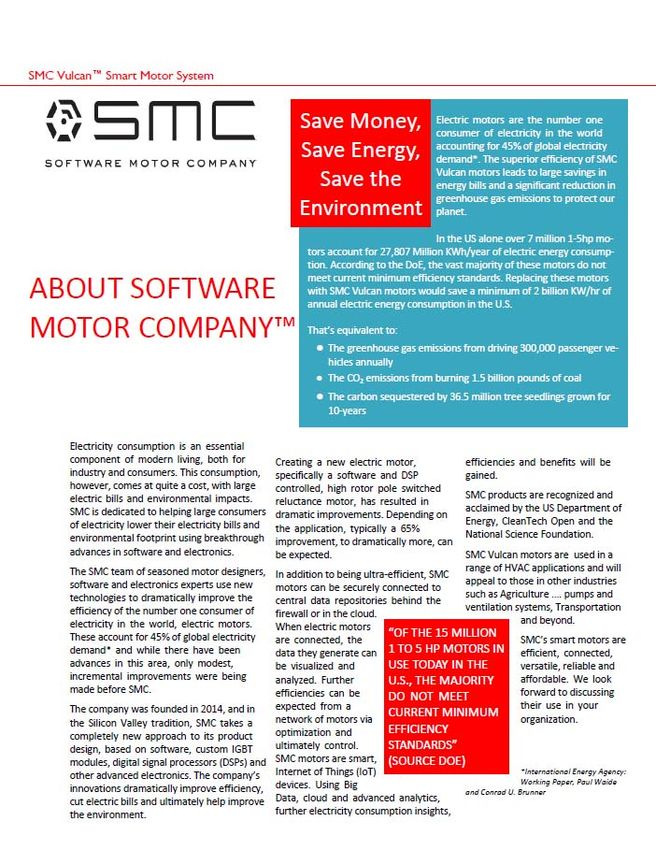
DISCLAIMER
In no event will Energy Trust of Oregon, Inc. or Energy 350 be liable for (i) the failure of the
customer to achieve the estimated energy savings or any other estimated benefits included
herein, or (ii) for any damages to customer's site, including but not limited to any incidental or
consequential damages of any kind, in connection with this report or the installation of any
identified energy efficiency measures.

The intent of this energy analysis study is to estimate energy savings associated with
recommended energy efficiency upgrades. This report is not intended to serve as a detailed
engineering design document, any description of proposed improvements that may be
diagrammatic in nature are for the purpose of documenting the basis of cost and savings
estimates for potential energy efficiency measures only. Detailed design efforts may be required
by participant in order to implement potential measures reviewed as part of this energy analysis.

While the recommendations in this report have been reviewed for technical accuracy and are
believed to be reasonably accurate, all findings listed are estimates only, as actual savings and
incentives may vary based on final installed measures and costs, actual operating hours, energy
rates and usage.

Energy Trust of Oregon                  -The Sygma Network-                              Page 2 of 50
Production Efficiency Program       Technical Analysis Study (TAS)          High Efficiency Fan Motors
CONTACTS & PREPARATION
SITE CONTACTS

The following plant personnel assisted with this report:
        Eric Brown, Facilities Manager
        The Sygma Network
        13019 SE Jennifer St. STE 404
        Clackamas, OR 97015
        Phone: (503) 545-3031
        E-mail: ebrown@sygmanetwork.com

ENERGY TRUST CONTACTS

The Program Delivery Contractor (PDC) is:
       Kelson Redding
       Energy 350
       1033 SE Main St., Suite 1
       Portland, OR 97214
       Phone: (503) 442-0656
       E-mail: kredding@energy350.com

The Allied Technical Assistance Contractor (ATAC) that prepared this report is:
        Phillip McNamara, P.E., C.E.M.
        Energy 350
        1033 SE Main St., Suite 1
        Portland, OR 97214
        Phone: (503) 819-8997
        E-mail: phillip@energy350.com

Energy Trust of Oregon                    -The Sygma Network-                                  Page 3 of 50
Production Efficiency Program         Technical Analysis Study (TAS)              High Efficiency Fan Motors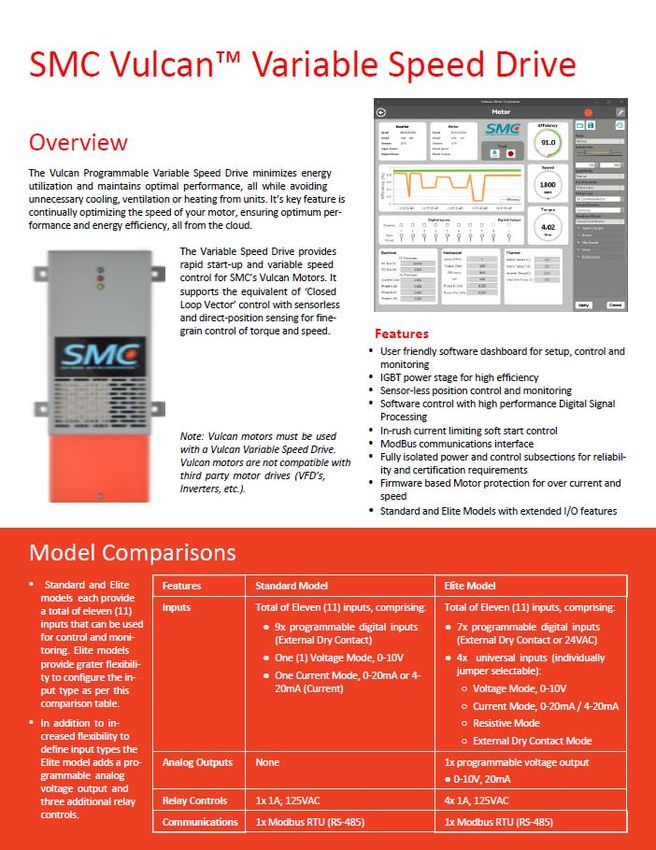
TABLE OF CONTENTS

1.0       EXECUTIVE SUMMARY ................................................................................................. 5
   1.1       Introduction ................................................................................................................................... 5
   1.2       EEM Summary.............................................................................................................................. 5
   1.3       Economic Summary ...................................................................................................................... 7
   1.4       Potential Additional Benefits ...................................................................................................... 10
   1.5       Recommendations ....................................................................................................................... 10
   1.6       Implementation Summary ........................................................................................................... 10
2.0       DETAILED DESCRIPTION OF PROPOSED EQUIPMENT AND OPERATION ........ 11
   2.1     EEM 1 – High Efficiency Fan Motors ........................................................................................ 11
      2.1.1   EEM 1 – Source of Energy Savings.................................................................................... 11
      2.1.2   EEM 1 – Specific Equipment Recommendations ............................................................... 11
      2.1.3   EEM 1 – Setpoints and Algorithms Recommended to Achieve Energy Performance ....... 11
   2.2     EEM 2 – Condenser Cleaning ..................................................................................................... 12
      2.2.1   EEM 2 – Source of Energy Savings.................................................................................... 12
      2.2.2   EEM 2 – Specific Equipment Recommendations ............................................................... 12
      2.2.3   EEM 2 – Setpoints and Algorithms Recommended to Achieve Energy Performance ....... 12
3.0       EEM COSTS...................................................................................................................... 13
4.0       BASELINE AND ANALYSIS OVERVIEW ................................................................... 14
   4.1     Baseline Description ................................................................................................................... 14
   4.2     Overview of Technical Approach ............................................................................................... 15
      4.2.1    Data Logging ...................................................................................................................... 15
      4.2.2    Baseline Analysis ................................................................................................................ 17
      4.2.3    EEM Analysis ..................................................................................................................... 27
   4.3     Key Assumptions ........................................................................................................................ 31
      4.3.1    Key Assumptions for Baseline Analysis ............................................................................. 31
      4.3.2    Key Assumptions for EEM Analysis .................................................................................. 31
   4.4     Summary of EEM Analysis ........................................................................................................ 32
5.0       COMMISSIONING REQUIREMENTS ........................................................................... 33
   5.1       Purpose of Commissioning ......................................................................................................... 33
   5.2       Logistical Requirements and Customer Assistance .................................................................... 33
   5.3       List of Settings to be Observed/Confirmed/Recorded ................................................................ 33
   5.4       Performance Verification Plan and/or O&M Persistence Plan ................................................... 34
6.0       APPENDIX ........................................................................................................................ 35

Energy Trust of Oregon                                     -The Sygma Network-                                                              Page 4 of 50
Production Efficiency Program                          Technical Analysis Study (TAS)                                   High Efficiency Fan Motors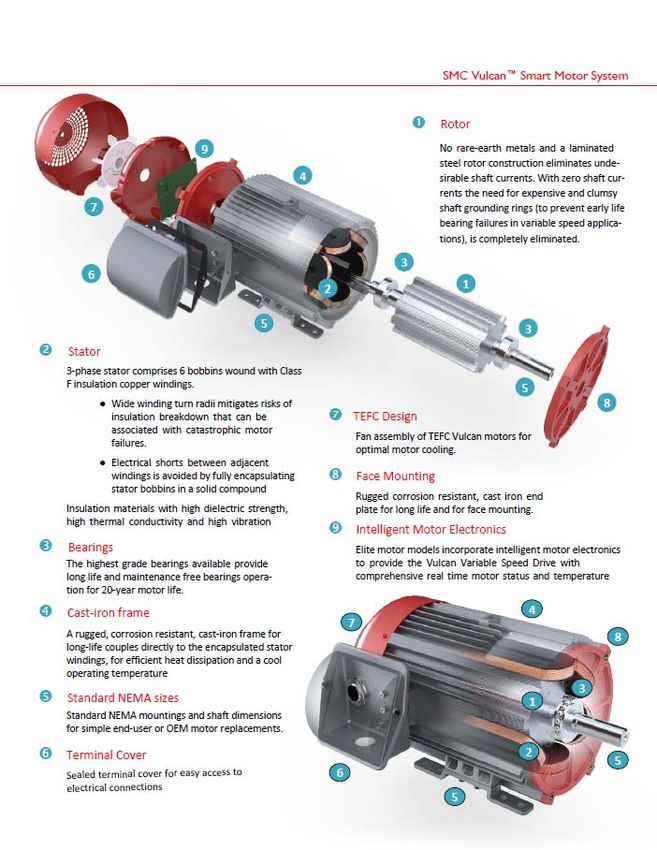
1.0 EXECUTIVE SUMMARY

1.1     INTRODUCTION

The Sygma Network (Sygma) stores and distributes refrigerated and frozen foods to multiple restaurant
chains. This Technical Analysis Study (TAS) focuses on the refrigeration systems serving Sygma’s
Clackamas, OR site. The facility relies on multifarious air-cooled condensing units to condition one -20°F
ice cream freezer, two large storage freezers at -10°F, two 30°F – 38°F coolers and a heavily utilized 40°F
shipping and receiving dock. All conditioned areas (freezers, coolers, dock) are refrigerated 24 hours per
day, 7 days per week for a total annual operation of 8,760 hours.

The purpose of this TAS is twofold. One, high efficiency motor technology was tested in real world
scenarios to determine performance. Software Motor Company (SMC) graciously donated the motors and
labor to install and commission the high efficiency motors. Power data was metered for the original fan
motors as well as the high efficiency fan motors. Since this is a no-cost measure, no incentives are
available.

The TAS also serves to quantify energy savings resulting from a condenser coil cleaning for all
condensing units. This is considered an operations and maintenance (O&M) measure and is eligible for a
bonus incentive offer; see Section 1.3 for details.

1.2     EEM SUMMARY

EEM 1: High Efficiency Fan Motors

          The evaporator and condenser fan motors for freezer condensing unit circuit SC5-2 were
          retrofitted with high efficiency switched reluctance motors. Ex-ante and ex-post power metering
          was performed on the original fan motors and high efficiency motors, respectively. Energy
          savings are realized due to the higher efficiency of the motors. Although capable of variable
          speed operation, this TAS analyzed energy savings of the fan motors due to their efficiency
          operating at constant speed (full speed) using control mechanisms (cycling) identical to the
          baseline case. This was a no cost (no incentive) measure. Additional savings will result if motor
          speed is allowed to modulate.

EEM 2: Condenser Cleaning

          Over time, debris has accumulated on the condenser coils of the air-cooled condensing units
          restricting air flow through the fins which negatively effects heat transfer effectiveness across the
          coils. This EEM recommends cleaning the condenser coils for all condensing units. Clean
          condenser coils will reduce the approach temperature resulting in compressor savings due to
          lower head pressure.

Energy Trust of Oregon                       -The Sygma Network-                                  Page 5 of 50
Production Efficiency Program            Technical Analysis Study (TAS)              High Efficiency Fan Motors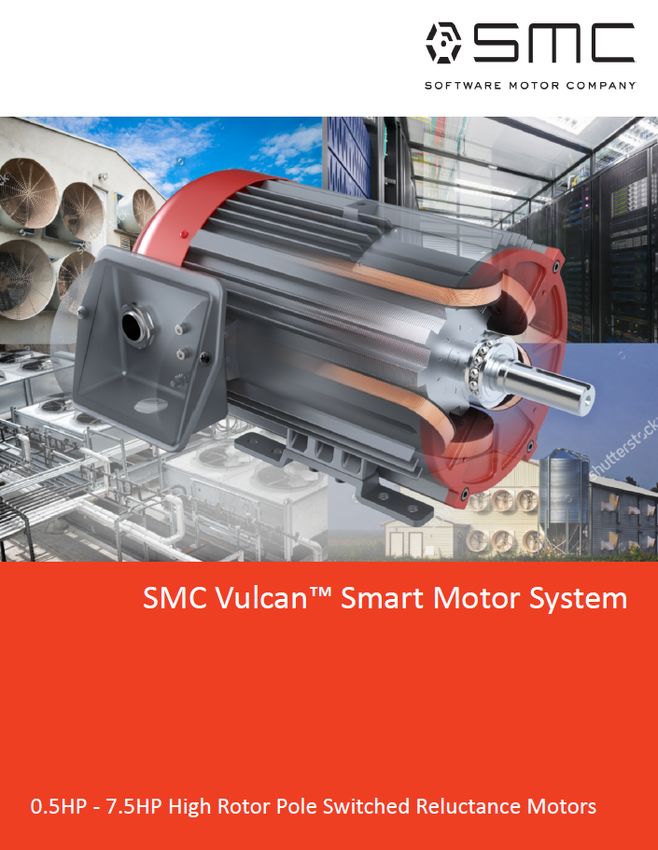
EEMS STUDIED BUT NOT RECOMMENDED

EEM 3: Evaporator Cleaning

          This measure analyzed energy savings realized from cleaning three dock evaporator air units. The
          cost of the measure results in a high payback period that does not meet Energy Trust’s cost
          effectiveness criteria. Therefore, this measure is not recommended.

EEM 4: Lower Minimum Condensing Pressure

          Reducing the minimum head pressure on the condensing units was originally considered.
          However, a combination of data logging and cut-in/cut-out pressure switch setting observations
          confirmed the condensing units were already operating with low minimum condensing pressure
          settings. Reducing the pressure further may preclude proper refrigerant feeding to thermal
          expansion and/or invoke refrigerant stacking in the condenser coils. Therefore, this measure is not
          recommended.

Energy Trust of Oregon                      -The Sygma Network-                                 Page 6 of 50
Production Efficiency Program           Technical Analysis Study (TAS)             High Efficiency Fan Motors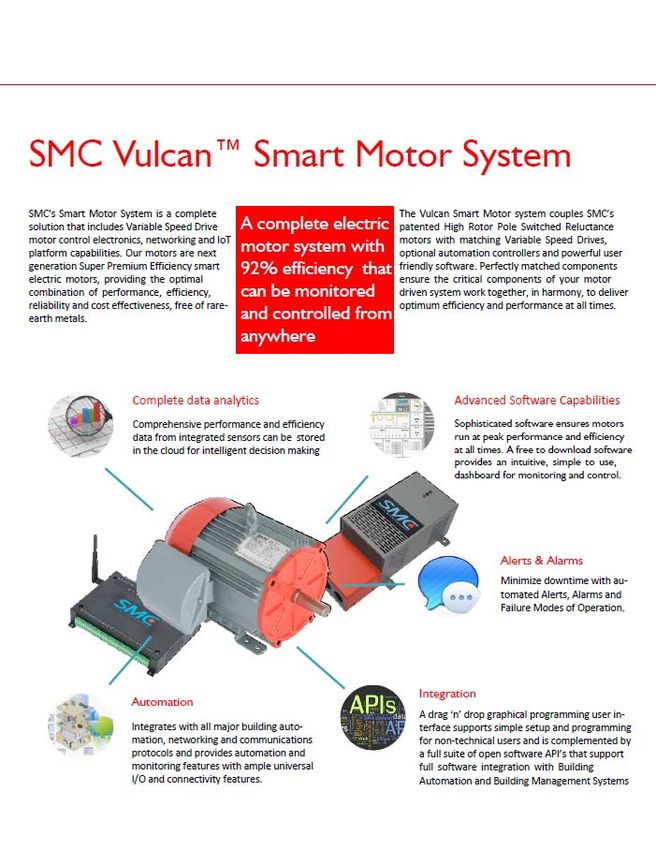
1.3     ECONOMIC SUMMARY

                                                      Table 1: Estimated Savings and Cost Summary
           Electric Rate Schedule & Cost:                                           PGE 85-S            $0.0715 $/kWh
           Cost of Demand                                                             5.63                   $/kW/mo

                                                                 On-Peak              Annual           Electric     Total
                                                     Included in Demand   Demand      Electric           Cost      Annual       Installed   Pre-Incentive
            EEM                 Description
                                                      Package? Reduction Savings ($) Savings           Savings     Savings       Cost ($)     Payback
                                                                 (kw/mo)             (kWh/yr)             ($)         ($)
             1 High Efficiency Fan Motors                Yes       2.1      $139       26,336           $1,883      $1,883        $0           0.0 days
             2 Condenser Cleaning                        Yes       2.0      $137       40,200           $2,874      $2,874      $4,424        1.5 years
             3 Evaporator Cleaning                       No        0.4       $29        8,422            $602        $602       $3,219        5.3 years
           Totals                                                  4.1      $276      66,536           $4,757      $4,757       $4,424       11.2 months
           Note: Pre-incentive payback = Installed cost/Total Annual Savings. Demand savings are not included in the payback calculation since the peak
           power of the system may not always coincide with the peak demand of the facility during each billing cycle.

Energy Trust of Oregon                                                -The Sygma Network-                                                             Page 7 of 50
Production Efficiency Program                                     Technical Analysis Study (TAS)                                         High Efficiency Fan Motors
Table 2: Estimated Incentive Summary
                    Eligible Project Cost Cap:                               50%
                    Capital Electric Savings Cap:                            $0.25/kWh (>1yr pre) | $0.02/kWh (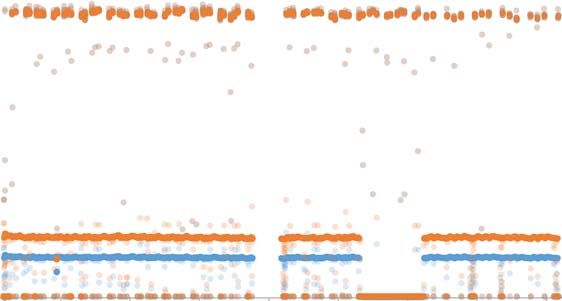
Energy Trust is providing an ongoing 90x90 O&M bonus incentive offering. The 90x90 O&M incentive is calculated based on $0.08/kWh saved up
to 90% of the project cost. The standard O&M project incentive is calculated based on $0.08/kWh saved up to 50% of the project cost. The calculated
incentive in Table 3 is based on the 90x90 O&M incentive offering. To qualify for the 90x90 O&M incentive, the customer needs to complete the
recommended measures and provide final cost documentation to the PDC (Energy 350) within 90 days after Energy Trust signs an incentive
agreement. In addition, the PDC must submit this final cost documentation and a verification report to Energy Trust soon after the measures have
been implemented. If for some reason the project completion extends beyond the 90 days, then the incentive will be calculated based on the standard
O&M incentive offering (Table 2).

                                                        Table 3: Estimated Bonus Incentive Summary
                                Incentive Cap, % of Project Cost                                90%
                                Energy Incentive Rate                                           $0.08/kWh

                                                                                                       Total     Customer
                                                                          Standard     90x90                                 Payback
                                                                                                     Incentive   Cost after
                                EEM              Description              Incentive    Bonus                                with Total
                                                                                                    Including      Total
                                                                            Offer      Offer                                Incentives
                                                                                                      Bonus      Incentive

                                  2 Condenser Cleaning                     $2,212     $1,004         $3,216       $1,208    5 months
                                Totals                                     $2,212     $1,004         $3,216       $1,208    5 months

Energy Trust of Oregon                                                 -The Sygma Network-                                                            Page 9 of 50
Production Efficiency Program                                      Technical Analysis Study (TAS)                                        High Efficiency Fan Motors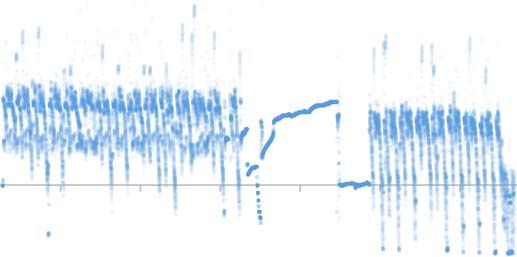
1.4     POTENTIAL ADDITIONAL BENEFITS

The recommended efficiency measures have benefits beyond saving energy. Cleaning the condensers,
effectively reducing the head pressure, will reduce equipment wear since the units will operate at a
reduced duty and compression ratio.

1.5     RECOMMENDATIONS

We recommend the installation of EEMs 1 and 2. These measures provide a simple payback of 5.6
months with Energy Trust incentives, as shown in Tables 1 and 2. Additional bonus incentives are
available and outlined in Table 3, which further reduce the payback to 5 months.

1.6     IMPLEMENTATION SUMMARY

Review this report and make an implementation decision
Your staff has assisted with the development of this report. Because equipment and operational changes
are recommended, your organization needs to be comfortable with the data, the analysis and the proposed
EEMs for the project to be a success. Please independently evaluate the information contained in this
report as you normally would for other projects of this scope. Contact vendors to firm up bids, do your
normal diligence and make a decision.

Sign an Energy Trust incentive application (Form 420C) prior to signing any Purchase Orders
Contact your PDC with your decision, and request and sign an incentive application prior to signing
purchase orders or making other financial commitments to proceed with the project.

Implement the project
Finalize the design in a manner consistent with equipment, set-points, and algorithms described in Section
2 of this report. Any significant differences should be discussed with your PDC and ATAC to confirm
that they do not have a negative impact on energy efficiency performance. Sign purchase orders and
contracts with contractors. Complete the installation.

Commission the project
Commission the project according to guidelines in section 5 of this report.

Project closeout
Send your PDC written notification of project installation completion, commissioning submittals, and
documentation of costs by energy efficiency measure. Your PDC will make a site visit to inspect the
equipment and prepare a verification report. Your incentive will be paid after Energy Trust approves the
verification report.

Energy Trust of Oregon                    -The Sygma Network-                               Page 10 of 50
Production Efficiency Program         Technical Analysis Study (TAS)            High Efficiency Fan Motors
2.0 DETAILED DESCRIPTION OF PROPOSED EQUIPMENT
AND OPERATION
2.1 EEM 1 – HIGH EFFICIENCY FAN MOTORS
2.1.1 EEM 1 – Source of Energy Savings
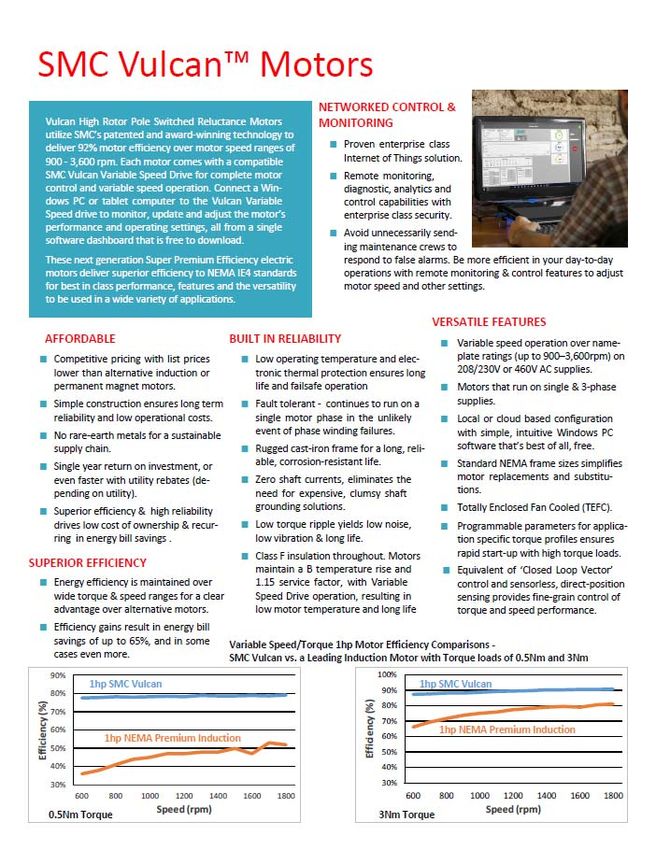
Energy savings are realized from the high efficiency of the switched reluctance motors. Therefore, less
energy is lost when comparing input to useful work. While this study only analyzed the energy savings
resulting from an increase in motor efficiency, the software driven motors are also capable of variable
speed operation. For additional energy savings it is recommended to vary motor speed.
2.1.2 EEM 1 – Specific Equipment Recommendations
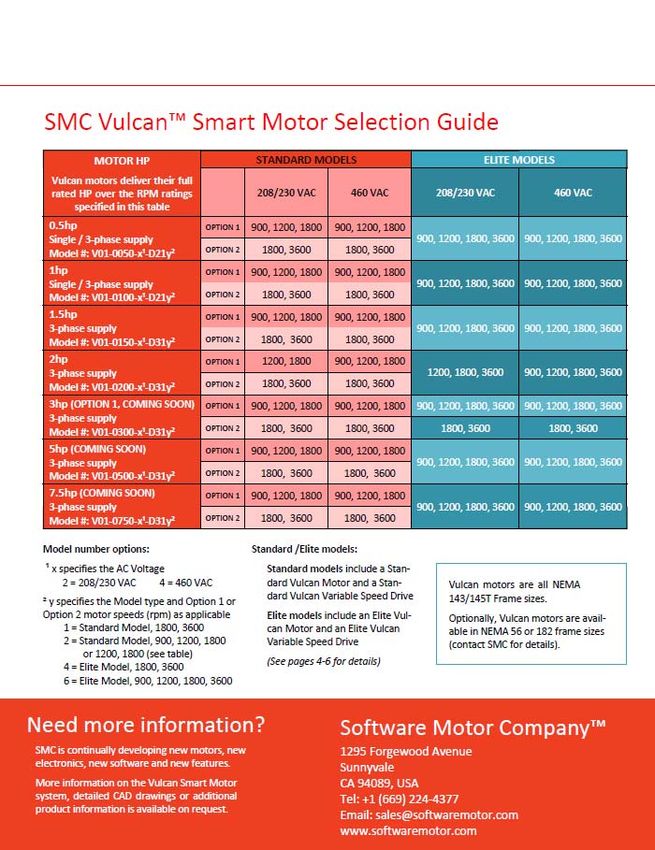
Evaporator and condenser fan motors were upgraded to switched reluctance motors provided by
SMC
o Evaporator test unit ID: SC5-2 (see Section 4 for details)
All 3 fan motors were replaced with switched reluctance motors; however, only 2
were commissioned during the testing period
o Condenser test circuit: SC5-2 (see Section 4 for details)
Both condenser fan motors were replaced with switched reluctance motors
2.1.3 EEM 1 – Setpoints and Algorithms Recommended to Achieve Energy Performance
The high efficiency motors by SMC rely on the same control mechanisms as the baseline case
o Evaporator fan motors cycle based on zone temperature via the Beacon II controller
o Evaporator fans de-energize during defrost cycles including a short delay post defrost for
a coil cool or drip dry cycle
o Condenser fans cycle to maintain a targeted head pressure based on cut-in and cut-out
pressure switches
For additional savings:
o Evaporator Fans
Modulate fan speed to maintain zone temperatures
Minimum speed: 50%
Maximum speed: 95%
Cycle fans once minimum fan speed is reached
Implement a fan delay to operate fans for approximately 5 minutes once the
liquid line solenoid has shut before cycling off. This will ensure any residual
liquid has vaporized.
Electronic expansion valves (EEVs) may be required to implement variable
speed evaporator fan control; consult your preferred refrigeration contractor
o Condenser Fans
Modulate fan speed to maintain head pressure
Minimum speed: 10%
Maximum speed: 100%
Cycle fans once minimum speed is reached
Minimum head pressure: 165 psig (for R404A)
Energy Trust of Oregon -The Sygma Network- Page 11 of 50
Production Efficiency Program Technical Analysis Study (TAS) High Efficiency Fan Motors2.2 EEM 2 – CONDENSER CLEANING
2.2.1 EEM 2 – Source of Energy Savings
Over time, debris builds up on the condenser coils restricting air flow across the tubes/fins which
negatively impacts heat transfer. This EEM recommends a thorough cleaning of the condensers on all
condensing units. By cleaning the condensers, the approach temperature will be reduced, which will
reduce compressor input power due to lower compressor lift.
2.2.2 EEM 2 – Specific Equipment Recommendations
This upgrade does not require any new equipment
2.2.3 EEM 2 – Setpoints and Algorithms Recommended to Achieve Energy Performance
No setpoints nor algorithms are necessary to achieve energy savings
Energy Trust of Oregon -The Sygma Network- Page 12 of 50
Production Efficiency Program Technical Analysis Study (TAS) High Efficiency Fan Motors3.0 EEM COSTS
The tables below summarize project costs. SMC donated materials and labor necessary to install and
commission the high efficiency motors for EEM 1. A copy of the vendor’s proposal for the coil cleanings
can be found in the Appendix. The cost estimate for EEM 3 is also shown below; however, this measure
does not pass Energy Trust’s cost effectiveness criteria, and therefore, is not recommended.
Table 4: Estimated costs for EEM 1
EEM 1: High Efficiency Fan Motors
Item Description Vendor Qty Unit Total
1 Switched Reluctance Motors SMC 5 $0 $0
2 Installation and Commissioning SMC/PermaCold 1 $0 $0
Total Cost $0
Table 5: Estimated costs for EEM 2
EEM 2: Condenser Cleaning
Item Description Vendor Qty Unit Total
1 Condenser Coil Cleaning Permacold 1 $4,424 $4,424
Total Cost $4,424
Table 6: Estimated costs for EEM 3
EEM 3: Evaporator Cleaning
Item Description Vendor Qty Unit Total
1 Evaporator Coil Cleaning Permacold 1 $3,219 $3,219
Total Cost $3,219
Energy Trust of Oregon -The Sygma Network- Page 13 of 50
Production Efficiency Program Technical Analysis Study (TAS) High Efficiency Fan Motors4.0 BASELINE AND ANALYSIS OVERVIEW
4.1 BASELINE DESCRIPTION
The facility relies on multiple, dedicated packaged refrigeration units to condition the following spaces:
(1) -20°F ice cream freezer
(2) -10°F storage freezers
(1) 30°F cooler
(1) 38°F cooler
(1) 40°F shipping and receiving dock
Each refrigeration system consists of a packaged, air-cooled condensing unit piped to remote evaporator
air units in the conditioned spaces. Compressors unload either by cycling or unloading cylinders,
depending on size and type. Condenser fans are constant speed and cycle to maintain a targeted head
pressure via cut-in/cut-out pressure switches. Evaporator fans are also constant speed. Most evaporators
rely on electric resistance heating for defrost cycles (with the exception of the dock evaporators). A
Heatcraft Beacon II controller for each system cycles evaporator fans with respect to zone temperature
setpoints as well as initiates and terminates defrost cycles based on suction pressure and temperature. All
refrigerated spaces are maintained at temperature 24 hours per day, 7 days per week for a total annual
operation of 8,760 hours. Table 7 and 8 summarize the refrigeration equipment at the site.
Table 7: Condensing Units
C/U C/U Circuit
C/U ID C/U Model Location Refrigerant
Make ID
SC1-3 Freezer R404A
SC1 Bohn JDDS 6000L6
SC1-4 Freezer R404A
SC5-1 Freezer R404A
SC5 Bohn JDDS 6000L6
SC5-2 Freezer R404A
NFU-1A Freezer R404A
NFU-1 Bohn JDDS 6000L6
NFU-1B Freezer R404A
SC1-1 Freezer R404A
SC1 Bohn JDDS 4400L6
SC1-2 Freezer R404A
NFU-3 Bohn BDVS 1500L6 NFU-3 Freezer R404A
SC5-3 Cooler R22
SC5 Bohn JDDS 3000H2
SC5-4 Cooler R22
SC9-2 Bohn BDS 1000H2 SC9-2 Cooler R22
SC9-3 Dock R22
SC9 Bohn JDDS 6000H2
SC9-4 Dock R22
NDU-1 Bohn BDS 1500H2 NDU-1 Dock R22
NCU-3 Bohn BDVS 2501H2 NCU-3 Cooler R22
Note: SC5-2 circuit test subject for high efficiency fan motors
Energy Trust of Oregon -The Sygma Network- Page 14 of 50
Production Efficiency Program Technical Analysis Study (TAS) High Efficiency Fan MotorsTable 8: Evaporators
C/U Circuit Evap Evap
C/U ID Evap Model Location Defrost
ID Make Qty
SC1-3 Bohn BHL 1220 1 Freezer Electric
SC1
SC1-4 Bohn BHL 1220 1 Freezer Electric
SC5-1 Bohn BHL 1220 1 Freezer Electric
SC5
SC5-2 Bohn BHL 1220 1 Freezer Electric
NFU-1A Bohn BHL 1220 1 Freezer Electric
NFU-1
NFU-1B Bohn BHL 1220 1 Freezer Electric
SC1-1 Bohn BHL 480 1 Freezer Electric
SC1
SC1-2 Bohn BHL 840 1 Freezer Electric
NFU-3 NFU-3 Bohn BHL710 1 Freezer Electric
SC5-3 Bohn BHE 1200 1 Cooler Electric
SC5
SC5-4 Bohn BHE 1200 1 Cooler Electric
SC9-2 SC9-2 Bohn BHE 810 1 Cooler Electric
SC9-3 Bohn BHA 1100 2 Dock Air
SC9
SC9-4 Bohn BHA 1100 2 Dock Air
NDU-1 NDU-1 Bohn BHA 1100 1 Dock Air
NCU-3 NCU-3 Bohn BHE 1650A 1 Cooler Electric
Note: SC5-2 circuit test subject for high efficiency fan motors
4.2 OVERVIEW OF TECHNICAL APPROACH
The technical approach considers a combination of logged data, equipment specifications, operational
schedules, site observations, and discussions with plant personnel and the refrigeration vendor,
PermaCold Engineering. Most of the condensing units are dual circuited meaning two independent
refrigeration circuits are present in units SC1-1&2, SC1-3&4, SC5-1&2, SC5-3&4, NFU-1, and SC9.
Because of this arrangement, redundancy is inherent making these units great candidates for the motor
test. Freezer unit SC5 circuit 2 (or SC5-2) was chosen as the test subject.
4.2.1 Data Logging
In order to help us better understand the operation of the facility, Energy 350 deployed data loggers for
relevant system equipment. All data logging was done in 1 minute intervals from 3/26/2018 to 4/27/2018.
In addition, SMC installed line powered loggers on the evaporator and condenser fan motors on 4/9/2018
during the high efficiency motor installation.
Important dates during the data logging period:
4/5/2018: Site specific outdoor weather logger malfunctioned, NOAA data used in lieu
4/9/2018: SMC replaced both condenser fan motors on circuit SC5 with switched reluctance
motors
4/10/2018: SMC replaced all 3 evaporator fan motors on circuit SC5-2 with switched reluctance
motors
4/10/2018: After repeated efforts SMC was unable to successfully operate all 3 evaporator fan
motors in unison. Instead, two of the 3 fan motors were allowed to operate
Energy Trust of Oregon -The Sygma Network- Page 15 of 50
Production Efficiency Program Technical Analysis Study (TAS) High Efficiency Fan Motors 5/7/2018: SMC provided Energy 350 with real power data for high efficiency evaporator and
condenser fan motor performance
Table 9 details the deployed data loggers.
Table 9: Data Logger Summary
E 350 Data
Channel CT/Channel Description Launch Date End Date
Logger ID Interval
H81 --- Temp/RH Freezer Temp/RH 3/26/2018 1 minute 4/27/2018
H14 --- Temp/RH Cooler Temp/RH 3/26/2018 1 minute 4/27/2018
1 0-500 psig Freezer C/U B2 Suction Pressure 3/26/2018 1 minute 4/27/2018
Brick (H201)
1 0-500 psig Freezer C/U B2 Discharge Pressure 3/26/2018 1 minute 4/27/2018
D4 --- (3) RoCoils Freezer C/U B1 & B2 Real Power 3/26/2018 1 minute 4/27/2018
D8 --- (3) RoCoils Cooler C/U B3 & B4 Real Power 3/26/2018 1 minute 4/10/2018
3 50 Amp Freezer C/U B2, Cond Fan B2-A 3/26/2018 1 minute 4/2/2018
H65
4 50 Amp Freezer C/U B2, Cond Fan B2-B 3/26/2018 1 minute 4/2/2018
3 100 Amp Cooler C/U B4, Cond Fan B4-A 3/26/2018 1 minute 4/2/2018
H62
4 100 Amp Cooler C/U B4, Cond Fan B4-B 3/26/2018 1 minute 4/2/2018
H102 3 50 Amp Cooler Evap SC5-4 Fans & Heater 3/26/2018 1 minute 4/27/2018
H17 --- Temp/RH Outdoor Temp/RH 3/26/2018 1 minute 4/27/2018
H94 3 100 Amp Freezer Evap SC5-2 Fans & Heater 3/26/2018 1 minute 4/10/2018
H154 --- Motor on/off Freezer C/U B1 Compressor 3/26/2018 1 minute 4/27/2018
H222 --- Motor on/off Cooler C/U B3 Compressor 3/26/2018 1 minute 4/10/218
H91 3 100 Amp Freezer C/U B2 Compressor 3/26/2018 1 minute 4/2/2018
H90 3 100 Amp Cooler C/U B4 Compressor 3/26/2018 1 minute 4/2/2018
1 100 Amp Freezer C/U B2 Compressor 4/2/2018 1 minute
H69 2 50 Amp Freezer C/U B2, Cond Fan B2-A 4/2/2018 1 minute 4/27/2018
3 50 Amp Freezer C/U B2, Cond Fan B2-B 4/2/2018 1 minute
1 100 Amp Cooler C/U B4 Compressor 4/2/2018 1 minute
H177 2 100 Amp Cooler C/U B4, Cond Fan B4-A 4/2/2018 1 minute 4/10/2018
3 100 Amp Cooler C/U B4, Cond Fan B4-B 4/2/2018 1 minute
H270 1 100 Amp Freezer Evap SC5-2 Fans & Heater, L1 4/10/2018 1 minute 4/27/2018
H243 1 100 Amp Freezer Evap SC5-2 Fans & Heater, L2 4/10/2018 1 minute 4/27/2018
Energy Trust of Oregon -The Sygma Network- Page 16 of 50
Production Efficiency Program Technical Analysis Study (TAS) High Efficiency Fan Motors4.2.2 Baseline Analysis
The following analysis methodology was developed to quantify energy savings for all measures analyzed
in this report.
Cooling loads for cold storage warehouses are largely influenced by transmission losses between the
conditioned, inside temperature and the ambient outside air temperature. Although other factors that
influence load are present such as infiltration, internal loads and product pulldown, it is the conduction
through the envelop of the cold storage that primarily drives the load. Load is calculated in tons of
refrigeration or TR. As such, we begin the data analysis looking at ambient weather trends. Figure 1
compares the outdoor dry bulb temperature (DBT) measured directly at the site with the closest weather
station at PDX International Airport. On average, there was a 3.4% difference between the datasets. This
is important to note since the onsite data logger malfunctioned on 4/5/2018. Since the difference in
temperature between the datasets is minor and since DBT is important for modeling purposes it was
necessary to have concurrent weather data. Thus, the analysis uses DBT from NOAA PDX.
Figure 1: DBT Comparison
80
70
60
Dry Bulb Temperature (F)
50
40
30
20 Site Sp.
10 NOAA PDX
0
Energy Trust of Oregon -The Sygma Network- Page 17 of 50
Production Efficiency Program Technical Analysis Study (TAS) High Efficiency Fan MotorsFigures 2 and 3 illustrate the suction and discharge pressures, respectively, for circuit SC5-2. The break in
the data from 4/10/2018 to 4/19/2018 is due to commissioning efforts by PermaCold Engineering and
SMC, primarily for evaporator fan motor troubleshooting. This break is evident in all logged data
pertaining to SC5-2.
Figure 2: Suction Pressure for Circuit SC5-2
50
40
30
Suction Pressure (psig)
20
10
0
‐10
‐20
Figure 3: Discharge Pressure for Circuit SC5-2
300
250
Discharge Pressure (psig)
200
150
100
50
0
‐50
Pressure data was converted to saturated temperatures based on pressure temperature tables. R404A is a
zeotropic halo fluorocarbon blend meaning the composition changes during the boiling and condensing
phases. It is important to note the bubble and dew points on the following figure when converting
pressure to temperature.
Energy Trust of Oregon -The Sygma Network- Page 18 of 50
Production Efficiency Program Technical Analysis Study (TAS) High Efficiency Fan MotorsFigure 4: Bubble Point and Dew Point Illustration for Zeotropic Refrigerants
The following temperature conversion curves were used for suction and discharge pressure, respectively.
Figure 5: Saturated Suction Temperature vs. Suction Pressure for R404A
R404A
0
0 5 10 15 20 25 30
Dew Point Temperature (°F)
‐10
‐20
‐30
y = ‐0.0233x2 + 2.242x ‐ 49.617
‐40 R² = 0.9996
‐50
‐60
Pressure (psig)
Energy Trust of Oregon -The Sygma Network- Page 19 of 50
Production Efficiency Program Technical Analysis Study (TAS) High Efficiency Fan MotorsFigure 6: Saturated Condensing Temperature vs. Discharge Pressure for R404A
R404A
120
Bubble Point Temperature (°F)
100
80
60 y = ‐0.0006x2 + 0.5899x ‐ 3.9033
R² = 1
40
20
0
120 140 160 180 200 220 240
Pressure (psig)
The raw discharge pressure data was converted to SCT which was pivoted with respect to DBT. The
following regression was revealed for SC5-2.
Figure 7: Saturated Condensing Temperature vs. DBT for SC5-2
120
R404A Sat. Condensing Temp (F)
100
80
y = 0.8282x + 42.067
R² = 0.879
60
40
20 Min
Float
0
30 35 40 45 50 55 60 65 70
Ambient Dry Bulb Temperature (F)
Head pressure (or SCT) is controlled to a minimum of 165 psig (76.7°F SCT) for SC5-2. This is
necessary to prevent refrigerant stacking in the condenser and properly feed the metering device at the
evaporator.
Energy Trust of Oregon -The Sygma Network- Page 20 of 50
Production Efficiency Program Technical Analysis Study (TAS) High Efficiency Fan MotorsCompressors for each condensing unit were mapped using performance data from Bohn, the condensing
unit manufacturer, and Copeland, the compressor manufacturer. A multivariate regression analysis was
performed to solve for compressor efficiency (kW/TR) considering saturated suction temperature (SST), a
proxy for suction pressure, saturated condensing temperature (SCT), a proxy for discharge pressure, and
input power (kW) as variables. Regressions statistics and coefficients for SC5-2 is shown in Table 10.
Notice the adjusted R Square value is close to 1 indicating a strong correlation between the variables and
compressor efficiency.
Table 10: Multivariate Regression Statistics and Coefficients for SC5-2
Used to Solve for Compressor Efficiency
Regression Statistics
Multiple R 0.997491389
R Square 0.994989072
Adjusted R Square 0.994255766
Standard Error 0.030577502
Coefficients
Intercept 1.180375494
SST ‐0.017746417
SST^2 0.000210807
SCT ‐0.01988556
SCT^2 0.000241766
kW 0.005090117
kW^2 ‐0.000150601
Saturation temperatures (converted from raw pressure data) and concurrent input power (kW) data from
SC5-2 was used to calculate compressor efficiency and ultimately TR. Average TR was then pivoted with
respect to ambient DBT to arrive at the following cooling load relationship shown in Figure 8. This is a
fairly atypical load relationship for a freezer unit. Notice the load increases with DBT until approximately
47°F. At this point the compressor delivers its maximum capacity which diminishes as DBT increases, or
the lift across the compressor increases. As mentioned previously, this is a dual circuit unit with each
circuit serving one evaporator in the same freezer. A slight offset in zone temperature setpoints means
circuit SC5-2 is the lead circuit and SC5-1 is the lag.
Energy Trust of Oregon -The Sygma Network- Page 21 of 50
Production Efficiency Program Technical Analysis Study (TAS) High Efficiency Fan MotorsFigure 8: TR vs. DBT for Circuit SC5-2
14
12
SC5‐2 Comp B2 Load (TR)
10
8 y = 0.2384x + 0.7543
R² = 0.7898
6
4
Trim Load
2
Base Load
0
30 35 40 45 50 55 60 65 70
DBT (F)
Figure 9 presents raw data from the compressor serving freezer circuit SC5-2.
Figure 9: SC5-2 Compressor Motor Current (Amps) vs. Time
45
SC5‐2 Comp Motor Current (Amps)
40
35
30
25
20
15
10
5
0
Energy Trust of Oregon -The Sygma Network- Page 22 of 50
Production Efficiency Program Technical Analysis Study (TAS) High Efficiency Fan MotorsReal power data from the condensing unit was used to develop a power factor curve with respect to load.
This relationship was applied to the motor current for the compressor serving SC5-2.
Figure 10: Power Factor vs. Percent Full Load Amps (FLA)
0.80
0.70
0.60
y = ‐1.64x2 + 3.5454x ‐ 1.1828
Power Factor
0.50
R² = 0.9958
0.40
0.30
0.20
0.10
0.00
70% 75% 80% 85% 90% 95% 100%
% Full Load Current (Amps)
Figure 11 presents the raw condenser fan motor power for the baseline case. It is important to note only
one of two condenser fans cycled on during the baseline data logging period; thus, the following figure is
representative of such. This was due to the relatively low ambient DBT during the logging period. Spot
measurements for voltage and power factor resulted in an average power of 2.05 kW per condenser fan
motor when on.
Figure 11: Baseline Condenser Fan Motor Power for Test Circuit SC5-2
6
SC5‐2 Cond Fan Motor Power (kW)
5
4
3
2
1
0
Energy Trust of Oregon -The Sygma Network- Page 23 of 50
Production Efficiency Program Technical Analysis Study (TAS) High Efficiency Fan MotorsFigure 12 presents the raw evaporator fan motor and defrost heater power for the baseline case. It is
important to note all three evaporator fans cycle in unison. Average fan motor current is 11.18 Amps.
This evaporator is equipped with an electric resistance heater for defrosts. Average defrost current is
25.49 Amps. Logged data revealed the following average values regarding defrost cycles:
Defrost cycles initiate every 219.1 minutes
Each defrost period is 29.5 minutes
A fan delay of 4 minutes exists post defrost cycles to allow the unit to drip dry and prevent the
evaporator from blowing residual water droplets down the freezer aisle
Spot measurements for voltage and power factor resulted in an average fan power of 6.68 kW when in
cooling mode.
Figure 12: Baseline Evaporator Fan Motor and Defrost Heater Power for Test Circuit SC5-2
25
Evap Motor & Defrost Power (kW)
20
15
10
5
0
The following equation was used to calculate input power (kW) from metered motor current (Amps) and
spot measurements for voltage (V) and power factor for a 3 phase circuit:
√3
1,000
Energy Trust of Oregon -The Sygma Network- Page 24 of 50
Production Efficiency Program Technical Analysis Study (TAS) High Efficiency Fan MotorsA similar multivariate regression analysis was developed for the 8,760 energy model to solve for
compressor efficiency (kW/TR) considering SST and SCT as variables. Regressions statistics and
coefficients for SC5-2 is shown as an example in Table 11. Similar regression analyses were performed
for each compressor model.
Table 11: Multivariate Regression Statistics and Coefficients for SC5-2 Used to Solve for
Compressor Efficiency for Annualized 8,760 Energy Model
Regression Statistics
Multiple R 0.997414233
R Square 0.994835153
Adjusted R Square 0.992957027
Standard Error 0.034602431
Coefficients
Intercept 1.21155942
SST -0.018113435
SST^ 0.000202512
SCT -0.019721997
SCT^2 0.000240584
TMY3 weather data for PDX International Airport (provided by NREL) was used to develop an
annualized 8,760 energy model. Cycle rates for the logged cooler unit (SC5-3&4) and the logged freezer
unit (SC5-1&2) were applied to all other cooler and freezer unit power profiles. The input power for each
non-logged unit was calculated using multivariate regression equations and cycle rates. Table 12
summarizes the annual baseline energy use for each major component of condensing unit SC5 and Table
13 presents the annual baseline data for the compressors of all condensing units.
Table 12: Baseline Annual Energy Consumption at Component Level for SC5
SC5‐1,2 Freezer System
Component kWh
B1 Compressor 66,246
B2 Compressor 167,108
B1 Condenser Fans 15,525
B2 Condenser Fans 18,998
SC5‐1 Evaporator Fans 42,620
SC5‐1 Defrost 18,750
SC5‐2 Evaporator Fans 44,205
SC5‐2 Defrost 23,438
Total 396,889
Energy Trust of Oregon -The Sygma Network- Page 25 of 50
Production Efficiency Program Technical Analysis Study (TAS) High Efficiency Fan MotorsTable 13: Baseline Annual Energy Consumption for Compressors of all Condensing Units
C/U ID Circuit ID Location Refrig. Comp kWh
SC1‐3 Freezer R404A 66,246
SC1
SC1‐4 Freezer R404A 167,108
SC5‐1 Freezer R404A 66,246
SC5
SC5‐2 Freezer R404A 167,108
NFU‐1A Freezer R404A 66,246
NFU‐1
NFU‐1B Freezer R404A 167,108
SC1‐1 Freezer R404A 43,726
SC1
SC1‐2 Freezer R404A 110,300
NFU‐3 NFU‐3 Freezer R404A 93,363
SC5‐3 Cooler R22 8,049
SC5
SC5‐4 Cooler R22 20,306
SC9‐2 SC9‐2 Cooler R22 18,466
SC9‐3 Dock R22 70,142
SC9
SC9‐4 Dock R22 176,938
NDU‐1 NDU‐1 Dock R22 98,299
NCU‐3 NCU‐3 Cooler R22 27,661
Total 1,367,310
Energy Trust of Oregon -The Sygma Network- Page 26 of 50
Production Efficiency Program Technical Analysis Study (TAS) High Efficiency Fan Motors4.2.3 EEM Analysis
4.2.3.1 EEM 1 – High Efficiency Fan Motors
SMC supplied real power data for the high efficiency condenser fan motors. The average power data was
used in the 8,760 energy analysis when the condenser fan(s) were operational to control head pressure.
Figure 13 presents the raw data for condenser fan power. Notice during this data period the second
condenser fan motor cycles on. This is due to the slightly higher ambient DBT, and thus higher head
pressure, during this time. The average power for each condenser fan motor is 1.54 kW, a difference of
0.51 kW per motor.
Figure 13: EEM 1 Condenser Fan Motor Power for Test Circuit SC5-2
6
SC5‐2 Cond Fan Motor Power (kW)
5
4
3
2
1
0
Metered data for the high efficiency, switched reluctance motors was also provided by SMC. As
previously mentioned, SMC and the refrigeration vendor were unsuccessful in commissioning all three
evaporator fan motors for the test. Instead, two of the three high efficiency motors on the test evaporator
were operated. During this period, the compressor pulled a lower suction pressure on average; this is
illustrated in Figure 2 from 4/19/2018 onward. This is due to the unit requiring a higher temperature
difference (TD) across the coil to compensate for the reduced air flow (two fans vs. three fans). The
power data was proportioned to three fans for the 8,760 energy analysis, assuming the third fan will
eventually be commissioned. Figure 14 presents the raw high efficiency evaporator fan data as well as the
proportioned fan data if all three fan motors were operational. The average input power for all three
evaporator fan motors in cooling mode is 4.59 kW, a difference of 2.09 kW from the baseline case.
Energy Trust of Oregon -The Sygma Network- Page 27 of 50
Production Efficiency Program Technical Analysis Study (TAS) High Efficiency Fan MotorsFigure 14: EEM 1 Evaporator Fan Motor and Defrost Heater Power for Test Circuit SC5-2
25
Evap Motor & Defrost Power (kW)
20
15
2 of 3 fan motors
10 3 fans
5
0
The reduction in evaporator fan power also saves compressor energy. This is due to the reduction in
motor heat dissipation as a result of the higher efficiency at the motors which are located in the
conditioned environment. The reduction in fan power was converted to refrigeration load (TR) and
multiplied by the operating compressor efficiency (kW/TR) for each hour in the model.
The high efficiency evaporator and condenser fan motors are still installed on circuit SC5-2. It is
recommended the third evaporator fan motor be replaced or recommissioned as well as variable speed fan
control. It is also recommended the high efficiency condenser fan motors be operated variable speed. This
will result in additional motor savings and compressor savings. Once all three evaporator fan motors are
operational it is likely the site will also realize additional energy savings as a result of fewer defrost
cycles. The Beacon II controller initiates defrosts with respect to demand via pressure and temperature
monitoring. Reduced evaporator fan energy reduces the internal load which will reduce time the liquid
solenoid valve is feeding liquid refrigerant to the coil. Though, this was difficult to model with the current
state of affairs with two evaporator fan motors operational and the compressor pulling a lower than
average suction pressure to compensate.
Energy Trust of Oregon -The Sygma Network- Page 28 of 50
Production Efficiency Program Technical Analysis Study (TAS) High Efficiency Fan MotorsTable 14 summarizes the annual energy for freezer condensing unit SC5. Again, circuit SC5-2 was tested
with high efficiency evaporator and condensers fan motors.
Table 14: EEM 1 Annual Energy Consumption at Component Level for SC5
SC5‐1,2 Freezer System
Component kWh
B1 Compressor 66,246
B2 Compressor 159,329
B1 Condenser Fans 15,525
B2 Condenser Fans 14,271
SC5‐1 Evaporator Fans 42,620
SC5‐1 Defrost 18,750
SC5‐2 Evaporator Fans 30,374
SC5‐2 Defrost 23,438
Total 370,553
Energy Savings 26,336
% Circuit Savings 10.4%
% Evap Fan Savings 31.3%
% Cond Fan Savings 24.9%
% Comp Savings Mtr Ht 4.7%
% Defr & Comp Savings 0.0%
Energy Trust of Oregon -The Sygma Network- Page 29 of 50
Production Efficiency Program Technical Analysis Study (TAS) High Efficiency Fan Motors4.2.3.2 EEM 2 – Condenser Cleaning
Removing debris from the condenser coil will improve heat exchange effectiveness. The 8,760 energy
model assumes a 5°F reduction in approach temperature between ambient DBT and SCT. This
assumption is based on previous project experience. The minimum SCT, or head pressure, was not altered
in the model as this is important to allow for enough head to move condensed refrigerant to the
evaporators and properly feed expansion valves. Energy use was calculated for each hour in the model for
each condensing unit. Annual energy savings of 40,200 kWh are realized, or 2.9% from the baseline
scenario.
Table 15: EEM 2 Annual Energy Consumption
Energy Trust of Oregon -The Sygma Network- Page 30 of 50
Production Efficiency Program Technical Analysis Study (TAS) High Efficiency Fan Motors4.3 KEY ASSUMPTIONS
This section describes important assumptions made in the baseline and EEM analyses
4.3.1 Key Assumptions for Baseline Analysis
Table 16: Key Assumptions for Baseline Analysis
Baseline
Assumption Value Source
Analysis
Typical Meteorological Weather data
TMY3 weather data
Weather N/A compiled by NREL. Considered best practice
(Portland, OR)
for weather sensitive energy analysis
Perform as indicated by the
Equipment specifications: Bohn condensing
Compressors manufacturer's N/A
units, Copeland compressors
specifications
Cycle rates from logged sample freezer and
All freezer and cooler
Cycle Rates N/A cooler condensing units are representative of
condensing units not logged
the condensing unit population
4.3.2 Key Assumptions for EEM Analysis
Table 17: Key Assumptions for EEM Analysis
EEM
Assumption Value Source
Analysis
Typical Meteorological Weather data compiled by
TMY3 weather data
Weather N/A NREL. Considered best practice for weather
(Portland, OR)
sensitive energy analysis
Perform as indicated
Equipment specifications: Bohn condensing units,
Compressors by the manufacturer's N/A
Copeland compressors
specifications
All freezer and cooler Cycle rates from logged sample freezer and cooler
Cycle Rates condensing units not N/A condensing units are representative of the condensing
logged unit population
Each condensing unit will realize a 5F reduction in
SCT with a clean condenser. Minimum head pressure
EEM 2 SCT Reduction 5°F
settings to remain. This is an estimate made based
on project experience.
Energy Trust of Oregon -The Sygma Network- Page 31 of 50
Production Efficiency Program Technical Analysis Study (TAS) High Efficiency Fan Motors4.4 SUMMARY OF EEM ANALYSIS
Table 18: Modeling Summary
Included Demand
kWh Demand
EEM Description in Total kWh kW
Savings kW
Package? Savings
--- Freezer SC5-1,2 Baseline --- 396,889 --- 66.8 ---
1 High Efficiency Fan Motors Yes 370,553 26,336 64.7 2.1
--- All C/U Compressor Baseline --- 1,367,310 --- 238.7 ---
2 Condenser Cleaning Yes 1,327,110 40,200 236.7 2.0
3 Evaporator Cleaning No 1,318,688 8,422 235.6 1.1
Totals 66,536 4.1
Energy Trust of Oregon -The Sygma Network- Page 32 of 50
Production Efficiency Program Technical Analysis Study (TAS) High Efficiency Fan Motors5.0 COMMISSIONING REQUIREMENTS
5.1 PURPOSE OF COMMISSIONING
The purpose of commissioning is to ensure that the EEMs are properly installed, working as intended, and
delivering energy savings. Some simple EEMs, such as motor replacements, do not need to be
commissioned. Although Energy Trust of Oregon does not have a requirement for commissioning, doing
so for some measures makes very good business sense.
5.2 LOGISTICAL REQUIREMENTS AND CUSTOMER ASSISTANCE
Commissioning should be conducted during typical plant operation. Ideally, the facility would have most
or all equipment in use.
Commissioning is a cooperative effort between your staff and the contractor. Of course, it is your
equipment and you will have the final decision regarding how it is operated. Generally, the contractor will
spend a day on site for an initial commissioning visit (with periodic assistance from your staff). Some
projects require an iterative process of changing set-points/algorithms and observing performance to
achieve optimum performance. Your staff will be involved in these steps as well.
5.3 LIST OF SETTINGS TO BE OBSERVED/CONFIRMED/RECORDED
This section is meant for use by facility operators to ensure that settings have been implemented to
achieve energy savings. Note that these settings may be modified during the commissioning process.
EEM 1: High Efficiency Fan Motors
o If the high efficiency motors provided by SMC are still operating at constant speed and
rely on the same control mechanisms as the baseline case, then:
Evaporator fan motors cycle based on zone temperature via the Beacon II
controller
Evaporator fans de-energize during defrost cycles including a short delay post
defrost for a coil cool or drip dry cycle
Condenser fans cycle to maintain a targeted head pressure based on cut-in and
cut-out pressure switches
EEM 2: Condenser Cleaning
o No setpoints are necessary to realize energy savings
Energy Trust of Oregon -The Sygma Network- Page 33 of 50
Production Efficiency Program Technical Analysis Study (TAS) High Efficiency Fan Motors5.4 PERFORMANCE VERIFICATION PLAN AND/OR O&M PERSISTENCE PLAN
Table 19 describes the procedure recommended for the PDC to verify that the system achieves the
estimated energy savings. Note that these settings could be modified during the commissioning process
and savings should be re-calculated if significant changes were made.
Table 19: Verification Plan
Type of Item
Verification Item Notes
Information #
Visual motor verification of the high efficiency
EEM 1: High Eff motors for evaporator and condenser fans on
1
Physical Fan Motors circuit SC5-2 were confirmed by Energy 350 on
Inspection 4/10/2018 during motor installation.
EEM 2: Condenser Inspect a sample of condensing unit condenser
2
Cleaning coils to ensure they are free of debris.
High performance motor data provided by SMC
EEM 1: High Eff
3 via WattNode loggers. No additional verification
Fan Motors
Data is necessary.
Logging Log condensing pressure (or SCT) and ambient
EEM 2: Condenser
4 DBT at 1 minute intervals for a period of 1-2
Cleaning
weeks.
Energy Trust of Oregon -The Sygma Network- Page 34 of 50
Production Efficiency Program Technical Analysis Study (TAS) High Efficiency Fan Motors6.0 APPENDIX APPENDIX A – Costs APPENDIX B – Baseline and EEM Analyses APPENDIX C – SMC Motor Literature Energy Trust of Oregon -The Sygma Network- Page 35 of 50 Production Efficiency Program Technical Analysis Study (TAS) High Efficiency Fan Motors
APPENDIX A – COSTS

Energy Trust of Oregon                 -The Sygma Network-                      Page 36 of 50
Production Efficiency Program      Technical Analysis Study (TAS)   High Efficiency Fan Motors
EEM 2, Item 1

Energy Trust of Oregon              -The Sygma Network-                      Page 37 of 50
Production Efficiency Program   Technical Analysis Study (TAS)   High Efficiency Fan Motors
EEM 3, Item 1

Energy Trust of Oregon              -The Sygma Network-                      Page 38 of 50
Production Efficiency Program   Technical Analysis Study (TAS)   High Efficiency Fan Motors
APPENDIX B – BASELINE AND EEM ANALYSES

Energy Trust of Oregon              -The Sygma Network-                      Page 39 of 50
Production Efficiency Program   Technical Analysis Study (TAS)   High Efficiency Fan Motors
Energy Trust of Oregon              -The Sygma Network-                      Page 40 of 50
Production Efficiency Program   Technical Analysis Study (TAS)   High Efficiency Fan Motors
Energy Trust of Oregon              -The Sygma Network-                      Page 41 of 50
Production Efficiency Program   Technical Analysis Study (TAS)   High Efficiency Fan Motors
APPENDIX C – SMC MOTOR LITERATURE

Energy Trust of Oregon              -The Sygma Network-                      Page 42 of 50
Production Efficiency Program   Technical Analysis Study (TAS)   High Efficiency Fan Motors
Energy Trust of Oregon              -The Sygma Network-                      Page 43 of 50
Production Efficiency Program   Technical Analysis Study (TAS)   High Efficiency Fan Motors
Energy Trust of Oregon              -The Sygma Network-                      Page 44 of 50
Production Efficiency Program   Technical Analysis Study (TAS)   High Efficiency Fan Motors
Energy Trust of Oregon              -The Sygma Network-                      Page 45 of 50
Production Efficiency Program   Technical Analysis Study (TAS)   High Efficiency Fan Motors
Energy Trust of Oregon              -The Sygma Network-                      Page 46 of 50
Production Efficiency Program   Technical Analysis Study (TAS)   High Efficiency Fan Motors
Energy Trust of Oregon              -The Sygma Network-                      Page 47 of 50
Production Efficiency Program   Technical Analysis Study (TAS)   High Efficiency Fan Motors
Energy Trust of Oregon              -The Sygma Network-                      Page 48 of 50
Production Efficiency Program   Technical Analysis Study (TAS)   High Efficiency Fan Motors
Energy Trust of Oregon              -The Sygma Network-                      Page 49 of 50
Production Efficiency Program   Technical Analysis Study (TAS)   High Efficiency Fan Motors
Energy Trust of Oregon              -The Sygma Network-                      Page 50 of 50
Production Efficiency Program   Technical Analysis Study (TAS)   High Efficiency Fan Motors
You can also read


