The BRICK-BEACH project Journal N 2 - Project led by the City of Vélez-Málaga April 2019
←
→
Page content transcription
If your browser does not render page correctly, please read the page content below
April 2019

Author:
Miguel Lucena
UIA Expert

                The BRICK-BEACH project
                      Journal N° 2
                  Project led by the City of Vélez-Málaga

                                                      CIRCULAR
                                                      ECONOMY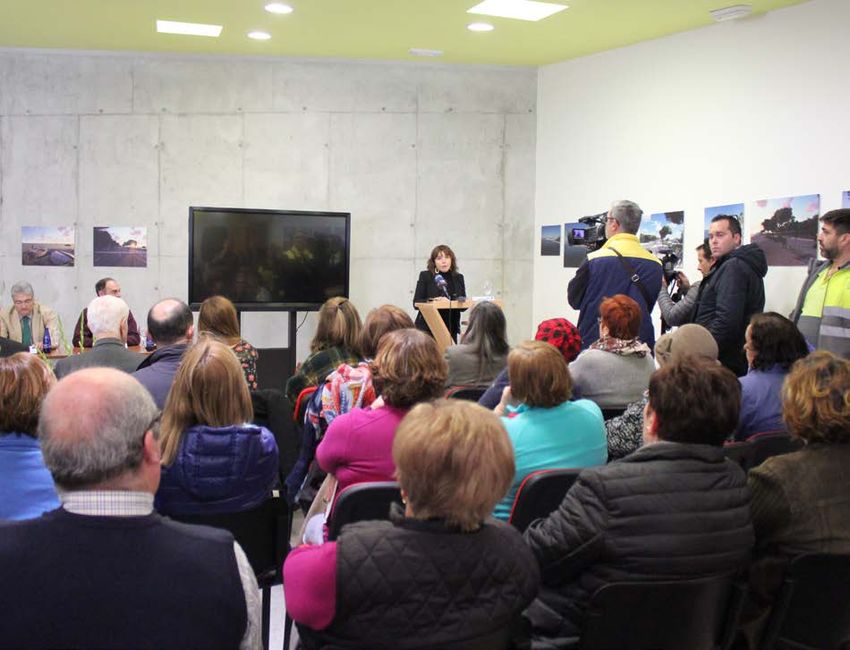
The BRICK-BEACH project

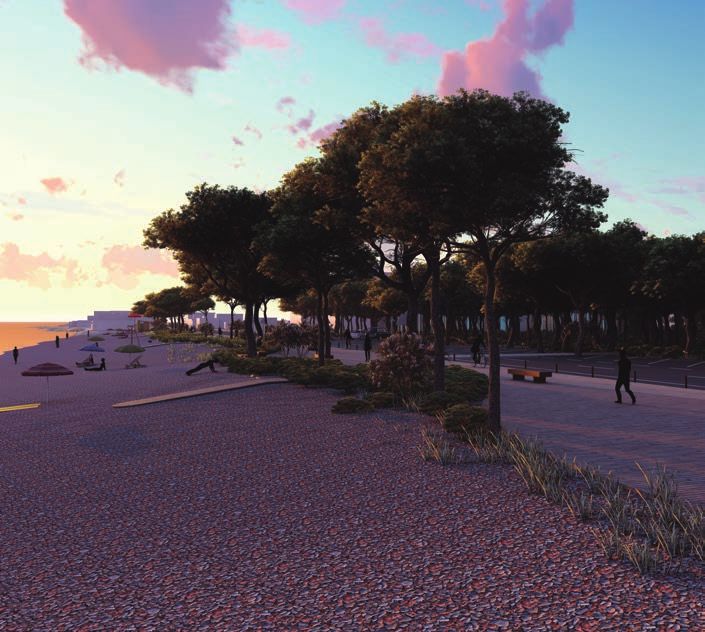
The BRICK-BEACH project seeks to use construction and demolition waste to
regenerate a disappeared beach in Velez-Malaga through the development of
a circular economy model. The project will create a debris treatment plant and
will design an innovative process that will allow the output materials to have the
granulometry and softness needed to regenerate damaged sandy beaches such
as the Mezquitilla beach. Debris from local illegal dumps will be treated and used
for the integral beach regeneration and its surroundings, as well for experimenting
together with local businesses other innovative circular economy products. An
integrated set of socio-economic and environmental restoration programmes will
be implemented to complete the beach regeneration. The newly created urban
space next to the regenerated beach will also be used as an opportunity to generate
new tourism-related as well as environmental leisure services and activities.

Partnership
• City of Velez-Malaga

• Spanish Ministry of Agriculture Fisheries, Food and Environment

• Andalusian Agency for water and environment

• University of Malaga - 1 higher education and research institute

• Aula del Mar de Málaga - NGO

• Andalusian Association of Business of Construction and Demolition Waste
  recovery (AGRECA)

2
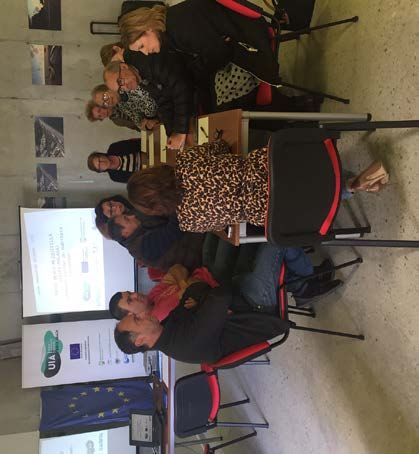
Table of Contents

      1.   Executive Summary                                         4

      2.   BRICK-BEACH: Another “classic” project?                   6

      3.   BRICK-BEACH UPDATED: What has been done                   7
    3.1.   A waste recycling plant for a new beach and much more.    7

    3.2.   A laboratory test for the beach material                  9

    3.3.   A new beach for a new time                                 9
    3.4.   Communicating with the citizens for a “different” beach   14

    3.5.   BRICK-BEACH management and participatory approach         16

      4.   Challenges and risks opened                               18
    4.1.   C&DW Treatment Plant and Public Procurement               18

    4.2.   Beach Regeneration Actions and Public Procurement         18

    4.3.   New elections, delays and leadership                      19

    4.4.   Communicating with target beneficiaries                   19

    4.5.   Up-scaling                                                20

      5.   Lessons learnt                                            21

      6.   Conclusions                                               22

                                                                          3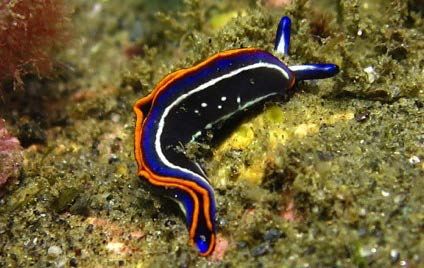
1. Executive Summary

This second Journal of BRICK-BEACH project            meters approximately. Three other studies were
reports on the advancement of the project till        developed related to the beach regeneration: -
March 2019 and focuses on the activities realised     geotechnical characteristics of the seabed in
in different areas.                                   front the “Mezquitilla” beach; - bathymetry with
                                                      multibeam probe and - environmental quality. In
•   C&DW Treatment Plant                              general, the area observed hosts a large amount
                                                      of life with numerous species and organisms
In November 2018, Waste Management Plant
                                                      that, in some cases, are under a certain category
project was officially submitted to the pertinent
                                                      of protection.
regional authorities of environment (Delegación
Territorial de Medio Ambiente de la Junta de
                                                      •   Communication
Andalucía) for analysis and approval. The project
also included an environmental impact study           In January 2019, the launching day of the BRICK-
and an assessment of the impact on health.            BEACH project took place in the municipality
The recycling plant includes, in addition to the      office of “Mezquitilla” and near to the beach,
usual steps of cleaning, crushing and sorting; the    with the participation of representatives of
washing of waste and the rounding of certain          all the target groups established in the area
fractions that will be used for the recovery of the   (neighbourhood associations and NGOs), local
“Mezquitilla” beach. In parallel, the University      authorities and project partners, as well as the
of Malaga made several analyses and laboratory        main media at local and regional level. From
tests to determine the different elements related     February to March 2019, different neighbourhood
to the materials that will be used for the filling    associations,    environmental      organisations
of the beach. The results at the laboratory level     and fishermen brotherhood were invited to
have determined that, both the quality of the         informative and communication meetings with
sizes and roundness of the bricks and concrete        the aim of collecting the main proposals and
can be considered almost perfect for the              concerns regarding the planned actions on the
intended purpose.                                     “Mezquitilla” beach and surroundings.

•   Beach Regeneration                                Regarding the challenges and risks detected, the
                                                      regional environmental authorities that must issue
During the period under review, a study was           the corresponding environmental authorization,
realised on the regeneration of the beach of          (Unified Environmental Authorization) before
“Mezquitilla” and another on the dynamics of          taking any action related to the establishment
the coast. Taking into account those studies and      of the Construction & Demolition Waste
the different options proposed, the alternative       (C&DW) plant and the regeneration of the
selected is the one consisting of two dykes of        beach, require more time to carry out a more
120-meter-longs, arranged in parallel to the coast    detailed examination of the project before the
and with a separation between them of 160             aforementioned environmental authorization is

4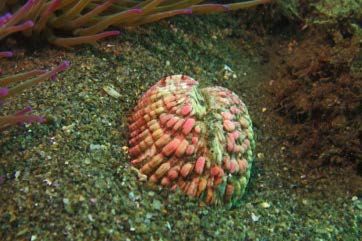
issued. Therefore, it is more than likely that there   circular economy project is well embedded in all
is a delay with respect to the initial programming     project partners. There is a strong commitment
time for those works. Another element that is          of all the parties involved in the good execution
affecting the implementation of the project is         of its activities. The administrative management
the past regional and future national and local        of the project has substantially improved and,
elections. Last December 2018, regional elections      during the period covered by this journal,
were held in Andalusia with the consequent             the initial financial management issues have
changes at the level of maximum responsible in         been solved with the incorporation into the
the institutions and agencies that have to analyse     team of a financial officer. Important advances
and approve the authorizations mentioned               have been made in relation to the recycling
above. Regarding the national elections, it will       plant, the regeneration of the beach and the
take place in April 2019, with the foreseeable         communication      aspects.    However,       C&DW
changes again in the national agencies that also       Treatment Plant and the beach regeneration
have to analyse and approve certain licenses           will suffer significant delays due to the need
related to the project.                                to obtain, prior to the tender of the works,
                                                       the   corresponding     environmental        permits.
Finally, as concern the conclusions, the concept
                                                       Therefore, a reprogramming of the dates, taking
and implications of the innovative BRICK-BEACH
                                                       into account this situation, is necessary.

                                                                                                          5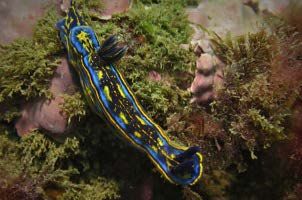
2. BRICK-BEACH:
   Another “classic” project?

The concept of circular economy has begun,               contribute with technical solutions and proposals
recently, to be used in the socioeconomic context.       to overcome the problems the project is facing,
A circular economy project involves achieving            and the administration at the national, regional
a comprehensive vision and approach to address           and local levels, public stakeholders, part of
a specific problem and apply solutions that              a project which will have a significant impact in
include environmental, sustainable, economic,            the region and possibilities of replication in other
commercial and cultural points of view. This is          parts of the coast. This new concept of
the main challenge of the BRICK-BEACH project.           cooperation and partnership is the real engine of
In fact, for the final users, in principle, the result   the BRICK-BEACH project.
of the project is simply to recover a non-existing
                                                         Keeping the momentum among the stakeholders,
beach and obtain quality services around it. For
                                                         together with a truly and faithful communication
companies in the region, it is about to build
                                                         and information mechanism with the NGOs, civil
a plant for recycling waste from construction and
                                                         society organisations and citizens in general, is
demolition, and for the different administrations
                                                         another crucial challenge of the project. The
involved prepare and launch the related tenders.
                                                         complexity of actions to be realised and actors
In this sense, the role and leadership of the city of
                                                         involved, requires a constant and permanent
Vélez-Málaga is of crucial importance since the
                                                         leadership and coordinative effort from the part
integration and coordination of the project in one
                                                         of the project managers and institutions
single clear objective, as well as the administrative
                                                         responsible. From this point of view, BRICK-
capacity to drive it to a successfully end, is one of
                                                         BEACH is not “another” classic project to be
the most difficult challenges.
                                                         implemented. As long as this “specificity” and
As it will be explained later in this journal, once      the “innovative” solutions that will be applied to
BRICK-BEACH started, several events were                 the project are taken into account, the project
organized to present the goal, the purposes and          will achieve its objectives, although it is important
the results of the project. The users are right          to pay attention to certain real and potential
now becoming conscious citizens ready to                 obstacles or difficulties to be overcome in the
collaborate and cooperate with the project; the          near future, which will be explained in more
companies,     business     partners     willing   to    detail on the following pages.

6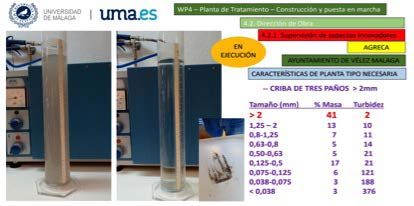
3. BRICK-BEACH UPDATED:
   What has been done

The previous Journal covered the period from          organisational, managerial and communicative
July till November 2018, while the present one        points of view. At the same time, different
covers the period until the end of March 2019. In     activities were developed related to the
the first Journal, it was about the deployment of     elaboration of the recycling plant project, the
the necessary resources for the implementation        conceptualization of the beach and surroundings
of   the   project     from   the   administrative,   and some communication activities.

3.1. A waste recycling plant for a new beach and much more.
During the reporting period (November 2018),          municipality of Vélez-Málaga, the construction of
the project BRICK-BEACH Waste Management              the plant will be delayed, and, consequently, also
Plant was officially submitted to the pertinent       the public procurement of the plant, due to
regional authorities of environment (Delegación       different reasons explained below (4. Challenges
Territorial de Medio Ambiente de la Junta de          and Risks opened) in a more detail manner.
Andalucía) for analysis and approval. The project
                                                      The main objective of this plant for the recycling
also includes an environmental impact study and
                                                      and recovery of construction and demolition
an assessment of the impact on health. The
                                                      waste is to physically transform this waste,
construction of such a recycling plant, although
                                                      producing recycled aggregates that will be used
framed as one of the key elements of the BRICK-
                                                      for all types of public and private works. The plant
BEACH project for the recovery of the
                                                      will be a place of reception of construction and
“Mezquitilla” beach, will fulfil a much wider
                                                      demolition waste. It will treat the waste in its
function and is justified also due to the absence
                                                      entirety and will value a very high percentage of
of solid waste recycling plants in Vélez-Málaga
                                                      them, by incorporating a washing line for the
region. The generation of waste produced by
                                                      removal of the plaster that generally adheres to
citizens, companies, institutions and activities in
                                                      the ceramic material. The recycling plant includes,
the region is huge, with no adequate management
                                                      in addition to the usual steps of cleaning, crushing
centres in the area.
                                                      and sorting; the washing of waste and the
At this point, it is important to mention that,       rounding of certain fractions that will be used for
although the project has been submitted to the        the recovery of the beach of the “Mezquitilla”,
relevant authorities in a very short period of time   which guarantees environmental sustainability,
thanks to the professionalism and commitment          absence of contaminants, as well as physical
of the partner in charge of this activity (AGRECA),   characteristics suitable for use in numerous types
with the support and leadership of the                of works.

                                                                                                        7
More precisely, the process of management of h) At the exit of the grinding group, there will be
the plant contemplates the following steps: a conveyor belt that will operate until the
entry of the screening group of at least 3
a) The material to be treated from demolitions,
cloths, where the classification of the product
surplus production of concrete dosing plants
is carried out.
and excavations, is transported to the facilities.
These products will be commercialized, thus
b) The next step will consist in a manual triage
allowing the introduction of these products in
for the elimination of plastics, tubes, paper,
the market.
cardboard, etc., these residues being stored in
suitable containers for its later removal by an In addition to the process described above, which
authorized manager. corresponds to a classic waste management plant
for construction and demolition, there will be
c) Subsequently, a backhoe of chains with a parallel line that will have one or more of the
hydraulic clamp removes the steel from the outputs of the valorisation process described
concrete, collecting it in a suitable space for its above as entry. This line will have two basic
later removal by an authorized elements. The first, consisting of a scrubber screw
management company. for the coarse fraction with a vibrating screen for
d) The waste is loaded by a wheel loader in the rejection thereof. This equipment will allow
a screen machine that will separate the material separating, mainly, the plaster adhered to the
with a grain size of less than 20 mm, producing ceramic material. The second element will aim to
a marketable aggregate for different uses. round off the edges of the aggregates, mainly of
ceramic nature. In this way, the installation of
e) The screen machine will have, at its output, a trombone of 8 meters in length is planned,
a blower that will separate the foreign elements prepared to operate at high revolutions, so that
to the residue bulky construction, such as the centrifugal force of the same causes, through
plastics, paper, cardboard, etc., and an the friction of its walls, the rounding of the
electromagnet for separating ferrous materials. aggregates and the edge removal.
f) The conveyor belt will then dislodge the As a summary, the plant will have two mechanical
material in a secondary impact mill, which will processes for the reduction of size: shredder
reduce the size of the material to clamp on a rotating backhoe and impact mill;
granulometries less than 80/100 millimetres. three classification elements: pre-screen, screen
and trommel; and various cleaning systems:
g) After milling, there is an electromagnet that
blowers, electromagnets, washing screws, etc.,
will retain the steel that had entered the mill,
as well as the double function of the trommel for
separating it from the rest, for its storage in
the elimination of edges in aggregates and the
the corresponding deposit.
elimination of fines.
83.2. A laboratory test for the beach material
In parallel to the preparation and presentation of
the project of the recycling plant, the University
of Malaga, partner of the project, during the
period under review, made several analyses and
laboratory tests to determine the different
elements related to the materials that will be
used for the filling of the “Mezquitilla” beach.
More specifically, laboratory tests were carried
out on the cleaning of the bricks, the leaching of
the different materials of the treatment plant
and the turbidity of it in an aqueous environment.
The results at the laboratory level have
determined that both the quality of the sizes and
roundness of the bricks and concrete, as well as
the level of turbidity and rounding of the
aggregates to be used for the beach can be
considered almost perfect for the
intended purpose.
3.3. A new beach for a new time
Regarding the work to be carried out on the beach The following figure shows the location of the
itself, the Environment and Water Agency carried data source.
out a study on the regeneration of the beach of
“Mezquitilla” and a study on the dynamics of the
coast, consisting of an analysis of the maritime
climate, the coastal dynamics and the potential of
transport and a proposal of alternatives for the
protection of the coast.
a) Dynamics of the coast
The waves in the study area are characterized by
the numerical reanalysis data in the SIMAR
Observing the figure of the wave rose it can be
2036080 point of “Puertos del Estado”, located
seen that the waves are concentrated in 2 main
opposite to the study area. To know the swells
directions, the ESE, the most frequent (more
that reach the study area and which will be
than 30%), followed by the SW (over 22%), the
propagated by numerical simulation to the coast,
rest, only the East is almost 10%. As for the energy
it was consulted the swell roses of simulation
of the waves, the most energetic waves are those
node SIMAR 2036080 of numeric obtained by
coming from the ESE.
reanalysis, from 01-01-1958 to present (61 years).
9Regarding the peak period of the swell, in the respect to the perpendicular to the coast. This
previous graph it can be seen that more than 90% formula is directly related to the FME, which
of the swell has a peak period between 2 and 7 s, summarizes the mean direction of wave energy.
it is therefore a matter of waves with short periods, In our case, the coastline in the study section has
with swells with more than 10 s of period of 1%. an orientation that varies between 102º to the
As seen in the following table, waves of 1 m or less North in the far West, and 115º to the North
have periods of 5 s or less, those of 1-2 m are over (practically ESE), in the East end.
in 7 s and those over 3 m are mainly of 8-9 s.
In the following table, FME-0 is the direction of the
b) Littoral dynamics and potential transport average flow of energy in deep water; FME-1 is
this direction in each area of interest. The gross
The gross and net potential transport has been
P.T.C. is the gross potential transportation capacity
calculated using the CERC transport formula. This
and the net P.T.C. is the net potential transportation
formula is applicable to sands and considers that
capacity (expressed in m3 / year), indicating the
the transport is proportional to the energy of the
positive transport values towards the left looking
swell. The parameters considered are the height
from the sea towards the land (in this case, positive
of the wave and the angle formed by the direction
towards the west and negative towards the east).
of the wave at the moment of breaking with
Gross P.T.C. Net P.T.C.
Zone FME-0 FME-1
(m3/year) (m3/year)
Far West 191,7 238000 -53000
Central area 127,2 192,0 225000 -25000
Far East 195,7 172000 25000
In the previous table, it can be noticed that the
direction of the FME varies little in the different
zones, arriving the FME from the West in the
extreme West and in the central zone, and from
the East in the extreme East. That is the reason
why the net transport direction changes in that
zone. The shape of the beach has been analysed
10in the small breakwaters existing to the West of the beach. All of them have tried to minimize the
the project area, which are shown below. visual impact and the stiffening of the coast.
To review the historical line of the coast, the photos • Alternative 1: Periodic sand contribution
of the beach were consulted in different periods without stabilisation works
(from 1956 to 2018). From this examination, it was
This alternative consists in creating a beach in the
found that between 1956 and 1977 there were no
front currently without sand, and to conserve it
significant changes. In 1984, there were already
by means of periodic contributions of material,
some small dams west of the project area. In
since the beach is not stable as such, and the
October 2011, however, the orientation of the
coastal drift tends to take the material towards
beaches fitted between the breakwaters has
the East. In this alternative, in order not to
changed completely, from being supported on the
generate an excessively wide beach on the East
breakwater of the East to be in the West, so the
end, where it has no support, there is no beach
FME between 2009 and 2011 clearly changed. In
on the West end. The main limitation of this
April 2012, the orientation of the beaches is again
alternative is that the beach would not have
the same as it was until 2009, so the address of the
lateral support, so the material would be lost and
FME that has dominated the rest of the time is
should be regenerated periodically.
recovered and it remains until 2018.
Alternative 1
• Alternative 2: Construction of breakwater
in the extreme East
In this case, given that the transport trend is
towards the East, in addition to the spillage of
c) Alternative proposals for the protection of aggregates, a breakwater is created at the East
the coast end to laterally contain the beach and not have to
regenerate it periodically. With this option, the
For the alternative proposals, the long-term loss of material at the extremes is avoided, but
module of the SMC software package has been a rocky area is occupied and visual impact is
used. Through this module it is possible to design generated since the breakwater must be surfaced
the shape of a beach that will exist depending on throughout the initial stretch to contain the sand.
the direction of the FME and the position of the
coastline. It also allows knowing the position of the
long-term equilibrium profile after regeneration
and its intersection with the ground. Taking into
account the analyses carried out, three possible
alternatives are proposed for the regeneration of Alternative 2
11• Alternative 3: Construction of submerged
dikes
In this alternative the stabilization of the beach
is obtained by means of the construction of
submerged dikes, which diffract the waves in its
Alternative 3
aftermath, generating a tendency to accumulate
lower construction costs, both in labour and in
sediment in said area, depending on the
quantity of material, and - less visual impact.
geometric characteristics of the dikes and its
relative position to the coastline. The submerged Taking into consideration the three options/
dykes also have the following advantages over alternatives, the data concerning the analysis of
conventional breakwaters or breakwaters: - the contribution volumes are the following:
Analysis of contribution volumes
Total Surfaced Submerged
Average Beach length
Alternative volume. beach area beach area Emerged (%)
section (m2) (m)
Input (m3) (m2) (m2)
1 69,16 563 38,937,08 7400 41400 15,16
2 178,20 551 98,188,20 22600 51500 30,50
3 237,50 587 139,412,50 31200 52800 37,14
The final evaluation of the three options is as follows:
Stability of
Environmental
Alternative Functionality Aesthetic Investment coastal Sustainability
harm
dynamics
1
2
3
Taking into account the study carried out and the the foreseeable location of the dikes mentioned
different options proposed, the alternative above and its impact on the coast. For this study,
selected is the number three, consisting of two the following data were taken into account:
dykes of 120-meter-longs, arranged in parallel to
• geophysical study with seismic reflection to
the coast and with a separation between them of
determine the thickness of sediment on
160 meters approximately.
firm substrate;
Another study elaborated by the Environment
• geomorphological study of the area;
and Water Agency during the period under
review is the one related to the analysis of the • determination of geotechnical parameters of
geotechnical characteristics of the seabed in surface sediment samples (granulometry,
front the “Mezquitilla” beach, taking into account sample density and organic matter content);
12• drilling in rotation from the ground.
The study is completed with geological
information available from the surroundings of
the study area, and with possible associated
geological risks and the location of the dikes.
The final study realised under this heading
concerns the bathymetry with multibeam probe
in the beach of the “Mezquitilla” that serve as
geometric basis for the BRICK-BEACH project. Thuridilla hopei
More specifically, the work carried out has been
the following: - multibeam echo sounder and
lasescan; generation of point clouds (MDS, MDT)
and three-dimensional model of the surface area
taken; generation of isobaths and new marine
cartography of the area.
In order to verify the marine environmental
quality and eventually propose some type of
protective measures, three underwater dives
were carried out (03.12.18, 08.12.18 and Venus verrucosa
27.02.19) with an average duration of
approximately 75 minutes. In general, the area Finally, it is important to mention that the
observed hosts a large amount of life with complexity of the studies that are being
numerous species and organisms found in some developed to obtain a complete overview of the
category of protection and some of them of large different aspects related to the regeneration of
size. Likewise, a large number of trammel nets; the beach, including the coastal dynamics,
trawl boat masts and octopus traps were detected implies that, as is the case with the recycling
in numerous rocks, as well as sepia cuttlefish eggs plant, the public procurement related to the
and numerous jellyfish. As the depth of the dive work on the beach, dikes and recreation areas,
increases, sightings of species in protection will also suffer delays compared to the scheduled
categories are more frequent. time of the project. In fact, all the studies and
analysis of the regeneration of the sea and the
coast have to be part of the new beach project
that will be submitted to the national
environmental authorities that, after examining
it, will issue the corresponding authorizations. All
this involves a long process before launching the
public tender for works and, given the current
electoral circumstances, undoubtedly this
procedure will affect the time foreseen for the
Hipselodoris cantabrica execution of the works.
133.4. Communicating with the citizens for a “different” beach
The BRICK-BEACH project will be a success to the the project. The main activities developed during
extent that stakeholders, users, tourists, traders, the reporting period were the following:
fishermen and, in general, all citizens, consider the
• Project launch day
project as their own and different from the rest of
the classic actions on the surrounding beaches. In In January 2019, the launching day of the BRICK-
this sense, the activities of communication, BEACH project took place in the municipality
information and citizen participation, directly and office of “Mezquitilla” and close to the beach,
through their associations, is one of the with the participation of representatives of all
fundamental elements of this project. The target groups established in the area
municipality of Vélez-Málaga together with Aula (neighbourhood associations and NGOs), local
del Mar (partner responsible for this activity), authorities and project partners, as well as the
carried out a series of meetings with business main media at local and regional level. The
associations, fishermen, civil society, principal objective was to present the strategy
environmental organizations, etc., to explain the and the general activities of the project. The
details of the project, as well as collect proposals, number of participants was around 50 people,
concerns or comments from those organizations. who had the opportunity to raise questions and
All project partners are aware of the importance doubts about the project, which were answered
of this activity that will be carried out throughout by the authorities and project partners.
14• Meetings with specific groups • Poster of good practices on the beach.
Communication and awareness-raising activities, • A greater level of surveillance.
as well as the gathering of opinions and
• Installation of a centre for interpretation of
suggestions from the different groups concerned,
the marine environment.
have been another of the activities carried out
during the review period of this Journal. The Environmental Associations
general purpose is to contact 67 associations and
On March 6, 2019, a meeting was held with the
organize different meetings divided into six
environmental associations in which, following
groups: Businesses, Environmental, Cultural,
the same methodology as in the previous
Fisheries, Social and Educational.
meeting, the representatives of each entity
Neighbourhood Association presented their points of view of the project. The
associations participating were the following:
On February 25, 2019, different neighbourhood
Ecologistas en Acción, WWF, AMACVA, UICN,
associations were invited to an informative and
SECN and Capitán Planeta. The main concerns
communication meeting with the aim of collecting
and suggestions expressed by the participants
the main proposals and concerns regarding the
can be summarised as follows:
planned actions on the “Mezquitilla” beach and
surroundings. The associations present at the • Insufficient aggregate load in the area to cover
meeting were: Asociación Virgen del Carmen the volume needed for the beach.
Aldea Baja; Asociación Sin edades; Asociación de
vecinos y vecinas de San José de Vélez-Málaga; • Continuity of illegal dumps in the area.
Asociación Bahía de Lagos; and Asociación de • Need to control discharges before, during and
Mezquitilla. During the meeting, a survey was after the decontamination process, as well as
made to the representatives of each entity on before being discharged in the beach.
their point of view of the project, which was used
to collect measures and proposals and select the • Installation of surveillance cameras.
most viable through the methodology of • Obligation to maintain the biodiversity of the
“Nominal Group”. Of all the measures proposed environment in perfect state of conservation,
by this group, the following were selected as the as well as the restoration of marine habitats
most voted: such as, for example, the placement of
• Location of facilities preferably on the plot, productive reefs.
not on the beach. • Concern about the vegetation to be used for
• Installation of children’s park on the plot. the work on the plot.
• Sports activities but outside the beach. • Pedestrian zone (littoral path), as narrow as
possible.
• School of diving.
• Interpretation, research and conservation
• Install loading and unloading area for diving centre (seahorses and serranids), in the plot
material. (a salt water well should be considered to
• Smoke free beach. cover needs of these activities).
15Fishermen’s brotherhood of Caleta de Vélez • Concern about the limitation of fishing in the
vicinity of the reefs and, therefore, the beach,
The meeting with the fishermen’s brotherhood
since in the area, they are currently fishing
of Caleta de Vélez was held on March 19, 2019.
“chirla” shell and octopus. The coquinas, in
During the meeting, a conversation was
the absence of a sandy beach, do not develop
established with the Chief Patron of the
at present.
Brotherhood on the vision of the fishing
community about the project. The main • The collective, in general, is quite reluctant to
measures, proposals and concerns exposed were any type of change, so it is proposed to
the following: convene a meeting with them in the own port
brotherhood building.
• Dedicate part of the Interpretation Centre to
a museum about fishing gear, both past and
present, so that the visitor knows the tools,
boats, utensils, etc.
• In the place planned for underwater reefs,
they are very concerned about the type of
material used for their construction (they
proposed natural quarry rock), since in
previous experiences with breakwaters and
other structures, a material was used that
damaged the fauna underwater and,
therefore, commercial species in these areas
is virtually non-existent.
3.5. BRICK-BEACH management and participatory approach
After having solved some initial problems communication, the responsible person is
regarding the financial management of the continuing taking care of the communication
project in relation to the financial transfer to the activities of the project, which represents
different partners, the administrative a fundamental element for the good execution
management of the project can be considered as of it.
satisfactory. The communication and transfer of
The decision of the project leader to organize
relevant documents is fluid and transparent, as
monthly meetings with all partners has been one
well as the frequency of technical meetings (one
of the most important and positive. The possibility
per month) with the participation of all partners
of exchanging all kinds of information, the
and the leadership and coordination of the
presentation of the different proposals for the
project manager.
implementation of the works, the debates on the
The recent incorporation into the project of solutions and strategies to solve the different
a financial manager is a very positive aspect that problems, the invitation to these meetings of
facilitates and guarantees the good financial external experts, as well as the joint monitoring
management of the project. In the area of of activities, is making the level of participation,
16commitment and coordination of all partners certain tasks, especially those related to work
optimal. It is crucial to keep this dynamic and packages 4 (treatment plant), 5 (beach
work methodology given the complexity and regeneration) and 7 (construction of the plant
innovative characteristics of the project. and restoration of the beach), which is explained
in more detail below and which require special
Notwithstanding the foregoing and in accordance
attention by project managers and main
with the project work plan, there are significant
municipal authorities.
delays in the implementation and execution of
174. Challenges and risks opened
The Brick-Beach project is not just “another” complexity of a circular economy project mean
project. The innovation of its proposals, the that risks and challenges are also up to the
participation of partners from different expected benefits. These challenges and
administrations, the involvement of the civil difficulties can be summarized, at this moment,
society in its conceptualization and the intrinsic as follows:
4.1. C&DW Treatment Plant and Public Procurement
The C&DW treatment plant is essentially affected within the framework of the UIA Initiative
by two main activities: the construction and start- calendar. The reasons for this situation can be
up of the plant and the civil works and equipment. found in the nature of the work to be carried out
So far, the project has been prepared and (construction of a recycling plant and the relevant
presented (November 2018) to the relevant environmental authorizations), the different
regional environmental authorities that must administrations (local, regional and national)
issue the corresponding environmental involved in these procedures, and the political
authorization (Unified Environmental context related to national, regional and local
Authorization) prior to any action related to the elections (December 2018, April 2019 and May
construction of the plant. Being a project of the 2019), which are affecting the normal functioning
characteristics described above, it is very likely of the administrations. Despite the knowledge
that it requires a more thorough examination by and experience of the project partners in the
said authorities before the aforementioned public works bidding activities, it is evident that
authorization is issued. This situation is causing to fulfil all the requirements of the environmental
a delay in the activities regarding the work plan authorities, launch the public tender, select the
prepared at the beginning of the project. It goes winners and execute the work in the next two
without saying that the start-up of the recycling years time is much more than a normal challenge.
plant conditions in a substantial way the execution
Under these circumstances and taking into
of the other activities related to the regeneration
account other elements that are explained below,
of the beach and the rest of the actions. It is clear
the most realistic estimation for the start-up and
that the public procurement of the C&DW
operation of the recycling plant is around first
treatment plant is a real challenge and its
quarter of 2020.
implementation will suffer an important delay
4.2. Beach Regeneration Actions and Public Procurement
The actions of regeneration of the beach and its those related to the preliminary studies of the
surroundings involve the regeneration of the works on the coast and the beach, as well as
“Mezquitilla” beach and the works on the beach those related to the conceptualization of the
and equipment of its environment. So far, as beach and its adjacent areas, bathymetry,
explained above, the activities carried out are environmental quality, geotechnical, coastal
18dynamics, etc. In the near future, the project for them unexpected) circumstances, as well as its
the beach and environmental restoration must impact in the normal functioning of the
be fully elaborated, although, as in the case of administration as regards the related
the construction of the recycling plant, it is environmental authorisations, are affecting
necessary, prior to such works, obtaining the negatively the scheduled timing of the project
environmental authorization. Thus, affecting the implementation. In both cases, (recycling plant
timing for tendering for works and supplies. The and beach regeneration) a strong coordination of
consequences are similar to the recycling plant: the partners to advance as much as possible in
a delay on the implementation of works of the different steps to complete the project
around twelve months. This challenge of public proposal and the political leadership of Vélez-
procurement for the beach regeneration, Málaga municipality is the best and only manner
together with the recycling plant, is certainly the to overcome, as soon as possible, these
most urgent and problematic one to be adverse circumstances.
addressed. The political (new elections, some of
4.3. New elections, delays and leadership
One element that is affecting the implementation and that, although not in an especially important
of the project is that of the past regional and manner, could affect somehow the good
future national elections. In fact, last December functioning and current leadership of the project.
2018 the elections were held in Andalusia with In this context, the success of this project
the consequent changes at the level of maximum depends to a large extent on the skills and
responsible in the institutions and agencies that competences of the stakeholders and the
must analyse and approve the authorizations leadership traits as defined by the UIA (leadership
mentioned above. Regarding the national is about ensuring collaboration through a wide
elections, they will take place in the next month range of people in different departments and
of April 2019, with the foreseeable changes again organisations). To adequately mitigate this risk, it
in the agencies that also have to analyse and is also important to increase the knowledge,
approve certain licenses related to the project. In awareness and commitment to the BRICK-BEACH
this sense, the project leader, being aware of the project, not only of the civil societies
repercussions that these elections have and can organisations, but also of the final beneficiaries
have on the execution of the project, is carrying and the citizens in general who, at the end, will
out measures that could alleviate this situation. select the future political and administrative
Finally, it is also worth mentioning the future responsible of the project.
local elections that will take place on May 2019
4.4. Communicating with target beneficiaries
Communicating with target beneficiaries is and proposals from the civil society organisations.
crucial for the good implementation of the The impact on the media has also meant an
project. Different awareness and communication important element to make the project known
activities have been developed with, in principle, throughout the coastal coastline at the local,
very positive reactions, relevant contributions provincial and regional levels. The BRICK-BEACH
19project represents a substantial change in the result are very high and it needs to be handled beach “Mezquitilla” and its surroundings. The with rigor and responsibility by the project recovery of a beach that disappeared many years manager and all partners. It is important to ago, but still remains in the memory of many maintain a constant rhythm of information on locals, has awakened memories and nostalgia of the development of the project with total past experiences. In this sense, the expectations transparency regarding the vicissitudes and of all the beneficiaries with respect to the final project execution times. 4.5. Up-scaling UIA projects are innovative pilot actions and as construction, in the Mediterranean area, such can only have a limited impact. The BRICK- including the degradation of beaches, is BEACH project is an experiment, because the a constant along the coast in recent decades. In project objectives and activities have not been this preliminary stage of project implementation, tried before. However, if the pilot will be requests for information from several successful, the ambition is to scale up the BRICK- municipalities interested in the project’s BEACH objectives and to introduce the lessons objectives and methodology have already been learned along the coast in the relevant regional received. The BRICK-BEACH project, aware of the and national programmes. Both from the point of importance of policy dialogue, has the intention, view of its innovative nature and its potential once the project has reached a more advanced interest for its integration into regional and stage, to promote policy meetings with supra- national programming, the BRICK-BEACH project local governments in order to transfer the most has all the fundamental elements to be replicated relevant experiences at the level of objectives, and expanded on a larger scale. The problem management and experiences acquired by the with which this project is faced is not exclusive to project consortium and, eventually, its integration its area of action. Quite the opposite. The impact into the corresponding development strategies of tourism activity, especially in housing and support programmes. 20
5. Lessons learnt

Once several months have elapsed since the start      procurement     and     more    precisely     in   the
of the BRICK-BEACH project, different lessons can     environmental requirements to be issued by the
be drawn to take them into account in the             regional and national authorities for both the
development of the project.                           recycling plant and the beach regeneration
                                                      previously to the public tenders. In this respect,
Designing and implementing an innovative and
                                                      the main lesson learnt has been that practical
experimental project such as BRICK-BEACH
                                                      administrative issues and legal aspects should be
requires a different way of working both at the
                                                      taken into consideration earliest and in any case
public administration level and from the private
                                                      before establishing the final project and
stakeholders, including the final beneficiaries and
                                                      contractual timeframes. This is a complex
citizens in general. BRICK-BEACH has succeeded,
                                                      bureaucratic process which requires months and,
till now, to create a positive ecosystem for the
                                                      as already mentioned, a stable political context
project     management,         awareness      and
                                                      within the public entities themselves.
performance. However, this system requires
a constant commitment of all parties involved.        BRICK-BEACH project is embedded in a wider
The principal administration responsible for the      social, cultural, economic and, sometime, political
project implementation must also maintain             context. The communication to the civil society
a strong leadership, as far as possible, outside of   organisations in the area is being carrying out in
political and electoral vicissitudes together with    a   very   participative    approach,    organising
a stable political consensus.                         meetings with these organisations based on
                                                      different subjects. The lesson learnt till present is
The first lesson learnt is, therefore, that early
                                                      that the expectations from the residents are very
investment, with a clear and complete planning
                                                      high,   especially     as   concerns    the    beach
structure together with a strong leadership,
                                                      regeneration, and that the frustrations can also
allows for a truly participatory process and, while
                                                      be important if the project does not respond to
reducing resistance to change, transforms the
                                                      the objectives and final results in the time
project in an opportunity of empowerment for
                                                      scheduled. Therefore, partners need to be
the community.
                                                      extremely careful in presenting the expected
Many times has been mentioned the complexity          outputs as well as in terms of methodology,
of the BRICK-BEACH project. This complexity can       attitude and timing.
be noticed, among other aspects, in the public

                                                                                                         21
6. Conclusions
The main conclusions for this Journal 2 can be concrete that will be used for recovering the
summarised as follows: “Mezquitilla” beach, once treated and cleaned
at the recycling plant. The results in the
• The concept and implications of the innovative
laboratory have been quite positive with
BRICK-BEACH circular economy project is well
a good texture to the touch.
embedded in all project partners. There is
a strong commitment and coordination of all • The projects related to the works and supplies
the parties involved in the good execution of for the coast, the beach and its surroundings
its activities and, with regard to the final must still be elaborated based on the different
beneficiaries; there is also a high degree of analyses carried out during this period of
participation in the objectives and activities of analysis. More specifically, on the studies of
it. The regular meetings of the technical group bathymetry, environmental quality,
of the project, the important leadership of the geotechnical characteristics and
municipal authority and the various actions of coastal dynamics.
communication and awareness have definitely
• In the area of communication, many activities
contributed to this result.
have been developed during the reporting
• The administrative management of the period. The launch seminar took place end of
project has substantially improved and, during January 2019 with a large number of
the period covered by this report, the initial participants including media at local, regional
financial management issues have been and national level, and individual meetings
solved with the incorporation into the team of were held with different civil society
a financial officer. Noteworthy is the exchange organisations (neighbourhood associations,
of information and documentation between environmental organisations and brotherhood
the interested parties, as well as the fishermen). All the conclusions,
participation and proactivity attitude of all of recommendations and concerns from the
them in the project activities and possible participants will be taken into consideration
solutions to the different issues, with the as far as possible when elaborating the project
support and coordination of the related to the beach and surroundings.
project manager.
• With respect to the programming foreseen in
• In relation to the recycling plant, the the work program of the project, it must be
preparation of the project has been carried recognized that the beginning of the works
out to obtain the environmental license with and supplies (work package 4, 5 and 7), related
all the relevant elements of a project of these to the C&DW Treatment Plant and the beach
characteristics. At the same time, at the regeneration, will suffer significant delays due
laboratory level, the University of Malaga has to the need to obtain, prior to the tender of
carried out tests to determine the best the works, the corresponding environmental
solutions for the small pieces of brick and permits. Therefore, a reprogramming of the
22dates taking into account this situation municipal elections that have been taking
is necessary. place since last December 2018 and will
continue until May 2019 of this year, and
• Finally, it is relevant to pay attention to certain
which in fact are affecting to the execution of
elements external to the project’s own
certain project actions.
dynamics, such as the regional, national and
23Urban Innovative Actions (UIA) is an Initiative
of the European Union that provides urban
areas throughout Europe with resources to test
new and unproven solutions to address urban
challenges. Based on article 8 of ERDF, the
Initiative has a total ERDF budget of EUR 372
million for 2014-2020.
UIA projects will produce a wealth of Urban Innovative Actions
knowledge stemming from the implementation
of the innovative solutions for sustainable Les Arcuriales
urban development that are of interest for city 45D rue de Tournai
practitioners and stakeholders across the EU. F - 59000 Lille
This journal is a paper written by a UIA Expert
that captures and disseminates the lessons +33 (0)3 61 76 59 34
learnt from the project implementation and info@uia-initiative.eu
the good practices identified. The journals will www.uia-initiative.eu
be structured around the main challenges of
implementation identified and faced at local Follow us on twitter
level by UIA projects. They will be published on
@UIA_Initiative
a regular basis on the UIA website.
and on Facebook.
The content of this journal does not reflect the official opinion of the Urban Innovative Actions Initiative.
Responsibility for the information and views expressed in the journal lies entirely with the author.You can also read


