THE MOBILE CONSUMER WEBLOYALTY & CONLUMINO - OCTOBER 2015 - AWS
←
→
Page content transcription
If your browser does not render page correctly, please read the page content below
WEBLOYALTY & CONLUMINO

THE MOBILE
CONSUMER

OCTOBER 2015
Introduction
              Contents                                                                                                     The Mobile Consumer
                                                                                                         Prepared for Webloyalty | October 2015

              Foreword                                     3    The value of mobile
              Summary                                      4    Summary                                   24
              Key recommendations                          5    The value of mobile                       25
                                                                Mobile spending by device and platform    26
              Mobile ownership                                  Mobile spending by sector                 27
              Summary                                      7    Mobile spending by age group              28
              Mobile device ownership today                8
              Mobile device ownership over time            9
              Mobile device ownership by demographic       10   Implications
                                                                Mobile and the store                      30
                                                                Future technologies                       31
              Mobile shopping process                           Case studies                              32
              Summary                                      12
              Shopping activities undertaken               13
              Frequency of shopping                        14
              When is shopping done?                       15
              Where consumers shop on mobile devices       16
              Shopping while on the move                   17
              Abandoning purchases                         18
              General barriers to mobile purchasing        19
              Frequency of shopping on mobile              20
              Spontaneous purchases                        21
              Methods used to make spontaneous purchases   22
              Paying with mobiles                          23

© 2015 Webloyalty & Conlumino                                                                                                            Page
enquiries@webloyalty.co.uk | 020 7290 1650                                                                                                  2
Introduction
              Foreword                                                                                                                            The Mobile Consumer
                                                                                                                                Prepared for Webloyalty | October 2015

              This research has been commissioned by Webloyalty to provide retailers with insight into
              the how mobile consumers are shopping and reshaping the world of retail.

              About Webloyalty

              Webloyalty is a leading reward programme provider working with major online retailers to help them build
              stronger, more profitable relationships with their customers. Through our membership programmes we help our
              online retail partners’ customers save hundreds of pounds a year while providing the partner with an additional
              revenue stream. As well as incentivising customers to make repeat purchases at the partner’s site, members can
              also earn cashback and get great deals on everything from fashion to electronics to travel, at hundreds of top
              online stores.

              Webloyalty was established in the UK in 2007 and has since expanded into France, Spain, Ireland, Brazil, the
              Netherlands, Turkey, Australia and Belgium.

              About Conlumino

              Conlumino is a retail research agency and consulting firm. Our work focuses on all aspects of retailing and
              consumer behaviour, which we deliver through bespoke reports, projects and presentations. We work with many
              of the world’s leading retailers, property firms and those in the financial sector to help them maximise success
              through developing a thorough understanding of the sector and its likely future performance.

              Webloyalty                                                     Conlumino

              2 Harewood Place, London W1S 1BX                               7 Carmelite Street, London EC4Y 0BS
              +44 (0)20 7290 1650                                            +44 (0)20 7936 6654
              enquiries@webloyalty.co.uk                                     hello@conlumino.com
              www.webloyalty.co.uk                                           www.conlumino.com

© 2015 Webloyalty & Conlumino                                                                                                                                   Page
enquiries@webloyalty.co.uk | 020 7290 1650                                                                                                                         3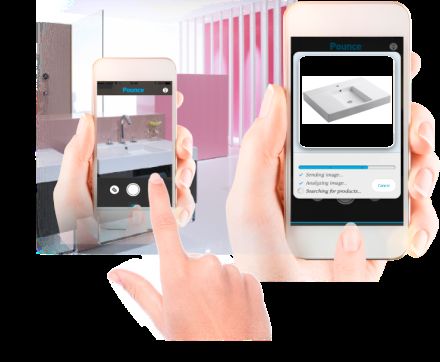
Introduction
              Summary                                                                                                                                        The Mobile Consumer
                                                                                                                                           Prepared for Webloyalty | October 2015

              •   The age of the mobile device is now very much upon us.               •   Although there is a realisation among many retailers that
                  Smartphones are now ubiquitous having experienced                        mobile is an important channel that is set to grow, the mobile
                  astronomical growth since the release of the first iPhone in              channel does come with a cost – the cost of the investment
                  2007, while the number of tablet users has been doubling year-           required to create mobile sites, apps and the other necessary
                  on-year and almost half of all UK adults now own one.                    technical infrastructure.

              •   The rapid growth of mobile devices with the broader                  •   However, this investment is arguably worth it, as in five years
                  functionality of smartphones and tablets has meant that                  time we forecast the mobile channel will be worth the
                  consumers now use these devices for a very wide range of                 equivalent of over thirty thousand physical stores. This does not
                  activities, from timekeeping to photography, entertainment and           necessarily equate to that number of closures, especially since
                  banking. Shopping has also become a key mobile activity.                 the advent of services such as click and collect have
                                                                                           revolutionised the role of stores in the multichannel spectrum,
              •   Conlumino estimates that, in 2014, approximately 3% of all               but it does demonstrate that stores must evolve to service this
                  retail sales by value were made via a mobile device. That figure          new demand.
                  is set to rise to 9% by 2019, representing sales of just under
                  £32bn following growth of 231%.                                      •   Inevitably, practices like showrooming (where consumers visit
                                                                                           stores to view products, before purchasing online) will lead and
              •   To put that into context, we expect overall retail sales growth to       has led to some sales shifting online and to an intensification of
                  be just 8% over this period and online sales to grow by 45%,             price competition, but there are a number of ways that mobile
                  making mobile by far the fastest growing retail segment.                 can be used to enhance the instore experience for consumers.
                                                                                           With almost three-quarters of consumers using their mobile
              •   In 2014, consumers aged 25-44 accounted for 51% of all spend             while out and about, not doing so would be to miss a major
                  made via mobile devices and that is set to grow to 58% by 2019,          opportunity.
                  driven primarily by growth in the 35-44 age group.

© 2015 Webloyalty & Conlumino                                                                                                                                              Page
enquiries@webloyalty.co.uk | 020 7290 1650                                                                                                                                    4
Introduction
Key recommendations The Mobile Consumer
Prepared for Webloyalty | October 2015
• The growth of mobile devices has been one of the most • Just as online retail was set to be the scourge of bricks and
important developments in retail over recent years and, with mortar stores, before click and collect turned the tables,
device penetration having soared, its impact on the retail sector retailers are starting to discover that mobile technology is not
is really starting to be felt. While we are no longer at the just another way for online retailers to steal a march on their
beginning of the mobile age, it will be many years before the rivals by bringing the internet to their doorstep. When
channel reaches maturity. As devices increasingly become consumers use it out and about, they can be targeted by mobile
optimised for shopping and consumer fears over the security of marketing, engaged and entertained by initiatives such as
the mobile shopping process are eased, sales will continue to augmented reality or derive the benefits of convenient services
dramatically outperform the wider retail market. No retail such as click and collect and mobile payments. There is little
sector is likely to be immune from these developments, so that bricks and mortar retailers can do when consumers are
retailers must cater to the needs of the mobile consumer to shopping in their homes or workplaces on a laptop, but with
remain relevant. mobile, shoppers are often on their turf, and there a myriad of
ways for these retailers to offer something for them that
• One of the key benefits of mobile for both consumers and pureplays just cannot. It should not just be about developing m-
retailers alike, is the ability to shop anywhere and at any time. commerce and competing in the same space, but an
While this is a huge opportunity for retailers, presenting them opportunity to compete with internet rivals by pressing home
with vastly more opportunities to engage with consumers that the advantages of the store.
simply would not be possible through stores and standard
websites alone, it is not without its challenges. One of the most
important of these challenges is the level of competition mobile
drives. Mobile has ensured that the separation between
physical and online retail has become increasingly indistinct,
presenting online retailers with the chance to bring the battle
for sales right into the territory of their physical counterparts. At
the forefront of this development is the practice of
showrooming, a process mobile has arguably exacerbated by
giving consumers the ability to price check the competition
while in store.
© 2015 Webloyalty & Conlumino Page
enquiries@webloyalty.co.uk | 020 7290 1650 5Mobile ownership The devices we own
Mobile ownership
              Summary                                                                                                                                                            The Mobile Consumer
                                                                                                                                                               Prepared for Webloyalty | October 2015

              •   The age of the mobile device is now very much upon us.                                     •   And despite a flood of more affordable devices coming to the
                  Smartphones are now ubiquitous having experienced                                              market in recent times, tablets show a significant skew towards
                  astronomical growth since the release of the first iPhone in                                    more affluent consumers: 56% of AB* consumers own a tablet
                  2007.                                                                                          compared with less than a third (29%) of DEs.

              •   Tablet ownership has taken off more recently, with the number
                  of owners effectively doubling every year since 2012, thanks
                  both to growing levels of innovation and an array of more
                  affordable devices hitting the market. Growth has already
                  started to tail off slightly, though by 2019 we expect that tablet
                  penetration will be at a similar level to where smartphones are
                  today, at around 62% of UK consumers over the age of 16.

              •   That said, ownership is not equal. Smartphone penetration, for
                  example, decreases with age. While 88% of 16-24 year-olds own
                  one, that number falls to just 14% of those aged 65 and over.

                  * Social grade classification:
                  AB: Higher & intermediate managerial, administrative, professional occupations
                  C1: Supervisory, clerical & junior managerial, administrative, professional occupations
                  C2: Skilled manual occupations
                  DE: Semi-skilled & unskilled manual occupations, unemployed and lowest grade occupations

© 2015 Webloyalty & Conlumino                                                                                                                                                                  Page
enquiries@webloyalty.co.uk | 020 7290 1650                                                                                                                                                        7
Mobile ownership
Mobile device ownership today The Mobile Consumer
Prepared for Webloyalty | October 2015
Today, almost two thirds of people own smartphones with nearly 50%
owning a tablet
What devices people own
% of consumers
Type of tablets and smartphones owned
August 2015
62% Type of smartphone
Apple iPhone
%
42.3
Type of tablet
Apple iPad
%
39.4
Samsung 21.4 Samsung 16.5
46% Microsoft
HTC
11.1
9.4
Microsoft
Kindle Fire
15.5
10.2
LG 9.4 Google Nexus 6.5
Sony 7.2 Sony 6.5
Own a smartphone Own a tablet
Nokia 6.2 LG 5.4
August 2015 August 2015
Blackberry 5.8 Other 1.5
Lenovo 5.1 NVIDIA 1.2
Other 3.6 Asus 0.8
Huawei 1.3
Definitions:
Smartphone: Any telephone handset running an open operating system, including Symbian (6.1 and above), Android, IOS, Blackberry, Palm, Windows mobile or Linux. Typically,
these devices also have the capability to offer third party software, more commonly referred to as applications or “apps”. They are distinguishable from tablets by having a screen size
of less than seven inches.
Tablet: A mobile computer with a single panel with a touchscreen and a screen size of seven inches or above. These devices typically offer a much broader functionality than e-readers
including web browsing, email, third party software and applications, streaming TV and more. Examples include the Apple iPad, Kindle Fire and Tesco Hudl.
© 2015 Webloyalty & Conlumino Page
enquiries@webloyalty.co.uk | 020 7290 1650 8Mobile ownership
Mobile device ownership over time The Mobile Consumer
Prepared for Webloyalty | October 2015
Around 33 million people over 16 own a smartphone today, by 2019 this will
be up to 40 million
Device ownership over time
Millions of consumers aged 16+
Percentage
45
Smartphone penetration has rocketed since the UK
Smartphones
release of the first iPhone in November 2007, rising
40 from around 14% of consumers (aged 16+) in 2009 to a
Tablets
little over 61% in 2014. By 2019, we forecast that
35 about three-quarters of consumers over 16 years will
own a smartphone.
30
Tablet ownership has taken off over the past few
years with the number of owners effectively doubling
25
every year since 2011/12, thanks both to growing
levels of innovation and an array of more affordable
20 devices hitting the market. Growth has already
started to tail off slightly, though by 2019 we expect
15 that tablet penetration will be at a similar level to
where smartphones are today, at around 62% of
10
consumers aged 16 or over.
5
-1
2009 2010 2011 2012 2013 2014 2015 2016 2017 2018 2019
Year
© 2015 Webloyalty & Conlumino Page
enquiries@webloyalty.co.uk | 020 7290 1650 9Mobile ownership
Mobile device ownership by demographic The Mobile Consumer
Prepared for Webloyalty | October 2015
Although the number of smartphone users aged over 65 has grown over
recent years, only 14% own a device
Smartphone ownership by demographic
!
"
Smartphone penetration decreases
88 with age. While 88% of 16-24 year-
84
olds own one, that number falls to
70 68
72 just 14% of those aged 65 and over.
62% 63% 58
62% 39
47
Despite a flood of more affordable
devices coming to market in recent
14 times, tablets show a significant
skew towards more affluent
consumers: 56% of AB consumers
Everyone 16-24 25-34 35-54 55-64 65+ AB C1 C2 DE own a tablet compared with less
Age Social class than a third (29%) of DEs (see page 7
Tablet ownership by demographic for definitions).
!
"
56
49 51 53 47 45
46% 46% 35
29 KEY:
46% 22
Overall Gender Age group
& social grade
Everyone 16-24 25-34 35-54 55-64 65+ AB C1 C2 DE
Age Social class Page
© 2015 Webloyalty & Conlumino
enquiries@webloyalty.co.uk | 020 7290 1650 10The mobile shopping process
How the mobile consumer shopsMobile shopping process
Summary The Mobile Consumer
Prepared for Webloyalty | October 2015
• The widespread use of mobile devices means that they are now • Given the purpose of mobile devices, this lack of enthusiasm for
a key tool for shopping. Indeed, overall some 90% of shopping while on the go may seem surprising. This is
smartphone owners have used their devices for at least one compounded by the fact that the vast majority of those who do
aspect of the shopping process. browse while on the go and find something they wish to buy
actually make the purchase at a later time, and sometimes on a
• For tablet owners this figure is even higher at 97%. While this different device or channel.
may seem surprising, this is mainly because in many
households tablets have now replaced laptops or desktops as • The challenge for on-the-go shopping appears to be threefold:
the primary means of accessing the internet. 1. Many consumers find the connection speed too slow or
too inconsistent.
• Despite mobile devices being ‘mobile’, it seems that the vast 2. A large number find the screen size too small to make an
majority of shoppers are, in fact, using them at home. Indeed, informed purchase or to complete the transaction.
84% of those who undertook some part of the shopping process 3. Some come across retail websites that are not optimised
via a mobile device did so from the comfort of their own home. for mobile. There are clearly some major barriers which
prevent mobile being truly mobile when it comes to
• The most common location or situation to shop on a mobile shopping.
device while at home is in front of the television; over half of
mobile consumers say they have done this. • As well as being a tool for shopping, mobile devices allow
consumers to make spontaneous purchases: and 43% say they
• Of course, mobile users do make use of their devices in other have done this in some way or another. Given the preference for
places. Almost 30% say they use them to shop while at work, shopping while watching TV, it is unsurprising that the largest
perhaps bypassing their company’s online firewalls or security. prompt for a spontaneous purchase was television advertising.
Just over 38% use them while out and about at coffee shops or
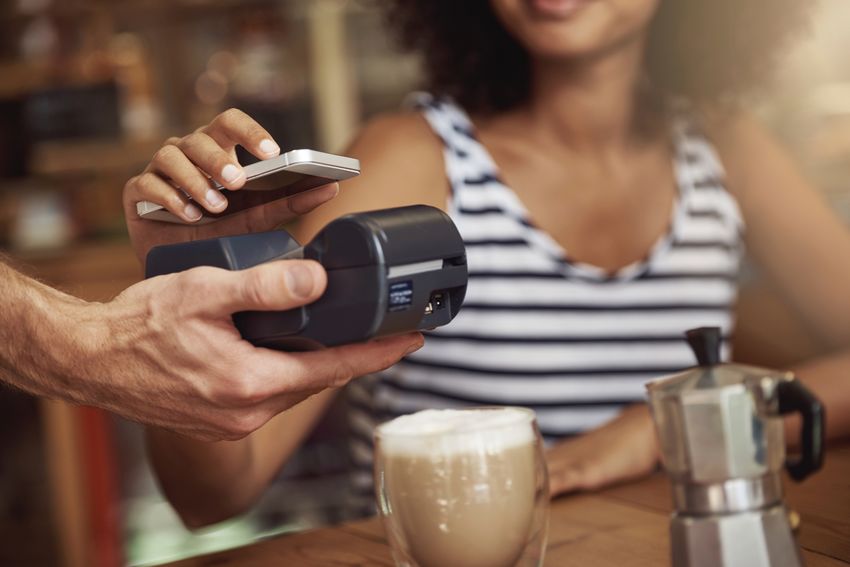
while on holiday. • While Apple Pay has now launched in the UK and PayPal has
been around for a while, two thirds of consumer have yet to
• Notably only 14% of consumers use their mobile devices to make payment via their mobile device in a physical store.
shop while on the move – commuting on public transport or
while a passenger in a vehicle, for example.
© 2015 Webloyalty & Conlumino Page
enquiries@webloyalty.co.uk | 020 7290 1650 12Mobile shopping process
Shopping activities undertaken on mobile devices The Mobile Consumer
Prepared for Webloyalty | October 2015
90% of have used their smartphones for some part of the shopping process;
the figure is 97% for tablets
Percentage using smartphones for…
40.3
24.5 26.4
21.4 20.2
18.9
9.8
6.5
Browsing products for fun Browswing products Researching specific details Checking and Purchasing a product Reserving a product for Writing a product None of these
with the intention about a product – e.g. size, comparing prices for home delivery or collection in store or service review
of making a purchase make, etc. of different products collection in store
Percentage using tablets for…
32.5
26.4 27.5
24.4
22.8
19.9
12.1
2.1
Browsing products for fun Browswing products Researching specific details Checking and Purchasing a product Reserving a product for Writing a product None of these
with the intention about a product – e.g. size, comparing prices for home delivery or collection in store or service review
of making a purchase make, etc. of different products collection in store
© 2015 Webloyalty & Conlumino Page
enquiries@webloyalty.co.uk | 020 7290 1650 13Mobile shopping process
Frequency of shopping on mobile The Mobile Consumer
Prepared for Webloyalty | October 2015
Well over half of consumers shop via their mobile devices at least once a
week
Frequency with which people shop via their mobile devices
% of consumers, includes all aspects of shopping including browsing, reviewing, etc.
28.3
16.2
14.3
11.3
9.9
9.3
6.7
4.0
More than once a Once a day Two or three times Once a week Once a fortnight Once a month Less than once a Never
day a week month
© 2015 Webloyalty & Conlumino Page
enquiries@webloyalty.co.uk | 020 7290 1650 14Mobile shopping process
When is shopping done? The Mobile Consumer
Prepared for Webloyalty | October 2015
Shopping via a mobile device peaks in the evening between 8 and 9.59pm,
usually when most people are watching TV
When do consumers shop via mobile devices? Shopping via a mobile device peaks in the
evening (between 8pm and 9.59pm) with
Percentage of
38.8 43.3 43% of consumers shopping during this
consumers
26.3 time and just over a quarter (27%) doing the
21.1 21.3 19.4 majority of their shopping at this point in
9.8 15.1
6.3 3.9 1.7 the day.
First thing Breakfast Mid Lunchtime Early Late Early Evening Night Late night Small hours
in the morning afternoon afternoon evening
Another much smaller peak occurs at
morning lunchtime, when 26% shop on their mobile
devices before spend drops off slightly in
the afternoon.
When do consumers do the majority of their shopping on mobile devices?
27.4
21.6
Percentage of
consumers
9.9 11.8 9.6 7.8
3.2 3.2 4.4
0.7 0.4
First thing Breakfast Mid Lunchtime Early Late Early Evening Night Late night Small hours
in the morning afternoon afternoon evening
morning
© 2015 Webloyalty & Conlumino Page
enquiries@webloyalty.co.uk | 020 7290 1650 15Mobile shopping process
Where consumers shop on mobile devices The Mobile Consumer
Prepared for Webloyalty | October 2015
One in eight consumers shops on their mobile device while at home, the
majority of them do it in front of the TV
Locations and situations where people have shopped on their mobile
% of consumers
At work At home On the move Out and about
29% 84% 14% 38%
In meetings 2.8% While watching TV 59.6% On the train 9.5% In shops or on high street 15.9%
Sitting at desk 10.9% In bed 33.1% On the tube/metro 3.4% In coffee shops, etc. 20.3%
On lunch or coffee break 20.3% In the bath 4.1% In a car or taxi 5.6% On holiday 12.3%
On a bathroom break 1.1% On a bathroom break 3.7% On the bus 11.2% Other location 7.4%
Other location at work 2.9% In the kitchen 16.8% On aircraft with Wi-Fi 1.2%
In the garden or shed 4.3% Other on the move 5.8%
Other location at home 22.9%
By far the most common individual situation or location consumers cited for shopping using their mobile devices
was while watching TV. While nearly a third use their mobile to shop at work, fewer people use mobiles while on
the move – possibly because they have difficulties with connection speed and consistency.
© 2015 Webloyalty & Conlumino Page
enquiries@webloyalty.co.uk | 020 7290 1650 16Mobile shopping process
Shopping while on the move The Mobile Consumer
Prepared for Webloyalty | October 2015
Only a minority purchase products on their mobile device while on the
move; most purchase later on
What consumers who find a product they want to purchase while shopping on the move do
next…
Buy the product there and then:
12%
Buy the product later on another device:
Browsing while
on the move
41%
Buy later on same device but when not on the move:
32%
Buy the product later in a physical store:
12%
© 2015 Webloyalty & Conlumino Page
enquiries@webloyalty.co.uk | 020 7290 1650 17Mobile shopping process
Abandoning purchases The Mobile Consumer
Prepared for Webloyalty | October 2015
Smaller screens and slow connection speeds are the two main reasons for
abandoning purchases on mobile devices
Reasons consumers have abandoned purchases on their mobile devices
% of consumers
42.3
31.2
28.4
14.9 14.3
12.8
9.7 8.9
The connection It was difficult to The connection got The website was Have never had to The transaction The website Other reason for
speed was too slow make a purchase on interrupted not optimised for abandon a didn’t go through crashed abandoning
a small screen mobile / didn’t purchase properly purchase
work on mobile
© 2015 Webloyalty & Conlumino Page
enquiries@webloyalty.co.uk | 020 7290 1650 18Mobile shopping process
General barriers to mobile purchasing The Mobile Consumer
Prepared for Webloyalty | October 2015
Security is still a major concern when it comes to buying via mobile devices
Security Ease Products
I don’t like paying for products The process of shopping on a Mobiles don’t allow you to see
on a mobile device 22.4% mobile is fiddly 16.5% the products clearly
15.5%
I do not feel secure when I just dislike the process It is difficult to get a true feel
shopping via mobile 22.3% of shopping via mobile 13.8% when shopping via a mobile site 12.8%
It is easy to make a mistake Mobile sites don’t have the full
when ordering on a mobile device 6.3% range of products 2.2%
Mobile sites are poorly designed 2.2%
Device issues Lack of engagement Speed
Shopping uses too much I like to have personal contact Shopping via mobile takes too long
of my data allowance 6.7% when I shop 11.6 11.6%
I don’t really know how to use Shopping via a mobile isn’t It takes too long to enter
my mobile device for shopping 6.2% very engaging 7.2 information like addresses
I don’t have a good enough and card numbers 9.0 %
connection to allow me to Using a mobile takes the fun
easily shop online 3.9% out of shopping 6.9 Websites tend to be slow on
my mobile 6.6 %
My mobile device is
incompatible with many websites 3.3%
My mobile device doesn’t work
very well 3.1%
© 2015 Webloyalty & Conlumino Page
enquiries@webloyalty.co.uk | 020 7290 1650 19Mobile shopping process
Frequency of shopping on mobile The Mobile Consumer
Prepared for Webloyalty | October 2015
Food and grocery and entertainment are the most frequently shopped
categories via mobile devices
Frequency with which people purchase certain products via their mobile devices
% of consumers
Every week or Once every
Around once a Once every Less
more couple of Twice a year Once a year Never
month three months frequently
frequently months
Food and groceries 2.3 5.4 3.1 0.5 0.5 0.5 0.1 87.6
Fashion 0.4 1.5 5.6 7.8 2.3 1.2 1.8 79.4
Electricals and appliances 0.0 0.0 0.8 0.9 1.2 3.5 2.2 91.4
Health and beauty 0.9 1.4 2.2 1.9 0.5 0.5 0.0 92.6
Entertainment (music, films, games – physical
2.6 3.3 4.5 5.6 1.4 1.1 0.4 81.1
and digital)
Books (both digital and physical
0.4 0.9 6.5 4.3 1.2 0.1 0.0 86.6
products)
Homewares and furniture 0.0 0.3 2.3 2.1 3.4 0.5 0.2 91.2
DIY and home improvement 0.0 0.0 1.2 2.3 0.1 0.2 0.4 95.8
© 2015 Webloyalty & Conlumino Page
enquiries@webloyalty.co.uk | 020 7290 1650 20Mobile shopping process
Spontaneous purchases The Mobile Consumer
Prepared for Webloyalty | October 2015
A sizeable 43% of people have made a spontaneous purchase on a mobile
device as a result of seeing advertising
Consumers who have made a spontaneous purchase on mobile as a result of seeing types of marketing
% of consumers
56.7
16.7
11.2
5.7 5.4
4.3
2.1
TV advert Online adverts Outdoor advertising, Social media, e.g. Shop windows Other Have never made a
e.g. billboards Twitter post, or spontaneous purchase
Facebook post
© 2015 Webloyalty & Conlumino Page
enquiries@webloyalty.co.uk | 020 7290 1650 21Mobile shopping process
Methods used to make the spontaneous purchases The Mobile Consumer
Prepared for Webloyalty | October 2015
Retailers’ websites are the first port of call for most consumers making a
spontaneous purchase via mobile
Methods used to make the spontaneous purchase
% of consumers
78.4
22.3
9.8
5.6 5.4
Visiting a retailer’s website Online search Scanning QR from advert Going to retailer’s app Other
© 2015 Webloyalty & Conlumino Page
enquiries@webloyalty.co.uk | 020 7290 1650 22Mobile shopping process
Paying with mobiles The Mobile Consumer
Prepared for Webloyalty | October 2015
Two thirds of consumers have never used mobile devices to pay for goods
when in store
Methods used to pay for goods via mobile devices when in stores
% of consumers
66.4
18.5
10.2 9.4 8.3
5.8 4.8
PayPal Apple Wallet or A retail app, e.g. Google Wallet Apple Pay Other None of these
Passbook cards/ Starbucks rewards
vouchers
© 2015 Webloyalty & Conlumino Page
enquiries@webloyalty.co.uk | 020 7290 1650 23The value of mobile Spending on mobile devices
Value of mobile
              Summary                                                                                                                                         The Mobile Consumer
                                                                                                                                            Prepared for Webloyalty | October 2015

              •   Mobile is experiencing rapid growth. Conlumino forecasts that,        •   Entertainment and books is the sector with the highest mobile
                  by 2019, 9% of all retail sales by value will be made via a mobile        penetration at 17% of the market. As the largest retail sector by
                  device, up from 3% in 2014 and representing sales of just under           some distance, food & grocery also takes the biggest slice of
                  £32bn following growth of 231% between 2014-19. This rapid                mobile spend with £2.6bn in sales made via mobile devices in
                  growth will come against the backdrop of growth of just 8% in             2014 and £8.8bn forecast for 2019. The convenience of being
                  total retail sales over this period and overall online sales growth       able to shop on the go and build and edit orders on the move,
                  of 44%, making mobile by far the fastest growing retail segment.          means that mobile devices are likely to be the principal driver of
                  Furthermore, sales made by mobile devices are set to reach                online growth in this sector over the next five to ten years.
                  approximately £53.6bn by 2024, or just under 14% of overall
                  retail spend, as laptops and desktop computers are increasingly
                  marginalised as a medium for online shopping.

              •   Mobile’s value extends beyond direct transactions. Mobile sales
                  can be split into two parts: direct sales which are sales
                  transacted on a mobile device and indirect sales, which are sales
                  made somewhere other than a mobile device, but for which a
                  mobile has been used for and influenced some part of the
                  purchase process, such as checking prices or undertaking
                  research. By 2024, mobile influenced spend is forecast to reach
                  £112bn, meaning that almost half (42%) of all retail sales will
                  involve a mobile device in some way or another.

              •   Tablets account for twice the proportion of mobile sales as
                  smartphones. Despite a much lower ownership rate, tablets
                  represent more than twice the proportion of mobile sales as
                  smartphones, with their larger screens making these devices
                  much more suited to performing tasks such as shopping online.
                  However, as smartphone screens get bigger, their utility as a
                  shopping device increases and we expect that, in the coming
                  years, their relative importance to the mobile sales channel will
                  increase.

© 2015 Webloyalty & Conlumino                                                                                                                                               Page
enquiries@webloyalty.co.uk | 020 7290 1650                                                                                                                                   25
Value of mobile
The value of mobile The Mobile Consumer
Prepared for Webloyalty | October 2015
Conlumino estimates that in 2014, approximately 3% of all retail sales by value were made via a mobile device. That figure is set to rise to 9% by 2019, representing sales
of just under £32bn following growth of 231% between 2014-19. This rapid growth will come against the backdrop of growth of just 8% in total retail sales over this period
and overall online sales growth of 44.5%, making mobile by far the fastest growing retail segment.
Sales made by mobile devices are set to reach approximately £53.6bn by 2024, or just under 14% of overall retail spend, as laptops and desktop computers are
increasingly marginalised as a medium for online shopping.
Mobile sales can be split into two parts: direct sales which are sales transacted on a mobile device and indirect sales, which are sales made somewhere other than a
mobile device, but for which a mobile has been used for and influenced some part of the purchase process, such as checking prices or undertaking research. When direct
sales and indirect sales are combined, we can see that the influence of mobile is actually significantly more far reaching, accounting for about £28bn of retail spend in
2014 or just under 9% of the total. By 2024, mobile influenced spend is forecast to reach £112bn, meaning that almost half (42%) of all retail sales will involve a mobile
device in some way or another.
2009 2014 2019 2024
Total retail sales: Total retail sales: Total retail sales: Total retail sales:
Growth in direct Growth in direct
£300,048m Growth in direct
mobile spend: £324,651m mobile spend:
£350,927m mobile spend:
£390,933m
Total mobile: +4,110.2% Total mobile: +231.0% Total mobile: +67.5% Total mobile:
£581m £28,030m £80,375m £165,669m
Direct spend: Direct spend: Direct spend: Direct spend:
£230m 0.1% £9,666m
3.0% £31,991m 9.1% £53,578m 13.7%
Influenced spend: Influenced spend: Influenced spend: Influenced spend:
£351m £18,364m £48,385m £112,091m
Figures in the orange box refer to spend transacted via mobile devices, figures in the yellow box represent indirect sales i.e. sales which are made somewhere other than a mobile device,
but for which mobile has been used for and influenced some part of the shopping process. The total mobile spend refers to the combined total of direct and influenced spend. The charts
show direct and influenced spend as a proportion of all retail sales, with the figure referring to the proportion of direct spend within all retail sales.
© 2015 Webloyalty & Conlumino Page
enquiries@webloyalty.co.uk | 020 7290 1650 26Value of mobile
Mobile spending by device type and platform The Mobile Consumer
Prepared for Webloyalty | October 2015
Direct spending per device:
Growth (2014-19): +243.5% +232.1% +64.1%
Despite a much lower ownership rate, tablets
represent more than twice the proportion of
mobile sales as smartphones, with their larger
screens making these devices much more
suited to performing tasks such as shopping
online. The trend towards larger phone screens
and the growth of the hybrid device (such as
“phablets” and laptop/tablet convertibles) is
likely to continue to blur the lines between
these different devices, however. As
smartphone screens get bigger, their utility as a
Mobiles/ shopping device increases and we expect that,
Tablets E-readers
Smartphones in the coming years, their relative importance
to the mobile sales channel will increase.
£2,882m 1.9 29.8 £6,522m 67.5 £262m 2.7
Currently, websites accessed via a mobile
browser represent the largest slice of mobile
sales at almost two-thirds, though the
£9,901m 31.0 £21,660m 67.7 £429m 1.3
increasing take up of mobile apps is likely to
mean that they will continue to grow in
importance.
Direct spending via platform in 2014:
Websites Apps
KEY:
£6,510m 67.3 £3,156m 32.7 £5,828 2.0
Percentage of
Total spend by
mobile retail
device (£m)
sales Page
© 2015 Webloyalty & Conlumino
enquiries@webloyalty.co.uk | 020 7290 1650 27Value of mobile
Mobile spending by sector The Mobile Consumer
Prepared for Webloyalty | October 2015
Entertainment and books is the sector with the highest mobile penetration at 17% of the market. Given the already high penetration in this category, growth is
expected to be relatively subdued compared to other sectors – particularly as spend increasingly shifts towards other connected devices such as smart TVs –
though a growth rate of 150% over the next five years is still significant.
As the largest retail sector by some distance, food & grocery also takes the biggest slice of mobile spend with £2.6bn in sales made via mobile devices in 2014
and £8.8bn forecast for 2019. The convenience of being able to shop on the go and build and edit orders on the move, means that mobile devices are likely to be
the principal driver of online growth in this sector over the next five to ten years.
Even sectors like clothing & footwear, which traditionally rely heavily on the instore experience, will not be immune from the growth of mobile. In fact,
clothing & footwear will be one of the fastest growing sectors for mobile as the highly visual nature of mobile devices makes them ideal for browsing,
something which is integral to the process of shopping for fashion. It is also a sector which is highly conducive to impulse purchases, with the ability to shop
wherever and whenever on a mobile device fulfilling that desire for instant gratification.
Mobile retail sales by sector (£bn)
8.8 7.8 2014
5.4
2019
2.6 2.3
1.6
0.8 2.0 0.3 0.3 0.3 1.0
1.2 1.2 0.2 0.5 KEY:
Food & grocery Clothing & footwear Electricals Entertainment & Health & beauty Homewares Furniture & flooring DIY & gardening Total growth
2014-2019 (%)
books
238.5% 242.0% 237.5% 150.0% 263.8% 300.0% 233.3% 150.0%
X%
1.8 4.8 7.5 17.1 1.7 2.2 2.2 1.1
2.0
5.9 13.8 21.5 44.7 5.1 8.5 7.1 3.5
Percentage of
total retail spend
© 2015 Webloyalty & Conlumino Page
enquiries@webloyalty.co.uk | 020 7290 1650 28Value of mobile
Mobile spending by age group The Mobile Consumer
Prepared for Webloyalty | October 2015
Over the next five to ten years, an ageing UK population, allied to the fact that the disposable incomes of younger consumers are likely to be among the
most pressured, is set to mean that the baby boomers will represent the vanguard of retail spending. When it comes to spend via mobile though, it is
younger consumers that are leading the way. In 2014, consumers aged 25-44 accounted for 51% of all spend made via mobile devices and that is set to grow
to 58% by 2019, driven primarily by growth in the 35-44 age group.
Having been significantly slower to adopt the latest mobile technologies than their younger counterparts, those consumers in the 65+ segment have begun
embracing mobile technology more readily, with penetration rates shooting up over the past couple of years. However, they are still some way behind
other age groups and accounted for just 4% of all mobile spending in 2014. Despite the highest forecast population growth by far, spending via mobile
devices by those aged 55 and over will still shrink as a proportion of all mobile sales over the next five years as older consumers continue to show a
reluctance to relinquish the social benefits of actually visiting shops in person.
316.9%
249.2%
!
208.8% 213.5%
150.6%
!
159.2% Retail spending by
! ! ! ! age group
16-24 25-34 35-44 45-54 55-64 65+
KEY:
£1,490m 15.4 £2,762m 28.6 £2,163m 22.4 £1,838m 19.0 £1,018m 10.5 £395m 4.1 £5,828 2.0
Total spend by Percentage of
age group via retail spend made via
£3,861m 12.1 £9,646m 30.1 £9,019m 28.2 £5,677m 17.7 £2,551m 8.0 £1,237m 9.6
3.9 mobile devices mobile devices
(£m)
© 2015 Webloyalty & Conlumino Page
enquiries@webloyalty.co.uk | 020 7290 1650 29Implications Consequences of the rise of mobile
Implications
               Mobile and the store                                                                                                                                    The Mobile Consumer
                                                                                                                                                     Prepared for Webloyalty | October 2015

        The rise of online shopping is forcing retailers to fundamentally re-evaluate of the role of stores in their proposition. Now that mobile has entered the mix
        too, the picture is complicated still further.

        The diagram below shows what the value of direct mobile sales equates to in terms of store numbers and floorspace. In five years time we forecast the
        mobile channel will be worth the equivalent of over thirty thousand physical stores. This does not necessarily equate to that number of closures,
        especially since the advent of services such as click and collect have revolutionised the role of stores in the multichannel spectrum, but it does
        demonstrate that stores must evolve to service this new demand.

                                    2009                                                          2014                                      2019

              Direct mobile spend is the equivalent of                            Direct mobile spend is the equivalent of   Direct mobile spend is the equivalent of

                              338 stores                                                    9,774 stores                              30,005 stores
                           (0.82 million sq ft)                                           (23.75 million sq ft)                      (72.89 million sq ft)

        Store size information comes from Conlumino’s internal calculations and data

© 2015 Webloyalty & Conlumino                                                                                                                                                        Page
enquiries@webloyalty.co.uk | 020 7290 1650                                                                                                                                             31
Implications
Mobile and the store The Mobile Consumer
Prepared for Webloyalty | October 2015
There is little doubt that mobile technologies have wide reaching implications for retail as a whole and, in particular, the role of the store. Just as
online shopping itself was seen in many quarters as sparking the beginning of the end for the store until the development of click and collect
conclusively demonstrated that its survival can actually be supported rather than hindered by the growth of online, so retailers must escape any
notions that mobile is inherently bad for store retailing. Inevitably, practices like showrooming, which holds highly negative connotations among
bricks and mortar retailers, will lead to some sales shifting online and to an intensification of price competition. However, there are a number of
ways that mobile can be used to enhance the instore experience for consumers; indeed, with almost three-quarters of consumers using their
mobile while out and about, not doing so would be a missed opportunity.
Making the shopping process easier
A good example of how mobile is being used to help ease the shopping process for consumers is Hointer Jeans in Seattle. The store
operates as a hybrid between a traditional retail store and a warehouse. Customers use their mobiles to scan e-tags fitted to the jeans,
with items then being sent to the fitting room thanks to a robotic back-end.
IMPACT ON STORES: HIGH
This represents one of the more extreme examples of how mobile technology can be used in store as it virtually negates the need for human store staff. Designed
particularly with the kind of hassle-free clothing shopping favoured by male shoppers in mind, the store boasts several advantages for retailers, including low running
costs and, because the store in itself acts as a kind of warehouse, it eliminates some of the costs associated with having a standalone warehousing and distribution
network to fulfil online orders. Just like a warehouse, the stores are quite basic, though the functional nature of the instore displays means that they require only a
very small square footage.
As a marketing tool
Mobile devices offer excellent opportunities for location-based marketing. Knowing where consumers are at any given time is of
course going to be key to this process, which is where winner of the John Lewis JLab scheme, Localz’s micro-location technology,
comes into its own. The service allows the retailer to pinpoint the precise location of shoppers enabling it to send personalised offers
relevant to where the consumer is at any given point in time.
IMPACT ON STORES: MEDIUM
Increasingly retailers are looking to be more targeted with their promotions to help them stand out from the crowd. Location-based marketing is one way of doing this
and is a relatively low cost way for retailers to reach consumers directly while they are out and about. It can be used to increase the efficiency of the multichannel
process instore by allowing the retailer to know when a click and collect customer has come in to pick up their order, thereby speeding up instore fulfilment.
© 2015 Webloyalty & Conlumino Page
enquiries@webloyalty.co.uk | 020 7290 1650 32Implications
Mobile and the store The Mobile Consumer
Prepared for Webloyalty | October 2015
As a way to make payment
Technology giant, Apple’s innovations are typically key in convincing consumers to engage with new technologies. The company’s
entry into near field communication (NFC) payments is likely to increase the popularity and adoption of mobile payments among
consumers, potentially revolutionising the instore payment process. As well as NFC payments, enabling users to pay for goods they
have bought in store via apps is likely to become increasingly commonplace. The PayPal app, for example, is already accepted in
around 8,000 UK shops and Shell recently announced that customers will now be able to use it to pay for fuel without leaving their
cars.
IMPACT ON STORES: MEDIUM
As well as reducing time spent at the cash tills and potentially making queuing a thing of the past, the rise of mobile payments is likely to reduce the space needed for
payment areas instore, freeing up square footage for other features to enhance the customer experience, such as product displays or service desks.
To engage and entertain
As more consumers become habitual mobile shoppers, technologies that increase engagement and entertainment value in stores are
likely to be in high demand. Consumers will have more opportunities to use their Smartphones instore, with greater use of
Augmented Reality and enticements to share experiences on social media. Argos has enlivened its catalogue by enabling users to
convert static images to interactive content using the Blippar app on their smartphones, while Asda recently ran an Augmented
Reality monster hunt in store as part of its Halloween promotional activity. App users can also browse recipes, play games and take
advantage of the latest offers. Using AR effectively allows retailers to create a seamless customer journey between stores, online and
mobile in a fun and engaging manner.
IMPACT ON STORES: MEDIUM-LOW
Creating an exciting, engaging experience is likely to be key to the stores of the future as they compete with the powerful pull of online shopping. Mobile is a great way
to draw the two worlds closer together and shift the advantage back in favour of bricks and mortar, by offering something users just cannot get through the online
experience alone.
© 2015 Webloyalty & Conlumino Page
enquiries@webloyalty.co.uk | 020 7290 1650 33Implications
Future technologies The Mobile Consumer
Prepared for Webloyalty | October 2015
As much as existing devices are used extensively to help us shop, the ways in which these devices are used is likely to evolve. Moreover, it is likely that
new devices will also come into play over the next few years. Indeed, today’s more impatient consumers are the inspiration behind a wave of new
technologies and ways to shop. Wearable devices promise even more instant gratification than mobiles by eliminating the need to reach into a pocket or
handbag, visual search helps to match consumers with products when they are out and about, and shopping wands have arrived to take the hassle out of
shopping for everyday staples.
Smart devices Visual search Shopping wands
• Despite the recent rather high profile demise of Google • Social media sites with a strong visual element, like • The desire for convenience from time-poor shoppers is
Glass in the UK as it was taken off the market to be re- Pinterest and Instagram, are already playing a one of the principal drivers of technological innovation
developed, there is little doubt that wearable significant role in retail, acting as a showcase and wish in retail and Amazon Dash is a prime example of this
technology is starting to have a more meaningful list generator for products. Visual search takes this one trend. The free device automates the process of
impact on consumers. step further. By combining image recognition creating a shopping list as through either voice
technology with search algorithms, social network activation or barcode scanning, products are added to
• Retailers are certainly seeing the potential, with Tesco integration and specific mobile technologies such as the user’s shopping list on their Amazon Fresh
becoming the first to introduce a Google Glass enabled NFC, visual search allows users to take a photo of a account.
service for its shopping app, while Amazon launched a product they see while out and about, whether in a
voice activated shopping app for Android store or otherwise and, within moments, have a series • Online grocery shopping has already taken much of
smartwatches in late 2014. of search results for retailers that sell that product or the burden out of the weekly shop, but this device goes
products of a similar style. one step further than that, by simplifying the process
of compiling the shopping list itself.
© 2015 Webloyalty & Conlumino Page
enquiries@webloyalty.co.uk | 020 7290 1650 34Implications
Case studies The Mobile Consumer
Prepared for Webloyalty | October 2015
Use mobile to drive loyalty
Mobiles have often been viewed warily by retailers, thanks in large part to
the threat of showrooming – something Amazon in particular exacerbated
when in 2011, it offered consumers a 5% discount when they price-checked
its products in a competitor’s store. However, rather than a hindrance,
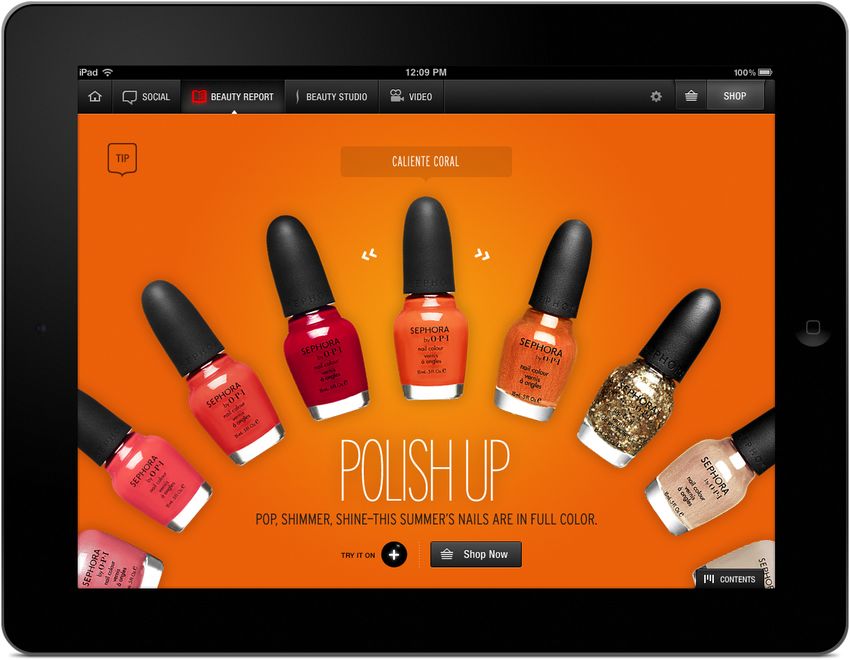
mobiles can actually be an asset to stores if used properly. Sephora’s loyalty
scheme, Beauty Insider, integrated its mobile app with Apple’s Passbook so
that its loyalty card pops up on consumers’ phones whenever they are near a
store. The app contains information on past purchases, which, once in the
store, shop assistants can use to recommend products that go well with
products that the user has already bought.
Property company, Land Securities, is also using mobile to drive customer
loyalty in its Trinity Leeds shopping centre. The Love Trinity Leeds app has
recently been expanded to incorporate a loyalty scheme featuring exclusive
store promotions and tailored discounts. To take advantage of the scheme,
customers share a barcode on the app at the point of sale and the more they
use it, the more offers they will receive. Retailers signing up to the scheme
can also view the data from the app to gain valuable insights on how their
customers are shopping.
Harnessing the power of social media
On the social media front, Next celebrated its 7,000 strong blogger network
with a #ChangingRoomSelfie competition in summer 2014. Capitalising on
the ‘selfie’ phenomenon, the competition saw bloggers snapping and
sharing their favourite Next outfits from the comfort of a Next changing
room. It is a highly effective way of not only transmitting brand appreciation
across multiple audiences, but also disseminating its reputation via
numerous blogger communities that Next does not even have to directly
manage.
© 2015 Webloyalty & Conlumino Page
enquiries@webloyalty.co.uk | 020 7290 1650 35Methodology About this research
Methodology
              Our work                                                                                                 The Mobile Consumer
                                                                                                     Prepared for Webloyalty | October 2015

              •   A combination of consumer research, secondary research and market
                  forecasting were used to compile this report.

              •   Consumer research in this report is based on a survey conducted with a UK
                  nationally representative poll of consumers. 2,031 consumers were
                  interviewed during August 2015 and questioned about their use of mobile
                  devices and shopping.

              •   All numbers relating to expenditure and forecast expenditure of retail are
                  taken from Conlumino’s own retail model. This is updated on an ongoing
                  basis with inputs from official sources (such as the British Retail Consortium
                  and Office for National Statistics), retailers’ results and trading updates, other
                  secondary sources and industry surveys, Conlumino’s ongoing programme of
                  research into consumer spending and habits, and underlying economic
                  drivers and trends. Conlumino analysts both model and interpret this
                  information to provide guidance on the likely future direction of retail
                  expenditure at an overall, sector and category level.

              •   Unless otherwise stated, all sources of information are derived from
                  Conlumino’s own research and should be referenced to Conlumino/
                  Webloyalty.

© 2015 Webloyalty & Conlumino                                                                                                        Page
enquiries@webloyalty.co.uk | 020 7290 1650                                                                                            37
Webloyalty Conlumino
+44 (0)20 7290 1650 +44 (0)20 7936 6654
enquiries@webloyalty.co.uk hello@conlumino.com
2 Harewood Place, London W1S 1BX 7 Carmelite Street, London EC4Y 0BSYou can also read


