The right light - Energy Saving Trust
←
→
Page content transcription
If your browser does not render page correctly, please read the page content below
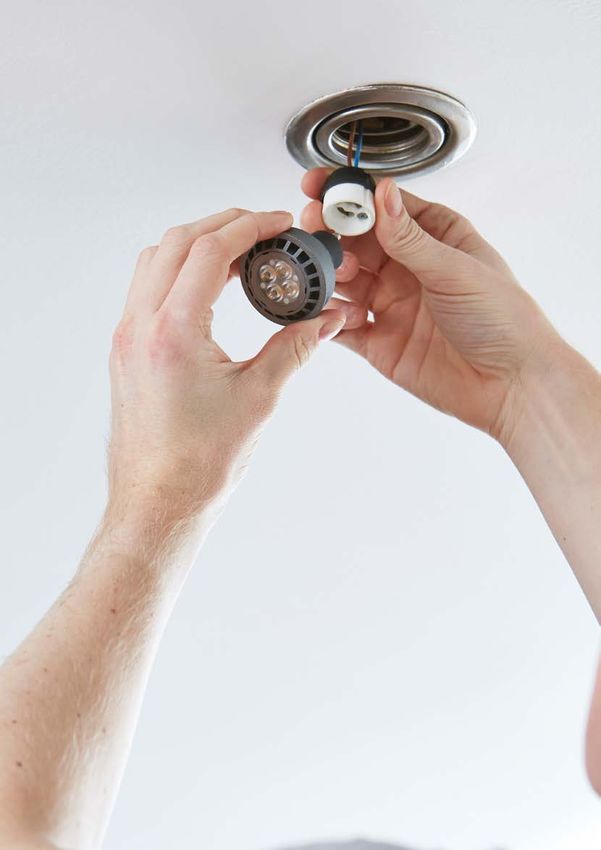
The right light
Selecting low energy lighting
introduction for designers and house builders

Produced in association with

Energy Saving Trust                                                                           Energy Saving Trust
Selecting low energy lighting                                                                 Selecting low energy lighting

                          Contents                                                            1. Welcome
                          1. Welcome                                                    03
                          2. Introduction                                               04                    To appreciate the recent advances in lighting, we should consider the
                                                                                                               historical perspective. Though there was a move towards the use of
                          3. L ow energy lighting –definition, compliance and safety   05                    fluorescent light tubes in the 1960s, incandescent light bulbs remained
                                                                                                               our main source of domestic lighting for over 90 years. Standard
                          4. Domestic lighting – available technology                   09                    solutions for lighting our homes became established with the typical
                          5. C
                              onsiderations when selecting low energy lamps            15                    40, 60 or 100 watt incandescent lamps available, and any slight
                                                                                                               deficiencies in lighting were easily addressed with a higher wattage
                          6. Lighting guidance for the home                             25                    bulb or by investing in a multi-lamp fitting. Energy was cheap and we
                                                                                                               had little concern over the fact that our light bulbs were only 10%
                          7. Information sources                                        30                    efficient, generating only a miserly dozen or so lumens of light per watt.
                          Index31                                                                             A very different attitude to lighting has emerged in the last few years.
                                                                                                               Partly driven by legislation, but also by a growing public appreciation of
                                                                                                               the role good lighting can play in improving their homes. Lighting has
                                                                                                               become a lifestyle statement. Homeowners are now looking for wall
                                                                                                               washes, spot-lit features, subtle accent lighting, clever use of colour
                                                                                                               temperature and colour rendition, and the ability to control lighting for
                                                                                                               different moods and activities. In addition they are increasingly aware
                                                                                                               of the environmental benefits, reduced lighting bills and flexibility that
                                                                                                               LED technology can provide.

                                                                                                               Energy Saving Trust hopes ‘The right light’ will provide a useful starting
                                                                                                               point for designers and house builders who have not yet developed
                                                                                                               expertise in the use of low energy lighting, and want to prepare
                                                                                                               themselves for a future which will inevitably be dominated by LED
                                                                                                               technology. With increasing choice, covering a range of lighting
                                                                                                               characteristics, this guide makes a timely contribution to ensuring that
                                                                                                               LED product selection is as informed as possible.

                                                                                                               Energy Saving Trust

                          Acknowledgements
                          Energy Saving Trust is grateful to the NHBC Foundation for
                          funding the development of this guide and providing support
                          during its preparation.

                          Energy Saving Trust thanks PhotonStar LED Ltd for supplying
                          much of the imagery used in this guide.

02                                                                                                                                                                                          03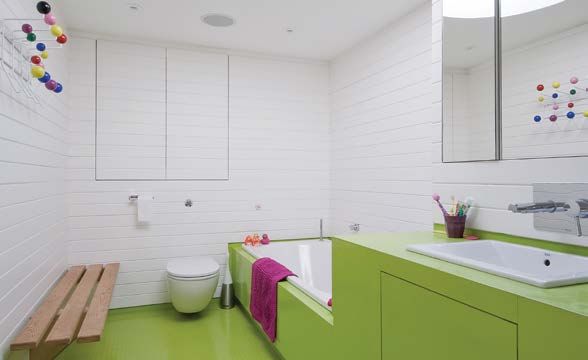
Energy Saving Trust Energy Saving Trust
Selecting low energy lighting Selecting low energy lighting
2. Introduction 3. Low energy lighting –
definition, compliance and safety
Historically, lighting has accounted for just under 3% of the annual
overall energy use in homes, and was not viewed as a priority for energy European perspective
efficiency measures or initiatives. Once the emphasis shifted to
addressing carbon emissions, lighting, with its dependence on grid Since 1998 there has been European and most halogen lamps (all those with
electricity (with relatively high emissions per kW generated) became a guidance on the energy efficiency of energy rating E and some in rating D)
significant consideration for Government. lighting, initially through EU Commission being excluded. In April 2015 the European
Directive 98/11/EC. This established an Commission announced plans to increase
Since 2000, a number of drivers, including national and international energy efficiency rating scale for lamps these minimum efficiency requirements
legislation, together with standards, such as the Code for Sustainable (originally A to G) similar to that already and current proposals are for a phase out of
Homes, have stimulated innovation in low energy lighting technology, introduced for electrical appliances such the majority of D rated halogen lamps from
and its adoption in new and existing homes. Compact fluorescent as refrigerators and washing machines. September 2018.
lamps (CFLs) and halogen incandescent lamps initially offered the main Initially, the term ‘energy efficient’ was
alternatives to traditional tungsten incandescent bulbs, which were applied to lamps which used less power With the least efficient lighting now being
phased out from 2009. However, it is LED (Light emitting diode) (for a given light output) than the standard phased out, new ratings (A+ and A++) were
technology that seems set to truly revolutionise the energy tungsten incandescent light bulb available introduced at the top of the efficiency scale
efficiency of lighting. at the time. Initially, products with only a to recognise the high-end innovation in
marginal improvement over standard lamps lamp technology. Figure 1 illustrates some
With LED lighting, the speed and magnitude of change is quite of these changes and shows the range of
remarkable. The traditional incandescent light bulb, which offered (such as halogen incandescent lamps) were
accepted as part of the product mix performance for the main types of domestic
about 12 lumens per watt and a life of about 1,000 hours, can now be lamps. It is now a legal requirement to
replaced by an LED lamp with an output exceeding 100 lumens per available for energy efficient lighting.
display the rating scale on packaging for
watt and potentially 35,000 hours of use or more. In addition, LEDs Subsequent European legislation which domestic lighting. Proposals to re-base the
have been adapted to overcome their earlier limitations: they can now came into effect from 2009 has served to rating scale to establish new A to G ratings
provide a range of colour temperatures to create ambience, many are refine what is meant by energy efficient are currently being consulted on by the
fully dimmable and a range of beam angles are available to tailor light lighting, with tungsten incandescent lamps EU Commission.
distribution. The critical change over the last eighteen months has been
on affordability; good quality lamps are now available for under £6, Status Energy Comparative Ranges for lamp types
often less than half the price they were a year ago. Rating energy use*
New European ratings
In terms of running cost, research1 has shown that in a typical home the from 2013, for highly A++ Less than 11%
efficient lamps
fixed lighting alone accounts for round 15% of all electricity use (a A+ 11 to 17%
figure which rises considerably if plug in lighting is also included). In
new homes, despite the requirement to include a proportion of low A 17 to 24%
LEDs
energy lighting (with CFLs the predominant choice), any efficiency B 24 to 60%
CFLs
benefits may be offset by the greater number of light fittings used,
particularly in kitchens and bathrooms. However, a switch to 100% LED C 60 to 80%
lamps would significantly reduce electrical consumption for lighting, To be phased out from 2018 D 80 to 95%
compared with the typical CFL/halogen solution. It is noted that some
house builders are already aware of the benefits of LEDs, and are Products now being phased out E 100% Halogen
(incandescent)
beginning to install them routinely. These older European
ratings now deleted
F 100 to 130%
E & F rated lamps now phased
out for everyday domestic use G More than 130% Tungsten
(incandescent)
1 Powering the nation. Household electricity-using habits revealed. Energy Saving Trust.2012
04 Figure 1 Understanding European energy ratings for lamps. This chart compares non-directional (bulb-like) lamps. 05
*Compared with the energy use of a typical tungsten incandescent bulb.
Energy Saving Trust                                                                                               Energy Saving Trust
Selecting low energy lighting                                                                                     Selecting low energy lighting

                 UK perspective
                 In England, low energy domestic lighting is      editions of Part L1A are required to have
                 defined in the Domestic Building Services        energy efficient lamps in a minimum of
                 Compliance Guide, which supports Part L1A        75% of the interior light fittings. More                           One switch should operate no more than six light fittings with a maximum load
                                                                                                                                   •
                 of the Building Regulations. In summary,         detail on compliance to the English Building                       of 100 circuit watts.
                 new homes, built to either 2010 or 2013          Regulations is shown below.                                        Explanation: this is unlikely to be a limitation if LED lamps are used. There might be
                                                                                                                                     some constraints if you are considering using higher output CFLs. Halogen lamps will
                                                                                                                                     considerably reduce flexibility for linking more than one fitting to a single light switch.
                                                                                                                                     Lampholders may be dedicated or standard.
                                                                                                                                   •
                                                                                                                                     The Building Regulations no longer require dedicated lampholders/sockets for low
                 Meeting Building Regulations (England) Part L1A 2013                                                                energy lamps. Standard bayonet or Edison screw sockets are acceptable for all low
                                                                                                                                     energy lamps with integral control gear (like LEDs and CFLs). Pin fittings will still be
                 Summary of requirements for fixed lighting as set out in the Domestic Building Services                             required for linear fluorescent lamps and others with separate control gear.
                 Compliance Guide (England), together with explanatory notes
                                                                                                                                     For fixed external lighting there are two compliant options.
                                                                                                                                   •
                   At least 75% of the interior light fittings must be fitted with low energy lamps.
                 •	                                                                                                                 For energy efficient lamps (with efficacy above 45 lumens per circuit watt)
                   Explanation: a light fitting may hold one lamp (e.g. a typical downlight) or several                              automatic switch-off is needed when daylight is sufficient, but manual control of light
                   lamps (e.g. a chandelier).                                                                                        fittings allowable.
                   Exemption: when working out the 75%, exclude light fittings in cupboards, wardrobes
                   and other similar places where light is needed rarely or for very short periods.                                    For less efficient lamps (up to 100 lamp watts per fitting) automatic controls are
                                                                                                                                       required for switch-off when daylight is sufficient and when the lit area is unoccupied.
                   A low energy lamp must provide a minimum of 45 lumens per circuit watt.
                 •
                   Explanation: Only fluorescent lamps and LEDs achieve these levels. Halogen lamps                                These requirements are the minima that might be specified in a design to meet Part L1A.
                   don’t qualify. A ‘circuit watt’ includes all electrical loading on the circuit including the                    To comply with Part L1A, the design team may have put greater reliance on lighting in
                   lamp (it should not be confused with the efficacy of the lamp itself, expressed in                              meeting the Design Emission Target (DER) of the home, and in practice the design may
                   lumens per watt, which will be a higher value).                                                                 call for a higher (more energy efficient) specification than that shown above.
                   Light fittings consuming less than 5 circuit watts are not counted towards the
                 •
                   75% target.                                                                                                     While the legal requirements for lighting are similar throughout the UK, each
                   Explanation: This requirement was included to ensure that low wattage decorative                                country has its own Building Regulations:
                   lamps etc., were not included as part of the 75% low energy light fitting compliance in
                   Part L. If using LEDs be aware that many LED products rated at around 5 watts are on                            England The Building Regulations 2010 Conservation of Fuel and Power in new dwellings,
                   the market: for these to be included within the 75% compliance figure, each lamp                                Approved Document L1A. (2013 edition). See Domestic Building Services Compliance Guide
                   must exceed a minimum light output (see below).                                                                 for guidance.

                   Fittings must have an output greater than 400 lumens.
                 •	                                                                                                               Wales The Building Regulations 2010 Conservation of Fuel and Power, Approved Document
                   Explanation: Low output lamps (400 lumens or below) are considered to make a                                    L1A: New dwellings (2014 edition).
                   limited contribution to a home’s lighting and cannot be counted towards the 75% low                             Scotland Building (Scottish) Regulations 2004, Technical Handbook – Domestic 2015
                   energy lighting target in Part L. Note that the ‘over-400 lumens’ target relates to the                         Section 6: Energy.
                   whole fitting (the luminaire). However for typical downlights, which are flush mounted                          Northern Ireland Building Regulations 2012, Technical Booklet F: Conservation of Fuel and
                   on ceilings, the lumen output of the lamp itself can be used for compliance.                                    Power (October 2012).

06                                                                                                                                                                                                                              07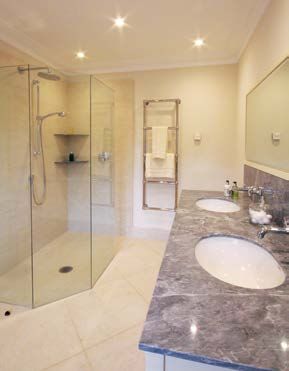
Energy Saving Trust Energy Saving Trust
Selecting low energy lighting Selecting low energy lighting
Best Practice 4. Domestic lighting – available technology
Building Regulations set minimum standards of performance to be achieved. Careful
selection of lighting can achieve better value for householders, and achieve lower carbon This section introduces the main types of low energy lighting available for domestic use.
dioxide emission rates from lighting in design calculations. Today, good practice would be Figure 2 gives an overview of equivalence between the three main lamp types available
the adoption of low energy lighting lamps in 100% of a home’s light fittings. Best practice today, compared with the now obsolete tungsten incandescent lamps. Figure 3 shows how
would be a 100% adoption of high efficiency LED lighting with efficacy above 100 lumens lamps have evolved over time and in particular the rapid improvements in efficiency
per watt. achieved and projected for LED lamps. Many of the terms and performance characteristics
included in this section are explained in more detail in Section 5 of this guide.
afety standards
S
Specified lighting systems must be CE tested (European Conformity) with accompanying What we What’s available today
compliance documentation from credible sources. used to buy
EU safety and performance standards for LEDs are explained in the 2012 IEP publication: Now phased out Still available
Classed as energy efficient
(Part L1A compliant)
A Guide to the Specification of LED Lighting Products. Special care should be taken when
Tungsten How much light? Halogen
installing downlighters (see below). Incandescent (lamp output in Incandescent CFL LED
lamps lumen) lamps lamps lamps
40W 28W 9W 5W
Notes on the installation of downlighters lamp
output
was
450
450
Lumen
Lumen
same
output
from
or or
When installing downlighters there are a number of practical considerations which should
be considered: 60W 42W 12 – 15W 7 – 10W
Fire resistance Special care is needed where downlighters lamp
output
800 same
output or or
For ceilings, plasterboard normally provides are to be installed in insulated ceilings at was Lumen from
part of the fire resistance of the home. If loft or roof level. Special supports are
downlighters are to be installed in ceilings, available to keep insulation a suitable 100W 70W 23 – 28W 14 – 19W
they must not reduce fire resistance below distance away from downlighters installed same
lamp 1600
1,600
that required in Building Regulations at loft level. For rooms in the roof, keeping output
was Lumen
output
from
or or
Approved Document B. It is important to an air gap around downlighters will cause a
ensure that the type of downlighter used cold bridge in the roof and the additional
Figure 2 Compared with tungsten incandescent light bulbs, modern lamps, particularly CFLs and LEDs, require a
has test evidence to support its use in a heat loss will need to be accounted for in fraction of the power to generate an equivalent level of light.
particular situation. thermal performance calculations.
200
Overheating and thermal performance Moisture control
ulbs
Unless there is adequate air space around a If downlighters are to be used in bathrooms,
b
150 KEY
downlighter, the lamp and surrounding air showers or wet rooms it is important that
LED
Tungsten incandescent lamps
can overheat. Overheating will reduce the they do not allow moist air to spread to
Lumens per Watt
Linear fluorescent lamps
performance and life of lamps, and in the other parts of the home, such as roof 100 Halogen incandescent lamps
case of halogen lamps in particular, with spaces, where condensation can occur. For
Compact fluorescent lamps
their high operating temperatures, can rooms that generate moisture, select
result in a fire risk. Manufacturers provide downlighters which provide a vapour seal. 50 LED lamps
guidance on the air space required around
downlighter units, and maximum operating
0
temperatures are included in the 1940 1960 1980 2000 2020
specifications for LED lamps. Year
Figure 3 Domestic lighting – performance development over time.
08 09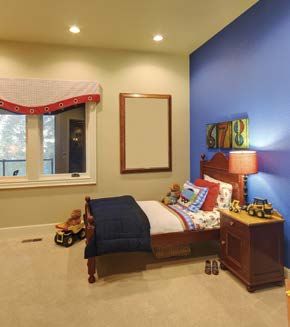
Energy Saving Trust                                                                                           Energy Saving Trust
Selecting low energy lighting                                                                                 Selecting low energy lighting

                 Halogen lamps                                                                                                 Fluorescent lighting

                 Halogens are incandescent lamps using a        Though halogens lamps have been used                           Inside a fluorescent lamp or tube an            Fluorescent lighting offers long service life
                 filament suspended in a small amount of        very commonly for downlighting, their high                     electrical charge is passed through mercury     and is very energy efficient, with most
                 halogen (iodine or bromine) gas. They work     energy consumption and relatively short                        gas. This generates UV light, which then        types complying with Part L1A
                 at high temperature and can be more            service life are now recognised                                excites a phosphorescent coating on the         requirements for low energy lighting.
                 efficient than traditional tungsten            disadvantages. Even the best halogen                           inside of the tube to generate visible light.   Though associated with cool light and slow
                 incandescent bulbs. Halogen lamps produce      lamps have efficacy ratings and service                                                                        start up times, advances in fluorescent
                 an attractive bright white light, reach full   lives which are well short of the                              A ballast is needed for fluorescent lighting    lighting have led to a range of products
                 lighting level immediately and can last        performance offered by CFLs and LEDs.                          to supply a suitable amount of current for      which are satisfactory in many domestic
                 from 1,000-3,000+ hours. Currently, they do    If considering halogen lamps, choose a                         startup: this can be incorporated into the      situations. Fluorescent lamps are
                 not meet the 45 lumens/circuit watt            product with the best possible service life                    bulb’s design or can be an attachment on        manufactured in two distinct types: linear
                 requirement for low energy lighting in Part    (some offer 3,000 hours) and select                            the light fitting.                              fluorescent lamps (LFLs) and compact
                 L1A of the Building Regulations. From 2018,    energy class B.                                                                                                fluorescent lamps (CFLs).
                 even the most efficient halogen lamps will
                 be phased out of producton.
                                                                                                                               Linear fluorescent lamps (LFLs)
                 Positives                                      Negatives
                                                                                                                               LFLs are the familiar ‘light tubes’, which      under cabinets), in home offices, utility
                 •		     Low purchase price                     •		The best products are in energy                            have been in common use from the 1960s.         rooms and bathrooms.
                                                                    efficiency rating B: halogens are                          They typically produce very bright light. In
                 •		Colour temperature: good,                      therefore not classed as ‘energy                                                                           Unlike CFLs (see next page) LFLs do not
                     although limited to around                                                                                domestic settings this has made LFLs
                                                                    efficient’ in Part L1A of the                              popular for task lighting in kitchens (e.g.     have integrated ballasts, and require a
                     3,000K                                         Building Regulations                                                                                       dedicated fitting.
                 •		Colour rendering: excellent                •		High running costs
                     (CDI near to 100)                                                                                         Positives                                       Negatives
                                                                •		Short life: 2,000 hours typical
                 •		No warm up time                                                                                           •		Energy efficiency class A, and              •		Must have ballast/ control gear
                                                                •		Very high surface temperature.                                 classed as ‘energy efficient’ in                as part of the light fitting
                 •		Easily dimmable.                                                                                              Part L1A of the Building
                                                                                                                                   Regulations                                 •		Contain mercury and must be
                                                                                                                                                                                   disposed of carefully
                                                                                                                               •		Low running costs
                                                                                                                                                                               •		Colour rendering: halophosphate
                                                                                                                               •		Long life: 20,000 hours+                        types – poor or moderate (up to
                                                                                                                                                                                   CRI 69).
                                                                                                                               •		Range of colour temperatures:
                                                                                                                                   2,700K-6,000K.
                                                                                                                               •		Colour rendering: triphosphate or
                                                                                                                                   multiphosphate types – very
                                                                                                                                   good/excellent (CRI 80+)
                                                                                                                               •		Warm up time very short
                                                                                                                               •		Some can be dimmable but need
                                                                                                                                   special control gear.
10                                                                                                                                                                                                                         11
Energy Saving Trust Energy Saving Trust
Selecting low energy lighting Selecting low energy lighting
Compact fluorescent lighting (CFLs) LEDs (Light emitting diodes)
When incandescent bulbs were being Both CFLs (and dedicated fittings for CFLs) In an LED lamp, an electrical current is LED lamps are now available for almost
phased out, CFLs were the most obvious are available in a wide range of sizes, passed across semiconductor material every domestic lighting purpose. Lamps are
replacement, offering potential savings of shapes and colours. Some CFLs are suitable (usually silicon). As electrons migrate available that can be fitted into traditional
up to £50 over the lifetime of the lamp. for dimming but require specialist, between charged atoms in the pendant light fittings containing bayonet,
CFLs are highly energy efficient (usually compatible control gear. semiconductor, photons of light are cap or Edison screw lamp holders.
class A) and remain a good choice for areas released. LEDs, and the less well known Downlights, traditional bulb-shaped lamps,
requiring long periods of lighting, for Some CFLs have glass that is bent or OLEDs (organic light-emitting diodes) and linear tube types and candle style lamps are
example living rooms, however it is clear spiraled to achieve a more compact shape. PLEDs (polymer light-emitting diodes) are all available.
that LED alternatives are now offering even There are also ‘bulb’ designs although different categories of solid state lighting.
greater advantages. Earlier CFLs had these include a second layer of glass and It is recommended that only dedicated LED
inconveniently long warm up times before are therefore less efficient, typically LED lighting is the most efficient type luminaires, dimmer switches and other
reaching a good level of light output, energy class B. of lighting system currently available for control gear are specified for LED lamps.
however this aspect of performance is less domestic use. Technological advances, When using LEDs as replacements there can
of a concern with newer CFL technology. continuing cost reduction, rapid product be operational issues associated with
innovation and diversity make it almost existing transformers and dimmer switches,
Positives Negatives inevitable that LEDs will be the predominant and these should be replaced with LED-
form of lighting in the near future. compatible electronics.
• Normally energy efficiency • Short warm-up time needed in
class A: rated as ‘energy efficient’ some products They are very efficient and many offer 80 Summary guidance on selecting LEDs is
under Part L1A of the Building to 100 lumens per watt, though note that given below, but Section 5 gives more
Regulations • Contain mercury and must be some products may be only marginally detail about key selection criteria.
disposed of carefully more efficient that the best CFLs. In addition,
• Low running costs they have very long lifetime expectancy
• Some not suitable for dimming (many offering 35,000 hour life or more).
• Long life: 8,000-15,000 hours using pre-existing ‘standard’
domestic dimmer switches. Positives Negatives
• Wide range of colour
temperature: 2,700K-6,000K • Energy efficiency class A+: rated • Higher purchase price
• Colour rendering: very good to as ‘energy efficient’ under Part (but prices falling rapidly)
excellent (some offering CRI 100) A note about mercury content L1A of the Building Regulations
CFLs do contain small amounts of
• Variation in quality and
• Some have integral control gear mercury but at legal limits – only 3-5 • Low running costs – significant performance
milligrams. Care should be taken when
allowing dimming fluorescent light bulbs are broken
lifetime cost savings
however, with disposal carried out in line
• For dimming, specific circuits
• Some have minimal warm up time. with manufacturer’s recommendations. • Long lamp life: 30,000 hours or and lamps must be specified.
more predicted for many
products The following characteristics are
The following characteristics are important when specifying CFLs: important when specifying LEDs:
• Minimum lamp lifetime of 10,000 hours • Wide range of colour temperature • Lumen output
• Lumen maintenance of >76 per cent at 10,000 hours 2,700-6,000K • Luminous efficacy (lumen output per
• Colour rendering index not less than 80 CRI • Good colour rendition available watt of power used)
• Power factor not less than 0.9 • Lumen maintenance and rated life
• Colour temperature of 2,700K • Minimal heat output • Colour temperature (this may be
• Luminous efficacy >55 lumens per watt expressed as a CCT measure)
• Minimum 35 per cent lumen output 2 seconds after switching on • Wide range of lumen outputs/ • Colour rendering (CRI index)
• Minimum 80 per cent lumen output 60 seconds after switching on. beam angles. • Operating temperature.
12 13
Energy Saving Trust Energy Saving Trust
Selecting low energy lighting Selecting low energy lighting
A comparison of today’s main low energy lighting options 5. Considerations when
Table 1 (for individual lamps) and Figure 4 (for a typical home) highlight selecting low energy lamps
the benefits of specifying LED lighting. It is clear that halogen lighting Lighting is an important part of a home. Well-considered lighting saves energy, provides
is expensive to operate and lamps will need to be replaced frequently. flexibility for creating the right ambience and will contribute to the well-being of
CFLs offer a significant additional energy saving and will typically last occupants. The guidance below, which includes some special considerations when
for over 10 years. LEDs offer the dual benefit of very low energy choosing LED lamps, will help to get the most out of electrical lighting and avoid some
consumption and a long lamp life of up to 30 years. of the pitfalls in lamp selection.
Cost per lamp: LEDs compared with CFLs and halogens. Table 1
LED CFL Halogen Is the lamp energy efficient? Think in lumens, not watts
Watts (equivalent lamps) 6W 11W 35W
Low energy lamps must state their light lumens per watt) or CFLs (which might
Purchase price per lamp £6.00 £3.50 £2.00
output (lumen) and the power (watts) used achieve 40-60 lumens per watt).
Typical annual lamp use (hours) 1,000h 1,000h 1,000h
to create that light. This enables selection
Typical lamp lifetime (in hours) 30,000h 10,000h 2,000h on how efficient lamps are at generating The number of lumens per watt (described
Typical lamp lifetime (years) 30 years 10 years 2 years light from electricity. as the efficacy of a lamp) is the key market
Cost of lamp purchases over 30,000 hours/30 years £6.00 £10.50 £30.00 differentiator in the low energy lighting
Annual energy consumption per lamp 6kW 11kW 35kW Innovation, particularly among LED market, and a key consideration for
Annual electricity cost per lamp at 14.05/kW £0.84 £1.55 £4.92 manufacturers, is rapidly increasing the specifiers, or those choosing lamps for
Total cost per lamp per year £1.04 £1.90 £5.92 lumen output for each watt of power used their own home. Efficacy varies significantly
(averaged over a typical LED lamp life – 30 years) per year per year per year (see Figure 3). Today, the most advanced between different LED products, so always
LED lamps may achieve as much as 120 check this value before purchasing. Tests of
lumens per watt, far superior to the LED lamps show that efficacy levels stated
performance of tungsten incandescent by manufacturers are generally achieved
lamps (which typically offered 12-14 in practice.
2,750
Over 25 years the
2,500 original 8 halogens
Cost of electricity and replacement lamps
Home fitted with 32 LED lamps
need replacing 12
Home fitted with 24 CFLs and 8
2,250 halogen lamps (Part L1A compliant) times. The original
24 CFLs need
2,000 Halogen lamp replacement replacing twice
(£ today’s prices)
CFL replacement
1,750
A note about lamp recycling
1,500
CFLs and LED lamps should be recycled in an appropriate manner and not disposed of in household
1,250 rubbish. In Europe the collection and recycling of CFLs and LED lamps is compulsory under the Waste
Over 25 years no Electrical and Electronic Equipment (WEEE) Directive. There are two main options for recycling lamps.
1, 000 replacement The first is to take the lamps to a local council waste recycling centre, which will have dedicated receptacles for
needed. The original their disposal. Alternatively, an increasing number of ‘Bulbstore’ containers can be found located in the recycling
750 32 LED lamps may areas of retail car parks and inside larger retail outlets.
exceed 25 year life
500 Further information on lamp recycling can be found on the Recolight website (http://www.recolight.co.uk),
a recycling initiative set up by the lighting industry in 2005.
250
0
0 1 2 3 4 5 6 7 8 9 10 11 12 13 14 15 16 17 18 19 20 21 22 23 24 25
Time – years since lamps first installed
Figure 4 Cost of low energy lighting in a typical home with 32 lamps. Cumulative costs of 100% LED lighting
compared with a Part L1A compliant solution (75% of fittings using CFLs and 25% of fittings using halogen lamps).
Replacement intervals: halogen = 2 years, CFL = 10 years, LED = 25 years+. Cost of electricity = 14.05p per kWh. Equivalent lamp
output specifications. Single-lamp fittings throughout.
14 15
Energy Saving Trust Energy Saving Trust
Selecting low energy lighting Selecting low energy lighting
How much light? Don’t confuse lumens and lux Importance of beam angle – concentrated or diffuse light
The lumen rating printed on packaging is needed to ensure that lamps are capable Beam angle is an important characteristic For a given lumen output, an increase in
tells you how much visible light a lamp of meeting a target lux level in homes. So in lamp choice, particularly for beam angle dramatically reduces the lux
generates (how bright it is as a source of for a floor illumination target of 150 lux, a downlighting. With traditional tungsten and levels achieved on surfaces (Figure 7). Also
light). As light leaves a lamp source, it seemingly ‘generous’ 220 lumen rating for a halogen incandescent bulbs, light emerges note how narrower beam angles can result
spreads out and illuminates any surfaces it downlighter lamp (Figure 5b) does not meet in most directions and is not ‘directional’ in surprisingly high lux levels on surfaces
encounters. Illumination levels on surfaces the target (even though the lamp has a (Figure 6). A feature of LEDs and relatively near to a lamp (Figure 5).
(measured in lux) are highest near to the fairly narrow beam angle). In this case, a downlighter lamps is that they are
lamp but decrease rapidly as the distance 320 lumen lamp is needed to achieve a ‘directional’ and concentrate most of their For downlights, a beam angle of 38o or more
from the lamp increases, as shown in typical target of 150+ lux for this kitchen light output within a specified beam angle. is normally sufficient for general lighting,
Figure 5. A lux value is the amount of light floor (Figure 5a). Even ‘bulb’ shaped LEDs have a beam angle, however achieving the right balance
(the number of lumens) illuminating a typically between 110o and 160o and, between beam angle and lumen output is
square metre of surface. In the examples shown in Figure 5, the lamps compared with an incandescent light bulb, crucial to avoid surfaces being poorly
are flush fitting and have no additional more of the light they generate is emitted illuminated, unevenly lit or possibly over-lit.
Lighting design aims to achieve target lux luminaire lenses or diffusers – in such cases in a useful direction.
(illumination) levels on key surfaces – for the lumen rating of the lamp can be used to
example on floors, stairs and worktops. calculate lux levels. Where lamps are fitted
There are recommended lux levels for within luminaires with additional
different rooms in a home and these are transparent covers or diffusers (and any
included in Section 6. situation where a lamp shade is required), it
is important to consider the lumen output
As Figure 5 shows, lumens and lux are not from the fitting, not just the lamp.
equivalent/interchangeable units and care
320 lumen lamp 220 lumen lamp
LED bulb-type lamp
May be classed as
‘directional’ if 80% of the
Incandescent halogen bulb LED downlighter lamp
38° 38° light emitted falls within a
Non-directional lamp: 120° cone (and may have a Directional lamp:
beam beam
light given off equally in most specified beam angle). light given off
angle angle
directions. Some are non-directional/ in a narrow cone.
No beam angle omnidirectional Narrower beam angles
(emulating the light
2,400mm
distribution of
415 lux 285 lux incandescent bulbs)
900mm
160 lux 112 lux
Figure 5a Figure 5b
Full light Wide light Narrow light
Figure 5 Lumen and lux should not be confused. The light output of a lamp is measured in Lumen. Illumination levels distribution distribution distribution
of surfaces (in lux) are dependent on the lumen output of the lamp, but distance from the lamp and the beam angle
(how much the lamp concentrates its light) have to be taken into account.
Figure 6 Distinguishing non-directional and directional lamps. Beam angle is a feature of many types of
LED lamps, not just downlighter lamps.
16 17
Energy Saving Trust Energy Saving Trust
Selecting low energy lighting Selecting low energy lighting
Figure 8 illustrates the lux levels delivered Beam angle is also important in creating
by a variety of lamp specifications in an the right level of task lighting and accent Beam Angle
example kitchen space (with a minimum lighting in rooms. If the incorrect lamps are
illumination target of 150 lux for the floor). fitted in the wrong positions the necessary 38° 45° 90° 110°
(each lamp illuminates (each lamp illuminates (each lamp illuminates (each lamp illuminates
A variety of solutions work well, but some task lighting or the desired effect from the only about 15% of the only about 25% of the 100% of the 100% of the
may be impractical or unsuitable. Note that lighting may not be achieved. kitchen floor) kitchen floor) kitchen floor) kitchen floor)
for the higher beam angles (90o and 110o)
In practice, the recommended levels for lux 220 1 lamp provides 1 lamp provides 1 lamp provides 1 lamp provides
each lamp illuminates the whole area and lumen 111 lux 80 lux 21 lux 14 lux
their individual lux contributions can be in Section 6 should be relatively easy to lamps at floor level at floor level at floor level at floor level
added together to achieve the 150 lux achieve with domestic lighting. A number of (note: this lumen output is too
low to qualify as low energy To meet at least To meet at least To meet at least To meet at least
target. For example, four lamps, each websites offer lumen to lux, and lux to lighting in Part L) 150 lux, 18 of these 150 lux, 8 of these 150 lux, 8 of these 150 lux, 11 of these
delivering 40 lux across the whole floor, lumen conversions for different beam lamps are needed lamps are needed lamps are needed lamps are needed
provide 160 lux overall. In this example the angles and varying distance between light
source and target surfaces. They also allow 420 1 lamp provides 1 lamp provides 1 lamp provides 1 lamp provides
90o beam angle lamps will need to be lumen 213 lux 153 lux 40 lux 27 lux
concentrated centrally over the floor area. you to calculate the light coverage (m2) and lamps at floor level at floor level at floor level at floor level
In all cases the inclusion of different spread (m). A rule of thumb is to ensure that
To meet at least To meet at least To meet at least To meet at least
configurations of downlighters should not the edges of the spread meet, but do not 150 lux, 9 of these 150 lux, 4 of these 150 lux, 4 of these 150 lux, 6 of these
reduce the fire resistance of the ceiling: this fall short (creating dull areas) or overlap lamps are needed lamps are needed lamps are needed lamps are needed
should be checked with the downlighter (creating areas that are too bright).
manufacturer. 625 1 lamp provides 1 lamp provides 1 lamp provides 1 lamp provides
lumen 317 lux 227 lux 59 lux 41 lux
lamps at floor level at floor level at floor level at floor level
(close to the maximum currently
available for downlighter lamps) To meet at least To meet at least To meet at least To meet at least
150 lux, 9 of these 150 lux, 4 of these 150 lux, 3 of these 150 lux, 4 of these
lamps are needed lamps are needed lamps are needed lamps are needed
420 lumen lamp 420 lumen lamp Figure 8 How many downlighters in a 4x4m kitchen? As the chart shows, it depends on the lumen
output and beam angle of the lamps selected. Green choices may be the most economic, orange choices
are intermediate and red choices may be uneconomic/impractical. The purple options will result in floor
illumination levels that may be too bright for some people.
This example is for a 4x4m kitchen with a 2.4m ceiling height and worktops with their own task lighting on two walls.
A design illumination level of 150+ lux has been selected for the floor.
38° 90°
beam beam 2,400
angle angle mm
2.2m2 illuminated 18m2 illuminated
at 213 lux at 40 lux
Figure 7 Importance of beam angle. These two low-energy lamps (with the same lumen output) generate
a quite different illumination level (lux) and light coverage area (m2) at floor level.
18 19Energy Saving Trust Energy Saving Trust
Selecting low energy lighting Selecting low energy lighting
Colour temperature – warm or cool effect? Colour rendering – bright or dull colours?
Initially many low energy lamps, For all uses in the home, warm white lamps Colour rendering is a measure of how the home or if you want to ensure vibrant,
particularly LEDs, produced light with cooler (close to 2,800K) are normally the most natural the colours of surfaces appear. It is natural colours from low energy lamps.
colour temperatures – too stark for many suitable, though in kitchens and bathrooms, expressed by a colour rendering index (CRI)
uses in the home. But today low energy colour temperatures of around 3,000K may up to 100, see Figure 10. As tungsten Colour rendering has been a critical
lamps are available which produce be preferred by some people. incandescent lamps generated a full performance consideration for
comfortable warm white light, similar to spectrum of visible light colour, and like manufacturers of linear and compact
that produced by tungsten incandescent Non-incandescent lamps have to be tested daylight, have a CRI of 100, good colour fluorescent lamps and high CRI values of
lamps. Figure 9 shows the colour for alignment with the colour temperature rendering could be taken for granted. 90-95 are available. Though a weakness
temperature scale used in lighting design. scale: they have what is termed a However, low energy lamps do not all with early LEDs, many now offer good or
It is based on the colour profile of light ‘correlated colour temperature’ (CCT). While provide the required level of colour excellent colour rendering and CRI
emitted from an increasingly hot filament. they may match a point on the colour rendering and this is an important values are included on packaging or
A reference point is the ‘warm white’ light temperature scale, they achieve this with consideration in their choice. For most manufacturers’ specifications. CRI is an
generated by a traditional tungsten spectral characteristics that are different domestic purposes a CRI of 80 or more is important characteristic of domestic
incandescent lamp, with a colour from daylight, and this may affect the considered adequate, however a CRI above lighting and it is worth comparing
temperature of 2,800K. ability of a lamp to illuminate colours well. 85 may be preferable for some activities in samples from different manufacturers.
For this reason, fluorescent and LED lamps
are also rated for ‘colour rendering’.
CRI = 100
CRI = 75
Figure 10 Good colour rendering
brings out the vibrancy of colours
CRI = 50
in a home. As the colour rendering
index (CRI) approaches 100, colours CRI = 25
appear more natural.
2,700K Warm White 3,200k Cool White 4,500K Daylight White 6,500K
Figure 9 The standard international colour temperature scale
Image from www.lightingever.co.uk
20 21Energy Saving Trust Energy Saving Trust
Selecting low energy lighting Selecting low energy lighting
Lumen maintenance – will lamps stay bright? Rated life of LEDs – how long should they last
Lumen maintenance is concerned with how This means that 50% of this batch of lamps ‘Rated life’ indicates how many hours of use The life of an LED lamp is determined
long a lamp retains its lumen output. It was is expected to maintain 90% (or more) of you can expect from a lamp. So an LED by a range of factors related to proper
not an issue for incandescent lamps the original lumen output after 35,000 product with a rated life of 30,000 hours, installation and use. When selecting LEDs,
because these typically failed suddenly hours of use. More accurate indications of used for a typical 1,000 hours a year, could check that there are no limitations or
before there was any noticeable lumen maintenance will become available last for 30 years. Note however that at 30 conditions on the warranty that conflict
deterioration in light output. For a long- in future years, but in the meantime it is years, 50% of this particular product will be with the intended installation of a
lasting lamp it’s crucial to know how well it recommended that lamps with the highest functioning below its lumen maintenance particular product. Some manufacturers
sustains its claimed lumen output. Indeed levels of lumen maintenance (i.e. 90% or threshold, including some that may have have strict conditions to qualify for their
for LEDs (which are more likely to fade than more) are selected for domestic use. Lumen failed completely. The lumen maintenance warranties. These may include limits to
to fail completely) a drop in lumen output maintenance is one of the most important value (or code), see above, tells you how total number of annual operating hours and
below a particular level marks the end of performance measures for LED lighting and serious the light depreciation could be for a maintenance considerations. You should
the lamp’s life (see rated life, below). ideally you should ensure that particular product. Always view rated life check that the warranty applies to all parts
manufacturers’ claims are backed by and lumen maintenance values together. of a lamp, including the integral drivers,
LED testing methodology is evolving. independent test data. Most manufacturers which may be less durable than the light
Currently lumen maintenance is being provide lumen maintenance figures in their emitting diodes themselves.
estimated by many manufacturers from technical specifications and these may be
tests running for 6,000 hours. Their coded as below. For illustrative purposes
estimates of lamp life are based on the the decline in output for a 420 lumen lamp Operating temperature – don’t let them overheat
expected deterioration of the is shown for each code rating in Table 2.
semiconductor within the LED and this LEDs generate far less heat than These vary and you should seek advice when
enables them to offer lumen maintenance incandescent lamps, however about 50% of LEDs are to be recessed or incorporated in
projections in technical specifications. energy used by an LED may be converted places where there is limited air flow. Often
A lamp might be described as having: into heat. To avoid overheating of the a maximum ambient air temperature of
More than 90% lumen maintenance by semiconductor material and to operate 40oC is specified and this can easily be
50% of lamps at 35,000 hours. efficiently, LEDs have integral heat sinks. exceeded if LEDs are inappropriately
However, it is important that the air installed. Special care should be taken when
temperature around an LED should be downlighters are recessed into insulated
within limits specified by the manufacturer. ceilings (see page 06).
Lumen maintenance: What the lumen maintenance codes mean in practice. Table 2
Lumen Code Lumen maintenance for an example lamp,
maintenance initially rated at 420 Lumens: Drive current – don’t overload
(%)
>90 9 Steady decline to ≈378 lumens during life* For proper operation of LEDs, the power higher an LED is driven the brighter it will
>80 8 Steady decline to ≈336 lumens during life* supply and internal electronics must be but this may impact on lifetime and
>70 7 Steady decline to ≈294 lumens during life* provide a well-controlled DC drive current. efficiency, and all controls (particularly
* Figures above show likely average decline for Drive current affects LED operating dimmer switches) must be rated
a lamp manufactured to a particular Lumen
Maintenance Code. temperature and thus its lifetime and light appropriately for the fittings being used. If
output. Normally, products quoting a drive replacing existing lamps with LEDs, dimmer
current of 350mA are suitable for homes, switches will need to be replaced with
although the values can be higher. The suitable products or de-rated.
22 23Energy Saving Trust Energy Saving Trust
Selecting low energy lighting Selecting low energy lighting
Cost – Homeowners’ perspective 6. Lighting guidance for the home
Until recently, the upfront cost of increasingly seen by the public as the Careful design of electric lighting will lighting effects for different situations.
purchasing LED lamps has been a major technology of choice, and many people are ensure that the right amount of light can be Well-designed lighting will be inherently
barrier to wide-scale use. For homeowners, investing in them. Although initial outlay switched on conveniently where and when easier to use and more likely to be operated
however, the recent price reductions, might be a little more than other lighting it is needed. It avoids any over-lit areas, and in an energy-efficient way.
coupled with greater awareness of the other options (Figure 4), LED lamps soon generate gives control and flexibility to create
advantages of LED lighting has changed the financial savings for homeowners because
picture quite dramatically. LED lighting is of their very low use of energy.
Overall approach – three levels of lighting
General lighting Task lighting Accent lighting
House builders’ perspective should provide satisfactory is needed for specific activities contributes to the ambience of a
minimal lighting levels in rooms. within the home such as reading, home. As with task lighting lamps
While LEDs remain more expensive to as standard. The current downward Decide on the target illuminance food preparation and home (or socket outlets) are needed in
purchase than CFLs, and while the Part L trajectory for LED lamp prices, if it levels required (lux). In living working. Lamps must be carefully the right places to emphasise
requirements allow CFLs as part of continues, will soon see very little rooms and bedrooms, in particular, selected, correctly positioned and architectural features, furniture
compliance, house builders have no direct differentiation between the price of LEDs allow some flexibility (through controlled. Lamps or socket and ornaments. Accent lighting is
financial incentive to install LED lamps. and CFLs and at that point it seems likely control settings/dimmers) so that outlets are needed in the right a more personal consideration,
Some house builders however are offering that the majority of house builders will occupants can raise or lower the places to give flexibility in the with spotlight through to flood
LEDs as an option for home buyers who switch and join those who have already general lighting around the target availability of task and accent light effects being appropriate
request them, and some are offering them started to adopt LEDs. level. Design to the higher end of lighting. Task lighting may be depending on circumstances.
lux ranges in homes intended for needed at different levels,
older people, who generally depending on the task. Also, colour
Specifying good quality LEDs appreciate higher levels of general rendering of the light is very
Due to rapid developments in LED lighting operated under an appropriate quality lighting. A minimal level of significant for some activities.
over recent years, many lighting assurance regime, accredited to ISO/IEC general lighting is required for
manufacturers inexperienced in the 17025: General requirements for the safe movement around the home,
production of quality LEDs have introduced competence of testing and calibration particularly on stairs, but sufficient
products to the market. Product quality can laboratories. Accreditation to this standard general light is considered to be
vary significantly. Good quality products, should be awarded by an accrediting body important for general well-being.
which meet the criteria suggested in this that operates within the charter established
guide, can be selected by ensuring that all by the International Laboratory For each of these levels of lighting, controls Similar patterns of control can be
appropriate conformity and testing Accreditation Cooperation (ILAC). In the UK can provide a range of lighting options. considered in other rooms, with dimmers
documentation is in order. This should be this is the United Kingdom Accreditation So in a kitchen there could be separate providing a range of lighting ambience in
freely available from the manufacturer. Service (UKAS). controlled circuits for: lounges, dining rooms and bedrooms.
Ideally, manufacturers’ claims should be It is important to evaluate manufacturers’ Advanced controls, sometimes controlled
backed by independent test data. • general lighting (typically ceiling by a mobile phone or tablet ‘app’, which
claims on a consistent basis – so when downlighters)
If manufacturers’ own test data is supplied, requesting LED performance specifications allow remote adjustment of the amount of
• task lighting (typically positioned under light and its colour are now emerging.
it is recommended that they also supply always ask for data that has been measured the wall units) and
evidence that confirms their test facility is in compliance with the latest IEC/PAS Lighting is becoming established as a
• any accent lighting (for example inside lifestyle statement and homes which
documents. units or around pelmets). incorporate new and innovative lighting
systems are perceived to have a marketing
advantage.
24 25Energy Saving Trust Energy Saving Trust
Selecting low energy lighting Selecting low energy lighting
Individual rooms
External lighting Hallways Living rooms Dining rooms
The selection of external lighting will Flush ceiling fittings can maximise Living rooms need a relaxed atmosphere Lighting can be used to create different
largely depend upon its purpose and the headroom in what is often a small area and some flexibility in lighting level and the moods. A wash of light over one wall or the
way it is to be used. Where lighting is and downlighting is often the most position of lighting. Controls should ensure ceiling can provide a background level of
required in the garden, for example to light appropriate solution. Since hallways are that living room floor illumination can be lighting against which a variety of lighting
a path while it is in use, LED products are often lit for long periods, the use of LED set at around 100-150 lux with the effects can be achieved using portable
ideal. lighting will maximise energy savings. flexibility to be reduced to subdued levels luminaires. There are many LED products
A lux level of between 100-150 is of around 60 lux. This may require a variety that lend themselves well to creating this
Building Regulations require external recommended at floor level. of light sources. Avoiding glare is also ‘wash’ effect, that provides comfortable
lighting products to include a photocell (to important and wall-mounted uplighters can indirect lighting.
stop the light being used in daylight). With Stairs and landings meet this need.
less efficient lamps, the Building As in the case of hallways, flush fittings are Lighting specified in dining rooms should
Regulations require that the external lamp useful when headroom is limited. To provide The living room’s long hours of use will have a colour temperature within the limits
is controlled by a presence detector, to adequate lighting stairs may require mean that LED lighting will achieve of 2,700K-3,000K, and provide about 150
switch off the lamp when no-one is in the luminaires either along them, above them, significant energy and cost savings, even lux at floor level. In many homes, dining
illuminated area. With low energy lamps, or in close proximity on the landing. To when compared to CFLs. Good ambient room tables, are used for variety of
the regulations are more relaxed, and allow avoid falls on stairs, lighting should be background lighting can be supplemented activities as well as dining. For this reason
manual control of the lighting. operated by two-way switching situated at by portable fittings such as table or some flexibility in lighting for the dining
both the top and the bottom of flights. standard lamps, which provide the higher table top is recommended: it should be
In recent years considerable levels of light localised levels of lighting required for possible to provide flexibility for dining
pollution have been generated by high Lighting should be positioned to ensure that reading or other detailed activities. between 150 and 200 lux, and between
powered incandescent external stairs are easily visible (by providing 400 and 500 lux for situations when the
floodlighting, typically in the 200-400W contrast in lighting between treads and table is used for other tasks, such as
range. These are expensive to run and risers). Ideal colour temperature for lighting homework and hobbies. Dining room
provide far more light than required. In on stairs and landings is around 3,000K and lighting should have excellent colour
domestic settings a 150W lamp is generally lighting for stair treads should be at least rendering.
sufficient but best practice would involve 100 lux. Lighting on stairs and landings
specifying an LED floodlight, where a (including daylight as well as artificial light)
20-30W product should be sufficient. should be designed to minimise glare.
Elderly and partially-sighted people
need enhanced lighting
If you are developing a lighting scheme for older
people use the higher end of lux ranges
recommended in this section and consider
providing a greater number of point light sources
for activities. Seek specialist advice (see further
information) if you are making lighting provision for
partially-sighted occupants in line with
manufacturer’s recommendations.
26 27Energy Saving Trust Energy Saving Trust
Selecting low energy lighting Selecting low energy lighting
Kitchens Bedrooms Bathrooms Studies and home offices
The detailed tasks being carried out in Bright central light sources, while providing Although bathrooms are not lit for long Harsh lighting can create glare on computer
kitchens require high levels of lighting, good general light levels, can create glare. periods, the use of low energy long-life LED screens and paper-covered desks. This can
particularly as sharp tools will be in use. This can be reduced by directing light onto lighting can be particularly appropriate for be avoided by arranging diffuse background
For kitchen floors, appropriate illuminance the wall surfaces. Providing a separate enclosed fittings where lamps may be lighting. Dedicated wall uplighters can be
levels are 150-200 lux for floors and around circuit specifically for bedside lighting, with difficult to replace. LED downlights are used to create a general wash of light. Task
400 lux at worktop, hob and sink levels lighting socket outlets and two-way particularly suitable for bathroom lighting lighting can be provided by using portable
(downlights placed under units can achieve switching will help ensure lights are not left where they can be positioned to provide lamps and there is an increasing range of
these levels and, if the kitchen is centrally- on unnecessarily. Lighting levels in lighting where it is needed, for example LED desk lamps on the market.
lit, prevent people having to work in their bedrooms should be controllable, with over the bath and shower. Aim for good task
own shadows). flexibility to provide subdued levels of 60 lighting levels around bathroom mirrors Studies and home offices require good levels
-100 lux at floor level and a maximum of and illumination levels of 250-300 lux for of lighting with between 400 and 500 lux
about 150 lux. There should be provision of bathroom floors. for task lighting on desks. If more intricate
good task lighting for activities such as work is being undertaken, aim for 750 lux.
reading, offering localised illumination of When specifying bathroom lighting, take
up to 400 lux. Good colour rendering is an care to check how far from a water source
important consideration in bedrooms to it can be fitted. A bathroom is divided
help in the choice of clothes for example. into zones 0 to 3 and bathroom lighting
is marked with the zone in which it can
be used.
It is recommended that general bathroom
lighting and task lighting (eg lighting for
mirrors) are on separate circuits.
Colour temperature
In the past for rooms that used to have a functional
use, such as kitchens and bathrooms, it was
considered right to have cooler colour temperatures
in the region of 3,000 to 3,500K. This may still be
suitable for some internal designs, and be favoured
by some householders. However for modern living
the trend is to provide lighting within the ‘warm
white’ light range 2,700-3,000K throughout the
home.
28 29You can also read


