Undergraduate Research Opportunities Summer 2021 - USC ...
←
→
Page content transcription
If your browser does not render page correctly, please read the page content below
Undergraduate Research Opportunities
Summer 2021
Diversity, Inclusion, and Access
 JumpStart Program Overview
• USC’s Graduate Initiative for Diversity, Inclusion, and Access (DIA) aims to provide a pathway to PhD
  programs for undergraduate students by providing academic and financial support and professional
  development opportunities. DIA JumpStart works with USC schools and programs to invite diverse
  candidates from outside institutions to apply for 10-week summer research opportunities in various PhD
  disciplines. Available opportunities range from lab-based research to mentored participation in other types
  of faculty projects.
• Summer 2021 program dates are Tuesday, June 1 through Tuesday, August 10, unless otherwise noted
  by the research opportunity. If COVID-19 precautions remain in place through late spring, students should
  be prepared for a hybrid program that begins online and transitions to campus as conditions permit.
  Should a return to campus not be possible, the program would be fully virtual as it was in Summer 2020.
PROGRAM BENEFITS
• The Graduate School provides JumpStart scholars with a stipend. Health coverage is available for the on
  campus program. Those who successfully complete the program will also have their application fees
  waived if they apply to USC PhD programs.
• To complement their summer research experience, JumpStart scholars will participate in Graduate School
  sponsored sessions led by USC faculty and staff. Sessions include graduate admissions, PhD funding,
  PhD student life, and more. JumpStart scholar’s research will be featured in an end of summer
  poster symposium.
                                                                                                                2
Diversity, Inclusion, and Access
JumpStart Program Application
APPLICATION
•   Students completing their sophomore or junior year at outside institutions prior to the summer are
    encouraged to apply.
•   Applications are evaluated by the research program, or faculty, and the Graduate School. Applicants may
    be contacted for an interview.
•   Applications for research positions through DIA JumpStart are currently available
    at https://provost.sma.usc.edu/prog/DIAJumpStart/

APPLICATION DEADLINE: Friday, April 2, 2021
•   As part of the application, students will be required to submit:
     •   Personal statement and research interests
     •   Short statement on academic and professional goals
     •   Resume or CV
     •   Current transcripts (unofficial or official)
     •   One (1) letter of recommendation from faculty

FOR MORE INFORMATION
• Questions about DIA JumpStart should be sent to GradDIA@usc.edu.
• Additional information can also be found by visiting http://graduateschool.usc.edu/dia/                     3
Biokinesiology & Physical Therapy
  •   Physical Therapy Research Experience

  •   Perinatal Health Biomechanics Research

  •   Effects of Gait Biofeedback on Walking Pattern Post-
      Stroke

  •   Neuro-Informatics and Neuro-Therapeutics
      for Chronic Pain

  •   Examining the Role of Diet on Responses to Acute High-
      Intensity Interval Training

  •   Recovery and Compensation During Walking in People
      Post-Stroke

  •   Effectiveness of an Online Mindfulness Intervention for
      Stroke Survivors and Their Caregivers

                                                                4
Pediatric Physical Therapy Research Experience
Stacey Dusing, Visiting Associate Professor
Division of Biokinesiology and Physical Therapy

•    The SIT-PT clinical trial is a    •    Each participant is also
    National Institute of Health           assessed 4 times over 12
    funded multi-site clinical trial       months to quantify changes in
    lead by Stacey Dusing in the           motor, cognitive, and language
    Biokinesiology and Physical            development. Undergraduate
    Therapy. Infants 7-20 months           researchers are instrumental
    of age with motor disabilities         in video taping these
    are enrolled and randomized            intervention and assessment
    to one of two interventions,           session when complete by the
    MORE-PT or START-Play.                 research team
• Both interventions are based         •    The visits are either
  on well defined principles and           completed in a research lab on
  are video recorded for regular           the HSC campus or in the
  monitoring of the accuracy of            family home. As the student
  the intervention provided or             skills progress they may be
  fidelity.                                trained to help administer
                                           questionnaires and prep
                                           equipment for the visits.

                                            Preferred Majors: Neuroscience, Psychology, Kinesiology, Pre-Physical Therapy
        MORE                                                                                                                5
Perinatal Health Biomechanics Research
                                      Kate Havens, Assistant Professor of Clinical
                                      Physical Therapy
                                      Division of Biokinesiology and Physical Therapy
                                      • Approximately 4 million women give birth in the United States each year. About half
                                        of these individuals have lower extremity pain of the knee, hip, or ankle, and about
                                        half have low back pain or pelvic girdle pain during their pregnancy. During the
                                        months after birth, mothers face large changes in their musculoskeletal, hormonal
                                        and psychological states, and for many, pain continues. In order to effectively inform
                                        treatment interventions for pain reduction in this postpartum population, we must first
                                        understand the physical demands of motherhood, including transporting, lifting, and
                                        feeding baby.
                                      • The Perinatal Health Research Group aims to characterize the biomechanics of
                                        postpartum mothers during common infant care tasks. The DIA Jumpstart scholar will
                                        be introduced to all aspects of a career in research and critical thinking during their
                                        tenure. The scholar will be able to explore options of ongoing projects to work on,
 Preferred Majors: Kinesiology, any     depending on the ability to actively collect laboratory data given the COVID-19
 Engineering, Computer Science,         pandemic
 Mathematics, Health Sciences         • The Jumpstart scholar will work closely with a faculty mentor and will be expected to
                                        report weekly on the progress of the project during lab meetings. Scholars will
                                        function as part of the Perinatal Health Research team and will learn the
                                        responsibility of themselves and colleagues, ethical standards in laboratory research,
                                        problem solving, and laboratory procedures. They may have the opportunity to
                                        present their research at internal, regional, or national conferences.

MORE                                                                                                                       6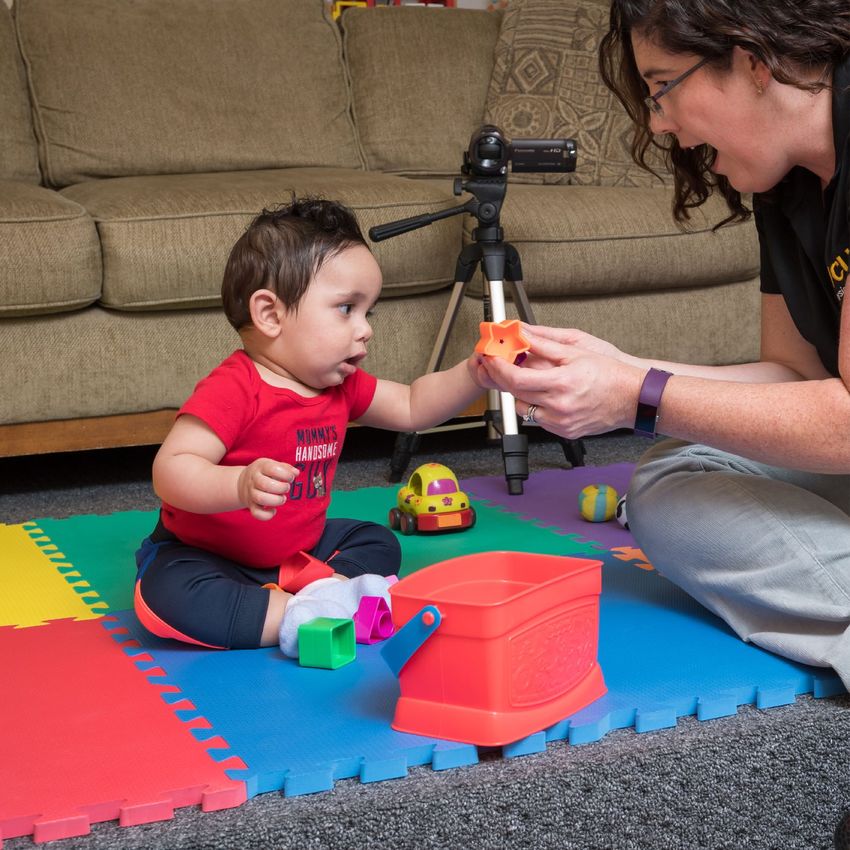
Effects of Gait Biofeedback on Walking
              Pattern Post-Stroke
              Kristan Leech, Assistant Professor
              Division of Biokinesiology and
              Physical Therapy
           • Stroke is a leading cause of long-    • Specifically, we will provide visual
             term disability around the world.       biofeedback of different aspects of
             After a stroke, older adults            walking (e.g., the length of each
             commonly exhibit gait dysfunction       step, the magnitude of knee flexion
             (e.g., slow, unstable, asymmetric       when the leg swings forward, etc)
             walking), which is the top patient-     to people post stroke and identify
             reported rehabilitation target.         the biofeedback variable that elicits
             Students will have the opportunity      the largest reduction in walking
             to work on an innovative research       asymmetry.
             project that aims to determine the
                                                 • We expect to show that
             optimal parameters of biofeedback-
                                                   biofeedback of paretic propulsion
             based gait training in individuals
                                                   (how hard someone pushes off
             with chronic stroke
                                                   from the ground with their foot
                                                   while walking) will lead to the
                                                   greatest reduction in walking
       Preferred Majors: Biomedical Engineering,   asymmetry. Analysis of
       Neuroscience, Computer Science,             biomechanical data (motion
       Physiology, Pre-Physical Therapy            capture, ground reaction forces,
                                                   etc) will be used to test our working
                                                   hypothesis.
MORE                                                                                     7
Neuro-Informatics and Neuro-Therapeutics
   for Chronic Pain
   Jason Kutch, Associate Professor
   Division of Biokinesiology & Physical Therapy

• Dr. Kutch directs the Applied Mathematical Physiology            • The purpose of this program is to provide the
  Laboratory (AMPL) in the Division of Biokinesiology and            student with experience in both neuroimaging data
  Physical Therapy at USC. Research in AMPL uses state-of-           processing and non-invasive brain stimulation. If
  the-art neuroimaging, non-invasive brain stimulation, and          the program is conducted virtually, the student will
  computational techniques to understand how brain                   meet with the faculty host and supervisor to learn
  dysfunction contributes to chronic pain. AMPL is currently         how to perform basic neuroimaging processing
  funded by the National Institutes of Health (NIH) to perform a     tasks, explore how brain function is affected by
  randomized controlled trial (RCT) of repetitive transcranial       non-invasive stimulation, and synthesize literature.
  magnetic stimulation (rTMS) to treat chronic pain.                 If the program additionally has an in-person
                                                                     experience, the student will be able to observe
• Projects in the lab involve advanced neuro-informatic              treatment and neuroimaging sessions as part of
  approaches to identify brain dysfunction and track                 our NIH-funded trial. The overall goal of the
  improvements in brain function with rTMS treatments, as well       program is to enable the student to propose a PhD
  as advanced non-invasive rTMS using MRI-guided targeting.          project that would improve our ability to positively
                                                                     impact the lives of patients living with chronic pain.

                                      Preferred Majors: Applicants ideally should have a background in
                                      Neuroscience, Mathematics, Engineering, or related discipline
       MORE                                                                                                                   8
Examining the Role of Diet on Responses to
                                                         Acute High-Intensity Interval Training
                                                         George Salem, Associate Professor
                                                         Division of Biokinesiology and Physical Therapy

• Inflammatory responses to long duration, exhaustive exercise         •   Thirty young, healthy, recreationally active young adults will be recruited
                                                                           to participate in the study: 15 for the omnivore diet group and 15 for the
  have been well studied, however, little research has                     vegan diet group. Participants will visit USC Musculoskeletal
  examined the effects of high-intensity interval training (HIIT).         Biomechanics Research Laboratory/Clinical Exercise Research Center for
  Research into supplement use during long duration exercise               6 data collections. Visit 1 will involve HRmax testing, DEXA scanning, and
  has also been examined, but the effects of habitual diet have            familiarization with the HIIT protocol. Visit 2 will involve HRmax testing on
  not been well categorized in exercise research. The goal of              the opposite testing modality. Data collection will occur on visit 3 and will
                                                                           consist of a blood draw after overnight fasting followed by completion of
  this project is to examine how novel bouts of HIIT running and           either the running or cycling HIIT protocol.
  cycling affect the inflammatory response to exercise in
  healthy, recreationally active young adults.                         •   Upon completion of the exercise protocol, another blood draw will be
                                                                           taken. The participant will then remain in the lab for 1 hour for a final
• This study will allow us to directly compare how running and             blood draw. During the 1-hour break, the participant will fill out a 24h food
                                                                           recall. The participants will then return to the lab for visit 4 at the same
  cycling affect circulating biomarker availability when                   time the next morning for a 24h post exercise blood draw after an
  prescribed in a HIIT protocol. The study setup will also allow           overnight fast. Visits 5 & 6 will have the same setup as visits 3 & 4
  us to specifically separate participants with two different diets:       performed after a 1-week washout period. The only difference will be the
  omnivore and vegan. This work will contribute to our                     exercise protocol they perform. A questionnaire will be given about the
  knowledge of the inflammatory and muscle response to                     participant’s level of muscle soreness after the exercise bout as well as
                                                                           during subsequent days. Blood samples will be analyzed for cytokines,
  different modes of training while also determining if diet is            chemokines, tissue damage biomarkers, and oxidative stress.
  something that should be considered and controlled for when              Additionally, shoe insoles will be used to obtain impact forces, rate of
  researchers perform exercise intervention studies.                       force development, and peak loading of the foot during each HIIT activity.

                            Preferred Majors: Biomedical Engineering, Kinesiology, Biology, Exercise Science
     MORE                                                                                                                                                  9
Recovery and Compensation During Walking in People Post-Stroke
 Natalia Sanchez, Assistant Professor of Research
 Division of Biokinesiology and Physical Therapy

• Cerebrovascular accident or            • This research project aims to provide
  stroke-induced lesions to the            precise quantification of individual-
  nervous system lead to a myriad          specific deficits to better inform
  of walking deficits. Improving           clinical practice in the design of
  walking function in survivors of         patient-specific interventions. The
  stroke is a common goal of many          scientific questions we intend to
  rehabilitation interventions to          answer are: 1) Can we differentiate
  achieve improvements that are            between recovery and compensation
  meaningful, including increased          of locomotor behavior in individuals
  independence and re-integration,         as they transition in time from the
  and prevention of future                 acute to the chronic phase after the
  complications due to sedentary           stroke event? 2) When identifying
  behavior. However, variations in         patterns of locomotor deficits, are
  the combination and magnitude of         there some patterns that are
  post-stroke walking deficits results     generalizable across the entire post-
  in different patterns of recovery        stroke population, or are deficits
                                                                                   Preferred Majors: Biomedical Engineering,
  and compensation between                 specific to each individual? To
                                           achieve these objectives, we will       Computer Science, Computational Neuroscience,
  individuals.                                                                     Mechanical Engineering, Neuroscience
                                           acquire longitudinal gait (i.e.
                                           locomotion) data in individuals early
                                           after stroke, in the acute phase, and
                                           follow them up later into the chronic
                                           phase after stroke.
   MORE                                                                                                                       10
Effectiveness of an Online Mindfulness Intervention
for Stroke Survivors and Their Caregivers
Carolee Winstein, Professor
Biokinesiology and Physical Therapy
• Stroke survivors and their caregivers will be randomly assigned to
• Stroke is a leading cause of disability worldwide. It can lead to either a mindfulness intervention or a waitlist control. Participants
physical, psychological and cognitive impairments impacting in the mindfulness group will be guided on how to navigate the
activity and social participation. One important consequence of mindfulness platform using their own device (computer, IPad or
stroke is depression and anxiety. Among stroke survivors, the mobile phone). For both groups, a blind assessor will administer
prevalence of anxiety and depression is much higher than the an assessment battery about psychological wellbeing, sleep
general population. The considerable psychosocial impact of quality and the impact of stroke. The assessment battery will be
stroke extends to spouse and family members, and close friends done at baseline, post-intervention, and at a 1-month follow-up.
taking the role of caregivers, with also higher anxiety and The mindfulness intervention will last 3 weeks and will be offered
depression than peers. entirely online. Participants will be instructed to connect to the
• Previous work suggests that mindfulness delivered in an online platform and accomplish daily mindfulness exercises a minimum
format is promising for both individuals with neurological disorders of 5 days per week to optimize participation. Educational
and caregivers. Mindfulness is a promising approach to reduce information about mindfulness will also be provided and 5 topics
stress, improve coping with the facets of a chronic disorder, and will be explored in-depth. Participants assigned to the waitlist
improve psychological well-being. Our project aims to determine control group will be informed that they will receive the
the impact of a 3-week online mindfulness intervention compared mindfulness intervention 3 weeks after enrollment.
to a control group on quality of life and psychological well-being in
stroke survivors and their caregivers. We hypothesize that • This study will help to understand the role of mindfulness
participants in the mindfulness group will show greater exercises delivered remotely and the potential benefit of the
improvements in their quality of life and psychological well-being intervention for stroke survivors across a wide range of disability
than the control participants. level and their caregivers. This study, if shown to be efficacious,
provides a beneficial option for stroke survivors living in the
community, without the need for in-person visits. Remote
Preferred Majors: Neuroscience, Health/Medical Preparatory interventions that target psychological well-being are much
programs, Psychology, Exercise Science, Nursing or Biology needed during this global pandemic along with recent advances
that improve access to services through telehealth and
telemedicine.
MORE 11 11Biological Sciences
• Investigating the Role of Bacteria in the
Maintenance of Cnidarian-Algal Symbioses
• Do ITIH Proteins Influence Fertilization
Success?
• Role of Glucokinase in the Taste Cells in Sugar
Appetite
12Investigating the Role of Bacteria in the Maintenance of Cnidarian-Algal Symbioses Carly Kenkel, Gabilan Assistant Professor Biological Sciences • Coral reefs are three dimensional ecosystems that provide habitat for nearly 25% of marine species. The morphology a coral colony is vital to the reef as an ecosystem and for some species, varying growth form may be used as a strategy to help a coral survive. The 3D structure of corals has been hard to quantify in the past but recent technologies in 3D model provide new ways to assess coral morphology like never before. The Kenkel lab employs 3D photogrammetry to document restored Acropora cervicornis colonies in the Florida Keys National Marine Sanctuary (FKNMS). The Kenkel Lab will be producing hundreds of 3D models of coral colonies to track the growth of individuals over multiple years at numerous reef sites. While long term morphological changes over 1 year have been assessed, the Preferred Majors: shorter and longer-term growth patterns of these restored Acropora cervicornis Biology or related colonies is yet to be understood. •• Students . will collect trait data from 3D coral models in the software MeshLab. Then, students will use the coral trait data to assess the growth and geometry of colonies over time and space to identify patterns among reef sites in the FKNMS. This project would be open to additional analyses or other avenues of exploration. All work can be completed remotely and Zoom meetings will be used for discussions and more direct training. There is potential for in person training in 3D photogrammetry assuming it is safe to do so. After the initial training, the 3D model work can be completed independently, and weekly meetings can be used to check progress and work through data analysis and data visualization of final results. For local students, the opportunity to continue work on this and related projects into the future may be possible. MORE 13
Do ITIH Proteins Influence
                                       Fertilization Success?
                                       Matt Dean, Associate Professor
                                       Department of Biological Sciences

                                    • Studies of fertilization biology often   • We propose to test whether sperm
                                      focus on sperm and egg                     from genetically distinct strains of
                                      interactions. However, before              mice vary in their ability to break
                                      gametes interact, mammalian                down ITIH proteins, and if so, what
                                      sperm must pass through the                effect that has on fertilization
Preferred Majors: No required         cumulus layer; in mice, this               success. This work is rooted in
major… just lots of curiosity and     consists of several thousand cells         evolutionary and reproductive
common sense                          tightly glued together with                biology and genetics.
                                      hyaluronic acid and other proteins.
                                    • To better understand their role, we
                                      recently performed proteomic
                                      experiments on cumulus cells.
                                      Several proteins of the ITIH family
                                      seem to play an important role in
                                      stabilizing the cumulus layer, and
                                      sperm might need to degrade this
                                      protein in order to fertilize eggs.

  MORE                                                                                                              14
Role of Glucokinase in the Taste Cells in
Sugar Appetite
Lindsey Schier, Assistant Professor
Department of Biological Sciences
Our lab seeks to understand the neurobiological • However, recent data from our lab indicate that
mechanisms that contribute to overeating and glucose additionally engages an alternative sensor,
metabolic disease. Specifically, we examine how associated with the phosphorylating enzyme,
nutrients are detected along the gastrointestinal glucokinase. This project will combine gene
silencing tools to selectively knockdown glucokinase
tract and how that sensory information is relayed
expression in taste buds and sophisticated
and processed in the brain to guide dietary choice behavioral assays to measure glucose taste
and appetite. For nearly two decades, sugars were detection and preference in mice. A second aim of
thought to bind to a single receptor in taste cells this project will examine how metabolic diseases,
and elicit a cascade of cellular and neural events such as diabetes, influence glucokinase expression
that ultimately drive ingestion and elicit rewarding in the mouse taste tissue, using real time
sensations. quantitative polymerase chain reaction (PCR).
Preferred Majors: Biology, Psychology, Neuroscience
MORE 15Chemistry
• Snapshots of Chemistry: Visualization at the
Molecular Level
16Snapshots of Chemistry: Visualization at the
Molecular Level
Chemistry Faculty offer broad selection of
research groups in alternative energy, chemical
physics, chemical biology, drug discovery,
inorganic, materials/polymers, nanoscience,
organic, physical, and theoretical chemistry
• You will work one-on-one in a lab with a faculty advisor and
• We use the term "Snapshots of Chemistry" to emphasize our graduate student mentor. We integrate student research
focus on gaining insights on key chemical features of molecular activities with weekly meetings that feature professional
processes via visual images. Research projects will cover a development courses, showcase student research
broad range of topics, spanning from femtosecond time- presentations, and highlight the breadth of chemistry across
resolved observations of transient events to synthesis of novel traditional and interdisciplinary areas. Included will also be
drugs, development of nanostructures and catalysis in energy tours of local research facilities such as the NASA’s Jet
research, biochemical and structural investigations of proteins Propulsion Laboratory, Loker Hydrocarbon Research Institute
and nucleic acids, and theoretical investigations using and team building activities. The summer will culminate with a
advanced algorithm and state-of-the-art computer graphics and poster session, where you will display your summer research
multimedia capabilities. and discuss it with Chemistry faculty and graduate students.
Preferred Majors: Chemistry, Biochemistry
17Craniofacial Biology
• Research in Craniofacial Birth Defects and
Tissue Regeneration
• Rebuilding Lost Tooth Enamel Through
Development of a Hydrogel
18Research in Craniofacial Birth Defects and
Tissue Regeneration
Yang Chai, University Professor
Ostrow School of Dentistry/Center for Craniofacial
Molecular Biology
• The human face represents the unique identity each of us present to the world.
What’s more, the face and skull house many of our important sensory organs, our
brain, and the entry points to the systems by which we breathe, eat, and speak.
Craniofacial biology is an interdisciplinary field that seeks to understand how these
delicately interconnected systems develop in normal circumstances and how this
development can go wrong, producing birth defects like cleft lip/palate. The USC
Center for Craniofacial Molecular Biology (ccmb.usc.edu) on the Health Sciences
Campus is consistently recognized as one of the world’s top centers in the field, led
by Director and University Professor Yang Chai.
Preferred Majors: Biological Sciences (such • The Chai Lab (chailab.usc.edu) has a strong track record of pioneering research
as Microbiology, Cellular or Molecular investigating the molecular and cellular regulatory mechanisms of craniofacial
Biology), Biomedical Engineering, development, with particular emphasis on congenital birth defects such as cleft
Biochemistry, Genetics, Chemistry, palate and skull malformations. Lab members also conduct basic and translational
Bioinformatics, or other related STEM field research involving mesenchymal stem cells from in vitro studies to large animal
models, necessary steps in the development of stem cell-based regenerative
therapies for both soft and hard tissues. Dr. Chai is also currently Co-PI of the
FaceBase Consortium (facebase.org) and the Center for Dental, Oral & Craniofacial
Tissue & Organ Regeneration (C-DOCTOR.org), both of which present unique
opportunities for students to be involved in basic and translational research in
craniofacial morphogenesis and regeneration.
MORE 19Rebuilding Lost Tooth Enamel Through Development
of a Hydrogel
Janet Moradian-Oldak Professor of Dentistry, Biomedical
Sciences, Herman Ostrow School of Dentistry of USC
Professor of Biomedical Sciences & Bioengineering,
Viterbi School of Engineering
• Even though dental enamel is the body’s hardest material, if it wears away as the result of cavities, acidic food or drinks or
overbrushing, it doesn’t regenerate. The Oldak Lab was recently awarded multiple grants for: a) studying the structure and function of
proteins that are involved in forming and mineralizing tooth enamel and b) the development of a patented hydrogel that can regrow an
enamel-like surface on teeth, preventing deep decay by addressing lesions early to rebuild the lost enamel. The patented hydrogel is
based on chitosanamelogenin peptide. Amelogenin is a protein that animals and human use to build dental enamel. The Oldak lab
has made significant contributions to fundamental research on biological mineralization and they are translating these finding into the
clinic.
• The JumpStart scholar working on this project will assist in everyday functioning of the research lab, which continues to test how this
hydrogel works for enamel and dentin remineralization and to understand the basic structure of tooth enamel. Students will have the
opportunity to gain hands-on experience in protein/peptide chemistry, biomaterial synthesis, and molecular biology techniques
including gel electrophoresis, high performance liquid chromatography, electron microscopy, in vitro cell culture techniques as well
as enamel mineralization and crystallization experiments.
Preferred Majors: Biological Sciences, Biomedical Sciences or Engineering,
Biomaterials, Chemistry or other related field
MORE 20Engineering
• The Physics of Animal Behavior
• Algorithms and Applications of Internet of
Things, Blockchain and AI
21The Physics of Animal Behavior
Eva Kanso, Zohrab A. Kaprielian Fellow in
Engineering and Professor
Aerospace and Mechanical Engineering
• We look at the physics of animal • You will work closely with Professor
behavior and aim to translate it Kanso and another graduate
into engineering principles for student in the lab on a specific
soft robotic systems. We problem that we define together
develop mathematical models based on your interests.
that explain the mechanisms
• You will learn to use Matlab for data
underlying fish swimming, fish
processing, model analysis, and
schooling, bird flying, as well as
data visualization. You will also
Preferred Majors: Physics, Mathematics, the behavior of microscopic
learn basic mathematical tools from
Mechanical Engineering, Computer Science organisms.
linear algebra and ordinary
differential equations.
• Please check out our lab at https://sites.usc.edu/kansolab/ or
contact Professor Kanso at Kanso@usc.edu if you have any
questions or need more information about our lab, how we work,
and what we work on.
22Algorithms and Applications of Internet of
Things, Blockchain and AI
Bhaskar Krishnamachari,
Ming Hsieh Faculty Fellow in Electrical/Computer
Engineering-Systems
Professor of Electrical/Computer Engineering and
Computer Science
• Design and analysis of algorithms, • Students will learn relevant
protocols and applications concepts for design and
pertaining to the Internet of implementation, including
Things, Blockchain, and Artificial software development and
Intelligence, including networked testing.
robotics and autonomous
vehicles. • Students will also become
familiar with the research
• Projects will be tailored to process, and hone skills in
individual students‘ interest and presenting technical work.
ability. Former undergrad interns
working in this group have gone
on to graduate school at top
places including MIT, Stanford,
Princeton, USC, UIUC, Michigan, Preferred Majors: Electrical Enginering,
and Columbia. Computer Science, Math, Economics, and other
STEM disciplines
23History
• The Chinatown History Project
24The Chinatown History Project
William Deverell, Professor
History, Spatial Sciences & Environmental Studies
• Los Angeles’s Chinatown has been a city within a city for over 150 • This project is devoted to recalling, memorializing, and
years, a destination for residents and tourists and a neighborhood analyzing that environment and those who moved and
vulnerable to the destructive acts of the dominant cu2525lture. The created new neighborhoods so that the last major
multifaceted Chinatown History Project utilizes digital humanities to metropolitan rail depot constructed in the nation could rise
access a reconstructed version of this historic place and encounter from the neighborhood that was once theirs. This is one
the life and labor histories of people who shaped a city, state, and moment in the city’s long history of racial antagonism
nation – and invites further thought on contemporary toward people and communities of Asian descent. While
understanding of a modern, pluralistic society. well known in the Chinese and Chinese American
community (especially in nearby “New Chinatown,”
• Following the 1869 completion of the transcontinental railroad, constructed as the first Chinatown fell), the history of this
Chinese rail workers and immigrants established businesses and destruction, displacement, and rebirth is not widely known
residences in central Los Angeles near the historic Los Angeles by broader public or scholarly audiences. This project
Plaza. By the 1880s, the Chinatown community had expanded springs from our team’s devotion to study, remember, and
east of Alameda Street to land bordered by Macy Street (later in a sense recover that earlier landscape and the people
renamed Cesar E. Chavez Avenue). In the 1910s, property that within it (and to share that recovery as widely as possible).
encompassed much of Chinatown and adjacent industrial land was
identified as a site for a union passenger terminal to be shared by • The project has its origin in our encounter with nearly 150
the three transcontinental carriers of the era. historic photographs taken just before demolition and
displacement took place in the early years of the Great
• By the early 1930s, following decades of litigation, officials finalized Depression. Utilizing those images (which are meticulously
plans to build the terminal in Chinatown. That decision required the addressed so as to allow GIS work), our Chinatown History
acquisition of land, relocation of residents, and razing of all Project brings humanities research – collected in the
structures. Demolition of Chinatown began in December 1933. The database described below – together with new techniques
grand opening of the Los Angeles Union Passenger Terminal took and technologies in digital humanities and augmented
place in May of 1939. reality to display research findings and to invite anyone to
Preferred Majors: no preference though humanities pursue additional humanities research through the
disciplinary training would be helpful assembled historical data
MORE 25Linguistics
• Individuating and Comparing Objects
and Events
26Individuating and Comparing Objects and Events
Alexis Wellwood, Associate Professor
Philosophy and Linguistics
• The USC Meaning Lab conducts NSF-funded research with
children and adults, studying the relationships between
language, thought, and perception. Our research thus lies at the
intersection of the philosophy of language and mind, linguistics,
and cognitive psychology. Presently, our research focuses on
the representation of objects and events as a particularly fruitful
case study.
• The JumpStart student will take a high level role in one of the • The student will gain significant experience in all aspects of the
lab’s research projects, including working closely with the PI research process in a social-behavioral lab, from study
and her graduate assistant on literature review, study design conception to dissemination. This includes guided literature
and implementation, programming studies for running in an review and writing, training and exercise in basic programming,
online format, analyzing and interpreting results, and as well as statistical and data visualization methods. The student
preparing presentations both to the lab and to the JumpStart will gain insight into research that cross-cuts traditional
community explaining the results and significance of the disciplinary lines, enjoy frequent interaction with the Principal
research. Investigator of a research lab, and help to lay the foundations for
a cutting-edge research paper.
Preferred Majors: Linguistics, Cognitive Science
27Norris Comprehensive Cancer Center
• Development of a Powerful New Organoid
Model to Study Lung Adenocarcinoma
28Development of a Powerful New Organoid Model to Study
Lung Adenocarcinoma
Ite Offringa, Associate Professor of Surgery & Associate Dean
for Graduate Affairs, Keck School of Medicine
• Lung cancer kills more Americans than the other top three cancers combined (colorectal, pancreatic and breast).
Lung adenocarcinoma (LUAD) is the most common lung cancer subtype and also the most common lung cancer
in never smokers and women. It arises in the alveoli or air sacs of the lung, which consist of alveolar epithelial
cells. There are a few targeted therapies that specifically treat LUAD tumors with certain mutations, such as
mutations in the epidermal growth factor receptor (EGFR) gene. Such therapies are much less toxic than
conventional chemotherapy. However, the cancer usually becomes resistant by acquiring new mutations and then
comes back, requiring “second line” and even “third line” therapies to treat the resistant cells. It would be very
useful to have a tissue culture model for LUAD in which we can mimic the cells developing resistance, Preferred Majors:
characterize the basis for resistance and screen for new new drugs.
Biology, Chemistry,
• To do this, one would need to be able to grow alveolar epithelial lung cells in culture. The Offringa lab recently Biomedical Engineering
developed a method to successfully grow cultures of human alveolar epithelial cells. Using remnant transplant or student with
lungs, we have established cell lines from three (unidentified) individuals. The cells grow rapidly as a flat layer in scientific focus
petri dishes, allowing them to be easily cultured and genetically manipulated. When placed in 3-dimensional
culture with fibroblasts (support cells), the cells form organoids reminiscent of alveoli. We are in the process of
engineering these organoids by introducing different cancer driver mutations. The goal is to develop mini-tumors
on the organoids that can be individually monitored. This innovative model will be a powerful tool to study the
development of lung adenocarcinoma and the molecular basis for acquired resistance to targeted therapies. We
will also use it to screen for new drugs for treatment of drug-resistant lung adenocarcinoma.
MORE 29Occupational Science
Occupational Therapy
• How Do Girls Come to Get an Autism
Diagnosis?
• The A-Z Lab at the Brain and Creativity Institute
• Neonatal Intensive Care Unit Therapy Research
Laboratory
30How Do Girls Come to Get an Autism Diagnosis?
Amber Angell, Assistant Professor
USC Chan Division of Occupational Science and
Occupational Therapy
• This mixed methods study explores the • This study will consist of 1) a
experiences of families who have a girl questionnaire and 2) audio recorded
diagnosed with autism spectrum disorder. qualitative interviews with
Girls are an understudied and underserved parents/caregivers of girls with autism
autism population at risk for misdiagnosis and (age 8 and under) to identify the age at
delayed diagnosis. Thus, this study aims to diagnosis, factors that delayed or
understand how girls with autism receive a facilitated the diagnosis, types of
professionals the girls interacted with, Preferred Majors: Any
diagnosis and subsequent services, exploring
potential misdiagnoses, as well as the background
potential barriers to and facilitators of these
processes. We are particularly interested in services they received and potential
learning about the experiences of Latina and barriers to obtaining them. The findings
African American girls with autism and their of this study have potential implications
families, as these are populations that are in reducing disparities in diagnostic
understudied in research. processes and service provision for
girls with autism spectrum disorder.
MORE 31The A-Z Lab at the Brain ad
Creativity Institute
Lisa Aziz –Zadeh, Associate
Professor Occupational Therapy &
Brain and Creativity Institute
• Assist in everyday functioning of a • This position requires excellent
research lab, which uses neuroimaging attention to detail, organization, and an
techniques to explore questions of understanding of the study protocols,
social cognitive neuroscience. The measures, and reporting requirements. Preferred Majors: any
current project looks at sensory Working directly with participants and
background in Psychology,
functioning, gut microbiome, and brain families from clinical populations to
Neuroscience, Occupational
activity, and their potential involvement acquire paper and video data will
require excellent communication and Therapy, Computer Science,
in processing emotions, empathy, and
social communication in Autism interpersonal skills. Human Biology or related
Spectrum Disorder. fields
• Learning Outcomes: Deeper
• Research Assistants are required to understanding of neuroscience, Autism
maintain the RedCap data basing Spectrum Disorders, behavioral and
system, ensure data quality control, psychological testing, and MRI
assist in recruiting, communicate with acquisition. Experience with the inner
collaborators and participant families, workings of and R01 level study in a
and assist in acquisition of behavioral research lab setting. Clarity on the
and neural data. process and information regarding
potential next steps in higher
education, and success within
graduate programs.
MORE 32Neonatal Intensive Care Unit Therapy
Research Laboratory
Roberta Pineda, Assistant Professor
USC Chan Division of Occupational Science and
Occupational Therapy
Department of Pediatrics, Keck School of Medicine
• The NICU Therapy Lab investigates factors associated with cerebral alterations and adverse neurodevelopmental outcome in high risk newborn
infants, specifically infants born prematurely. Early factors that can impede function and are being investigated include the environment (low
stimulation environments as well as higher stimulation environments), stress, pain, medical complications and interventions, parenting, brain
injury and prenatal exposures. The NICU Therapy Lab has developed a sensory intervention,
• The Supporting and Enhancing NICU Sensory Experiences (SENSE) program, which is supported by current evidence and aims to engage
parents in providing age-appropriate, positive sensory exposures to their infants each day of NICU hospitalization. This program is being
implemented in hundreds of NICUs across the United States and abroad.
• The NICU Therapy Lab has also developed the Neonatal Eating Outcome Assessment, which assesses feeding skills in preterm and high-risk
infants. Other research interests include neurobehavioral assessment of preterm infants and early identification of developmental challenges,
neonatal feeding, neurodevelopmental outcomes, empowering parents and early intervention services.
• The NICU Therapy Lab is a new addition to USC, after being at Washington University for 12+ years. Through longitudinal data that has been
collected over a long period of time, there are multiple opportunities for student-driven inquiry that aligns with this topic area and available
cohort data. Along with other students in the NICU lab, DIA Jumpstart students will engage in active learning about OT and medical practice in
the NICU setting, learn skills related to being a research scientist, and participate in identifying and answering research questions that can
advance science. There may be opportunities for engaging in data collection with families, but it is uncertain if this will align with the timing of
this year’s DIA JumpStart program.
Preferred Majors: Health Sciences, Biomedical Engineering, Psychology, Education
MORE 33Clinical Pharmacy
• Developing a Novel Combinational Therapeutic
Approach to Treat Alcohol Use Disorder and
Alcohol Induced Liver Injury
• Big Data Analysis Techniques (BDAT) for
Scientific Reproducibility
34Developing a Novel Combinational Therapeutic
Approach to Treat Alcohol Use Disorder and Alcohol
Induced Liver Injury
Daryl Davies, Professor Clinical Pharmacy & Associate Dean
for Undergraduate Education, USC School of Pharmacy
• Alcohol use disorder (AUD) ranks third on the list of preventable causes of • Recently, preliminary investigations suggest that dihydromyricetin
morbidity and mortality in the United States, having a major national impact (DHM), a flavonoid derived from Hovenia dulcis, can be used to
affecting over 18 million people and causing over 100,000 deaths annually. significantly improve IVM’s ability to reduce EtOH intake in rodents
Approximately 25% of those individuals suffering AUD develop Alcohol Liver which may be via reduction of Pgp activity. In that DHM has been
Disease (ALD). Unfortunately, high rates of alcohol (ethanol/EtOH) abuse, recently demonstrated to have liver-protective properties, the pairing
including binge-drinking, is increasing, and these unhealthy drinking patterns of IVM/DHM sets the stage for a conceptually novel combinational
are contributing to higher incidents of ALD, including an increase in the
therapy that can be used to reduce the severity of AUD symptoms,
number of young adults diagnosed with ALD. Current FDA-approved AUD
medications are minimally effective in reducing AUD and there are no meanwhile, providing benefits to prevent ALD for the patient.
approved therapies for ameliorating ALD beyond the administration of
corticosteroids as anti-inflammatory agents or in worse case scenarios, a liver • This project has the opportunity to attract one or multiple undergraduate
transplant. The lack of therapies for ALD is due, in part to the multifactorial students that will work alongside Dr. Davies and a PhD student in his
systemic responses that are associated with heavy EtOH intake and the way lab whereas the student will be able to identify a facet of the ongoing
EtOH affects individuals. Overall, the lack of effective therapeutics illustrates research that meets their interest (e.g., animal behavior, in vitro testing,
the necessity for innovative methods and/or the identification of novel targets regulatory hurdles, etc). The project will utilize animal models,
for the development of useful medications for the treatment of AUD and/or the behavioral and biochemical pharmacology, and liquid chromatography-
consequential damage associated with alcohol abuse (e.g., ALD). mass spectrometry (LC-MS) to demonstrate the utility of the
combinational therapy with improved CNS bioavailability and PK
• The Davies laboratory has been investigating ivermectin (IVM) and other properties that include, improved onset of activity and greater tissue
members of the avermectin family as a new class of pharmacotherapeutics to retention while monitoring for signs of organ toxicities. Collectively, the
prevent and/or treat AUD. IVM is already approved for human use therefore, project will provide strong evidence behaviorally and mechanistically,
repurposing of IVM for AUD represents a fast and effective translational that will set the stage for advancing IVM + DHM to the clinic.
strategy. Moreover, the lab’s extensive preclinical discoveries showing that Importantly, the research experience will provide a fertile research
IVM can reduce EtOH intake in mice sets the stage for a repurposing strategy. environment that will result in significant growth in pharmacology/drug
Unfortunately, IVM’s lipophilic profile and substrate binding to the P- discovery methods utilizing a multitude of experimental tools in the
glycoprotein (Pgp/ABCB1) efflux transporter affects its pharmacokinetic (PK) quest to reduce the consequences of excess EtOH use.
profile, limiting its CNS bioavailability.
Preferred Majors: Pharmacology, Biochemistry, Chemistry, Biology
MORE 35Big Data Analysis Techniques (BDAT) for
Scientific Reproducibility
Serghei Mangul, Assistant Professor
Clinical Pharmacy, USC School of Pharmacy
• The Mangul Lab designs, develops, and applies novel data-driven, • Our proposed activities for the fellows support recent demand for
computational approaches that accelerate the diffusion of integration of computational skills and scientific reproducibility in
genomics and biomedical data into translational research and biomedical curricula and inquiry-based learning in research universities
education. The undergraduate and graduate students, postdocs, (Boyer Commission Report). During the last 15 years, the amount of
and PI at the Mangul Lab create novel bioinformatics methods and available high throughput (“big”) data has doubled every few months;
apply these tools to big data, perform benchmarking studies to this exponential growth has made computational tools a key driver of
assess genomics methods and help researchers select the right life science research. In order to analyze today’s big data, biomedical
tools for a project, and work to increase the installation ability and researchers now rely on analytical and data visualization
archival stability of bioinformatics software. computational tools produced by bioinformatics scholars—tools that
often lack a graphical user interface. As data sets and analysis
• We aim to provide Fellows a realistic experience, at the level of a techniques become larger and more complex, reproducibility becomes
typical first-year graduate student, in collaborative scientific a larger issue: published results often contain analyses that cannot be
research and scholarly communication. We will provide hands-on replicated. Ideally, an undergraduate student would be exposed to
training to help Fellows gain competency in using computational computational tools for BDAT and scientific reproducibility while they
tools for big data analytic techniques (BDAT) and scientific contemplate career and graduate school options.
replicability. With our guidance, the Fellow will leverage acquired • We propose a research project that is well-suited to model for the
skill sets to conduct a benchmarking project that assesses the Fellow how scientific methods, data, and ideas translate in real time.
accuracy and usability of computational tools developed for The benchmarking study will require the Fellow to select performance
genomics and biomedical data. metrics relevant to their research questions; document their work as
they install, run, and debug each computational tool; generate
summary statistics using open-source tools for BDAT; interpret results
in the context of major scientific questions; and present project
materials on an open-source data sharing platform. The fellow will
perform the benchmarking of Structural Variant (SV) callers,
Preferred Majors: Computer Science, Life Science (Biology) computational tools designed to detect SVs in genomic data. SV are
genomic regions that have an altered DNA sequence due to deletion,
duplication, insertion, or inversion, and some SVs may indicate
disease status.
MORE 36Physics &
Biological Sciences
• Pattern Formation of Wild Bacteria
37Pattern Formation of Wild Bacteria
James Boedicker, Associate Professor
Physics and Astronomy &
Biological Sciences
• Although bacteria are small, they have the ability to • This project will explore and compare the patterns
work together and coordinate activities that can be formed by many species of bacteria, in hopes to
observed without using a microscope. One such better understand how interactions between bacteria
example of cooperation is the formation of elaborate at the microscopic level orchestrate the formation of
spatial patterns of cells on agar plates. As the billions these patterns.
of cells on the plate eat food, release biochemicals,
and swim around, their interactions lead to formation • Students involved in this project will learn about
of cellular patterns such as dots and stripes. microbes and biophysics as well as how to plan,
conduct, and interpret scientific experiments. The
students will also get experience working in a
Preferred Majors: Biology, Physics, Chemistry, research lab and using basic techniques such as
microscopy, PCR, and cell culture.
Bioengineering, Chemical Engineering, Mathematics
38Psychology
• NeuroEndocrinology of Social Ties (NEST) Lab
39NeuroEndocrinology of Social Ties (NEST) Lab
Darby Saxbe, Associate Professor
Psychology
• We study the transition to • Learning Outcomes: Training in
parenthood and its impact on health psychology, close
parents’ relationships, brains, and relationships, and perinatal
hormones. We have a special processes
interest in understanding the
fathering brain. We recruit couples
who are expecting their first child
and follow them across the first
year postpartum, with two
laboratory visits (a prenatal visit
Preferred Majors: Neuroscience, Psychology, and a postpartum visit) that include
Biology, Sociology, and Anthropology but discussion tasks, hormone
would consider anyone who is interested in sampling, and questionnaires,, plus
neuroimaging scans of the new
this area of research
father.
40Sociology
• Comparing the Effects of Voter ID Laws on Immigrant Rights
Organizations' Strategies Across State Contexts
41Comparing the Effects of Voter ID Laws on
Immigrant Rights Organizations' Strategies
Across State Contexts
Hajar Yazdiha, Assistant Professor
Sociology
• In recent years there has been growing political discourse about the threat of voter fraud, which has driven efforts to implement voter ID
requirements across a number of states. Much research tests the effects of these voter ID laws on voter turnout, showing that effects are
particularly pronounced for racial and ethnic minorities and immigrants. Beyond direct effects on voter turnout, studies show that racialized
policies like these have spillover effects on political culture and the ways that groups organize and do political work. Immigrant rights
organizations are one such group, serving as crucial mediators between individuals and the political system. Yet less is known about how
Voter ID laws reshape immigrant rights organizing.
• To address this gap, we examine: 1) How do Voter ID laws impact immigrant rights organizations’ strategies? 2) How do these effects
compare across different state contexts? To answer this question, we use a comparative, longitudinal research design to examine whether
and how adopting state-level Voter ID laws shapes organizational strategies. We analyze strategies for immigrant rights organizations
across four state contexts, operationalized across a number of political and cultural measures.
• From a unique database of immigrant-serving organizations, we built a qualitative dataset of organizational materials (e.g. press releases,
reports, posters, web pages) before and after the enactment of the Voter ID law. Using ATLAS.ti cloud, we will code the organizational
documents and the newspaper articles to determine whether strategies shifted and how and then how these effects compare across states.
As the COVID-19 pandemic affects immigrant rights mobilization, we will continue collecting data in real time, and we hope this research will
give us a better sense of the larger spillover effects of voter ID laws as they reshape political contexts and the most effective strategies for
contending with them and increasing immigrant political engagement.
• Preferred Majors: Sociology, Ethnic Studies, Political Science
MORE 42Spatial Sciences
• Evaluation of the Global Commission on HIV and
the Law: From Evidence to Action
• Neighborhoods and Adolescent Development:
Interdisciplinary Approaches Incorporating Virtual
Reality
43Evaluation of the Global Commission on HIV and the
Law: From Evidence to Action
Laura Ferguson, Assistant Professor
Preventive Medicine and Spatial Sciences
• With support from the United Nations Development Programme (UNDP), Dr. Ferguson is leading an evaluation of the impact of the
Global Commission on HIV and the Law. The law can be a blunt instrument in the HIV response, sometimes with negative unintended
impacts, particularly on vulnerable and marginalized populations. Understanding where law is an appropriate tool, where it serves only
to exacerbate disease burden and inequalities and how to promote a supportive legal framework is a critical part of the HIV response.
This is a dynamic field evolving as HIV science improves and as laws are challenged and updated to reflect emerging issues.
• Having carried out an extensive desk review and a series of key informant interviews, we are currently finalizing the evaluation report.
UNDP is committed to ensuring that the report is a useful document that is actually used to inform action moving forward. We are
therefore beginning the ‘forward-looking’ phase of the work where we are identifying critical success factors of the Global Commission’s
work and creating products and communication materials to reach a diverse audience including Parliamentarians, government
ministries, United Nations agencies and civil society organisations. We will use these to influence discussions at the United Nations
High Level Meeting on ending HIV and AIDS, to inform short issue briefs, to frame UNDP-convened multi-stakeholder discussions and
to inform conference and webinar presentations.
• This program will run concurrently with the SSCI 601a research practicum scheduled for Summer 2021 in USC’s interdisciplinary
Population, Health, and Place (PHP) Ph.D. program. For the first 7-weeks of the summer session, the students will attend the seminar
with Dr. Vos and 2 PHP Ph.D. students. At the same time, the students will work with Dr. Ferguson and her team to train and start on
the research project. Through these activities, students will be introduced to the PHP program and serve as undergraduate research
assistants on the project.
• DIA Jump start students would be expected to attend seminar discussions and team meetings, read articles, and assist with various
tasks assigned by Dr. Ferguson. These tasks would depend on each student’s skill level and how rapidly they can be trained.
Preferred Majors: International Relations, Public Health, Law
MORE 44Neighborhoods and Adolescent Development: Interdisciplinary Approaches
Incorporating Virtual Reality
Robert Vos, Assistant Professor (Teaching) Spatial Sciences & Director of Graduate Studies
Daniel Hackman, Assistant Professor USC Suzanne Dworak-Peck School of Social Work
• Neighborhood disadvantage is associated with disparities in physical and mental health
in adolescence. Nevertheless, much remains to be understood about how these
disparities emerge. One of the hypotheses is that neighborhood environment can be
stressful, and that this contributes to inequities in health outcomes. Studying
neighborhood influences on stress and emotion is methodologically challenging, and thus
Dr. Hackman and his team have developed a novel, virtual reality (VR) experimental
model of neighborhood disadvantage and affluence, that can be flexibly used to study
stress and neighborhood influences more broadly. We are conducting an NICHD funded
study, which we call the THRIVE (THe Research In Virtual Environments) study, to
examine the relation between neighborhood environments and stress and emotion in
adolescents. We recruit adolescents and their caregivers to complete online
questionnaires, and for adolescents to complete a study session where they navigate a
VR environment and we measure their emotions, hormones in saliva, and
psychophysiological responses. Our team has other projects focused on neighborhoods
and child/adolescent development that may also be of interest for fellows.
This program will run concurrently with the SSCI 601a research practicum scheduled for Summer 2021 in USC’s interdisciplinary
Population, Health, and Place (PHP) Ph.D. program. For the first 7-weeks of the summer session, the students will attend the seminar
with Dr. Vos and 2 PHP Ph.D. students. At the same time, the students will work with Dr. Hackman and his team to train and start on
the research project. Through these activities, students will be introduced to the PHP program and serve as undergraduate research
assistants on the project.
Preferred Majors: Psychology, Social Work, Sociology (Demography),
Geography/Spatial Sciences, and Health Promotion (Public Health)
MORE 45You can also read


